

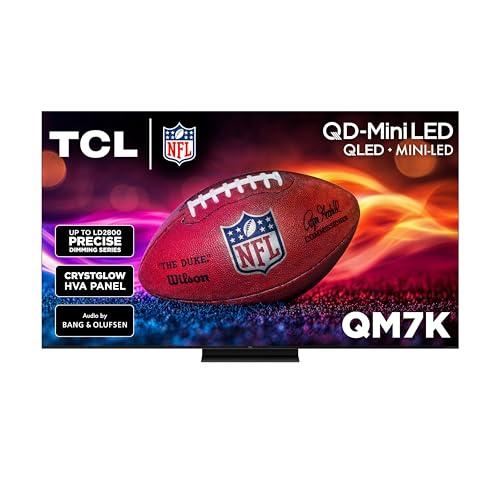
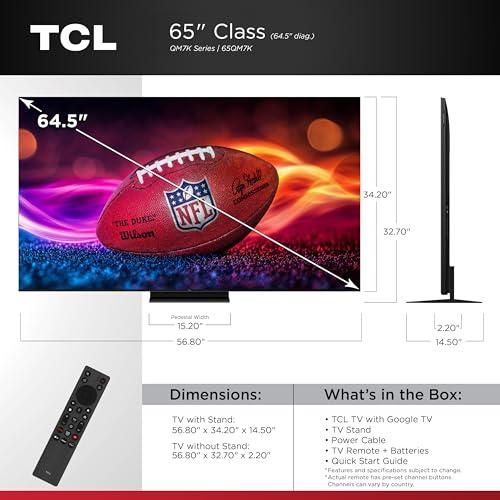

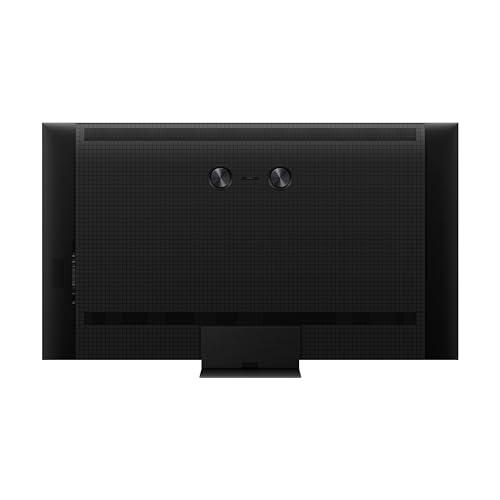
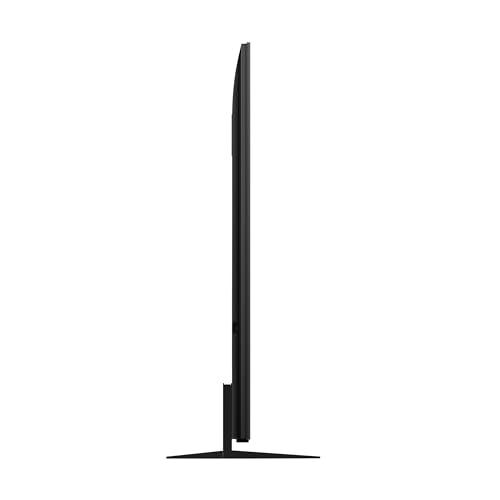
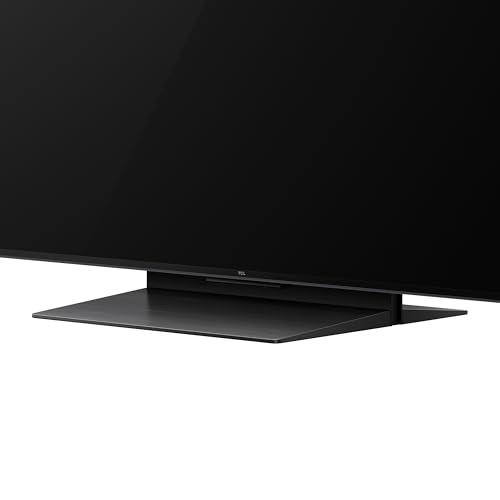
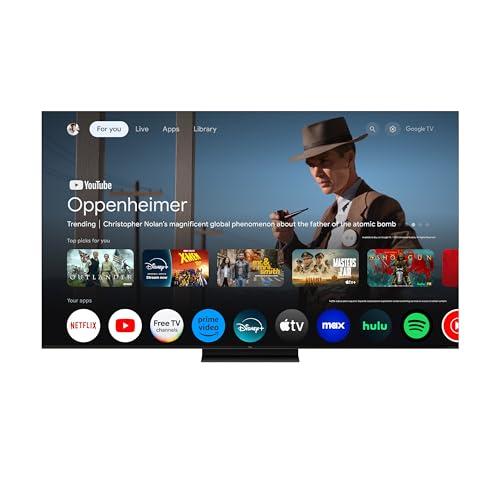
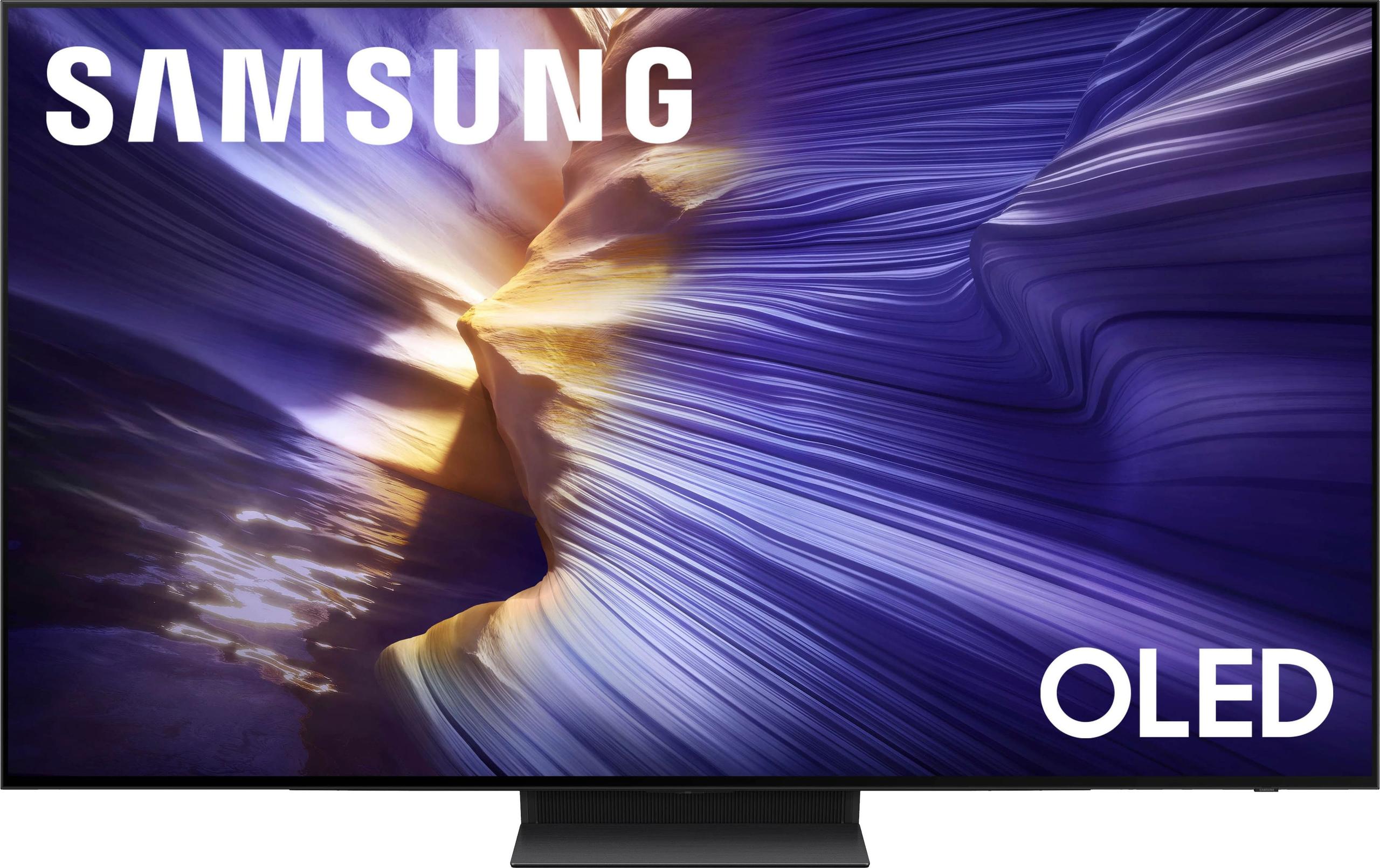
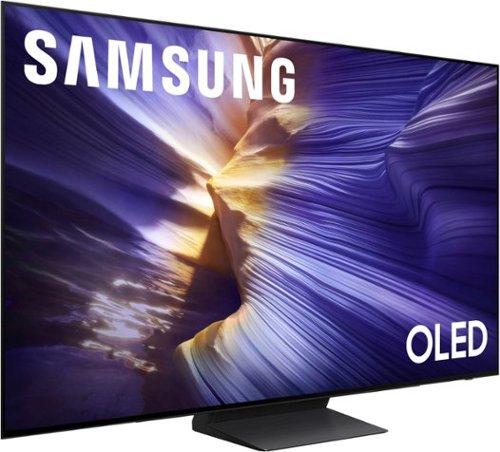
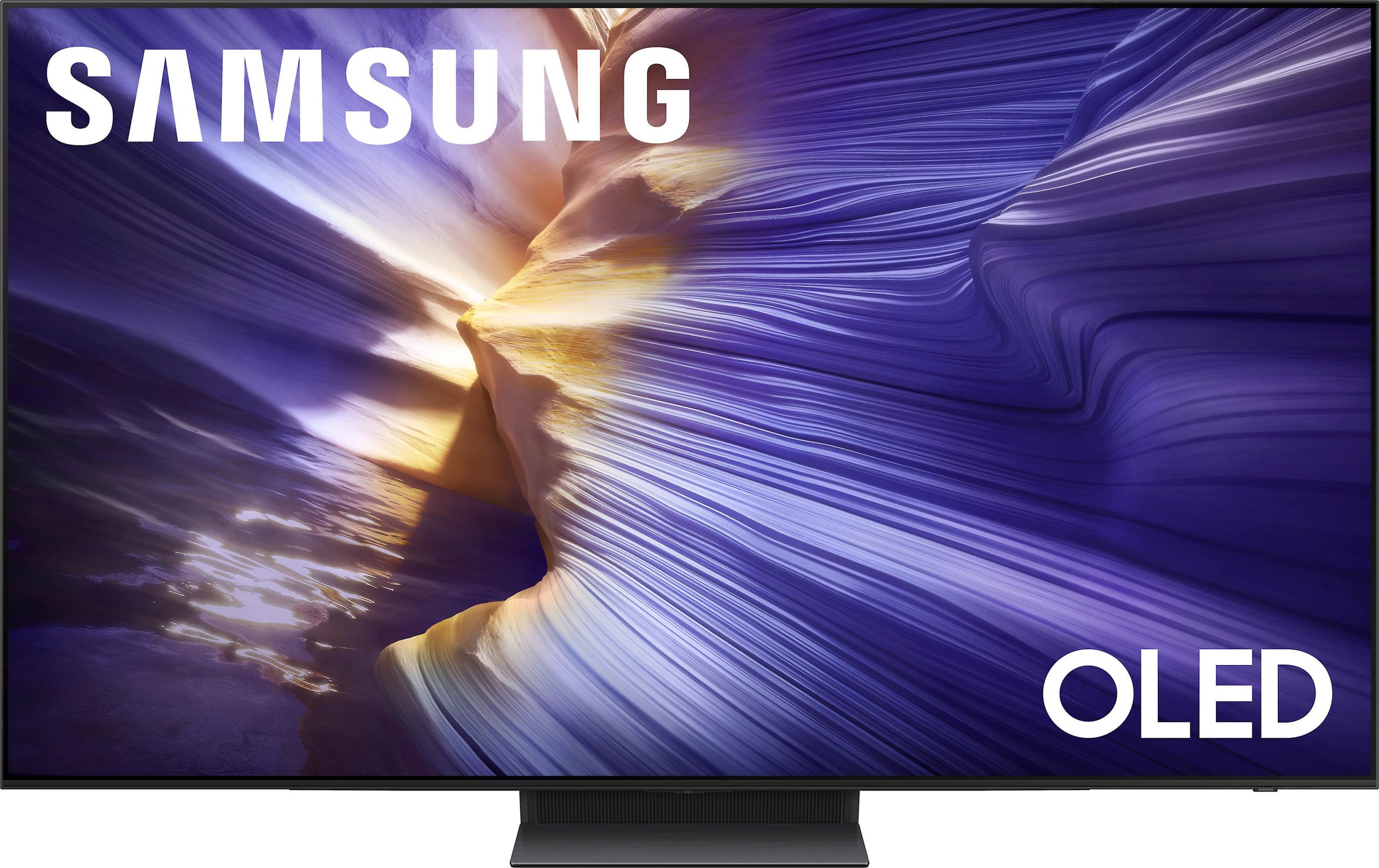
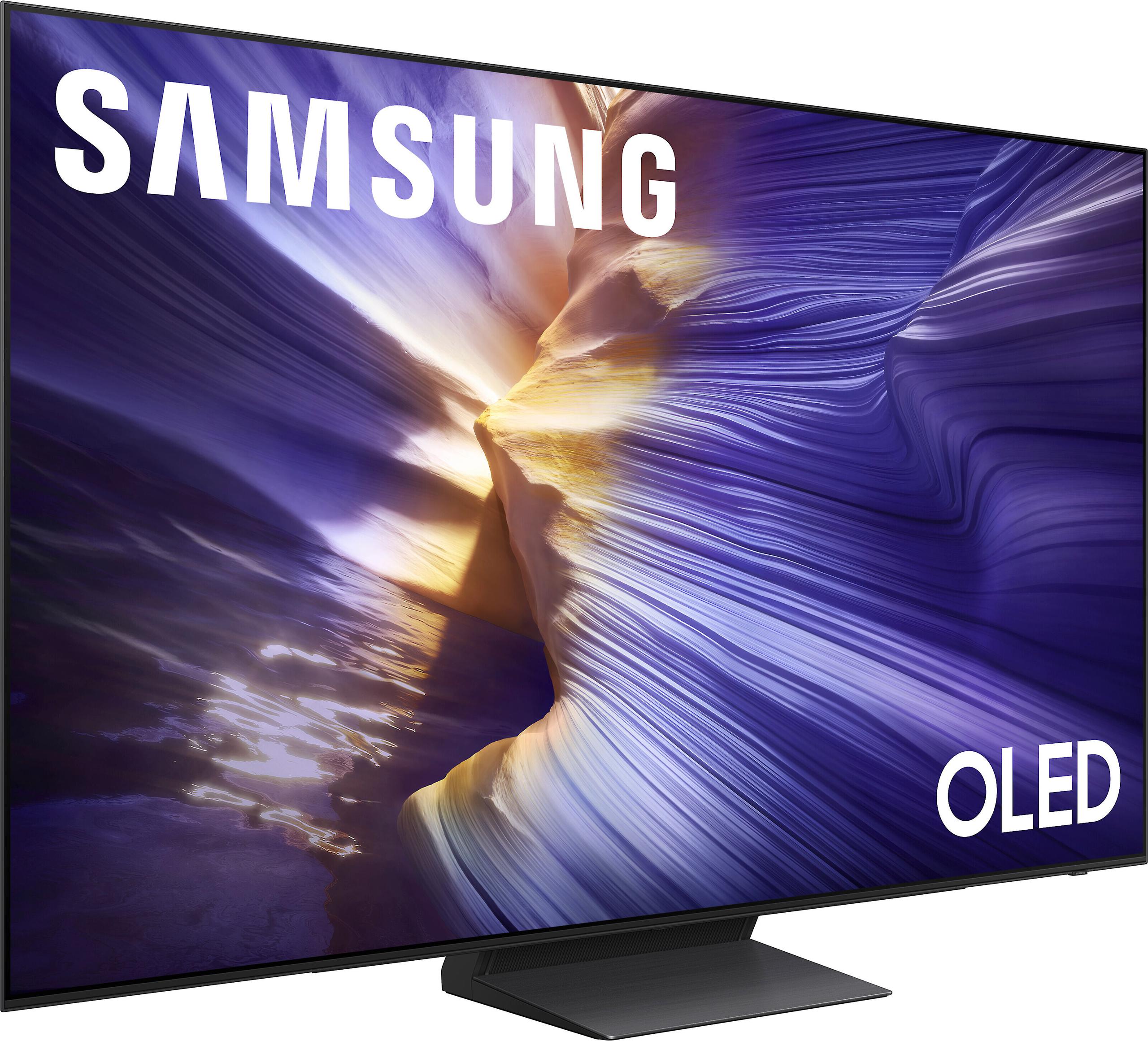
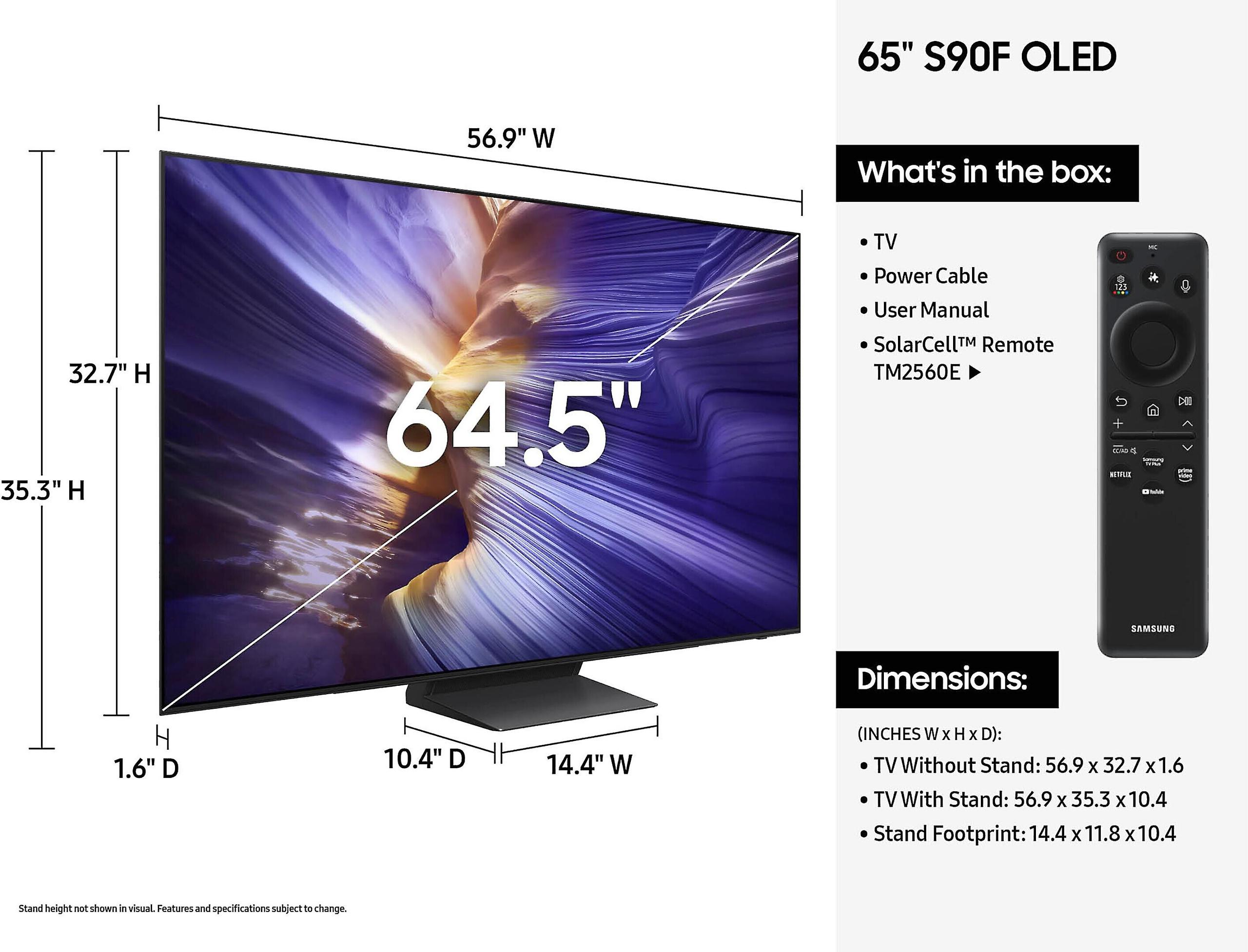

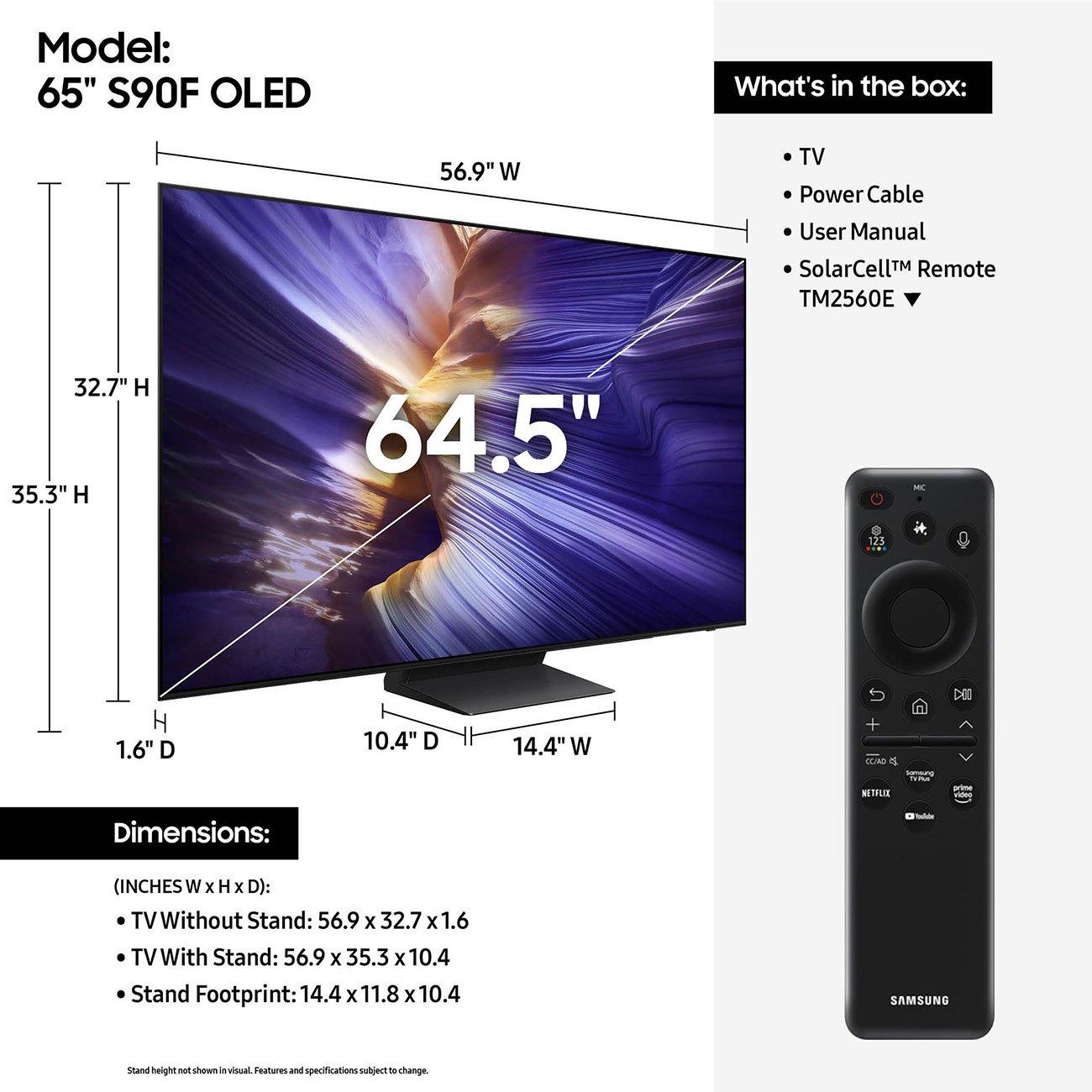
The 65-inch 4K TV market has become incredibly competitive, especially in the premium segment where manufacturers are pushing display technology boundaries while trying to keep prices reasonable. Two standouts that represent different approaches to premium TV design are the TCL 65QM7K QD-Mini LED and the Samsung 65" S90F OLED. Both launched in 2025, these TVs showcase how dramatically display technology has evolved in just the past few years.
What makes this comparison particularly interesting is that these TVs use fundamentally different display technologies to achieve premium performance. The TCL QM7K represents the latest evolution of LCD technology with Mini LED backlighting, while the Samsung S90F uses cutting-edge OLED technology. At the time of writing, both fall into similar price ranges, making the choice between them more about understanding which technology better suits your specific needs rather than simply picking the cheapest option.
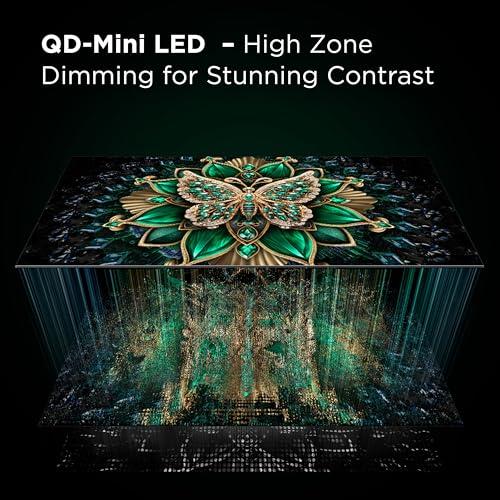
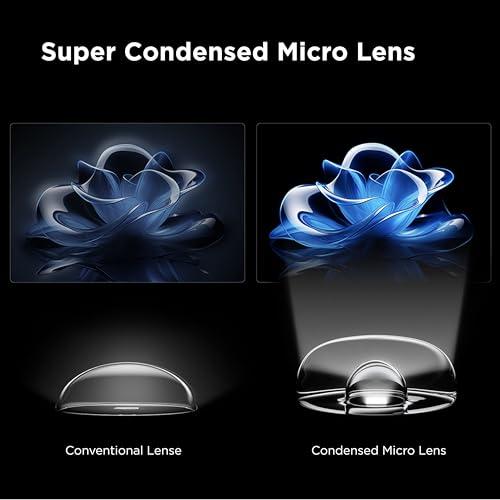
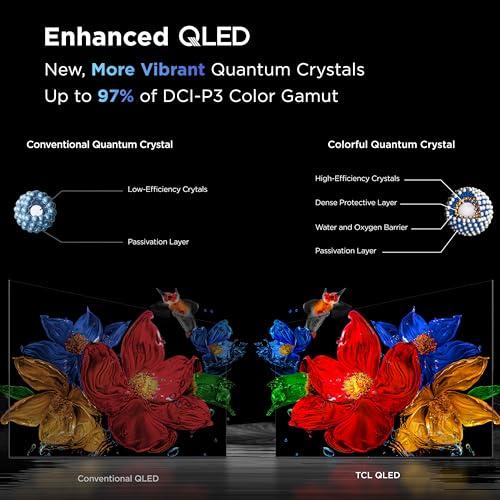
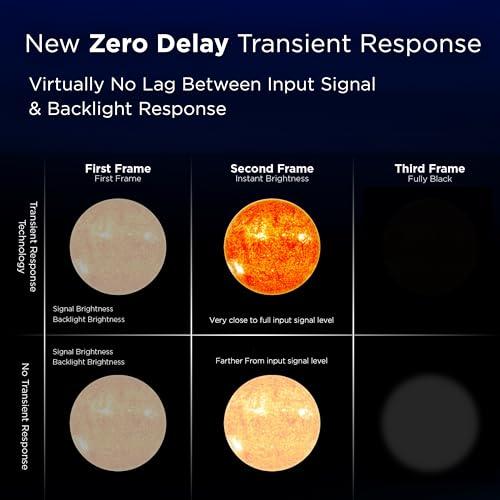
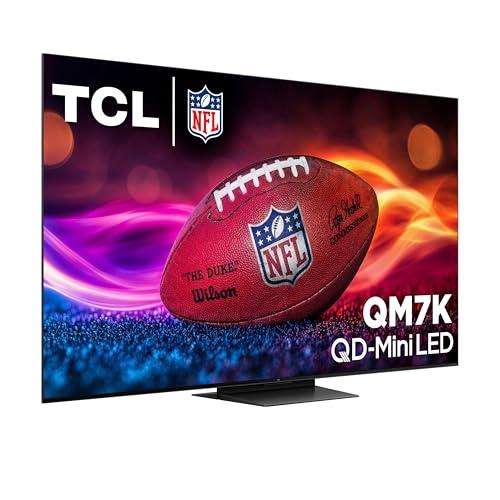
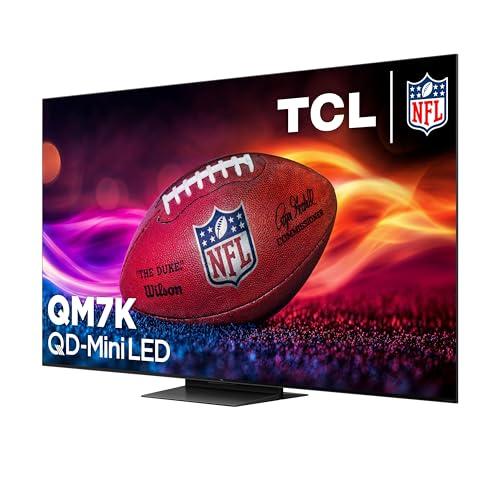
To understand why these TVs perform differently, you need to grasp how their display technologies work. The TCL QM7K uses what's called QD-Mini LED technology—essentially a hybrid approach that combines Mini LED backlighting with Quantum Dot color enhancement. Think of Mini LEDs as thousands of tiny light sources behind the screen that can be controlled independently. The "QD" part refers to Quantum Dots, which are microscopic particles that convert blue LED light into incredibly pure red and green light, resulting in more vibrant colors.
The Samsung S90F, on the other hand, uses QD-OLED technology where each pixel creates its own light. Instead of needing a backlight, every single pixel can turn completely on or off independently. When combined with Quantum Dots for color purity, this creates what many consider the holy grail of display technology.
These fundamental differences create cascading effects throughout every aspect of picture quality, from brightness to contrast to viewing angles. Understanding these differences helps explain why one TV might excel in your bright living room while the other dominates in your basement home theater.
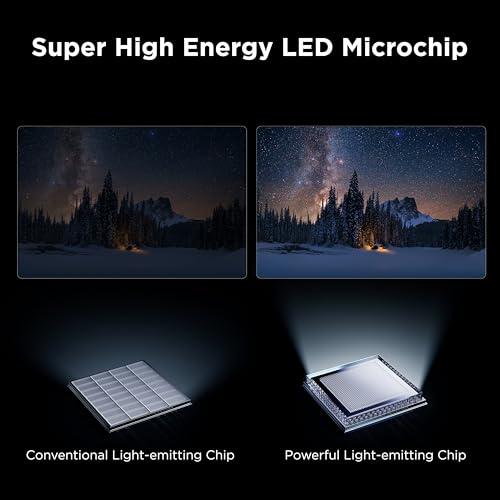
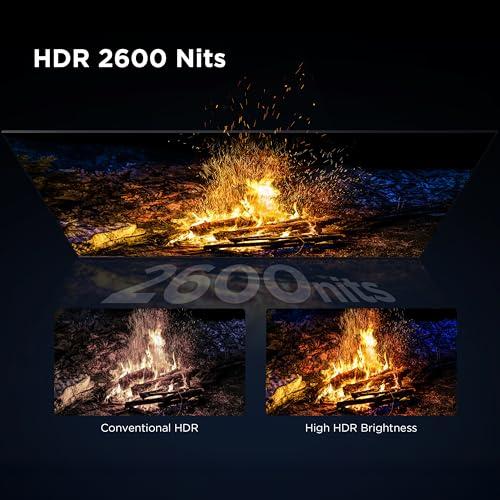
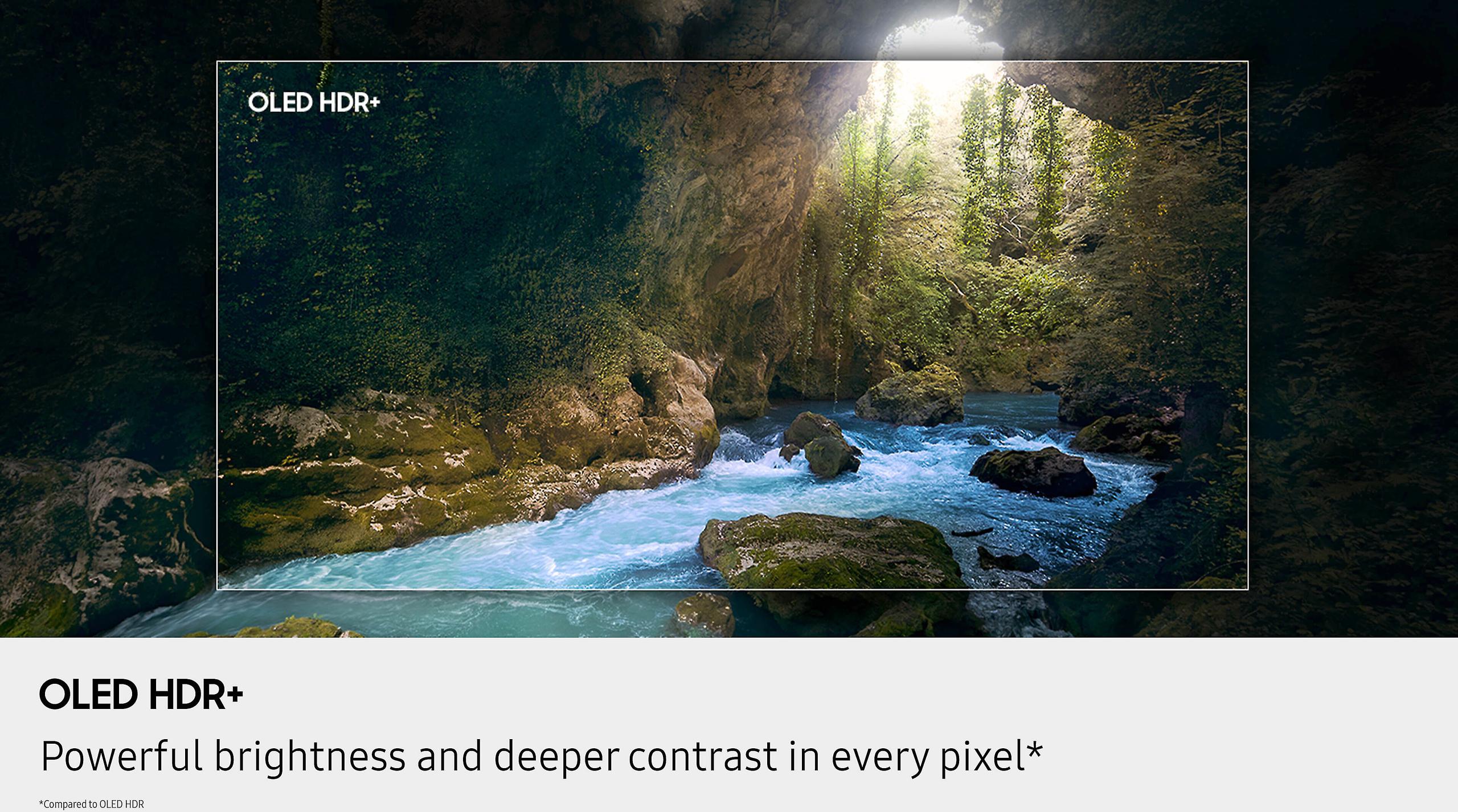
One of the most immediately noticeable differences between these TVs is brightness capability. The TCL QM7K can reach peak brightness levels of 3,000 nits in HDR mode—that's genuinely impressive even by today's premium TV standards. To put this in perspective, most standard TVs max out around 400-600 nits, while even many premium models struggle to exceed 1,500 nits consistently.
The Samsung S90F, being an OLED, typically peaks around 1,000 nits. While this might sound like a disadvantage, it's actually quite good for OLED technology. Earlier OLED TVs were often criticized for being too dim, but Samsung's 2025 improvements have made meaningful progress in brightness while maintaining OLED's other advantages.
Why does brightness matter so much? HDR (High Dynamic Range) content is designed to use these extreme brightness levels to create more realistic images. Think about the difference between looking at a photo of the sun versus actually looking outside on a sunny day—the real world has much more dramatic differences between bright and dark areas. When watching a movie scene with explosions, sunlight reflecting off water, or even something as simple as bright clouds against a blue sky, higher brightness capability means these highlights look more realistic and impactful.
The TCL QM7K absolutely dominates in bright room viewing scenarios. If your TV is in a living room with large windows or lots of ambient lighting, the TCL's superior brightness means you'll actually be able to see the image clearly instead of fighting glare and washed-out colors. The Samsung, while still decent in bright rooms, simply can't compete with the raw light output of Mini LED technology.
However, brightness isn't everything. The Samsung S90F can achieve perfect blacks—when a pixel needs to be black, it simply turns off completely. This creates an infinite contrast ratio that makes dark movie scenes incredibly immersive. The TCL QM7K, despite having 2,500 individual dimming zones (areas where the backlight can be controlled independently), still has some light bleeding through in very dark scenes, though it's minimal and only noticeable in completely dark rooms with challenging content.
Contrast ratio—the difference between the brightest and darkest parts of an image—is where display technologies show their fundamental character. The Samsung S90F achieves what's technically called infinite contrast because its pixels can produce absolutely no light when displaying black. This isn't marketing speak; it's measurably perfect black levels.
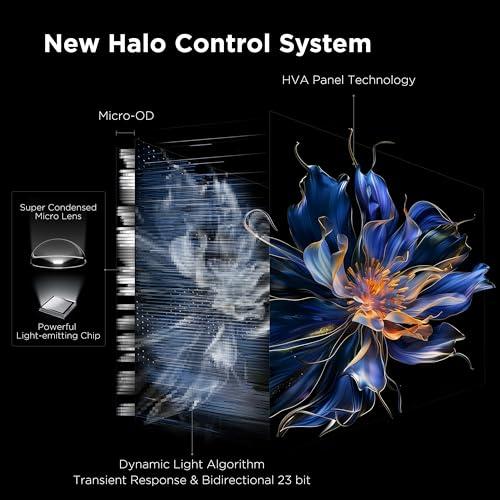
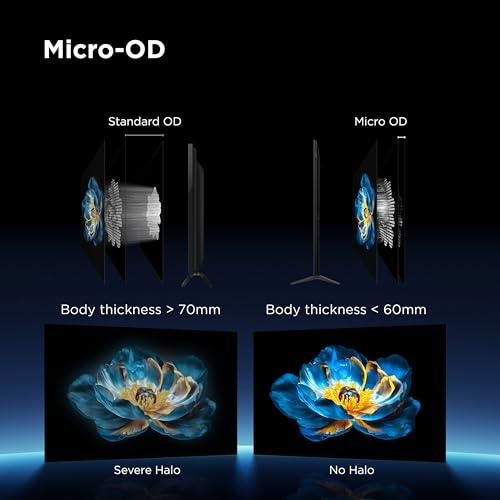
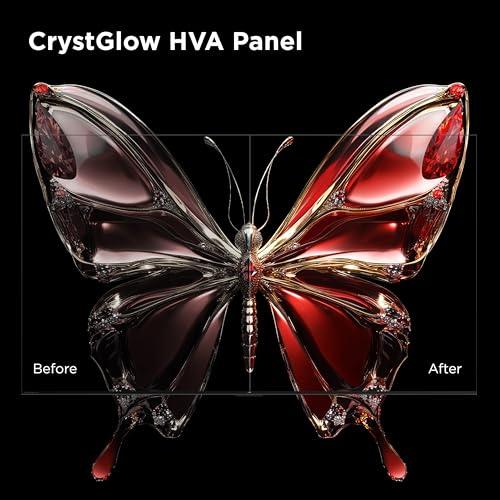
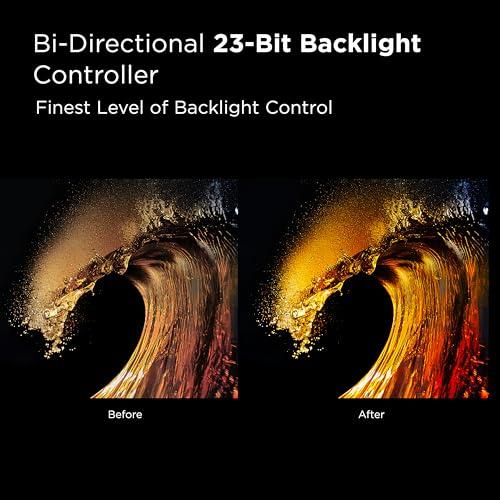
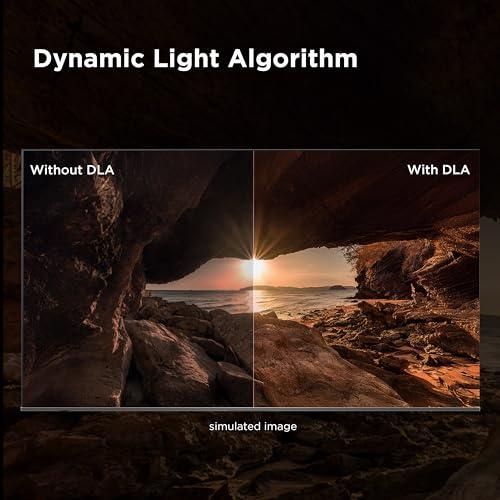
The TCL QM7K uses what TCL calls their Halo Control System and CrystGlow HVA panel technology to minimize light bleeding and achieve deeper blacks than traditional LCD TVs. With 2,500 local dimming zones, the TV can control backlighting very precisely—imagine having 2,500 individual light switches behind your TV that can dim or brighten based on what's happening in each part of the image.
In practical terms, this difference is most noticeable when watching movies with lots of dark scenes—think space movies, horror films, or dramatic thrillers with nighttime scenes. On the Samsung S90F, stars against the black of space truly pop, and shadow details in dark rooms remain visible without the blacks looking gray. The TCL QM7K does an impressive job for LCD technology, but you might notice slight blooming (light halos) around bright objects in very dark scenes.
For most everyday viewing—sports, news, sitcoms, and even many movies—both TVs deliver excellent contrast that will satisfy most viewers. The difference becomes more apparent to critical viewers watching carefully in dark rooms with challenging content.
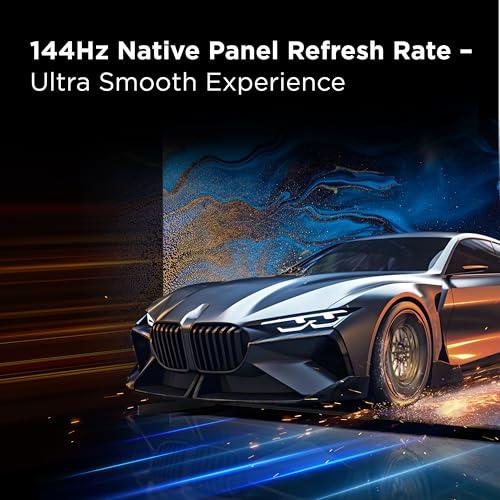
Modern gaming demands have pushed TV manufacturers to prioritize features that were once exclusive to computer monitors. Both the TCL QM7K and Samsung S90F offer native 144Hz refresh rates, which means they can display 144 unique images per second—crucial for smooth motion in fast-paced games.
The TCL QM7K takes gaming seriously with its Game Accelerator technology that can handle up to 288Hz at 1080p resolution. It's also certified for AMD FreeSync Premium Pro, which eliminates screen tearing and stuttering by synchronizing the TV's refresh rate with your gaming device's output. The TV includes two HDMI 2.1 ports that support the full bandwidth needed for 4K gaming at high frame rates.
The Samsung S90F approaches gaming differently, focusing on response time—how quickly pixels can change from one color to another. OLED technology inherently has near-instantaneous pixel response times (around 0.1 milliseconds), which means moving objects in games appear incredibly sharp without motion blur. Samsung's Motion Xcelerator 144Hz technology specifically optimizes this for gaming scenarios.
For competitive gamers, the Samsung's instantaneous pixel response might provide a slight edge in fast-paced shooters or racing games where every millisecond matters. However, the TCL QM7K's higher brightness can make HDR gaming more impactful—explosions, muzzle flashes, and bright environments simply look more dynamic and realistic.
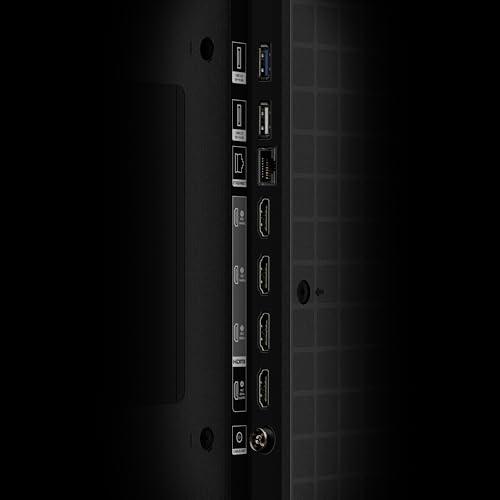
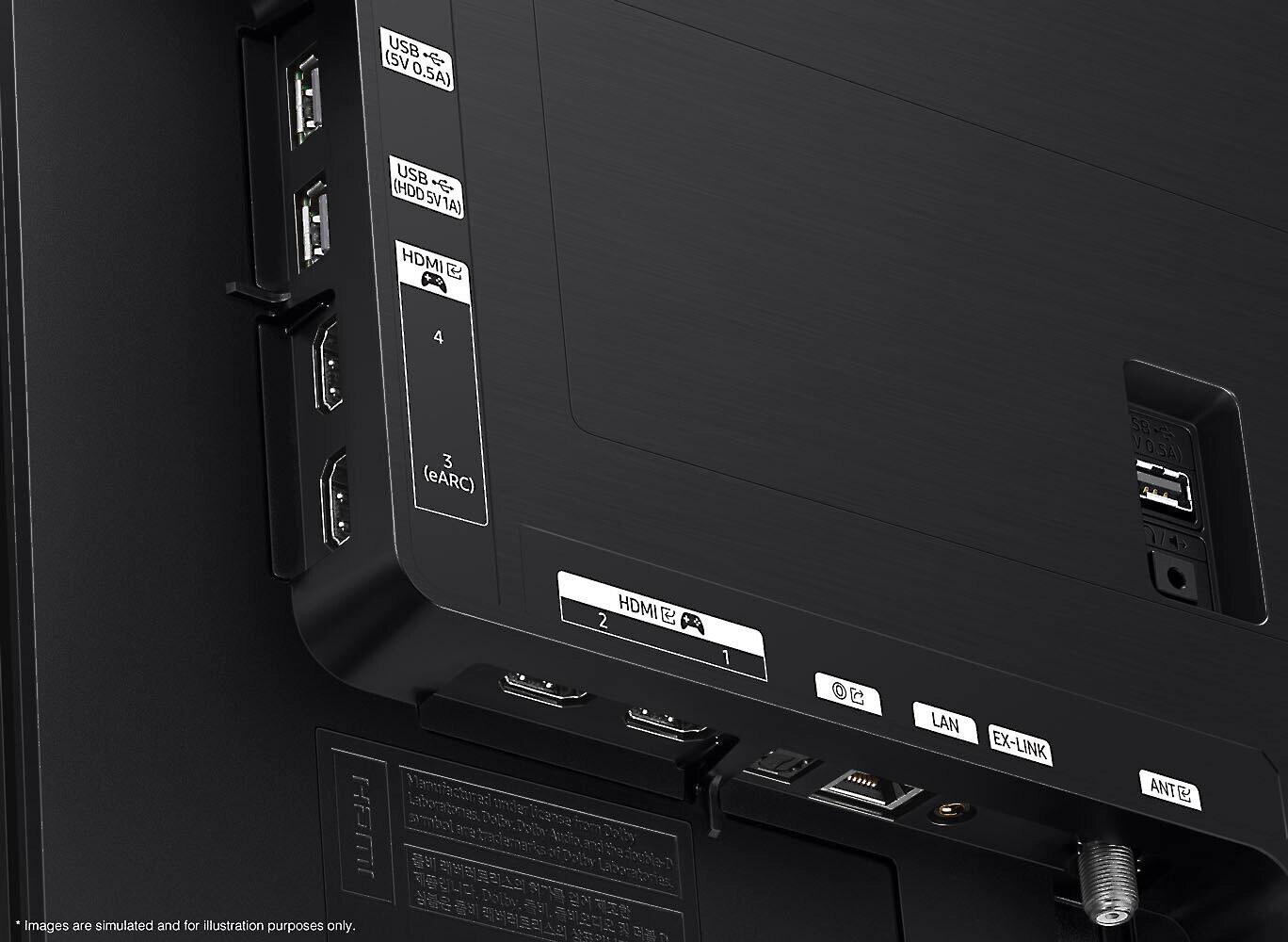
One practical advantage goes to the Samsung S90F: it includes four HDMI 2.1 ports compared to the TCL's two. If you have multiple gaming consoles, a high-end streaming device, and perhaps a gaming PC, those extra ports eliminate the need for HDMI switching.
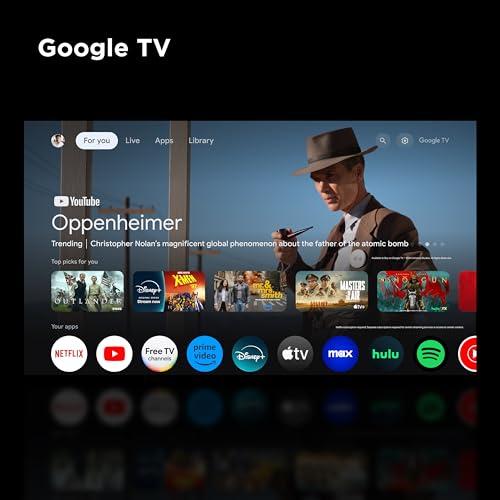
The smart TV platform significantly affects your daily experience, and these TVs take notably different approaches. The TCL QM7K runs Google TV, which has evolved into one of the most user-friendly smart platforms available. It aggregates content recommendations from across your streaming services, making it easier to find something to watch without jumping between apps. The integration with Google Assistant allows for natural voice commands, and if you're already in the Google ecosystem with Android phones or Google smart home devices, everything works together seamlessly.
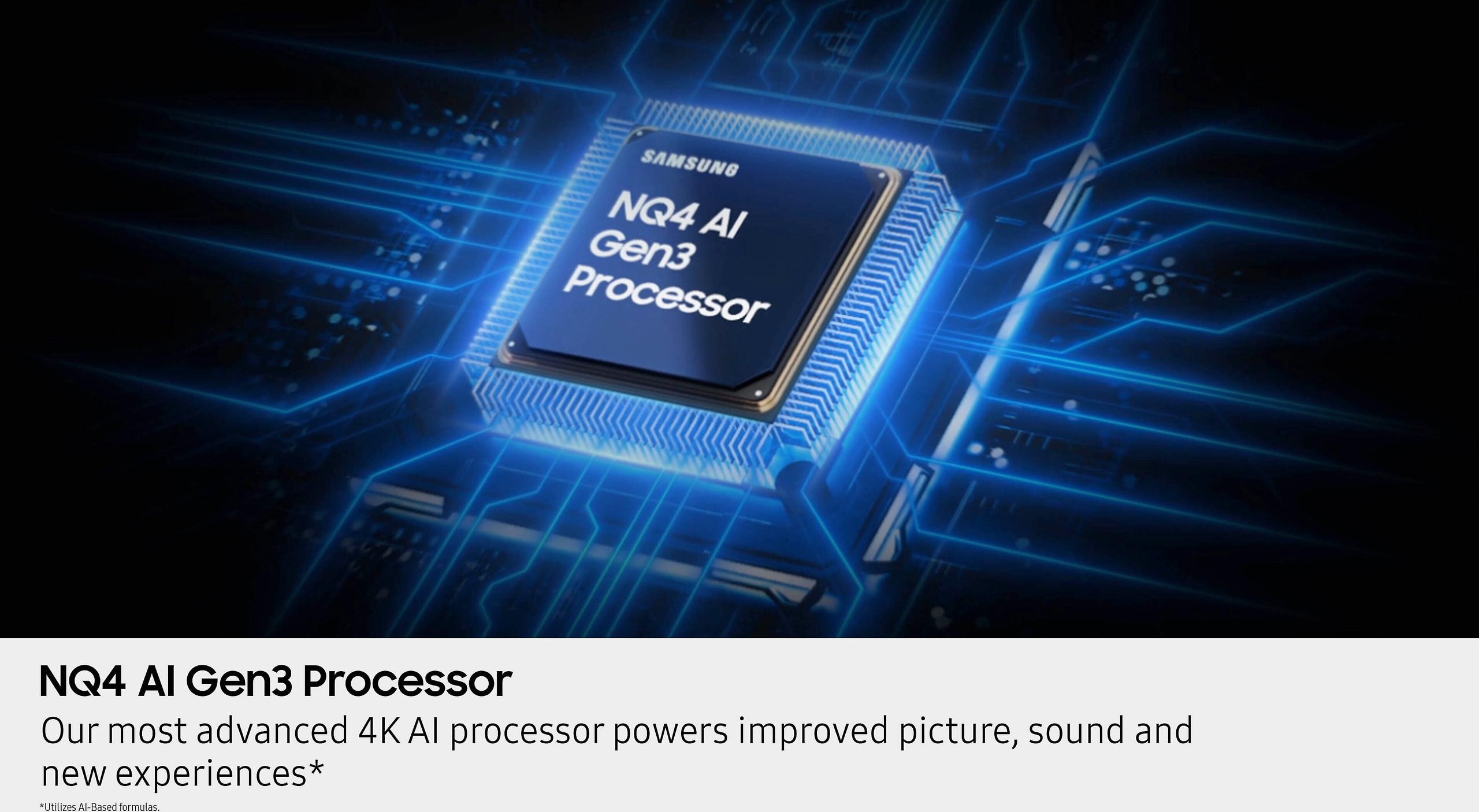
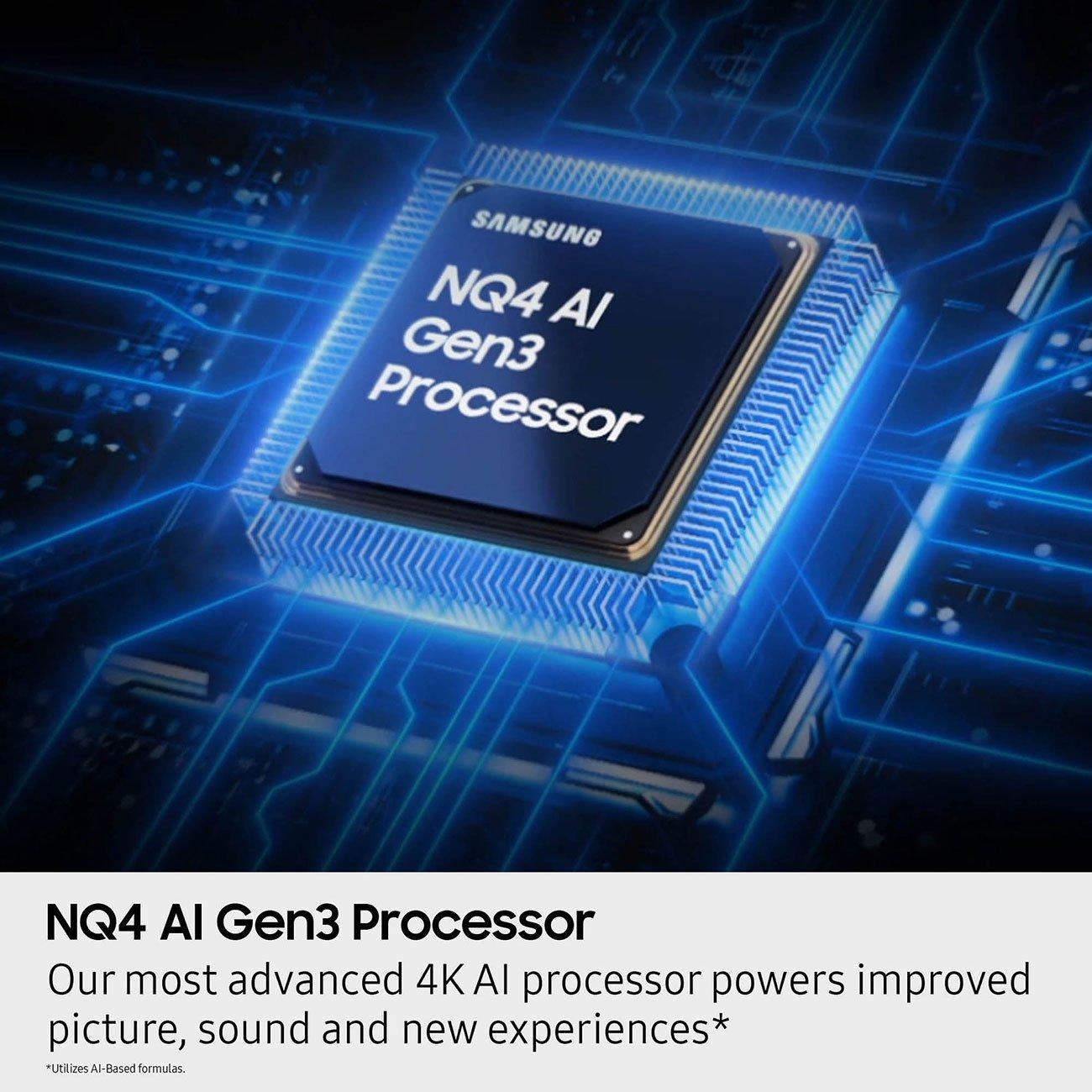
The Samsung S90F uses Samsung's Tizen operating system powered by their NQ4 AI Gen3 processor. Tizen has become increasingly sophisticated, offering features like Auto HDR Remastering that uses AI to enhance standard content to appear more like HDR. Samsung Vision AI can recognize what type of content you're watching and automatically optimize picture and sound settings accordingly.
However, Samsung's platform has become more aggressive with advertising and promotional content over the years, which can feel intrusive during daily use. Google TV generally offers a cleaner, less commercial experience while still providing excellent content discovery.
Both platforms support all major streaming services, but Google TV's cross-platform recommendations tend to be more helpful for discovering new content across different services you subscribe to.
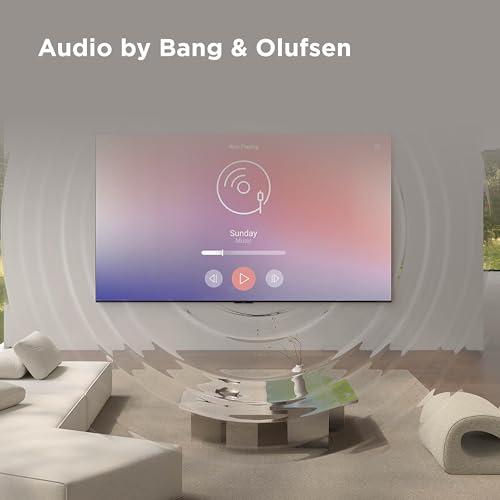
TV audio often gets overlooked until you're actually using the TV daily. The TCL QM7K includes a partnership with Bang & Olufsen, resulting in a 60W audio system that punches above its weight. The implementation of Dolby Atmos creates a sense of height and spatial audio that works surprisingly well for built-in TV speakers.
The Samsung S90F features Adaptive Sound Pro technology that uses AI to analyze both the content you're watching and your room's acoustics, then adjusts audio accordingly. In practice, this means dialogue stays clear during action scenes, and the TV can somewhat compensate for different room layouts.
While both TVs offer decent audio, neither replaces a dedicated sound system for serious home theater use. However, if you're not planning to add a soundbar immediately, the TCL QM7K provides more impactful sound out of the box, especially for action content and sports.
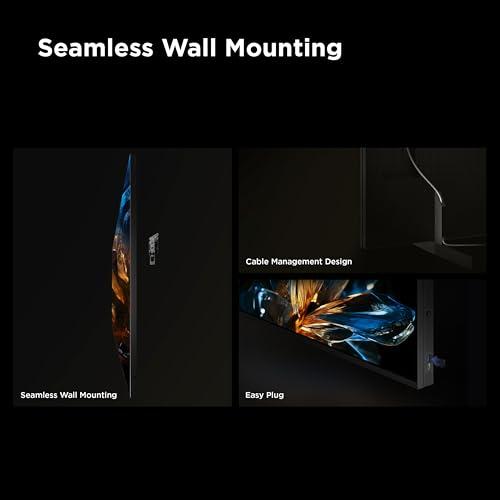
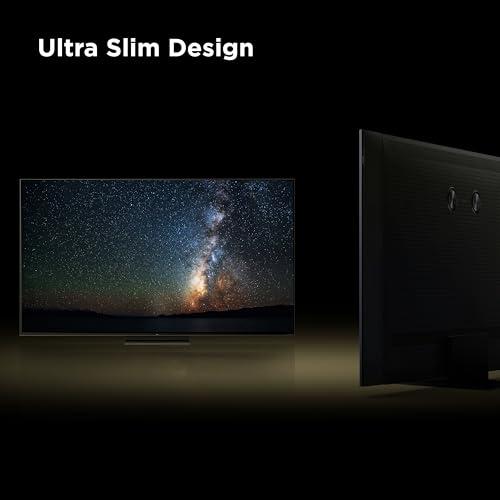
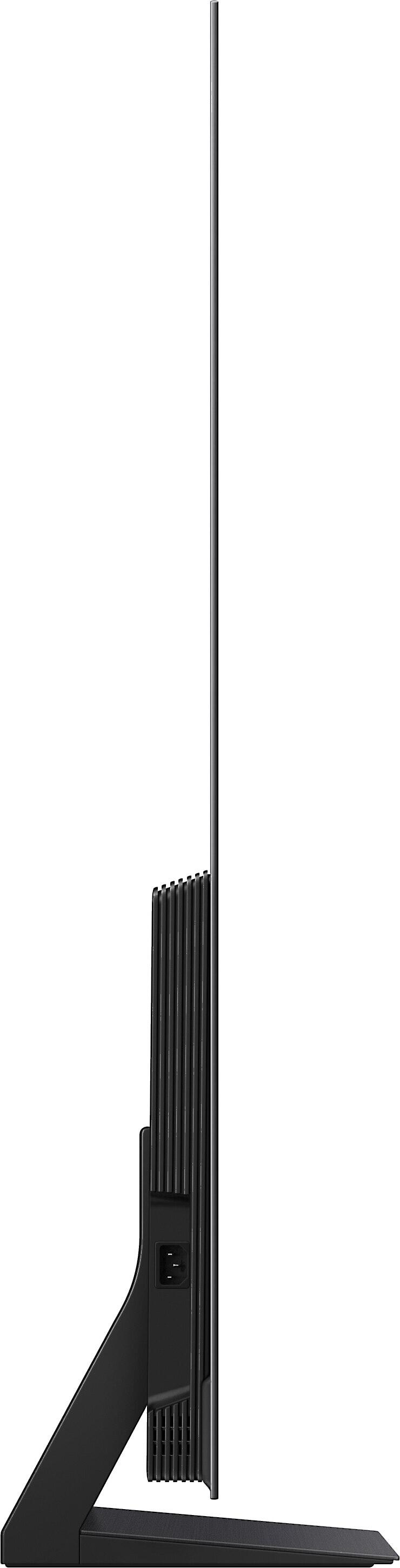
The Samsung S90F showcases the aesthetic advantages of OLED technology—it's incredibly thin, creating an almost floating appearance when wall-mounted. The build quality feels premium with high-quality materials and thoughtful cable management solutions.
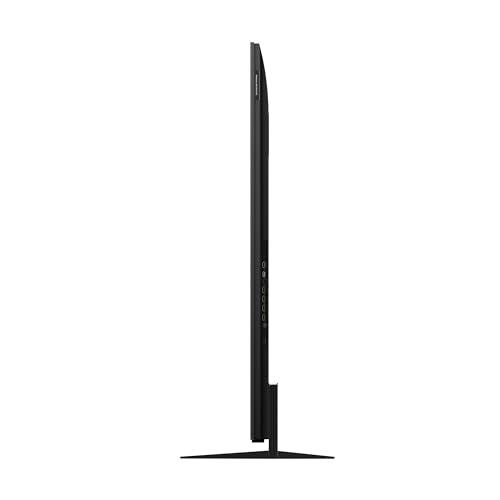
The TCL QM7K, despite using thicker Mini LED technology, still manages an impressively slim profile. TCL's engineering includes anti-glare coating and what they call nanoscale film-layer construction that reduces reflections—particularly helpful in bright rooms where glare can be problematic.
From a durability standpoint, the TCL QM7K has an inherent advantage: Mini LED technology doesn't suffer from burn-in concerns that can affect OLED displays. While modern OLEDs like the Samsung S90F include extensive burn-in protection features, the theoretical risk remains for users who frequently display static content like news tickers or gaming HUDs.
Your room's characteristics significantly impact which TV will perform better. The TCL QM7K excels in bright environments—living rooms with large windows, spaces with lots of ambient lighting, or rooms where you can't easily control lighting conditions. Its high brightness output means colors remain vibrant and details stay visible even with significant ambient light.
The Samsung S90F maintains excellent viewing angles, meaning colors and contrast remain consistent even when viewed from the side. This makes it ideal for wide seating arrangements where family members might be watching from various positions. The TCL's performance degrades more noticeably when viewed off-axis, though this is typical for LCD-based technology.
For dedicated home theater environments—basements, media rooms, or any space where you can control lighting—the Samsung S90F's perfect blacks and infinite contrast create a more cinematic experience. Dark movie scenes have incredible depth, and the overall image has a quality that's immediately recognizable to anyone familiar with premium displays.
At the time of writing, both TVs occupy similar price segments, making value comparison about performance rather than pure cost savings. The TCL QM7K delivers measurable brightness performance that typically requires spending significantly more on competing brands. You're getting flagship-level HDR performance at what amounts to upper-midrange pricing.
The Samsung S90F represents excellent value in the OLED category, offering premium display technology with advanced AI processing at competitive pricing. Samsung's track record for long-term software support and the maturity of their smart platform add value beyond the initial purchase.
The decision between these TVs should be driven primarily by your viewing environment and priorities. Choose the TCL QM7K if your TV will be in a bright room, if you frequently watch HDR content during daytime hours, if you want maximum brightness impact for sports and action content, or if you prefer Google TV's interface and ecosystem integration.
Choose the Samsung S90F if you have a dedicated viewing room with controlled lighting, if you prioritize perfect blacks for cinematic content, if you need multiple HDMI 2.1 ports for various devices, if you watch primarily in the evening with dimmed lights, or if you value the premium OLED experience and Samsung's brand reputation.
Both represent excellent choices in the premium TV category, but they excel in different scenarios. The TCL QM7K brings flagship brightness performance to a broader audience, while the Samsung S90F delivers the premium OLED experience with modern AI enhancements. Your room, viewing habits, and priorities should guide the decision—both will deliver impressive performance in their optimal environments.
| TCL 65QM7K QD-Mini LED | Samsung 65" S90F OLED |
|---|---|
| Display Technology - Fundamental difference affecting all picture quality aspects | |
| QD-Mini LED with 2,500 local dimming zones | QD-OLED with self-illuminating pixels |
| Peak Brightness - Critical for HDR impact and bright room viewing | |
| 3,000 nits (exceptional for HDR highlights) | ~1,000 nits (good for OLED, adequate for most content) |
| Black Levels - Determines contrast and dark scene detail | |
| Very good blacks with minimal blooming | Perfect blacks with infinite contrast ratio |
| Refresh Rate - Important for gaming and sports | |
| 144Hz native, up to 288Hz at 1080p | 144Hz native with Motion Xcelerator |
| Gaming Features - Essential for console and PC gaming | |
| AMD FreeSync Premium Pro, 2 HDMI 2.1 ports | Near-instant pixel response, 4 HDMI 2.1 ports |
| Smart Platform - Daily user experience and interface quality | |
| Google TV with hands-free voice control | Tizen OS with Samsung Vision AI and NQ4 AI Gen3 processor |
| Audio System - Built-in sound quality without external speakers | |
| Bang & Olufsen 60W with Dolby Atmos | Adaptive Sound Pro with AI optimization |
| Viewing Angles - Performance when not sitting directly in front | |
| Good center viewing, degrades off-axis (typical LCD) | Excellent from all angles with consistent colors |
| Burn-in Risk - Long-term durability consideration | |
| Zero burn-in risk with LED technology | Theoretical OLED burn-in risk (well-protected in modern sets) |
| Best Use Case - Optimal viewing environment | |
| Bright rooms, HDR content, sports viewing | Dark rooms, movies, wide seating arrangements |
| Processor and AI Features - Content enhancement and upscaling quality | |
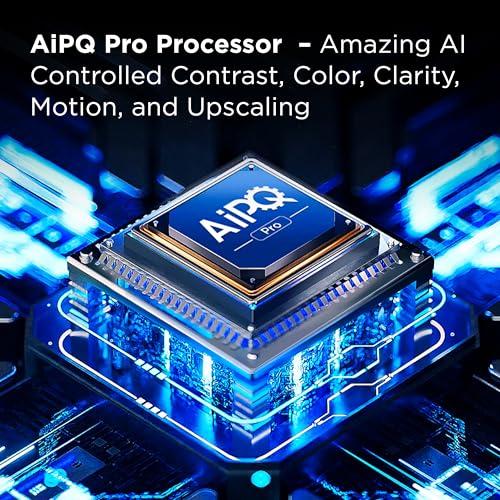
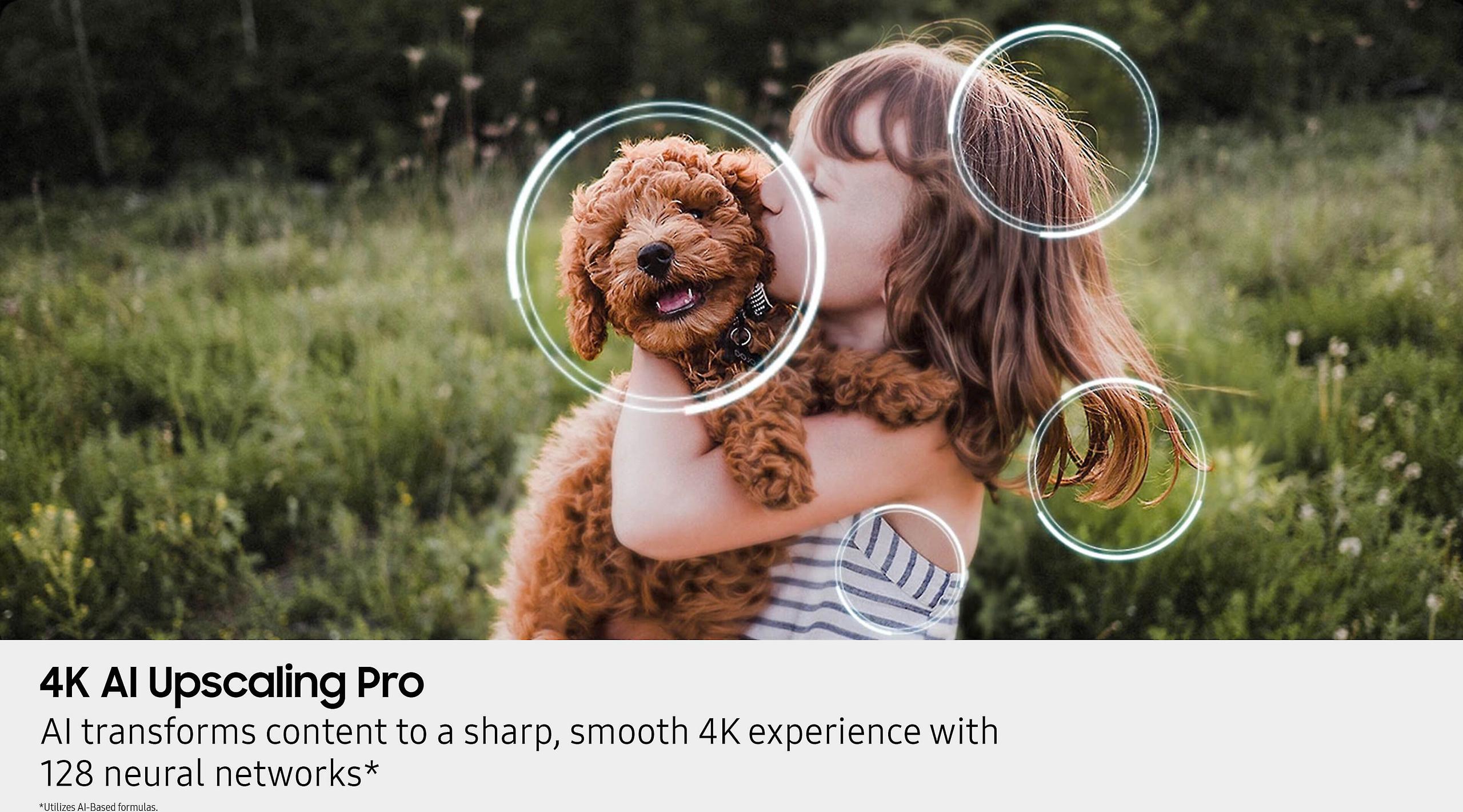
| TCL AiPQ Pro with AI 4K upscaling | Samsung NQ4 AI Gen3 with Auto HDR Remastering |
The TCL 65QM7K is significantly better for bright rooms due to its 3,000 nits peak brightness capability. The QD-Mini LED technology can overpower ambient light and maintain vibrant colors even with windows and room lighting. The Samsung S90F reaches about 1,000 nits, which is good for OLED but can struggle in very bright environments where colors may appear washed out.
The TCL QM7K uses QD-Mini LED technology, which combines thousands of tiny LED backlights with quantum dots for enhanced brightness and color. The Samsung S90F uses OLED technology where each pixel creates its own light and can turn completely off for perfect blacks. Mini LED excels in brightness, while OLED delivers superior contrast and black levels.
Both TVs offer excellent gaming with 144Hz refresh rates and low input lag. The TCL QM7K features AMD FreeSync Premium Pro and can reach 288Hz at 1080p, making it great for competitive gaming. The Samsung S90F has near-instantaneous pixel response times and four HDMI 2.1 ports compared to the TCL's two, making it better for multiple gaming devices.
For home theaters with controlled lighting, the Samsung S90F is typically preferred due to its perfect blacks and infinite contrast ratio, creating a more cinematic experience. The TCL QM7K works well in home theaters too, especially if you want maximum HDR brightness impact for action movies and sports content.
The TCL QM7K runs Google TV, which offers clean content recommendations across streaming services and seamless Google ecosystem integration. The Samsung S90F uses Tizen with advanced AI features like Auto HDR Remastering, but includes more advertising. Google TV generally provides a less cluttered, more user-friendly experience.
Yes, there are noticeable differences. The Samsung S90F delivers deeper blacks and better contrast in dark scenes, while the TCL QM7K produces much brighter, more impactful HDR highlights. In bright rooms, the TCL maintains better color vibrancy, while the Samsung excels in dark room viewing with superior shadow detail.
For movie watching, it depends on your environment. The Samsung S90F is typically better for dedicated movie viewing in dark rooms due to its perfect blacks and cinematic contrast. The TCL QM7K is better for daytime movie watching or bright rooms where its superior brightness maintains image quality against ambient light.
The Samsung S90F maintains excellent picture quality from wide viewing angles with consistent colors and contrast - ideal for family rooms with varied seating. The TCL QM7K shows more color and contrast degradation when viewed from the sides, which is typical for LCD-based displays but still acceptable for most viewing situations.
The TCL QM7K has a partnership with Bang & Olufsen and delivers 60W of power with Dolby Atmos support, providing more impactful sound for action content. The Samsung S90F features Adaptive Sound Pro with AI optimization for clear dialogue and room compensation. Both are decent but most users will want to add a soundbar for serious home theater use.
The TCL QM7K has zero burn-in risk since it uses LED backlighting technology. The Samsung S90F has theoretical OLED burn-in risk, though modern Samsung OLEDs include extensive protection features like pixel shifting and logo detection that make burn-in very unlikely with normal viewing habits.
Both TVs offer strong value in their respective categories. The TCL QM7K delivers flagship-level brightness performance typically found in much more expensive TVs, making it excellent value for bright room viewing and HDR content. The Samsung S90F provides premium OLED technology with advanced AI processing at competitive OLED pricing.
Both handle motion well but differently. The Samsung S90F has near-instantaneous pixel response times that eliminate motion blur, making fast action incredibly sharp. The TCL QM7K uses effective motion processing and its higher brightness makes sports and action content more dynamic and impactful, especially during daytime viewing.
We've done our best to create useful and informative comparisons to help you decide what product to buy. Our research uses advanced automated methods to create this comparison and perfection is not possible - please contact us for corrections or questions. These are the sites we've researched in the creation of this article: bestbuy.com - businessinsider.com - tomsguide.com - tomsguide.com - rtings.com - tomsguide.com - youtube.com - rtings.com - consumerreports.org - youtube.com - youtube.com - displayspecifications.com - youtube.com - tcl.com - tcl.com - tcl.com - youtube.com - rcwilley.com - bestbuy.com - tclcentral.com - displayspecifications.com - tomsguide.com - tcl.com - brandsmartusa.com - tcl.com - tcl.com - gizmochina.com - nfm.com - dolby.com - alexraytv.com - youtube.com - t3.com - rtings.com - bestbuy.com - stereonet.com - samsung.com - bestbuy.com - flatpanelshd.com - myallsouth.com - pcrichard.com - samsung.com - bestbuy.com - samsung.com - samsung.com - samsung.com

Privacy Policy
Terms and Conditions - Affiliate Policy
Home Security
© Copyright 2008-2026.
11816 Inwood Rd #1211, Dallas, TX 75244