

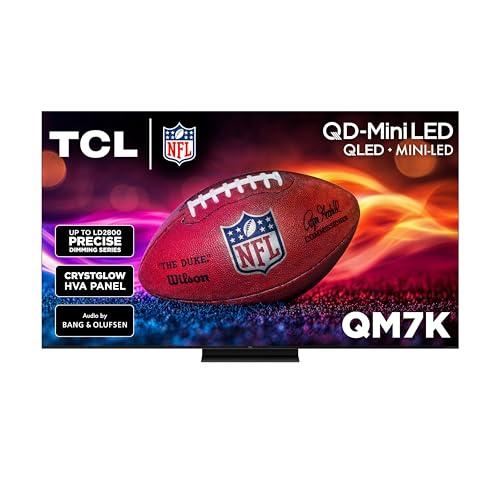
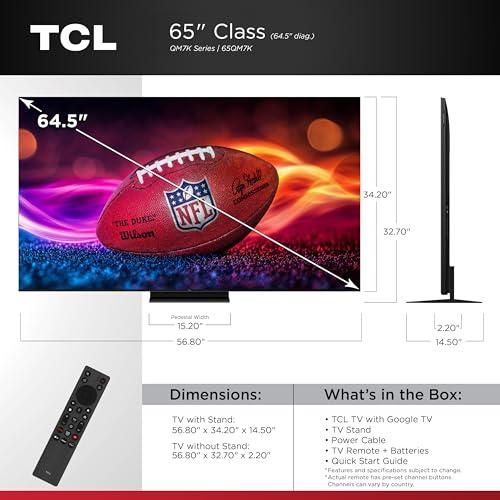
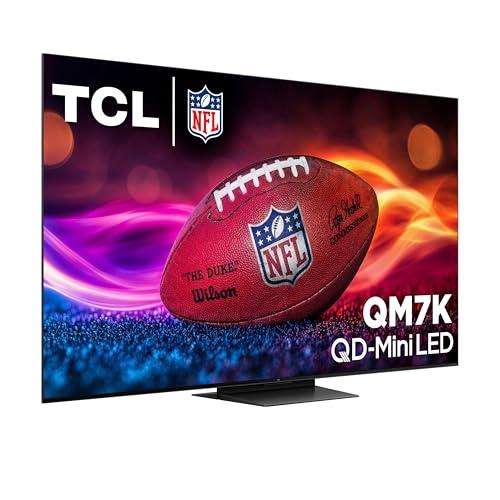
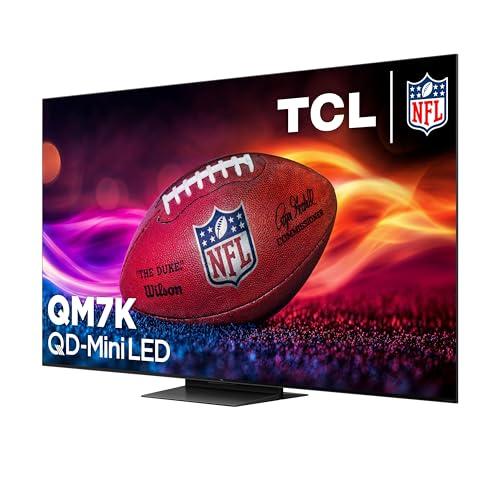
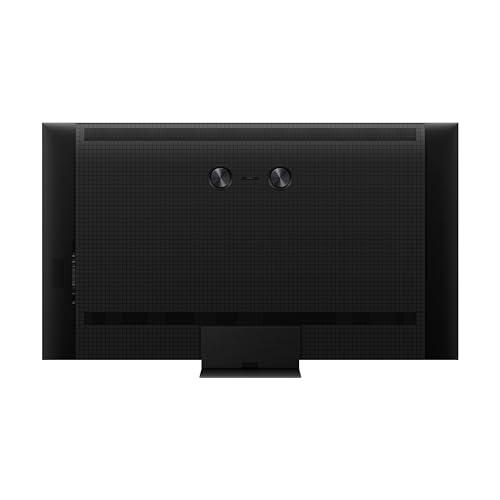
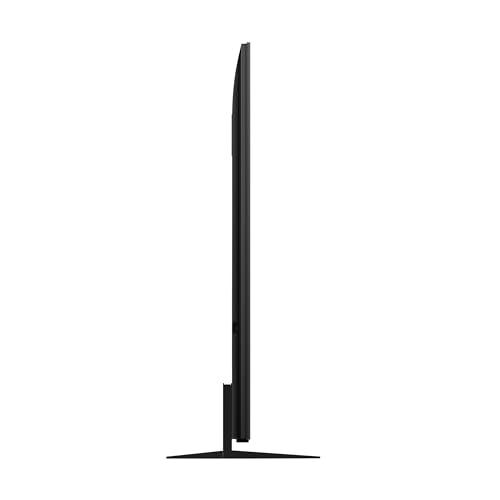
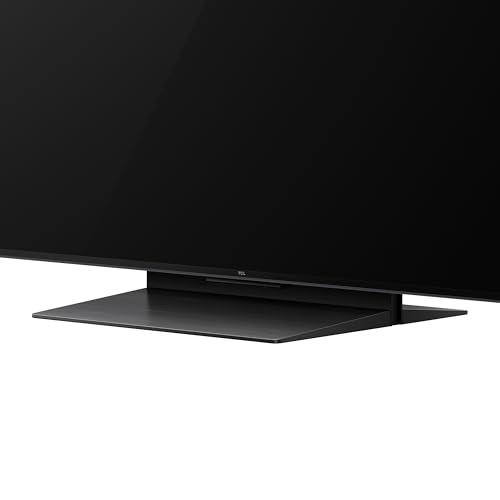
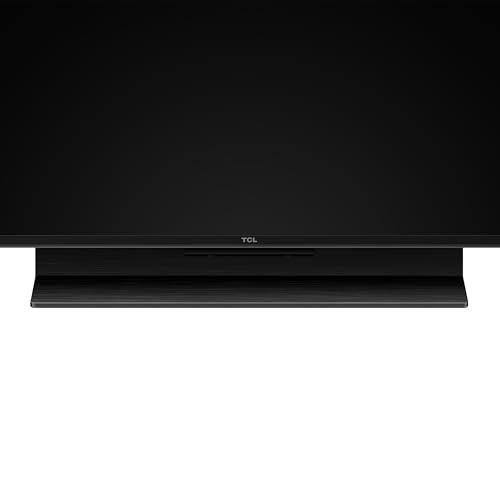
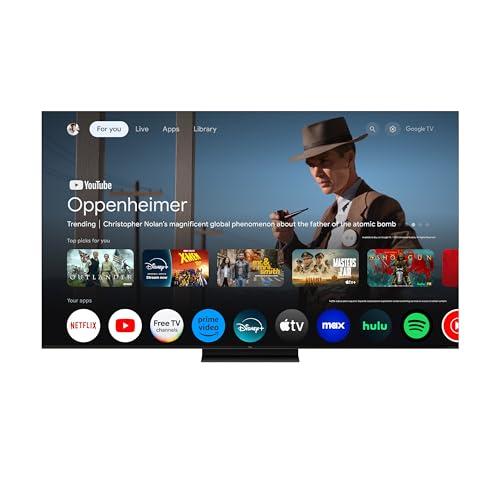
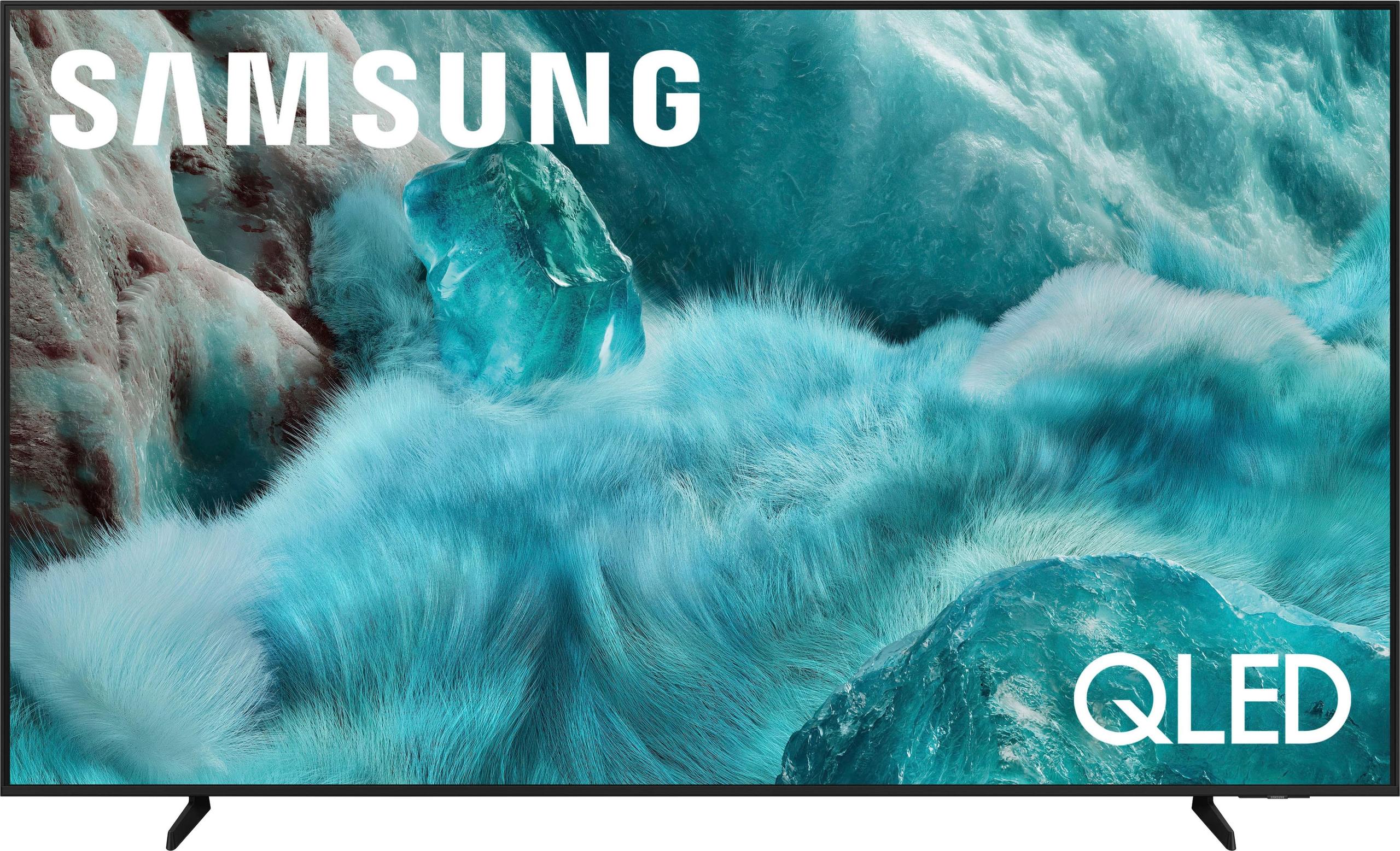

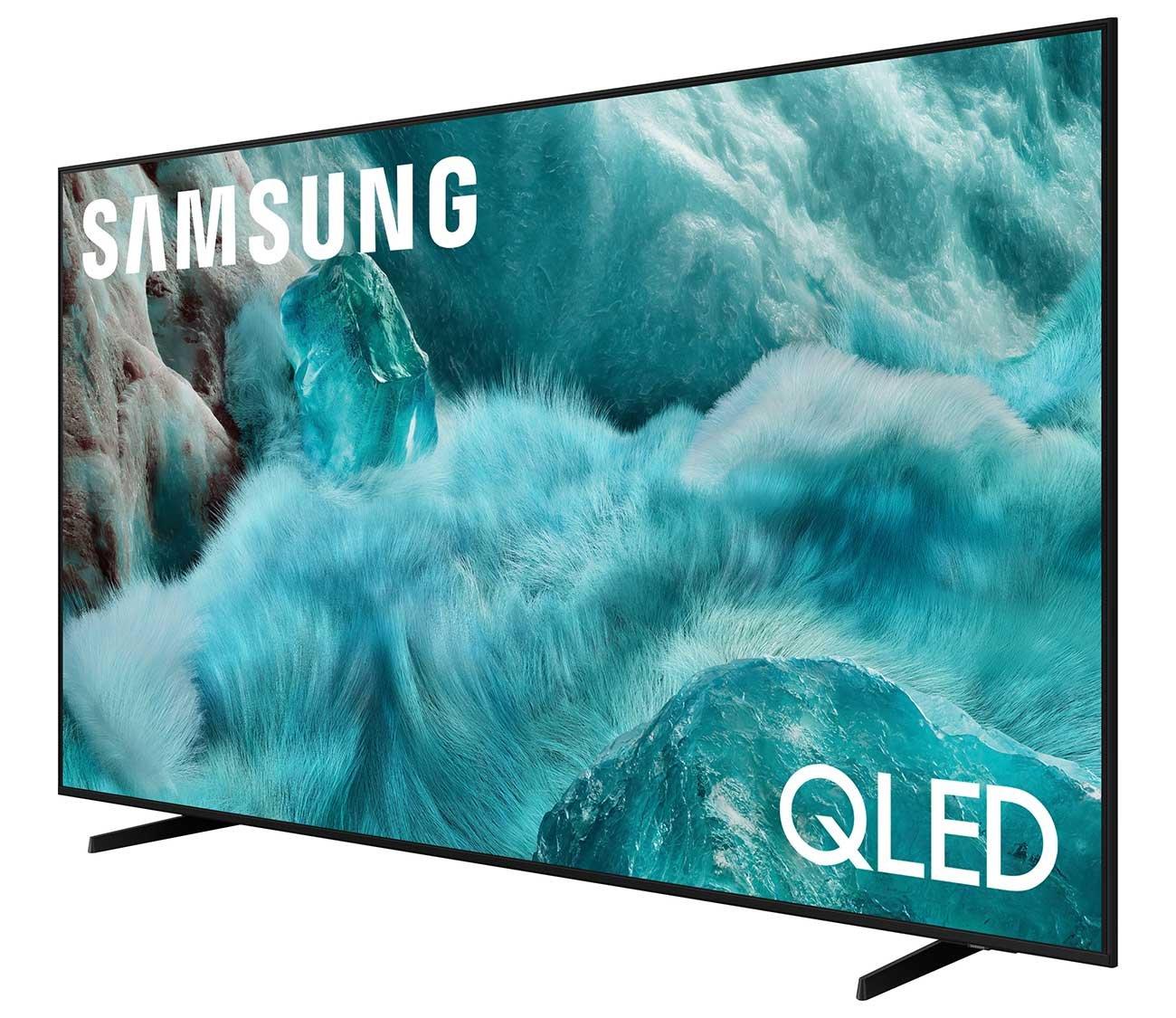
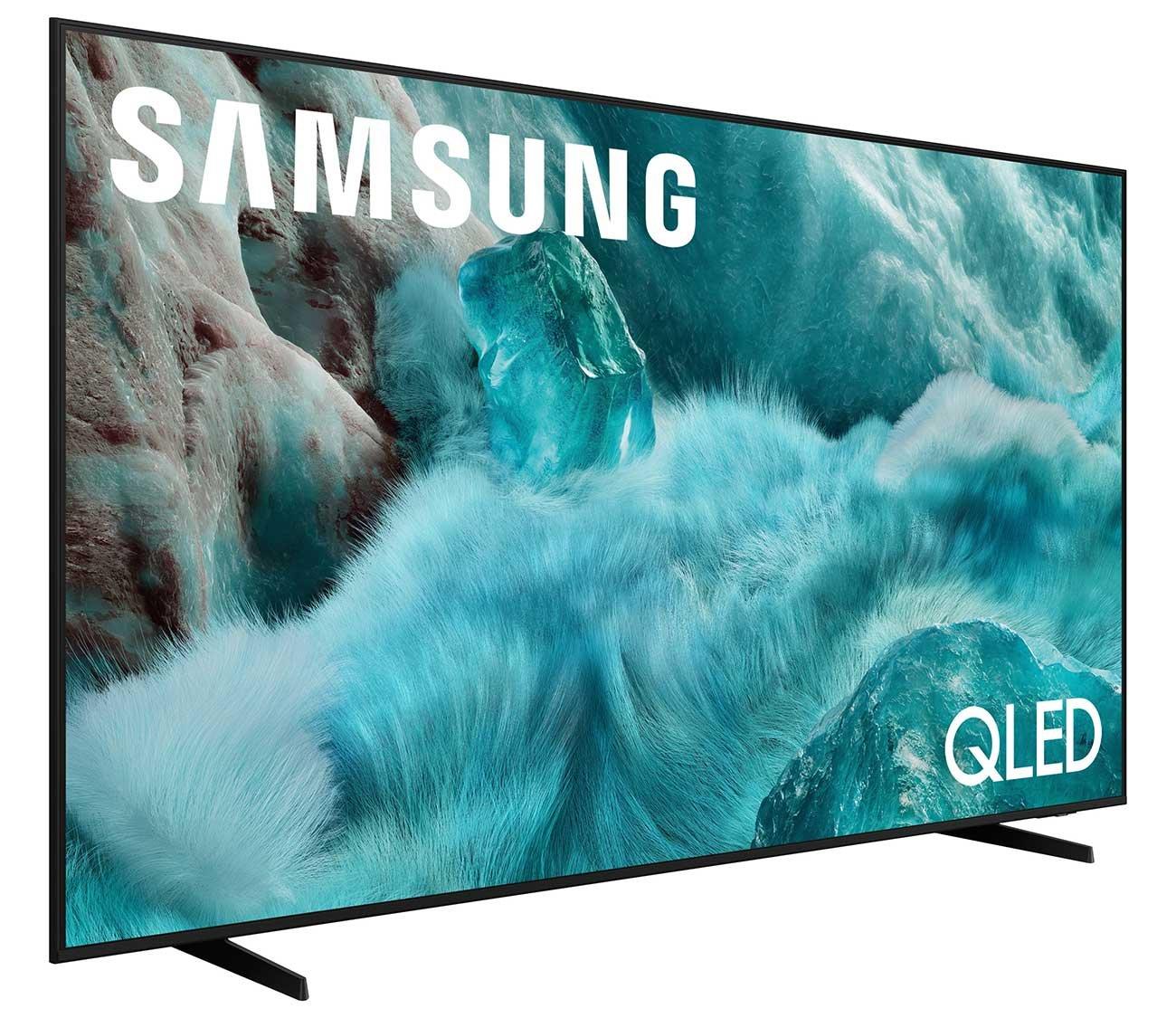

Choosing the right 4K TV in 2025 has become more complex than ever. With technologies like mini-LED, quantum dots, and high refresh rate gaming becoming mainstream, the gap between budget and premium TVs has widened dramatically. Today we're comparing two TVs that perfectly illustrate this divide: the TCL 65QM7K and the Samsung 65" Q7F.
Released in 2025, both TVs represent their manufacturers' approaches to different market segments. The TCL QM7K positions itself as a premium gaming and home theater TV with cutting-edge display technology, while the Samsung Q7F targets budget-conscious consumers who want basic 4K features without breaking the bank. At the time of writing, there's roughly a $450 price difference between these models—a gap that reflects fundamentally different philosophies about what a modern TV should deliver.
Before diving into specifics, it's worth understanding what separates today's TVs from the basic 4K displays of just a few years ago. The biggest advancement has been in backlighting technology. Traditional TVs use edge lighting—LEDs placed around the perimeter of the screen—which creates uneven brightness and poor contrast. Modern premium TVs use local dimming, where hundreds or thousands of LED zones can brighten or dim independently, creating much better contrast by making dark scenes truly dark while keeping bright areas brilliant.
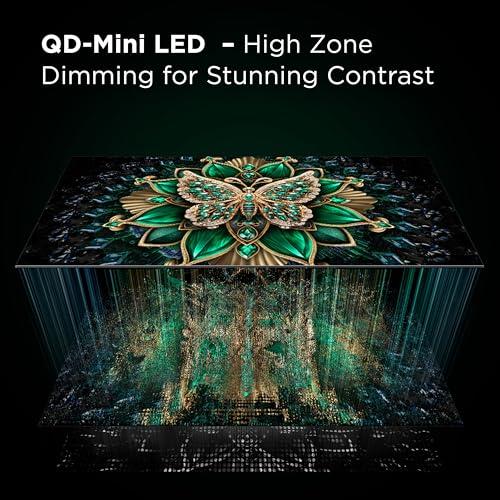
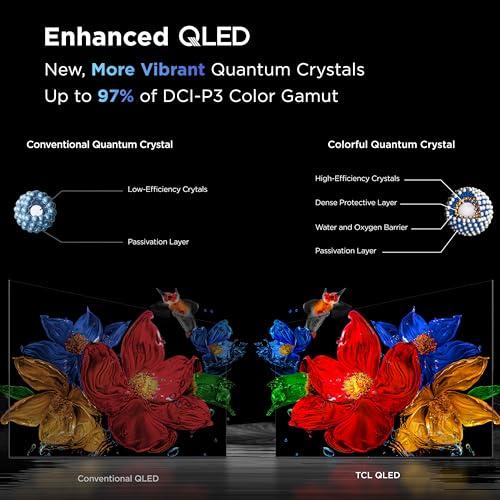
The newest development is mini-LED technology, which uses LEDs roughly one-tenth the size of traditional ones. This allows for thousands of dimming zones instead of dozens, approaching the per-pixel control that makes OLED TVs so impressive. When combined with quantum dot layers—microscopic particles that enhance color purity—you get what's called QD-Mini LED technology.
Gaming has also transformed TV requirements. Modern consoles like the PS5 and Xbox Series X can output 120 frames per second at 4K resolution, but they need TVs with HDMI 2.1 ports and Variable Refresh Rate (VRR) support to take advantage of this capability. Without these features, you're essentially using a next-gen console with last-gen limitations.
The display technology gap between the TCL QM7K and Samsung Q7F is enormous—probably the biggest difference you'll see between any two TVs in their respective price categories.
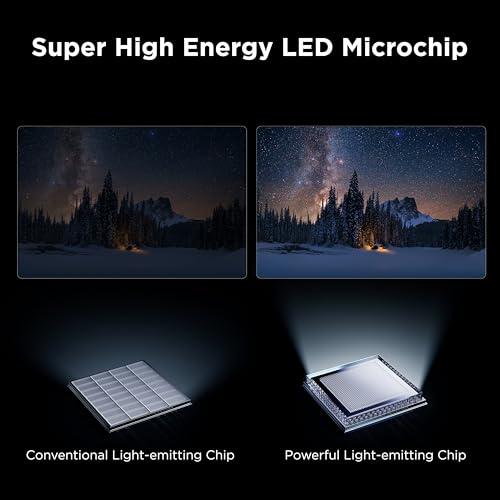
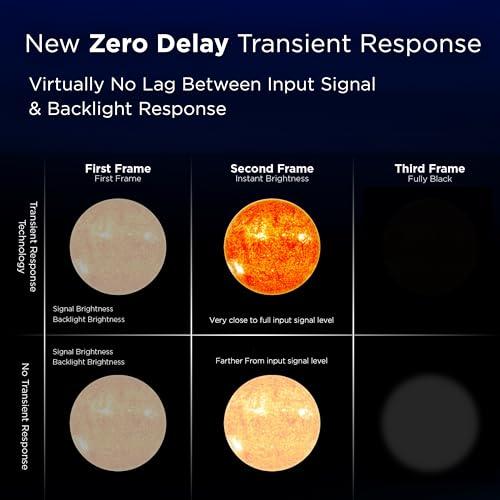
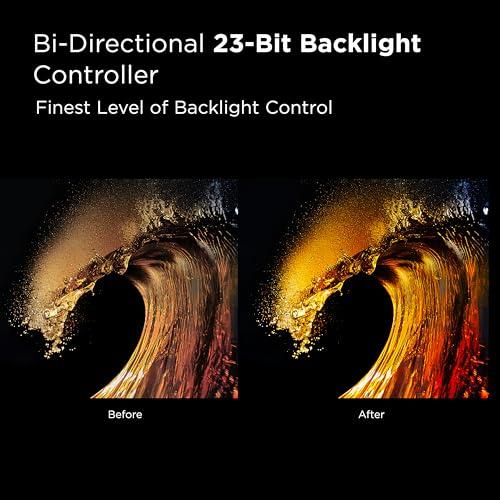
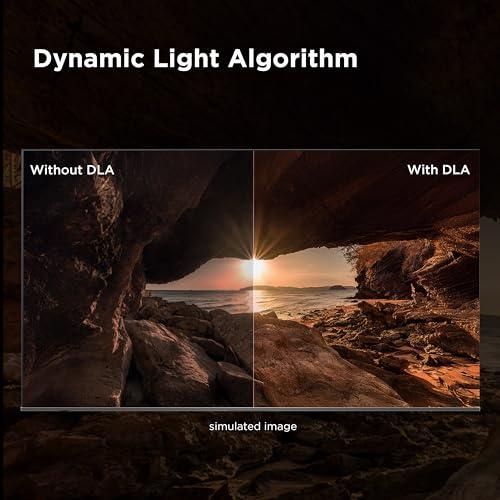
The TCL QM7K uses QD-Mini LED technology with up to 2,500 local dimming zones. To put that in perspective, imagine having 2,500 individual flashlights behind your screen, each one adjustable to create perfect contrast. When a scene shows stars against a black sky, those zones displaying the black sky can dim to nearly zero while the star zones stay bright. This creates an almost OLED-like viewing experience with deeper blacks and more vibrant colors.
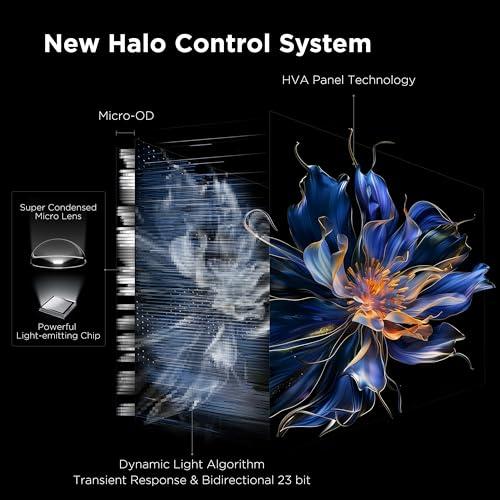
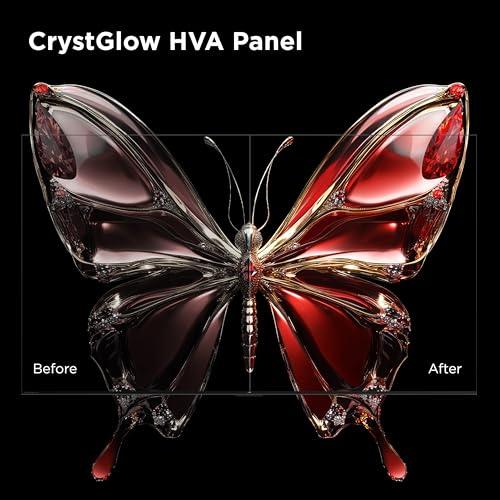
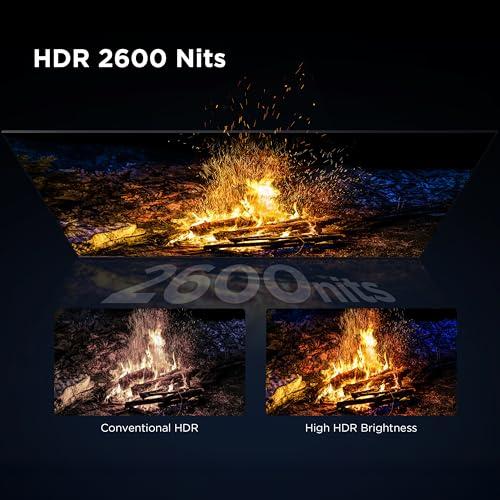
The peak brightness reaches 2,600 to 3,000 nits—bright enough to make HDR content look stunning even in a sunlit living room. For comparison, most budget TVs max out around 400-500 nits, which is why HDR often looks disappointing on cheaper displays. The TCL's CrystGlow HVA panel also uses a special liquid crystal structure that reduces reflections, so you won't see as much glare from windows or lamps.
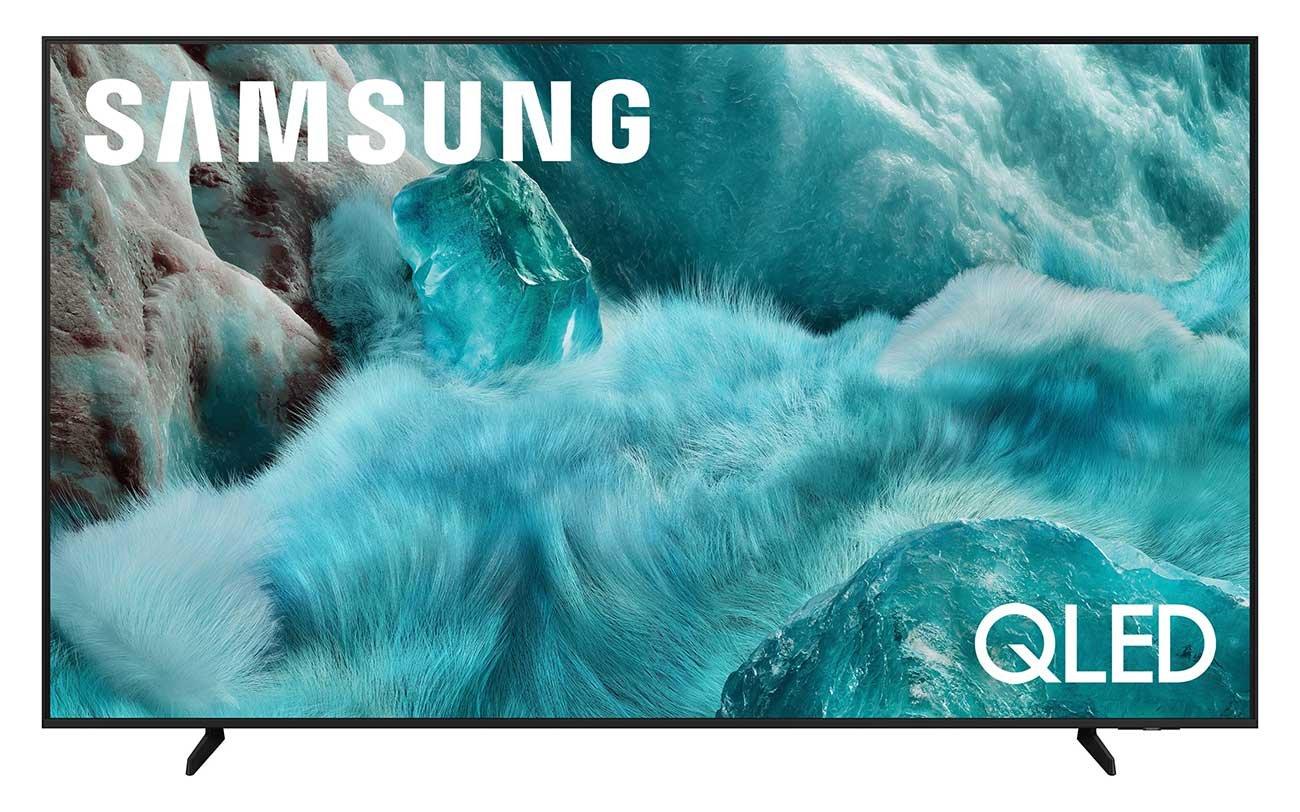
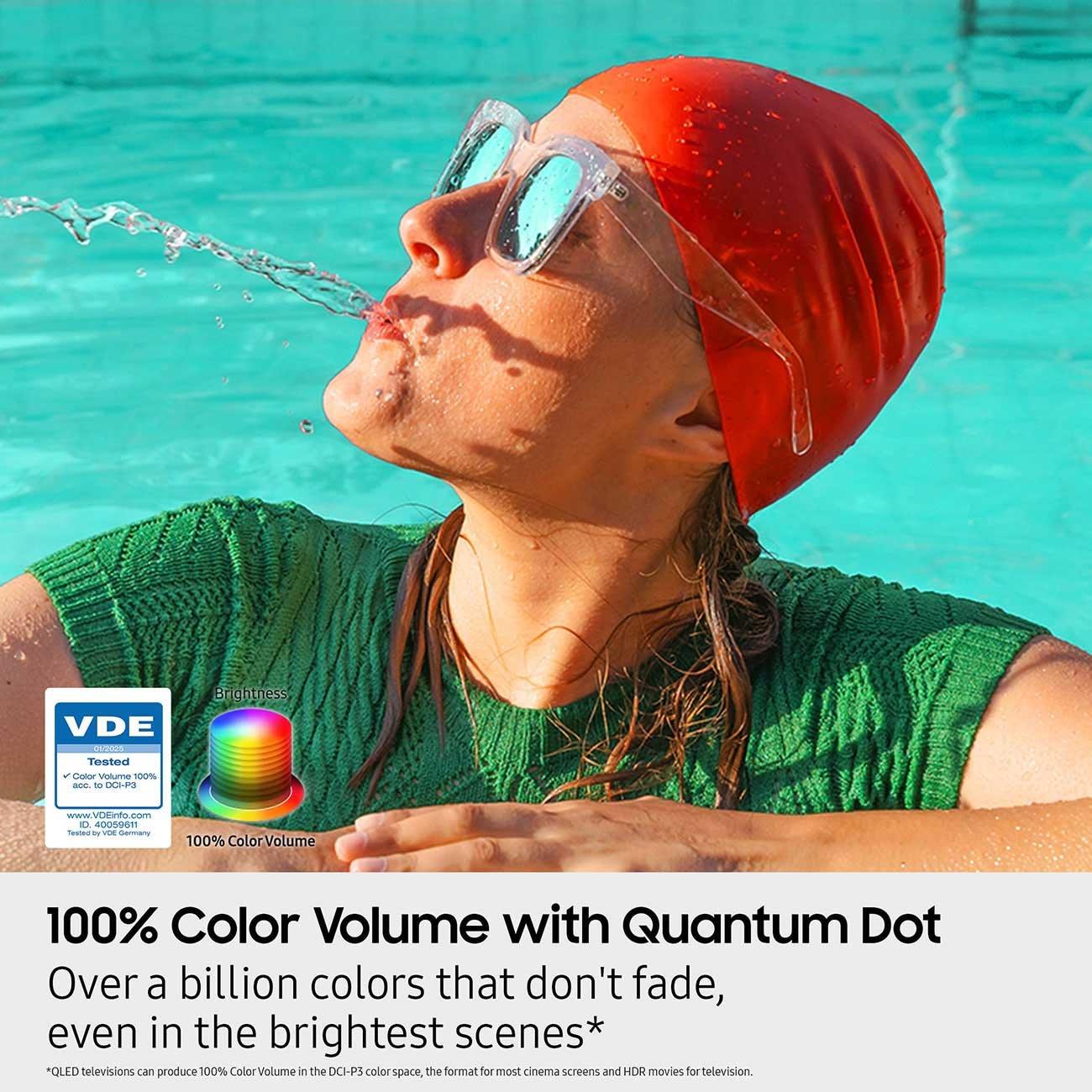
The Samsung Q7F, meanwhile, uses standard QLED technology with basic edge lighting. It has quantum dots for enhanced colors, but without local dimming zones, it can't achieve true blacks. When you're watching a movie with dark scenes, the entire screen maintains a grayish glow instead of deep blacks. The peak brightness of around 500 nits means HDR content won't have the dramatic impact it's supposed to.
This isn't to say the Samsung Q7F looks bad—for casual viewing and streaming, it delivers perfectly acceptable 4K picture quality. But side-by-side with the TCL QM7K, especially with HDR content, the difference is immediately obvious. The TCL delivers the kind of contrast and brightness that makes you say "wow," while the Samsung provides competent but unremarkable image quality.
If you own a PS5, Xbox Series X, or game on PC, the choice here is clear-cut. The TCL QM7K is built for modern gaming, while the Samsung Q7F is stuck in the past.
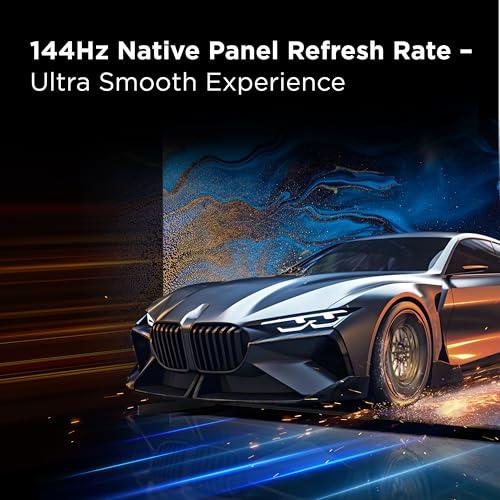
The TCL offers a native 144Hz refresh rate at 4K resolution, meaning it can display 144 unique frames per second. For comparison, most TVs—including the Samsung Q7F—are limited to 60Hz. In fast-paced games, this higher refresh rate creates smoother motion, reduced blur, and better responsiveness. The TV can even push up to 288Hz at 1080p resolution for competitive esports gaming.
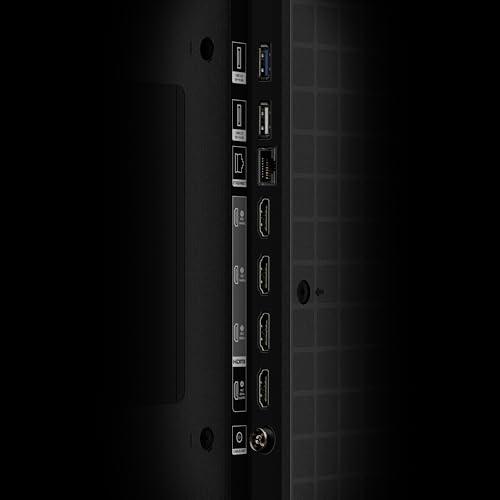
More importantly, the TCL QM7K includes two HDMI 2.1 ports with full Variable Refresh Rate (VRR) support and Auto Low Latency Mode (ALLM). VRR means the TV syncs its refresh rate to match your console's frame rate output, eliminating screen tearing and stuttering. ALLM automatically switches the TV to its lowest-latency gaming mode when it detects a gaming signal.
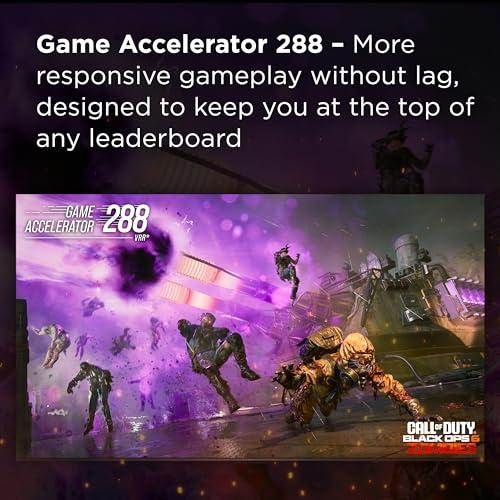
The TV also supports AMD FreeSync Premium Pro, which is especially valuable for PC gamers. Combined with the Game Accelerator 288 feature, input lag drops to levels that competitive gamers demand. You'll notice the difference immediately in fast-paced shooters or racing games.
The Samsung Q7F offers none of these features. It's locked to 60Hz with standard HDMI 2.0 ports, no VRR support, and basic Motion Xcelerator technology that's really just frame interpolation—it creates intermediate frames to smooth motion, but can introduce lag and artifacts that serious gamers hate.
If you're primarily playing casual games or single-player adventures, the Samsung might suffice. But if you want to fully utilize a modern gaming console or play competitively, the TCL QM7K is in a completely different league.
For home theater enthusiasts, several factors beyond basic picture quality become crucial. HDR format support is one of the biggest differentiators. The TCL QM7K supports every major HDR standard: Dolby Vision IQ, HDR10+, HDR10, and HLG. Dolby Vision IQ is particularly impressive—it adjusts the HDR tone mapping based on your room's ambient lighting, so content looks optimal whether you're watching in a dark basement or bright living room.
The Samsung Q7F supports HDR10+ but notably lacks Dolby Vision support. This matters because many streaming services and 4K Blu-rays use Dolby Vision as their premium HDR format. Without it, you're missing out on the filmmaker's intended experience with certain content.
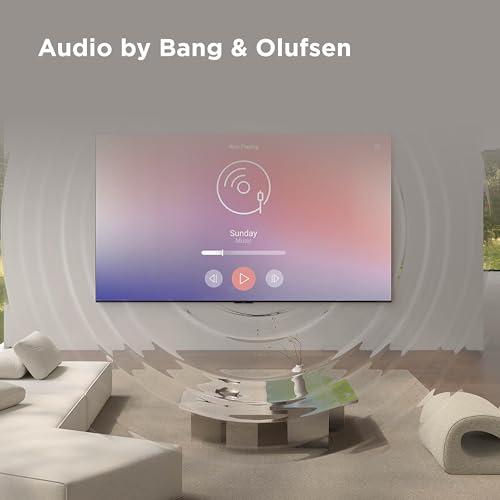
Audio quality is another major distinction. The TCL QM7K features a Bang & Olufsen audio system with 60W of total power, supporting Dolby Atmos and DTS Virtual:X. While no TV's built-in speakers can match a dedicated sound system, the TCL's audio is genuinely impressive for internal speakers. The Bang & Olufsen tuning creates a wider soundstage and better clarity than typical TV audio.
The Samsung Q7F has basic 20W speakers that sound exactly like what you'd expect from a budget TV—adequate for dialogue but lacking any real depth or impact. If you're building a home theater around either TV, you'll likely want a soundbar or surround system regardless, but the TCL gives you more flexibility.
The TCL's IMAX Enhanced certification is another bonus for movie enthusiasts. This means content mastered for IMAX will display with optimized picture and sound settings, bringing some of that theater experience home.
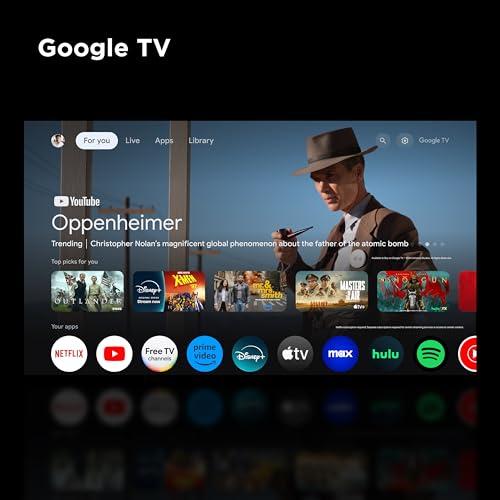
Both TVs run mature smart platforms, but with different strengths. The TCL QM7K uses Google TV with built-in Chromecast, offering excellent app compatibility and integration with Google services. The hands-free voice control with far-field microphones means you can change channels or search for content without finding the remote—surprisingly useful in practice.
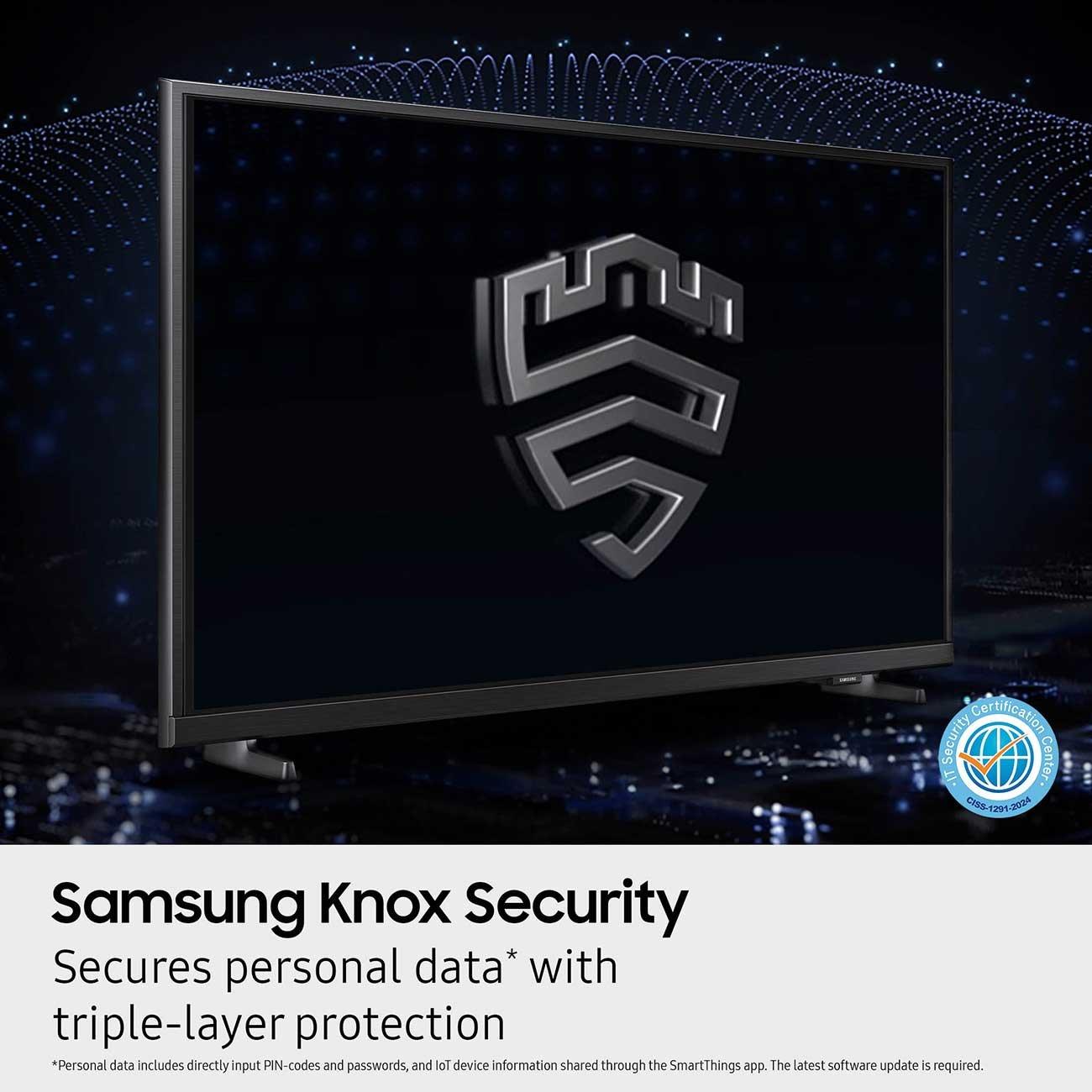
The Samsung Q7F runs Tizen OS, Samsung's proprietary platform. While it has all the major streaming apps, Samsung's strength lies in smart home integration. If you're already invested in Samsung's ecosystem or use SmartThings for home automation, the Q7F integrates seamlessly.
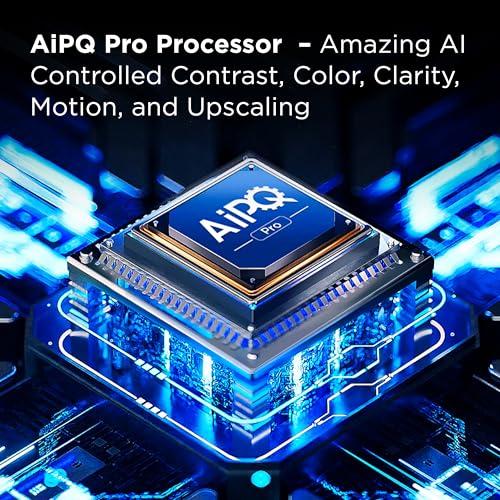
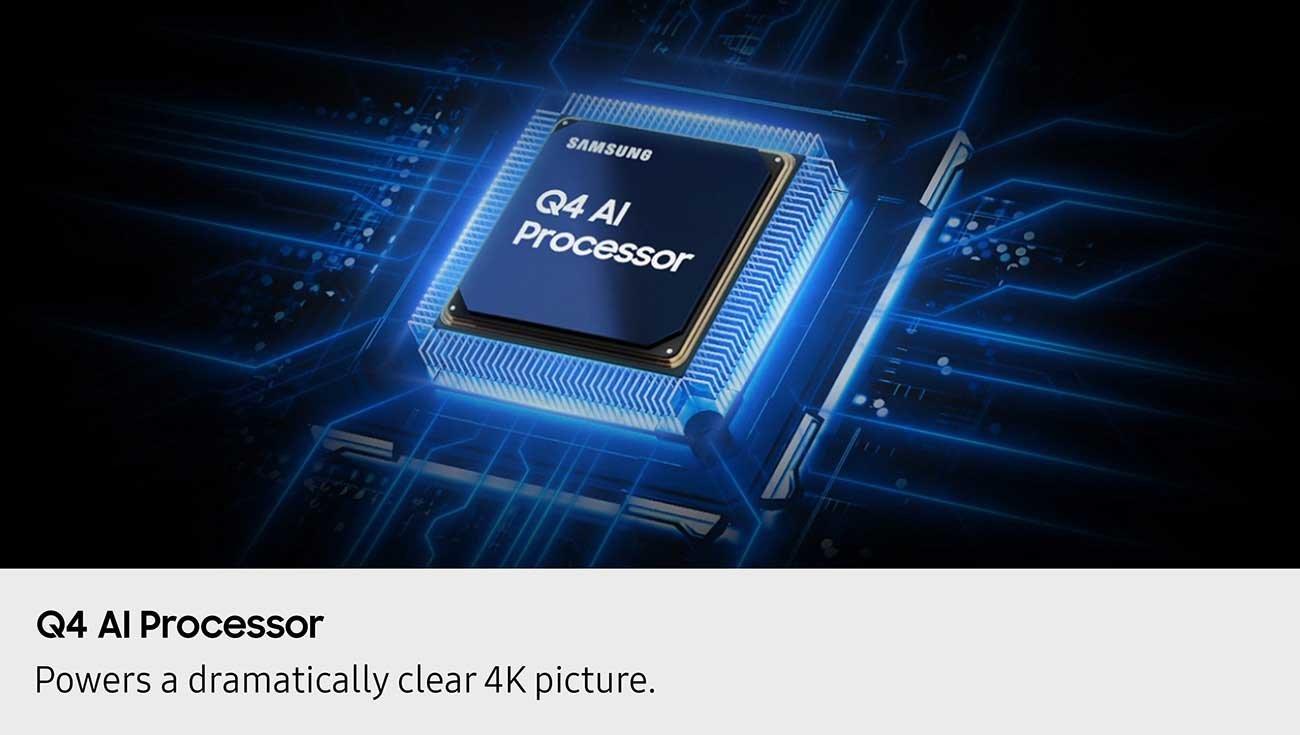
For AI-powered picture enhancement, the TCL's AIPQ Pro processor is significantly more advanced than the Samsung's Q4 AI processor. The TCL uses real-time analysis to optimize contrast, color, clarity, motion, and HDR based on what you're watching. You'll notice this most with upscaled content—older shows or lower-resolution streaming look noticeably sharper and more detailed on the TCL.
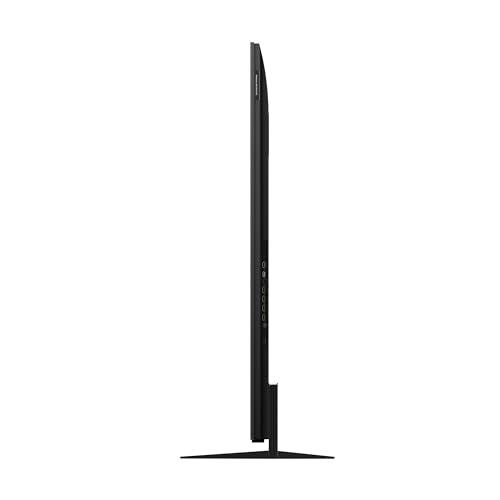
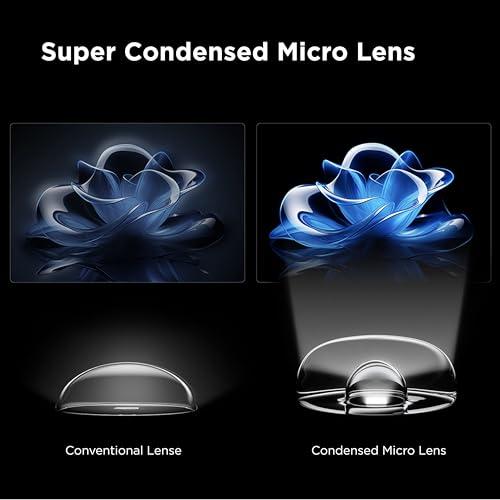
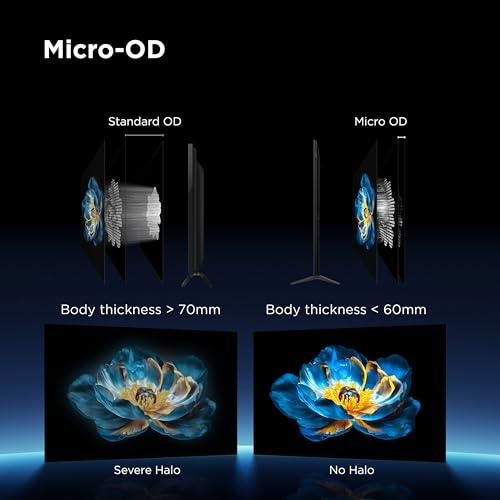
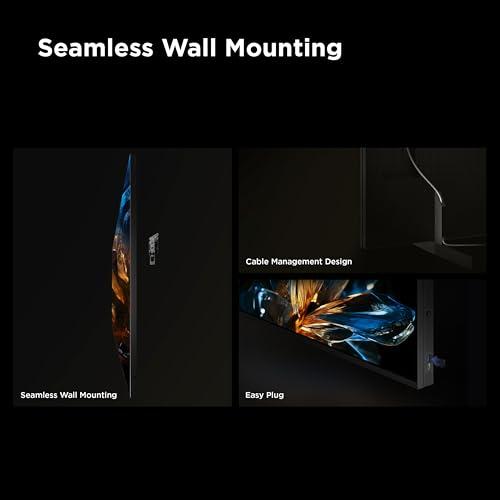
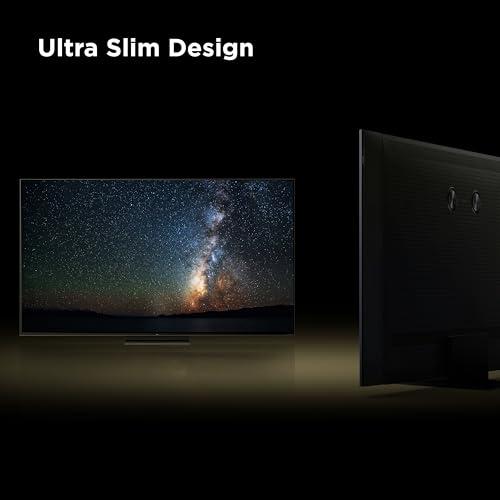
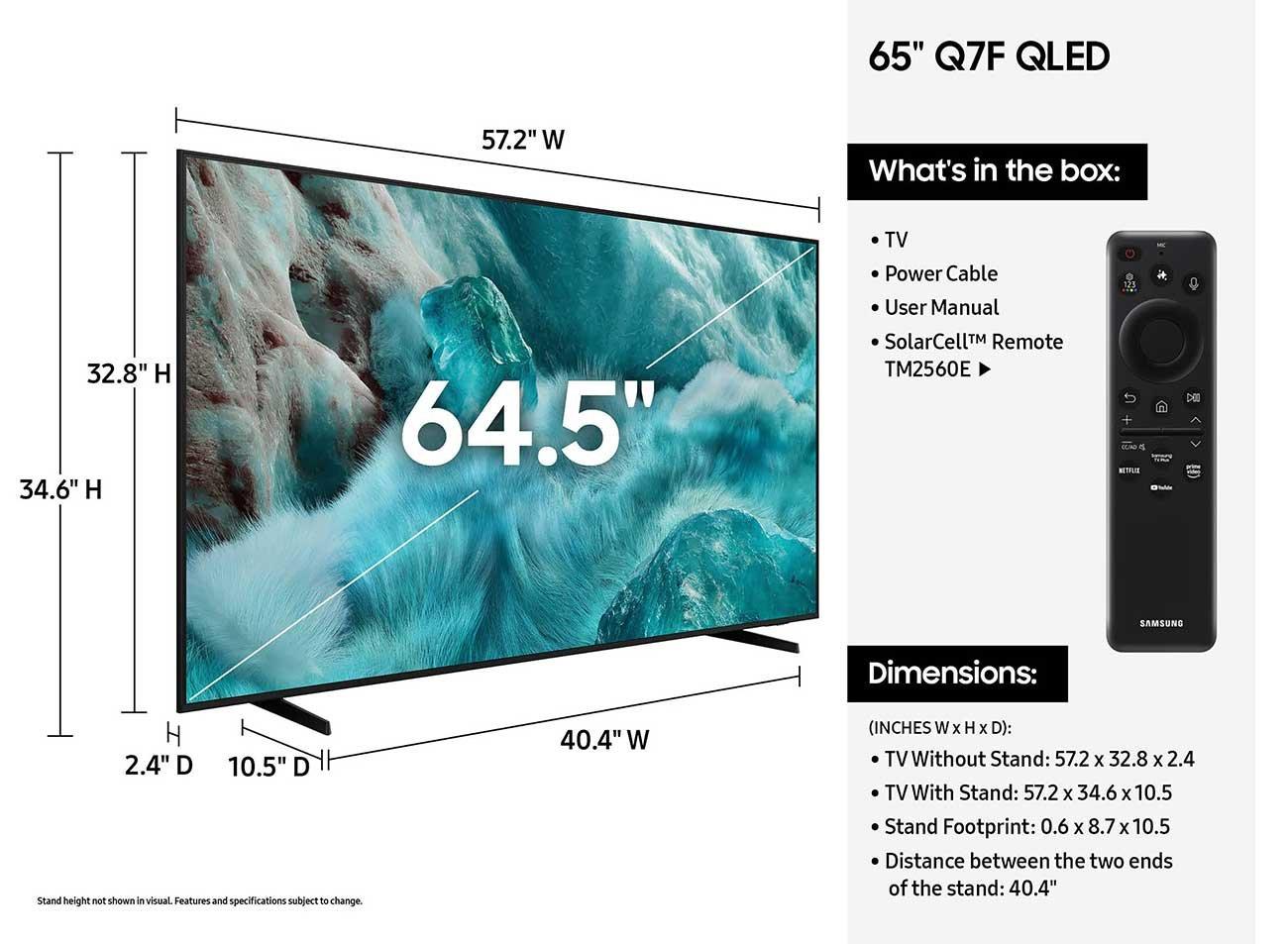
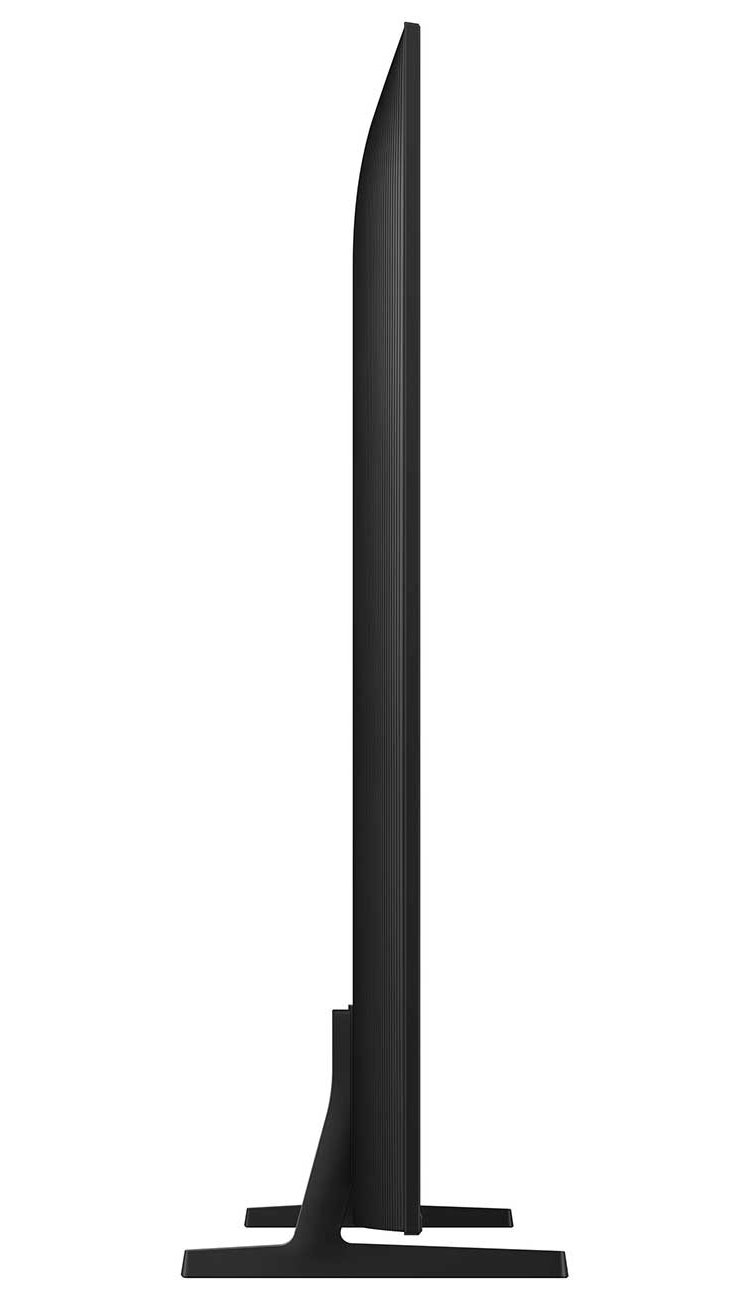
The TCL QM7K feels like a premium product. The ultra-slim profile uses micro-lens technology to pack all that mini-LED hardware into a surprisingly thin chassis. The anti-reflective coating actually works—you'll notice less glare compared to cheaper TVs. The remote is well-built with a comfortable weight and responsive buttons.
The Samsung Q7F has adequate build quality for its price point, but it's clearly designed to hit a budget target. The plastic construction feels solid enough, but lacks the premium touches of higher-end models. The remote is functional but basic.
The TCL QM7K is the clear choice if you want premium performance without flagship pricing. At the time of writing, it costs roughly what mid-range TVs cost just two years ago, but delivers technology that was reserved for the most expensive models. It's ideal for:
The Samsung Q7F makes sense for more specific situations:
These TVs serve fundamentally different audiences, and the price difference reflects that reality. The TCL QM7K is a premium TV being sold at what used to be mid-range pricing—it's genuinely competitive with TVs costing significantly more. The mini-LED technology, gaming features, and Bang & Olufsen audio create an experience that punches well above its weight class.
The Samsung Q7F is an entry-level TV with basic 4K capabilities. There's nothing wrong with that approach—not everyone needs cutting-edge features, and Samsung executes the basics competently. But it's important to understand what you're getting and what you're missing.
If you're on the fence, consider your usage patterns and timeline. The TCL's advanced features will become more important as streaming services improve their HDR content and games continue pushing higher frame rates. The Samsung might meet your needs today but could feel dated much sooner.
For most enthusiasts reading detailed TV comparisons, the TCL QM7K is likely the better long-term investment. The performance gap is substantial, and the additional cost buys you technologies that will remain relevant for years to come.
| TCL 65QM7K QD-Mini LED 4K Google TV | Samsung 65" Q7F QLED 4K Vision AI Smart TV 2025 |
|---|---|
| Display Technology - The foundation of picture quality | |
| QD-Mini LED with up to 2,500 local dimming zones | Standard QLED with basic edge lighting |
| Peak Brightness - Critical for HDR impact and bright room viewing | |
| 2,600-3,000 nits (exceptional HDR performance) | 500 cd/m² (adequate for dark rooms only) |
| Refresh Rate - Essential for gaming and smooth sports | |
| Native 144Hz at 4K, up to 288Hz at 1080p | 60Hz only (no high refresh rate support) |
| Gaming Features - Determines next-gen console compatibility | |
| HDMI 2.1, VRR, ALLM, AMD FreeSync Premium Pro | HDMI 2.0 only, no VRR or advanced gaming features |
| HDR Format Support - Affects compatibility with premium content | |
| Dolby Vision IQ, HDR10+, HDR10, HLG (full suite) | HDR10+ only (missing Dolby Vision) |
| Audio System - Important if not using external speakers | |
| Bang & Olufsen 60W with Dolby Atmos | Standard 20W 2-channel speakers |
| Smart Platform - Determines app availability and ecosystem integration | |
| Google TV with hands-free voice control | Tizen OS with Samsung SmartThings integration |
| Contrast Ratio - Defines how deep blacks appear | |
| 30,000,000:1 dynamic (mini-LED precision) | 4,500:1 static (basic QLED performance) |
| HDMI 2.1 Ports - Future-proofing for gaming and 8K content | |
| 2 HDMI 2.1 ports (supports 4K@120Hz) | 0 HDMI 2.1 ports (limited to 4K@60Hz) |
| Local Dimming - Controls blooming and contrast precision | |
| Up to 2,500 precise dimming zones | None (edge-lit only) |
| Build Quality - Reflects long-term durability and premium feel | |
| Ultra-slim premium design with anti-reflective coating | Standard thickness with basic materials |
| Target User - Who this TV is designed for | |
| Gamers, movie enthusiasts, future-focused buyers | Budget-conscious casual viewers, basic 4K needs |
The TCL 65QM7K delivers significantly better picture quality with its QD-Mini LED technology and 2,500 local dimming zones. This creates deeper blacks, brighter highlights, and more vibrant colors compared to the Samsung Q7F, which uses basic edge lighting without local dimming zones.
The TCL QM7K is built for modern gaming with 144Hz refresh rate, HDMI 2.1 ports, and VRR support for PS5 and Xbox Series X. The Samsung Q7F is limited to 60Hz with HDMI 2.0 ports, making it unsuitable for next-gen console gaming at full performance.
The TCL 65QM7K excels in bright rooms with its 2,600-3,000 nits peak brightness and anti-reflective coating. The Samsung Q7F reaches only 500 nits, making HDR content appear washed out in well-lit environments.
No - the TCL QM7K supports all major HDR formats including Dolby Vision IQ, HDR10+, and HLG. The Samsung Q7F only supports HDR10+ and lacks Dolby Vision, which is used by many streaming services and 4K Blu-rays.
The TCL 65QM7K features Bang & Olufsen audio with 60W power and Dolby Atmos support, providing much better sound quality than the Samsung Q7F's basic 20W speakers. The TCL offers a more complete entertainment experience without immediately needing a soundbar.
The TCL QM7K runs Google TV with built-in Chromecast and hands-free voice control. The Samsung Q7F uses Samsung's Tizen platform with SmartThings integration, making it better for existing Samsung ecosystem users.
The TCL 65QM7K is superior for home theater use with its mini-LED contrast, full HDR format support, IMAX Enhanced certification, and premium Bang & Olufsen audio. The Samsung Q7F lacks the contrast and brightness needed for cinematic viewing experiences.
The TCL QM7K offers 144Hz native refresh rate for incredibly smooth sports action, while the Samsung Q7F is limited to 60Hz. The higher refresh rate reduces motion blur during fast-paced sports broadcasts.
The TCL 65QM7K provides premium features typically found in much more expensive TVs, making it excellent value for enthusiasts. The Samsung Q7F offers basic 4K performance at a budget price point, suitable for casual viewers with simpler needs.
Only the TCL QM7K can display 4K at 120Hz through its HDMI 2.1 ports with VRR support. The Samsung Q7F is limited to 4K at 60Hz maximum, preventing full utilization of PS5 and Xbox Series X capabilities.
The TCL 65QM7K is more future-proof with HDMI 2.1, high refresh rates, and advanced processing that will remain relevant for years. The Samsung Q7F uses older connectivity standards that may limit compatibility with future devices and content.
Choose the TCL QM7K for gaming, premium picture quality, bright room viewing, and long-term value. Choose the Samsung Q7F for basic 4K streaming, tight budgets, Samsung ecosystem integration, or if you plan to upgrade again in a few years.
We've done our best to create useful and informative comparisons to help you decide what product to buy. Our research uses advanced automated methods to create this comparison and perfection is not possible - please contact us for corrections or questions. These are the sites we've researched in the creation of this article: bestbuy.com - businessinsider.com - tomsguide.com - tomsguide.com - rtings.com - tomsguide.com - youtube.com - rtings.com - consumerreports.org - youtube.com - youtube.com - displayspecifications.com - youtube.com - tcl.com - tcl.com - tcl.com - youtube.com - rcwilley.com - bestbuy.com - tclcentral.com - displayspecifications.com - tomsguide.com - tcl.com - brandsmartusa.com - tcl.com - tcl.com - gizmochina.com - nfm.com - dolby.com - alexraytv.com - bestbuy.com - youtube.com - samsung.com - samsung.com - pcrichard.com - samsung.com - samsung.com - videoandaudiocenter.com - displayspecifications.com - bestbuy.com - samsung.com - samsung.com - samsung.com - samsung.com - news.samsung.com

Privacy Policy
Terms and Conditions - Affiliate Policy
Home Security
© Copyright 2008-2026.
11816 Inwood Rd #1211, Dallas, TX 75244