

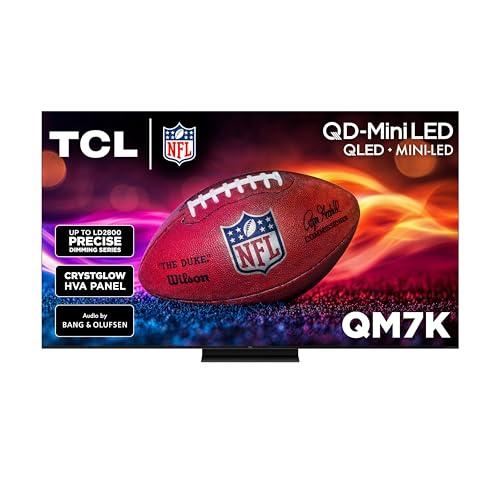
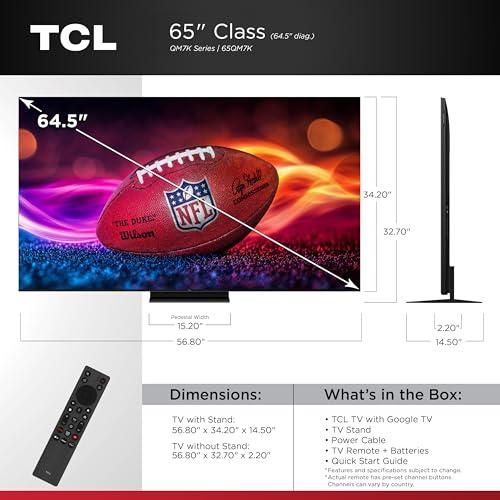
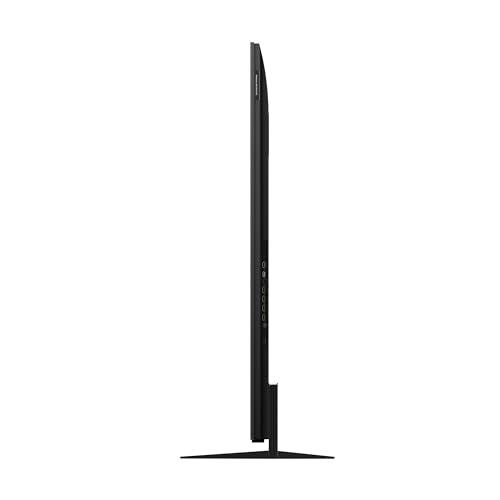
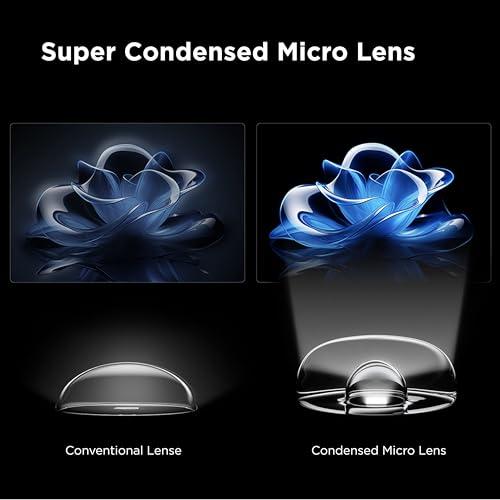
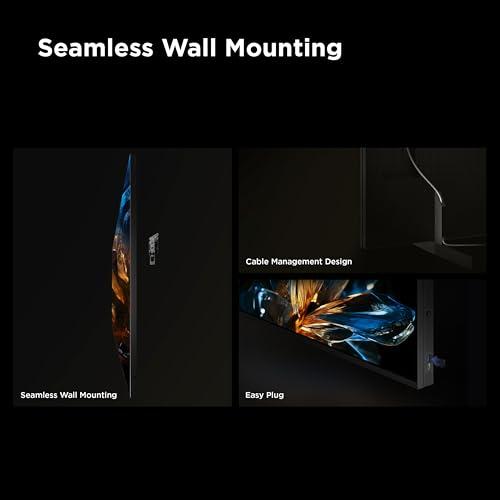
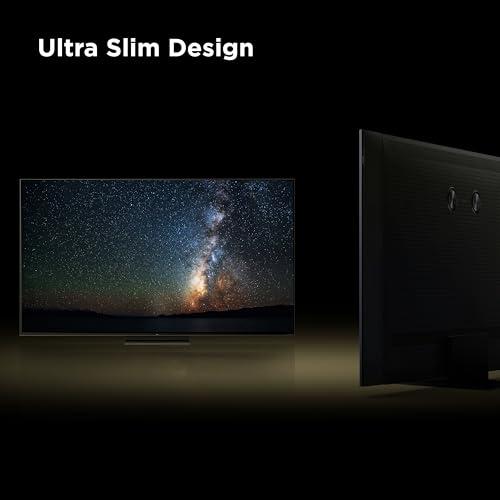
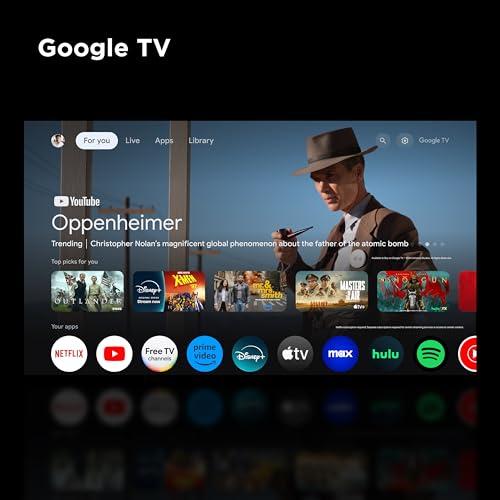
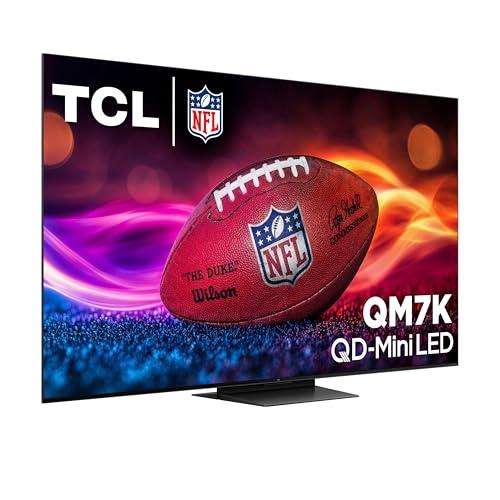
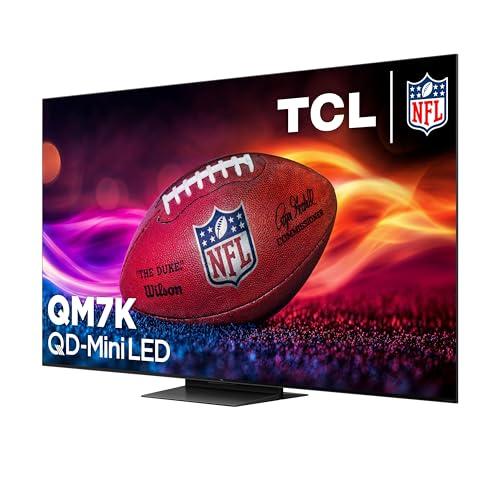
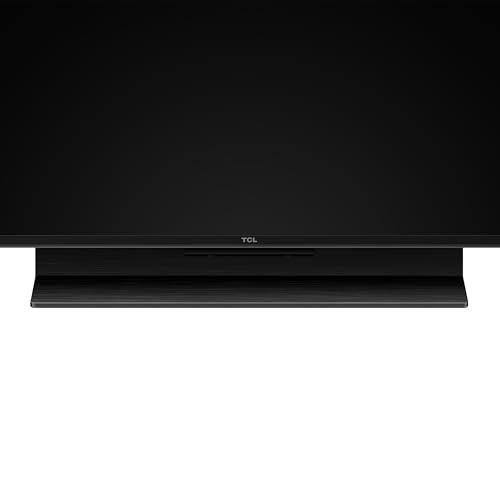
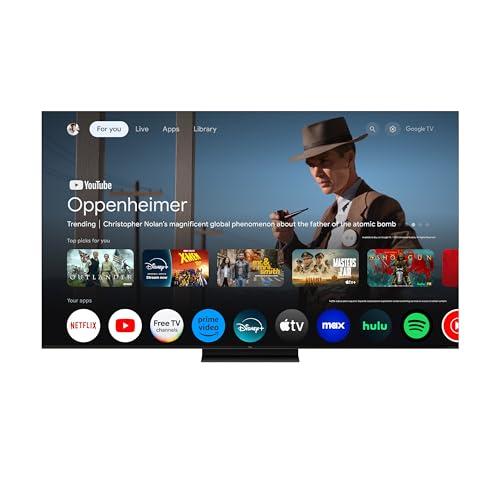

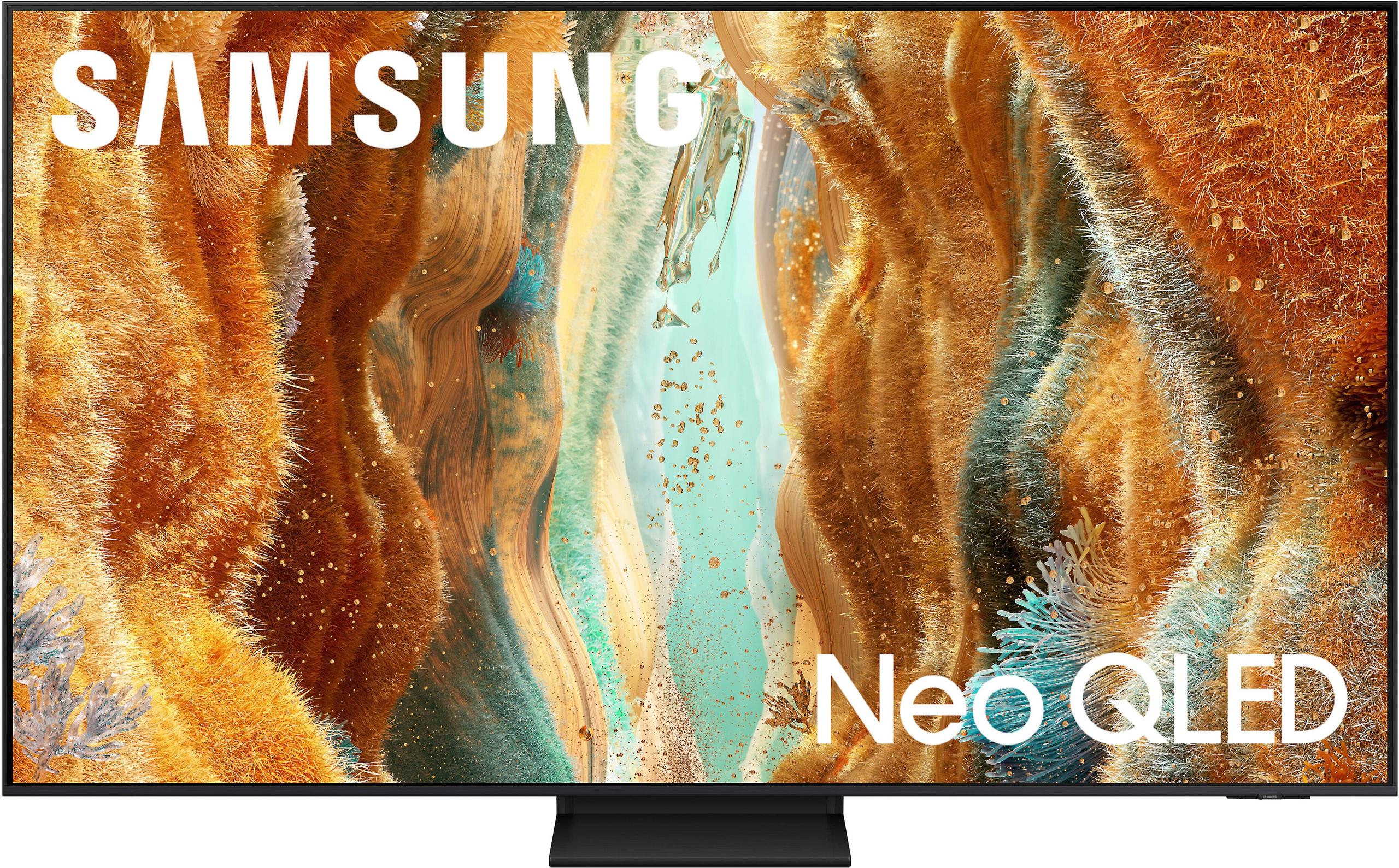
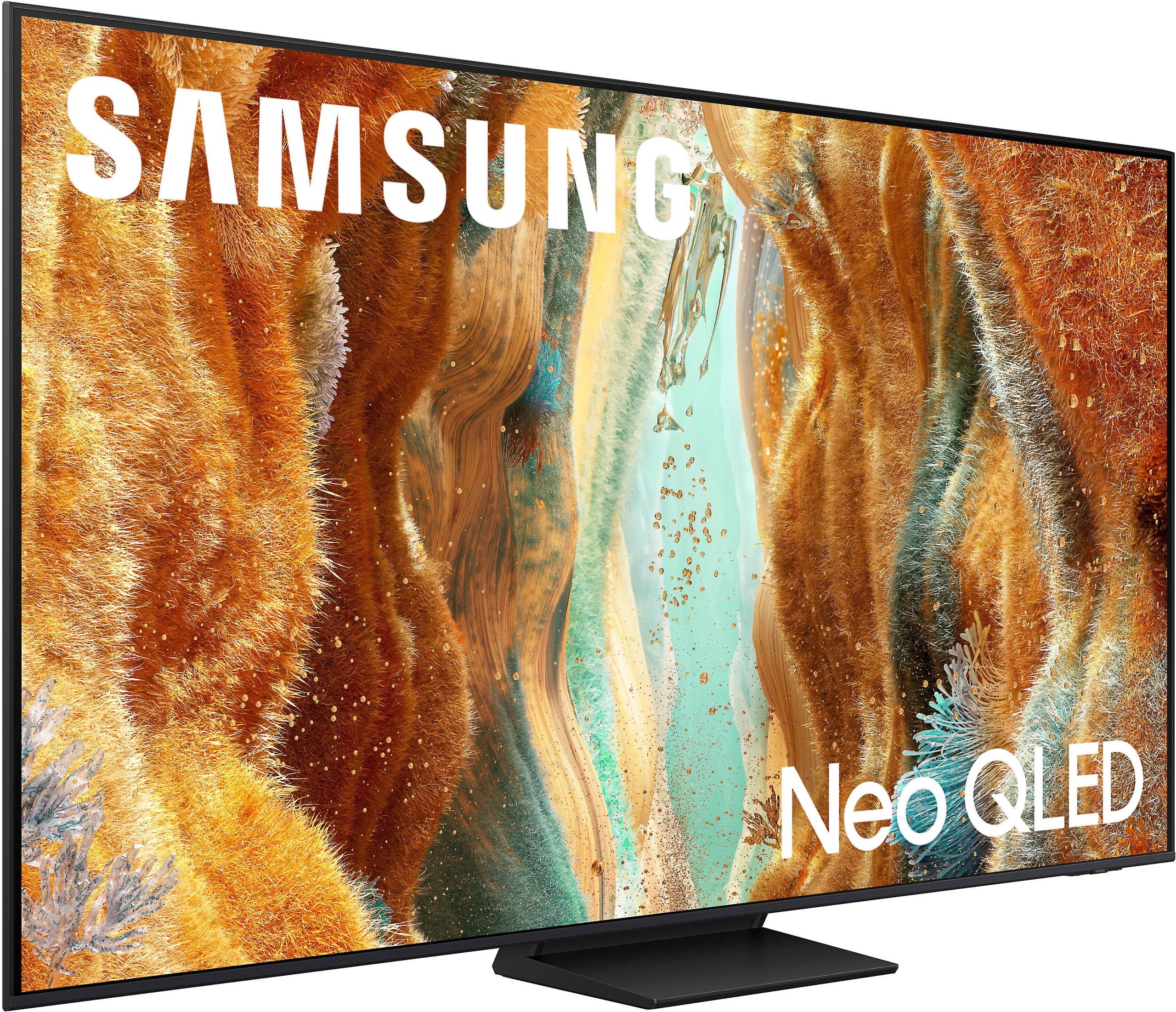
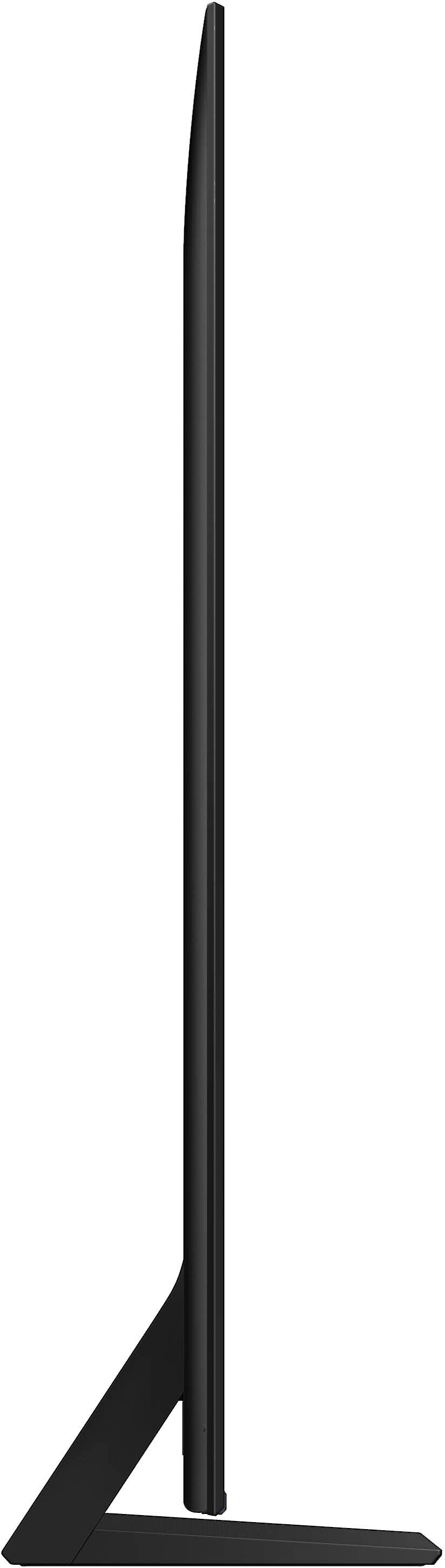
The premium TV market has exploded with options in recent years, making it tougher than ever to choose the right set. Two compelling 65-inch models that caught our attention are the TCL 65QM7K and the Samsung QN70F, both released in 2025. These TVs represent different philosophies in the premium segment – one focused on raw performance specs, the other on AI-powered features and brand reliability.
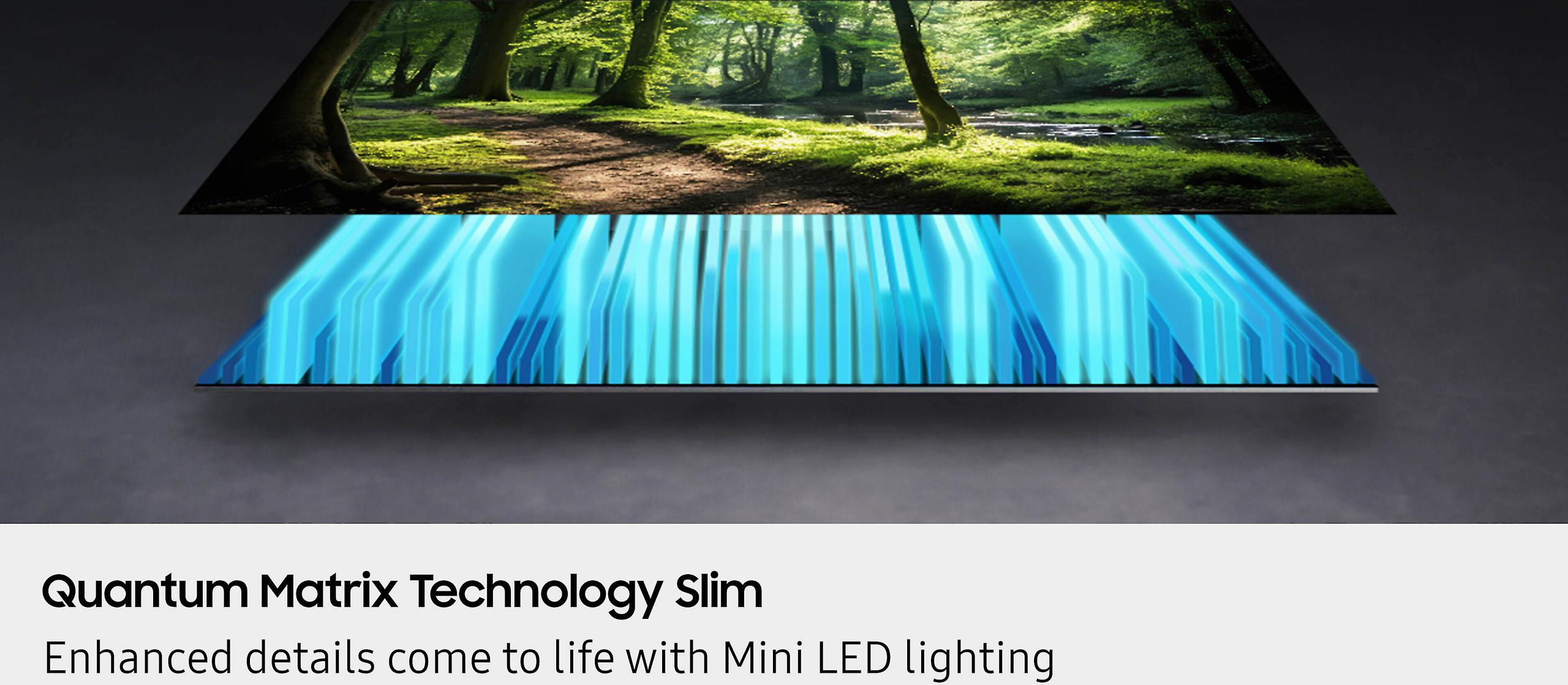
Both use Mini LED technology, which places thousands of tiny LEDs behind the screen for better brightness and contrast than traditional LED TVs. Think of it as a middle ground between standard LED displays and the perfect blacks of OLED screens, but with much higher brightness capability. This makes them excellent for bright rooms while still delivering impressive dark room performance.
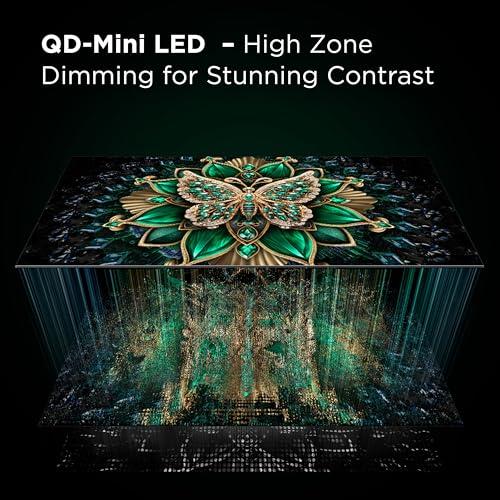
Mini LED backlighting has revolutionized the TV industry by using LEDs about 1/40th the size of traditional ones. This allows manufacturers to pack more lights behind the screen and control them in smaller groups called "local dimming zones." When you're watching a scene with a bright explosion against a dark sky, these zones can make the explosion brilliant while keeping the sky completely black – something regular LED TVs struggle with.
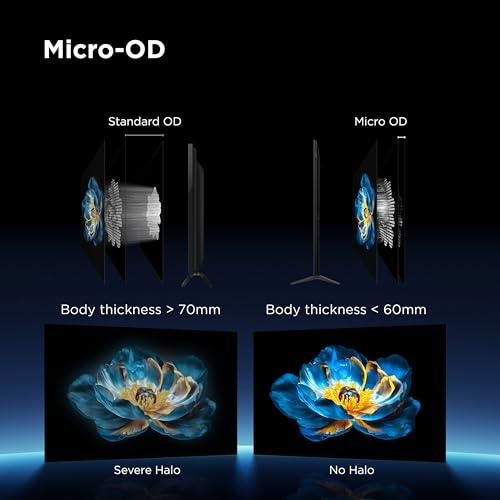
The TCL QM7K takes this concept to an extreme with up to 2,500 local dimming zones. That's an impressive number even for TVs costing twice as much. More zones mean more precise control over brightness, resulting in less "blooming" – that annoying glow that appears around bright objects in dark scenes.
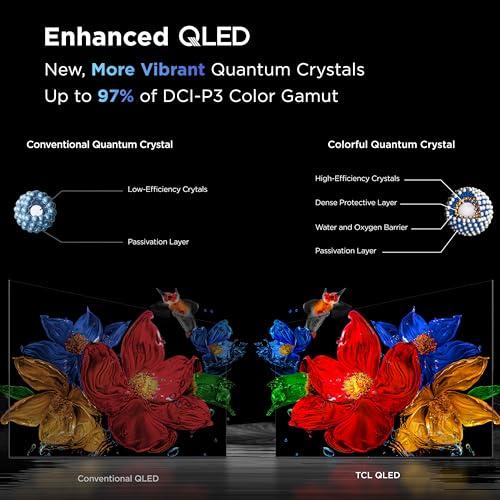
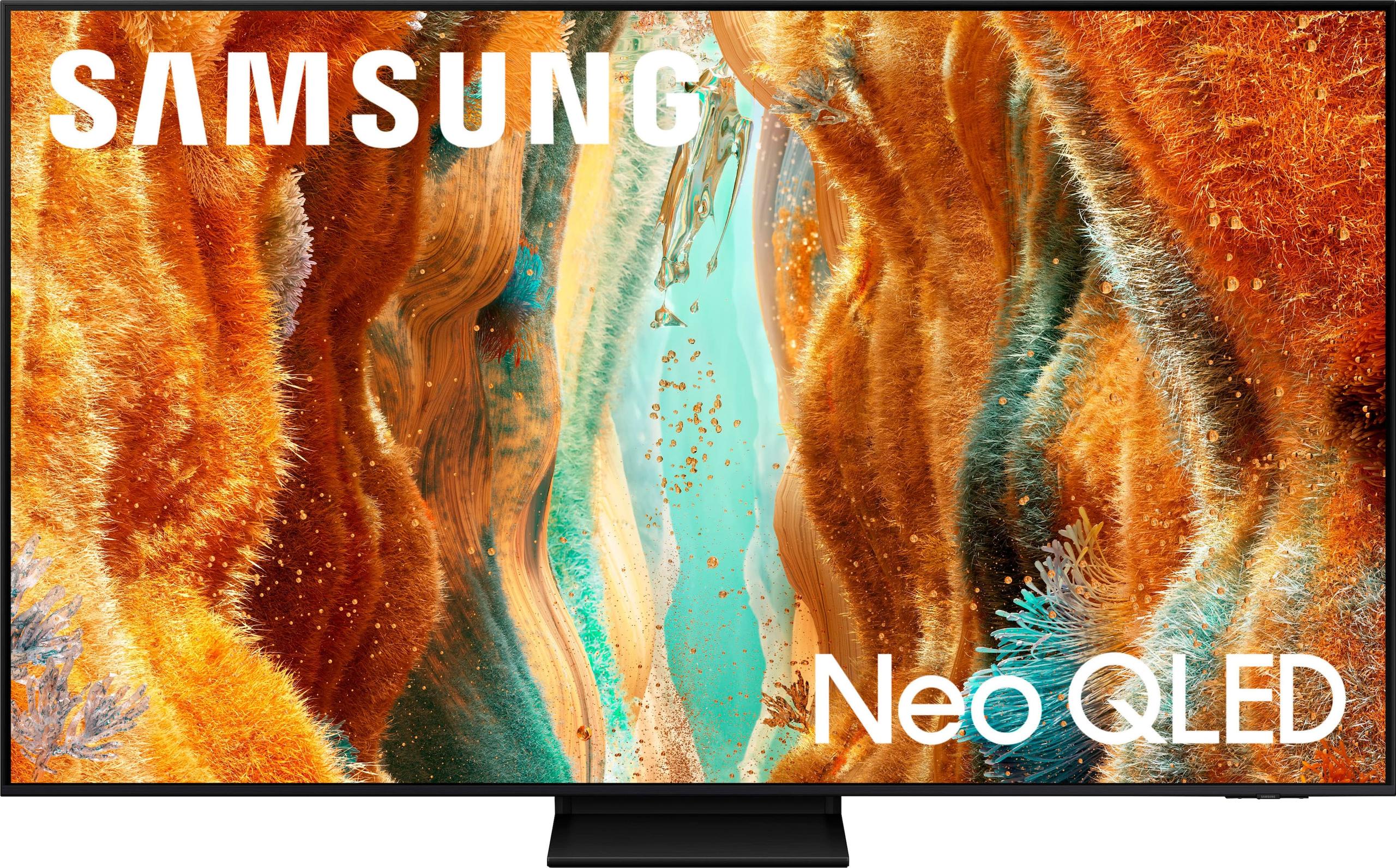
Samsung's QN70F, being their entry-level Neo QLED model, uses fewer zones but compensates with their refined processing algorithms. Neo QLED is Samsung's marketing term for their Mini LED implementation, paired with quantum dot technology that enhances color reproduction.
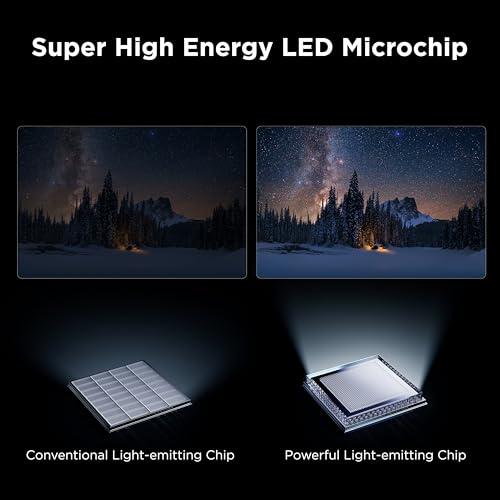
Peak brightness determines how realistic and impactful your HDR content looks. HDR (High Dynamic Range) needs bright highlights to create that "wow" factor – think sunlight streaming through windows or car headlights at night. Without sufficient brightness, HDR content looks flat and loses its intended impact.
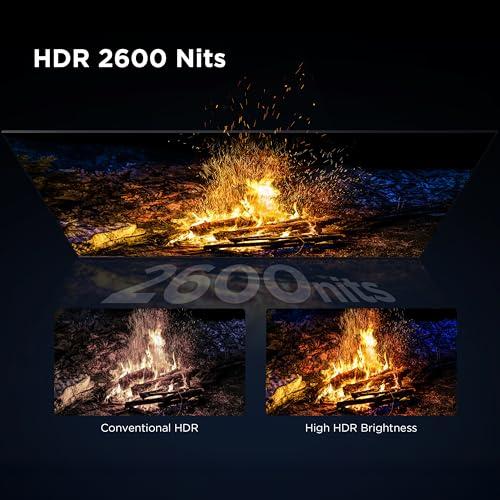
The TCL QM7K absolutely dominates here with 3,000 nits peak brightness. To put this in perspective, most budget TVs max out around 400-600 nits, while premium models typically reach 1,000-2,000 nits. This massive brightness advantage means HDR content looks spectacular, with highlights that genuinely pop off the screen.
Samsung's QN70F delivers respectable but more modest brightness levels typical of entry-level premium TVs. While adequate for most content, it won't deliver the same jaw-dropping HDR impact as the TCL.
For home theater enthusiasts, brightness matters tremendously. Even in dark rooms, those bright highlights create depth and realism that dimmer TVs simply can't match. If you have any ambient light – windows, lamps, overhead lighting – the brightness advantage becomes even more crucial.
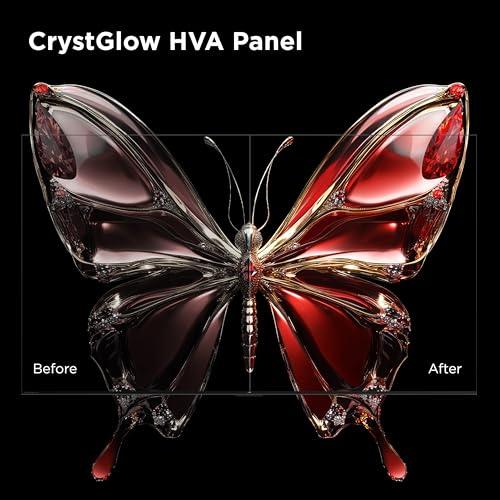
Great picture quality isn't just about brightness; it's about the relationship between bright and dark areas. The TCL QM7K features a CrystGlow HVA panel with an exceptional 7,000:1 native contrast ratio. This means whites are 7,000 times brighter than blacks, creating that three-dimensional, lifelike appearance we associate with premium displays.
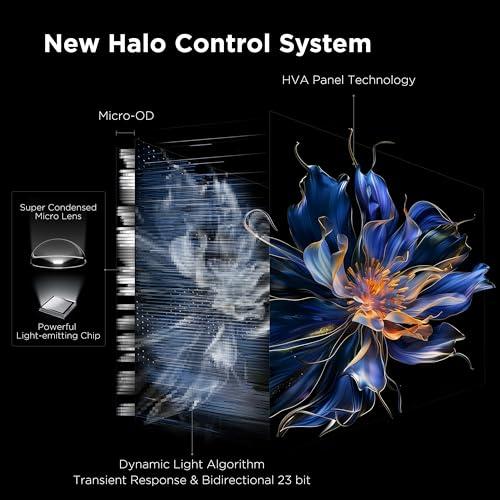
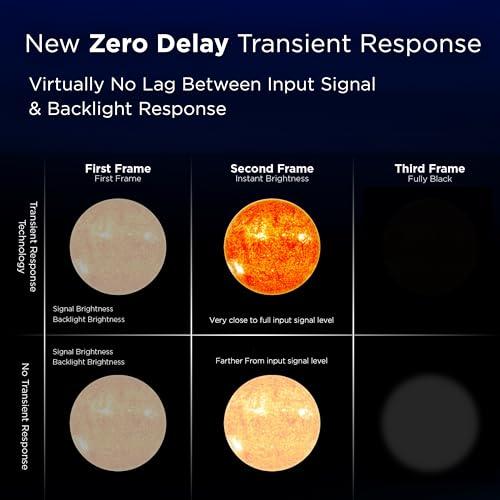
TCL's Halo Control System deserves special mention. Traditional Mini LED TVs suffer from "blooming" where bright objects create halos of unwanted light in dark areas. TCL's system uses advanced algorithms and optical engineering to minimize this effect, keeping those bright highlights sharp and contained.
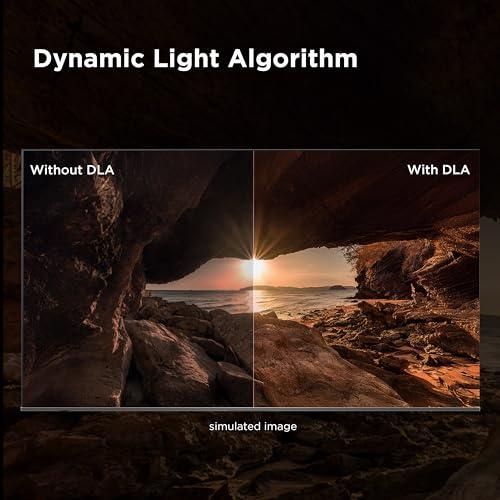
The Samsung QN70F delivers good contrast but can't match the TCL's native panel performance. Samsung compensates with their processing, using algorithms to enhance perceived contrast and depth.
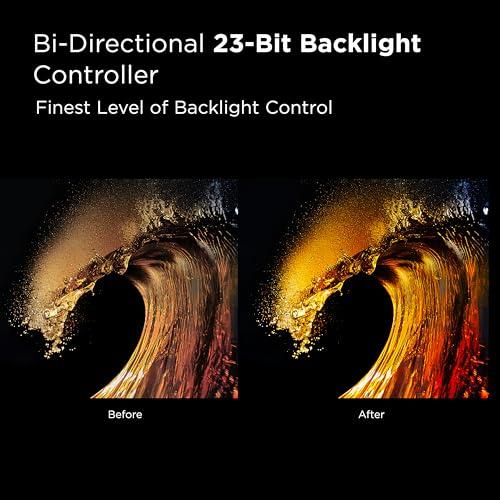
This is where things get interesting. While the TCL QM7K has impressive color capabilities with quantum dot technology delivering 1.07 billion colors, Samsung has decades of color science expertise. Their QN70F benefits from refined color processing algorithms and calibration that Samsung has perfected over years.
In our research of expert reviews, the consensus suggests TCL delivers more vibrant, punchy colors out of the box, while Samsung provides more accurate, natural-looking colors. The "better" choice depends on your preferences – do you want colors that pop or colors that look exactly as the filmmaker intended?
The TCL QM7K runs Google TV, which is essentially Android TV with a more user-friendly interface. It integrates seamlessly with Google services, offers excellent voice search through Google Assistant, and supports Apple AirPlay and HomeKit. The far-field microphone array means you can control the TV with voice commands without picking up the remote.
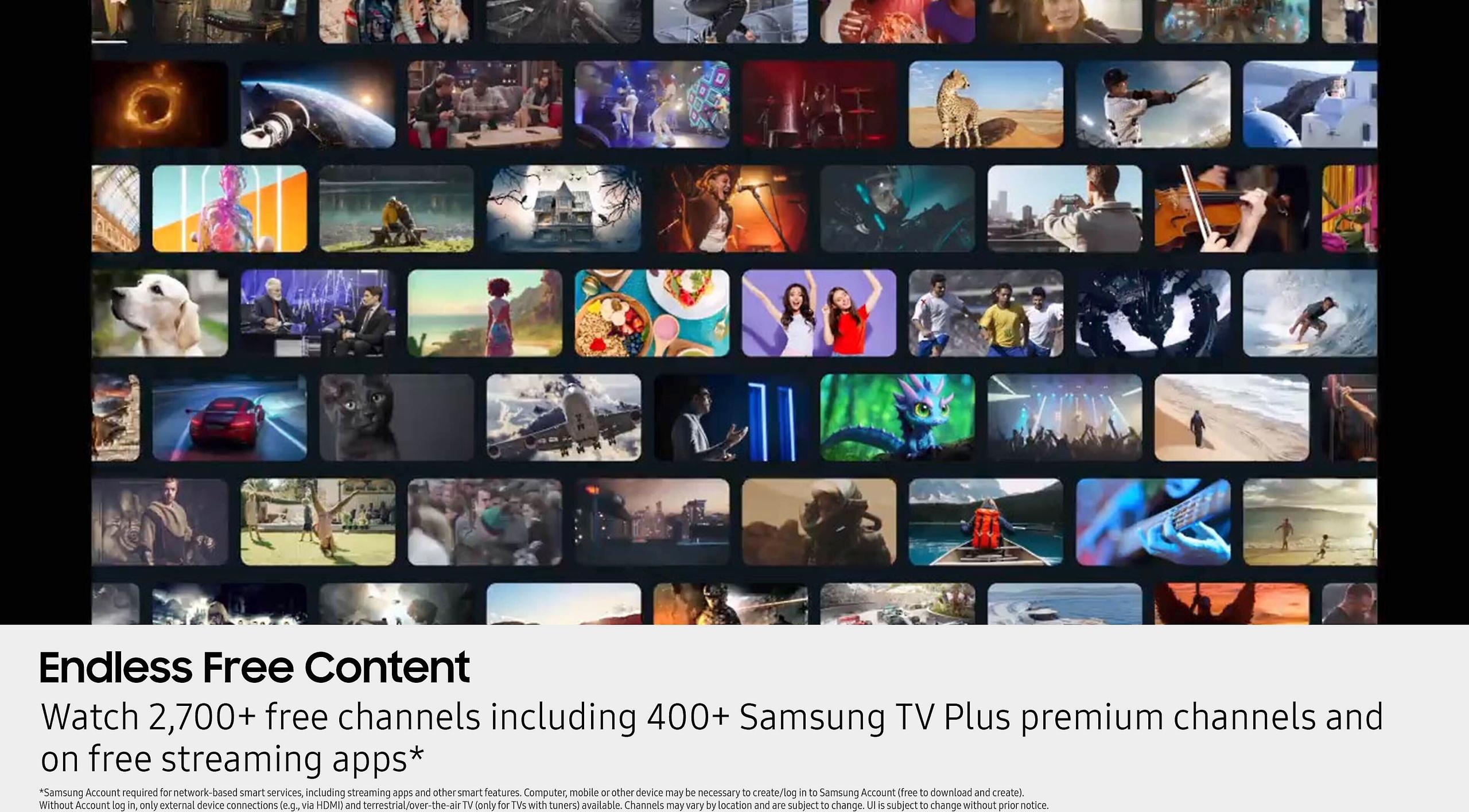
Samsung's QN70F uses Tizen, their proprietary platform that's matured significantly over the years. What sets this model apart is Samsung Vision AI, featuring some genuinely useful innovations. The "Click to Search" function lets you point at an actor and instantly get information about them, while "Live Translate" provides real-time subtitle translation for foreign content.
For smart home integration, the TCL QM7K has the edge with broader compatibility across ecosystems. If you're invested in Samsung's ecosystem with Galaxy phones and other Samsung devices, the QN70F offers tighter integration.
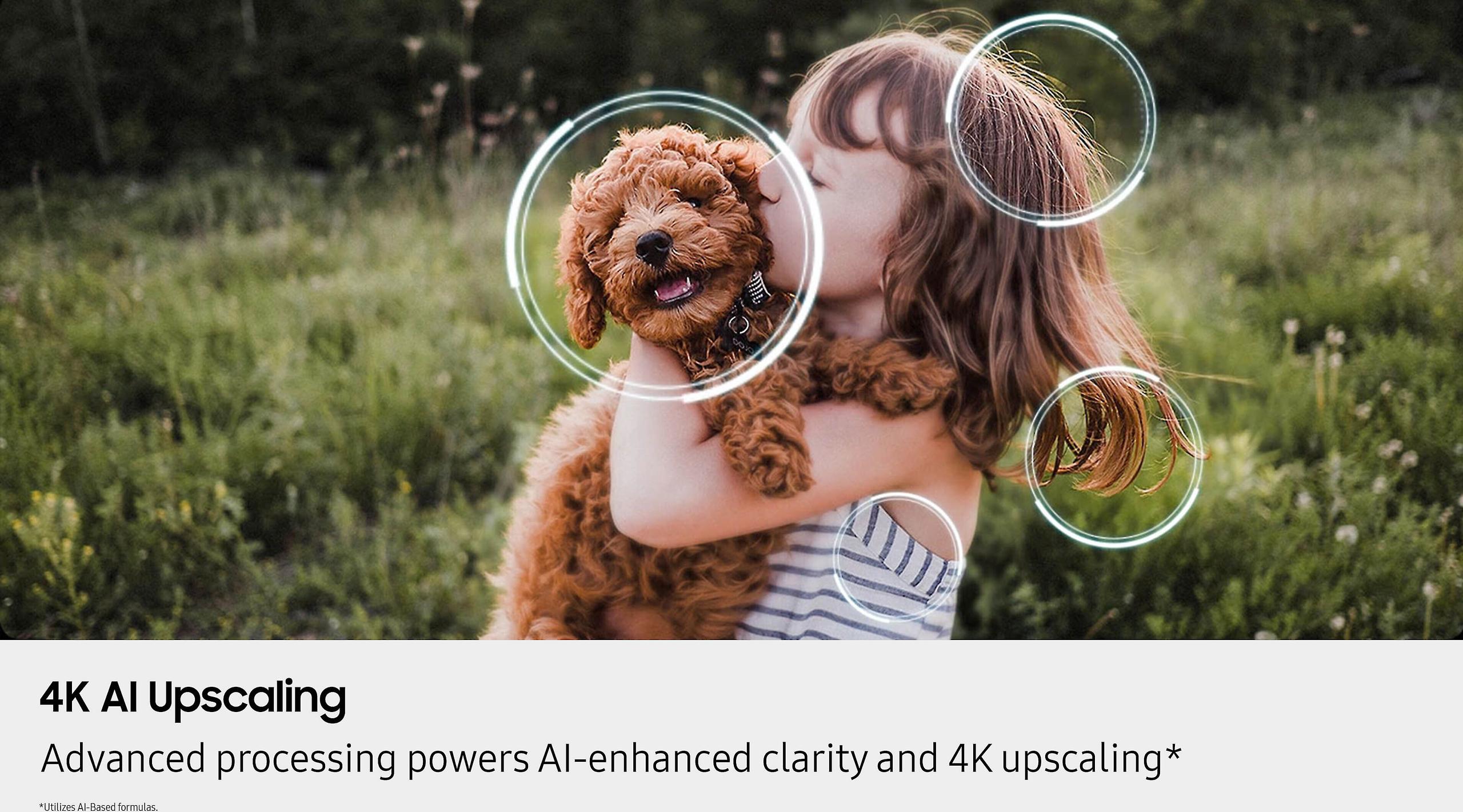
Samsung's Vision AI represents their attempt to reimagine how we interact with TVs. Beyond the novelty factor, these features solve real problems. How many times have you wondered "who is that actor?" while watching something? Samsung's AI handles this instantly. The live translation feature could be game-changing for international content, though it's still early technology.
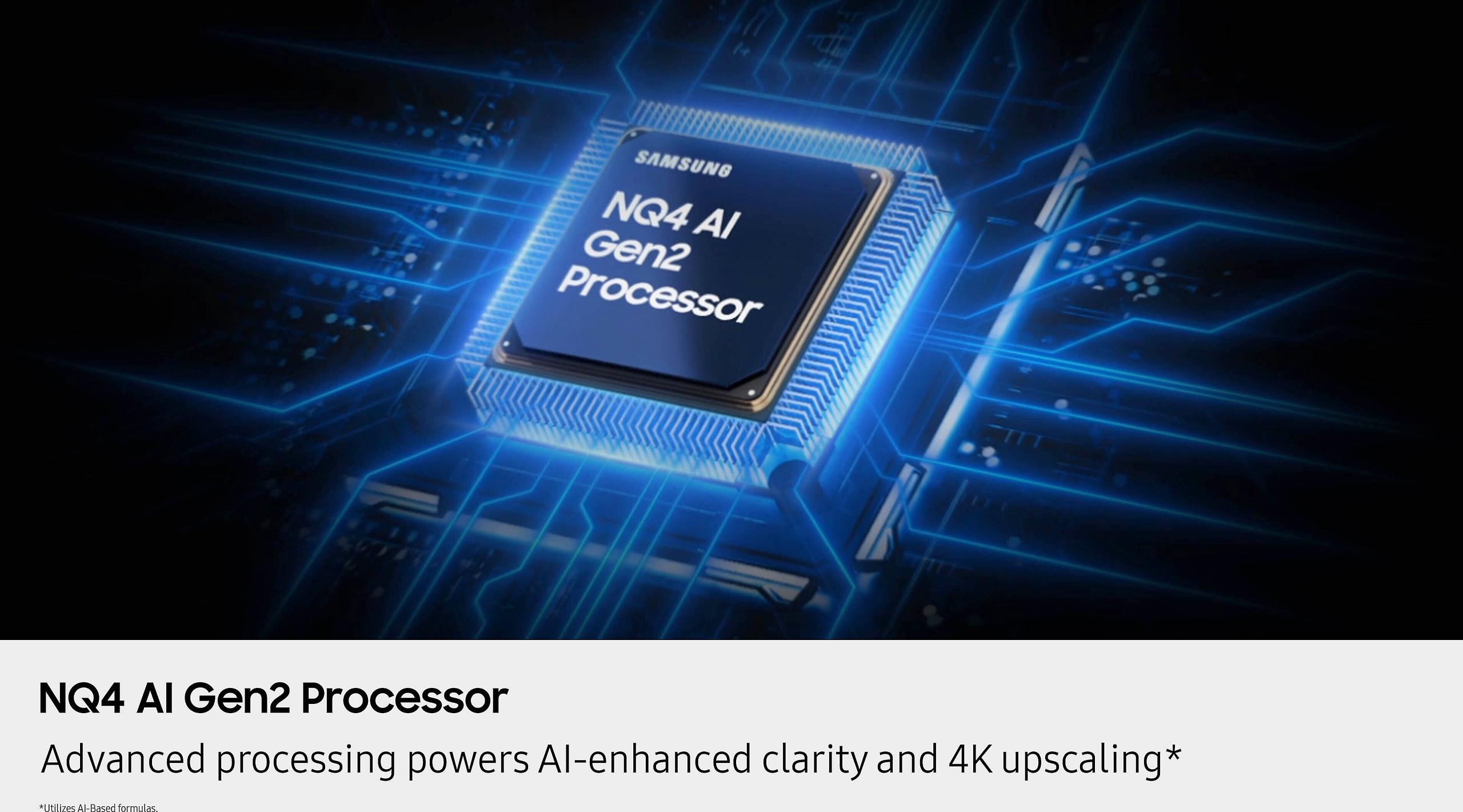
The TCL QM7K focuses on AI for picture and audio optimization rather than interactive features. Its AiPQ Pro processor continuously adjusts picture settings based on content and viewing conditions, which arguably has more day-to-day impact than Samsung's flashier features.
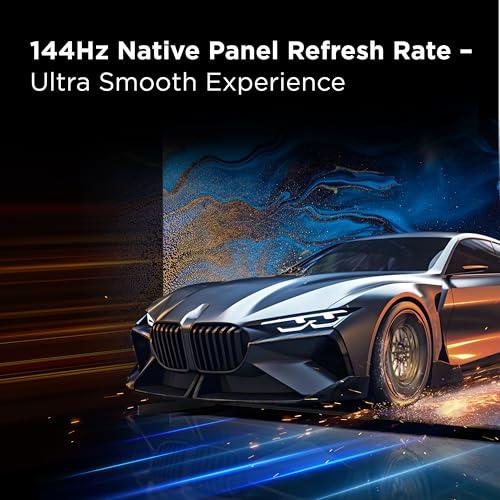
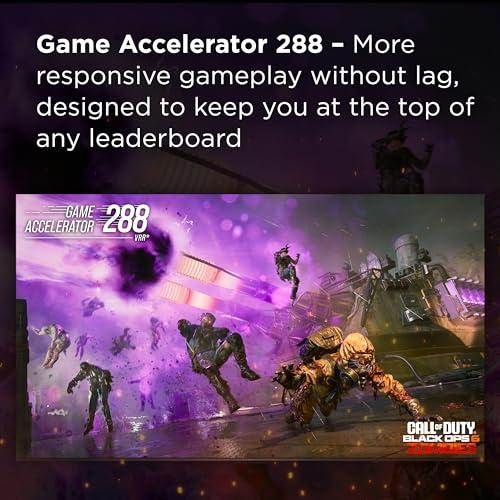
Modern TVs must excel at gaming, and this is where the TCL QM7K pulls significantly ahead. With native 144Hz refresh rate and support for up to 288Hz at 1080p through its Game Accelerator mode, it's genuinely competitive with gaming monitors.
Variable Refresh Rate (VRR) eliminates screen tearing by synchronizing the display's refresh rate with your gaming console's output. The TCL supports this up to 144Hz at 4K resolution, crucial for smooth gaming with PS5 and Xbox Series X/S consoles.
The Samsung QN70F offers solid gaming features with AMD FreeSync Premium Pro support and low input lag, but it can't match the TCL's raw specifications. For casual gamers, Samsung's features are perfectly adequate. For enthusiasts who want the absolute best gaming performance, TCL wins decisively.
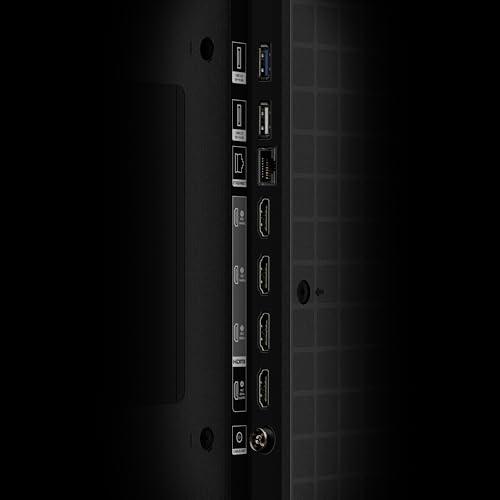
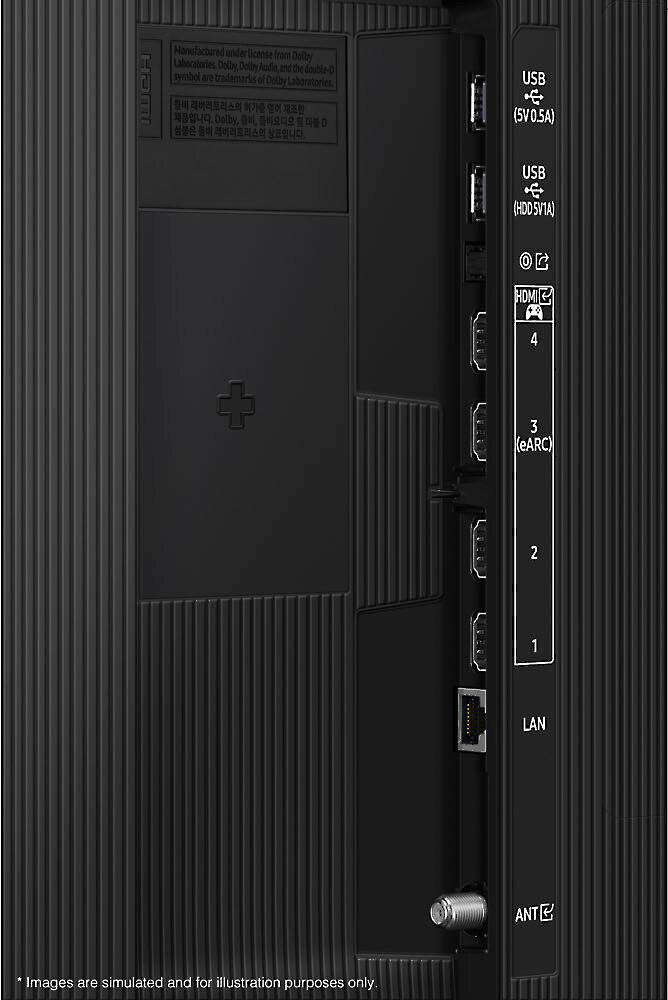
Two HDMI 2.1 ports on each TV handle high-bandwidth 4K 120Hz gaming, though having only two might limit users with multiple gaming devices and streaming boxes.
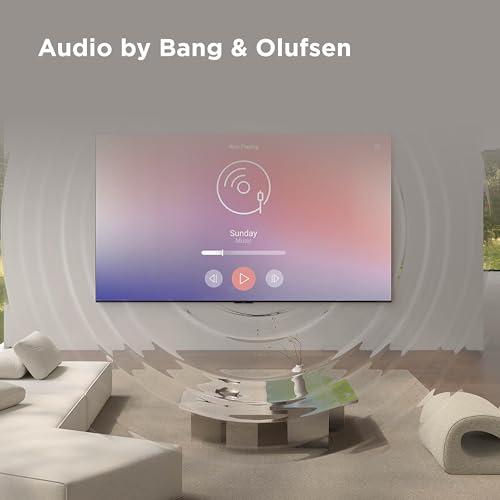
This category reveals perhaps the biggest gap between these TVs. The TCL QM7K features a Bang & Olufsen-tuned 60W audio system with Dolby Atmos support. That's three times the power of Samsung's 20W system and includes premium audio processing that delivers surprisingly good sound for built-in TV speakers.
The Samsung QN70F's Object Tracking Sound Lite tries to make dialogue follow action across the screen, which works reasonably well. Samsung's Q-Symphony technology allows compatible Samsung soundbars to work in harmony with the TV's speakers, potentially creating better overall audio.
For home theater setups, most users will add external audio regardless. But if you're planning to use built-in speakers, the TCL offers a significantly better experience without additional purchases.
At the time of writing, these TVs occupy similar price ranges in the premium segment, though exact pricing fluctuates with sales and promotions. The value equation comes down to what you prioritize.
The TCL QM7K delivers specifications typically found in TVs costing significantly more – that 3,000-nit brightness, extensive local dimming, and premium audio system represent exceptional value. You're getting flagship-level performance without the flagship price tag.
Samsung's QN70F represents their entry point into Neo QLED technology. You're paying partly for the Samsung brand reputation, refined software experience, and innovative AI features, but the underlying display hardware is more modest.
For dedicated home theater rooms, the TCL QM7K makes more sense. That exceptional brightness might seem counterintuitive for dark rooms, but HDR content benefits enormously from bright highlights even in controlled lighting. The superior local dimming also means better black levels and less blooming during dark scenes.
The TCL's more comprehensive audio system reduces the immediate need for external speakers, though serious home theater enthusiasts will likely upgrade audio eventually.
Samsung's QN70F works well in home theaters but doesn't offer the same performance advantages. The Vision AI features might be less useful in dedicated viewing environments where you're focused on the content rather than exploring related information.
Both TVs launched in 2025, representing the latest generation of their respective technologies. TCL has made significant strides in recent years, moving from budget brand to serious premium competitor. Their QD-Mini LED technology represents several years of development in local dimming algorithms and optical engineering.
Samsung's 2025 Neo QLED lineup introduced Vision AI as their key differentiator, recognizing that hardware advantages alone aren't enough in today's competitive market. They've focused on software and AI features to distinguish their products.
Since 2023, Mini LED technology has matured significantly. Earlier implementations suffered from more noticeable blooming and less precise dimming control. Both companies have refined their approaches, though TCL's aggressive zone count gives them a hardware advantage that's difficult to overcome through software alone.
Choose the TCL QM7K if you:
Choose the Samsung QN70F if you:
The TCL QM7K represents exceptional value in today's premium TV market. Its combination of flagship-level brightness, extensive local dimming, gaming performance, and premium audio creates a compelling package that's hard to match at this price point. TCL has successfully challenged the established premium brands by focusing on specifications that directly impact daily viewing experience.
Samsung's QN70F offers a more conservative approach with innovative AI features and brand reliability. While the underlying display performance can't match the TCL, Samsung's software refinement and unique features provide value in different ways.
For most buyers seeking maximum performance per dollar, the TCL represents the better choice. The brightness advantage alone makes HDR content significantly more impactful, while the gaming features future-proof the purchase for years to come.
However, if you're deeply invested in Samsung's ecosystem or prioritize brand reputation over raw specifications, the Samsung remains a solid choice with its own unique advantages.
The TV market has never been more competitive, and both manufacturers deserve credit for pushing the technology forward. Your choice ultimately depends on whether you prioritize cutting-edge hardware performance or refined software features – both approaches have merit in today's diverse viewing landscape.
| TCL 65QM7K QD-Mini LED 4K Google TV | Samsung 65" QN70F Neo QLED 4K Vision AI Smart TV 2025 |
|---|---|
| Peak Brightness - Critical for HDR impact and bright room viewing | |
| 3,000 nits (exceptional for premium HDR performance) | ~1,800 nits (good but noticeably dimmer than TCL) |
| Local Dimming Zones - Controls blooming and contrast precision | |
| Up to 2,500 zones (flagship-level precision) | Fewer zones typical of entry Neo QLED (more blooming) |
| Native Refresh Rate - Essential for gaming and sports | |
| 144Hz native (plus 288Hz at 1080p) | Up to 144Hz (standard for premium TVs) |
| Audio System - Determines if you need external speakers | |
| Bang & Olufsen 60W with Dolby Atmos (surprisingly good) | 20W 2CH with Object Tracking Sound (basic) |
| Smart Platform - Affects daily usability and ecosystem integration | |
| Google TV with comprehensive voice control | Tizen with Vision AI (Click-to-Search, Live Translate) |
| Gaming Features - Important for console and PC gaming | |
| Game Master 2.0, VRR up to 144Hz, AMD FreeSync Premium Pro | AMD FreeSync Premium Pro, HDR10+ Gaming, lower specs |
| HDR Support - Ensures compatibility with streaming content | |
| Dolby Vision IQ, HDR10+, HDR10, HLG (comprehensive) | HDR10+ Adaptive/Gaming, standard HDR formats |
| HDMI 2.1 Ports - Needed for 4K 120Hz gaming | |
| 2 ports (may limit multi-device setups) | 4 ports total with HDMI 2.1 support |
| Voice Control - Convenience for hands-free operation | |
| Far-field mic array, Google Assistant, Alexa, Apple HomeKit | Far-field voice, Bixby, Alexa built-in |
| Contrast Ratio - Affects depth and black level performance | |
| 7,000:1 static with CrystGlow HVA panel (excellent) | Good but lower native contrast than TCL |
| AI Features - Modern convenience and content discovery | |
| AiPQ Pro processor for picture optimization | Vision AI with actor ID, content search, live translation |
| Release Year - Indicates latest technology generation | |
| 2025 (current generation QD-Mini LED) | 2025 (entry-level Neo QLED with AI focus) |
The TCL 65QM7K is significantly better for gaming with its native 144Hz refresh rate, Game Accelerator mode supporting up to 288Hz at 1080p, and comprehensive Game Master 2.0 features. While the Samsung QN70F offers solid gaming with AMD FreeSync Premium Pro, it can't match the TCL's higher refresh rates and gaming-focused optimizations.
The TCL QM7K delivers superior picture quality with 3,000 nits peak brightness and up to 2,500 local dimming zones, compared to the Samsung QN70F's more modest brightness and fewer dimming zones. The TCL provides more impactful HDR with better contrast control, while Samsung focuses on color accuracy and AI-enhanced processing.
Both platforms are excellent but serve different needs. The TCL QM7K with Google TV offers broader ecosystem compatibility, superior voice control with far-field microphones, and seamless integration with Google services. The Samsung QN70F with Tizen provides unique Vision AI features like Click-to-Search and Live Translate, plus better integration with Samsung devices.
The TCL QM7K has a significantly superior audio system with Bang & Olufsen-tuned 60W speakers and Dolby Atmos support. The Samsung QN70F offers basic 20W audio with Object Tracking Sound Lite. For built-in audio quality, the TCL provides a much better experience without needing external speakers.
The TCL QM7K is much better for bright rooms due to its exceptional 3,000 nits peak brightness, which handles ambient light effectively. The Samsung QN70F has adequate brightness but won't perform as well in very bright environments or provide the same HDR impact.
The TCL QM7K features up to 2,500 local dimming zones with advanced Halo Control technology for precise light control and minimal blooming. The Samsung QN70F, being an entry-level Neo QLED, has fewer local dimming zones, which can result in more blooming around bright objects in dark scenes.
The TCL QM7K typically offers better value with flagship-level specifications including exceptional brightness, extensive local dimming, premium audio, and high refresh rates at a competitive price. The Samsung QN70F provides good value for those prioritizing brand reliability and AI features over raw performance specifications.
The TCL QM7K is better suited for home theaters due to its superior brightness for HDR impact, excellent contrast with 7,000:1 ratio, extensive local dimming for dark scenes, and premium audio system. The Samsung QN70F works well in home theaters but doesn't offer the same performance advantages for dedicated viewing environments.
The TCL QM7K delivers superior HDR performance with its 3,000 nits peak brightness, extensive local dimming zones, and support for Dolby Vision IQ, HDR10+, and other formats. The Samsung QN70F supports HDR10+ Adaptive and Gaming modes but can't match the TCL's brightness and contrast capabilities for impactful HDR content.
Both TVs offer HDMI 2.1 support for 4K 120Hz gaming, but the Samsung QN70F provides four HDMI 2.1 ports while the TCL QM7K has two HDMI 2.1 and two HDMI 2.0 ports. The TCL includes broader smart home compatibility with Google Assistant, Alexa, and Apple HomeKit support.
Samsung has a longer track record of TV manufacturing and typically provides extended software support for their QN70F models. However, TCL has significantly improved their build quality and support in recent years, and the TCL QM7K offers superior hardware specifications that may age better over time.
The Samsung QN70F stands out with Vision AI features including Click-to-Search for actor identification and Live Translate for real-time subtitle translation. The TCL QM7K differentiates itself with exceptional brightness, premium Bang & Olufsen audio, superior gaming performance, and flagship-level Mini LED technology at a competitive price point.
We've done our best to create useful and informative comparisons to help you decide what product to buy. Our research uses advanced automated methods to create this comparison and perfection is not possible - please contact us for corrections or questions. These are the sites we've researched in the creation of this article: bestbuy.com - businessinsider.com - tomsguide.com - tomsguide.com - rtings.com - tomsguide.com - youtube.com - rtings.com - consumerreports.org - youtube.com - youtube.com - displayspecifications.com - youtube.com - tcl.com - tcl.com - tcl.com - youtube.com - rcwilley.com - bestbuy.com - tclcentral.com - displayspecifications.com - tomsguide.com - tcl.com - brandsmartusa.com - tcl.com - tcl.com - gizmochina.com - nfm.com - dolby.com - alexraytv.com - rtings.com - youtube.com - wifihifi.com - samsung.com - samsung.com - samsung.com - samsung.com - flatpanelshd.com - news.samsung.com - bestbuy.com

Privacy Policy
Terms and Conditions - Affiliate Policy
Home Security
© Copyright 2008-2026.
11816 Inwood Rd #1211, Dallas, TX 75244