

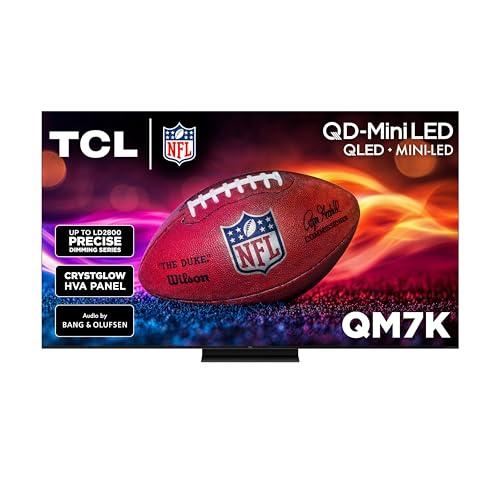
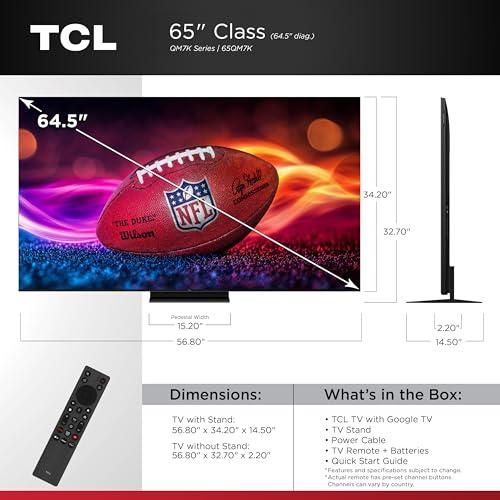
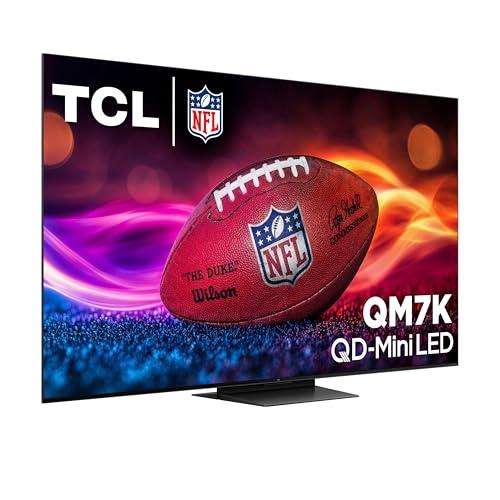
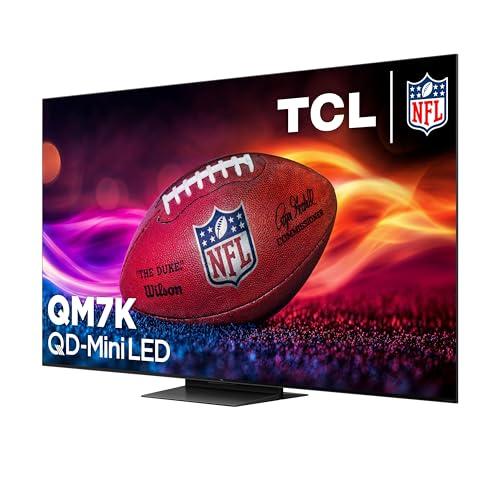
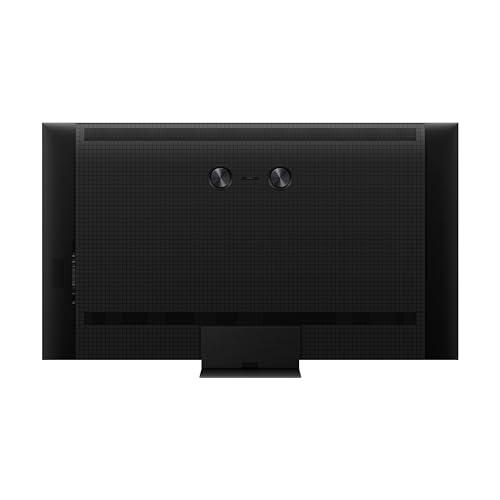
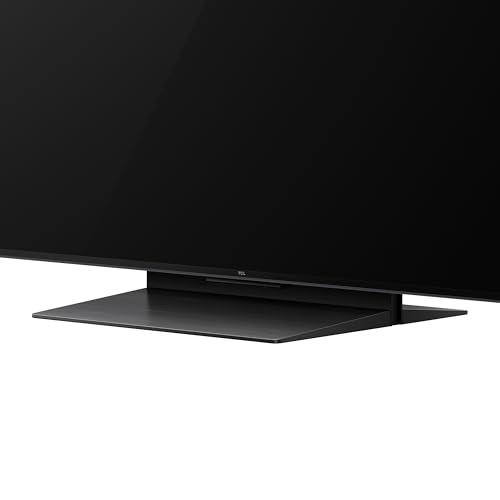
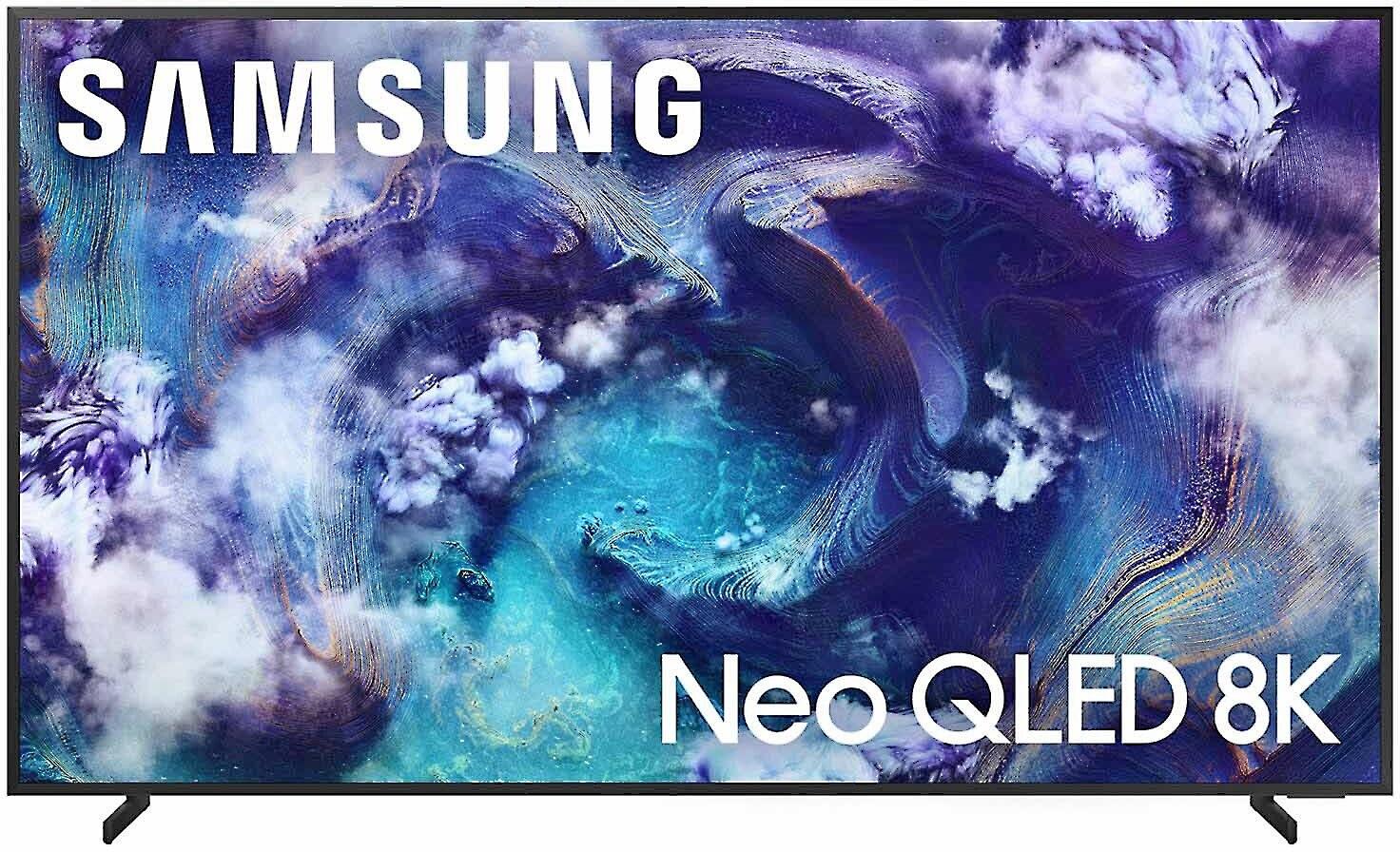
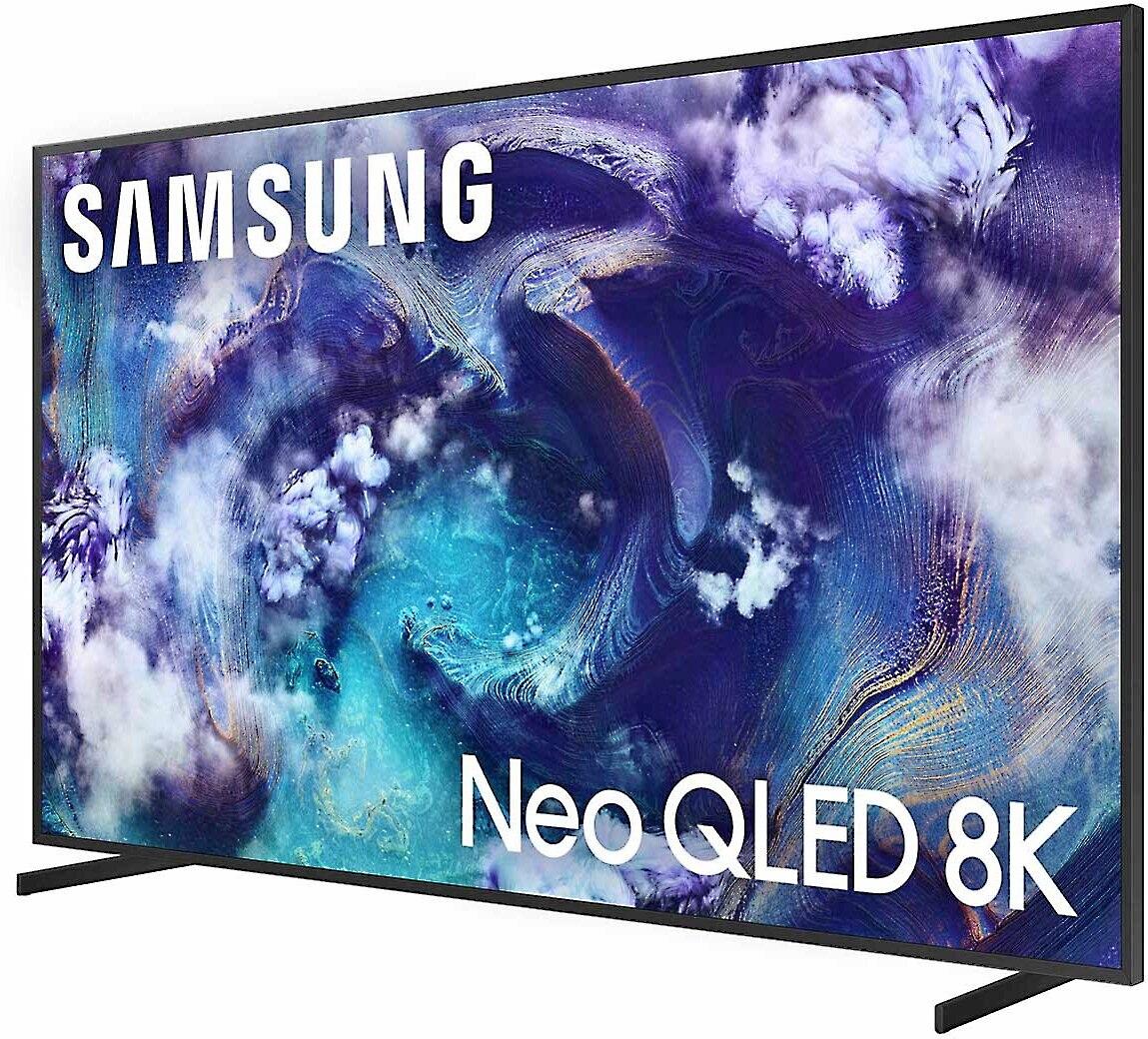

When you're shopping for a premium television in 2025, you're essentially choosing between two different philosophies. Do you want a TV that absolutely excels at everything available today, or one that pushes the boundaries of what's possible tomorrow? That's the fundamental question when comparing the TCL 65QM7K QD-Mini LED 4K Google TV and the Samsung 65" Neo QLED 8K QN900F Vision AI Smart TV.
Both TVs represent the cutting edge of Mini-LED technology—a backlighting system that uses thousands of tiny LEDs instead of traditional edge lighting. This approach delivers the deep blacks of OLED with the brightness punch that LCD panels can provide. But these two models take that foundation in dramatically different directions.
The premium TV market has evolved rapidly since 2020. Mini-LED technology has matured from a curiosity to the standard for high-end LCD displays. What makes these TVs "premium" isn't just the price tag—it's the combination of advanced backlighting, sophisticated processing, and gaming features that were unimaginable just a few years ago.
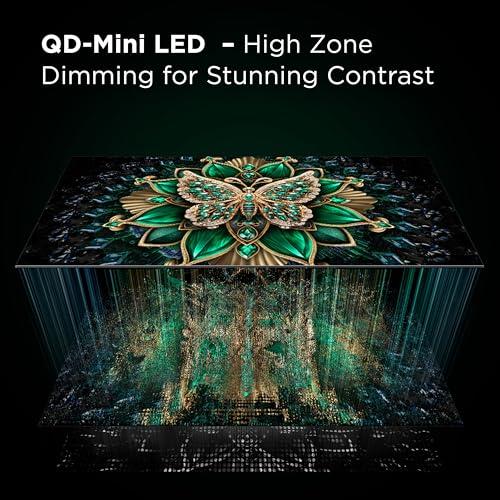
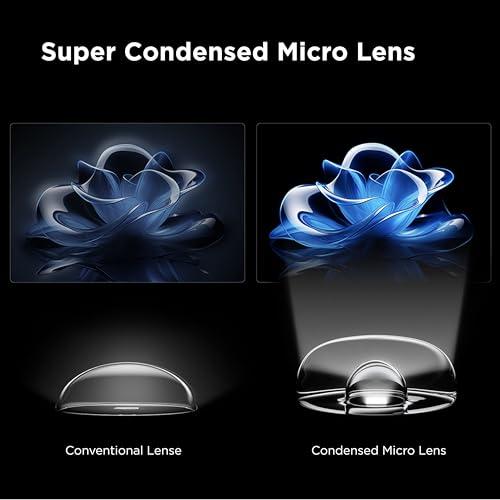
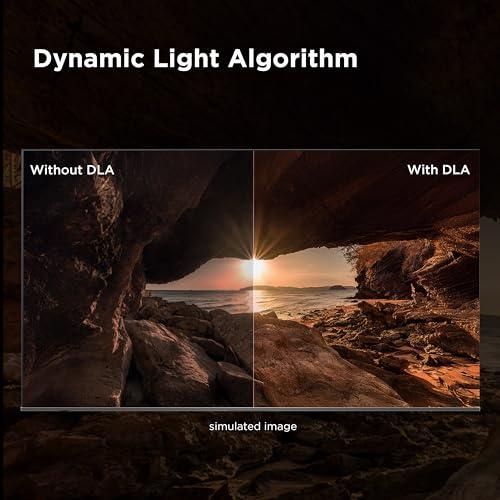
Local dimming zones are perhaps the most important specification to understand. Traditional TVs light the entire screen evenly, but Mini-LED displays divide the backlight into hundreds or thousands of independent zones. When a movie shows a bright moon against a dark sky, only the zones behind the moon light up, while the rest stay dim. This creates contrast that rivals much more expensive OLED panels.
Both the TCL QM7K and Samsung QN900F excel in this area, but they approach the challenge differently. The TCL focuses on maximizing performance per dollar, while Samsung pursues technological boundaries regardless of cost.
Here's where these TVs diverge most dramatically. The TCL QM7K delivers native 4K resolution (3840 x 2160 pixels), which matches virtually everything you'll watch today. Netflix, Disney+, Xbox Series X games, and Ultra HD Blu-rays all output in 4K. When the TV receives a 4K signal, it displays it pixel-for-pixel without any processing artifacts.
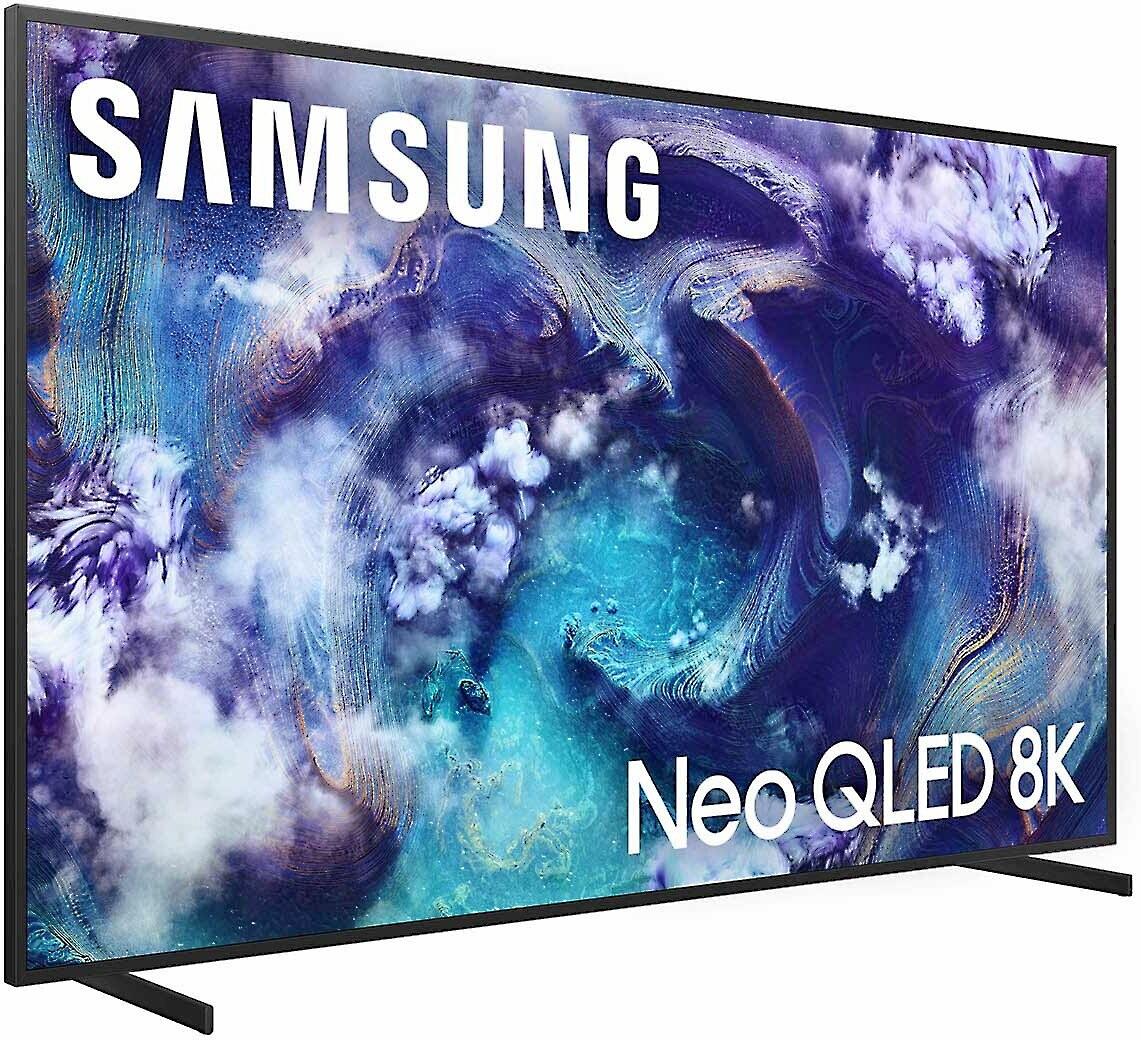
The Samsung QN900F, released in 2025, represents Samsung's latest push into 8K territory with 7680 x 4320 pixels—four times the detail of 4K. But here's the catch: there's virtually no native 8K content available. YouTube has some 8K videos, and a handful of specialty cameras can record in 8K, but you won't find 8K movies on streaming services or 8K games on consoles.
This means the Samsung relies heavily on upscaling—using artificial intelligence to interpolate extra detail from lower-resolution sources. Samsung's NQ8 AI Gen3 processor, powered by 256 neural networks, represents some of the most sophisticated upscaling technology available. In our research of expert reviews, this upscaling performs remarkably well, often making 4K content look noticeably sharper than on native 4K displays.
However, upscaling always involves some level of guesswork. No algorithm can create detail that wasn't originally captured. The TCL QM7K avoids this entirely by focusing on displaying 4K content as perfectly as possible, then using its AiPQ Pro processor to enhance rather than artificially expand the image.
For most viewers, especially those coming from older 1080p TVs, both approaches deliver stunning results. But if you're sensitive to processing artifacts or prefer authenticity over enhancement, the 4K approach has merit.
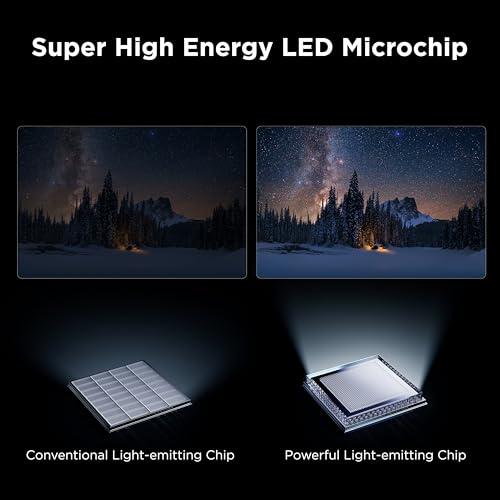
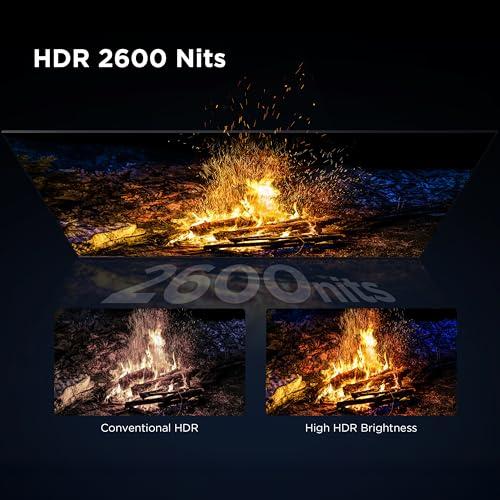
Peak brightness often determines how impressive HDR content looks, and this is where the TCL QM7K shows its strength. With measured peaks of 3000 nits and up to 2500 local dimming zones, it can make HDR highlights absolutely pop. When a lightsaber ignites in Star Wars or sunlight streams through a window, the TV can get bright enough to genuinely trick your eyes.
The Samsung's brightness figures aren't as widely reported, but its Quantum Matrix Pro technology delivers what reviewers consistently describe as exceptional contrast and vibrant highlights. More importantly, Samsung's processing tends to be more aggressive in optimizing the image for impact rather than accuracy.
Both TVs support HDR (High Dynamic Range), which expands the difference between the brightest and darkest parts of an image. However, they support different HDR formats. The TCL QM7K includes Dolby Vision IQ, which automatically adjusts the image based on your room's lighting conditions. The Samsung QN900F notably omits Dolby Vision support, focusing instead on HDR10+ and HLG formats.
This difference matters if you have a large library of Dolby Vision content from services like Netflix or Apple TV+. While both formats deliver excellent results, Dolby Vision tends to be more filmmaker-friendly and often provides more natural-looking images.
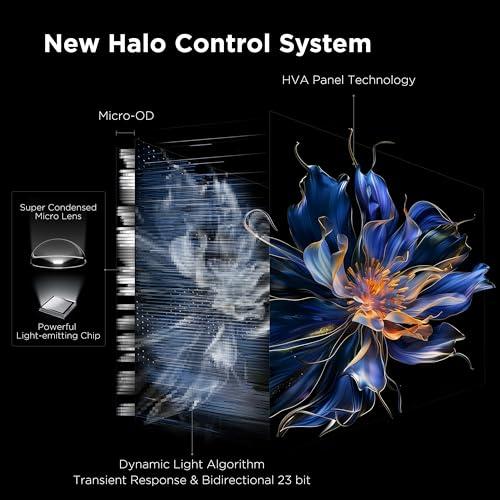
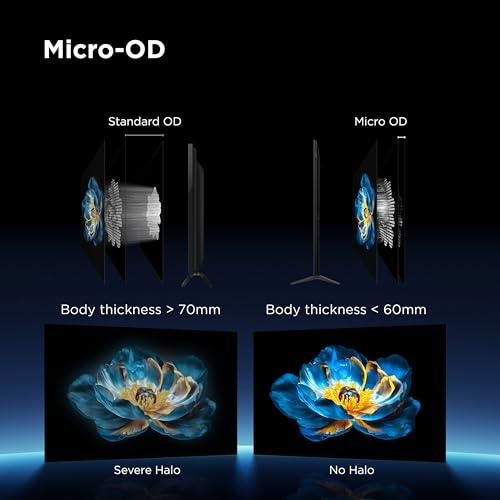
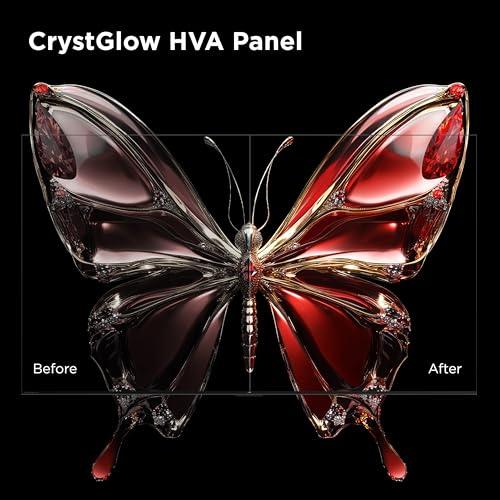
The TCL's CrystGlow HVA panel deserves special mention. This uses a butterfly-wing-shaped liquid crystal structure that achieves a native contrast ratio of 7000:1—exceptional for an LCD panel. Combined with the Halo Control System that minimizes light bleeding around bright objects, the TCL QM7K delivers remarkably clean contrast without the haloing effects that plague cheaper Mini-LED displays.
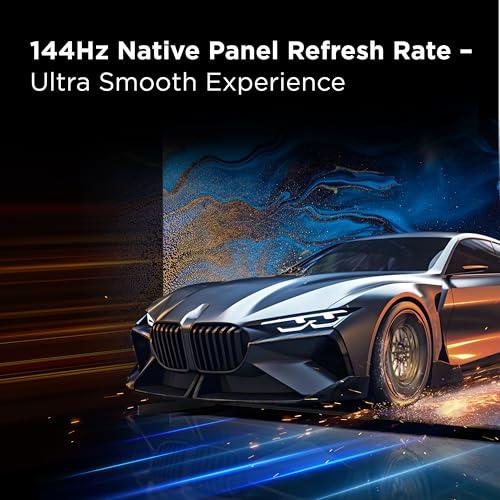
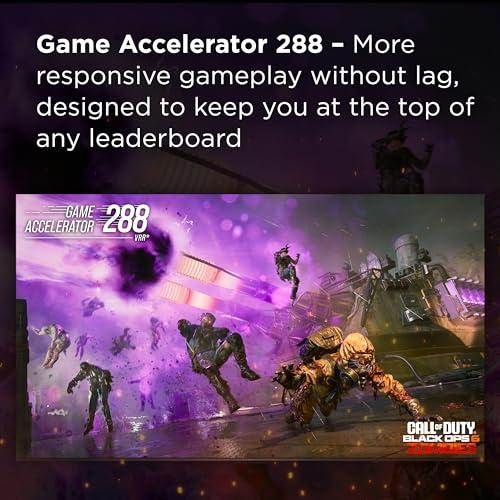
Gaming has become a primary consideration for TV buyers, and both displays excel here, though in different ways. The TCL QM7K offers native 144Hz refresh rate at 4K resolution, with Game Accelerator 288 that can push 1080p content up to 288Hz. These high refresh rates make fast-paced games feel incredibly smooth and responsive.
For context, most TVs max out at 120Hz, and many older displays only manage 60Hz. Higher refresh rates mean the TV updates the image more frequently, reducing motion blur and input lag. When you're playing competitive games like Call of Duty or racing simulators, every millisecond matters.
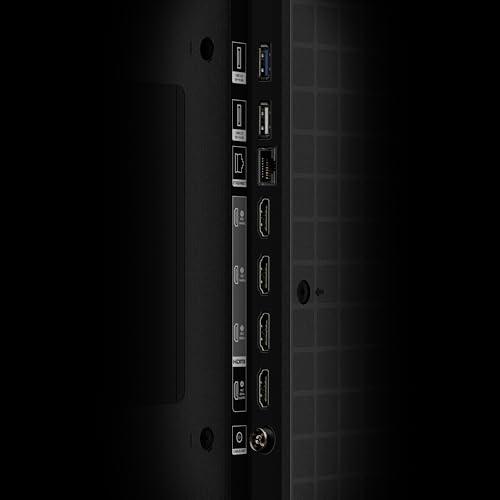
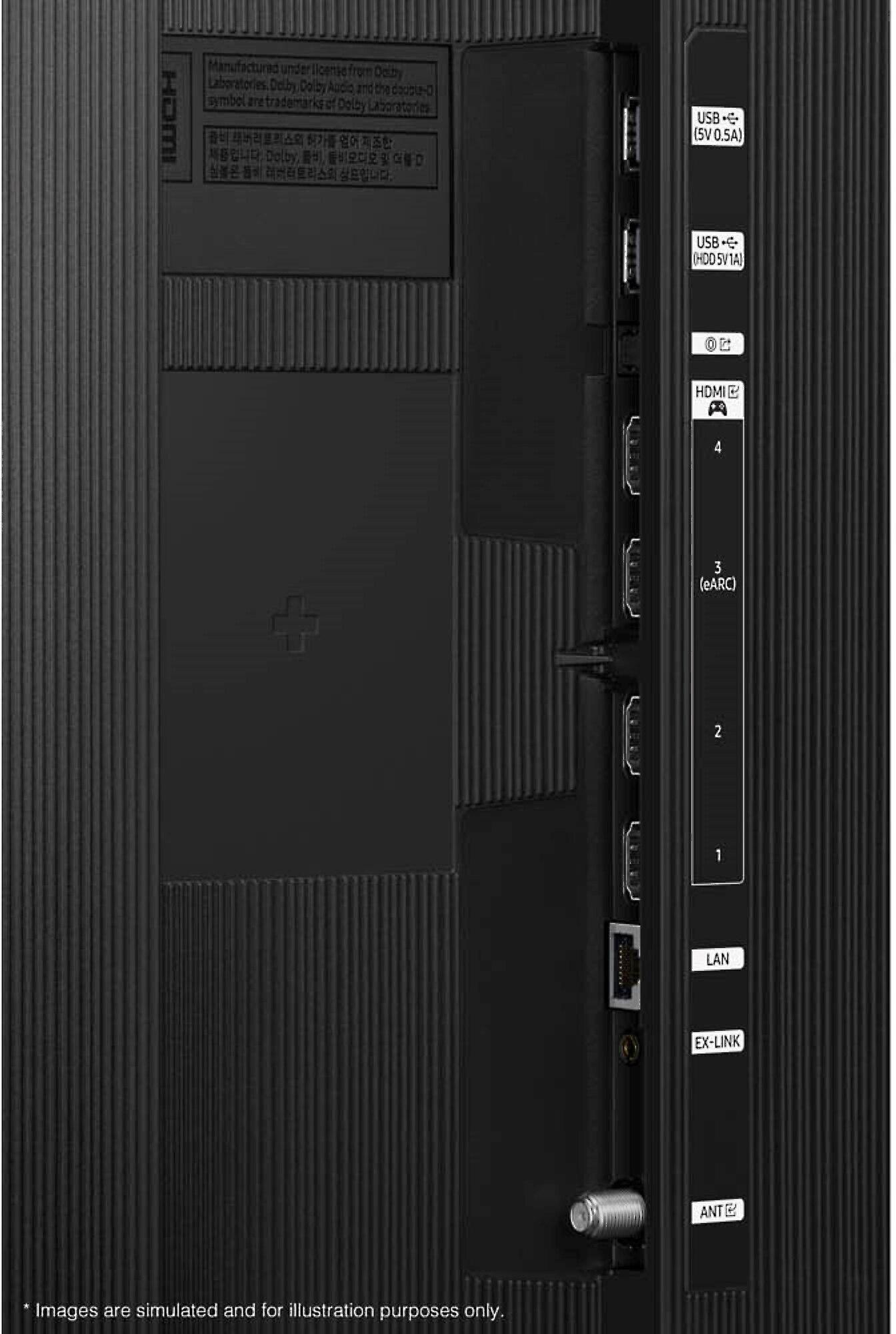
The Samsung QN900F supports up to 165Hz at 4K, which splits the difference between standard 120Hz and the TCL's 144Hz. However, Samsung provides four HDMI 2.1 ports compared to the TCL's two. If you have multiple gaming consoles, a high-end PC, and other devices, those extra ports eliminate the need for switching cables.
Both TVs support Variable Refresh Rate (VRR), which synchronizes the display's refresh rate with your graphics card or console's output. This eliminates screen tearing and stuttering that can occur when frame rates fluctuate. The TCL includes AMD FreeSync Premium Pro certification, while Samsung offers their own VRR implementation.
Input lag—the delay between pressing a controller button and seeing the action on screen—is crucial for competitive gaming. Based on expert measurements, both TVs deliver excellent gaming performance, typically measuring under 10 milliseconds in game mode. That's fast enough for even professional esports players.
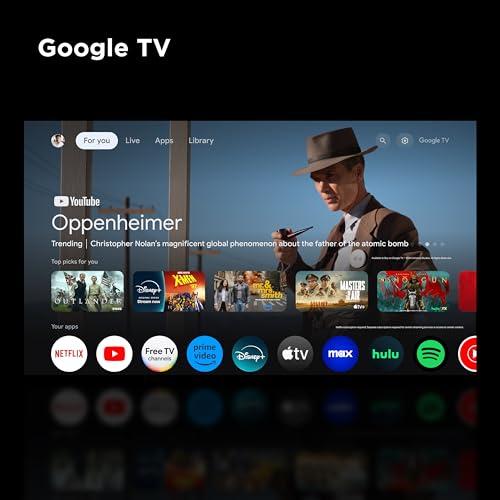
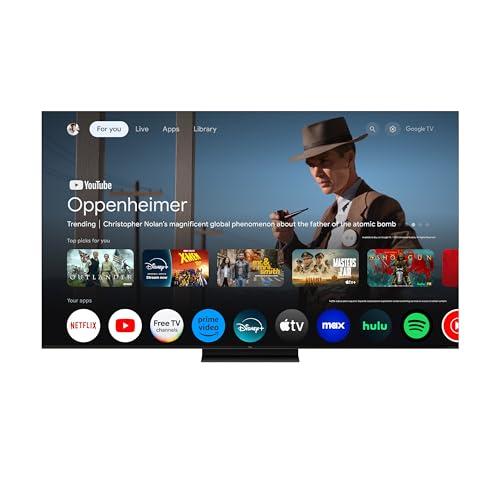
The software experience shapes how you interact with your TV daily, and these platforms couldn't be more different. The TCL QM7K runs Google TV, which is essentially Android TV refined for television use. It integrates seamlessly with Google services, supports Chromecast for easy phone-to-TV casting, and works with Google Assistant voice commands.
Google TV's strength lies in its content aggregation. Instead of hunting through individual apps, it surfaces shows and movies from across your subscriptions in a unified interface. The hands-free voice control with far-field microphones means you can adjust volume or search for content without finding the remote.
Samsung's Tizen platform on the QN900F takes a more feature-rich approach. The 2025 version includes Vision AI capabilities that learn your viewing habits and optimize picture settings automatically. Samsung Gaming Hub provides access to cloud gaming services like Xbox Game Pass and GeForce Now without needing a console.
The trade-off is complexity. Samsung's platform offers more customization and advanced features, but Google TV tends to be more intuitive for users already invested in Google's ecosystem. If you use Gmail, YouTube, and Google Photos regularly, the TCL integrates more naturally with your digital life.
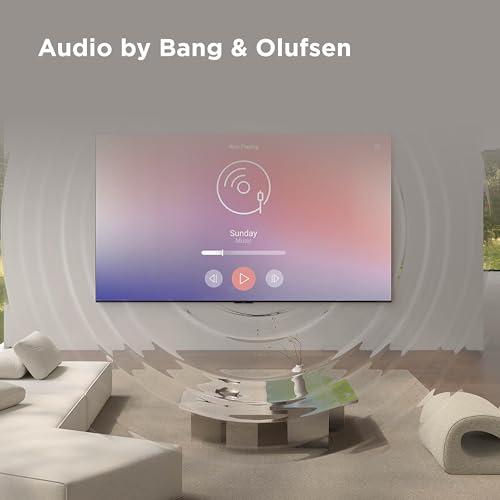
Television audio has improved dramatically in recent years, and both models deliver respectable sound for their built-in speakers. The TCL QM7K partners with Bang & Olufsen for its 60W audio system, supporting Dolby Atmos for three-dimensional sound effects.
The Samsung QN900F goes further with a 4.2.2-channel system that includes dedicated top-firing speakers for true Dolby Atmos height effects. Object Tracking Sound Pro follows action across the screen, so a car racing from left to right sounds like it's actually moving through your room.
For serious home theater enthusiasts, both TVs will likely be paired with external sound systems anyway. A quality soundbar or surround system will outperform any built-in speakers. However, if you're planning to rely on the TV's audio, the Samsung provides a more immersive experience out of the box.
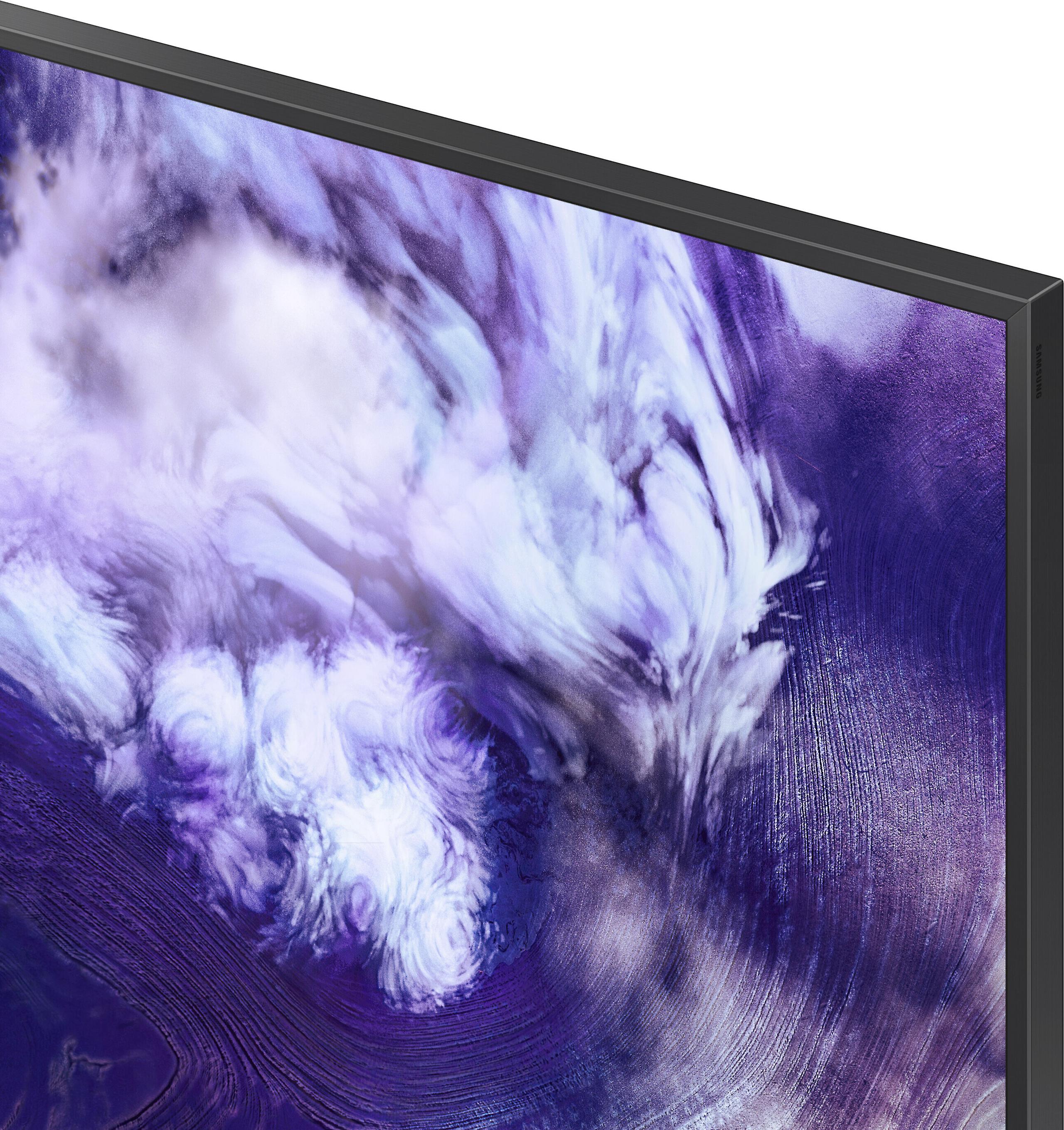
First impressions matter, and the Samsung QN900F clearly targets the luxury market with its metal frame construction and award-winning Glare-Free screen coating. The anti-reflection technology nearly eliminates glare from windows or lamps, maintaining image quality in bright rooms—a significant advantage for daytime viewing.
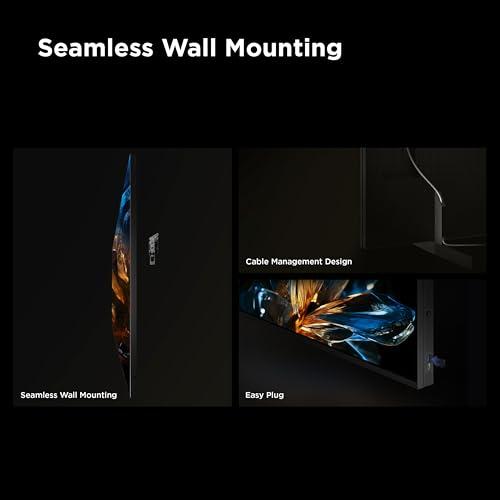
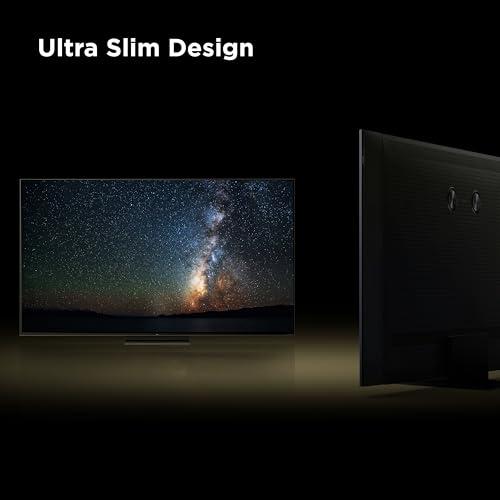
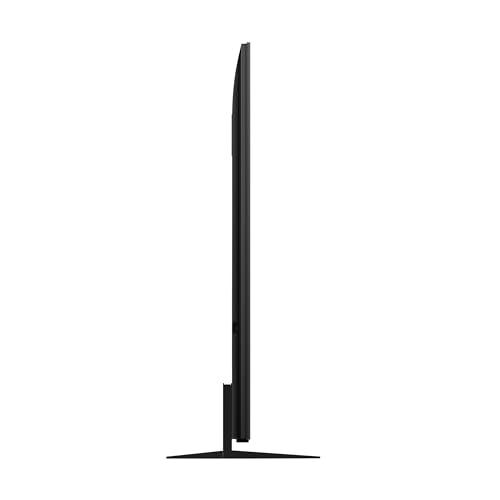
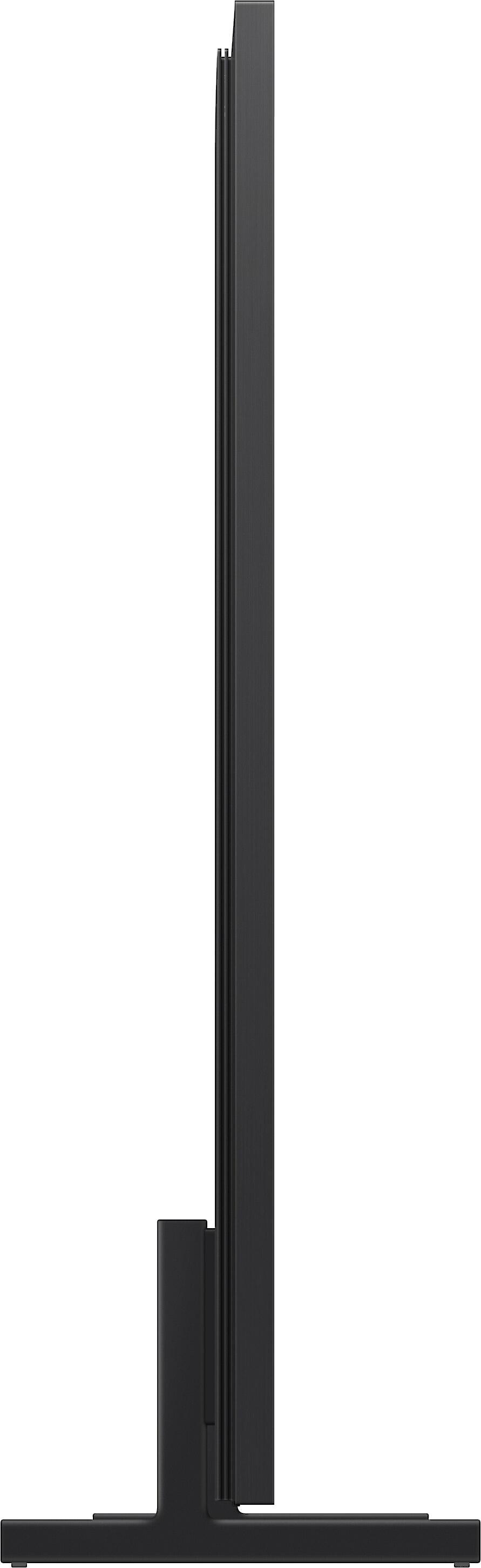
The TCL QM7K focuses on functionality over luxury, using its Micro-OD technology to achieve an impressively slim profile. While not quite as premium-feeling as the Samsung, it's well-built and the anti-glare CrystGlow panel still performs well in challenging lighting conditions.
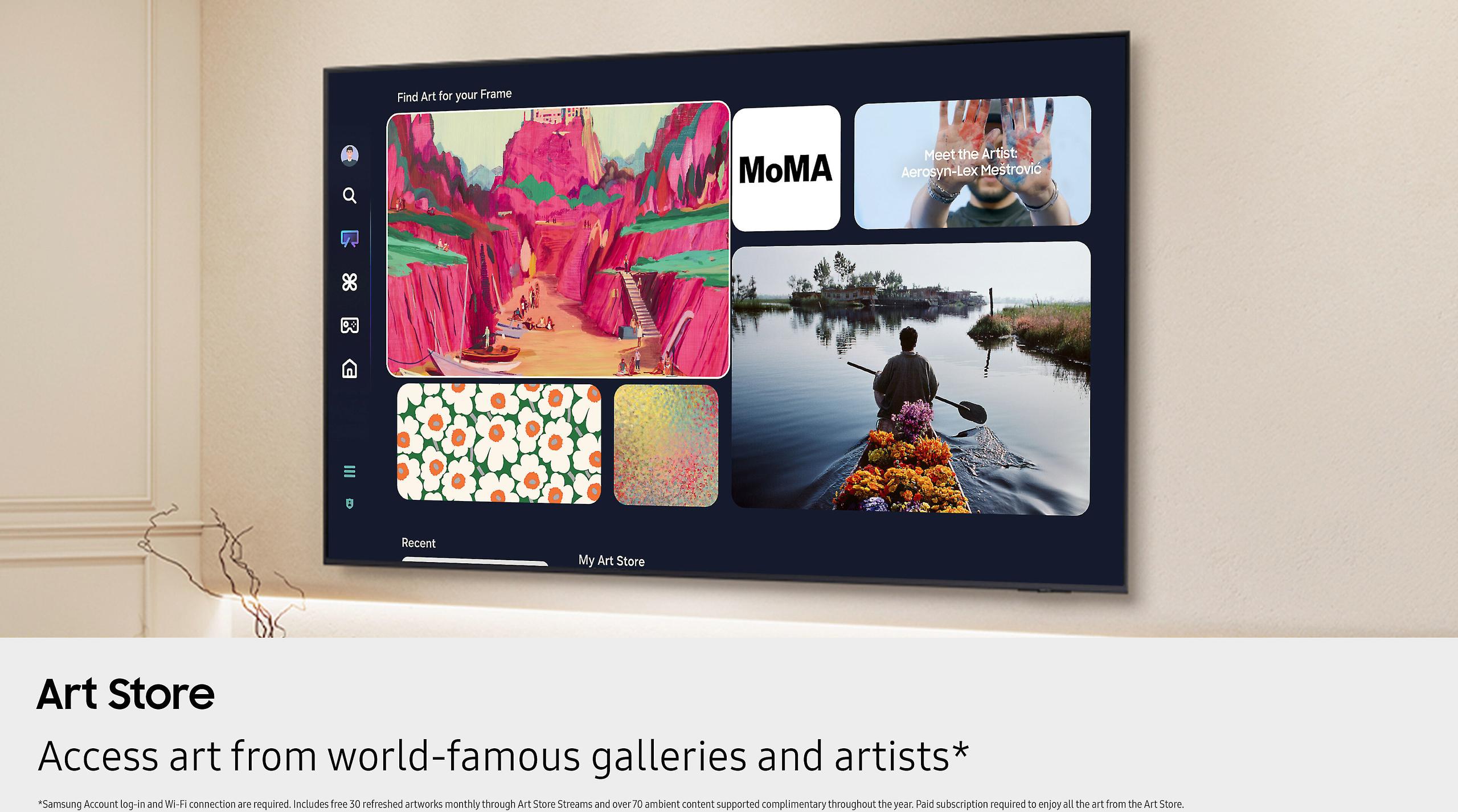
Samsung's Ambient Mode+ transforms the TV into a digital art frame when not in use, displaying paintings or personal photos that blend with your room's aesthetic. This feature appeals to users who want their TV to complement their interior design rather than dominate it.
At the time of writing, the pricing difference between these TVs is substantial—the Samsung QN900F costs roughly 2.5 times more than the TCL QM7K. This price gap reflects their different market positioning and technological approaches.
The TCL delivers what many would consider 90% of the Samsung's picture quality at about 40% of the cost. For most viewers, especially those upgrading from older TVs, the performance difference doesn't justify the price premium. The TCL QM7K offers exceptional Mini-LED performance, high refresh rate gaming, and premium features at a price that doesn't require a second mortgage.
However, the Samsung QN900F provides tangible benefits for specific users. The 8K processing genuinely improves upscaled content, the build quality is noticeably superior, and features like the glare-free screen and advanced audio system create a more premium experience.
For dedicated home theater setups, several factors become more important. The TCL QM7K's Dolby Vision support matters more when you're watching carefully mastered content in a controlled lighting environment. The format's dynamic metadata allows filmmakers to specify exactly how each scene should look, which typically results in more accurate representation of their creative intent.
The Samsung's 8K upscaling becomes more valuable on larger screens where the extra detail is more apparent. At 65 inches, the difference between 4K and upscaled 8K is noticeable but not dramatic. However, if you're considering larger sizes in the future, 8K processing provides more scalability.
Both TVs excel in dark room performance thanks to their Mini-LED backlighting and local dimming capabilities. The deep blacks and bright highlights create the contrast that makes movies feel immersive and engaging.
The TCL QM7K makes sense for most buyers, particularly those who:
The Samsung QN900F justifies its premium for users who:
Both TVs represent excellent choices within their respective categories, but they serve different priorities. The TCL QM7K maximizes performance per dollar spent, delivering flagship-level features at a mid-range price. It's the smarter choice for most buyers who want exceptional Mini-LED performance without paying early-adopter prices.
The Samsung QN900F pushes technological boundaries and delivers a genuinely premium experience, but at a cost that only makes sense for enthusiasts who want the absolute best regardless of price. Its 8K processing and premium features create a noticeably more refined experience, though whether that justifies the price premium depends entirely on your budget and priorities.
For most viewers upgrading from older TVs, either choice will provide a transformational viewing experience. The question isn't whether these TVs are good—they're both excellent. The question is whether the Samsung's premium features align with your specific needs and budget, or whether the TCL's exceptional value proposition makes more sense for your situation.
| TCL 65QM7K QD-Mini LED 4K Google TV | Samsung 65" Neo QLED 8K QN900F Vision AI Smart TV 2025 |
|---|---|
| Resolution - Determines native content compatibility and processing needs | |
| 4K (3840 x 2160) - matches all current streaming/gaming content | 8K (7680 x 4320) - 4x more pixels but relies heavily on upscaling |
| Peak Brightness - Critical for HDR impact and daytime viewing | |
| 3,000 nits (exceptional for price range) | Quantum Matrix Pro (excellent but unspecified nits) |
| Local Dimming Zones - Controls contrast and blooming | |
| Up to 2,500 zones with Halo Control System | Thousands of Mini LEDs with Ultimate 8K Dimming Pro |
| Gaming Refresh Rate - Smoothness for fast-paced games | |
| 144Hz native at 4K, up to 288Hz at 1080p | Up to 165Hz at 4K |
| HDMI 2.1 Ports - Future-proof gaming connectivity | |
| 2 HDMI 2.1 ports (may require switching for multiple devices) | 4 HDMI 2.1 ports (connects all next-gen devices simultaneously) |
| HDR Format Support - Streaming service compatibility | |
| Dolby Vision IQ, HDR10+, HLG (comprehensive support) | HDR10+, HLG (lacks Dolby Vision for Netflix/Apple TV+) |
| Smart Platform - Daily interface experience | |
| Google TV with hands-free voice control | Tizen with Vision AI and advanced processing |
| Audio System - Built-in sound quality | |
| Bang & Olufsen 60W with Dolby Atmos | 4.2.2-channel system with Object Tracking Sound Pro |
| Screen Coating - Glare resistance for bright rooms | |
| Anti-glare CrystGlow panel (good performance) | Award-winning Glare-Free technology (industry-leading) |
| Build Quality - Premium feel and durability | |
| Solid construction with ultra-slim profile | Premium metal frame with luxury aesthetics |
| Price Positioning - Value for performance delivered | |
| Mid-range pricing with flagship features | Premium pricing for cutting-edge 8K technology |
| Best For - Target user scenarios | |
| Maximizing 4K performance per dollar, gaming enthusiasts | Future-proofing, luxury features, bright room viewing |
Both the TCL 65QM7K and Samsung QN900F deliver exceptional picture quality, but with different strengths. The TCL QM7K excels at displaying current 4K content with up to 3,000 nits peak brightness and 2,500 local dimming zones, making HDR movies look stunning. The Samsung QN900F uses advanced 8K upscaling to enhance 4K content, often making it appear sharper than native 4K displays. For most streaming content, both perform excellently, though the TCL offers better value for pure 4K performance.
The 8K resolution on the Samsung QN900F provides minimal benefits for most home theater setups since virtually no native 8K content exists. However, Samsung's sophisticated upscaling can make 4K content look noticeably sharper, especially on larger screens. The TCL QM7K focuses on perfecting 4K performance without processing overhead. For dedicated home theaters with controlled lighting, the TCL's native 4K approach often delivers more authentic image reproduction.
Both TVs excel for gaming but offer different advantages. The TCL 65QM7K provides higher refresh rates with 144Hz at 4K and up to 288Hz at 1080p, making it ideal for competitive gaming. The Samsung QN900F offers 165Hz at 4K with four HDMI 2.1 ports compared to the TCL's two ports. If you have multiple gaming devices, the Samsung provides more connectivity, but the TCL QM7K delivers higher maximum refresh rates for single-device gaming.
The TCL QM7K runs Google TV, which integrates seamlessly with Google services, offers hands-free voice control, and provides a simple, intuitive interface. The Samsung QN900F uses Samsung's Tizen platform with Vision AI, offering more advanced features like automatic picture optimization and Samsung Gaming Hub for cloud gaming. Google TV tends to be more straightforward, while Tizen provides more customization options and smart home integration.
The TCL 65QM7K supports Dolby Vision IQ, HDR10+, and HLG formats, providing comprehensive compatibility with all streaming services including Netflix and Apple TV+. The Samsung QN900F supports HDR10+ and HLG but notably lacks Dolby Vision support. For users with extensive Dolby Vision content libraries, the TCL QM7K offers better format compatibility, though both deliver excellent HDR performance overall.
The TCL QM7K features Bang & Olufsen audio with 60W power and Dolby Atmos support, providing solid built-in sound quality. The Samsung QN900F includes a more sophisticated 4.2.2-channel system with dedicated top-firing speakers and Object Tracking Sound Pro technology. While both offer decent audio, the Samsung provides more immersive built-in sound, though serious home theater users will likely add external audio systems to either TV.
The TCL 65QM7K delivers exceptional value, offering roughly 90% of premium TV performance at a significantly lower cost than the Samsung QN900F. The TCL provides flagship Mini-LED features, high gaming refresh rates, and comprehensive HDR support at a mid-range price point. The Samsung commands a premium for 8K processing, superior build quality, and advanced features, but the TCL QM7K represents better price-to-performance ratio for most buyers.
Both TVs handle bright rooms well but use different approaches. The TCL QM7K features an anti-glare CrystGlow panel that reduces reflections effectively, while its high peak brightness helps maintain image quality in daylight. The Samsung QN900F uses award-winning Glare-Free technology that nearly eliminates reflections from windows and lights. For the brightest rooms with challenging lighting conditions, the Samsung's glare resistance technology provides superior performance.
Both the TCL 65QM7K and Samsung QN900F excel at sports with their high refresh rates and motion processing. The TCL's 144Hz native refresh rate and Game Accelerator technology provide excellent motion clarity for fast-paced sports. The Samsung's advanced motion processing and Object Tracking Sound Pro create an immersive sports viewing experience. Both handle sports broadcasts well, with the TCL QM7K offering slightly smoother motion at a better price point.
The Samsung QN900F features premium metal frame construction with luxury aesthetics and Ambient Mode+ for displaying art when not in use. The TCL 65QM7K focuses on functionality with a solid build and ultra-slim profile using Micro-OD technology. While both are well-constructed, the Samsung offers more premium materials and design elements, reflecting its higher-end market positioning compared to the TCL QM7K.
Both TVs offer good longevity, but with different future-proofing approaches. The Samsung QN900F provides 8K resolution and advanced processing that may become more valuable as 8K content eventually emerges. The TCL 65QM7K focuses on maximizing current 4K performance with high refresh rates and comprehensive HDR support that will remain relevant for years. For most users, the TCL's approach to current standards offers practical longevity at better value.
Choose the TCL 65QM7K if you want exceptional Mini-LED performance at great value, prioritize gaming with high refresh rates, prefer Google's ecosystem, or need comprehensive HDR format support. Choose the Samsung QN900F if you want cutting-edge 8K technology, premium build quality, superior glare resistance, more HDMI ports, or are willing to pay more for the latest features. The TCL QM7K suits most buyers seeking flagship performance without premium pricing.
We've done our best to create useful and informative comparisons to help you decide what product to buy. Our research uses advanced automated methods to create this comparison and perfection is not possible - please contact us for corrections or questions. These are the sites we've researched in the creation of this article: bestbuy.com - businessinsider.com - tomsguide.com - tomsguide.com - rtings.com - tomsguide.com - youtube.com - rtings.com - consumerreports.org - youtube.com - youtube.com - displayspecifications.com - youtube.com - tcl.com - tcl.com - tcl.com - youtube.com - rcwilley.com - bestbuy.com - tclcentral.com - displayspecifications.com - tomsguide.com - tcl.com - brandsmartusa.com - tcl.com - tcl.com - gizmochina.com - nfm.com - dolby.com - alexraytv.com - rtings.com - samsung.com - techradar.com - dolby.com - youtube.com - samsung.com - youtube.com - samsung.com - samsung.com - samsung.com - samsung.com - displayspecifications.com - samsung.com - rtings.com - bestbuy.com - merlinstv.com - news.samsung.com - bestbuy.com

Privacy Policy
Terms and Conditions - Affiliate Policy
Home Security
© Copyright 2008-2026.
11816 Inwood Rd #1211, Dallas, TX 75244