

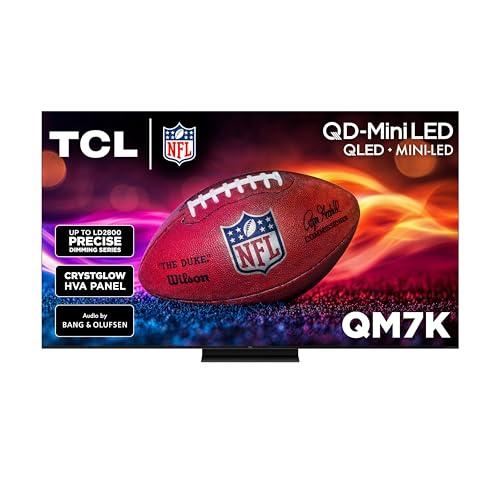
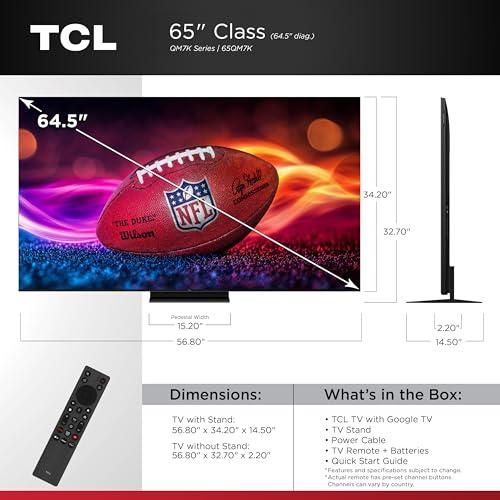
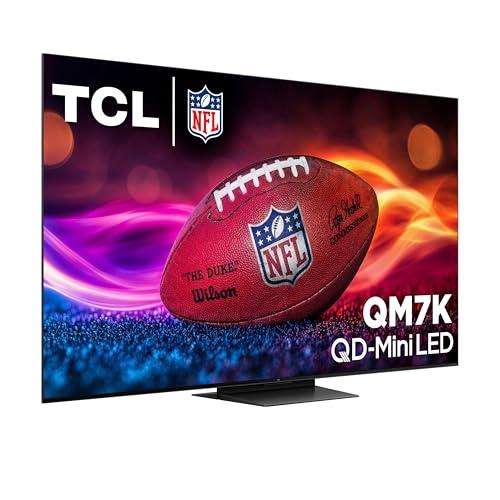
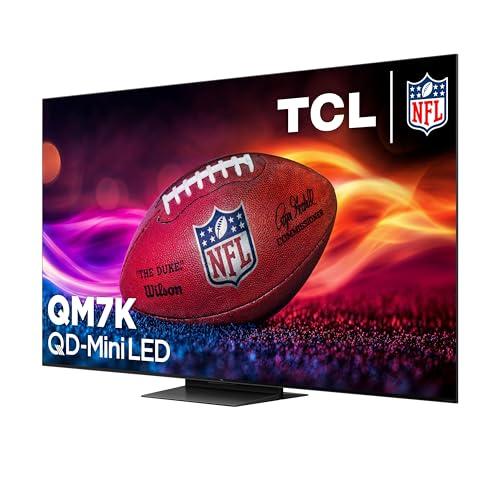
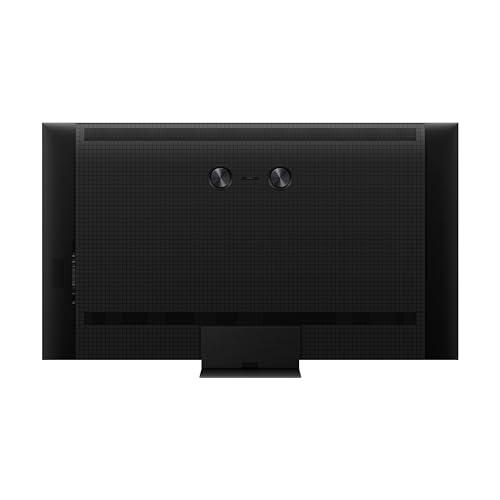
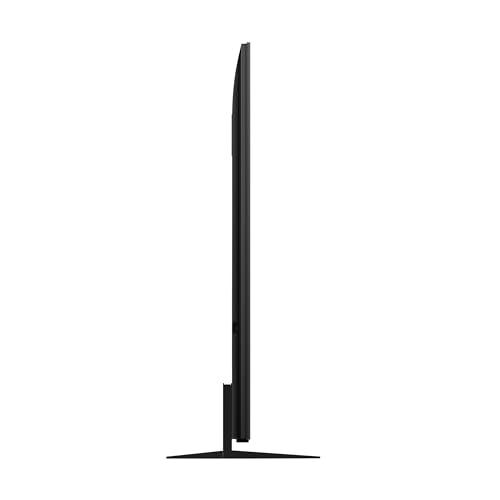
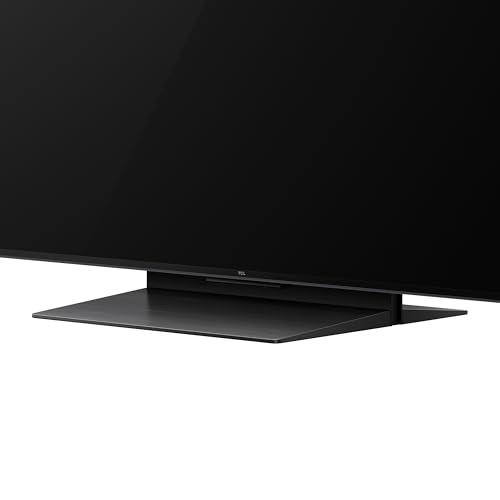
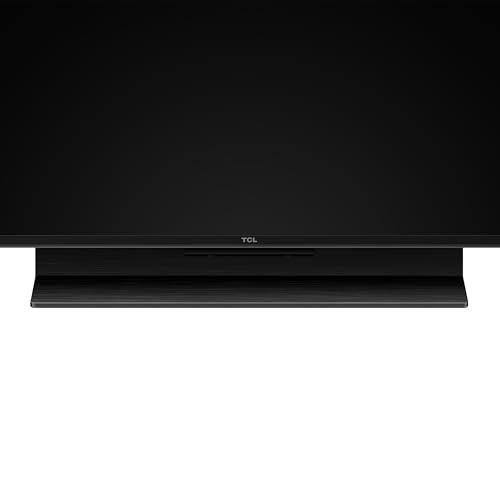
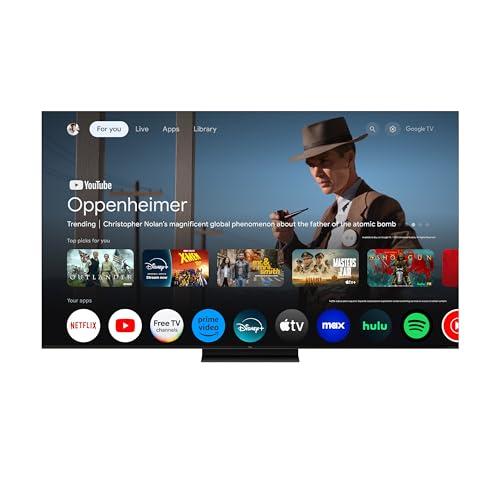
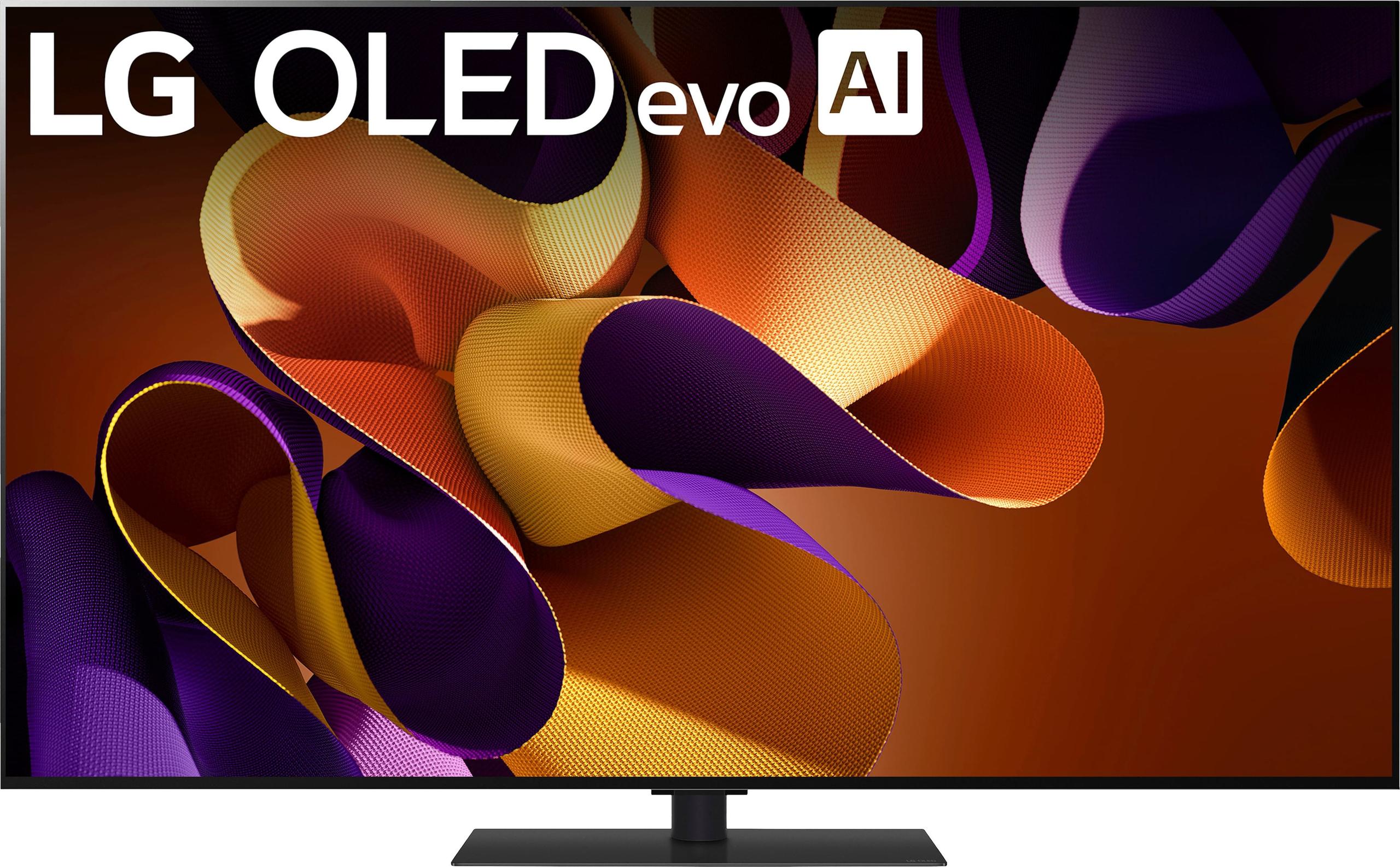
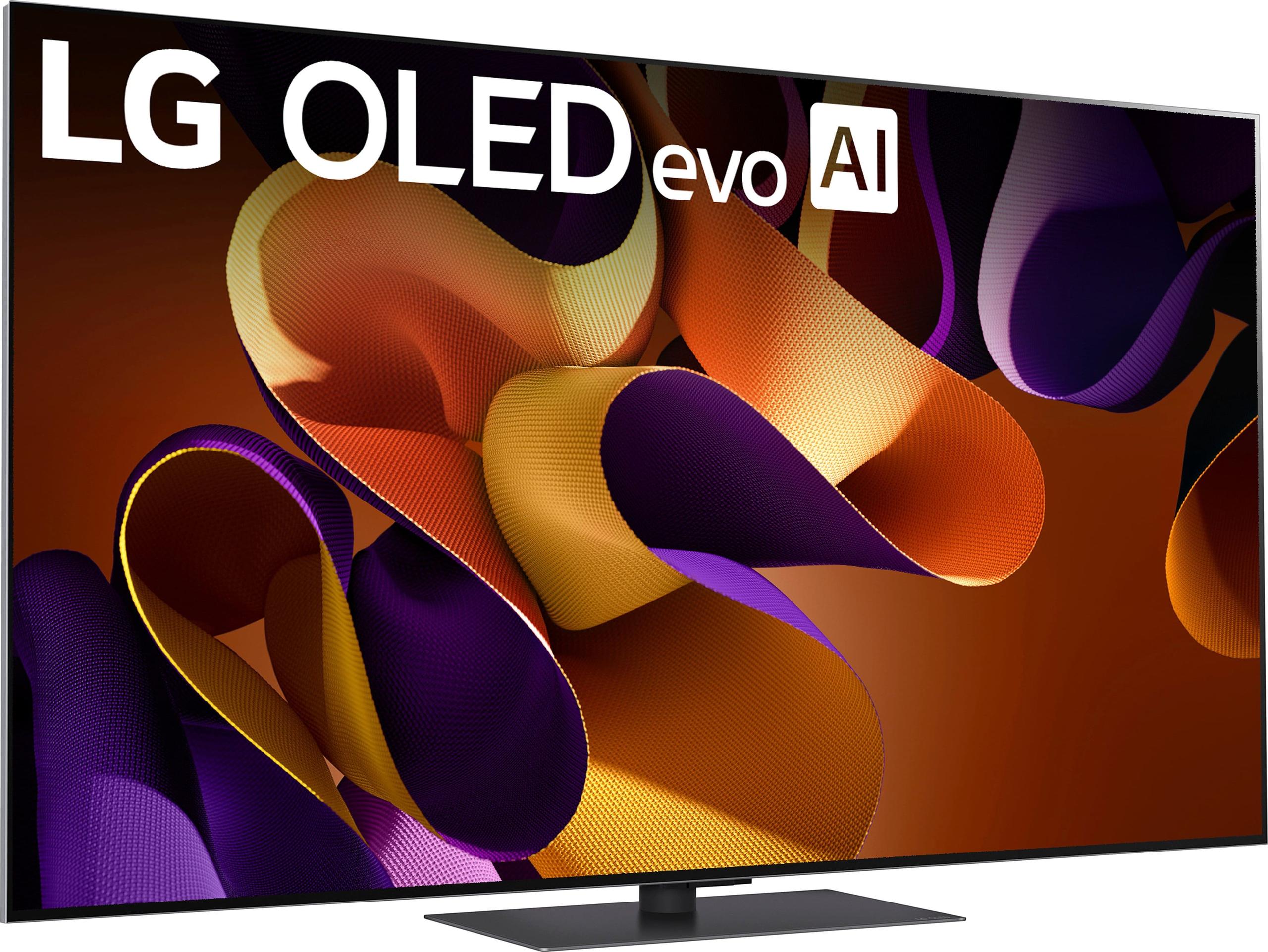
When you're shopping for a premium 65-inch TV in 2024-2025, two standout options represent completely different philosophies in display technology. The TCL 65QM7K QD-Mini LED and LG 65" G4 Series OLED evo both deliver exceptional picture quality, but they achieve it through fundamentally different approaches that make each better suited for specific viewing situations.
The TV landscape has evolved dramatically since these models launched in 2024. Both represent significant technological leaps—the TCL QM7K brings flagship Mini LED performance to a more accessible price point, while the LG G4 showcases second-generation OLED evo technology that finally addresses brightness concerns that have historically limited OLED adoption in bright rooms.
Understanding which technology suits your viewing environment and priorities is crucial, because while both TVs excel in different areas, neither is universally superior. Your room lighting, content preferences, and gaming habits will determine which delivers the better experience for your specific situation.
The core difference between these TVs lies in their fundamental display technologies, and this choice impacts everything from picture quality to longevity.
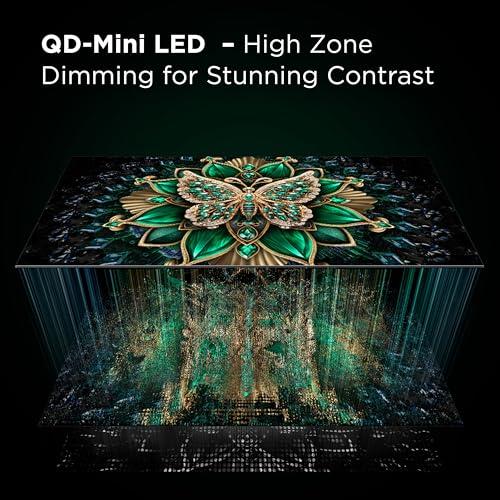
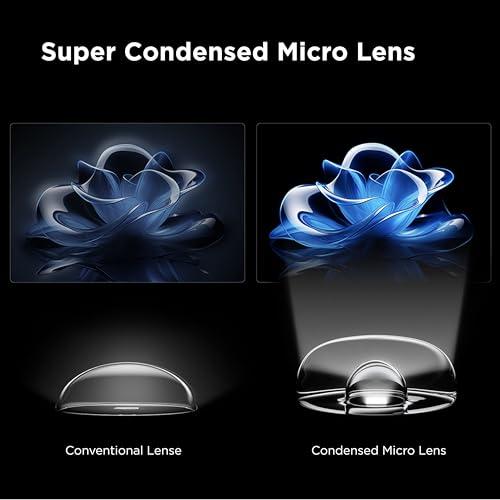
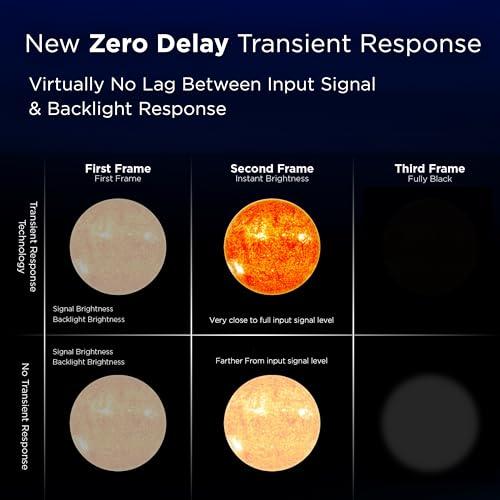
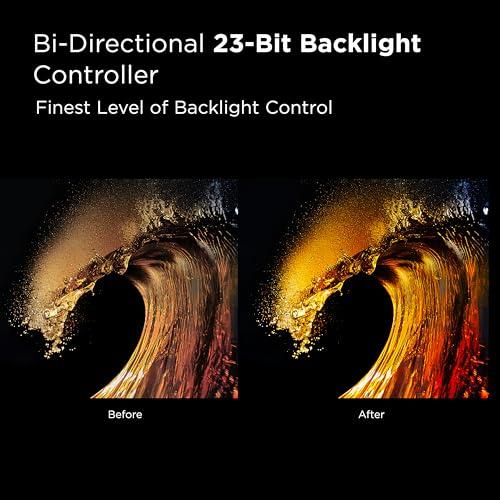
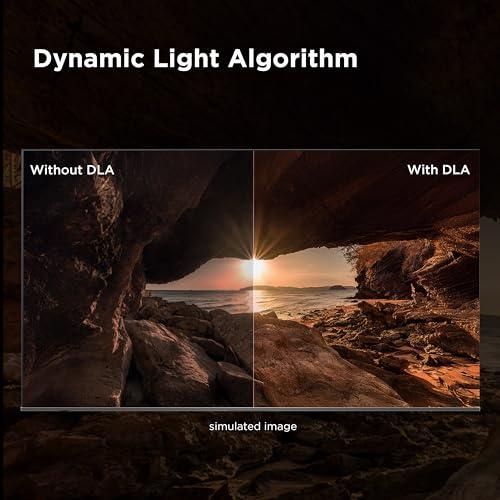
The TCL QM7K uses QD-Mini LED technology, which combines thousands of tiny LED backlights (Mini LEDs) with Quantum Dot color enhancement. Think of it as having up to 2,500 individual light zones behind the LCD panel that can brighten or dim independently. This local dimming system allows the TV to display brilliant whites next to deep blacks with impressive precision.
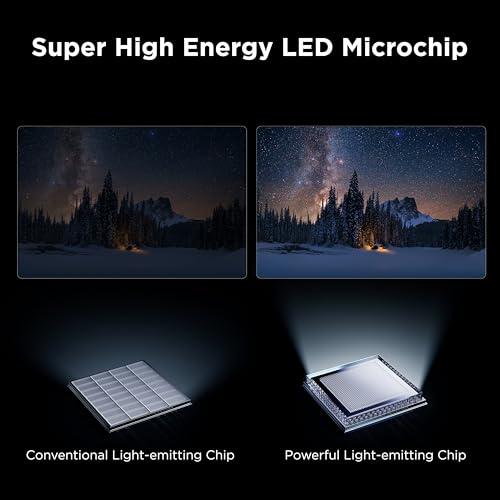
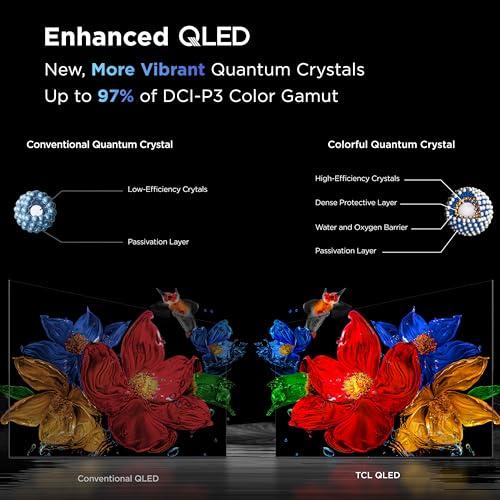
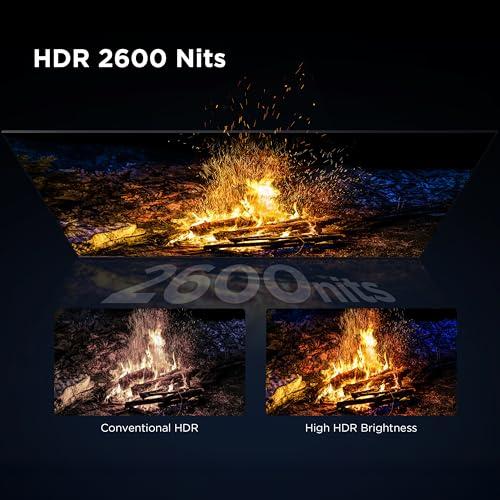
The Quantum Dot layer (the "QD" in QD-Mini LED) acts like a color filter that converts the LED backlight into extremely pure and vibrant colors. When combined with the TCL QM7K's peak brightness of up to 3,000 nits, this creates spectacular HDR (High Dynamic Range) performance that can make bright highlights truly pop—think sunlight reflecting off water or explosions in action movies.
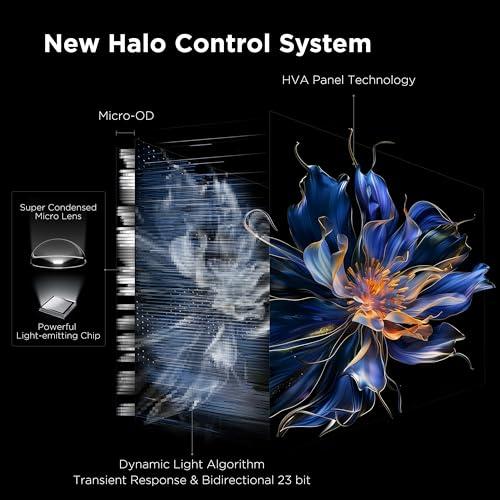
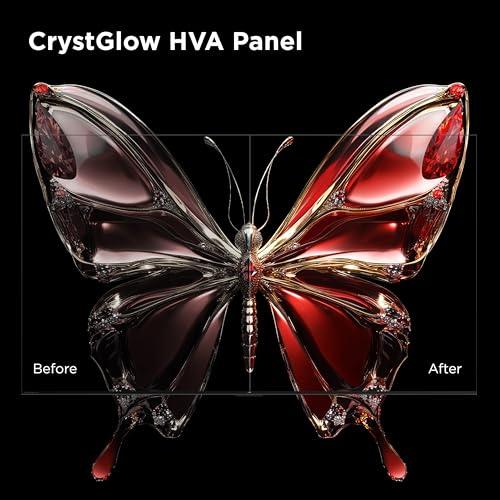
The TCL QM7K also features TCL's CrystGlow HVA Panel, which uses a special liquid crystal structure inspired by butterfly wings to achieve a native contrast ratio of 7,000:1. This means that even without the local dimming zones activated, the panel can display whites that are 7,000 times brighter than its blacks—impressive for an LCD display.
The LG G4 takes an entirely different approach with OLED (Organic Light-Emitting Diode) technology. Instead of a backlight system, each pixel generates its own light and can turn completely off to create perfect blacks. When you see a starfield in space, those black areas are truly black—not dark gray like on most TVs.
LG's second-generation OLED evo technology includes Micro Lens Array (MLA) improvements that boost brightness significantly. The LG G4 can reach up to 2,268 nits peak brightness—about 150% brighter than previous generation OLED models. This addresses the historical weakness of OLED displays in bright rooms while maintaining their signature perfect contrast.
The LG G4 uses what LG calls a "Four Stack Tandem OLED structure," which layers multiple light-emitting materials to achieve both higher brightness and better color saturation than traditional OLED panels. This technological advancement means you no longer have to choose between bright HDR highlights and vivid colors—the G4 delivers both.
Based on our research into expert reviews and user feedback, both TVs deliver exceptional picture quality, but they excel in different scenarios and content types.
For sheer brightness capability, the TCL QM7K holds a significant advantage. Its 3,000-nit peak brightness makes it one of the brightest TVs available at any price point. This translates to HDR content that can truly dazzle—fireworks, sunsets, and metallic objects display with a luminous quality that feels almost three-dimensional.
The LG G4, while much brighter than previous OLED models at around 2,268 nits, still can't match the raw brightness output of the TCL QM7K. However, the OLED's perfect black levels create a different kind of visual impact. The infinite contrast ratio means that bright highlights appear to float against truly black backgrounds, creating a sense of depth that can be more visually striking than absolute brightness alone.
In bright rooms with lots of ambient light, the TCL QM7K's brightness advantage becomes crucial. Those extra nits help maintain picture quality when competing with sunlight streaming through windows. The OLED's perfect blacks matter less in bright environments where ambient light raises the room's overall black level anyway.
Both displays excel at color reproduction but in different ways. The TCL QM7K's Quantum Dot technology produces colors that can appear more saturated and punchy, particularly in bright HDR content. The 1.07 billion color reproduction creates smooth gradients and prevents color banding in challenging content like sunsets or gradual lighting changes.
The LG G4 takes a more accurate approach to color reproduction. Expert reviews consistently praise its color fidelity—colors look natural and true to the content creator's intent. This accuracy becomes particularly important for movie enthusiasts who want to see films exactly as directors intended. The OLED's self-lit pixels also maintain color accuracy at extreme brightness levels better than many LCD-based displays.
This is where the fundamental technology differences become most apparent. The LG G4's perfect blacks are simply unmatched—when a pixel needs to be black, it turns off completely. This creates contrast that no backlight-based display can match, regardless of how sophisticated the local dimming system.
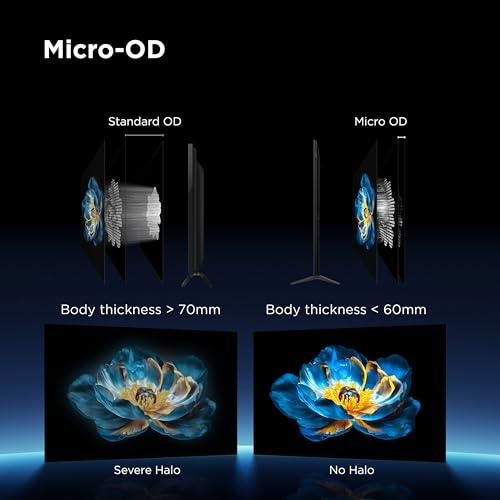
The TCL QM7K fights back with its 2,500 local dimming zones and advanced halo control technology. TCL's engineers have worked hard to minimize blooming (light spilling around bright objects on dark backgrounds), and reviews suggest they've largely succeeded. While it can't achieve perfect blacks like OLED, the blooming is minimal enough that most viewers won't notice it in normal viewing.
Both TVs target serious gamers, but they approach gaming performance differently.
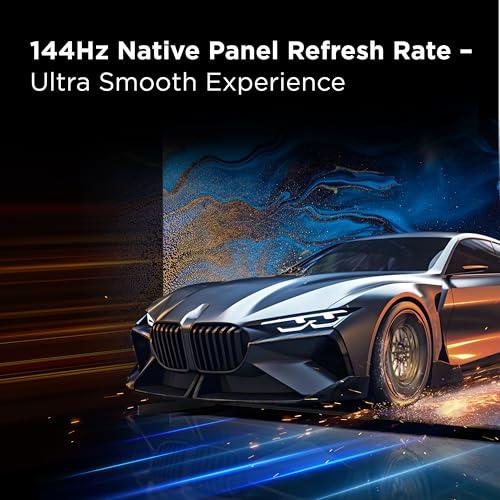
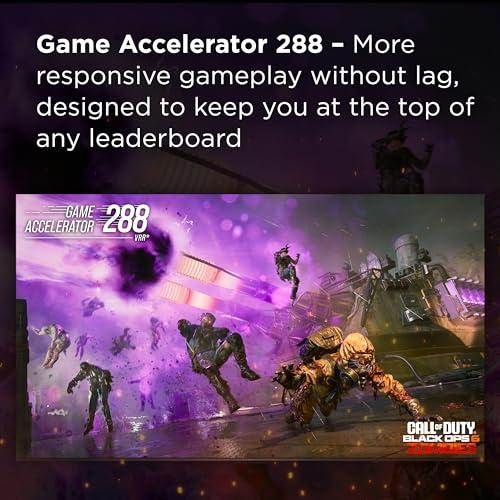
The TCL QM7K leads in maximum refresh rate capability, supporting up to 288Hz at 1080p resolution through its Game Accelerator feature, and native 144Hz at 4K resolution. This makes it particularly attractive for competitive PC gamers who prioritize frame rate above all else. The higher refresh rates create smoother motion in fast-paced games and can provide a competitive advantage in esports titles.
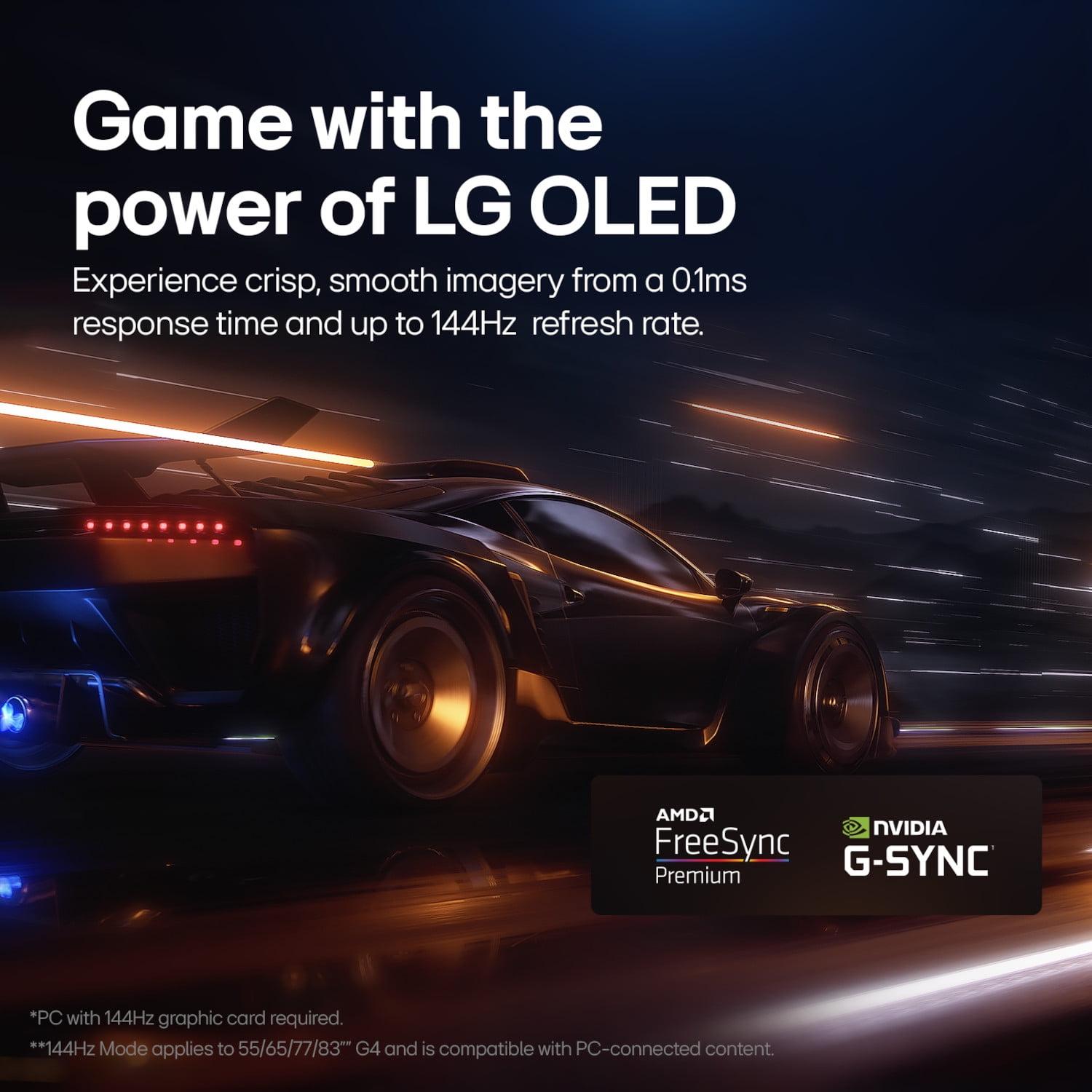
The LG G4 supports a native 120Hz refresh rate with the ability to handle up to 144Hz through Variable Refresh Rate (VRR) technology. More importantly, it delivers an exceptional 0.1ms response time—essentially instantaneous pixel transitions that eliminate ghosting and motion blur. For most gaming scenarios, including console gaming, this performance is more than adequate.
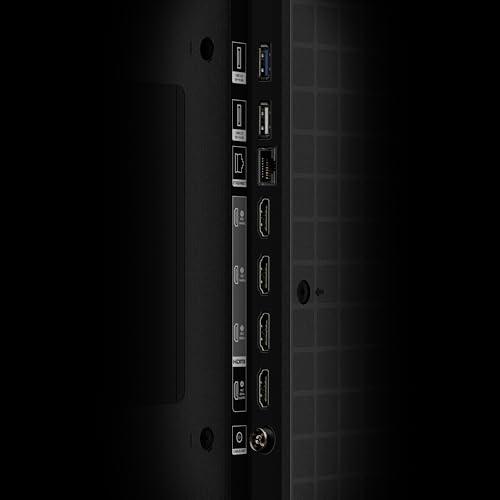
Here's where the LG G4 shows a clear advantage: all four of its HDMI ports support the latest HDMI 2.1 standard. This means you can connect multiple gaming consoles, a PC, and other high-bandwidth devices without compromising on features like 4K/120Hz gaming or VRR support.
The TCL QM7K provides only two HDMI 2.1 ports alongside two older HDMI 2.0 ports. For users with multiple current-generation gaming devices, this limitation could require frequent cable swapping or an expensive HDMI 2.1 switch.
Both TVs support Auto Low Latency Mode (ALLM), which automatically switches to game mode when it detects a gaming console. The TCL QM7K includes AMD FreeSync Premium Pro certification and Game Master 2.0 features, while the LG G4 supports both NVIDIA G-Sync and AMD FreeSync Premium for broader compatibility.
Modern TVs are essentially computers that happen to display content, and both models reflect this evolution.
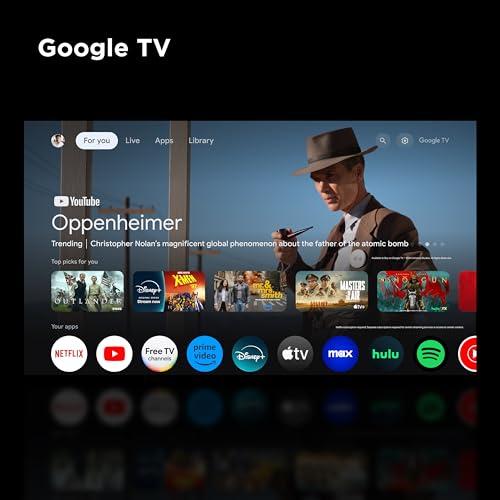
The TCL QM7K runs Google TV, which provides seamless integration with Google services and Chromecast functionality. The hands-free voice control through its far-field microphone array works reliably for basic commands and content searches. Google TV's interface feels familiar to Android users and offers excellent app selection.
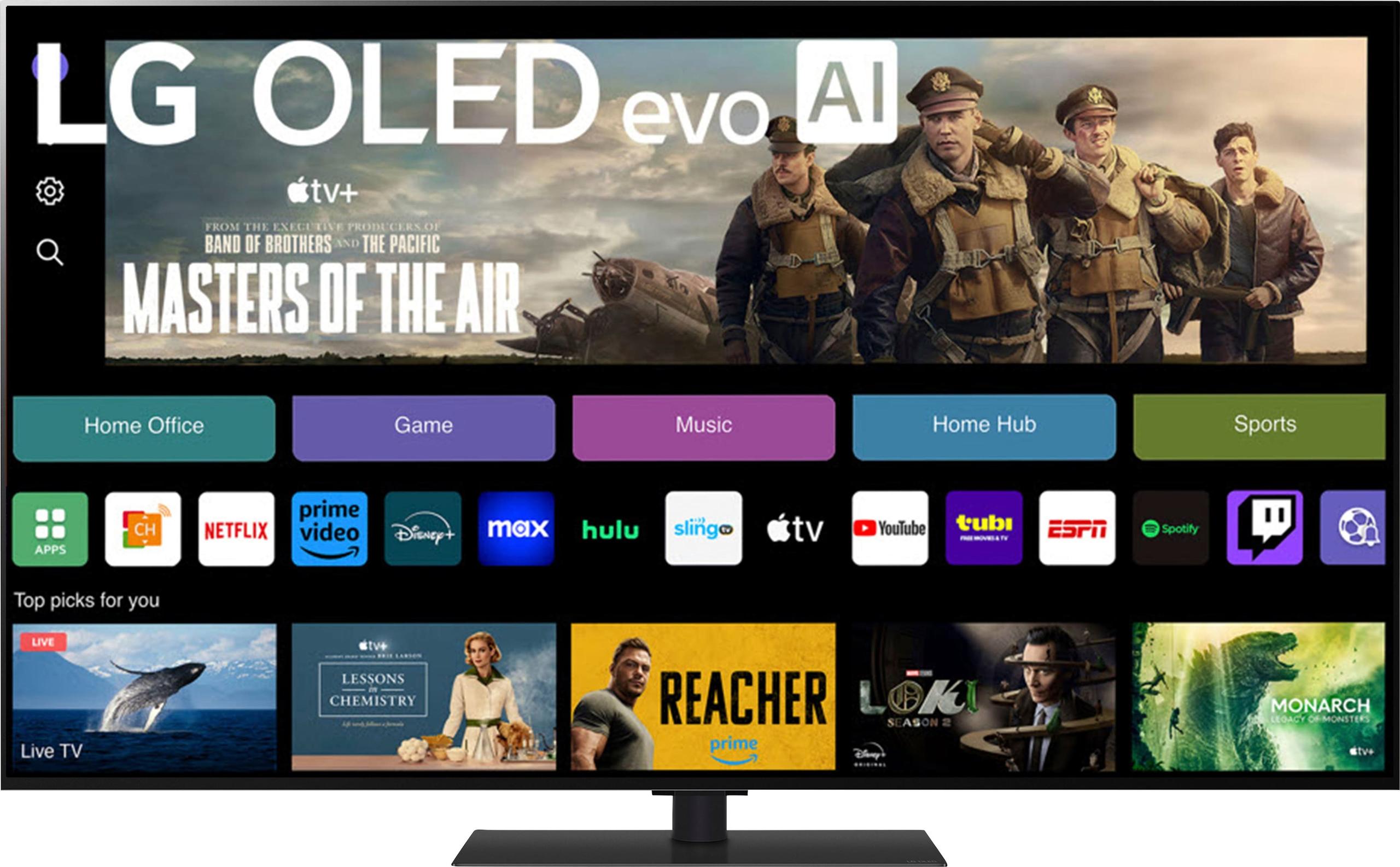
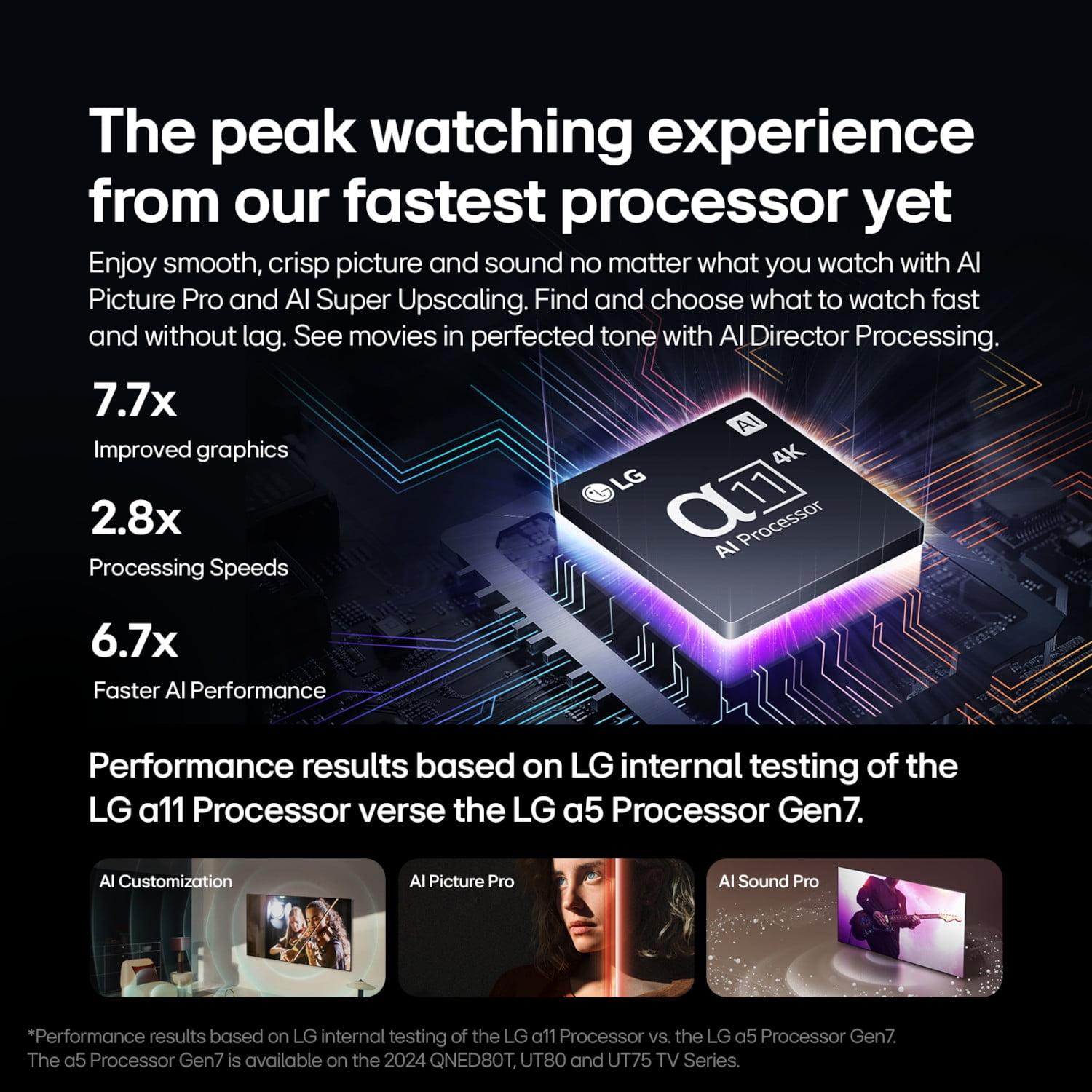
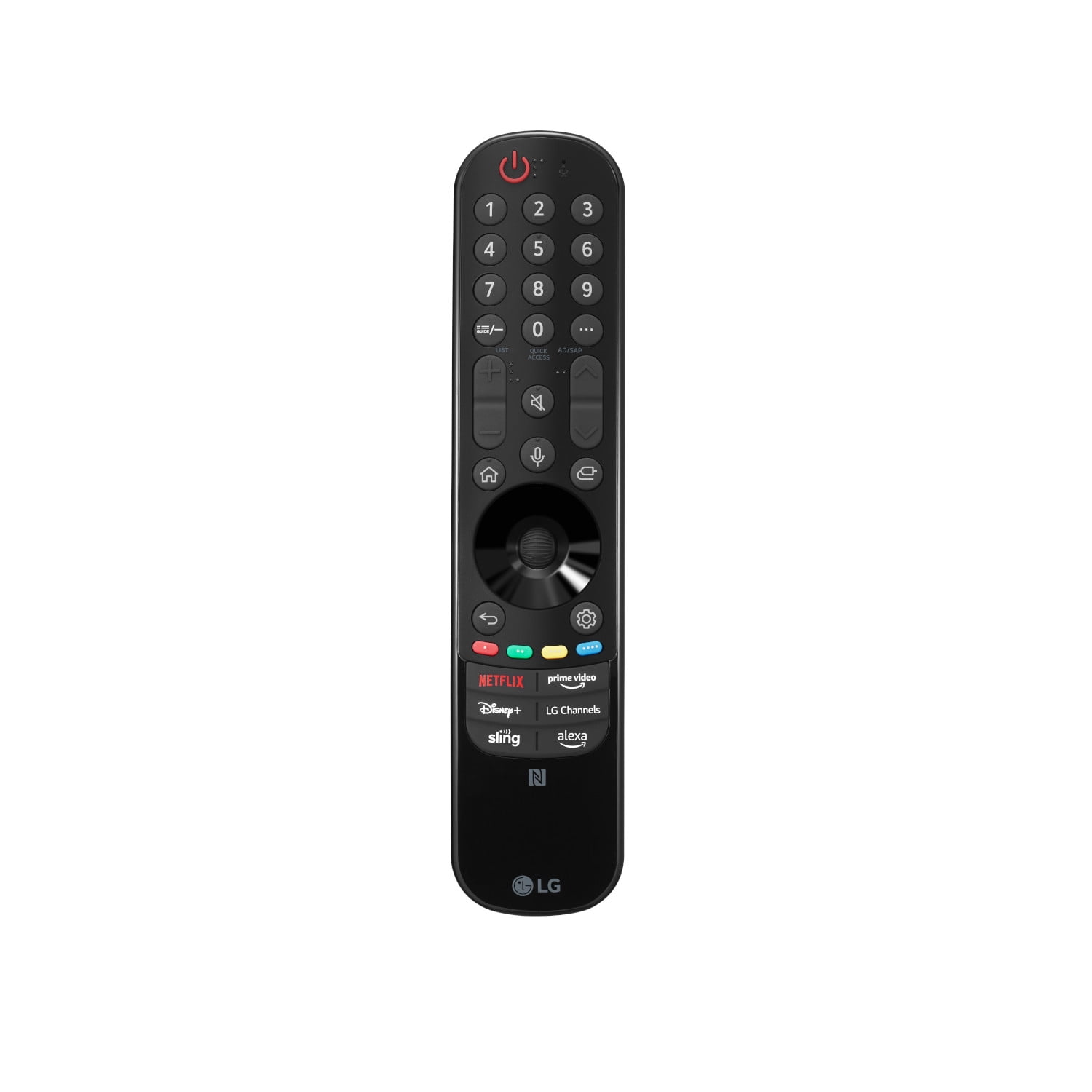
The LG G4 uses webOS 24, LG's proprietary platform that many reviewers consider more polished and responsive. The α11 AI processor delivers processing speeds up to 6.7 times faster than previous generations, making navigation feel instant. Features like Quick Cards for organizing apps and Multi View for displaying up to four sources simultaneously add practical value for power users.
Both TVs incorporate AI-driven picture processing, but they approach it differently. The TCL QM7K's AiPQ Pro processor analyzes content in real-time to optimize contrast, color, and motion processing. This works particularly well for upscaling older content to 4K resolution.
The LG G4's α11 processor brings more advanced AI capabilities, including AI Director Processing that preserves filmmakers' original color grading intent and AI Super Upscaling that can significantly improve lower-resolution content. The processing power advantage is noticeable in interface responsiveness and the sophistication of picture adjustments.
While most enthusiasts eventually add external audio systems, built-in speakers matter for many users.
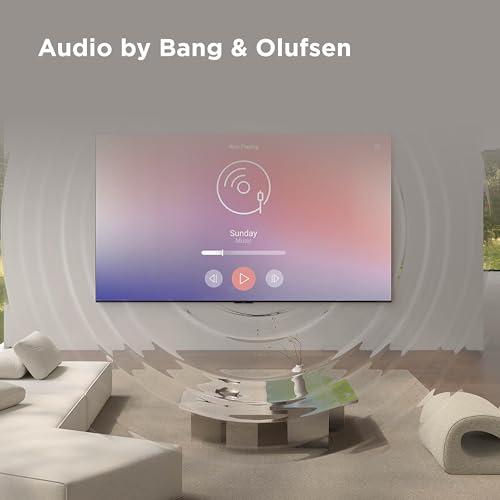
The TCL QM7K benefits from its partnership with Bang & Olufsen, delivering 60W of power through a well-tuned speaker system. The Dolby Atmos support and customizable sound profiles through Beosonic create genuinely impressive audio for a TV's built-in speakers.
The LG G4's 4.2 channel, 60W system includes AI Sound Pro technology that virtually up-mixes audio to simulate 11.1.2 surround sound. However, expert reviews consistently identify audio as the G4's weakest aspect, describing the sound as thin and prone to harshness at higher volumes.
For home theater use, both TVs support eARC (enhanced Audio Return Channel) for sending high-quality audio to soundbars or receivers, but if you plan to rely on built-in speakers, the TCL QM7K offers a more satisfying audio experience.
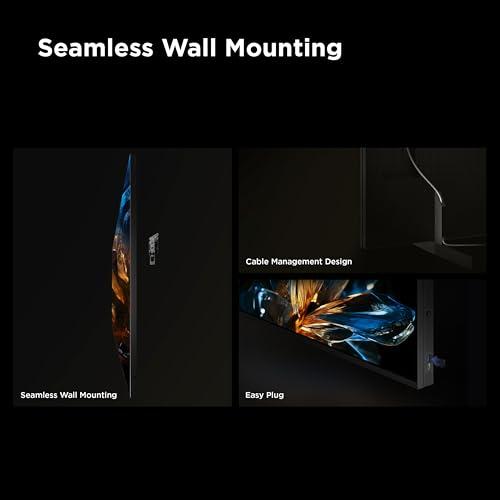
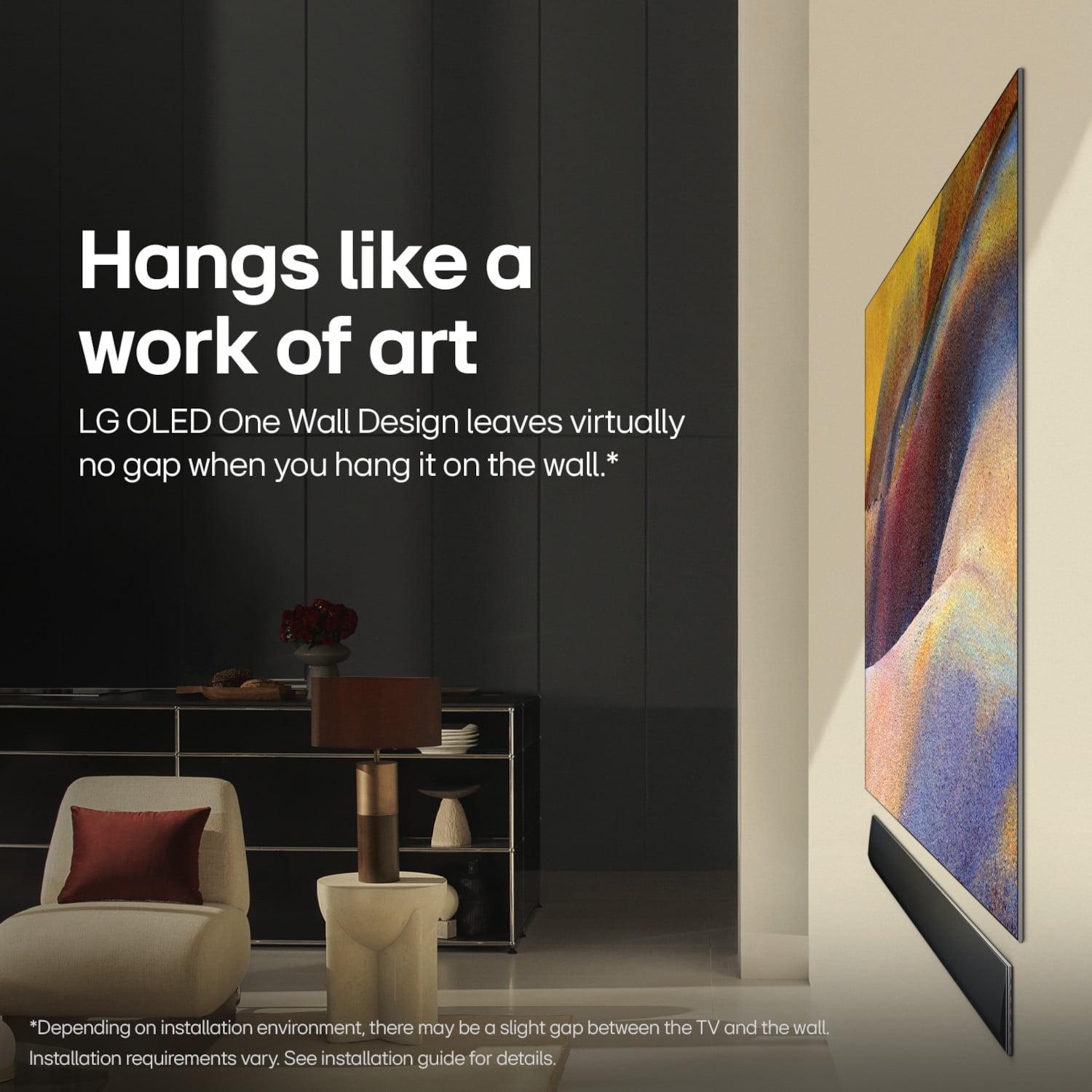
The LG G4 takes a clear lead in premium design aesthetics. Its gallery-style flush mounting system allows the TV to sit virtually flat against the wall, creating an art-like appearance. When not in use, the TV can display artwork or photos, truly blending into your room's décor. The build quality feels substantial and premium throughout.
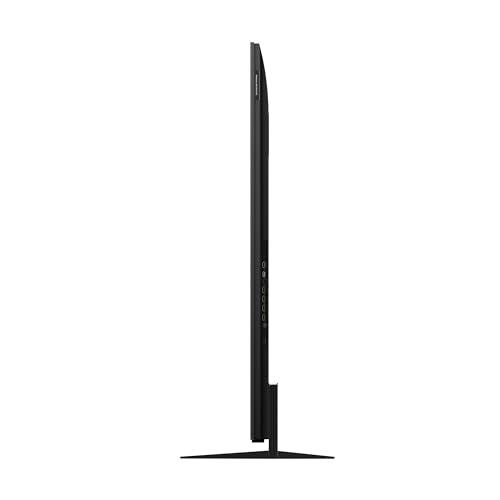
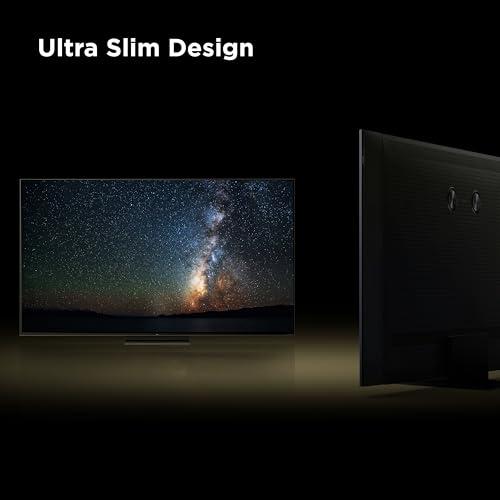
The TCL QM7K offers a more conventional but still attractive design. Its ultra-slim profile and nanoscale anti-reflective coating help it integrate well into modern living spaces, though it doesn't achieve the same gallery-like aesthetic as the OLED.
Both TVs include table stands, but the LG G4's inclusion of both flush-mount hardware and a tabletop stand provides more installation flexibility.
At the time of writing, the TCL QM7K typically retails for significantly less than the LG G4, making it one of the better values in premium TV technology. You're getting flagship-level brightness, advanced gaming features, and premium audio at a price point that's more accessible to mainstream buyers.
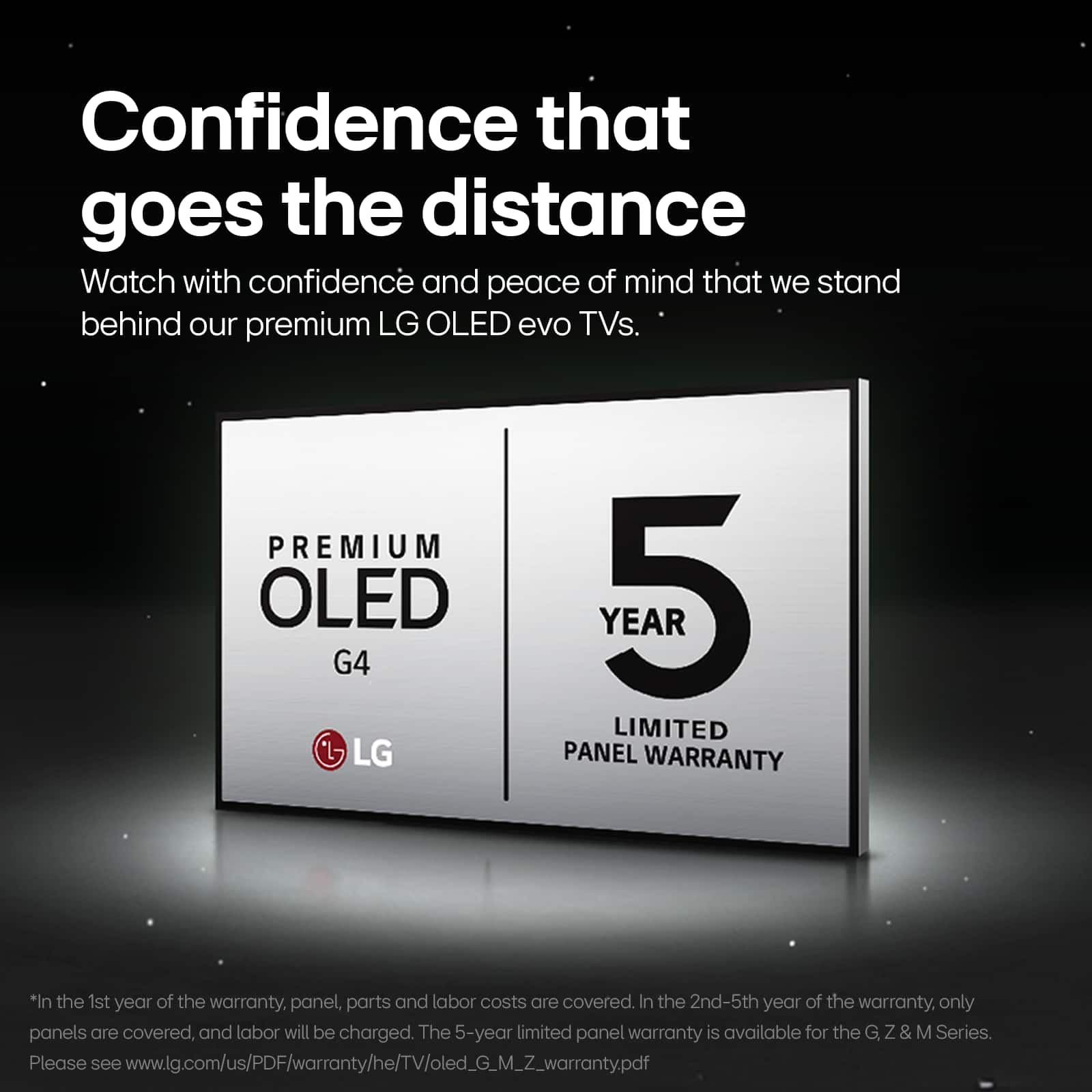
The LG G4 commands a premium price that reflects its cutting-edge OLED technology and premium build quality. However, LG's confidence in the technology shows through their 5-year panel warranty, which even covers burn-in—addressing the primary longevity concern with OLED technology.
Speaking of burn-in, it remains a consideration with any OLED display, though modern implementations like the LG G4 include sophisticated pixel protection algorithms. For users who frequently display static content like news tickers or gaming HUDs, the TCL QM7K's LCD technology eliminates this concern entirely.
After researching expert reviews and user feedback extensively, clear usage scenarios emerge for each TV.
Choose the TCL QM7K if you have a bright living room with lots of natural light, prioritize competitive gaming with high refresh rates, want premium features without premium pricing, or prefer to avoid any burn-in concerns. The brilliant HDR performance and Bang & Olufsen audio make it particularly compelling for sports viewing and action movies in well-lit environments.
The LG G4 becomes the better choice for dedicated home theater setups in controlled lighting, users with multiple gaming devices requiring maximum HDMI flexibility, those prioritizing absolute picture quality and color accuracy, or anyone who values premium design aesthetics. The perfect blacks and natural color reproduction make it exceptional for movie enthusiasts and anyone who appreciates visual artistry.
Both TVs represent excellent choices that push the boundaries of their respective technologies. The TCL QM7K democratizes flagship features at a more accessible price point, while the LG G4 delivers the ultimate expression of current OLED technology. Your room, viewing habits, and budget priorities will determine which approach better serves your needs, but either choice will deliver a premium viewing experience that should satisfy for years to come.
| TCL 65QM7K QD-Mini LED 4K Google TV | LG 65" G4 Series OLED evo 4K UHD Smart TV 2024 |
|---|---|
| Display Technology - Determines contrast, brightness capabilities, and longevity | |
| QD-Mini LED with 2,500 local dimming zones | OLED evo with self-lit pixels and Micro Lens Array |
| Peak Brightness - Critical for HDR impact and bright room viewing | |
| Up to 3,000 nits (exceptional for any lighting) | Up to 2,268 nits (150% brighter than previous OLED) |
| Black Levels - Affects contrast and dark scene detail | |
| Very deep blacks via local dimming zones | Perfect absolute blacks (pixels turn completely off) |
| Gaming Refresh Rate - Higher rates provide smoother motion for competitive gaming | |
| Native 144Hz, up to 288Hz VRR at 1080p | Native 120Hz, up to 144Hz VRR |
| HDMI 2.1 Ports - Determines how many next-gen devices you can connect | |
| 2 HDMI 2.1 ports (may require cable swapping) | 4 HDMI 2.1 ports (connect all devices simultaneously) |
| Gaming Response Time - Lower latency reduces input lag for competitive gaming | |
| Low input lag with Game Master 2.0 | 0.1ms response time (virtually instantaneous) |
| Smart Platform - Affects ease of use and app ecosystem | |
| Google TV with Chromecast built-in | webOS 24 with α11 AI processor |
| Built-in Audio - Important if not using external speakers | |
| Bang & Olufsen 60W with Dolby Atmos (excellent) | 4.2 channel 60W with AI Sound Pro (adequate) |
| Burn-in Risk - Long-term reliability consideration | |
| No burn-in risk (LCD technology) | Potential burn-in with static content (5-year warranty) |
| Design Flexibility - Installation and aesthetic options | |
| Standard slim profile with table stand | Gallery-style flush mount + table stand included |
| Warranty Coverage - Protection for premium investment | |
| Standard 1-year limited warranty | 5-year panel warranty including burn-in coverage |
| Best Room Environment - Optimal viewing conditions | |
| Bright rooms with ambient light | Controlled lighting or dark rooms |
| Target User - Who benefits most from each approach | |
| Value-focused buyers wanting flagship brightness | Premium buyers prioritizing perfect contrast |
The TCL 65QM7K is significantly better for bright rooms due to its exceptional 3,000-nit peak brightness capability. This QD-Mini LED technology can compete with ambient light from windows and overhead lighting much more effectively than the LG G4 OLED, which reaches 2,268 nits. While the LG G4 is much brighter than previous OLED models, the TCL QM7K remains the superior choice for well-lit living spaces.
Picture quality depends on your priorities and viewing environment. The LG G4 OLED evo delivers perfect blacks and infinite contrast since each pixel can turn completely off, creating exceptional depth in dark scenes. However, the TCL QM7K achieves higher peak brightness for more impactful HDR highlights. For home theater setups in dark rooms, the LG G4's perfect blacks provide a more cinematic experience, while the TCL QM7K excels in mixed lighting conditions.
Both TVs excel at gaming but serve different needs. The TCL QM7K offers higher refresh rates (up to 288Hz at 1080p) ideal for competitive PC gaming, while the LG G4 provides four HDMI 2.1 ports compared to just two on the TCL QM7K. For console gamers with multiple devices, the LG G4 OLED offers better connectivity. The TCL QM7K suits PC gamers prioritizing maximum frame rates.
Modern OLED burn-in risk is much lower than early generations, and LG backs the G4 OLED evo with a comprehensive 5-year warranty that covers burn-in. The TV includes pixel protection algorithms and automatic brightness adjustments. However, if you frequently display static content like news tickers or gaming HUDs for hours, the TCL QM7K eliminates burn-in concerns entirely with its LCD-based technology.
Both platforms excel but serve different preferences. The TCL QM7K runs Google TV, which integrates seamlessly with Google services and offers familiar Android-style navigation. The LG G4 uses webOS 24, praised for its polished interface and advanced AI features powered by the α11 processor. Google TV users appreciate the ecosystem integration, while webOS users prefer the responsive interface and organizational features like Quick Cards.
The TCL QM7K's 2,500 local dimming zones provide excellent contrast control for a Mini LED display, minimizing blooming around bright objects. However, the LG G4 OLED doesn't need local dimming since each pixel controls itself independently. This gives the LG G4 perfect precision in contrast control, while the TCL QM7K achieves very good results through advanced zone management and halo control technology.
For dedicated home theater use in dark rooms, the LG G4 OLED evo typically provides a more cinematic experience with its perfect blacks and accurate colors that preserve filmmakers' original intent. The TCL QM7K excels with bright, impactful HDR scenes and superior built-in audio through its Bang & Olufsen partnership. If your theater room has some ambient light, the TCL QM7K's brightness advantage becomes more valuable.
The TCL QM7K features significantly better built-in audio with its Bang & Olufsen tuned 60W system and Dolby Atmos support. The LG G4's audio is adequate but considered its weakest aspect, with reviewers noting thin sound quality. For serious home theater use, both TVs benefit from external audio systems, but the TCL QM7K provides more satisfying built-in sound for casual viewing.
The TCL QM7K typically offers superior value, delivering flagship-level brightness, gaming features, and premium audio at a more accessible price point. The LG G4 OLED commands a premium for cutting-edge OLED technology and includes a 5-year warranty. The TCL QM7K democratizes high-end features, while the LG G4 represents the ultimate OLED experience for those prioritizing absolute picture quality.
The LG G4 OLED provides four HDMI 2.1 ports, allowing simultaneous connection of multiple gaming consoles, PCs, and other high-bandwidth devices without compromising features. The TCL QM7K offers only two HDMI 2.1 ports alongside two older HDMI 2.0 ports. For users with multiple current-generation gaming devices, the LG G4's port configuration eliminates the need for cable swapping or expensive HDMI switches.
The TCL QM7K uses LCD technology that doesn't degrade over time like organic materials, potentially offering longer lifespan without image quality changes. However, the LG G4 OLED includes advanced pixel protection and LG's confidence is reflected in their 5-year warranty covering burn-in. Modern OLED longevity has improved significantly, and both TVs should provide many years of excellent performance with normal use patterns.
Both TVs excel with PlayStation 5 and Xbox Series X consoles. The LG G4 OLED supports 4K gaming up to 120Hz with VRR and offers four HDMI 2.1 ports for multiple consoles. The TCL QM7K provides even higher refresh rates (144Hz native, up to 288Hz) and includes gaming-specific features like AMD FreeSync Premium Pro. The LG G4 offers better connectivity flexibility, while the TCL QM7K provides maximum performance for competitive gaming scenarios.
We've done our best to create useful and informative comparisons to help you decide what product to buy. Our research uses advanced automated methods to create this comparison and perfection is not possible - please contact us for corrections or questions. These are the sites we've researched in the creation of this article: bestbuy.com - businessinsider.com - tomsguide.com - tomsguide.com - rtings.com - tomsguide.com - youtube.com - rtings.com - consumerreports.org - youtube.com - youtube.com - displayspecifications.com - youtube.com - tcl.com - tcl.com - tcl.com - youtube.com - rcwilley.com - bestbuy.com - tclcentral.com - displayspecifications.com - tomsguide.com - tcl.com - brandsmartusa.com - tcl.com - tcl.com - gizmochina.com - nfm.com - dolby.com - alexraytv.com - hometechnologyreview.com - hometechnologyreview.com - whathifi.com - hometechnologyreview.com - youtube.com - tomsguide.com - tomsguide.com - smarthomesounds.co.uk - rtings.com - rtings.com - bhphotovideo.com - youtube.com - schaeferstv.com - bestbuy.com - costco.com - lg.com - lg.com - shopsilica.com - bestbuy.com - techradar.com - bestbuy.com - bestbuy.com - lg.com - lgnewsroom.com

Privacy Policy
Terms and Conditions - Affiliate Policy
Home Security
© Copyright 2008-2026.
11816 Inwood Rd #1211, Dallas, TX 75244