

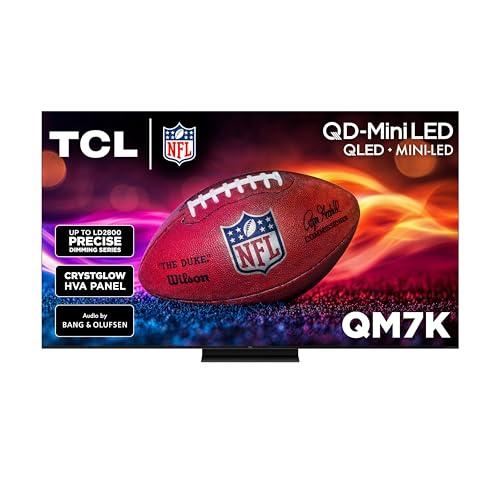
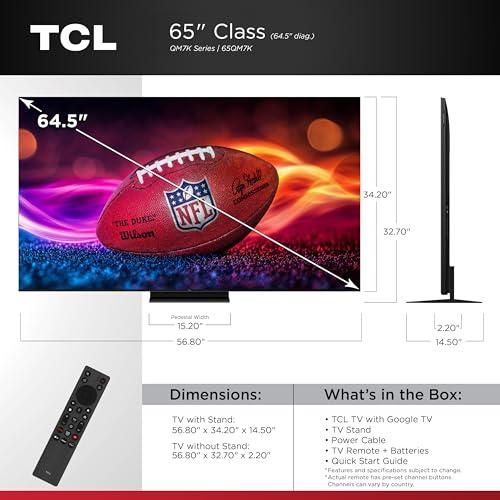
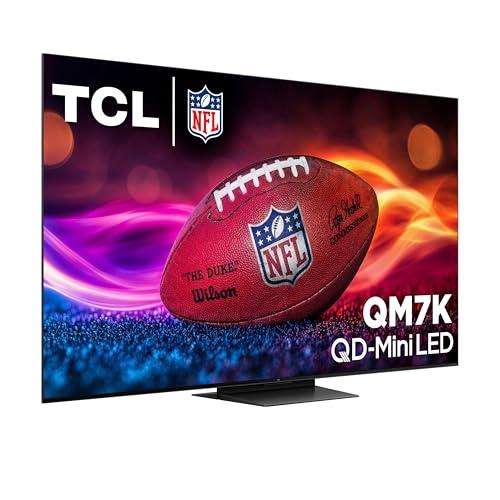
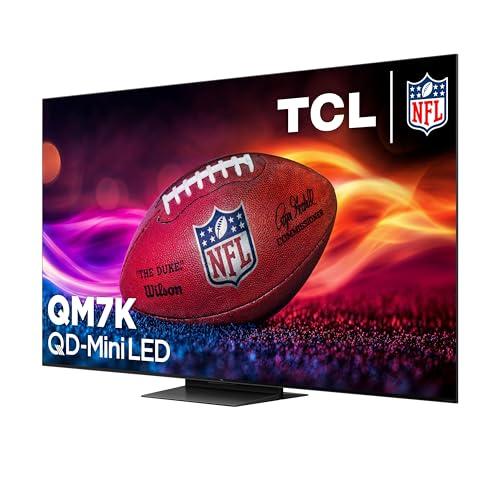
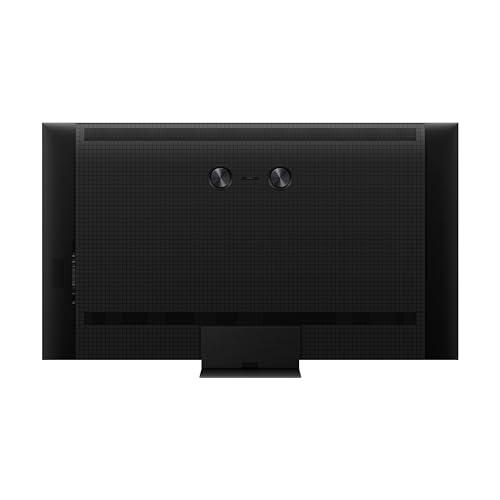
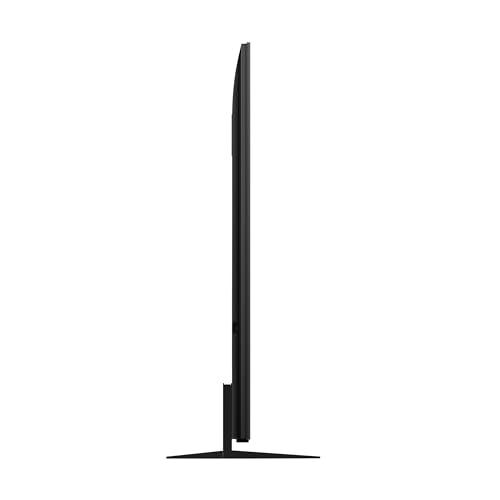
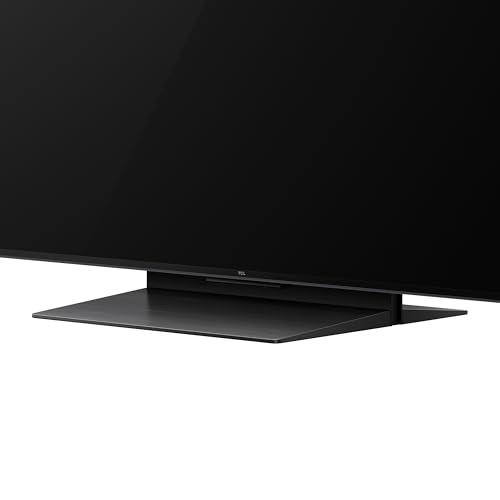
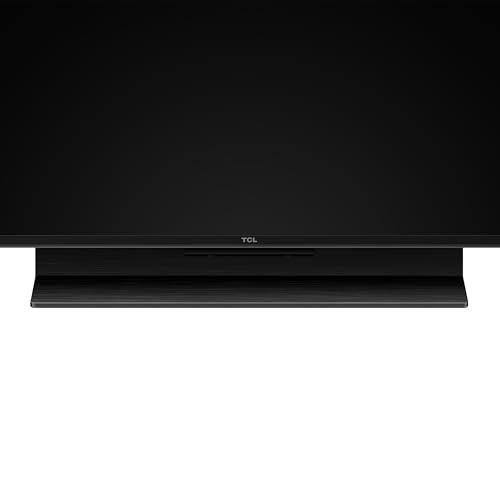
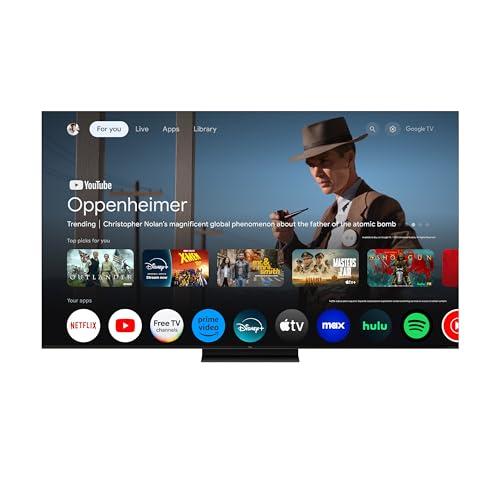
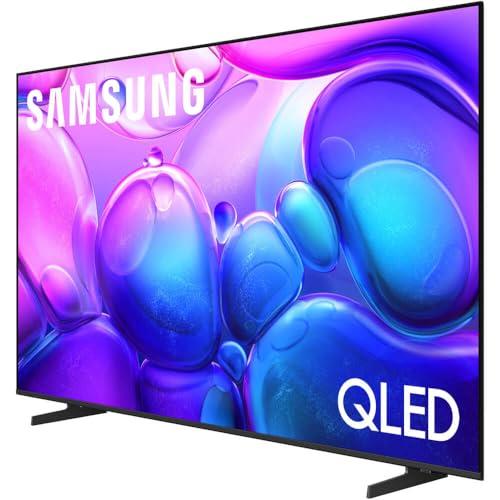
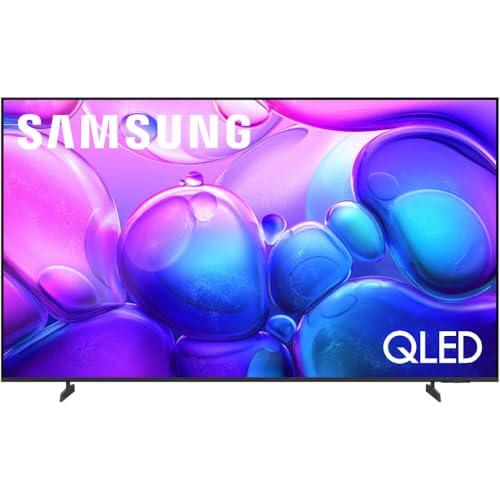
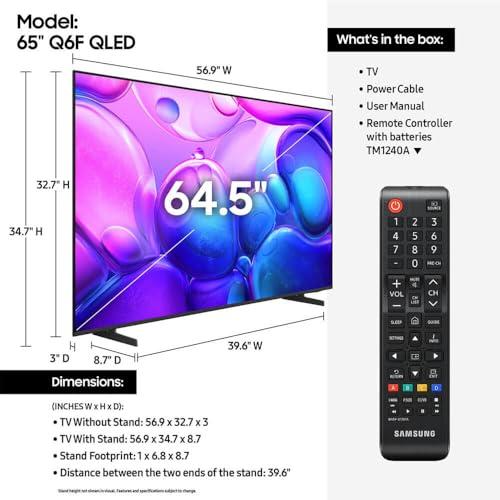
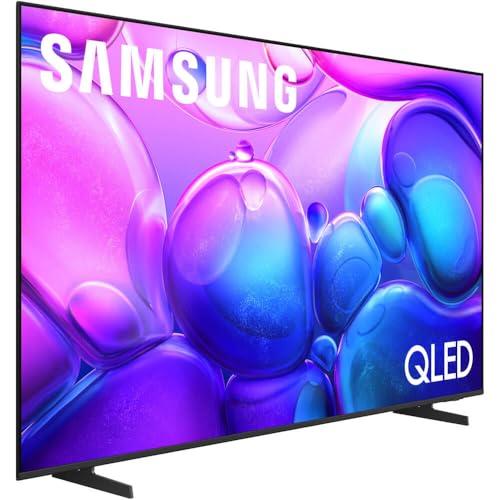
Shopping for a 65-inch 4K TV can feel overwhelming with dozens of models promising premium features at various price points. Two standout options that caught our attention are the TCL 65QM7K QD-Mini LED and the Samsung 65" QLED Q6F, both released in 2025 but targeting different segments of the market.
After extensive research into expert reviews and user feedback, these TVs represent fundamentally different approaches to delivering 4K entertainment. The TCL QM7K pushes premium display technology down to mid-range pricing, while the Samsung Q6F focuses on brand reliability and smart features at an entry-level QLED price point.
The 65-inch category hits the sweet spot for most living rooms—large enough for immersive viewing without dominating smaller spaces. At this size, picture quality differences become more apparent, making your technology choices more impactful than they would be on smaller screens.
The most critical factors we've identified through our research are brightness levels (measured in nits), contrast ratio (the difference between the darkest and brightest parts of the image), color accuracy, motion handling, and gaming capabilities. Smart platform preferences and audio quality also influence the overall experience significantly.
Modern 4K TVs have evolved considerably since their early days. Where 2020-era models often struggled with dim HDR performance and limited gaming features, 2025 models like these two offer dramatically improved brightness, better local dimming (technology that darkens specific areas of the screen for better contrast), and advanced gaming features that weren't available just a few years ago.
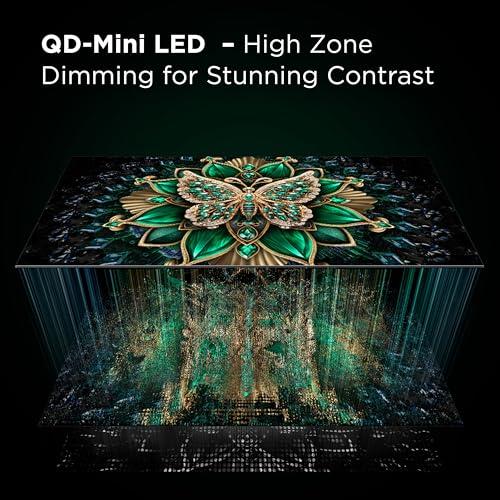
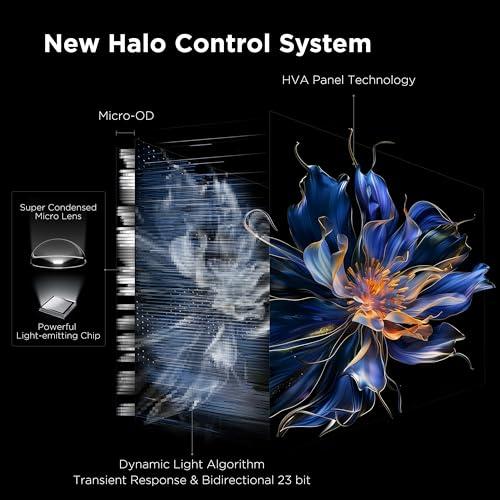
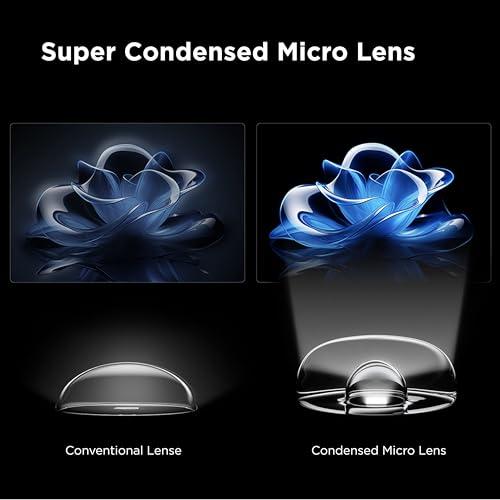
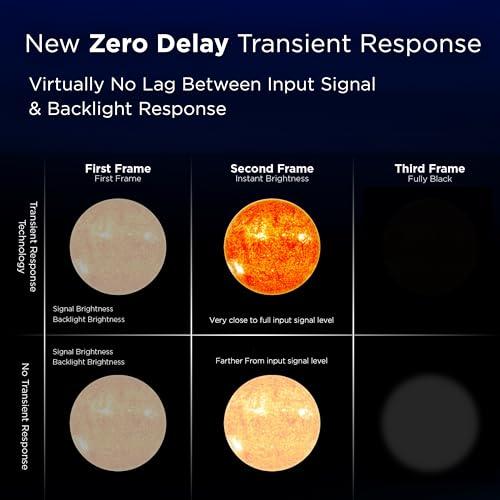
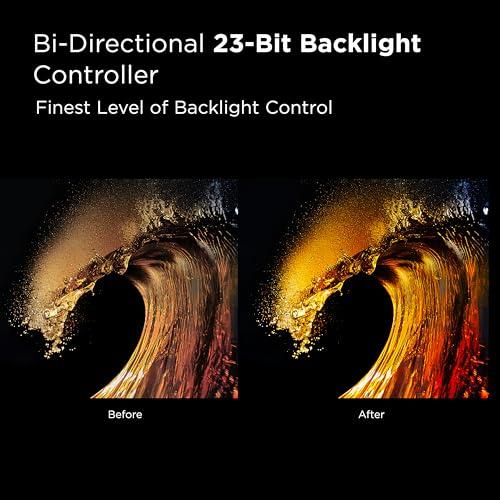
The fundamental difference between these TVs lies in their display technology. The TCL QM7K uses QD-Mini LED, which combines quantum dot color enhancement with Mini LED backlighting—thousands of tiny LEDs that can be controlled independently to create precise lighting zones. This allows for up to 2,500 local dimming zones, meaning the TV can make specific areas of the screen very bright while keeping others completely dark.
The Samsung Q6F uses traditional QLED technology, which pairs quantum dots (microscopic particles that enhance color) with standard LED backlighting. While this still produces vibrant colors, it lacks the precise light control of Mini LED technology, typically offering basic edge-lit or direct-lit LED systems without meaningful local dimming.
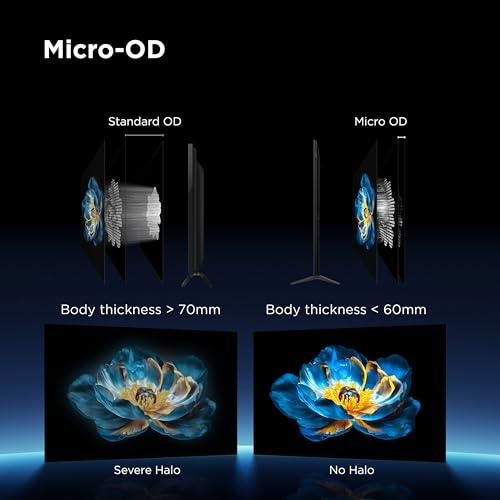
Think of it this way: if you're watching a movie scene with stars against a dark sky, the TCL QM7K can make those stars brilliantly bright while keeping the surrounding sky truly black. The Samsung Q6F would struggle with this scenario, often showing a greyish glow around bright objects—what we call "blooming."
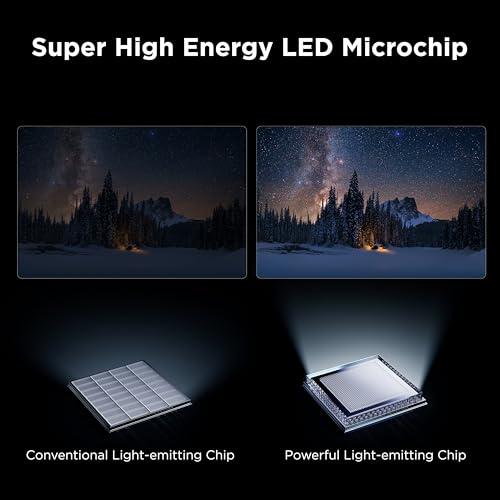
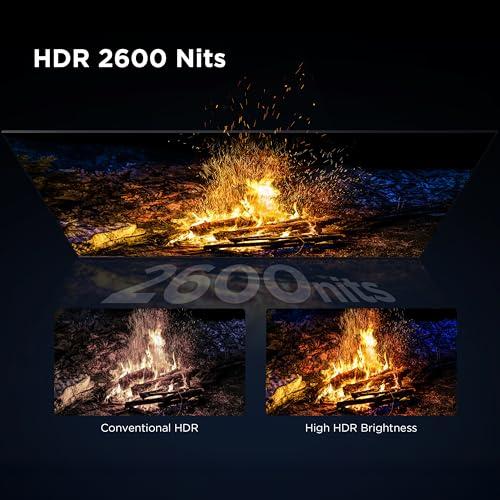
Peak brightness determines how well a TV handles HDR (High Dynamic Range) content, which includes most modern movies and shows on Netflix, Disney+, and other streaming services. Our research indicates the TCL QM7K achieves up to 3,000 nits peak brightness—bright enough to make HDR content truly pop, even in well-lit rooms during daytime viewing.
The Samsung Q6F delivers respectable brightness for its price category but falls well short of the TCL's performance. This difference becomes most noticeable when watching HDR movies with bright highlights like explosions, sunsets, or reflective surfaces. The brighter display simply delivers more realistic and impactful images.
HDR format support also differs significantly. The TCL QM7K supports Dolby Vision, Dolby Vision IQ, HDR10+, and HLG—essentially every HDR format you'll encounter. The Samsung Q6F notably omits Dolby Vision, which is increasingly common on premium streaming content. While HDR10+ provides similar benefits, Dolby Vision's wider adoption makes its absence a limitation.
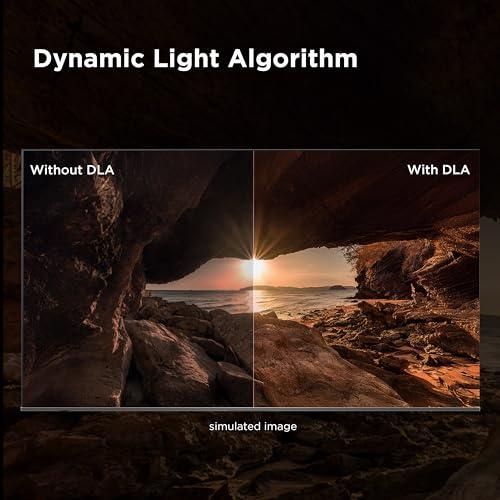
Contrast ratio—the difference between the brightest white and darkest black a TV can display—dramatically affects picture quality. The TCL QM7K achieves a 7,000:1 static contrast ratio thanks to its Mini LED technology with precise local dimming. This means dark movie scenes retain detail in shadows while bright areas remain brilliant.
The Samsung Q6F, with its basic LED backlighting, struggles to achieve truly deep blacks. Dark scenes often appear washed out with a greyish tint, and bright objects create noticeable halos or blooming effects around them. For home theater enthusiasts who enjoy watching movies in darkened rooms, this difference is substantial.
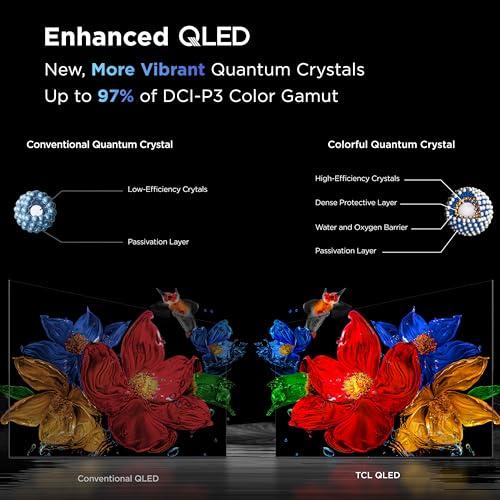
Both TVs use quantum dot technology for enhanced color volume, but implementation quality varies. The TCL QM7K covers a wider color gamut (the range of colors it can display) with more accurate calibration from the factory. Professional reviews consistently praise its color accuracy and natural skin tones.
The Samsung Q6F features Samsung's Color Booster technology, which can make images appear more vibrant but sometimes at the expense of accuracy. Colors may look oversaturated or artificial, particularly reds and blues. While some viewers prefer this "pop," it's less faithful to how content creators intended their work to appear.
Gaming has become a crucial TV consideration with the rise of PlayStation 5, Xbox Series X, and PC gaming. The differences between these models are stark.
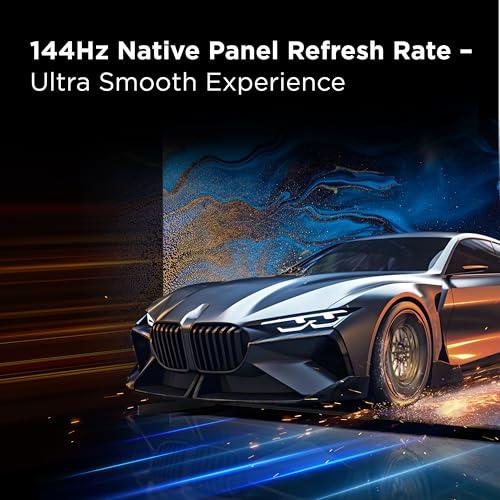
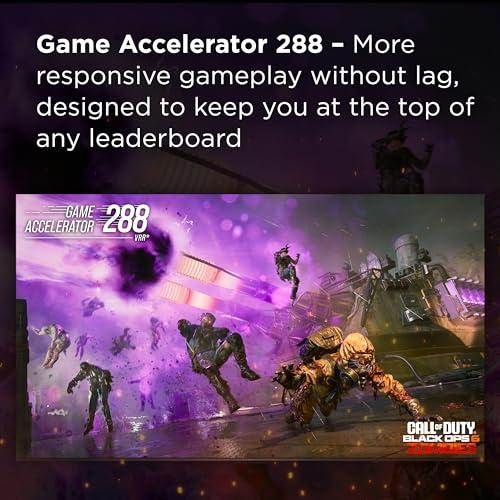
The TCL QM7K offers a native 144Hz refresh rate with support for up to 288Hz variable refresh rate (VRR) at lower resolutions. This means games appear incredibly smooth with minimal motion blur. Fast-paced games like racing titles or first-person shooters benefit dramatically from higher refresh rates, creating more responsive and immersive gameplay.
The Samsung Q6F is limited to 60Hz with basic motion enhancement. While adequate for casual gaming or older consoles, it can't take advantage of the advanced gaming features in modern consoles. Fast motion may appear choppy or blurred compared to higher refresh rate displays.
Modern gaming requires more than just high refresh rates. The TCL QM7K includes AMD FreeSync Premium Pro (technology that synchronizes the TV's refresh rate with your gaming device to eliminate screen tearing), Auto Low Latency Mode (ALLM, which automatically switches to game mode when it detects gaming content), and Game Master 2.0 with customizable gaming profiles.
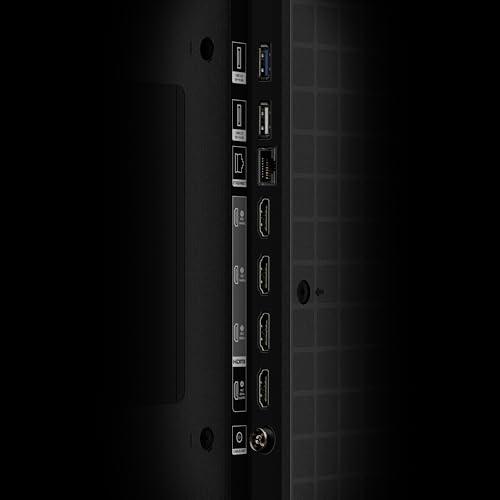
Two HDMI 2.1 ports support 4K gaming at 120Hz, though having only two such ports might limit connectivity for users with multiple gaming devices. Input lag—the delay between pressing a controller button and seeing the action on screen—measures extremely low, crucial for competitive gaming.
The Samsung Q6F provides basic Auto Game Mode but lacks VRR, high refresh rate support, or HDMI 2.1 connectivity. It's suitable for casual gaming but won't maximize the potential of next-generation consoles.
Smart TV platforms have matured significantly, but these models take different approaches to user experience.
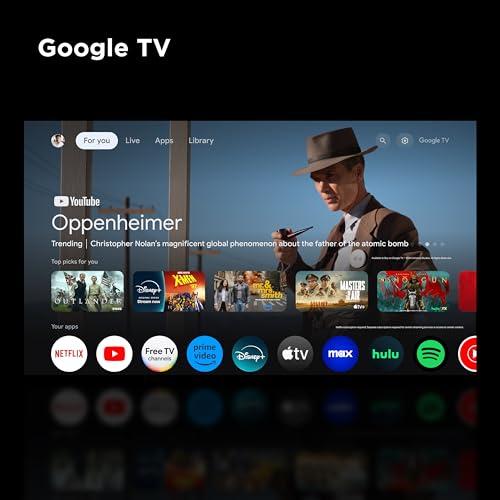
The TCL QM7K runs Google TV, which integrates seamlessly with Android phones, Google services, and Chromecast functionality. The interface aggregates content from multiple streaming services into a unified recommendations system. Voice control through Google Assistant works reliably, and the far-field microphone array enables hands-free operation—you can simply say "Hey Google" to control the TV.
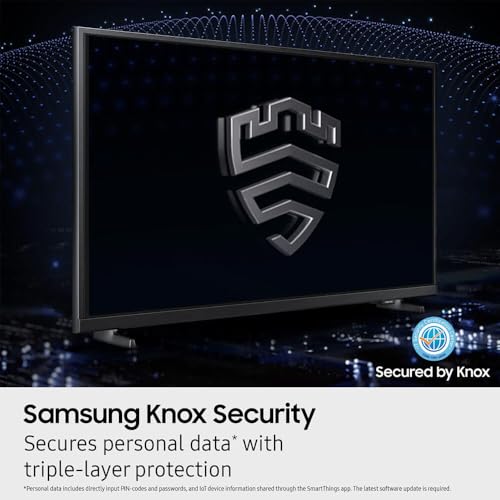
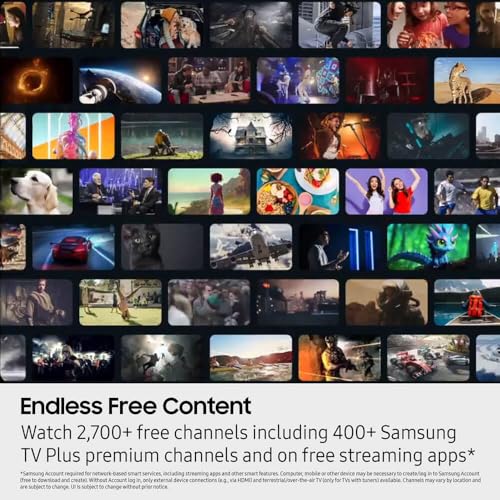
The Samsung Q6F features Samsung's Tizen platform with Samsung TV Plus, offering hundreds of free streaming channels. The interface is polished and responsive, with support for multiple voice assistants including Bixby, Alexa, and Google Assistant. SmartThings Hub integration makes it an excellent choice for Samsung ecosystem users or those building comprehensive smart homes.
Both platforms provide access to all major streaming apps, but ecosystem integration often determines the best choice. Google TV users appreciate the seamless Android integration, while Samsung users benefit from device coordination across phones, soundbars, and appliances.
TV audio has improved dramatically in recent years, but significant differences remain between these models.
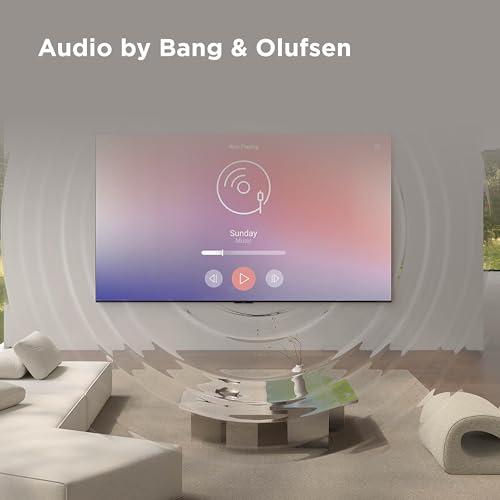
The TCL QM7K features premium Bang & Olufsen audio tuning with 60W output and Dolby Atmos support. The 2.2 channel system with dedicated subwoofers delivers surprisingly rich sound with clear dialogue and decent bass response. While not replacing a dedicated sound system, it's genuinely enjoyable for most content.
The Samsung Q6F provides basic 20W audio that's adequate for dialogue but lacks depth and richness. Samsung's Q-Symphony feature allows coordination with compatible soundbars, but the built-in speakers feel underwhelming compared to the TCL's implementation.
For home theater enthusiasts, audio quality matters more than many realize. Poor dialogue clarity or weak bass can diminish the viewing experience, particularly for action movies or music-heavy content.
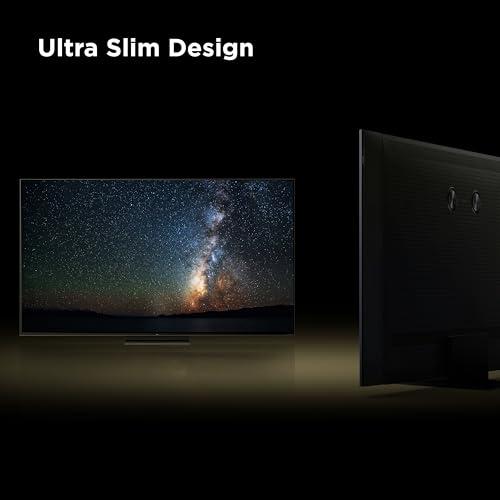
Both TVs adopt modern minimal aesthetics with thin bezels and clean lines, but construction quality differs noticeably.
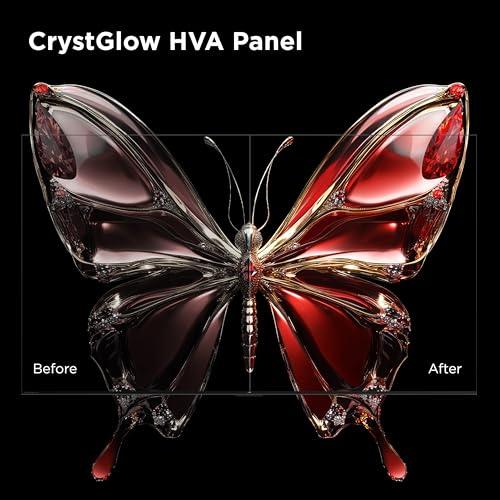
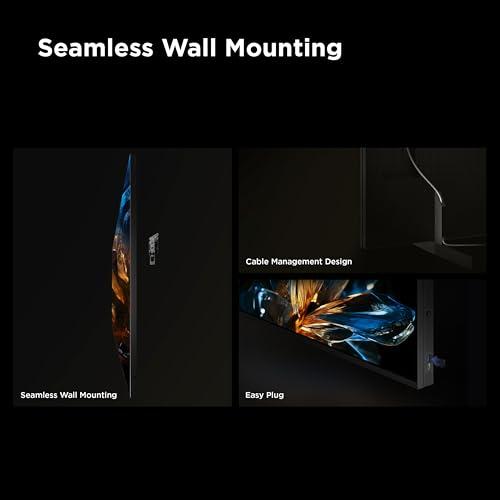
The TCL QM7K features premium materials and construction techniques that feel substantial and well-engineered. The CrystGlow HVA panel includes anti-reflective coating that reduces glare—particularly beneficial for bright rooms or daytime viewing. The overall build quality rivals TVs costing significantly more.
The Samsung Q6F maintains adequate construction quality appropriate for its positioning. While not premium, it feels solid and reliable. Samsung's reputation for long-term reliability and customer service provides confidence for buyers prioritizing brand support.
At the time of writing, these TVs occupy different value segments. The TCL QM7K typically commands a moderate premium over the Samsung Q6F, but delivers technology and performance typically found in much more expensive TVs.
The TCL's value proposition is compelling—you're getting Mini LED technology, premium gaming features, and high-end picture quality at a price point where most competitors offer basic LED technology. It's genuinely difficult to find comparable picture quality without spending significantly more.
The Samsung Q6F targets budget-conscious buyers who want QLED technology and Samsung reliability without premium pricing. While it lacks advanced features, it delivers solid basic performance and smart functionality.
For dedicated home theater use, the differences become more pronounced. The TCL QM7K excels in darkened viewing environments where its superior contrast and brightness capabilities shine. HDR movies display with proper impact, dark scenes retain detail, and color accuracy supports the filmmaker's intent.
The Samsung Q6F works adequately for casual movie watching but lacks the performance characteristics that elevate the cinematic experience. Serious movie enthusiasts will notice the limitations in contrast, HDR performance, and overall picture quality.
Room lighting also influences performance. The TCL QM7K handles bright rooms better due to its higher peak brightness and anti-reflective coating. The Samsung Q6F may appear washed out in well-lit environments.
Based on our research and analysis of expert reviews, the choice becomes clear for different user types.
Choose the TCL QM7K if you:
Choose the Samsung Q6F if you:
Our research consistently points to the TCL QM7K as the superior choice for most buyers. The combination of Mini LED technology, gaming features, and picture quality typically found in much more expensive TVs makes it an exceptional value proposition. While it costs more than the Samsung Q6F, the performance difference justifies the premium for anyone who cares about picture quality.
The Samsung Q6F serves a specific market segment—buyers who prioritize brand familiarity and basic smart features over advanced display technology. It's a competent TV but lacks the features that make modern 4K viewing truly compelling.
Technology moves quickly in the TV market, but the TCL QM7K includes enough advanced features to remain relevant for many years. Its Mini LED technology, high refresh rate gaming, and comprehensive HDR support position it well for future content and gaming developments.
For most buyers researching 65-inch TVs in 2025, the TCL QM7K represents the sweet spot of performance, features, and value that's difficult to match at any price point.
| TCL 65QM7K QD-Mini LED 4K Google TV | Samsung 65" QLED Q6F 4K Smart TV 2025 |
|---|---|
| Display Technology - Determines contrast, brightness, and overall picture quality | |
| QD-Mini LED with 2,500 local dimming zones | Traditional QLED with basic LED backlighting |
| Peak Brightness - Critical for HDR impact and bright room viewing | |
| Up to 3,000 nits (excellent HDR performance) | Standard brightness levels (adequate for most content) |
| Contrast Ratio - Affects black levels and overall picture depth | |
| 7,000:1 static, 30 million:1 dynamic | Basic contrast with limited black levels |
| Refresh Rate - Essential for gaming and smooth motion | |
| 144Hz native, up to 288Hz VRR | 60Hz standard (50Hz in some regions) |
| HDR Format Support - Determines compatibility with premium streaming content | |
| Dolby Vision, Dolby Vision IQ, HDR10+, HLG | HDR10+, HDR10, HLG (no Dolby Vision) |
| Gaming Features - Important for console and PC gaming | |
| AMD FreeSync Premium Pro, ALLM, 2x HDMI 2.1 ports | Basic ALLM only, no VRR, standard HDMI ports |
| Smart Platform - Affects ease of use and content access | |
| Google TV with hands-free voice control | Samsung Tizen with SmartThings integration |
| Audio System - Impacts viewing experience without external speakers | |
| Bang & Olufsen 60W with Dolby Atmos | Basic 20W system with Q-Symphony support |
| HDMI Ports - Determines device connectivity options | |
| 4 total (2x HDMI 2.1, 2x HDMI 2.0) | 3 HDMI ports (standard versions) |
| Processor - Handles upscaling and image optimization | |
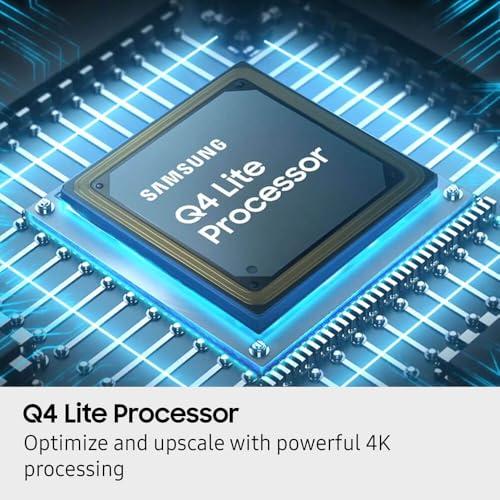
| AiPQ Pro with advanced AI features | Q4 Lite Processor with basic optimization |
| Anti-Reflective Technology - Reduces glare in bright rooms | |
| CrystGlow HVA panel with anti-reflective coating | Standard panel without specialized coating |
| Voice Assistants - Convenience and smart home control | |
| Google Assistant, Alexa, hands-free operation | Bixby, Alexa, Google Assistant (remote required) |
| Best For - Target user profile | |
| Home theater enthusiasts, gamers, value seekers | Samsung ecosystem users, basic viewing needs |
The TCL 65QM7K delivers significantly better picture quality with its QD-Mini LED technology, 2,500 local dimming zones, and 3,000 nits peak brightness. The Samsung Q6F uses basic QLED technology without meaningful local dimming, resulting in less impressive contrast and HDR performance. For picture quality, the TCL QM7K is clearly superior.
Yes, the TCL QM7K is much better for gaming with its 144Hz refresh rate, VRR support up to 288Hz, AMD FreeSync Premium Pro, and two HDMI 2.1 ports. The Samsung Q6F is limited to 60Hz with basic gaming features, making it unsuitable for next-gen console gaming or PC gaming.
The TCL QM7K is substantially brighter with up to 3,000 nits peak brightness and anti-reflective coating, making it excellent for bright rooms and daytime viewing. The Samsung Q6F has standard brightness levels that may appear washed out in well-lit environments.
No, only the TCL QM7K supports Dolby Vision, along with HDR10+ and other HDR formats. The Samsung Q6F notably omits Dolby Vision support, which limits compatibility with premium streaming content from Netflix, Disney+, and other services.
Both platforms are good but serve different needs. The TCL QM7K uses Google TV with seamless Android integration and hands-free voice control. The Samsung Q6F features Tizen with excellent SmartThings smart home integration. Choose based on your ecosystem preference.
Yes, the TCL QM7K has significantly better audio with Bang & Olufsen tuning, 60W output, and Dolby Atmos support. The Samsung Q6F has basic 20W speakers that are adequate but underwhelming compared to the TCL's premium audio system.
The TCL QM7K is much better for home theater use with superior contrast (7,000:1 ratio), deeper blacks from Mini LED technology, brighter HDR highlights, and comprehensive format support including Dolby Vision. The Samsung Q6F lacks the picture quality needed for serious home theater viewing.
The TCL QM7K has 4 HDMI ports total, including 2 HDMI 2.1 ports for gaming and high-bandwidth devices. The Samsung Q6F has 3 HDMI ports with standard specifications, which may limit connectivity for users with multiple devices.
The TCL QM7K has vastly superior local dimming with up to 2,500 zones that can independently control brightness for precise contrast. The Samsung Q6F has basic LED backlighting without meaningful local dimming, resulting in poor black levels and contrast control.
The TCL QM7K is better for sports with its 144Hz refresh rate, superior motion handling, and higher brightness for clear daytime viewing. The Samsung Q6F can handle sports adequately but may show more motion blur due to its 60Hz limitation and basic motion processing.
The TCL QM7K offers exceptional value by delivering premium Mini LED technology, gaming features, and picture quality typically found in much more expensive TVs. The Samsung Q6F provides basic value for budget-conscious buyers but lacks the advanced features that justify the price difference.
Choose the TCL QM7K if you want superior picture quality, gaming capabilities, and home theater performance at excellent value. Choose the Samsung Q6F only if you're deeply integrated into Samsung's ecosystem, need basic smart home features, or have a very limited budget. For most buyers, the TCL QM7K is the clear winner.
We've done our best to create useful and informative comparisons to help you decide what product to buy. Our research uses advanced automated methods to create this comparison and perfection is not possible - please contact us for corrections or questions. These are the sites we've researched in the creation of this article: bestbuy.com - businessinsider.com - tomsguide.com - tomsguide.com - rtings.com - tomsguide.com - youtube.com - rtings.com - consumerreports.org - youtube.com - youtube.com - displayspecifications.com - youtube.com - tcl.com - tcl.com - tcl.com - youtube.com - rcwilley.com - bestbuy.com - tclcentral.com - displayspecifications.com - tomsguide.com - tcl.com - brandsmartusa.com - tcl.com - tcl.com - gizmochina.com - nfm.com - dolby.com - alexraytv.com - tomsguide.com - bestbuy.com - samsung.com - rtings.com - youtube.com - rtings.com - bestbuy.com - samsung.com - samsung.com - samsung.com - manuals.plus - shopjetson.com - samsung.com - samsung.com - samsung.com - samsung.com - bestbuy.com - jefflynch.com

Privacy Policy
Terms and Conditions - Affiliate Policy
Home Security
© Copyright 2008-2026.
11816 Inwood Rd #1211, Dallas, TX 75244