

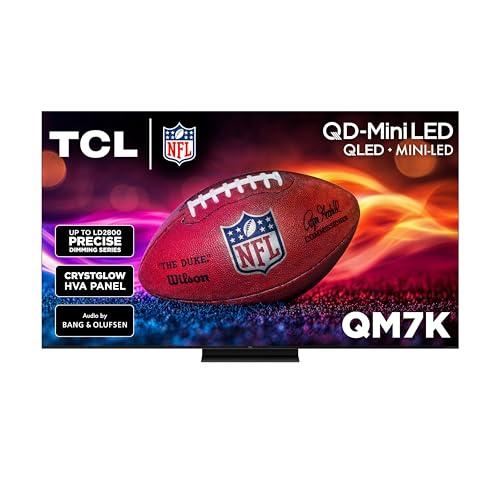
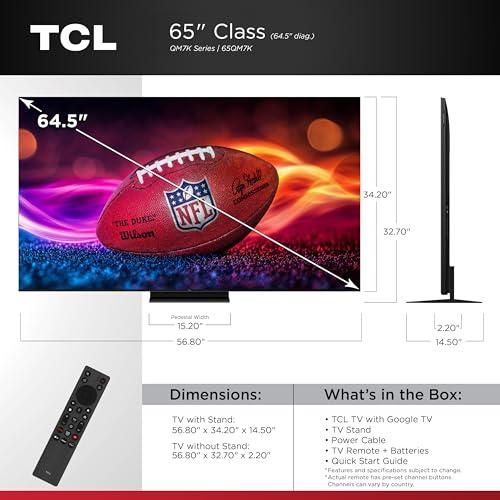


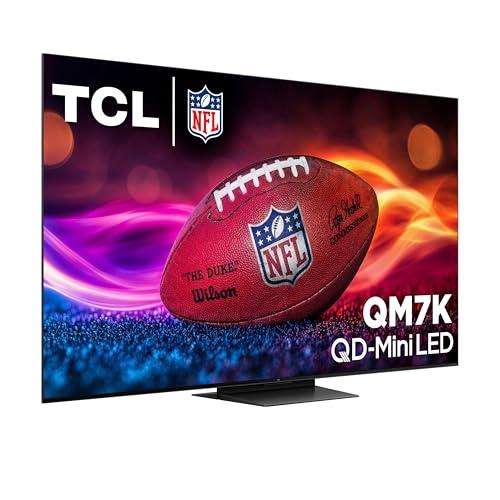
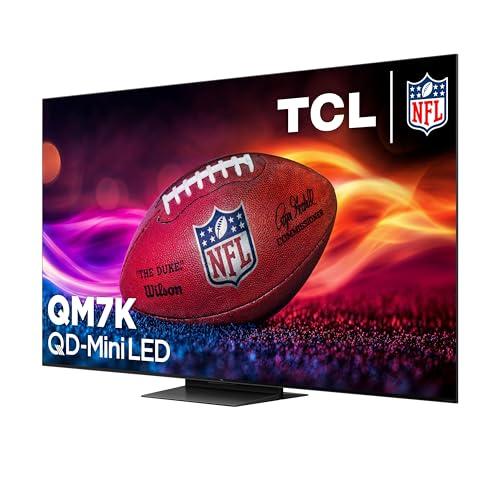
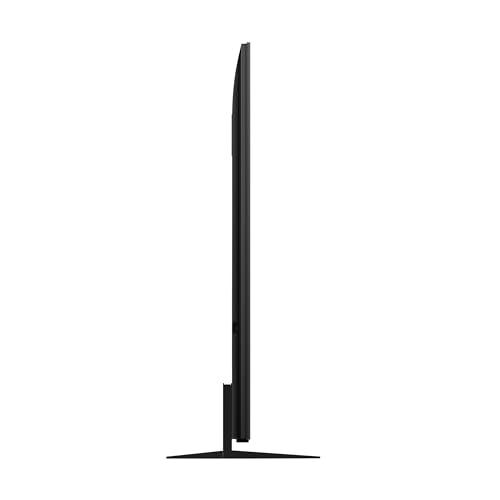
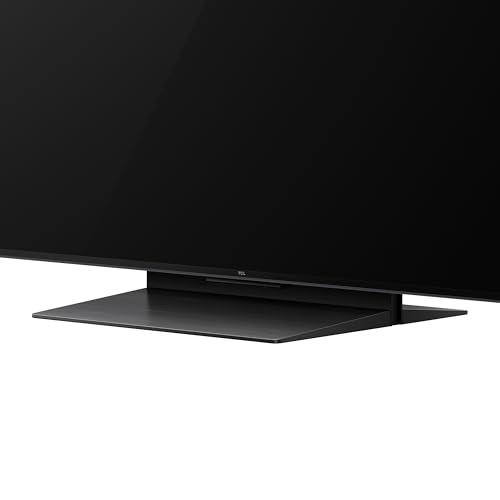
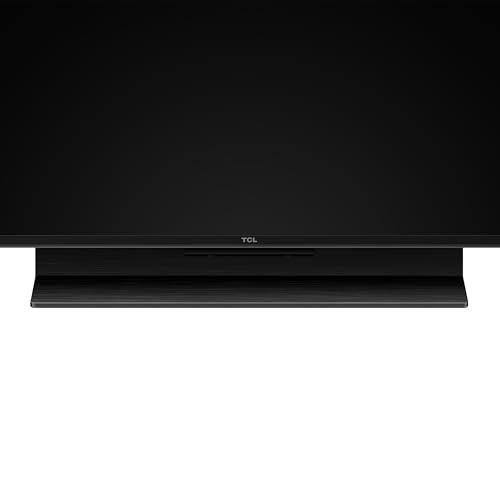
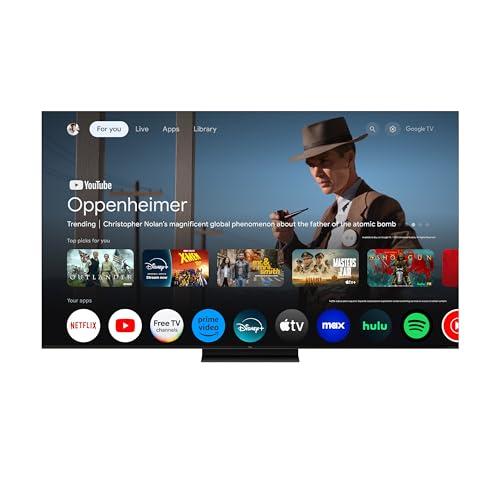
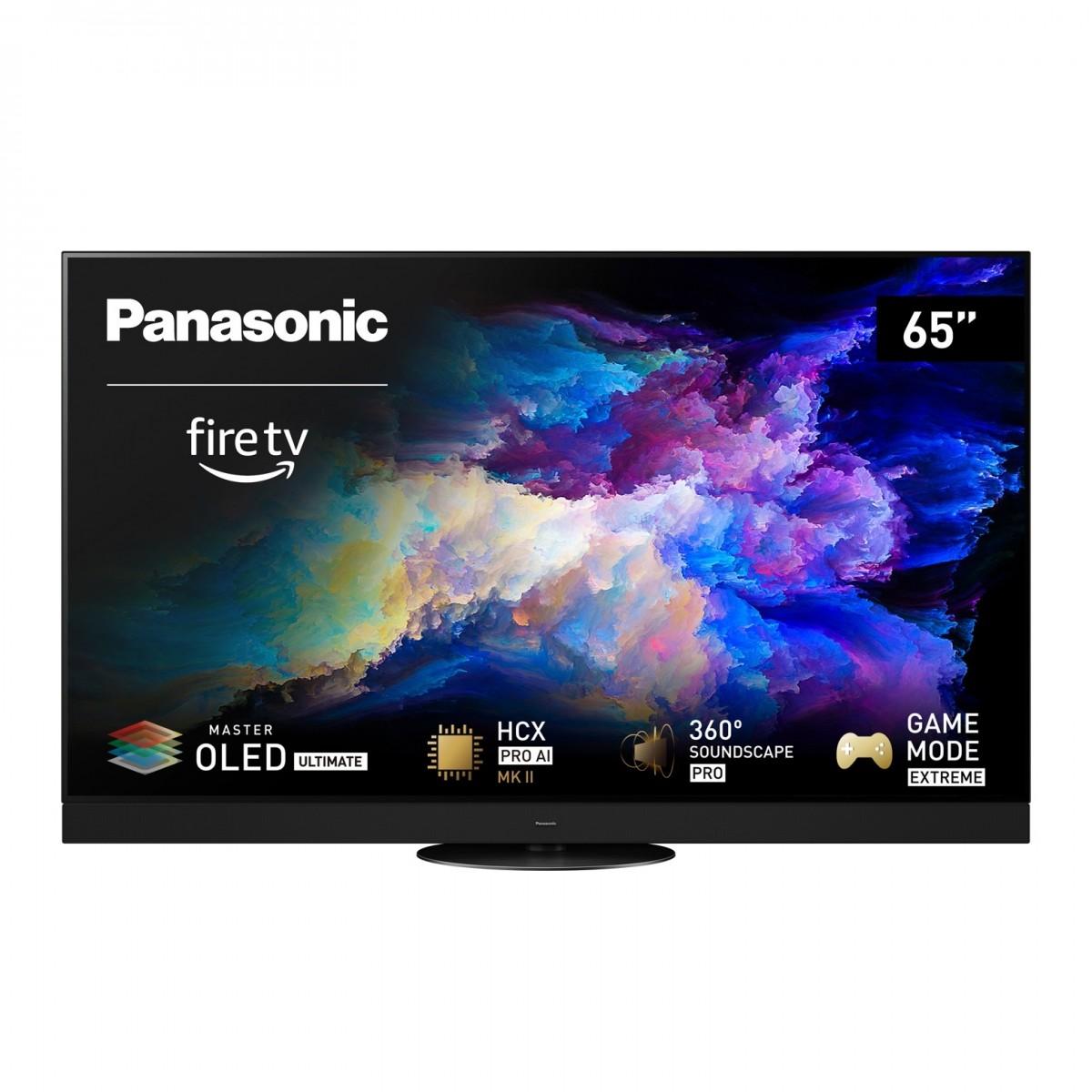
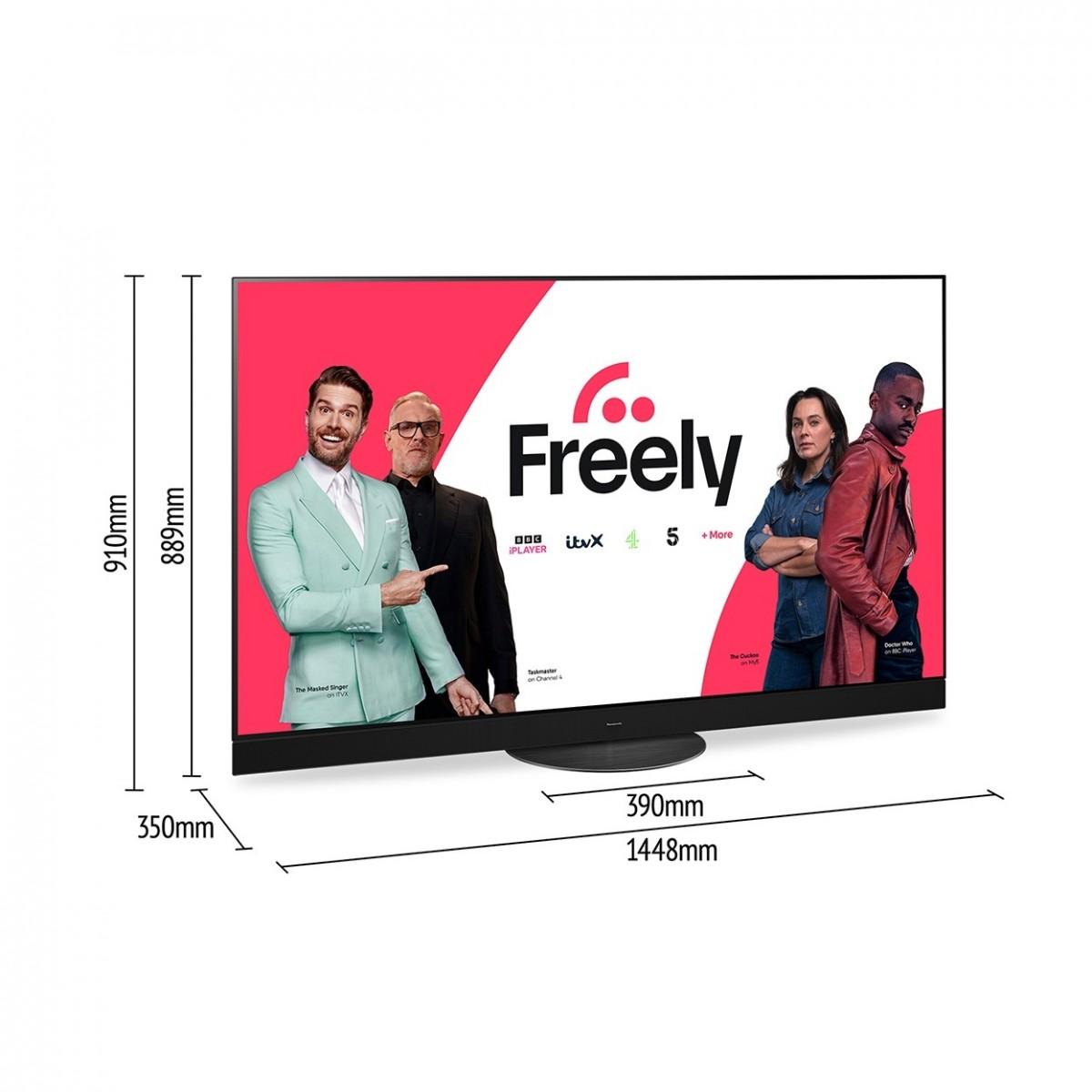
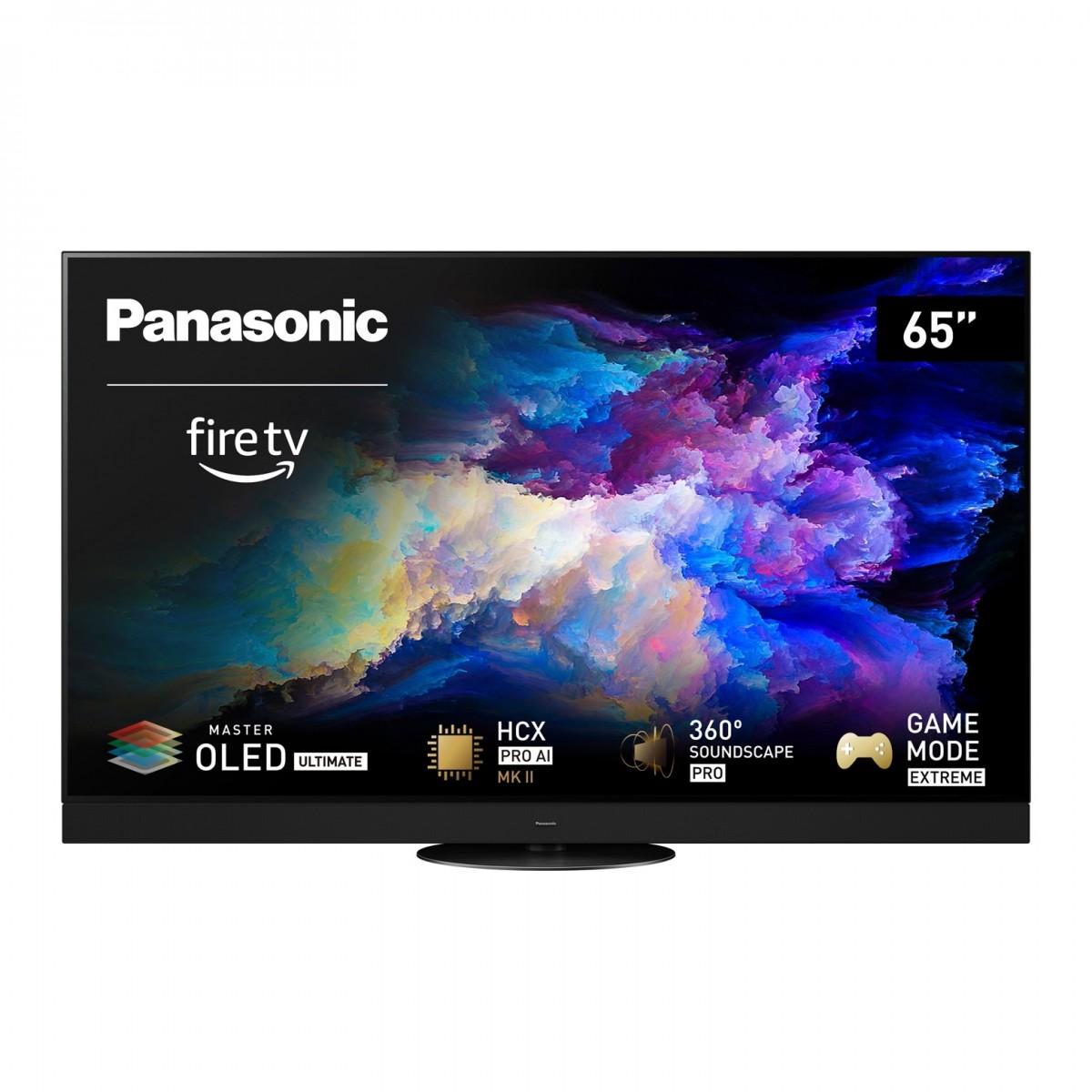
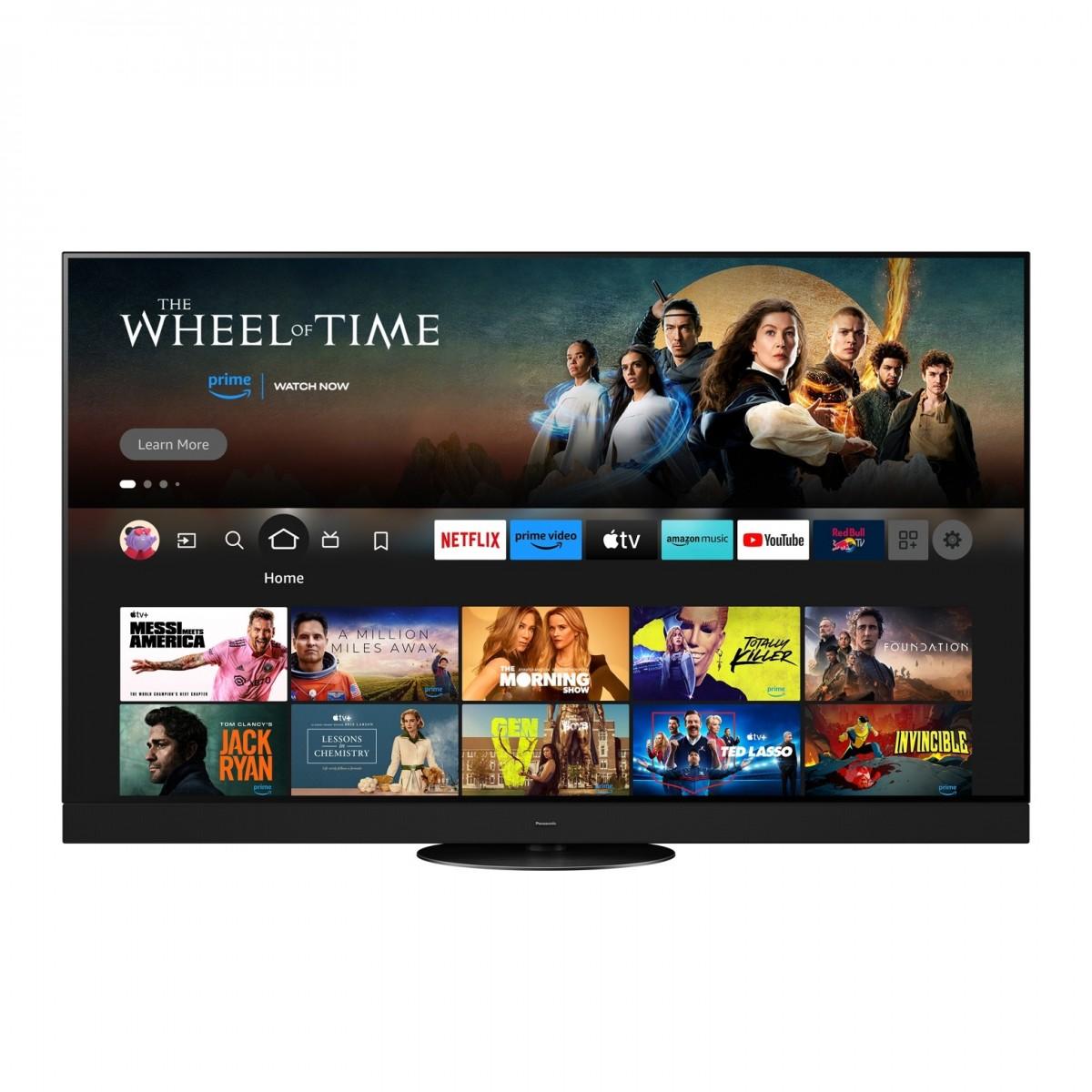
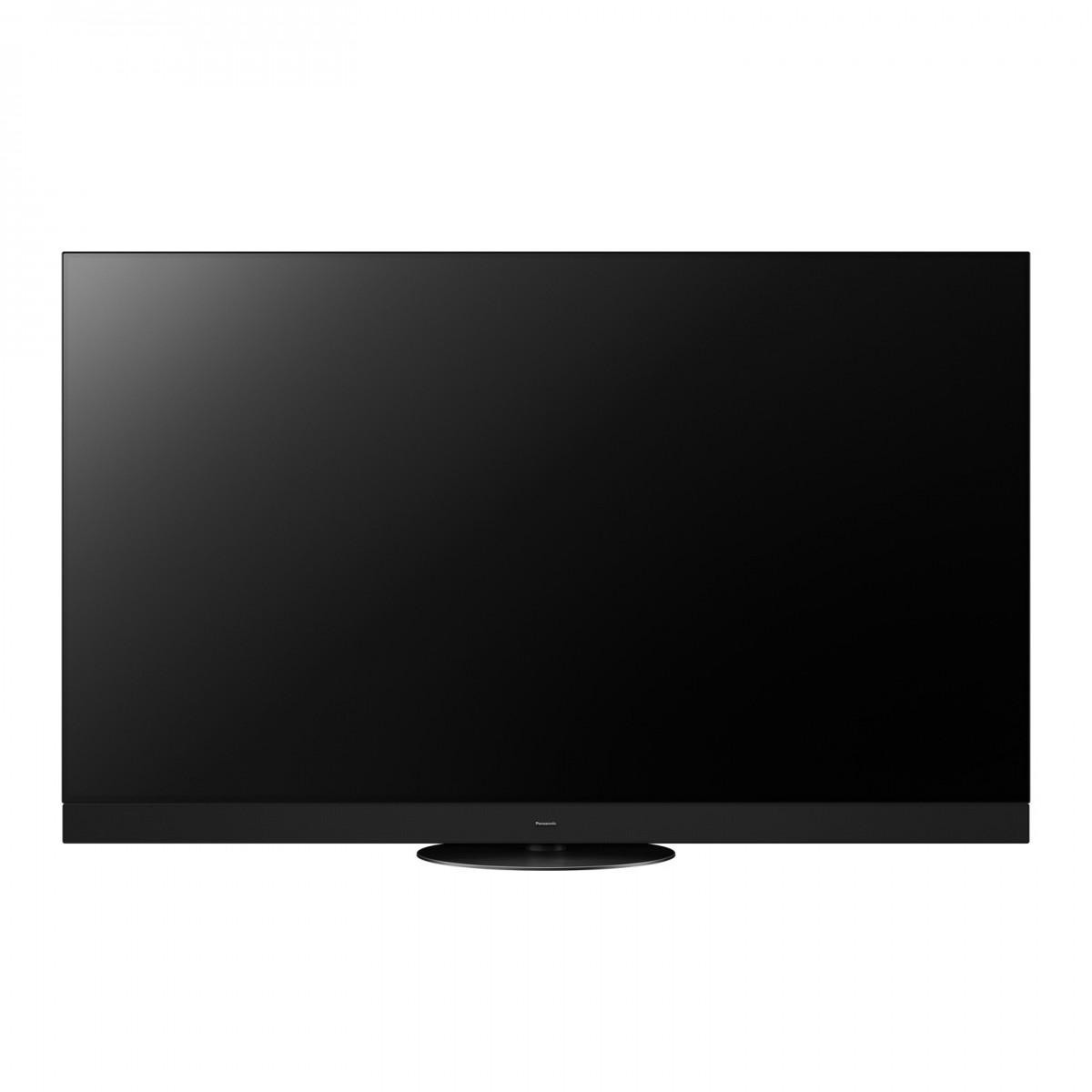
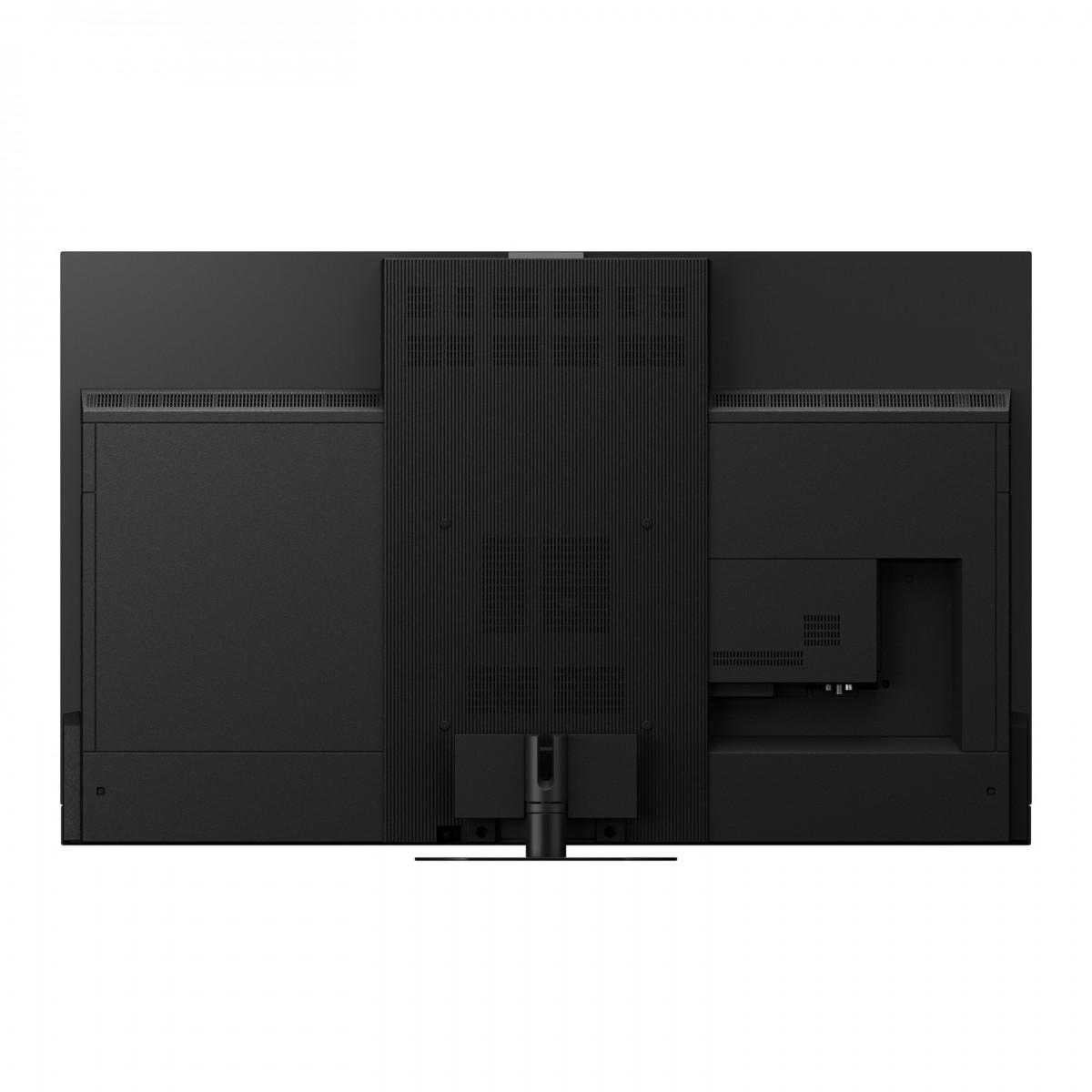
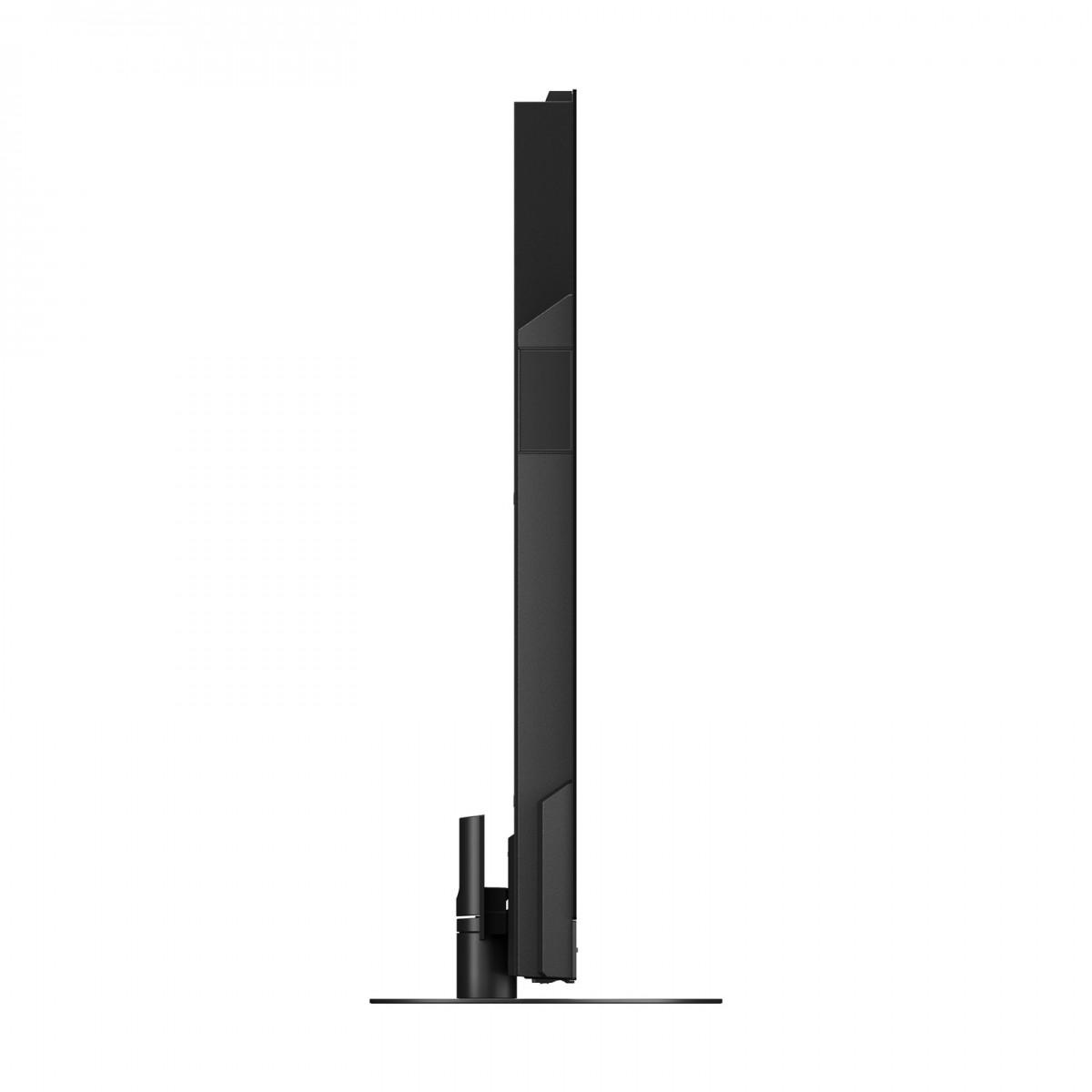
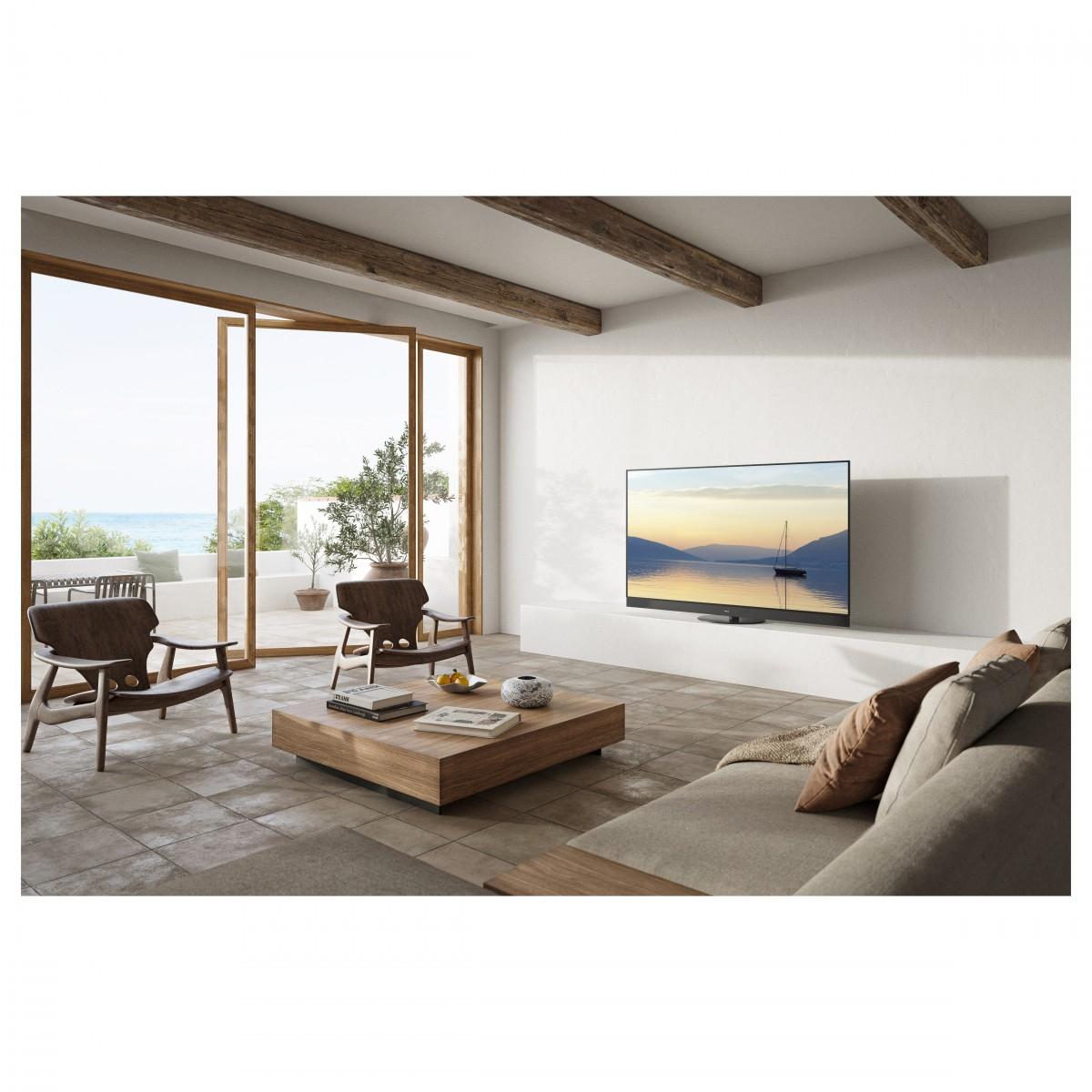
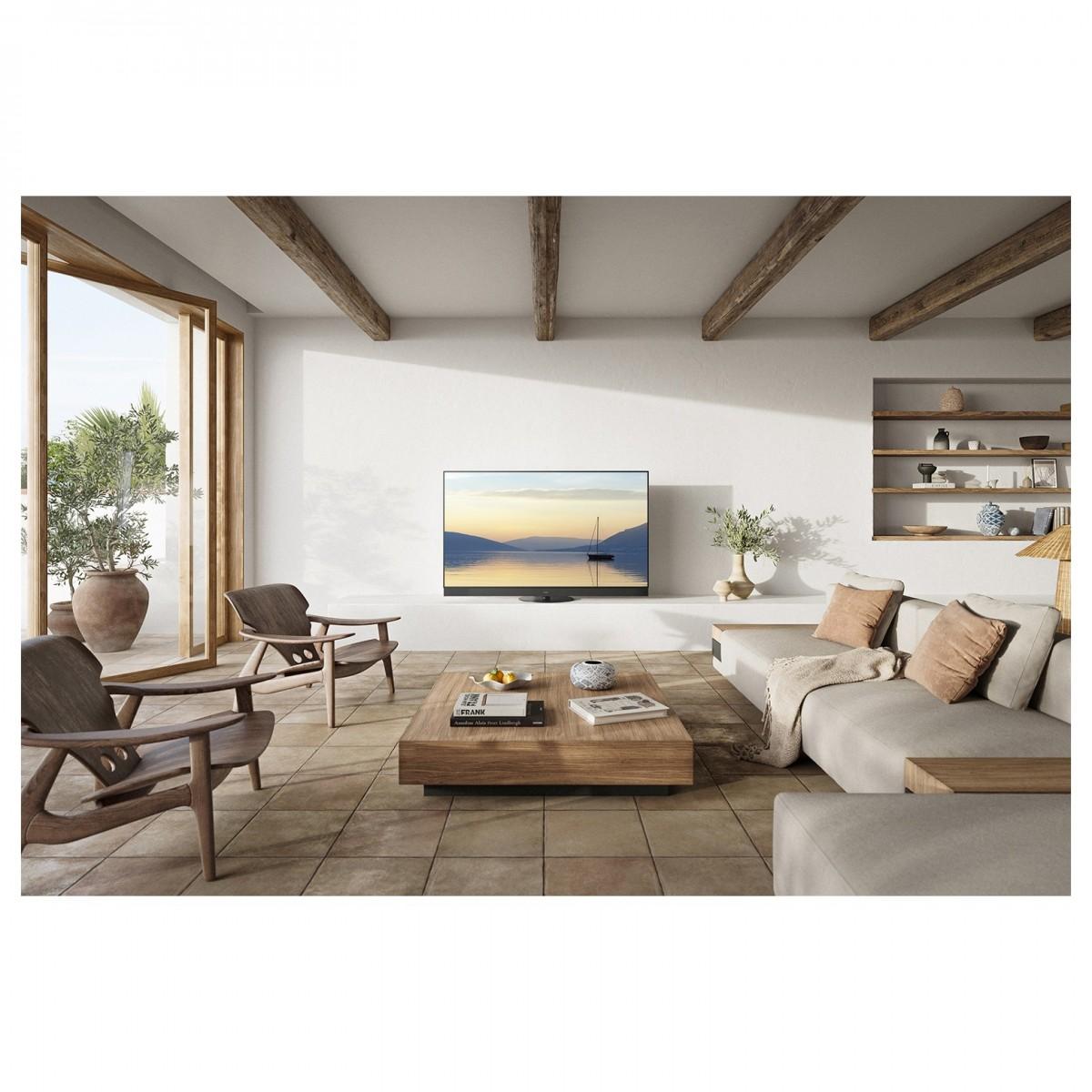
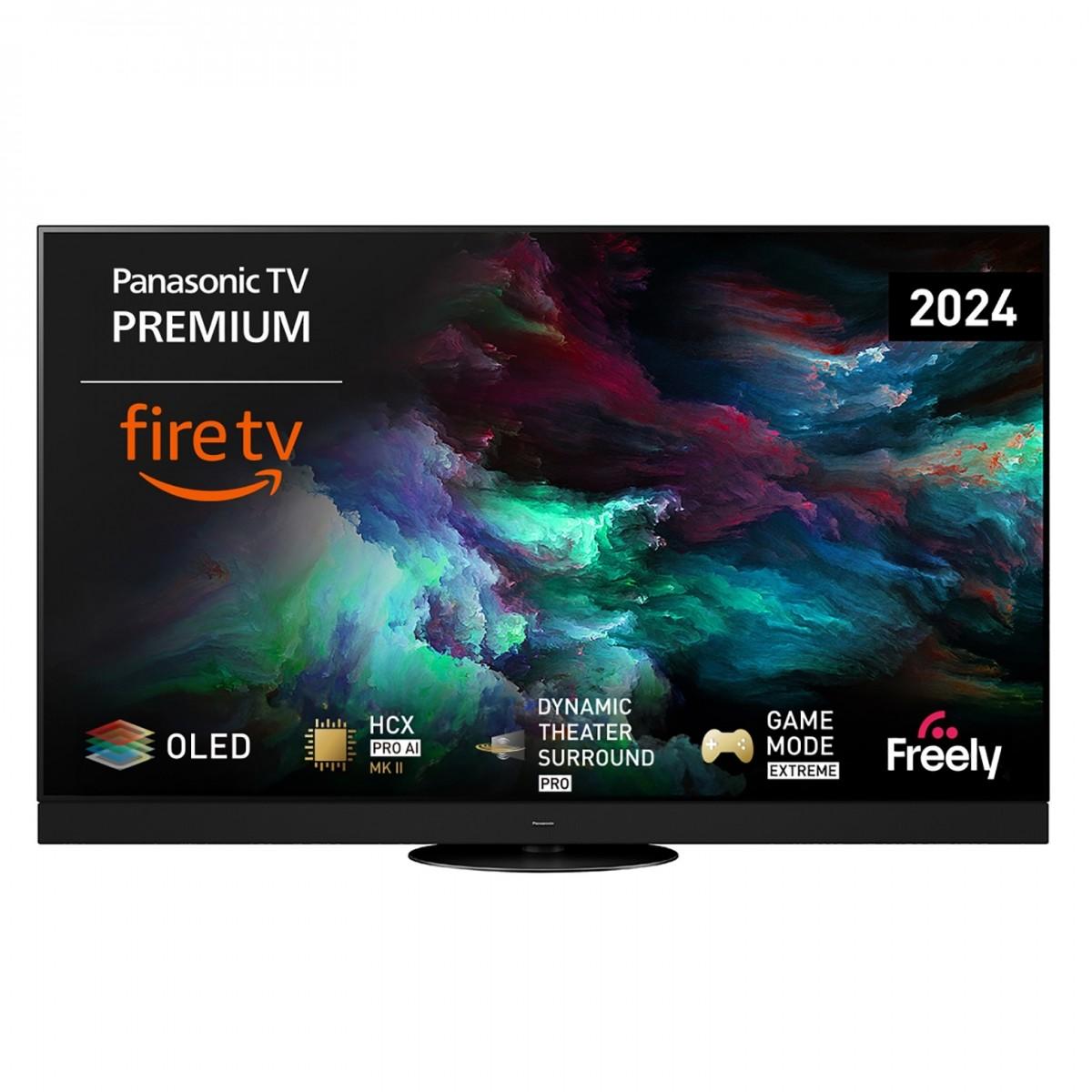
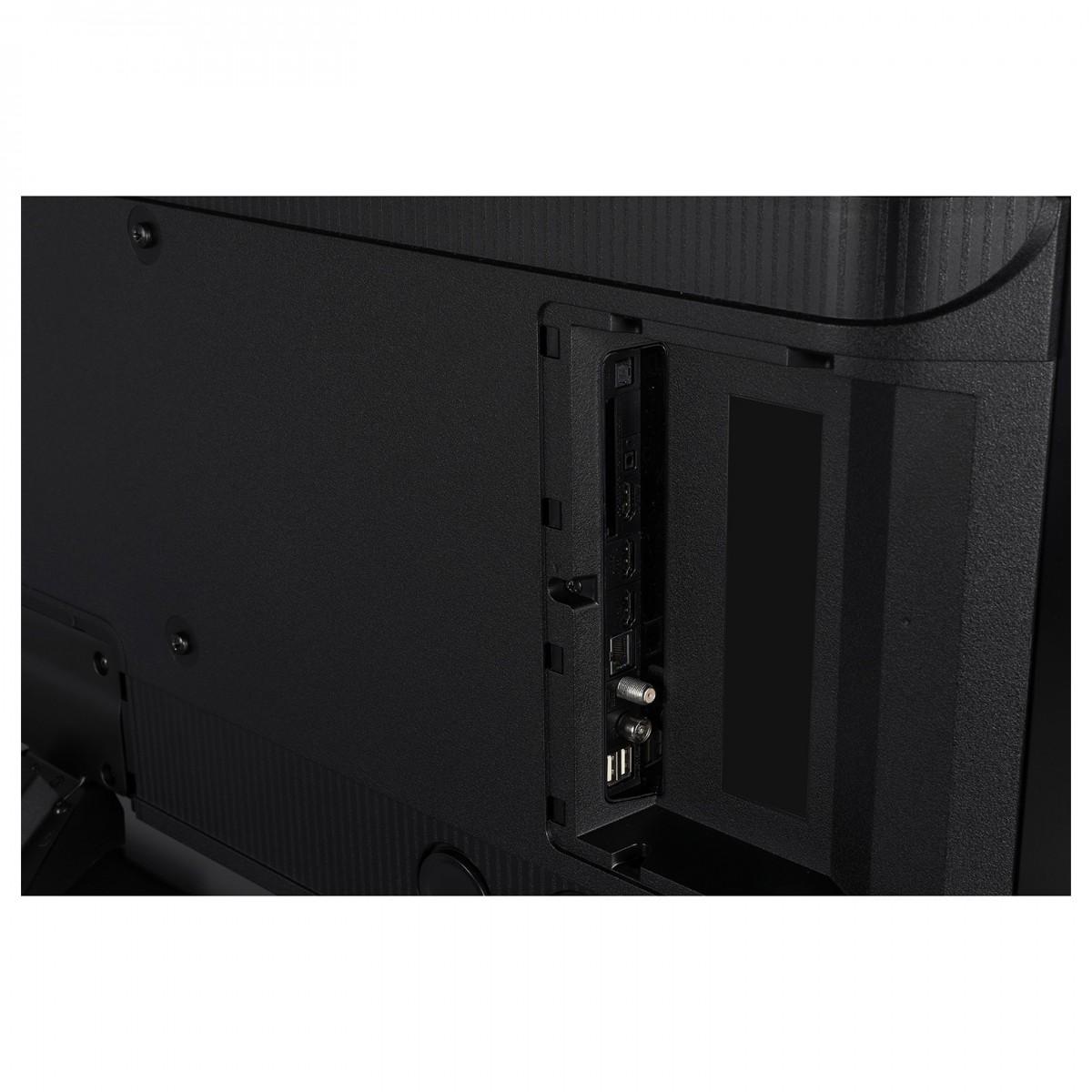
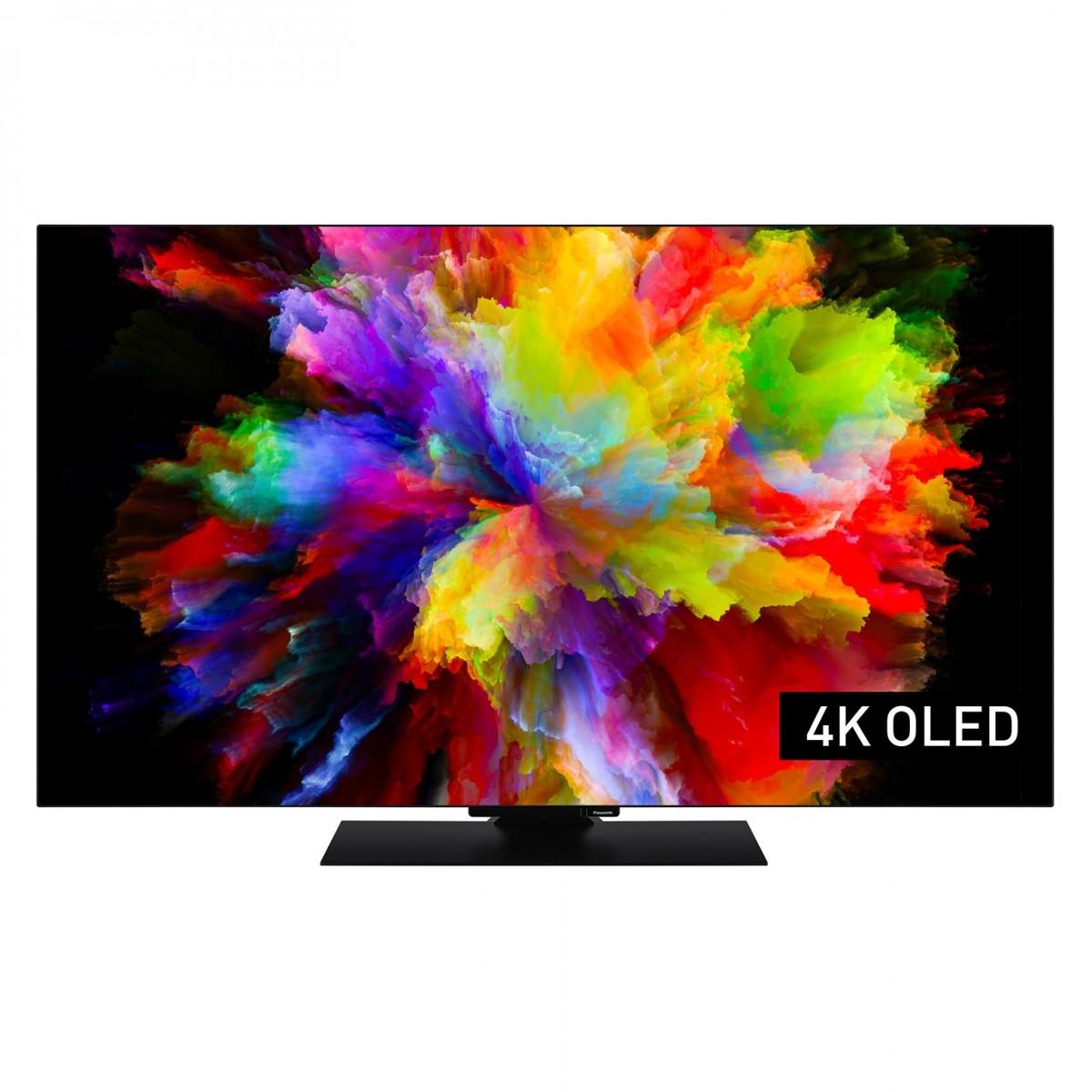
Shopping for a premium 65-inch TV in 2025 means navigating two fundamentally different display technologies that approach picture quality from opposite directions. The TCL 65QM7K represents the latest evolution of LCD technology with quantum dot enhancement and mini LED backlighting, while the Panasonic Z95A showcases mature OLED technology with pixel-perfect contrast control. Both were released in 2024, incorporating years of refinement in their respective technologies.
At the time of writing, these TVs sit in different price tiers, with the TCL 65QM7K positioned as a premium value option and the Panasonic Z95A commanding flagship pricing. This price difference isn't arbitrary—it reflects genuinely different approaches to achieving excellent picture quality, each with distinct advantages depending on your viewing environment and priorities.
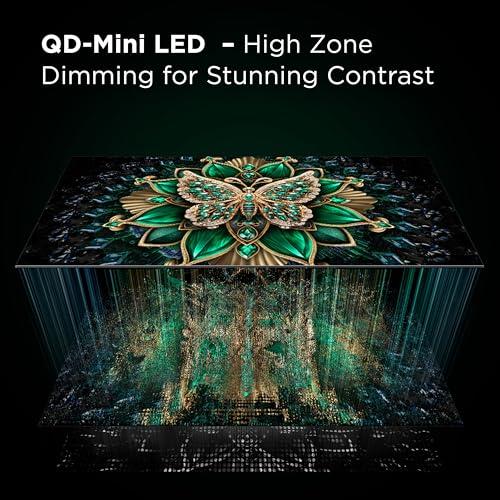
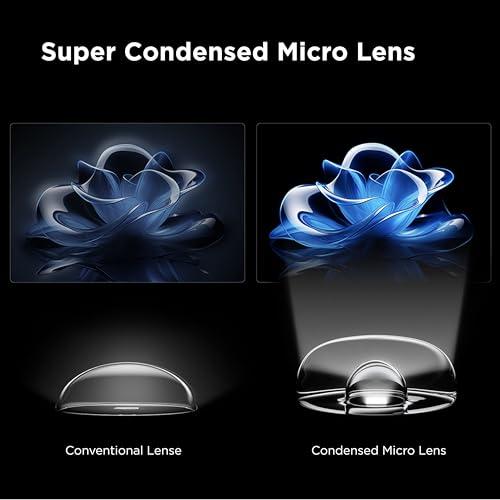
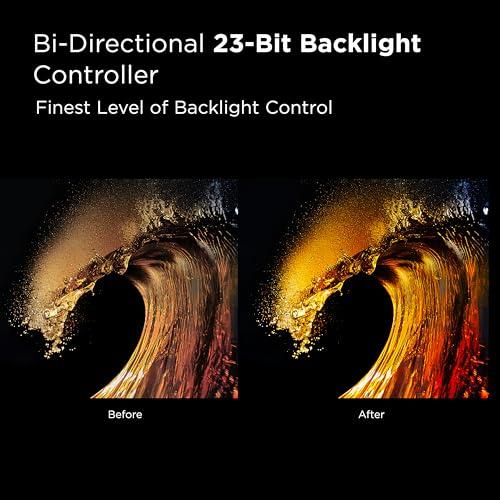
Before diving into specifics, it's crucial to understand what separates these display technologies. Traditional LCD TVs use a backlight that shines through liquid crystal panels to create images. The TCL 65QM7K takes this concept to its logical extreme with QD-Mini LED technology—think of it as having thousands of tiny, precisely controlled spotlights behind the screen instead of a few large fluorescent tubes.
OLED technology in the Panasonic Z95A works completely differently. Each pixel generates its own light, meaning there's no backlight at all. When a pixel needs to be black, it simply turns off completely. This fundamental difference drives most of the performance characteristics we'll discuss.
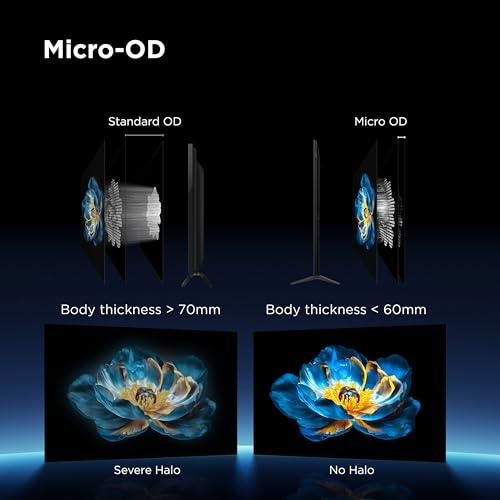
Since 2020, both technologies have matured significantly. Mini LED has evolved from having a few hundred dimming zones to thousands, dramatically reducing the "blooming" effect where bright objects create halos of light around them. OLED has largely solved early burn-in concerns while steadily increasing brightness levels that previously lagged behind LCD panels.
The most dramatic difference between these TVs lies in how they handle contrast—the difference between the darkest and brightest parts of an image. The Panasonic Z95A achieves what display engineers call "infinite contrast" because its pixels can turn completely off. When you're watching a movie with a starfield in space, those black areas between stars are truly black, not dark gray.
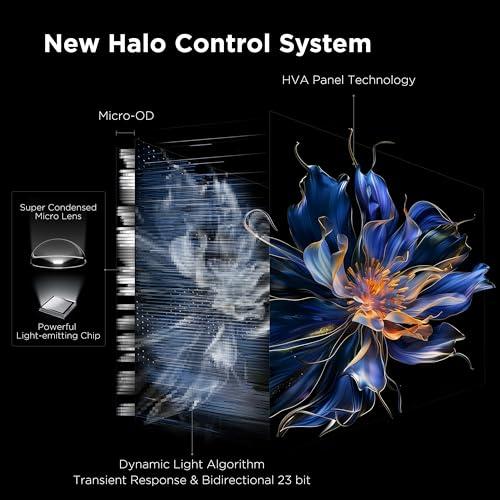
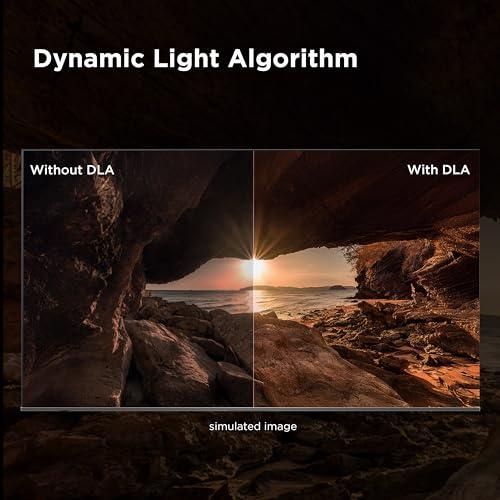
The TCL 65QM7K approaches this challenge through brute force precision. Its 2,500 local dimming zones mean the backlight is divided into thousands of individually controlled sections. When a bright star appears on screen, only the dimming zones directly behind that star light up, while surrounding zones dim or turn off entirely. TCL's Halo Control System uses advanced algorithms to minimize light bleeding between zones, creating what they call "halo-free" images.
In practice, this means the Panasonic Z95A delivers perfect blacks in any scenario, while the TCL 65QM7K comes remarkably close in most content. The difference is most noticeable in dark room viewing with content that has bright objects against black backgrounds—think credits rolling over a black screen or subtitles on dark scenes.
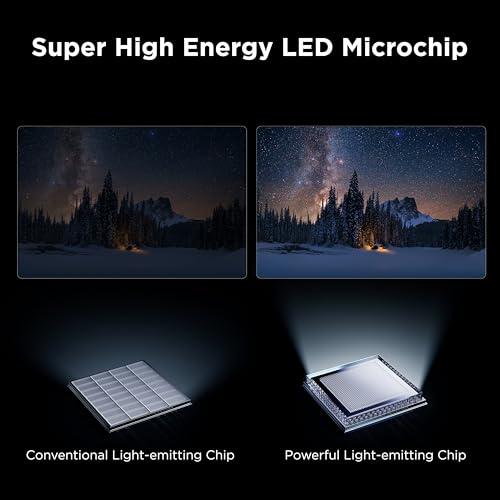
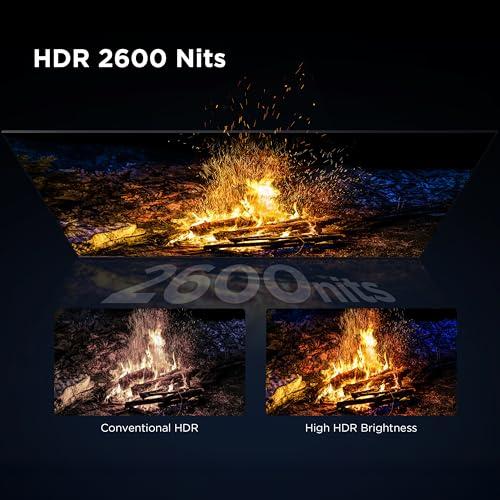
Peak brightness—how bright the TV can get—tells a different story entirely. The TCL 65QM7K can reach an impressive 2,600 to 3,000 nits (a measurement unit for brightness), making it one of the brightest consumer TVs available. For context, a typical sunny day measures around 100,000 nits, while indoor lighting ranges from 100-1,000 nits.
The Panasonic Z95A tops out around 1,000 nits, which is perfectly adequate for most content but significantly dimmer than the TCL. This brightness advantage makes the TCL 65QM7K superior in two key scenarios: bright room viewing and HDR highlight reproduction.
In a living room with windows and ambient lighting, the TCL's extra brightness helps it maintain contrast and color saturation despite competing light sources. When watching HDR content featuring explosions, bright skies, or reflective surfaces, those extra 1,500+ nits create noticeably more impactful highlights that make scenes feel more three-dimensional and realistic.
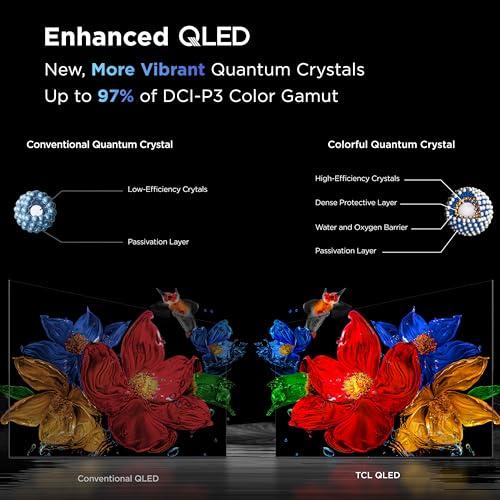
Both TVs take different approaches to color reproduction, reflecting distinct philosophies about what "accurate" color means. The TCL 65QM7K uses quantum dot technology, which essentially means microscopic crystals that convert blue LED light into precise red and green wavelengths. This creates extraordinarily vibrant colors that cover 97% of the DCI-P3 color space (the standard used by movie studios).
The quantum dot approach tends toward saturated, eye-catching colors that make content pop off the screen. Sports broadcasts look more vivid, animated content becomes more engaging, and HDR material gains extra visual impact. Some might describe these colors as "enhanced" rather than strictly natural.
The Panasonic Z95A prioritizes what the industry calls "color accuracy"—reproducing colors exactly as content creators intended. Panasonic's HCX Pro AI Processor analyzes each frame and applies sophisticated color correction to match reference standards used in professional editing suites. The result is natural-looking colors that remain consistent across different types of content.
Neither approach is inherently superior—it depends on your preferences and viewing habits. The TCL 65QM7K excels with vibrant content like sports, gaming, and animated films, while the Panasonic Z95A shines with movies and dramatic content where natural skin tones and subtle color gradations matter more.
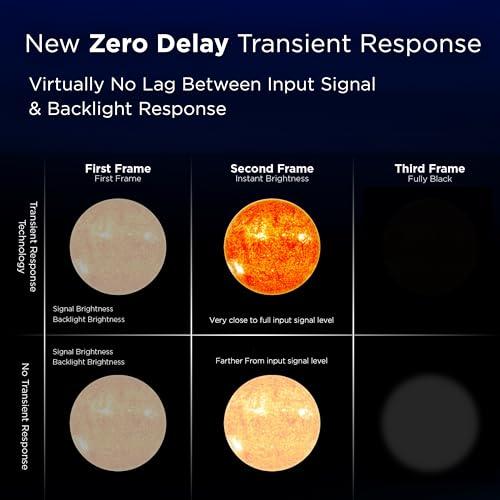
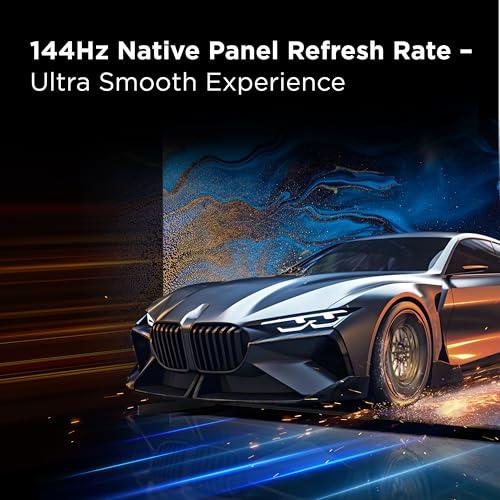
Both TVs feature native 144Hz refresh rates, but their gaming capabilities diverge in interesting ways. Refresh rate determines how many times per second the image updates—higher rates mean smoother motion and reduced input lag (the delay between pressing a controller button and seeing the action on screen).
The TCL 65QM7K goes further with its Game Accelerator 288 feature, supporting up to 288Hz variable refresh rate (VRR) at 1080p resolution. VRR allows the TV to synchronize its refresh rate with your gaming console or PC's output, eliminating screen tearing and stuttering during fast-paced action.
More importantly for gamers, the TCL 65QM7K includes dedicated gaming enhancements like Shadow Enhancer, which brightens dark areas to reveal enemies hiding in shadows, and Aiming Aid, which subtly highlights crosshairs and targeting reticles. These features provide competitive advantages in first-person shooters and similar games.
The Panasonic Z95A offers different gaming advantages through its OLED technology. Pixel response time—how quickly individual pixels can change color—is essentially instantaneous with OLED. This eliminates motion blur during rapid camera movements or fast-moving objects, creating crisp, clear images even in the most chaotic gaming scenarios.
For competitive gaming, the TCL 65QM7K edges ahead with its specialized features and higher potential refresh rates. For single-player games with cinematic visuals, the Panasonic Z95A's perfect contrast and color accuracy create more immersive experiences.
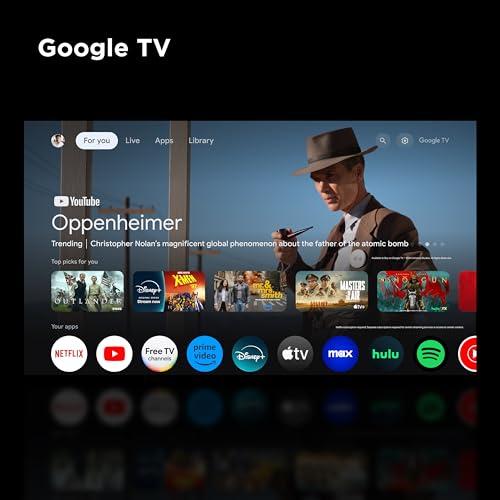
The choice between Google TV on the TCL 65QM7K and Fire TV on the Panasonic Z95A reflects broader ecosystem preferences. Google TV integrates seamlessly with Android phones, Google Assistant, and Chromecast, while Fire TV connects naturally with Amazon services, Alexa, and Prime Video.
Google TV's interface emphasizes content discovery across multiple streaming services, creating unified watchlists and recommendations that span Netflix, Disney+, YouTube, and others. The TCL 65QM7K also supports hands-free voice control, allowing you to change channels or search content without finding the remote.
Fire TV on the Panasonic Z95A prioritizes Amazon's content ecosystem while still supporting major streaming apps. Prime Video content receives enhanced presentation, and Alexa integration allows smart home control directly from the TV.
Both platforms receive regular updates and support all major streaming services, so your choice likely depends on which ecosystem you already use more heavily.
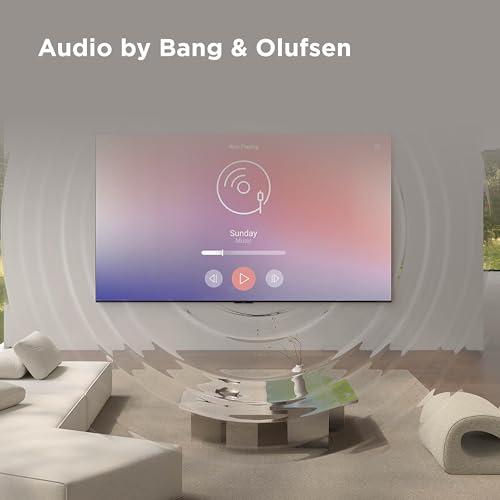
Built-in TV speakers rarely match dedicated sound systems, but there are meaningful differences between these models. The TCL 65QM7K features Bang & Olufsen audio tuning with a dedicated subwoofer, delivering 60W of total power with notably better bass response than typical TV speakers.
The Panasonic Z95A includes standard Dolby Atmos speakers that provide adequate sound quality but lack the depth and clarity of the TCL's enhanced system. Both TVs benefit significantly from external soundbars or home theater systems, but the TCL 65QM7K offers better performance if you plan to use built-in audio.
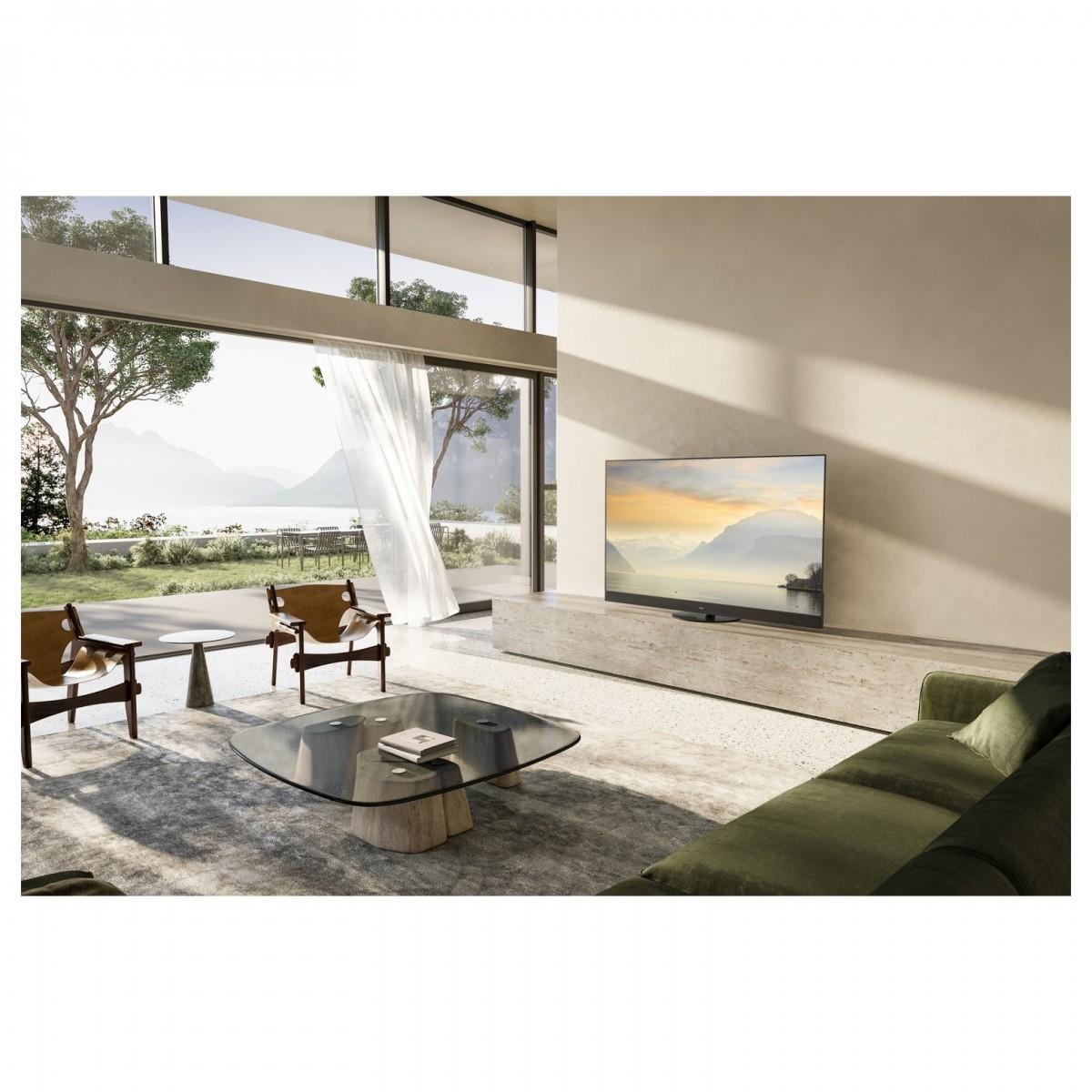
For dedicated home theater setups, room environment becomes crucial. The Panasonic Z95A excels in controlled lighting conditions where its perfect blacks and accurate colors shine without competition from ambient light. In a basement theater or media room with blackout curtains, the OLED's infinite contrast creates an almost three-dimensional viewing experience that draws you into the content.
The TCL 65QM7K proves more versatile across different lighting conditions. Its exceptional brightness maintains picture quality even with some ambient light, making it suitable for multi-purpose rooms that serve as both living spaces and entertainment centers.
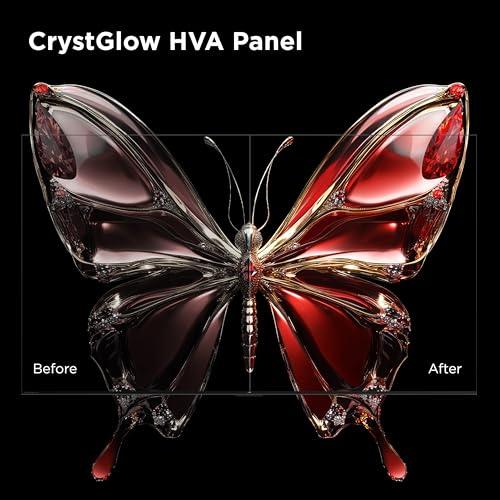
Viewing angles also matter for home theater seating arrangements. The Panasonic Z95A maintains consistent picture quality from virtually any angle, while the TCL 65QM7K, despite improvements in its HVA panel technology, shows some color and contrast shifting when viewed from extreme angles.
At the time of writing, the TCL 65QM7K offers exceptional value, delivering approximately 90% of premium TV performance at a significantly lower price point. This makes it an easy recommendation for most buyers who want flagship-level features without paying flagship prices.
The Panasonic Z95A commands a premium that's justified primarily for videophiles and home theater enthusiasts who prioritize absolute picture quality above all else. The price difference reflects not just manufacturing costs but also the target market—the Panasonic appeals to buyers who view their TV as the centerpiece of a carefully designed entertainment system.
Long-term reliability favors different technologies for different reasons. The TCL 65QM7K uses traditional LCD technology with no burn-in concerns and consistent performance over many years. The Panasonic Z95A has minimal burn-in risk with modern OLED panels and protective features, but requires some awareness of static content like news tickers or gaming UI elements that remain on screen for extended periods.
Choose the TCL 65QM7K if you have a bright living room with windows, prioritize gaming features and high refresh rates, want exceptional value without sacrificing premium features, or need superior built-in audio quality. Its combination of brightness, gaming capabilities, and competitive pricing makes it the better choice for most buyers.
The Panasonic Z95A justifies its premium pricing for buyers with dedicated home theaters or dark viewing rooms, those who prioritize the most accurate colors and perfect blacks, videophiles who value filmmaker-intended picture quality above all else, or users planning to add high-quality external sound systems.
In practical terms, the TCL 65QM7K performs better in bright environments and offers more gaming-specific features, while the Panasonic Z95A excels in dark rooms with its perfect contrast and color accuracy. The TCL represents better value for most users, delivering flagship performance at a more accessible price point, while the Panasonic appeals to enthusiasts willing to pay extra for the ultimate viewing experience in optimal conditions.
Your room lighting, viewing habits, and budget priorities should guide this decision more than theoretical specifications. Both represent excellent choices within their respective technologies and price ranges.
| TCL 65QM7K QD-Mini LED 4K Google TV | Panasonic Z95A 65" OLED 4K Ultra HD Smart TV |
|---|---|
| Display Technology - Determines contrast, brightness, and viewing experience | |
| QD-Mini LED with 2,500 local dimming zones | OLED with 8+ million self-emissive pixels |
| Peak Brightness - Critical for HDR impact and bright room viewing | |
| 2,600-3,000 nits (exceptional for bright rooms) | ~1,000 nits (adequate for most content) |
| Black Levels - Affects contrast and dark scene detail | |
| Near-perfect blacks with minimal blooming | Perfect infinite blacks (each pixel turns off) |
| Color Technology - Impacts vibrancy vs accuracy | |
| Quantum Dot with 97% DCI-P3 (vibrant, saturated) | Natural color accuracy (filmmaker-intended) |
| Gaming Performance - Refresh rates and gaming features | |
| 144Hz native, 288Hz VRR, dedicated gaming modes | 144Hz native, instant pixel response |
| Smart Platform - App selection and ecosystem integration | |
| Google TV with hands-free voice control | Amazon Fire TV with Alexa built-in |
| Audio Quality - Built-in speaker performance | |
| Bang & Olufsen tuning with subwoofer, 60W | Standard Dolby Atmos speakers, 20W |
| Viewing Angles - Picture consistency from side seats | |
| Good with HVA panel technology | Excellent OLED consistency from all angles |
| Burn-in Risk - Long-term reliability concerns | |
| No burn-in risk (LCD technology) | Minimal risk with modern OLED protections |
| Best Room Environment - Optimal viewing conditions | |
| Bright living rooms with ambient light | Dark home theaters and controlled lighting |
| Value Proposition - Performance per dollar spent | |
| Exceptional value with flagship features | Premium pricing for ultimate picture quality |
The TCL 65QM7K is significantly better for bright rooms due to its exceptional peak brightness of 2,600-3,000 nits. This mini LED technology maintains excellent contrast and color saturation even with windows and ambient lighting. The Panasonic Z95A reaches only about 1,000 nits, making it better suited for darker viewing environments where its perfect blacks can shine.
The TCL 65QM7K uses QD-Mini LED technology with thousands of tiny backlights and 2,500 local dimming zones to control brightness precisely. The Panasonic Z95A uses OLED technology where each pixel produces its own light and can turn completely off for perfect blacks. Mini LED excels in brightness, while OLED delivers superior contrast and viewing angles.
The TCL 65QM7K offers better gaming features with 144Hz native refresh rate, up to 288Hz VRR support, and dedicated gaming modes like Shadow Enhancer and Aiming Aid. The Panasonic Z95A provides instant pixel response with no motion blur but lacks specialized gaming features. For competitive gaming, choose the TCL 65QM7K.
Both TVs offer excellent smart platforms. The TCL 65QM7K runs Google TV with extensive app support, hands-free voice control, and Google ecosystem integration. The Panasonic Z95A features Amazon Fire TV with Alexa built-in and seamless Prime Video integration. Choose based on whether you prefer Google or Amazon services.
Picture quality depends on your viewing environment. The Panasonic Z95A delivers superior contrast with perfect blacks and filmmaker-accurate colors, ideal for dark room viewing. The TCL 65QM7K provides brighter, more vibrant images that perform better in bright rooms. Both offer excellent 4K resolution and HDR support.
The TCL 65QM7K has no burn-in risk since it uses LCD technology. The Panasonic Z95A has minimal burn-in risk with modern OLED protections, but users should avoid displaying static images like news tickers for extended periods. For worry-free long-term use, the TCL 65QM7K has an advantage.
For dedicated home theaters with controlled lighting, the Panasonic Z95A excels with its perfect blacks, accurate colors, and excellent viewing angles from any seat. The TCL 65QM7K works better for multi-purpose rooms that aren't completely dark. Both support all major HDR formats for cinematic experiences.
The TCL 65QM7K features superior built-in audio with Bang & Olufsen tuning, a dedicated subwoofer, and 60W total power output. The Panasonic Z95A has standard Dolby Atmos speakers with 20W output. While both benefit from external sound systems, the TCL 65QM7K offers better performance if using built-in speakers.
The TCL 65QM7K provides exceptional value, delivering flagship-level performance at a significantly lower price point. It offers about 90% of premium TV capabilities while costing considerably less. The Panasonic Z95A commands premium pricing justified mainly for videophiles who prioritize absolute picture quality above all else.
Both TVs excel with HDR content but in different ways. The TCL 65QM7K delivers more impactful HDR highlights due to its superior brightness, making explosions and bright scenes more dramatic. The Panasonic Z95A provides more subtle HDR gradations and shadow detail with its perfect contrast. Both support Dolby Vision, HDR10+, and HDR10.
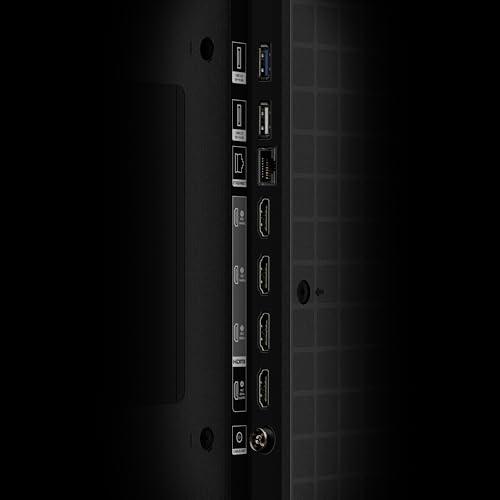
Both the TCL 65QM7K and Panasonic Z95A support current gaming standards with 144Hz refresh rates, HDMI 2.1 ports, and VRR support. The TCL 65QM7K offers slightly more gaming-focused features and higher refresh rate potential, while the Panasonic Z95A provides instant response times. Both will handle future gaming consoles well.
Choose the TCL 65QM7K for bright living rooms with windows, better gaming features, superior built-in audio, and excellent value. Select the Panasonic Z95A for dark or controlled lighting environments, perfect contrast, filmmaker-accurate colors, and if you prioritize ultimate picture quality over cost considerations.
We've done our best to create useful and informative comparisons to help you decide what product to buy. Our research uses advanced automated methods to create this comparison and perfection is not possible - please contact us for corrections or questions. These are the sites we've researched in the creation of this article: bestbuy.com - businessinsider.com - tomsguide.com - tomsguide.com - rtings.com - tomsguide.com - youtube.com - rtings.com - consumerreports.org - youtube.com - youtube.com - displayspecifications.com - youtube.com - tcl.com - tcl.com - tcl.com - youtube.com - rcwilley.com - bestbuy.com - tclcentral.com - displayspecifications.com - tomsguide.com - tcl.com - brandsmartusa.com - tcl.com - tcl.com - gizmochina.com - nfm.com - dolby.com - alexraytv.com - youtube.com - youtube.com - whathifi.com - tomsguide.com - shop.panasonic.com - store.in.panasonic.com - rtings.com - applianceplus.co.nz - rtings.com - store.in.panasonic.com - samsung.com

Privacy Policy
Terms and Conditions - Affiliate Policy
Home Security
© Copyright 2008-2026.
11816 Inwood Rd #1211, Dallas, TX 75244