

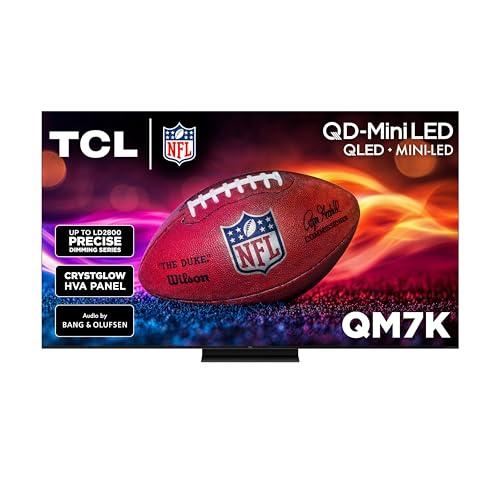
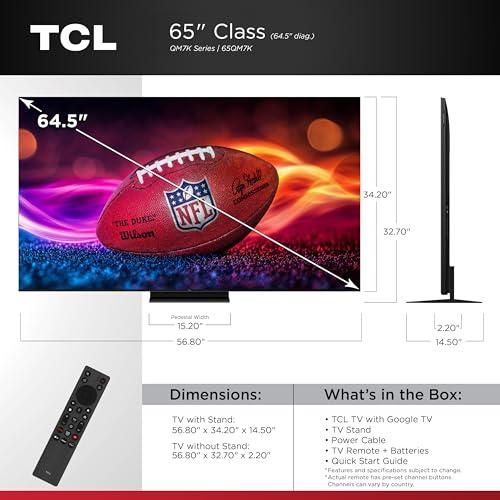

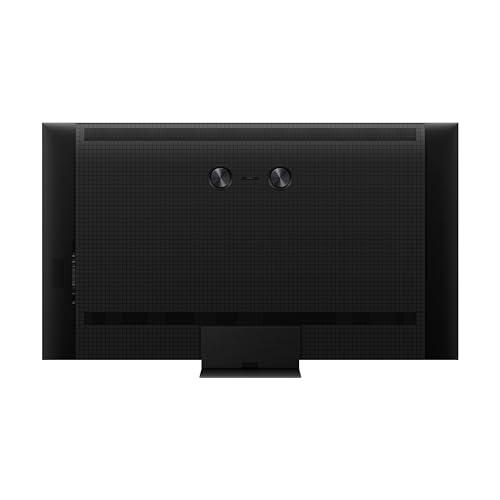
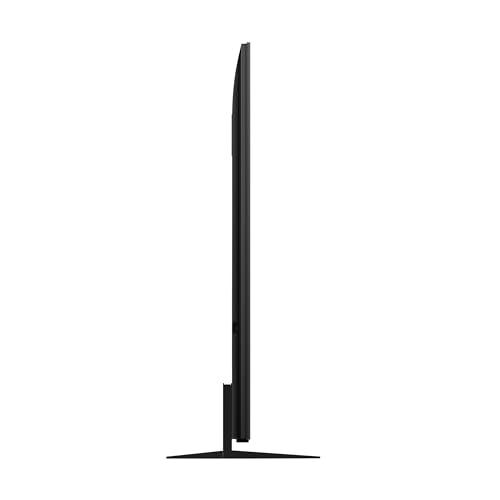
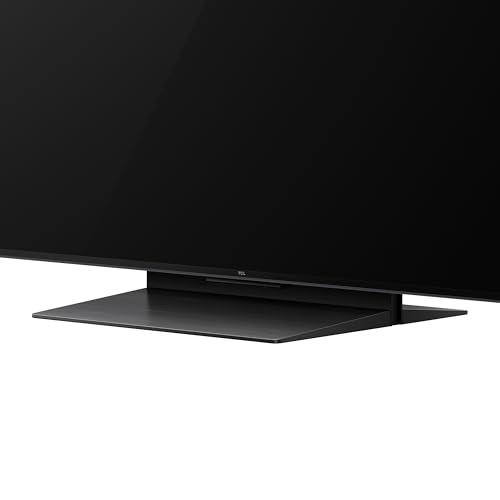



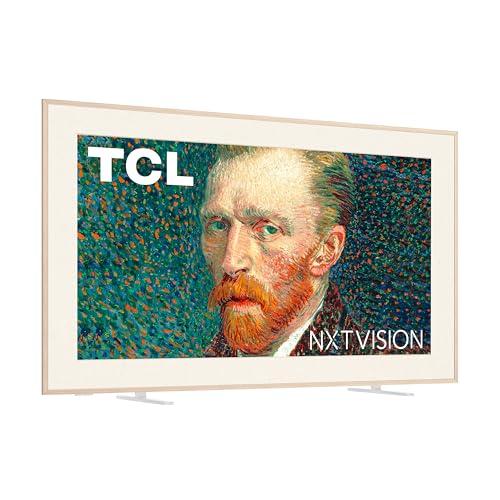
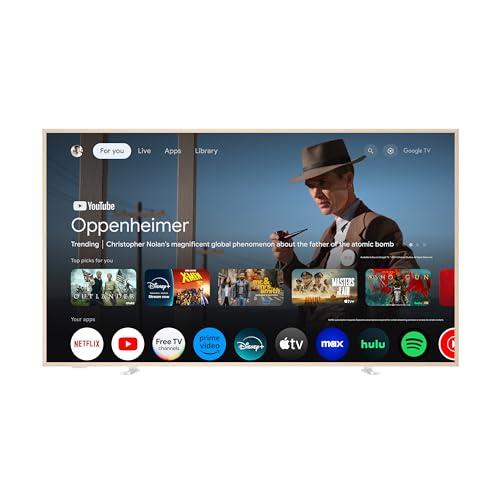
When TCL launched both the QM7K and NXTVISION in 2024, they made a clear statement about the diverging paths of modern television design. One prioritizes raw performance, while the other reimagines what a TV should look like in your living room. Both are 65-inch 4K displays, but that's where the similarities end.
Understanding which one makes sense for your home requires diving into what makes each tick—and more importantly, what you actually need from a TV in 2024.
The television market has evolved beyond simply delivering moving pictures. Today's TVs fall into distinct categories based on their primary mission. Performance TVs like the QM7K pack cutting-edge display technology to deliver the best possible picture quality, gaming performance, and audio experience. They're designed for people who view their TV as the centerpiece of their entertainment setup.
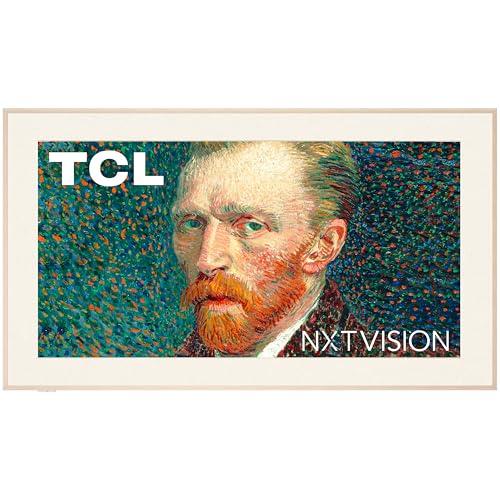
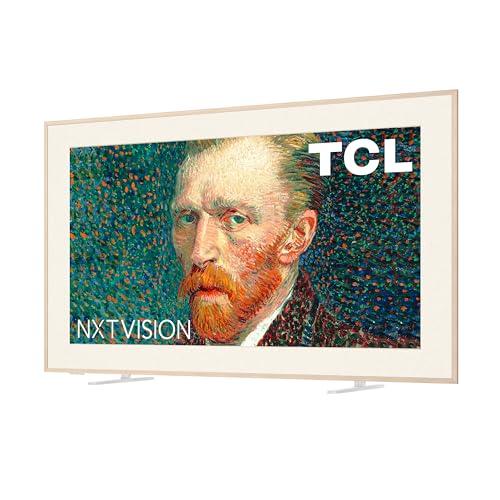
Lifestyle TVs like the NXTVISION take a different approach. They're engineered to disappear into your décor when not in use, functioning as digital art pieces rather than dominant black rectangles on your wall. This isn't just a marketing gimmick—it requires fundamental changes to the display technology and overall design philosophy.
The key consideration isn't which approach is better, but which aligns with how you actually use a TV. Do you dim the lights for movie nights and gaming sessions? Or does your TV need to look good during dinner parties when it's displaying a Van Gogh reproduction?
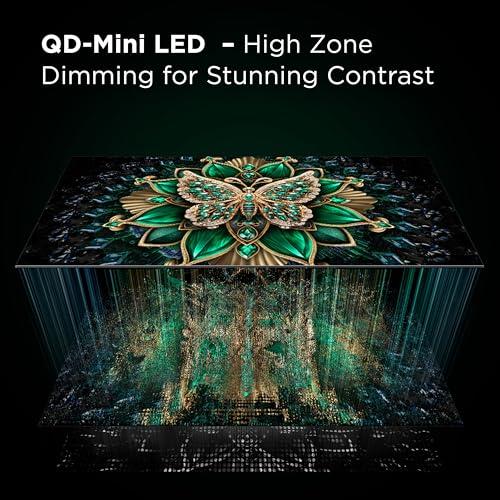
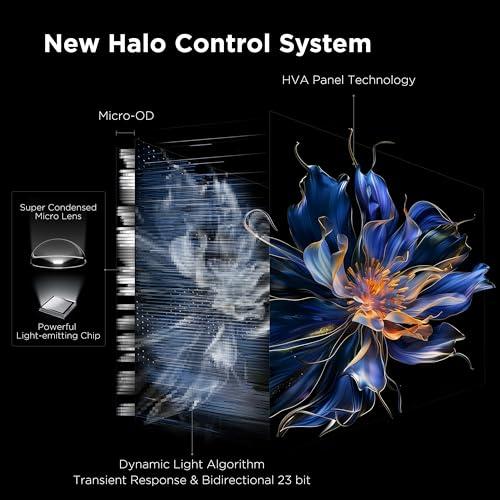
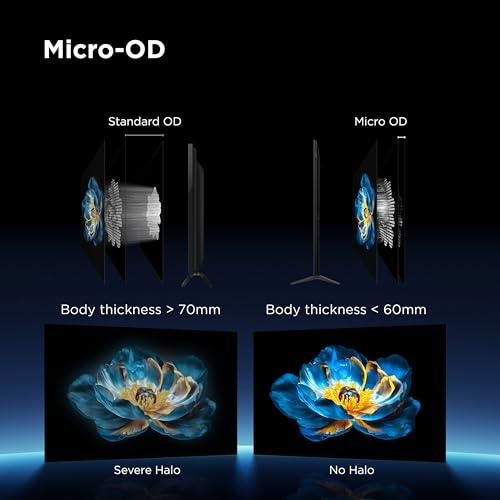
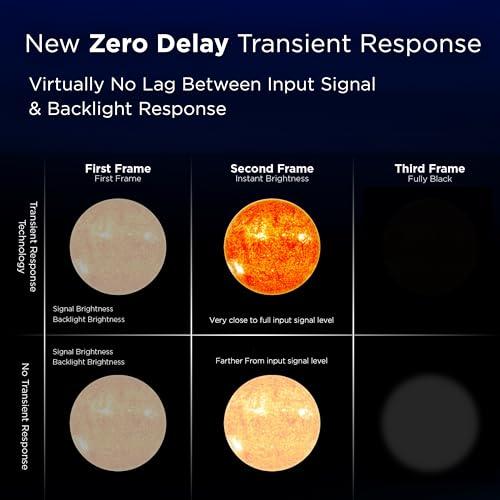
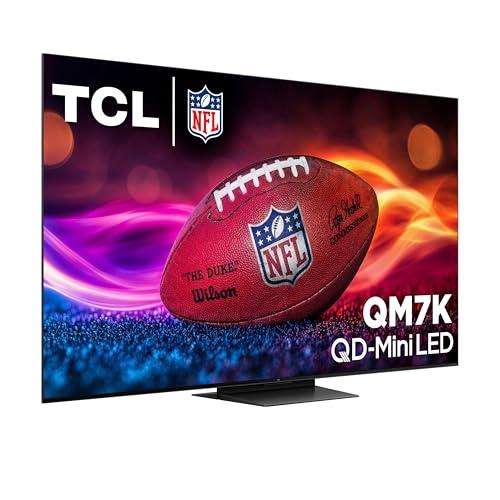
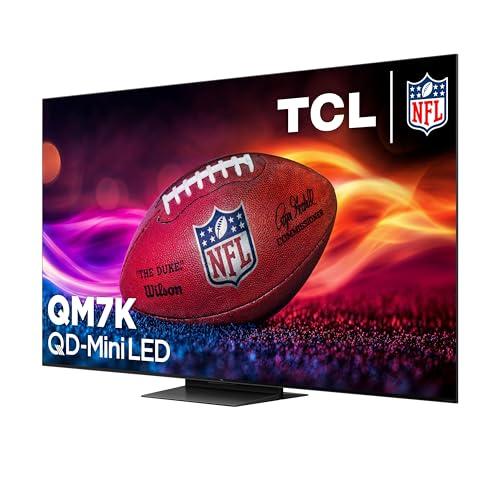
The QM7K uses QD-Mini LED backlighting, which sounds complicated but delivers a simple benefit: incredible control over brightness and darkness. Traditional TVs use large LED lights behind the screen, which creates a compromise—when one part of the image needs to be bright, nearby dark areas get unintentionally lit up, creating a grayish "blooming" effect around bright objects.
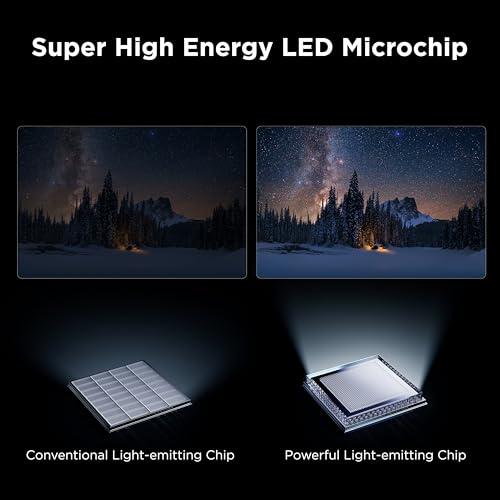
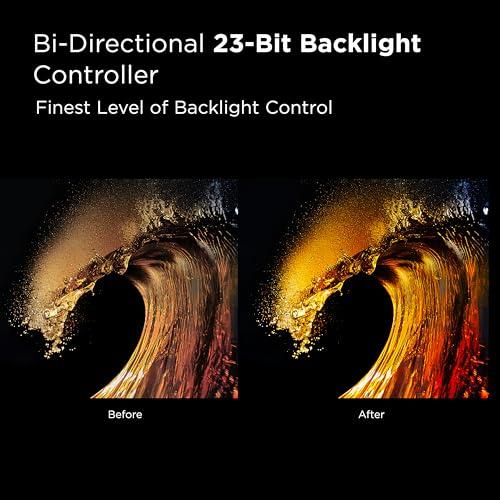
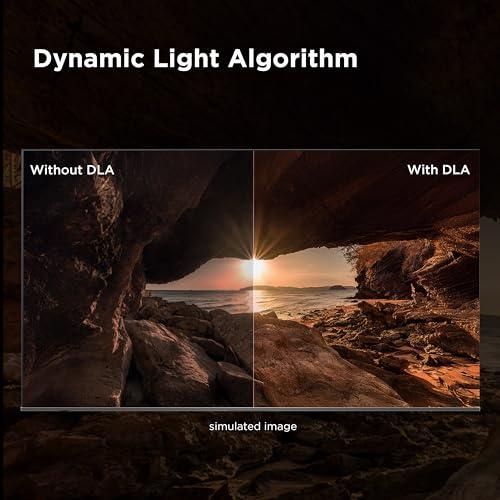
Mini-LEDs are roughly one-tenth the size of regular LEDs, allowing manufacturers to pack thousands more behind the screen. The QM7K features 2,500 individual dimming zones, meaning it can make one small area of the screen blazingly bright while keeping adjacent areas completely dark. This creates the dramatic contrast that makes HDR content—think the glint of sunlight on water or the glow of city lights against a dark sky—look genuinely impressive.
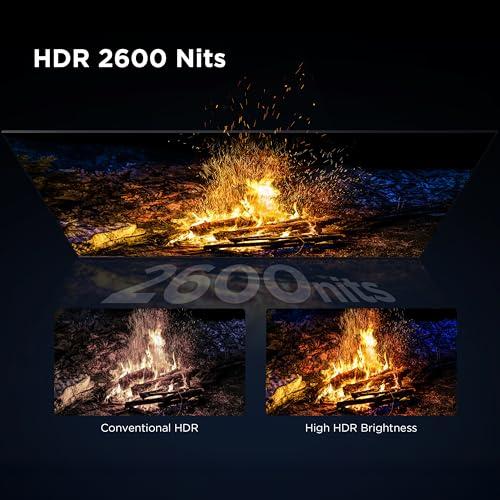
The numbers tell the story: 3,000 nits peak brightness and a 7,000:1 static contrast ratio. To put this in perspective, most budget TVs struggle to exceed 400 nits and often have contrast ratios below 3,000:1. When you're watching a scene with both bright highlights and deep shadows, the difference is immediately obvious.
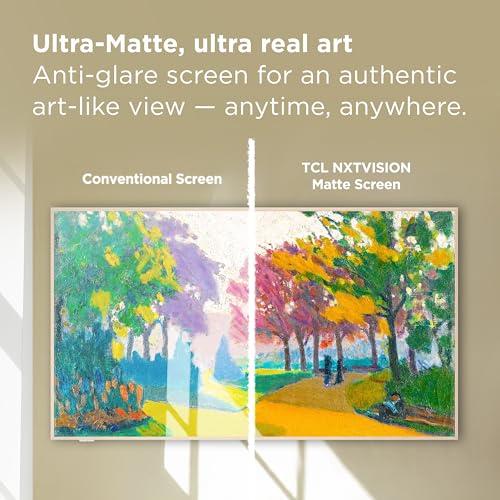
The NXTVISION takes an entirely different approach with its ultra-matte anti-glare screen. This specialized coating virtually eliminates reflections, making it possible to watch TV in bright rooms without constantly adjusting your seating position to avoid glare. It's the same technology used in high-end computer monitors designed for bright office environments.
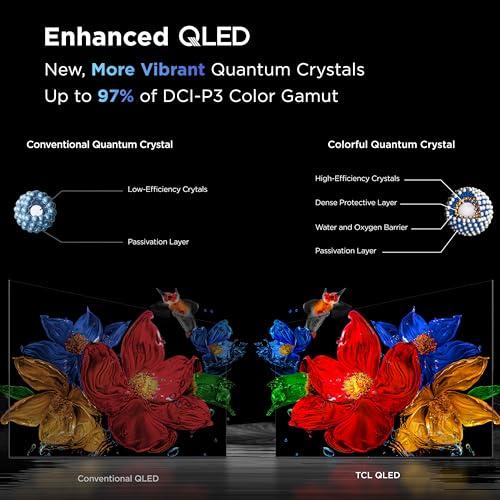
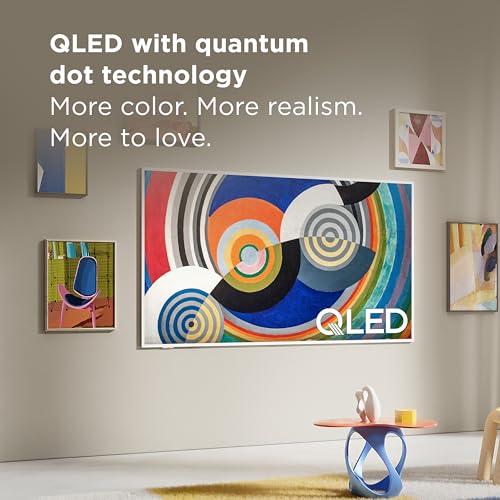
However, this comes with trade-offs. Matte coatings inherently reduce peak brightness and can make colors appear slightly less vibrant compared to glossy screens. The NXTVISION compensates with QLED quantum dot technology, which enhances color purity, but it still can't match the raw brightness and contrast capabilities of the QM7K's mini-LED system.
For art display mode, though, the matte screen is transformative. It makes digital artwork look remarkably similar to actual paintings or photographs, eliminating the "TV screen" appearance that would otherwise break the illusion.
High Dynamic Range (HDR) content is designed to show a wider range of brightness levels than standard video, from deep shadows to brilliant highlights. Both TVs support all major HDR formats—Dolby Vision, HDR10+, HDR10, and HLG—but their ability to actually display this extended range differs significantly.
The QM7K excels here due to its massive brightness advantage. HDR content is mastered assuming displays can hit 1,000 to 4,000 nits for peak highlights. The QM7K can actually achieve these levels, making HDR movies and games look as intended. Explosions have genuine punch, sunsets feel warm and brilliant, and metallic surfaces catch light realistically.
The NXTVISION, while supporting the same HDR formats, operates at lower peak brightness levels. It can still display HDR content, but highlights won't have the same intensity. For casual viewing, especially during daytime, this difference is less noticeable. But in a darkened home theater environment, the QM7K delivers a substantially more impactful experience.
Gaming has become a crucial TV consideration since the launch of PlayStation 5 and Xbox Series X consoles in 2020. These systems can output 4K at 120Hz, and PC gamers often demand even higher refresh rates for competitive advantage.
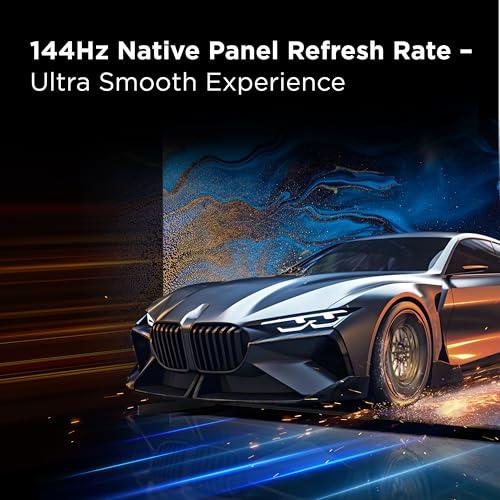
The QM7K offers a native 144Hz refresh rate, meaning it can display up to 144 unique frames per second. Its Game Accelerator 288 feature can push this to 288Hz at 1080p resolution—impressive numbers that exceed what most content currently requires but provide future-proofing as games become more demanding.
The NXTVISION caps at 120Hz native with Game Accelerator 240 supporting up to 240Hz VRR (Variable Refresh Rate). While still excellent for console gaming, PC gamers running high-end graphics cards might notice the difference in fast-paced competitive games.
VRR is crucial for modern gaming. Without it, if your console renders 73 frames per second but your TV refreshes at 60Hz, you get screen tearing—visible horizontal lines where different frames overlap. VRR allows the TV to sync its refresh rate with the console's output, eliminating tearing and reducing input lag.
Both TVs support VRR, but the QM7K offers more headroom. This matters for PC gamers who can adjust graphics settings to achieve frame rates exceeding 120fps, and for future console generations that might target higher frame rates.
The NXTVISION's matte coating creates a subtle but measurable impact on pixel response time—how quickly individual pixels can change from one color to another. Fast-moving objects may appear slightly less sharp due to this processing overhead. For casual gaming, it's barely noticeable, but competitive gamers who prioritize every millisecond of responsiveness should favor the QM7K.
Television audio often gets overlooked in marketing, but it significantly impacts daily viewing experience. The engineering constraints of ultra-thin designs create real limitations that affect what's possible.
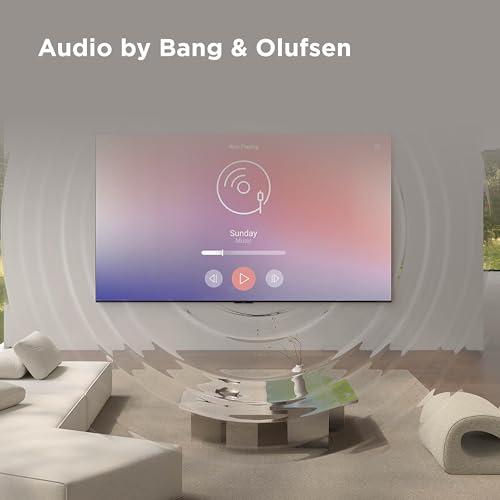
The QM7K features a 60W Bang & Olufsen-tuned audio system with specialized magnetic drivers. This isn't just branding—B&O's involvement includes custom driver tuning and DSP (Digital Signal Processing) optimization for the specific cabinet design. The result is clearer dialogue, better bass response, and more convincing surround effects from built-in speakers.
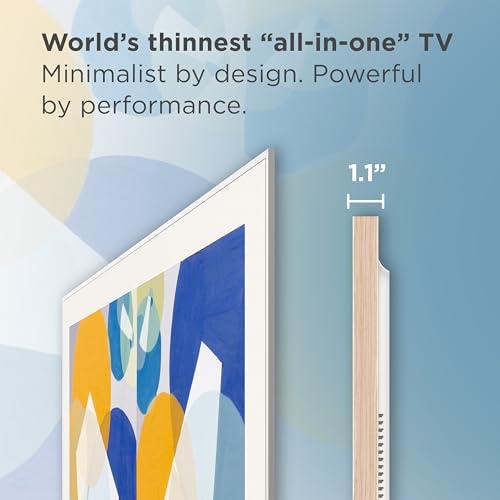
The NXTVISION's 1.1-inch depth severely constrains speaker design. There's simply no physical space for larger drivers or adequate internal volume for bass response. The 20W total output reflects this reality—it's adequate for casual viewing but lacks the dynamic range for action movies or music.
Both TVs support Dolby Atmos, but implementation quality varies dramatically. Atmos creates three-dimensional sound by bouncing audio off your ceiling to simulate height effects. The QM7K has the speaker power and processing capability to make this convincing. The NXTVISION processes Atmos signals but lacks the acoustic hardware to deliver the full effect.
For most users, this means the QM7K can serve as the primary audio source for casual viewing, while the NXTVISION practically requires a soundbar for optimal experience.
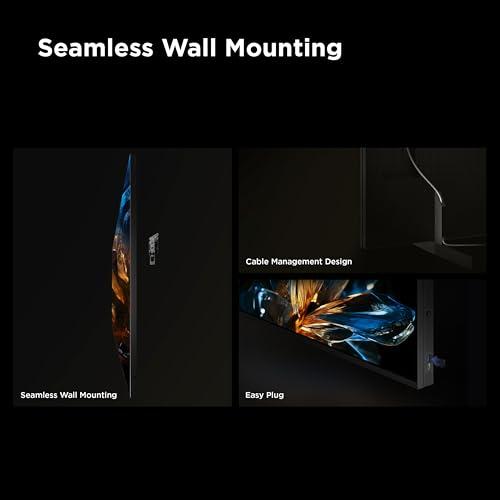
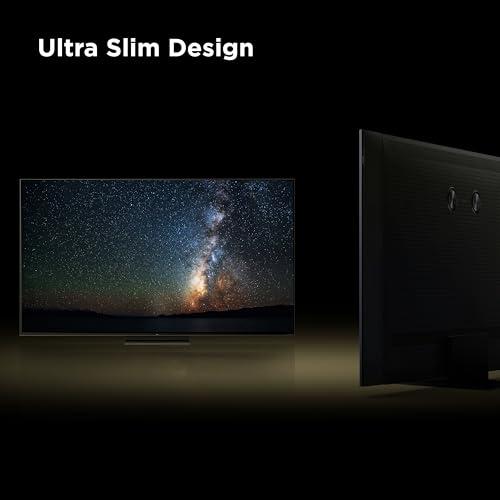
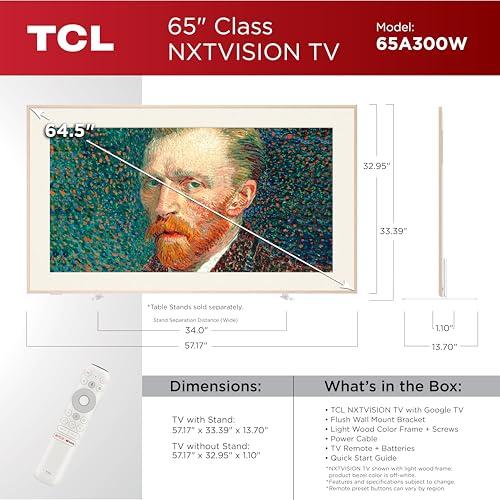
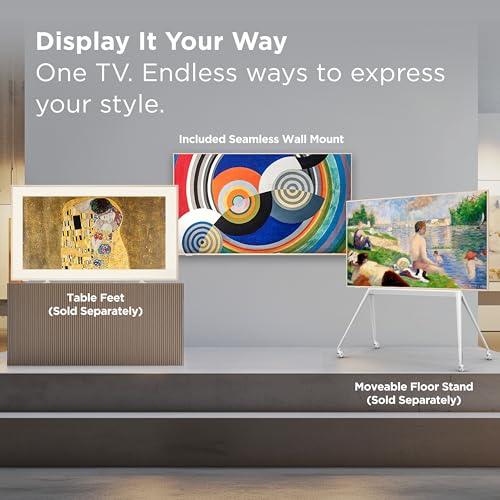
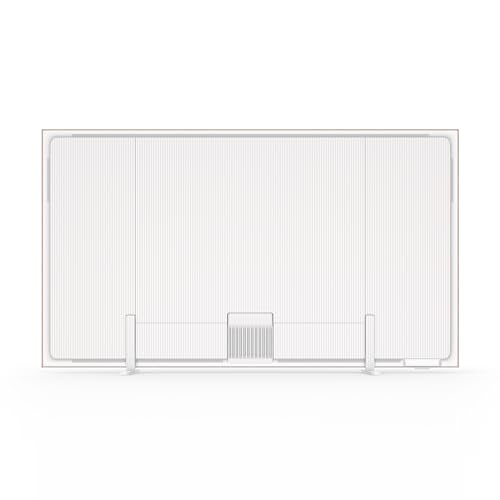
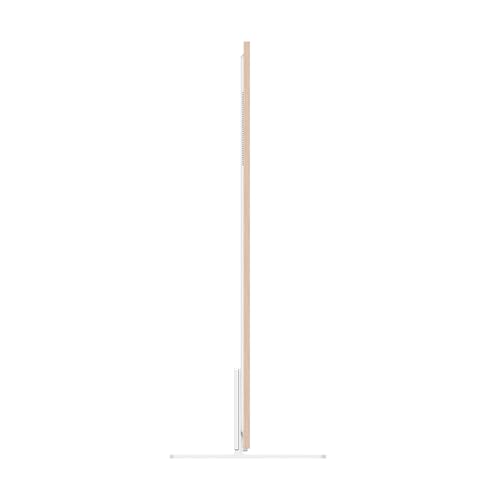
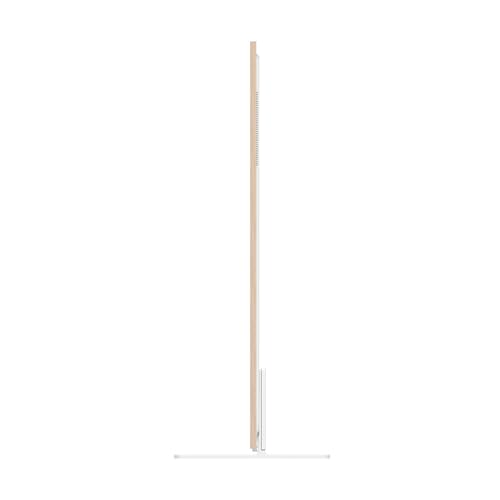
The NXTVISION represents a genuine innovation in TV design. Its 1.1-inch depth with integrated chassis eliminates the need for external connection boxes—everything fits within that impossibly thin profile. The included flush wall mount creates a seamless installation that genuinely resembles a framed artwork.
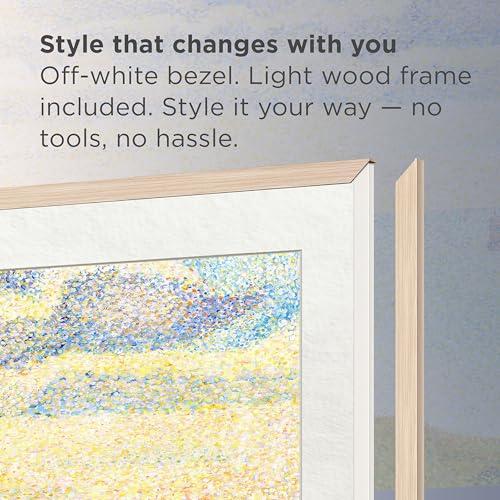
The art library includes over 400 curated pieces plus AI-generated options. This isn't a gimmicky screensaver—the matte screen and optimized color calibration make digital art look remarkably convincing. Combined with the magnetic wood frame (which can be swapped for different styles), it creates a TV that enhances room aesthetics rather than dominating them.
The QM7K follows conventional TV design principles, prioritizing performance over ultra-slim aesthetics. It's still attractive, but clearly designed as an entertainment centerpiece rather than disappearing décor. This approach allows for better cooling, larger speakers, and more robust internal components.
For dedicated home theater rooms, this traditional approach often works better. The TV becomes the focal point, and maximum performance matters more than seamless wall integration.
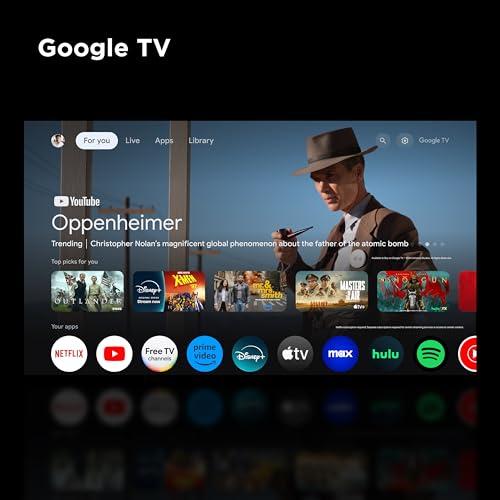
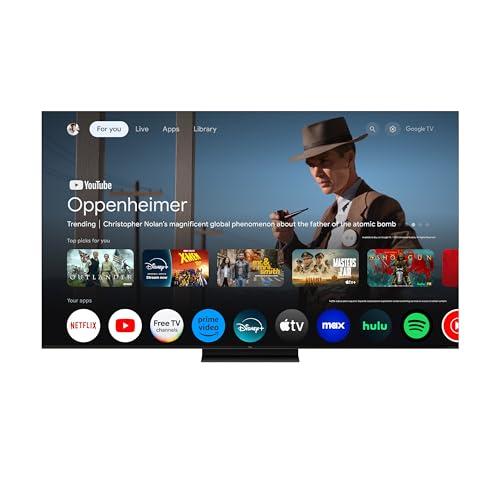
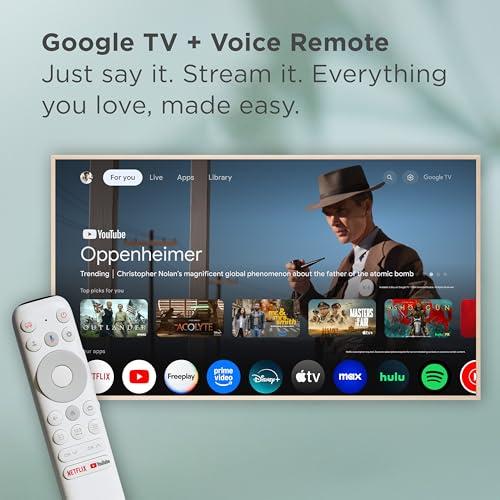
Both TVs run Google TV, providing identical streaming app access and interface experience. Voice control, Chromecast integration, and smart home compatibility are essentially equivalent.
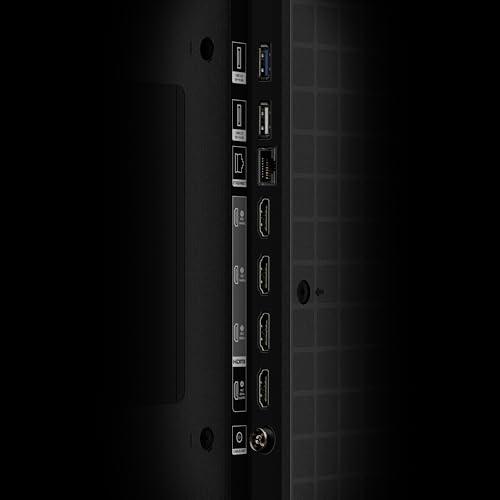
The QM7K offers slightly more robust connectivity with four HDMI ports (two HDMI 2.1) compared to the NXTVISION's configuration. For users with multiple gaming consoles, streaming devices, and sound systems, this additional flexibility matters.
At the time of writing, both TVs occupy similar price ranges, though specific promotions can shift the value equation. The QM7K generally commands a premium for its advanced display technology, while the NXTVISION prices its unique design integration competitively with traditional premium TVs.
From a pure specification standpoint, the QM7K delivers exceptional value. Its mini-LED backlighting, high refresh rate gaming features, and premium audio system typically cost significantly more from other manufacturers. Samsung's comparable models often retail for 30-40% more.
The NXTVISION's value proposition is harder to quantify because its primary benefits—aesthetic integration and art display functionality—don't have direct performance equivalents. Samsung's The Frame series, the most direct competitor, typically costs more while offering similar design benefits but superior color accuracy.
Consider how your usage might evolve. Gaming capabilities continue expanding, with higher frame rates and more demanding HDR content becoming standard. The QM7K's superior specifications provide better future-proofing for these trends.
Conversely, design integration becomes more valuable over time. A TV that looks good in your living space maintains its appeal regardless of specification changes, and the NXTVISION's dual-purpose functionality offers unique long-term value.
For dedicated home theater setups, the QM7K is the clear choice. Its superior contrast ratio, peak brightness, and audio quality create a more immersive experience in darkened rooms. The mini-LED local dimming excels in the controlled lighting conditions that serious movie watching demands.
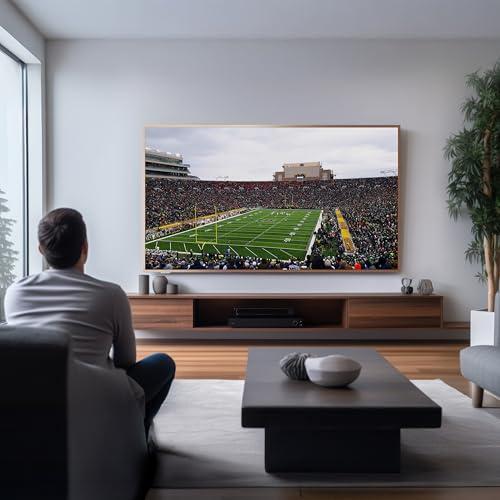
The NXTVISION works better in multi-purpose living spaces where the TV needs to function well under various lighting conditions and serve aesthetic purposes beyond pure entertainment.
You prioritize picture quality and gaming performance above all else. This TV makes sense for serious gamers, home theater enthusiasts, and anyone who wants the best possible visual experience. Its superior HDR performance, gaming capabilities, and audio quality justify choosing performance over aesthetics.
You want a TV that enhances your living space rather than dominating it. This makes sense for design-conscious buyers, those with bright living rooms, or anyone who appreciates the dual-purpose art display functionality. You're willing to accept some performance compromises for unique aesthetic benefits.
Most buyers will be happy with either TV for casual viewing. The differences become pronounced in specific scenarios—dark room movie watching, competitive gaming, or when prioritizing interior design integration. Consider your actual usage patterns rather than theoretical specifications.
The QM7K represents the evolution of traditional TV design, pushing performance boundaries within familiar form factors. The NXTVISION reimagines what a TV can be, prioritizing integration and aesthetics over raw capability.
Both approaches have merit. Your choice should reflect whether you view your TV primarily as an entertainment device or as a piece of integrated home décor that happens to display content exceptionally well.
| TCL 65QM7K QD-Mini LED 4K Google TV | TCL 65" NXTVISION QLED 4K Art Frame TV |
|---|---|
| Display Technology - Determines picture quality in dark rooms and HDR performance | |
| QD-Mini LED with 2,500 local dimming zones | QLED with edge-lit LED backlighting |
| Peak Brightness - Critical for HDR content and bright room viewing | |
| 3,000 nits (exceptional HDR highlights) | Standard LED brightness with ultra-matte anti-glare coating |
| Contrast Ratio - Affects black levels and overall picture depth | |
| 7,000:1 static, 30 million:1 dynamic | Standard QLED contrast limited by edge-lighting |
| Refresh Rate - Important for gaming and fast motion content | |
| 144Hz native, up to 288Hz VRR (future-proof gaming) | 120Hz native, up to 240Hz VRR (excellent for current consoles) |
| Gaming Features - Determines console and PC gaming performance | |
| Game Accelerator 288, HDMI 2.1, AMD FreeSync Premium Pro | Game Accelerator 240, HDMI 2.1, AMD FreeSync Premium |
| Audio System - Affects whether you need a soundbar immediately | |
| 60W Bang & Olufsen with Dolby Atmos (substantial built-in audio) | 20W basic speakers (soundbar recommended) |
| Design Profile - Impacts room integration and installation options | |
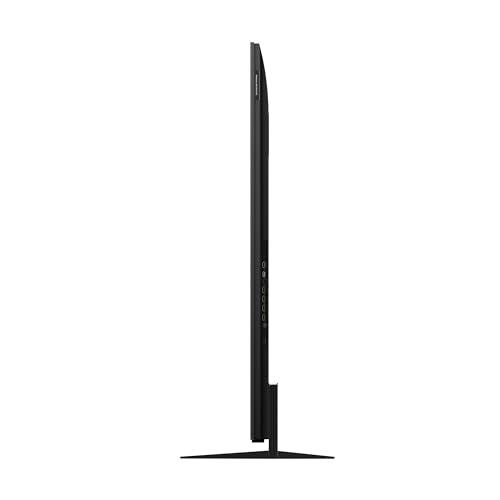
| Traditional TV thickness with premium build | Ultra-slim 1.1" depth with flush wall mount included |
| Screen Surface - Affects viewing in bright rooms and art display quality | |
| Standard glossy panel optimized for contrast | Ultra-matte anti-glare coating (virtually eliminates reflections) |
| Art Display Features - Unique functionality beyond TV viewing | |
| Standard screensaver options | 400+ curated artworks, AI art generation, magnetic wood frame |
| HDR Performance - Determines how impressive movie and streaming content looks | |
| Excellent with full brightness range for cinematic impact | Good HDR support but limited by lower peak brightness |
| Best Use Case - Who should choose each TV | |
| Home theater enthusiasts, gamers, performance-focused buyers | Design-conscious buyers, bright rooms, dual-purpose art display needs |
The TCL 65QM7K delivers superior picture quality for movies and streaming content. Its QD-Mini LED technology with 2,500 local dimming zones provides exceptional contrast and 3,000 nits peak brightness, making HDR content look dramatically better than the TCL 65" NXTVISION. The NXTVISION offers good picture quality but lacks the deep blacks and bright highlights that make movies truly cinematic.
The TCL 65QM7K is significantly better for gaming. It offers 144Hz native refresh rate with Game Accelerator 288 supporting up to 288Hz VRR, compared to the TCL 65" NXTVISION's 120Hz with 240Hz VRR. The QM7K also has better contrast for gaming in dark scenes and faster response times for competitive play.
The TCL 65" NXTVISION excels in bright rooms thanks to its ultra-matte anti-glare screen that virtually eliminates reflections. While the TCL 65QM7K is brighter overall, its glossy screen can create distracting reflections in well-lit spaces. The NXTVISION maintains clear visibility even with windows or lights behind your seating area.
Only the TCL 65" NXTVISION is specifically designed for art display with over 400 curated artworks, AI art generation, and a magnetic wood frame that makes it look like actual wall art. The TCL 65QM7K has basic screensaver options but lacks the specialized art features and matte screen that make the NXTVISION convincing as a digital art piece.
The TCL 65QM7K has significantly better audio with its 60W Bang & Olufsen system compared to the TCL 65" NXTVISION's 20W speakers. The QM7K's thicker design allows for proper speaker placement and power, while the NXTVISION's ultra-slim 1.1-inch profile severely limits audio capabilities, making a soundbar practically necessary.
The TCL 65QM7K is ideal for home theater use. Its superior contrast ratio, 3,000 nits peak brightness, and excellent HDR performance create an immersive viewing experience in darkened rooms. The TCL 65" NXTVISION is better suited for living rooms where design aesthetics and bright room performance matter more than maximum picture quality.
Both the TCL 65QM7K and TCL 65" NXTVISION run Google TV with identical smart features, streaming app access, voice control, and Chromecast integration. The main difference is connectivity, with the QM7K offering slightly more HDMI ports for multiple devices.
The TCL 65" NXTVISION is designed specifically for wall mounting with an included flush mount system that creates a seamless, art-like appearance. At just 1.1 inches thick, it virtually disappears against the wall. The TCL 65QM7K uses standard mounting but requires more clearance due to its thicker profile and ventilation needs.
Yes, both the TCL 65QM7K and TCL 65" NXTVISION support all major HDR formats including Dolby Vision, HDR10+, HDR10, and HLG. However, the QM7K can actually display the full brightness range these formats require, while the NXTVISION processes HDR signals but with more limited brightness output.
Value depends on your priorities. The TCL 65QM7K offers exceptional performance value with premium display technology typically found in much more expensive TVs. The TCL 65" NXTVISION provides unique dual-purpose value as both a TV and art display, which traditional TVs can't match.
The TCL 65" NXTVISION prioritizes seamless room integration with its ultra-slim profile, magnetic wood frame, and art display capabilities that enhance your décor. The TCL 65QM7K follows traditional TV design principles, looking premium but clearly functioning as an entertainment centerpiece rather than disappearing into your room's aesthetic.
The TCL 65QM7K offers better future-proofing with its advanced gaming specs, superior HDR capabilities, and higher refresh rates that will remain relevant as content evolves. The TCL 65" NXTVISION maintains long-term appeal through its timeless design integration and unique art functionality, though its display technology is less future-proof for performance demands.
We've done our best to create useful and informative comparisons to help you decide what product to buy. Our research uses advanced automated methods to create this comparison and perfection is not possible - please contact us for corrections or questions. These are the sites we've researched in the creation of this article: bestbuy.com - businessinsider.com - tomsguide.com - tomsguide.com - rtings.com - tomsguide.com - youtube.com - rtings.com - consumerreports.org - youtube.com - youtube.com - displayspecifications.com - youtube.com - tcl.com - tcl.com - tcl.com - youtube.com - rcwilley.com - bestbuy.com - tclcentral.com - displayspecifications.com - tomsguide.com - tcl.com - brandsmartusa.com - tcl.com - tcl.com - gizmochina.com - nfm.com - dolby.com - alexraytv.com - rtings.com - tcl.com - bestbuy.com - tcl.com - bestbuy.com - tcl.com - youtube.com - rcwilley.com - businessinsider.com - bestbuy.com - target.com - youtube.com - support.tcl.com - nfm.com - woodruffappliance.com - flatpanelshd.com - tcl.com

Privacy Policy
Terms and Conditions - Affiliate Policy
Home Security
© Copyright 2008-2026.
11816 Inwood Rd #1211, Dallas, TX 75244