

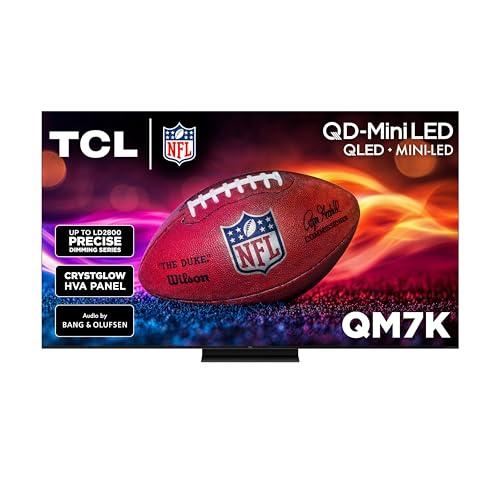
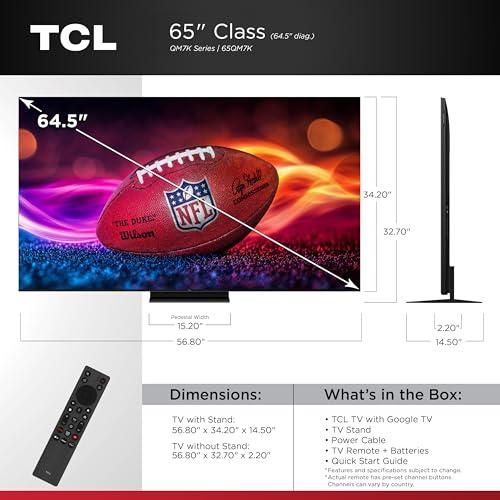

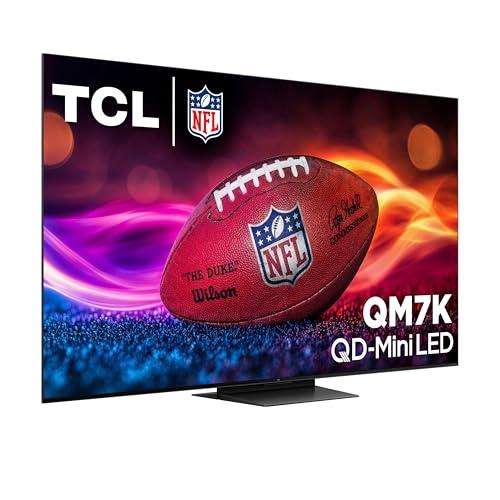
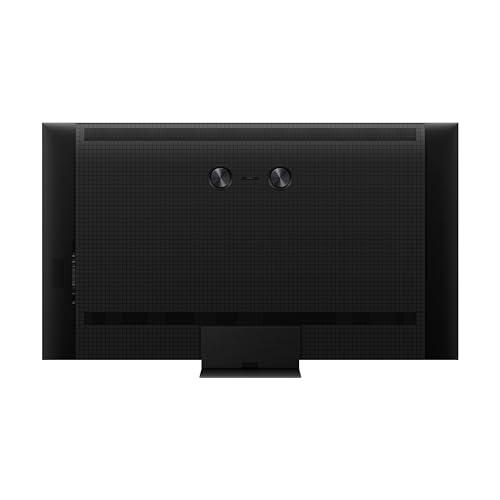
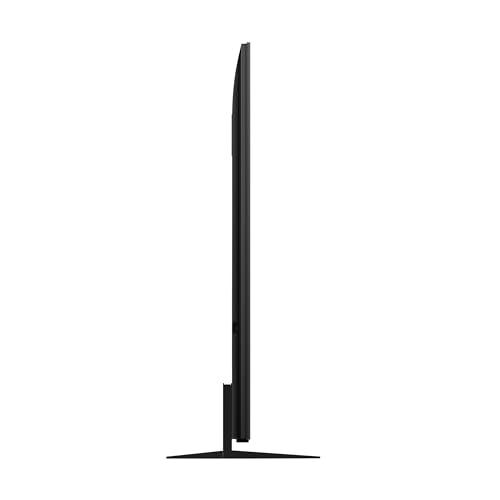
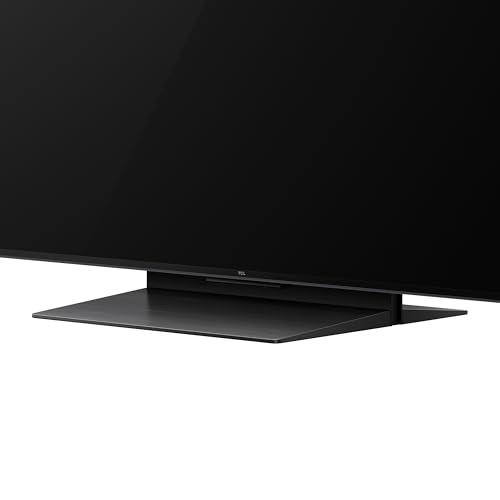

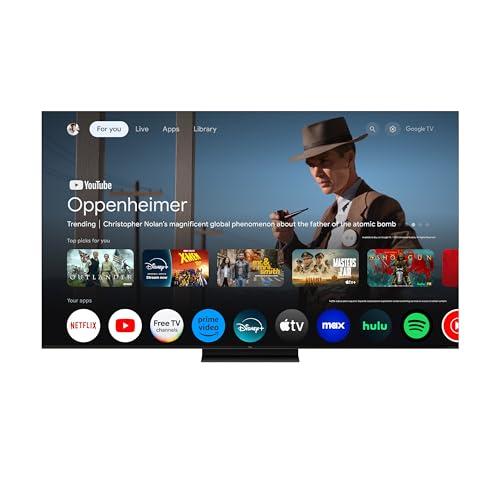

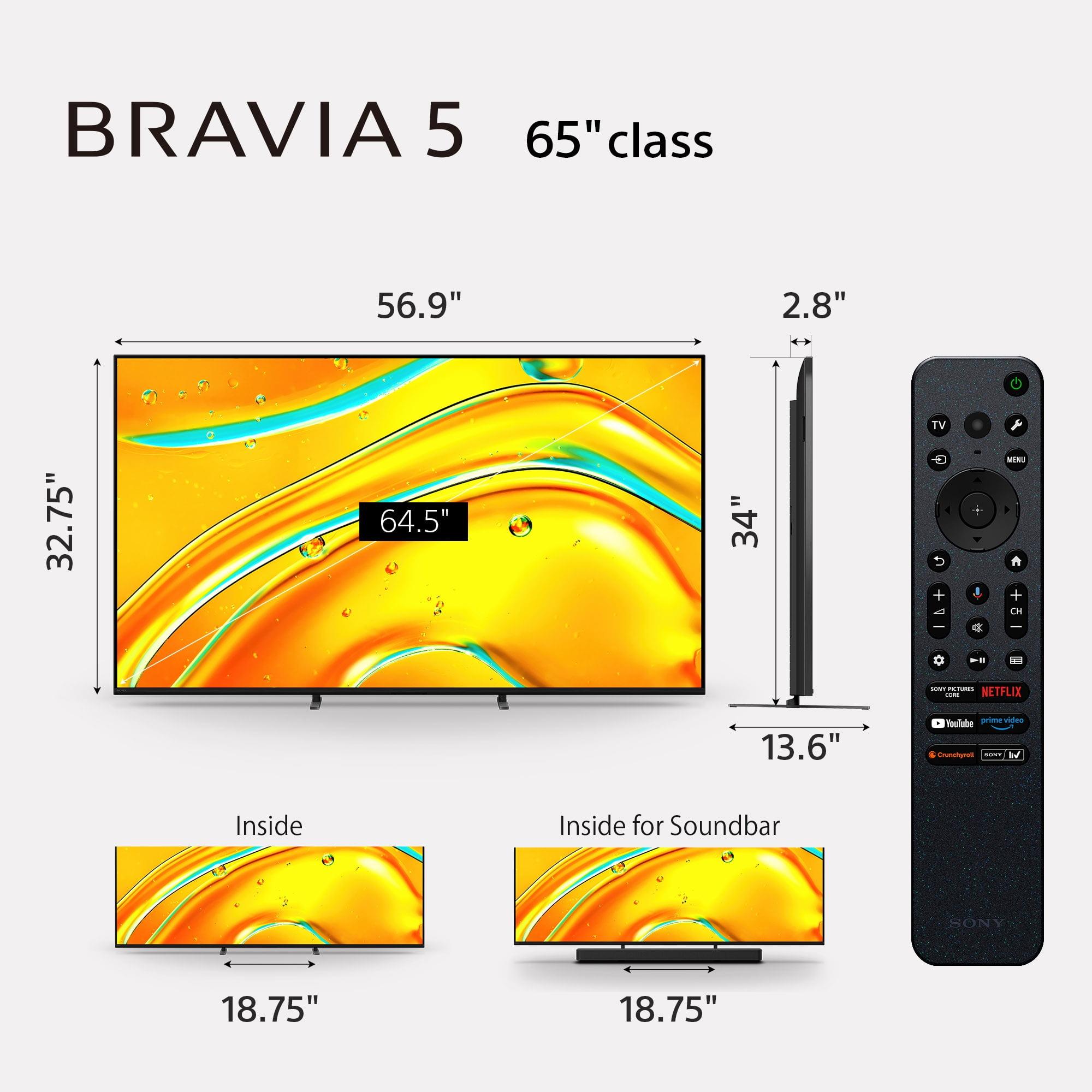
When you're shopping for a premium mid-range TV in 2025, two standout options are likely on your radar: the TCL 65QM7K and the Sony BRAVIA 5 65". Both represent the sweet spot where flagship-level features meet reasonable pricing, but they take notably different approaches to deliver an exceptional viewing experience.
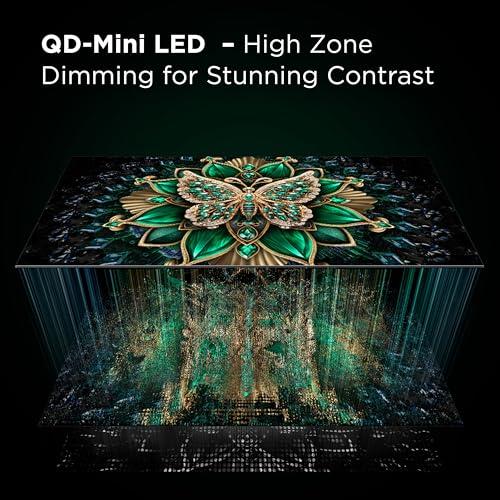
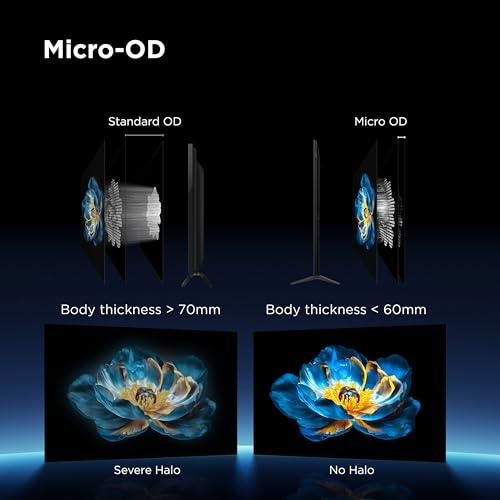
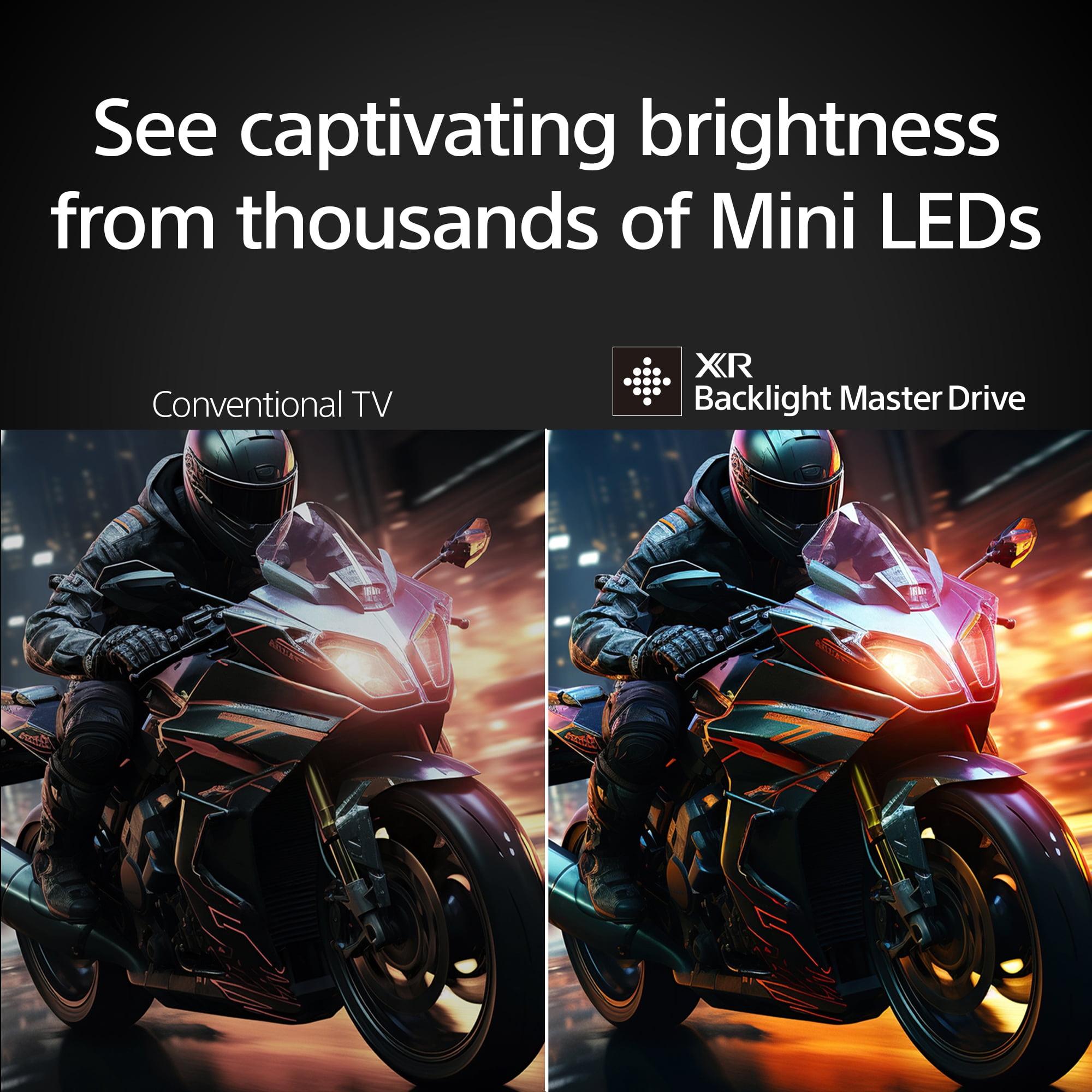
Mini LED technology has transformed the mid-range TV market since its mainstream introduction around 2021-2022. Unlike traditional LED TVs that use larger LEDs around the screen's edges, Mini LED TVs pack thousands of tiny LEDs directly behind the screen. This creates hundreds or thousands of "local dimming zones"—essentially small sections that can brighten or dim independently. The result? Much better contrast with deeper blacks and brighter highlights, approaching OLED-like performance without the premium price tag.
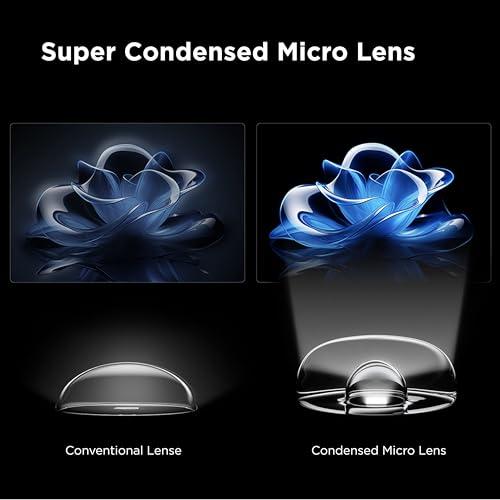
The TCL 65QM7K, released in 2024, represents TCL's aggressive push into premium territory. It combines Mini LED backlighting with Quantum Dot technology (the "QD" in its name), which uses microscopic crystals to produce purer, more vibrant colors. The Sony BRAVIA 5, launched in 2025, marks Sony's entry into more affordable Mini LED territory, bringing their renowned picture processing expertise to a broader audience.
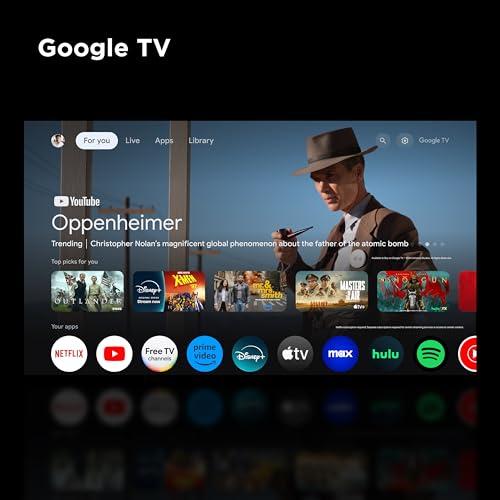
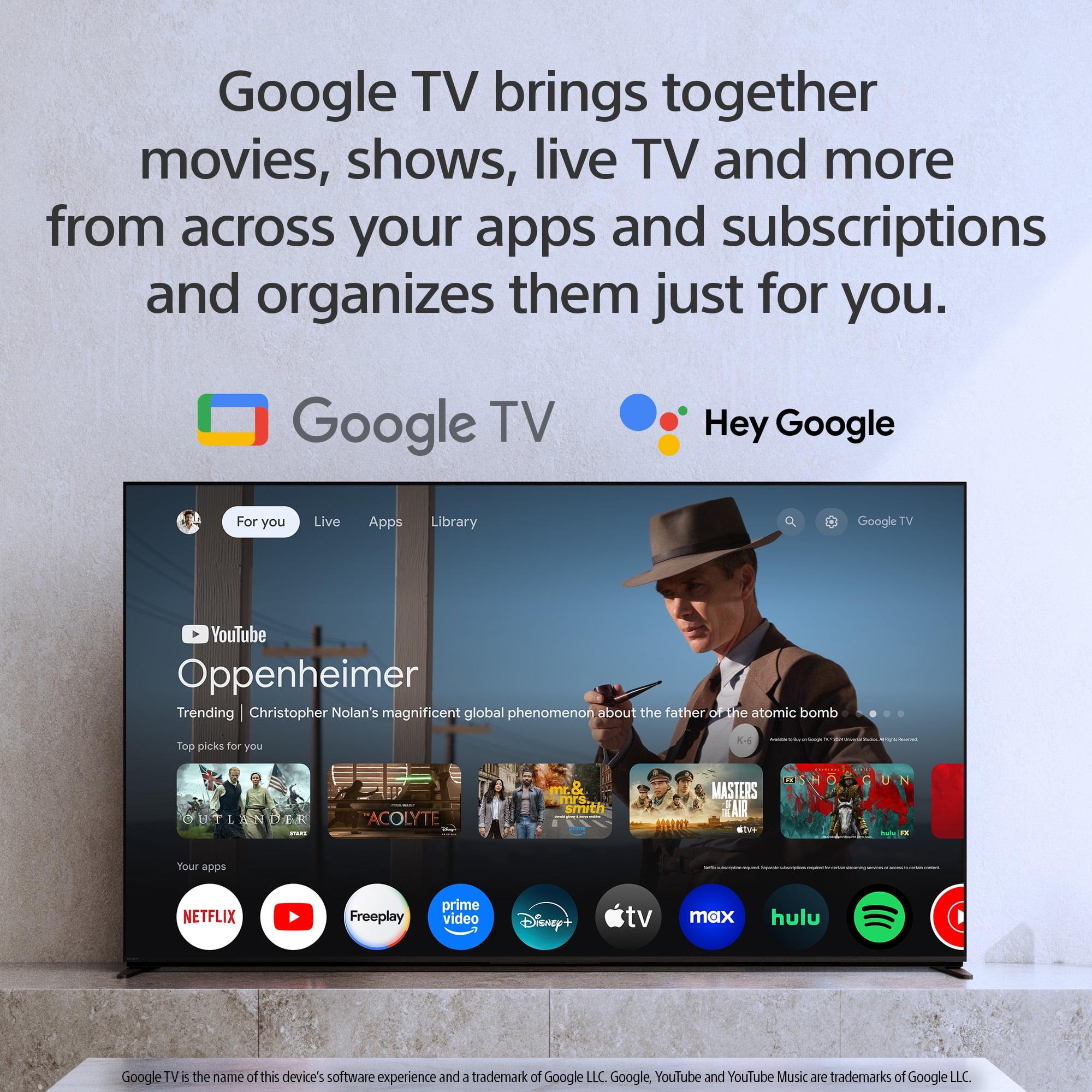
Both TVs run Google TV as their smart platform, support all major HDR formats, and offer modern gaming features. However, their approaches to delivering premium performance differ significantly, and understanding these differences is crucial for making the right choice.
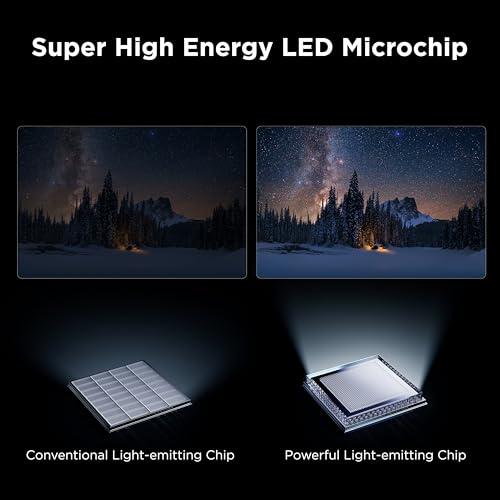
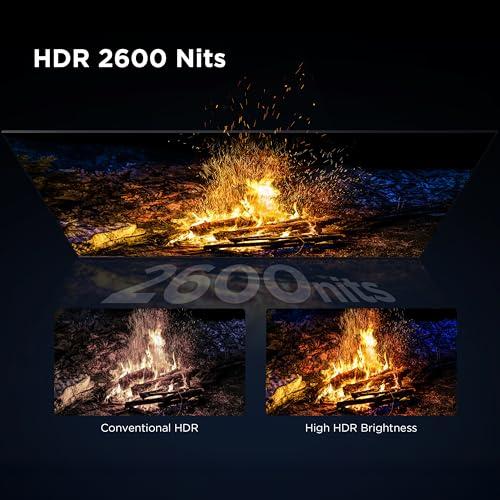
The TCL 65QM7K packs an impressive punch with its QD-Mini LED system. With up to 2,500 local dimming zones and peak brightness reaching 3,000 nits, it's designed to dominate both bright and dark room viewing. To put that brightness in perspective, most standard LED TVs peak around 400-600 nits, while premium OLED TVs typically reach 700-1,000 nits.
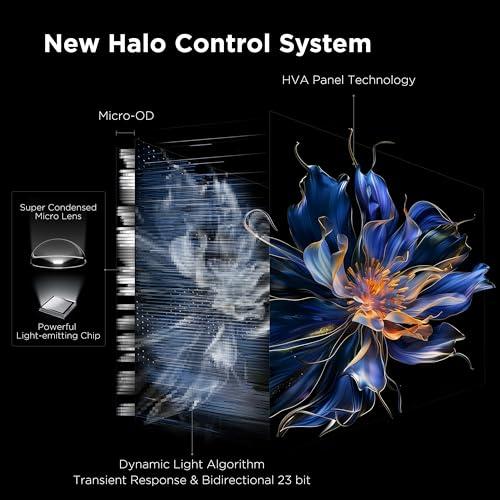
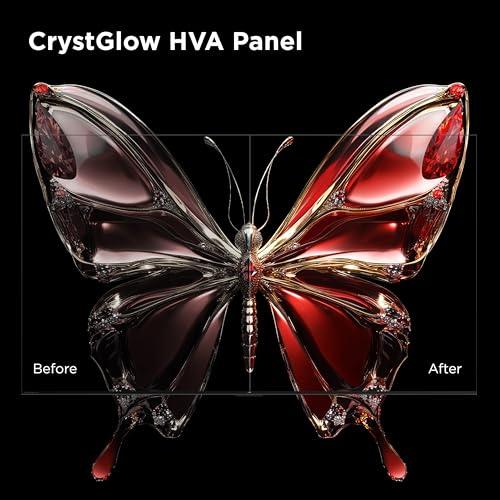
What makes TCL's implementation unique is their CrystGlow HVA panel—a fancy name for a specially designed LCD panel that achieves a 7,000:1 static contrast ratio. Traditional LCD panels often struggle with contrast because their crystals don't block light completely when showing black. TCL's panel uses what they call "butterfly-wing-shaped liquid crystal microstructure" to create deeper blacks and reduce the grayish look common in cheaper TVs.
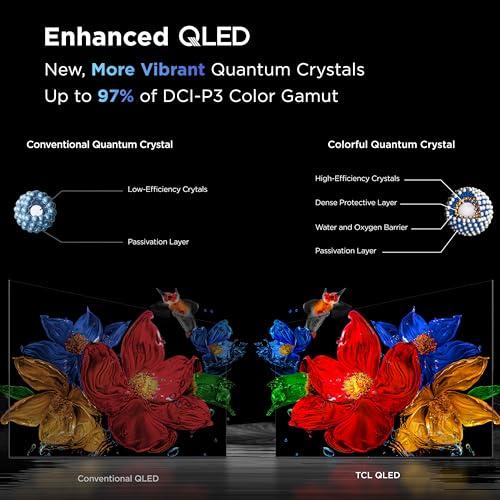
The Quantum Dot layer adds another dimension, literally expanding the color palette the TV can display. Instead of the roughly 16.7 million colors of standard TVs, the TCL QM7K can produce over 1 billion distinct colors. This isn't just marketing speak—it means smoother color gradients and more lifelike skin tones.
The Sony BRAVIA 5 takes a different approach, focusing on intelligent processing over raw specifications. Sony's XR Processor doesn't just enhance the picture—it analyzes content using what Sony calls "cognitive intelligence." This means the TV tries to understand what it's showing (a face, a landscape, text) and optimizes each element accordingly.
Sony's XR Backlight Master Drive technology, derived from their professional mastering monitors used in Hollywood studios, controls the Mini LED backlighting with remarkable precision. While Sony hasn't specified exact local dimming zone counts for the BRAVIA 5, their focus on algorithmic control often produces better real-world results than raw zone numbers suggest.
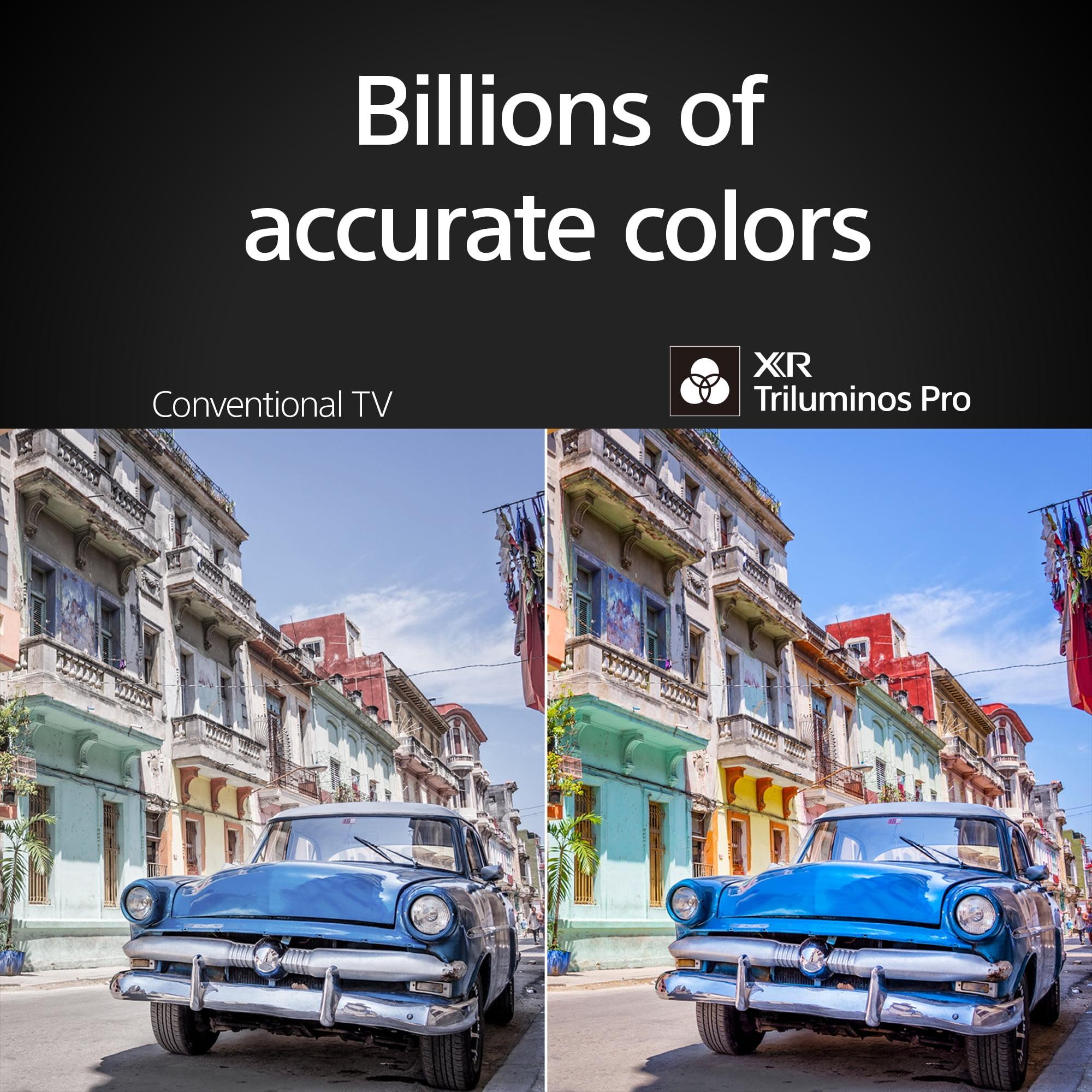
The XR Triluminos Pro technology enhances color reproduction differently than TCL's Quantum Dots. Instead of expanding the color gamut dramatically, Sony focuses on color accuracy and natural reproduction. This philosophy stems from their professional video heritage—Sony wants colors to look exactly as content creators intended.
The Verdict: For pure brightness and color pop, the TCL QM7K wins decisively. Its significantly higher brightness makes HDR content more impactful, especially in bright rooms. However, Sony's processing expertise shines in color accuracy and natural reproduction.
Gaming has become a crucial battleground for TV manufacturers, and these models showcase two different philosophies.
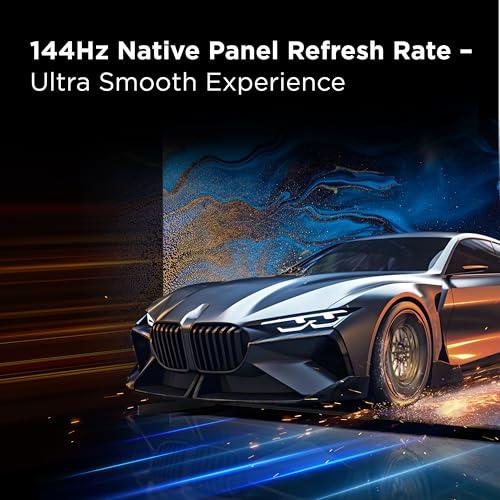
The TCL 65QM7K is arguably one of the most gaming-forward TVs at this price point, at the time of writing. Its native 144Hz refresh rate puts it ahead of most competitors stuck at 120Hz. More impressively, its "Game Accelerator 288" feature can push variable refresh rate (VRR) up to 288Hz at 1080p resolution.
VRR is crucial for smooth gaming because it synchronizes the TV's refresh rate with your gaming console or PC's frame rate output. When frame rates fluctuate (which happens constantly), VRR prevents the stuttering and screen tearing that can ruin immersive experiences.
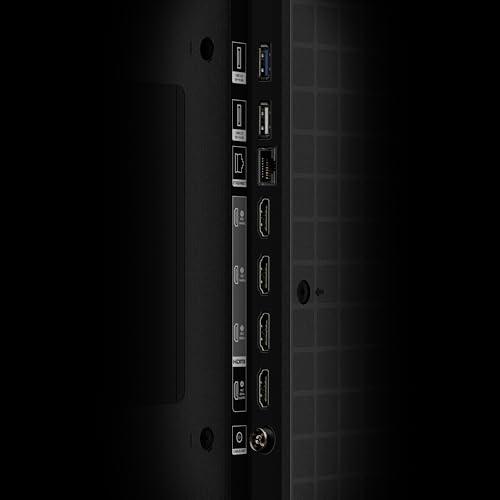
The TCL also supports AMD FreeSync Premium Pro, which provides enhanced HDR gaming with reduced input lag. Two HDMI 2.1 ports offer the full 48Gbps bandwidth needed for high-refresh 4K gaming, though serious gamers might wish for more HDMI 2.1 ports given the proliferation of gaming devices.
The Sony BRAVIA 5 takes a more targeted approach with special optimizations for PlayStation 5. Features like Auto HDR Tone Mapping automatically adjust HDR settings when a PS5 is detected, while Auto Genre Picture Mode switches between game and movie modes based on what you're playing or watching.
Sony's implementation of VRR and G-SYNC provides smooth gaming up to 120Hz, which handles current-generation console gaming excellently. The processing also includes specific modes for different game types—FPS mode for first-person shooters and RTS mode for strategy games.
The Gaming Winner: The TCL QM7K offers superior future-proofing with higher refresh rates that will matter more as gaming hardware advances. However, current PlayStation 5 owners might prefer Sony's tailored optimizations.
This comparison highlights a fundamental divide in TV philosophy. The TCL QM7K focuses on providing superior hardware—more brightness, more dimming zones, wider color gamut—then applies AI enhancement on top. Sony takes the opposite approach, emphasizing sophisticated processing to extract maximum performance from solid but less extreme hardware specifications.
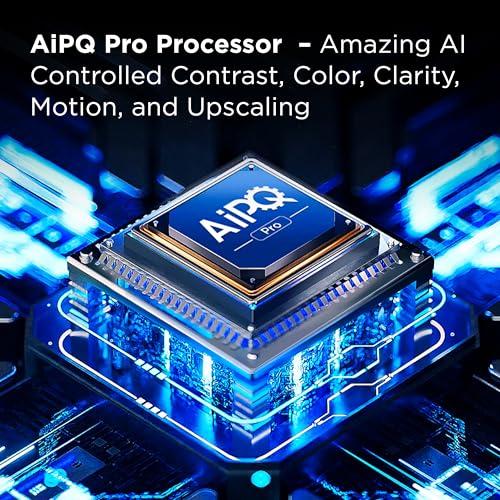
TCL's AiPQ Pro processor handles multiple enhancement algorithms simultaneously: Ai-Clarity for sharpness, Ai-Contrast for better black levels, Ai-Colour for saturation, and Ai-HDR for highlight detail. These work together to optimize different content types automatically.
Sony's XR processor is more holistic, analyzing content to understand context before making adjustments. When showing a person's face, it prioritizes natural skin tones over absolute color accuracy. For landscapes, it emphasizes depth and natural gradients. This "cognitive" approach often produces more pleasing results, even if the underlying panel specifications aren't as impressive.
Both excel at upscaling lower-resolution content, crucial since much streaming content isn't native 4K. Based on expert reviews and user feedback, Sony typically produces slightly more natural upscaling results, while TCL provides more dramatic enhancement that some prefer for older content.
Sound quality often gets overlooked in TV comparisons, but both manufacturers have invested significantly in audio.
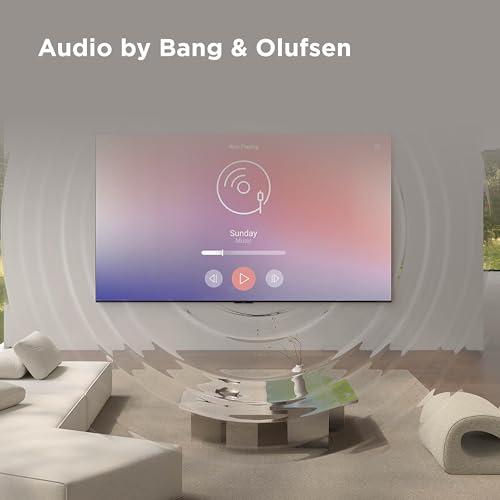
The TCL QM7K partners with Bang & Olufsen, the Danish premium audio company. This isn't just licensing—B&O engineers tuned the 60-watt speaker system specifically for this TV. The result includes Beosonic customizable sound profiles that adjust frequency response for different content types. Dolby Atmos support creates virtual height channels for more immersive sound.
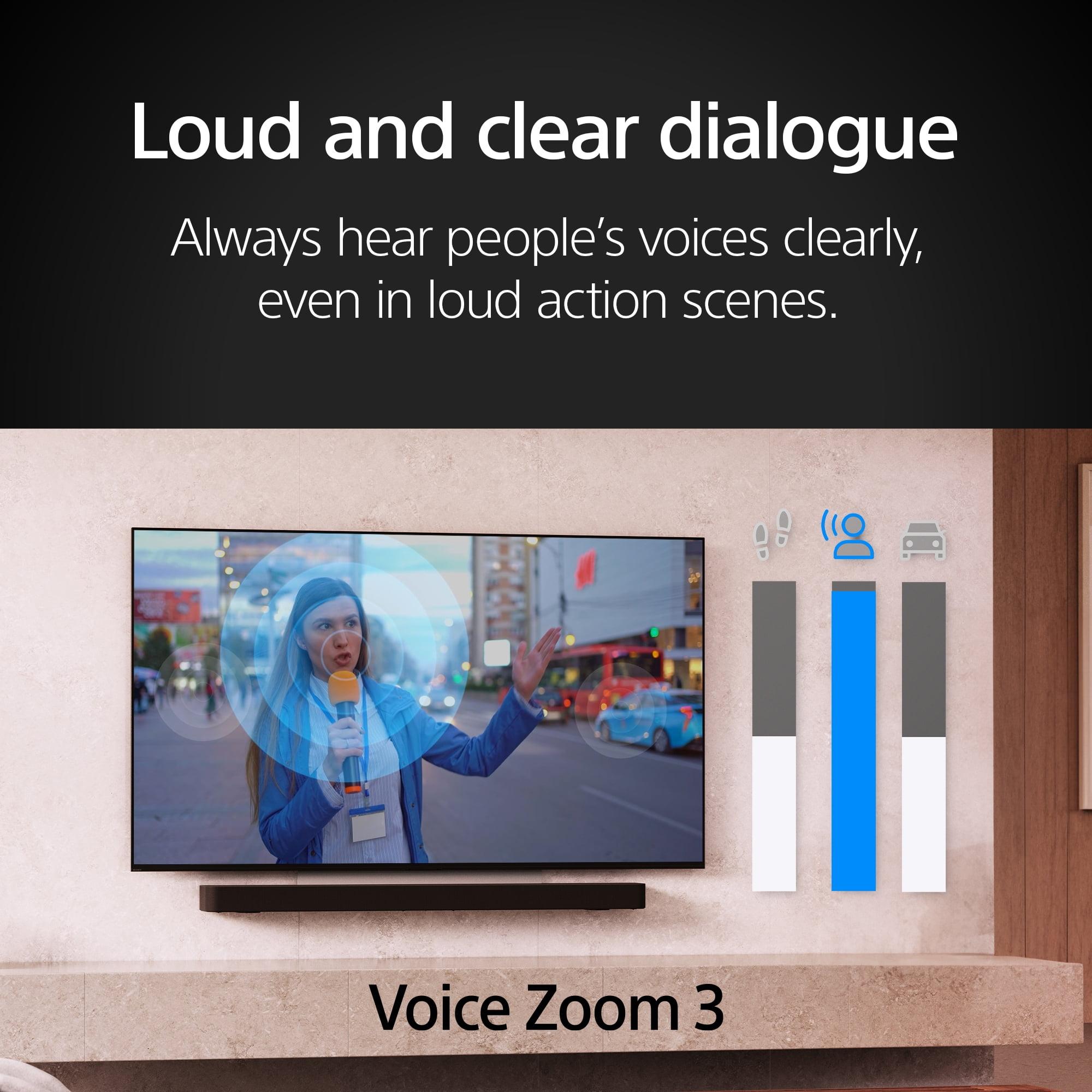
Sony's approach centers on their Acoustic Multi-Audio technology, which uses multiple speakers positioned around the screen to create more precise sound positioning. Their Voice Zoom 3 feature uses AI to enhance dialogue clarity—particularly helpful for movies with complex soundtracks where voices can get lost.
Both support advanced audio formats, but the TCL's Bang & Olufsen partnership typically produces more robust, room-filling sound based on user reviews. Sony excels in dialogue clarity and precision, making it better for complex movie soundtracks.
Both TVs run Google TV, so the basic smart TV experience is identical. However, each adds unique features that might influence your decision.
The TCL QM7K includes hands-free voice control with a far-field microphone array, meaning you can control the TV without finding the remote. It also integrates with Apple HomeKit, Google Assistant, and Alexa for comprehensive smart home compatibility.
Sony's BRAVIA Connect app provides more sophisticated smartphone control, including the ability to adjust picture settings remotely. The TV supports BRAVIA Cam integration (sold separately), which can optimize picture settings based on room lighting and your seating position.
For PlayStation owners, Sony's ecosystem integration extends beyond gaming. PS Remote Play allows streaming games from your PlayStation to the TV, even if the console is in another room.
In dedicated home theater environments, these TVs serve different needs. The TCL QM7K's exceptional brightness makes it excellent for rooms with some ambient light, while its wider color gamut creates more dramatic, cinema-like visuals. The Bang & Olufsen audio system can serve as a temporary solution until you add a dedicated sound system.
The Sony BRAVIA 5 excels in controlled lighting environments where its more accurate color reproduction and sophisticated processing shine. Sony's Acoustic Center Sync can integrate the TV's speakers with compatible Sony soundbars, creating a more seamless audio experience.
For calibration enthusiasts, Sony typically provides more granular controls and better out-of-box accuracy. The TCL offers impressive performance but may require more tweaking to achieve optimal results.
At the time of writing, the TCL QM7K typically costs 10-15% less than the Sony BRAVIA 5 while offering superior specifications in most measurable categories. This represents exceptional value for performance-focused buyers.
Sony commands a premium for brand reliability, longer software support history, and refined processing algorithms. Their TVs often maintain better resale value and receive longer firmware update cycles.
TCL has dramatically improved their quality control and software support in recent years, but Sony still leads in long-term reliability based on industry data and user reports.
Choose the TCL 65QM7K if you want maximum performance per dollar, prioritize gaming capabilities, or use your TV in a bright room where its superior brightness will shine. It's also ideal if you appreciate dramatic, vibrant visuals and want built-in audio quality that might delay your soundbar purchase.
The Sony BRAVIA 5 makes sense if you value brand reputation, own PlayStation hardware, or prefer naturally accurate colors over dramatic enhancement. It's also the better choice if you plan to calibrate your display professionally or integrate with Sony's broader ecosystem.
Both represent excellent value in the premium mid-range category, but they appeal to different priorities. The TCL maximizes raw performance and future-proofing, while Sony focuses on refinement and ecosystem integration. Your choice should align with how you plan to use the TV and what aspects of picture quality matter most to your viewing preferences.
| TCL 65QM7K QD-Mini LED 4K Google TV | Sony BRAVIA 5 65" Mini LED 4K Google TV 2025 |
|---|---|
| Peak Brightness - Critical for HDR impact and bright room viewing | |
| 3,000 nits (exceptional HDR performance) | Not specified (likely moderate brightness) |
| Local Dimming Zones - Controls contrast and blooming | |
| Up to 2,500 zones (precise light control) | Unspecified (Sony focuses on algorithm quality) |
| Refresh Rate - Essential for gaming and sports | |
| 144Hz native, up to 288Hz VRR (future-proof gaming) | 120Hz native with VRR (handles current gaming well) |
| Panel Technology - Affects contrast and viewing angles | |
| CrystGlow HVA with 7,000:1 contrast, anti-reflective | Standard Mini LED LCD panel |
| Color Technology - Impacts color vibrancy and accuracy | |
| Quantum Dot with 1.07 billion colors (vibrant, wide gamut) | XR Triluminos Pro (accurate, natural colors) |
| Picture Processor - Determines upscaling and enhancement quality | |
| AiPQ Pro with multiple AI algorithms | XR Processor 3rd Gen (cognitive intelligence) |
| Gaming Features - Important for console and PC gaming | |
| AMD FreeSync Premium Pro, Game Accelerator 288 | PlayStation 5 optimization, G-SYNC support |
| HDMI 2.1 Ports - Needed for high-refresh gaming | |
| 2 ports with full 48Gbps bandwidth | 2 ports supporting 4K/120Hz |
| Audio System - Affects built-in sound quality | |
| Bang & Olufsen 60W with Dolby Atmos | Acoustic Multi-Audio with Voice Zoom 3 |
| Smart Platform - User interface and app ecosystem | |
| Google TV with hands-free voice control | Google TV with BRAVIA Connect app |
| Brand Premium - Reliability and long-term support expectations | |
| TCL (aggressive specs, improving reputation) | Sony (established reliability, longer support history) |
The TCL 65QM7K is significantly better for gaming with its 144Hz native refresh rate and Game Accelerator 288 feature that supports up to 288Hz VRR at 1080p. It also includes AMD FreeSync Premium Pro for smooth HDR gaming. The Sony BRAVIA 5 offers 120Hz with PlayStation 5 optimizations, making it excellent for console gaming but less future-proof for PC gaming.
The TCL 65QM7K delivers exceptional brightness at 3,000 nits peak, making it ideal for bright rooms and impactful HDR content. The Sony BRAVIA 5 doesn't specify peak brightness in official specs, but reviews suggest it's significantly dimmer than the TCL, making it better suited for controlled lighting environments.
Picture quality depends on your priorities. The TCL QM7K offers more dramatic visuals with higher brightness, wider color gamut, and up to 2,500 local dimming zones. The Sony BRAVIA 5 focuses on natural color accuracy and sophisticated processing, often producing more realistic images that match filmmaker intentions.
Yes, both the TCL 65QM7K and Sony BRAVIA 5 run Google TV, so you'll get the same app selection and interface. However, the TCL includes hands-free voice control, while the Sony offers the BRAVIA Connect smartphone app and potential BRAVIA Cam integration for enhanced smart features.
The TCL QM7K typically offers better value with superior specifications at a lower price point, including higher brightness, more gaming features, and premium Bang & Olufsen audio. The Sony BRAVIA 5 commands a premium for brand reliability, refined processing, and longer software support history.
The TCL 65QM7K features Bang & Olufsen-tuned speakers with 60W power and Beosonic sound profiles, typically delivering more robust sound. The Sony BRAVIA 5 uses Acoustic Multi-Audio technology with Voice Zoom 3 for enhanced dialogue clarity, excelling in speech reproduction and sound positioning.
Both work well in home theaters but serve different needs. The TCL QM7K excels in rooms with ambient light due to its exceptional brightness and anti-reflective panel. The Sony BRAVIA 5 is ideal for dedicated dark rooms where its accurate colors and sophisticated processing create a more cinematic experience.
The TCL 65QM7K specifies up to 2,500 local dimming zones for precise contrast control and minimal blooming. The Sony BRAVIA 5 doesn't publish zone counts but focuses on Sony's XR Backlight Master Drive algorithms for intelligent light control, prioritizing quality over quantity.
Yes, both the TCL QM7K and Sony BRAVIA 5 support all major HDR formats including Dolby Vision, HDR10+, HDR10, and HLG. The TCL also includes IMAX Enhanced certification, while Sony offers Dolby Vision IQ for automatic brightness adjustment based on room conditions.
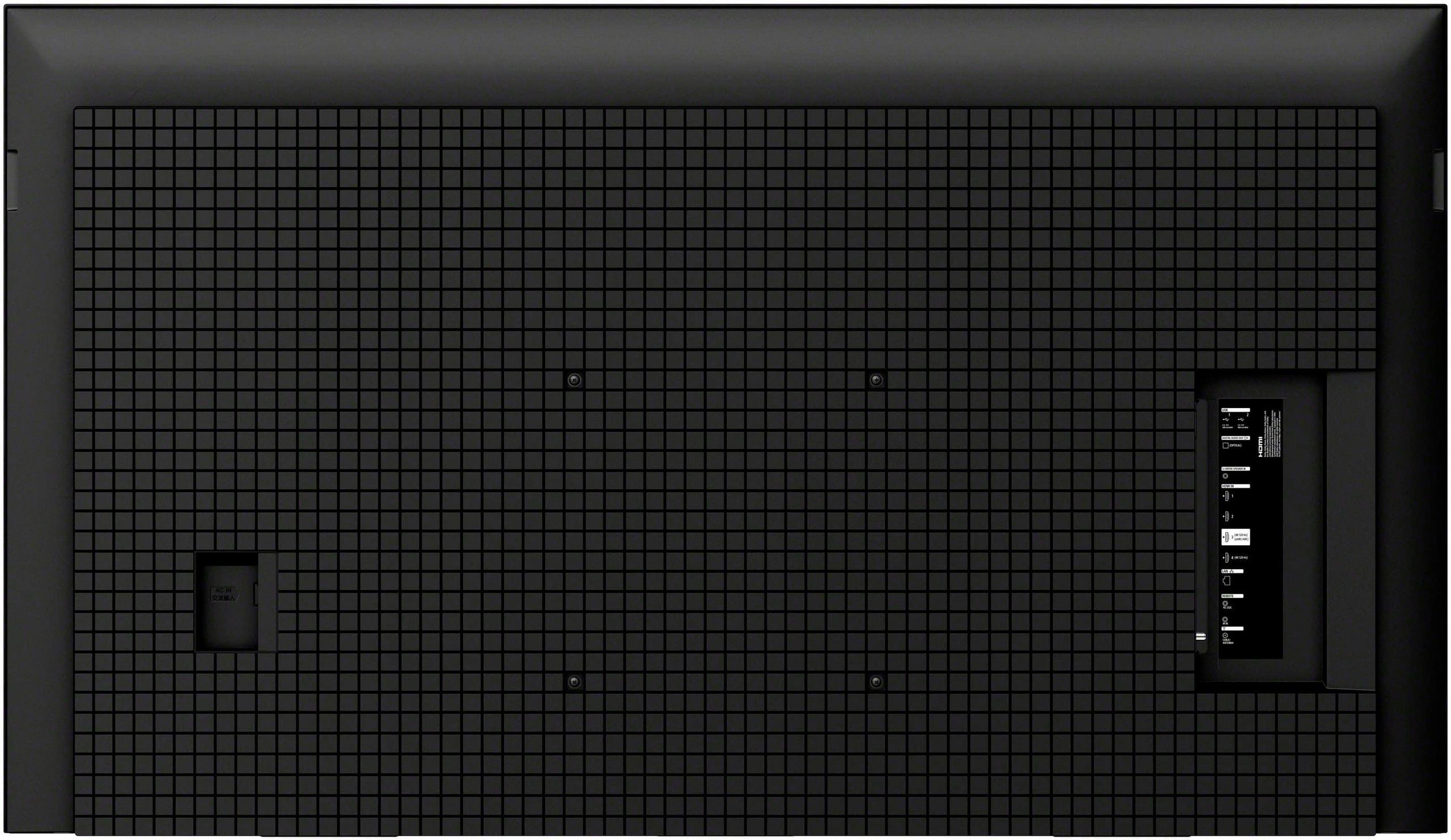
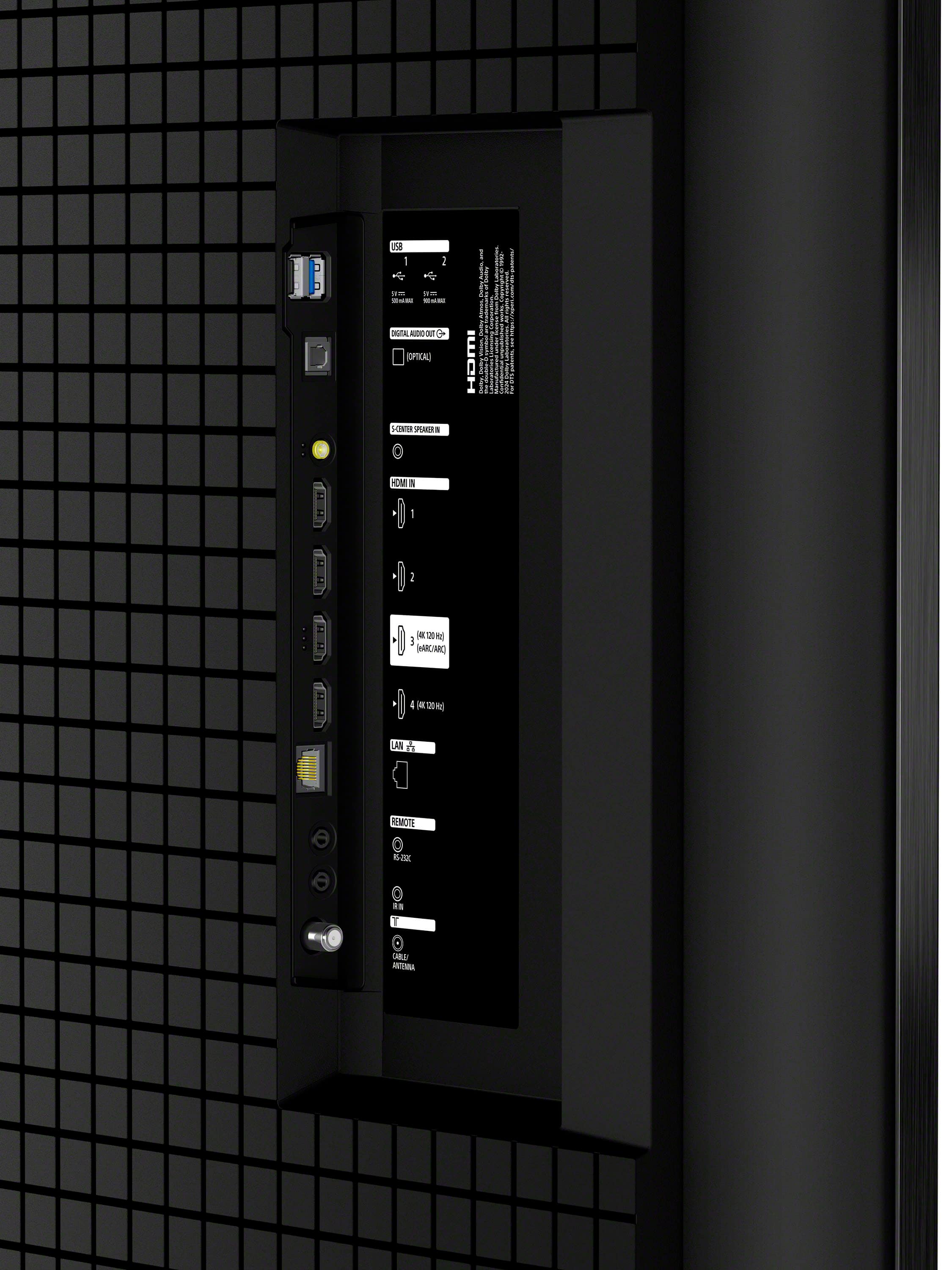
Both the TCL 65QM7K and Sony BRAVIA 5 include two HDMI 2.1 ports supporting 4K at high refresh rates, plus two additional HDMI 2.0 ports. This should handle most setups with gaming consoles, streaming devices, and sound systems, though heavy users might want more HDMI 2.1 ports.
While the TCL QM7K offers superior gaming specs overall, the Sony BRAVIA 5 provides specific PlayStation 5 optimizations including Auto HDR Tone Mapping and Auto Genre Picture Mode. PS5 owners who prioritize seamless integration might prefer the Sony, but the TCL delivers better raw gaming performance and future-proofing.
We've done our best to create useful and informative comparisons to help you decide what product to buy. Our research uses advanced automated methods to create this comparison and perfection is not possible - please contact us for corrections or questions. These are the sites we've researched in the creation of this article: bestbuy.com - businessinsider.com - tomsguide.com - tomsguide.com - rtings.com - tomsguide.com - youtube.com - rtings.com - consumerreports.org - youtube.com - youtube.com - displayspecifications.com - youtube.com - tcl.com - tcl.com - tcl.com - youtube.com - rcwilley.com - bestbuy.com - tclcentral.com - displayspecifications.com - tomsguide.com - tcl.com - brandsmartusa.com - tcl.com - tcl.com - gizmochina.com - nfm.com - dolby.com - alexraytv.com - rtings.com - pro.sony - youtube.com - electronics.sony.com - electronics.sony.com - electronics.sony.com - bestbuy.com - electronics.sony.com - youtube.com - bestbuy.com - videoandaudiocenter.com - valueelectronics.com - youtube.com - sony.ca - perpichtv.com - sony.com - displayspecifications.com - pioneertvandappliance.com - flatpanelshd.com

Privacy Policy
Terms and Conditions - Affiliate Policy
Home Security
© Copyright 2008-2026.
11816 Inwood Rd #1211, Dallas, TX 75244