

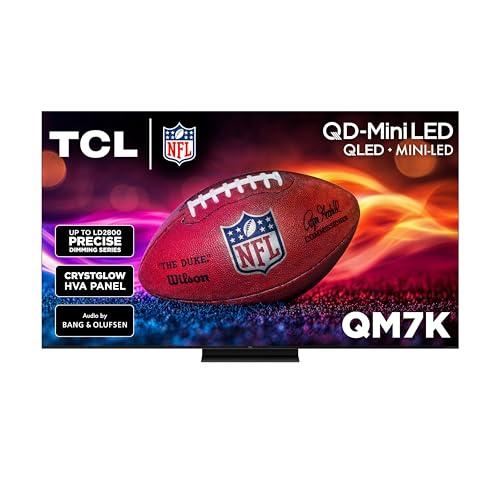
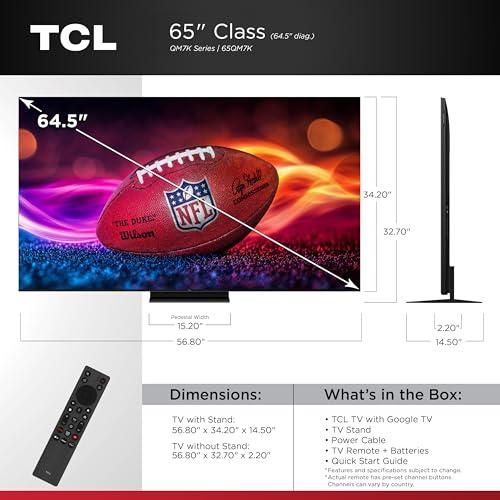

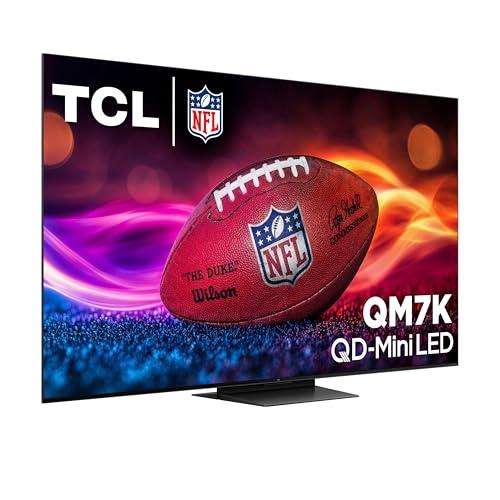
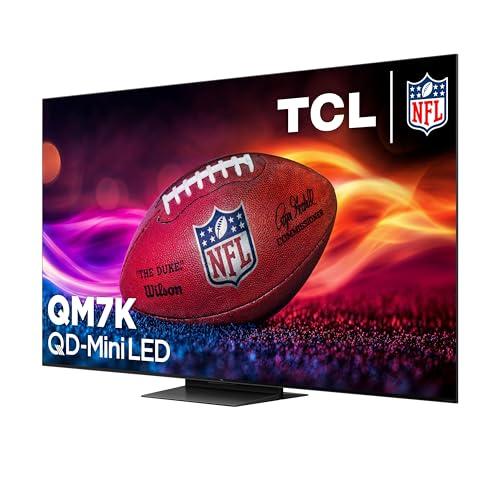
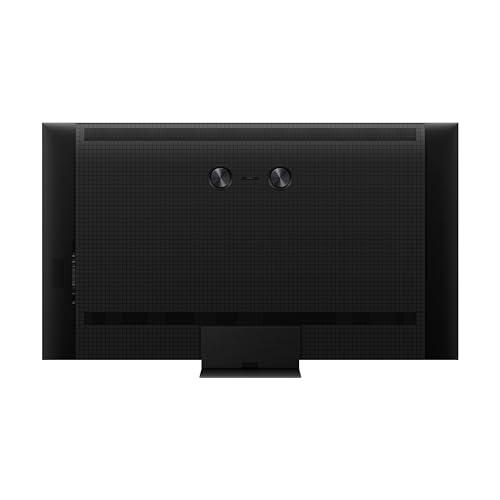
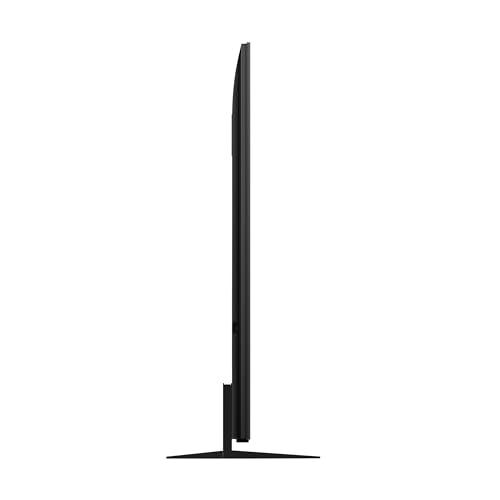
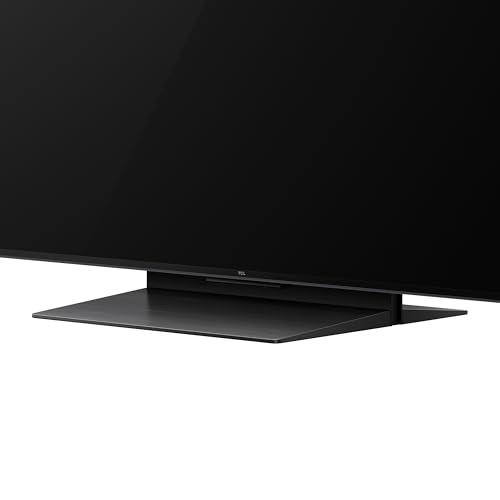
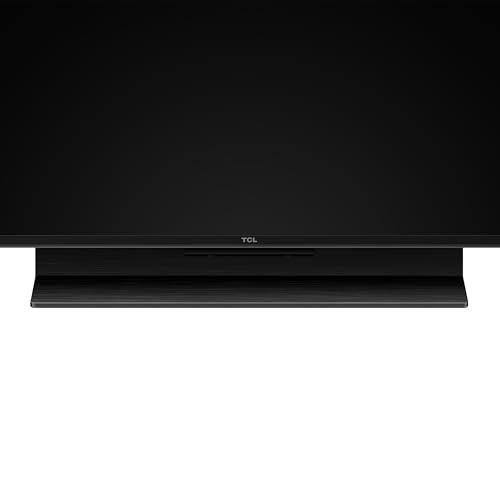
Shopping for a premium 65-inch TV in 2025 means choosing between two fundamentally different approaches to creating stunning picture quality. The TCL 65QM7K represents the latest evolution in Mini LED technology, while the LG OLED evo G5 showcases cutting-edge OLED innovation. Both deliver exceptional performance, but they take completely different paths to get there.
At the time of writing, these TVs sit in different price tiers—the TCL QM7K typically costs about half as much as the LG G5. This price difference reflects not just different technologies, but different target audiences and use cases. Understanding which approach suits your viewing habits, room setup, and budget will help you make the right choice.
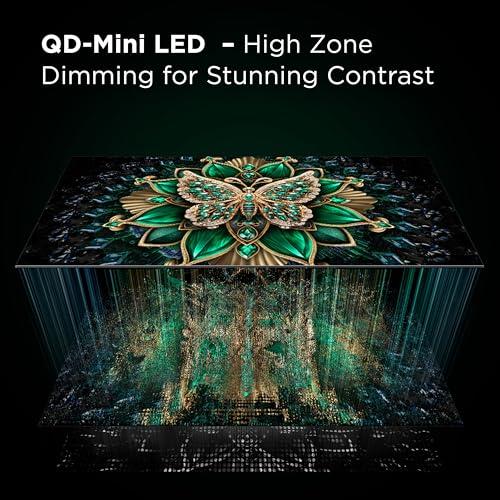
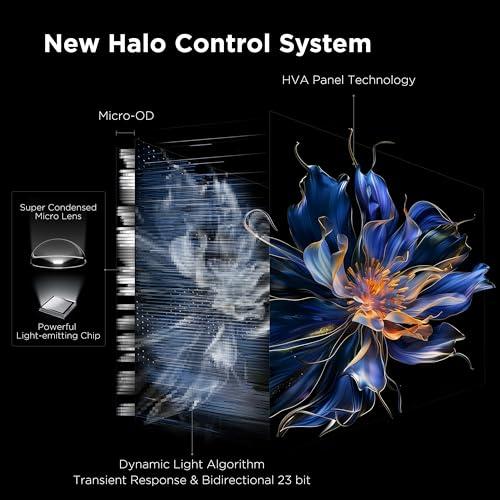
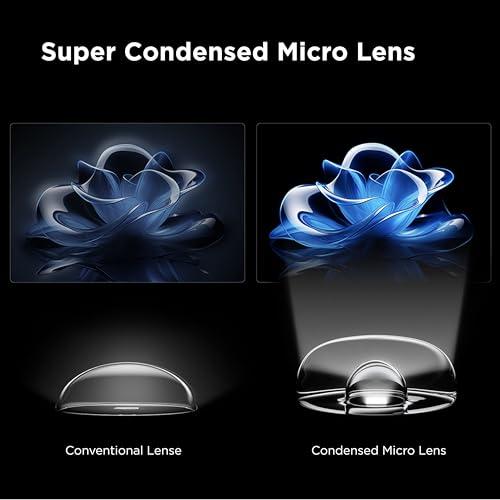
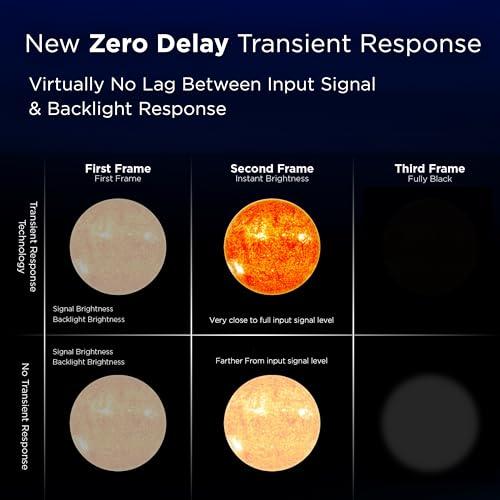
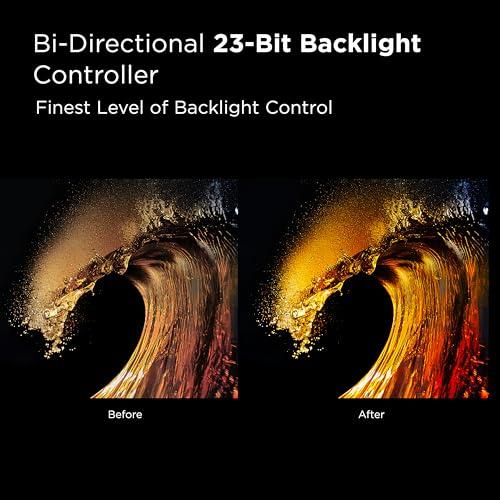
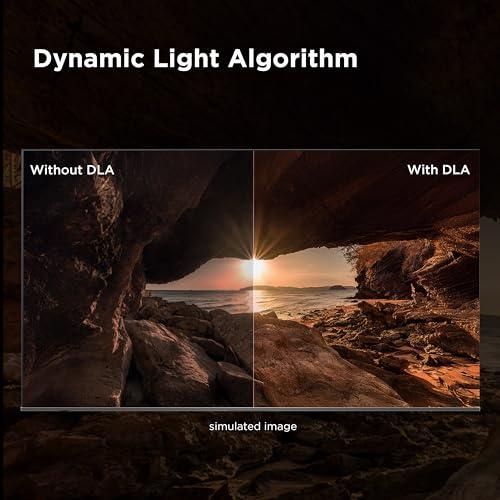
The TCL QM7K uses what's called QD-Mini LED technology—essentially a hybrid approach that combines the best of multiple display innovations. Think of Mini LED as using thousands of tiny LED lights behind the screen (up to 2,500 individual dimming zones) instead of a few dozen larger ones. These micro-sized LEDs can turn on and off independently, creating much better contrast than traditional LED TVs.
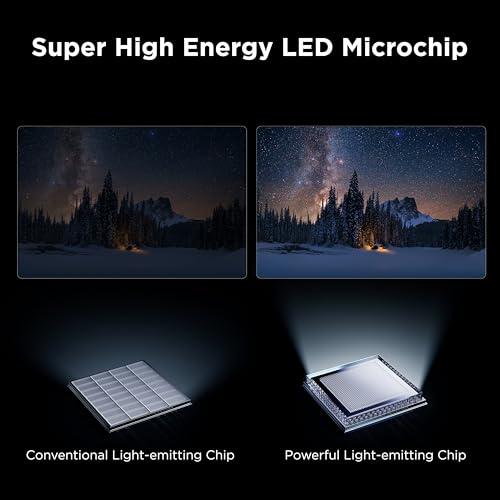
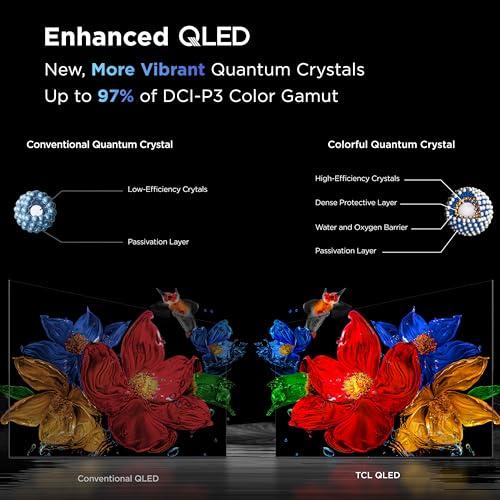
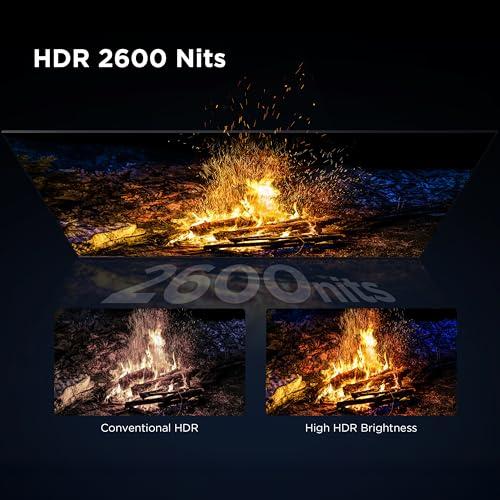
The "QD" part stands for Quantum Dot, which is a layer of microscopic crystals that convert blue LED light into incredibly pure red and green colors. When you combine precise Mini LED backlighting with Quantum Dot color enhancement, you get a display that can produce both extremely bright highlights and a wide range of vibrant colors. The TCL QM7K can hit peaks of 3,000 nits—bright enough to make HDR content really pop, even in a sunlit living room.
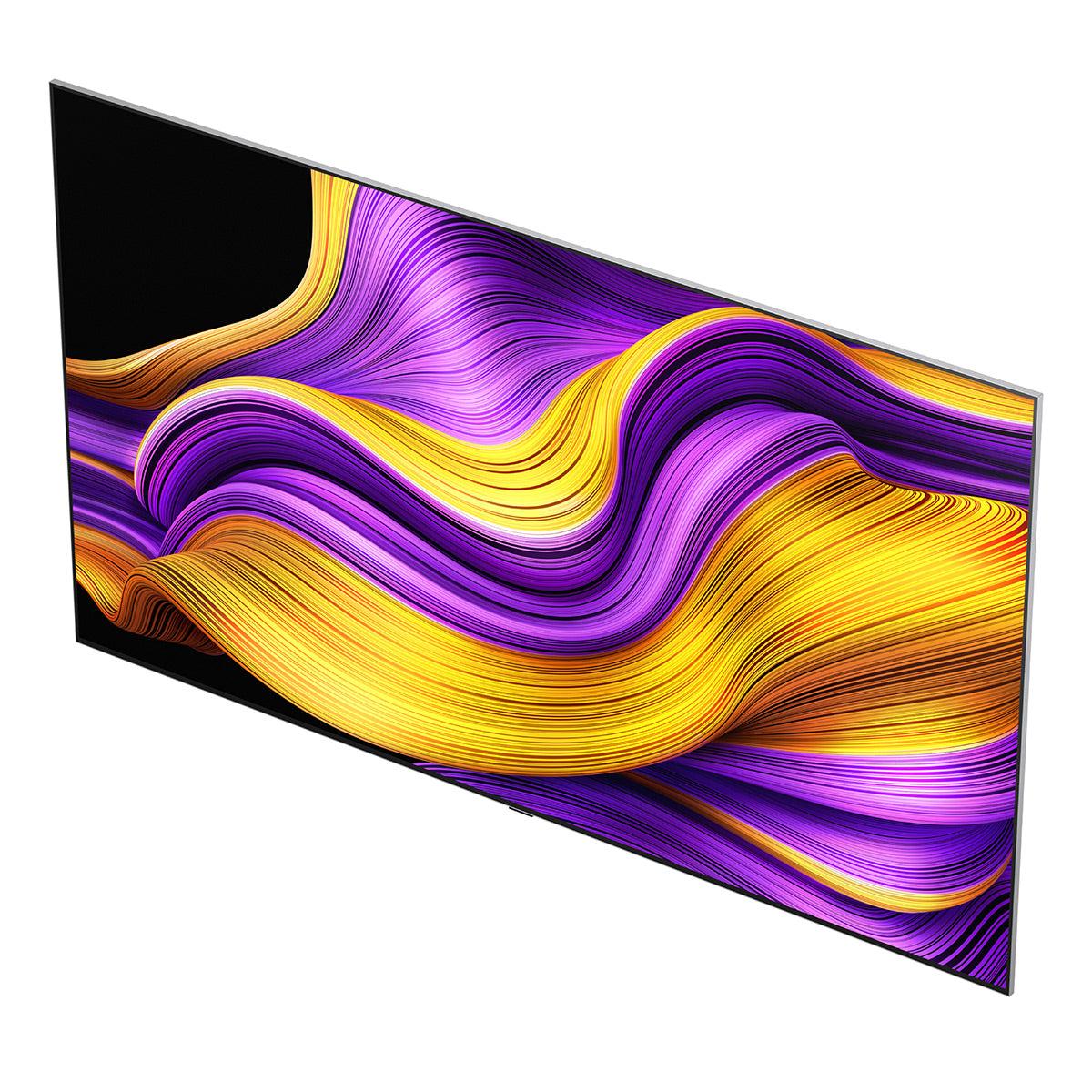
The LG G5 takes a completely different approach. Instead of using a backlight, each of the 8.3 million pixels in an OLED display generates its own light. When a pixel needs to be black, it simply turns off completely—no light leakage, no compromise. This creates what we call "infinite contrast" because you're comparing pure black (zero light) to bright colors.
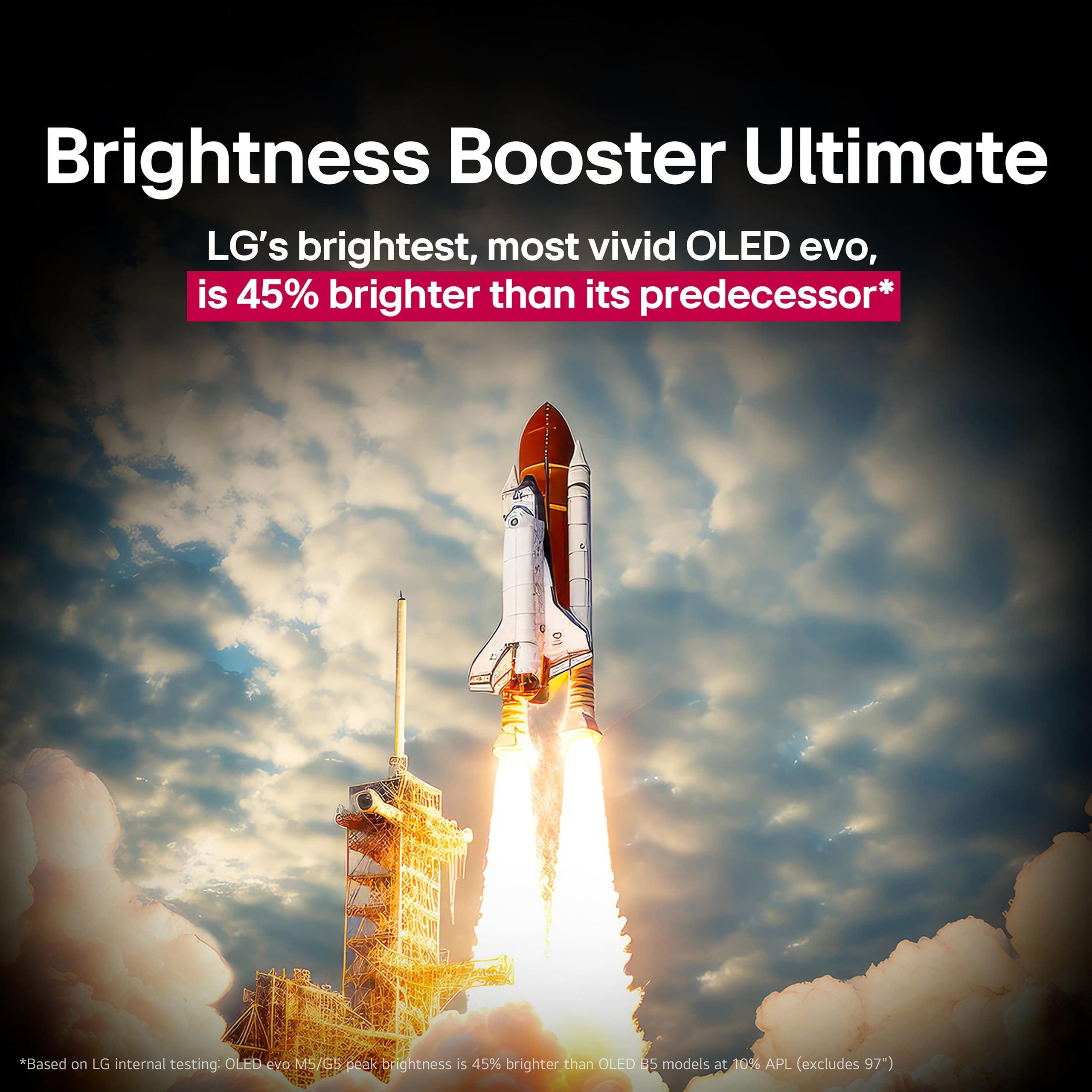
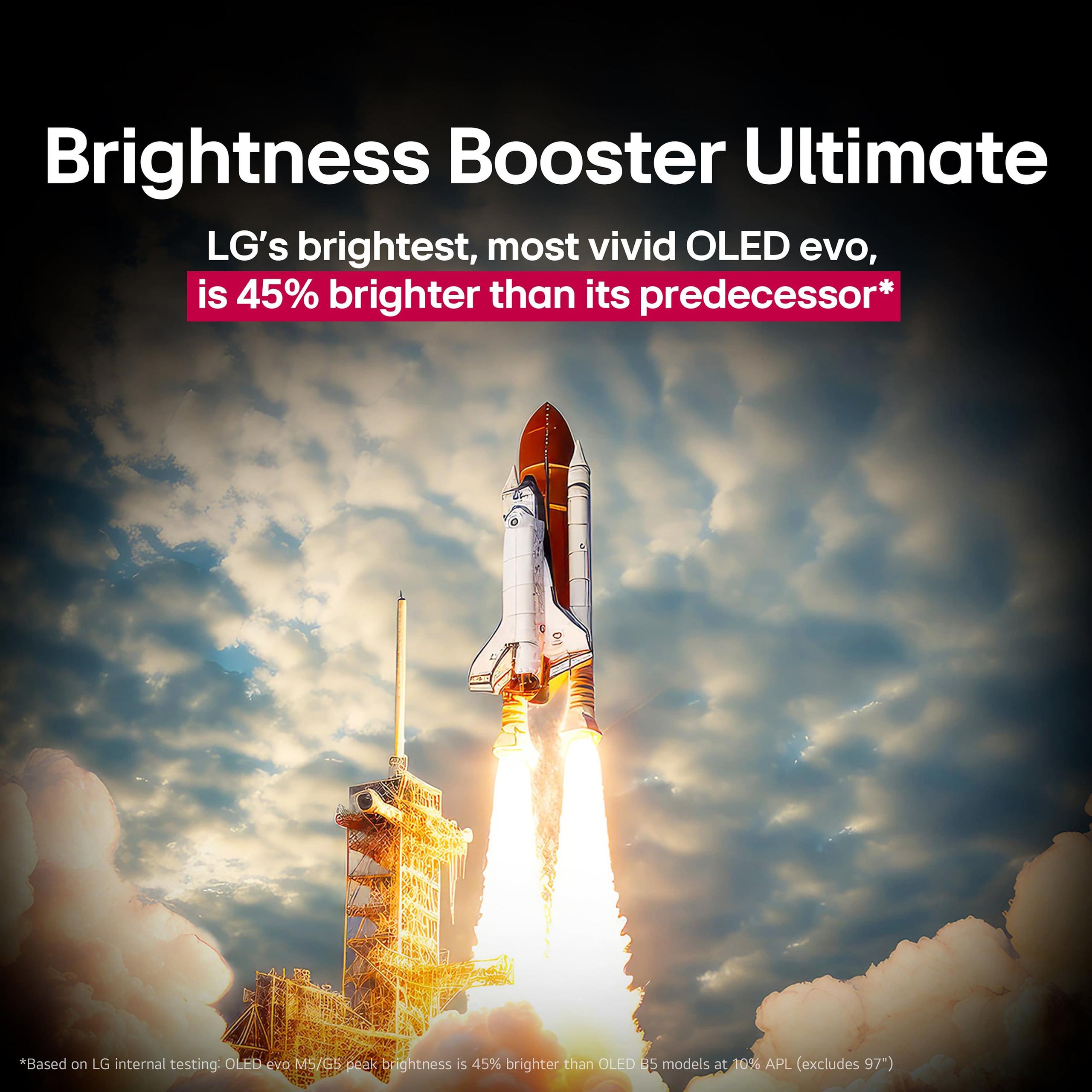
LG's 2025 model introduces something called 4-Stack RGB Tandem OLED technology. Without getting too deep into the science, this new panel structure stacks multiple light-emitting layers to boost brightness by up to 45% compared to previous OLED generations. It's LG's answer to OLED's traditional weakness in bright rooms, though it still can't match the raw brightness of Mini LED displays.
Here's where the fundamental differences become clear. The TCL QM7K delivers significantly higher peak brightness than the LG G5. In practical terms, this means HDR (High Dynamic Range) content—like movies on Netflix or games on your PlayStation—will have more impactful highlights. Think of the sun reflecting off water, explosions in action movies, or bright skies in nature documentaries. The TCL can make these elements genuinely eye-catching.
This brightness advantage becomes even more important in real-world viewing conditions. If your TV faces windows or you watch during the day with lights on, the TCL QM7K maintains its picture quality much better. The higher brightness helps overcome ambient light that would otherwise wash out darker displays.
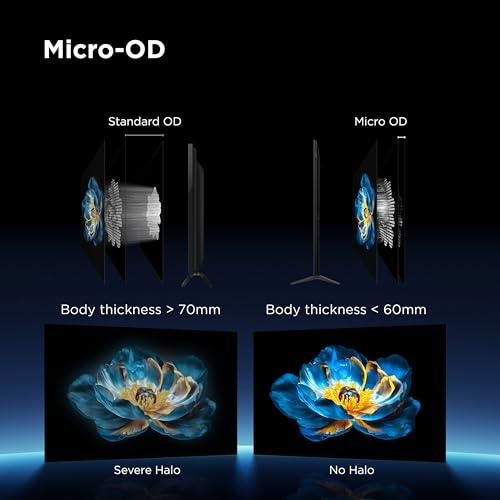
However, there's a trade-off. Mini LED displays, despite having thousands of dimming zones, can still show some "blooming"—a subtle halo effect around bright objects against dark backgrounds. It's most noticeable when watching movies with bright text on black backgrounds or star fields in space scenes.
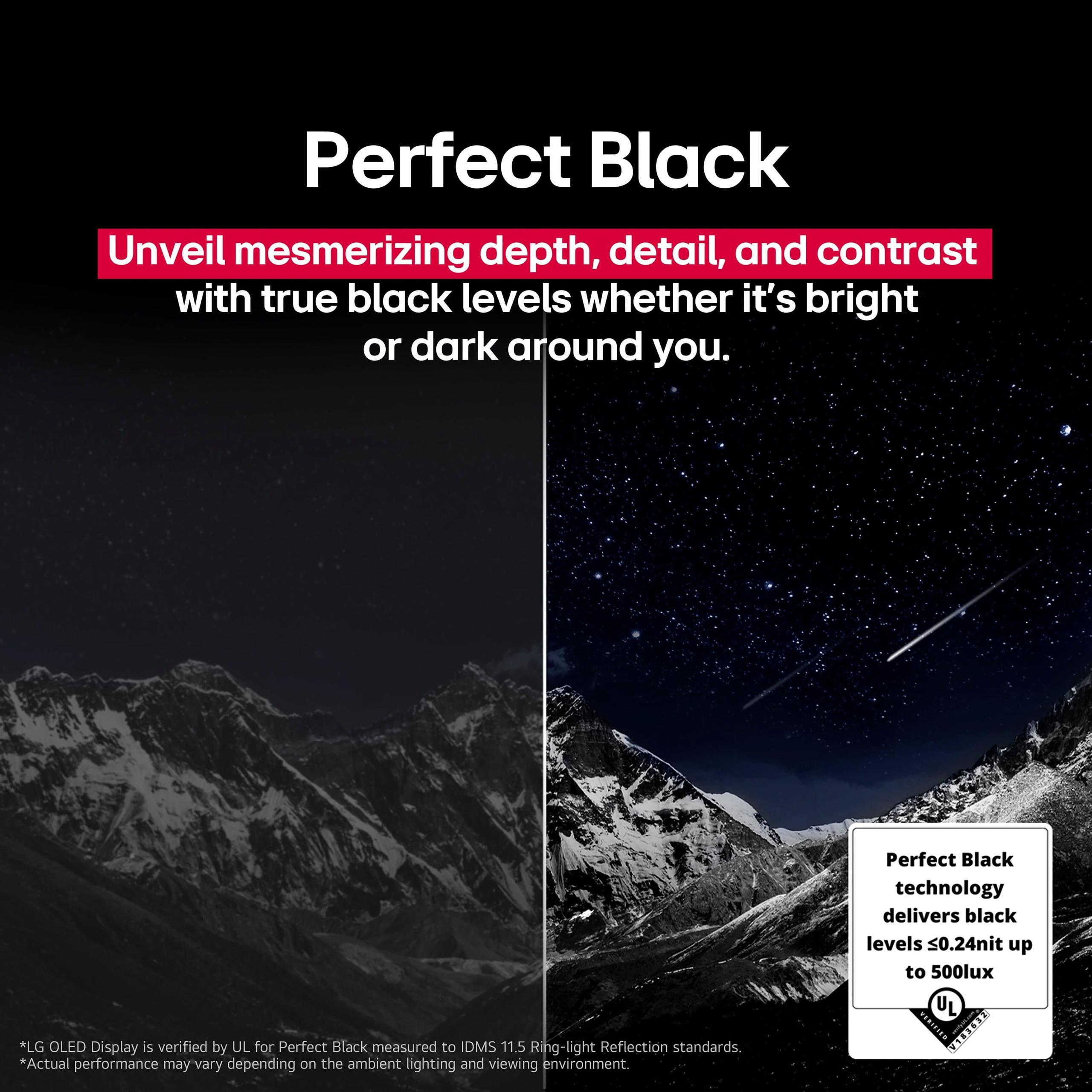
This is where the LG G5 absolutely dominates. Perfect black levels aren't marketing hyperbole—when an OLED pixel is off, it produces literally zero light. This creates an almost three-dimensional image quality that's particularly stunning in dark room viewing.
Watching movies in a dedicated home theater setup reveals OLED's true strength. Shadow details that would be crushed or grayish on other displays appear with perfect clarity. The way light gradually transitions from pure black to deep grays and into brighter colors creates a sense of depth that's hard to describe until you see it.
The LG G5 also eliminates the blooming issues that affect Mini LED displays. Bright objects against dark backgrounds appear perfectly defined with no unwanted glow or halo effects.
Both displays excel at color reproduction, but in different ways. The TCL QM7K's Quantum Dot technology excels at producing wide color gamuts at high brightness levels. This makes it particularly effective for vibrant, colorful content like animated movies, sports broadcasts, or video games with saturated art styles.
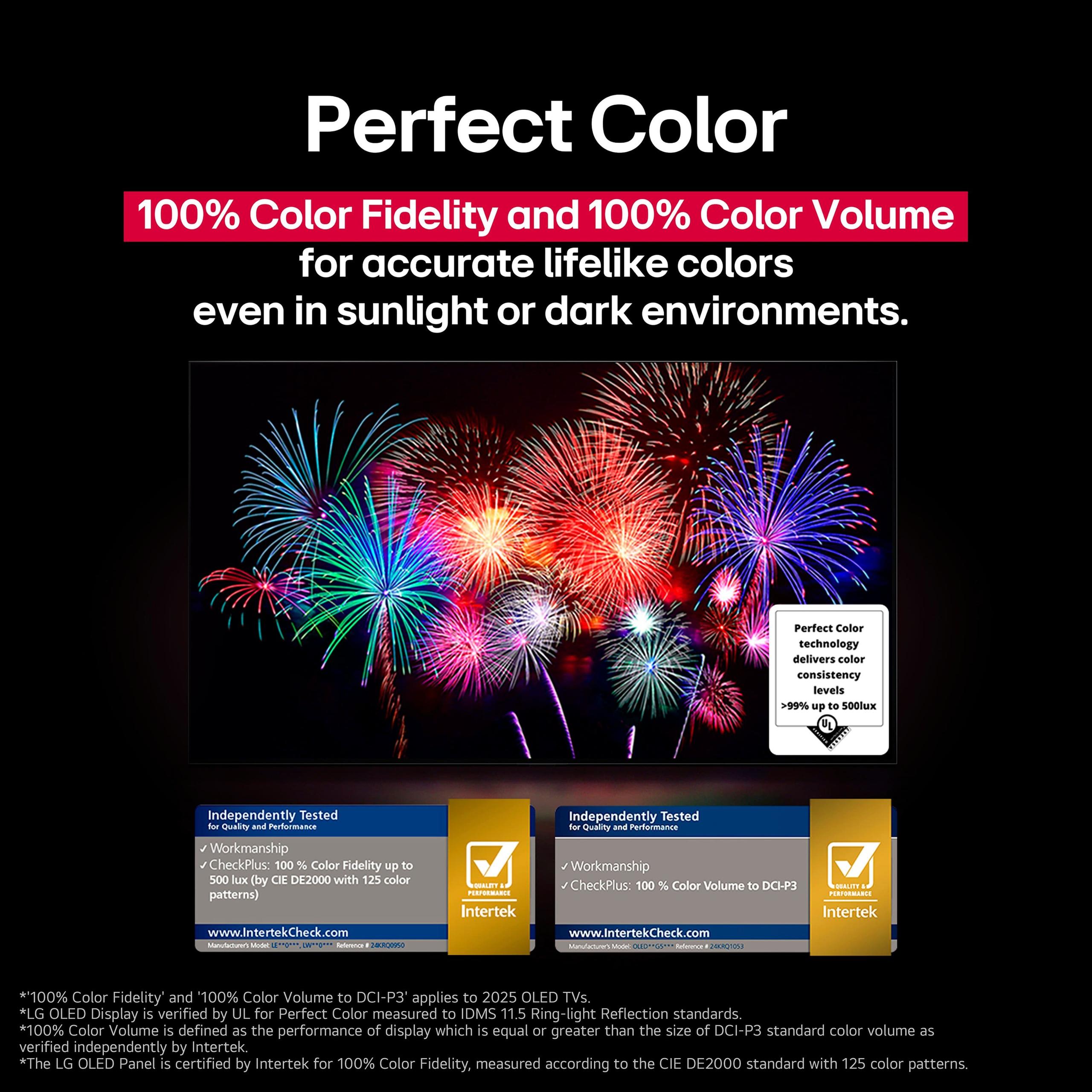
The LG G5's new 4-Stack RGB panel improves color purity, especially in blues and greens, while maintaining OLED's traditional strength in subtle color gradations. This makes it exceptional for movies and content where color accuracy and natural skin tones are crucial.
In our research of professional calibrations and user feedback, the LG G5 tends to produce more accurate colors out of the box, while the TCL QM7K may require some adjustment for optimal accuracy—though both are capable of excellent results when properly configured.
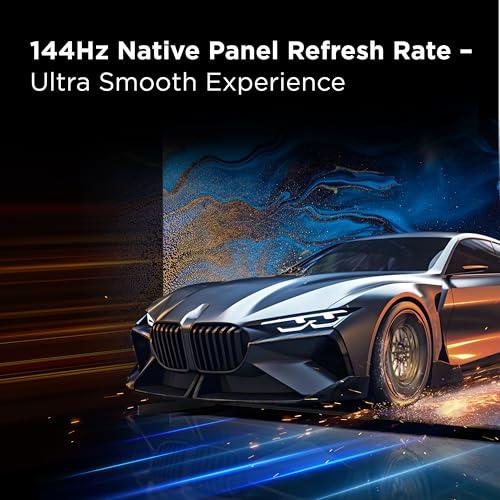
Modern gaming puts unique demands on displays, and both TVs rise to meet them impressively. The TCL QM7K supports up to 144Hz refresh rates at 4K resolution and can push up to 288Hz at 1080p through its Game Accelerator feature. For competitive gaming or fast-paced action titles, this creates incredibly smooth motion.
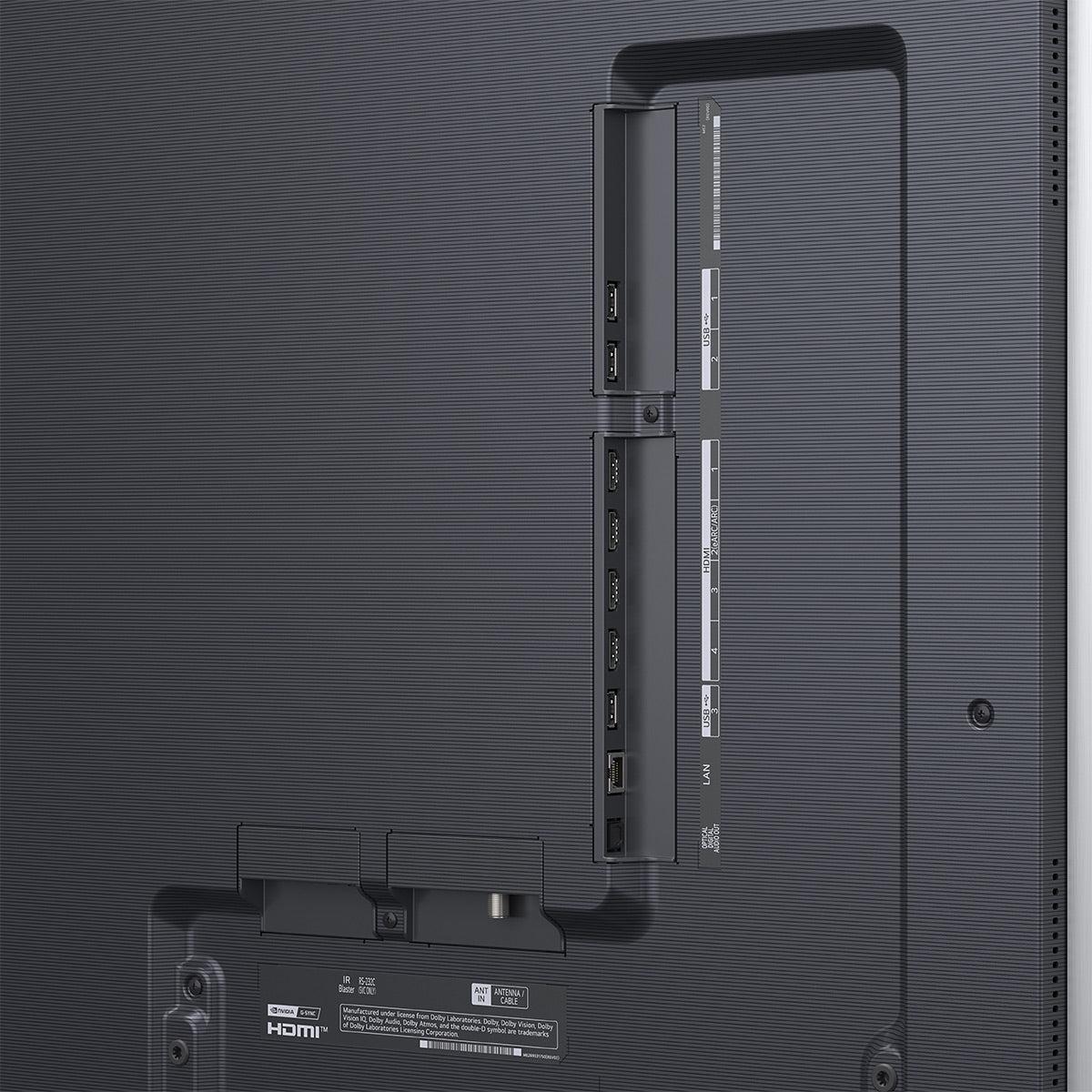
The LG G5 goes slightly further, supporting up to 165Hz at 4K resolution across all four of its HDMI 2.1 ports. This gives you more flexibility for connecting multiple gaming devices—perhaps a PlayStation 5, Xbox Series X, and high-end gaming PC.
Both displays support Variable Refresh Rate (VRR), which synchronizes the display's refresh rate with your gaming device's frame rate, eliminating screen tearing and stuttering. The TCL QM7K includes AMD FreeSync Premium Pro certification, while the LG G5 works with both AMD FreeSync and NVIDIA G-SYNC.
For input lag—the delay between pressing a button and seeing the response on screen—both TVs perform excellently in game mode, typically measuring under 10 milliseconds. This is crucial for competitive gaming where every fraction of a second matters.
The TCL QM7K includes sophisticated motion processing that can make fast-moving content appear smoother. Its Motion Rate 480 with MEMC (Motion Estimation, Motion Compensation) processing is particularly effective for sports viewing. If you're a sports fan who watches games during the day or with ambient lighting, this TV's combination of brightness and motion processing creates an engaging experience.
The LG G5 handles motion differently. OLED displays have inherently fast pixel response times—essentially zero motion blur from the pixels themselves. However, they rely less on artificial motion processing, which some viewers prefer for a more natural, film-like appearance.
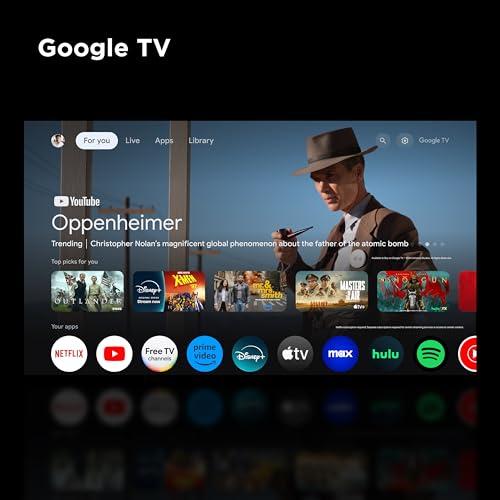
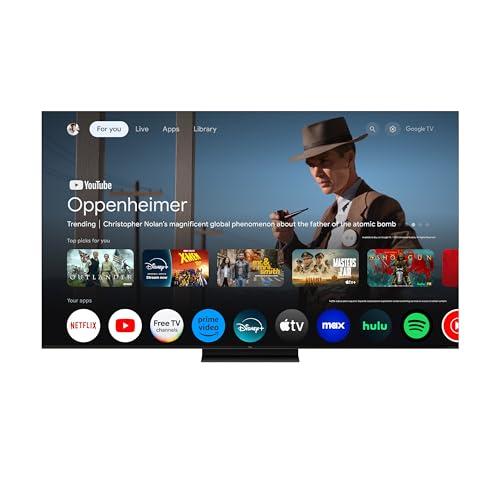
The smart TV experience differs significantly between these models. The TCL QM7K runs Google TV, which integrates seamlessly with Android phones, Google Assistant, and Chromecast. If you're already invested in Google's ecosystem—using Gmail, Google Photos, or Android devices—this integration feels natural and comprehensive.
The LG G5 features webOS 25, LG's proprietary smart platform. It's known for its intuitive interface and smooth performance, with features like Quick Cards for organizing favorite apps. LG also guarantees five years of software updates through their webOS Renew program, which provides excellent long-term support.
Both platforms provide access to all major streaming services, though the user experience and integration with other devices will depend on your existing tech ecosystem.
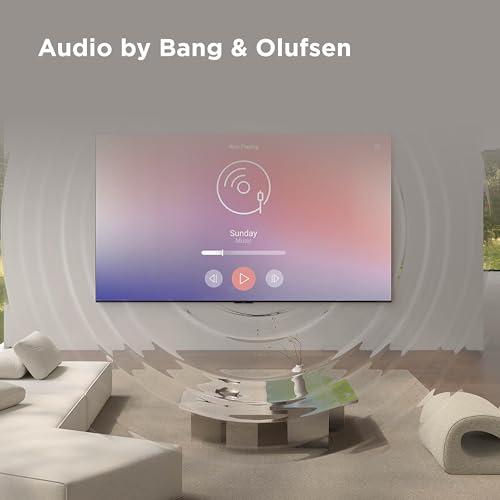
Neither TV will replace a dedicated sound system, but they handle built-in audio differently. The TCL QM7K includes a Bang & Olufsen-tuned 60W speaker system with Dolby Atmos support. For a TV's built-in speakers, it's surprisingly capable, with clear dialogue and reasonable bass response.
The LG G5's slim OLED design necessarily limits speaker size and power. While it supports Dolby Atmos and includes decent speakers, physics works against it—there's simply less space for larger drivers and speaker chambers.
If you're planning to add a soundbar or home theater system, this difference becomes less important. However, for casual viewing or bedroom use, the TCL QM7K's superior built-in audio is a practical advantage.
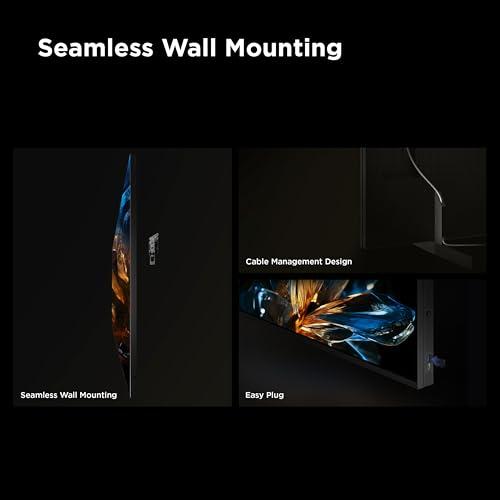
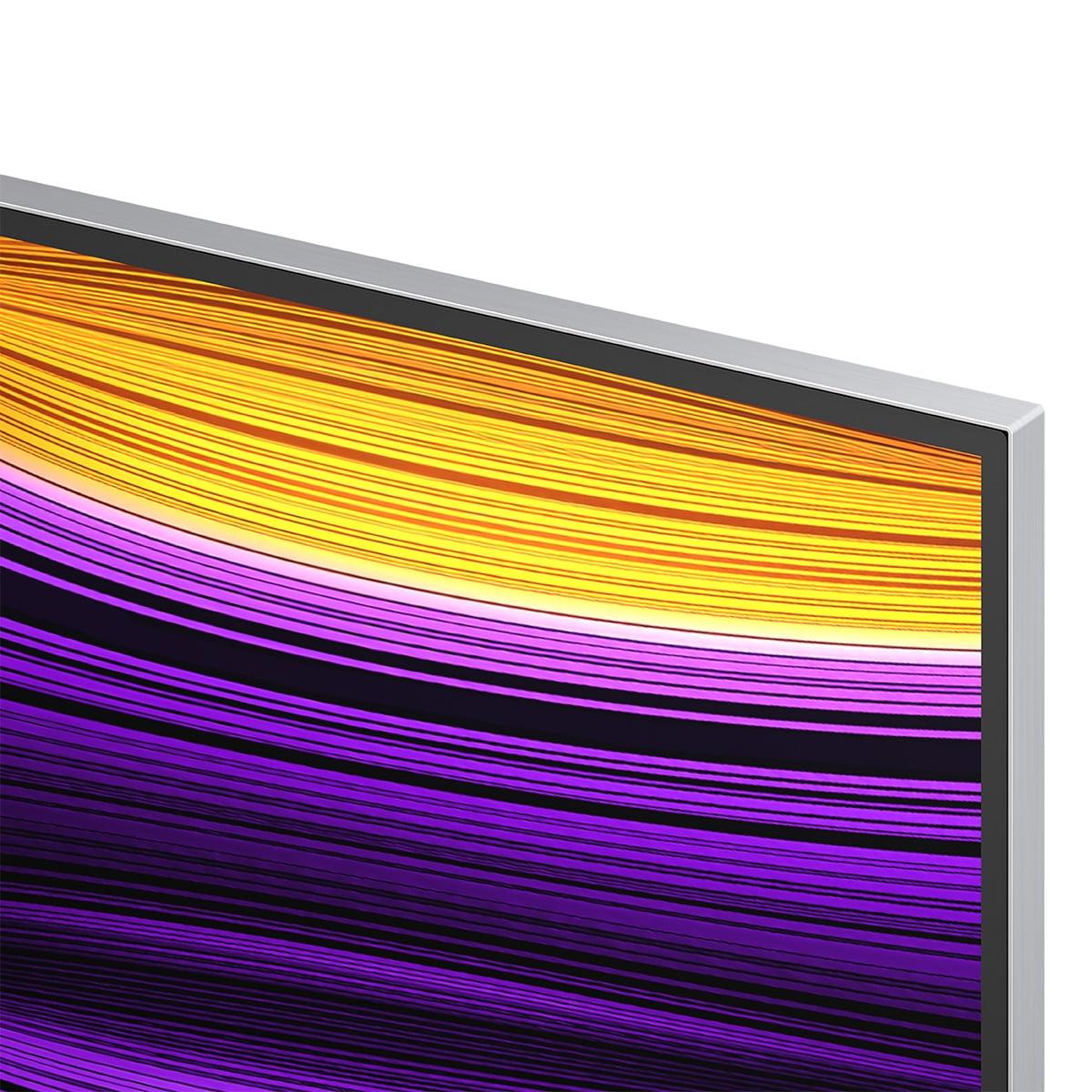
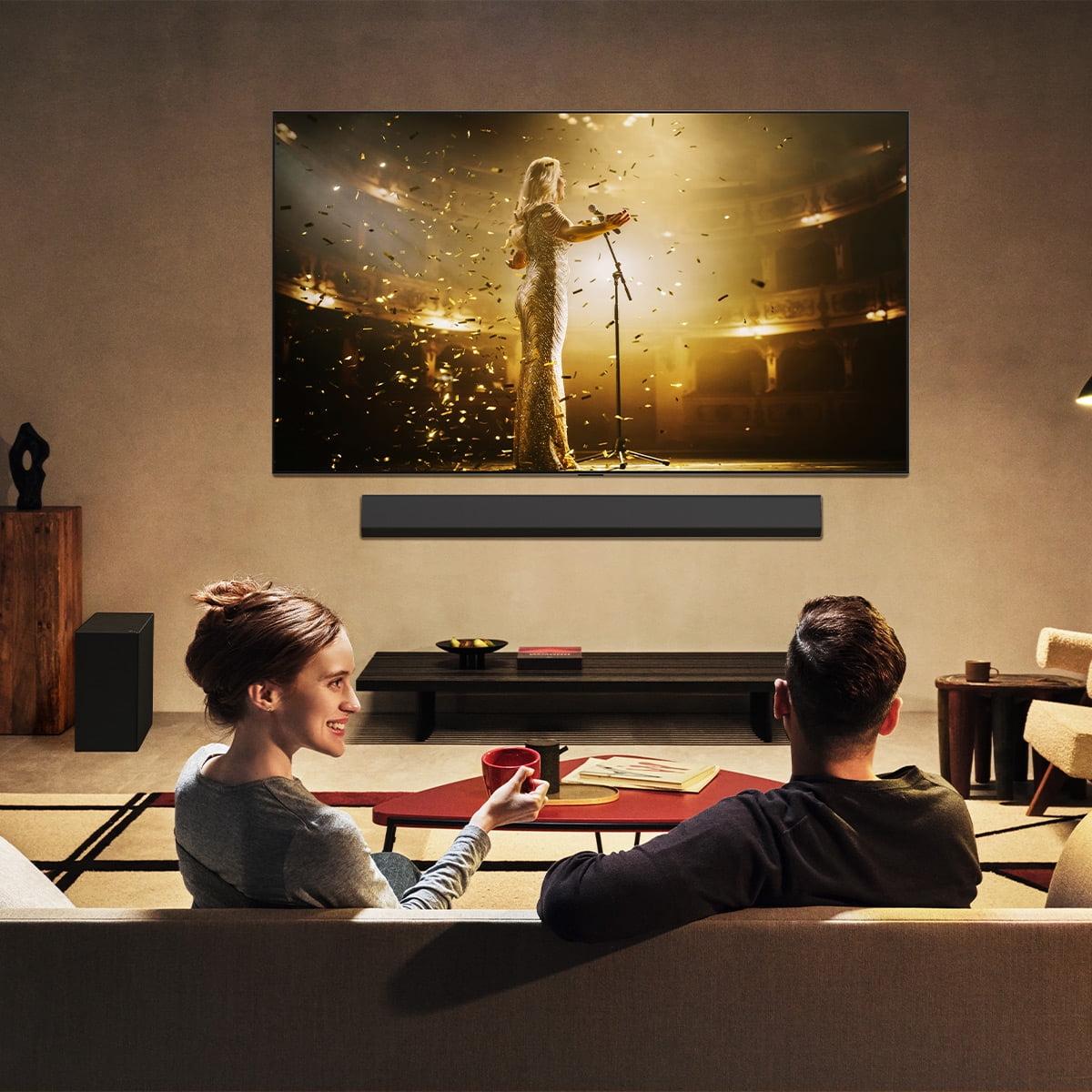
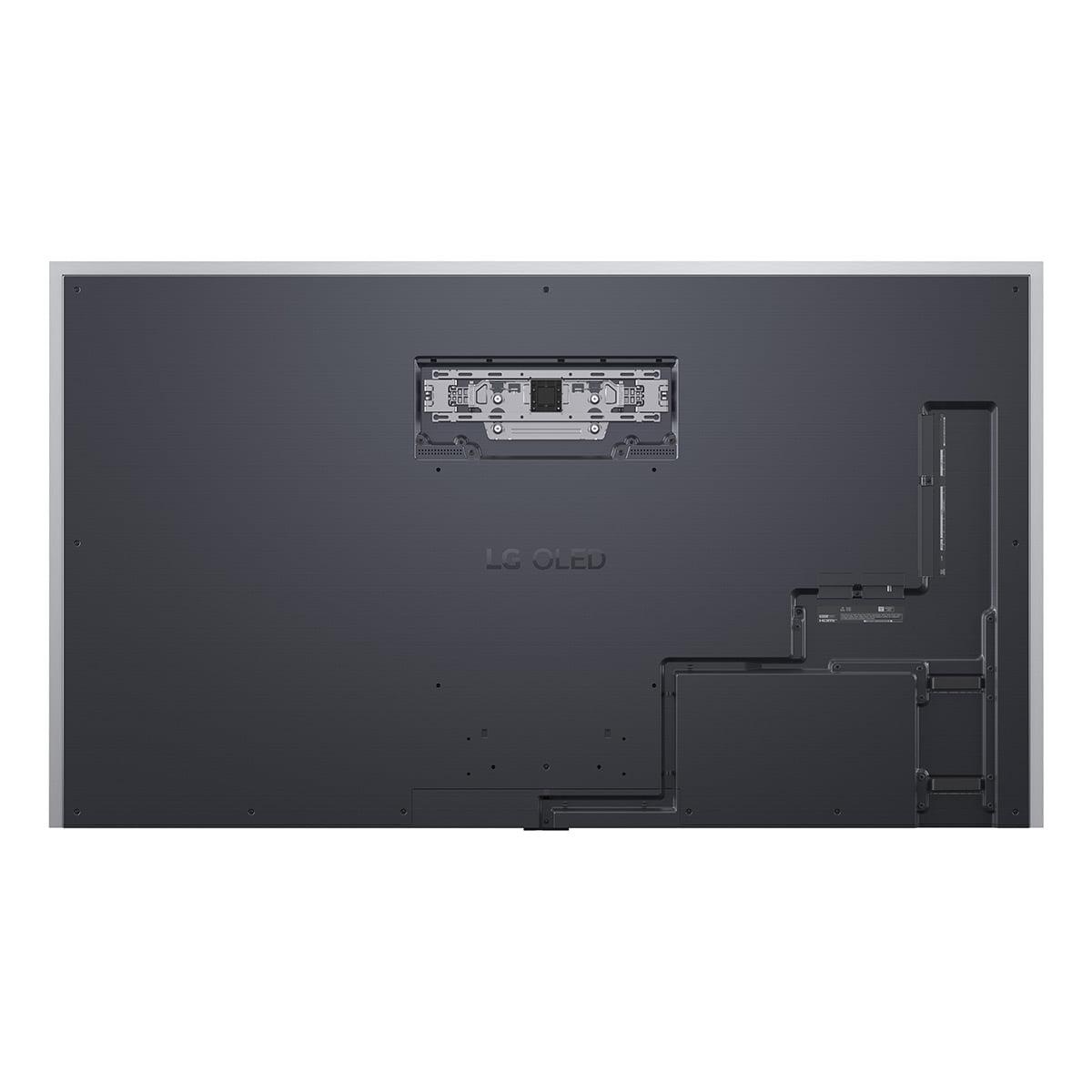
The visual impact of these TVs extends beyond their picture quality. The LG G5 features LG's Gallery Design philosophy—it mounts flush against the wall like a piece of art, with an incredibly thin profile. When not displaying content, it can show artwork or family photos, truly blending into your living space.
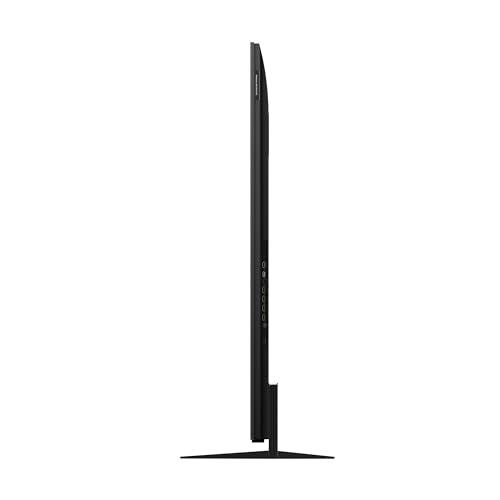
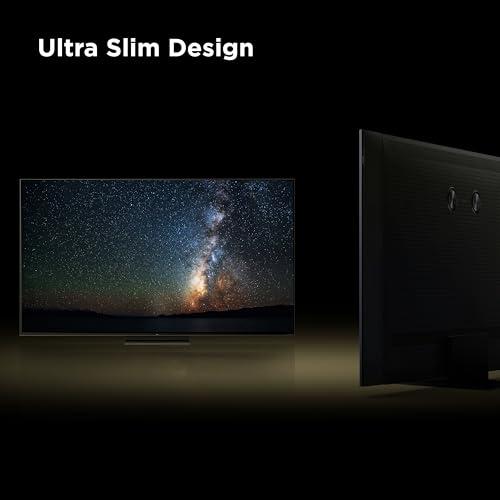
The TCL QM7K, while sleek, has a more traditional TV appearance. The Mini LED backlighting system requires slightly more depth than OLED, though it's still quite thin by modern standards.
For dedicated home theater setups where the TV is the focal point, both designs work well. For living spaces where the TV should integrate seamlessly with décor, the LG G5's gallery aesthetic provides a clear advantage.
Your viewing environment significantly impacts which display technology works best. The TCL QM7K excels in bright rooms, family rooms with lots of windows, or spaces where you watch TV during daylight hours. Its high brightness and anti-glare features maintain picture quality even with challenging ambient lighting.
The LG G5 shines in controlled lighting environments. A dedicated home theater, basement media room, or bedroom where you can control ambient light will showcase OLED's perfect blacks and infinite contrast. While the G5's improved brightness helps in brighter rooms compared to previous OLEDs, it still can't match Mini LED's raw brightness output.
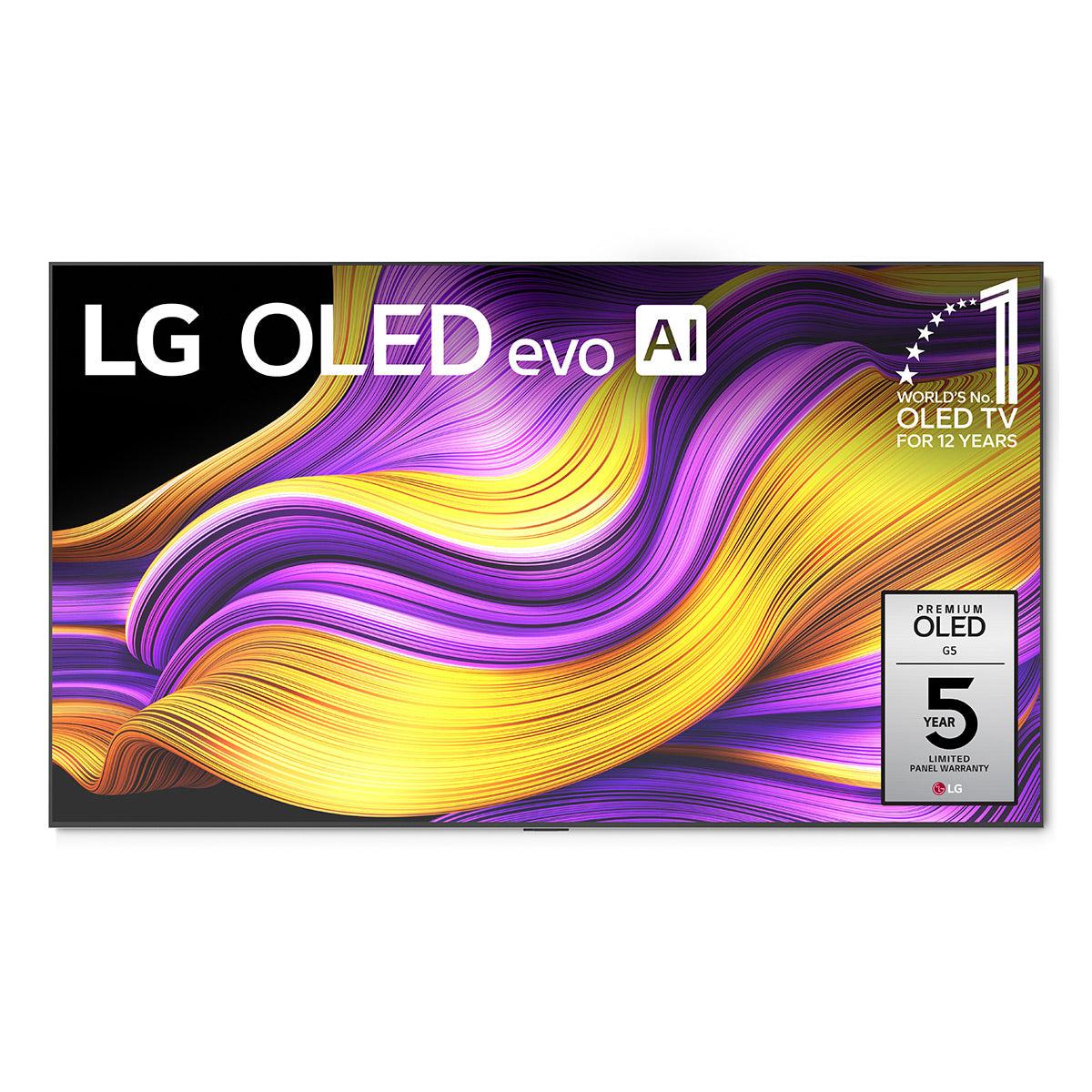
Both manufacturers offer solid warranties, though LG provides a five-year panel warranty on the G5, reflecting confidence in OLED durability. Modern OLED displays have largely overcome early concerns about burn-in (permanent image retention), though some caution with static elements like news tickers or gaming HUDs is still advisable.
The TCL QM7K's Mini LED backlighting should provide consistent performance over many years, and the lower initial cost means you're investing less upfront while still getting premium features.
The TCL QM7K makes the most sense for buyers who want flagship-level performance without flagship pricing. It's ideal for bright living rooms, sports fans, gamers who want high refresh rates, and anyone seeking excellent value in the premium TV market. If you watch a lot of content during the day or have a room with challenging lighting, this TV will serve you better.
Choose the LG G5 if picture quality is your absolute priority and you have the budget for a premium display. It's perfect for movie enthusiasts, anyone with a dedicated home theater setup, or buyers who value cutting-edge technology and premium design. The perfect blacks and infinite contrast create a viewing experience that's genuinely different from any other display technology.
Both TVs represent excellent choices in the premium 65-inch market, but they serve different needs and preferences. The TCL QM7K delivers remarkable performance per dollar, offering most of what makes premium TVs special at a more accessible price point. The LG G5 provides the ultimate display experience for those willing to invest in cutting-edge OLED technology.
At the time of writing, the value proposition of the TCL QM7K is hard to ignore—it delivers flagship features at roughly half the cost of premium OLEDs. However, if your budget allows and your viewing environment suits OLED technology, the LG G5 offers a picture quality experience that's genuinely superior in many ways.
Consider your room, your viewing habits, your budget, and your priorities. Both TVs will provide years of excellent entertainment, but one will likely fit your specific situation better than the other.
| TCL 65QM7K QD-Mini LED 4K Google TV | LG OLED evo G5 65" 4K Smart TV 2025 |
|---|---|
| Display Technology - Fundamental difference affecting all picture quality | |
| QD-Mini LED with 2,500 local dimming zones | 4-Stack RGB Tandem OLED with self-lit pixels |
| Peak Brightness - Critical for HDR impact and bright room viewing | |
| 3,000 nits (excellent for daytime viewing) | Up to 45% brighter than previous OLEDs (good but lower than Mini LED) |
| Black Levels - Essential for contrast and dark room performance | |
| Excellent blacks with minimal blooming | Perfect blacks with infinite contrast ratio |
| Gaming Refresh Rate - Important for competitive gaming and smooth motion | |
| 144Hz native, up to 288Hz at 1080p | 165Hz at 4K across all HDMI ports |
| HDMI 2.1 Ports - Needed for next-gen gaming consoles and high-refresh gaming | |
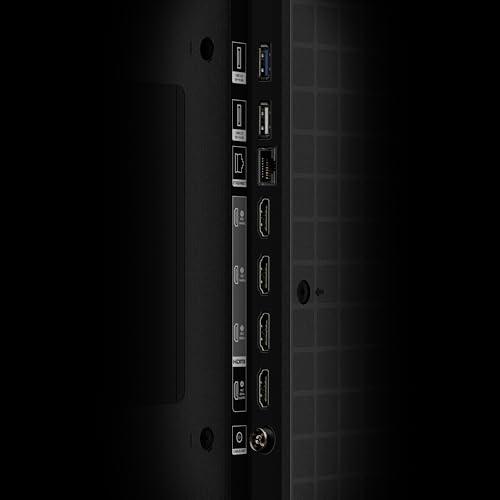
| 2 HDMI 2.1 ports (may limit multiple gaming devices) | 4 HDMI 2.1 ports (future-proof connectivity) |
| Smart TV Platform - Affects daily usability and app experience | |
| Google TV with Android ecosystem integration | webOS 25 with 5-year update guarantee |
| Built-in Audio - Important if not using external sound system | |
| Bang & Olufsen 60W system with solid bass | Dolby Atmos support but limited by slim design |
| Design Aesthetic - Matters for living room integration | |
| Traditional slim TV design with stand/wall mount | Gallery Design - mounts flush to wall like artwork |
| Panel Warranty - Protection for expensive display investment | |
| Standard 1-year warranty | 5-year limited panel warranty |
| Best Room Type - Where each TV performs optimally | |
| Bright living rooms, family spaces with windows | Dark rooms, controlled lighting, home theaters |
| Color Performance - Affects vibrancy and accuracy of content | |
| Quantum Dot technology for vibrant, high-brightness colors | 4-Stack RGB for improved color purity and accuracy |
| Value Proposition - Performance per dollar at time of writing | |
| Flagship features at mid-range pricing | Premium OLED experience with cutting-edge technology |
The TCL 65QM7K is significantly better for bright rooms due to its 3,000 nits peak brightness compared to the LG OLED evo G5. The Mini LED technology in the TCL QM7K can overcome ambient light and maintain picture quality during daytime viewing, while OLED displays traditionally struggle in bright environments despite the G5's improved brightness.
The TCL QM7K uses Mini LED backlighting with thousands of dimming zones behind the screen, while the LG G5 has self-lit pixels that can turn completely off. This means the LG OLED G5 produces perfect blacks and infinite contrast, but the TCL 65QM7K achieves much higher peak brightness for HDR content.
Both TVs excel at gaming, but the LG G5 has a slight edge with 165Hz refresh rates and four HDMI 2.1 ports compared to the TCL QM7K's 144Hz and two HDMI 2.1 ports. However, the TCL 65QM7K supports up to 288Hz at 1080p and costs significantly less, making it excellent value for gamers.
The LG OLED evo G5 is ideal for dedicated home theaters with controlled lighting, offering perfect blacks and infinite contrast that create a cinematic experience. The TCL QM7K works well for home theaters too, especially if you watch HDR content or need higher brightness, but OLED's perfect blacks give the LG G5 an advantage in dark rooms.
Both offer excellent smart platforms but different ecosystems. The TCL 65QM7K runs Google TV with seamless Android integration, while the LG G5 features webOS 25 with a five-year update guarantee. Choose the TCL QM7K if you use Google services extensively, or the LG OLED G5 for long-term software support.
The TCL 65QM7K has superior built-in audio with a Bang & Olufsen 60W system that delivers better bass and overall sound quality. The LG G5's slim OLED design limits speaker space, resulting in adequate but not exceptional built-in audio. Both support external sound systems for optimal home theater audio.
The LG OLED evo G5 includes a five-year panel warranty showing LG's confidence in OLED durability, while the TCL QM7K offers standard warranty coverage. Modern OLEDs have largely overcome burn-in concerns, and both technologies should provide years of reliable performance with proper use.
The TCL 65QM7K may show slight blooming (halos around bright objects) due to its backlighting system, while the LG G5 eliminates this completely with perfect pixel control. However, the TCL QM7K delivers much brighter HDR highlights that can be more impactful for certain content types.
The TCL 65QM7K provides exceptional value, delivering flagship-level features at roughly half the cost of the LG OLED evo G5. While the LG G5 offers superior picture quality in many scenarios, the performance-per-dollar ratio strongly favors the TCL 65QM7K for most buyers.
The LG OLED evo G5 maintains perfect picture quality from any viewing angle, making it ideal for wide seating arrangements or social viewing. The TCL QM7K has good but not perfect viewing angles, with some color and contrast shifts when viewed from the sides, though this is typical for LED-based displays.
For movie watching, the choice depends on your environment. The LG G5 excels in dark rooms with its perfect blacks and infinite contrast creating a truly cinematic experience. The TCL 65QM7K is better for mixed lighting conditions and delivers more impactful HDR highlights in bright scenes, making both excellent choices depending on your viewing setup.
Choose the TCL 65QM7K if your living room has windows or bright lighting, you want excellent value, or you watch a lot of sports and daytime TV. Select the LG OLED evo G5 if you can control lighting, prioritize the best possible picture quality, want a premium design aesthetic, and have the budget for cutting-edge display technology.
We've done our best to create useful and informative comparisons to help you decide what product to buy. Our research uses advanced automated methods to create this comparison and perfection is not possible - please contact us for corrections or questions. These are the sites we've researched in the creation of this article: bestbuy.com - businessinsider.com - tomsguide.com - tomsguide.com - rtings.com - tomsguide.com - youtube.com - rtings.com - consumerreports.org - youtube.com - youtube.com - displayspecifications.com - youtube.com - tcl.com - tcl.com - tcl.com - youtube.com - rcwilley.com - bestbuy.com - tclcentral.com - displayspecifications.com - tomsguide.com - tcl.com - brandsmartusa.com - tcl.com - tcl.com - gizmochina.com - nfm.com - dolby.com - alexraytv.com - bestbuy.com - techradar.com - rtings.com - youtube.com - youtube.com - rtings.com - bestbuy.com - youtube.com - valueelectronics.com - lg.com - audio-videoplus.com - lg.com - lg.com - lg.com

Privacy Policy
Terms and Conditions - Affiliate Policy
Home Security
© Copyright 2008-2026.
11816 Inwood Rd #1211, Dallas, TX 75244