

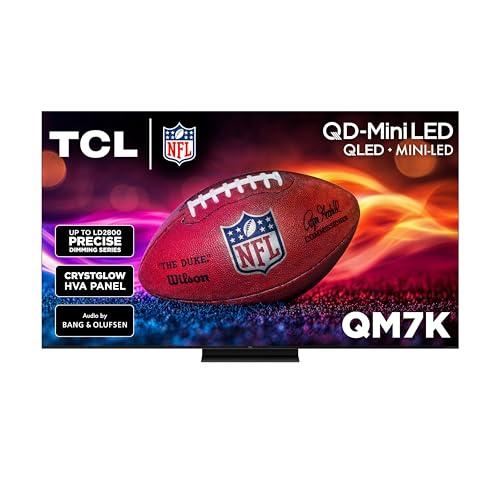
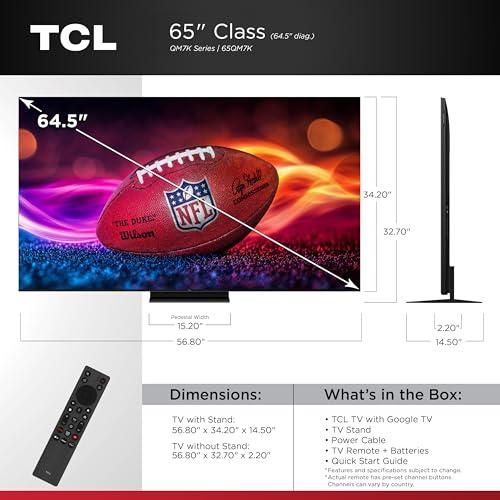
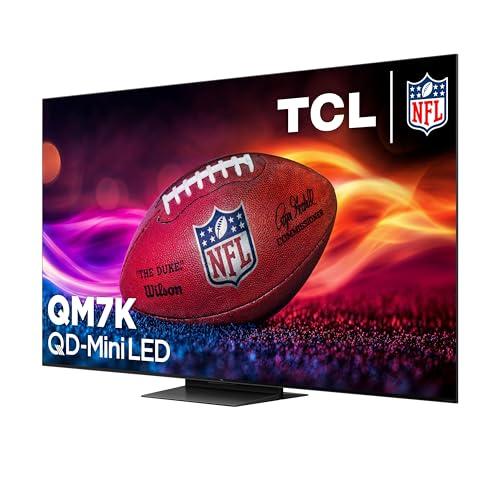
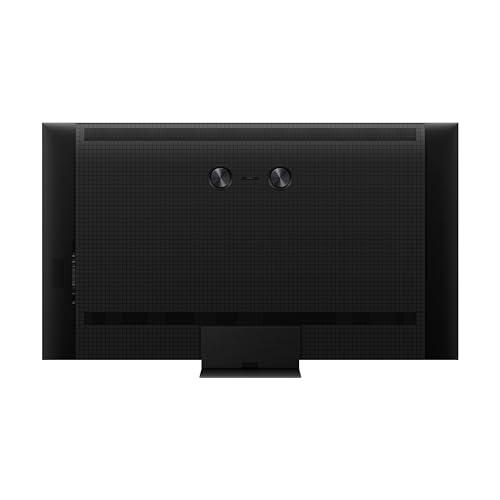
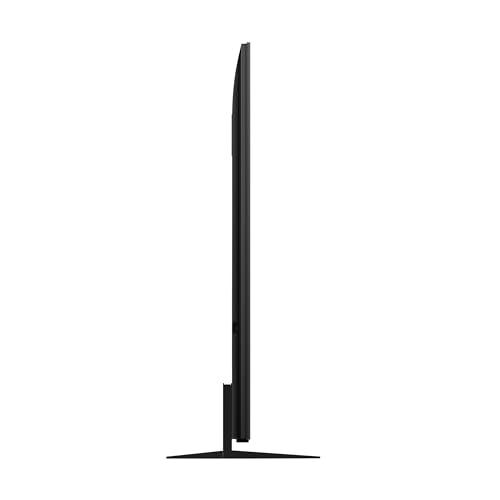
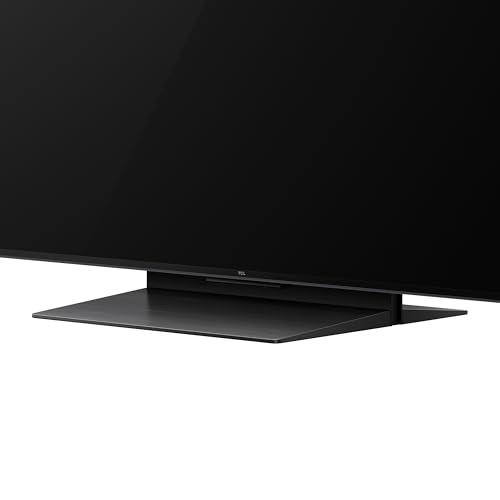
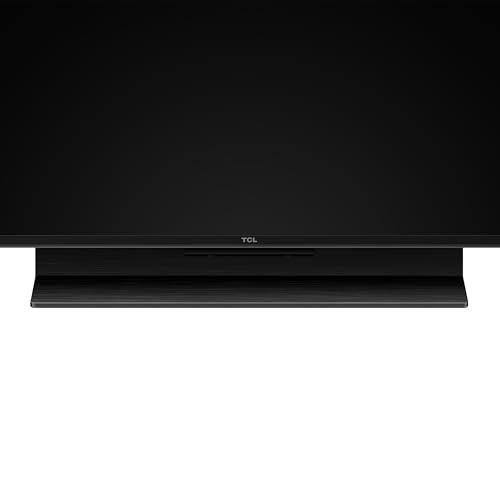
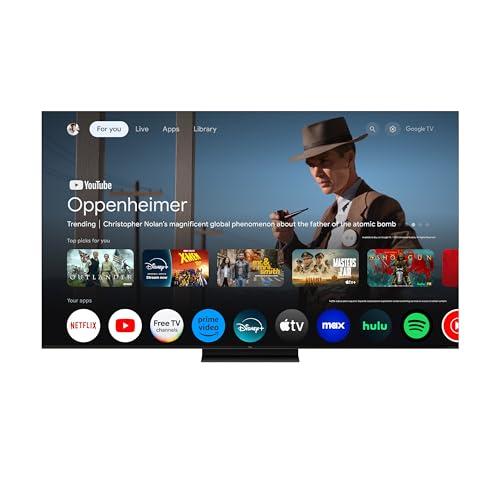
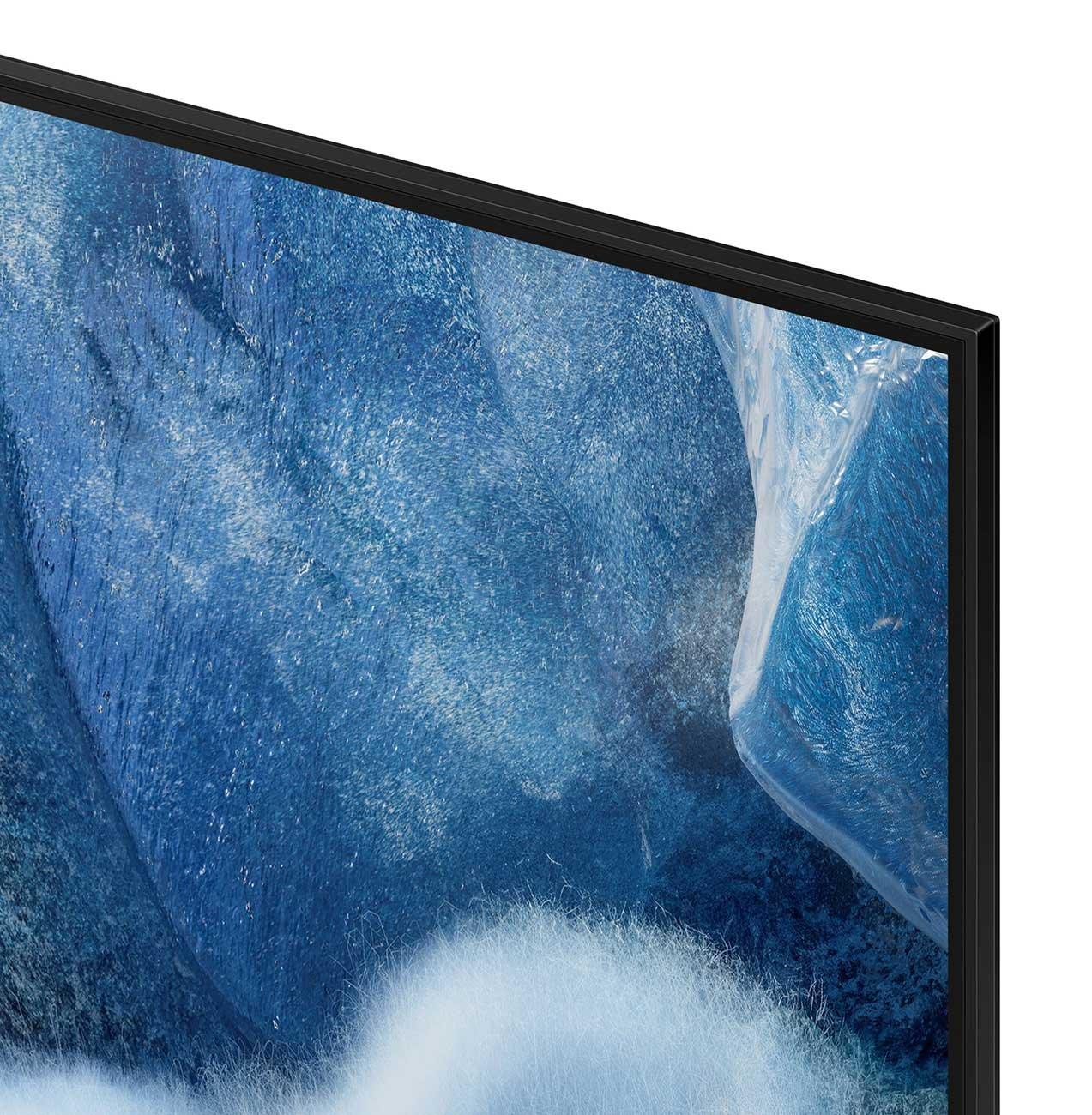
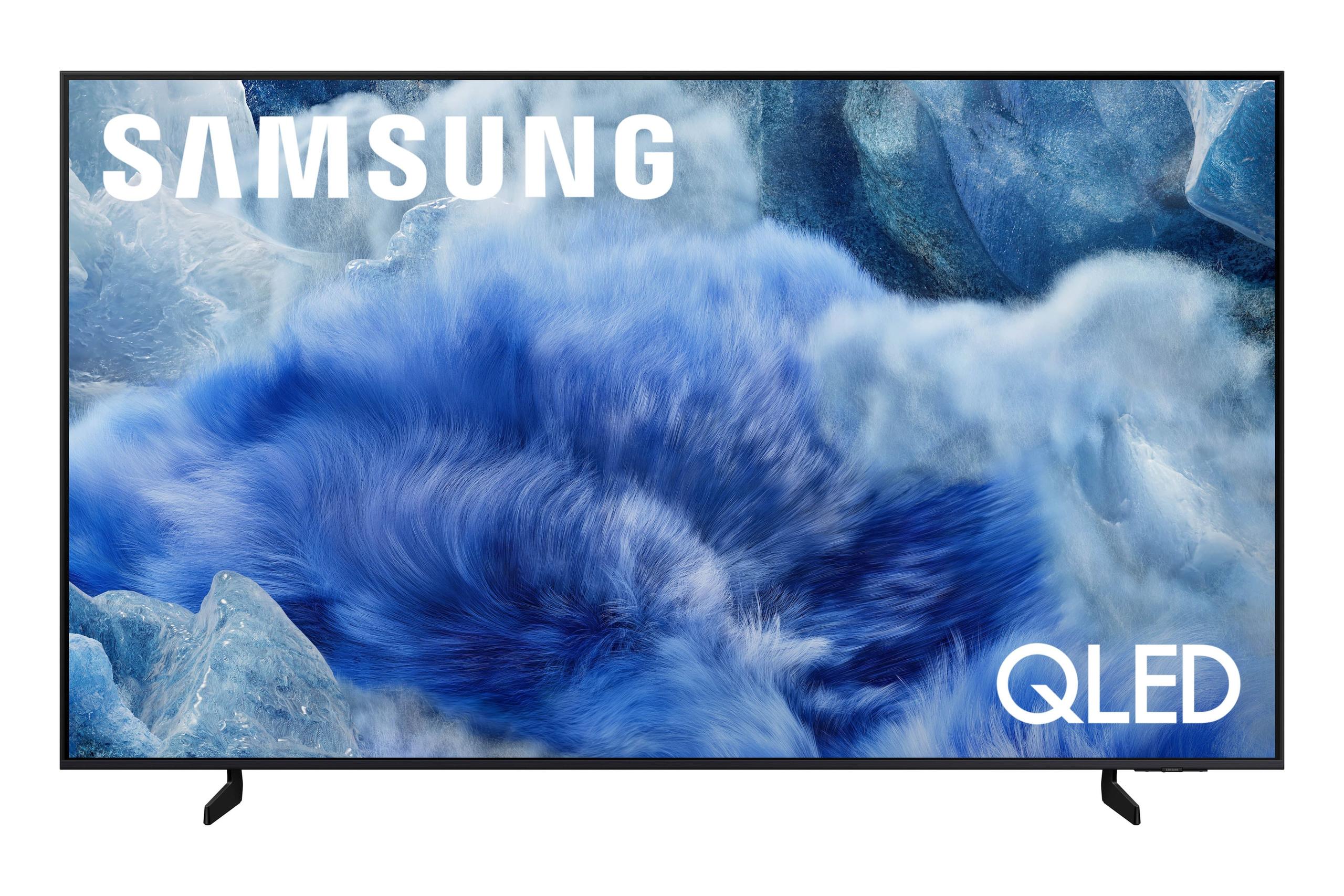
The premium 65-inch TV market has become incredibly competitive, with manufacturers pushing the boundaries of display technology while trying to balance performance with price. Two standout options that caught our attention are the TCL 65QM7K and the Samsung 65" QN8F Series, both representing different approaches to achieving excellent picture quality and smart features.
Understanding what separates these TVs isn't just about comparing specs on paper—it's about recognizing how different technologies translate to real-world viewing experiences. The premium QLED segment sits in that sweet spot where you get flagship-level features without the eye-watering prices of the absolute top-tier models.
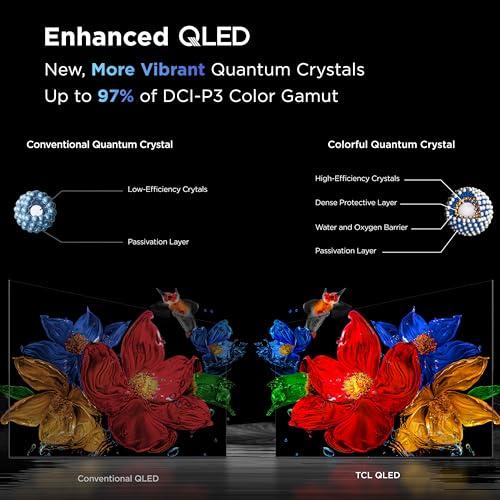
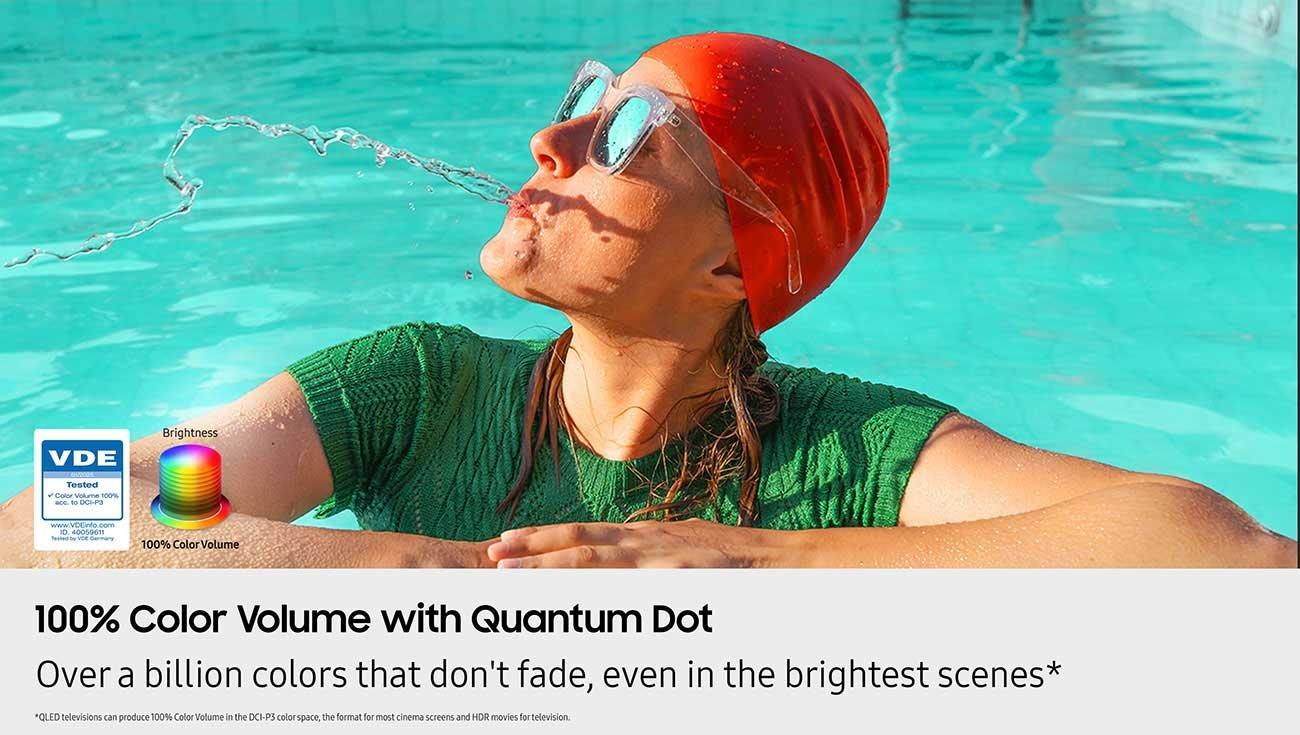
Before diving into the specifics, it's worth understanding what you're getting in this category. QLED (Quantum Dot LED) technology uses microscopic particles called quantum dots that emit specific colors when hit by light. This results in more vibrant, accurate colors than traditional LED TVs, especially at high brightness levels.
The key considerations that matter most in this price range include display technology (how the TV creates and controls light), peak brightness capabilities, gaming performance, smart platform quality, and overall value. These factors determine whether you'll be satisfied with your purchase for years to come.
The most significant difference between the TCL 65QM7K and Samsung QN8F lies in their backlighting technology, which fundamentally affects picture quality.
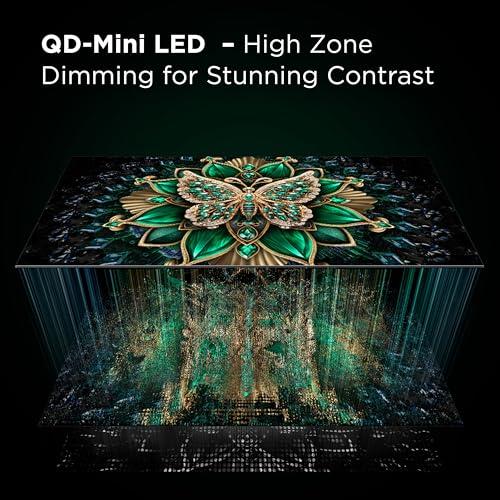
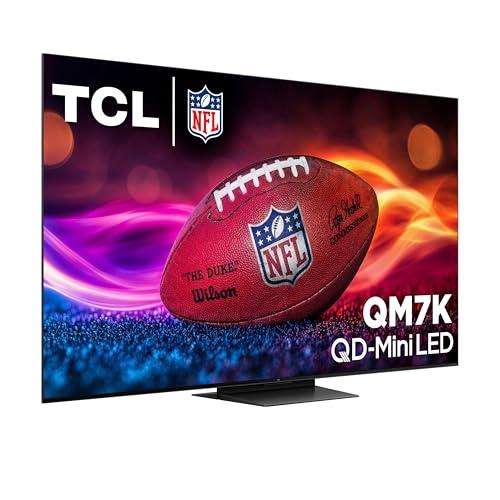
The TCL 65QM7K, released in 2024, represents TCL's push into premium display technology with its QD-Mini LED system. Mini-LED backlighting uses thousands of tiny LEDs (much smaller than traditional LEDs) arranged behind the screen. What makes this impressive is the precision—the TCL includes up to 2,500 local dimming zones.
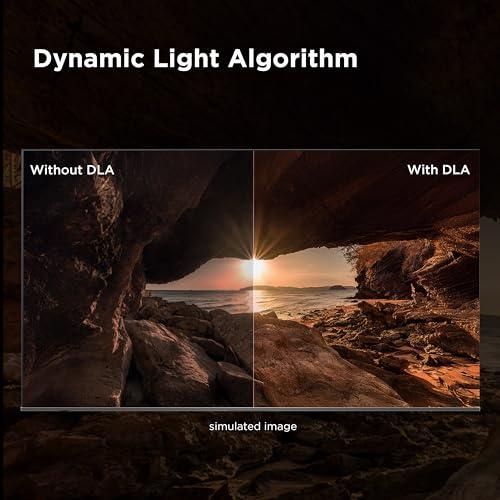
Local dimming zones work like individual light switches for different parts of your screen. When a scene shows a bright explosion against a dark night sky, the TV can illuminate just the explosion area while keeping the rest of the screen dark. More zones mean more precise control and less "blooming"—that annoying halo effect you sometimes see around bright objects.
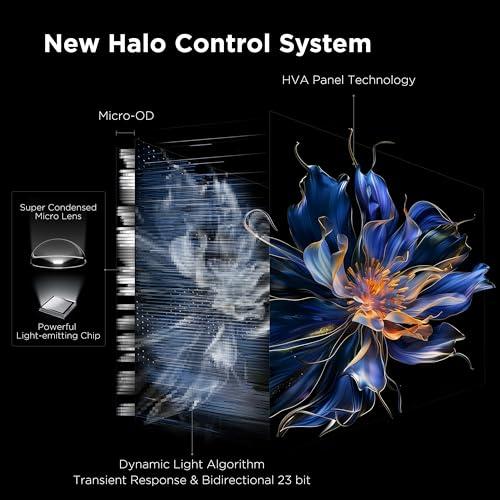
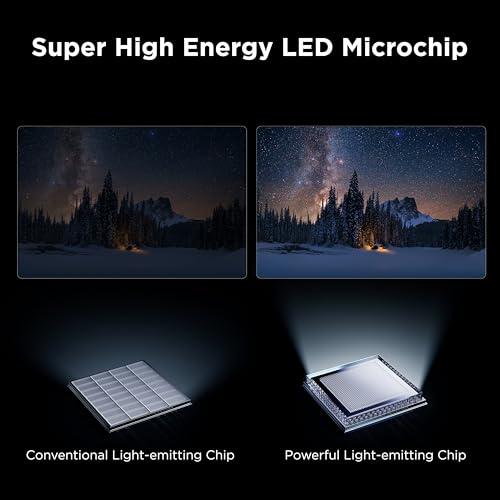
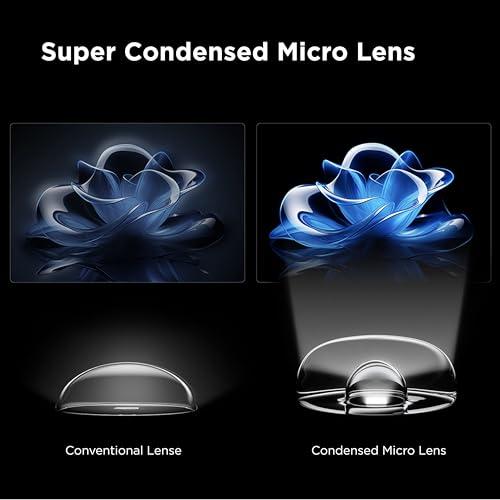
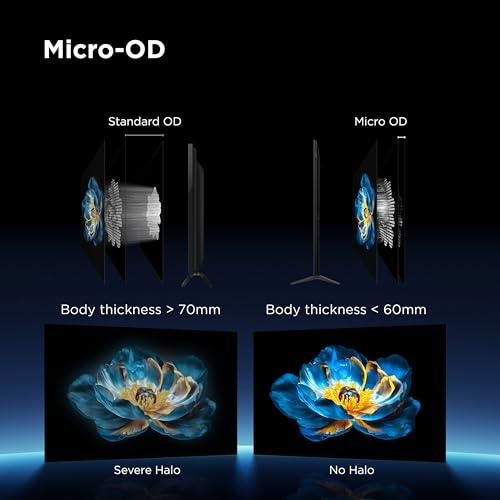
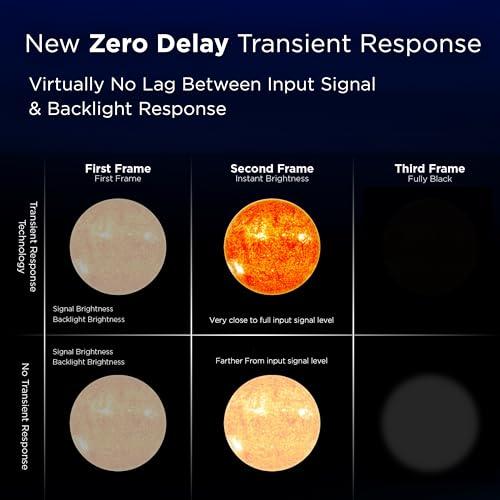
TCL's implementation includes their Halo Control System, which combines hardware and software to minimize these blooming effects. The system uses a Super High Energy LED Microchip, Condensed Micro Lens technology, and Micro-OD (Optical Distance reduction) to achieve what they call "halo-free" images. In practice, this means sharper transitions between light and dark areas of the screen.
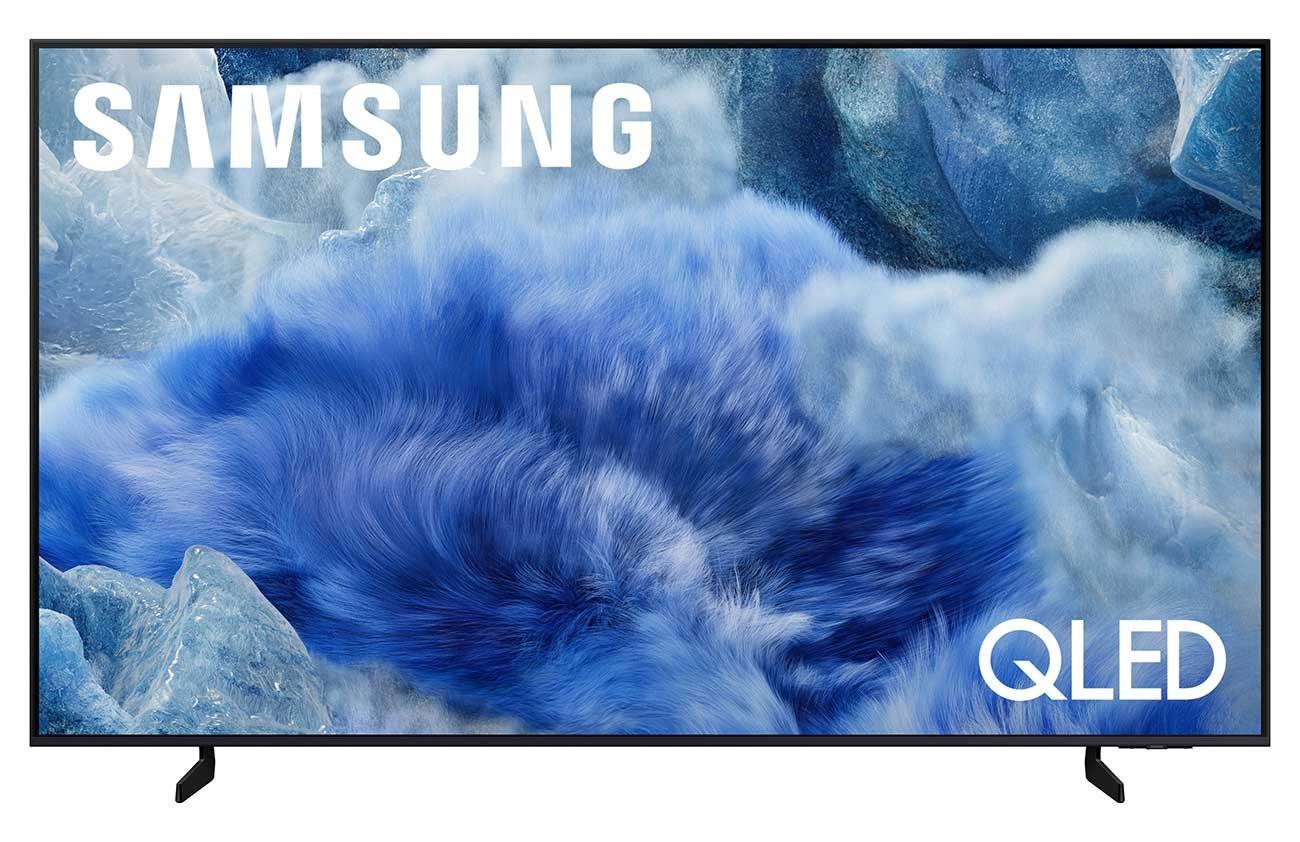
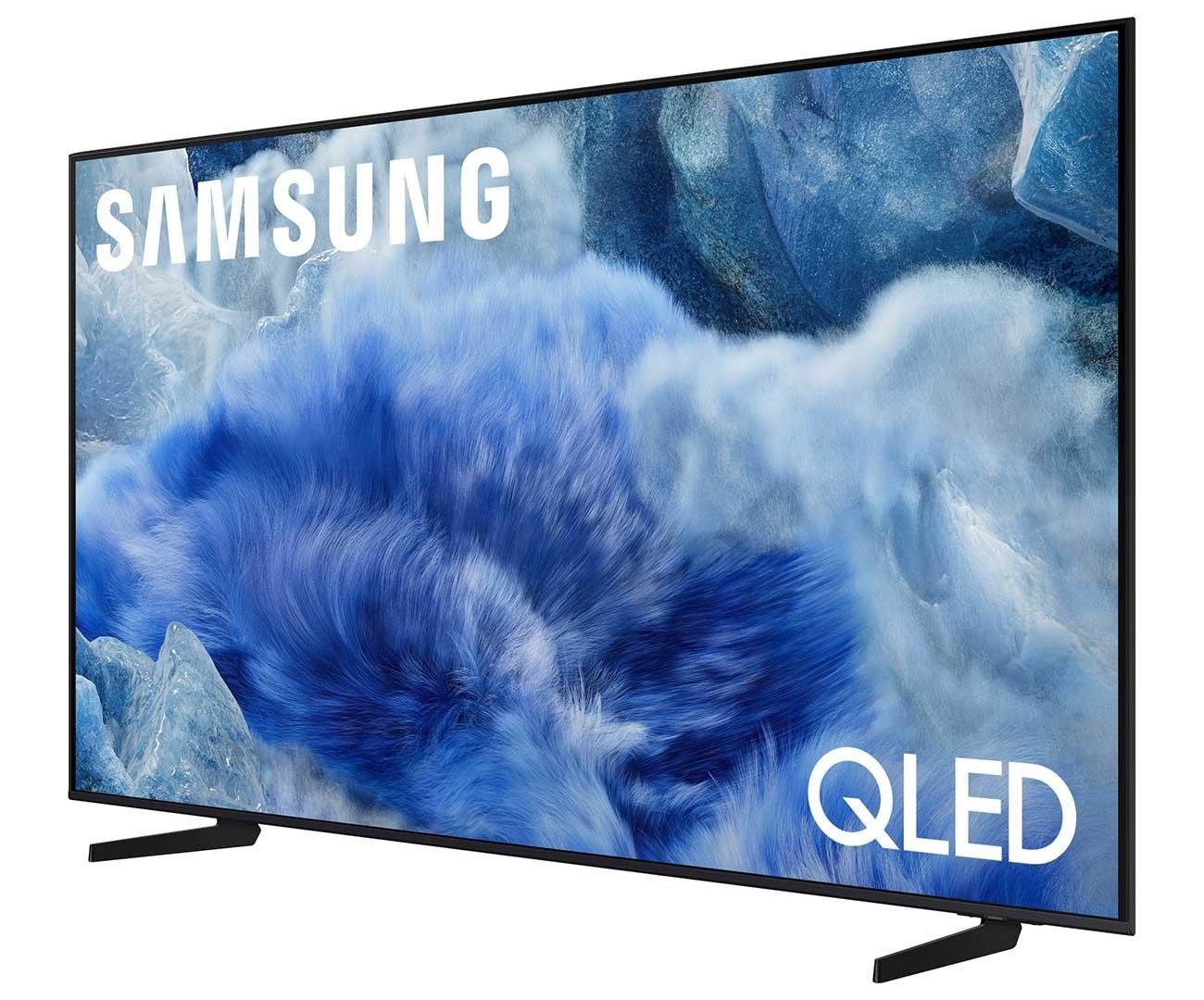
The Samsung QN8F, part of Samsung's 2025 lineup, takes a more traditional but refined approach with Dual LED technology. Instead of Mini-LEDs, Samsung uses two types of LEDs—warm and cool—to create better color temperature control across the screen. While this doesn't provide the same level of local dimming precision as Mini-LED, Samsung's Quantum Dot implementation is particularly mature.
Samsung's Supreme UHD Dimming analyzes the image and adjusts brightness and contrast in different screen areas, though with fewer zones than the TCL's system. The trade-off is typically less precise light control but potentially better overall uniformity.
Peak brightness is crucial for HDR (High Dynamic Range) content, which includes most modern movies and shows on streaming platforms. HDR content contains information about both very bright and very dark parts of images, requiring a TV that can display both extremes convincingly.
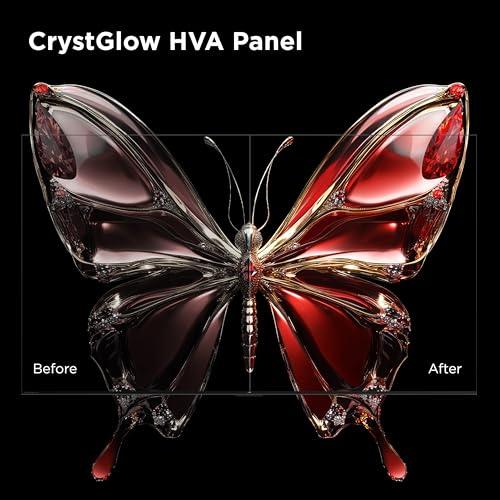
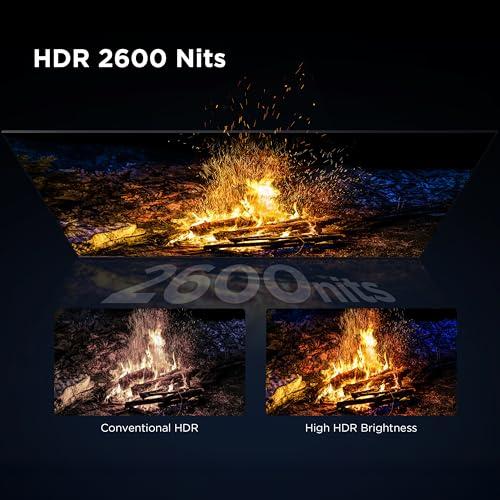
The TCL 65QM7K achieves impressive peak brightness levels of up to 3,000 nits in HDR content, with its CrystGlow HVA Panel delivering a native contrast ratio of 7,000:1. For context, many mid-range TVs struggle to exceed 1,000 nits, so this level of brightness puts the TCL in premium territory.
This high brightness capability means HDR content—like scenes with bright sunlight, explosions, or reflections off water—will look much more realistic and impactful. The contrast ratio represents the difference between the darkest and brightest parts the TV can display simultaneously, with higher numbers indicating better ability to show detail in both shadows and highlights.
The Samsung QN8F supports Quantum HDR+ but doesn't specify peak brightness numbers, which typically indicates it's lower than competing Mini-LED models. However, Samsung's color processing tends to be excellent, potentially offering better color accuracy even at lower peak brightness levels.
Gaming has become a major consideration for TV buyers, especially with the PlayStation 5 and Xbox Series X pushing 4K gaming at high frame rates. Both TVs offer impressive gaming features, but with different strengths.
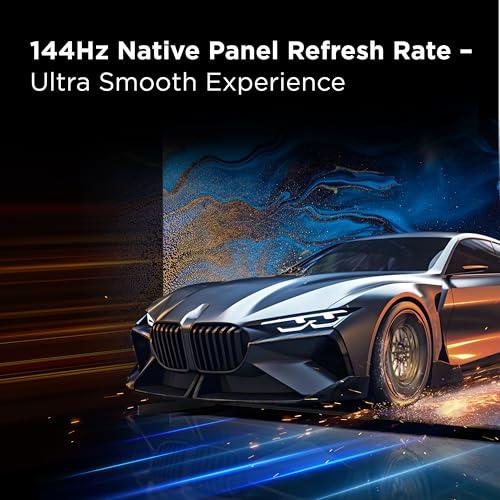
The TCL 65QM7K leads in raw gaming performance with its native 144Hz refresh rate at 4K resolution. Refresh rate measures how many times per second the screen updates its image—higher numbers mean smoother motion, especially important for fast-paced games.
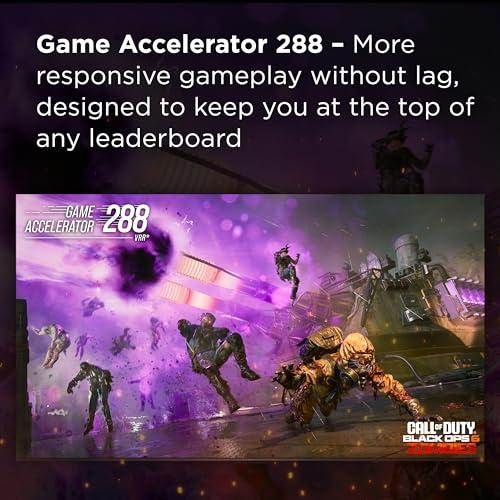
What's particularly impressive is TCL's Game Accelerator 288 technology, which can handle up to 288Hz at 1080p resolution. This extreme refresh rate primarily benefits competitive gaming where every millisecond of response time matters. The TV also supports Variable Refresh Rate (VRR) up to 144Hz and includes AMD FreeSync Premium Pro certification.
VRR is crucial because it allows the TV's refresh rate to match the game console's frame rate output, eliminating screen tearing and stuttering that can occur when these rates don't sync up.
The Samsung QN8F offers solid gaming performance with 120Hz refresh rate and Motion Xcelerator 144Hz technology. While not quite matching the TCL's peak performance, this is still excellent for gaming and more than adequate for current console capabilities.
Both TVs support Auto Low Latency Mode (ALLM), which automatically switches to game mode when it detects a gaming signal, reducing input lag—the delay between pressing a controller button and seeing the action on screen.
For most gamers, both TVs will provide excellent experiences. The TCL's advantage becomes most apparent in competitive PC gaming where extremely high frame rates matter. Console gamers will be well-served by either option, though the TCL's superior brightness and contrast will make HDR games more visually impressive.
The smart TV experience has become increasingly important as more people cut cable cords and rely entirely on streaming services.
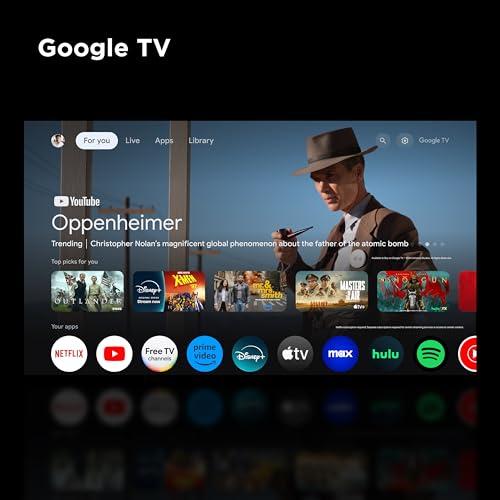
The TCL 65QM7K runs Google TV, which is essentially an evolved version of Android TV with better content recommendations and interface design. Google TV excels at aggregating content from multiple streaming services, showing you everything available across Netflix, Disney+, Amazon Prime, and others in one interface.
The integration with Google's ecosystem is seamless—you can cast from any Android device, use Google Assistant for voice control, and access the full Google Play Store for apps. The TV includes hands-free voice control with a far-field microphone array, meaning you can talk to it without using the remote.
Google TV's strength lies in its open ecosystem and excellent search capabilities. It's particularly good at helping you discover new content and picking up where you left off across different devices.
The Samsung QN8F uses Samsung's Tizen operating system with their One UI interface. Tizen has matured significantly over the years and now offers a smooth, responsive experience with access to all major streaming apps.
Samsung's 2025 model includes enhanced Bixby voice assistant capabilities and their new Vision AI technology, which analyzes content in real-time to optimize picture and sound settings automatically. An interesting addition is the Generative Wallpaper feature, which uses AI to create custom wallpapers based on keywords you provide.
Tizen's advantage is tight integration with other Samsung devices—if you have Samsung phones, soundbars, or other appliances, they'll work together seamlessly. Samsung's interface tends to be more visually polished, though some users find it less flexible than Google TV.
TV speakers often get overlooked, but they're important since not everyone wants to invest in a separate sound system immediately.
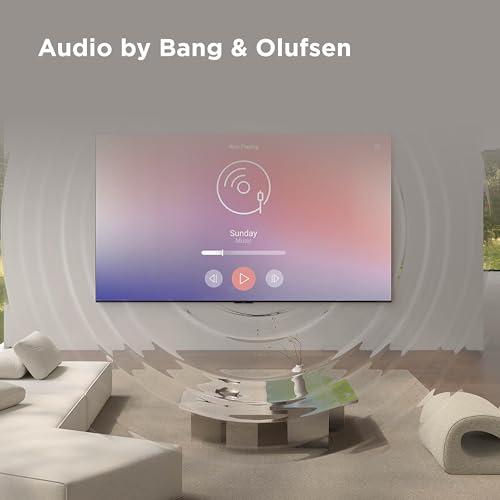
The TCL 65QM7K includes a Bang & Olufsen audio system with 60W total power output. Bang & Olufsen is a respected Danish audio company, and their tuning typically delivers clear dialogue and reasonably powerful bass for built-in speakers. The system supports Dolby Atmos, which creates more immersive, three-dimensional sound when watching compatible content.
The Samsung QN8F features a 20W 2-channel speaker system with Adaptive Sound+ technology. While the power output is lower, Samsung's audio processing is sophisticated—Adaptive Sound+ analyzes scenes in real-time and adjusts audio accordingly. The TV also supports Q-Symphony, which allows it to work in harmony with compatible Samsung soundbars.
For most viewers, the TCL's higher-powered speakers will provide noticeably better sound quality, especially for movies and shows with dynamic soundtracks. However, both TVs will benefit from adding a dedicated sound system for the best experience.
Modern premium TVs rely heavily on processing power to upscale content, adjust settings in real-time, and optimize performance.
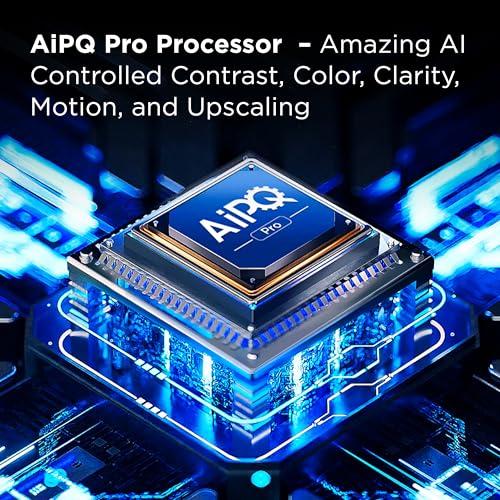
The TCL 65QM7K uses TCL's AiPQ Pro Processor, which handles multiple AI-driven improvements simultaneously. These include AI 4K upscaling (improving lower-resolution content), AI-HDR enhancement, AI color optimization, and AI motion smoothing. The processing is particularly important because most content isn't native 4K, so the TV must intelligently fill in missing detail.
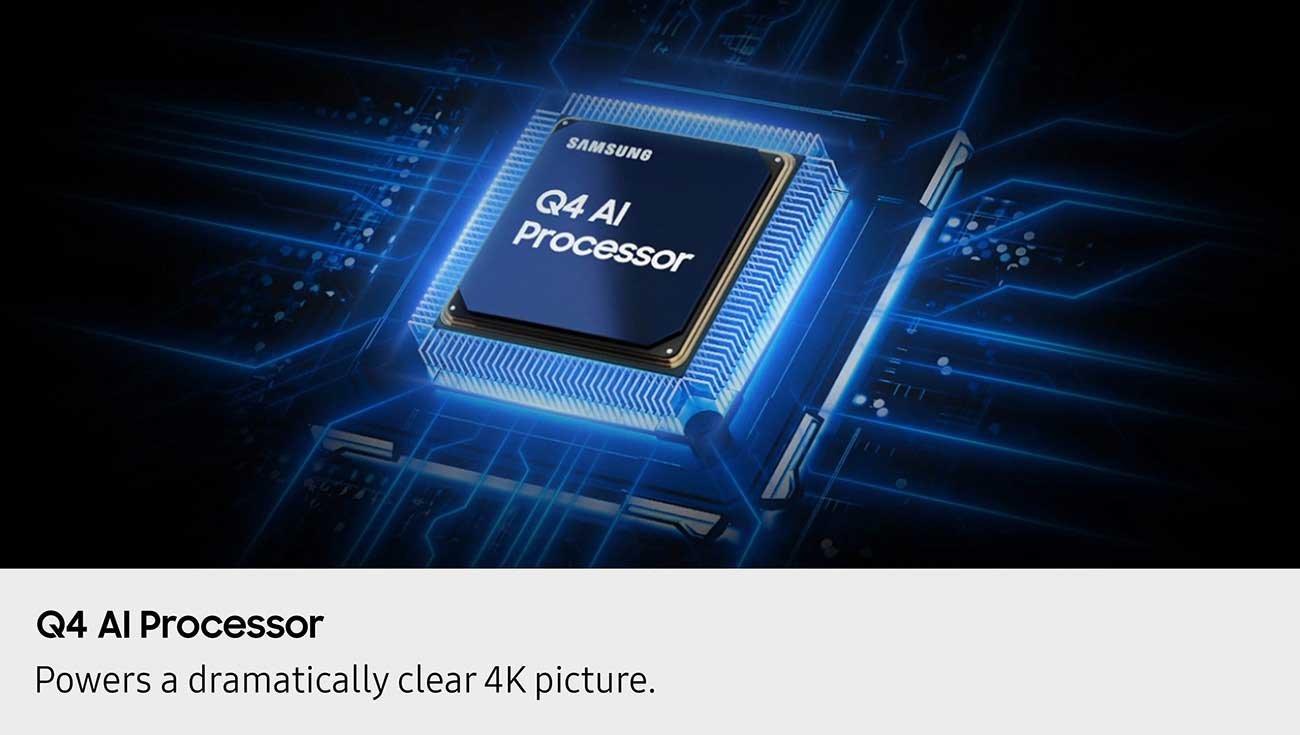
Samsung's Q4 AI Processor in the QN8F focuses on content analysis and real-time optimization. The Vision AI feature represents Samsung's latest advancement, automatically adjusting picture settings based on what type of content you're watching and your room's lighting conditions.
Both systems work well, but TCL's approach seems more comprehensive in addressing multiple picture quality aspects simultaneously.
Physical design matters, especially for large 65-inch displays that dominate living spaces.
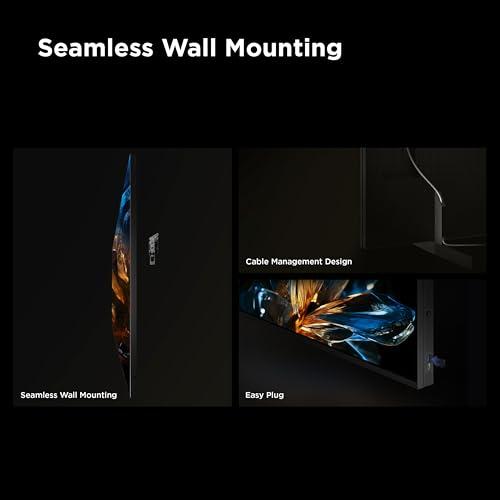
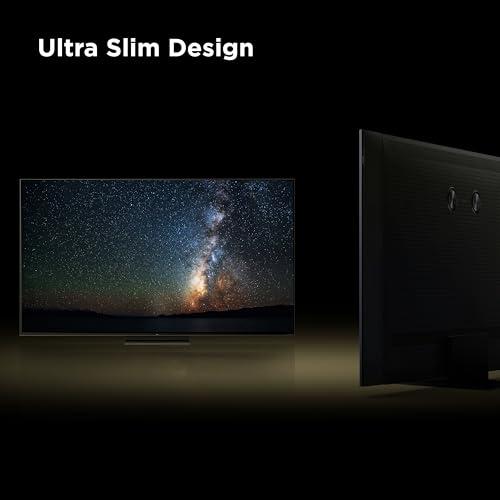
The TCL 65QM7K features a slim profile achieved through their micro-OD (Optical Distance) technology, which reduces the space between the backlight and LCD panel without compromising light uniformity. The TV includes nanoscale low-reflective film to reduce glare, which is particularly valuable in bright rooms.
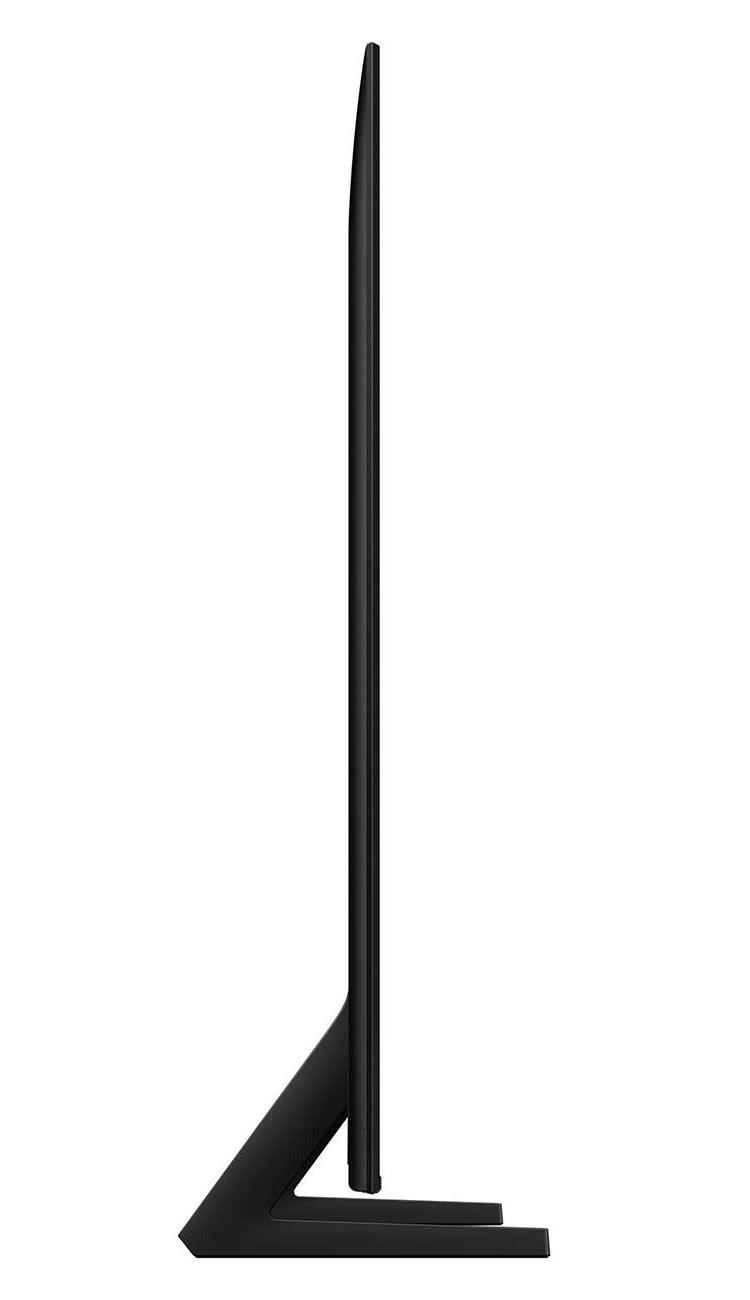
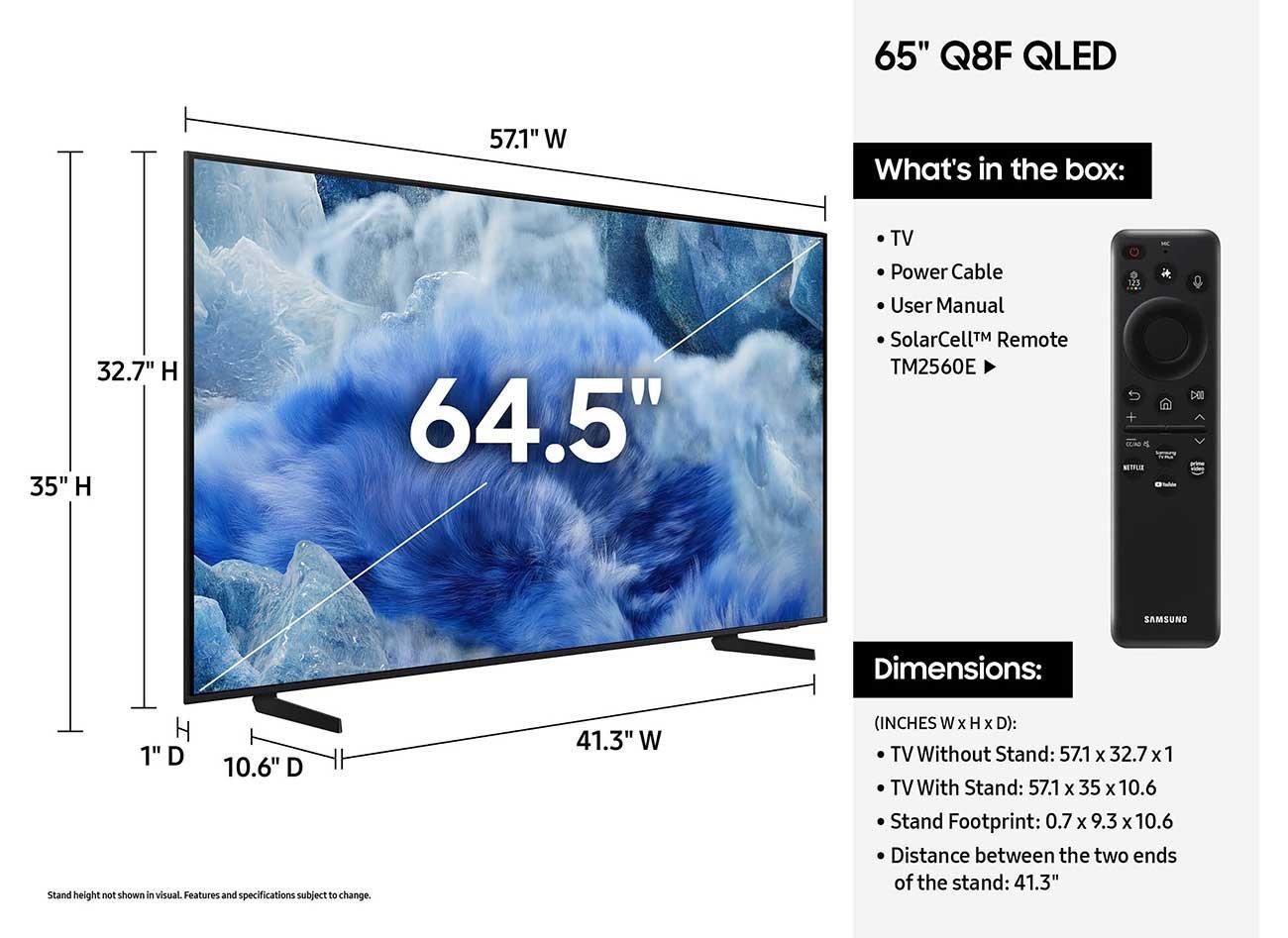
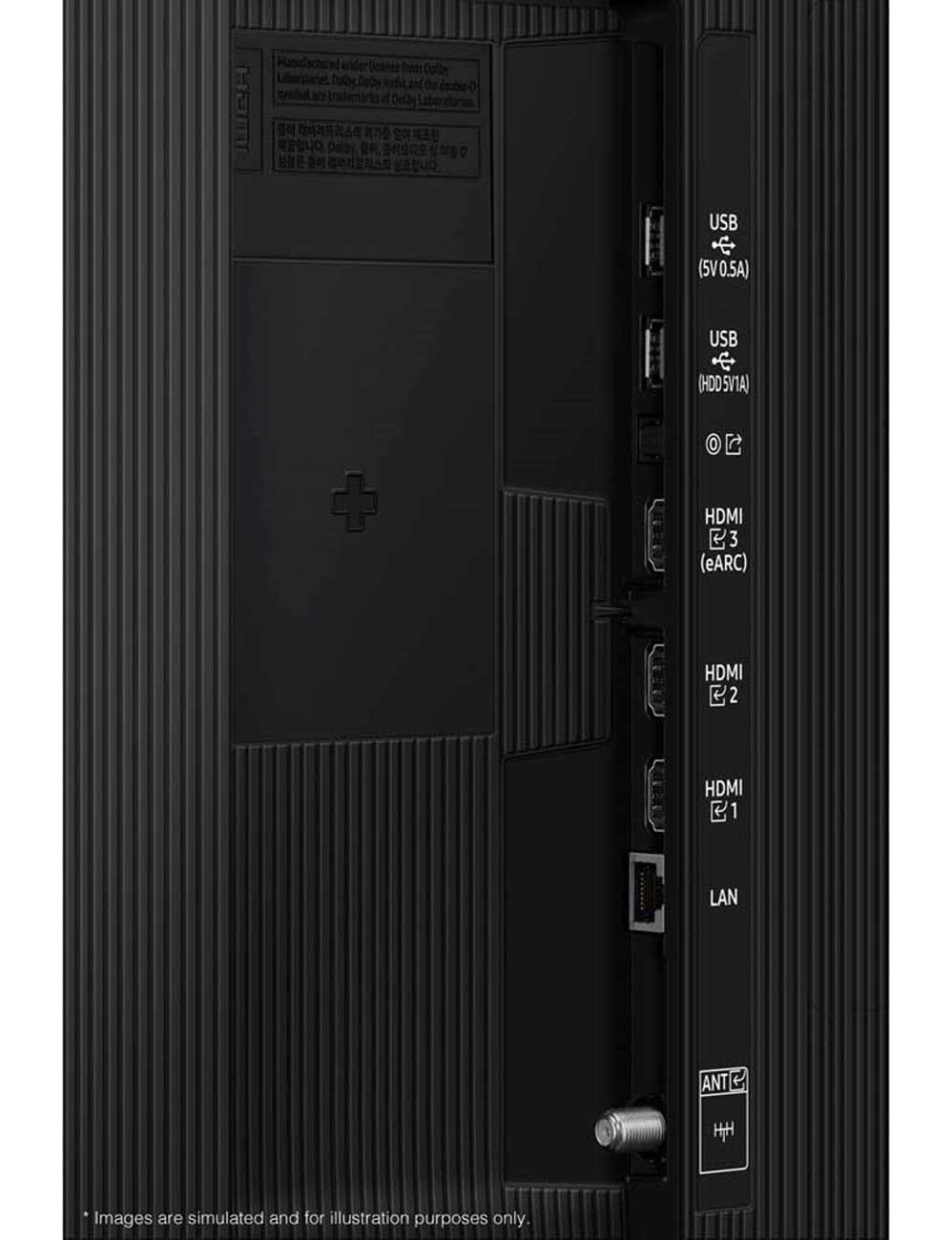
Samsung's QN8F showcases their AirSlim design philosophy, creating an notably thin profile that looks premium and modern. Samsung's build quality is typically excellent, with attention to details like cable management and stand stability.
At the time of writing, these TVs occupy different positions in the market. The TCL 65QM7K, despite being from 2024, offers flagship-level features at what's typically a more accessible price point. You're getting Mini-LED backlighting, exceptional brightness, superior gaming performance, and quality audio—features that would have cost significantly more just a few years ago.
The Samsung QN8F, being a 2025 model, likely commands a premium for its latest AI features and refined design. Samsung's brand reputation and ecosystem integration justify higher pricing for many buyers, but you're paying for polish and brand prestige rather than raw performance advantages.
For dedicated home theater setups, the TCL 65QM7K offers clear advantages. Its superior brightness and contrast ratio will make HDR movies more impactful, while the extensive local dimming provides better dark scene detail—crucial for cinematic experiences.
The Mini-LED backlighting particularly shines (literally) in dark viewing environments where the precise light control creates more convincing black levels and reduces distracting blooming effects around bright objects.
However, the Samsung QN8F's color processing and overall refinement shouldn't be dismissed. Samsung's TVs often provide more natural, film-like color reproduction that some viewers prefer for movie watching.
Choose the TCL 65QM7K if you:
Choose the Samsung QN8F if you:
Based on our research and evaluation of expert and user feedback, the TCL 65QM7K offers superior performance value, especially for picture quality enthusiasts and gamers. Its Mini-LED technology, exceptional brightness, and comprehensive feature set provide flagship-level experiences at more accessible pricing.
The Samsung QN8F serves buyers who prioritize ecosystem integration, brand reliability, and the latest software features. While it may not match the TCL's raw performance metrics, Samsung's refinement and user experience remain compelling.
For most buyers seeking the best combination of performance and value, the TCL 65QM7K represents the stronger choice. However, committed Samsung ecosystem users will find the QN8F provides excellent quality with the integration benefits they value. Both represent solid choices in the premium 65-inch QLED market, just with different strengths and target audiences.
| TCL 65QM7K QD-Mini LED 4K Google TV | Samsung 65" QN8F Series QLED 4K Vision AI Smart TV 2025 |
|---|---|
| Display Technology - Determines picture quality and contrast performance | |
| QD-Mini LED with up to 2,500 local dimming zones | Traditional QLED with Dual LED backlighting |
| Peak Brightness - Critical for HDR content and bright room viewing | |
| Up to 3,000 nits (exceptional HDR performance) | Quantum HDR+ support (specific nits not disclosed, likely lower) |
| Refresh Rate - Important for gaming and sports viewing | |
| Native 144Hz at 4K, up to 288Hz at 1080p | 120Hz with Motion Xcelerator 144Hz technology |
| Gaming Features - Essential for console and PC gaming | |
| VRR up to 144Hz, AMD FreeSync Premium Pro, Game Master 2.0 | VRR support, ALLM, standard gaming optimizations |
| Smart TV Platform - Affects daily usability and app access | |
| Google TV with hands-free voice control, Chromecast built-in | Tizen OS with enhanced Bixby, Vision AI, Samsung ecosystem integration |
| Audio System - Built-in sound quality without external speakers | |
| Bang & Olufsen 60W system with Dolby Atmos | 20W 2-channel with Adaptive Sound+ and Q-Symphony |
| HDR Format Support - Compatibility with premium streaming content | |
| Dolby Vision IQ, HDR10+, HDR10, HLG (comprehensive support) | Quantum HDR+, HDR10+ Adaptive/Gaming (good but more limited) |
| AI Processing - Real-time picture and sound optimization | |
| AiPQ Pro Processor with comprehensive AI upscaling and enhancement | Q4 AI Processor with Vision AI content analysis |
| Design Philosophy - Physical appearance and build quality | |
| Slim profile with micro-OD technology, anti-glare coating | AirSlim design, premium Samsung build quality |
| Release Year - Technology generation and future-proofing | |
| 2024 model with mature Mini-LED implementation | 2025 model with latest AI features and refinements |
| Target Market - Who gets the best value from each TV | |
| Performance enthusiasts and gamers seeking flagship features at midrange pricing | Samsung ecosystem users wanting premium brand experience with latest AI innovations |
The TCL 65QM7K delivers superior picture quality with its QD-Mini LED technology and up to 2,500 local dimming zones. It achieves peak brightness of 3,000 nits compared to the Samsung QN8F's traditional QLED backlighting. The TCL's Mini-LED system provides better contrast, deeper blacks, and more precise light control, making it the clear winner for picture quality.
The TCL 65QM7K is significantly better for gaming with its native 144Hz refresh rate at 4K and up to 288Hz at 1080p. It supports VRR up to 144Hz and includes AMD FreeSync Premium Pro certification. The Samsung QN8F offers 120Hz with Motion Xcelerator technology, which is good but doesn't match the TCL's gaming performance capabilities.
This depends on your ecosystem preferences. The TCL QM7K runs Google TV, which excels at content discovery across multiple streaming services and integrates seamlessly with Android devices. The Samsung QN8F uses Tizen with enhanced Bixby and Vision AI features, offering better integration with Samsung devices and a more polished interface.
The TCL 65QM7K has superior built-in audio with its Bang & Olufsen 60W system supporting Dolby Atmos. The Samsung QN8F features a 20W 2-channel system with Adaptive Sound+ technology. While both support advanced audio processing, the TCL provides noticeably better sound quality and power output.
The TCL 65QM7K performs much better in bright rooms due to its exceptional 3,000 nits peak brightness and anti-glare coating. The Samsung QN8F has good brightness but doesn't specify peak nits, suggesting lower performance. For bright living rooms or rooms with lots of windows, the TCL is the superior choice.
Yes, but the TCL 65QM7K is better suited for dedicated home theaters. Its Mini-LED backlighting with 2,500 local dimming zones provides superior dark room performance, better black levels, and more precise light control crucial for cinematic viewing. The Samsung QN8F offers good performance but lacks the contrast precision needed for optimal home theater experiences.
The TCL 65QM7K supports more comprehensive HDR formats including Dolby Vision IQ, HDR10+, HDR10, and HLG, ensuring compatibility with all major streaming services and content sources. The Samsung QN8F supports Quantum HDR+ and HDR10+ Adaptive/Gaming but has more limited format support overall.
Both TVs offer advanced AI processing but with different approaches. The TCL QM7K uses AiPQ Pro Processor for comprehensive AI upscaling, color enhancement, and motion processing. The Samsung QN8F features Q4 AI Processor with Vision AI that analyzes content in real-time for automatic optimization. Samsung's implementation is newer but TCL's appears more comprehensive.
Both offer premium designs but with different philosophies. The Samsung QN8F showcases Samsung's AirSlim design with exceptional build quality and attention to detail. The TCL 65QM7K features a slim profile using micro-OD technology with practical anti-glare coating. Samsung typically has a slight edge in overall build refinement.
Yes, both the TCL QM7K with Google TV and Samsung QN8F with Tizen support all major streaming services including Netflix, Disney+, Amazon Prime Video, Apple TV+, and more. Google TV may have slight advantages in app availability due to its Android base, while Tizen offers excellent optimization for popular services.
The TCL 65QM7K typically offers superior value with flagship-level Mini-LED technology, exceptional gaming performance, and comprehensive features at a more accessible price point. The Samsung QN8F commands a premium for its 2025 model year, latest AI features, and Samsung brand reputation, making the TCL the better value choice for most buyers.
Choose the TCL 65QM7K if you prioritize picture quality, gaming performance, and value, especially for home theater use. Choose the Samsung QN8F if you're already invested in Samsung's ecosystem, want the latest AI features, and prefer Samsung's brand reliability. For most buyers seeking the best performance per dollar, the TCL is the recommended choice.
We've done our best to create useful and informative comparisons to help you decide what product to buy. Our research uses advanced automated methods to create this comparison and perfection is not possible - please contact us for corrections or questions. These are the sites we've researched in the creation of this article: bestbuy.com - businessinsider.com - tomsguide.com - tomsguide.com - rtings.com - tomsguide.com - youtube.com - rtings.com - consumerreports.org - youtube.com - youtube.com - displayspecifications.com - youtube.com - tcl.com - tcl.com - tcl.com - youtube.com - rcwilley.com - bestbuy.com - tclcentral.com - displayspecifications.com - tomsguide.com - tcl.com - brandsmartusa.com - tcl.com - tcl.com - gizmochina.com - nfm.com - dolby.com - alexraytv.com - bestbuy.com - samsung.com - rtings.com - youtube.com - samsung.com - pcrichard.com - abt.com - images.samsung.com - cnet.com - news.samsung.com - samsung.com - bestbuy.com

Privacy Policy
Terms and Conditions - Affiliate Policy
Home Security
© Copyright 2008-2026.
11816 Inwood Rd #1211, Dallas, TX 75244