

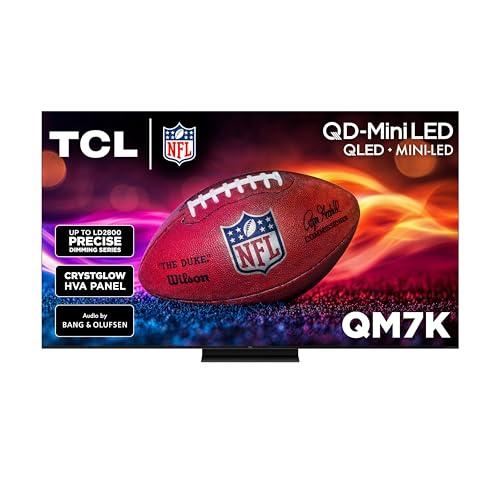
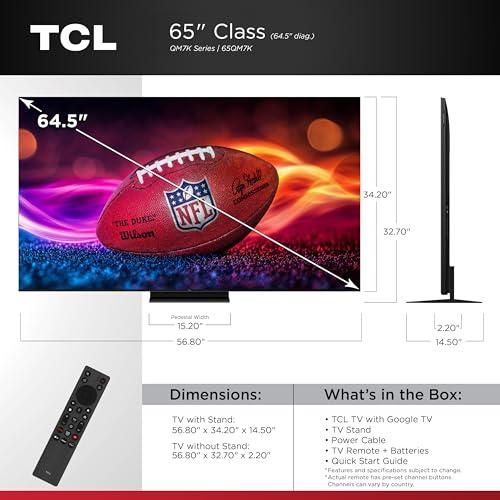
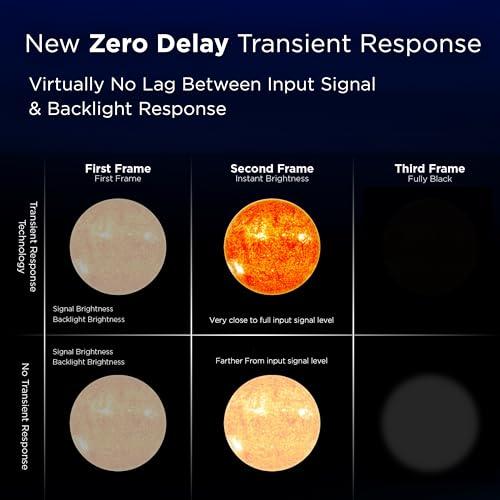
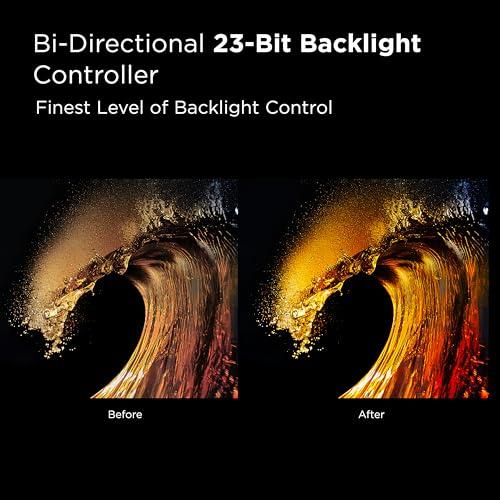
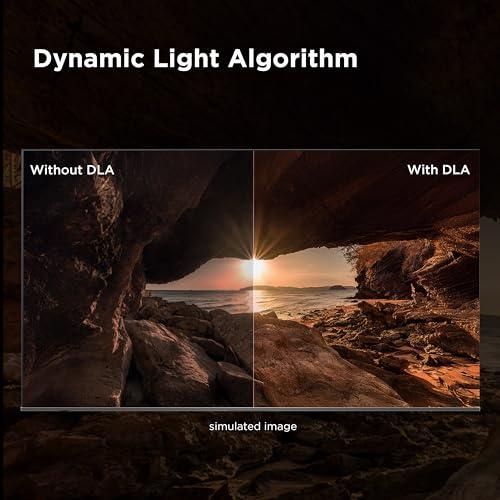
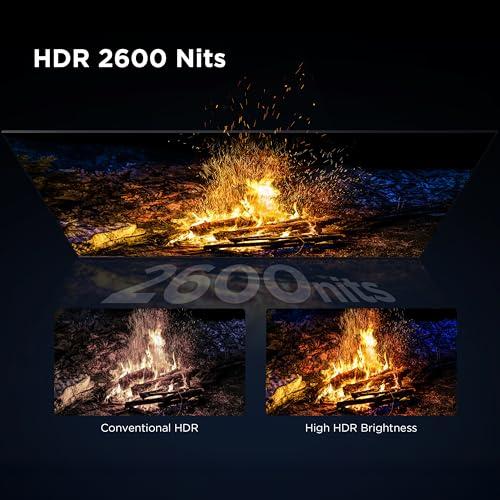
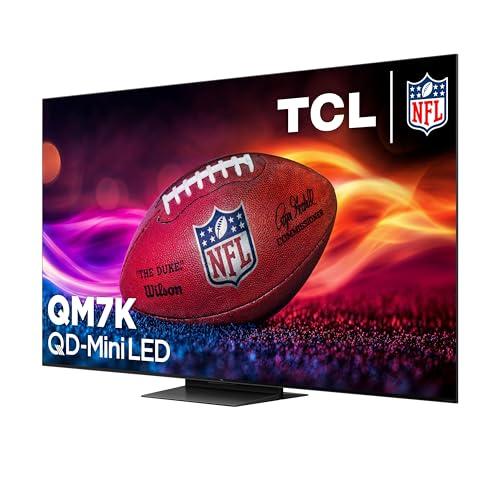
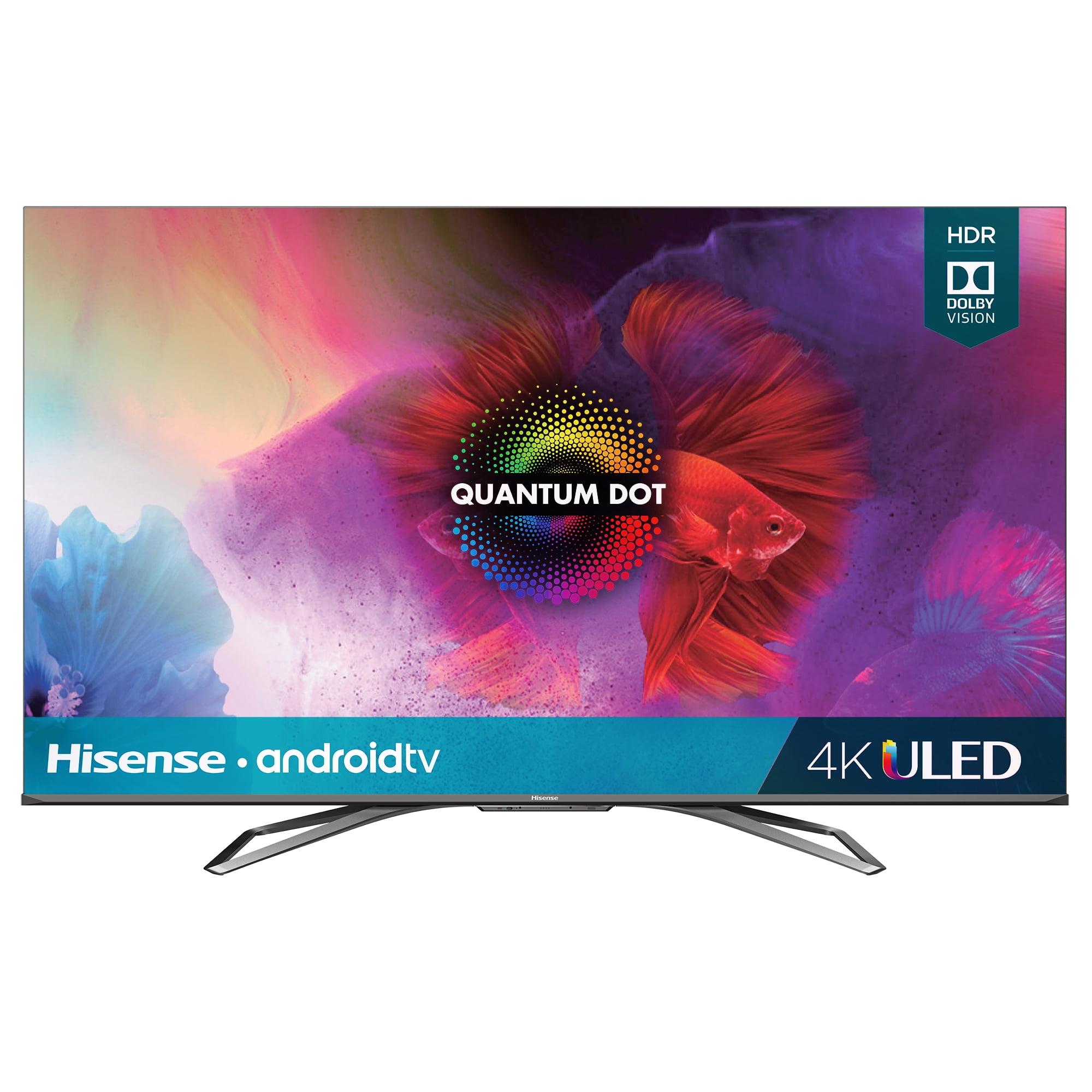
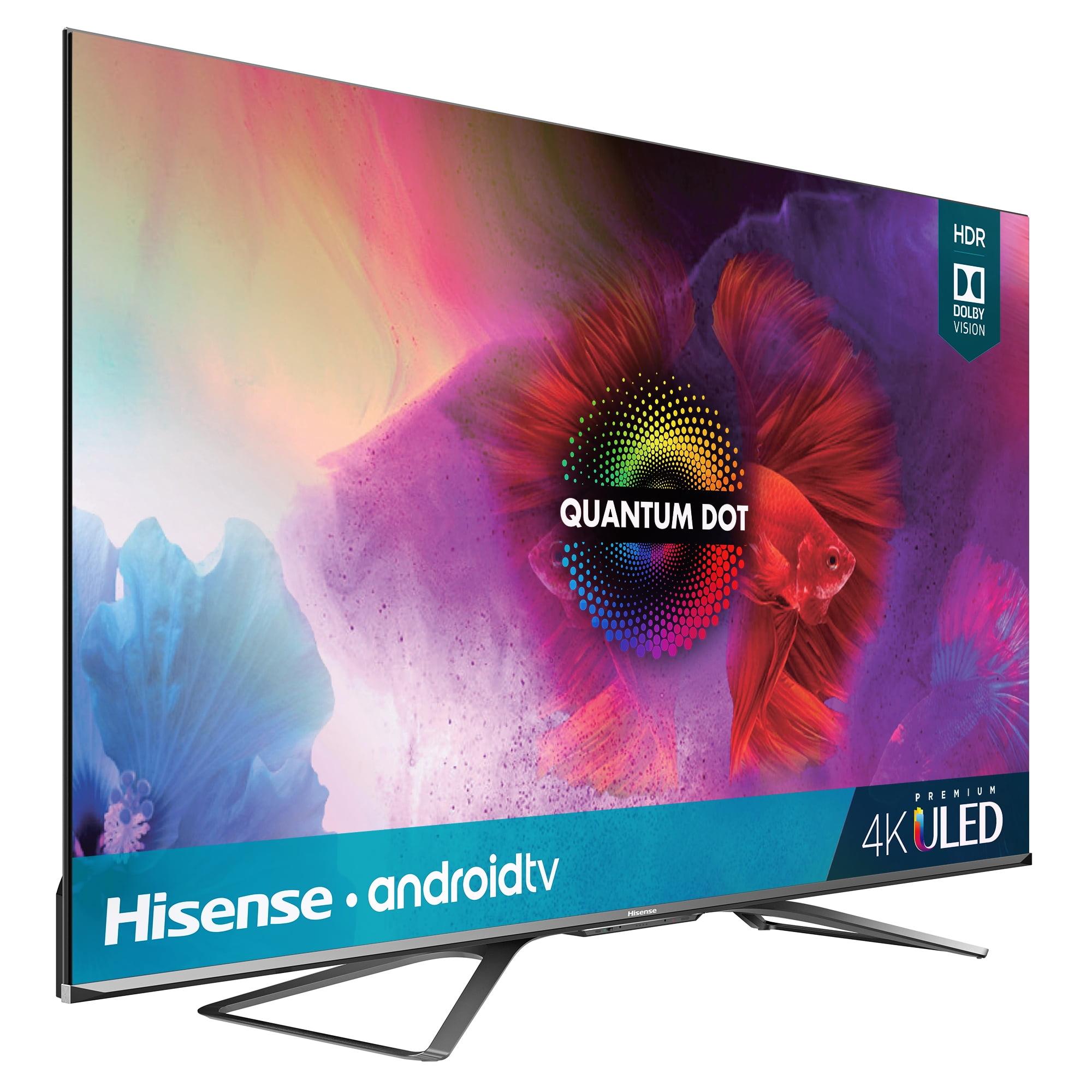

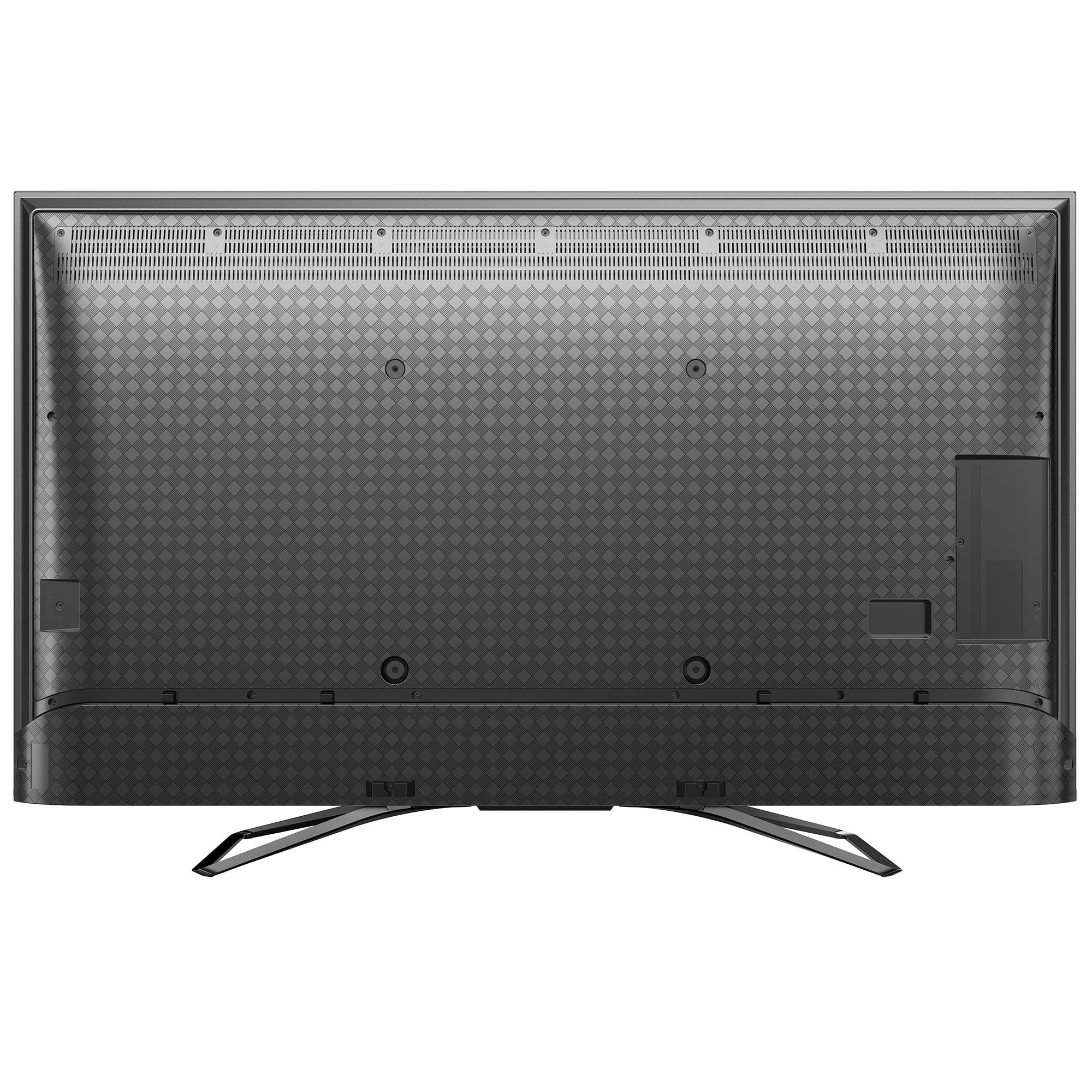
When shopping for a premium 65-inch TV, you're entering the sweet spot of home entertainment. This size delivers that cinematic experience without overwhelming most living rooms, and both the TCL 65QM7K and Hisense 65" H9G promise impressive features. But here's the thing: one of these TVs is from 2020, while the other represents 2024/2025 technology—and that four-year gap makes a massive difference.
The TV landscape has evolved dramatically since the Hisense H9G launched. We've seen the rise of Mini-LED technology, HDMI 2.1 becoming essential for gaming, and smart platforms getting major overhauls. Meanwhile, the TCL QM7K incorporates these modern advances while typically selling for less money. That alone should grab your attention, but let's dig into what really matters for your viewing experience.
Before we compare these specific models, it's worth understanding what separates premium TVs from budget options. The key battlegrounds are brightness, contrast, color accuracy, and motion handling. Premium TVs use advanced backlighting systems—either traditional LED arrays or newer Mini-LED technology—combined with quantum dot materials that enhance color reproduction.
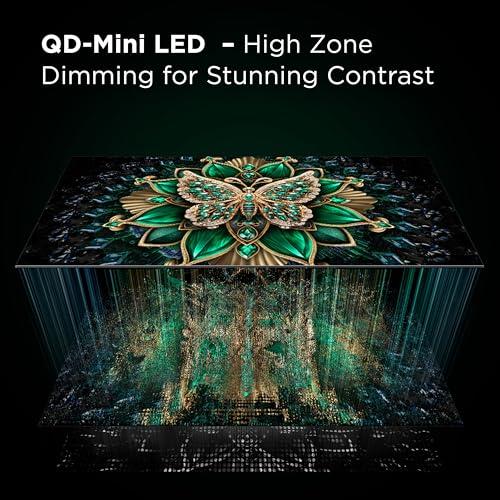
Local dimming is perhaps the most important feature to understand. Think of your TV's backlight as thousands of tiny flashlights behind the screen. Cheaper TVs might have just a few dozen of these "zones," while premium models can have hundreds or even thousands. More zones mean better control over which parts of the screen are bright or dark, creating that dramatic contrast that makes HDR content pop.
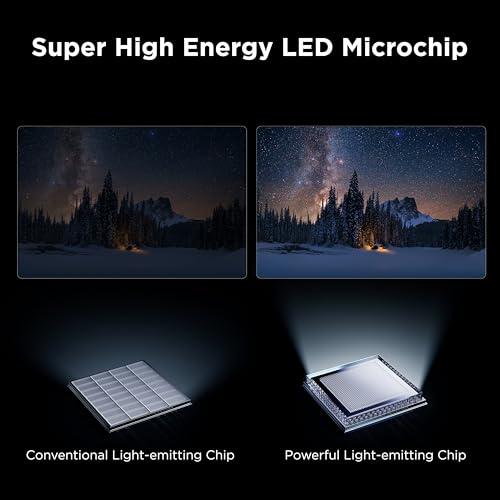
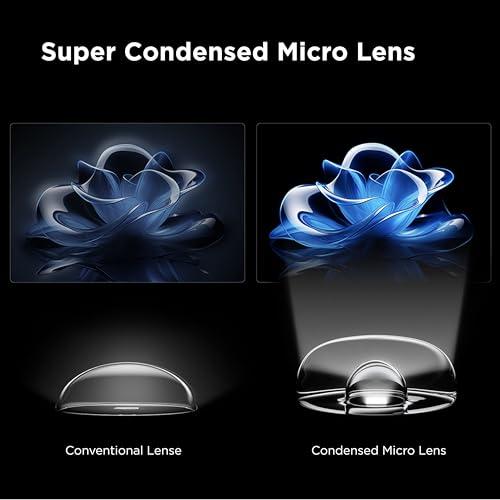
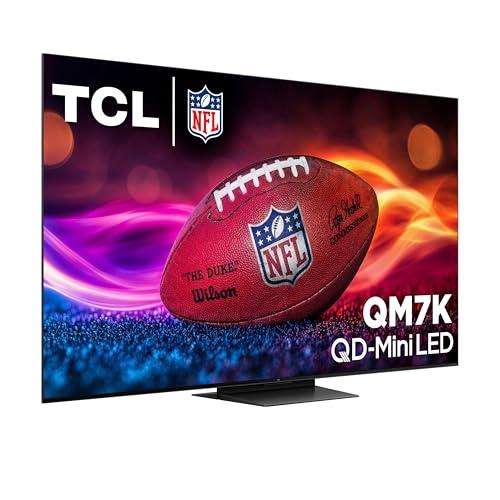
The TCL QM7K uses something called QD-Mini LED technology. This combines quantum dots (the "QD" part) for enhanced colors with Mini-LED backlighting. Mini-LEDs are literally tiny versions of traditional LEDs—we're talking about LEDs smaller than a grain of rice. This allows manufacturers to pack thousands of them behind the screen for incredibly precise light control. The TCL QM7K boasts over 2,500 local dimming zones, which is exceptional for its price range.
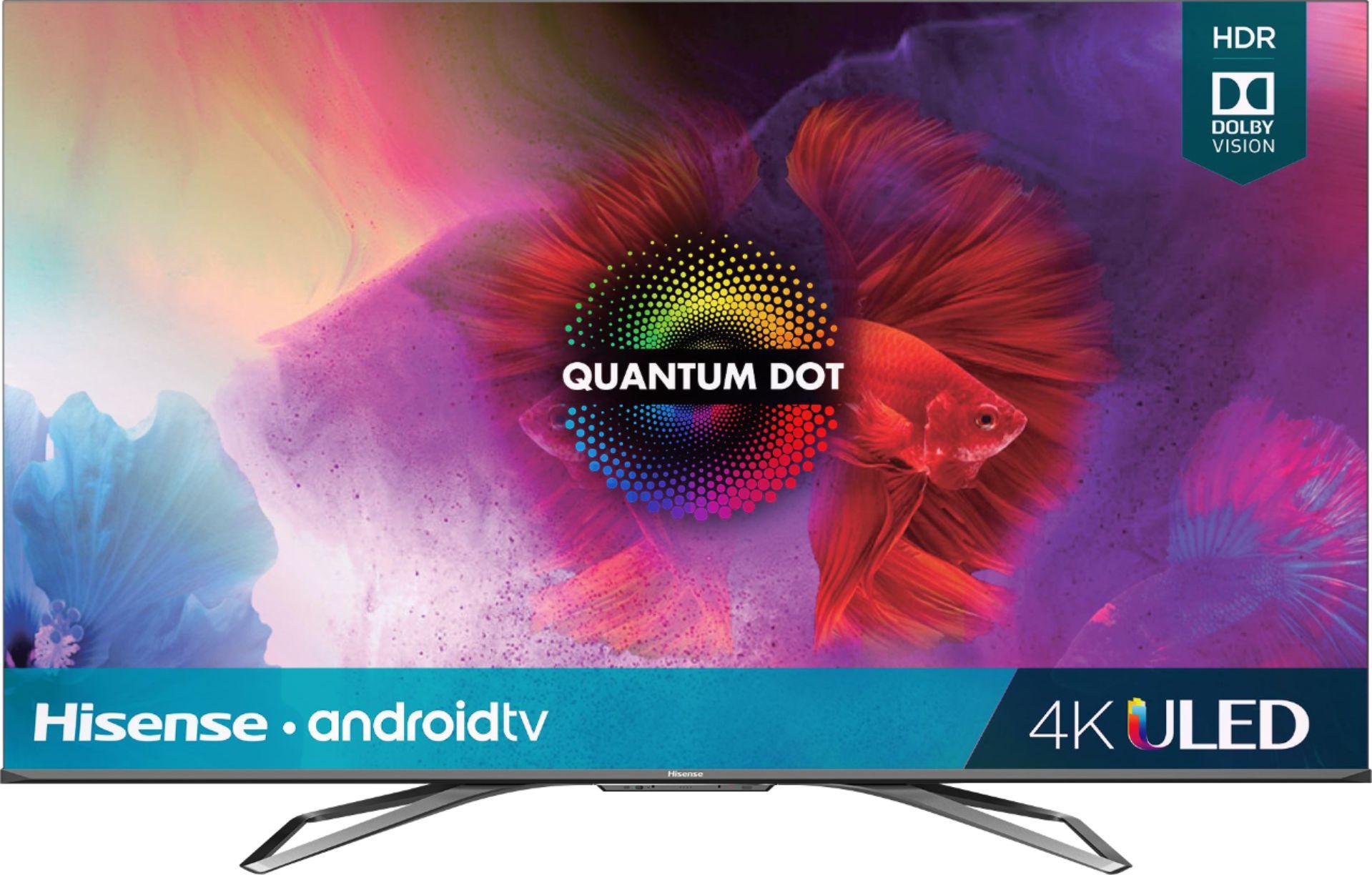
The Hisense H9G, being from 2020, uses traditional LED backlighting with approximately 180 local dimming zones. While 180 zones was impressive four years ago, it's now considered entry-level for premium TVs. It's like comparing a high-resolution digital camera to one from 2020—the fundamental technology has advanced significantly.
The most striking difference between these TVs becomes apparent the moment you see HDR content. HDR (High Dynamic Range) is what makes modern movies and shows look dramatically better than older content—brighter highlights, deeper shadows, and more vibrant colors that closer match what your eyes see in real life.
The TCL QM7K can reach peak brightness levels of 2,600 nits. To put that in perspective, a typical indoor environment measures around 100-300 nits, while direct sunlight can exceed 100,000 nits. The Hisense H9G tops out at around 1,000 nits—still respectable, but less than half the TCL's capability.
Why does this matter? When you're watching a scene with sunlight streaming through a window or an explosion in an action movie, higher peak brightness makes these highlights genuinely dazzling rather than just "bright." The difference is immediately noticeable, especially if you watch during the day or have ambient lighting in your room.
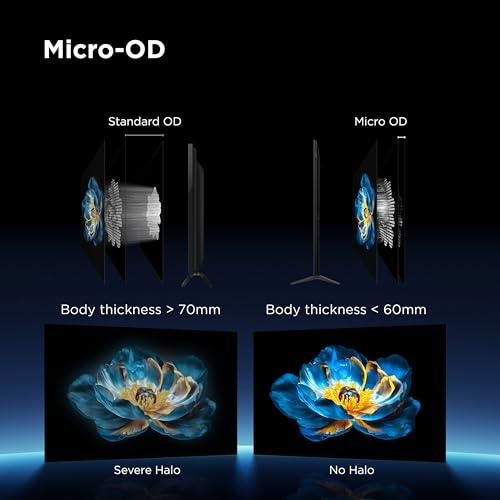
However, the Hisense H9G has one notable advantage: black levels. Despite having fewer dimming zones, it produces slightly deeper blacks with less "blooming"—that distracting halo effect you sometimes see around bright objects on dark backgrounds. For dedicated home theater use in a completely dark room, this gives the Hisense a slight edge for certain content like dark, atmospheric movies.
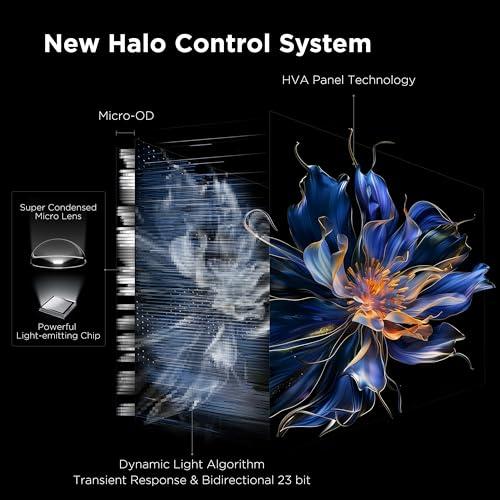
The TCL QM7K addresses blooming through what TCL calls their "Halo Control System." This combines advanced algorithms with their Mini-LED design to minimize those unwanted halos. While it doesn't completely eliminate blooming, it's substantially better controlled than older LED TVs, and the trade-off for dramatically higher brightness is usually worth it.
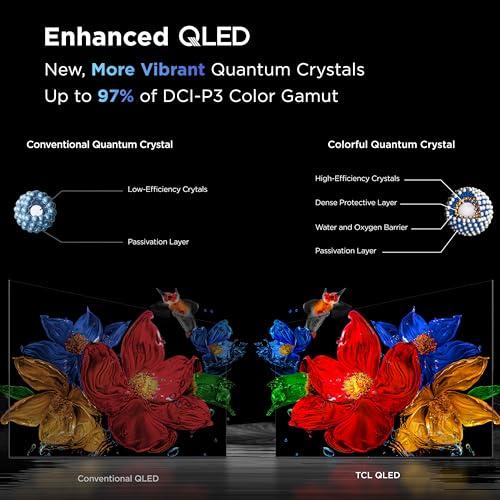
Color reproduction showcases another generational difference. The TCL QM7K covers 97% of the DCI-P3 color space—that's the color standard used in digital cinemas. Its quantum dot technology can display over a billion color combinations with remarkable accuracy. The Hisense H9G also uses quantum dot technology, but reviewers consistently note that its colors appear more natural out of the box, while the TCL tends toward more vivid, eye-catching colors that some viewers prefer and others find oversaturated.
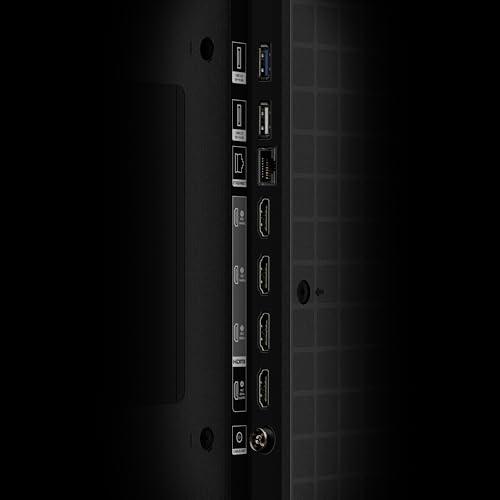
If you own a PlayStation 5, Xbox Series X, or plan to buy a next-generation console, this comparison becomes very one-sided. The TCL QM7K includes two HDMI 2.1 ports that can handle 4K gaming at 120Hz with Variable Refresh Rate (VRR) support. The Hisense H9G has zero HDMI 2.1 ports.
Let me explain why this matters. HDMI 2.1 provides the bandwidth necessary for high-refresh-rate gaming. Modern consoles can output games at 120 frames per second in 4K resolution, but only if your TV can accept that signal. The Hisense H9G maxes out at 4K/60Hz, meaning you're missing out on the smoother, more responsive gaming experience that next-gen consoles offer.
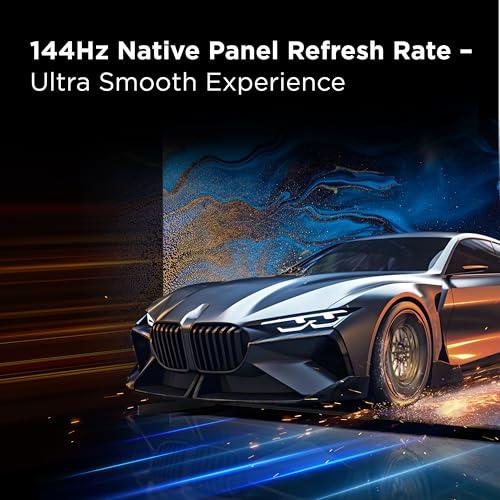
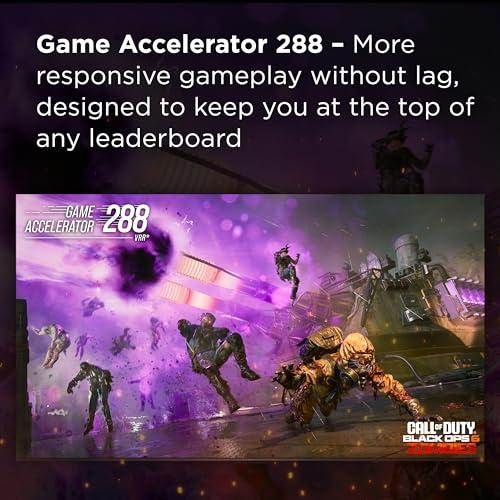
VRR is equally important. This technology synchronizes your TV's refresh rate with your console's frame output, eliminating screen tearing and stuttering. When a game dips from 120fps to 90fps during an intense action sequence, VRR adjusts the TV's refresh rate to match, maintaining smooth motion. The TCL QM7K supports VRR up to 144Hz and even offers a "Game Accelerator 288" mode for competitive 1080p gaming.
The TCL also includes AMD FreeSync Premium Pro certification, which provides additional gaming optimizations beyond basic VRR. For competitive gamers, the low input lag and high refresh capabilities make a noticeable difference in response times.
Gaming aside, higher refresh rates benefit sports and action movies too. Fast camera pans and quick cuts appear smoother on the TCL's 144Hz panel compared to the Hisense's 120Hz display.
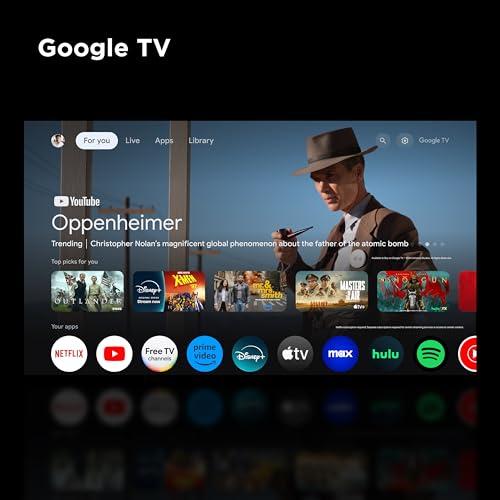
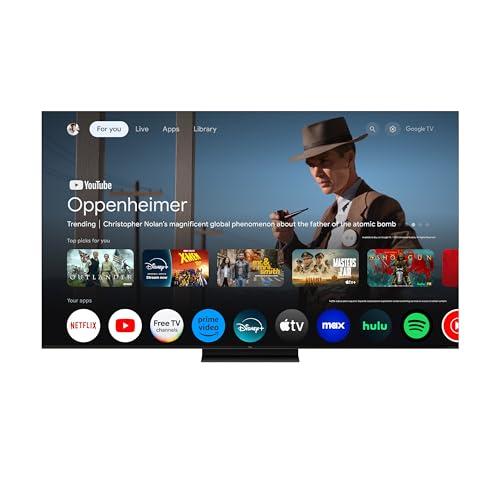
The smart TV experience represents another significant generational gap. The TCL QM7K runs Google TV, while the Hisense H9G uses the older Android TV platform.
Google TV launched as an evolution of Android TV, featuring a completely redesigned interface focused on content discovery rather than app navigation. Instead of hunting through different streaming apps, Google TV surfaces recommendations from across all your subscriptions on the main screen. The interface responds faster to remote commands and includes more sophisticated voice control through Google Assistant.
The TCL also supports hands-free voice control through built-in microphones, so you can adjust volume or search for content without picking up the remote. It integrates with Apple HomeKit, Amazon Alexa, and Google Assistant ecosystems, making it a better fit for smart homes.
The Hisense H9G's Android TV platform, while functional, feels dated in 2024. Navigation is slower, the interface looks more cluttered, and voice control is less sophisticated. It's not unusable, but it's clearly from an earlier generation of smart TV software.
Both TVs include Chromecast built-in, so you can easily cast content from your phone or tablet. However, the TCL adds Apple AirPlay 2 support, making it more versatile for iPhone and iPad users.
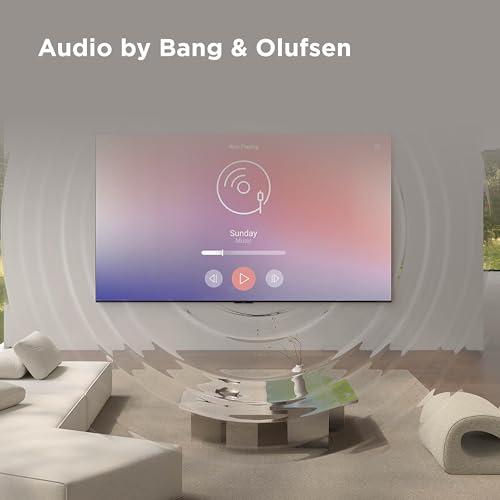
TV audio often gets overlooked, but it shouldn't be. The TCL QM7K includes a 60W audio system branded by Bang & Olufsen with Dolby Atmos support. The Hisense H9G offers 20W stereo speakers with Dolby Atmos processing.
The difference is immediately apparent. The TCL's speakers provide much fuller sound with better bass response and clearer dialogue. While neither TV replaces a dedicated soundbar for serious home theater use, the TCL is far more usable for everyday viewing without external speakers.
Dolby Atmos creates the illusion of three-dimensional sound by bouncing audio off your ceiling. Both TVs support this technology, but the TCL's more powerful speakers make better use of the processing.
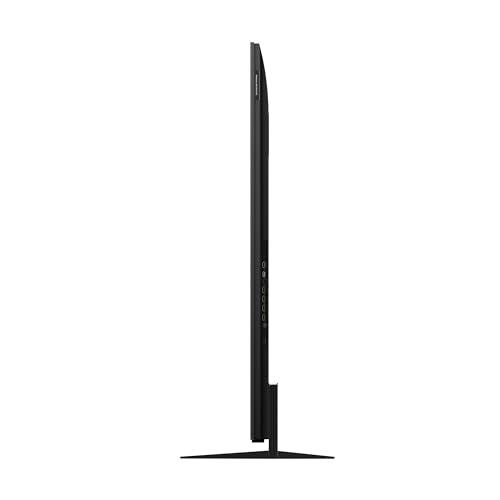
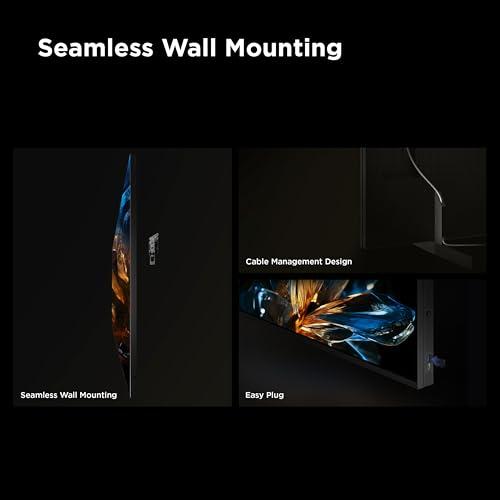
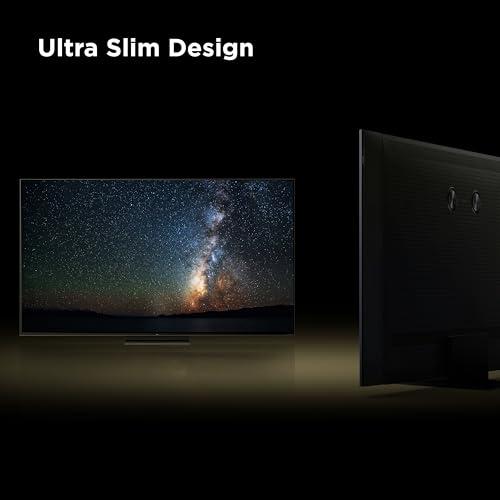
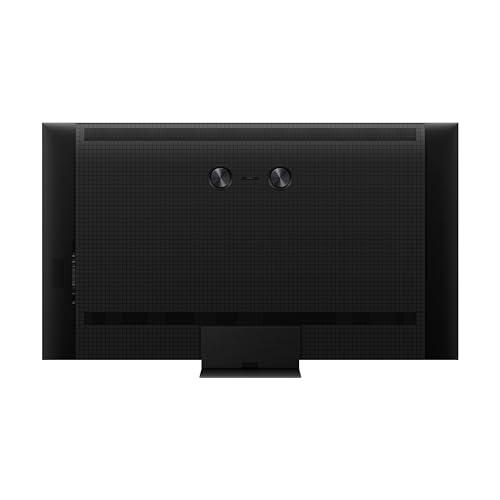
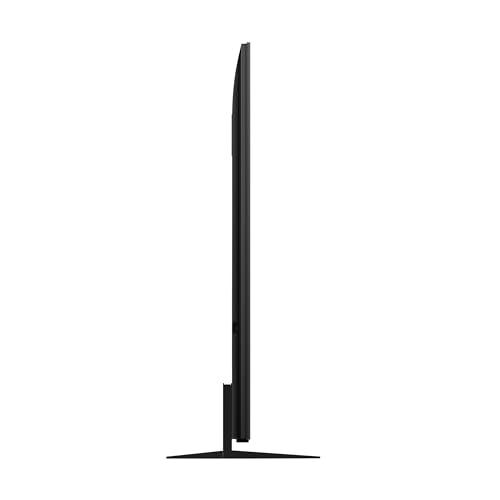
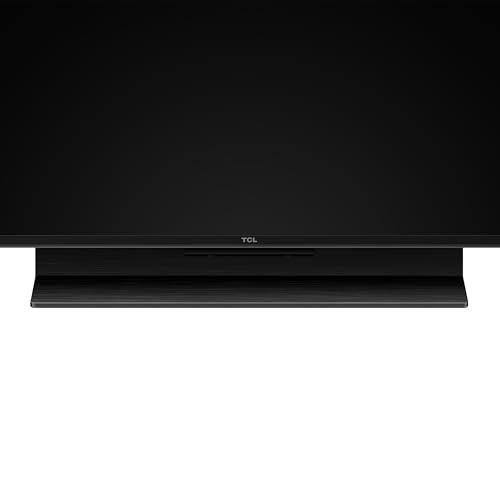
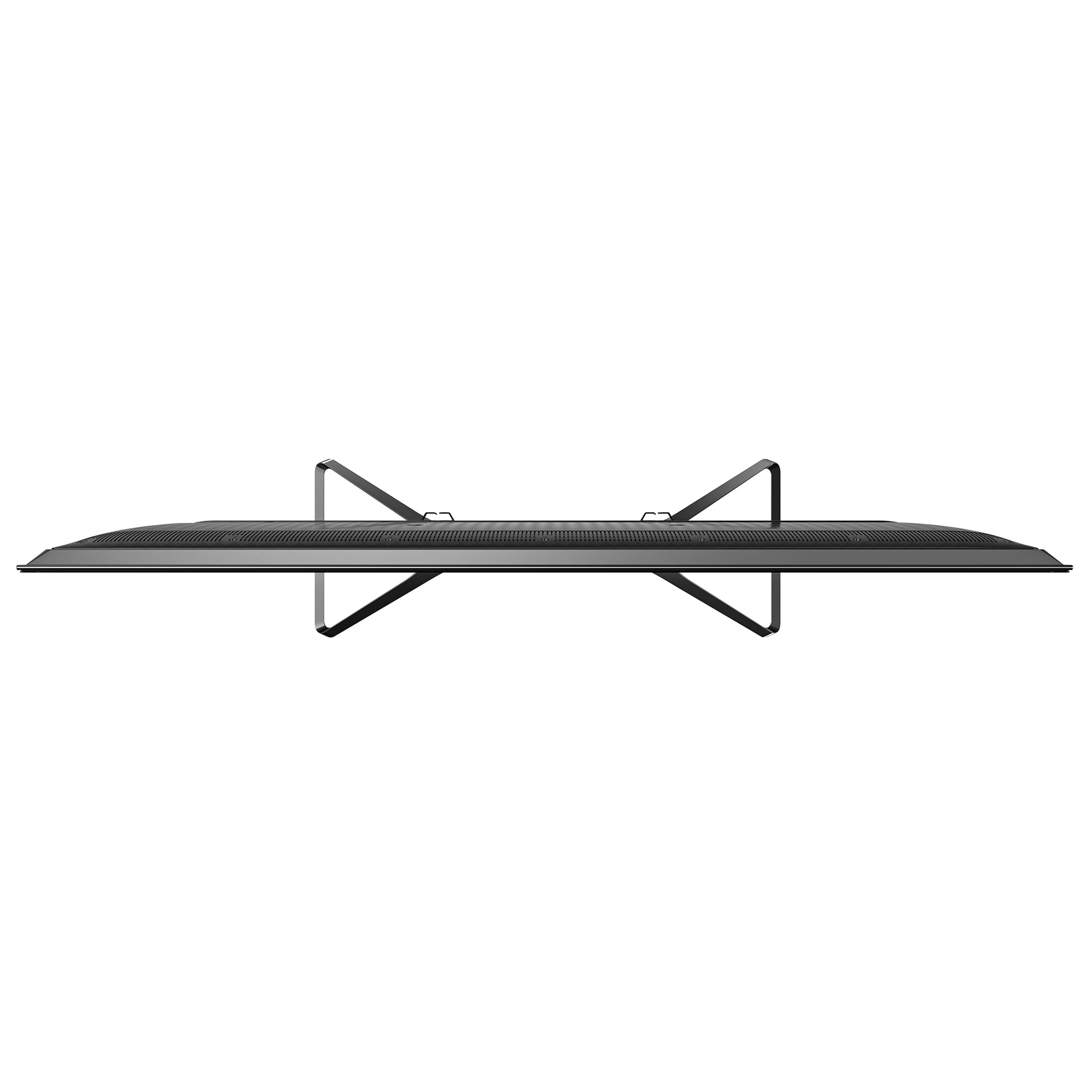
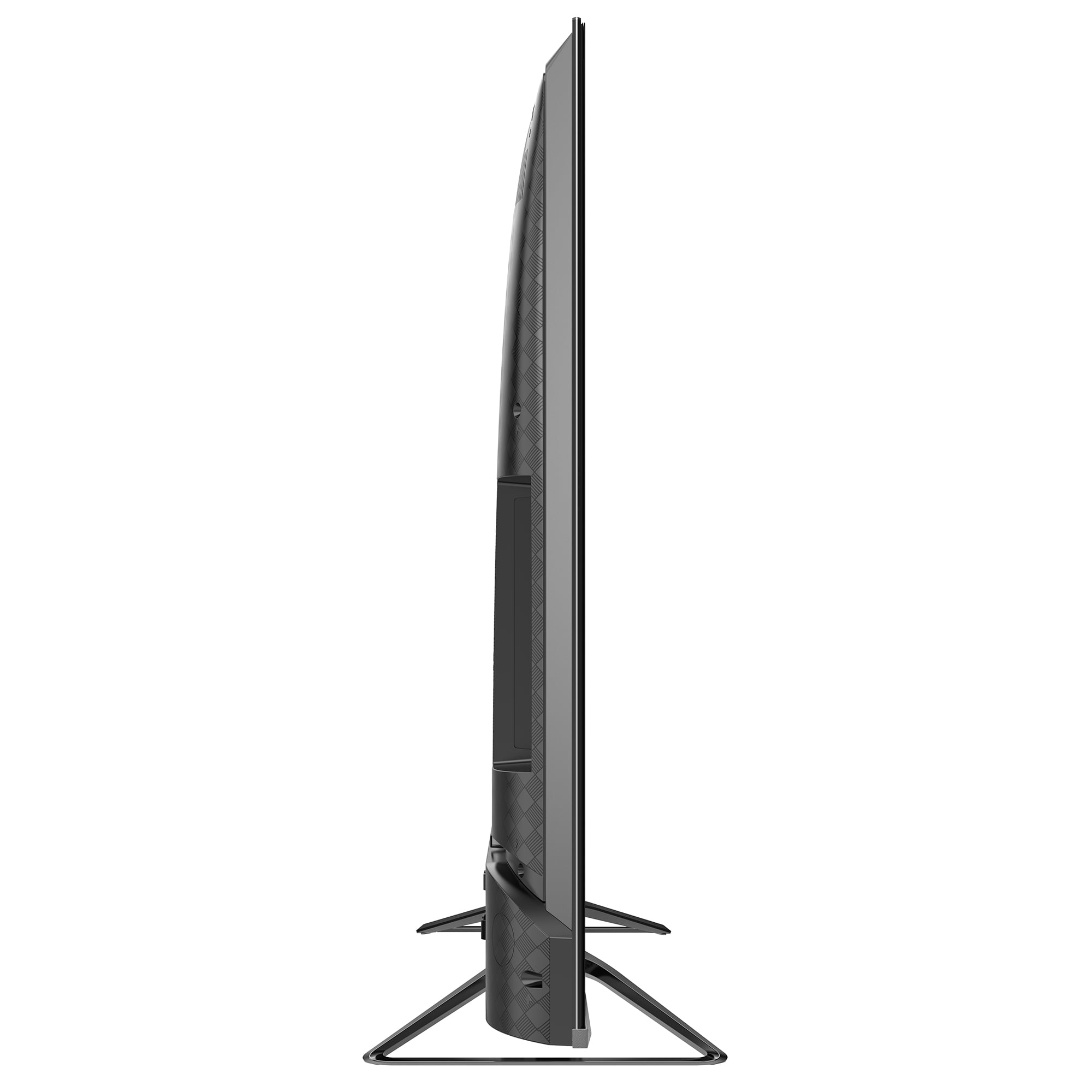
Both TVs feature modern, slim designs that work well wall-mounted or on stands. The TCL QM7K achieves a remarkably thin profile considering its Mini-LED backlighting system, thanks to advanced optical engineering that TCL calls "Micro-OD" (Optical Distance reduction).
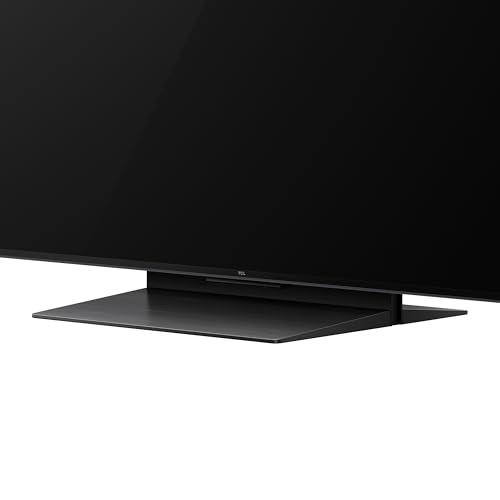
The Hisense H9G has a slightly chunkier design typical of 2020-era premium TVs. Both include sturdy stands, though the TCL's stand design might work better for soundbar placement.
Build quality appears solid on both models based on user reports, though the TCL's newer manufacturing benefits from four additional years of design refinement.
At the time of writing, the TCL QM7K typically sells for several hundred dollars less than the Hisense H9G, despite being the newer, more advanced television. This pricing reflects the reality that the Hisense is aging technology that's struggling to compete with current-generation alternatives.
The TCL delivers dramatically superior brightness, over ten times more local dimming zones, modern gaming features, a better smart platform, and superior audio—all for less money. From a pure value standpoint, this comparison isn't particularly close.
However, value isn't just about features per dollar. If you primarily watch content in a dedicated, dark home theater room and prefer more natural color reproduction, the Hisense H9G's superior black levels and color accuracy might justify its higher price for your specific use case.
For dedicated home theater use, both TVs have merits, but serve different priorities. The Hisense H9G excels in completely dark environments where its superior black levels and more accurate default colors shine. If you've invested in a light-controlled theater room and prioritize film-like image quality, the Hisense delivers excellent performance despite its age.
The TCL QM7K works better in multi-purpose rooms where some ambient light is present. Its dramatically higher brightness cuts through daylight and room lighting, maintaining HDR impact even when conditions aren't ideal. For most people's actual viewing environments, this proves more practical.
Both support all major HDR formats including Dolby Vision, HDR10+, and HLG, ensuring compatibility with content from any source.
Choose the TCL QM7K if you:
Choose the Hisense H9G only if you:
The TCL 65QM7K represents everything that's improved in TV technology since 2020: brighter displays, more precise backlighting, modern connectivity, and refined smart platforms. The Hisense H9G was an excellent TV in 2020, but technology has moved forward significantly.
Unless you have very specific requirements that favor the Hisense's particular strengths, the TCL provides dramatically better value and performance. It's not just about the lower price—it's about getting genuinely superior technology for that lower price.
The four-year gap between these models shows clearly in nearly every performance category. While the Hisense isn't bad, it's asking premium prices for what's now mid-range performance. The TCL QM7K offers a better path forward, with features and capabilities that will remain relevant for years to come.
For most buyers, the choice is clear: the TCL 65QM7K delivers premium performance at a reasonable price, while the Hisense H9G asks too much for technology that's showing its age.
| TCL 65QM7K QD-Mini LED 4K Google TV | Hisense 65" H9G Quantum Series 4K UHD Smart Android TV |
|---|---|
| Peak Brightness - Critical for HDR impact and daytime viewing | |
| 2,600 nits (excellent for bright rooms and stunning HDR) | 1,000 nits (good for controlled lighting, less HDR punch) |
| Local Dimming Zones - Controls contrast and blooming effects | |
| 2,500+ Mini-LED zones (exceptional precision and minimal blooming) | 180 traditional LED zones (decent but shows more halos) |
| Gaming Capabilities - Essential for next-gen consoles | |
| 144Hz native, HDMI 2.1, VRR up to 144Hz, Game Accelerator 288 | 120Hz panel, no HDMI 2.1, no VRR (limited to 4K/60Hz gaming) |
| Smart Platform - Affects daily usability and future updates | |
| Google TV (2024/2025) with hands-free voice control | Android TV (2020 version) with basic voice features |
| Audio System - Important if not using external speakers | |
| 60W Bang & Olufsen with Dolby Atmos (substantial sound quality) | 20W stereo speakers with Dolby Atmos (adequate but weak) |
| Backlight Technology - Determines overall picture quality approach | |
| QD-Mini LED (cutting-edge brightness with quantum dot colors) | Traditional LED with Quantum Dot (proven but older tech) |
| Black Level Performance - Crucial for dark room movie watching | |
| Very good blacks with some minor blooming in extreme scenes | Excellent blacks with minimal blooming (best for dark theaters) |
| Color Accuracy - Affects how natural or vivid content appears | |
| Vivid, eye-catching colors (97% DCI-P3, may need calibration) | More natural, film-accurate colors out of box |
| Connectivity - Future-proofing for modern devices | |
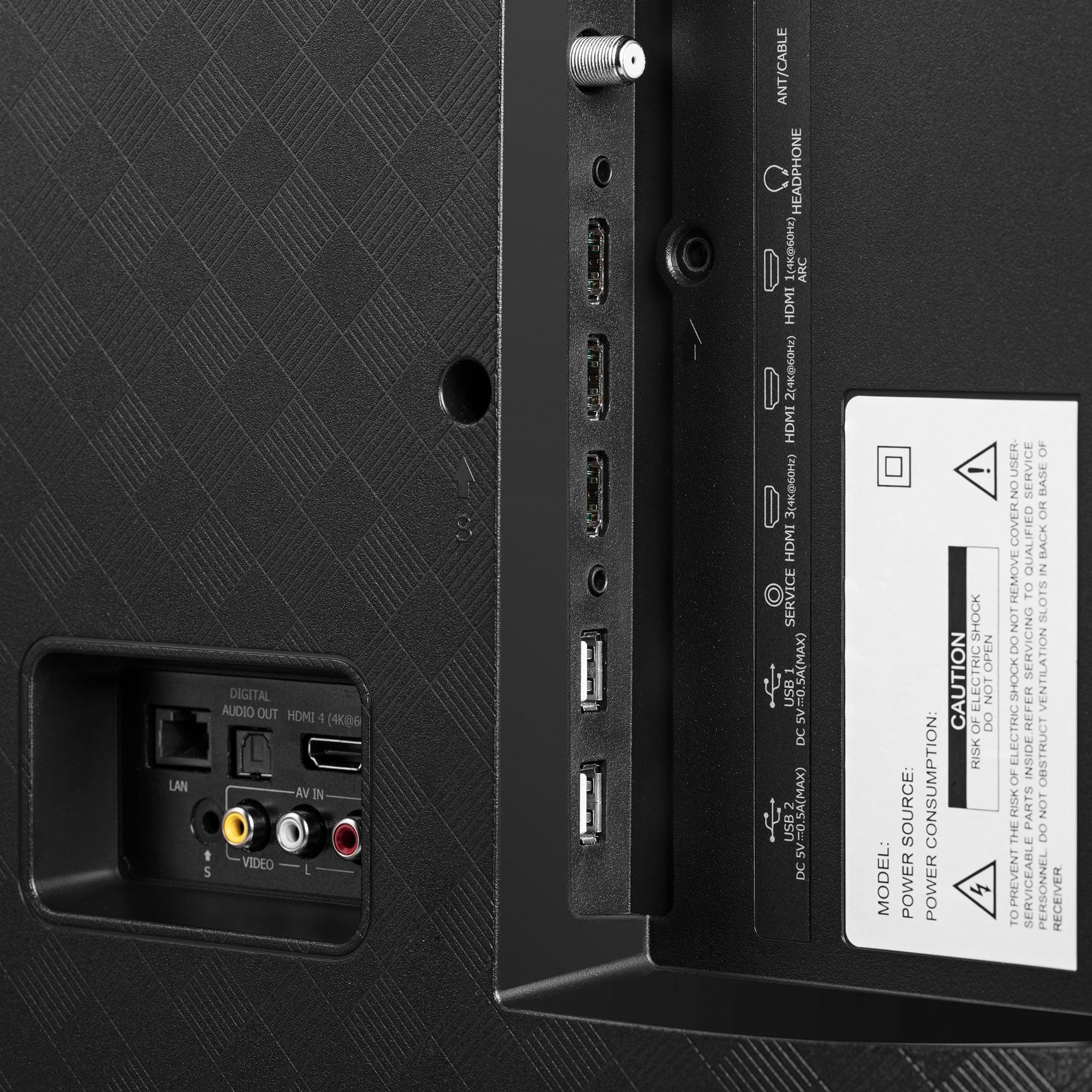
| 2x HDMI 2.1, 2x HDMI 2.0, Apple AirPlay 2, multiple voice assistants | 4x HDMI 2.0 only, Chromecast built-in, Google Assistant |
| Release Year - Impacts technology generation and support | |
| 2024/2025 (current-gen with latest features and processing) | 2020 (previous-gen showing technological age) |
The TCL 65QM7K is significantly better for gaming. It includes two HDMI 2.1 ports with support for 4K gaming at 144Hz, Variable Refresh Rate (VRR), and AMD FreeSync Premium Pro. The Hisense H9G lacks HDMI 2.1 entirely and is limited to 4K/60Hz gaming without VRR support, making it incompatible with next-gen console features.
The TCL QM7K performs much better in bright rooms with its 2,600 nits peak brightness compared to the Hisense H9G's 1,000 nits. The higher brightness helps maintain HDR impact and color vibrancy even with ambient lighting present, while the Hisense struggles to compete with daylight and room lighting.
The TCL QM7K uses Mini-LED technology with over 2,500 tiny backlighting zones for precise contrast control. The Hisense H9G uses traditional LED backlighting with only 180 zones. Mini-LED provides better brightness uniformity, reduced blooming around bright objects, and more dramatic HDR performance.
For dedicated dark room viewing, the Hisense H9G has a slight advantage with deeper black levels and less blooming in extreme contrast scenes. However, the TCL QM7K still delivers excellent dark room performance while offering dramatically better brightness for mixed lighting conditions.
The TCL QM7K runs the modern Google TV platform with faster performance, better content discovery, and hands-free voice control. The Hisense H9G uses the older Android TV system from 2020, which feels dated with slower navigation and a less intuitive interface.
The TCL QM7K has significantly better built-in audio with its 60W Bang & Olufsen system compared to the Hisense H9G's 20W stereo speakers. The TCL provides fuller sound, better bass response, and clearer dialogue, making it more usable without external audio equipment.
The TCL QM7K is from 2024/2025 and incorporates current-generation technology, while the Hisense H9G launched in 2020. The four-year gap shows in connectivity options, processing power, smart platform features, and overall performance capabilities that have advanced significantly.
The TCL QM7K typically costs less while delivering superior technology including higher brightness, more local dimming zones, HDMI 2.1 gaming features, and a modern smart platform. The Hisense H9G asks premium pricing for what's now considered previous-generation technology.
The TCL QM7K includes two HDMI 2.1 ports for high-bandwidth devices, plus Apple AirPlay 2 and multiple voice assistant support. The Hisense H9G only has HDMI 2.0 ports, limiting its compatibility with modern gaming consoles and high-refresh devices.
The TCL QM7K delivers more impactful HDR with its 2,600 nits peak brightness and advanced local dimming system. While the Hisense H9G supports the same HDR formats, its lower brightness and fewer dimming zones result in less dramatic contrast and highlight detail.
The Hisense H9G offers slightly better black levels in completely dark environments and more natural color reproduction out of the box. However, these advantages are outweighed by the TCL QM7K's superior brightness, gaming features, and modern connectivity for most users.
For dedicated home theaters with controlled lighting, both TVs work well, but the Hisense H9G has an edge in pure black level performance. For multi-purpose rooms or theaters with some ambient light, the TCL QM7K is clearly superior due to its dramatically higher brightness and more advanced backlighting system.
We've done our best to create useful and informative comparisons to help you decide what product to buy. Our research uses advanced automated methods to create this comparison and perfection is not possible - please contact us for corrections or questions. These are the sites we've researched in the creation of this article: bestbuy.com - businessinsider.com - tomsguide.com - tomsguide.com - rtings.com - tomsguide.com - youtube.com - rtings.com - consumerreports.org - youtube.com - youtube.com - displayspecifications.com - youtube.com - tcl.com - tcl.com - tcl.com - youtube.com - rcwilley.com - bestbuy.com - tclcentral.com - displayspecifications.com - tomsguide.com - tcl.com - brandsmartusa.com - tcl.com - tcl.com - gizmochina.com - nfm.com - dolby.com - alexraytv.com - rtings.com - bestbuy.com - techradar.com - youtube.com - digitaltrends.com - assets.hisense-usa.com - bestbuy.com - youtube.com - bestbuy.com

Privacy Policy
Terms and Conditions - Affiliate Policy
Home Security
© Copyright 2008-2026.
11816 Inwood Rd #1211, Dallas, TX 75244