

Shopping for a 65-inch 4K TV today means navigating a market that's more complex than ever. At the time of writing, you'll find everything from bare-bones 4K displays under $400 to flagship models pushing $3,000. The sweet spot for most people falls somewhere between those extremes, which is where these two very different TVs come into play.
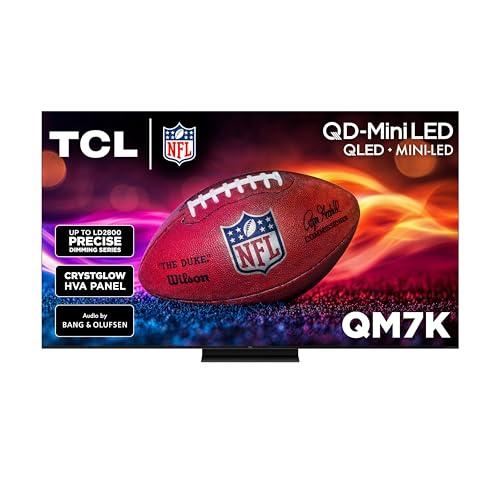
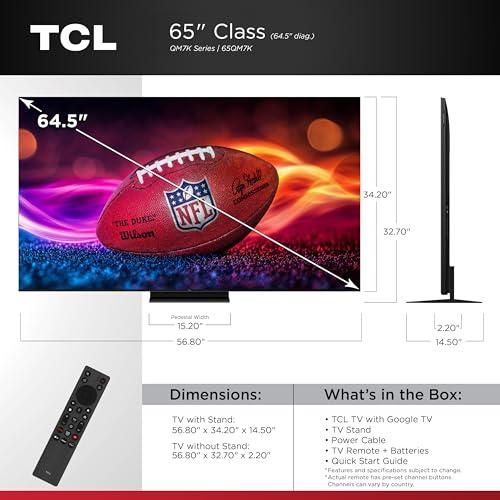
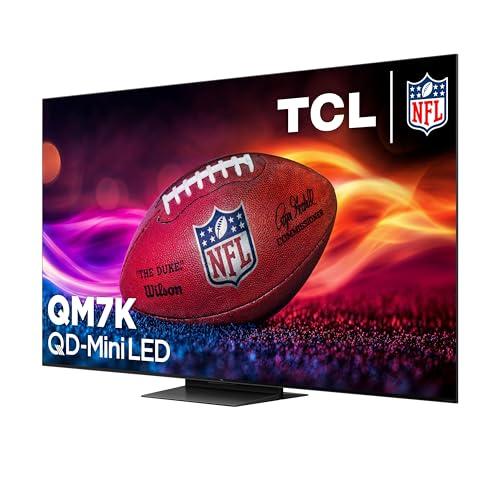
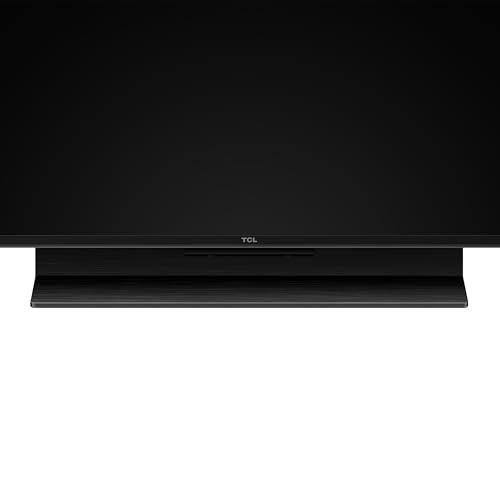
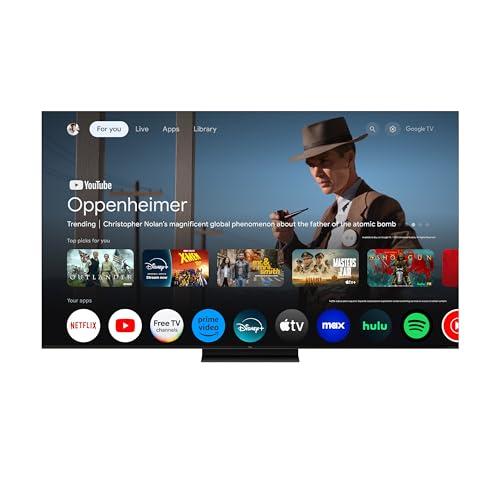
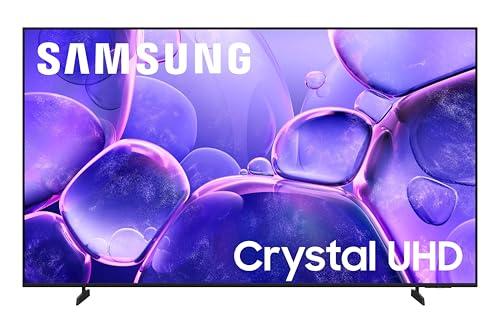
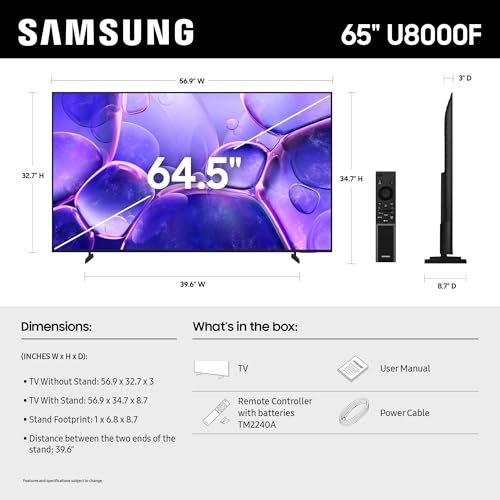
The TCL 65QM7K and Samsung 65-Inch Crystal UHD U8000F represent two fundamentally different approaches to 4K television design. Released in 2025, they showcase how much the TV landscape has evolved—and how wide the performance gap can be even within the same screen size category.
Before diving into specifics, it's worth understanding what separates a good 4K TV from a great one in 2025. Resolution is just the starting point—every TV in this comparison delivers 4K's 3840×2160 pixels. What really matters is how those pixels are lit, how bright they can get, how dark they can go, and how quickly they can change.
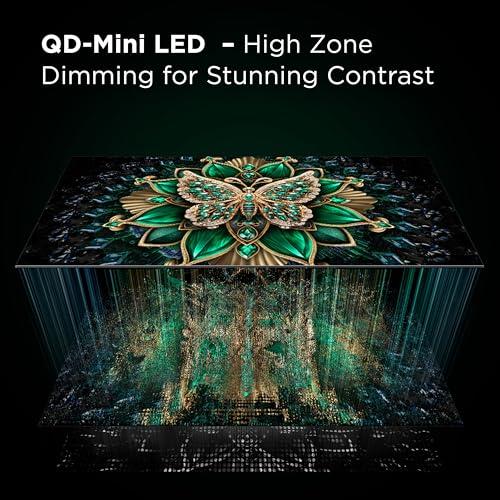
Backlighting technology is the biggest differentiator. Traditional LED TVs use edge lighting—LEDs along the edges that shine through the panel. This works but creates uniformity issues and limits contrast. Mini-LED technology, which emerged in premium TVs around 2021, uses thousands of tiny LEDs behind the screen with independent dimming zones. This allows precise control over brightness across different screen areas, creating deeper blacks and brighter whites simultaneously.
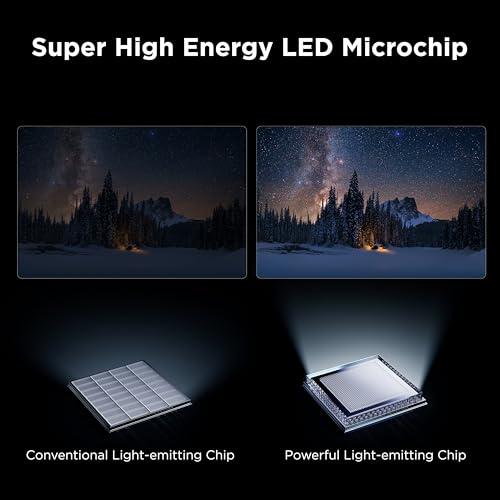
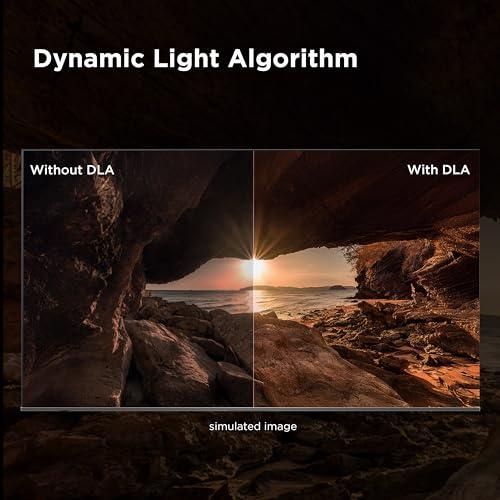
Local dimming zones act like tiny spotlights that can turn on and off independently. Imagine watching a movie with a starry night sky—a TV with good local dimming can make the dark space between stars truly black while keeping the stars brilliantly bright. A TV without this capability will either wash out the stars or make the black space look gray.
Refresh rate determines how smoothly motion appears, especially important for sports and gaming. While 60Hz (60 frames per second) works for most content, 120Hz and higher refresh rates eliminate motion blur and enable advanced gaming features that modern consoles support.
The TCL 65QM7K positions itself as a premium mid-range option, bringing flagship display technology to a more accessible price point. At the time of writing, it costs roughly 2.5 times more than the Samsung U8000F, but delivers display technology typically found in TVs costing even more.
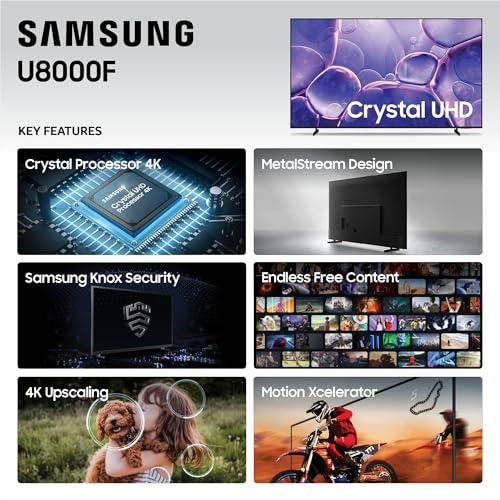
The Samsung U8000F, meanwhile, focuses on delivering Samsung's brand reliability and smart platform at the most affordable price possible. It represents the entry point into Samsung's 2025 TV lineup, prioritizing essential features over cutting-edge display technology.
This price difference isn't arbitrary—it reflects fundamental technology gaps that impact nearly every aspect of the viewing experience.
The most significant difference between these TVs lies in their backlighting systems, and the performance gap is substantial.
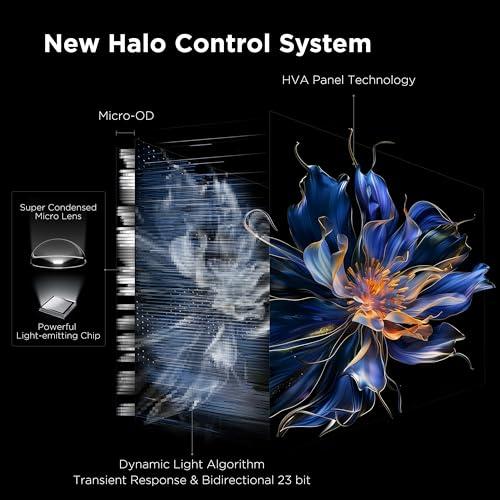
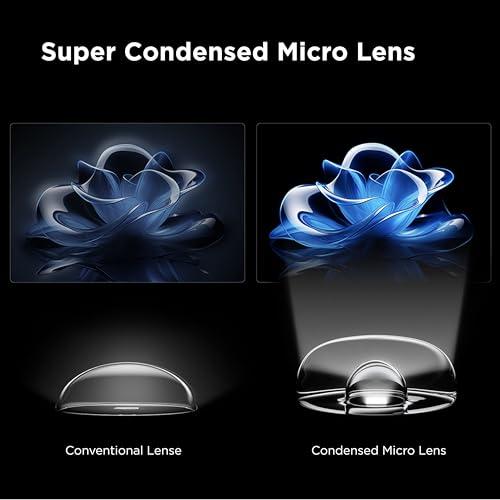
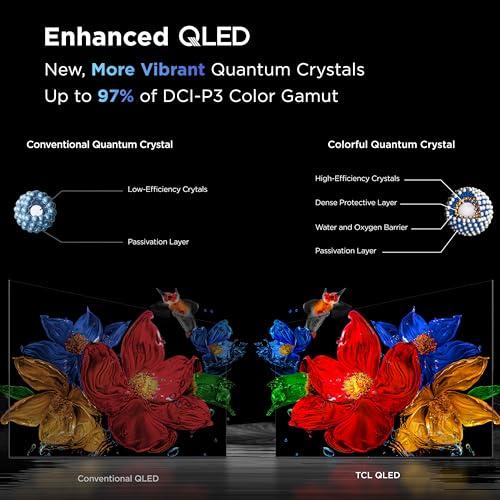
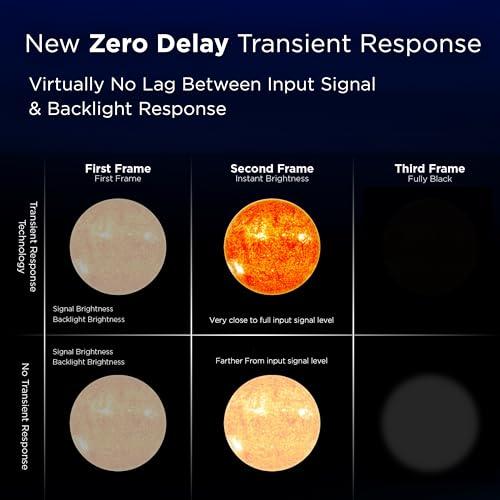
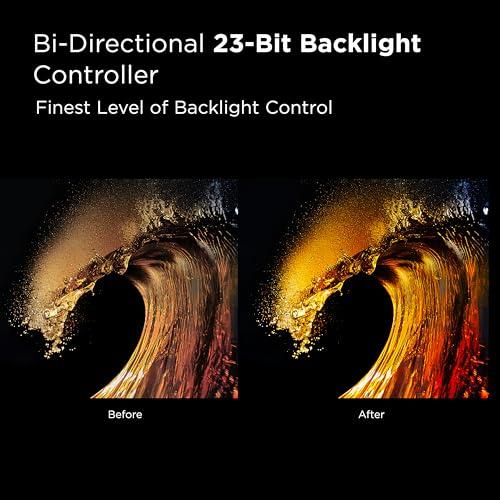
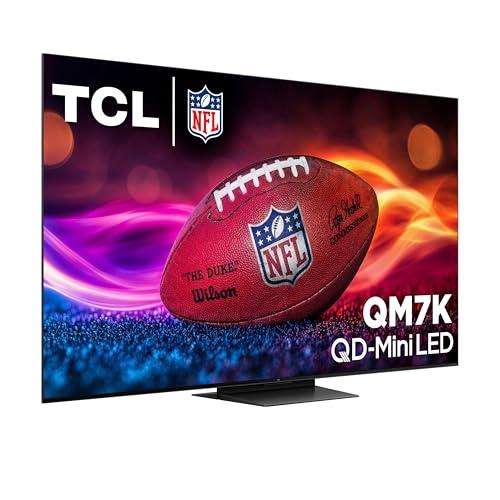
The TCL QM7K uses QD-Mini LED backlighting, a hybrid technology that combines two premium display innovations. Mini-LED provides precise brightness control through thousands of tiny LEDs arranged behind the screen, while Quantum Dot technology (the "QD" part) enhances color reproduction. Together, they create what TCL calls up to 2,500 local dimming zones.
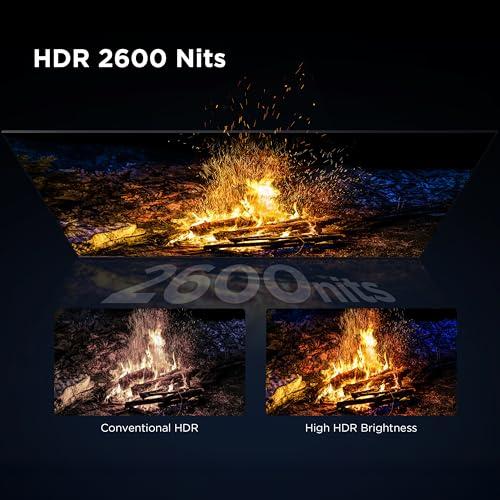
To put this in perspective, imagine the screen divided into 2,500 small sections, each capable of independent brightness adjustment. When you're watching a movie with a campfire scene at night, the zones around the fire can be blazingly bright while the surrounding darkness remains truly black. This creates the dramatic contrast that makes HDR content look spectacular.
The Samsung U8000F uses traditional edge-lit LED backlighting with no local dimming zones. This means the entire screen's brightness is controlled as one unit—when bright objects appear on screen, the whole panel brightens slightly, which prevents true black levels and creates the "washed out" look that's common in budget TVs.
Brightness capabilities further separate these models. The TCL QM7K can reach over 2,600 nits peak brightness—bright enough to make HDR highlights pop even in a sunny living room. The Samsung U8000F peaks around 300 nits, which works fine in darker rooms but struggles against window glare or bright overhead lighting.
This brightness difference becomes crucial for HDR (High Dynamic Range) content. HDR is designed to show a wider range between the darkest darks and brightest brights, mimicking how our eyes see the real world. Without sufficient brightness and local dimming, HDR content loses its impact and can actually look worse than standard content.
For gamers, these TVs represent different eras of gaming technology entirely.
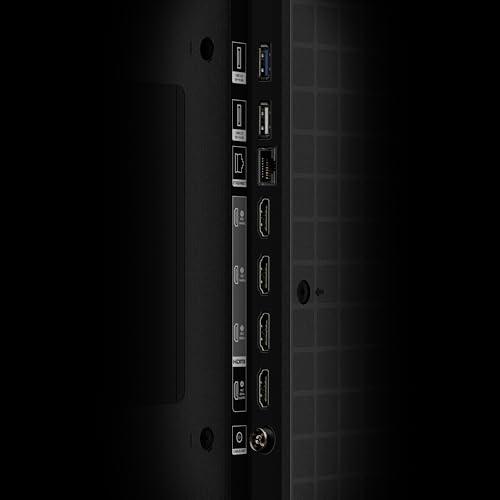
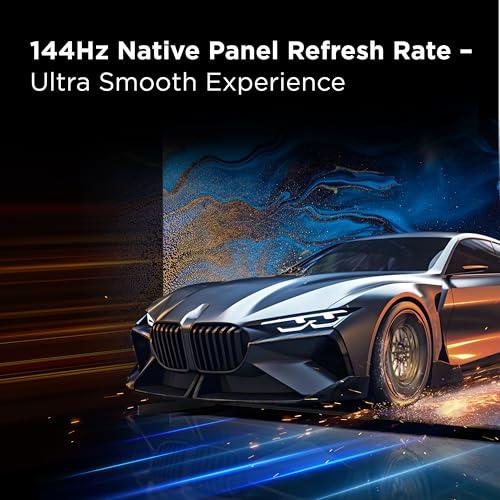
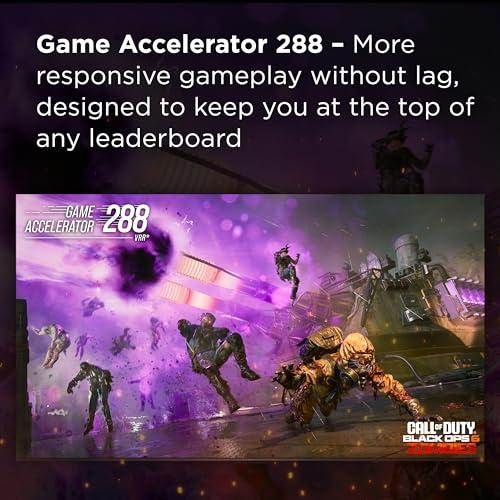
The TCL QM7K supports a native 144Hz refresh rate with a gaming mode that can boost to 288Hz at 1080p. More importantly, it includes HDMI 2.1 ports that can handle 4K resolution at 120Hz—the maximum that current PlayStation 5 and Xbox Series X consoles can output. Variable Refresh Rate (VRR) support means the TV can synchronize with the console's frame rate, eliminating screen tearing and stuttering.
These aren't just numbers on a spec sheet. When playing fast-paced games like first-person shooters or racing games, the difference between 60Hz and 120Hz is immediately noticeable. Motion appears smoother, input lag decreases, and competitive players gain a real advantage.
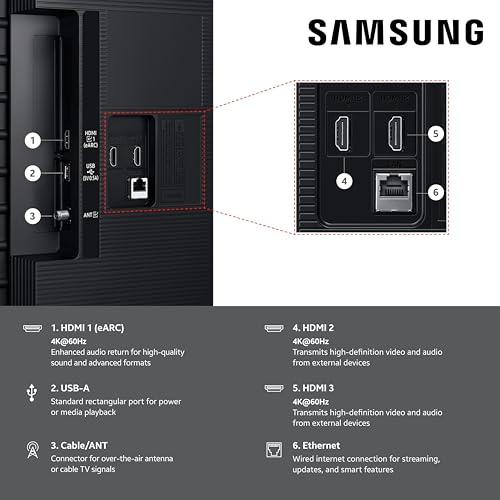
The Samsung U8000F is locked at 60Hz maximum with HDMI 2.0 connections. While it technically supports VRR, the feature has limited effectiveness at 60Hz. For casual gaming, this works fine, but it can't take advantage of next-generation console capabilities.
Auto Low Latency Mode (ALLM) on both TVs automatically switches to gaming mode when a console is detected, but the TCL QM7K offers more advanced gaming optimizations through its Game Master 2.0 system.
Both TVs run modern smart platforms, but they take different approaches to content and interface design.
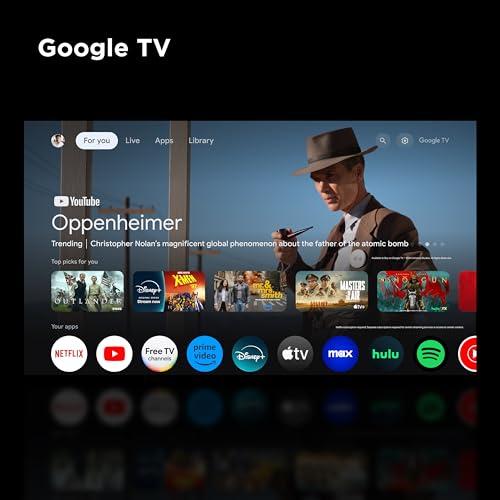
The TCL QM7K runs Google TV, which has evolved significantly since its introduction. The interface feels snappy and responsive, with excellent integration across Google services. Chromecast is built-in, making it effortless to cast content from phones or tablets. The platform excels at content discovery, surfacing shows and movies from across different streaming services.
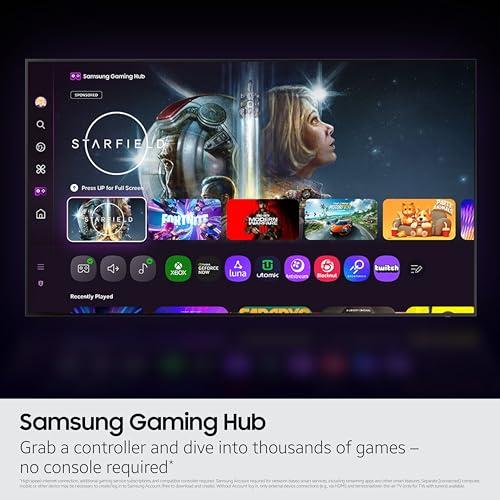
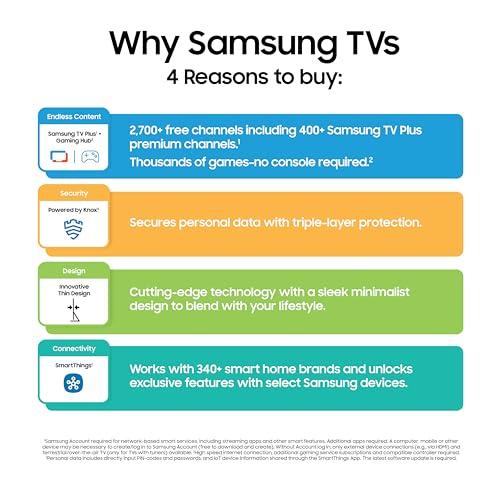
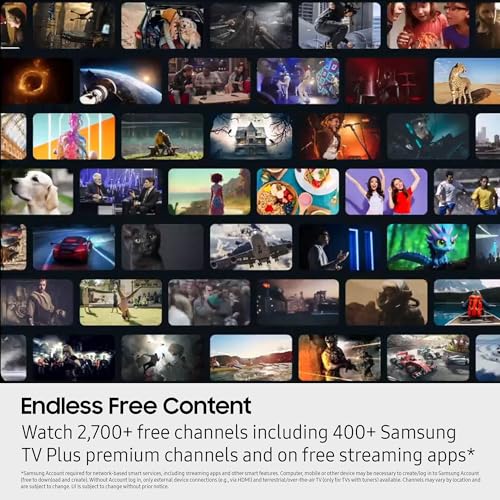
The Samsung U8000F uses Samsung's Tizen OS, which has one major advantage: Samsung TV Plus. This free service provides access to over 2,700 streaming channels without requiring additional subscriptions. For budget-conscious buyers looking to minimize monthly streaming costs, this represents significant value.
Both platforms support major streaming apps and voice control, though Google TV tends to receive updates more quickly and offers better integration with smart home devices.
TV audio rarely gets the attention it deserves, but the difference here is substantial.
The TCL QM7K features audio tuned by Bang & Olufsen with Dolby Atmos support and IMAX Enhanced certification. The 60W speaker system includes advanced processing that creates a more immersive soundscape. While it won't replace a dedicated sound system, it's surprisingly capable for built-in TV audio.
The Samsung U8000F includes basic 20W stereo speakers that provide clear dialogue but lack depth and power. Based on user feedback, most owners end up adding a soundbar relatively quickly.
For home theater enthusiasts, neither TV will satisfy serious audiophiles, but the TCL QM7K at least provides respectable sound quality out of the box.
Motion performance separates these TVs significantly, especially for sports and action content.
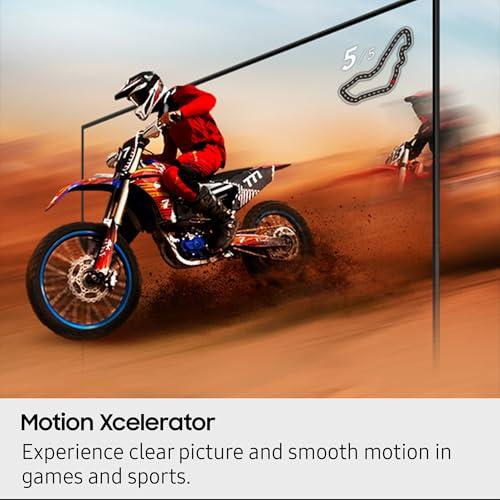
The TCL QM7K includes Motion Xcelerator technology optimized for fast-paced content. Combined with its high refresh rate and fast pixel response time, sports broadcasts and action movies appear crisp and smooth.
The Samsung U8000F struggles with motion handling due to slower response times. Fast-moving objects can appear blurry, and sports broadcasts don't look as sharp. This isn't a deal-breaker for casual viewing, but it's noticeable when watching content with lots of movement.
For dedicated home theater setups, the TCL QM7K offers several advantages. Its high brightness capability means it can overcome some ambient light while maintaining HDR impact. The advanced local dimming creates the contrast needed for cinematic viewing, and support for all major HDR formats (including Dolby Vision) ensures compatibility with premium streaming content.
The Samsung U8000F works better in consistently dark rooms where its brightness limitations aren't as apparent. However, the lack of Dolby Vision support means you'll miss out on the enhanced version of content from Netflix, Disney+, and other premium services.
At the time of writing, the price difference between these TVs reflects their target markets perfectly.
The TCL QM7K delivers premium display technology at a price point that would have been impossible just a few years ago. Mini-LED TVs with quantum dots typically cost significantly more, making this an exceptional value for the technology provided. For buyers planning to keep their TV for 5+ years, the superior picture quality and gaming capabilities justify the investment.
The Samsung U8000F represents maximum brand value at minimum cost. You're getting Samsung's reliability and ecosystem integration at the entry level. For buyers on tight budgets who prioritize basic functionality over cutting-edge features, it makes perfect sense.
The TCL QM7K excels at everything that showcases modern TV technology. HDR movies look spectacular with deep blacks and bright highlights. Gaming feels responsive and smooth. Bright room viewing remains comfortable thanks to high brightness output. It's genuinely impressive how much display technology TCL packed into this price point.
The Samsung U8000F does basic 4K viewing well in controlled lighting conditions. SDR content looks good with accurate colors, and the smart platform provides reliable access to streaming services. The Samsung TV Plus feature genuinely adds value for cost-conscious buyers.
Choose the TCL 65QM7K if you're a gamer who wants to take full advantage of modern consoles, watch a lot of HDR content from streaming services, have a bright living space, or simply want a TV that will remain impressive for years to come. The superior display technology isn't just about specifications—it creates a genuinely better viewing experience.
Choose the Samsung 65-Inch Crystal UHD U8000F if your budget is the primary constraint, you primarily watch basic cable and streaming content in darker rooms, you're already invested in Samsung's ecosystem, or you plan to upgrade again in a few years and want minimal current investment.
These TVs represent different approaches to the 4K market, and both succeed at their intended goals. The Samsung U8000F provides Samsung quality at an accessible price, while the TCL QM7K delivers premium technology at exceptional value.
For most buyers planning to keep their TV for several years, the TCL QM7K represents the better long-term investment. The display technology differences aren't incremental improvements—they're generational leaps that create meaningfully better viewing experiences. However, the Samsung U8000F serves its purpose perfectly for budget-conscious buyers who need reliable 4K functionality without advanced features.
The TV market has never offered more choices, and understanding these fundamental differences helps ensure you choose the right TV for your specific needs and budget.
| TCL 65QM7K QD-Mini LED 4K Google TV | Samsung 65-Inch Crystal UHD U8000F 4K Smart TV 2025 |
|---|---|
| Display Technology - The foundation that determines picture quality and price | |
| QD-Mini LED with up to 2,500 local dimming zones | Edge-lit LED with no local dimming zones |
| Peak Brightness - Critical for HDR content and bright room viewing | |
| 2,600+ nits (excellent for any lighting condition) | ~300 nits (requires darker rooms for optimal viewing) |
| Refresh Rate - Essential for gaming and smooth motion | |
| 144Hz native, up to 288Hz in gaming mode | 60Hz maximum |
| Gaming Connectivity - Determines compatibility with next-gen consoles | |
| HDMI 2.1 supporting 4K@120Hz with VRR | HDMI 2.0 limited to 4K@60Hz |
| HDR Format Support - Affects streaming service compatibility | |
| HDR10, HDR10+, Dolby Vision IQ, HLG (full compatibility) | HDR10, HDR10+ only (missing Dolby Vision) |
| Smart Platform - Daily interface and app experience | |
| Google TV with Chromecast built-in | Tizen OS with Samsung TV Plus (2,700+ free channels) |
| Audio System - Built-in sound quality | |
| Bang & Olufsen 60W with Dolby Atmos | Basic 20W stereo speakers |
| Processor - Handles upscaling and image processing | |
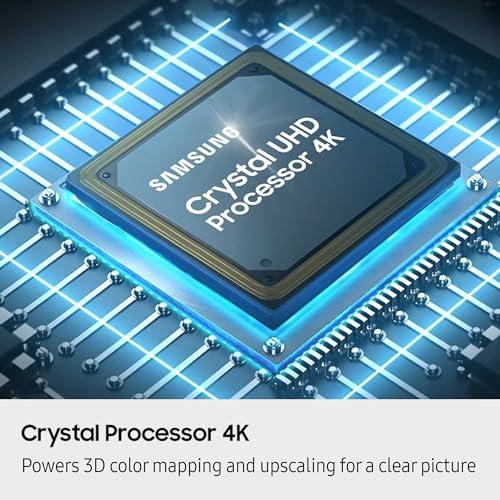
| AiPQ Pro with AI optimization features | Crystal Processor 4K with basic upscaling |
| Panel Technology - Affects contrast and viewing angles | |
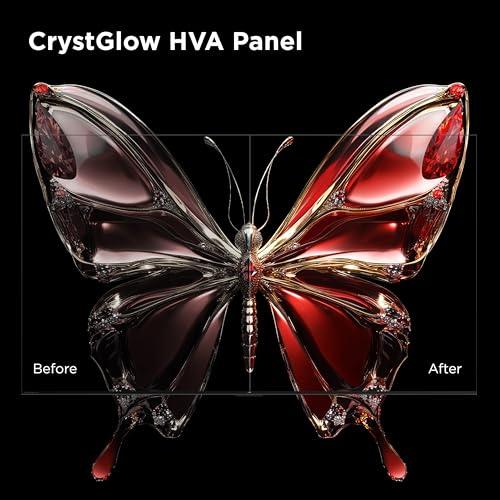
| CrystGlow HVA with ultra-low reflectivity | Standard VA panel with basic anti-glare |
| Motion Handling - Important for sports and action content | |
| Advanced Motion Xcelerator with fast response | Basic motion processing with slower response |
| Build Quality - Design and construction differences | |
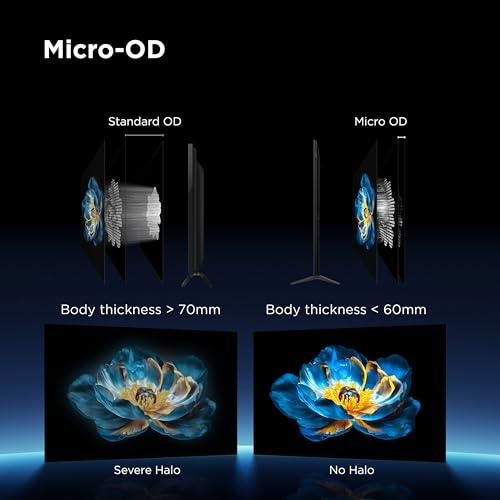
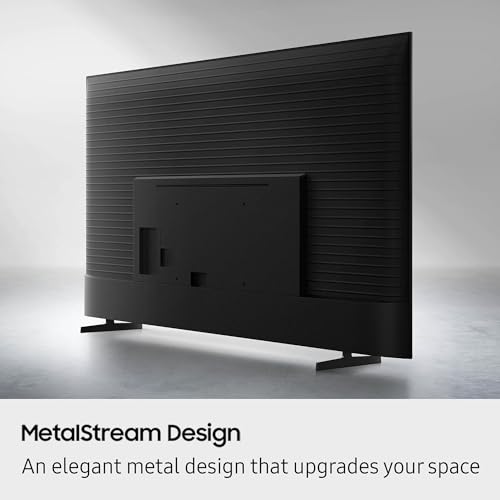
| Premium build with advanced optical engineering | MetalStream design with solid basic construction |
| Target User - Who each TV is designed for | |
| Enthusiasts wanting premium features at mid-range pricing | Budget-conscious buyers prioritizing brand reliability |
The TCL 65QM7K delivers significantly better picture quality thanks to its QD-Mini LED technology with 2,500 local dimming zones and 2,600+ nits peak brightness. This creates deeper blacks, brighter highlights, and more vibrant colors for HDR content from Netflix, Disney+, and other streaming services. The Samsung U8000F provides decent picture quality for basic viewing but lacks the contrast and brightness needed for impactful HDR performance.
For most buyers planning to keep their TV for several years, the TCL QM7K represents excellent value despite costing more than the Samsung U8000F. The Mini-LED display technology, 144Hz gaming capabilities, and superior HDR performance create a meaningfully better viewing experience. However, budget-conscious buyers who primarily watch basic content in darker rooms may find the Samsung adequate for their needs.
The TCL QM7K is dramatically better for next-gen gaming, supporting 4K at 120Hz through HDMI 2.1 ports with Variable Refresh Rate (VRR) and a native 144Hz refresh rate. The Samsung U8000F is limited to 60Hz maximum, preventing it from taking advantage of modern console capabilities. Serious gamers should choose the TCL for smoother gameplay and reduced input lag.
Both the TCL QM7K with Google TV and Samsung U8000F with Tizen OS support all major streaming apps like Netflix, Disney+, and YouTube. The TCL offers better integration with Google services and Chromecast functionality, while the Samsung provides Samsung TV Plus with over 2,700 free streaming channels. Both platforms receive regular updates and support voice control.
The TCL QM7K performs much better in bright environments due to its 2,600+ nits peak brightness and anti-reflective coating. It can overcome window glare and maintain good picture quality during daytime viewing. The Samsung U8000F with only ~300 nits brightness struggles in bright rooms and is better suited for darker viewing environments.
The TCL QM7K features Bang & Olufsen-tuned 60W speakers with Dolby Atmos support, providing significantly better built-in audio quality. The Samsung U8000F includes basic 20W stereo speakers that deliver clear dialogue but lack depth and power. Most Samsung owners end up adding a soundbar for better sound quality.
The TCL QM7K offers superior motion handling with its 144Hz refresh rate and advanced Motion Xcelerator technology, making sports broadcasts appear crisp and smooth. The Samsung U8000F with 60Hz refresh rate and slower response times can show motion blur during fast-paced sports action, though it's adequate for casual sports viewing.
The TCL QM7K supports all major HDR formats including Dolby Vision, HDR10+, HDR10, and HLG, ensuring full compatibility with premium streaming content. The Samsung U8000F supports HDR10 and HDR10+ but lacks Dolby Vision support, which is increasingly common on Netflix and Disney+ premium content. This limits the Samsung's HDR experience compared to the TCL.
For home theater use, the TCL QM7K is the clear choice with its superior contrast ratio, local dimming capabilities, and support for all HDR formats including Dolby Vision. The advanced display technology creates the dramatic contrast needed for cinematic viewing. The Samsung U8000F can work in consistently dark theater rooms but lacks the brightness and contrast for optimal home theater performance.
Google TV on the TCL QM7K offers faster performance, better content discovery across streaming services, and excellent integration with Google ecosystem devices. Samsung's Tizen OS on the U8000F provides Samsung TV Plus with thousands of free channels and good integration with Samsung smart home devices. Both are reliable platforms, but Google TV tends to receive updates more quickly.
The TCL QM7K is much better positioned for future content standards with its HDMI 2.1 support, 144Hz capabilities, and advanced display technology. As streaming services improve HDR quality and gaming consoles evolve, the TCL will remain capable. The Samsung U8000F with 60Hz limitations and HDMI 2.0 may feel outdated sooner as technology advances.
Choose the TCL QM7K if you want superior picture quality, gaming performance, bright room viewing, or plan to keep your TV for many years. Choose the Samsung U8000F if budget is the primary concern, you primarily watch basic content in darker rooms, prefer Samsung's ecosystem, or plan to upgrade again in a few years and want minimal current investment.
We've done our best to create useful and informative comparisons to help you decide what product to buy. Our research uses advanced automated methods to create this comparison and perfection is not possible - please contact us for corrections or questions. These are the sites we've researched in the creation of this article: bestbuy.com - businessinsider.com - tomsguide.com - tomsguide.com - rtings.com - tomsguide.com - youtube.com - rtings.com - consumerreports.org - youtube.com - youtube.com - displayspecifications.com - youtube.com - tcl.com - tcl.com - tcl.com - youtube.com - rcwilley.com - bestbuy.com - tclcentral.com - displayspecifications.com - tomsguide.com - tcl.com - brandsmartusa.com - tcl.com - tcl.com - gizmochina.com - nfm.com - dolby.com - alexraytv.com - bestbuy.com - youtube.com - youtube.com - rtings.com - youtube.com - samsung.com - hometechnologyreview.com - rtings.com - samsung.com - displayspecifications.com - samsung.com - displayspecifications.com - walmart.com - billsmith.com - dentonstv.com - samsung.com - samsung.com - samsung.com - youtube.com - bestbuy.com - bestbuy.com - youtube.com - samsung.com - donstv.com

Privacy Policy
Terms and Conditions - Affiliate Policy
Home Security
© Copyright 2008-2026.
11816 Inwood Rd #1211, Dallas, TX 75244