

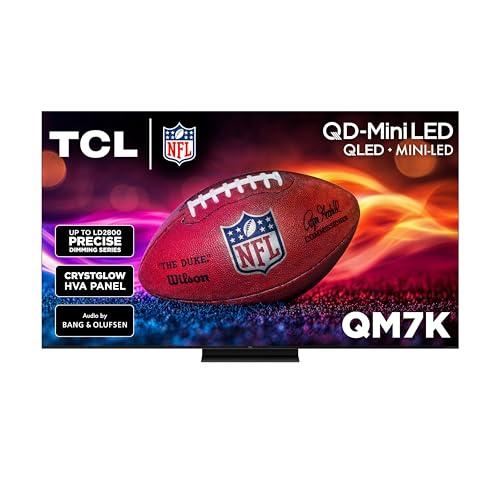
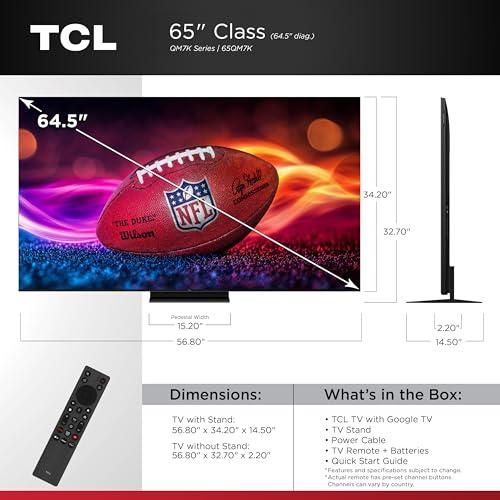

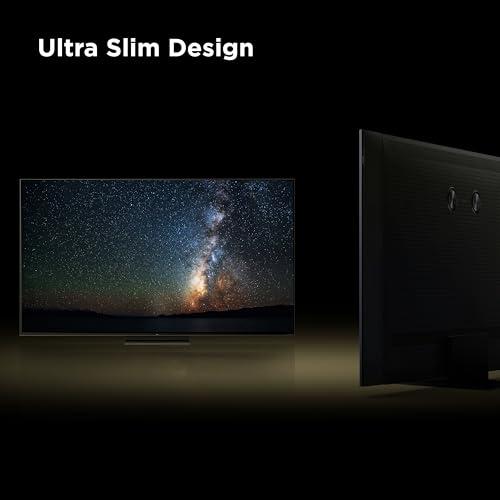
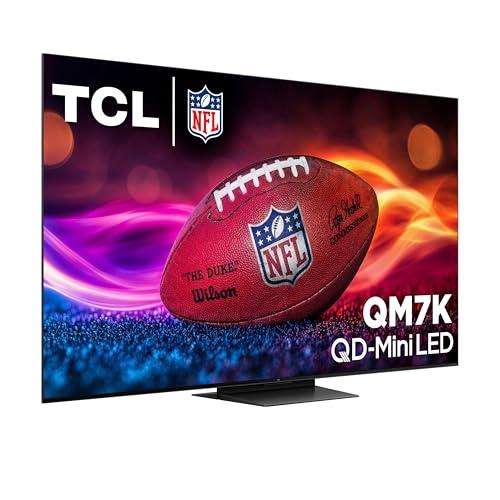
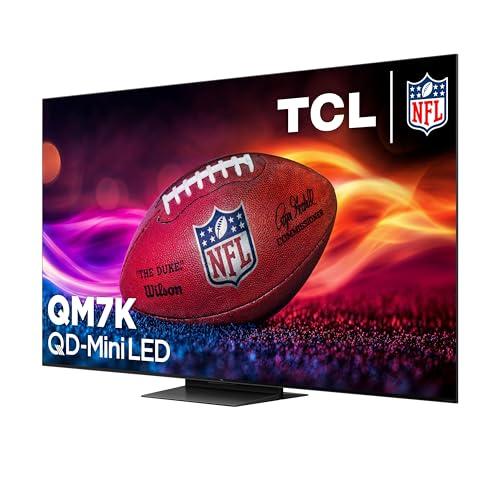
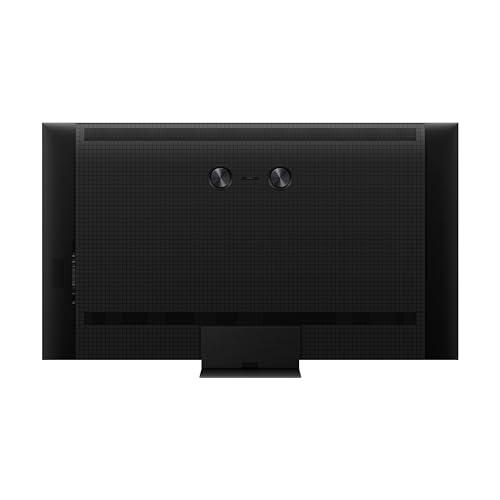
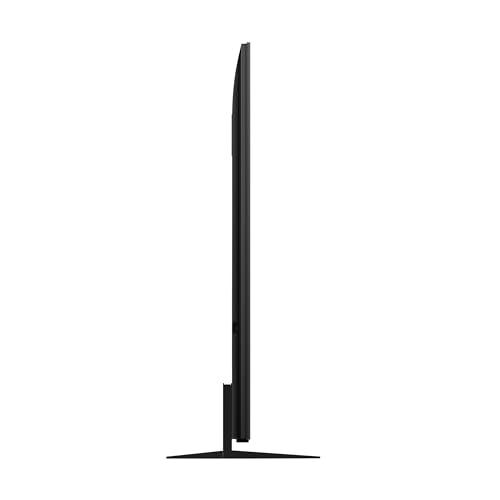
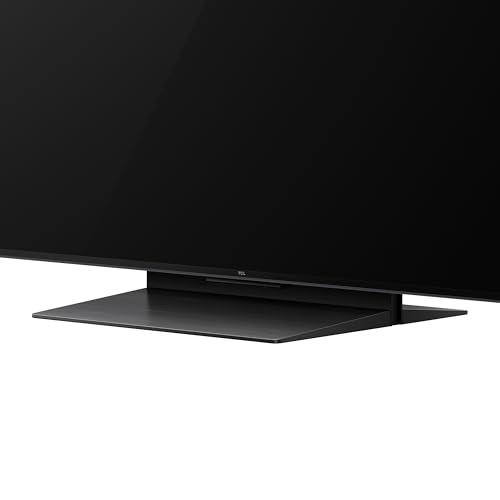
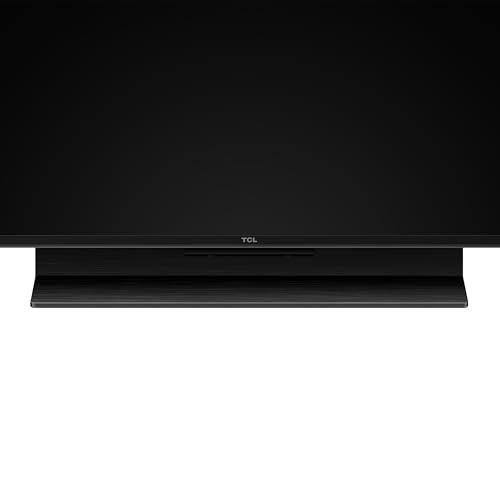
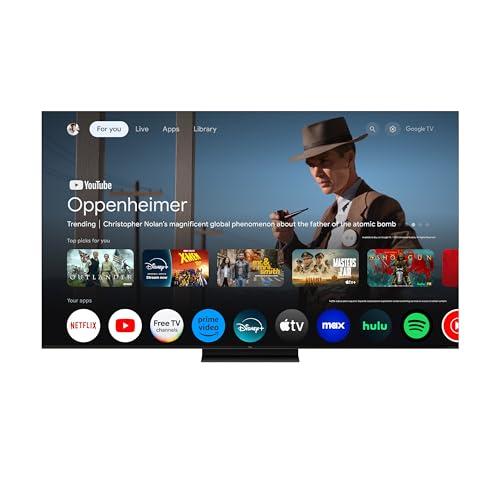
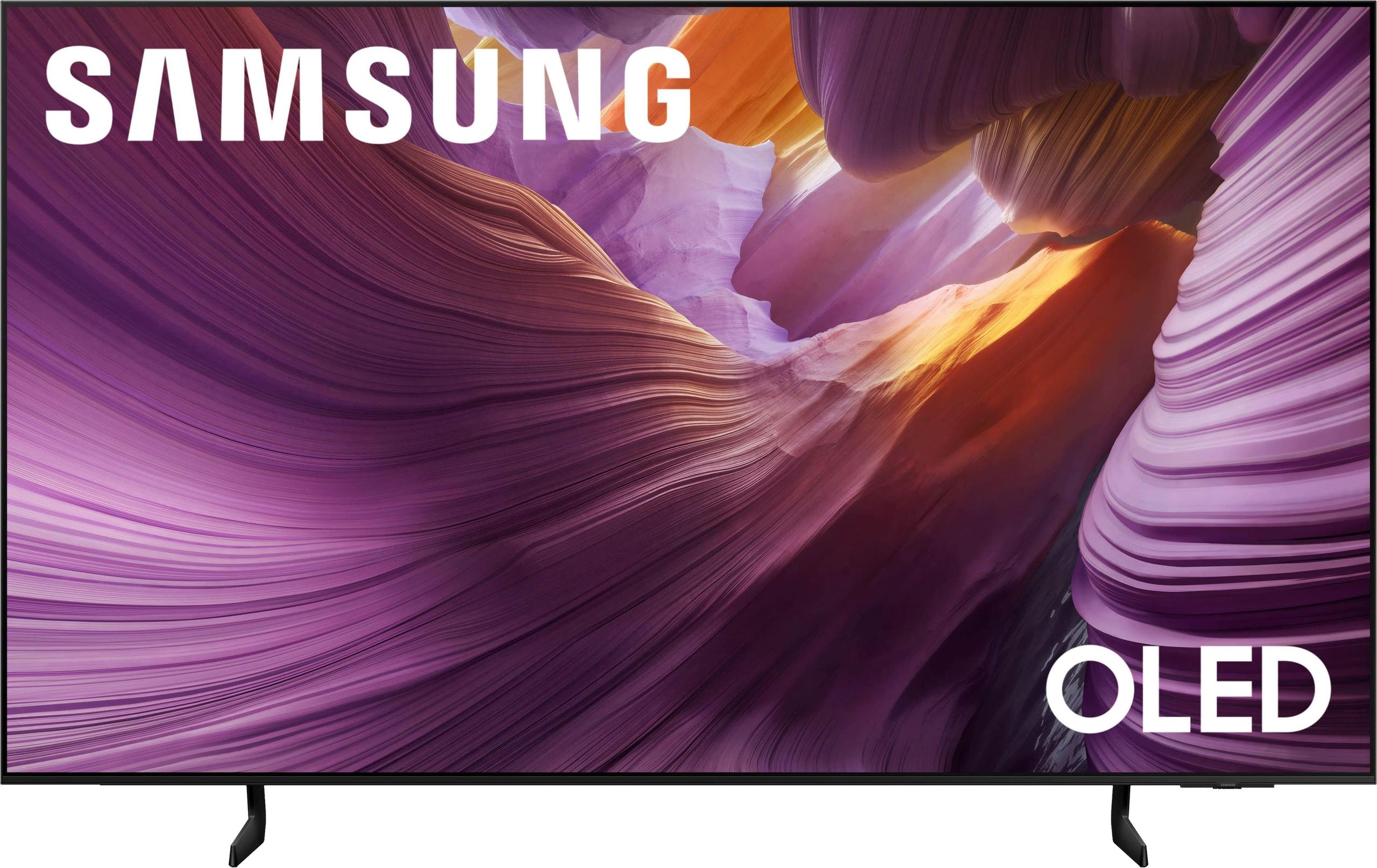
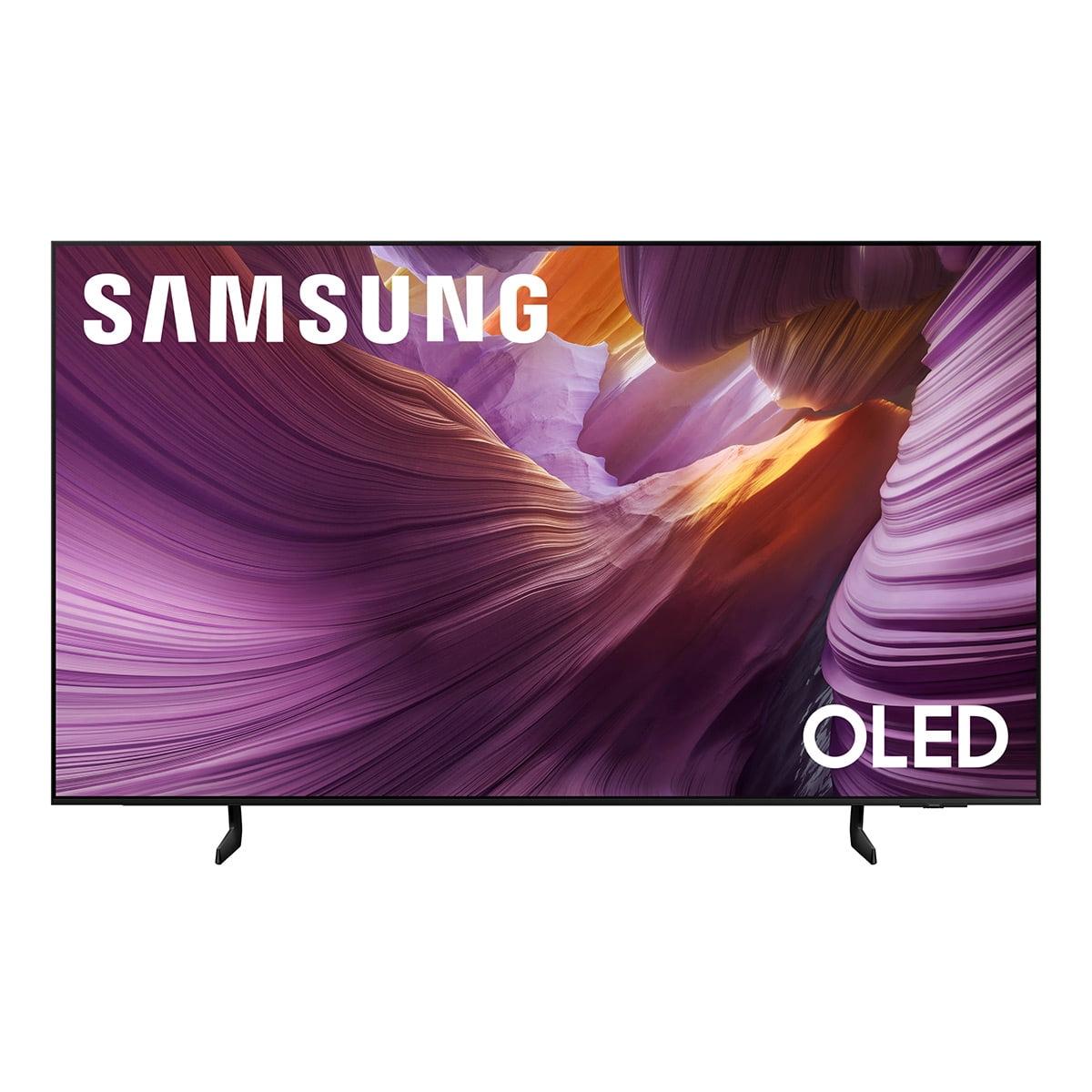
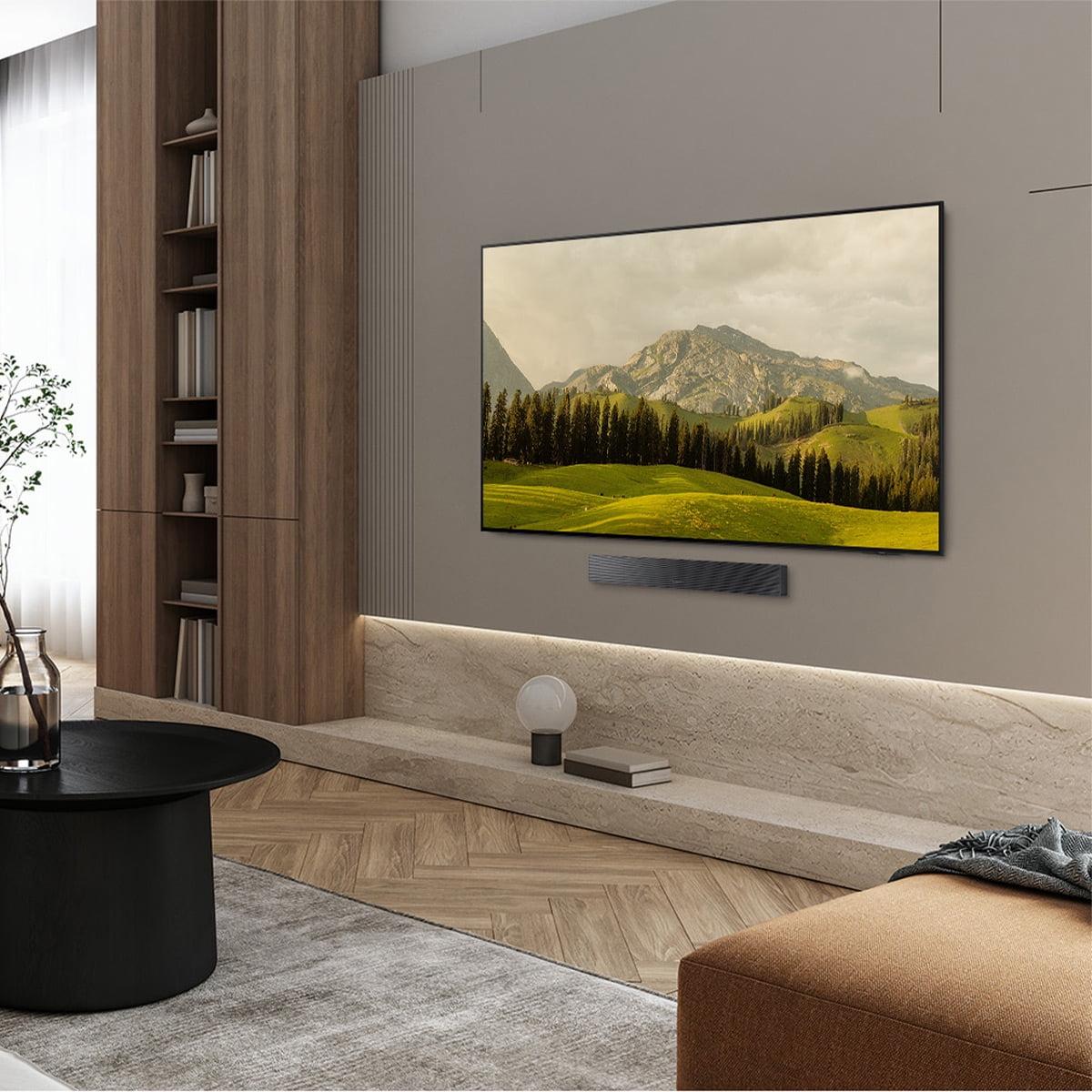

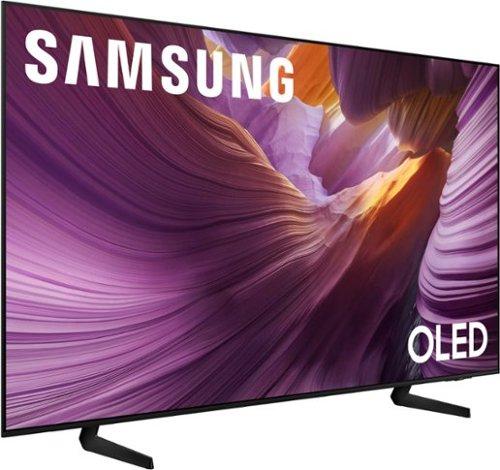
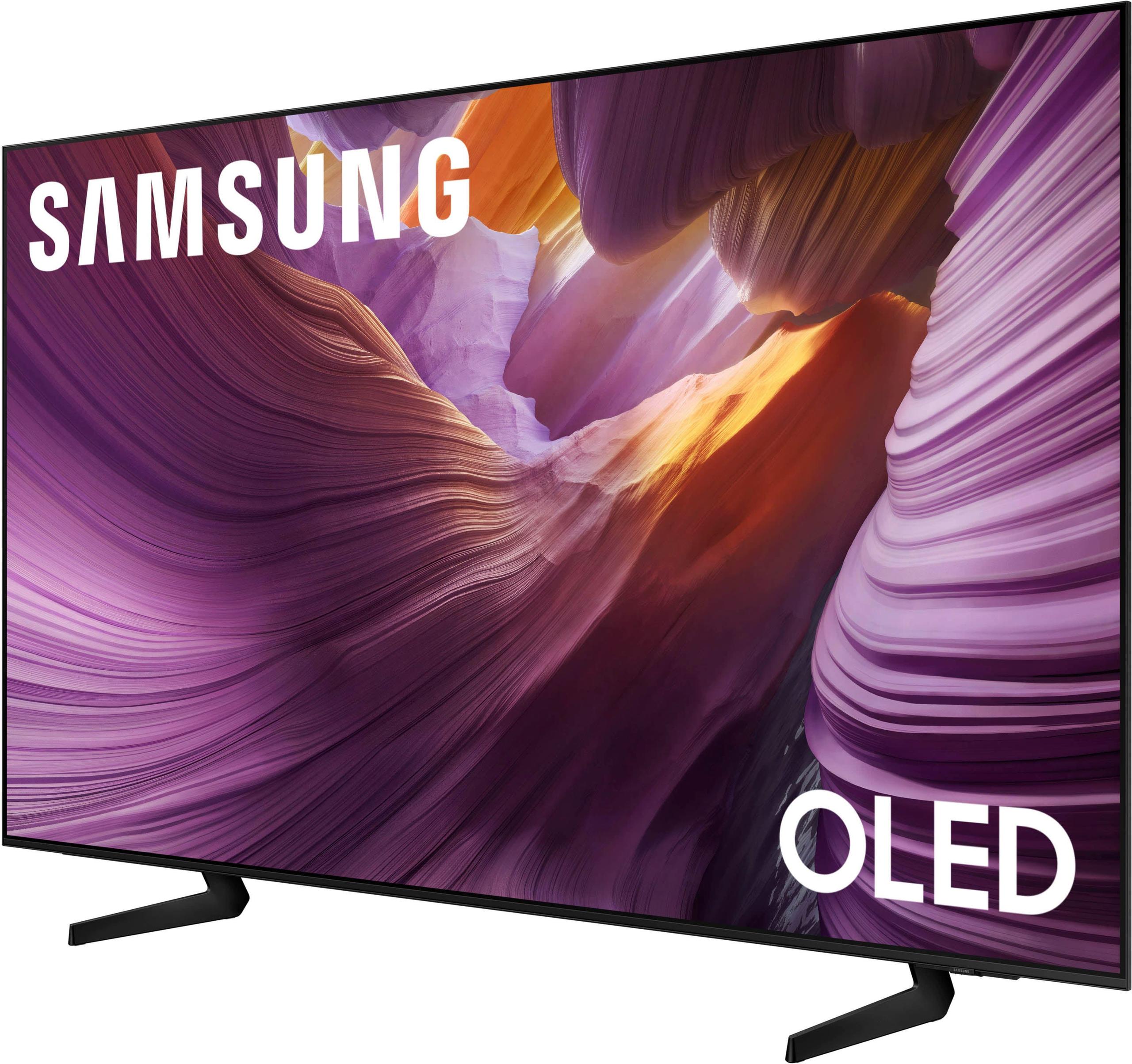
Shopping for a premium 65" TV in 2025 means choosing between two fundamentally different approaches to picture quality. The TCL 65QM7K uses cutting-edge Mini LED technology with quantum dots, while the Samsung 65" S85F relies on OLED's self-emitting pixels. Both arrived in 2025 representing significant upgrades from their 2024 predecessors, but they solve the picture quality puzzle in completely different ways.
At the time of writing, these TVs typically sit in the $900-1200 range for 65" models, making them direct competitors in the premium segment. But despite similar pricing, they're built for different viewing scenarios. Understanding which technology suits your living space and viewing habits will save you from buyer's remorse down the road.
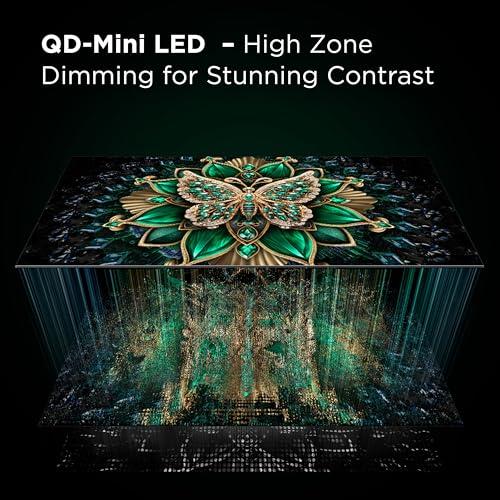
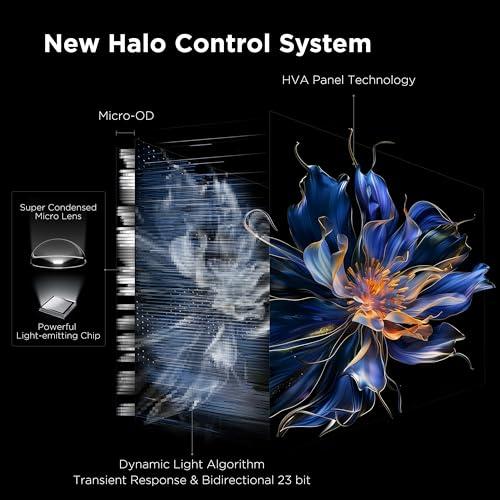
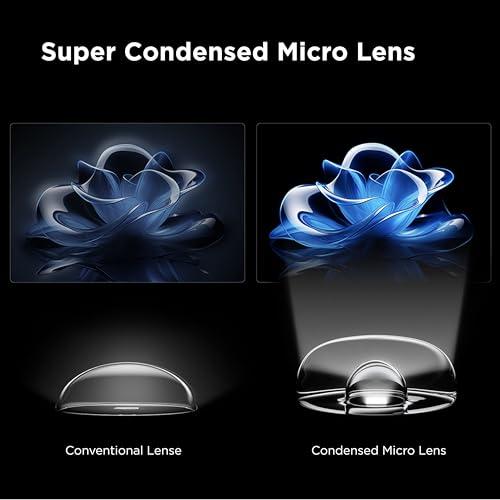
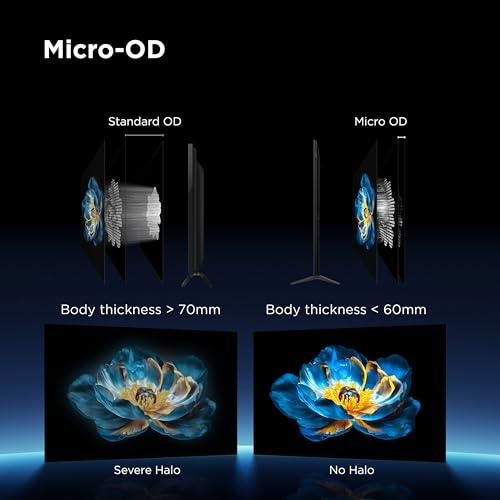
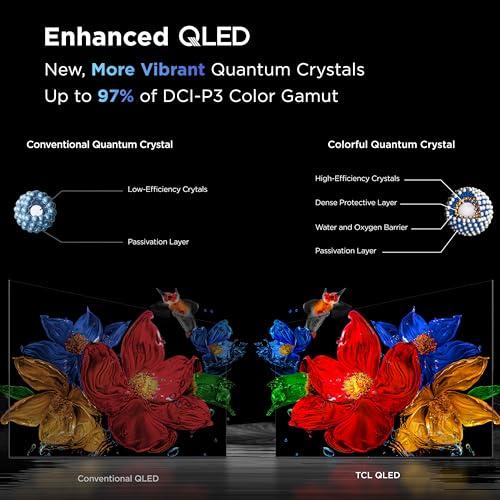
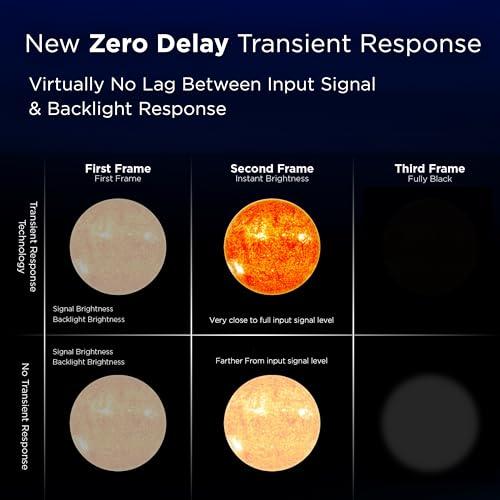
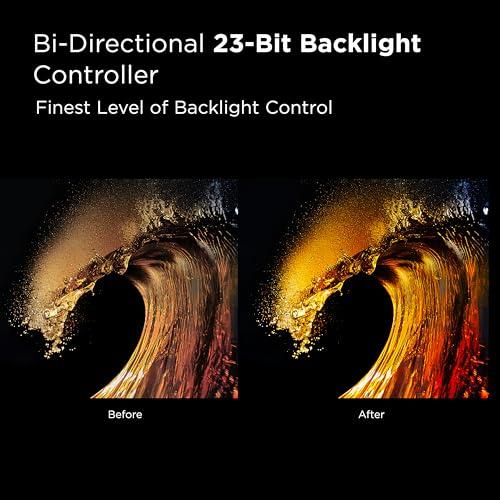
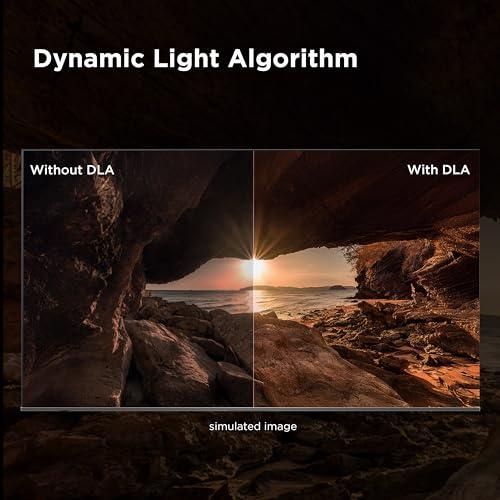
Before diving into specifics, let's break down what makes these displays tick. The TCL QM7K uses QD-Mini LED, which sounds complicated but is actually quite clever. Think of it as a traditional LCD TV on steroids—instead of a few dozen LED zones like older TVs, it packs around 2,500 tiny dimming zones behind the screen. Each zone can independently brighten or dim, creating precise light control. The "QD" stands for Quantum Dot, a layer of microscopic crystals that convert blue LED light into pure red and green colors, resulting in more vibrant and accurate colors than standard LCD panels.
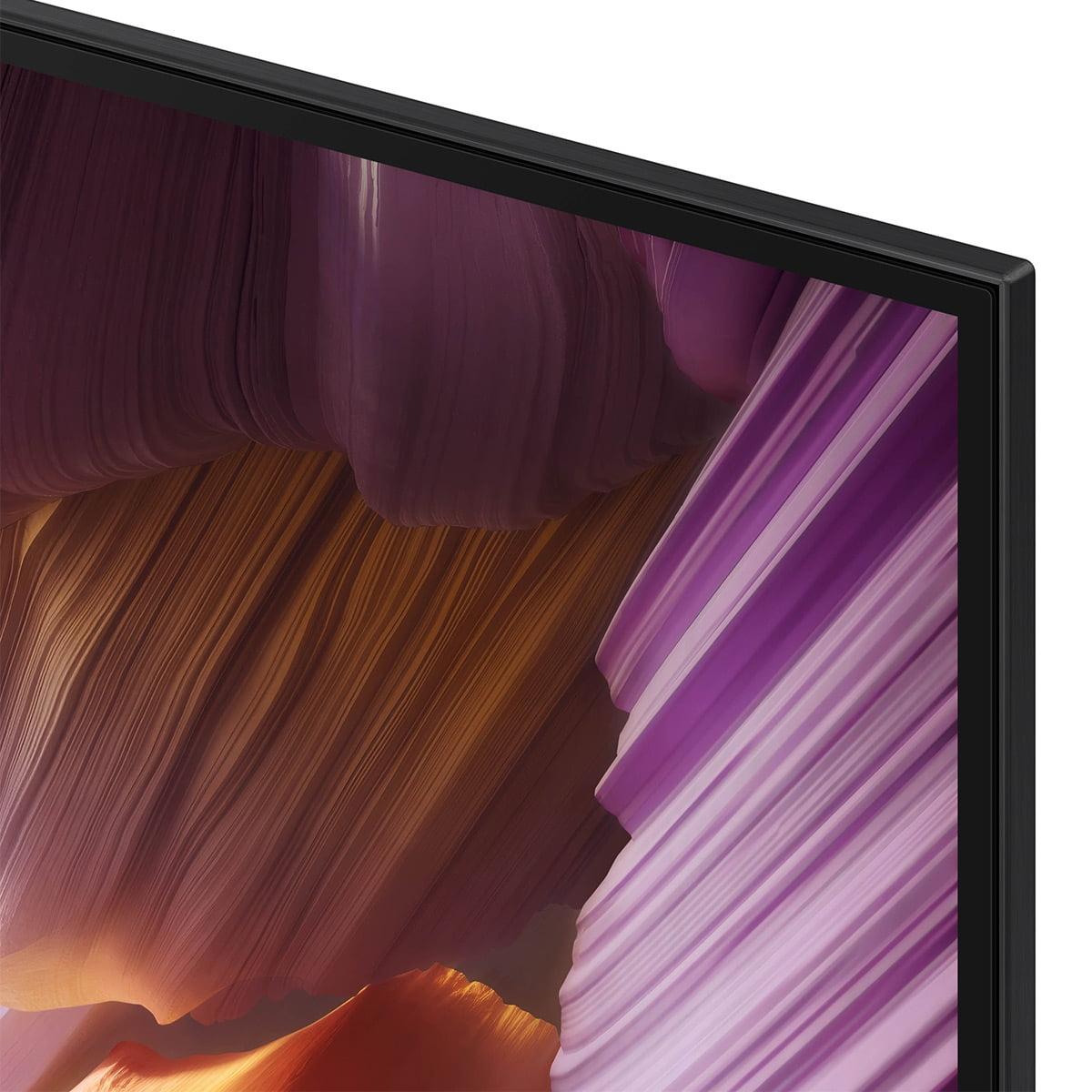
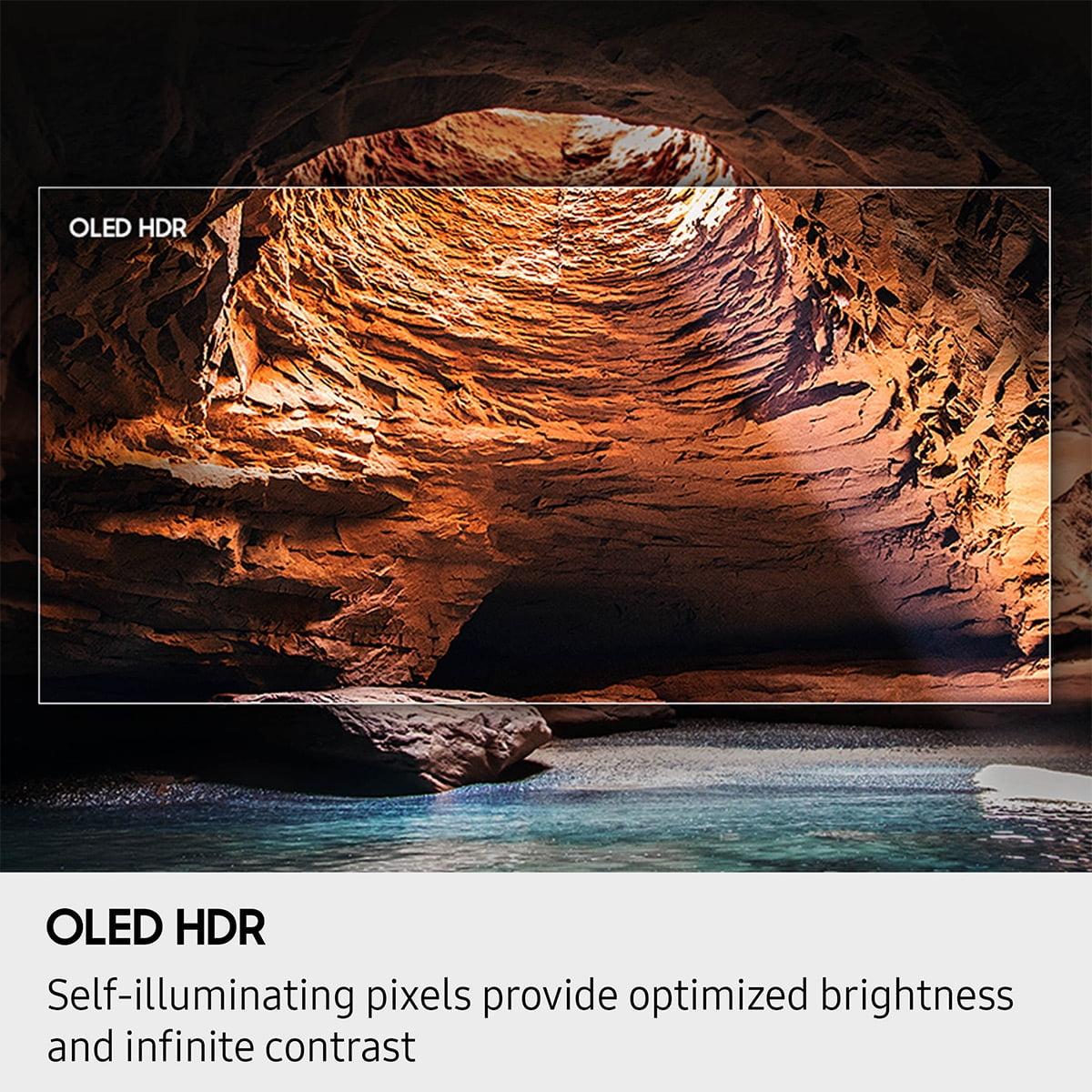
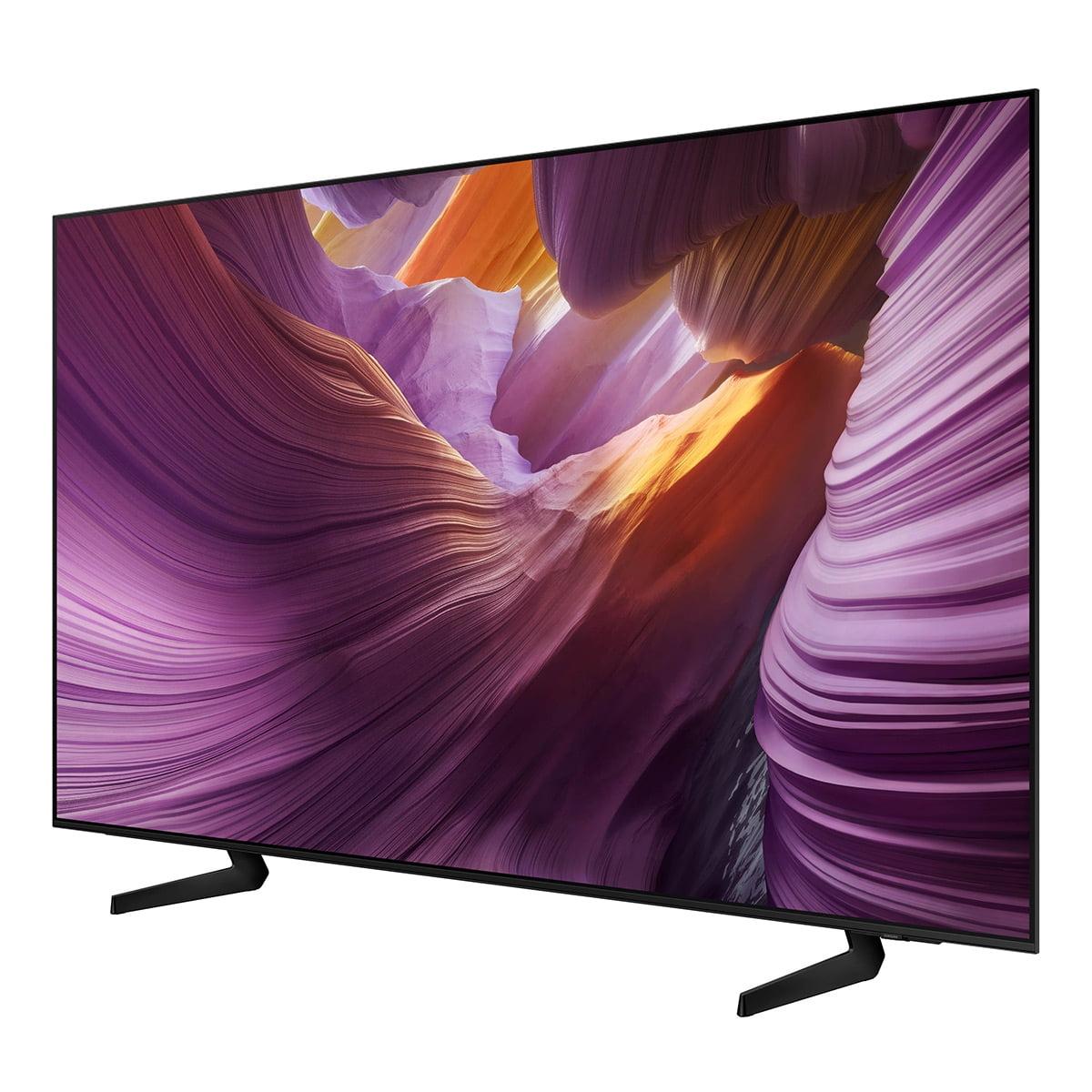
The Samsung S85F, meanwhile, uses QD-OLED technology—a newer approach that combines quantum dots with OLED (Organic Light Emitting Diode) pixels. Unlike LCD panels that need backlighting, each OLED pixel generates its own light and can turn completely off. Samsung's twist is adding quantum dots on top of the OLED layer, which boosts color purity and brightness compared to traditional OLED panels from LG or Sony.
Both technologies emerged from manufacturers trying to solve LCD's contrast limitations while maintaining OLED's perfect blacks. The TCL attacks the problem with brute-force brightness and precise dimming, while the Samsung relies on the inherent advantages of self-emitting pixels enhanced with quantum dot color science.
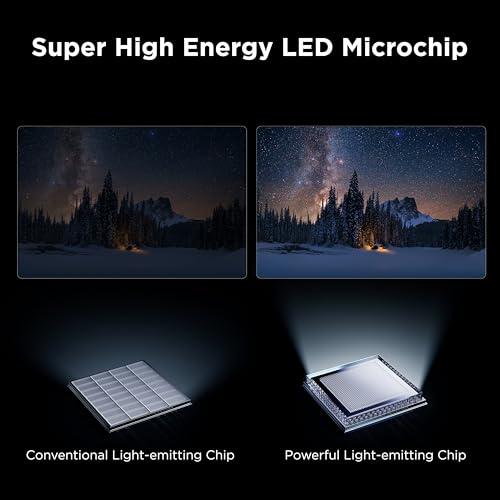
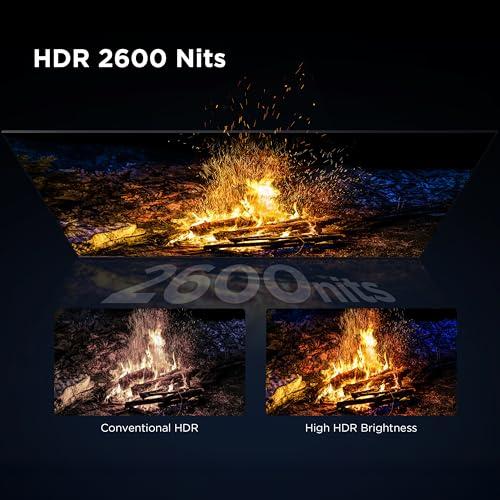
This is where the TCL QM7K flexes its muscles. With peak brightness reaching 2,600-3,000 nits (a measurement of luminance), it absolutely destroys the Samsung's ~750 nits in bright room scenarios. To put this in perspective, a sunny day outside measures around 100,000 nits, while a typical living room with windows might have 200-500 nits of ambient light bouncing around.
The difference becomes immediately obvious during daytime viewing. HDR (High Dynamic Range) content—which includes most Netflix shows, Amazon Prime movies, and modern games—relies on bright highlights to create that "wow" factor. Fire explosions, car headlights, and sunny beach scenes all pop dramatically on the TCL, maintaining their intended impact even with afternoon sunlight streaming through your windows.
I've found that brightness specifications only tell half the story. The TCL's 2,500 local dimming zones work with that high brightness to create what's called "contrast ratio"—the difference between the brightest whites and darkest blacks the TV can produce. While the Samsung technically achieves infinite contrast (since OLED pixels can turn completely off), the TCL's sheer brightness often makes its contrast appear more dramatic in real-world viewing conditions.
The trade-off? Power consumption and heat generation. The TCL draws significantly more electricity when displaying bright HDR content, and you'll notice more warmth coming from the back panel during extended viewing sessions. The Samsung sips power by comparison, with individual pixels consuming energy only when needed.
Here's where the Samsung S85F strikes back. OLED's ability to produce true blacks—literally zero nits of light output—creates an viewing experience that's hard to describe until you see it. When a spaceship floats against the black void of space, that void actually disappears on the Samsung. Your eye can't distinguish between the TV's black pixels and the actual bezels around the screen.
The TCL QM7K, despite its impressive 2,500 dimming zones, still uses an LCD panel with LED backlighting. This means even in its darkest state, some light leaks through—what we call "black levels." In a completely dark room, you'll notice that black backgrounds appear more like dark gray. It's subtle, but once you see true OLED blacks, LCD blacks feel compromised.
This difference matters most for movie enthusiasts who dim the lights for that theater experience. Watching "Dune" or "Blade Runner 2049" in a dark room, the Samsung delivers that immersive, floating-in-space feeling that makes you forget you're looking at a screen. The TCL provides excellent dark room performance too, but you'll always be aware you're watching a backlit display.
However, there's a crucial caveat: OLEDs struggle with black levels in bright rooms. When ambient light hits the Samsung's screen, those perfect blacks start looking gray anyway. This is where the TCL's higher brightness helps maintain contrast even with room lighting.
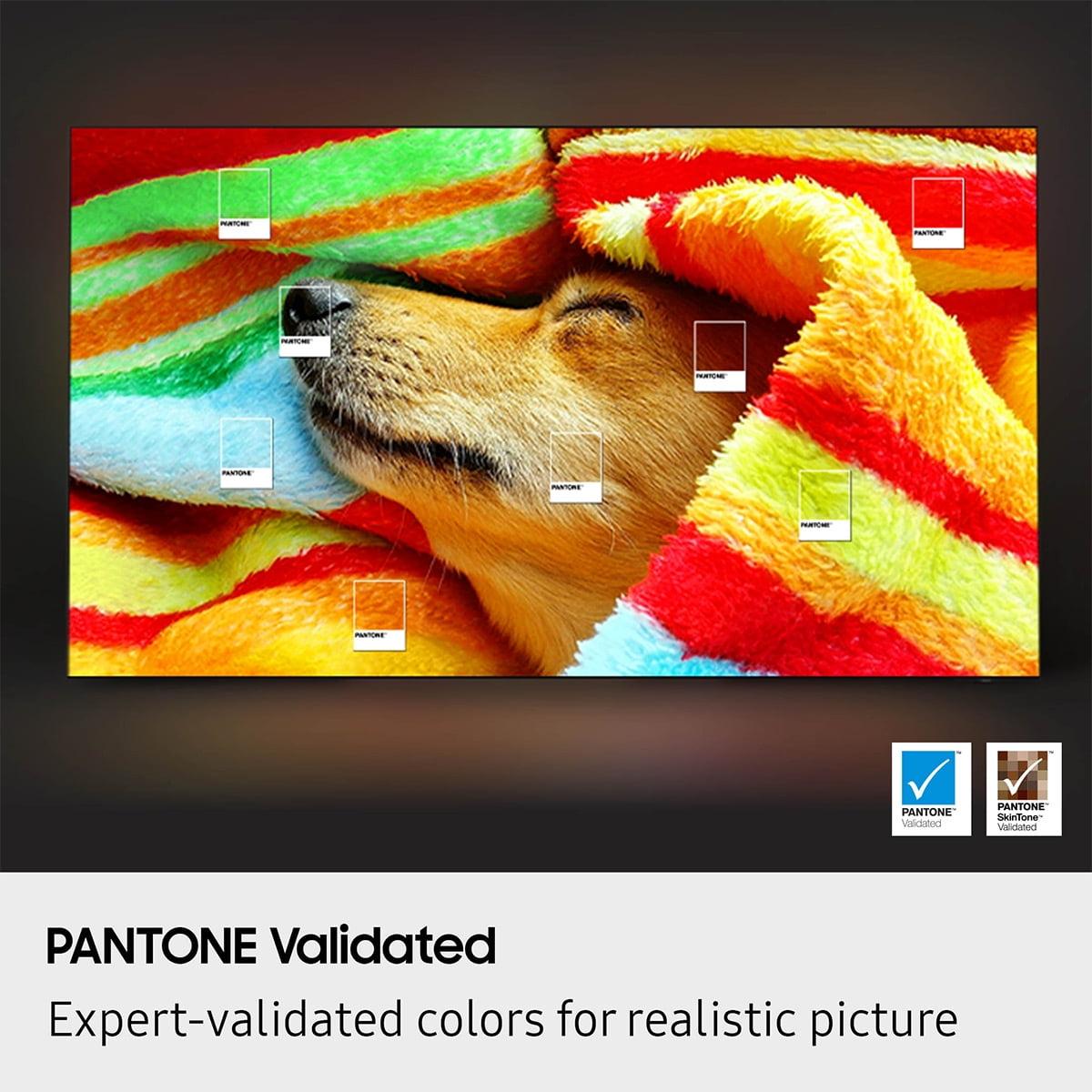
Both TVs deliver impressive color performance, but with different philosophies. The Samsung S85F is Pantone validated, meaning it can reproduce over 2,140 specific colors exactly as defined by the international color standard. This precision matters for skin tones, subtle sunset gradations, and any content where natural color reproduction is paramount.
The TCL QM7K takes a more aggressive approach, leveraging its extreme brightness to create what's called "color volume"—the ability to display vivid colors even in bright scenes. While it covers nearly the entire DCI-P3 color space (the digital cinema standard), it prioritizes impact over precision. Colors pop with intensity that makes nature documentaries and animated content particularly engaging.
In practical terms, the Samsung shows more accurate skin tones and subtle color variations, while the TCL makes colors look more vibrant and exciting. Neither approach is wrong—it depends whether you prioritize accuracy or visual impact. Professional video editors might prefer the Samsung's precision, while most viewers will appreciate the TCL's punchy presentation.
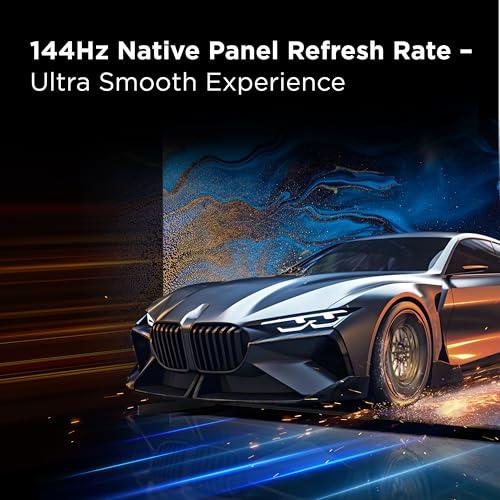
Both TVs cater to serious gamers but excel in different areas. The TCL QM7K supports native 144Hz refresh rate with Variable Refresh Rate (VRR) up to 288Hz at 1080p resolution. For competitive PC gamers playing titles like "Counter-Strike" or "Valorant," these high refresh rates provide smoother motion and reduced input lag that can mean the difference between winning and losing clutch rounds.
The Samsung S85F tops out at 120Hz for 4K content but offers near-instantaneous pixel response times that only OLED can achieve. This eliminates motion blur and ghosting—issues where fast-moving objects leave trails or appear doubled. Console gamers playing action titles will appreciate the crystal-clear motion, though the refresh rate limitation means less future-proofing for next-generation gaming hardware.
Input lag—the delay between pressing a button and seeing the result on screen—is excellent on both TVs. The TCL achieves around 10-15 milliseconds in Game Mode, while the Samsung hits 9-12 milliseconds. These differences are imperceptible to most players.
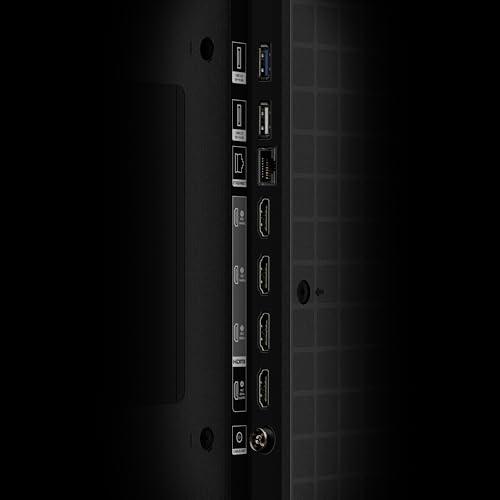
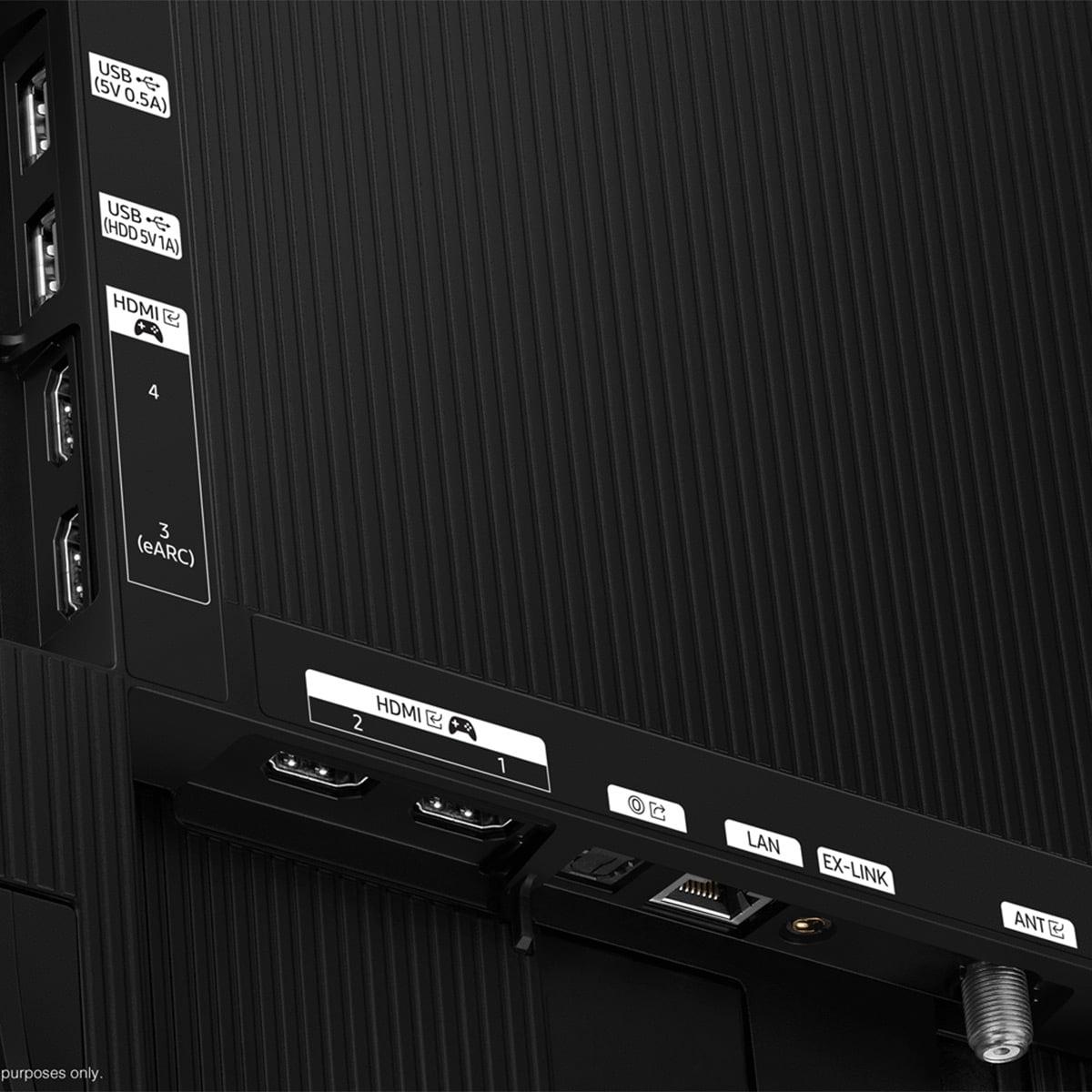
One practical advantage goes to the Samsung: it includes four HDMI 2.1 ports compared to the TCL's two. With modern gaming setups often including multiple consoles, a PC, and a streaming device, port availability matters. The TCL forces some compromise in connectivity.
This category reveals a significant philosophical difference between brands. The Samsung S85F runs Tizen OS with Samsung's commitment to seven years of software updates—an industry-leading promise that ensures your TV remains current with new streaming services and features well into the future.
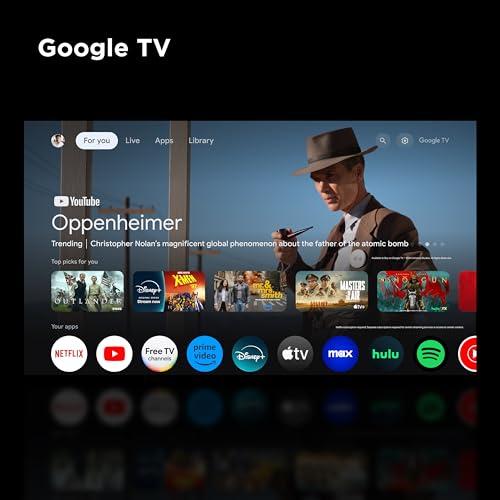
The TCL QM7K uses Google TV (an evolution of Android TV), which typically receives 2-3 years of meaningful updates. While Google TV offers better integration with Google services and a more familiar Android-like interface, Samsung's longer support cycle represents better long-term value.
Both platforms handle streaming apps flawlessly, but Samsung's SmartThings integration transforms the TV into a smart home hub capable of controlling lights, thermostats, and security systems. The TCL offers Google Assistant integration but lacks the comprehensive smart home ecosystem.
Performance-wise, Samsung's NQ4 AI Gen2 processor feels slightly more responsive navigating menus and launching apps, though both handle 4K streaming without issues. The Samsung also includes useful AI features like automatic picture adjustments based on room lighting and content type.
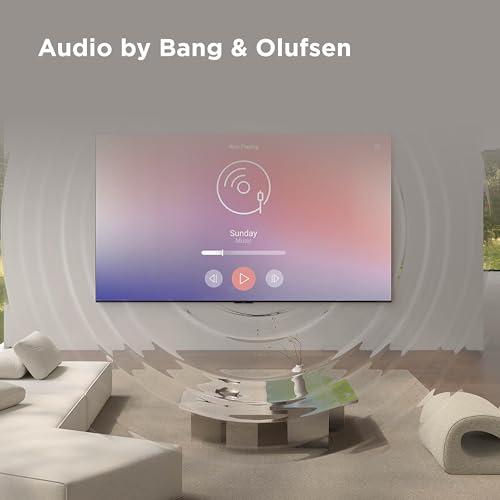
Built-in TV audio often gets dismissed, but both TVs make respectable efforts. The TCL QM7K includes an Onkyo-tuned 2.1 speaker system with a dedicated subwoofer, providing fuller bass response than typical TV speakers. It supports both Dolby Atmos and DTS audio formats, making it compatible with a wider range of content sources.
The Samsung S85F offers a 20W system with Object Tracking Sound Lite, which attempts to match audio movement with on-screen action. While it supports Dolby Atmos, it lacks DTS support—a limitation that affects some Blu-ray movies and streaming content.
Neither TV replaces a dedicated sound system, but the TCL's built-in audio is notably more capable out of the box. For apartments or situations where adding a soundbar isn't practical, this difference matters.
For dedicated home theater setups, room lighting control becomes paramount. If you can darken your space for movie viewing, the Samsung S85F's OLED technology provides the most cinematic experience. The infinite contrast creates that premium theater feeling where the image seems to float in darkness.
However, many "home theaters" are really family rooms that pull double duty. The TCL QM7K handles mixed usage better—it excels during daytime sports viewing with ambient light while still delivering excellent nighttime movie performance. The lack of burn-in risk also matters for families who might leave news channels or gaming interfaces on-screen for extended periods.
OLED burn-in remains a consideration, though modern panels like the Samsung's include sophisticated protection measures. Pixel shifting, automatic brightness limiting, and screensavers minimize risk, but static elements like news tickers or gaming HUDs can still cause permanent image retention over years of use.
The TCL's LCD-based technology has no burn-in risk whatsoever. You can leave static images on-screen indefinitely without worry. For households with varied viewing habits—kids playing games, adults watching news, streaming with pause-prone content—this reliability advantage matters.
The choice ultimately depends on your specific viewing environment and priorities. Choose the TCL QM7K if you have a bright living room, watch TV during daytime hours, prioritize gaming performance, or want worry-free operation without burn-in concerns. Its exceptional brightness and value proposition make it ideal for most real-world viewing situations.
Select the Samsung S85F if you have a dedicated, light-controlled viewing space, prioritize color accuracy and cinematic picture quality, need extensive smart home integration, or value long-term software support. It's the better choice for movie enthusiasts and anyone seeking the premium OLED experience.
At the time of writing, pricing typically favors the TCL by $200-300, making its value proposition even stronger for most buyers. The Samsung justifies its premium through superior picture quality in optimal conditions and longer software support.
Both represent significant upgrades from 2024 models, with improved processors, gaming features, and smart capabilities. You can't go wrong with either choice—the key is matching the technology to your viewing environment and preferences.
| TCL 65QM7K QD-Mini LED 4K Google TV | Samsung 65" S85F OLED 4K Smart TV (2025) |
|---|---|
| Display Technology - Fundamentally different approaches to picture quality | |
| QD-Mini LED with 2,500 local dimming zones | QD-OLED with self-emitting pixels |
| Peak Brightness - Critical for HDR impact and bright room viewing | |
| 2,600-3,000 nits (excellent for any lighting) | ~750 nits (requires controlled lighting) |
| Black Levels - Affects contrast and dark scene detail | |
| Very good LCD blacks with minimal blooming | Perfect OLED blacks (infinite contrast) |
| Gaming Refresh Rate - Higher rates provide smoother motion for competitive gaming | |
| Native 144Hz, up to 288Hz VRR | Native 100Hz, up to 120Hz with VRR |
| HDMI 2.1 Ports - Needed for 4K 120Hz gaming from modern consoles | |
| 2 ports (may limit multi-console setups) | 4 ports (accommodates full gaming setup) |
| Color Accuracy - Important for natural skin tones and professional content | |
| Excellent color volume, vibrant presentation | Pantone validated, professional-grade accuracy |
| Smart Platform Updates - Affects long-term usability and new features | |
| Google TV with 2-3 years typical support | Tizen OS with 7-year update commitment |
| Audio System - Built-in sound quality affects need for soundbar | |
| Onkyo 2.1 system with subwoofer, DTS support | 20W system with Dolby Atmos, no DTS |
| Burn-in Risk - Permanent image retention from static content like logos | |
| No burn-in risk (LCD technology) | Minimal risk with modern OLED protections |
| Smart Home Integration - Controls other connected devices | |
| Google Assistant integration | SmartThings hub with comprehensive control |
| Power Consumption - Ongoing electricity costs | |
| Higher consumption during bright HDR content | Lower overall power draw |
The TCL 65QM7K is significantly better for bright rooms due to its peak brightness of 2,600-3,000 nits compared to the Samsung S85F's ~750 nits. The TCL maintains HDR impact and overcomes glare from windows, while the Samsung can appear washed out in bright lighting conditions.
The TCL QM7K has zero burn-in risk since it uses LCD Mini LED technology. The Samsung S85F uses OLED technology which has minimal burn-in risk with modern protections, but static images like news tickers or gaming interfaces could potentially cause permanent retention over years of heavy use.
Both excel at gaming but differently. The TCL 65QM7K offers higher refresh rates (144Hz native, up to 288Hz VRR) making it better for competitive PC gaming. The Samsung S85F provides near-instantaneous response times and four HDMI 2.1 ports, making it ideal for console gaming with multiple devices.
The Samsung S85F achieves perfect blacks since OLED pixels can turn completely off, creating infinite contrast. The TCL QM7K produces very good blacks through its 2,500 local dimming zones but cannot match OLED's true black performance in dark room viewing.
The Samsung S85F runs Tizen OS with a 7-year update commitment and comprehensive SmartThings smart home integration. The TCL 65QM7K uses Google TV with typically 2-3 years of updates but offers better Google ecosystem integration.
The Samsung S85F offers superior color accuracy with Pantone validation for professional-grade precision. The TCL QM7K delivers more vibrant, impactful colors with higher color volume due to its extreme brightness, making content appear more vivid and engaging.
For a dedicated dark home theater, the Samsung S85F provides the most cinematic experience with perfect blacks and infinite contrast. However, for mixed-use family rooms, the TCL 65QM7K handles varied lighting conditions better while still delivering excellent nighttime movie performance.
The Samsung S85F includes four HDMI 2.1 ports, accommodating multiple gaming consoles and devices. The TCL QM7K has two HDMI 2.1 ports and two HDMI 2.0 ports, which may require switching for users with extensive gaming setups.
The TCL 65QM7K features a superior Onkyo 2.1 speaker system with dedicated subwoofer and both Dolby Atmos and DTS support. The Samsung S85F offers a 20W system with Dolby Atmos and Object Tracking Sound but lacks DTS audio format support.
The Samsung S85F consumes significantly less power since OLED pixels only draw energy when lit. The TCL QM7K uses more electricity, especially during bright HDR content, due to its high-brightness LED backlighting system.
The TCL 65QM7K typically costs less while delivering superior brightness, gaming refresh rates, and worry-free operation. The Samsung S85F justifies its premium through professional color accuracy, longer software support, and premium OLED picture quality in optimal viewing conditions.
Choose the Samsung S85F OLED if you have a dark or controllable lighting environment and prioritize perfect blacks and color accuracy. Select the TCL QM7K Mini LED if you watch TV in bright rooms, want maximum HDR impact, or prefer reliability without burn-in concerns.
We've done our best to create useful and informative comparisons to help you decide what product to buy. Our research uses advanced automated methods to create this comparison and perfection is not possible - please contact us for corrections or questions. These are the sites we've researched in the creation of this article: bestbuy.com - businessinsider.com - tomsguide.com - tomsguide.com - rtings.com - tomsguide.com - youtube.com - rtings.com - consumerreports.org - youtube.com - youtube.com - displayspecifications.com - youtube.com - tcl.com - tcl.com - tcl.com - youtube.com - rcwilley.com - bestbuy.com - tclcentral.com - displayspecifications.com - tomsguide.com - tcl.com - brandsmartusa.com - tcl.com - tcl.com - gizmochina.com - nfm.com - dolby.com - alexraytv.com - rtings.com - samsung.com - youtube.com - rtings.com - youtube.com - samsung.com - bestbuy.com - avsforum.com - avsforum.com - samsung.com - displayspecifications.com - videoandaudiocenter.com - bestbuy.com - flatpanelshd.com - myallsouth.com - samsung.com - richstv.com - samsung.com - heartlandappliance.com

Privacy Policy
Terms and Conditions - Affiliate Policy
Home Security
© Copyright 2008-2026.
11816 Inwood Rd #1211, Dallas, TX 75244