

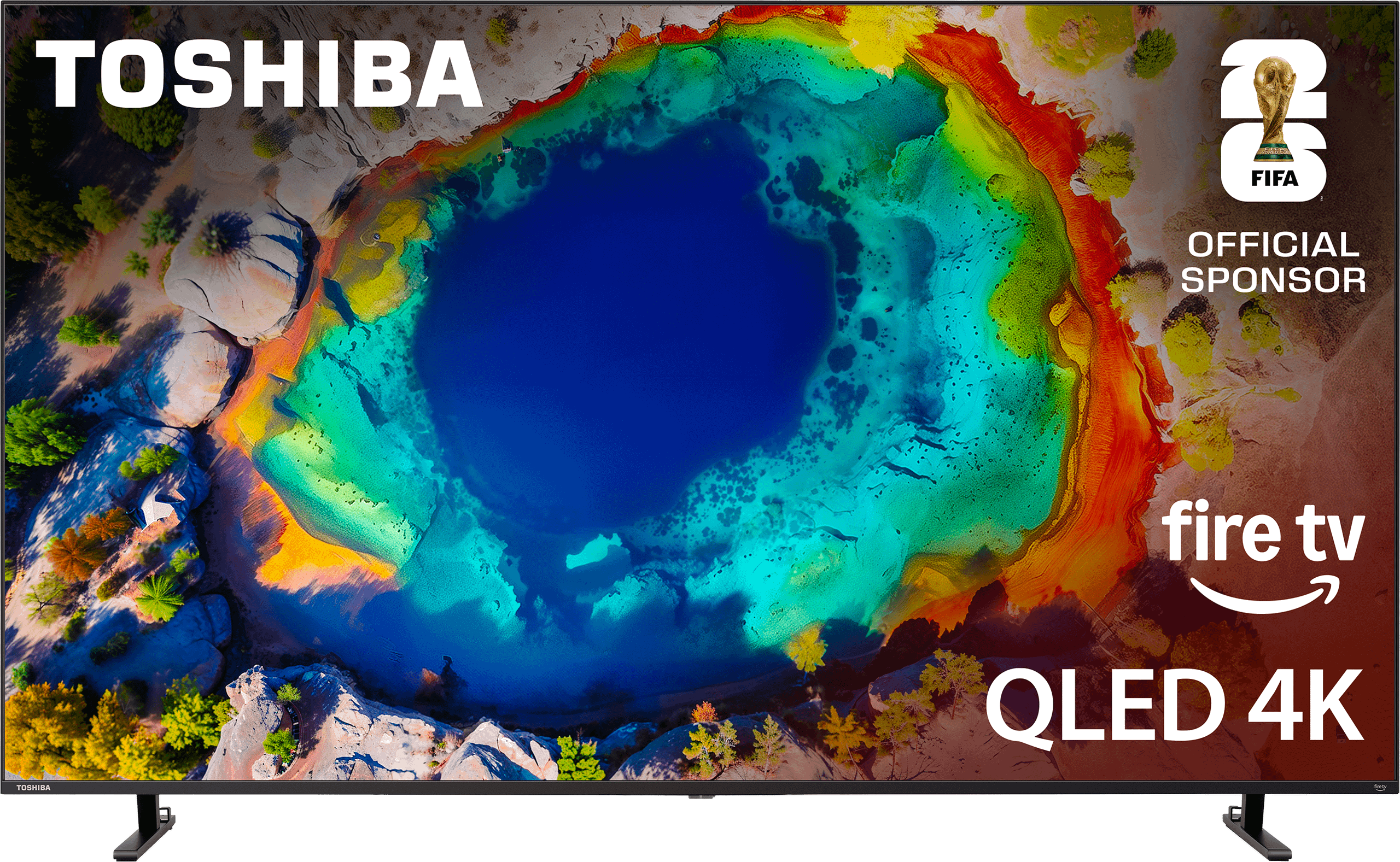
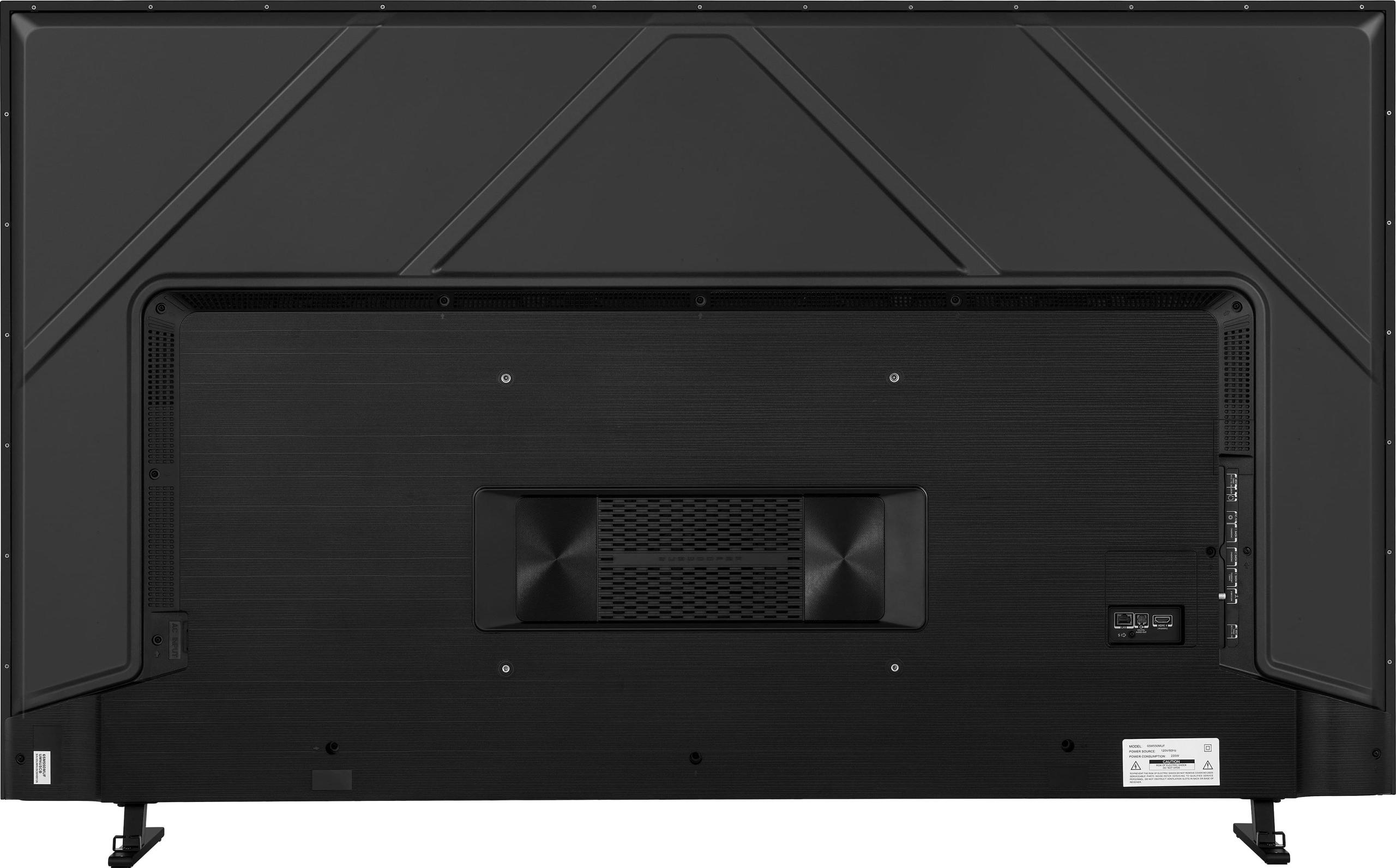
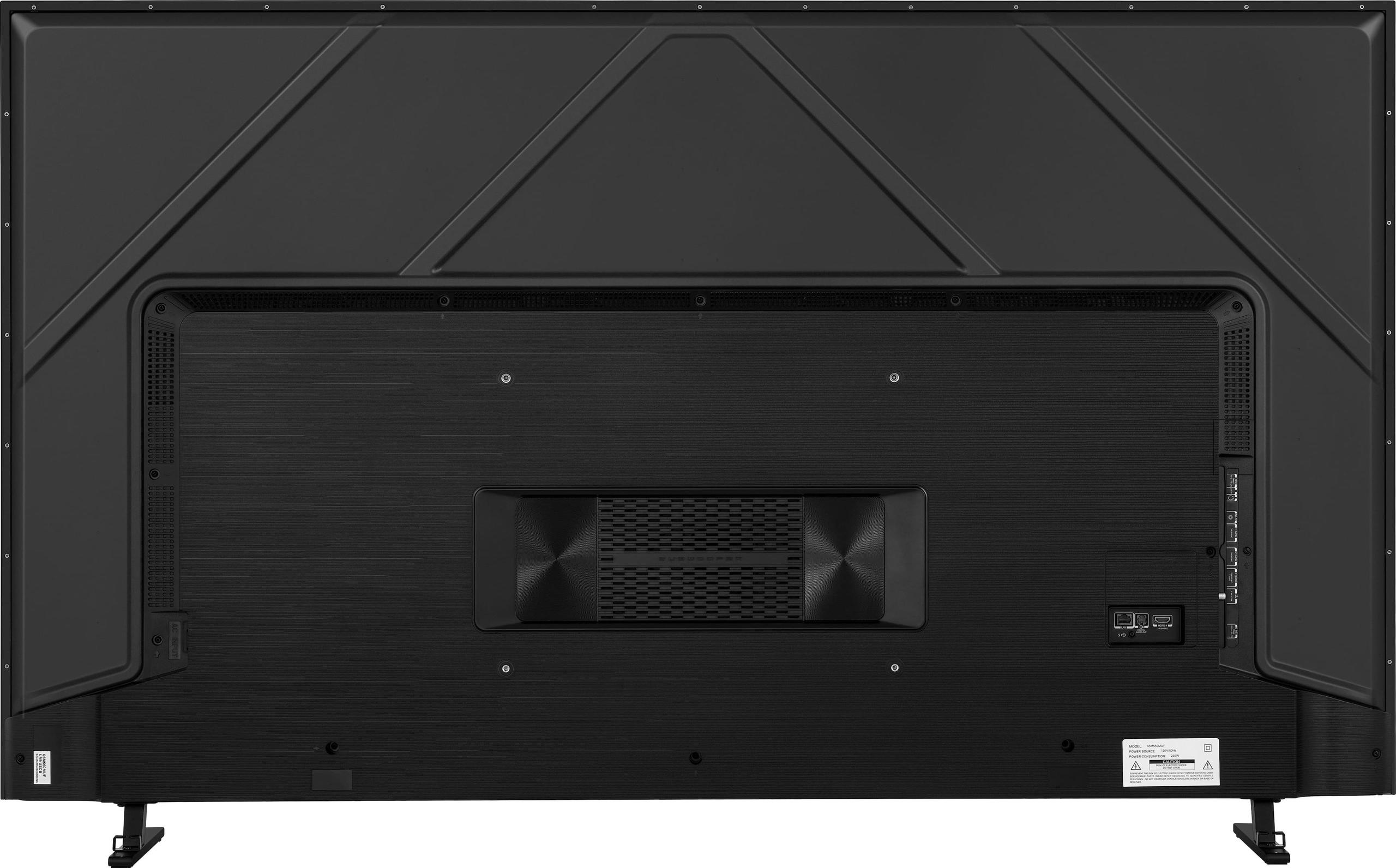
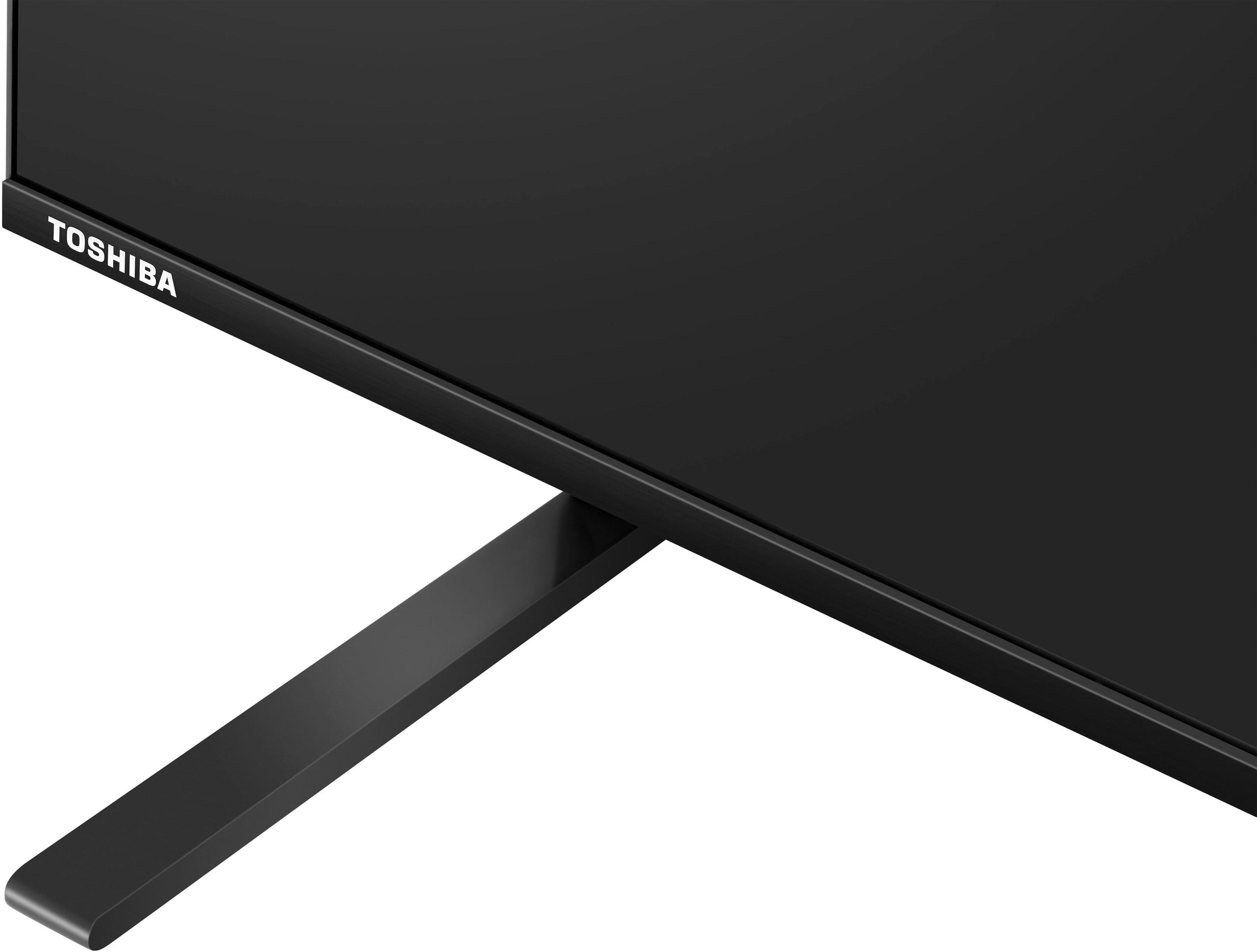
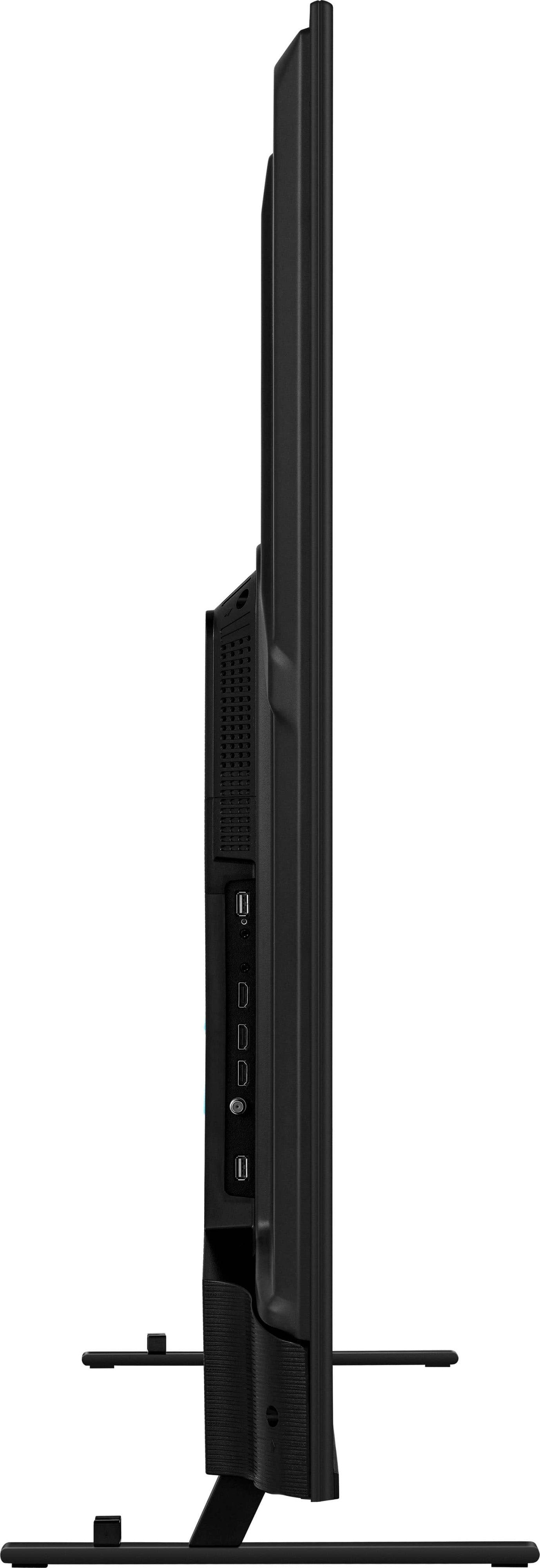
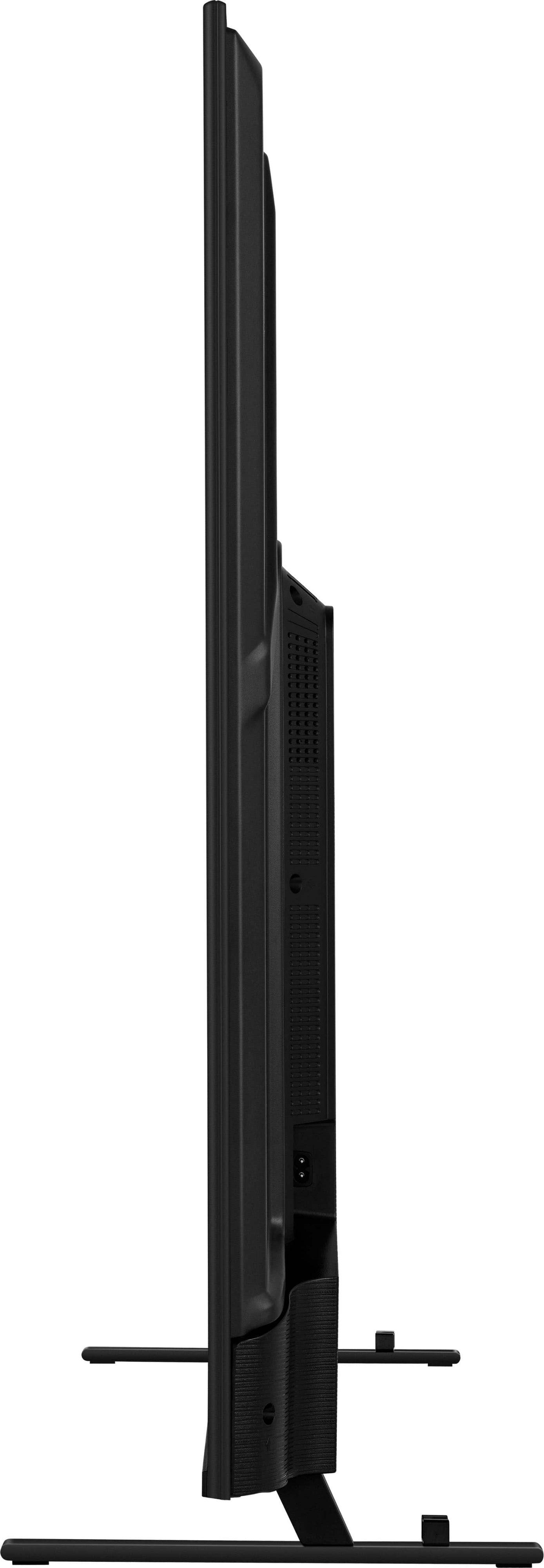
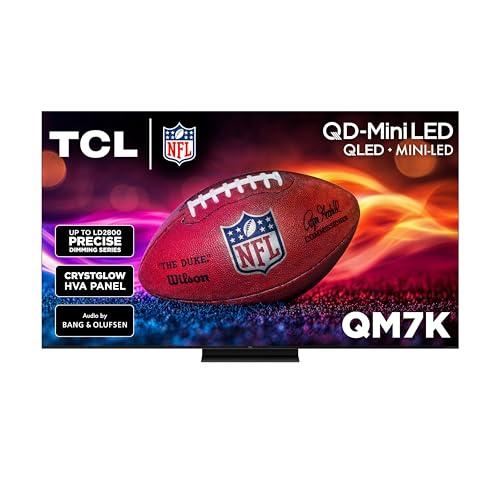
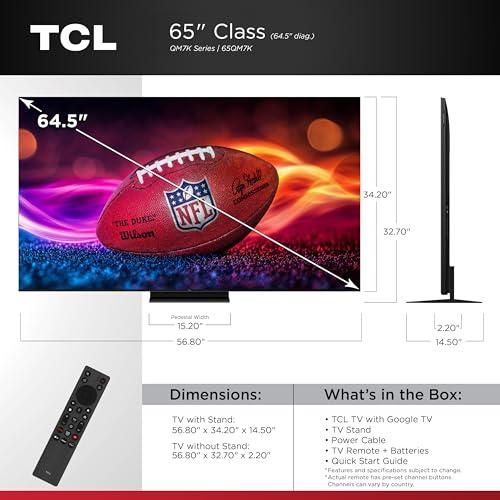
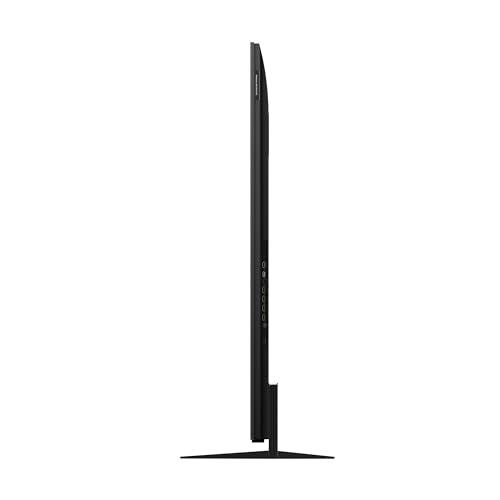
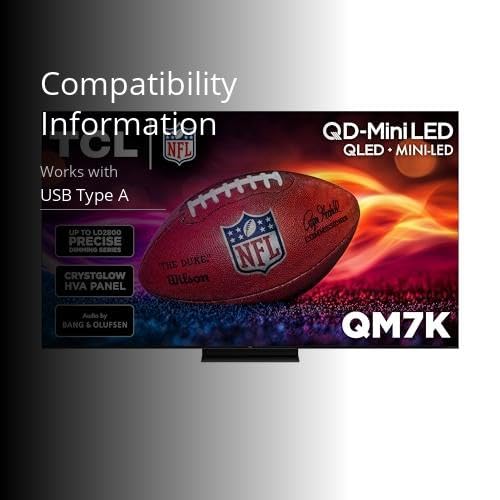
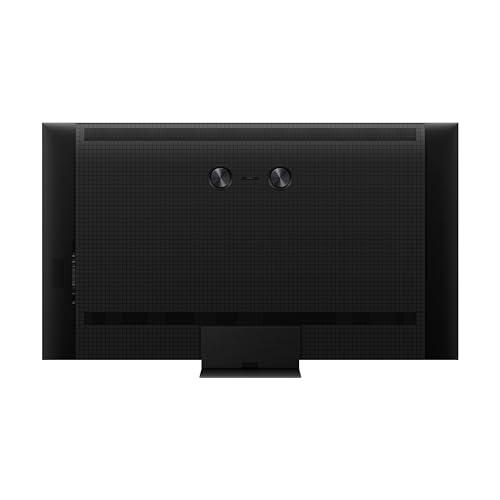
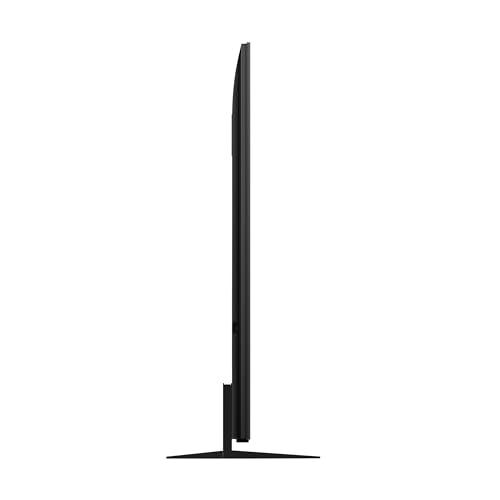
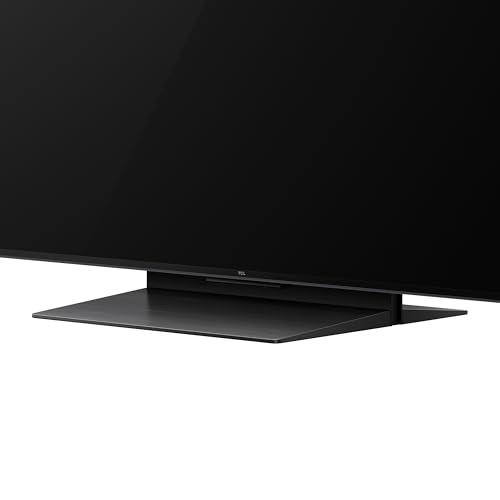
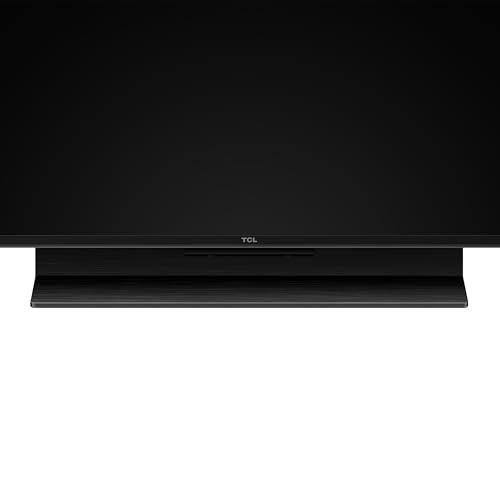
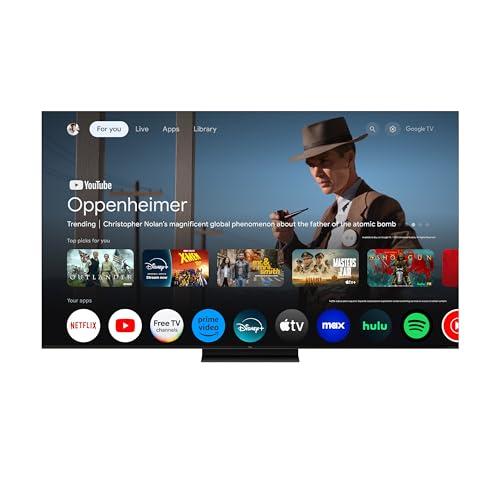
When shopping for a new 65-inch 4K TV, you'll quickly discover that the price range spans from around $300 to well over $2,000. This massive spread reflects fundamental differences in technology, performance, and features that can dramatically impact your viewing experience. Today we're comparing two TVs that perfectly illustrate this divide: the budget-friendly Toshiba 65" M550 Series QLED Fire TV and the premium TCL 65QM7K QD-Mini LED 4K Google TV.
At the time of writing, these TVs sit at opposite ends of the value spectrum, with the Toshiba M550 priced as an entry-level option while the TCL QM7K commands roughly three times more. But does that price difference translate to meaningful performance gains, or are you paying for features you'll never use?
The 65-inch 4K TV market has evolved dramatically over the past few years. What once required a premium investment is now accessible at budget prices, but the technology improvements at the high end have created an even wider performance gap than before.
The key considerations when choosing a 65" 4K TV include display technology (how the TV creates light and color), gaming performance (refresh rates and input lag), smart platform preferences, HDR implementation (how well it displays bright and dark scenes), audio quality, and overall build quality including processing power.
Display technology deserves special attention because it's the foundation of everything else. Traditional LED TVs use edge lighting or basic full-array backlighting, while QLED adds quantum dots for improved color. Mini-LED takes this further with thousands of tiny LEDs for precise brightness control, and QD-Mini LED combines both technologies for the best of both worlds.
The Toshiba M550, released in 2024, represents the "good enough" philosophy – delivering solid 4K picture quality and essential smart features at a price that won't strain your budget. It uses standard QLED technology with Full Array Local Dimming, which means it has quantum dots for enhanced colors and multiple zones of LEDs behind the screen for better contrast control.
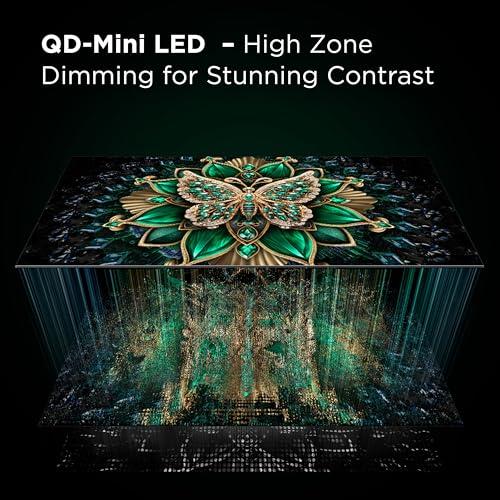
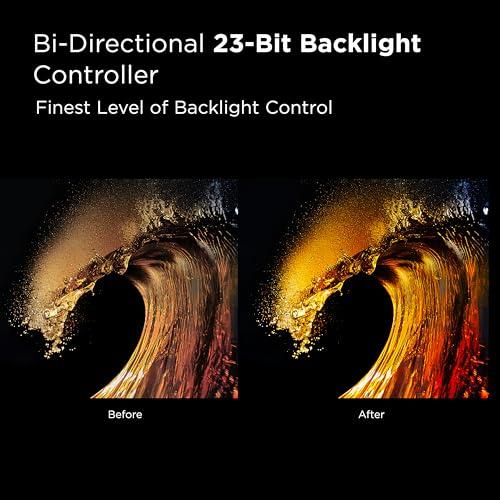
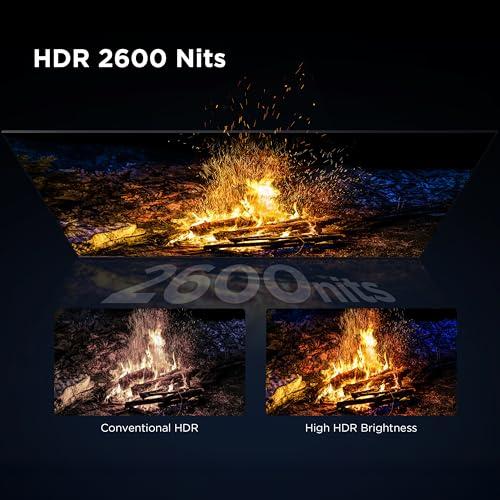
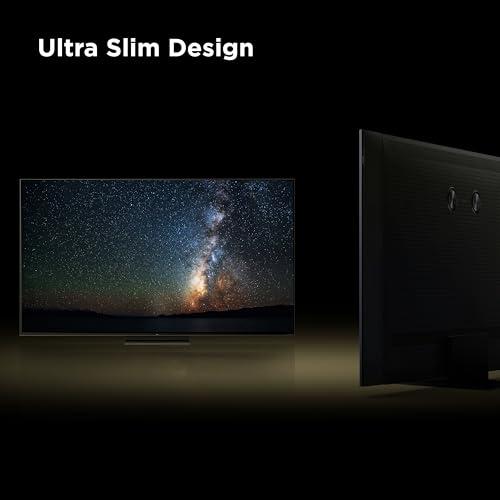
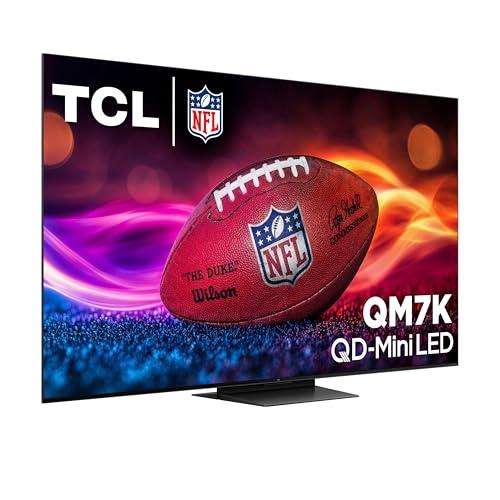
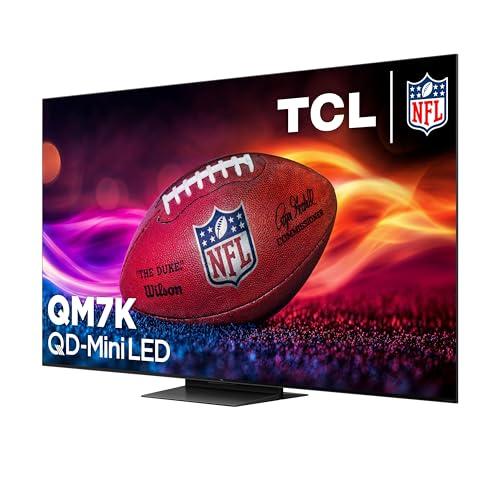
The TCL QM7K, part of TCL's 2024 lineup, embodies the "future-proof premium" approach. It features QD-Mini LED technology, which combines thousands of mini LEDs (much smaller than traditional LEDs) with quantum dots. This hybrid approach allows for incredible brightness – we're talking 2,600 to 3,000 nits, which is movie theater level – and precise control over light and shadow.
To put this in perspective, a typical room has about 100-200 nits of ambient light. The Toshiba M550 can likely reach 400-600 nits peak brightness (though Toshiba doesn't specify), while the TCL QM7K can hit 3,000 nits. That's the difference between a decent flashlight and a car headlight.
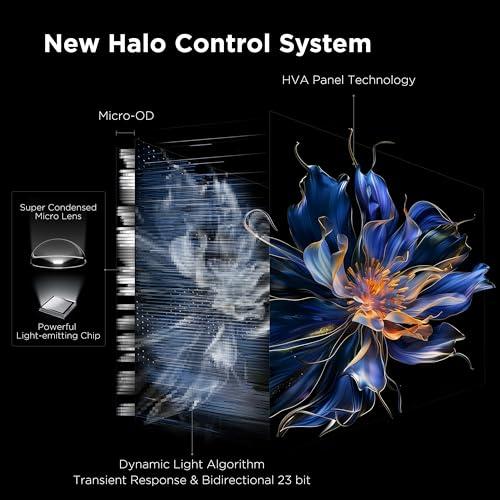
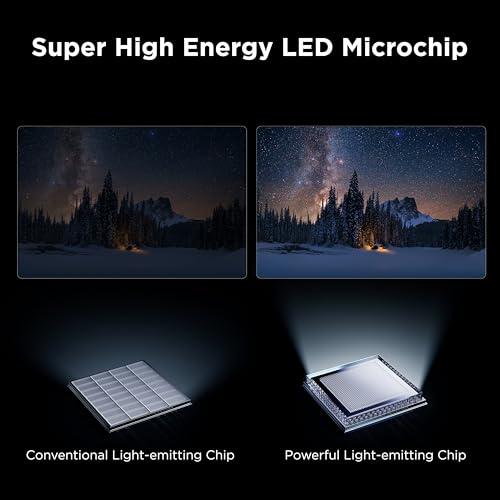
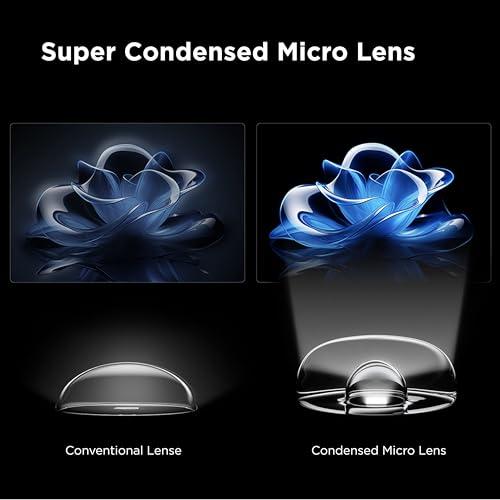
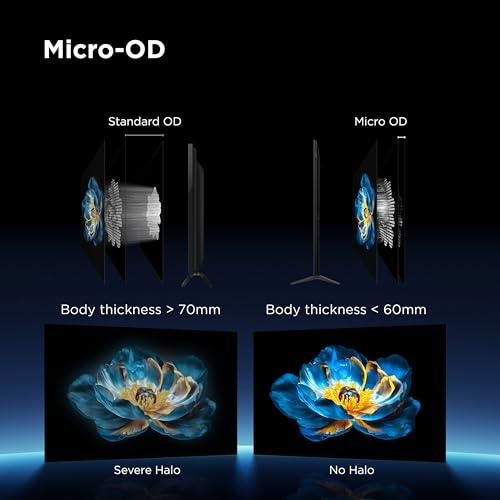
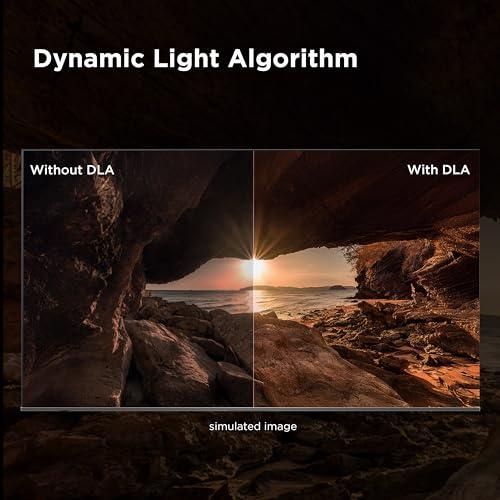
The most significant difference between these TVs lies in their brightness capabilities and contrast control. The TCL QM7K uses what TCL calls their "Halo Control System" – essentially a sophisticated method of preventing light bleeding around bright objects on dark backgrounds. This system includes a special LED microchip, condensed micro lenses, and algorithms that work together to minimize the halo effect that plagues cheaper TVs.
The Toshiba M550 uses Full Array Local Dimming with an unspecified number of zones, likely in the dozens rather than hundreds. While this provides better contrast than edge-lit TVs, it can't match the precision of the TCL's 2,500 local dimming zones. Think of it like comparing a paint brush to a fine-tip pen – both can create a picture, but one offers much more detail and control.
For HDR content – those ultra-bright highlights and deep shadows you see in modern movies and shows – this difference is immediately noticeable. The TCL QM7K can reproduce the filmmaker's intended vision with stunning accuracy, while the Toshiba M550 provides a pleasant but less dynamic representation.
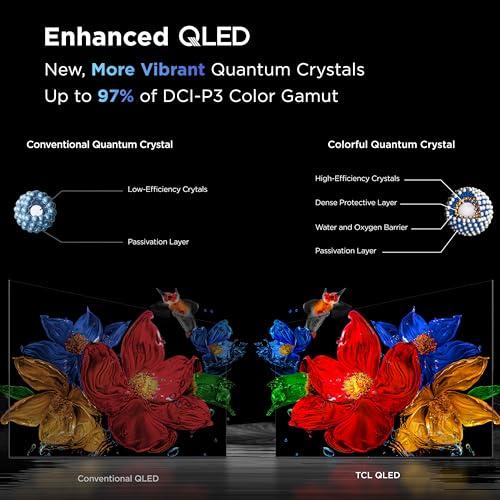
Both TVs use quantum dot technology, which acts like a color filter that creates more pure, saturated colors. The Toshiba M550 covers about 90% of the DCI-P3 color space (the standard used in movie theaters), which is respectable for its price point. The TCL QM7K covers a wider gamut and can display over 1 billion color variations thanks to its more advanced processing.
But here's what really matters: color accuracy out of the box. Based on professional reviews, the Toshiba M550 delivers surprisingly good color reproduction for its price, with natural-looking skin tones and vibrant but not oversaturated colors. The TCL QM7K offers more accurate colors initially but benefits significantly from calibration – something enthusiasts will appreciate but casual viewers might never bother with.
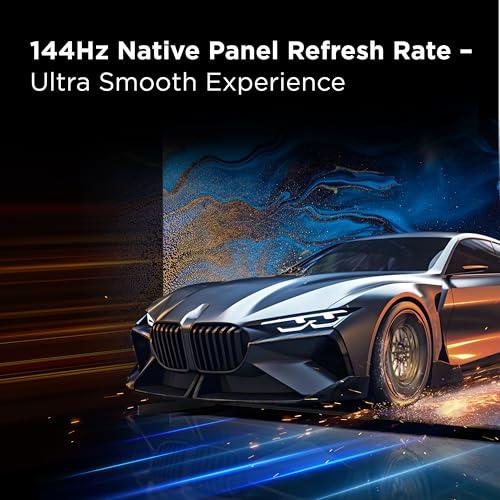
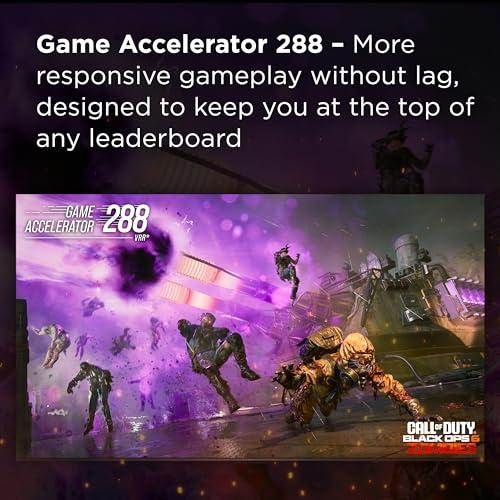
If you own a PlayStation 5, Xbox Series X, or high-end gaming PC, the choice between these TVs becomes straightforward. The TCL QM7K supports 4K gaming at up to 144Hz, meaning it can display 144 unique frames per second for incredibly smooth motion. It also supports Variable Refresh Rate (VRR), which synchronizes the TV's refresh rate with your gaming device to eliminate screen tearing and stuttering.
The Toshiba M550 is limited to 60Hz at 4K resolution, though it can reach 120Hz at lower resolutions like 1440p. While this covers most current gaming needs, it doesn't take advantage of the latest console capabilities and won't future-proof your setup.
Input lag – the delay between pressing a button and seeing the action on screen – is crucial for competitive gaming. Professional reviews suggest the Toshiba M550 has noticeable processing delays, particularly when navigating menus or switching inputs. The TCL QM7K includes dedicated gaming modes that minimize input lag to near-imperceptible levels.
For casual gaming or older consoles, the Toshiba M550 performs adequately. But if gaming is important to you, the TCL QM7K is in a different league entirely.
Both TVs run modern smart platforms, but they take different approaches to organizing and delivering content. The Toshiba M550 uses Amazon's Fire TV, which integrates heavily with Amazon's ecosystem. It features far-field microphones for hands-free Alexa control and prioritizes Amazon Prime content while still supporting all major streaming apps.
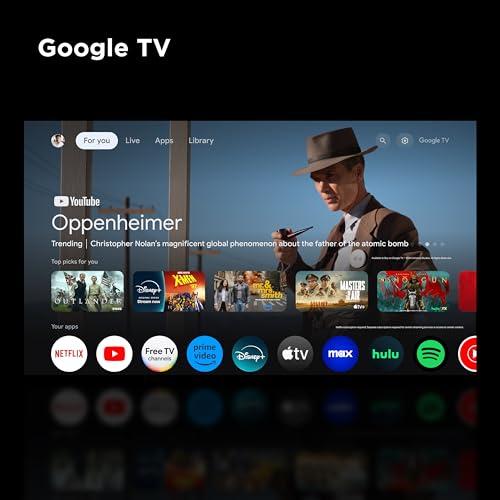
The TCL QM7K runs Google TV, which is essentially an evolution of Android TV with better content recommendations and organization. It includes Chromecast built-in, works with Google Assistant, and also supports Alexa and Apple HomeKit. This broader compatibility makes it more flexible if you use multiple smart home ecosystems.
Processing power affects the smart TV experience significantly. Based on user reviews, the Toshiba M550 sometimes struggles with responsiveness, particularly when loading apps or switching between inputs. Some users report waiting 30 seconds to a minute for apps to load. The TCL QM7K includes a more powerful processor that handles multitasking and app switching smoothly.
TV audio has improved dramatically in recent years, but there's still a clear hierarchy. The Toshiba M550 includes REGZA Power Audio Pro with a built-in subwoofer, which provides surprisingly good sound for its price point. Many users report being satisfied with the audio quality and not feeling the need for a soundbar initially.
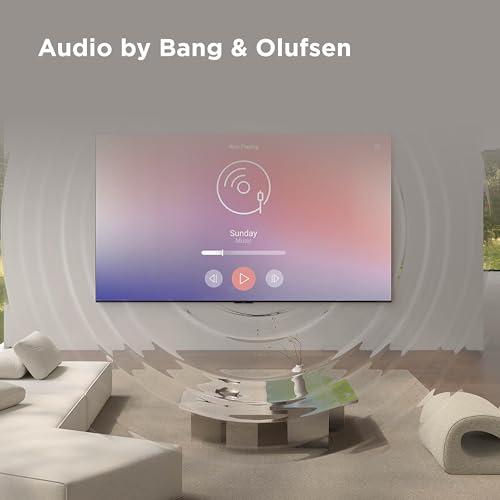
The TCL QM7K features audio tuning by Bang & Olufsen (a premium Danish audio company) with a 60W speaker system supporting Dolby Atmos. Dolby Atmos creates a three-dimensional sound field that seems to come from above and around you, rather than just from the TV's speakers. While both TVs support this technology, the TCL's implementation is more sophisticated.
However, for serious home theater use, both TVs benefit from external audio systems. The built-in speakers, regardless of quality, can't match a dedicated soundbar or surround sound system.
This is where the price difference becomes most apparent. Professional reviews consistently highlight processing issues with the Toshiba M550, including slow response times, occasional system freezes, and motion handling problems during action scenes. Some users report the TV taking up to a minute to respond to commands or load content.
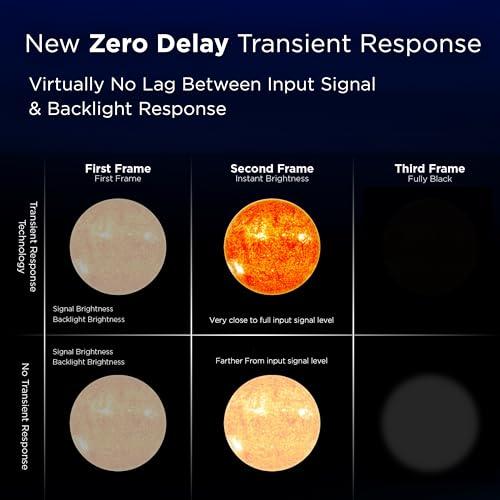
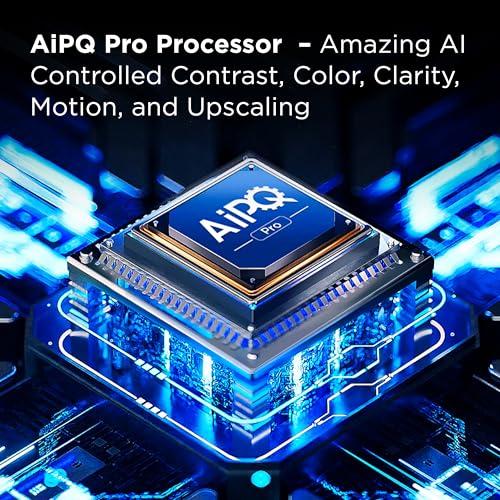
The TCL QM7K uses a more powerful processor called AIPQ Pro, which employs artificial intelligence to optimize picture quality in real-time. This processor analyzes each frame and adjusts contrast, color, and motion accordingly – something the Toshiba's more basic REGZA Engine ZR cannot do.
Motion handling reveals another significant difference. Fast-paced content like sports or action movies can cause the Toshiba M550 to display ghosting, blur, or frame rate issues. The TCL QM7K includes advanced motion processing that keeps fast-moving objects sharp and clear.
For dedicated home theater use, several factors become critical. The TCL QM7K includes Filmmaker Mode, which displays content exactly as the director intended by disabling motion smoothing and color enhancement. It also supports all major HDR formats including Dolby Vision IQ, which adjusts the picture based on your room's ambient lighting.
The Toshiba M550 supports major HDR formats but lacks the advanced room adaptation features. Its lower peak brightness also means HDR content won't have the same impact, particularly in rooms with ambient light.
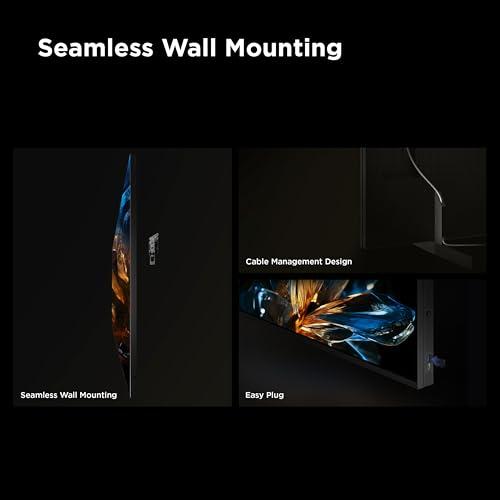
For wall mounting, both TVs are compatible with standard VESA mounts, but the TCL QM7K includes better cable management and a more premium build quality that looks appropriate in a dedicated theater room.
At the time of writing, the price difference between these TVs is substantial – roughly a 3:1 ratio. For the Toshiba M550, you're getting solid 4K picture quality, decent smart features, and adequate performance for casual viewing. It represents exceptional value if your expectations are realistic and your budget is limited.
The TCL QM7K costs significantly more but delivers flagship-level performance in brightness, gaming, and smart features. Whether this represents good value depends entirely on your priorities and usage patterns.
Consider this: if you watch mostly streaming content and broadcast TV, use older gaming consoles, and aren't particularly sensitive to picture quality differences, the Toshiba M550 will likely satisfy your needs completely. The money saved could go toward other home entertainment improvements.
However, if you own modern gaming consoles, frequently watch HDR movies, or plan to keep your TV for many years, the TCL QM7K offers better future-proofing and a noticeably superior experience.
The Toshiba M550 makes sense for:
The TCL QM7K is worth the investment for:
These TVs represent two valid but very different approaches to the 65" 4K market. The Toshiba M550 proves that excellent value doesn't require premium features – it delivers a satisfying 4K experience at a price that makes upgrading from 1080p a no-brainer.
The TCL QM7K demonstrates how far TV technology has advanced, offering performance that would have cost thousands of dollars just a few years ago. Its gaming capabilities alone justify the premium for serious gamers, while its HDR performance elevates movie watching to a new level.
Your choice should align with your viewing habits, budget, and expectations. If you're looking for a solid 4K TV that gets the job done without breaking the bank, the Toshiba M550 delivers remarkable value. If you want a TV that showcases the best of current technology and provides room to grow with future content and gaming advances, the TCL QM7K is worth the investment.
The TV market continues to evolve rapidly, with new technologies and price points emerging regularly. But the fundamental choice remains the same: practical value versus premium performance. Both approaches have their place, and both of these TVs execute their respective philosophies well.
| Toshiba 65" M550 Series QLED Fire TV | TCL 65QM7K QD-Mini LED 4K Google TV |
|---|---|
| Display Technology - Foundation of picture quality and HDR performance | |
| Standard QLED with Full Array Local Dimming | QD-Mini LED with 2,500 local dimming zones |
| Peak Brightness - Critical for HDR content and bright room viewing | |
| Not specified (likely 400-600 nits) | 2,600-3,000 nits (theater-level brightness) |
| Refresh Rate - Essential for gaming and sports | |
| 60Hz at 4K, 120Hz at 1440p/1080p | Native 144Hz at 4K, up to 288Hz VRR at 1080p |
| Gaming Features - Modern console compatibility | |
| Basic Game Mode, limited VRR up to 60Hz | Game Master 2.0, AMD FreeSync Premium Pro, ALLM |
| HDMI Ports - Connectivity for devices | |
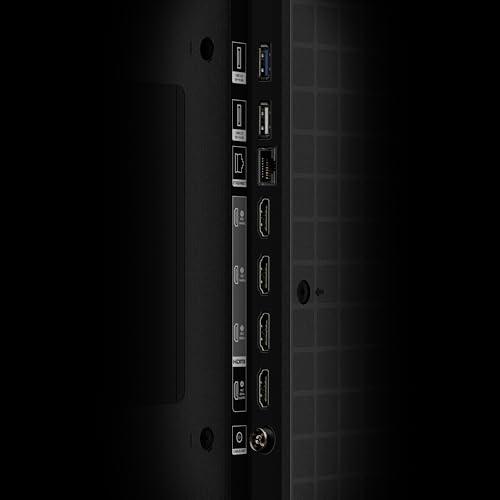
| 4 HDMI ports (1 with eARC) | 4 HDMI ports (2 HDMI 2.1, 1 with eARC) |
| Smart Platform - Content delivery and ecosystem | |
| Fire TV with Alexa voice control | Google TV with Google Assistant, Alexa, HomeKit |
| Audio System - Built-in sound quality | |
| REGZA Power Audio Pro with subwoofer | 60W Bang & Olufsen with Dolby Atmos |
| Processor - Affects responsiveness and picture optimization | |
| REGZA Engine ZR (basic upscaling) | AIPQ Pro with AI-driven real-time optimization |
| HDR Support - Premium content compatibility | |
| Dolby Vision, HDR10, HDR10+, HLG | Dolby Vision IQ, HDR10+, HDR10, HLG, IMAX Enhanced |
| Motion Handling - Performance with fast content | |
| 120Hz with basic MEMC | Ultimate Motion 144Hz with advanced processing |
| Target User - Who should consider each TV | |
| Budget buyers wanting solid 4K performance | Gamers and enthusiasts wanting premium features |
The TCL 65QM7K delivers significantly better picture quality with its QD-Mini LED technology, 2,600-3,000 nits peak brightness, and 2,500 local dimming zones. The Toshiba M550 offers good picture quality for its price range but can't match the contrast, brightness, or HDR performance of the TCL QM7K.
The Toshiba M550 is adequate for casual gaming but limited to 60Hz at 4K resolution. It lacks modern gaming features like high refresh rate VRR and has slower processing that can affect responsiveness. Serious gamers should consider the TCL QM7K instead.
The Toshiba M550 uses standard QLED with quantum dots for enhanced colors, while the TCL QM7K combines quantum dots with thousands of mini LEDs for precise brightness control. This gives the TCL much better contrast, brightness, and HDR performance.
The TCL 65QM7K is far superior for modern console gaming with its 144Hz refresh rate, VRR up to 288Hz, and dedicated gaming features like AMD FreeSync Premium Pro. The Toshiba M550 can't fully utilize next-gen console capabilities due to its 60Hz 4K limitation.
The TCL QM7K excels in bright rooms thanks to its exceptional peak brightness of up to 3,000 nits and anti-reflective coating. The Toshiba M550 performs adequately in moderately lit rooms but may struggle with glare and washed-out HDR in very bright environments.
Both platforms offer major streaming apps, but they cater to different ecosystems. The Toshiba M550's Fire TV integrates well with Alexa and Amazon services, while the TCL QM7K's Google TV offers broader smart home compatibility including Chromecast, Google Assistant, and Apple HomeKit support.
The brightness difference is substantial - the TCL QM7K can reach movie theater levels of brightness (2,600-3,000 nits) while the Toshiba M550 likely maxes out around 400-600 nits. This dramatically affects HDR content quality and performance in bright rooms, making the TCL much more versatile.
The TCL 65QM7K features superior audio with Bang & Olufsen tuning, 60W power output, and advanced Dolby Atmos implementation. The Toshiba M550 includes a built-in subwoofer and decent sound quality, but the TCL offers noticeably better audio performance overall.
The TCL QM7K is excellent for home theater use with its high brightness, Filmmaker Mode, Dolby Vision IQ, and IMAX Enhanced certification. The Toshiba M550 works for basic home theater setups but lacks the premium features and performance needed for serious enthusiast installations.
Value depends on your needs and budget. The Toshiba M550 offers exceptional value for budget-conscious buyers wanting solid 4K performance. The TCL QM7K provides better value for users who prioritize gaming, HDR quality, and premium features, despite its higher price point.
The TCL 65QM7K handles fast sports action much better with its native 144Hz panel and advanced motion processing. The Toshiba M550 is limited to 60Hz at 4K, which can show motion blur during fast-paced sports, making the TCL the clear winner for sports enthusiasts.
The TCL QM7K offers better future-proofing with its 144Hz gaming support, advanced processing, and premium build quality. While the Toshiba M550 will handle current content well, the TCL's superior specifications ensure it will remain capable as content and gaming technology continues to advance.
We've done our best to create useful and informative comparisons to help you decide what product to buy. Our research uses advanced automated methods to create this comparison and perfection is not possible - please contact us for corrections or questions. These are the sites we've researched in the creation of this article: bestbuy.com - bestbuy.com - consumerreports.org - youtube.com - pcvarge.com - tomsguide.com - youtube.com - bestbuy.com - toshibatv-usa.com - marketplace-staging.paytomorrow.com - toshibatv-usa.com - productabout.com - leaseville.com - youtube.com - toshibatv-usa.com - bestbuy.com - businessinsider.com - tomsguide.com - tomsguide.com - rtings.com - tomsguide.com - youtube.com - rtings.com - consumerreports.org - youtube.com - youtube.com - displayspecifications.com - youtube.com - tcl.com - tcl.com - tcl.com - youtube.com - rcwilley.com - bestbuy.com - tclcentral.com - displayspecifications.com - tomsguide.com - tcl.com - brandsmartusa.com - tcl.com - tcl.com - gizmochina.com - nfm.com - dolby.com - alexraytv.com

Privacy Policy
Terms and Conditions - Affiliate Policy
Home Security
© Copyright 2008-2026.
11816 Inwood Rd #1211, Dallas, TX 75244