

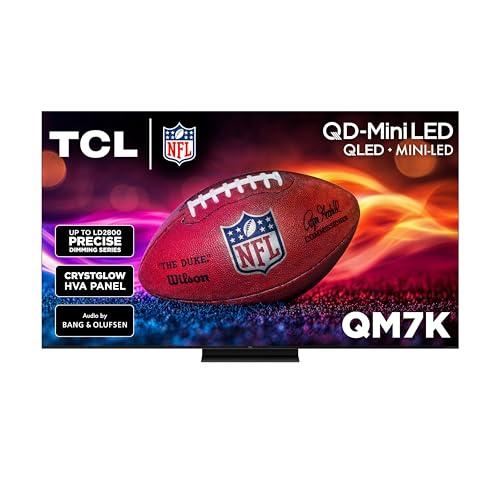
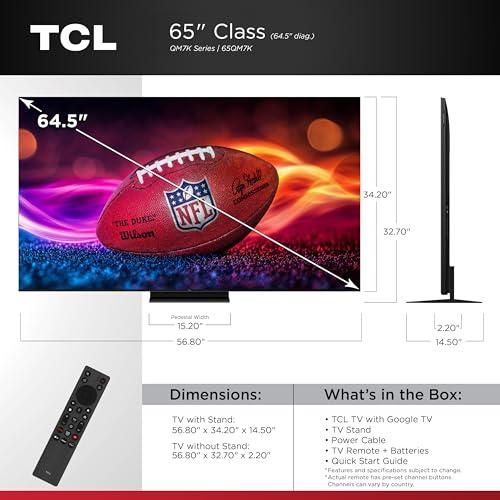
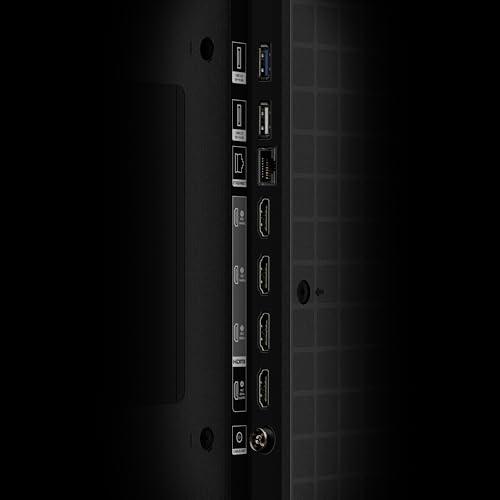

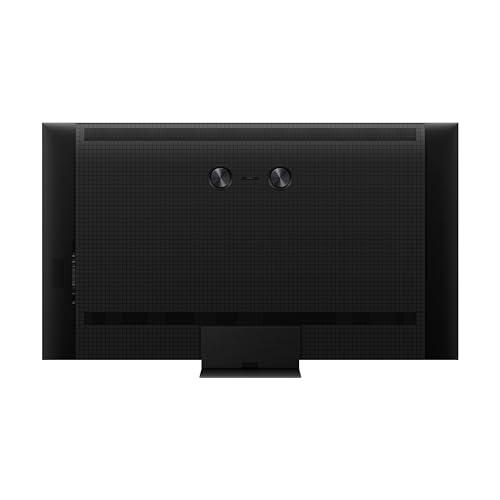
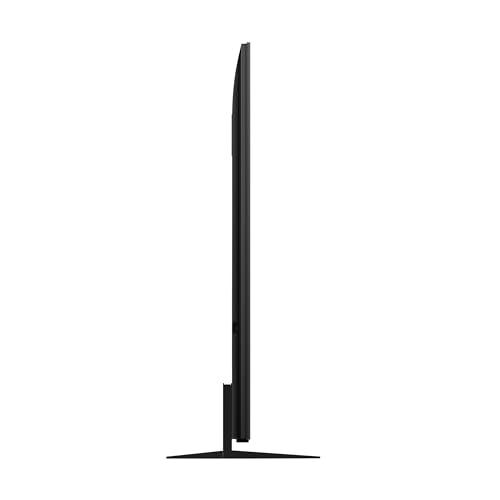
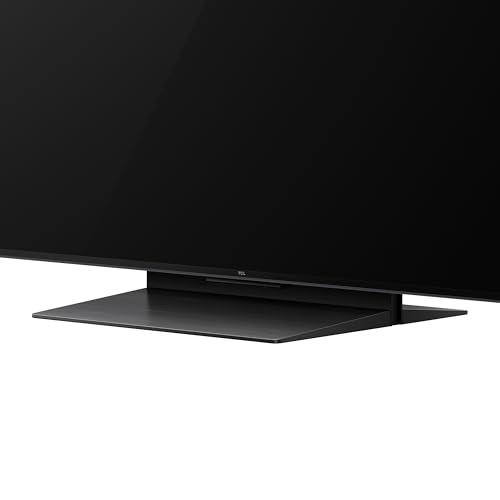
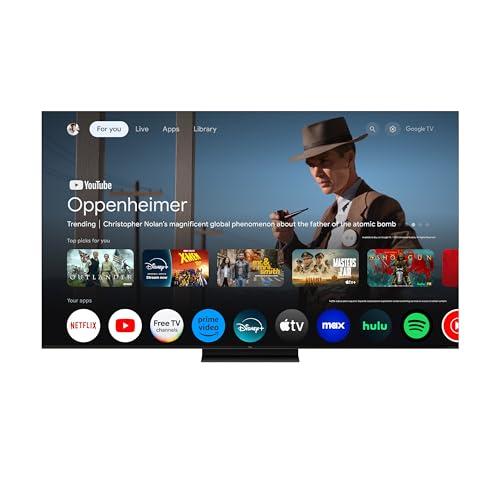
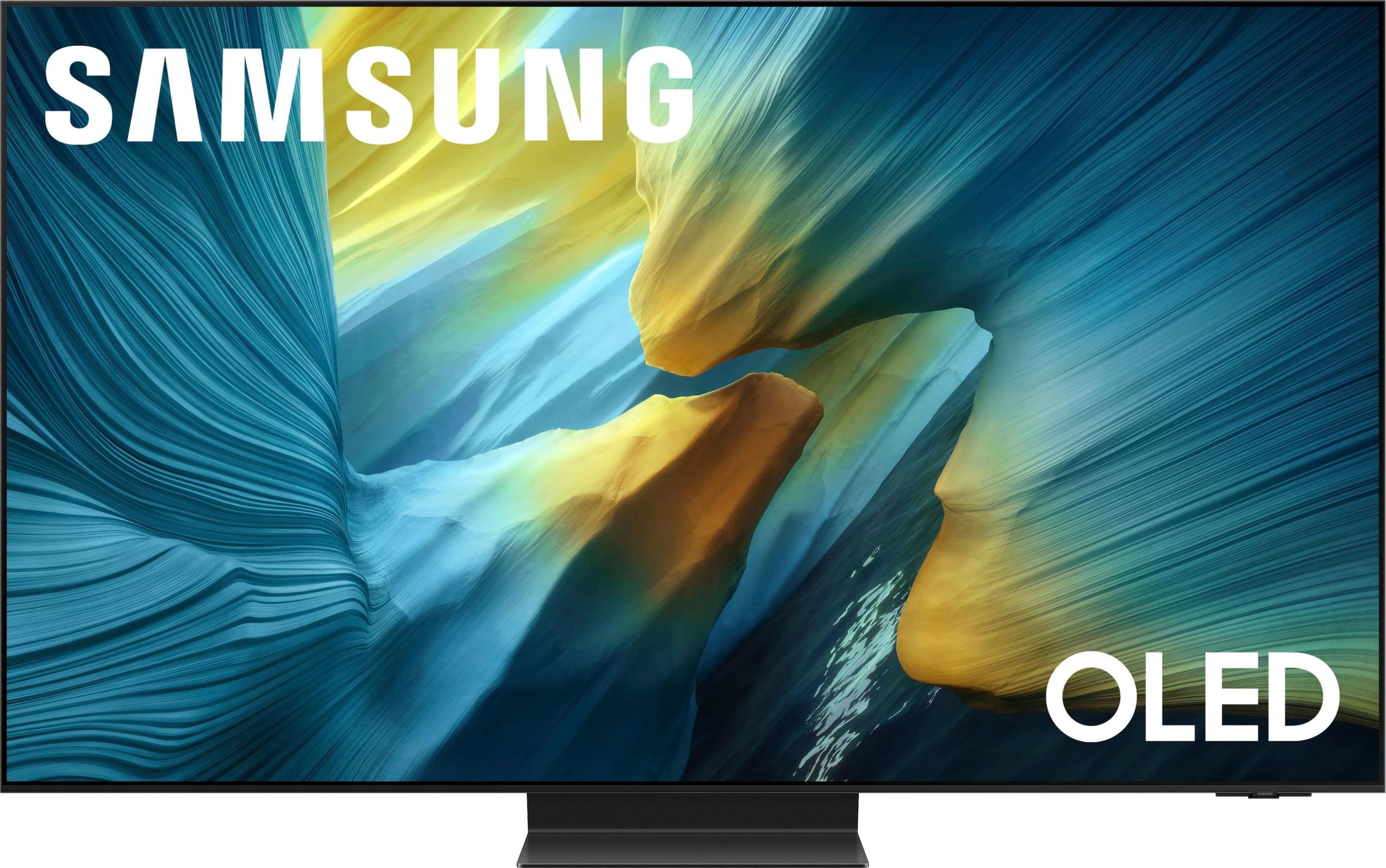
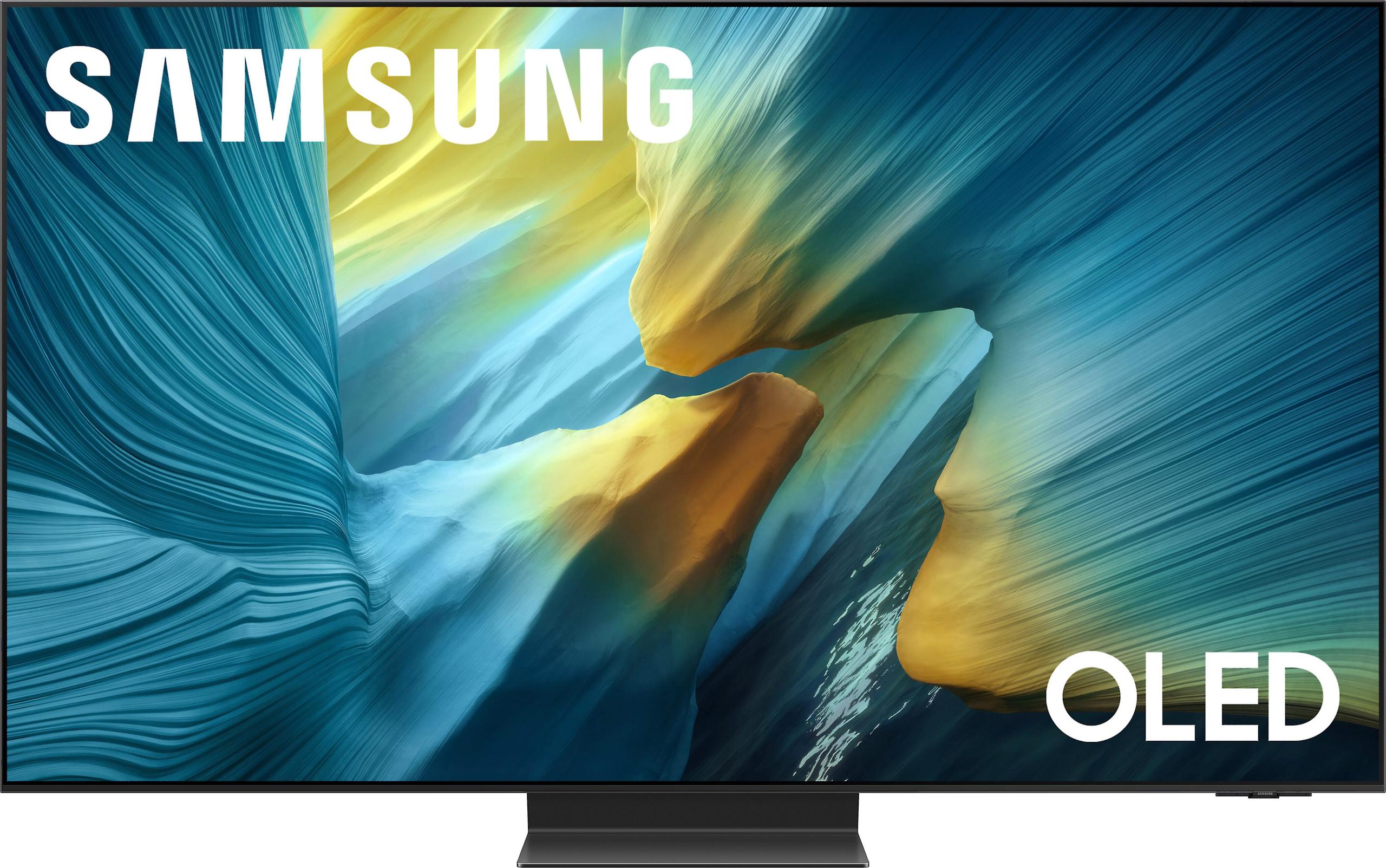
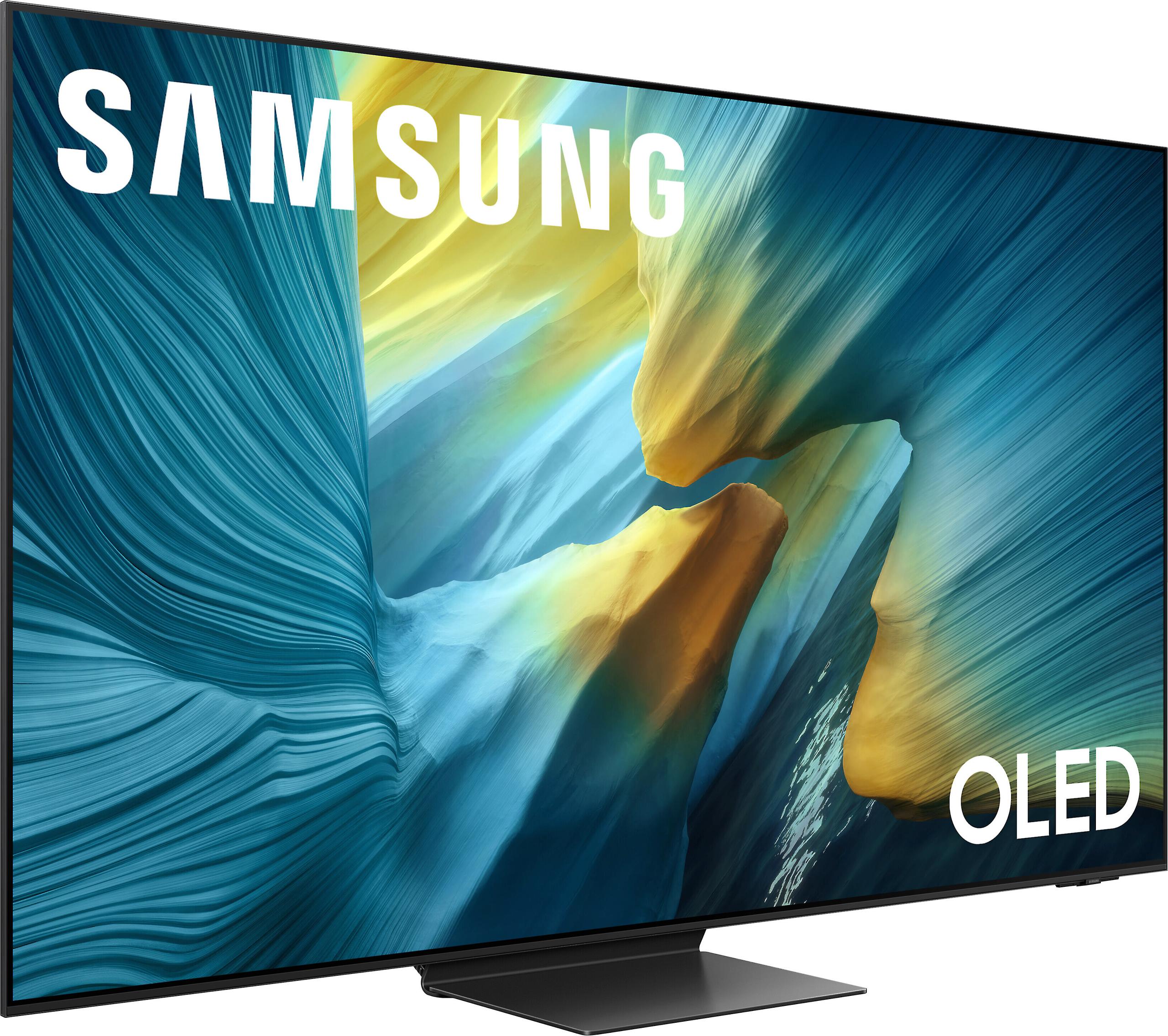
Premium 65-inch TVs have become the centerpiece of modern home entertainment, and 2025 brought us two compelling but very different approaches to excellence. The TCL 65QM7K represents the new generation of Mini-LED technology, while Samsung's 65" OLED S95F pushes OLED brightness to new heights. At the time of writing, these TVs sit roughly $1,200 apart in price—a significant gap that demands careful consideration of what you're actually getting for your money.
After diving deep into expert reviews, user feedback, and technical specifications, it's clear that choosing between these displays isn't just about budget. It's about understanding two fundamentally different approaches to creating stunning pictures and deciding which fits your viewing habits and room setup.
The choice between the TCL QM7K and Samsung S95F really comes down to QD-Mini LED versus QD-OLED technology. These aren't just marketing buzzwords—they represent genuinely different ways of creating the images you see.
The Samsung S95F uses QD-OLED technology, where each pixel creates its own light. Think of it like having millions of tiny, controllable light bulbs that can turn completely off to create perfect blacks or shine brightly for highlights. This self-emitting approach means when you're watching a movie with a night scene, the dark parts of the screen are truly dark—not just dimmed, but actually off. This creates what we call "infinite contrast," because the difference between the brightest and darkest parts of the image can be as extreme as the content demands.
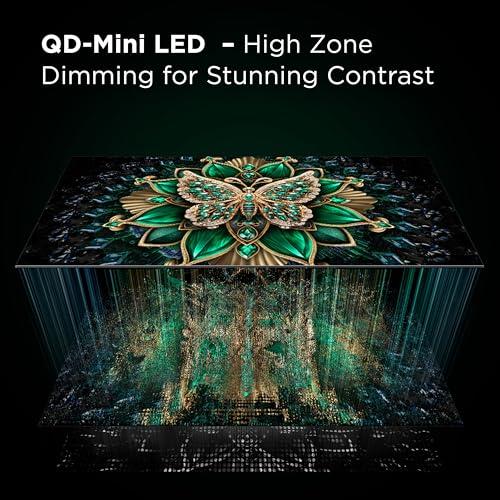
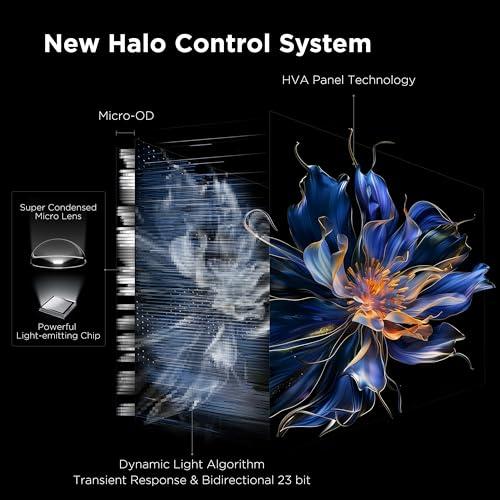
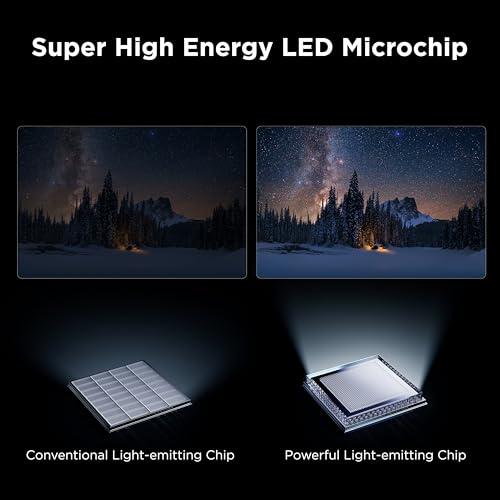
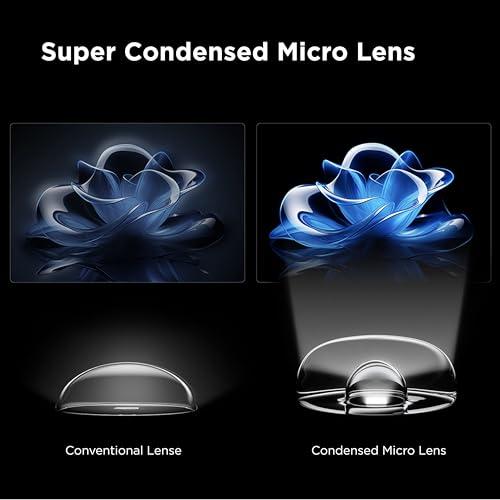
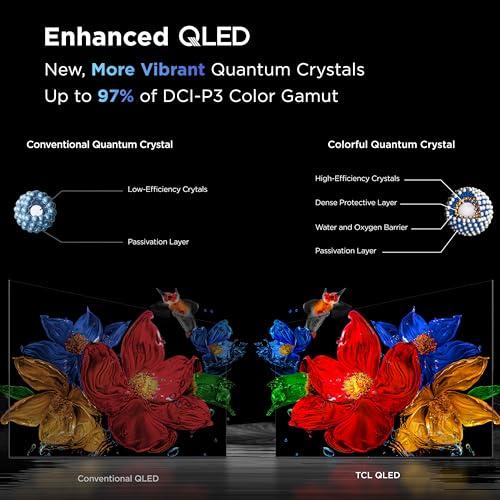
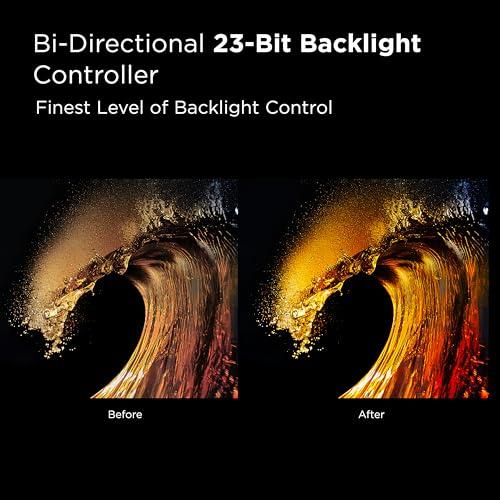
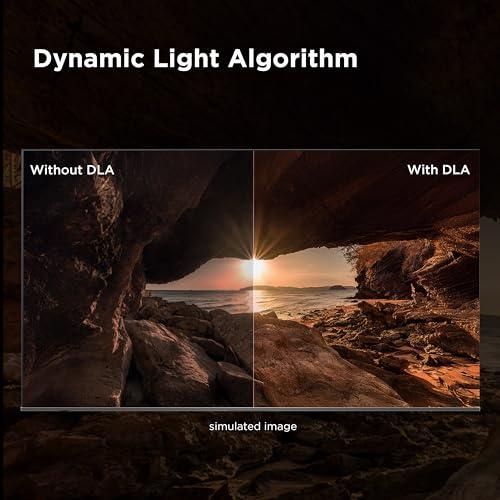
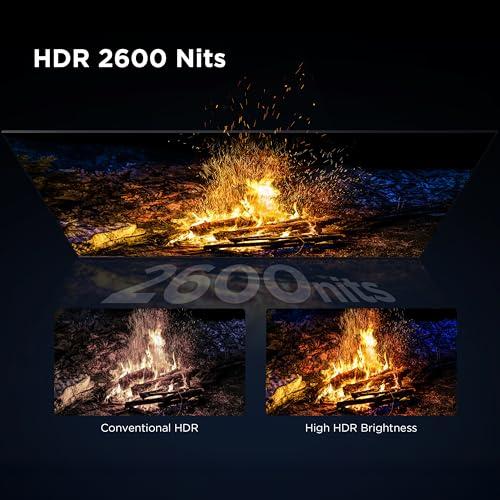
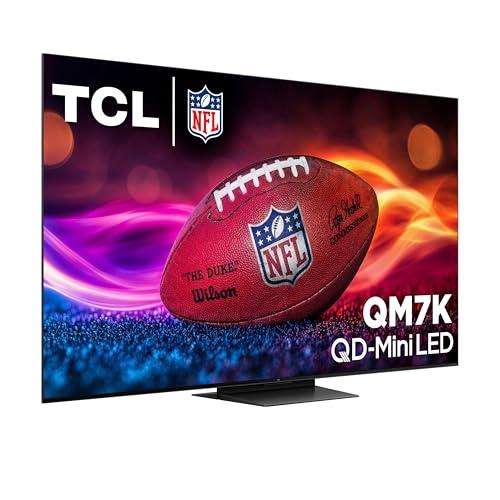
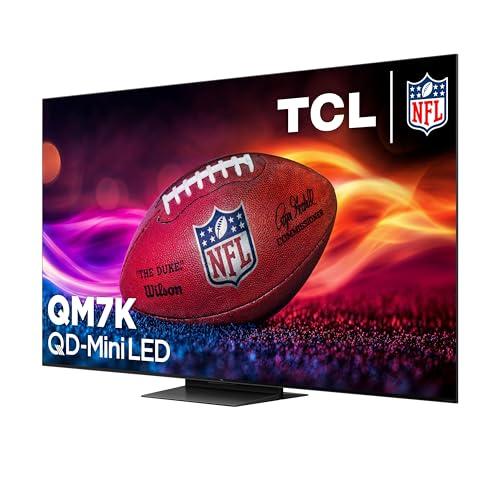
The TCL QM7K, on the other hand, uses QD-Mini LED technology, which combines thousands of tiny LED lights behind the screen with quantum dot materials that enhance color. This TV has up to 2,500 separate dimming zones (called "local dimming zones"), each controlling a small section of the screen. While this doesn't match the pixel-perfect control of OLED, it allows for much higher peak brightness—we're talking about 2,600 to 3,000 nits compared to the Samsung's 2,000 nits.
To put that brightness difference in perspective, a sunny day outside measures about 100,000 nits, while a typical living room might be around 100-300 nits. The TCL's extra brightness means HDR (High Dynamic Range) content—like nature documentaries or action movies—can display those brilliant sun reflections or explosion highlights much closer to how they'd look in real life.
Based on our research into professional reviews and user experiences, picture quality differences between these TVs depend heavily on your viewing environment. This isn't a case where one is clearly better than the other—they excel in different scenarios.
Dark Room Performance: The Samsung S95F dominates here, and it's not particularly close. Professional reviewers consistently highlight how OLED's perfect blacks create a cinema-like experience that Mini-LED simply cannot match. When you're watching movies in a darkened room, those perfect blacks make colors appear more vibrant and create depth that feels three-dimensional. The shadows in a thriller movie aren't just dark gray—they're actually black, creating that immersive feeling you get in a movie theater.
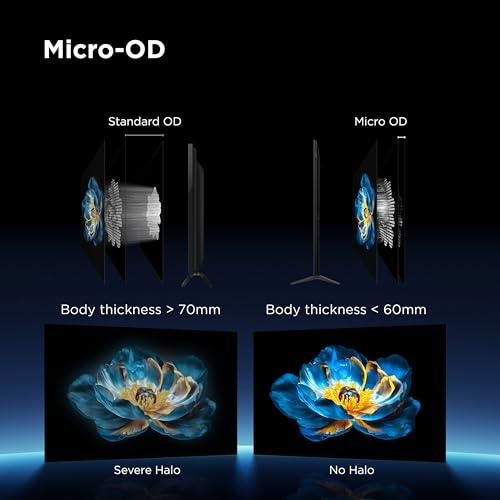
However, the TCL QM7K doesn't embarrass itself in dark rooms. Its 2,500 local dimming zones do an impressive job of controlling light, and most viewers will find the experience quite satisfying. You might notice some "blooming" (where bright objects create a subtle halo effect in dark scenes), but it's minimal and only noticeable if you're specifically looking for it.
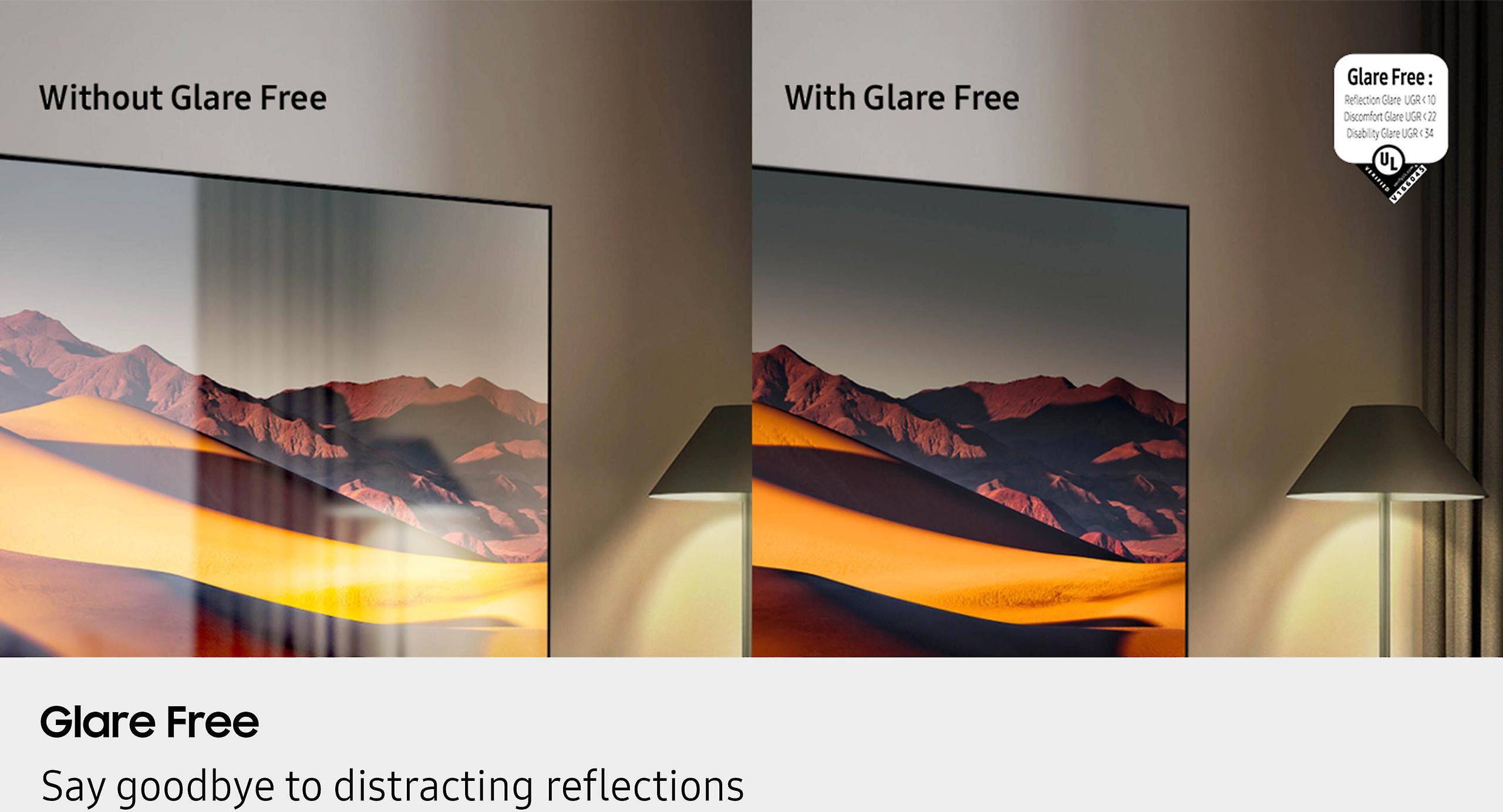
Bright Room Performance: This is where the tables turn completely. The TCL's superior brightness becomes a massive advantage in rooms with windows or overhead lighting. Many OLED TVs struggle to overcome ambient light, making dark scenes appear gray and washed out. The Samsung S95F addresses this better than previous OLEDs thanks to its anti-glare matte coating and improved brightness, but physics is physics—the TCL simply pushes out more light.
For daytime TV watching, sports, or if your living room gets a lot of natural light, the TCL QM7K provides a noticeably better experience. Colors stay vibrant, and you won't find yourself constantly adjusting curtains or waiting for sunset to enjoy your TV.
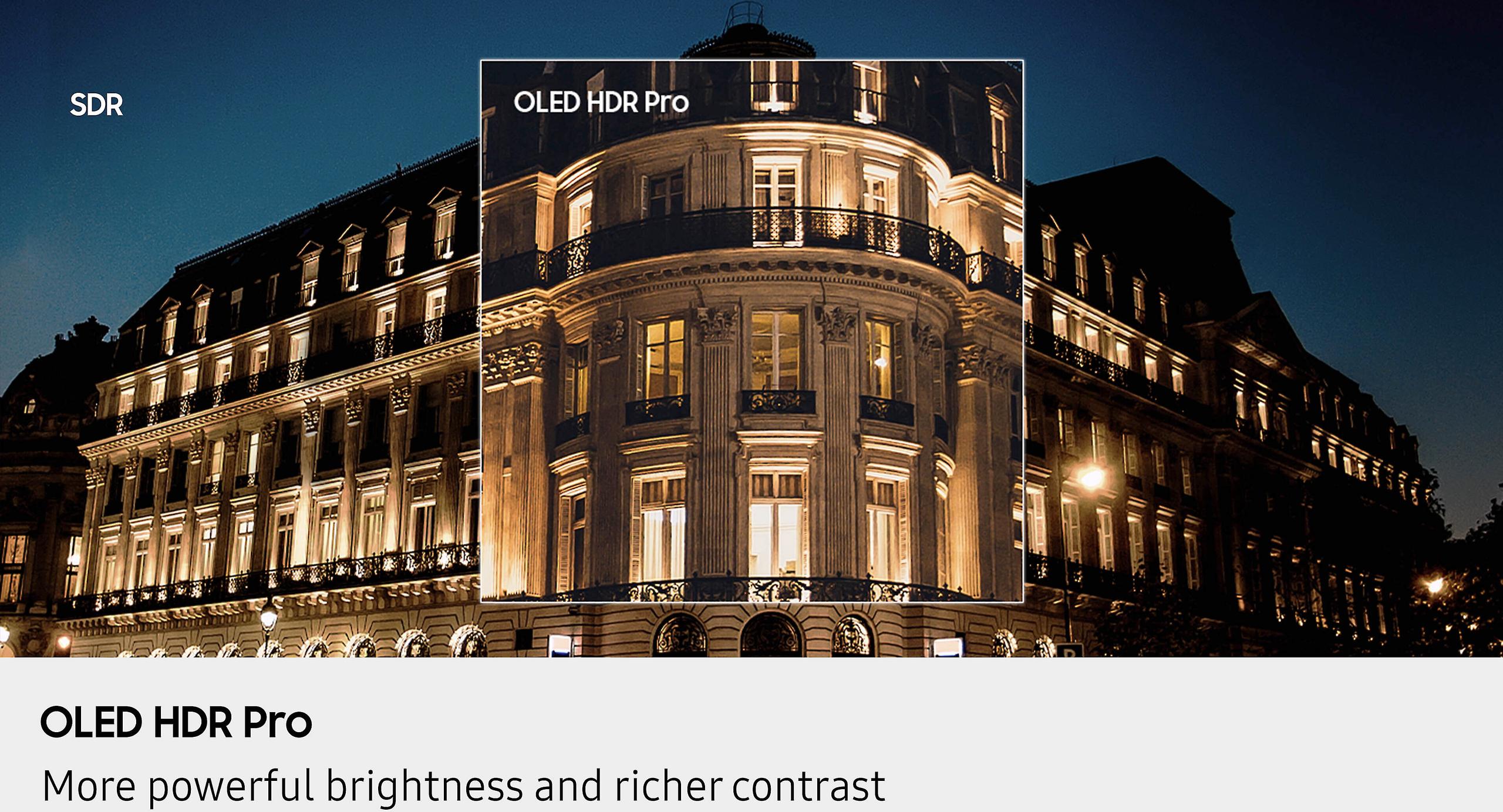
HDR Performance: Both TVs excel at HDR, but in different ways. HDR content is designed to show a wider range of brightness levels—from the darkest shadows to the brightest highlights—and both TVs handle this well. The Samsung provides more accurate color reproduction and supports HDR10+ Adaptive, which adjusts the picture based on your room's lighting conditions. The TCL supports more HDR formats, including Dolby Vision IQ, HDR10+, and standard HDR10, giving you broader compatibility with streaming services.
The TCL's higher peak brightness means HDR highlights—like sunlight reflecting off water or bright explosions—appear more impressive and closer to real-life intensity. However, the Samsung's superior contrast means the overall HDR experience feels more balanced and natural.
Both TVs cater seriously to gamers, but they take different approaches to achieving excellence. Modern gaming demands low input lag (the delay between pressing a button and seeing the action on screen), high refresh rates for smooth motion, and support for Variable Refresh Rate (VRR) to eliminate screen tearing.
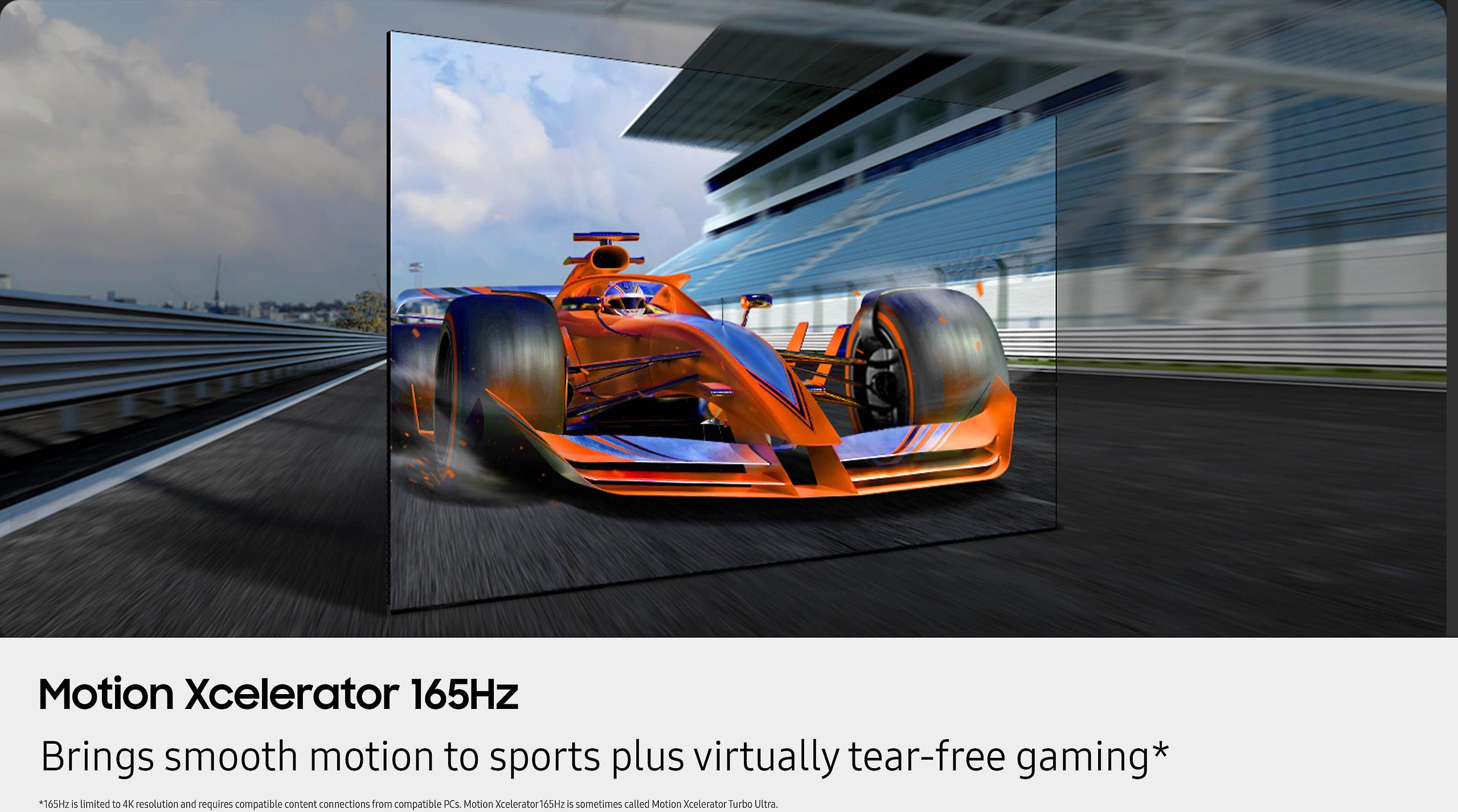
The Samsung S95F offers 165Hz refresh rate with VRR support and delivers input lag under 10 milliseconds—essentially instantaneous for human perception. OLED's pixel response time is nearly instantaneous, meaning fast-moving objects in games appear incredibly sharp and clear. For competitive gaming or fast-paced action games, this clarity advantage is noticeable.
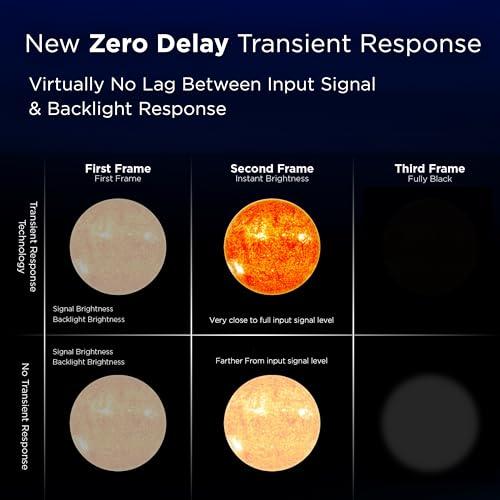
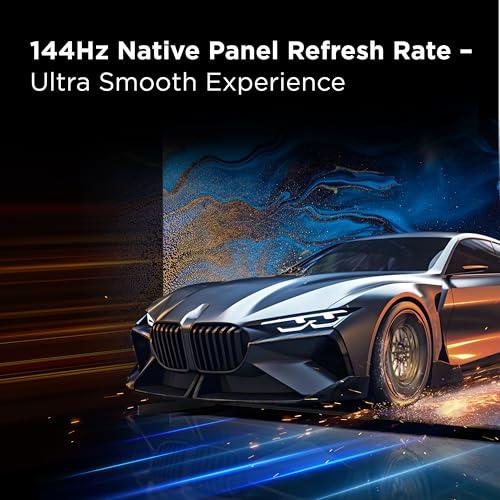
The TCL QM7K counters with its Game Accelerator technology, supporting up to 288Hz refresh rates at 1080p resolution and 144Hz at 4K. While its pixel response time can't match OLED's perfection, it's still excellent, and the higher potential refresh rates appeal to competitive PC gamers who prioritize frame rates above all else.
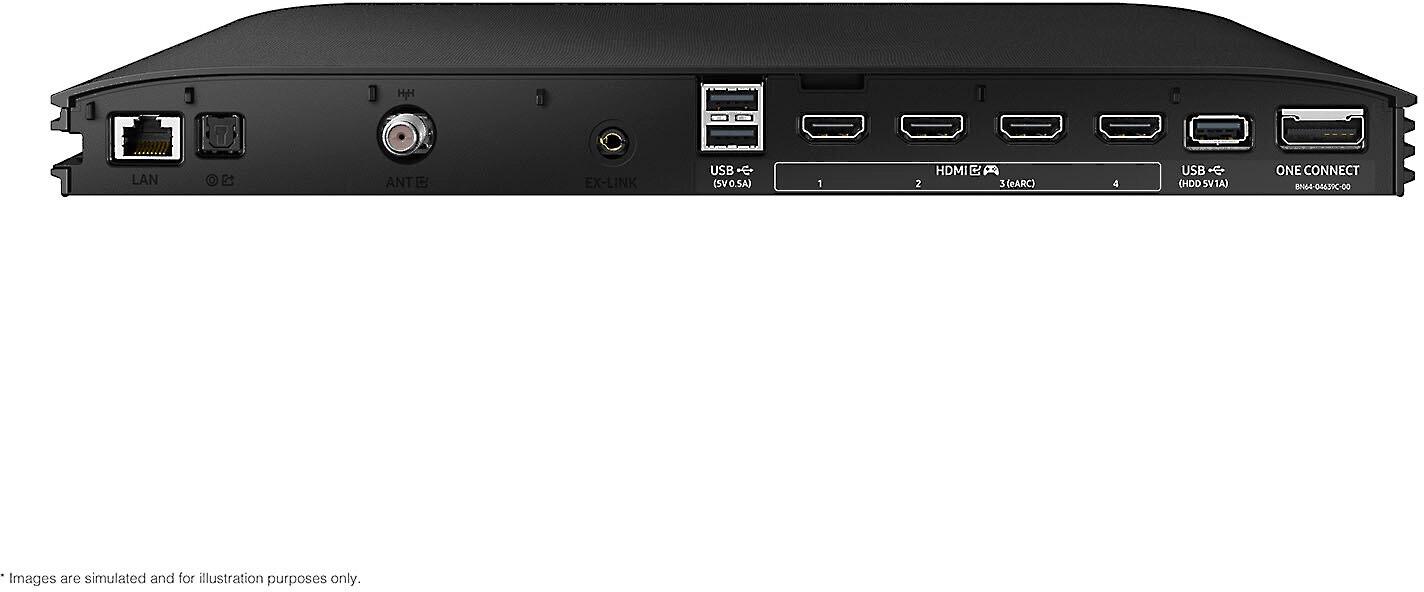
Both TVs support all the important gaming features: Auto Low Latency Mode (which automatically switches to game mode when it detects a console), VRR to match the TV's refresh rate to your game's frame rate, and full HDMI 2.1 support for next-gen consoles.
For most console gamers, the differences will be subtle. Both provide excellent gaming experiences that rival dedicated gaming monitors. PC gamers who can push frame rates above 144fps might prefer the TCL, while those prioritizing motion clarity and contrast will lean toward the Samsung.
The smart TV experience differs significantly between these models, and this difference becomes more important over time. The Samsung S95F runs Tizen OS and comes with Samsung's commitment to seven years of software updates. This is exceptional in the TV world, where many manufacturers provide only two to three years of meaningful updates.
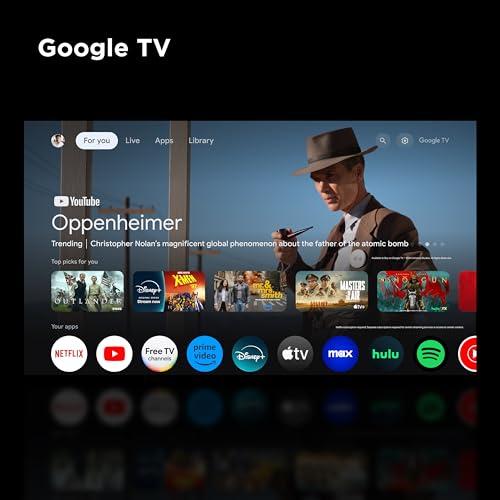
The TCL QM7K uses Google TV, which offers broader compatibility with smart home devices and services. Google TV integrates naturally with Android phones, Google Assistant, and Chromecast, while also supporting Alexa and Apple HomeKit. This broader ecosystem support makes it easier to integrate into existing smart homes regardless of your preferred platform.
However, TCL's typical software support timeline is shorter—usually two to three years of major updates. For a TV you plan to keep for seven to ten years, this difference matters more than you might initially think. Streaming services constantly evolve, and longer software support ensures your TV can access new features and services throughout its lifespan.
Neither TV will replace a dedicated sound system, but they differ in their built-in audio capabilities. The Samsung S95F features a 70W, 4.2.2-channel speaker system with Object Tracking Sound+, which creates a three-dimensional audio experience that follows action across the screen. When a car drives from left to right in a movie, the sound genuinely follows that motion.
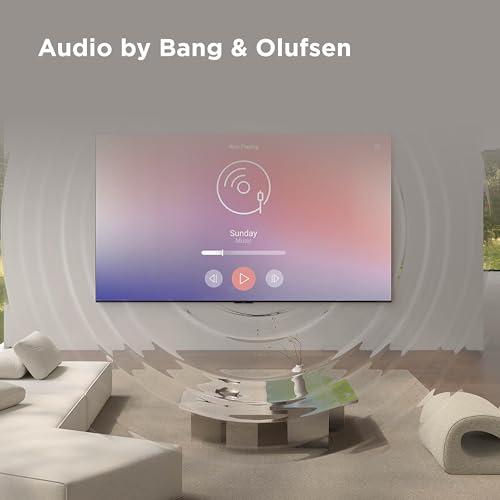
The TCL QM7K includes a 60W system tuned by Bang & Olufsen with Dolby Atmos support. While capable, it's less sophisticated than Samsung's implementation. Both TVs benefit significantly from adding a soundbar, but the Samsung provides a better out-of-box audio experience.
For serious movie watching or gaming, plan on adding external audio regardless of which TV you choose. However, if you frequently watch casual content without additional speakers, the Samsung has a meaningful advantage.
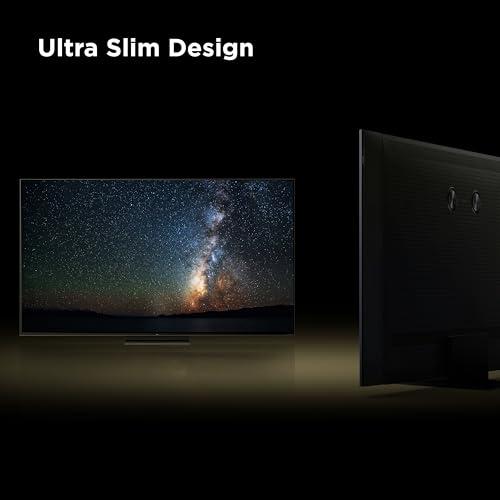
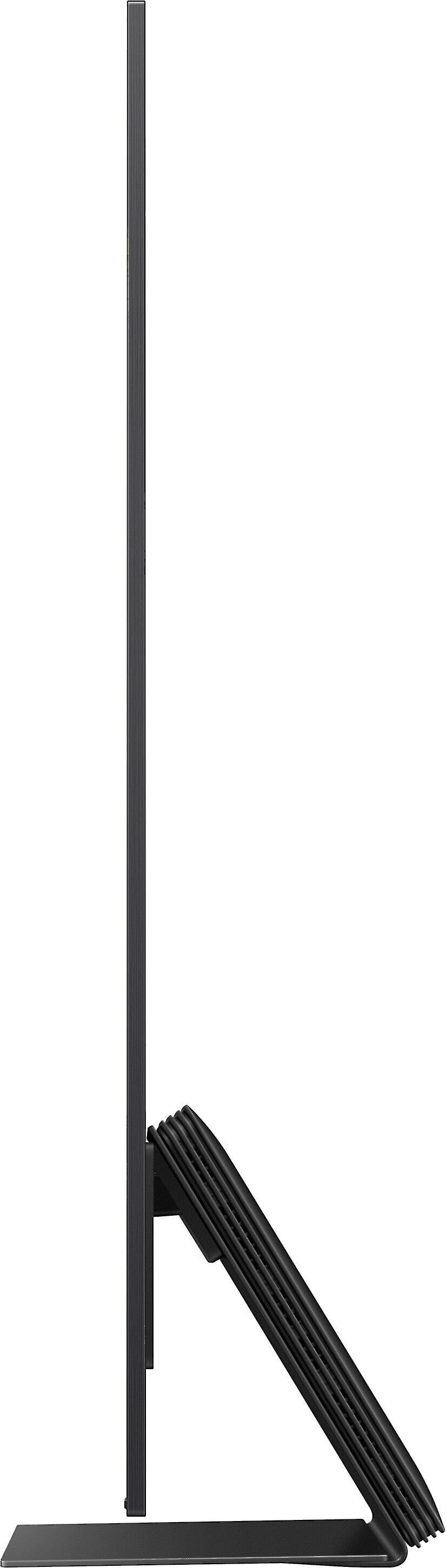
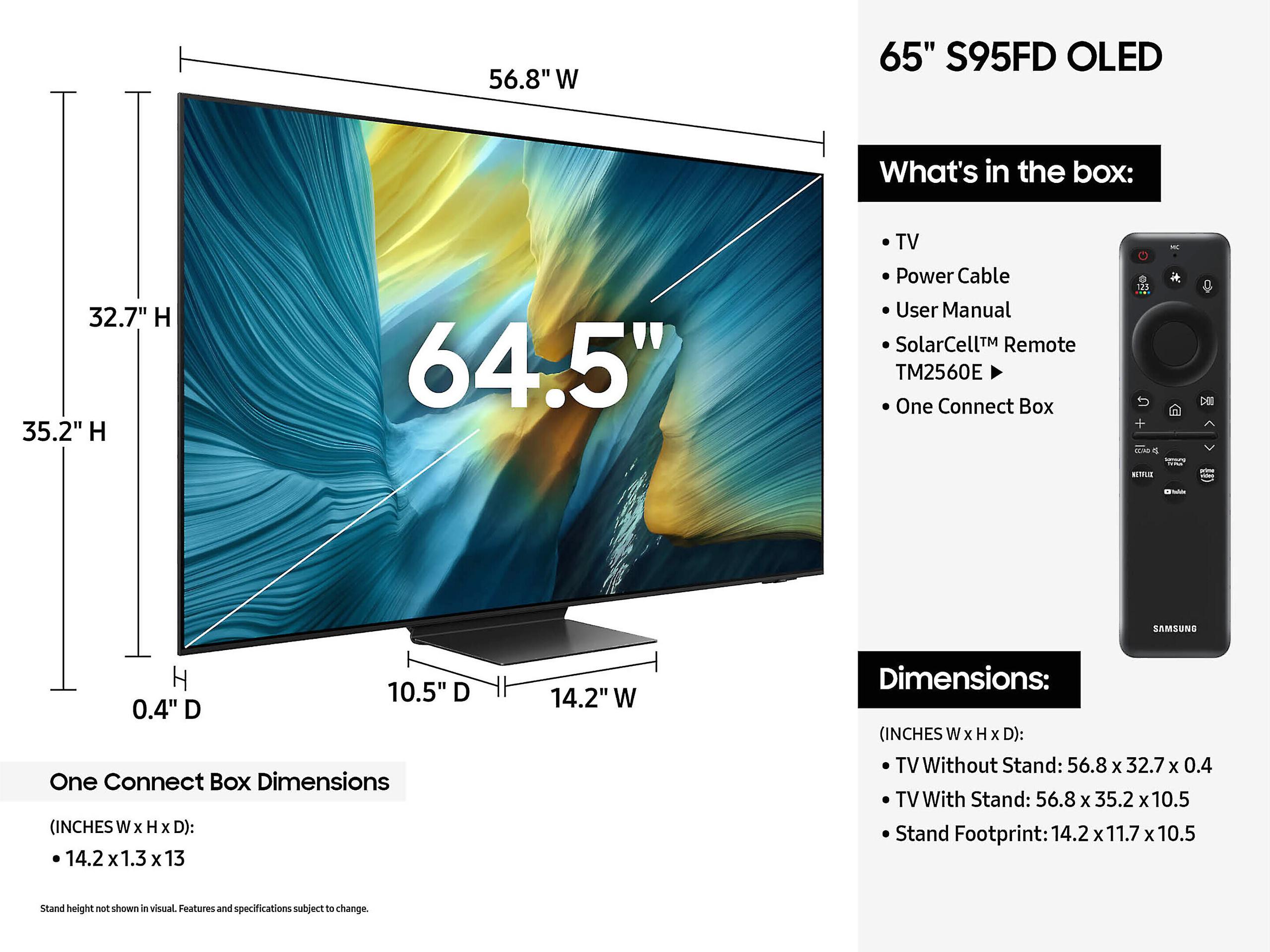
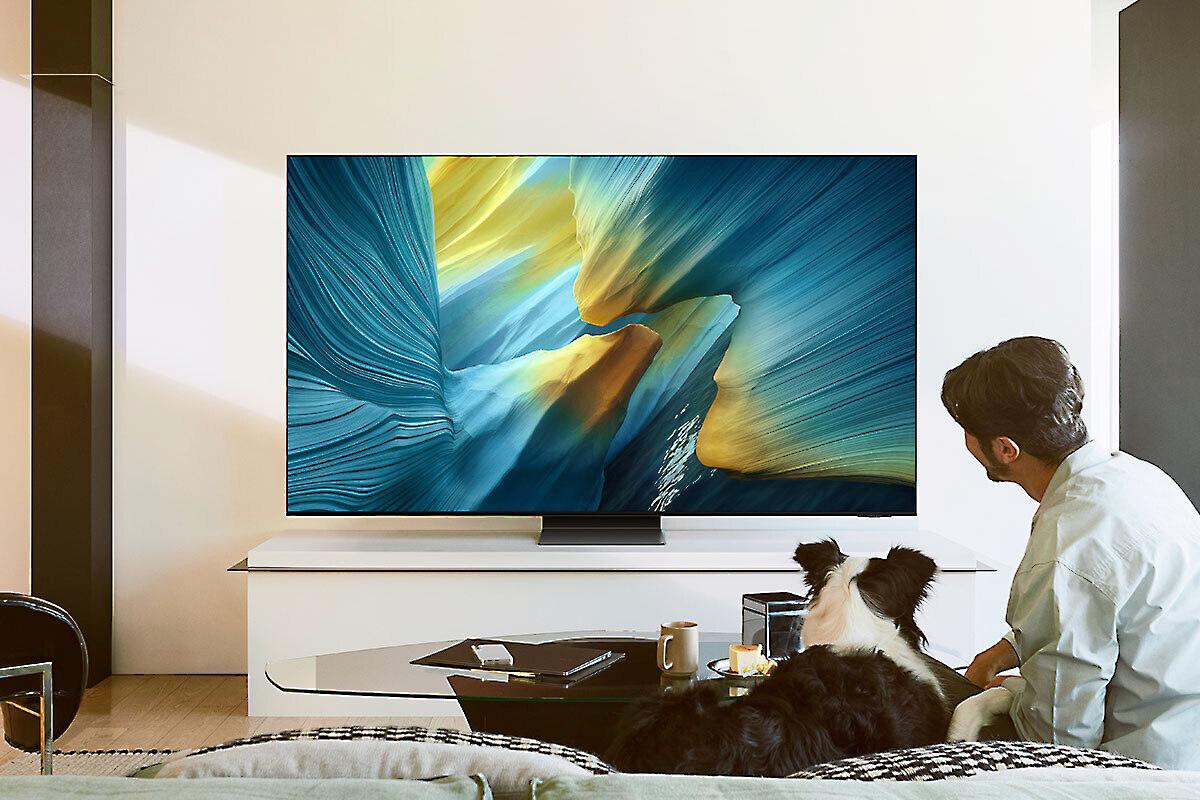
The Samsung S95F showcases premium materials and ultra-thin construction that looks sophisticated in any room. Its matte anti-glare screen not only improves viewing in bright rooms but also gives the TV a refined, almost art-piece appearance when turned off.
The TCL QM7K features an attractive, nearly bezel-less design that looks modern and clean. While it doesn't use materials quite as premium as Samsung's offering, it's well-built and attractive. The design differences are noticeable side-by-side but unlikely to be a deciding factor for most buyers.
At the time of writing, the TCL QM7K costs roughly 60% less than the Samsung S95F while delivering what most reviewers consider 80-85% of the performance. This represents exceptional value in the TV market, where performance typically scales more linearly with price.
The Samsung justifies its premium through perfect blacks, superior processing, longer software support, and premium build quality. For videophiles and home theater enthusiasts, these advantages are worth the extra cost. For most users, however, the TCL provides flagship-level features and performance at a much more accessible price.
Consider the total cost of ownership too. The Samsung's seven-year software support means it might remain relevant and functional longer, potentially offering better value over an extended timeline despite the higher upfront cost.
For dedicated home theater setups, the choice becomes clearer. Home theaters typically feature controlled lighting and prioritize absolute picture quality over brightness. In this environment, the Samsung S95F's perfect blacks and infinite contrast create the most cinema-like experience possible.
The Samsung also integrates better with high-end audio equipment and offers more sophisticated picture processing for film content. Features like Filmmaker Mode ensure movies appear as directors intended, while the superior contrast makes subtle details in shadows visible without sacrificing highlight detail.
However, if your "home theater" is really a multi-purpose living room that sees daytime use, the TCL QM7K might actually provide a better overall experience due to its superior bright-room performance.
Choose the Samsung S95F if you:
Choose the TCL QM7K if you:
Both TVs represent excellent approaches to premium 4K entertainment, but they serve different priorities and environments. The Samsung S95F delivers the ultimate picture quality experience for viewers who prioritize cinematic excellence and have the budget to match. Its perfect blacks, sophisticated processing, and long-term software support justify the premium for serious home theater enthusiasts.
The TCL QM7K offers remarkable value by delivering most of the premium TV experience at a much lower price point. Its superior brightness makes it more versatile for various viewing environments, and its gaming features appeal to modern households with multiple entertainment needs.
Based on our research and analysis of user feedback, most buyers will be happier with the TCL QM7K unless they specifically need the Samsung's perfect blacks for dark-room viewing. The price difference is substantial enough that the TCL represents exceptional value in today's market, providing flagship-level performance without the flagship price tag.
For the majority of living rooms and viewing habits, the TCL QM7K delivers the better overall package. However, if you're building a dedicated home theater or absolute picture quality is non-negotiable, the Samsung S95F remains the superior choice despite its higher cost.
| TCL 65QM7K QD-Mini LED 4K Google TV | Samsung 65" OLED S95F 4K Smart TV 2025 |
|---|---|
| Display Technology - Determines picture quality approach and room suitability | |
| QD-Mini LED with 2,500 local dimming zones | QD-OLED with self-emitting pixels |
| Peak Brightness - Critical for HDR impact and bright room viewing | |
| 2,600-3,000 nits (excellent for daytime viewing) | ~2,000 nits (good but less suited for bright rooms) |
| Contrast Performance - Affects dark scene detail and cinema experience | |
| 7,000:1 static contrast (very good with some blooming) | Infinite contrast (perfect blacks, no blooming) |
| Refresh Rate - Important for gaming and sports smoothness | |
| 144Hz native, up to 288Hz Game Accelerator | 165Hz with Motion Xcelerator |
| Gaming Features - Next-gen console compatibility | |
| AMD FreeSync Premium Pro, VRR, ALLM, <10ms lag | AMD FreeSync Premium Pro, VRR, ALLM, <10ms lag |
| HDR Format Support - Streaming service compatibility | |
| Dolby Vision IQ, HDR10+, HDR10, HLG (comprehensive) | HDR10+ Adaptive, HDR10 (missing Dolby Vision) |
| Smart Platform - Long-term usability and updates | |
| Google TV (2-3 years typical updates) | Tizen OS (7 years guaranteed updates) |
| Audio System - Built-in sound quality | |
| 60W Bang & Olufsen with Dolby Atmos | 70W 4.2.2ch with Object Tracking Sound+ |
| Anti-Glare Technology - Bright room performance | |
| Standard screen (relies on brightness to overcome glare) | OLED Glare Free Certified matte coating |
| Best Room Environment - Where each TV excels | |
| Bright rooms, daytime viewing, mixed lighting | Dark rooms, controlled lighting, home theaters |
| Primary Value Proposition - What you're paying for | |
| Maximum performance per dollar with flagship features | Premium picture quality with long-term support |
The TCL 65QM7K is significantly better for bright rooms due to its superior peak brightness of 2,600-3,000 nits compared to the Samsung S95F's 2,000 nits. While the Samsung has an anti-glare matte coating that helps reduce reflections, the TCL's raw brightness advantage makes it the clear winner for daytime viewing and rooms with lots of windows.
The TCL QM7K uses QD-Mini LED technology with thousands of LED lights behind the screen and 2,500 local dimming zones, while the Samsung S95F uses OLED technology where each pixel creates its own light. OLED provides perfect blacks and infinite contrast, while QD-Mini LED offers much higher brightness but cannot achieve true black levels like the Samsung S95F.
Both TVs offer excellent gaming performance with sub-10ms input lag, VRR support, and HDMI 2.1 connectivity. The TCL QM7K supports up to 288Hz refresh rates with its Game Accelerator feature, while the Samsung S95F offers 165Hz with superior motion clarity due to OLED's instant pixel response. Most gamers will be happy with either, but competitive PC gamers might prefer the TCL's higher refresh rate potential.
The Samsung S95F is superior for dedicated home theater use due to its perfect blacks, infinite contrast, and cinema-like picture quality in dark rooms. The OLED technology creates the most immersive movie-watching experience. However, if your home theater room has ambient light, the TCL QM7K might actually perform better due to its much higher brightness capabilities.
The Samsung S95F runs Tizen OS with a guaranteed 7 years of software updates, providing excellent long-term value. The TCL QM7K uses Google TV with broader smart home compatibility (Google Assistant, Alexa, Apple HomeKit) but typically receives only 2-3 years of major updates. For long-term ownership, the Samsung offers better future-proofing.
The TCL QM7K supports a comprehensive range of HDR formats including Dolby Vision IQ, HDR10+, HDR10, and HLG, ensuring compatibility with all major streaming services. The Samsung S95F supports HDR10+ Adaptive and HDR10 but notably lacks Dolby Vision support. For maximum streaming compatibility, the TCL has the advantage.
The TCL QM7K offers exceptional value, delivering approximately 80-85% of premium TV performance while costing significantly less than the Samsung S95F. However, the Samsung justifies its premium through perfect blacks, superior build quality, and 7-year software support. For most buyers prioritizing performance per dollar, the TCL represents better value.
The Samsung S95F features a superior 70W 4.2.2-channel system with Object Tracking Sound+ that creates three-dimensional audio following on-screen action. The TCL QM7K includes a 60W Bang & Olufsen-tuned system with Dolby Atmos support. While both are capable, the Samsung provides better built-in audio, though both benefit from adding a soundbar for serious listening.
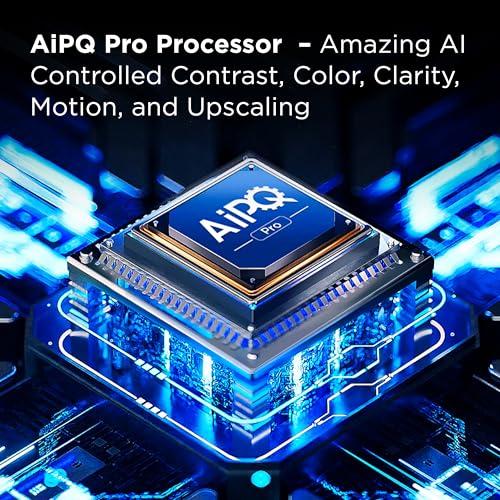
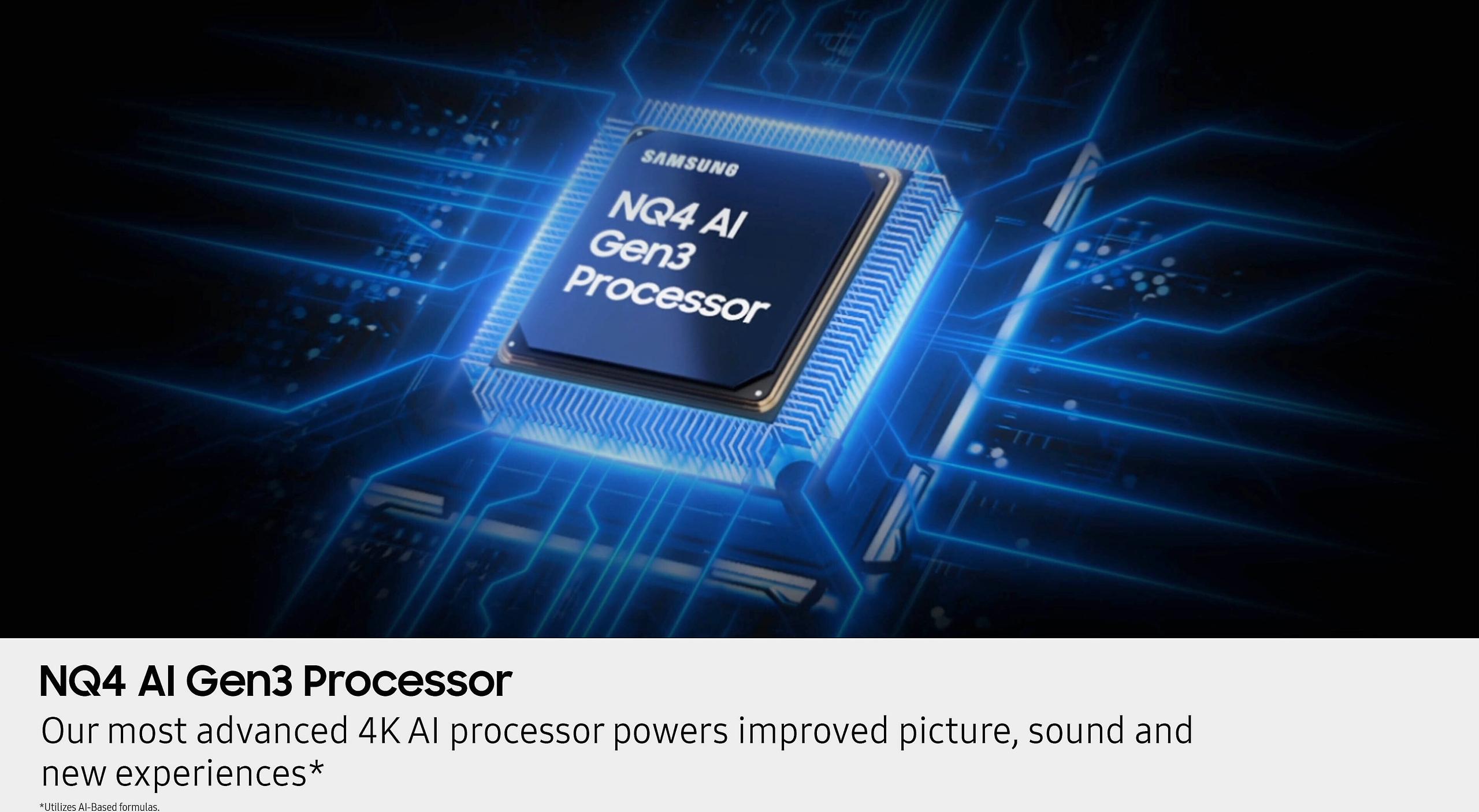
Yes, both the TCL QM7K and Samsung S95F display native 4K resolution (3840 x 2160) with advanced upscaling for lower-resolution content. The Samsung uses its NQ4 AI Gen3 processor for upscaling, while the TCL employs AiPQ Pro technology. Both provide excellent 4K performance with streaming services and 4K Blu-ray players.
The Samsung S95F has superior contrast performance due to its OLED technology providing infinite contrast ratio and perfect blacks. The TCL QM7K offers excellent contrast with its 7,000:1 static ratio and 2,500 local dimming zones, but cannot match OLED's pixel-perfect light control. For movie enthusiasts prioritizing contrast, the Samsung is the clear winner.
Both TVs fully support PS5 and Xbox Series X/S with HDMI 2.1 connectivity, 4K 120Hz gaming, VRR, and Auto Low Latency Mode. The TCL QM7K and Samsung S95F deliver excellent gaming experiences with modern consoles, featuring low input lag and smooth gameplay. Both are considered among the best TVs for next-gen gaming.
The Samsung S95F offers better longevity with its 7-year software update commitment, ensuring access to new streaming services and features throughout the TV's lifespan. The TCL QM7K typically receives 2-3 years of major updates. For buyers planning to keep their TV for many years, the Samsung provides better long-term software support and future-proofing.
We've done our best to create useful and informative comparisons to help you decide what product to buy. Our research uses advanced automated methods to create this comparison and perfection is not possible - please contact us for corrections or questions. These are the sites we've researched in the creation of this article: bestbuy.com - businessinsider.com - tomsguide.com - tomsguide.com - rtings.com - tomsguide.com - youtube.com - rtings.com - consumerreports.org - youtube.com - youtube.com - displayspecifications.com - youtube.com - tcl.com - tcl.com - tcl.com - youtube.com - rcwilley.com - bestbuy.com - tclcentral.com - displayspecifications.com - tomsguide.com - tcl.com - brandsmartusa.com - tcl.com - tcl.com - gizmochina.com - nfm.com - dolby.com - alexraytv.com - businessinsider.com - tomsguide.com - youtube.com - avsforum.com - zdnet.com - samsung.com - pioneertvandappliance.com - samsung.com - displayspecifications.com - samsung.com

Privacy Policy
Terms and Conditions - Affiliate Policy
Home Security
© Copyright 2008-2026.
11816 Inwood Rd #1211, Dallas, TX 75244