

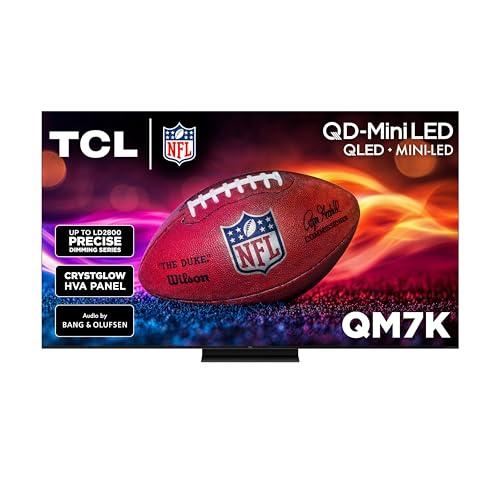
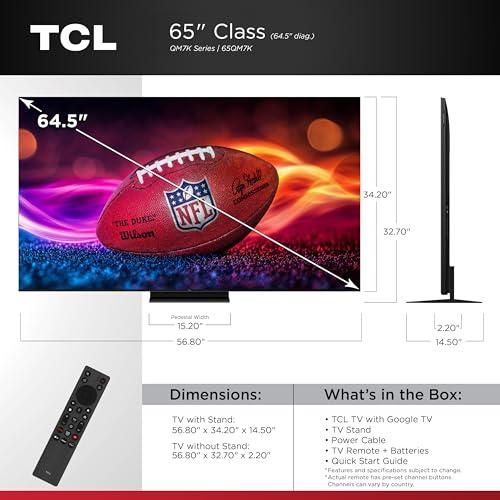
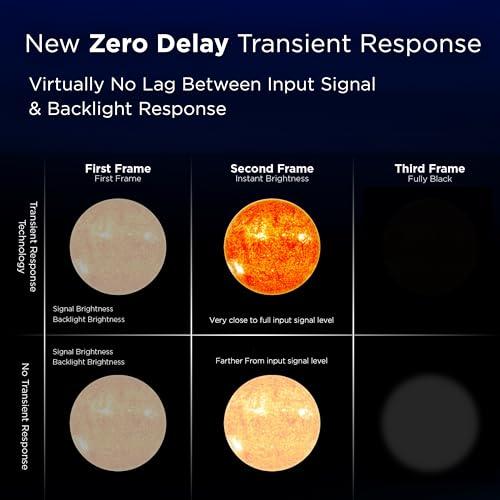
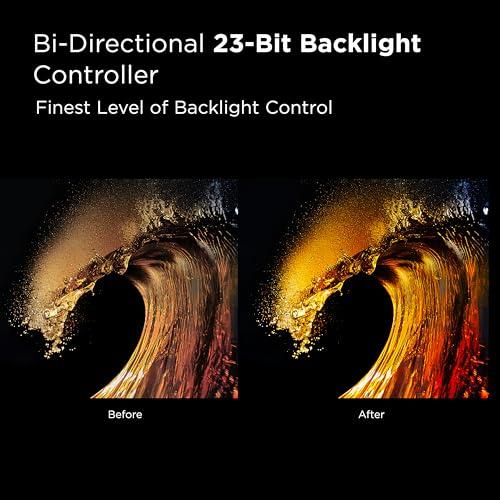
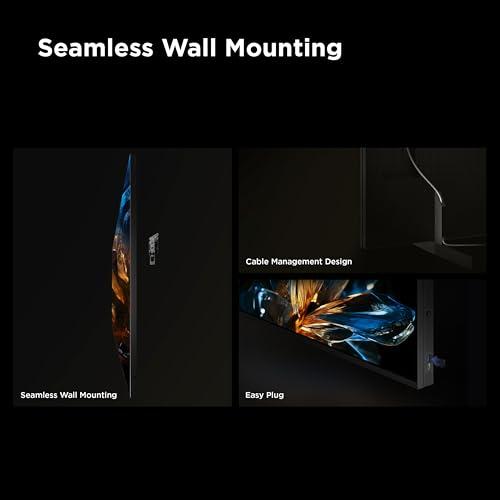
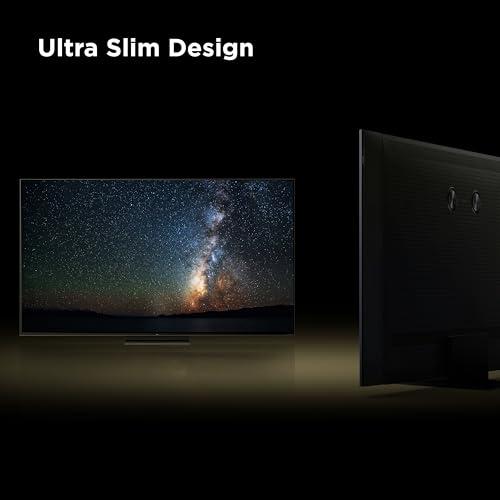
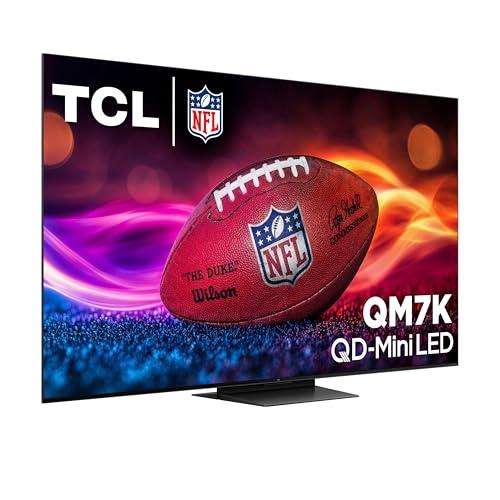
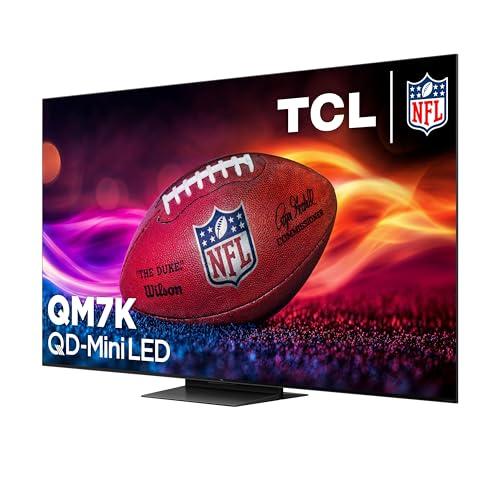
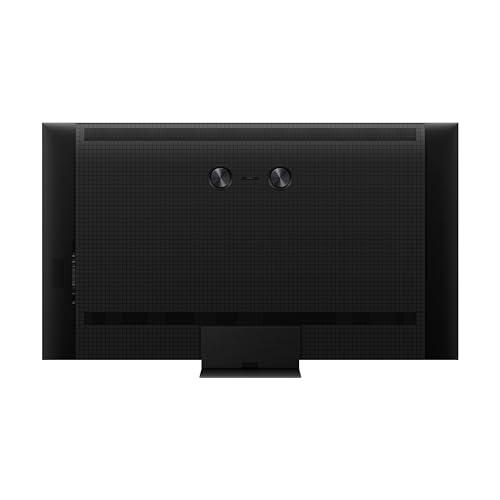
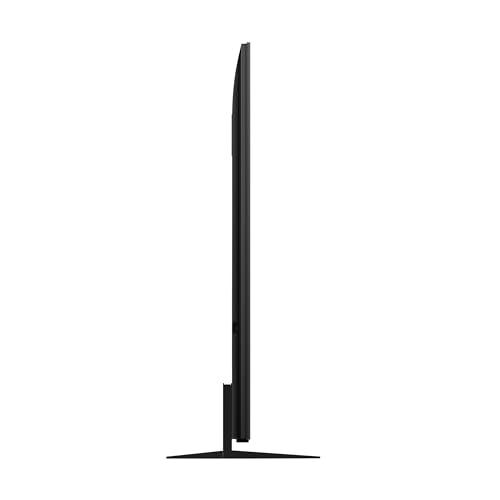
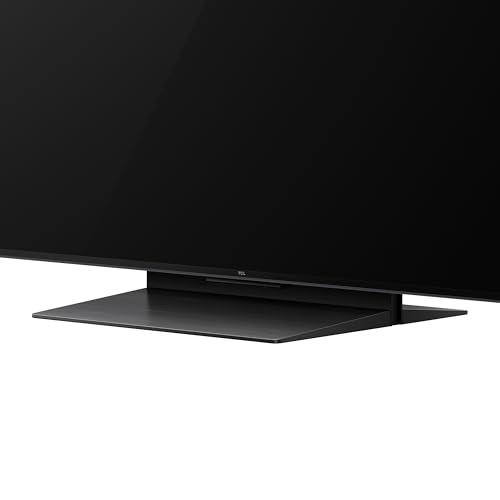
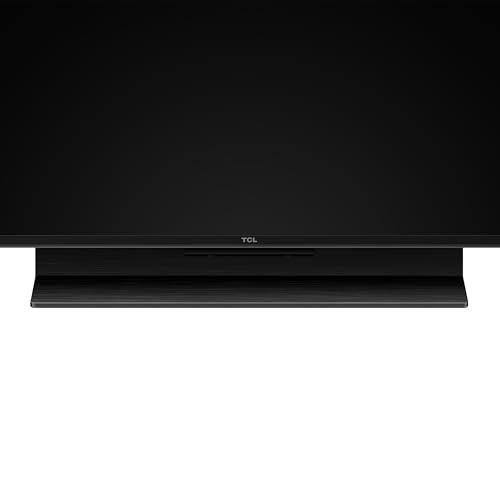

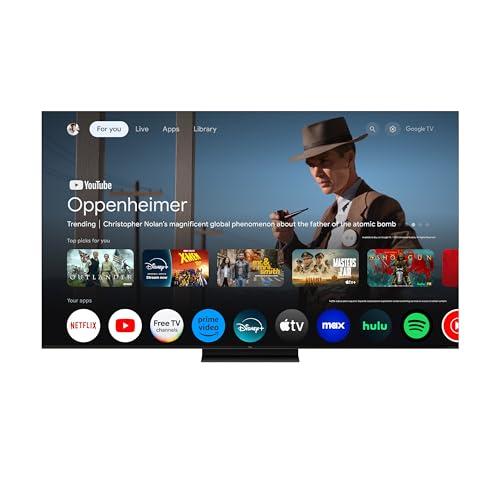
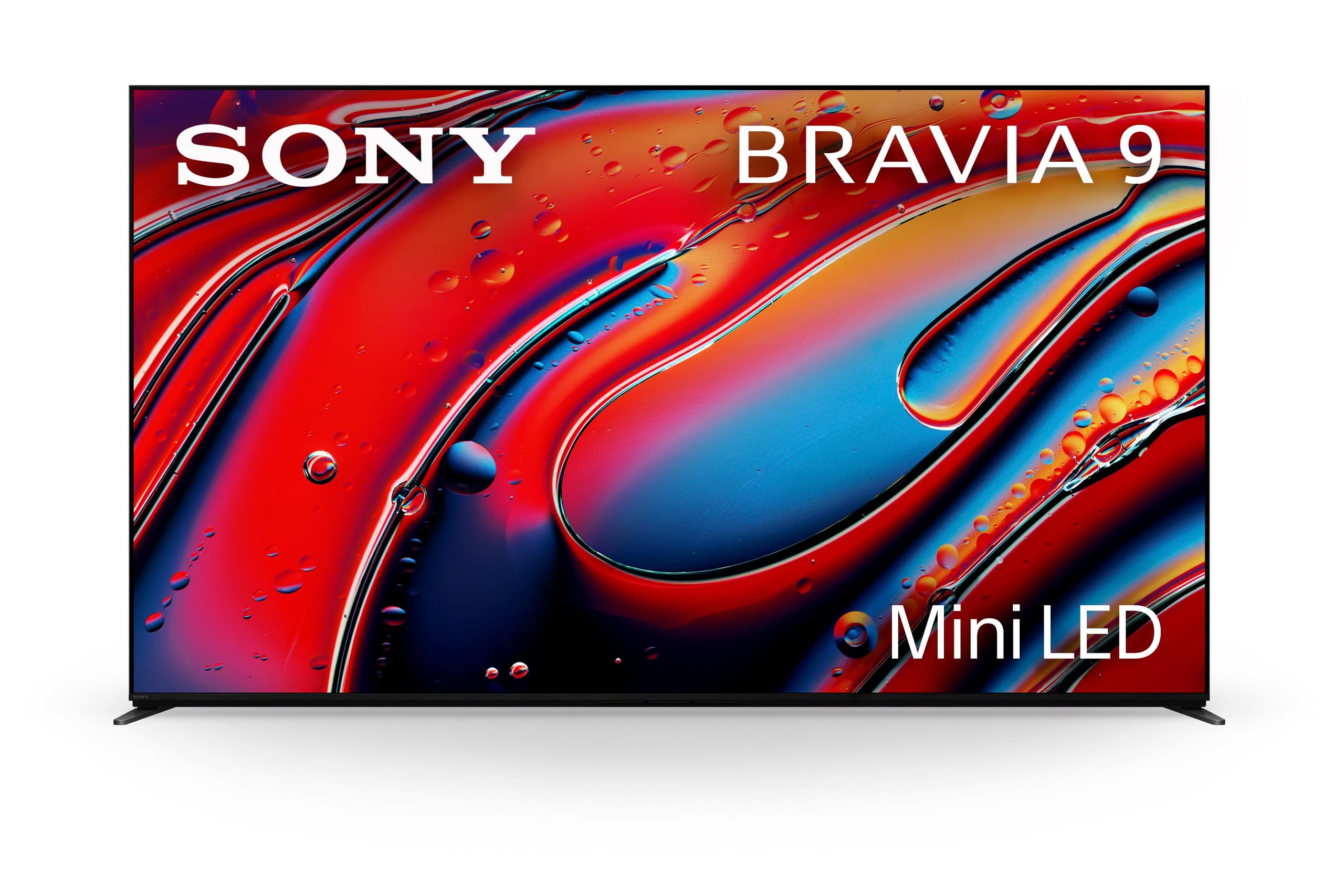
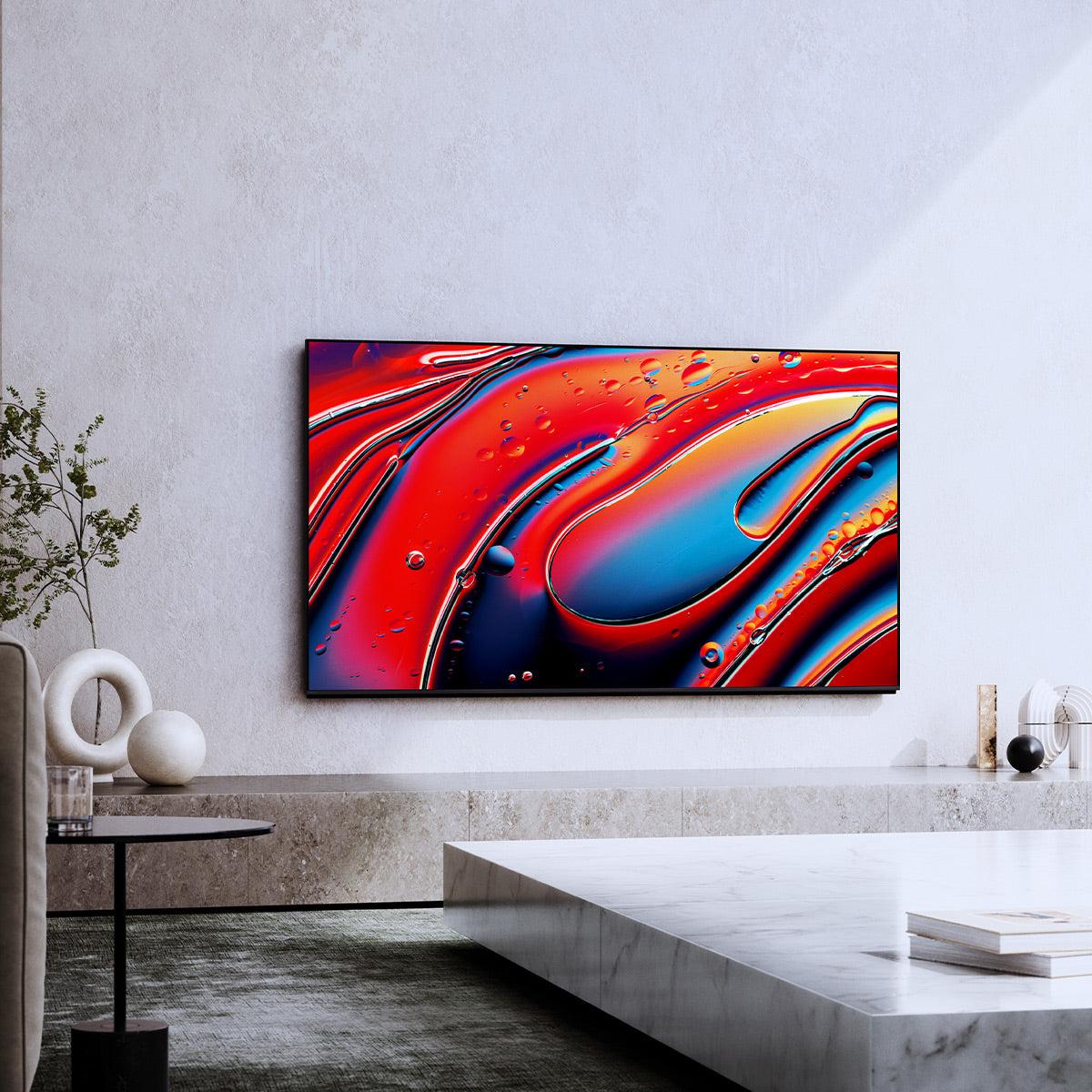
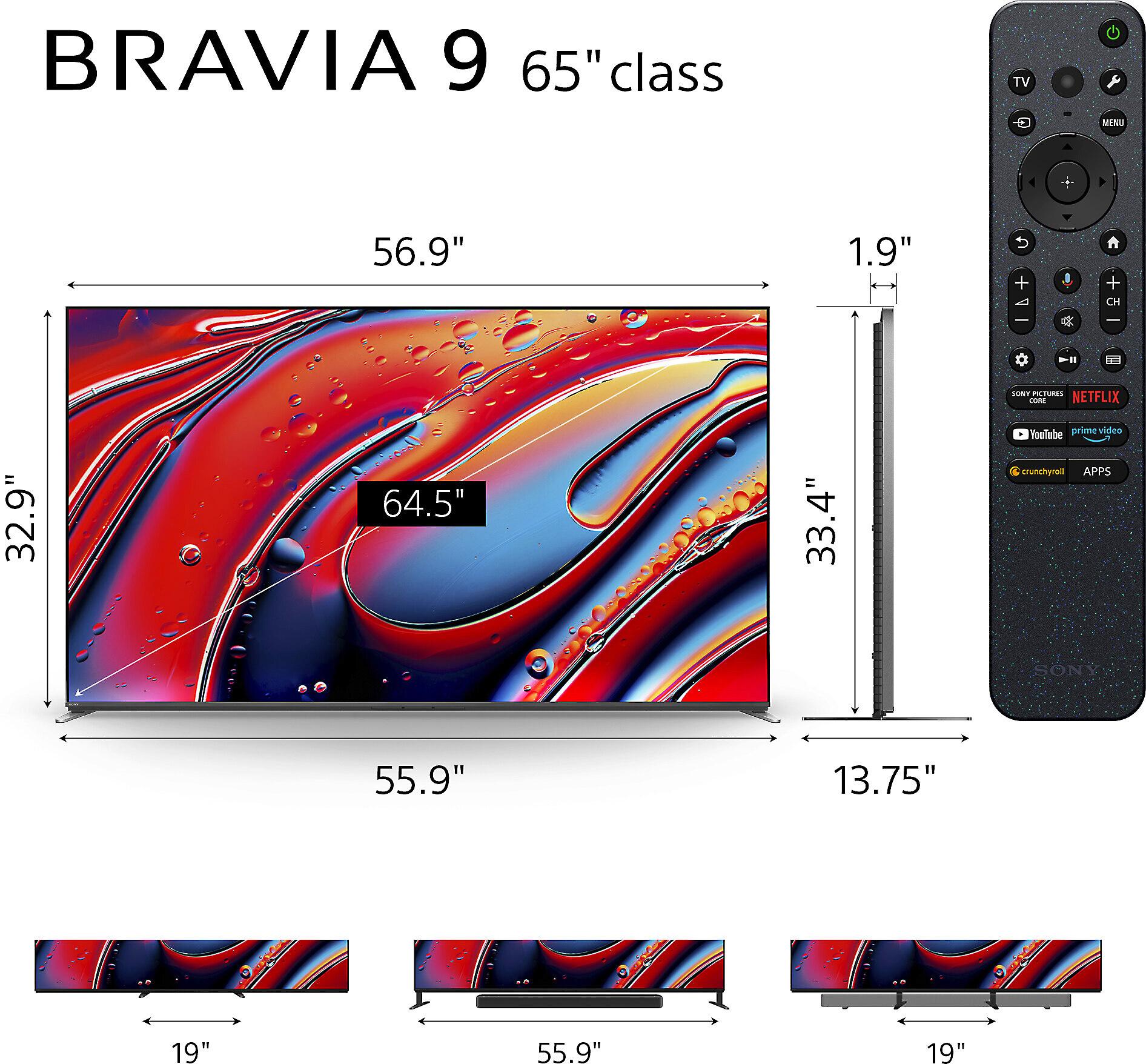
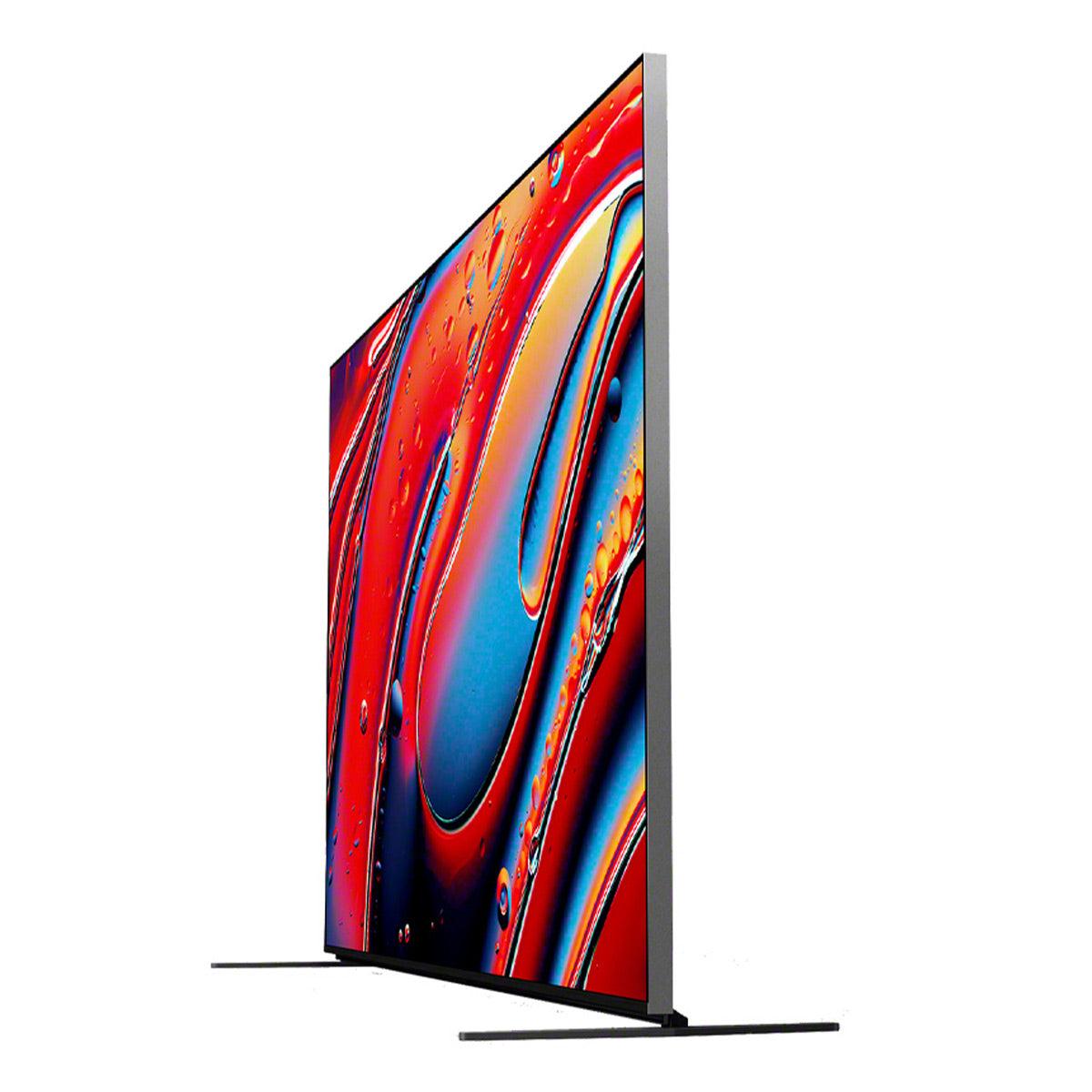
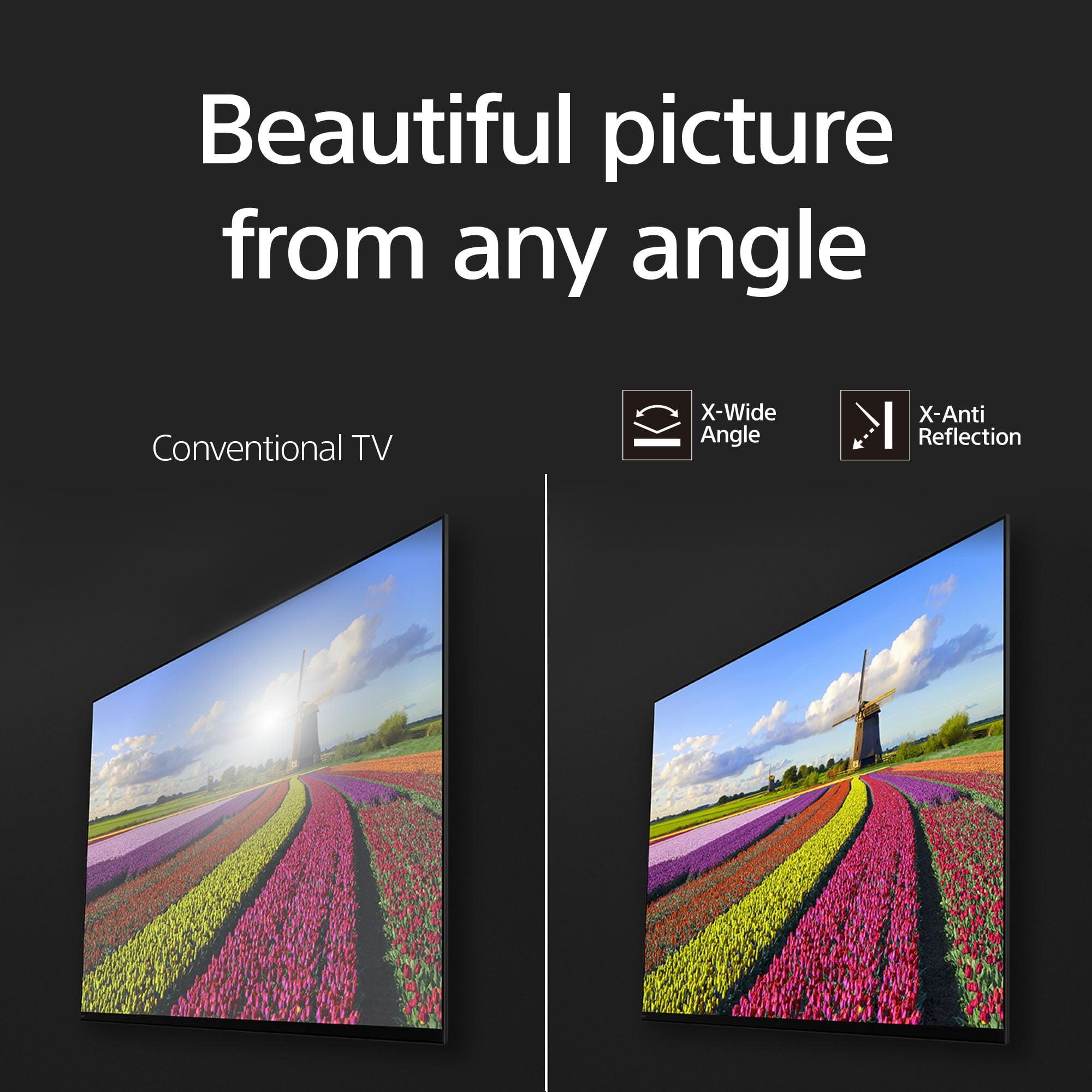
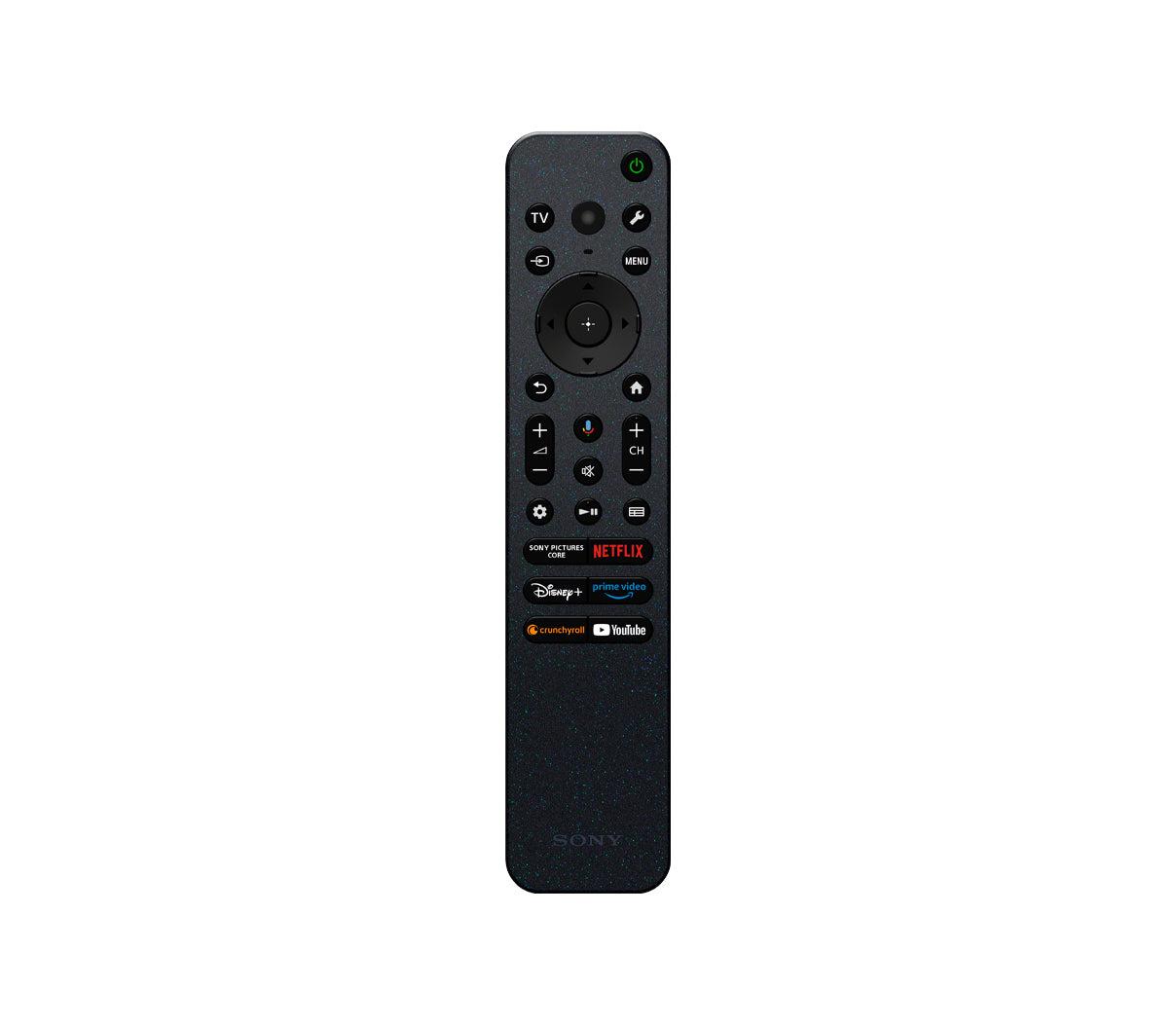
Shopping for a premium 65-inch TV in 2024 and beyond? You've probably stumbled across two standout options that represent very different approaches to Mini LED technology: the TCL 65QM7K and the Sony BRAVIA 9. Both launched in 2024 and pack impressive specs, but they're targeting different types of viewers with distinct philosophies on what makes a great television.
Mini LED technology has rapidly evolved since its mainstream introduction around 2021. The basic concept involves using thousands of tiny LEDs (much smaller than traditional LED backlights) to create precise lighting zones behind the LCD panel. This gives you OLED-like deep blacks while maintaining the brightness advantages of LED displays - essentially the best of both worlds. The key difference between models often comes down to how many of these tiny zones they can control independently, and how sophisticated their processing algorithms are.
Before diving into specifics, it's worth understanding what makes Mini LED TVs special and why they've become the sweet spot for many buyers. Traditional LED TVs use relatively large LED modules that light up broad sections of the screen, making it difficult to achieve true blacks in dark scenes. OLED TVs can turn individual pixels completely off for perfect blacks, but they struggle with peak brightness in bright rooms and can suffer from burn-in over time.
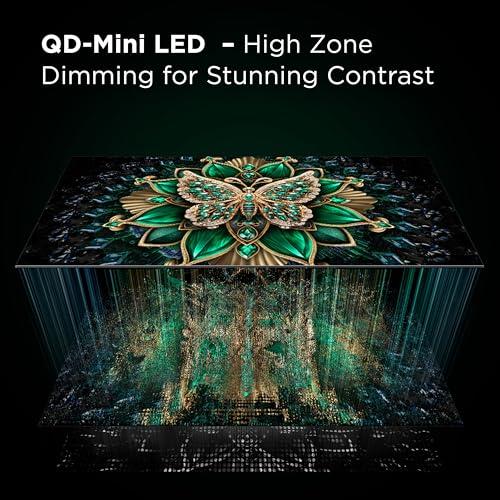
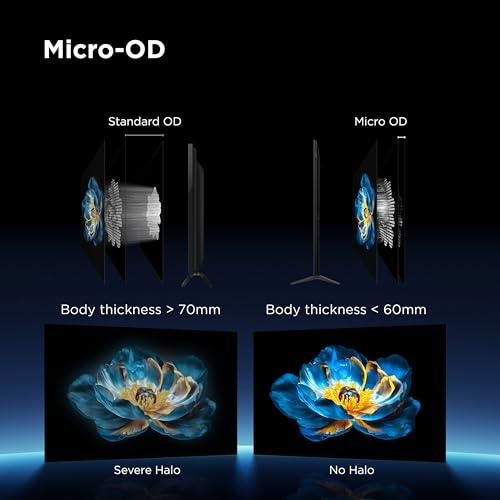
Mini LED bridges this gap by using thousands of tiny LEDs that can be dimmed or brightened in small zones (called local dimming zones). More zones generally mean better contrast control and less "blooming" - that unwanted halo effect you sometimes see around bright objects on dark backgrounds. Peak brightness capability is crucial for HDR (High Dynamic Range) content, which uses a wider range of brightness levels to create more realistic images.
The TCL 65QM7K and Sony BRAVIA 9 represent two very different approaches to this technology, with distinct strengths that cater to different priorities and budgets.
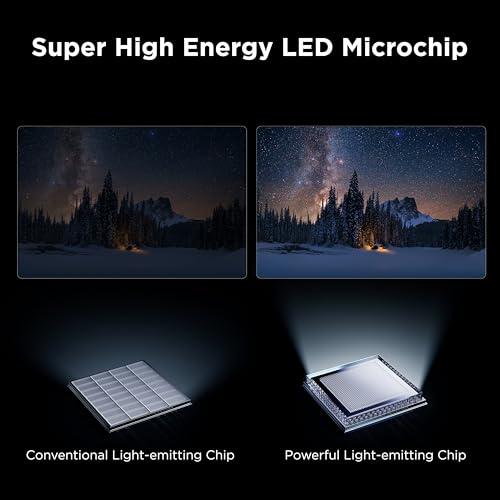
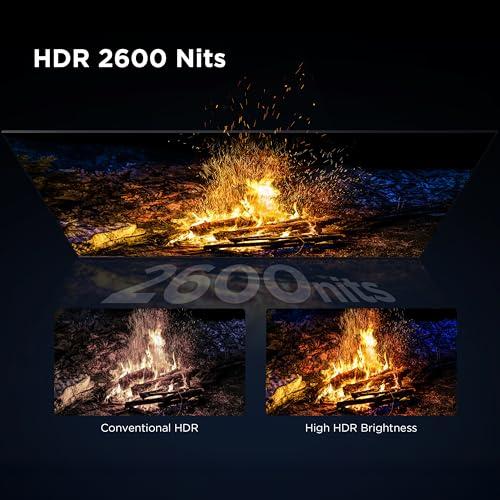
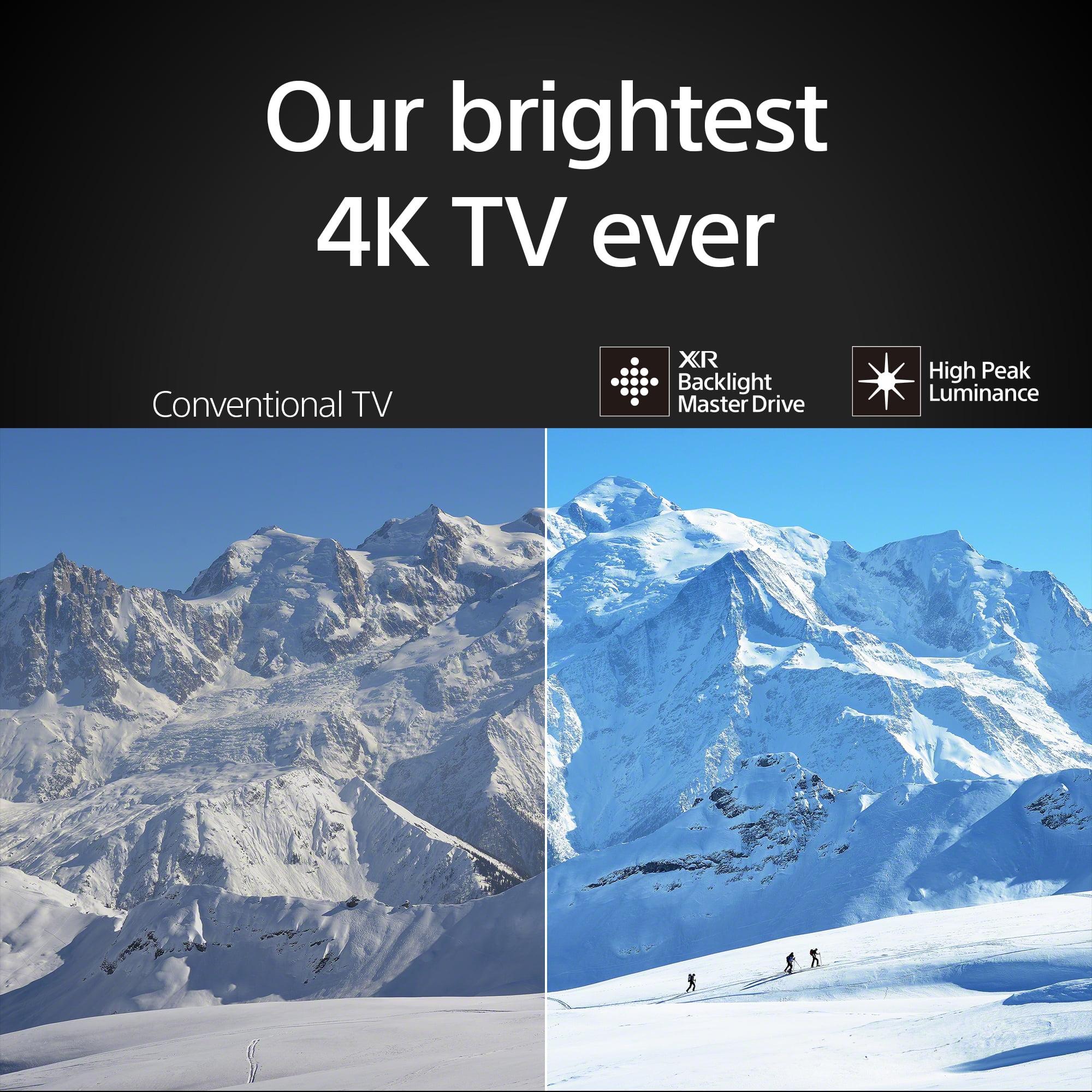
When it comes to raw brightness capability, the TCL 65QM7K absolutely dominates. TCL claims peak HDR brightness of up to 3,000 nits, while real-world testing suggests sustained brightness around 2,600 nits. Compare this to the Sony BRAVIA 9, which measures closer to 1,800 nits in professional reviews.
Why does this matter? HDR content is mastered at different brightness levels, with most premium content targeting 1,000 to 4,000 nits. Having higher peak brightness means the TV can more accurately reproduce the creator's intended visual impact - think of the sun glinting off a car's chrome bumper or explosions in an action movie. The TCL QM7K simply has more headroom to make these highlights truly pop.
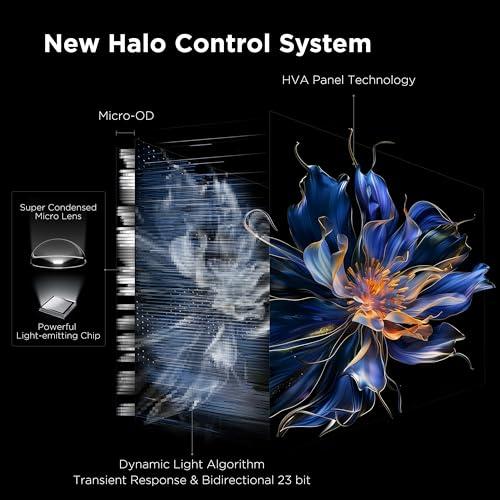
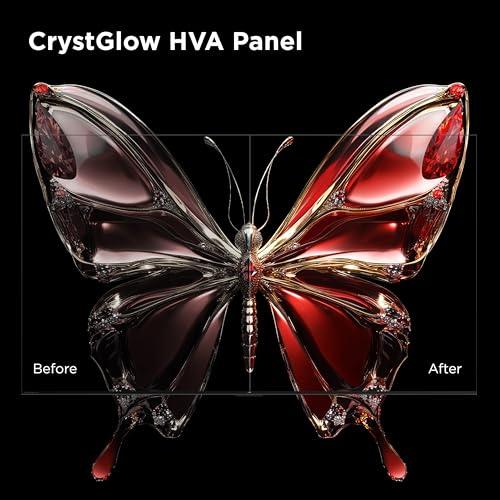
The TCL's CrystGlow HVA panel technology also deserves mention. HVA stands for High Vertical Alignment, which uses a butterfly-wing-shaped liquid crystal structure to achieve better contrast. This isn't just marketing speak - it translates to a claimed 7,000:1 static contrast ratio, significantly higher than most LED TVs.
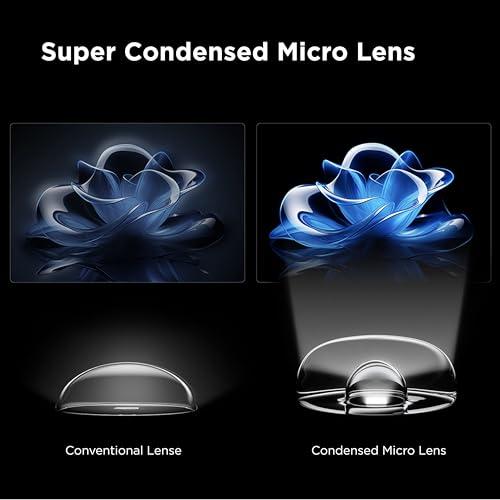
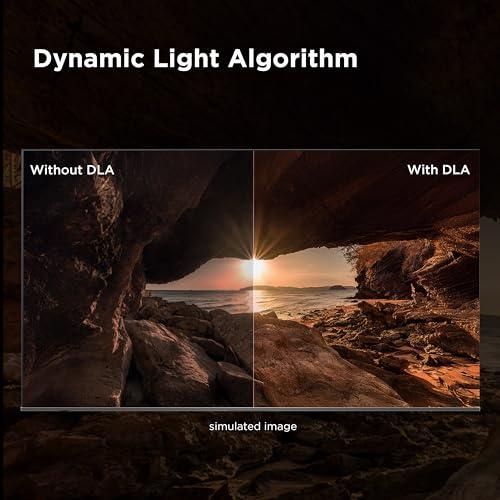
Here's where things get interesting. The TCL QM7K boasts up to 2,500 local dimming zones, controlled by what TCL calls their "Halo Control System." This system integrates multiple technologies - including micro lenses and optical distance reduction - to minimize the blooming effect that can plague Mini LED displays.
The Sony BRAVIA 9 doesn't publish specific zone counts, but Sony's approach focuses more on the quality of dimming control through their XR Backlight Master Drive technology. Sony has historically excelled at processing and algorithm development, so while they might have fewer zones, they potentially use them more intelligently.
From our research of expert reviews and user feedback, both TVs handle contrast well, but the TCL seems to have a slight edge in pure contrast ratio thanks to its higher zone count and brightness ceiling. However, Sony's more conservative approach may result in fewer distracting artifacts during normal viewing.
The Sony BRAVIA 9 leverages Sony's XR Triluminos Pro technology, which expands the color gamut for more natural-looking hues. Sony's color science has always been a strong point - they've been in the professional display business for decades, and that expertise shows in how they handle skin tones and natural colors.
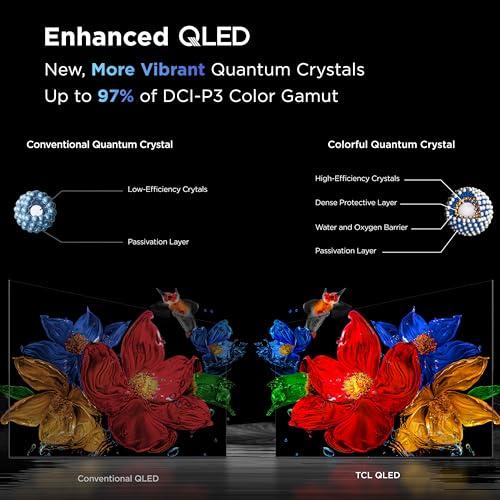
The TCL QM7K uses Quantum Dot technology (the "QD" in QD-Mini LED) combined with what they call "Colorful Quantum Crystal material." Quantum Dots are nanocrystals that can produce very pure, vibrant colors when hit with light. The result is support for 1.07 billion colors with a wide color gamut that can make animated content and vivid HDR scenes really sing.
Both approaches have merit, but they target different preferences. Sony's approach tends toward more natural, film-like colors, while TCL's Quantum Dot implementation delivers more saturated, punchy colors that can look spectacular with the right content.
Gaming has become a crucial differentiator in modern TVs, especially as PlayStation 5 and Xbox Series X push 4K gaming at higher frame rates.
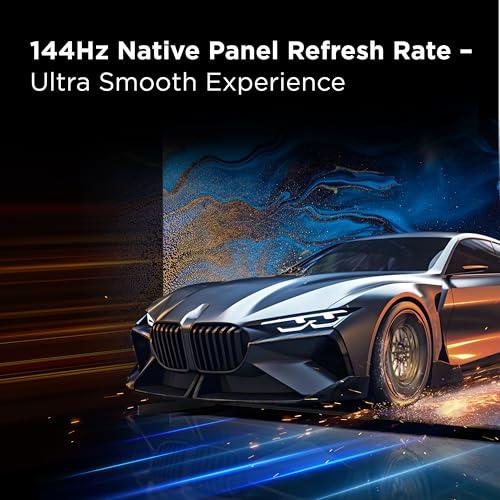
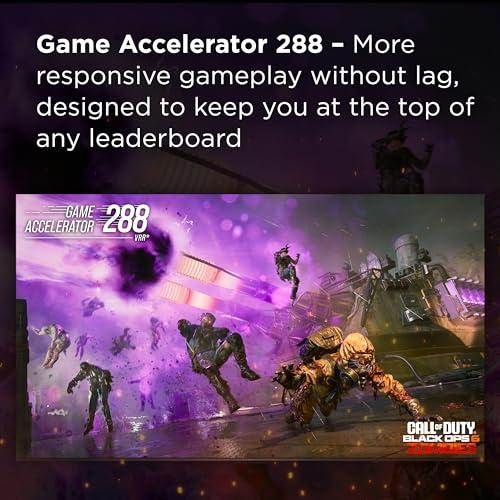
The TCL QM7K absolutely crushes the competition here with a native 144Hz refresh rate throughout the entire signal chain. Even more impressive is its "Game Accelerator 288" feature, which can handle up to 288Hz variable refresh rate at 1080p resolution. For context, most gaming monitors top out at 144Hz, so this TV is essentially gaming monitor-level responsive.
The Sony BRAVIA 9 offers a more conventional but still capable 120Hz refresh rate with variable refresh rate support. This is sufficient for current-generation console gaming and most PC gaming scenarios, but it's not as future-proof as the TCL's implementation.
Variable Refresh Rate (VRR) is crucial because it allows the TV's refresh rate to sync with the gaming device's frame output, eliminating screen tearing and stuttering. The TCL's AMD FreeSync Premium Pro certification means it meets strict standards for this functionality.
Both TVs support Auto Low Latency Mode (ALLM), which automatically switches to a low-lag game mode when it detects a gaming signal. Input lag - the delay between pressing a button and seeing the action on screen - is crucial for competitive gaming.
The Sony BRAVIA 9 includes Auto HDR Tone Mapping optimized specifically for PlayStation 5, which helps ensure HDR games look their best without manual adjustment. This makes sense given Sony's ownership of the PlayStation brand.
However, for serious gamers or those who want maximum flexibility across different gaming platforms, the TCL QM7K offers more raw performance headroom with its higher refresh rates and more aggressive gaming feature set.
This is where the Sony BRAVIA 9 fights back effectively. Sony has implemented a sophisticated 2.2.2-channel audio system with 70 watts of total power. The "2.2.2" designation means two main speakers, two subwoofers, and two up-firing speakers for height effects. The up-firing beam tweeters in the TV's frame create what Sony calls an "elevated soundstage" that can provide surprisingly effective spatial audio.
Sony's Acoustic Multi-Audio+ system and Voice Zoom 3 technology (which enhances dialogue clarity) represent genuinely advanced built-in TV audio. The Acoustic Center Sync feature is particularly clever - it allows the TV speakers to work in coordination with compatible Sony soundbars, using the TV as a center channel.
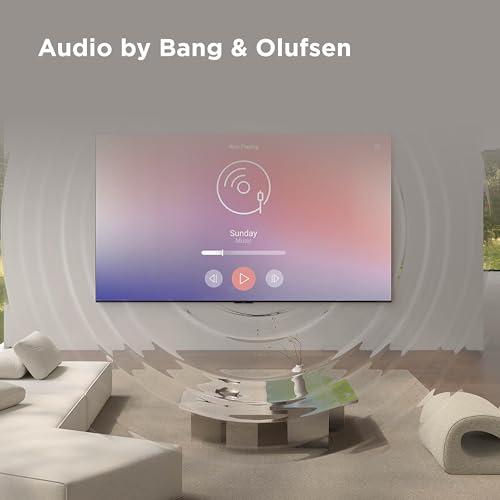
The TCL QM7K partners with Bang & Olufsen for its 60W audio system, which includes Dolby Atmos support and customizable Beosonic sound profiles. While respectable, it's a more conventional approach that doesn't match Sony's spatial audio ambitions.
For most users planning to add a soundbar eventually, this difference may not matter. But if you want the best possible built-in audio experience, the Sony has a clear advantage.
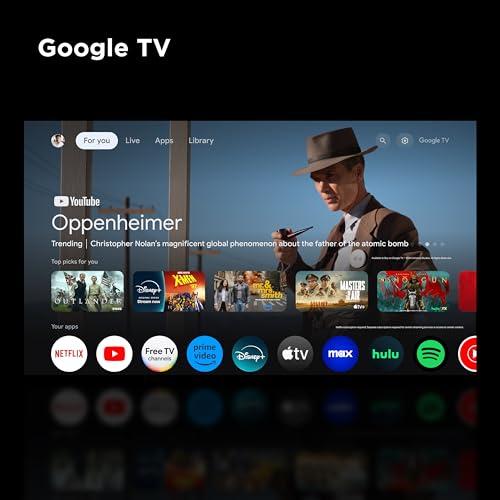
Both TVs run Google TV, so the core smart platform experience is essentially identical. You get the same app selection, Google Assistant integration, Chromecast built-in, and Apple AirPlay 2 support. Both also support Amazon Alexa and Apple HomeKit for smart home integration.
The TCL QM7K adds a notable convenience feature: Far-Field Mic Array technology that enables hands-free voice control. You can speak to the TV without picking up the remote, similar to talking to a smart speaker. This might seem minor, but it's surprisingly useful when your hands are full or the remote is lost in the couch cushions.
The Sony BRAVIA 9 counters with Wi-Fi 6 support (compared to Wi-Fi 5 on the TCL), which provides faster wireless speeds and better performance in congested network environments.
At the time of writing, these TVs occupy different market segments despite similar screen sizes and technologies. The TCL QM7K positions itself as a mid-range flagship, delivering premium specifications at a more accessible price point. TCL has built their reputation on providing exceptional value, and the QM7K continues this tradition by offering features typically reserved for much more expensive displays.
The Sony BRAVIA 9 commands a premium that reflects Sony's brand reputation, more refined processing, and superior built-in audio. Sony TVs have historically held their value better and offered more consistent quality control, which can justify the higher initial investment for some buyers.
For dedicated home theater setups, both TVs excel but in different ways. The TCL QM7K's higher peak brightness and contrast capability make it exceptional for HDR movie content, especially in rooms with some ambient lighting. Its gaming prowess also makes it versatile for multi-use entertainment rooms.
The Sony BRAVIA 9's superior built-in audio and more refined color processing make it appealing for users who prefer a more traditional cinematic presentation. Sony's motion processing and upscaling capabilities are also typically excellent for mixed content sources.
Both support all major HDR formats (HDR10, HDR10+, Dolby Vision, HLG), so you won't miss out on any content compatibility regardless of which you choose.
Choose the TCL QM7K if:
Choose the Sony BRAVIA 9 if:
Both televisions represent excellent implementations of Mini LED technology, but they serve different audiences. The TCL QM7K pushes boundaries with aggressive specifications and exceptional value, making it ideal for tech enthusiasts and gamers who want cutting-edge performance. The Sony BRAVIA 9 offers a more refined, complete package that justifies its premium through superior audio, processing, and the intangible benefits of Sony's display expertise.
In our assessment, the TCL wins on pure performance metrics and value, while the Sony excels in overall user experience and audio quality. Your choice should depend on whether you prioritize raw capabilities or refined execution - both are excellent TVs that will deliver years of viewing enjoyment.
| TCL 65QM7K QD-Mini LED 4K Google TV | Sony BRAVIA 9 65" 4K UHD Mini LED QLED Smart Google TV |
|---|---|
| Peak Brightness - Critical for HDR performance and bright room viewing | |
| 3,000 nits HDR / 2,600 nits sustained | ~1,800 nits measured (significantly dimmer) |
| Local Dimming Zones - More zones = better contrast control and less blooming | |
| Up to 2,500 zones with Halo Control System | Undisclosed count with XR Backlight Master Drive |
| Gaming Refresh Rate - Higher rates provide smoother gaming and future-proofing | |
| 144Hz native / 288Hz VRR (gaming monitor level) | 120Hz native / 120Hz VRR (console adequate) |
| Audio System - Built-in sound quality before adding external speakers | |
| 60W Bang & Olufsen partnership | 70W 2.2.2-channel with up-firing tweeters |
| Smart Platform - Both identical core experience | |
| Google TV with hands-free voice control | Google TV with enhanced integration |
| Gaming Certifications - Ensures compatibility with latest consoles and PCs | |
| AMD FreeSync Premium Pro, Game Master 2.0 | PS5 Auto HDR Tone Mapping optimization |
| Connectivity - Wi-Fi speed affects streaming quality | |
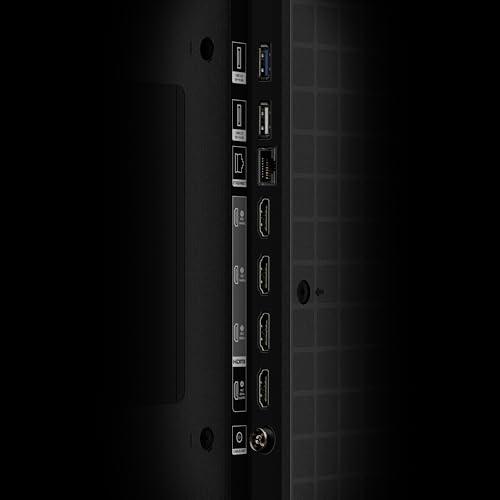
| Wi-Fi 5, 4 HDMI (2 are HDMI 2.1) | Wi-Fi 6, 4 HDMI (2 are HDMI 2.1) |
| Display Technology - Different approaches to color and contrast | |
| QD-Mini LED with CrystGlow HVA Panel | Mini LED with XR Triluminos Pro |
| Processing Power - Affects upscaling and AI features | |
| AiPQ Pro with 6 AI enhancement modes | XR Processor with motion clarity focus |
| Value Positioning - Performance vs. price consideration | |
| Mid-range flagship with premium specs | Premium positioning with refined execution |
| Best For - Target user scenarios | |
| Gamers, bright rooms, value seekers, HDR enthusiasts | Audio quality, brand loyalty, natural colors, motion handling |
The TCL 65QM7K is significantly better for gaming with its 144Hz native refresh rate and 288Hz VRR capability, compared to the Sony BRAVIA 9's 120Hz refresh rate. The TCL also features AMD FreeSync Premium Pro certification and Game Master 2.0, making it more future-proof for high-end gaming setups and PC gaming.
The TCL QM7K excels in bright rooms with its 3,000 nits peak brightness, nearly double the Sony BRAVIA 9's ~1,800 nits. This higher brightness capability makes HDR content more impactful and reduces glare issues during daytime viewing.
The Sony BRAVIA 9 has superior built-in audio with its 70W 2.2.2-channel system featuring up-firing beam tweeters and Acoustic Multi-Audio+ technology. The TCL QM7K offers 60W Bang & Olufsen audio, which is good but not as sophisticated as Sony's spatial audio implementation.
Yes, both are excellent for home theaters. The TCL QM7K excels with higher brightness and contrast for HDR movies, while the Sony BRAVIA 9 offers more refined color processing and superior built-in audio that may eliminate the immediate need for a soundbar in smaller home theater setups.
The TCL QM7K provides exceptional value with flagship-level specifications at a more accessible price point. The Sony BRAVIA 9 commands a premium but justifies it with superior audio, more refined processing, and Sony's brand reputation for reliability.
Yes, both the TCL QM7K and Sony BRAVIA 9 run Google TV with identical core functionality, including access to Netflix, Disney+, Prime Video, YouTube, and all major streaming platforms. Both also support Google Assistant, Alexa, and Apple AirPlay 2.
The TCL QM7K has up to 2,500 local dimming zones with its Halo Control System, while the Sony BRAVIA 9 doesn't publish specific zone counts. More zones typically mean better contrast control and reduced blooming around bright objects.
Both handle sports well, but the Sony BRAVIA 9 has an edge with its XR Motion Clarity technology for smoother motion handling. However, the TCL QM7K's higher refresh rate capabilities also provide excellent motion performance, especially for fast-paced sports content.
Yes, both the TCL QM7K and Sony BRAVIA 9 support 4K gaming at 120Hz with VRR and ALLM through their HDMI 2.1 ports. The TCL offers additional headroom with 144Hz capability for future gaming advances.
Yes, both the TCL QM7K and Sony BRAVIA 9 support Google Assistant, Amazon Alexa, and Apple HomeKit integration. The TCL adds hands-free voice control through its Far-Field Mic Array, while the Sony offers faster Wi-Fi 6 connectivity.
For mixed-use living rooms, the TCL QM7K is often the better choice due to its superior brightness for daytime viewing, excellent gaming performance, and better value. Choose the Sony BRAVIA 9 if built-in audio quality is more important than maximum brightness and gaming features.
We've done our best to create useful and informative comparisons to help you decide what product to buy. Our research uses advanced automated methods to create this comparison and perfection is not possible - please contact us for corrections or questions. These are the sites we've researched in the creation of this article: bestbuy.com - businessinsider.com - tomsguide.com - tomsguide.com - rtings.com - tomsguide.com - youtube.com - rtings.com - consumerreports.org - youtube.com - youtube.com - displayspecifications.com - youtube.com - tcl.com - tcl.com - tcl.com - youtube.com - rcwilley.com - bestbuy.com - tclcentral.com - displayspecifications.com - tomsguide.com - tcl.com - brandsmartusa.com - tcl.com - tcl.com - gizmochina.com - nfm.com - dolby.com - alexraytv.com - bestbuy.com - bestbuy.com - youtube.com - whathifi.com - crutchfield.com - rtings.com - pcrichard.com - merlinstv.com - youtube.com - sony.ca - electronics.sony.com

Privacy Policy
Terms and Conditions - Affiliate Policy
Home Security
© Copyright 2008-2026.
11816 Inwood Rd #1211, Dallas, TX 75244