

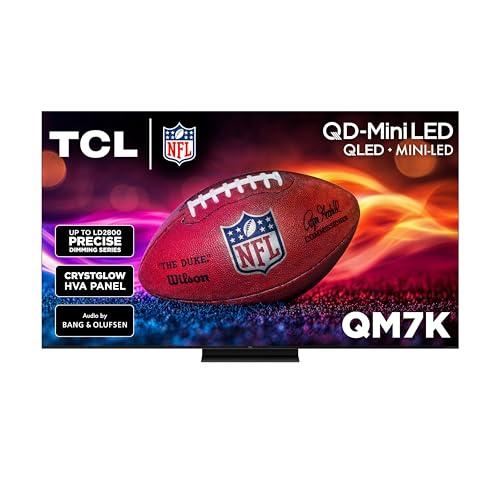
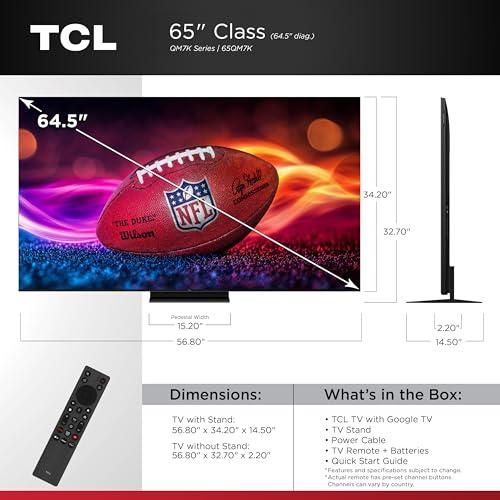
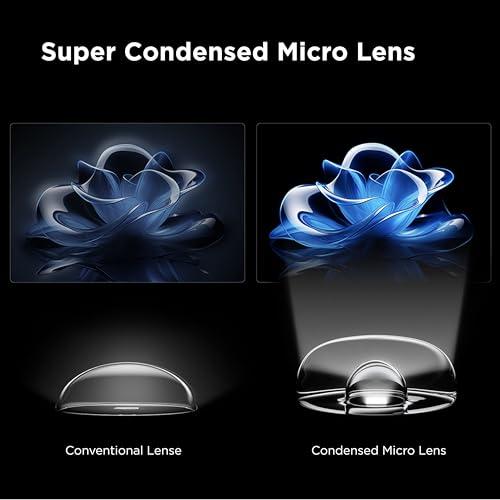
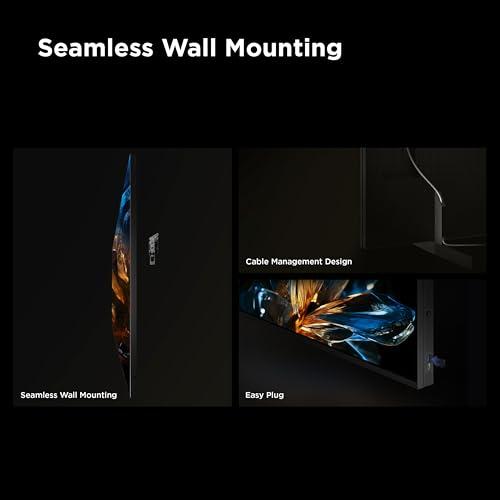
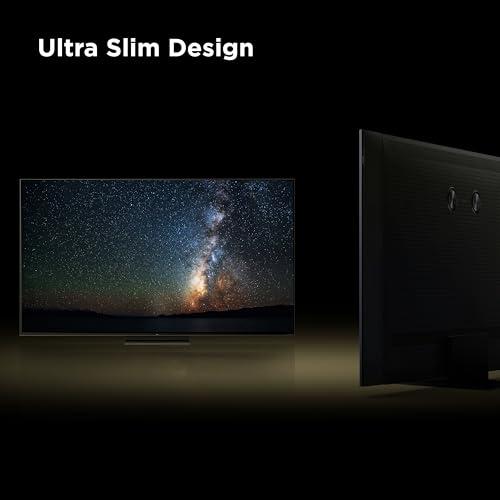
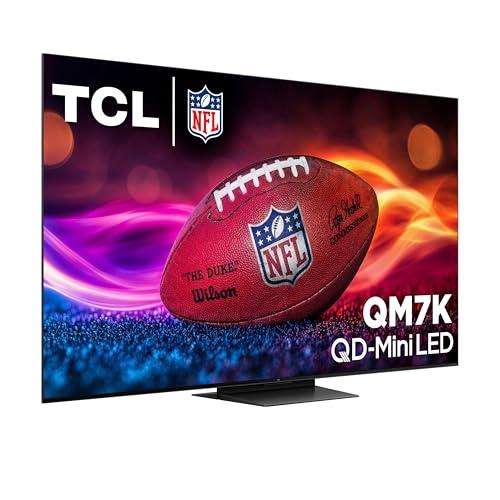
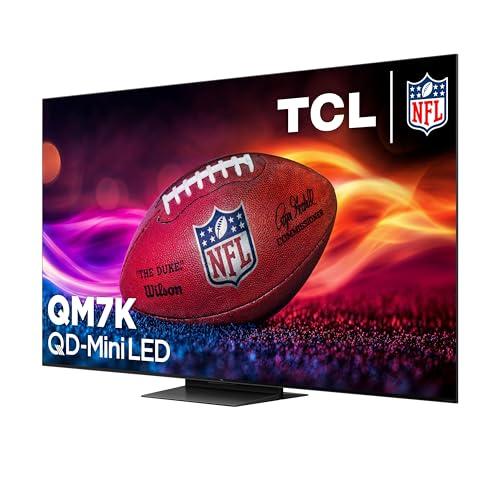
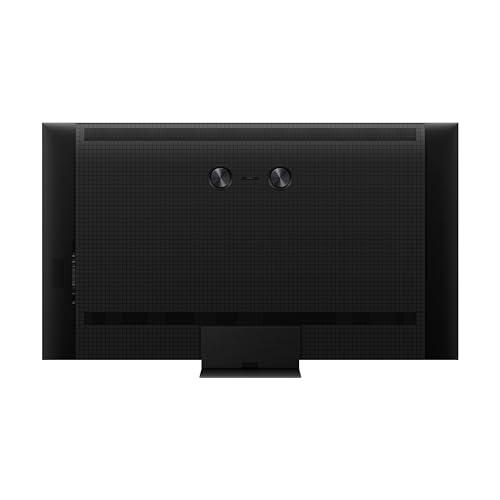
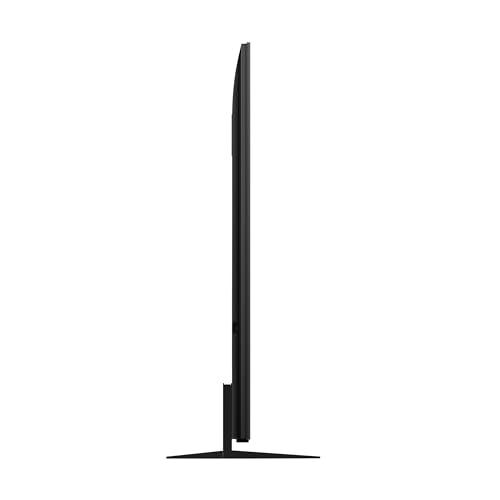
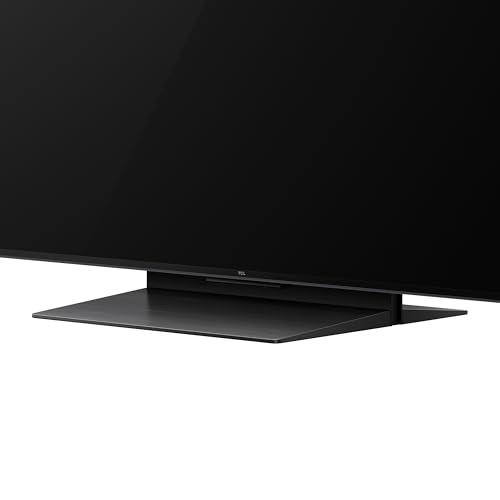
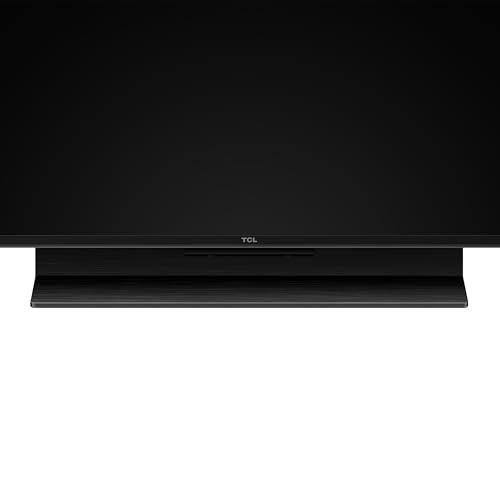
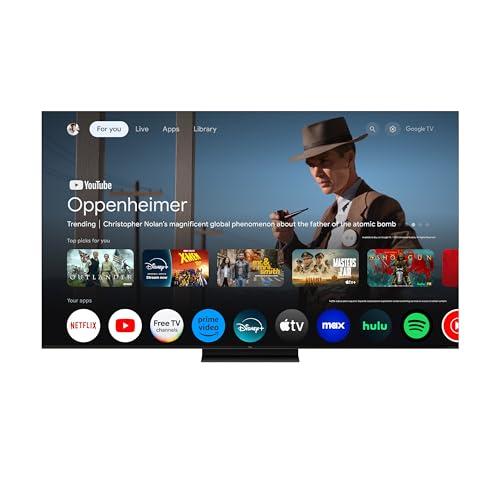
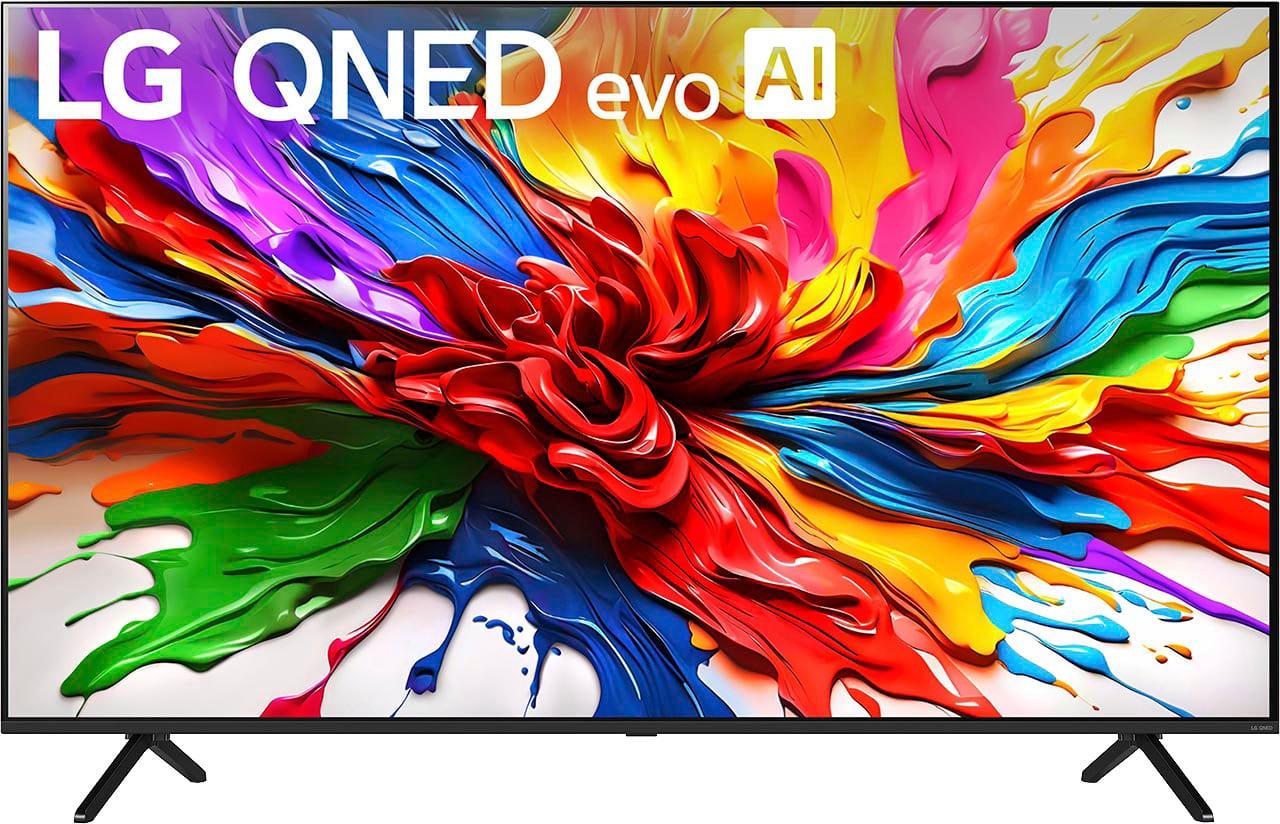
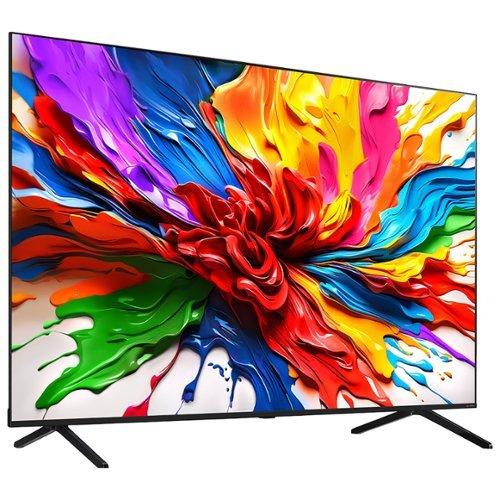
The premium Mini LED TV market has exploded in recent years, offering stunning picture quality that rivals OLED displays while delivering much brighter images. If you're shopping for a high-end 65-inch TV in 2025, two standouts have emerged: the TCL 65QM7K and the LG 65" QNED92A. Both represent significant technological leaps from their predecessors, but they take distinctly different approaches to achieving excellent performance.
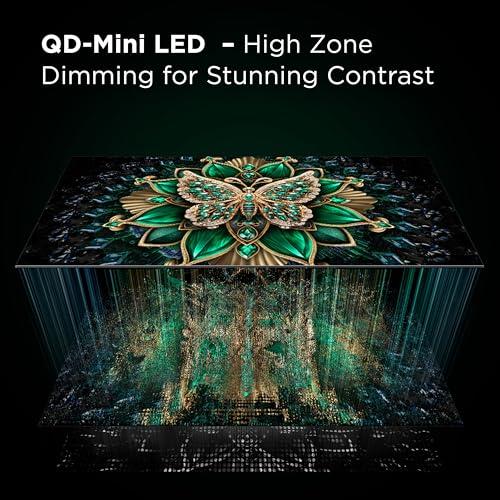
Before diving into specifics, let's clarify what makes these TVs special. Mini LED backlighting uses thousands of tiny LEDs—much smaller than traditional LED backlighting—arranged behind the LCD panel. This creates hundreds or thousands of individually controlled "zones" that can brighten or dim independently. The result? You get incredibly deep blacks in one part of the screen while maintaining blazing brightness in another, something traditional LED TVs struggle with.
Think of it like having thousands of flashlights behind your TV screen, each one controllable separately. When a movie shows a bright explosion against a dark night sky, the Mini LEDs behind the explosion area blast at full brightness while the zones behind the dark sky dim to near-black. This creates contrast that approaches what you'd see on premium OLED displays, but with much higher peak brightness capabilities.
Both the TCL QM7K and LG QNED92A launched in 2025, representing the latest evolution of this technology. The TCL QM7K arrived earlier in the year as part of TCL's aggressive push into premium territory, while the LG QNED92A followed as LG's flagship Mini LED offering, replacing their previous QNED models with significant improvements.
The most striking difference between these displays lies in their brightness capabilities, and this isn't just about numbers—it fundamentally changes how content looks and where you can use the TV effectively.
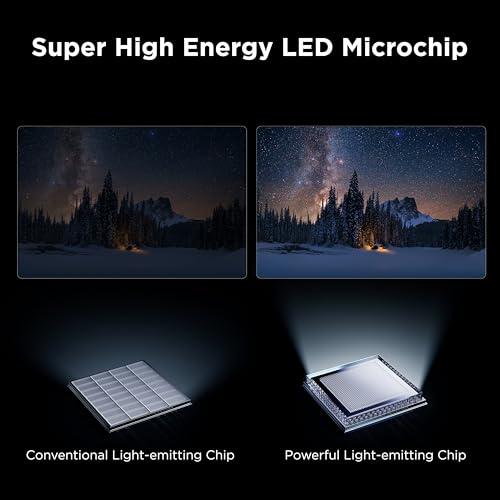
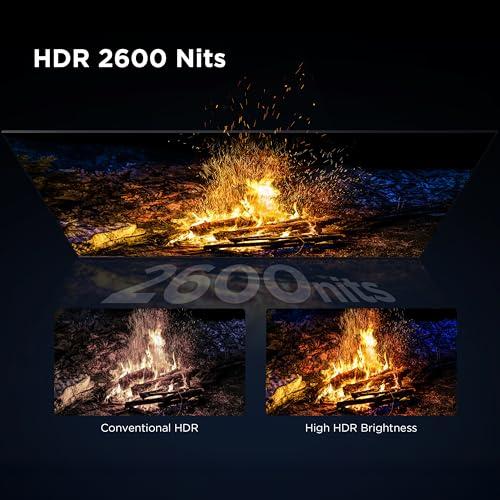
The TCL QM7K absolutely dominates here, pushing up to 2,600 nits of peak brightness through its LD2500 Precise Dimming system. To put that in perspective, a typical sunny day measures around 10,000 nits, while most standard TVs max out around 400-500 nits. This extraordinary brightness means HDR (High Dynamic Range) content looks genuinely spectacular—explosions have real punch, sunsets glow convincingly, and bright highlights pop off the screen with remarkable intensity.
The LG QNED92A takes a more conservative approach, reaching approximately 1,520 nits through its hundreds of individually controlled dimming zones. While this might sound "dimmer," it's still incredibly bright by TV standards and more than adequate for most viewing situations.
Why does this matter practically? If you're placing your TV in a bright living room with large windows, the TCL QM7K will maintain excellent image quality even with significant ambient light washing over the screen. The LG QNED92A, while still good in bright rooms, truly shines in more controlled lighting environments where its precision can be fully appreciated.
For HDR movie watching, the difference is immediately noticeable. Scenes like the desert sequences in "Dune" or the neon-soaked cityscapes in "Blade Runner 2049" benefit enormously from the TCL's extra brightness headroom. Colors remain vibrant and details stay visible in bright scenes that would wash out on dimmer displays.
Gaming represents perhaps the starkest difference between these TVs, and it's where the TCL QM7K pulls decisively ahead.
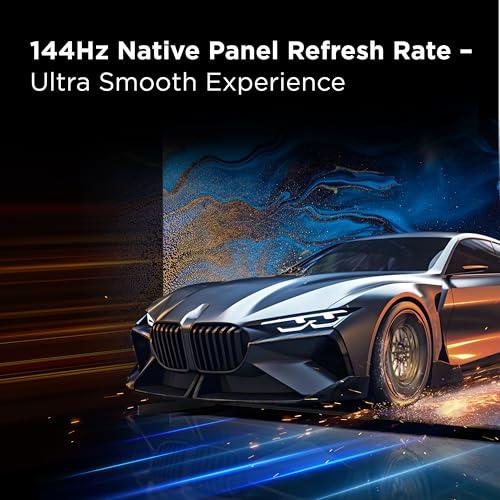
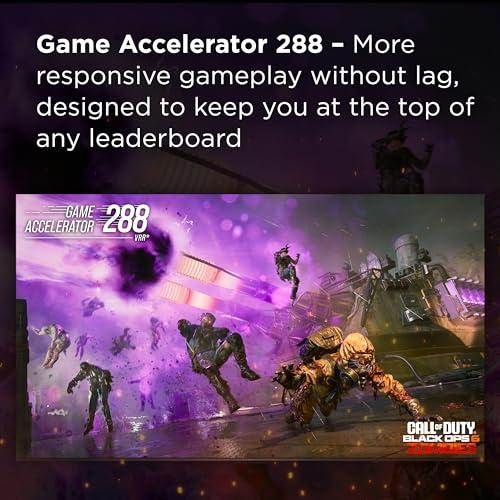
The TCL supports a native 144Hz refresh rate with variable refresh rate (VRR) capabilities up to an astounding 288Hz through its Game Accelerator 288 feature. For context, most TVs max out at 120Hz, which matches current gaming consoles. The LG QNED92A offers the standard 120Hz gaming experience that works perfectly with PlayStation 5 and Xbox Series X.
Here's where it gets interesting: while 288Hz might sound like marketing hype, it genuinely benefits PC gaming. If you're running a high-end gaming PC capable of pushing 200+ frames per second in competitive games like "Counter-Strike 2" or "Valorant," the TCL can actually display those extra frames. This reduces motion blur and input lag to nearly imperceptible levels, providing a genuine competitive advantage.
Both TVs support all the essential gaming features—Auto Low Latency Mode (ALLM), which automatically switches to game mode when it detects a console, and VRR to eliminate screen tearing. Input lag on both displays measures under 10 milliseconds, which is excellent for responsive gameplay.
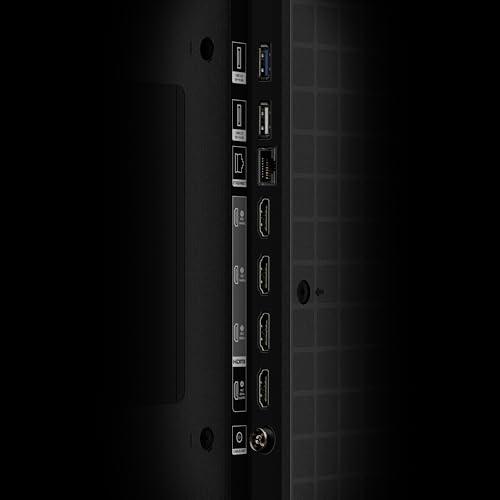
The LG QNED92A does offer one connectivity advantage: four HDMI 2.1 ports versus two on the TCL. If you're connecting multiple next-gen devices—say, a PS5, Xbox Series X, high-end PC, and Apple TV 4K—the LG provides more flexibility without requiring an HDMI switcher.
Both TVs deliver exceptional image quality, but they achieve it through different approaches that cater to different preferences.
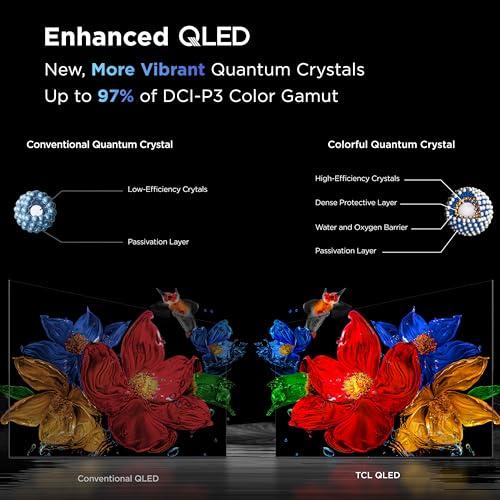
The TCL QM7K uses QD-Mini LED technology, combining quantum dots with Mini LED backlighting. Quantum dots are microscopic crystals that produce incredibly pure colors when hit with light. This creates vibrant, punchy colors that immediately grab your attention. The TV covers 97% of the DCI-P3 color space (the standard used in movie theaters), ensuring rich, saturated colors that make content pop.
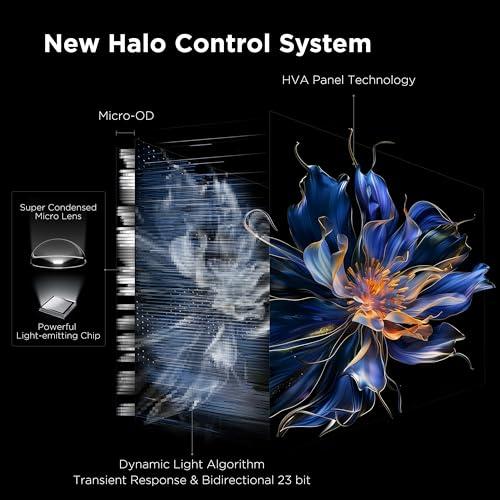
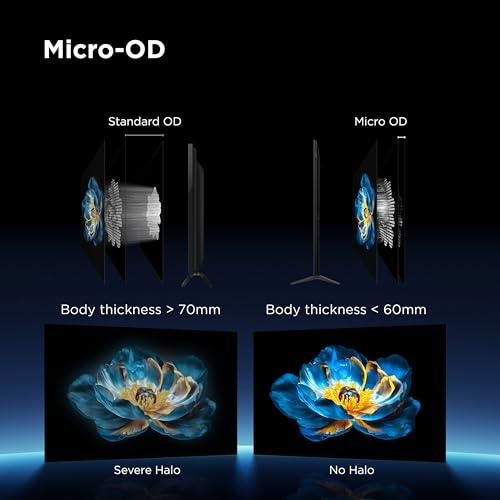
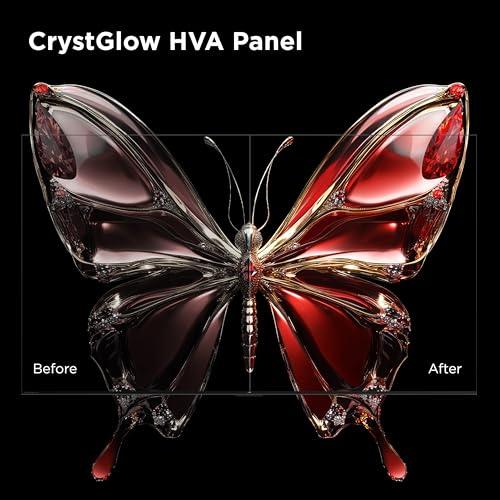
TCL's CrystGlow HVA Panel adds another layer of sophistication. This High Vertical Alignment panel technology creates a butterfly-wing-shaped liquid crystal structure that produces an impressive 7,000:1 static contrast ratio. The anti-reflective coating helps maintain image quality even in bright rooms, while the Halo Control System minimizes "blooming"—the annoying halos of light that can appear around bright objects on dark backgrounds.
The LG QNED92A takes a more measured approach with its QNED (Quantum NanoCell) technology. Instead of just quantum dots, LG combines quantum dot-like materials with their NanoCell technology, which filters out impure colors at the source. This creates what LG calls 100% Color Volume—meaning colors remain accurate and vibrant at any brightness level, from the darkest shadows to the brightest highlights.
LG's hundreds of individually controlled dimming zones provide incredibly precise light control. While the TCL impresses with raw power, the LG excels in subtlety and precision. Dark movie scenes reveal more shadow detail, and the transition between bright and dark areas appears more natural and film-like.
From our research into professional reviews and user feedback, the choice often comes down to preference. The TCL delivers a more immediately impressive, "wow factor" image that works great for all types of content, especially in brighter rooms. The LG provides a more refined, cinema-accurate presentation that movie enthusiasts and professional content creators tend to prefer.
The smart TV experience has become crucial, and both manufacturers have made interesting choices here.
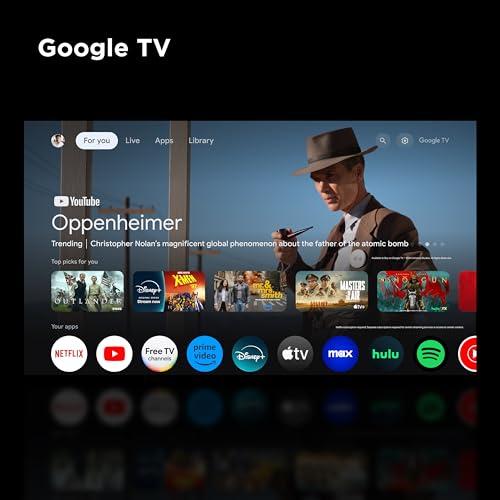
The TCL QM7K runs Google TV, which is essentially Android TV with a more user-friendly interface. If you're already invested in Google's ecosystem—using Gmail, Google Photos, Chromecast devices—the integration is seamless. The hands-free voice control with Far-Field Mic Array means you can literally just say "Hey Google" to control the TV without picking up the remote.
Google TV excels at content discovery, pulling recommendations from all your streaming services into a unified interface. The built-in Chromecast means any phone, tablet, or laptop can instantly beam content to the TV. For tech-savvy users who appreciate customization and Google integration, it's fantastic.
The LG QNED92A runs webOS 25, LG's proprietary platform that's been refined over many years. The interface feels more polished and intuitive than Google TV, with smooth animations and logical menu structures. The Magic Remote acts like a computer mouse, letting you point and click rather than navigating with directional buttons.
WebOS includes over 300 free LG Channels, and the platform generally feels more stable and responsive than Google TV. Most importantly, LG guarantees software updates and new features for five years through their Re:New Program—a significant commitment that addresses one of the biggest pain points with smart TVs becoming obsolete.
Both TVs include respectable audio systems, though neither eliminates the need for a good soundbar in a serious home theater setup.
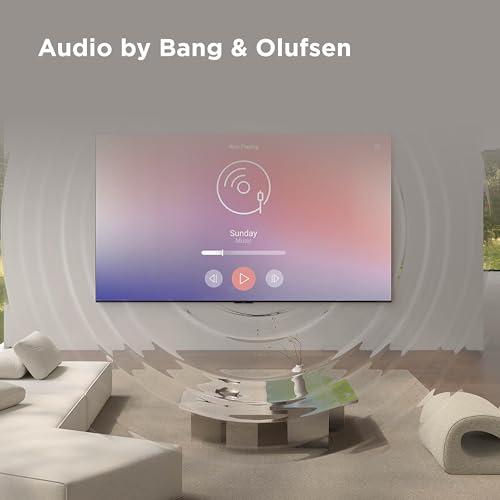
The TCL QM7K features Bang & Olufsen-tuned speakers with 60W of power and Dolby Atmos support. The collaboration with the Danish audio company results in clearer dialogue and more balanced sound than typical TV speakers. For casual viewing, it's quite good—certainly better than what you'd expect from such a slim display.
The LG QNED92A incorporates AI Sound Pro technology with a 2.2 channel system that creates virtual 9.1.2 surround sound. This processing attempts to create a more immersive soundstage than the physical speakers should theoretically produce. Dialogue comes through clearly, and the system does a decent job with movie soundtracks.
In practice, both TVs sound fine for everyday viewing, but home theater enthusiasts will want to add a soundbar or full surround system. The good news is both TVs support advanced audio pass-through formats and work well with external audio systems.
For dedicated home theater use, both TVs excel but in different scenarios.
The LG QNED92A fits better in a controlled, dark theater environment. Its precise dimming control and accurate color reproduction create a more cinematic experience. The hundreds of dimming zones mean you'll see subtle details in dark scenes that might get lost on other displays. FILMMAKER MODE disables motion smoothing and adjusts settings to match the director's intent, which serious movie watchers will appreciate.
The TCL QM7K works better in multi-purpose rooms where you might watch movies with some ambient light. Its superior brightness maintains image quality even when you can't achieve perfect darkness. The vibrant colors and HDR impact make action movies and visually spectacular content more engaging.
Both TVs support all major HDR formats—Dolby Vision, HDR10+, and standard HDR10—ensuring compatibility with virtually any content source. The implementation differs slightly, with the LG providing more accurate tone mapping in complex HDR scenes, while the TCL delivers more dramatic highlight peaks.
At the time of writing, these TVs occupy different price tiers, which significantly impacts their value propositions.
The TCL QM7K typically costs substantially less than the LG QNED92A, making it one of the best performance-per-dollar values in the premium TV market. You're getting flagship-level brightness, cutting-edge gaming features, and excellent build quality at a price that undercuts many competitors' mid-range offerings.
The LG QNED92A commands a premium for its brand reputation, superior software support commitment, and more refined user experience. The five-year software update guarantee alone adds significant value for users who keep TVs for many years.
From a longevity perspective, both TVs should remain relevant for many years. The TCL's higher brightness and gaming capabilities may actually age better as content becomes more demanding and gaming frame rates continue increasing. The LG's guaranteed software support provides peace of mind about continued functionality.
The TCL QM7K makes sense if you want maximum performance for your money. It's ideal for bright living rooms, serious gaming (especially PC gaming), and users who prioritize impressive, vibrant visuals. The Google TV platform works great if you're already using Google services, and the overall package delivers flagship performance at a more accessible price point.
Choose the LG QNED92A if you prioritize refinement over raw performance. It's better for dedicated home theaters, users who want guaranteed long-term software support, and those who prefer more accurate, cinema-like color reproduction. The premium price buys you a more polished overall experience and LG's reputation for reliability.
Both TVs represent excellent choices in the premium Mini LED category, but they serve different users and use cases. The TCL maximizes performance and value, while the LG emphasizes refinement and long-term satisfaction. Either way, you're getting a display that would have been considered cutting-edge just a few years ago, now available at increasingly reasonable prices.
The Mini LED TV market continues evolving rapidly, but both the TCL QM7K and LG QNED92A represent mature, refined implementations of the technology that should satisfy demanding users for years to come.
| TCL 65QM7K QD-Mini LED 4K Google TV | LG 65" QNED92A QNED evo AI Mini LED 4K TV 2025 |
|---|---|
| Peak Brightness - Critical for HDR impact and bright room viewing | |
| 2,600 nits (exceptional for any room condition) | 1,520 nits (excellent for controlled lighting) |
| Gaming Refresh Rate - Determines smoothness for PC and console gaming | |
| 144Hz native, up to 288Hz VRR (future-proof for high-end PC gaming) | 120Hz native (perfect for current consoles, standard premium rate) |
| Local Dimming Zones - Controls contrast precision and blooming | |
| Up to 2,500 zones with Halo Control System | Hundreds of individually controlled zones |
| Color Technology - Affects vibrancy vs accuracy | |
| QD-Mini LED with Quantum Dots (vibrant, punchy colors) | QNED with 100% Color Volume certification (accurate, natural colors) |
| HDMI 2.1 Ports - Important for multiple next-gen devices | |
| 2 ports (may require switcher for multiple devices) | 4 ports (connects everything without additional hardware) |
| Smart Platform - Long-term usability and interface quality | |
| Google TV with hands-free voice control | webOS 25 with 5-year software update guarantee |
| Panel Type - Affects viewing angles and reflection handling | |
| CrystGlow HVA with anti-reflective coating | Standard Mini LED implementation |
| Audio System - Built-in sound quality | |
| Bang & Olufsen 60W with Dolby Atmos | AI Sound Pro 2.2 channel with virtual surround |
| Contrast Ratio - Determines black level depth | |
| 7,000:1 static, 30 million:1 dynamic | Not specified but excellent with precise dimming |
| Processor - Powers AI features and performance | |
| AiPQ Pro with real-time optimization | α8 AI Gen2 with advanced picture processing |
The TCL 65QM7K is significantly brighter, reaching up to 2,600 nits compared to the LG QNED92A's 1,520 nits. This makes the TCL much better for bright living rooms with lots of windows, while the LG performs best in controlled lighting conditions.
The TCL 65QM7K is superior for gaming, offering 144Hz native refresh rate and up to 288Hz VRR for high-end PC gaming. The LG QNED92A provides excellent 120Hz gaming that works perfectly with consoles, but the TCL is more future-proof for competitive gaming.
Yes, the TCL 65QM7K runs Google TV with built-in Chromecast and hands-free voice control, while the LG QNED92A uses webOS 25 with a more polished interface and guaranteed 5-year software updates through LG's Re:New Program.
The LG QNED92A offers more accurate, cinema-like colors with its QNED technology and 100% Color Volume certification. The TCL 65QM7K delivers more vibrant, punchy colors that pop off the screen but may be less accurate for professional color work.
The LG QNED92A has four HDMI 2.1 ports, while the TCL 65QM7K has two HDMI 2.1 ports and two HDMI 2.0 ports. The LG provides more flexibility for connecting multiple next-gen gaming devices without needing an HDMI switcher.
For dedicated dark home theaters, the LG QNED92A excels with its precise dimming control and cinema-accurate colors. For multi-purpose rooms with ambient light, the TCL 65QM7K maintains better image quality thanks to its superior brightness capabilities.
Yes, both the TCL 65QM7K and LG QNED92A support Dolby Vision, HDR10+, HDR10, and HLG. However, the TCL delivers more impactful HDR highlights due to its higher peak brightness, while the LG provides more accurate HDR tone mapping.
The TCL 65QM7K features Bang & Olufsen-tuned 60W speakers with Dolby Atmos, while the LG QNED92A has AI Sound Pro with virtual 9.1.2 surround sound processing. Both are decent for casual viewing, but serious home theater setups will benefit from adding a soundbar to either TV.
The TCL 65QM7K uses up to 2,500 local dimming zones with its Halo Control System to minimize blooming, while the LG QNED92A features hundreds of individually controlled zones for precise contrast. Both provide excellent black levels, but approach contrast control differently.
The LG QNED92A guarantees software updates for five years through LG's Re:New Program, providing better long-term support. The TCL 65QM7K receives regular Google TV updates but without the same formal long-term commitment as the LG.
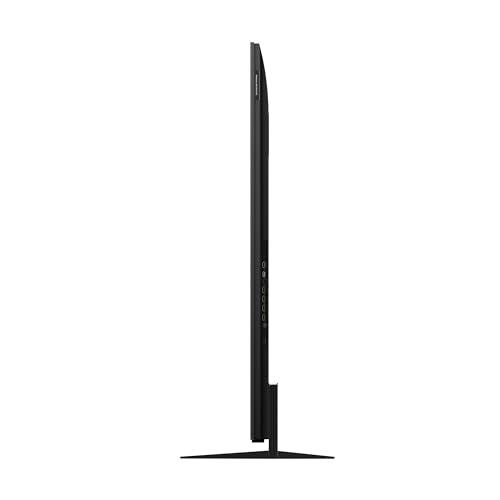
Both the TCL 65QM7K and LG QNED92A feature premium build quality with slim profiles and sturdy construction. The TCL includes anti-reflective coating on its CrystGlow HVA panel, while the LG focuses on refined design elements and premium materials throughout.
The TCL 65QM7K typically offers superior value, delivering flagship-level performance at a more accessible price point. The LG QNED92A commands a premium for its brand reputation, guaranteed long-term software support, and more refined user experience, making the TCL the better choice for performance-focused buyers.
We've done our best to create useful and informative comparisons to help you decide what product to buy. Our research uses advanced automated methods to create this comparison and perfection is not possible - please contact us for corrections or questions. These are the sites we've researched in the creation of this article: bestbuy.com - businessinsider.com - tomsguide.com - tomsguide.com - rtings.com - tomsguide.com - youtube.com - rtings.com - consumerreports.org - youtube.com - youtube.com - displayspecifications.com - youtube.com - tcl.com - tcl.com - tcl.com - youtube.com - rcwilley.com - bestbuy.com - tclcentral.com - displayspecifications.com - tomsguide.com - tcl.com - brandsmartusa.com - tcl.com - tcl.com - gizmochina.com - nfm.com - dolby.com - alexraytv.com - stereoindex.com - youtube.com - youtube.com - digitaltrends.com - abt.com - lg.com - youtube.com - ecoustics.com - hometheaterforum.com - lg.com - valueelectronics.com - listenup.com - pcrichard.com - furnitureconnectionnd.com - avnirvana.com - files.bbystatic.com - lg.com - lgnewsroom.com - techradar.com - bestbuy.com - bestbuy.com - youtube.com - youtube.com

Privacy Policy
Terms and Conditions - Affiliate Policy
Home Security
© Copyright 2008-2026.
11816 Inwood Rd #1211, Dallas, TX 75244