

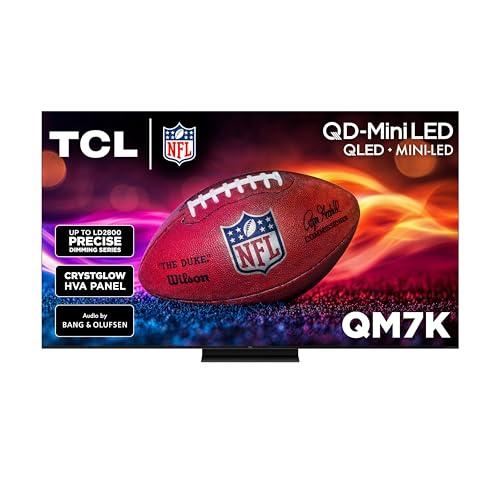
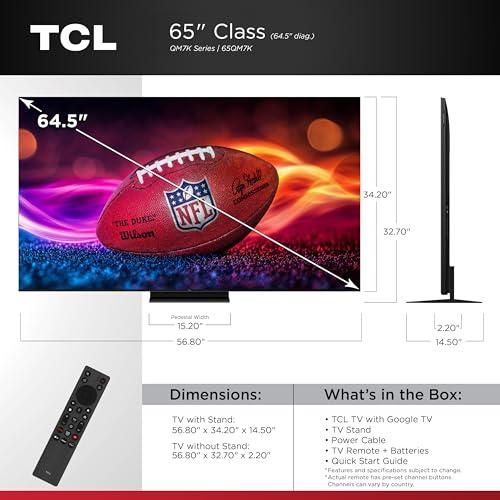

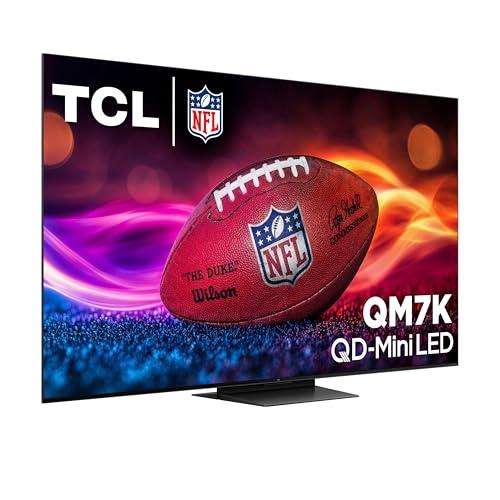
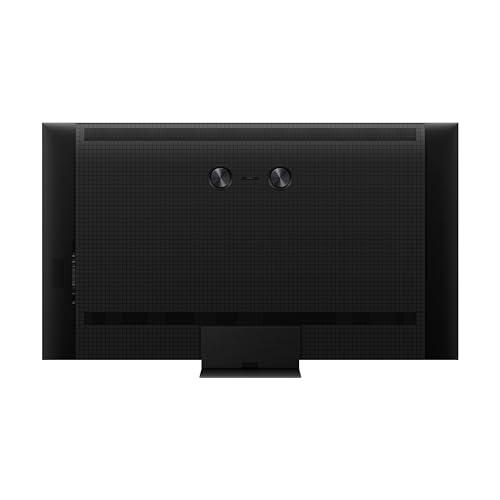
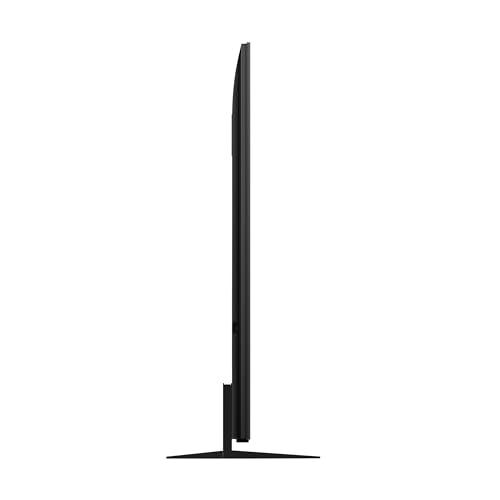
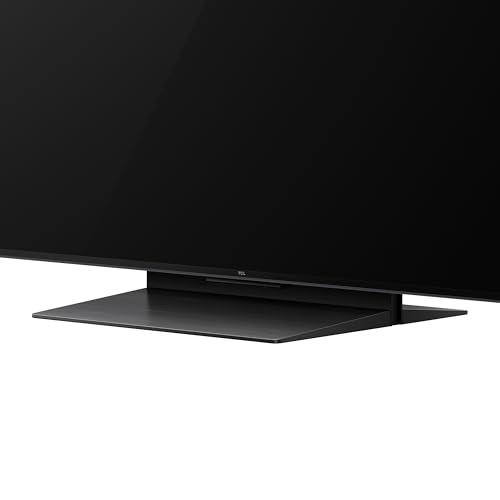

When you're shopping for a premium 4K TV, the sheer number of options can feel overwhelming. Two models that consistently surface in discussions about high-performance televisions are the TCL 65QM7K and the Samsung 65" QN90D. Both represent the cutting edge of what their respective manufacturers offer, but they take distinctly different approaches to achieving premium picture quality—and they're priced very differently too.
At the time of writing, these TVs sit in different value tiers, with the Samsung commanding nearly double the price of the TCL. That price gap immediately raises the question: what exactly are you getting for that extra money, and is it worth it for your specific needs?
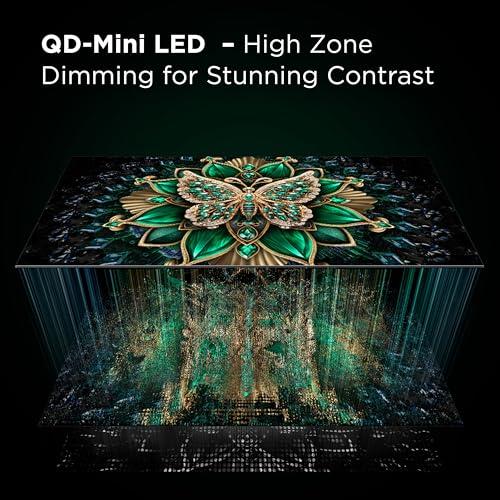
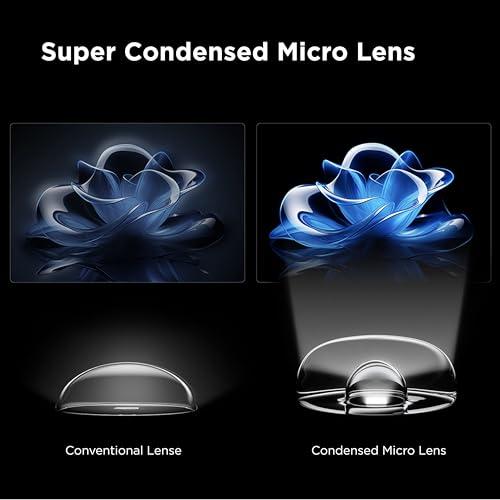
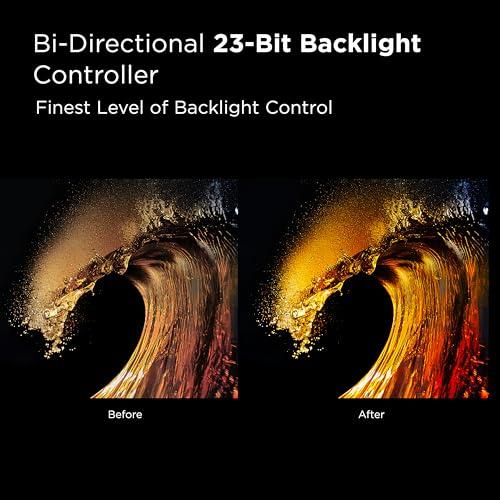
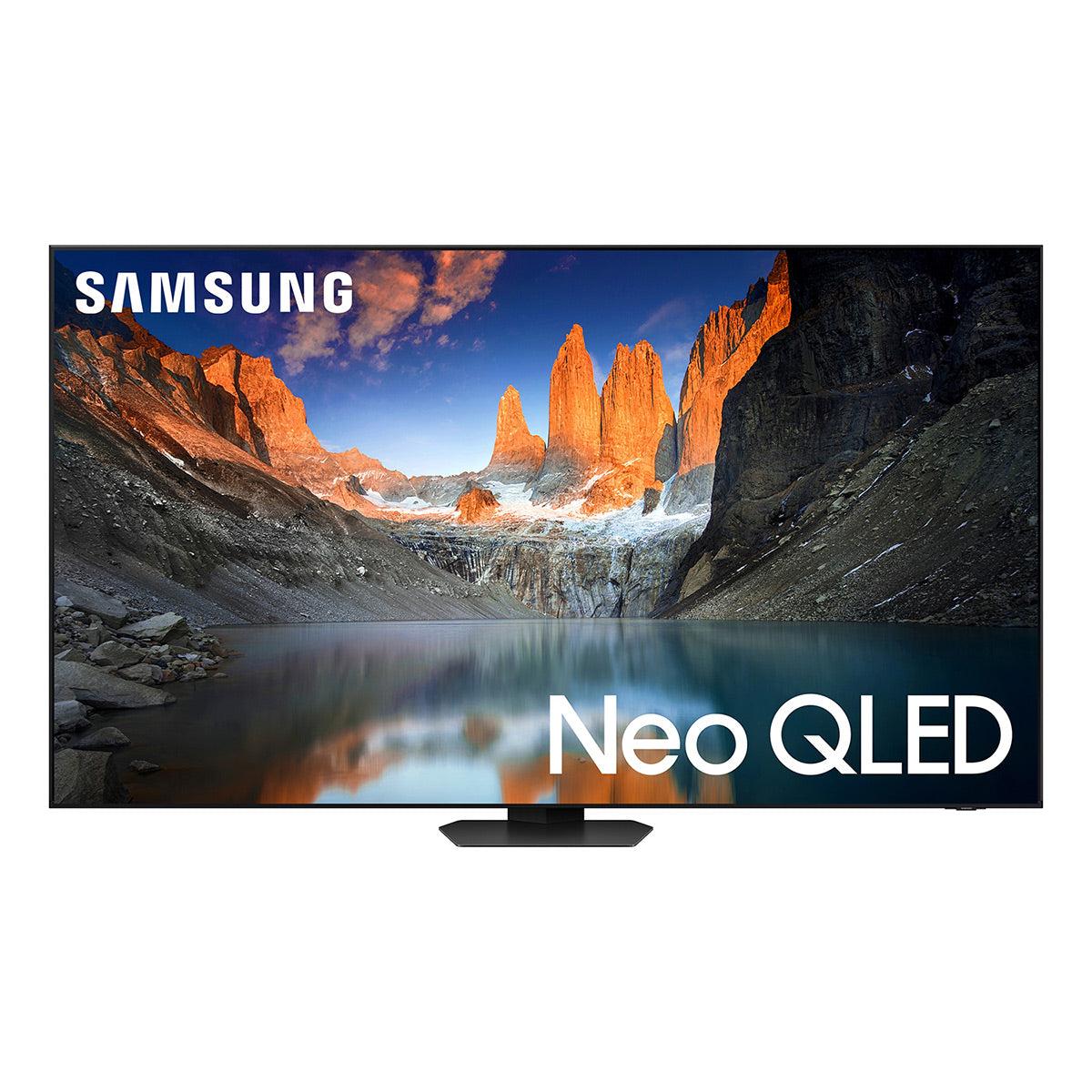
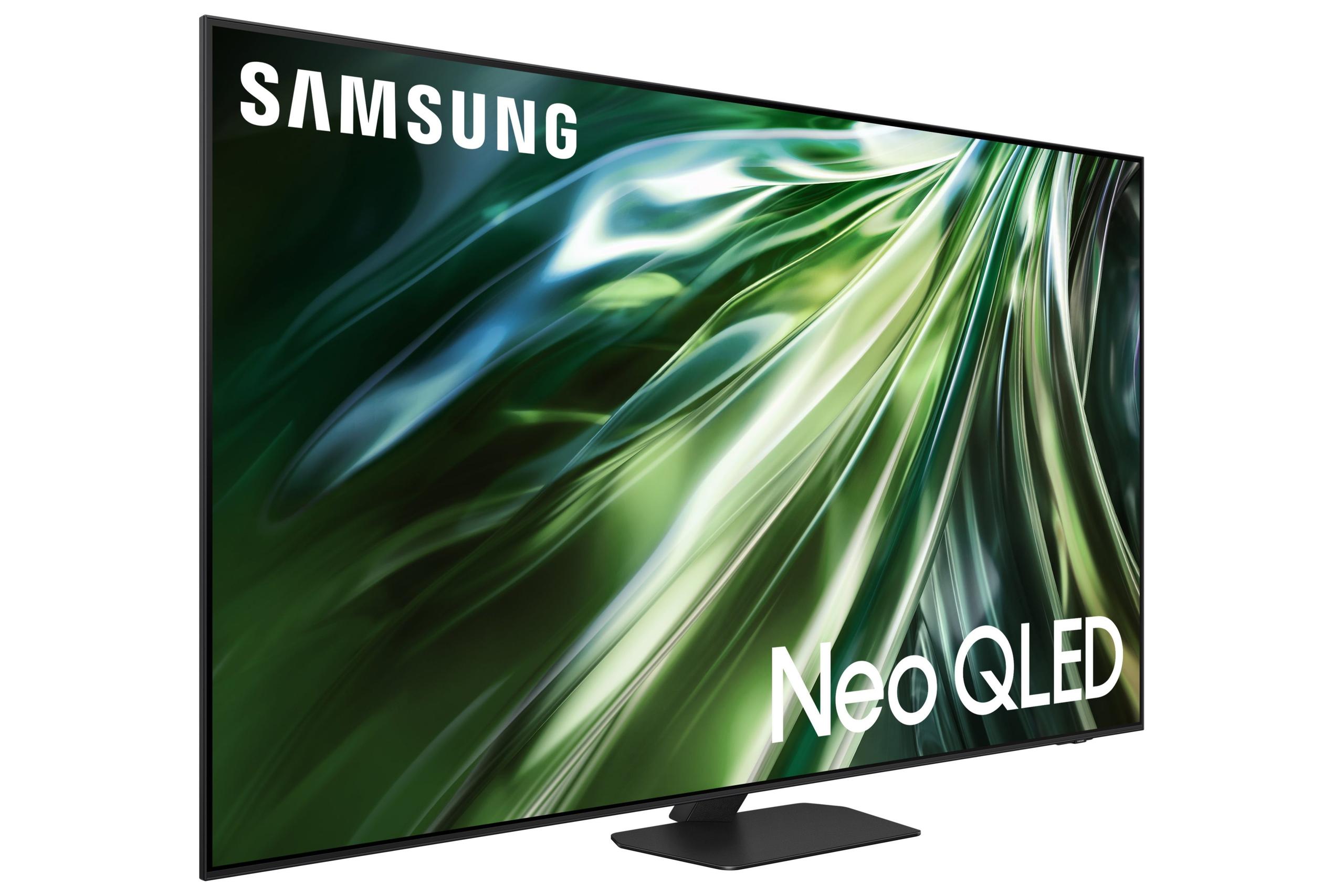
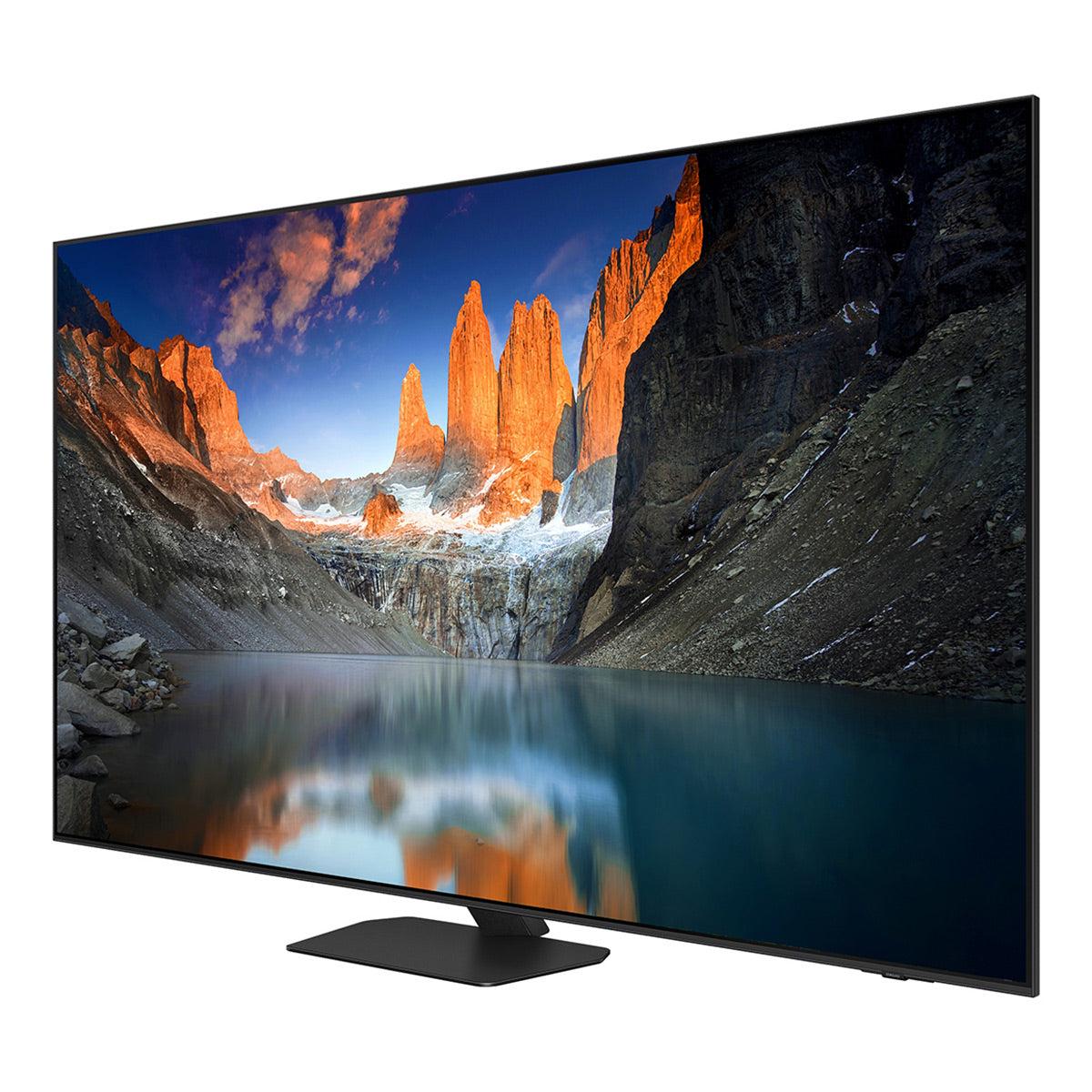
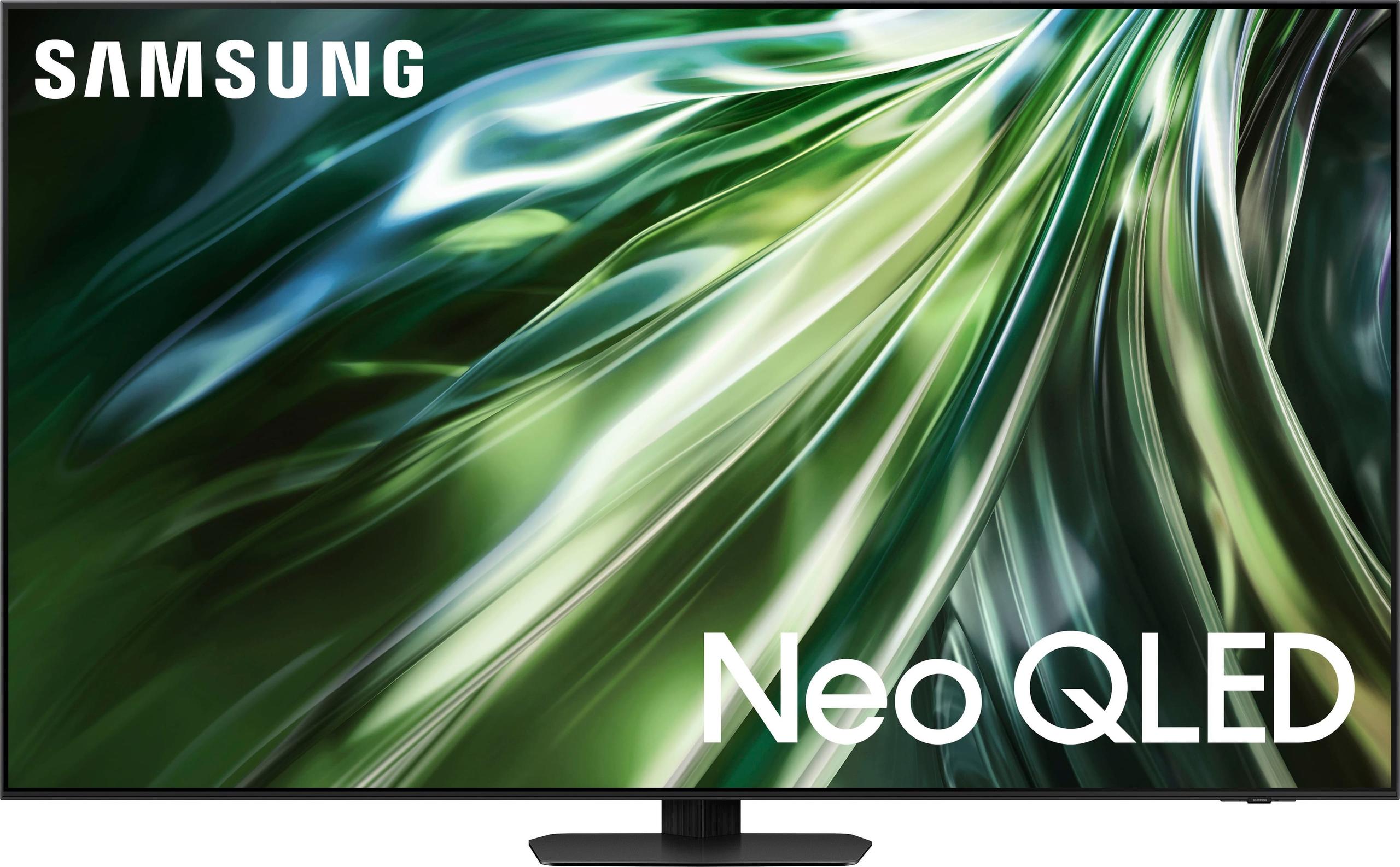
Before diving into specifics, it's worth understanding what makes these TVs "premium." Both use advanced backlighting technology that goes far beyond basic LED arrays. The TCL 65QM7K employs QD-Mini LED technology, while the Samsung QN90D uses Neo QLED. These aren't just marketing terms—they represent fundamentally different approaches to solving the same problem: how to create bright, vibrant images with deep blacks and minimal light bleeding.
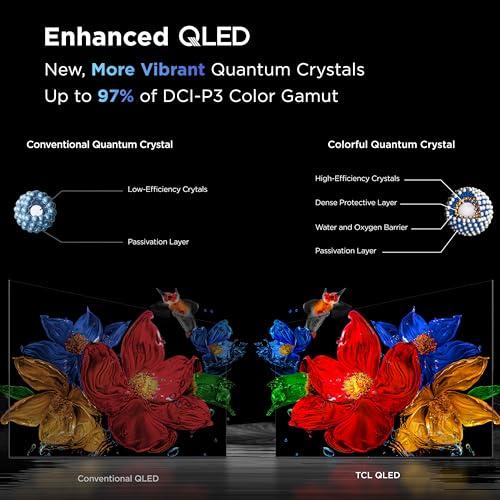
Traditional LED TVs use relatively large LED bulbs behind the screen, which limits how precisely they can control light and dark areas. Mini LED technology uses thousands of tiny LEDs instead, allowing for much more precise control. Quantum Dot (QD) technology adds a layer that converts blue LED light into incredibly pure red and green light, resulting in more vibrant colors. When manufacturers combine these approaches, as both TCL and Samsung have done, the result is TVs that can approach the contrast performance of OLED displays while maintaining the brightness advantages of LED technology.
The key metrics that separate premium TVs from budget models include peak brightness (measured in nits), the number of local dimming zones (areas that can be independently controlled), contrast ratio (the difference between the brightest and darkest parts of an image), and color gamut (the range of colors the TV can display).
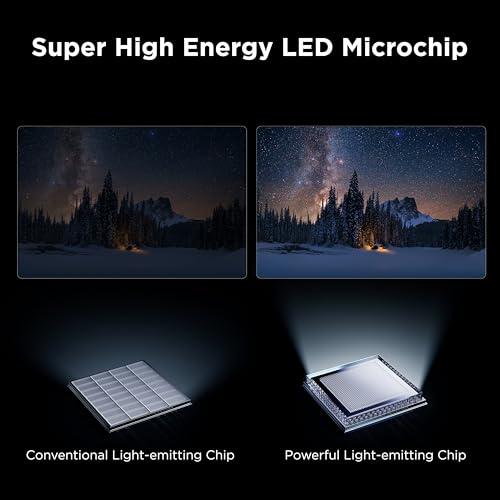
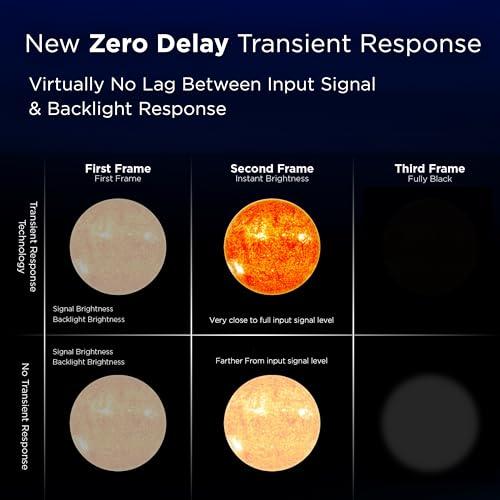
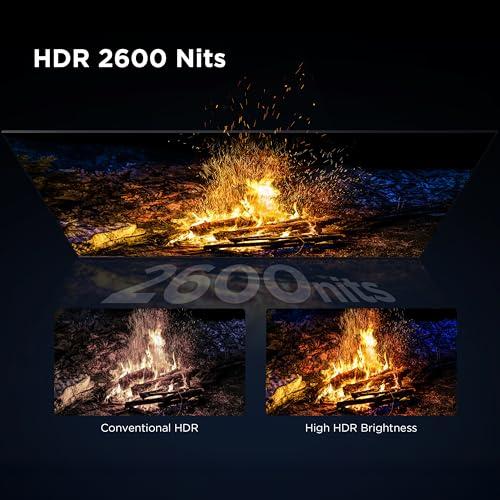
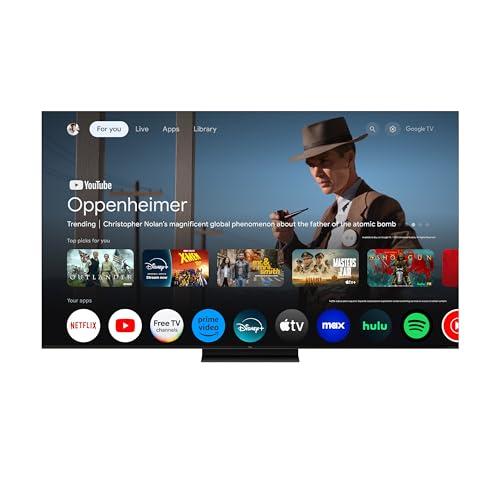
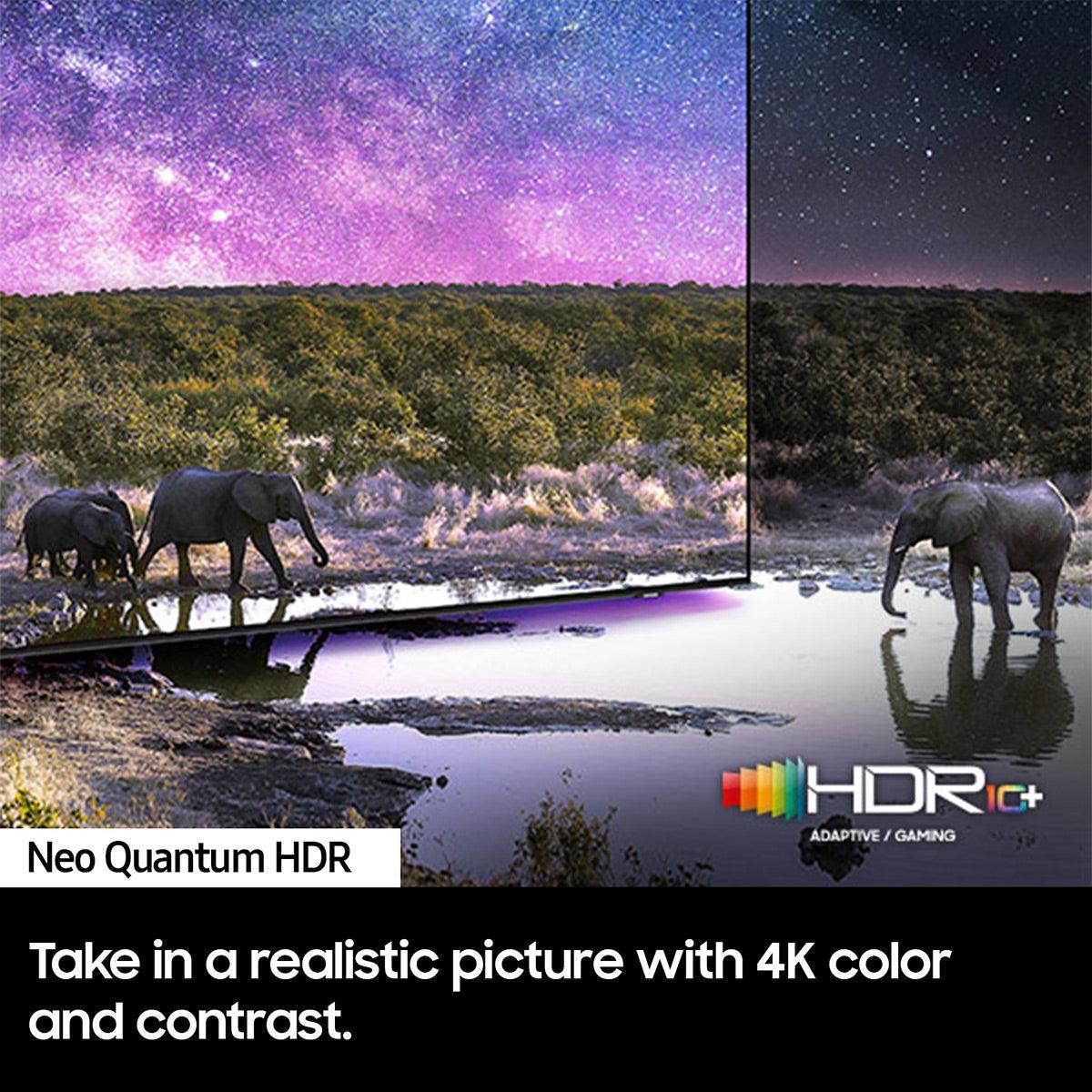
Peak brightness is where the TCL 65QM7K makes its strongest statement. With the ability to hit 3,000 nits in HDR content, it's genuinely brighter than TVs costing significantly more. To put this in perspective, most standard TVs top out around 400-600 nits, while movie theaters typically display content at around 100 nits. When you're watching HDR (High Dynamic Range) content—which includes most modern movies and shows on Netflix, Amazon Prime, and Disney+—those extra nits translate to highlights that truly pop off the screen.
The Samsung QN90D, while not quite reaching the TCL's peak levels at around 2,000 nits, delivers its brightness more consistently. Based on our research into professional reviews and user experiences, Samsung's approach prioritizes stability over raw numbers. This means you're less likely to see the brightness fluctuate during complex scenes, and the TV handles sustained bright sequences without dimming as much.
For home theater enthusiasts, this difference matters significantly. If you have a dedicated dark room where you watch movies, both TVs will deliver excellent HDR performance. However, if your TV room has windows or ambient lighting, the TCL's extra brightness gives it a meaningful advantage during daytime viewing.
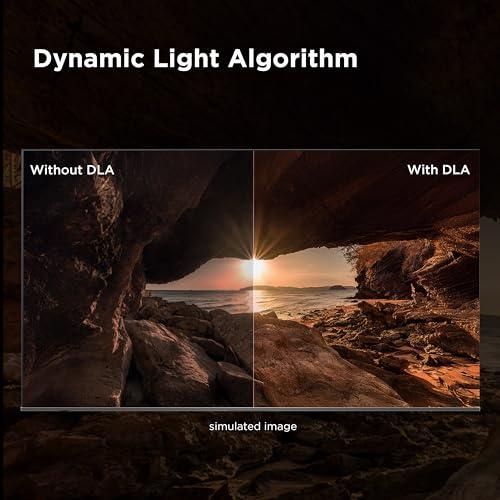
Local dimming is perhaps the most crucial technology in modern premium TVs. It's the ability to independently control the brightness of different areas of the screen, allowing bright objects like stars or car headlights to appear brilliant while keeping the surrounding dark areas truly black.
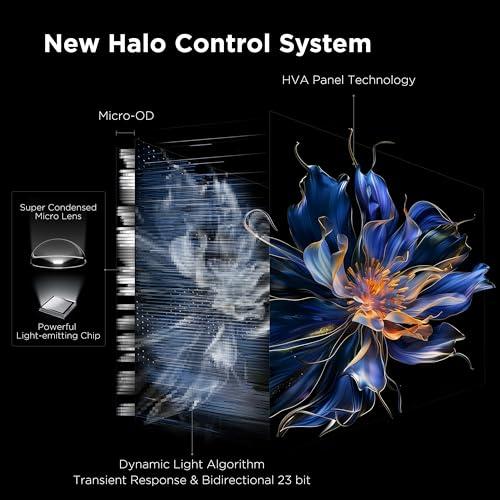
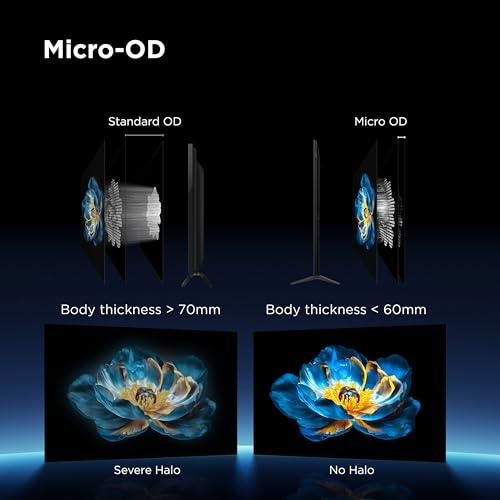
The TCL 65QM7K employs up to 2,500 local dimming zones, which is genuinely impressive at any price point. TCL's Halo Control System uses advanced algorithms and specialized hardware to minimize "blooming"—the unwanted light halo that appears around bright objects against dark backgrounds. While the system works well, our analysis of user reviews suggests that some blooming is still visible in challenging content, particularly in very dark rooms with high-contrast scenes.
Samsung's approach with the QN90D uses fewer dimming zones but implements them more sophisticatedly. The Neo QLED technology positions Mini LEDs with extreme precision, and Samsung's processing algorithms have been refined over several generations. The result, according to professional reviewers, is blooming control that comes closer to OLED performance, even if the raw zone count is lower.
In practical terms, this means the Samsung handles mixed content better—scenes that combine bright and dark elements simultaneously. The TCL excels when the content is predominantly bright or dark but can struggle slightly with complex mixed lighting scenarios.
Color reproduction is where Samsung's decades of display experience show most clearly. The Samsung QN90D delivers more accurate colors out of the box, with skin tones that look natural and realistic. This is partly due to Samsung's quantum dot implementation and partly due to sophisticated color processing algorithms that have been refined over many TV generations.
The TCL 65QM7K takes a more aggressive approach to color, delivering images that are undeniably vibrant and exciting. However, this can sometimes result in oversaturated colors that, while visually striking, aren't necessarily accurate to the filmmaker's intent. For casual viewing, many people actually prefer the TCL's punchy color delivery. For serious movie watching or professional content creation, the Samsung's accuracy is preferable.
Both TVs include multiple picture modes and calibration options, but the Samsung requires less adjustment to achieve optimal results.
Gaming has become a crucial battleground for premium TVs, especially with the PlayStation 5 and Xbox Series X pushing 4K gaming at high frame rates. Both TVs offer excellent gaming features, but they approach performance differently.
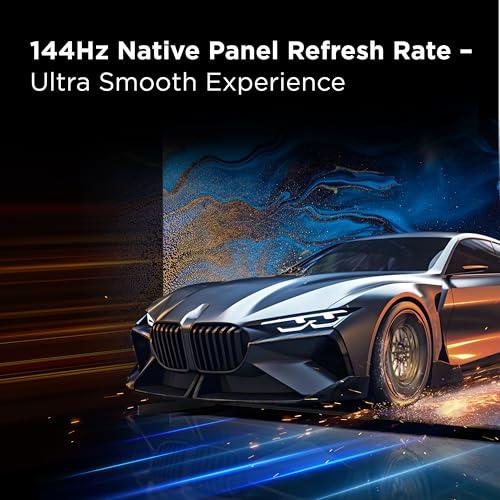
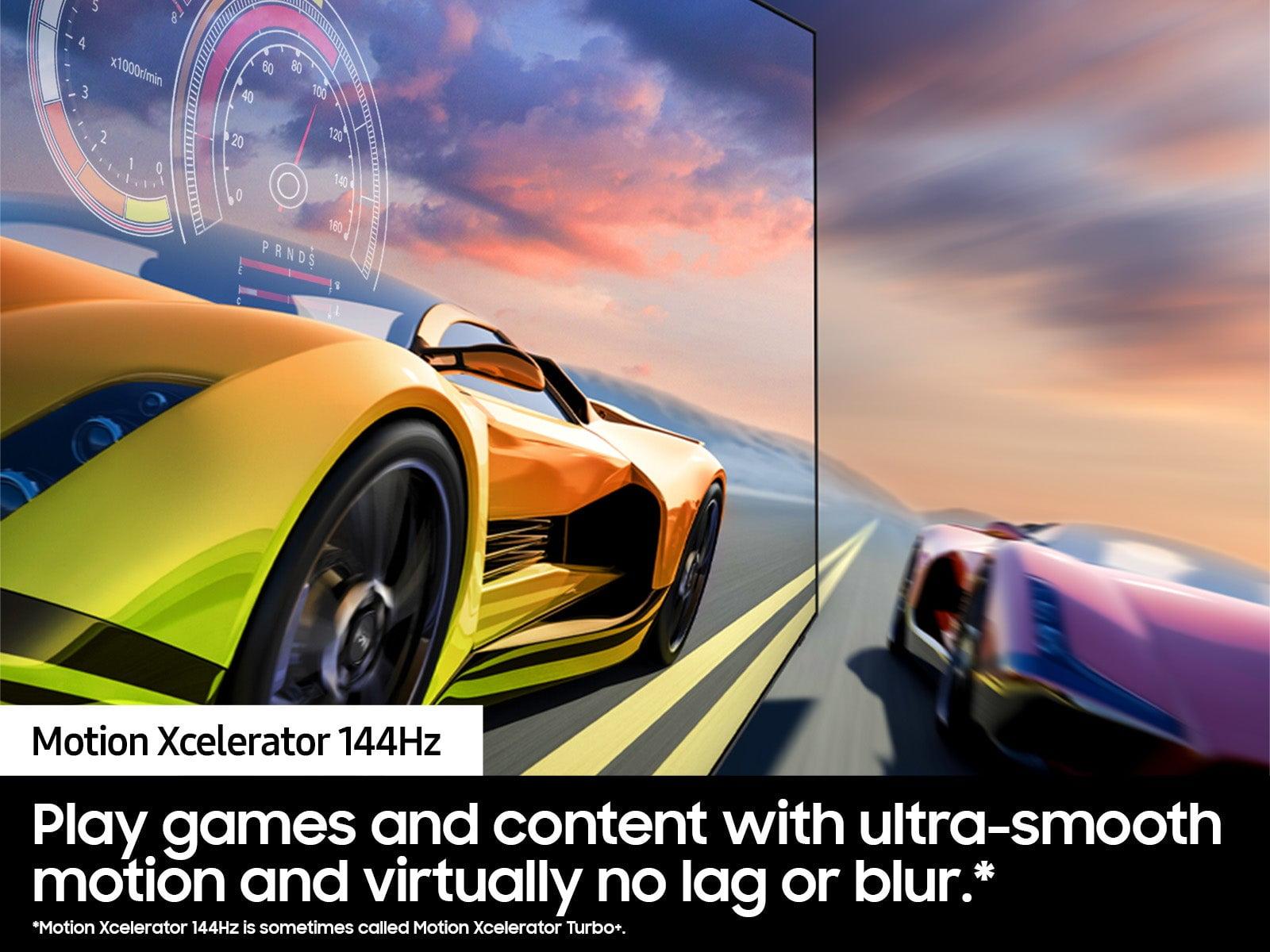
The TCL 65QM7K offers a native 144Hz refresh rate, which is genuinely impressive for a TV. Most premium gaming monitors cap out at 144Hz, so having this capability in a 65-inch display opens up new possibilities for PC gaming. The TV's "Game Accelerator 288" feature can theoretically handle up to 288Hz at 1080p resolution, though this requires specific hardware and content to take advantage of.
The Samsung QN90D tops out at 120Hz, which matches the maximum frame rate capabilities of current gaming consoles. While 120Hz might seem limiting compared to the TCL's specs, Samsung's implementation is more stable and consistent. Variable Refresh Rate (VRR)—which synchronizes the TV's refresh rate with your gaming device to eliminate screen tearing—works more reliably on the Samsung.
Input lag, the delay between pressing a button and seeing the result on screen, is excellent on both TVs when in gaming mode, typically measuring under 20 milliseconds. This is fast enough that even competitive gamers won't notice any delay.
Both TVs support Auto Low Latency Mode (ALLM), which automatically switches to gaming mode when it detects a gaming console, and AMD FreeSync Premium Pro for compatible PC graphics cards. The TCL 65QM7K includes additional PC gaming features that take advantage of its higher refresh rate capabilities.
For console gaming, both TVs offer Game Mode interfaces that display frame rate, input lag, and other relevant information. The Samsung's Game Bar is more polished and user-friendly, while the TCL's implementation is functional but less refined.
If you're primarily a console gamer, both TVs will deliver excellent performance. PC gamers who want to take advantage of high-refresh-rate gaming should lean toward the TCL, especially if they have graphics cards capable of driving 4K gaming above 120fps.
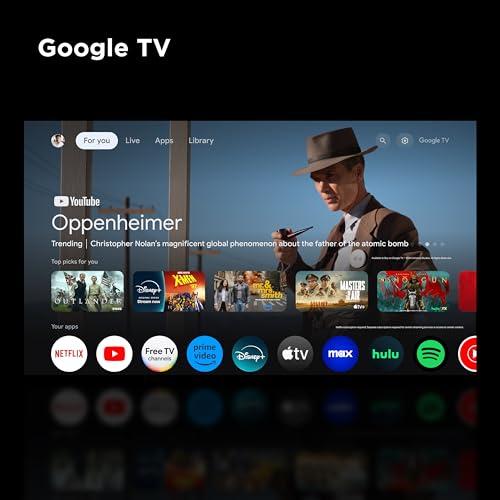
The smart TV platform might seem like a secondary consideration, but it's actually crucial since it's what you'll interact with every time you turn on the TV. The difference between Google TV on the TCL 65QM7K and Tizen on the Samsung QN90D is substantial.
Google TV, introduced as an evolution of Android TV, offers an interface that most users find intuitive and responsive. Content recommendations are genuinely helpful, pulling from across multiple streaming services to suggest things you might want to watch. The built-in Chromecast functionality means you can easily cast content from your phone, tablet, or laptop without additional hardware.
Samsung's Tizen platform has improved significantly in recent years, but it still feels less intuitive than Google TV. App loading times can be slower, and the interface requires more navigation to accomplish basic tasks. However, if you're already invested in Samsung's ecosystem—using Samsung phones, tablets, or other smart home devices—Tizen offers better integration.
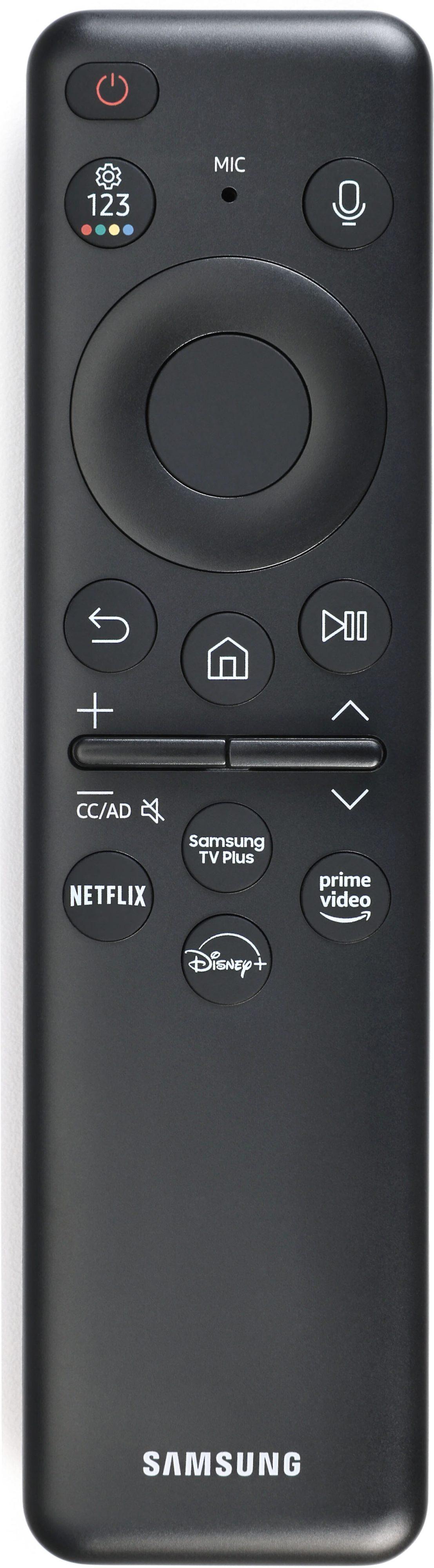
The TCL also includes hands-free voice control, allowing you to control the TV without picking up the remote. This feature works surprisingly well and adds genuine convenience to daily use.
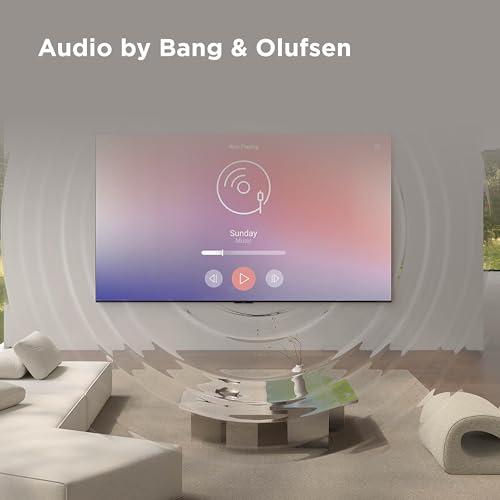
Both TVs include 60-watt audio systems, which is above average for flat-panel displays. The TCL 65QM7K partners with Bang & Olufsen for audio tuning, delivering clear dialogue and surprisingly robust bass for built-in speakers. Dolby Atmos support means compatible content can create a sense of height and spatial audio that enhances the viewing experience.
The Samsung QN90D includes Object Tracking Sound+ (OTS+), which uses multiple speakers positioned around the TV to create directional audio that follows action across the screen. When a car drives from left to right, the sound authentically follows the movement. This feature works impressively well and creates a more immersive experience than traditional TV speakers.
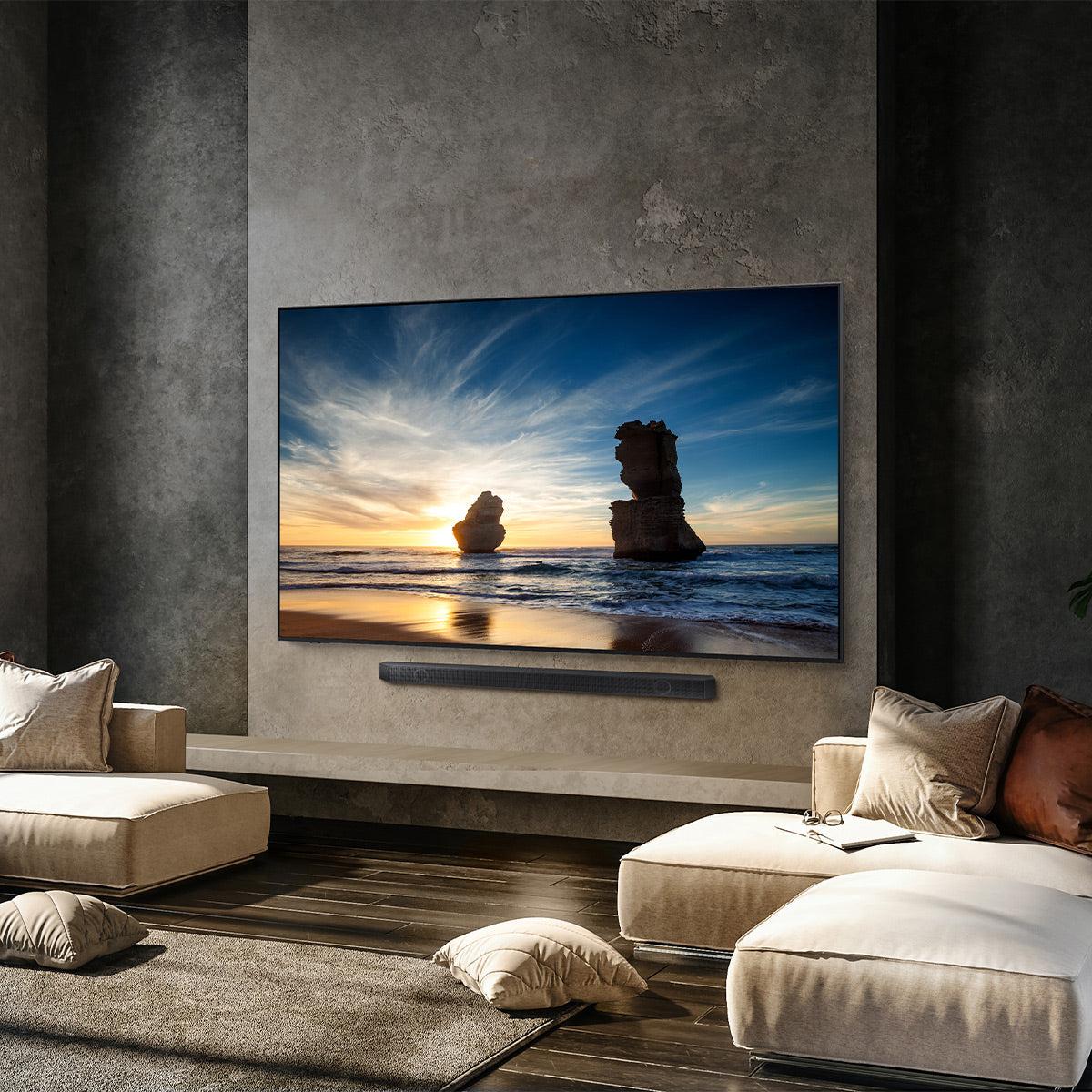
While both TVs offer above-average audio, serious home theater enthusiasts will likely want to add a soundbar or surround sound system. However, for casual viewing or smaller rooms, both TVs' built-in audio is genuinely usable without feeling like a compromise.
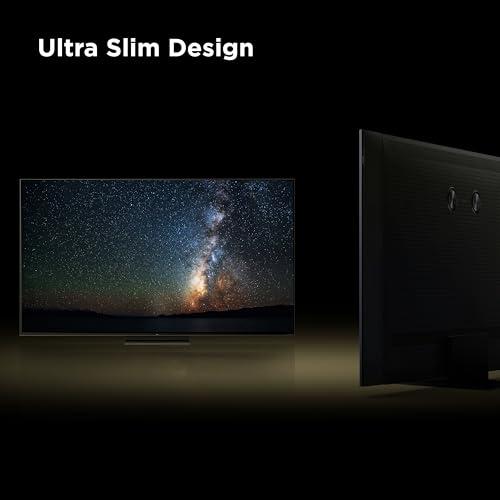
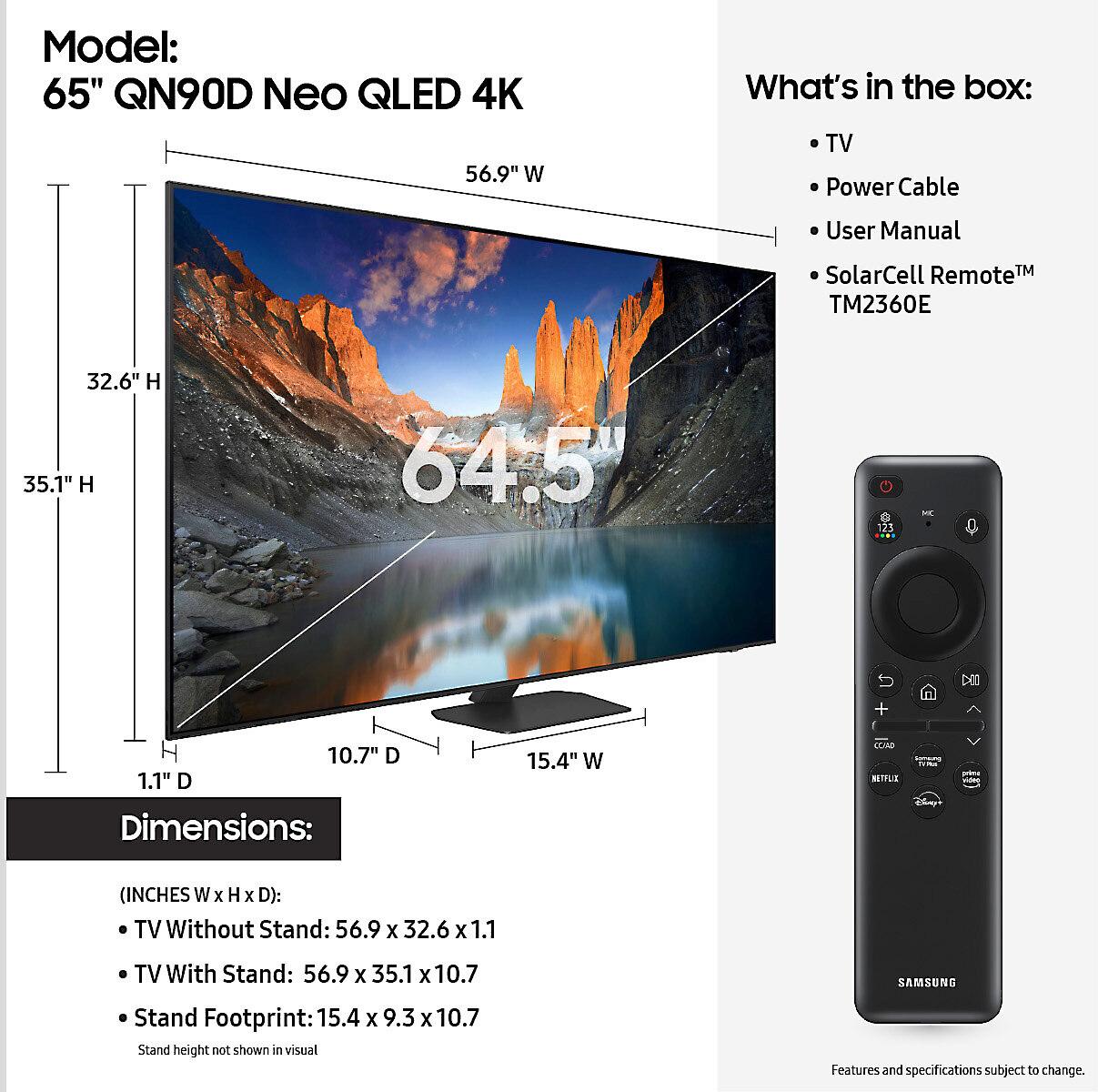
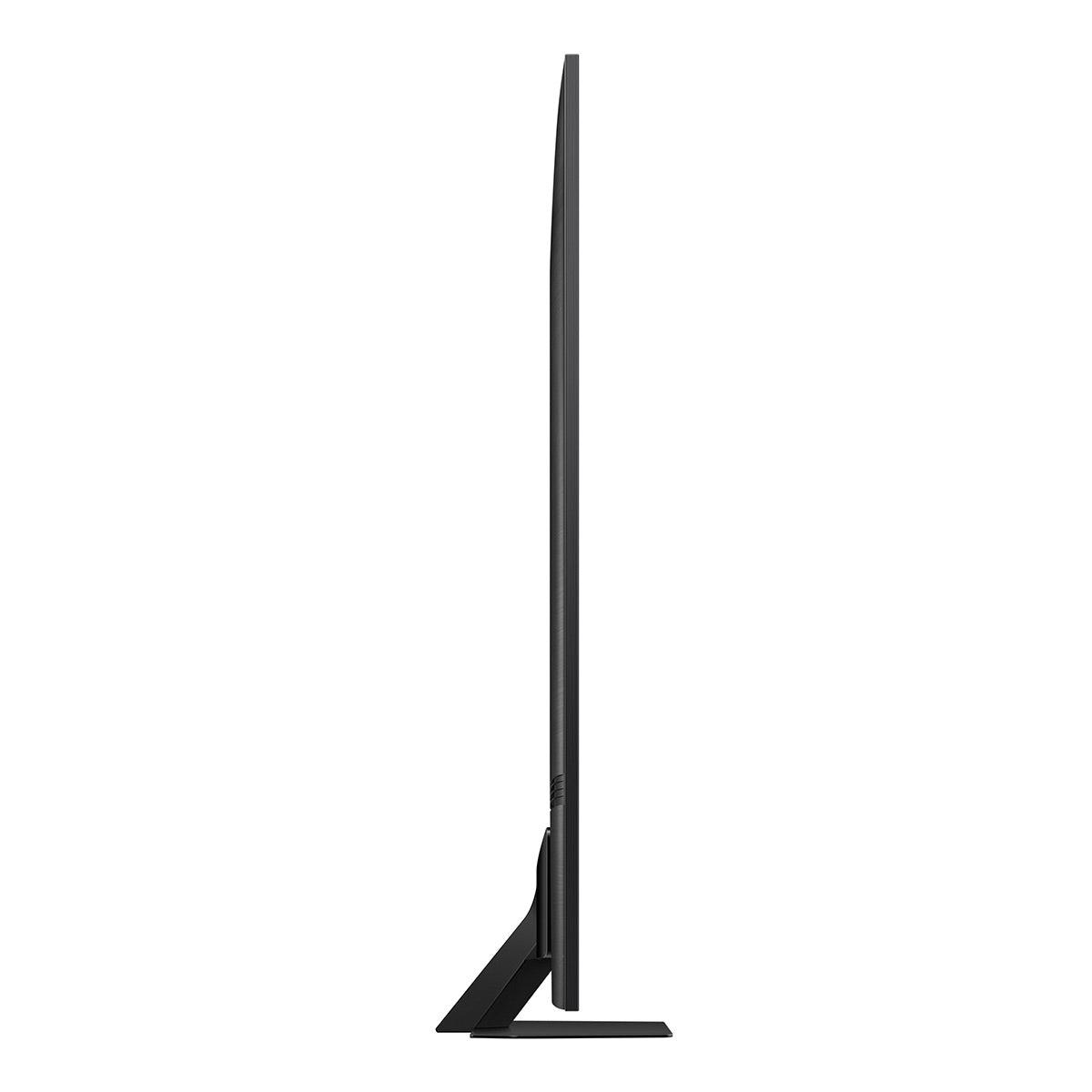
The Samsung QN90D clearly represents a more premium approach to industrial design. The materials feel more substantial, the build quality is more refined, and the overall aesthetic is sleeker. Samsung's "One Connect" approach (available on some models) minimizes cable management, and the TV's thin profile looks elegant whether wall-mounted or on a stand.
The TCL 65QM7K offers solid build quality that doesn't feel cheap, but it's clearly designed with cost optimization in mind. The TV is still attractive and well-built, just not quite at the same level of refinement as the Samsung.
Both TVs offer good viewing angles for LCD technology, though neither matches the off-axis performance of OLED displays. The Samsung maintains color and contrast slightly better when viewed from the side, which matters for larger rooms where not everyone sits directly in front of the screen.
This is where the comparison becomes really interesting. At the time of writing, the TCL 65QM7K offers approximately 85-90% of the Samsung QN90D's performance at roughly half the price. That's an exceptional value proposition that's hard to ignore.
The TCL delivers genuinely flagship-level features: Mini LED backlighting, high peak brightness, excellent gaming performance, and premium audio tuning. The areas where it falls short—color accuracy, blooming control, and interface refinement—are noticeable but not deal-breaking for most users.
The Samsung's price premium buys you refinement, consistency, and polish. Every aspect of the experience is more refined, from picture processing to user interface to build quality. Whether that refinement is worth nearly double the price depends largely on your priorities and budget.
For most people, the TCL represents the sweet spot of performance and value. It delivers a genuinely premium experience without the premium price tag. The Samsung makes sense for users who want the absolute best experience and are willing to pay significantly more for incremental improvements.
Choose the TCL 65QM7K if you want flagship performance without flagship pricing. It's ideal for users who want impressive HDR brightness, solid gaming features, and the excellent Google TV platform. The TCL makes particular sense for PC gamers who can take advantage of its higher refresh rates, and for anyone who wants great bang-for-the-buck value.
Choose the Samsung QN90D if you prioritize overall refinement and are willing to pay a premium for it. The Samsung offers better color accuracy, more sophisticated local dimming, and a more polished overall experience. It's the better choice for serious home theater enthusiasts who want the most accurate picture possible, and for users already invested in Samsung's ecosystem.
Both TVs represent excellent choices in the premium 4K segment, released in 2025 and 2024 respectively, incorporating the latest advances in Mini LED and quantum dot technology. The decision ultimately comes down to whether you value maximum performance per dollar or are willing to pay significantly more for the most refined experience possible.
In my analysis, the TCL 65QM7K offers the better value for the majority of users, delivering genuinely impressive performance that competes with much more expensive options. However, the Samsung QN90D justifies its premium pricing for users who want the absolute best picture quality and most polished user experience available in the LCD TV category.
| TCL 65QM7K QD-Mini LED 4K Google TV | Samsung 65" QN90D Series 4K Neo QLED Smart TV |
|---|---|
| Peak Brightness - Critical for HDR impact and bright room viewing | |
| 3,000 nits (exceptionally bright, excellent for daytime) | ~2,000 nits (very bright, more consistent performance) |
| Local Dimming Zones - Controls blooming and contrast precision | |
| Up to 2,500 zones (impressive count, some blooming visible) | Fewer zones but more sophisticated control (better blooming management) |
| Native Refresh Rate - Important for gaming and sports | |
| 144Hz native (excellent for PC gaming, future-proof) | 120Hz (perfectly adequate for console gaming) |
| Gaming Features - Maximum refresh rates and VRR support | |
| Game Accelerator 288 (up to 288Hz at 1080p) | Stable 120Hz VRR (more consistent performance) |
| Smart Platform - Daily user experience quality | |
| Google TV (intuitive, fast, excellent recommendations) | Tizen (improved but less user-friendly interface) |
| Color Accuracy - Picture quality out of the box | |
| Vibrant but oversaturated (exciting but less accurate) | Superior accuracy (natural, filmmaker-intended colors) |
| Voice Control - Convenience for daily use | |
| Hands-free far-field microphones (no remote needed) | Remote-based voice control (requires picking up remote) |
| Audio System - Built-in sound quality | |
| 60W Bang & Olufsen tuned (excellent clarity and bass) | 60W with Object Tracking Sound+ (immersive directional audio) |
| Build Quality - Long-term durability and premium feel | |
| Solid construction (good but not premium materials) | Premium build quality (refined materials and design) |
| HDR Format Support - Compatibility with streaming content | |
| Dolby Vision IQ, HDR10+, HDR10, HLG (comprehensive) | HDR10+, HDR10, HLG (missing Dolby Vision support) |
| Ecosystem Integration - Works best with which devices | |
| Google services, Chromecast, Apple AirPlay 2 | Samsung devices, limited cross-platform integration |
| Value Proposition - Performance per dollar spent | |
| Exceptional (90% of flagship performance at ~50% the cost) | Premium refinement (pays significantly more for polish) |
The TCL 65QM7K has an edge for PC gaming with its native 144Hz refresh rate and Game Accelerator 288 feature supporting up to 288Hz at 1080p. However, the Samsung QN90D offers more stable VRR performance and better overall gaming mode implementation. Console gamers will be satisfied with either TV, while PC gamers should lean toward the TCL for higher refresh rates.
Both the TCL 65QM7K and Samsung QN90D use Mini LED backlighting with quantum dot enhancement, but with different approaches. TCL's QD-Mini LED focuses on maximum brightness and zone count, while Samsung's Neo QLED emphasizes precise control and refined processing. The result is that TCL delivers higher peak brightness, while Samsung offers better blooming control.
The TCL 65QM7K is significantly brighter with 3,000 nits peak brightness compared to the Samsung QN90D's approximately 2,000 nits. This makes the TCL better for bright rooms with lots of windows. However, Samsung's brightness is more consistent across different content types.
No, the Samsung QN90D does not support Dolby Vision, which is a common omission for Samsung TVs. The TCL 65QM7K supports Dolby Vision IQ, HDR10+, HDR10, and HLG, giving it broader HDR format compatibility for streaming content.
The TCL 65QM7K runs Google TV, which most users find more intuitive and responsive than the Samsung QN90D's Tizen platform. The TCL also includes hands-free voice control and built-in Chromecast, while Samsung requires using the remote for voice commands and has slower app performance.
The TCL 65QM7K has up to 2,500 local dimming zones, which is impressive for precise light control. The Samsung QN90D uses fewer zones but implements them more sophisticatedly with better algorithms. This means TCL has more zones on paper, but Samsung achieves better blooming control in practice.
For dedicated home theater use, the Samsung QN90D offers more accurate colors, better blooming control, and more refined picture processing that's closer to filmmaker intent. However, the TCL 65QM7K provides excellent home theater performance at a much lower cost, making it great value for most home theater enthusiasts.
Both TVs have 60W audio systems, but with different strengths. The TCL 65QM7K features Bang & Olufsen tuning with excellent clarity and bass response. The Samsung QN90D includes Object Tracking Sound+ technology that creates immersive directional audio following on-screen action.
The TCL 65QM7K offers exceptional value, delivering approximately 90% of the Samsung QN90D's performance at roughly half the cost. The Samsung justifies its premium with superior refinement, but the TCL provides flagship-level features at a mid-range price point.
The TCL 65QM7K supports native 144Hz refresh rate with Game Accelerator 288 reaching up to 288Hz at 1080p. The Samsung QN90D maxes out at 120Hz but offers more stable VRR implementation. Both support Auto Low Latency Mode and AMD FreeSync Premium Pro.
The Samsung QN90D delivers superior color accuracy out of the box with natural, realistic colors and excellent skin tone reproduction. The TCL 65QM7K produces more vibrant, punchy colors that can appear oversaturated but are visually exciting. Samsung requires less calibration for accurate picture quality.
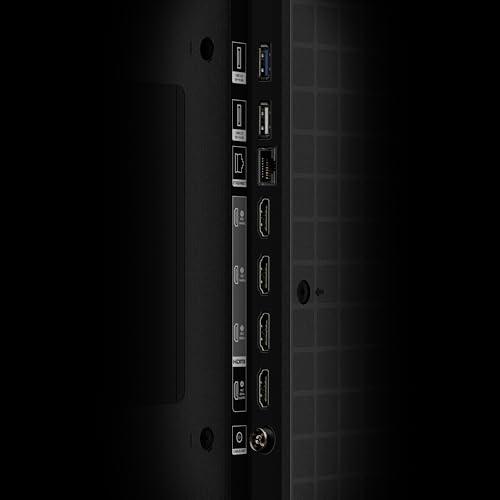
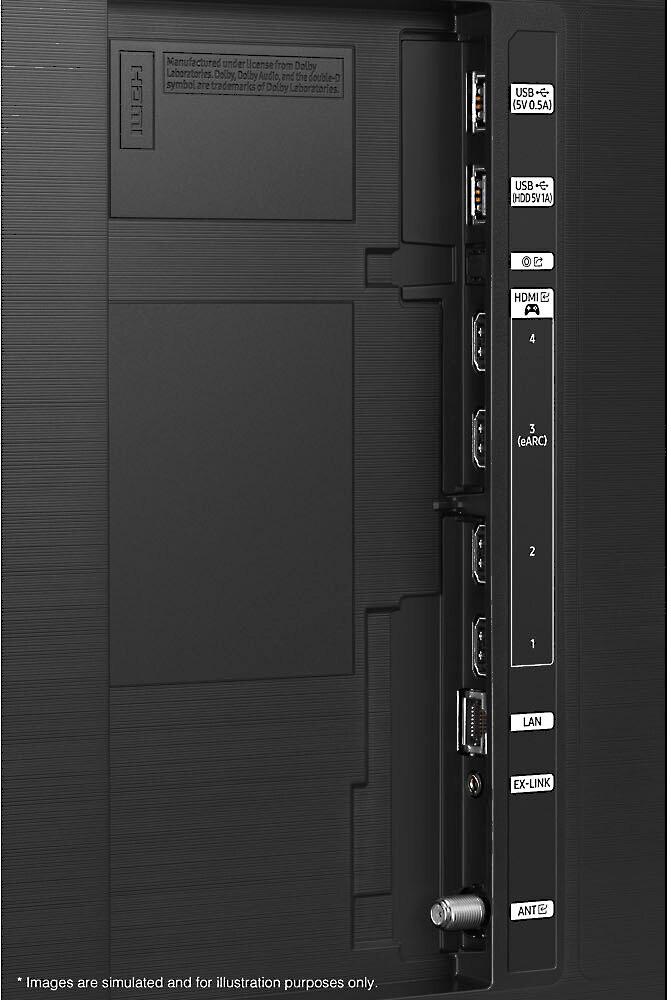
Both the TCL 65QM7K and Samsung QN90D include four HDMI ports with HDMI 2.1 support, USB ports, and Wi-Fi connectivity. The main difference is ecosystem integration - the TCL works better with Google services and Apple AirPlay 2, while the Samsung integrates best with Samsung devices and services.
We've done our best to create useful and informative comparisons to help you decide what product to buy. Our research uses advanced automated methods to create this comparison and perfection is not possible - please contact us for corrections or questions. These are the sites we've researched in the creation of this article: bestbuy.com - businessinsider.com - tomsguide.com - tomsguide.com - rtings.com - tomsguide.com - youtube.com - rtings.com - consumerreports.org - youtube.com - youtube.com - displayspecifications.com - youtube.com - tcl.com - tcl.com - tcl.com - youtube.com - rcwilley.com - bestbuy.com - tclcentral.com - displayspecifications.com - tomsguide.com - tcl.com - brandsmartusa.com - tcl.com - tcl.com - gizmochina.com - nfm.com - dolby.com - alexraytv.com - tomsguide.com - abt.com - youtube.com - youtube.com - rtings.com - samsung.com - samsung.com - standardtvandappliance.com - gerhardsappliance.com - bestbuy.com - image-us.samsung.com - youtube.com - images.samsung.com

Privacy Policy
Terms and Conditions - Affiliate Policy
Home Security
© Copyright 2008-2026.
11816 Inwood Rd #1211, Dallas, TX 75244