

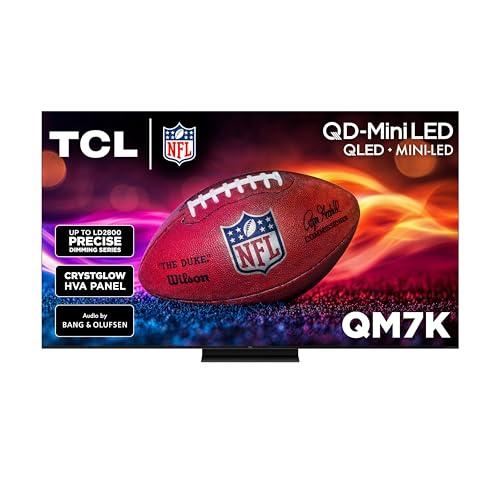
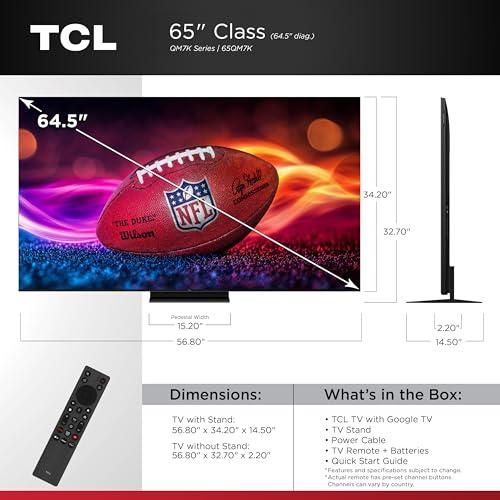
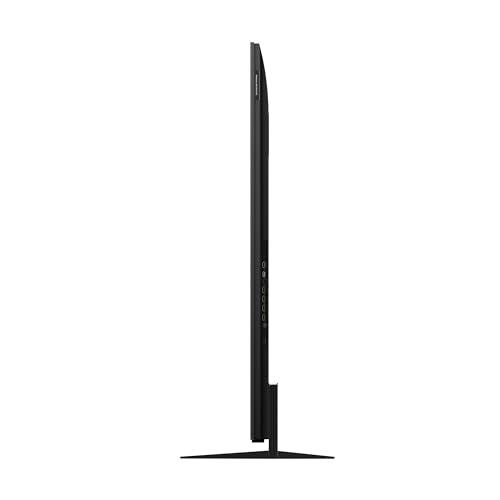

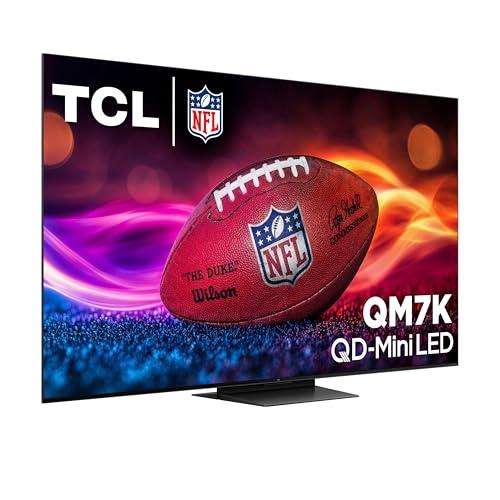
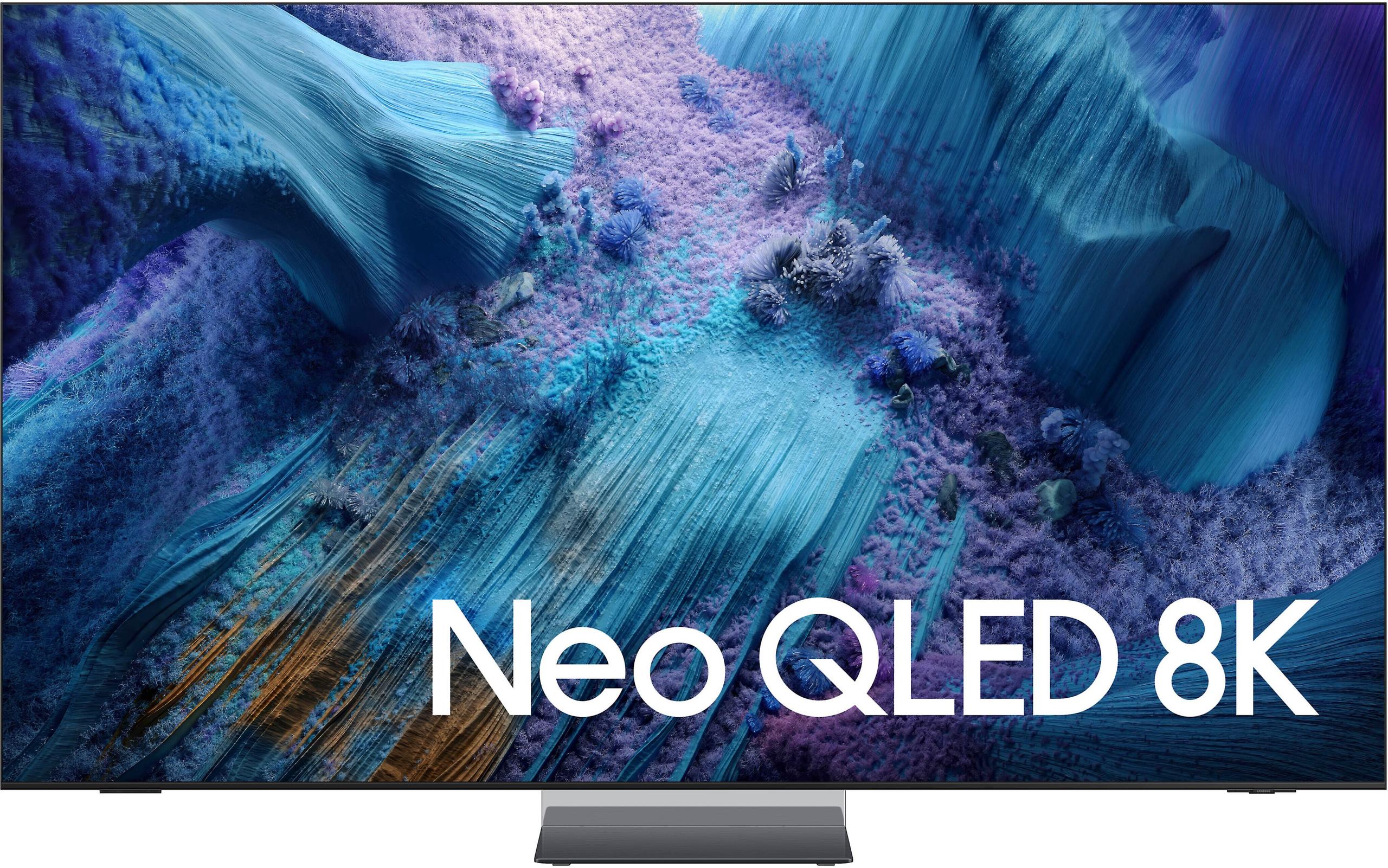
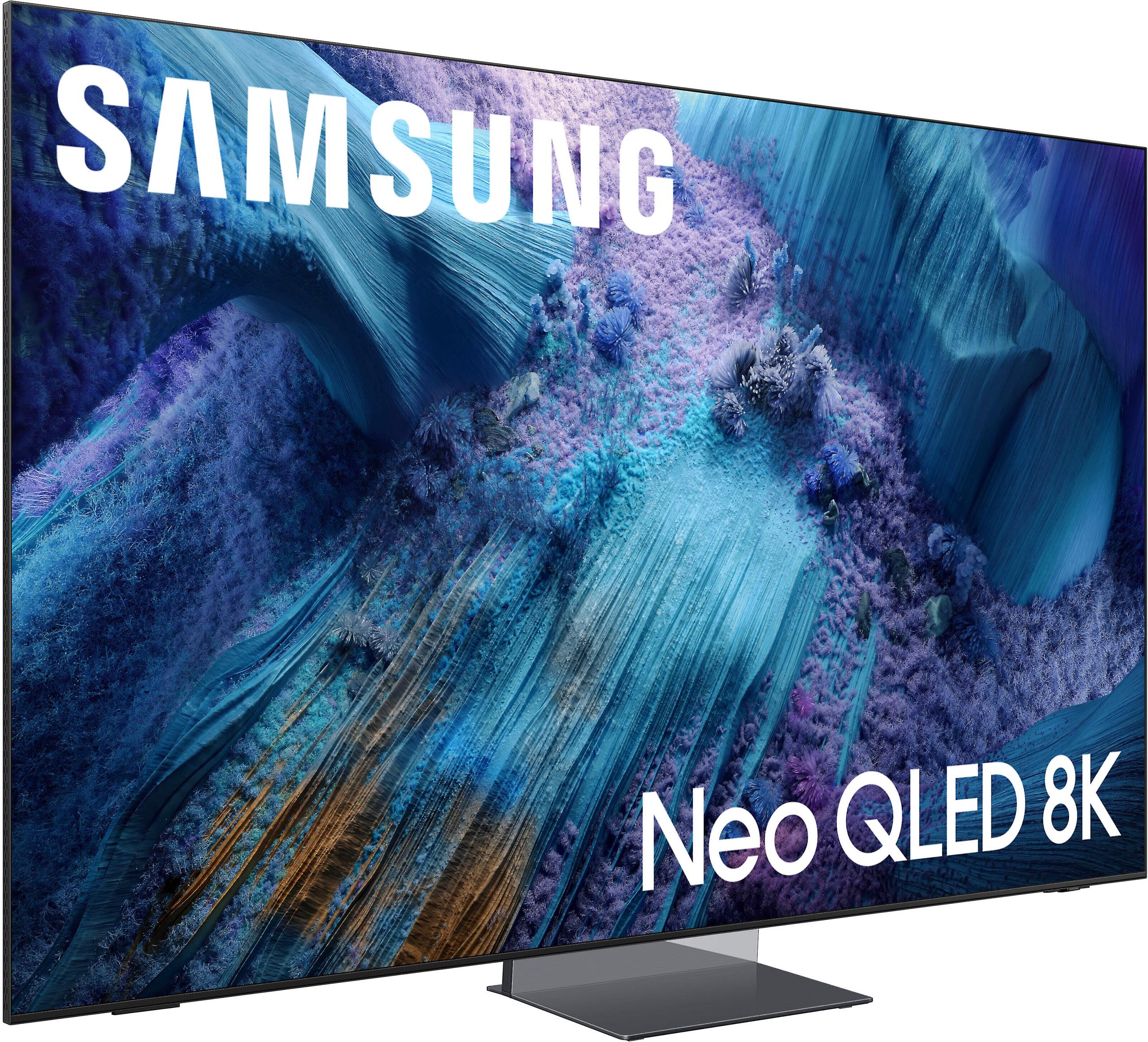
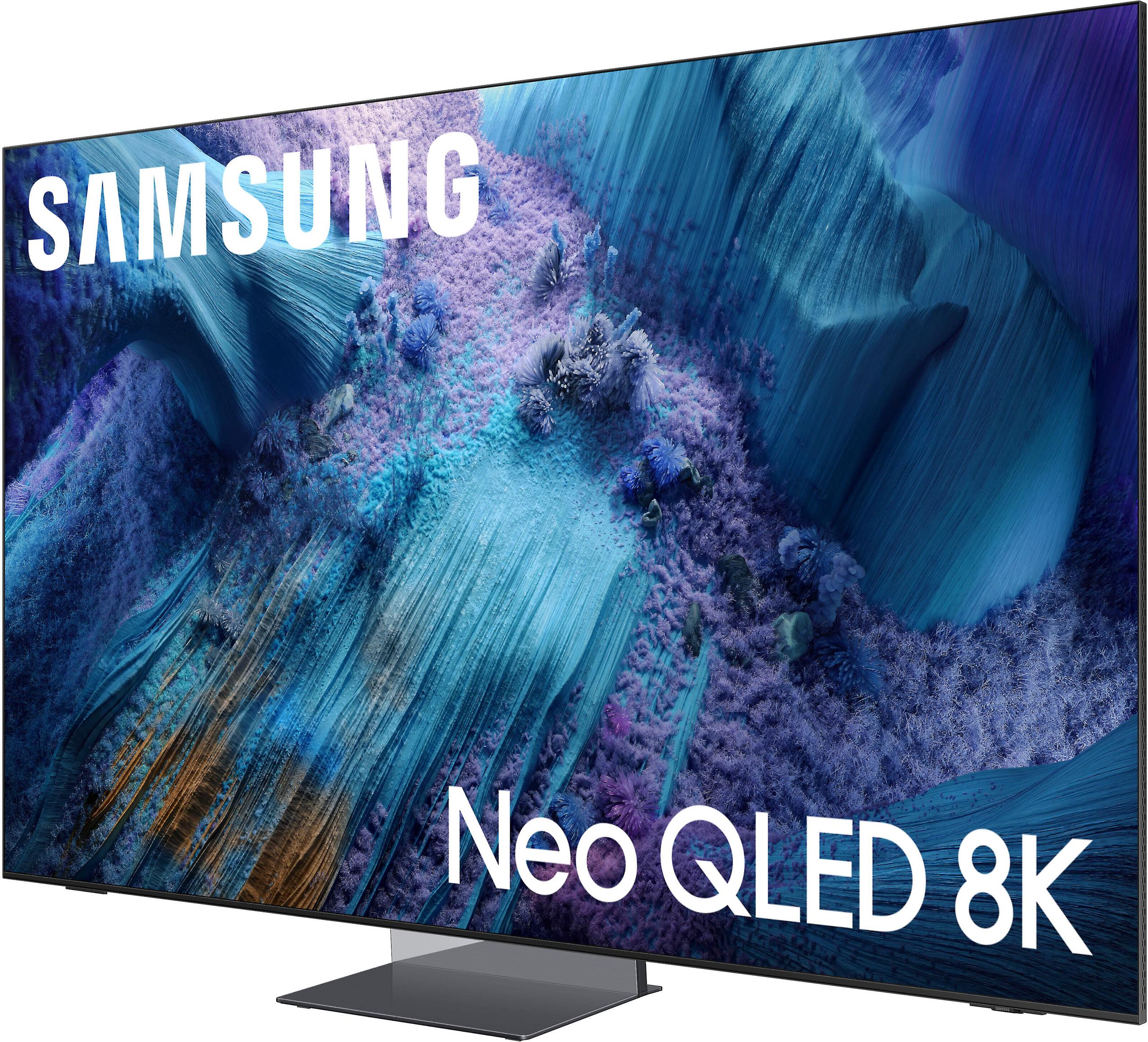

Shopping for a premium 65-inch TV can feel overwhelming when you're comparing models that seem similar on paper but cost vastly different amounts. The TCL 65QM7K and Samsung QN990F represent two compelling but very different approaches to premium television technology. At the time of writing, these TVs sit at opposite ends of the price spectrum while both delivering impressive performance that would have been unimaginable just a few years ago.
Both models launched in 2025, representing the latest thinking from their respective manufacturers. The TCL QM7K demonstrates how mid-range TVs have adopted technologies that were once exclusive to flagships, while the Samsung QN990F pushes the boundaries of what's possible in consumer displays. Understanding their differences will help you decide whether you need cutting-edge technology or if exceptional value makes more sense for your situation.
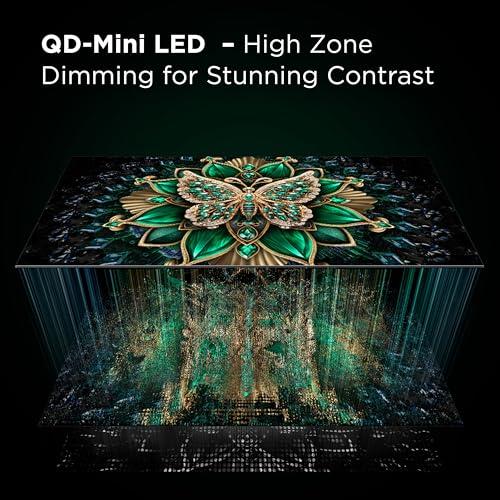
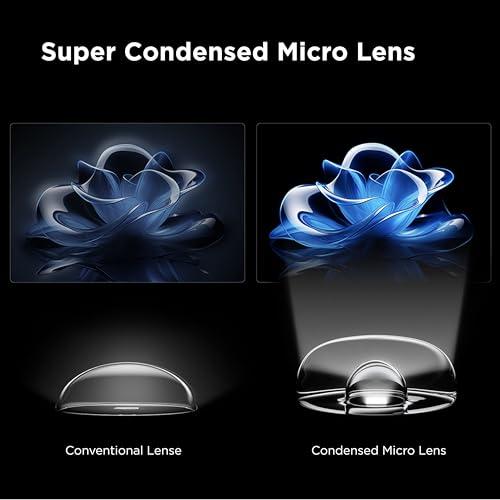
Before diving into specifics, it's worth understanding what makes these TVs "premium." Both use Mini LED backlighting, which employs thousands of tiny LEDs behind the screen instead of traditional edge lighting. This allows for precise local dimming—essentially turning off LEDs behind dark parts of the image while keeping bright areas illuminated. The result is deeper blacks and more vibrant highlights than older LCD technologies could achieve.
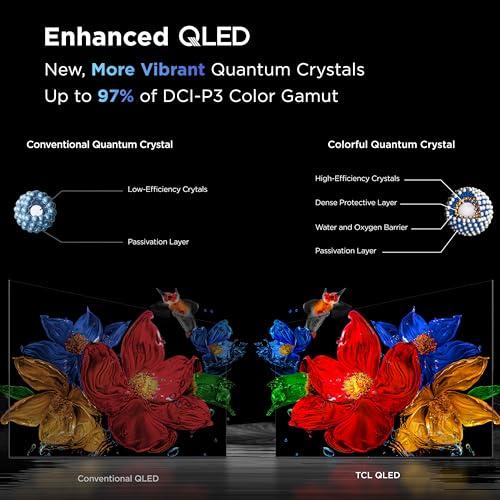
Both TVs also use quantum dot technology (the "Q" in their names), which enhances color reproduction by using microscopic crystals that emit pure colors when hit by light. Think of it as a color filter that makes reds redder, blues bluer, and greens more vivid without sacrificing brightness.
The key considerations when evaluating these displays include picture quality fundamentals like brightness and contrast, resolution capabilities, gaming performance, smart platform experience, and overall value proposition. Each TV excels in different areas, making the choice dependent on your priorities and budget.
The most obvious distinction between these models is resolution. The Samsung QN990F displays 8K images (7680×4320 pixels), while the TCL QM7K maxes out at 4K (3840×2160 pixels). On paper, 8K sounds dramatically better—four times more pixels than 4K. In reality, the benefits are more nuanced.
Here's the thing about 8K in 2025: there's virtually no native 8K content available to consumers. Netflix, Disney+, and other streaming services focus on 4K HDR content, and broadcast television remains mostly 1080p. Gaming consoles like the PlayStation 5 and Xbox Series X target 4K as their premium resolution. So what's the point of 8K?
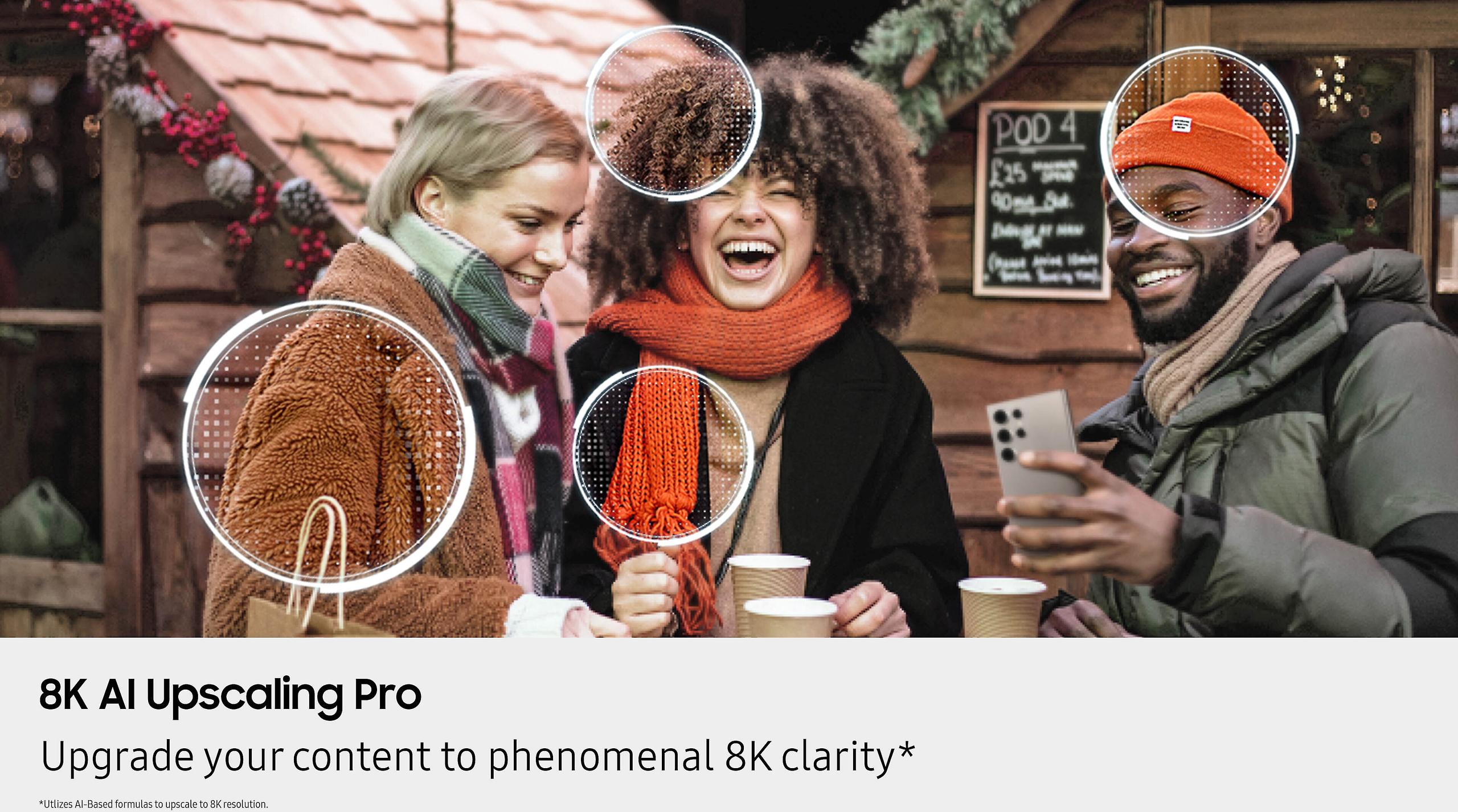
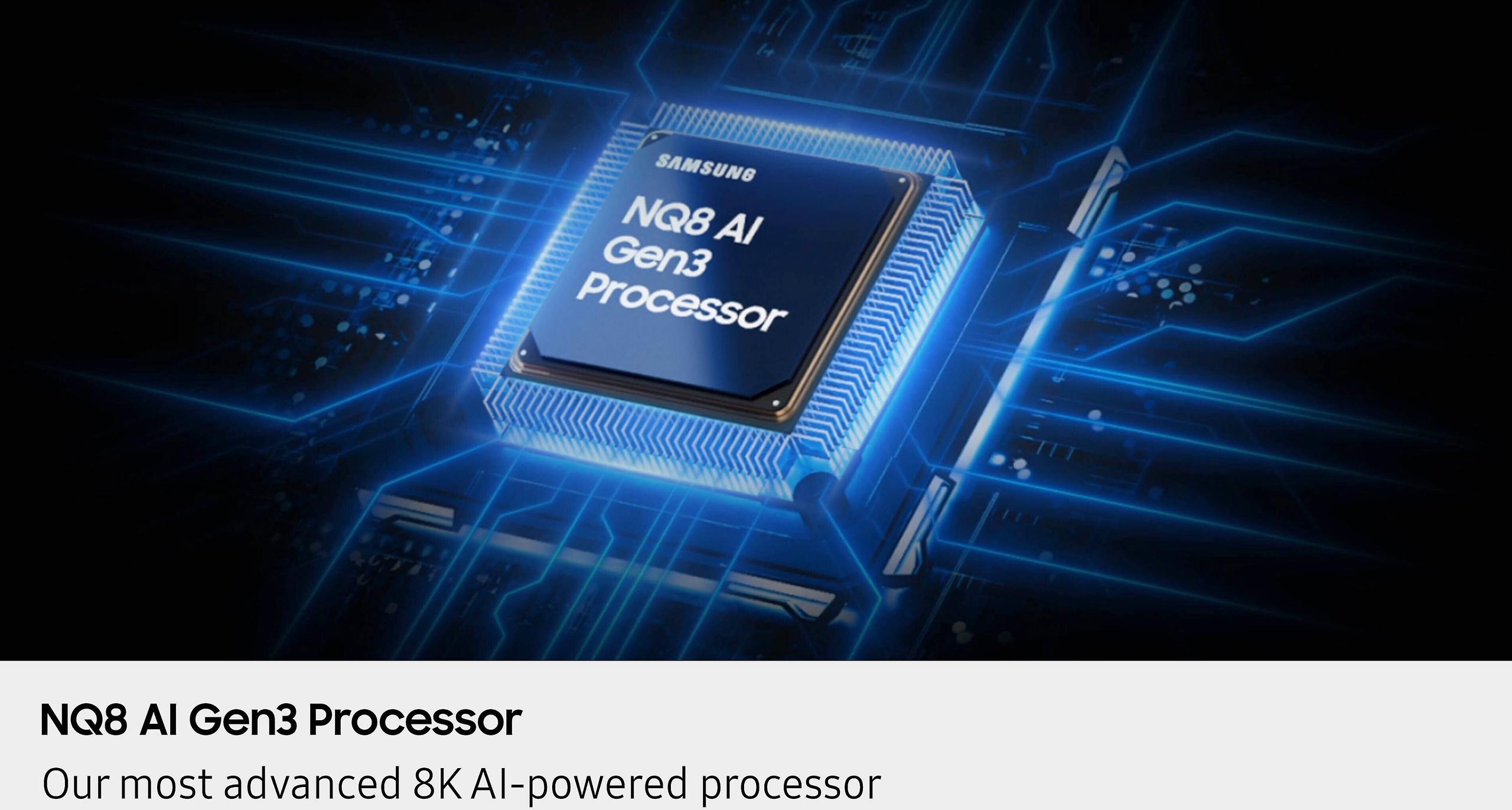
The Samsung QN990F's strength lies in its upscaling technology. The NQ8 AI Gen3 processor uses 768 neural networks (essentially AI processing units) to analyze every frame and reconstruct lower-resolution content with enhanced detail. When you're watching a 1080p Netflix show or a 4K movie, Samsung's processing makes it look sharper and cleaner than it would on most other displays.
However, the practical benefits of 8K resolution are only noticeable at unrealistically close viewing distances. At the recommended 8-10 foot viewing distance for a 65-inch TV, most people can't distinguish between well-processed 4K and 8K content. The TCL QM7K's 4K resolution is perfectly adequate for virtually all content you'll watch.
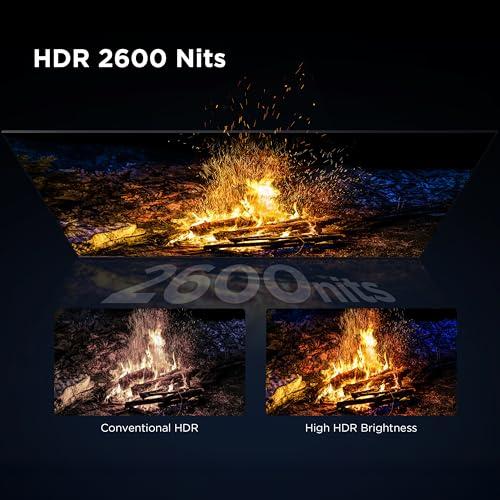
Peak brightness has become a battleground in premium TV marketing, and for good reason. Brighter displays deliver more impactful HDR (High Dynamic Range) content, where bright objects like the sun or explosions can genuinely dazzle while maintaining detail in darker areas.
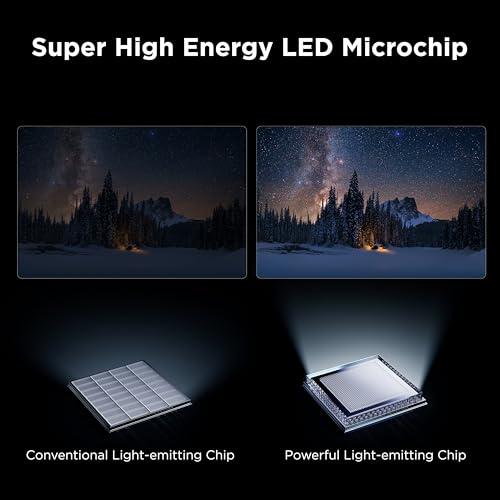
The TCL QM7K achieves impressive peak brightness of up to 3,000 nits in HDR mode, with up to 2,500 local dimming zones controlling light output. To put this in perspective, a typical sunny day measures about 100,000 nits, while indoor lighting ranges from 10-1,000 nits. Most older TVs peaked around 400-600 nits, making the TCL's brightness genuinely impressive for a mid-range model.
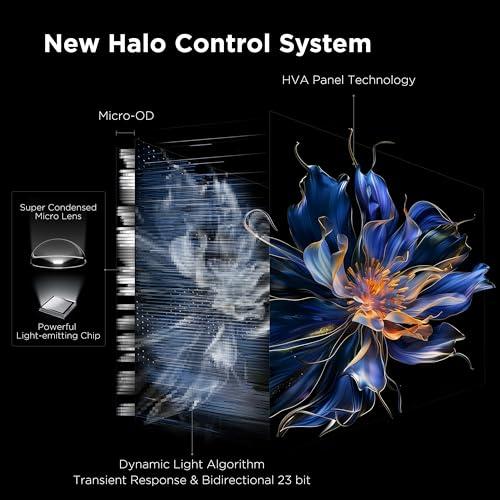
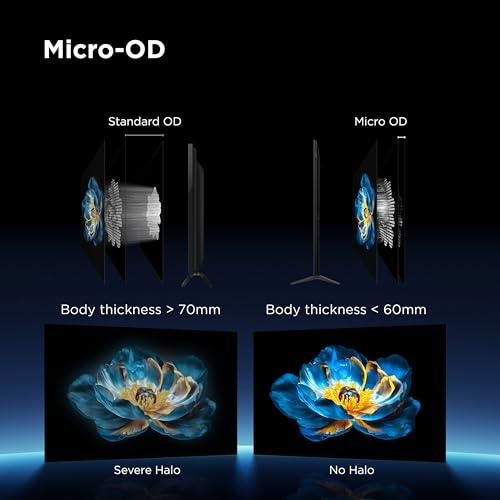
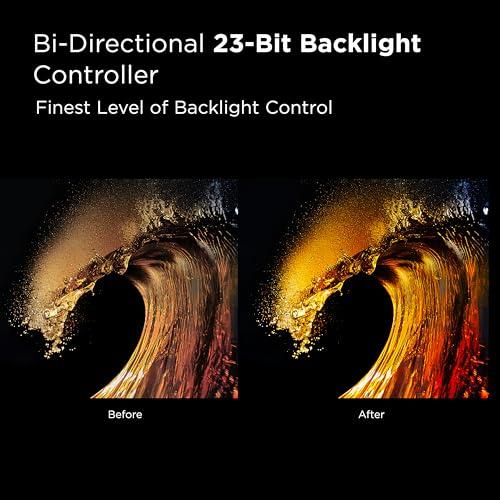
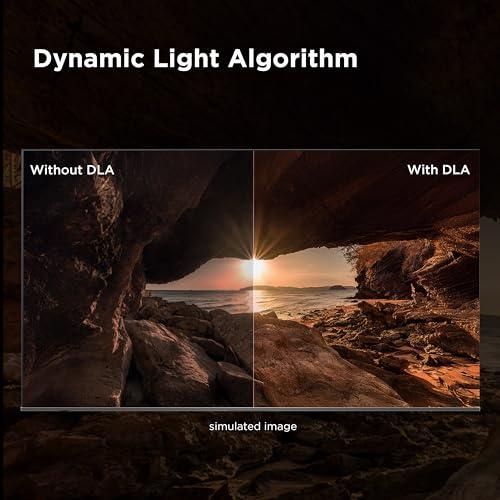
The Samsung QN990F takes a different approach, focusing less on raw brightness numbers and more on intelligent processing. Samsung's Quantum Matrix Mini LED technology uses sophisticated algorithms to control brightness and contrast more precisely, reducing blooming (unwanted light halos around bright objects) that can plague high-brightness displays.
Here's where HDR format support becomes crucial. The TCL QM7K supports every major HDR format: Dolby Vision IQ, HDR10+, HDR10, and HLG. The Samsung QN990F notably lacks Dolby Vision support, instead relying on HDR10+ and standard HDR10.
This difference matters more than you might expect. Netflix, Disney+, and Apple TV+ use Dolby Vision extensively for their premium content. When you watch "Stranger Things" or a Marvel movie on Netflix, you're getting enhanced color and brightness information that HDR10+ simply can't match. The TCL's Dolby Vision support means you'll see these shows exactly as their creators intended.
From our research into professional reviews and user feedback, both TVs deliver excellent HDR performance in bright rooms, but the TCL's higher peak brightness gives it a slight edge for daytime viewing. The Samsung's superior processing becomes more apparent in challenging content with mixed lighting—think dark movie scenes with bright highlights.
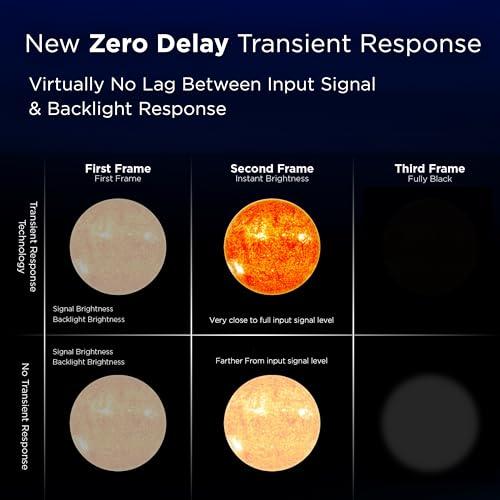
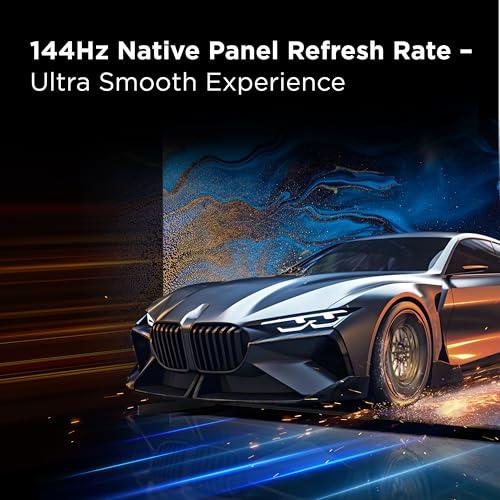
Gaming performance has become increasingly important as TVs compete with dedicated gaming monitors. The TCL QM7K takes a clear lead here with its native 144Hz refresh rate compared to the Samsung QN990F's 120Hz.
This might sound like marketing jargon, but refresh rate genuinely impacts gaming experience. Higher refresh rates mean smoother motion and reduced input lag—the delay between pressing a button and seeing the action on screen. The TCL supports 4K gaming at 144fps and can handle 1080p gaming at an incredible 288fps when using its Game Accelerator mode.
For context, most console games target 60fps, though newer titles increasingly offer 120fps modes. PC gaming can push much higher frame rates, especially in competitive games like "Counter-Strike" or "Valorant" where every millisecond counts. The TCL QM7K's higher refresh rate capabilities make it more future-proof as gaming technology advances.
Both TVs support Variable Refresh Rate (VRR), which synchronizes the display's refresh rate with your gaming device to eliminate screen tearing—those annoying horizontal lines that can appear during fast motion. The TCL includes FreeSync Premium Pro certification, while Samsung uses its own VRR implementation.
The TCL QM7K also features Game Master 2.0, which automatically optimizes picture settings when it detects gaming content and provides an on-screen game bar showing frame rate and input lag information. The Samsung QN990F includes similar gaming optimizations but focuses more on upscaling game graphics through its advanced processing.
From reviewing gaming-focused discussions and expert testing, both TVs maintain input lag below 10 milliseconds in game mode, which is excellent. However, the TCL's higher native refresh rate provides a noticeable advantage for PC gamers with high-end graphics cards capable of pushing 144fps or higher.
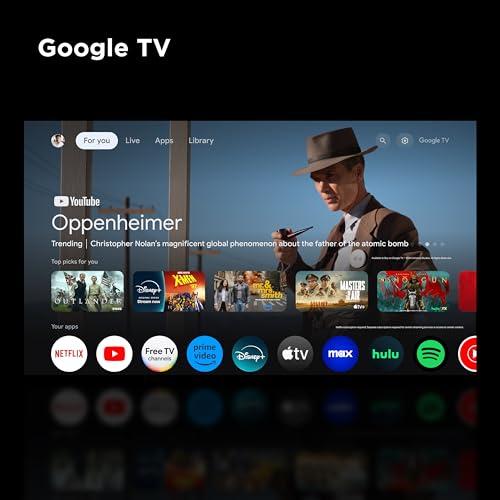
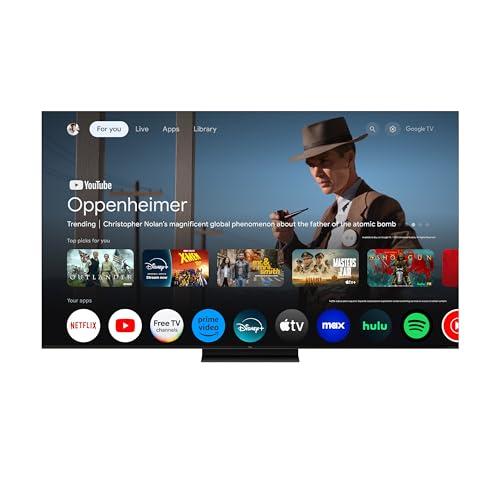
The smart TV platform can make or break your daily experience, and these TVs take distinctly different approaches. The TCL QM7K runs Google TV, while the Samsung QN990F uses Samsung's Tizen operating system.
Google TV, based on Android TV, excels at content discovery. It aggregates shows and movies from multiple streaming services, learning your preferences to suggest content you might enjoy. The interface feels familiar if you use other Google services, and voice search through Google Assistant works remarkably well. The TCL QM7K even includes hands-free voice control—you can change channels or adjust volume without touching the remote.
Tizen on the Samsung QN990F prioritizes speed and simplicity. Navigation feels snappier, and settings adjustments are more intuitive. Samsung has partnerships with major streaming services, ensuring apps launch quickly and perform reliably. However, content discovery isn't as sophisticated as Google TV's recommendation engine.
Both platforms support major streaming apps like Netflix, Disney+, HBO Max, and YouTube. The choice often comes down to personal preference and existing ecosystem integration. If you're heavily invested in Google services, the TCL QM7K will feel more natural. If you prefer straightforward navigation without algorithmic suggestions, Samsung's approach might appeal more.
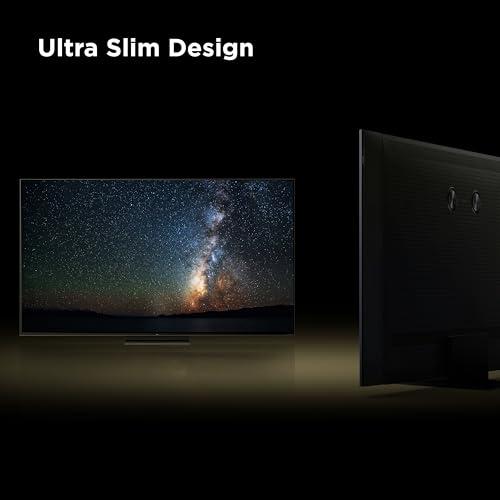
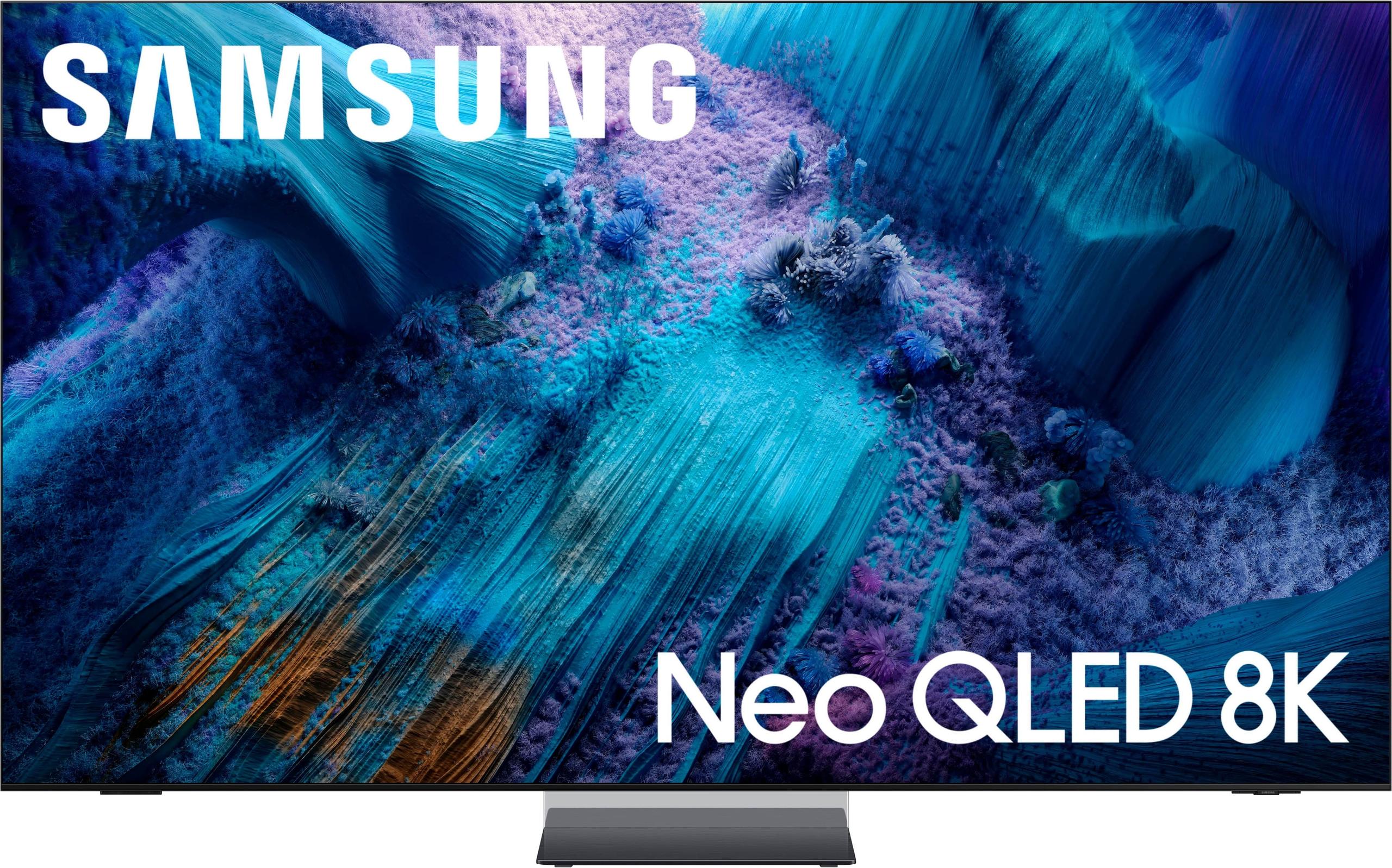
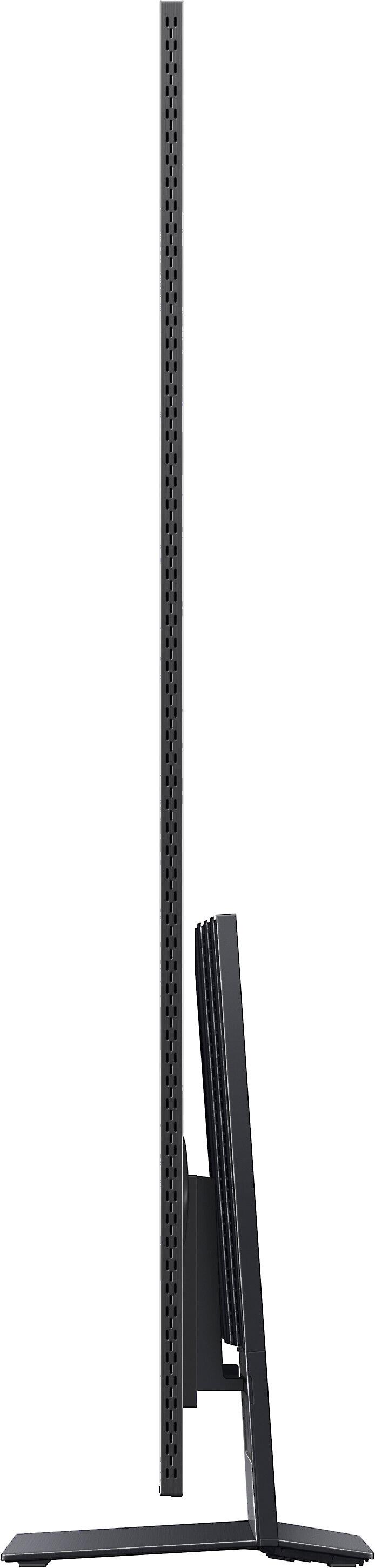
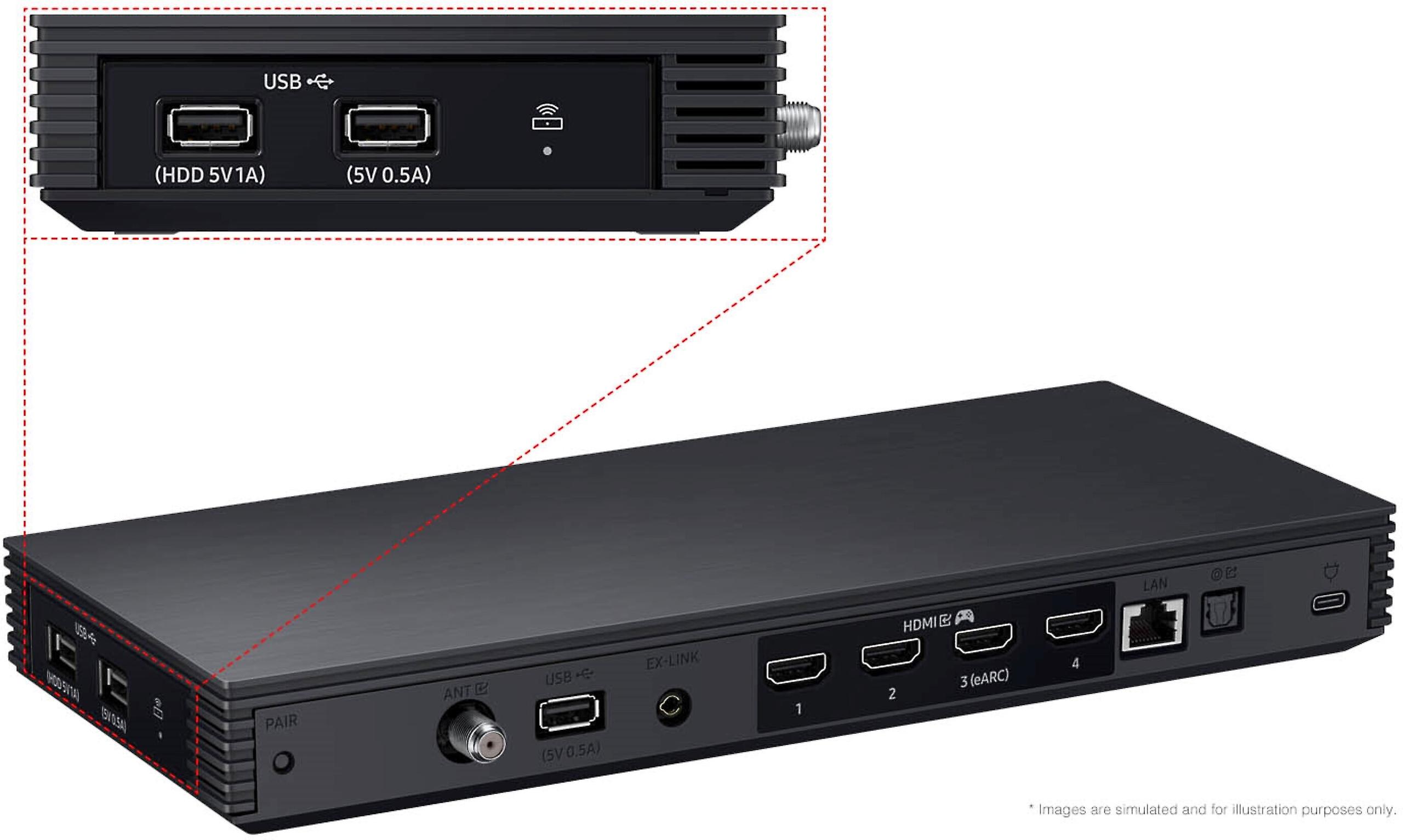
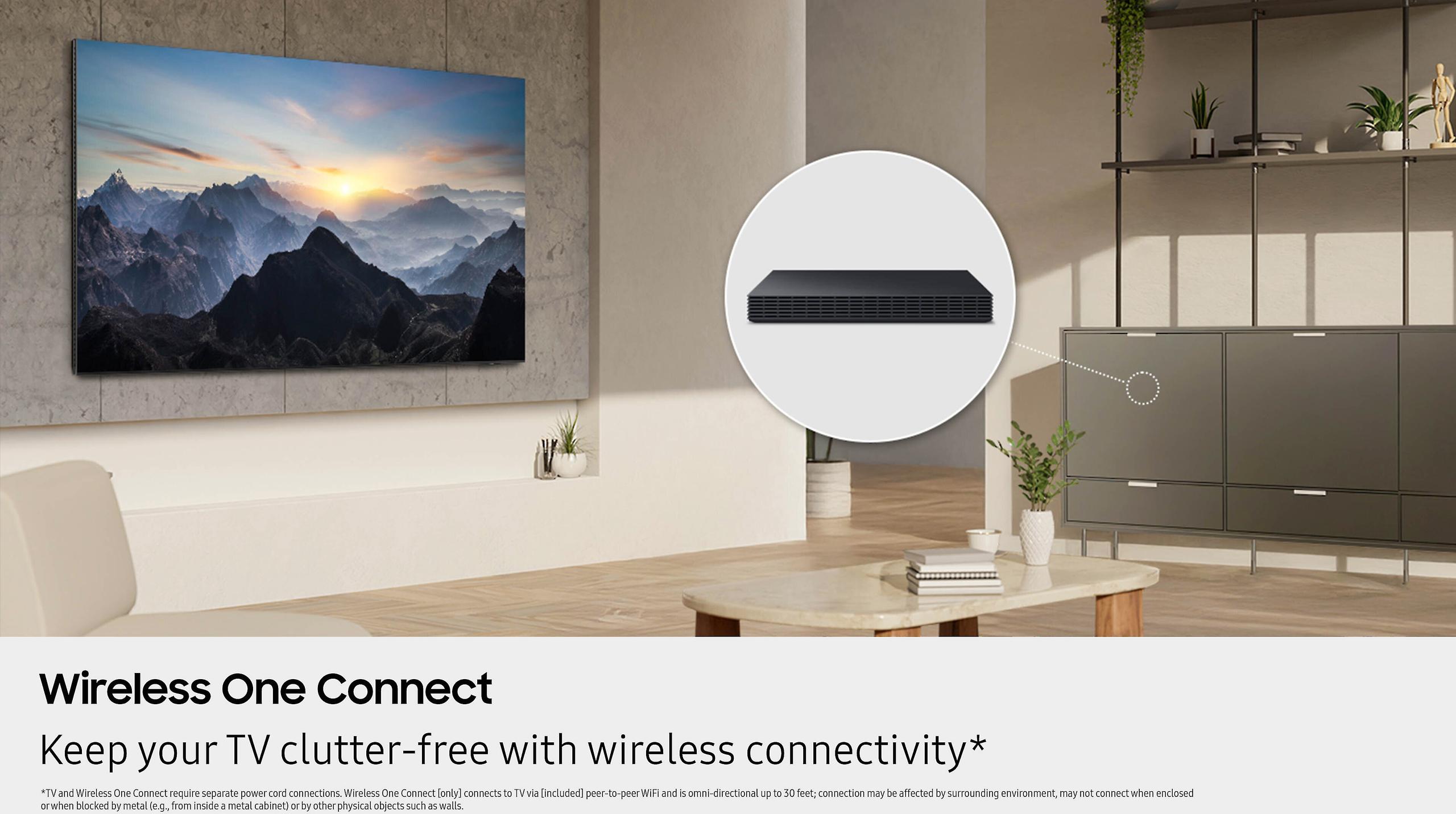
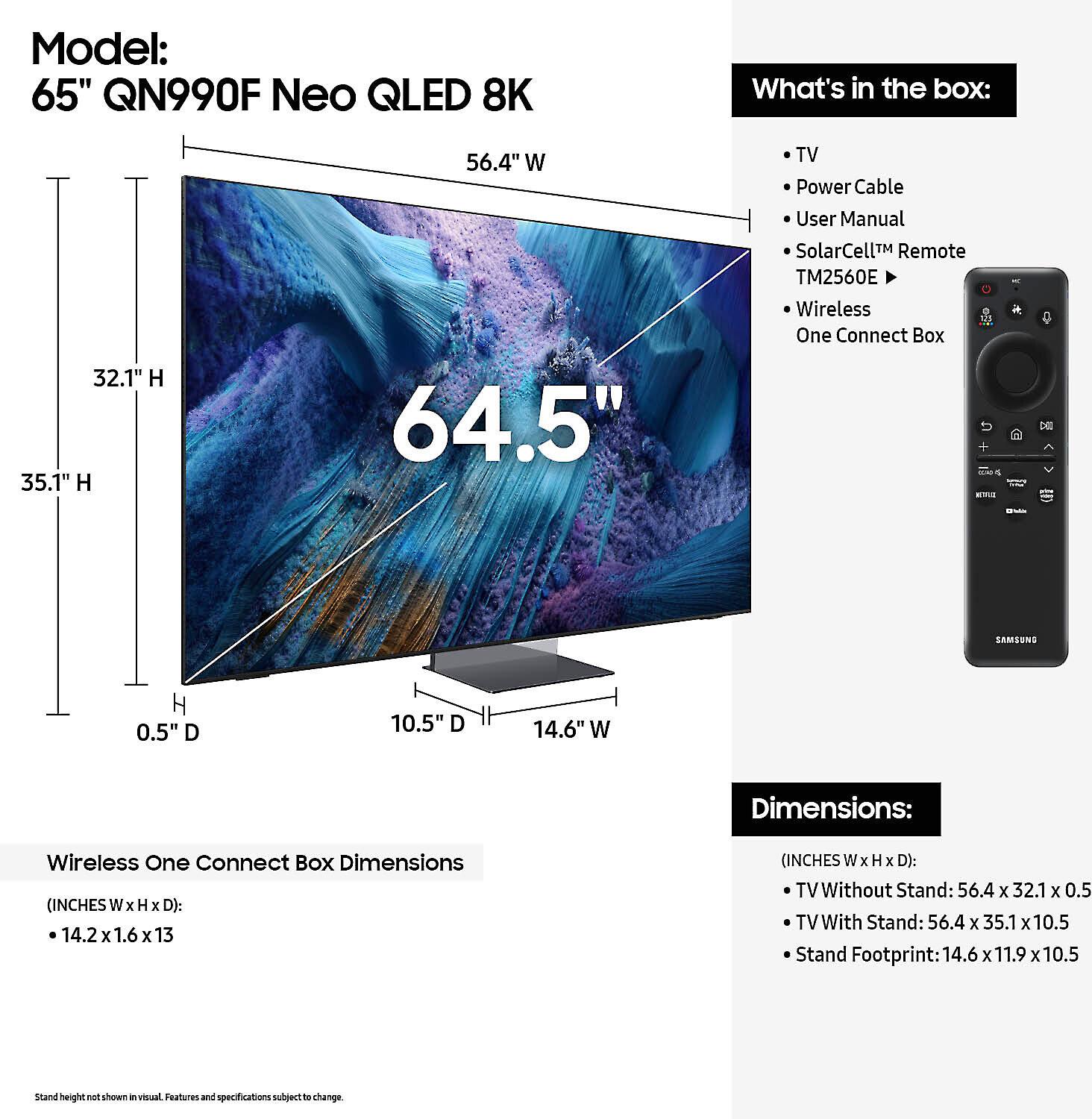
The design differences between these TVs reflect their market positioning. The Samsung QN990F features a nearly edgeless display with a premium metal frame that looks stunning in any room. Its standout feature is the Wireless One Connect box, which allows all your devices—cable boxes, gaming consoles, sound systems—to connect to a separate unit that communicates wirelessly with the TV.
This wireless connectivity solution is genuinely innovative. Instead of running multiple cables to your wall-mounted TV, everything connects to a small box that can be hidden in a cabinet up to 30 feet away. It's the kind of feature that makes installation cleaner and reduces cable management headaches.
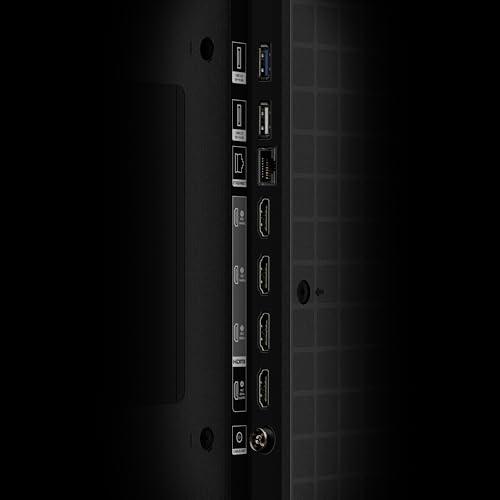
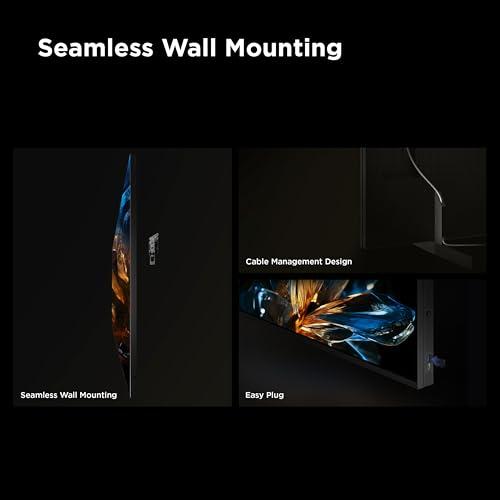
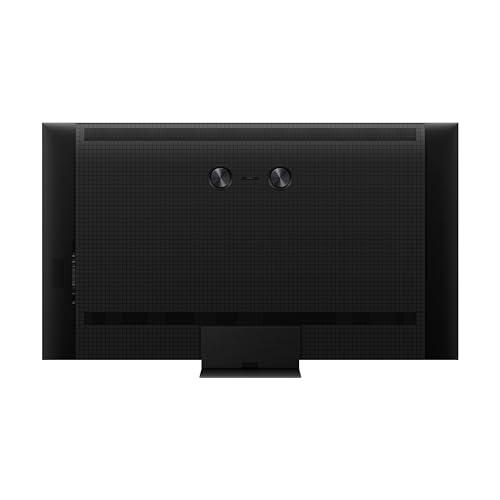
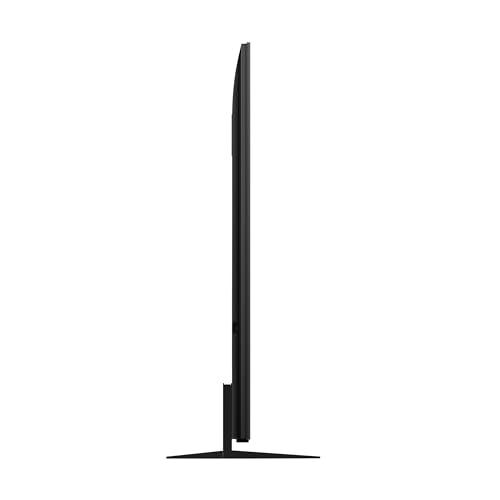
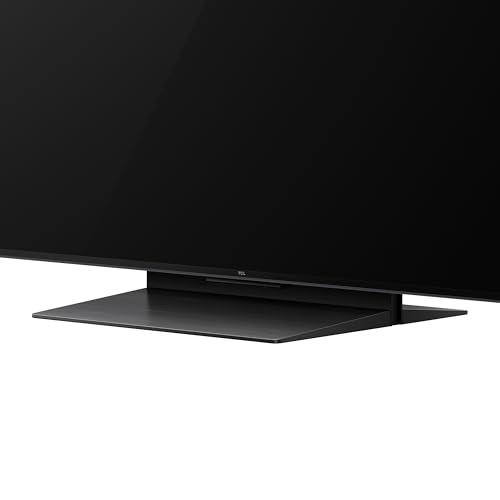
The TCL QM7K uses more traditional design approaches with good build quality but obvious cost-saving measures. The bezels are minimal but not invisible, and the materials include more plastic components. Cable management requires more attention since all connections are directly on the TV.
For wall mounting, both TVs work well, but the Samsung's wireless connectivity gives it a significant advantage for clean installations. If you're building a dedicated home theater or want the TV to look like a piece of art on your wall, the Samsung's premium design justifies its higher cost.
TV speakers often get overlooked in specifications, but they significantly impact daily enjoyment. The Samsung QN990F includes Object Tracking Sound Pro, which uses multiple speakers to create positional audio that follows action across the screen. Combined with Dolby Atmos support, it delivers surprisingly immersive sound for built-in speakers.
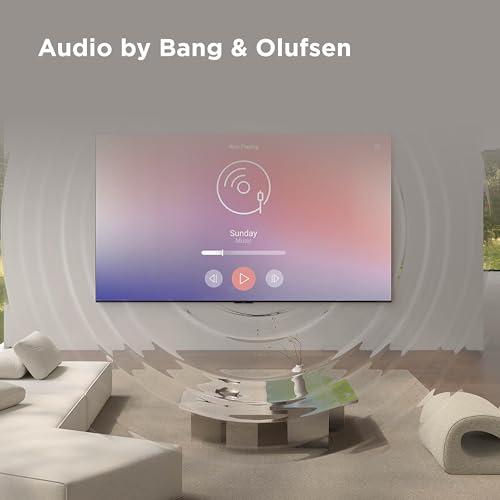
The TCL QM7K features a Bang & Olufsen audio system with 60W total power and Dolby Atmos support. While not as sophisticated as Samsung's implementation, it produces clear, well-balanced sound that's quite good for a mid-range TV.
However, both TVs' audio capabilities are dwarfed by dedicated sound systems. If you're investing in a premium 65-inch display, pairing it with a quality soundbar or speaker system will dramatically improve your experience beyond what either TV can achieve alone.
The Samsung QN990F's most significant advantage lies in its processing capabilities. The NQ8 AI Gen3 processor represents Samsung's most advanced TV chip, capable of real-time analysis and optimization that's genuinely impressive when watching challenging content.
This processing power becomes most apparent when watching older movies, broadcast television, or streaming content with compression artifacts. Samsung's AI upscaling can take a grainy 1080p Netflix show and make it look remarkably clean and detailed. The difference is subtle with high-quality 4K content but dramatic with lower-quality sources.
The TCL QM7K's AIPQ PRO processor handles upscaling competently but can't match Samsung's sophisticated algorithms. For most modern content, this difference won't be noticeable. However, if you watch a lot of older movies, broadcast television, or international content with varying quality levels, Samsung's processing advantage becomes worthwhile.
For dedicated home theater use, both TVs excel but serve different priorities. The Samsung QN990F provides the ultimate viewing experience for movie enthusiasts who want the absolute best picture processing and premium design. Its superior upscaling makes older films look better, and its advanced tone mapping handles challenging HDR content more gracefully.
The TCL QM7K delivers 90% of that experience while offering better value and gaming performance. Its higher peak brightness actually provides more impact in some HDR scenes, and its comprehensive HDR format support ensures compatibility with all premium streaming content.
In a dark, controlled viewing environment, both TVs produce excellent contrast and black levels thanks to their Mini LED backlighting. The Samsung's more precise processing reduces blooming slightly, while the TCL's higher zone count provides more granular light control.
Choosing between these TVs ultimately depends on your priorities and budget tolerance. At the time of writing, the price difference between these models is substantial—often three to four times more for the Samsung.
The TCL QM7K represents exceptional value for users who want flagship-level performance without flagship pricing. It's ideal if you prioritize gaming with high refresh rates, prefer Google TV's content discovery, need comprehensive HDR format support, or simply want excellent picture quality without premium costs.
Choose the Samsung QN990F if you value having the absolute latest technology, prioritize the most advanced processing for varied content sources, want premium design with wireless connectivity, or are future-proofing for eventual 8K content adoption. Its processing advantages are real, but they're most noticeable with challenging source material.
For most users, the TCL QM7K provides better overall value. Its picture quality, gaming performance, and smart features deliver a premium experience at a more accessible price point. The Samsung's advantages, while genuine, represent diminishing returns that most viewers won't fully appreciate.
However, if budget isn't a primary concern and you want the absolute best processing technology available, the Samsung QN990F delivers cutting-edge performance that showcases where TV technology is heading. Just be realistic about whether you'll benefit from its advanced features enough to justify the substantial price premium.
Both TVs represent excellent choices within their respective market segments, making 2025 a great time to upgrade your home entertainment setup regardless of which direction you choose.
| TCL 65QM7K QD-Mini LED 4K Google TV | Samsung 65" Neo QLED QN990F 8K Smart TV 2025 |
|---|---|
| Resolution - 8K provides minimal real-world benefits at normal viewing distances | |
| 4K (3840 x 2160) - Perfect for all available content | 8K (7680 x 4320) - Future-proofing with superior upscaling |
| Peak Brightness - Critical for HDR impact and daytime viewing | |
| 3,000 nits - Exceptional brightness for mid-range pricing | High brightness with advanced tone mapping (exact specs vary) |
| Local Dimming Zones - More zones mean better contrast control | |
| Up to 2,500 zones - Industry-leading precision for the price | ~1,000+ zones - Fewer zones but superior processing algorithms |
| Refresh Rate - Higher rates provide smoother gaming and sports | |
| 144Hz native (288Hz with Game Accelerator) - Best-in-class gaming | 120Hz native (240Hz with Motion Xcelerator) - Good for most uses |
| HDR Format Support - Dolby Vision offers the best streaming experience | |
| Dolby Vision IQ, HDR10+, HDR10, HLG - Complete compatibility | HDR10+, HDR10, HLG - Missing Dolby Vision for Netflix/Disney+ |
| Gaming Features - Important for console and PC gamers | |
| 2 HDMI 2.1 ports, VRR up to 288Hz, FreeSync Premium Pro | 2+ HDMI 2.1 via Wireless One Connect, VRR, Game Mode Pro |
| Smart Platform - Daily interface experience varies significantly | |
| Google TV - Superior content discovery and voice control | Samsung Tizen - Faster navigation, simpler interface |
| Processing Power - Affects upscaling quality of lower-res content | |
| AIPQ PRO - Competent upscaling and optimization | NQ8 AI Gen3 with 768 neural networks - Industry-leading processing |
| Design & Connectivity - Premium features reduce installation complexity | |
| Traditional design, direct TV connections - Good build quality | Nearly edgeless with Wireless One Connect - Premium aesthetics |
| Audio System - Built-in sound quality for those without external speakers | |
| Bang & Olufsen 60W with Dolby Atmos - Solid performance | Object Tracking Sound Pro with Dolby Atmos - More immersive |
| Best For - Target user scenarios | |
| Gamers, value-conscious buyers wanting flagship features | Home theater enthusiasts, early adopters wanting cutting-edge tech |
Both the TCL 65QM7K and Samsung QN990F deliver excellent picture quality, but they excel in different areas. The TCL QM7K offers higher peak brightness at 3,000 nits with up to 2,500 local dimming zones, making it exceptional for HDR content and bright room viewing. The Samsung QN990F focuses on superior processing with its NQ8 AI Gen3 processor, which provides better upscaling of lower-resolution content like older movies or broadcast TV.
For most users, the 8K resolution of the Samsung QN990F doesn't provide noticeable benefits over the 4K resolution of the TCL QM7K at normal viewing distances (8-10 feet). There's virtually no native 8K content available, and the human eye can't distinguish the difference at typical viewing distances. The Samsung's main advantage is its advanced upscaling technology rather than the raw resolution increase.
The TCL 65QM7K is significantly better for gaming with its native 144Hz refresh rate compared to the Samsung QN990F's 120Hz. The TCL supports 4K gaming at 144fps and 1080p at 288fps, plus includes FreeSync Premium Pro certification and comprehensive VRR support. Both TVs maintain low input lag under 10ms, but the TCL QM7K provides a clear advantage for PC gaming and future console generations.
The TCL QM7K runs Google TV, which excels at content discovery and integrates well with Google services, plus offers hands-free voice control. The Samsung QN990F uses Tizen OS, which prioritizes speed and simplicity with faster navigation and more intuitive settings. Both support all major streaming apps, so the choice depends on whether you prefer Google's content recommendations or Samsung's streamlined interface.
The TCL 65QM7K has a significant advantage in HDR format support, including Dolby Vision IQ, HDR10+, HDR10, and HLG. The Samsung QN990F lacks Dolby Vision support, only offering HDR10+, HDR10, and HLG. This matters because Netflix, Disney+, and Apple TV+ use Dolby Vision extensively for their premium content, making the TCL QM7K more compatible with popular streaming services.
The Samsung QN990F features Object Tracking Sound Pro with Dolby Atmos, creating more immersive positional audio that follows action across the screen. The TCL QM7K includes a Bang & Olufsen 60W audio system with Dolby Atmos support that delivers solid performance. While both offer good built-in sound, the Samsung provides more sophisticated audio processing, though dedicated soundbars will outperform either system.
The TCL 65QM7K provides exceptional value, delivering flagship-level features at a mid-range price point. It offers 80-90% of premium TV performance while typically costing significantly less than the Samsung QN990F. The Samsung represents cutting-edge technology with premium design and processing, but with substantial diminishing returns for most users who won't fully utilize its advanced features.
The Samsung QN990F features premium design with a nearly edgeless display, metal frame, and innovative Wireless One Connect box for clutter-free installation. The TCL QM7K offers good build quality with a clean, modern aesthetic but uses more plastic components and traditional connectivity. The Samsung's wireless connection system significantly simplifies cable management for wall-mounted installations.
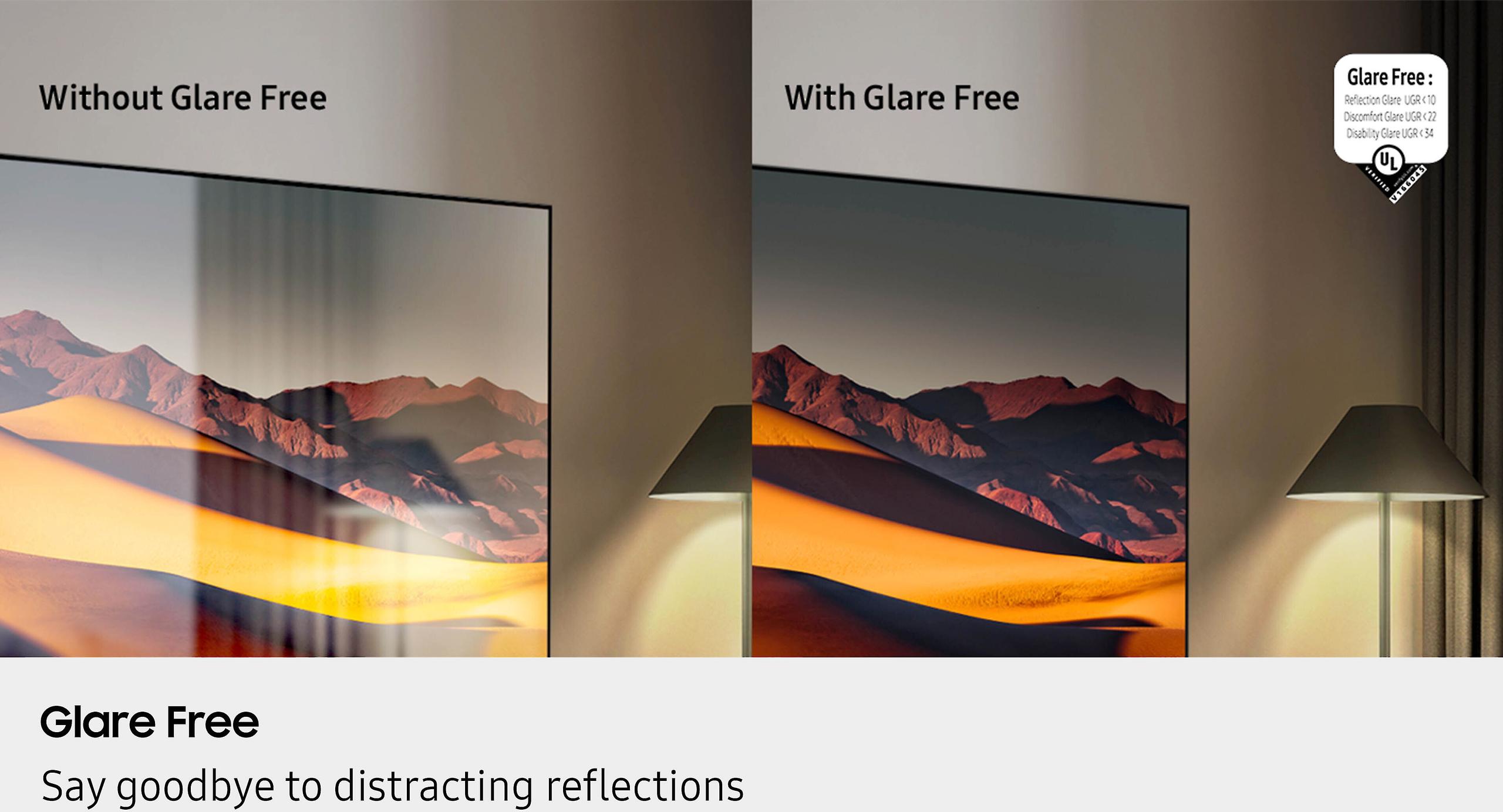
The TCL 65QM7K performs better in bright rooms due to its higher peak brightness of 3,000 nits, which helps HDR content maintain impact even with ambient light. The Samsung QN990F includes Glare-Free technology to reduce reflections, but the TCL's raw brightness advantage makes it more suitable for daytime viewing in rooms with significant natural light.
The Samsung QN990F has a clear advantage with its NQ8 AI Gen3 processor featuring 768 neural networks for advanced content analysis and upscaling. This becomes most apparent when watching older movies, broadcast TV, or compressed streaming content. The TCL QM7K's AIPQ PRO processor handles modern 4K content well but can't match Samsung's sophisticated upscaling algorithms for challenging source material.
Both TVs offer solid gaming connectivity, but they take different approaches. The TCL QM7K provides 2 HDMI 2.1 ports directly on the TV with traditional cable management. The Samsung QN990F uses its Wireless One Connect box, which can accommodate more devices wirelessly but may introduce slight latency concerns for competitive gaming. The TCL is more straightforward for dedicated gaming setups.
While the Samsung QN990F's 8K resolution seems more future-proof, the TCL QM7K's 4K resolution with superior gaming features like 144Hz refresh rate is actually more practical for emerging content. Gaming will likely push higher frame rates at 4K before 8K content becomes mainstream. The TCL offers better future-proofing for gaming and sports content, while the Samsung prepares for eventual 8K media adoption.
We've done our best to create useful and informative comparisons to help you decide what product to buy. Our research uses advanced automated methods to create this comparison and perfection is not possible - please contact us for corrections or questions. These are the sites we've researched in the creation of this article: bestbuy.com - businessinsider.com - tomsguide.com - tomsguide.com - rtings.com - tomsguide.com - youtube.com - rtings.com - consumerreports.org - youtube.com - youtube.com - displayspecifications.com - youtube.com - tcl.com - tcl.com - tcl.com - youtube.com - rcwilley.com - bestbuy.com - tclcentral.com - displayspecifications.com - tomsguide.com - tcl.com - brandsmartusa.com - tcl.com - tcl.com - gizmochina.com - nfm.com - dolby.com - alexraytv.com - samsung.com - abt.com - bestbuy.com - pcnation.com - samsung.com - videoandaudiocenter.com - exertisalmo.com - displayspecifications.com - theapplianceplug.com - news.samsung.com

Privacy Policy
Terms and Conditions - Affiliate Policy
Home Security
© Copyright 2008-2026.
11816 Inwood Rd #1211, Dallas, TX 75244