

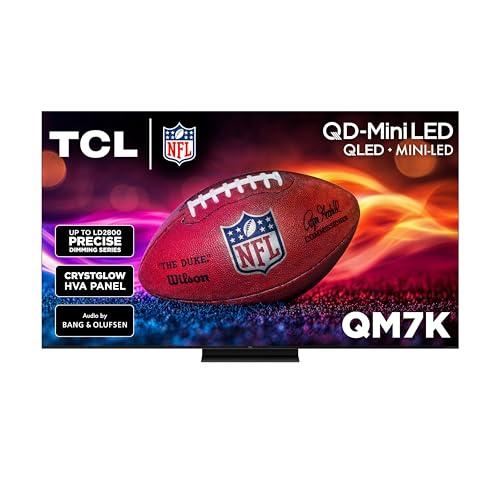
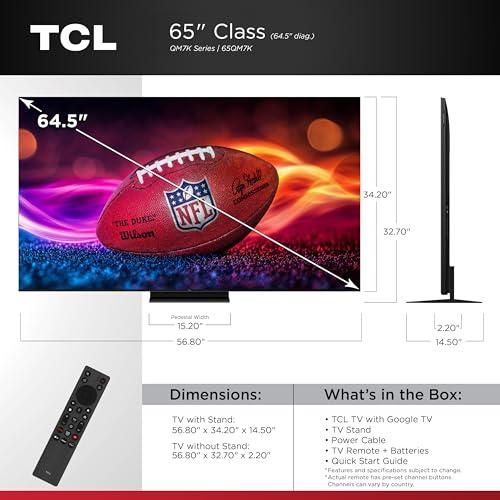

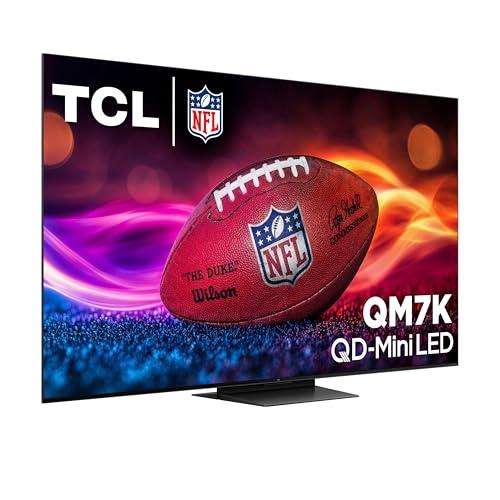
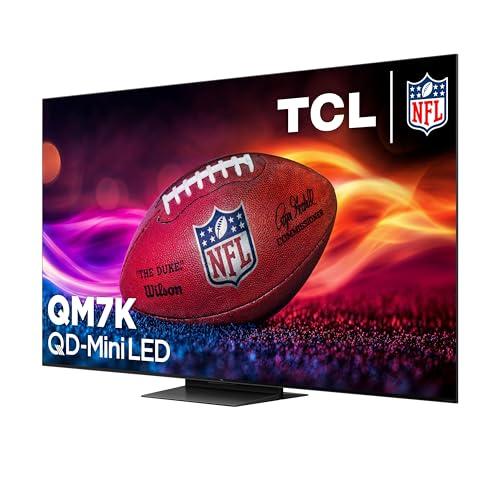
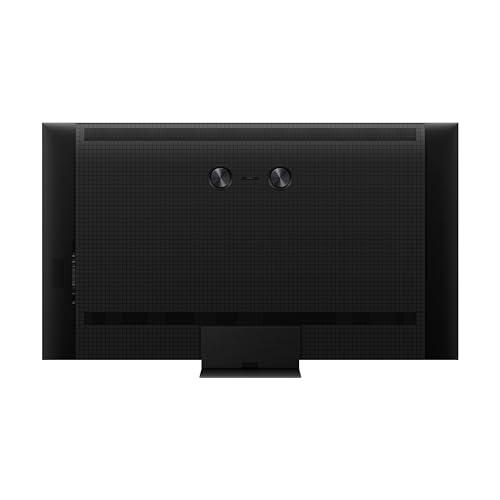
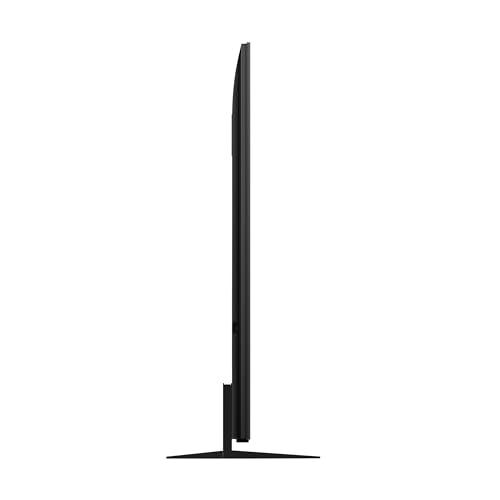
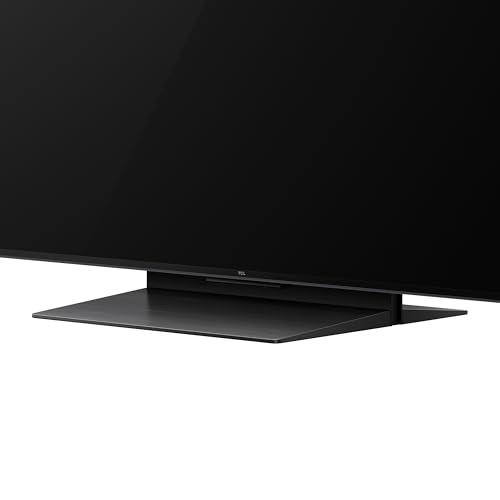
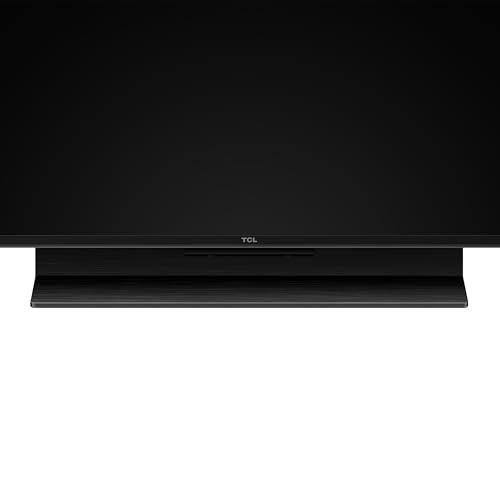
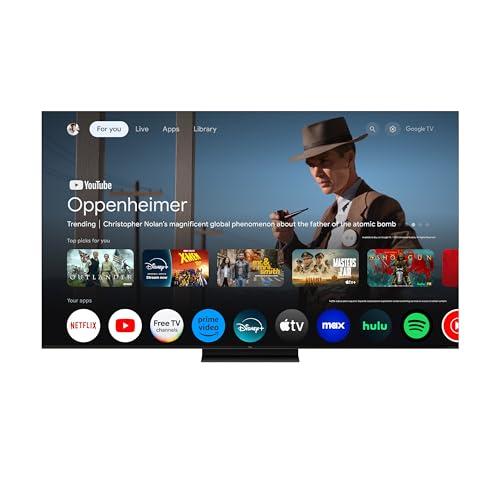

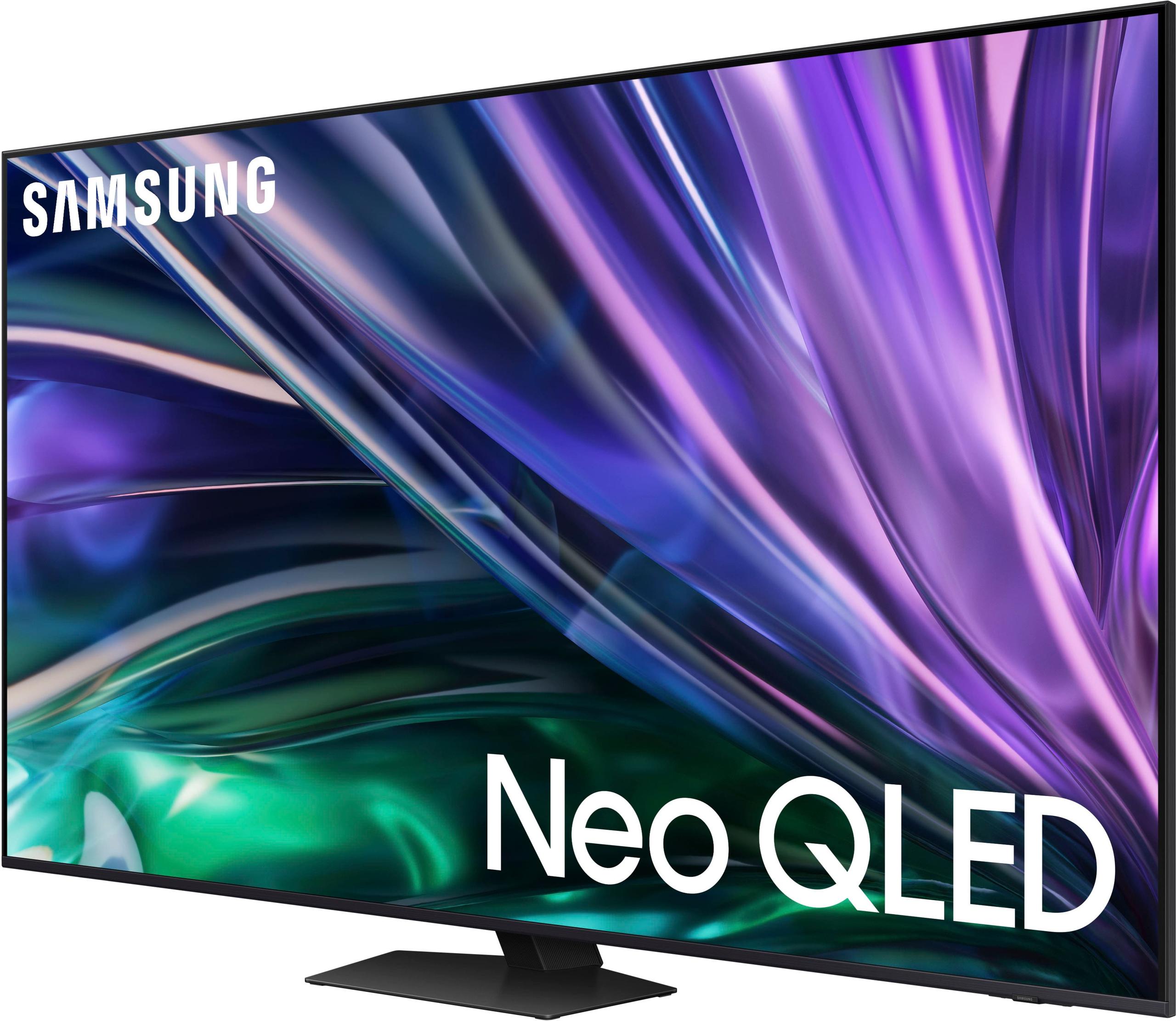
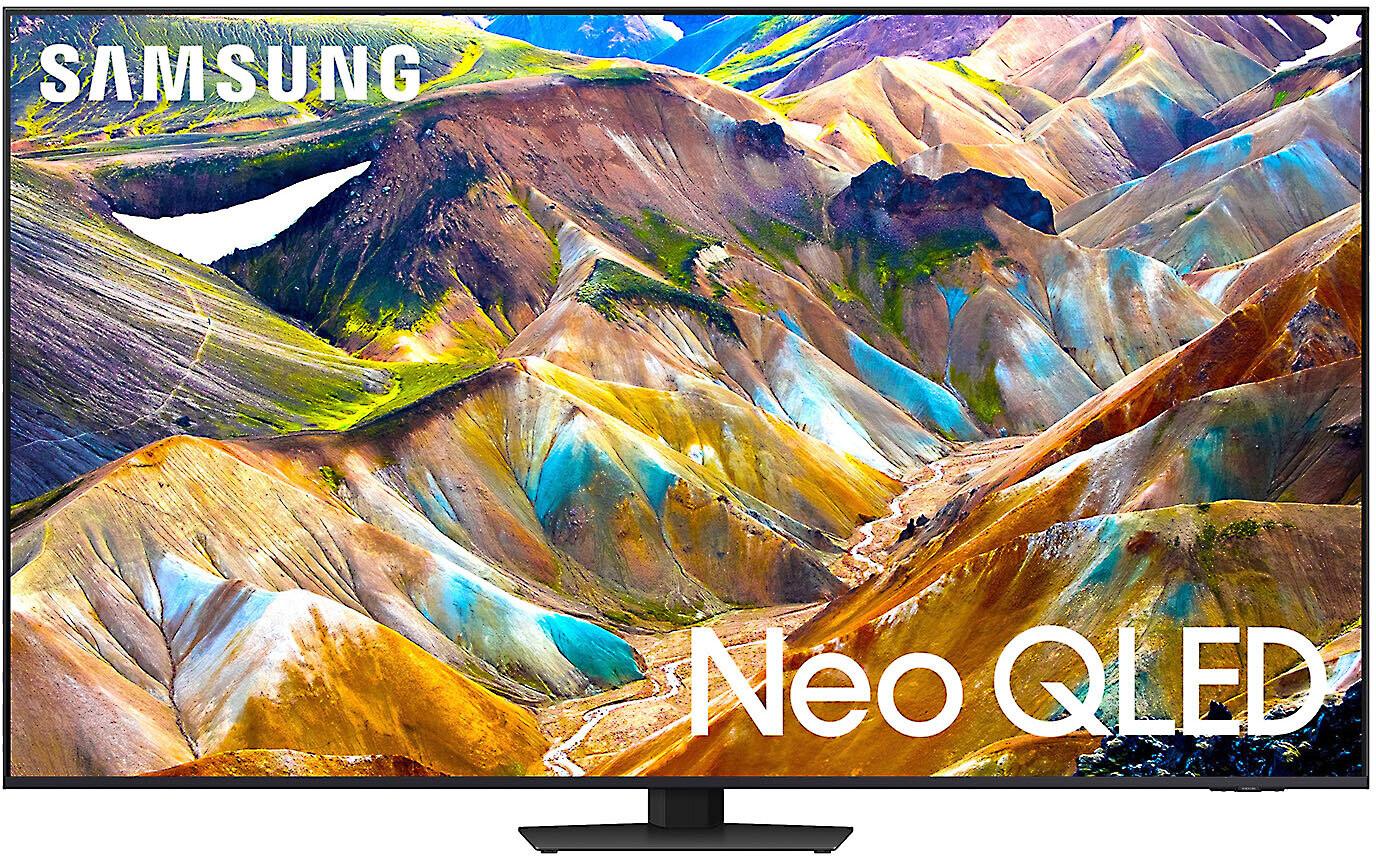
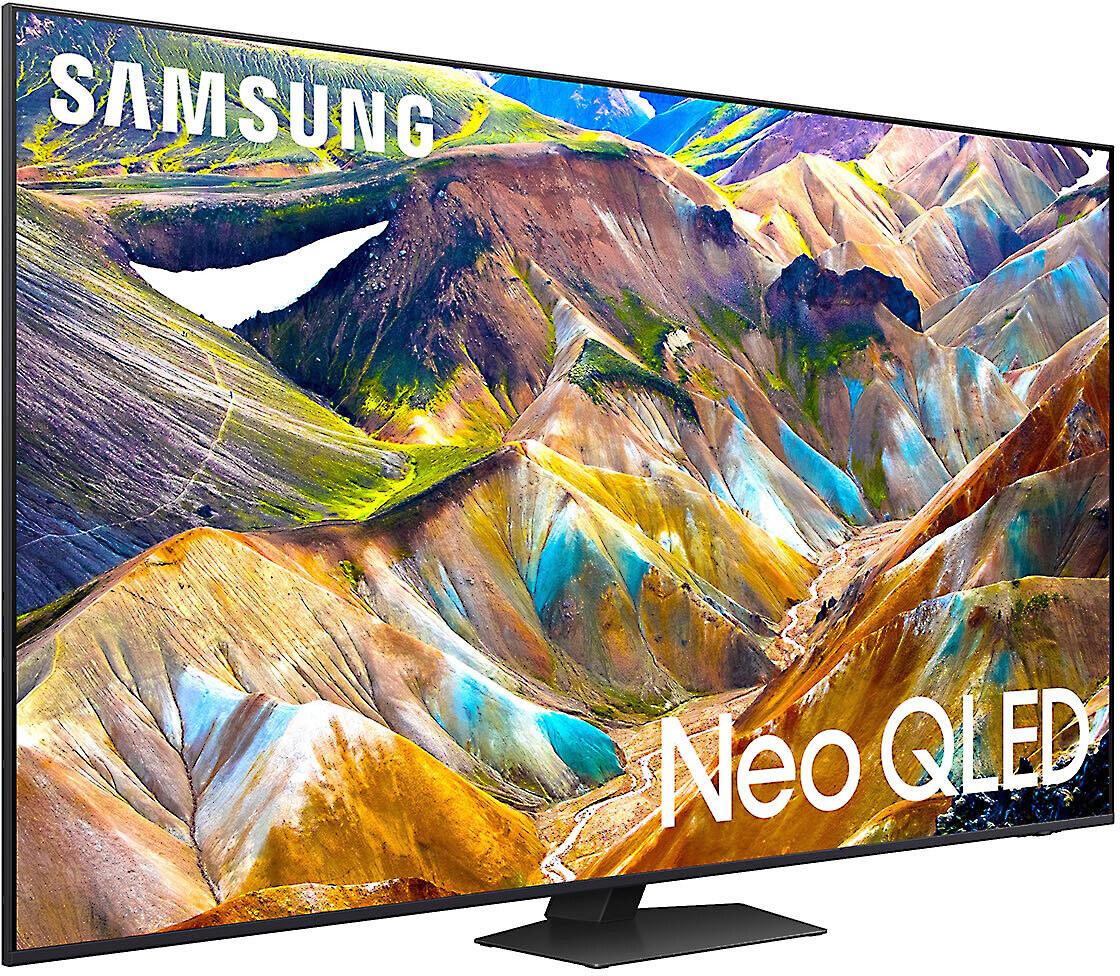
Choosing a 65-inch premium TV has never been more complex—or exciting. Two fundamentally different display technologies are battling for your living room: QD-Mini LED and OLED. The TCL 65QM7K represents the cutting edge of LED-based displays, while the Samsung 65" OLED S90D showcases what makes OLED special. Both launched in 2024, but they couldn't be more different in their approach to delivering stunning picture quality.
Understanding these differences matters because your choice will shape your viewing experience for years to come. Get it right, and you'll have a TV that excels at everything you throw at it. Get it wrong, and you might find yourself squinting at dark scenes or washing out bright content depending on your room's lighting.
The premium TV landscape has evolved dramatically since 2020. Back then, you had basic LED TVs or expensive OLEDs with little middle ground. Today's premium segment offers sophisticated LED-based displays that rival OLED performance in many areas while adding features OLED simply can't match.
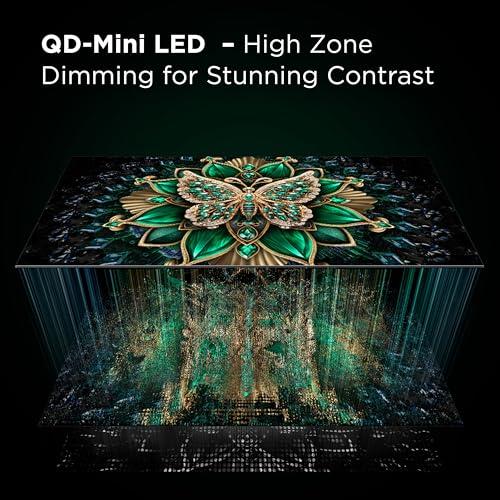
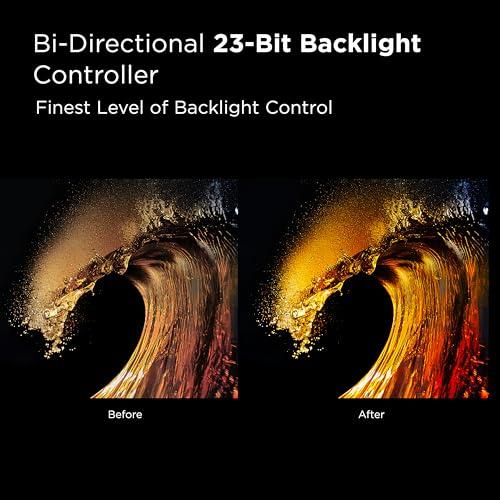
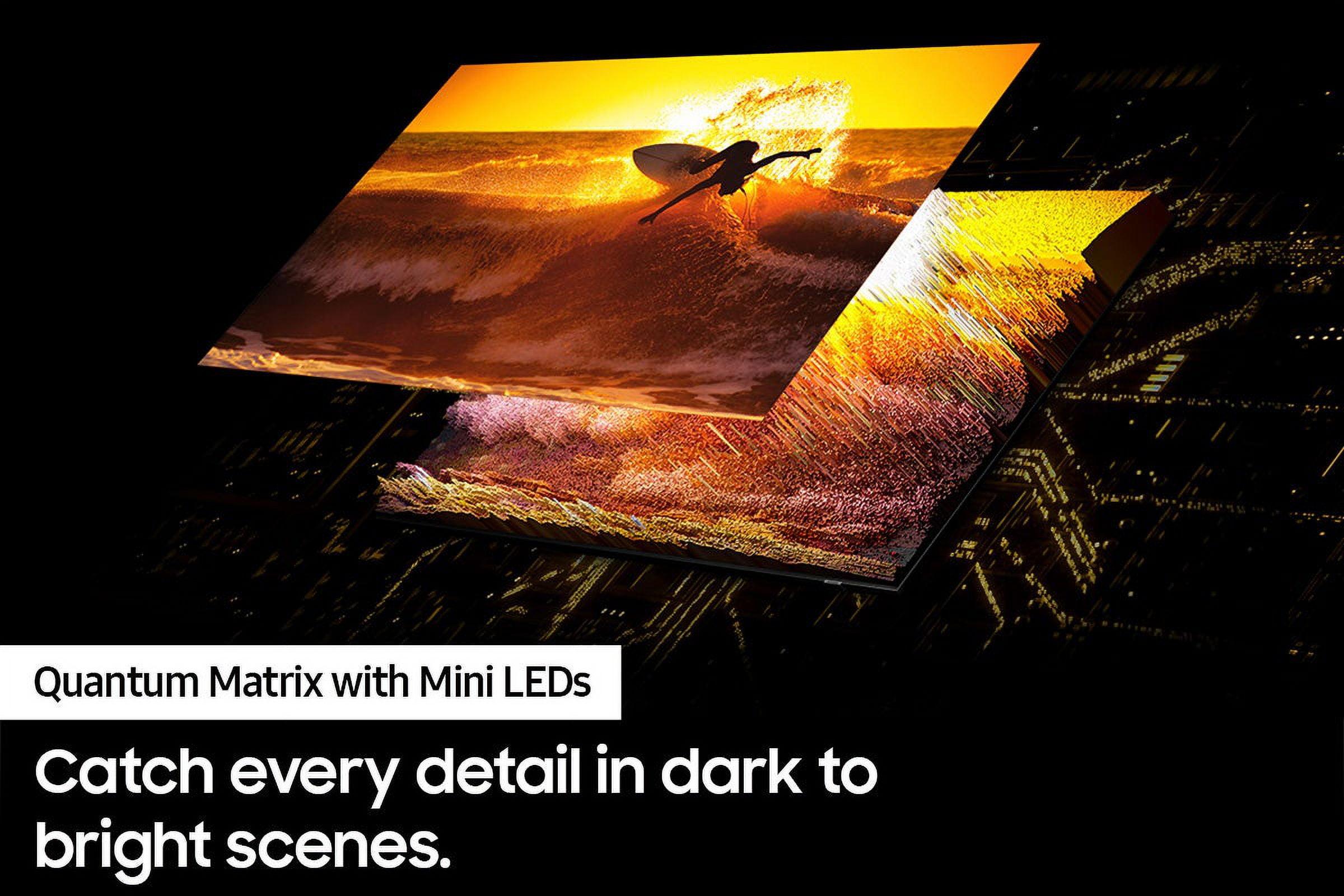
QD-Mini LED technology, found in the TCL QM7K, combines three innovations: Mini LEDs (tiny LEDs smaller than traditional ones), quantum dots (microscopic crystals that purify colors), and local dimming zones (independent control of different screen areas). Think of it like having thousands of tiny flashlights behind your screen, each one controlled individually to create bright spots and dark areas precisely where needed.
OLED technology in the Samsung S90D takes a completely different approach. Each pixel generates its own light and can turn completely off, creating perfect blacks. It's like having 8.3 million tiny light bulbs that can each turn on or off independently. This fundamental difference shapes everything about how these TVs perform.
The key considerations when choosing between these technologies come down to your viewing environment, content preferences, and gaming habits. Bright rooms favor different technologies than dark rooms, and serious gamers have different needs than casual movie watchers.
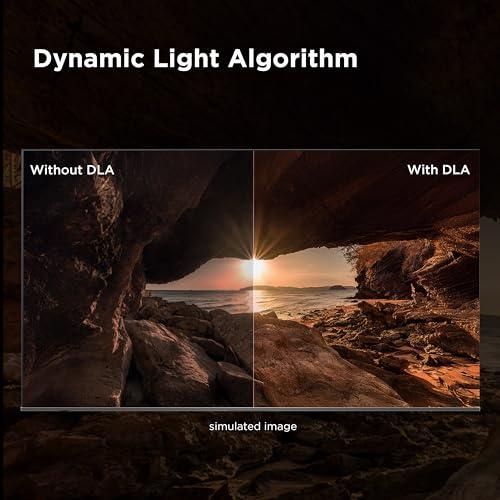
The TCL QM7K uses what TCL calls "QD-Mini LED" technology, which sounds marketing-heavy but represents genuine engineering innovation. The TV packs 2,500 individual dimming zones across its 65-inch panel—imagine dividing your screen into 2,500 tiny sections, each with its own brightness control. This lets the TV make part of the screen incredibly bright for a sunny sky while keeping other parts dark for shadows, all simultaneously.
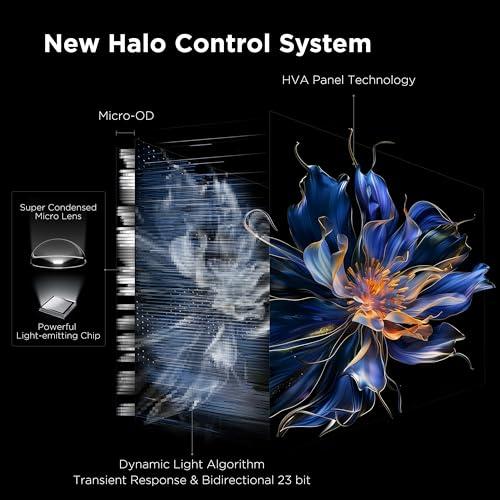
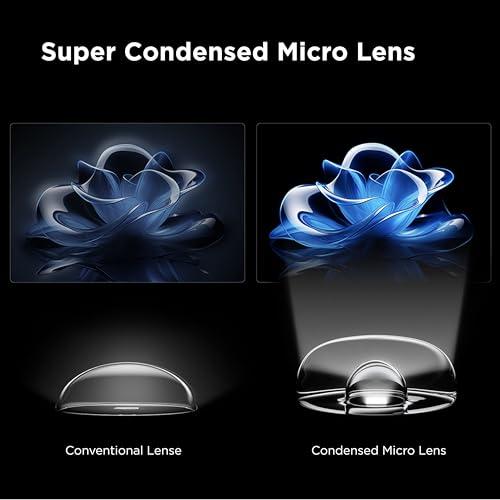
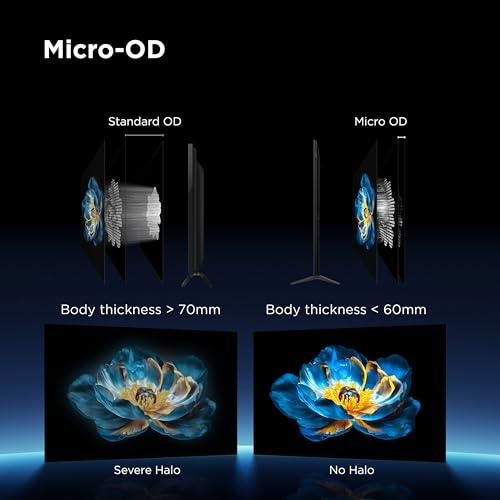
What makes this particularly impressive is TCL's "Halo Control System." Traditional LED TVs suffer from "blooming"—bright objects create unwanted light halos around them. TCL has engineered a solution using what they call "Micro-OD" (optical distance reduction) and condensed micro lenses. In practical terms, this means you won't see annoying bright halos around subtitles or bright objects against dark backgrounds, a common complaint with cheaper LED TVs.
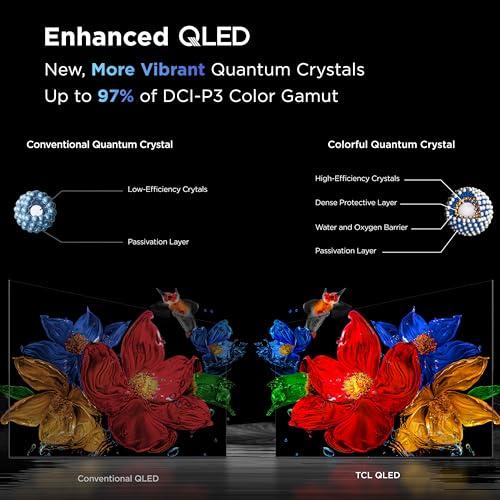
The quantum dot layer adds another level of sophistication. These microscopic crystals convert the blue light from Mini LEDs into pure red and green light, creating more accurate colors. The TCL QM7K can display 1.07 billion different colors—that's about 64 times more than standard TVs and matches what professional monitors offer.
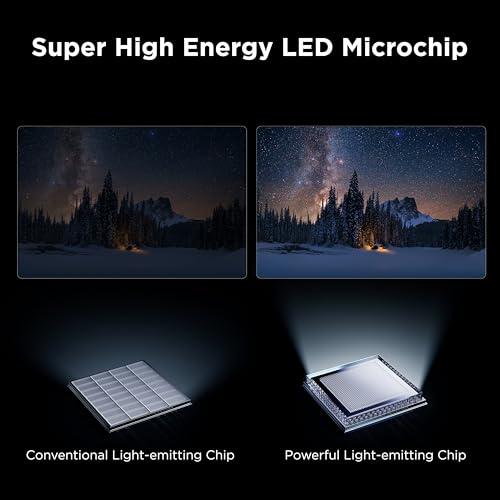
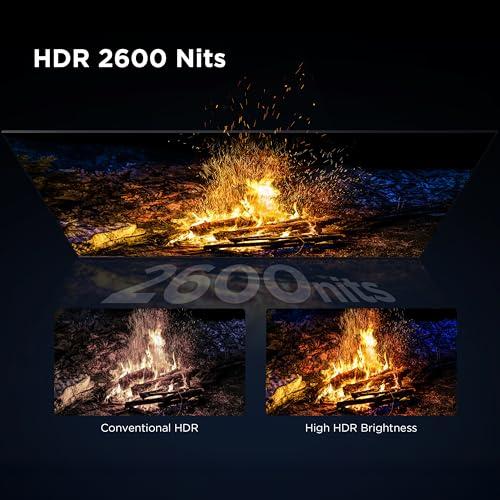
Peak brightness reaches 3,000 nits in HDR mode, which is exceptionally bright. To put this in perspective, a typical living room ranges from 50-200 nits, while direct sunlight measures around 100,000 nits. This high brightness means HDR content—like movies mastered for theatrical presentation—displays much closer to what directors intended.
The Samsung S90D represents a different philosophy entirely. OLED (Organic Light-Emitting Diode) technology means each of the 8.3 million pixels produces its own light. When a pixel needs to be black, it simply turns off completely. This creates what's called "infinite contrast"—the difference between the brightest white and darkest black is theoretically unlimited.
Samsung's implementation uses what they call their "NQ4 AI Gen2 Processor," which analyzes content in real-time and optimizes brightness and color. The processor uses 20 specialized neural networks—essentially 20 different AI systems working together to enhance different aspects of the image.
OLED's weakness has traditionally been peak brightness. The Samsung S90D reaches around 800-1,000 nits peak brightness, which is respectable for OLED but significantly dimmer than the TCL QM7K. However, because OLED can create perfect blacks, the perceived contrast often appears superior in dark room viewing.
Gaming performance has become crucial for TV evaluation, especially with PlayStation 5 and Xbox Series X pushing 4K gaming at high frame rates. The differences between these TVs are substantial.
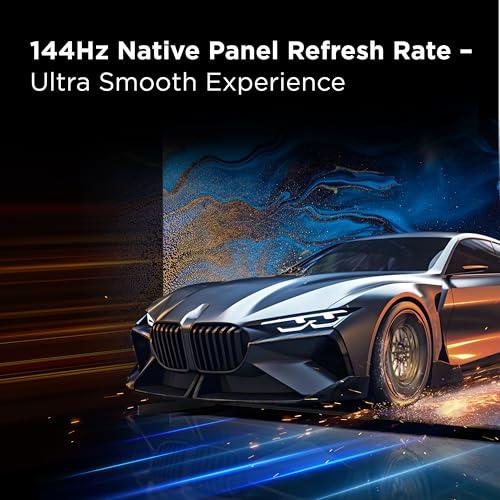
The TCL QM7K is genuinely impressive for gaming. Its native 144Hz refresh rate at 4K resolution means it can display 144 unique images per second—crucial for competitive gaming where every millisecond matters. What's even more interesting is the "Game Accelerator 288" feature, which can push refresh rates up to 288Hz at 1080p resolution. This might sound excessive, but competitive gamers often prefer higher refresh rates over higher resolution.
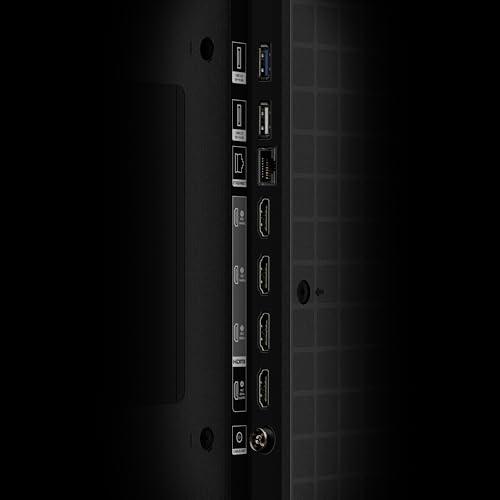
The TV includes AMD FreeSync Premium Pro certification, which eliminates screen tearing (when parts of different frames display simultaneously) and reduces input lag (the delay between pressing a button and seeing the result on screen). Two HDMI 2.1 ports support these high-speed connections, though some users might wish for more HDMI 2.1 ports if they have multiple gaming devices.
Game Master 2.0 provides a dedicated gaming interface that displays useful information like frame rate and input lag without leaving your game. This appeals to serious gamers who want to monitor performance metrics.
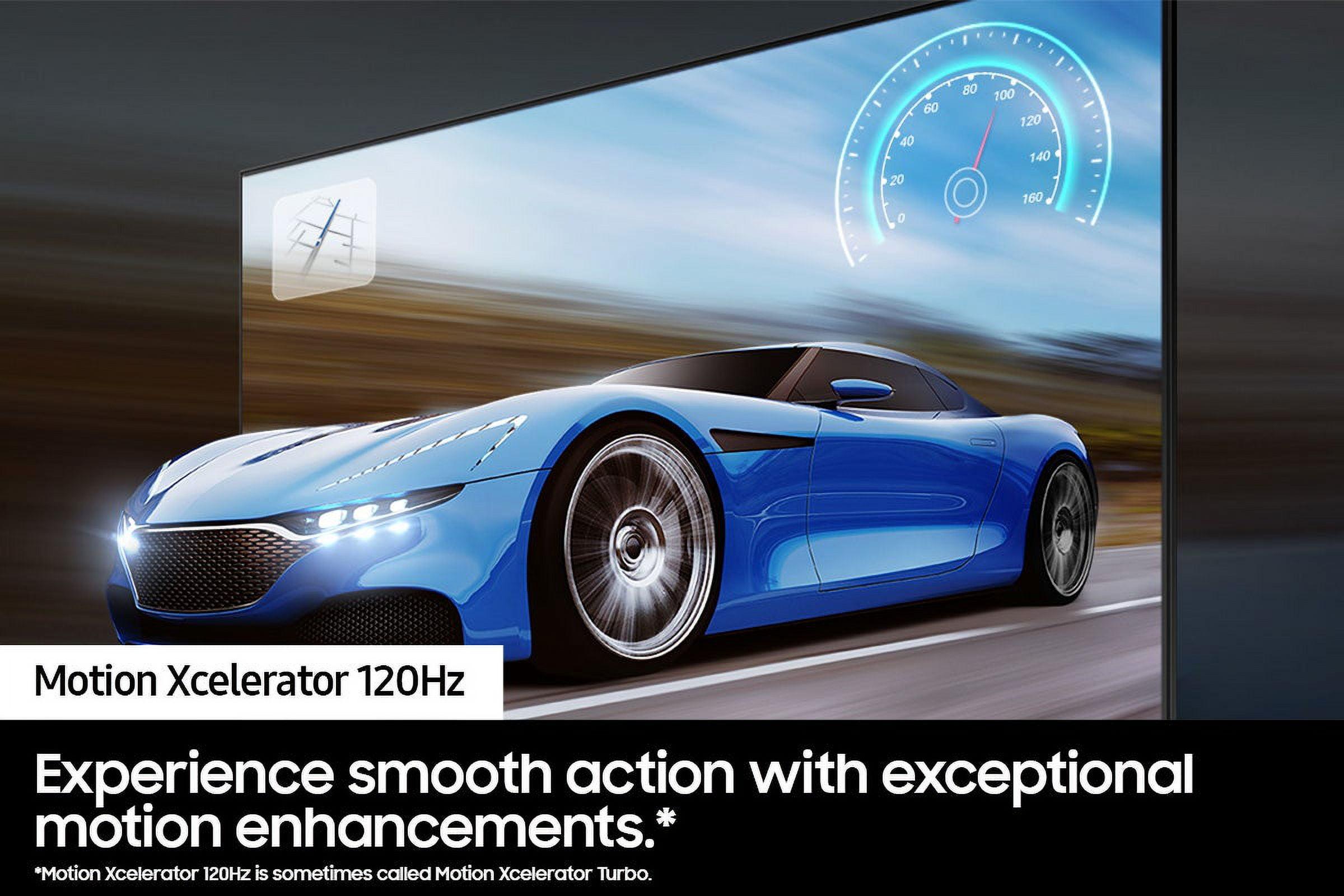
The Samsung S90D offers solid gaming performance but can't match the TCL QM7K's specifications. Motion Xcelerator 144Hz provides smooth motion, but the maximum refresh rate caps at 120Hz for 4K content. While this satisfies most gaming scenarios, competitive players might notice the difference.
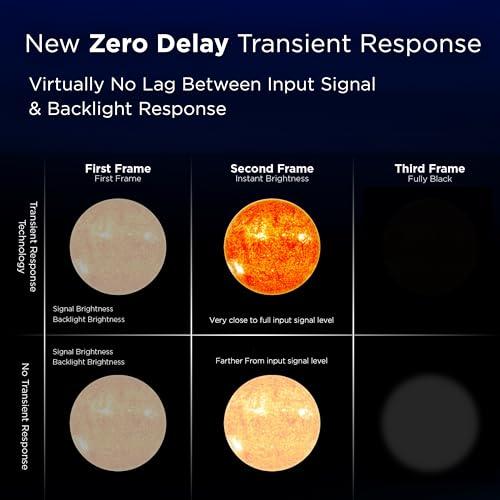
OLED technology offers one gaming advantage: virtually instantaneous pixel response times. When a pixel needs to change from one color to another, OLED does this almost instantly, while LED-based displays take slightly longer. This creates incredibly sharp motion clarity, especially beneficial for fast-paced games.
Both TVs support Variable Refresh Rate (VRR) and Auto Low Latency Mode (ALLM), which automatically switches to gaming mode when it detects a gaming device. However, the TCL QM7K simply offers more gaming-focused features overall.
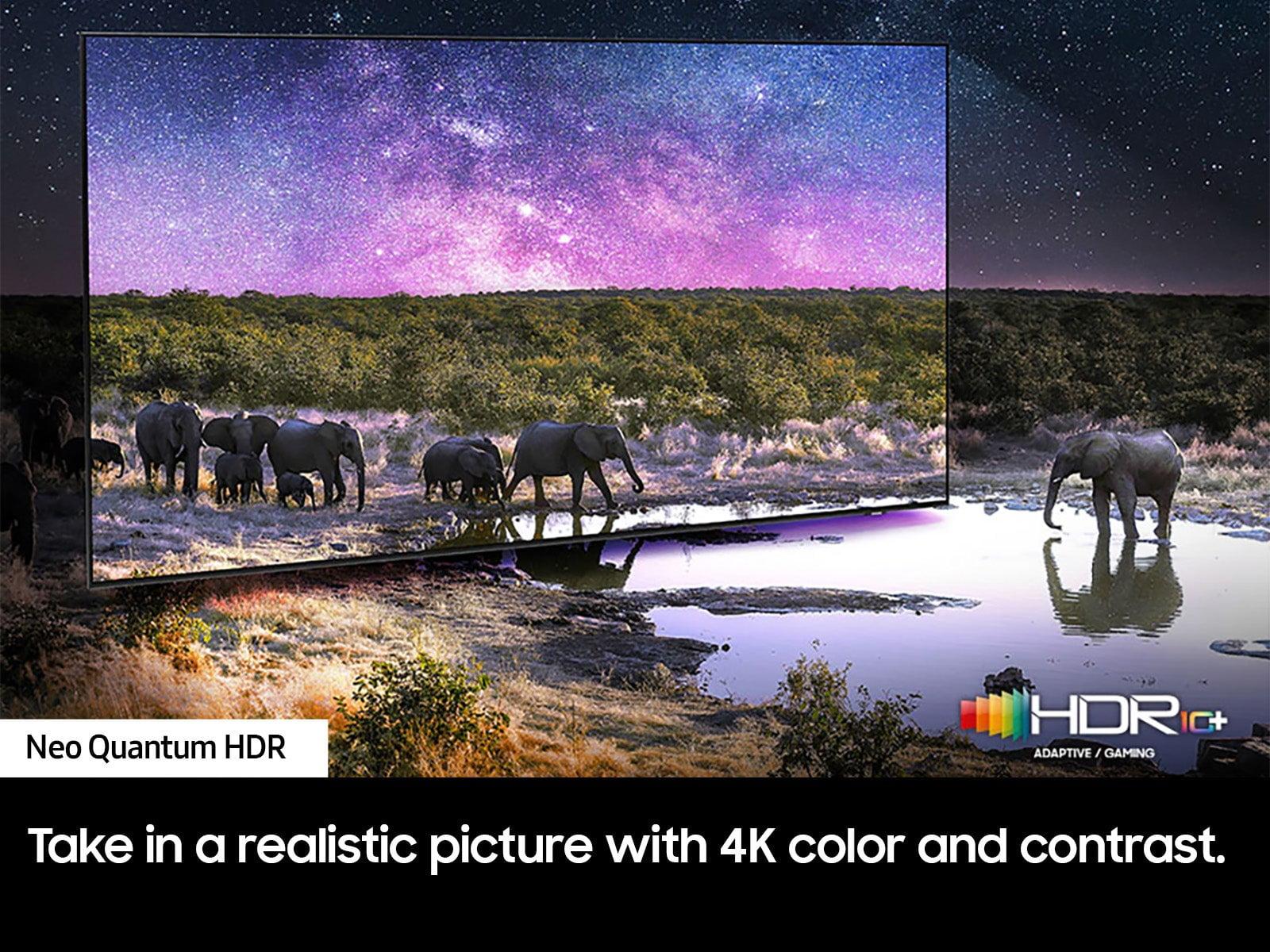
High Dynamic Range (HDR) represents one of the most significant improvements in TV technology over the past decade. HDR content contains much more information about brightness levels—instead of the limited range of older content, HDR can specify exactly how bright a sunset should appear or how dark a shadow should be.
This is where the fundamental technology differences between these TVs become most apparent.
The TCL QM7K's 3,000-nit peak brightness capability means it can display HDR content much closer to what content creators intended. When you're watching a movie with bright outdoor scenes, the TV can actually make those scenes uncomfortably bright—which sounds bad but is actually correct. Our eyes naturally squint in bright sunlight, and HDR content should trigger that same response.
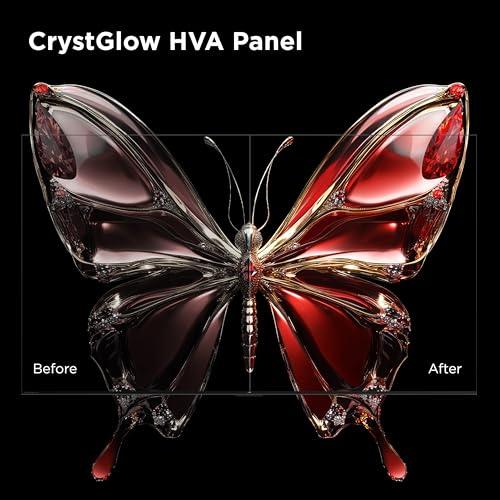
More importantly, this brightness capability means the TV performs excellently in bright rooms. If your living room has large windows or bright overhead lighting, the TCL QM7K can overcome ambient light that would wash out dimmer displays. The CrystGlow HVA panel includes anti-reflective coatings that further improve bright-room viewing.
The TV supports Dolby Vision IQ, HDR10+, HDR10, and HLG—essentially every HDR format you'll encounter. Dolby Vision IQ is particularly clever, using ambient light sensors to adjust HDR processing based on your room's lighting conditions.
The Samsung S90D approaches HDR differently. While it can't achieve the same peak brightness, OLED's perfect blacks create impressive perceived contrast. When watching content in a darkened room, the difference between a perfect black pixel and even a moderately bright pixel appears more dramatic than the difference between very bright and extremely bright pixels.
However, the Samsung S90D notably lacks Dolby Vision support, supporting only HDR10+ and HLG. This isn't necessarily a dealbreaker, but Dolby Vision content is increasingly common on streaming platforms like Netflix and Disney+.
For home theater enthusiasts who primarily watch in darkened rooms, the Samsung S90D's contrast might appear more cinematic. For families watching TV throughout the day in various lighting conditions, the TCL QM7K's brightness advantage becomes more valuable.
Smart TV platforms have matured significantly, but meaningful differences remain between Google TV and Samsung's Tizen OS.
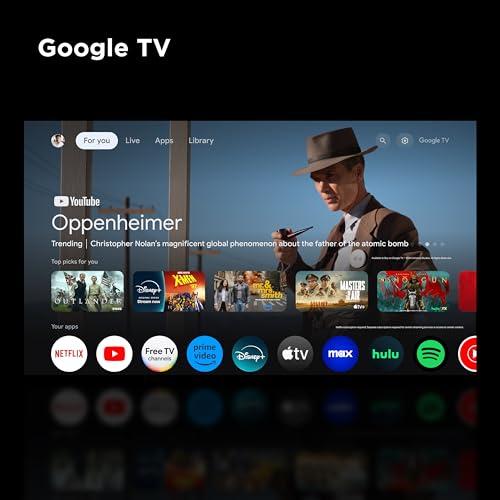
The TCL QM7K runs Google TV, which offers excellent integration with the broader Google ecosystem. If you use Android phones, Google Home devices, or Chromecast, everything works seamlessly together. The far-field microphone array enables hands-free voice control—you can adjust volume or search for content without finding the remote.
Google TV's interface intelligently aggregates content from different streaming services, showing you new episodes from various apps on a unified home screen. The platform supports virtually every streaming service and receives regular updates with new features.
Apple users aren't left out either. The TV supports Apple HomeKit and AirPlay 2, enabling iPhone and iPad users to cast content or control the TV through Apple's Home app.
The Samsung S90D uses Tizen OS, which Samsung has refined over several years. The interface is clean and responsive, with good app support for major streaming services. Samsung's Gaming Hub provides access to cloud gaming services like Xbox Game Pass and GeForce Now without needing a console.
Tizen integrates well with Samsung's SmartThings ecosystem, appealing to users who have Samsung phones, tablets, or smart home devices. However, it's less universal than Google TV's approach.
Both platforms support major streaming services like Netflix, Disney+, Amazon Prime Video, and YouTube. The differences come down to ecosystem preference and interface design rather than fundamental functionality.
TV audio often gets overlooked, but both manufacturers have made meaningful investments here.
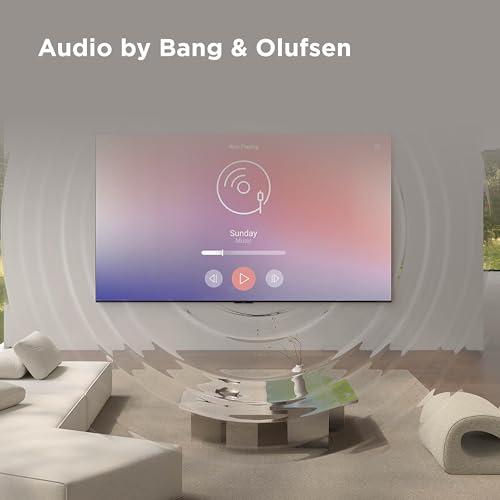
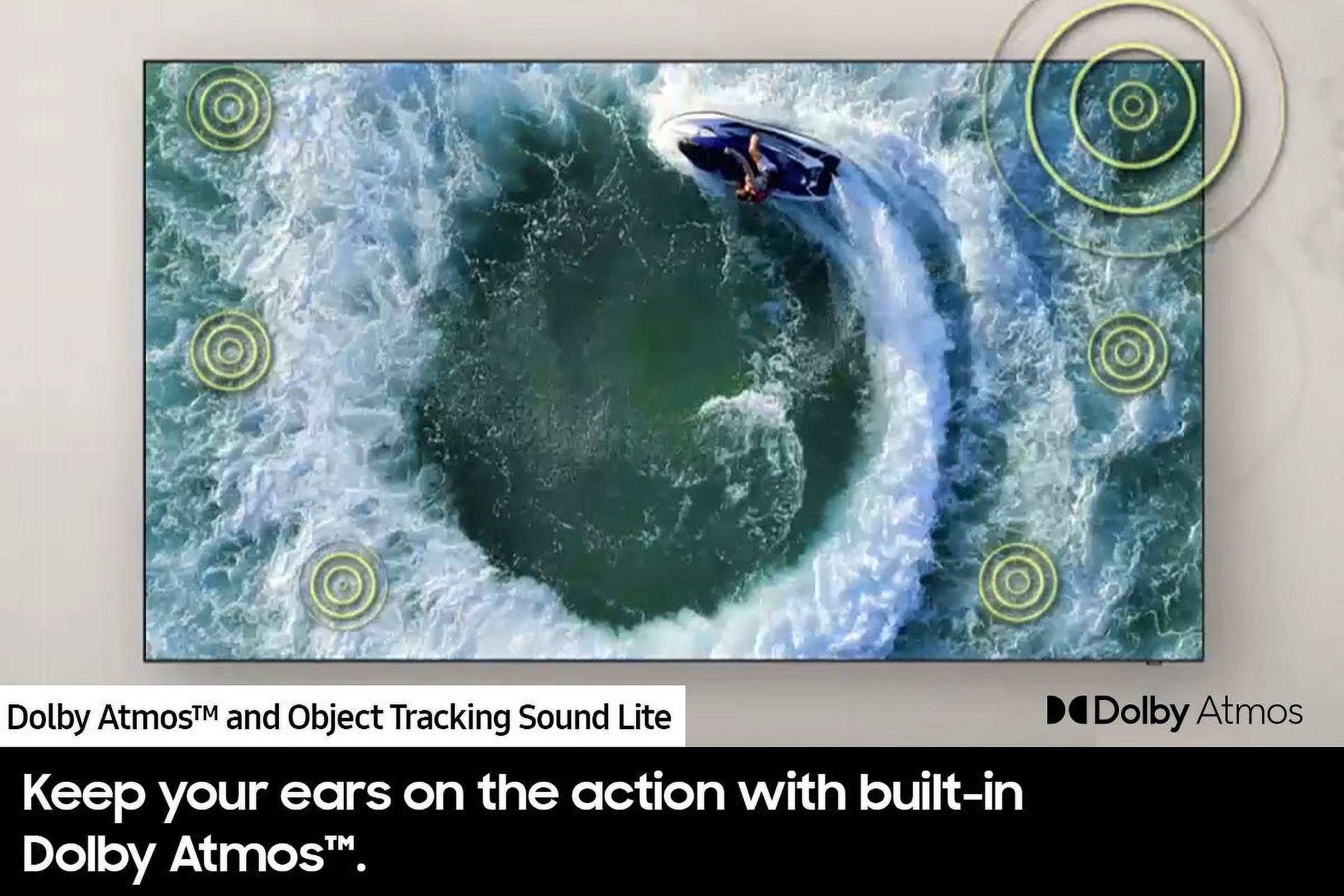
The TCL QM7K partners with Bang & Olufsen for audio tuning, resulting in a 60W speaker system that outperforms most TV audio. Dolby Atmos support creates virtual height channels, making explosions seem to come from above or behind you. DTS Virtual:X provides similar surround sound processing for non-Atmos content.
The "Beosonic" feature offers customizable sound profiles optimized for different content types—movies, music, sports, or gaming. IMAX Enhanced certification means the TV can properly decode and play IMAX-enhanced content with optimized picture and sound settings.
The Samsung S90D includes Dolby Atmos support and uses AI-powered audio processing to optimize sound based on content type and room acoustics. While not branded with a premium audio partner, the implementation is competent.
However, both TVs benefit significantly from external audio solutions. If you're serious about home theater, plan to add a soundbar or surround sound system. The built-in audio serves as a solid foundation but can't match dedicated audio equipment.
Physical design might seem superficial, but it affects daily usage more than you'd expect.
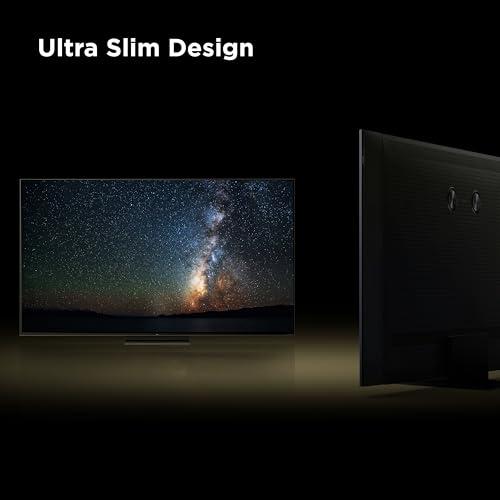
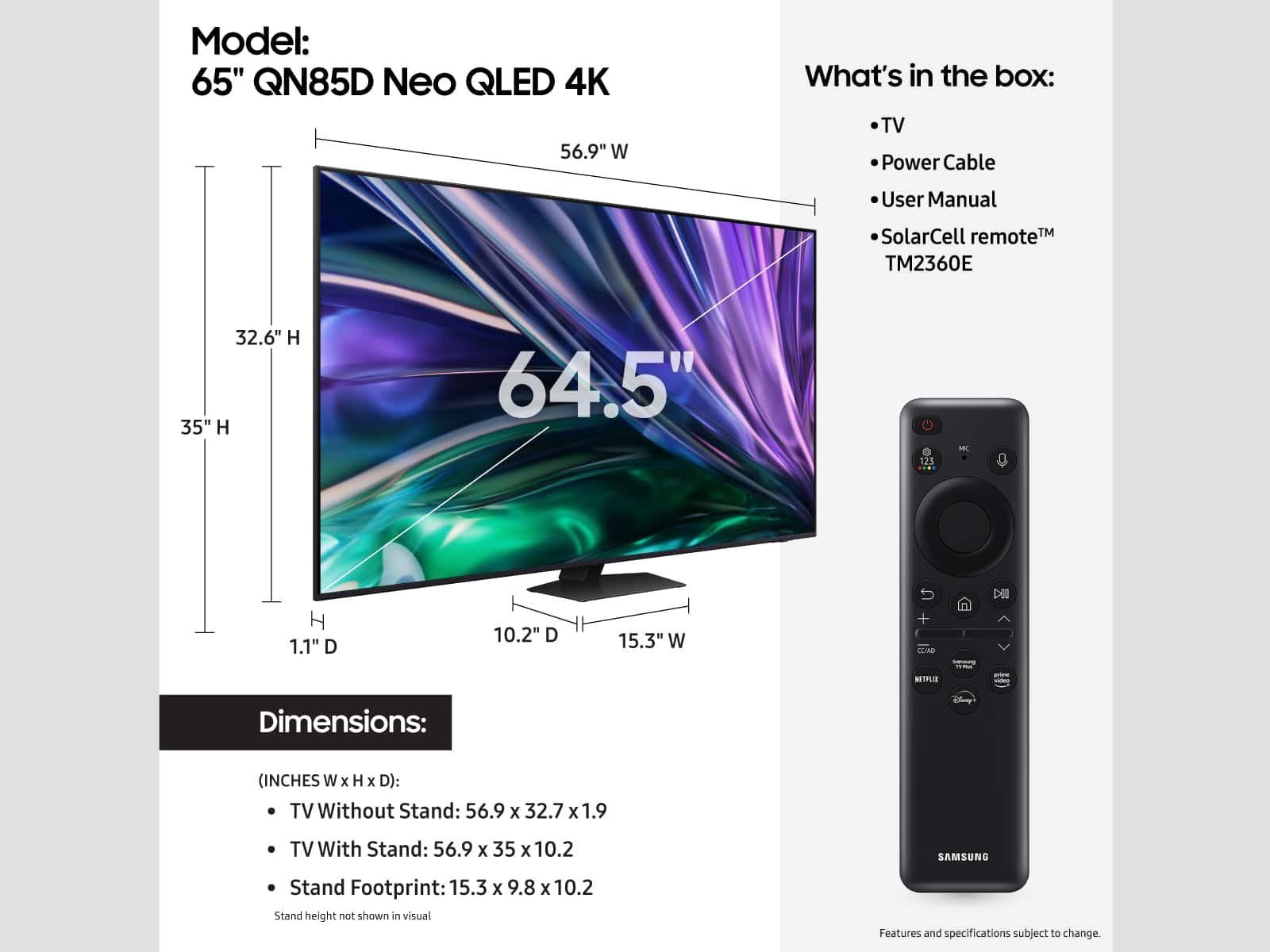
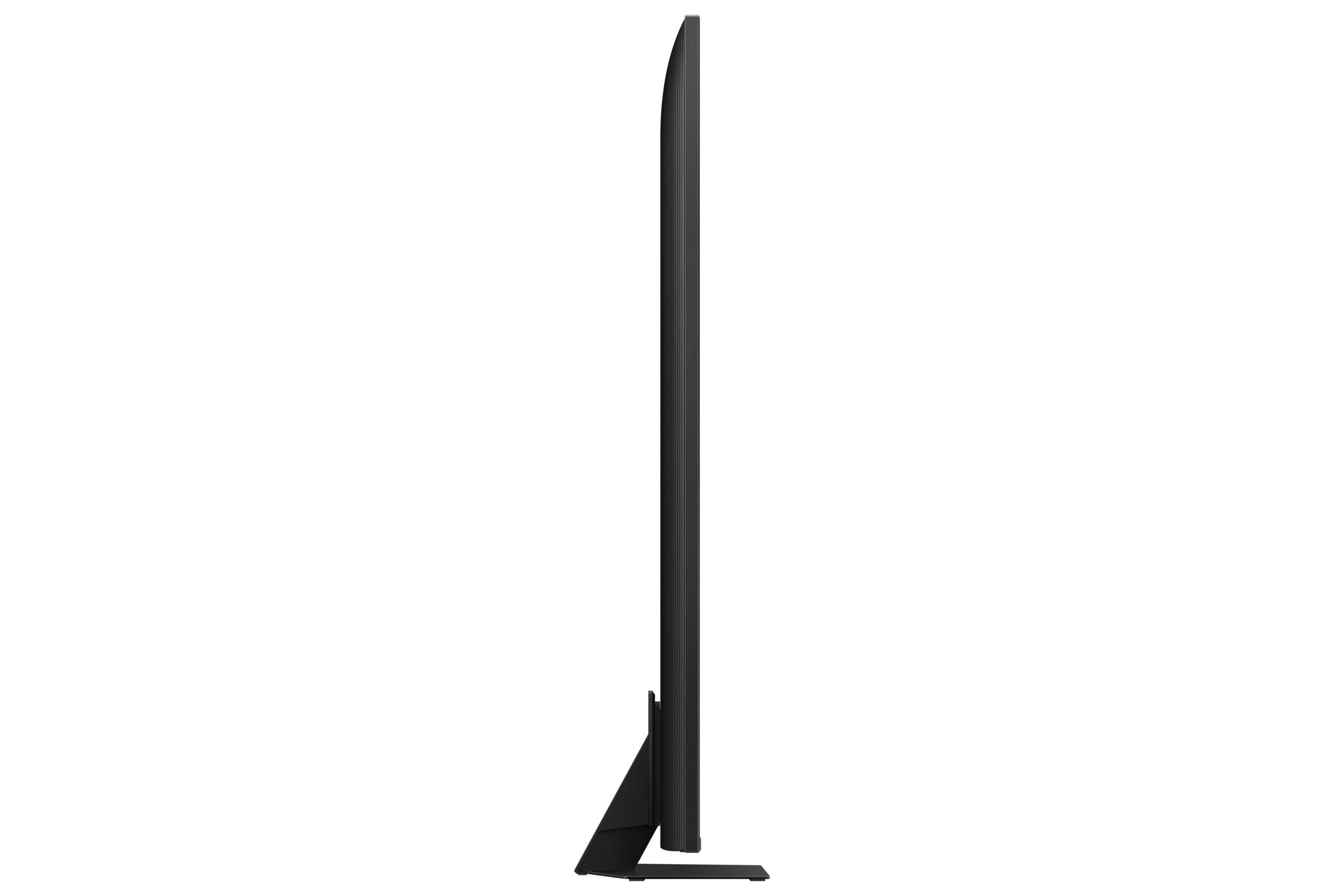
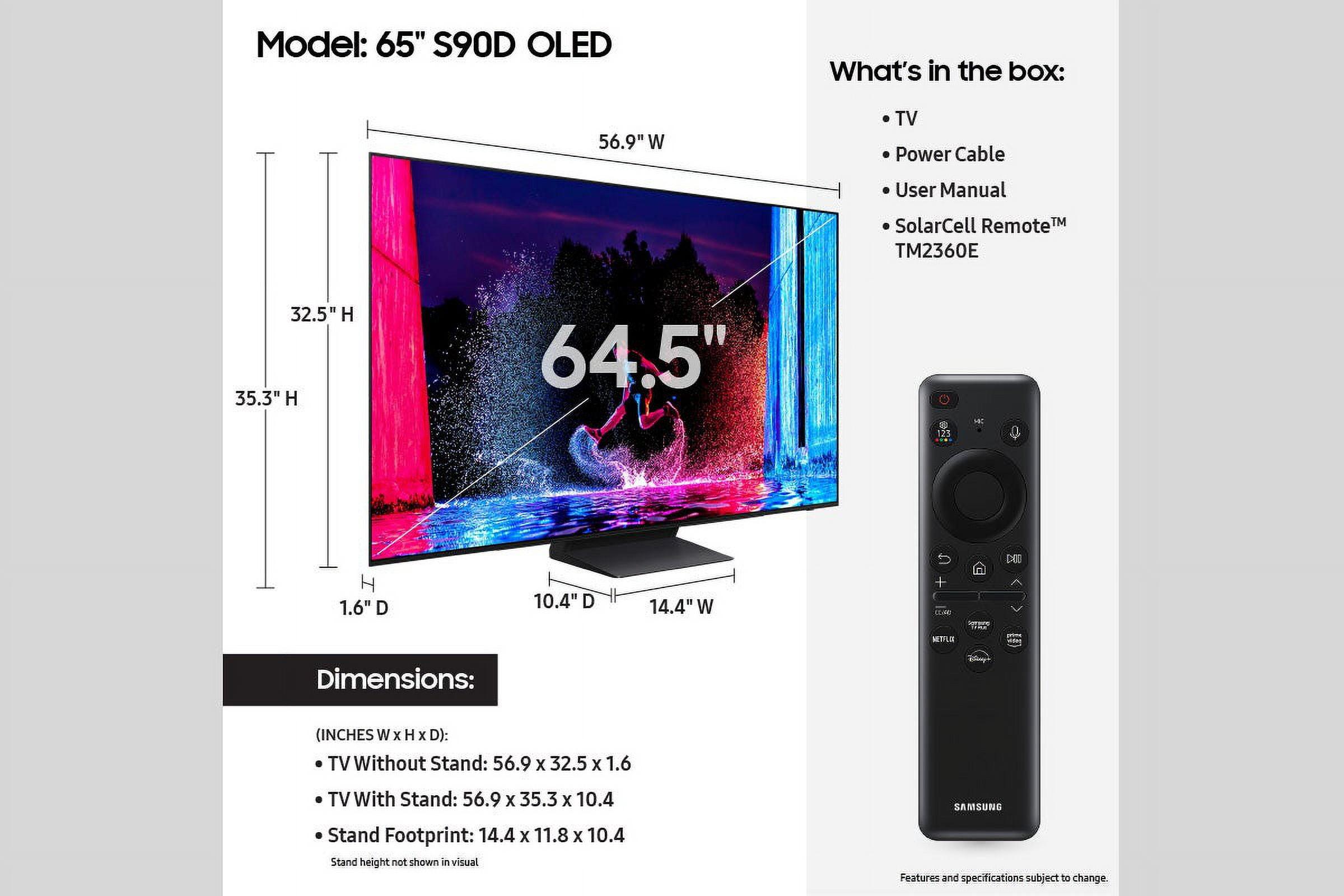
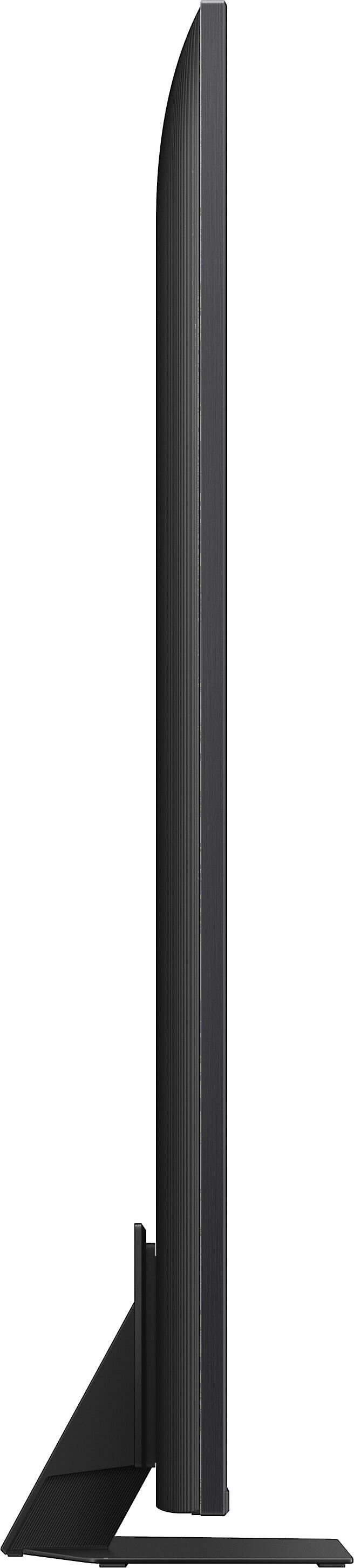
The Samsung S90D showcases OLED's design advantages with an ultra-thin 1.6-inch depth without the stand. This creates a premium, almost floating appearance when wall-mounted. The minimal design language fits well in modern living spaces and doesn't dominate the room visually.
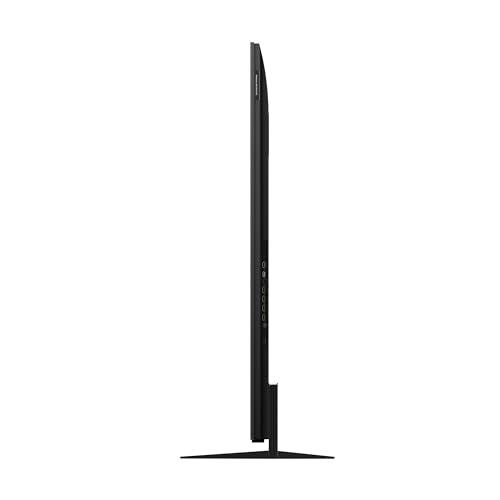
The TCL QM7K is necessarily thicker due to its Mini LED backlighting system, but TCL's Micro-OD technology keeps it reasonably slim. The build quality feels solid, and the low-reflective screen coating effectively reduces glare from windows and room lighting.
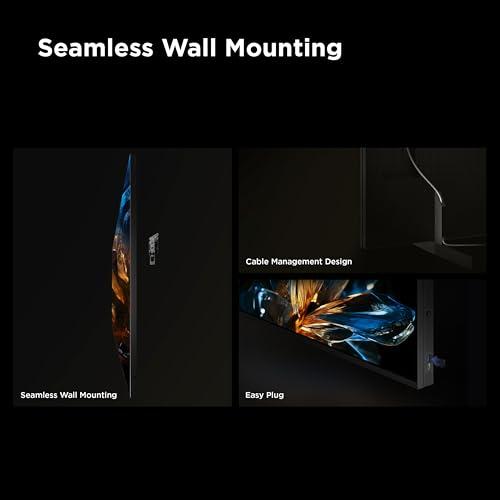
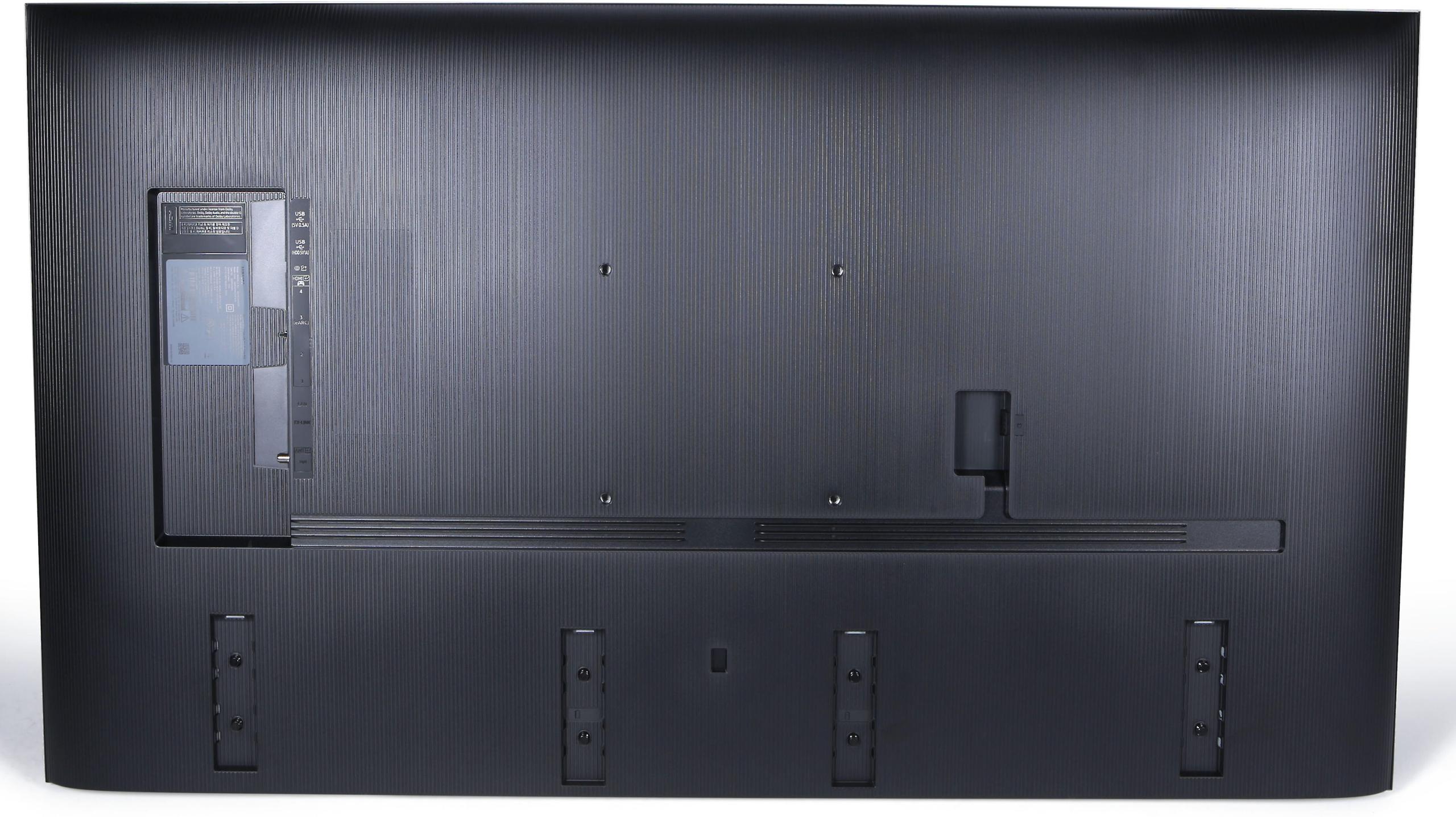
Both TVs use center-mounted stands that work with most furniture, though the Samsung S90D's stand is slightly more elegant. Wall mounting is straightforward for both models.
At the time of writing, premium 65-inch TVs range from around $1,000 for entry-level models to over $3,000 for flagship units. Both the TCL QM7K and Samsung S90D fall into the upper-mid range of this spectrum, but they offer different value propositions.
The TCL QM7K typically costs less than the Samsung S90D while offering more gaming-focused features, higher peak brightness, and more comprehensive HDR format support. For the price difference, you're getting 288Hz gaming capability, 3,000-nit brightness, Dolby Vision support, and Bang & Olufsen audio tuning.
The Samsung S90D commands a premium for OLED technology's inherent advantages: perfect blacks, infinite contrast, and ultra-slim design. You're paying for Samsung's brand reputation, Tizen OS refinement, and OLED's unique visual characteristics.
Consider your priorities carefully. If gaming performance, brightness, and feature count matter most, the TCL QM7K offers exceptional value. If you prioritize contrast, design aesthetics, and OLED's specific advantages, the Samsung S90D justifies its premium.
For dedicated home theater setups, room lighting becomes the primary consideration.
In darkened home theaters, the Samsung S90D's perfect blacks create an almost cinematic experience. Dark scenes in movies maintain detail without the slight grayish tint that even the best LED displays exhibit. This creates better immersion for movie watching.
However, if your home theater doubles as a family room or has any ambient lighting, the TCL QM7K's brightness advantage becomes crucial. HDR content displays more accurately, and the screen remains clearly visible even with room lights on.
For serious home theater enthusiasts, both TVs support external calibration and offer extensive picture adjustment options. The TCL QM7K includes filmmaker mode and various preset modes, while the Samsung S90D offers similar professional-grade adjustments.
After extensive research into expert reviews and user feedback, clear recommendations emerge for different use cases.
Choose the TCL QM7K if you:
The TCL QM7K excels as an all-around performer that handles gaming, movies, and bright-room viewing equally well. It's particularly appealing for households with varied viewing habits and lighting conditions.
Choose the Samsung S90D if you:
The Samsung S90D appeals to viewers who prioritize contrast and color accuracy, particularly those with dedicated dark home theaters or strong preferences for OLED's unique visual characteristics.
For most buyers seeking maximum performance and features per dollar, the TCL QM7K represents better value. Its combination of gaming features, brightness capability, and comprehensive HDR support addresses more use cases effectively.
However, if you've experienced OLED's perfect blacks and prefer that visual signature, the Samsung S90D delivers that classic OLED experience with Samsung's refined implementation.
Both represent excellent choices within their respective approaches to premium TV technology. Your decision should align with your viewing environment, content preferences, and ecosystem priorities rather than following conventional wisdom about which technology is "better."
| TCL 65QM7K QD-Mini LED 4K Google TV | Samsung 65" OLED S90D TV |
|---|---|
| Display Technology - Fundamentally different approaches to picture quality | |
| QD-Mini LED with 2,500 local dimming zones | OLED with self-emitting pixels |
| Peak Brightness - Critical for HDR content and bright room viewing | |
| 3,000 nits (exceptional for daytime viewing) | ~800-1,000 nits (adequate for dark rooms) |
| Contrast Performance - How well the TV handles dark and bright content simultaneously | |
| 30 million:1 dynamic contrast with minimal blooming | Infinite contrast with perfect blacks |
| Gaming Refresh Rate - Higher rates provide smoother motion for competitive gaming | |
| 144Hz native at 4K, up to 288Hz at 1080p | 120Hz maximum at 4K |
| HDR Format Support - Determines compatibility with streaming content | |
| Dolby Vision IQ, HDR10+, HDR10, HLG (comprehensive) | HDR10+, HLG only (missing Dolby Vision) |
| Smart Platform - Affects daily usability and app availability | |
| Google TV with universal ecosystem compatibility | Samsung Tizen OS with SmartThings integration |
| Audio System - Built-in sound quality before adding external speakers | |
| Bang & Olufsen 60W with Dolby Atmos | Standard Dolby Atmos implementation |
| Gaming Features - Additional capabilities for console gaming | |
| AMD FreeSync Premium Pro, Game Master 2.0, ALLM | Motion Xcelerator 144Hz, ALLM, VRR |
| Design Profile - Physical appearance and wall-mounting considerations | |
| Standard LED thickness with anti-glare coating | Ultra-slim 1.6" depth, premium aesthetics |
| HDMI 2.1 Ports - Number of high-speed gaming connections available | |
| 2 HDMI 2.1 ports (may limit multi-console setups) | 4 HDMI ports with 2.1 support |
| Best Use Case - Primary scenarios where each TV excels | |
| Bright rooms, gaming, comprehensive HDR viewing | Dark rooms, movies, premium design preference |
The TCL 65QM7K is significantly better for bright rooms due to its 3,000-nit peak brightness capability. This QD-Mini LED display can overcome ambient light from windows and overhead lighting, maintaining vivid colors and clear contrast even during daytime viewing. The Samsung S90D OLED reaches only around 800-1,000 nits and may appear washed out in bright environments, though it excels in dark or controlled lighting conditions.
The TCL QM7K uses QD-Mini LED technology, which combines thousands of tiny LEDs with quantum dots for enhanced brightness and color. It features 2,500 local dimming zones for precise light control. The Samsung S90D uses OLED technology where each pixel creates its own light and can turn completely off for perfect blacks. QD-Mini LED excels in brightness and HDR, while OLED offers superior contrast and design aesthetics.
The TCL QM7K QD-Mini LED is the superior gaming TV with its 144Hz native refresh rate at 4K and Game Accelerator 288 feature supporting up to 288Hz at 1080p. It includes AMD FreeSync Premium Pro certification and Game Master 2.0 interface. The Samsung S90D offers solid gaming with 120Hz maximum refresh rate and excellent motion clarity, but lacks the advanced gaming features and higher refresh rates of the TCL model.
No, only the TCL QM7K supports Dolby Vision, including Dolby Vision IQ which adapts to room lighting. It also supports HDR10+, HDR10, and HLG for comprehensive HDR compatibility. The Samsung S90D OLED notably lacks Dolby Vision support, offering only HDR10+ and HLG. This difference matters for streaming services like Netflix and Disney+ that offer Dolby Vision content.
Both offer excellent smart platforms with different strengths. The TCL QM7K runs Google TV with universal ecosystem compatibility, Chromecast built-in, and hands-free voice control. It works seamlessly with Android, Apple, and Alexa devices. The Samsung S90D uses Tizen OS with Samsung SmartThings integration and Gaming Hub for cloud gaming. Google TV generally offers broader compatibility, while Tizen excels for Samsung ecosystem users.
The Samsung S90D OLED delivers infinite contrast with perfect blacks since pixels can turn completely off. This creates stunning dark scene detail and cinematic viewing in darkened rooms. The TCL QM7K offers impressive 30 million:1 dynamic contrast through its 2,500 local dimming zones and advanced halo control technology, providing excellent contrast while maintaining superior brightness for varied lighting conditions.
For dedicated dark home theaters, the Samsung S90D OLED provides the most cinematic experience with perfect blacks and infinite contrast. However, for versatile home theater rooms with any ambient lighting, the TCL QM7K performs better due to its exceptional brightness and comprehensive HDR format support including Dolby Vision. The TCL also offers superior gaming features if the space doubles as an entertainment room.
The TCL QM7K QD-Mini LED features Bang & Olufsen tuned audio with 60W output, Dolby Atmos, DTS Virtual:X, and customizable Beosonic sound profiles. The Samsung S90D includes Dolby Atmos with AI-optimized sound processing. Both benefit from external sound systems, but the TCL offers superior built-in audio through its premium audio partnership and higher power output.
The Samsung S90D OLED showcases ultra-slim design with only 1.6-inch depth, creating a premium floating appearance when wall-mounted. The TCL QM7K is necessarily thicker due to its Mini LED backlighting but uses Micro-OD technology to maintain reasonable thickness. Both feature center-mounted stands, but the Samsung offers more elegant industrial design while the TCL focuses on functional engineering.
The TCL QM7K typically offers better value with more gaming features, higher peak brightness, comprehensive HDR format support, and Bang & Olufsen audio at a competitive price point. The Samsung S90D OLED commands a premium for OLED technology's inherent advantages, Samsung's brand reputation, and superior design aesthetics. Value depends on whether you prioritize feature count or OLED's specific visual characteristics.
The TCL QM7K includes 4 HDMI ports with 2 HDMI 2.1 ports supporting high-speed gaming features like 144Hz refresh rates and VRR. The Samsung S90D also features 4 HDMI ports with HDMI 2.1 support. Both accommodate multiple gaming devices, though serious gamers might prefer the TCL's higher refresh rate capabilities and additional gaming-specific features.
The TCL QM7K QD-Mini LED excels across all lighting conditions due to its 3,000-nit peak brightness and anti-reflective coating. It maintains excellent picture quality from bright daylight to complete darkness. The Samsung S90D OLED performs best in dark or controlled lighting where its perfect blacks shine, but may struggle with reflections and brightness in well-lit rooms. Choose based on your primary viewing environment.
We've done our best to create useful and informative comparisons to help you decide what product to buy. Our research uses advanced automated methods to create this comparison and perfection is not possible - please contact us for corrections or questions. These are the sites we've researched in the creation of this article: bestbuy.com - businessinsider.com - tomsguide.com - tomsguide.com - rtings.com - tomsguide.com - youtube.com - rtings.com - consumerreports.org - youtube.com - youtube.com - displayspecifications.com - youtube.com - tcl.com - tcl.com - tcl.com - youtube.com - rcwilley.com - bestbuy.com - tclcentral.com - displayspecifications.com - tomsguide.com - tcl.com - brandsmartusa.com - tcl.com - tcl.com - gizmochina.com - nfm.com - dolby.com - alexraytv.com - bestbuy.com - valueelectronics.com - youtube.com - cnet.com - bestbuy.com - videoandaudiocenter.com - youtube.com - samsung.com - samsung.com - pcrichard.com - samsung.com

Privacy Policy
Terms and Conditions - Affiliate Policy
Home Security
© Copyright 2008-2026.
11816 Inwood Rd #1211, Dallas, TX 75244