

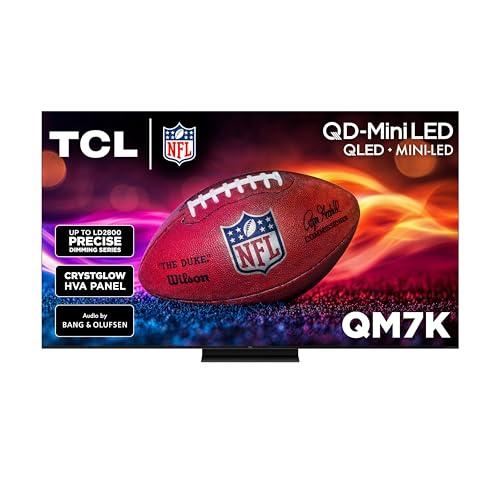
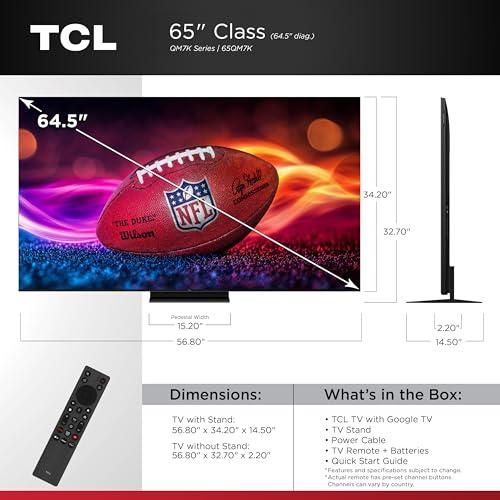
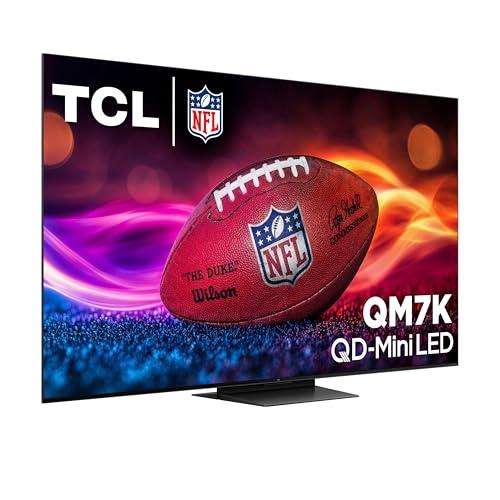
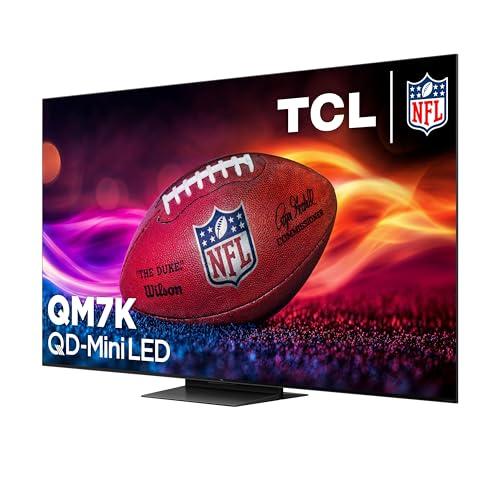
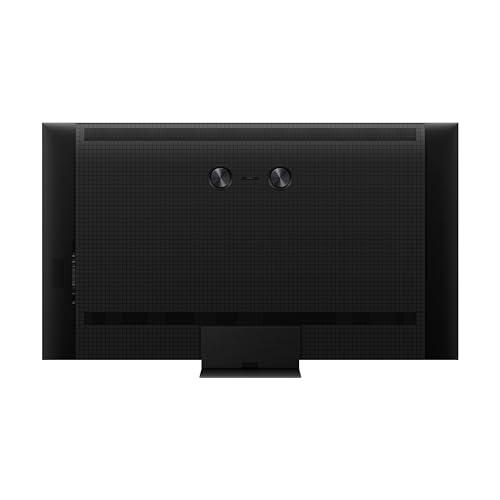
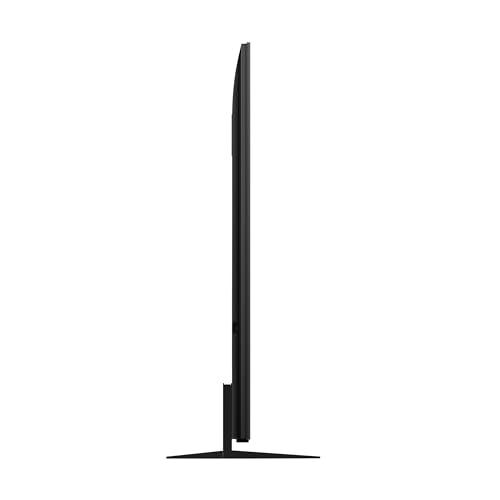
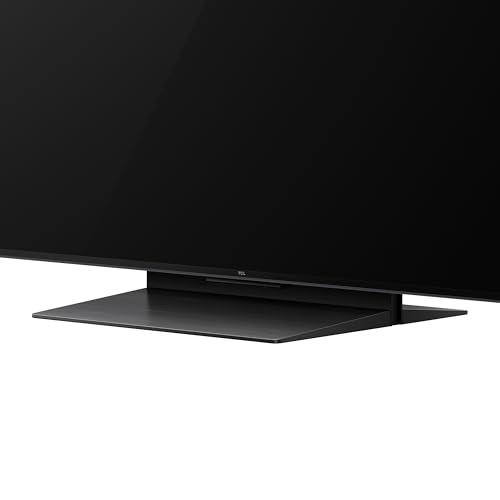




When TCL launched both the QM7K and QM8 in 2024, they created an interesting dilemma for TV shoppers. Both televisions use Mini-LED technology – a display innovation that places thousands of tiny LEDs behind the screen for precise brightness control – but they target different priorities and budgets. After extensive research into user reviews, professional evaluations, and technical specifications, we've found that choosing between these two comes down to whether you value peak performance or smart compromises.
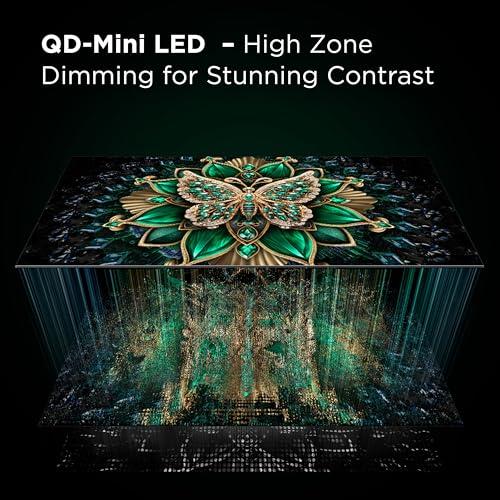
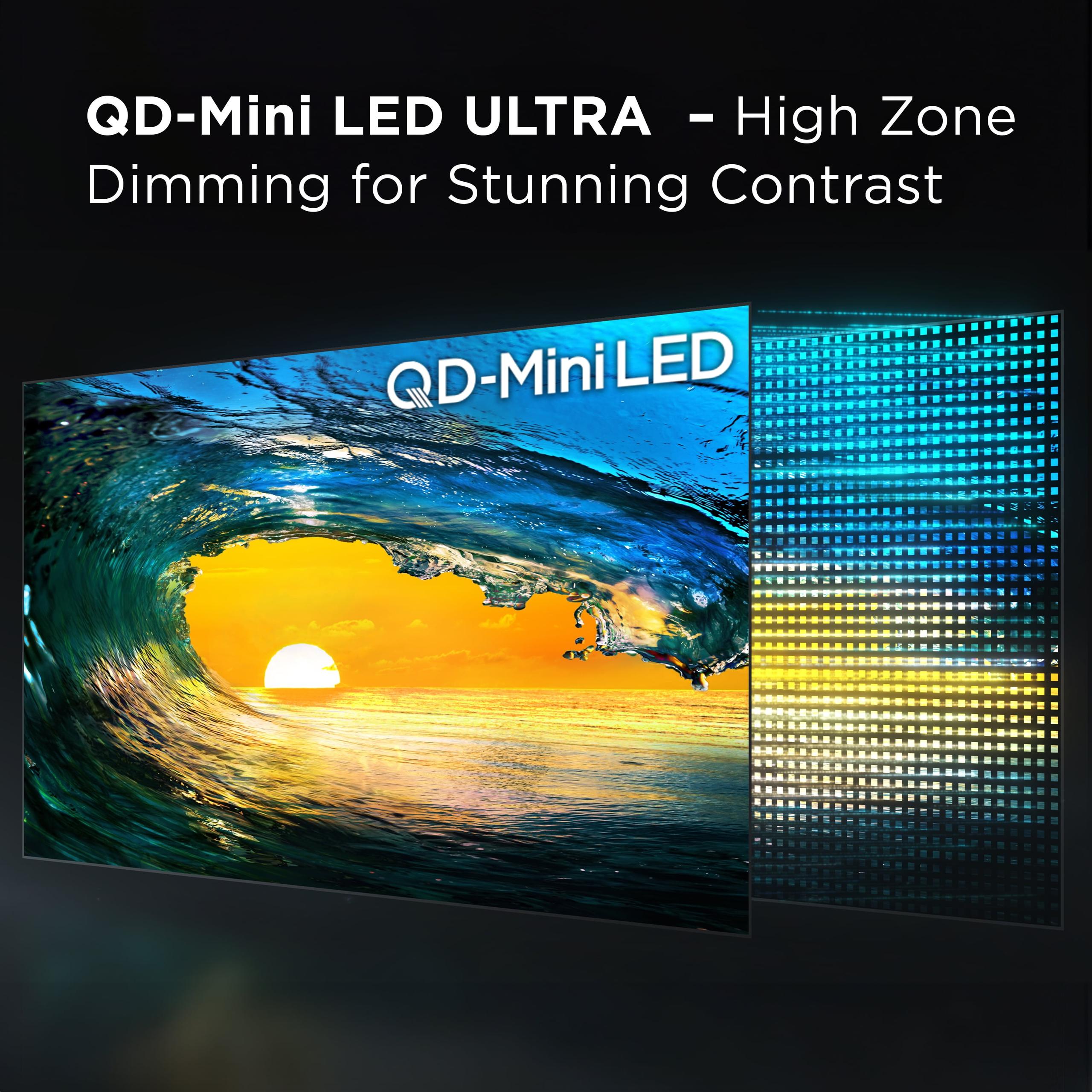
Before diving into comparisons, it's worth understanding what makes Mini-LED special. Traditional LED TVs use relatively large LED lights arranged around the screen's edges or in a basic grid. Mini-LED technology shrinks these lights dramatically and uses thousands more of them, creating what engineers call "local dimming zones." Each zone can brighten or dim independently, allowing the TV to display deep blacks right next to brilliant whites – something that was previously only possible with expensive OLED displays.
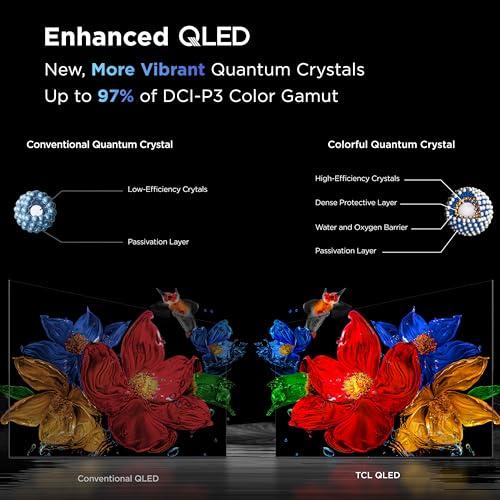
Both the TCL QM7K and QM8 take this concept further by adding Quantum Dot layers (the "QD" in QD-Mini LED). Quantum Dots are microscopic crystals that convert light into very pure colors, dramatically expanding the range of colors the TV can display. Think of it as having a much larger paint palette – you can create more vibrant and accurate colors.
The key difference lies in execution. The QM8 uses up to 5,000+ local dimming zones compared to the QM7K's 2,500 zones. More zones mean finer control over brightness and less "blooming" – that unwanted glow you sometimes see around bright objects on dark backgrounds.
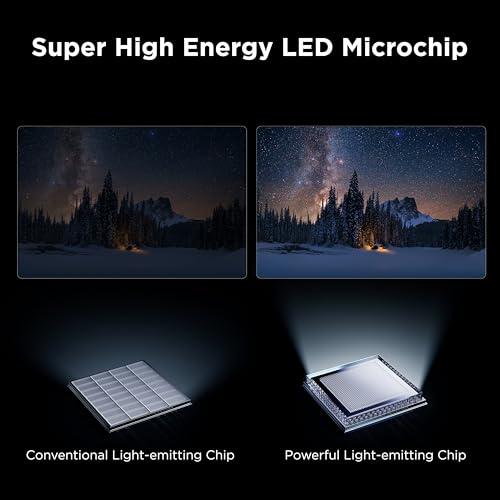
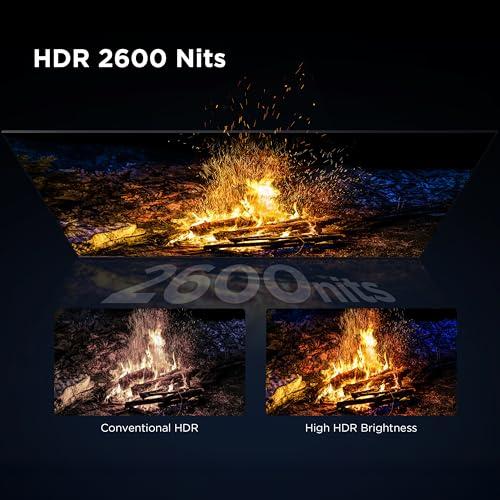
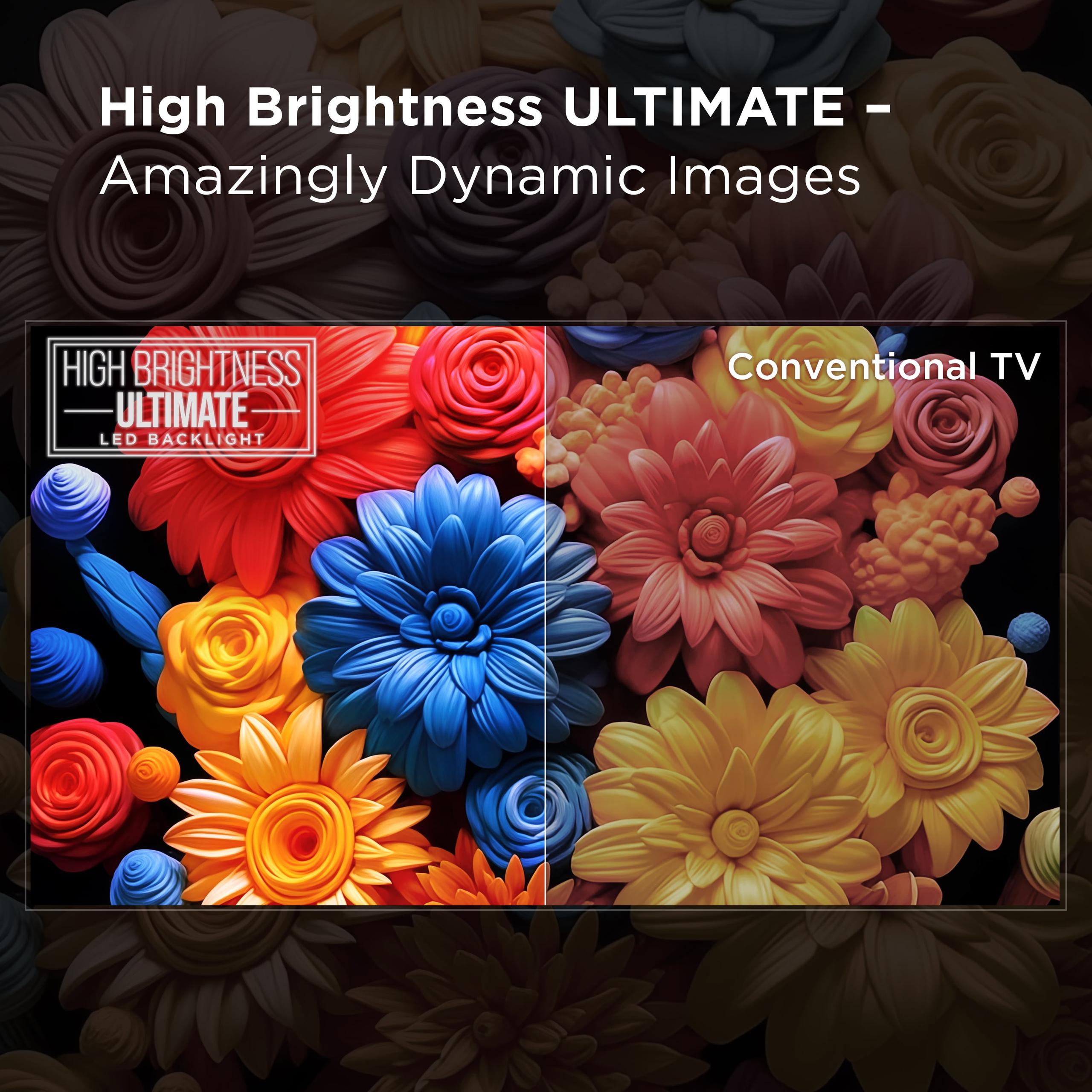
Here's where the differences become immediately apparent. The TCL QM8 reaches up to 5,000 nits of peak brightness, while the QM7K tops out around 2,600-3,000 nits. To put this in perspective, a typical LED TV might manage 400-800 nits, and even premium OLED displays rarely exceed 1,000 nits.
Why does this matter? HDR (High Dynamic Range) content – which includes most modern movies, shows, and games – is mastered with the assumption that your display can hit certain brightness peaks. When a spaceship engine fires in a sci-fi movie or sunlight reflects off water, content creators expect your TV to really punch those highlights. The QM8's superior brightness capability means these moments feel more impactful and realistic.
However, the QM7K's brightness levels are still exceptional by industry standards. For most content in most rooms, 2,600 nits provides plenty of punch. The difference becomes most noticeable in extremely bright rooms or with content that has frequent specular highlights – those sharp, bright reflections that make HDR content pop.
Based on our research of user feedback, the brightness difference is immediately apparent when comparing the TVs side-by-side, but many QM7K owners report being completely satisfied with the HDR performance until they see the QM8 in action.
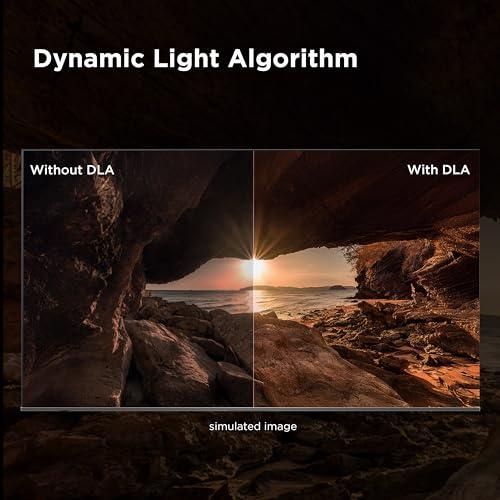
The QM8's 5,000+ local dimming zones versus the QM7K's 2,500 zones might sound like marketing numbers, but this difference has real visual impact. More zones mean the TV can create sharper transitions between light and dark areas without the surrounding areas getting brighter than they should.
Professional reviewers consistently note that the QM8 produces cleaner, more precise images with less blooming around bright objects. This becomes particularly noticeable when watching letterboxed movies (those with black bars at the top and bottom) or playing games with bright user interfaces against dark backgrounds.
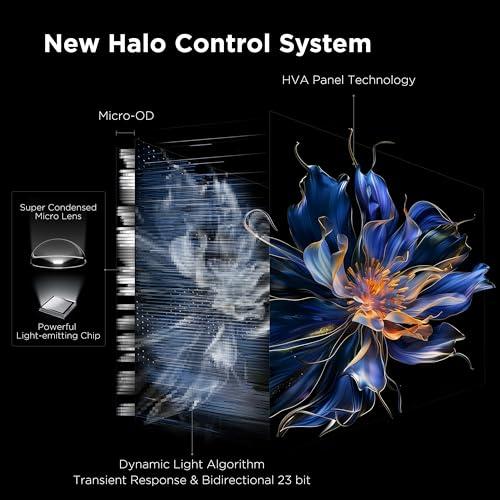
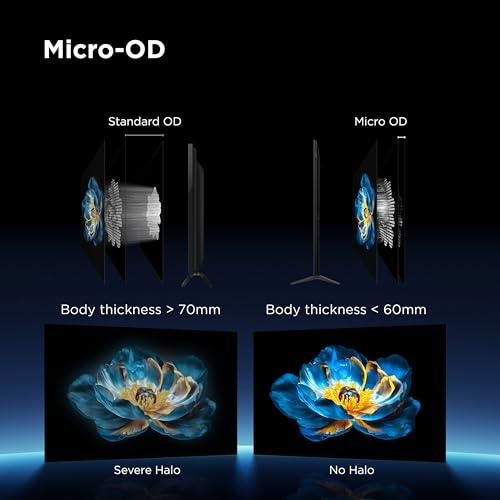
The QM7K includes TCL's Halo Control System, which uses advanced algorithms and optical improvements to minimize blooming despite having fewer zones. While it doesn't match the QM8's precision, user reviews suggest the difference is often subtle in real-world viewing rather than laboratory conditions.
For home theater enthusiasts who watch movies in darkened rooms, the QM8's superior local dimming provides a noticeably cleaner presentation. For casual viewing in mixed lighting conditions, the QM7K's performance proves more than adequate.
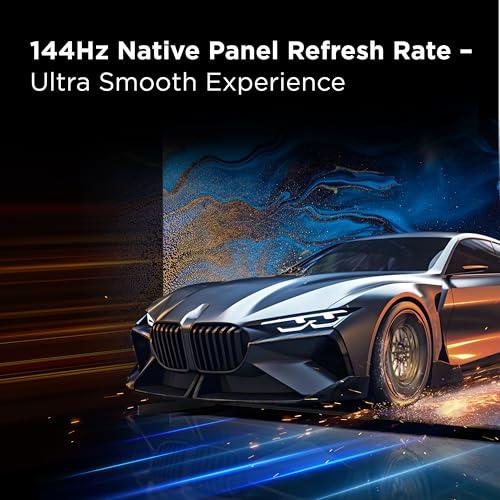
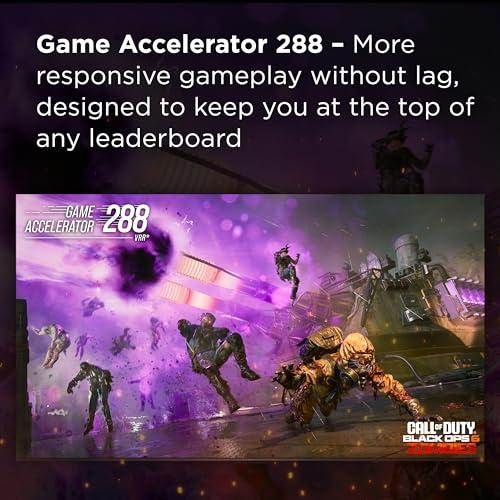
Here's where things get interesting. Despite being the "lesser" model, the TCL QM7K actually offers superior gaming specifications. It features a native 144Hz refresh rate and supports Variable Refresh Rate (VRR) up to 288Hz at 1080p through its Game Accelerator 288 technology.
The QM8 provides a 120Hz native panel with VRR up to 144Hz and Game Accelerator 240. While both support all the modern gaming features – Auto Low Latency Mode (ALLM), AMD FreeSync Premium Pro, and multiple HDMI 2.1 ports – the QM7K delivers higher maximum refresh rates.
Why does this matter? Modern gaming consoles like the PS5 and Xbox Series X can output games at 120Hz, and high-end gaming PCs can push frame rates even higher. VRR technology synchronizes the TV's refresh rate with the game's frame rate, eliminating screen tearing and reducing input lag. Higher VRR ceilings mean smoother gameplay, especially for competitive gaming where every millisecond counts.
User reviews from serious gamers consistently praise the QM7K's responsiveness and smooth motion handling. The QM8 certainly isn't lacking in gaming performance, but the QM7K edges ahead in pure gaming metrics while costing less.
Television audio often gets overlooked in discussions about picture quality, but it significantly impacts the overall experience. The TCL QM8 features an ONKYO 2.1.2 channel speaker system with 80 watts of total power, including dedicated up-firing speakers for Dolby Atmos height effects and a built-in subwoofer.
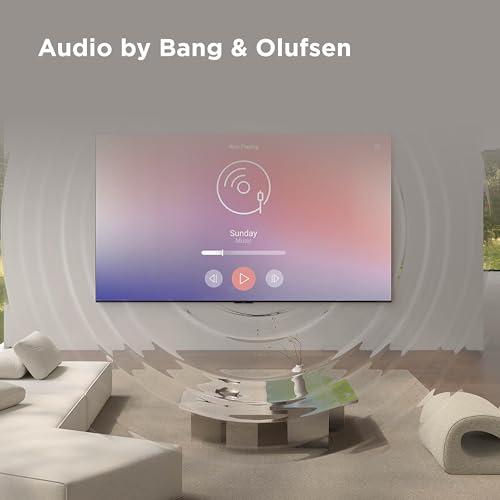
The QM7K uses a Bang & Olufsen-tuned system with 60 watts of power but lacks the dedicated subwoofer and up-firing speakers. While both support Dolby Atmos and DTS Virtual:X processing, the QM8's hardware advantage is immediately apparent.
Based on user reviews, the QM8 produces noticeably better bass response and more convincing surround sound effects. The up-firing speakers create a more immersive audio experience, particularly for movies with active soundtracks. Many QM7K owners eventually add soundbars, while QM8 owners more frequently find the built-in audio adequate for casual viewing.
For home theater setups where you're planning to add a dedicated sound system anyway, this advantage becomes less relevant. But for users who prefer the simplicity of built-in audio, the QM8 offers a more complete out-of-box experience.
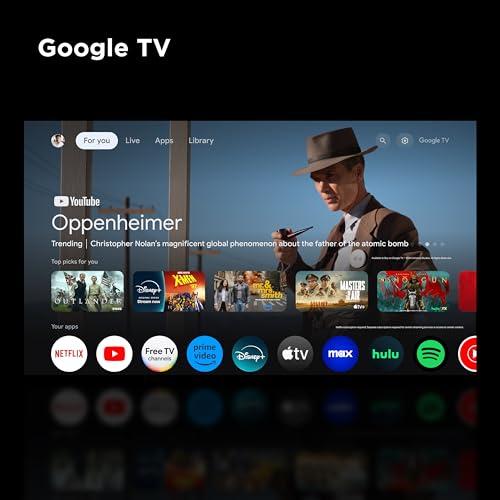
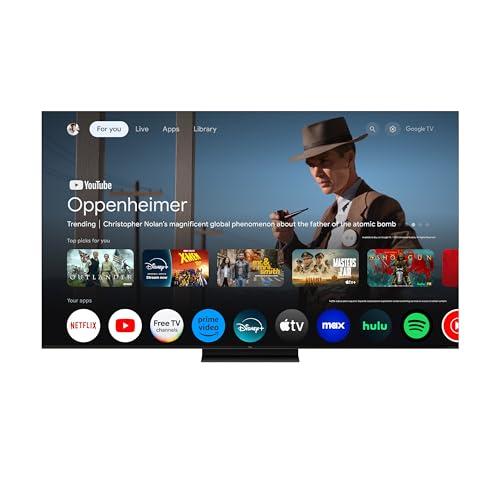
Both TVs run Google TV with identical smart platform features – Google Assistant integration, Chromecast built-in, Apple AirPlay 2 support, and hands-free voice control. The interface and streaming app selection are essentially identical.
The connectivity differences reveal the QM8's flagship positioning. It includes Wi-Fi 6 (802.11ax) networking compared to the QM7K's Wi-Fi 5, providing better performance with multiple connected devices and more stable streaming of high-bandwidth content. The QM8 also includes an ATSC 3.0 NextGen TV tuner, which supports the next generation of broadcast television with 4K over-the-air content and enhanced features.
These might seem like minor differences, but they represent genuine future-proofing. Wi-Fi 6 becomes more valuable as households add more smart devices, and ATSC 3.0 is slowly rolling out across markets. At the time of writing, these features add convenience rather than necessity, but they extend the TV's useful lifespan.
This is where personal priorities become crucial. At the time of writing, the QM8 typically commands a significant premium over the QM7K – often 30-50% more for the same screen size. The question becomes whether the improved brightness, local dimming, audio, and future-proofing justify that price difference.
Our research suggests the QM7K delivers approximately 80-85% of the QM8's picture quality performance while often costing significantly less. For many buyers, this represents exceptional value. The QM7K provides flagship-level features like high brightness, extensive local dimming, and premium gaming capabilities at a more accessible price point.
However, the QM8 offers genuinely superior performance in key areas. The brighter highlights, cleaner local dimming, and better audio create a more premium experience that justifies its positioning as TCL's flagship Mini-LED offering.
For dedicated home theater setups, the choice often depends on your specific priorities. The QM8's superior local dimming and peak brightness create a more cinematic experience in darkened rooms, particularly with HDR content. The cleaner blacks and more precise highlight control contribute to a more film-like presentation.
However, many home theater enthusiasts already plan to add external audio systems, reducing the QM8's built-in speaker advantage. If you're investing in a separate sound system, the QM7K's excellent picture quality at a lower price point might make more sense, allowing you to allocate more budget toward audio components.
The QM7K's superior gaming performance also matters for home theaters that double as gaming spaces. The higher refresh rate capabilities and excellent motion handling make it more versatile for mixed entertainment use.
Choose the TCL QM8 if:
Choose the TCL QM7K if:
Both televisions represent excellent choices that showcase why Mini-LED technology has become so compelling. The QM8 delivers on its flagship promise with superior brightness, local dimming precision, and audio quality. It's genuinely better in measurable ways that impact the viewing experience.
However, the QM7K offers such strong performance at a more accessible price that it often represents the smarter choice for most buyers. Its superior gaming capabilities, excellent HDR performance, and smart feature set provide flagship-level entertainment without flagship pricing.
At the time of writing, both TVs have earned strong reviews from professional evaluators and user feedback, but the QM7K consistently receives praise for its value proposition while the QM8 gets recognition for its uncompromising performance.
For most buyers, I'd recommend starting with the QM7K and only stepping up to the QM8 if you specifically need its advantages and the price premium doesn't strain your budget. The QM7K delivers such strong performance that many buyers will find it completely satisfying without ever feeling like they're missing out on the QM8's premium features.
The Mini-LED revolution has made truly excellent picture quality more accessible than ever, and both of these TCL offerings prove that you don't need to spend OLED money to get a premium viewing experience. Whether you choose the value-focused excellence of the QM7K or the uncompromising performance of the QM8, you're getting display technology that would have been flagship-only just a few years ago.
| TCL 65QM7K QD-Mini LED 4K Google TV | TCL 65" QM8 Mini-LED Smart TV |
|---|---|
| Peak Brightness - Critical for HDR impact and bright room viewing | |
| Up to 3,000 nits (excellent for most HDR content) | Up to 5,000 nits (flagship-level brightness for premium experience) |
| Local Dimming Zones - Controls blooming and contrast precision | |
| Up to 2,500 zones (very good halo control) | Up to 5,000+ zones (superior precision and minimal blooming) |
| Refresh Rate & Gaming - Essential for smooth gaming and sports | |
| 144Hz native, up to 288Hz VRR (gaming advantage) | 120Hz native, up to 144Hz VRR (still excellent for gaming) |
| Audio System - Impacts whether you need external speakers | |
| Bang & Olufsen 60W (good quality, may benefit from soundbar) | ONKYO 80W with subwoofer & up-firing speakers (premium built-in audio) |
| Connectivity - Future-proofing and network performance | |
| Wi-Fi 5, standard ATSC tuner | Wi-Fi 6, ATSC 3.0 NextGen TV (better future-proofing) |
| Color Technology - Affects color accuracy and vibrancy | |
| QD-Mini LED with Colorful Quantum Crystal | QLED PRO with Quantum Dot (covers nearly full DCI-P3) |
| HDMI Ports - Important for multiple gaming/streaming devices | |
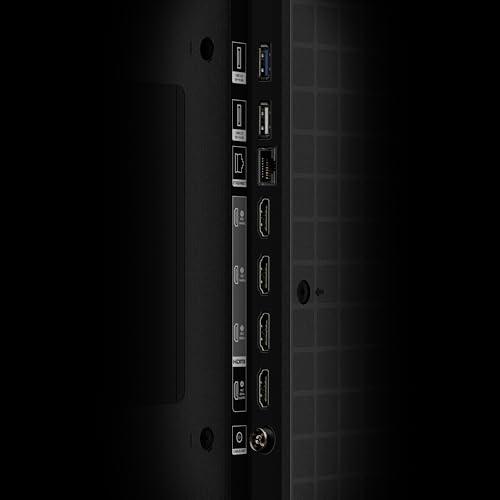
| 4 HDMI (2 HDMI 2.1 with eARC) | 4 HDMI (1 eARC, full HDMI 2.1 support) |
| Smart Platform - User experience and app support | |
| Google TV with hands-free voice control | Google TV with hands-free voice control |
| Value Proposition - Performance per dollar consideration | |
| Excellent flagship features at mid-range pricing | Premium flagship performance at higher cost |
| Best For - Target buyer recommendations | |
| Gamers and value-conscious buyers wanting flagship performance | Home theater enthusiasts prioritizing peak picture and audio quality |
The TCL QM7K is actually better for gaming despite being the less expensive model. It offers a native 144Hz refresh rate and supports Variable Refresh Rate up to 288Hz, compared to the QM8's 120Hz native rate and 144Hz VRR. Both TVs include HDMI 2.1 ports, Auto Low Latency Mode, and AMD FreeSync Premium Pro, but the QM7K provides smoother gameplay for competitive gaming scenarios.
The primary difference is display performance. The TCL QM8 delivers up to 5,000 nits peak brightness with 5,000+ local dimming zones, while the QM7K reaches 3,000 nits with 2,500 zones. This means the QM8 produces brighter HDR highlights and more precise contrast control, though both offer excellent picture quality with Mini-LED technology.
The TCL QM7K typically offers better value, delivering approximately 80-85% of the QM8's picture quality performance at a significantly lower cost. The QM7K includes flagship features like high brightness, extensive local dimming, and superior gaming capabilities while maintaining a more accessible price point for most buyers.
Yes, both TVs excel in bright rooms thanks to their Mini-LED technology. The TCL QM8 performs better in extremely bright environments due to its 5,000 nit peak brightness, while the QM7K's 3,000 nits is still excellent for most bright room scenarios. Both TVs feature anti-reflective coatings and can easily overcome glare from windows or lighting.
The TCL QM8 has superior built-in audio with an ONKYO 80W 2.1.2 channel system that includes a dedicated subwoofer and up-firing speakers for Dolby Atmos. The QM7K features a Bang & Olufsen-tuned 60W system that sounds good but lacks the bass response and height effects of the QM8. For home theater use, the QM8 may eliminate the need for an immediate soundbar upgrade.
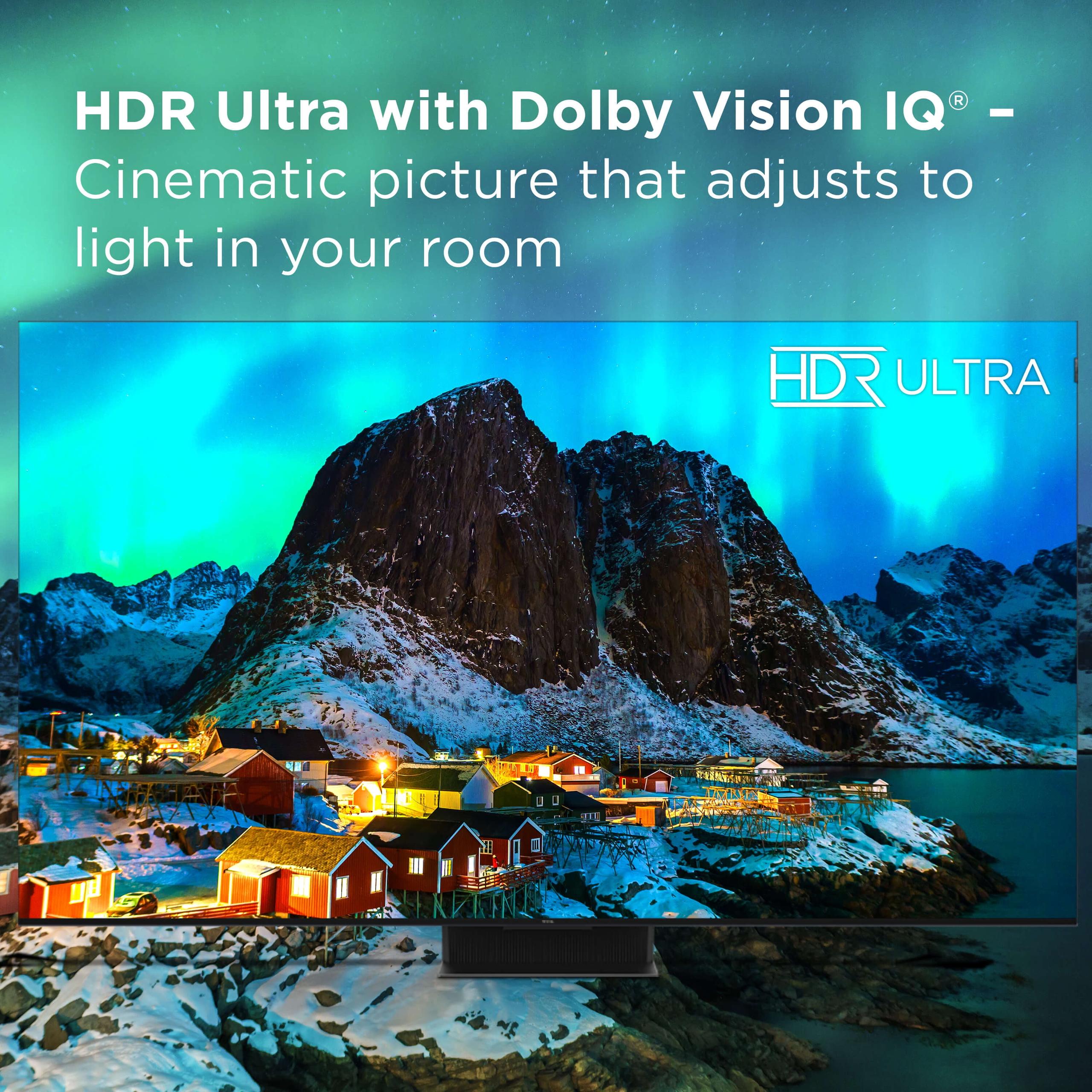
Both TVs are excellent for movies and HDR content. The TCL QM8 provides a more premium experience with brighter highlights and cleaner local dimming that reduces blooming around bright objects. The QM7K still delivers impressive HDR performance that satisfies most viewers. Both support Dolby Vision IQ, HDR10+, and other major HDR formats for compatibility with all streaming services.
Both the TCL QM7K and QM8 run Google TV with identical smart platform features including Google Assistant, Chromecast built-in, Apple AirPlay 2, and hands-free voice control. The main difference is connectivity: the QM8 includes Wi-Fi 6 and ATSC 3.0 NextGen TV for better future-proofing, while the QM7K uses Wi-Fi 5 with standard broadcast tuners.
For home theater use, the TCL QM8 typically provides a more cinematic experience with its superior local dimming precision and peak brightness that makes HDR content more impactful in darkened rooms. However, if you're planning to add external audio equipment, the QM7K's excellent picture quality at a lower cost might be preferable, allowing more budget for speakers and other components.
The TCL QM7K actually has higher refresh rate capabilities with 144Hz native and up to 288Hz VRR support, making it superior for high-frame-rate gaming. The QM8 offers 120Hz native with 144Hz VRR, which is still excellent for gaming and smooth motion but doesn't reach the QM7K's maximum performance levels.
Both TVs deliver excellent color reproduction using Quantum Dot technology. The TCL QM8 uses QLED PRO technology that covers nearly the full DCI-P3 color space for slightly more saturated and accurate colors. The QM7K features upgraded Colorful Quantum Crystal material that produces vibrant, lifelike colors. The difference is subtle, with both TVs displaying over 1 billion colors.
The main connectivity advantage goes to the TCL QM8 with Wi-Fi 6 networking and ATSC 3.0 NextGen TV tuner for better future-proofing. Both TVs include multiple HDMI 2.1 ports, USB connections, and eARC support. The QM7K uses Wi-Fi 5 which is perfectly adequate for current streaming needs but the QM8 offers better performance with multiple connected devices.
Choose the TCL QM8 if you prioritize absolute picture quality, built-in audio performance, and future-proofing features without budget constraints. Select the QM7K if you want excellent flagship-level performance with superior gaming capabilities at better value. Both TVs deliver premium Mini-LED picture quality, so your choice depends on whether you value peak performance or smart value optimization.
We've done our best to create useful and informative comparisons to help you decide what product to buy. Our research uses advanced automated methods to create this comparison and perfection is not possible - please contact us for corrections or questions. These are the sites we've researched in the creation of this article: bestbuy.com - businessinsider.com - tomsguide.com - tomsguide.com - rtings.com - tomsguide.com - youtube.com - rtings.com - consumerreports.org - youtube.com - youtube.com - displayspecifications.com - youtube.com - tcl.com - tcl.com - tcl.com - youtube.com - rcwilley.com - bestbuy.com - tclcentral.com - displayspecifications.com - tomsguide.com - tcl.com - brandsmartusa.com - tcl.com - tcl.com - gizmochina.com - nfm.com - dolby.com - alexraytv.com - rtings.com - rtings.com - techradar.com - tcl.com - the-gadgeteer.com - nfm.com - ecoustics.com - careyscommunications.com - pcrichard.com - tcl.com

Privacy Policy
Terms and Conditions - Affiliate Policy
Home Security
© Copyright 2008-2026.
11816 Inwood Rd #1211, Dallas, TX 75244