

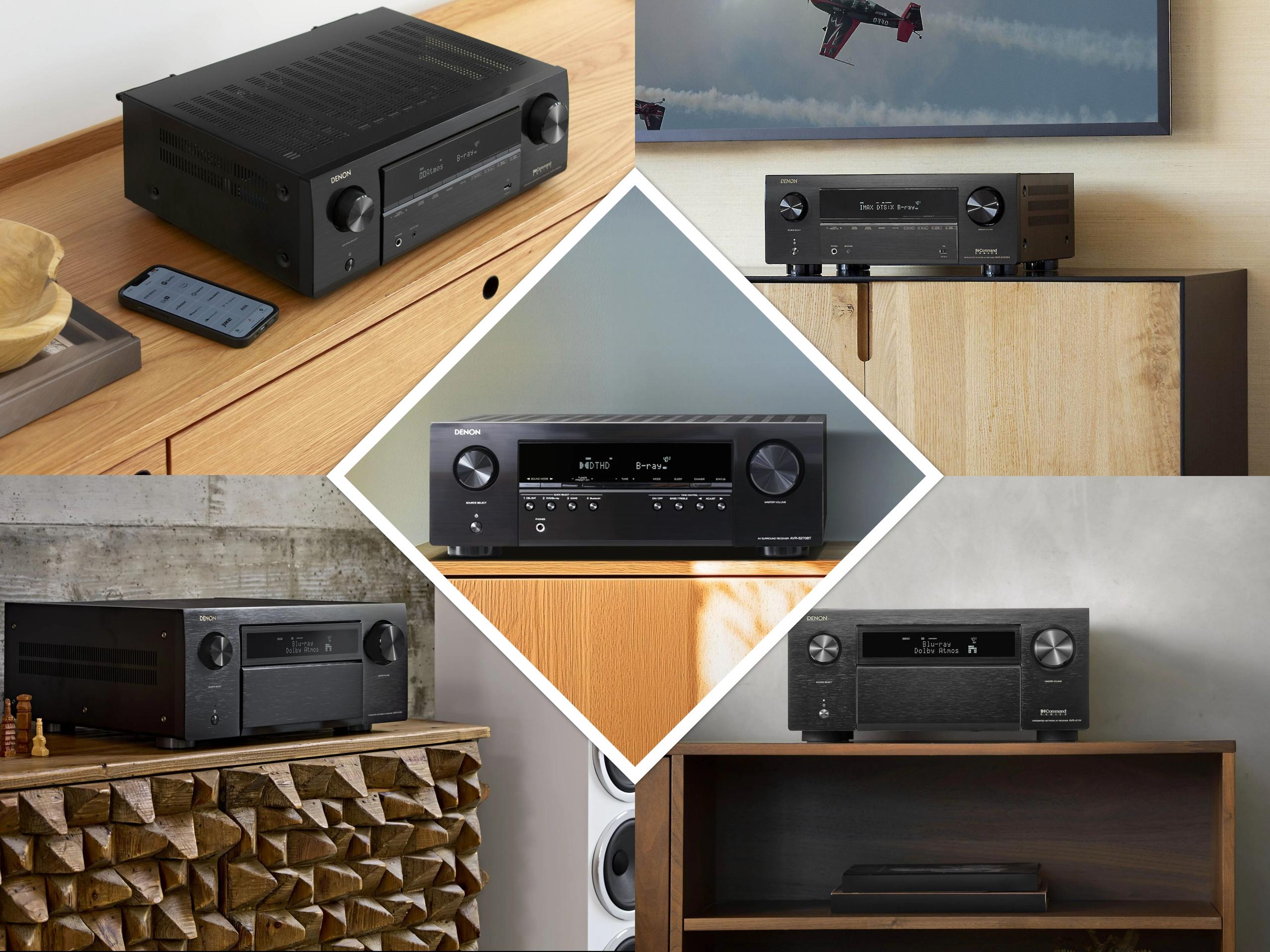
If you're building or upgrading a home theater, the AV receiver (AVR) is more than just a “box in the rack.” It’s the hub that connects your sources (Blu-ray player, game console, streaming box) to your display (TV or projector) and to your speakers. It handles audio decoding, video switching, amplification, calibration, and (often) streaming or wireless features.
Denon remains one of the more trusted names in AVR design. Across its product lines—from budget to flagship—it tends to deliver functionality, regular firmware updates, and broad format support. Over the years, Denon merged or aligned with Marantz, DEI Holdings, Sound United, and now under the Harman (Samsung) umbrella, yet each series continues to reflect design choices for different use cases.
In this guide, we’ll walk you through the three Denon AVR tiers: the S‑Series (budget / entry-level), the X‑Series (midrange / high-feature), and the A‑Series (flagship). For each, we’ll look at what they offer, what trade-offs to expect, and ultimately help you decide which series or model might suit your room, your audio goals, and your budget.
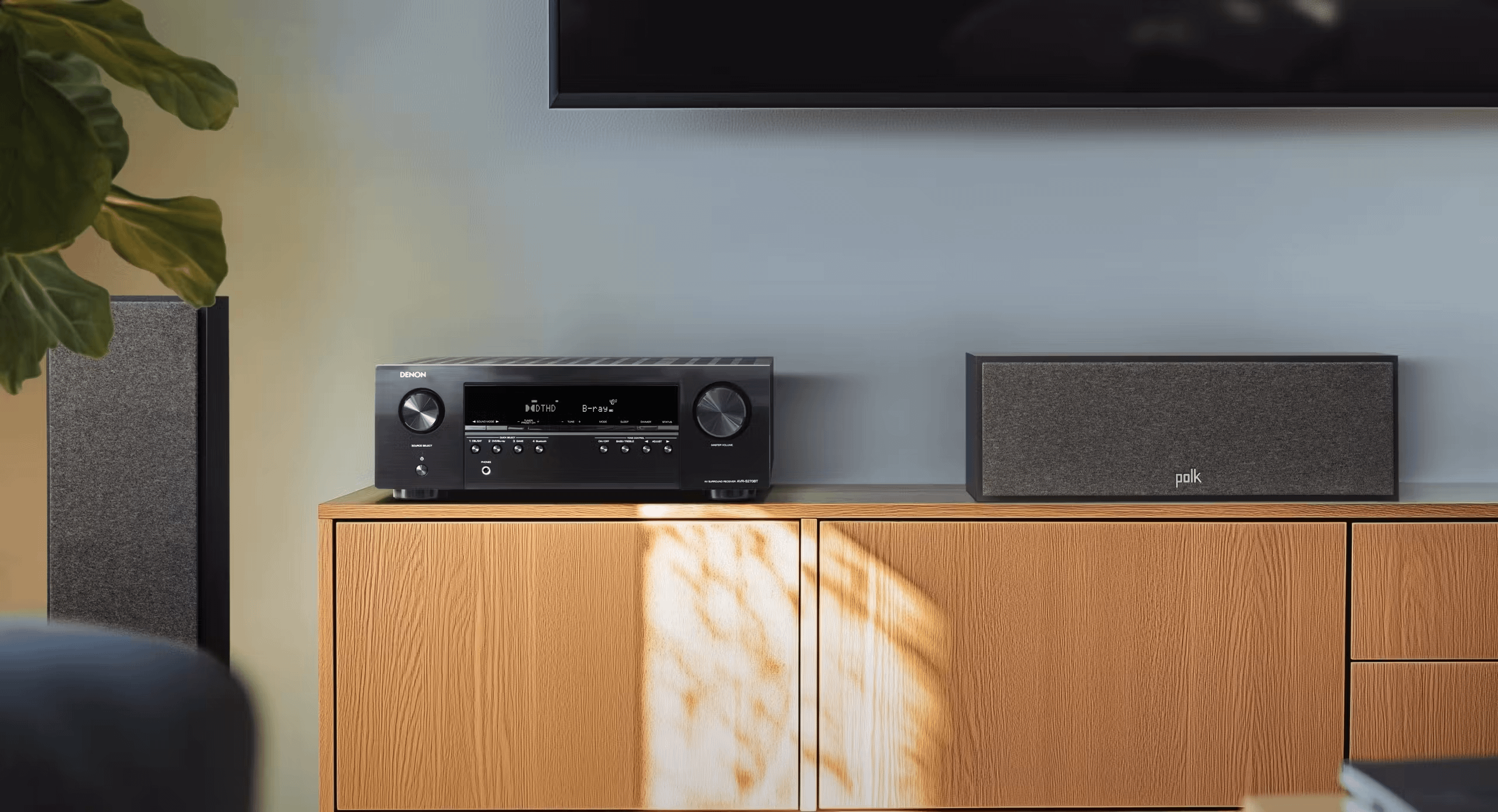
The S‑Series is Denon’s “budget-conscious” line. Its goal is to provide the core functionalities most people need for a home theater—HDMI switching, surround decoding, amplification—while trimming or omitting more advanced features found in higher lines. The S‑Series still offers support for modern video (4K, 8K passthrough) and includes Class D amplification for efficient power delivery.
Because it’s a trimmed-down line, you’ll find variations in features (e.g. number of HDMI inputs, immersive format support, calibration systems) between models. The trick is choosing which model gives you what you’ll actually use, and not overpaying for features you won’t.
Denon’s 2025 S‑Series includes five models: AVR‑S270BT, S570BT, S670H, S770H, and S970H. They are available at the following prices:
Here’s how they differ in practical terms.
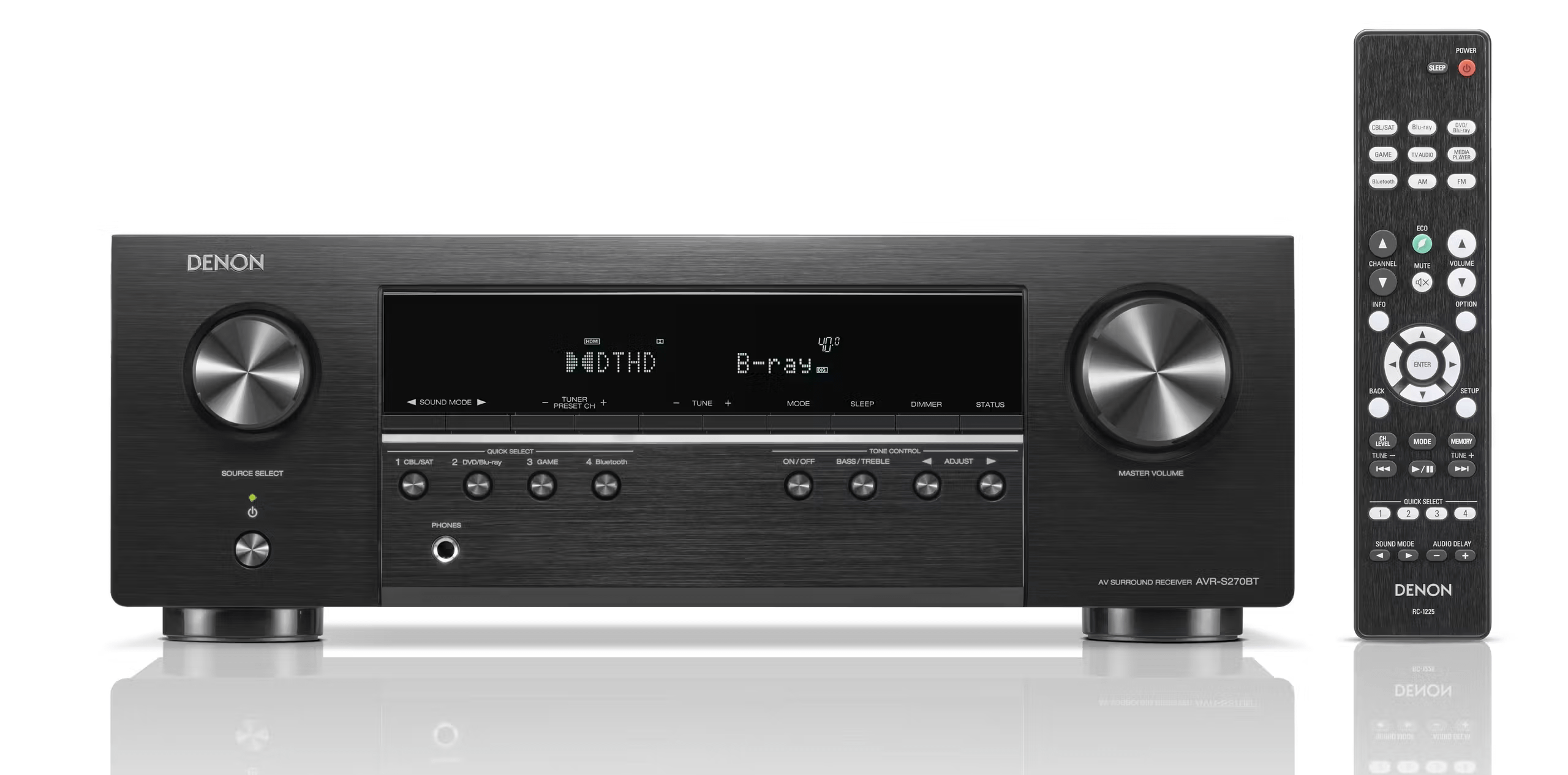
Who is it for?
If you have a simpler room (e.g. modest living room or secondary room) or are stepping up from a soundbar and don’t plan to deploy overhead or height channels, the S270BT is a straightforward, cost-conscious choice. It gives you the benefits of a proper AVR without overreaching on features you won’t use.
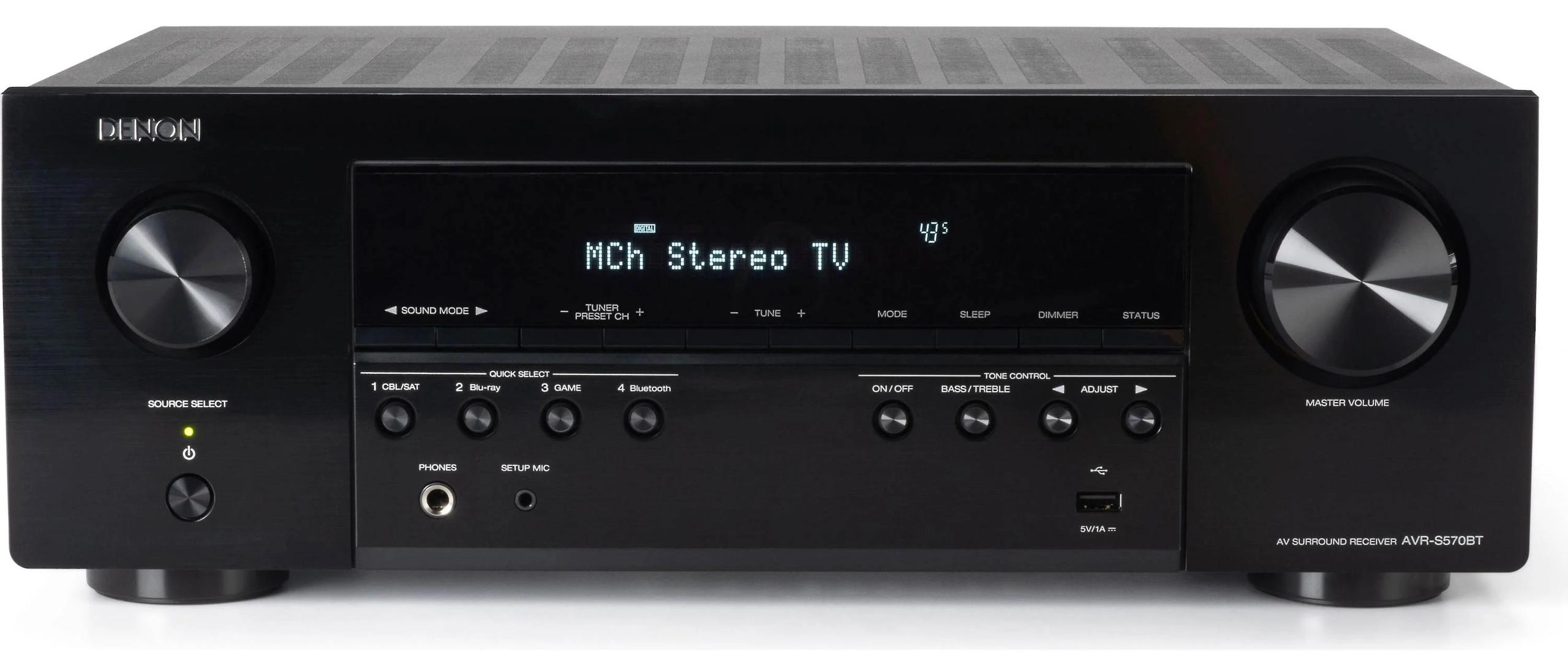
Who is it for?
If you think adding a second subwoofer might help (for smoother bass across your listening positions), the S570BT gives you that flexibility. It’s still modest, but gives you a little more headroom for low frequencies without going all-in on immersive formats.
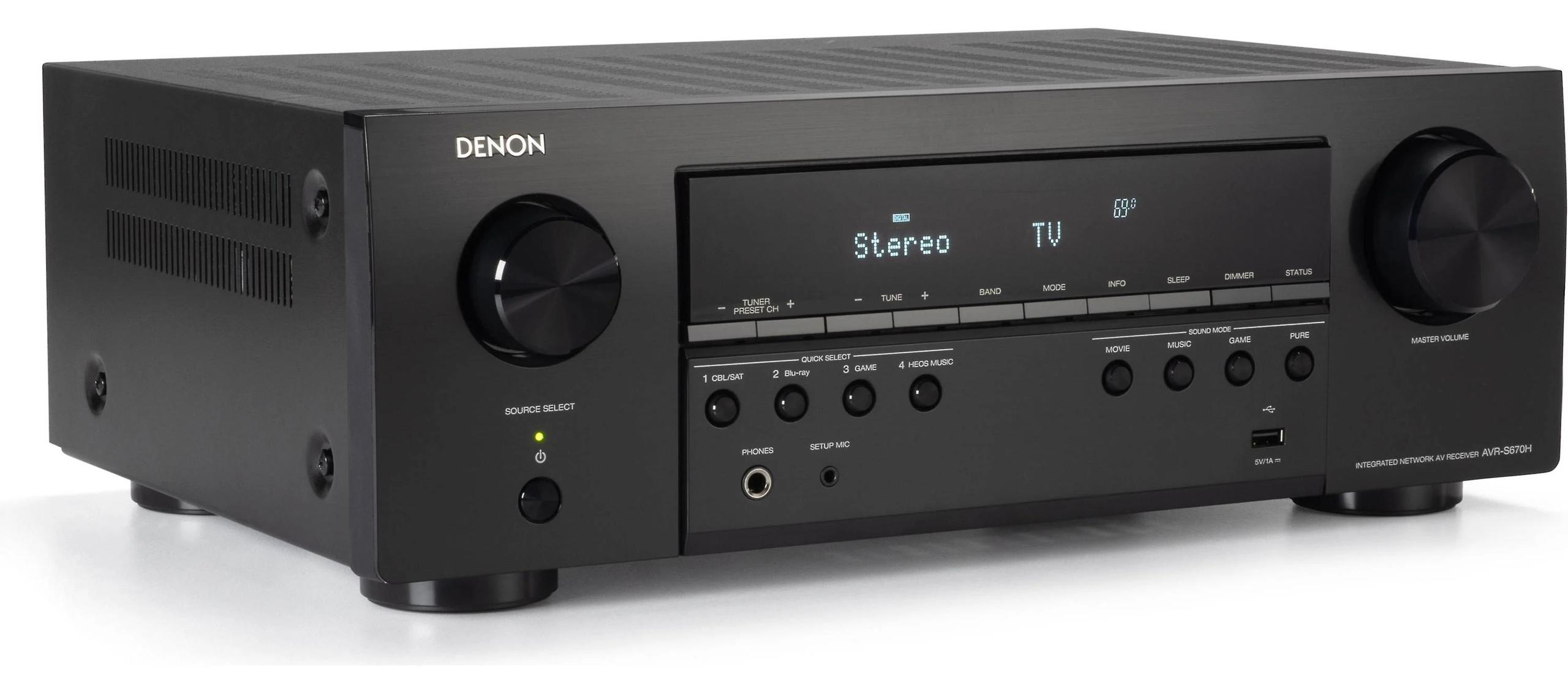
Who is it for?
If you plan to stream music, have or plan to get height/overhead speakers, or use a turntable, the S670H is a sweet spot. It leans into more advanced features without jumping to a higher-cost series. In many cases, this model offers the best balance of features versus cost in the S‑Series.
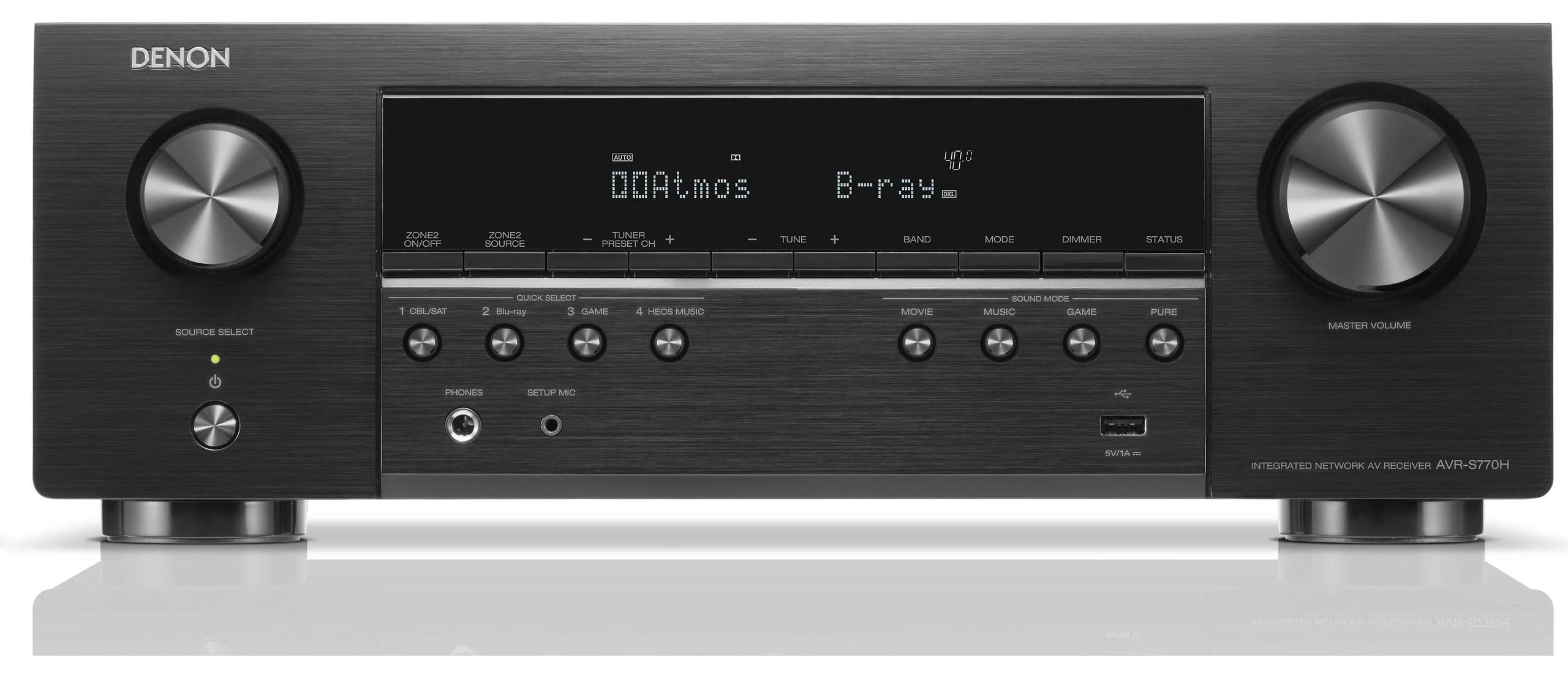
Who is it for?
If your room is large enough (or your speaker layout demands it) to benefit from extra surround or height channels, the S770H is a logical step. It gives you room to grow without moving into a totally different model line.
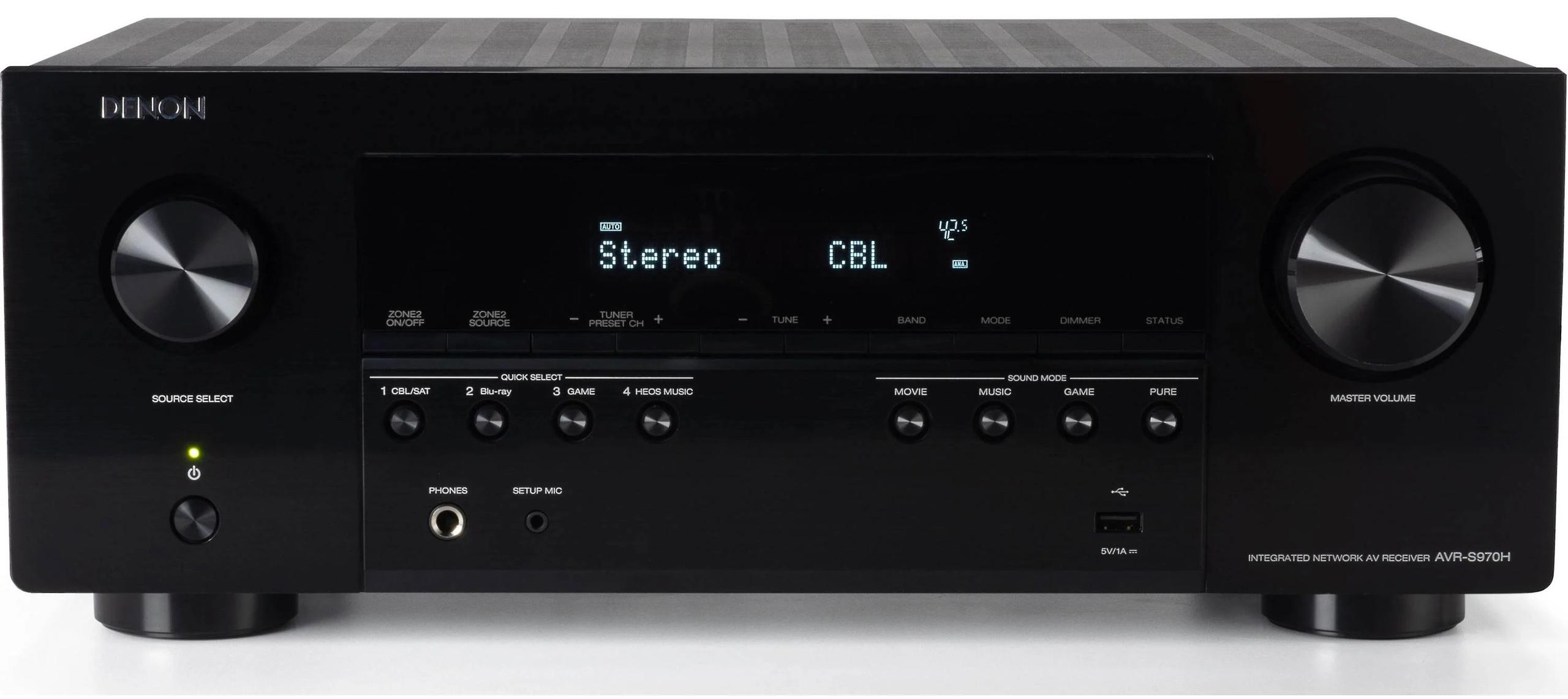
Who is it for?
If you have a larger room or want to drive more demanding speakers (or bi-amp your front pair), the S970H gives you the headroom and flexibility. It's the most capable S‑Series model and can serve as a bridge toward higher lines for users who don’t yet want to commit to a full flagship.
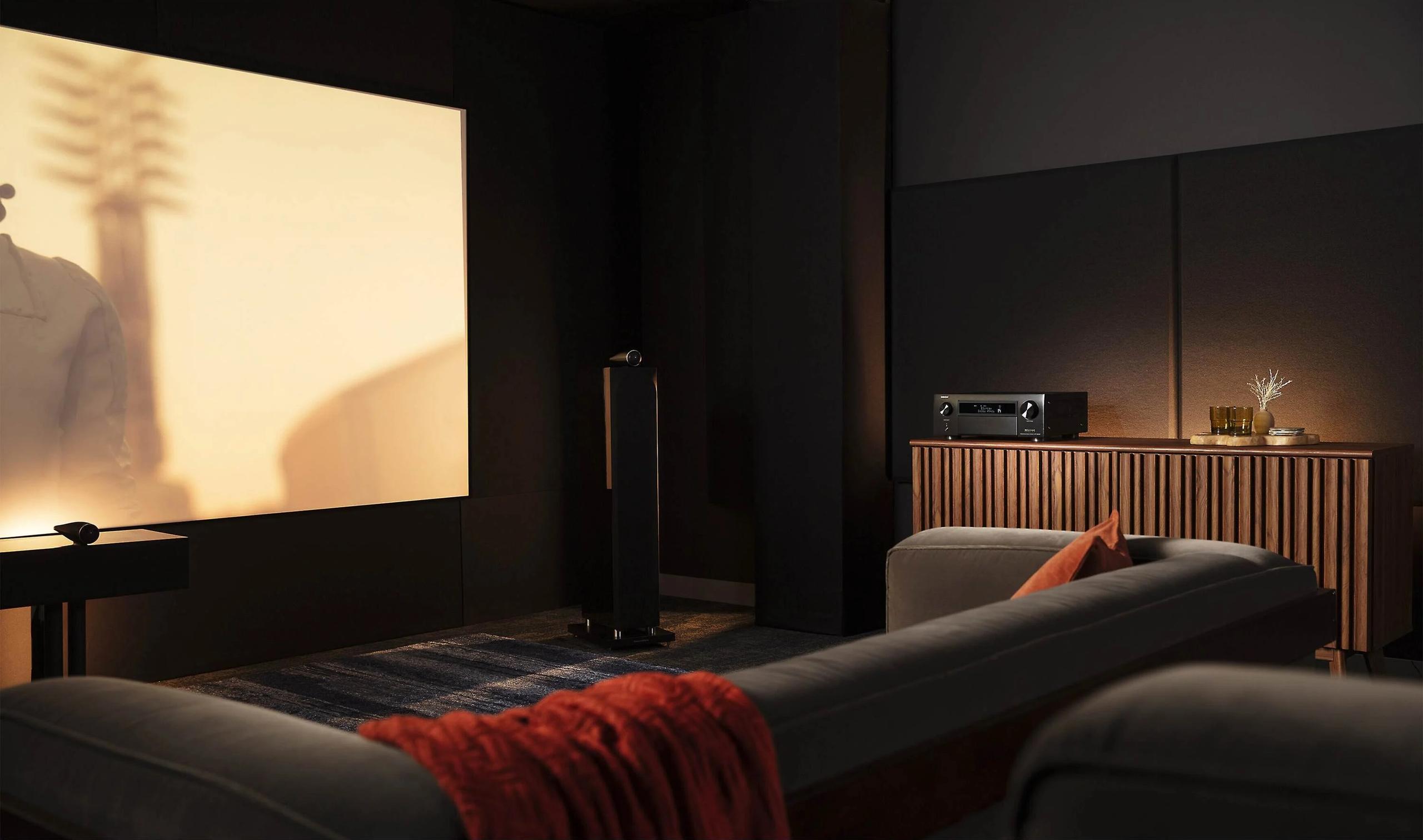
The X‑Series is Denon’s “do-it-all” middle ground. These receivers aim to offer more processing horsepower, more channels, more inputs/outputs, and advanced room calibration features than the S‑Series, but without the price tag (and complexity) of the A‑Series. If you want immersive audio, headroom, expansion potential, and longevity, the X‑Series is often where many home theater enthusiasts settle.
Denon’s 2025 X‑Series includes the following six models:
Some of the key features across the X line:
Let’s look across a few models to see what they’re trying to solve.
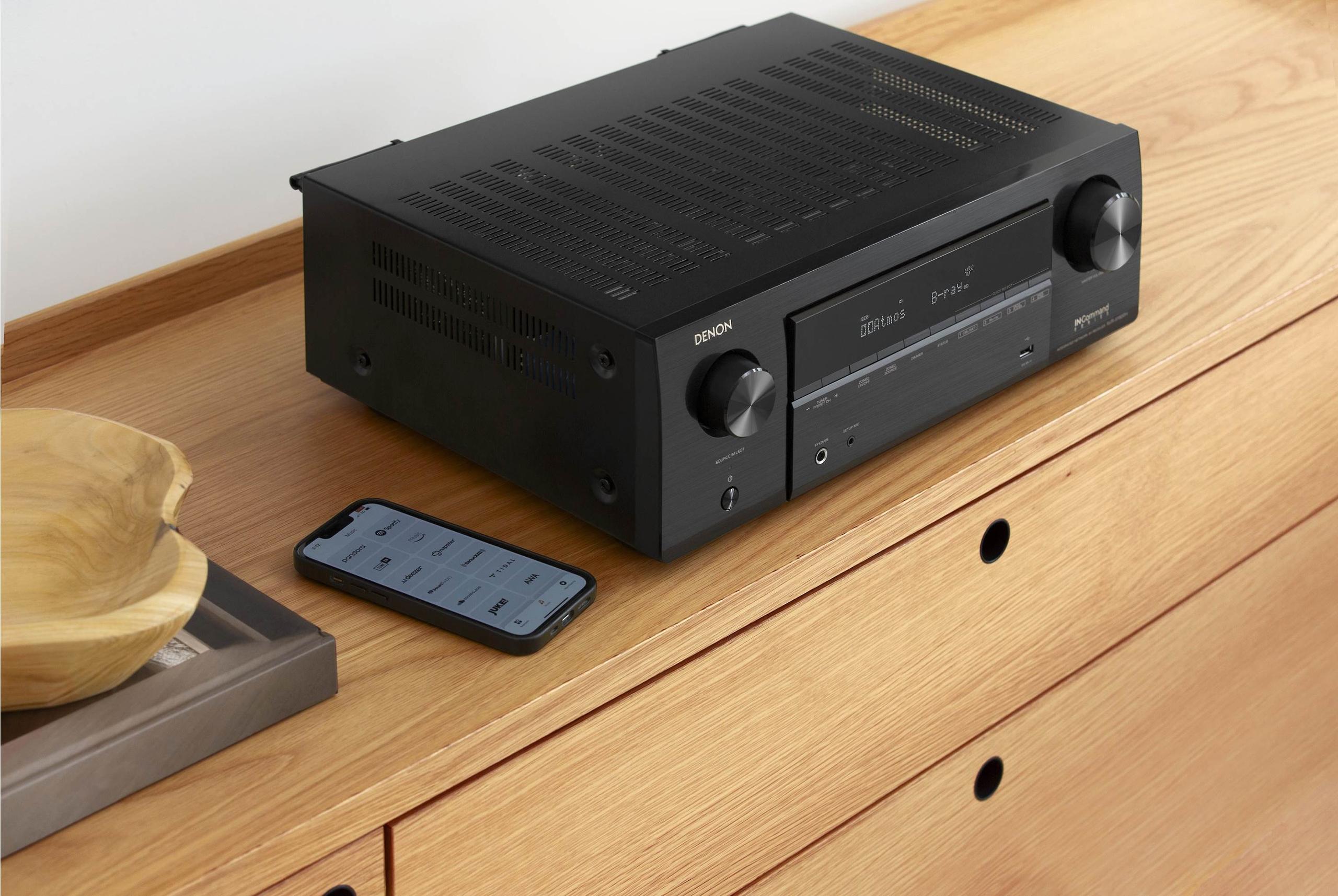
These are the entry-level X models. They support 7.2 channel setups, immersive audio, HDMI 2.1 with 8K/60 or 4K/120, and streaming / HEOS features. They are good for typical medium-sized home theaters where you want most of the current formats and flexibility, but won't necessarily push into ultra-high channel counts or external amplification.
Who are they for?
Both the AVR‑X1700H and X1800H are ideal for someone who wants more than a basic surround setup, but doesn’t require dozens of channels or large zone expansion. If you plan to run a 5.1.2 or 5.2.2 Dolby Atmos setup and want streaming/modern video support, these deliver a lot of value.
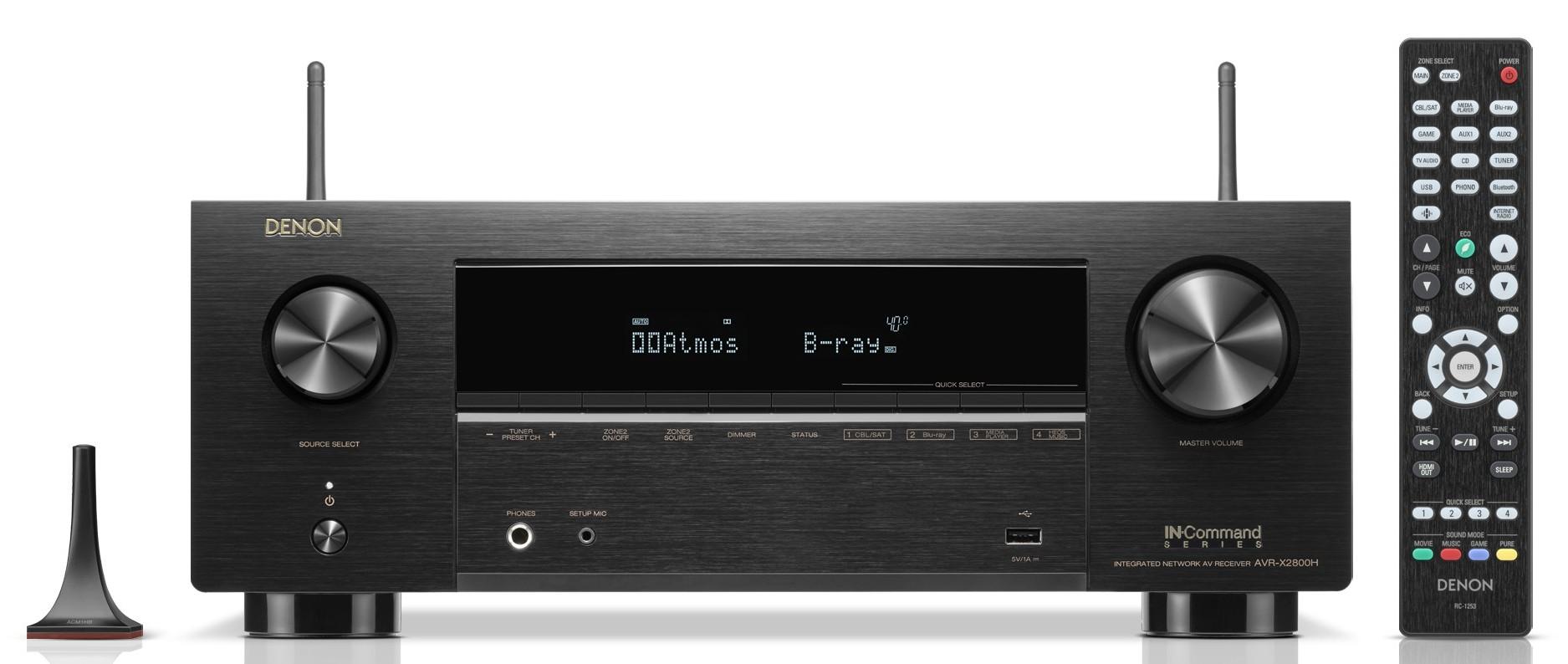
A step up in power, features, and channel flexibility. It supports seven amplifier channels, has two subwoofer outputs, and can support immersive channel layouts. It trims some of the ultra-high-end features (AURO-3D, IMAX) but still gives a robust base for expanding setups.
Who is it for?
If you expect to drive more capable speakers, maybe expand later, or run a more elaborate immersive layout, the X2800H gives you additional power and flexibility. It’s a middle ground where you’re not overbuying, but also not underpowered.
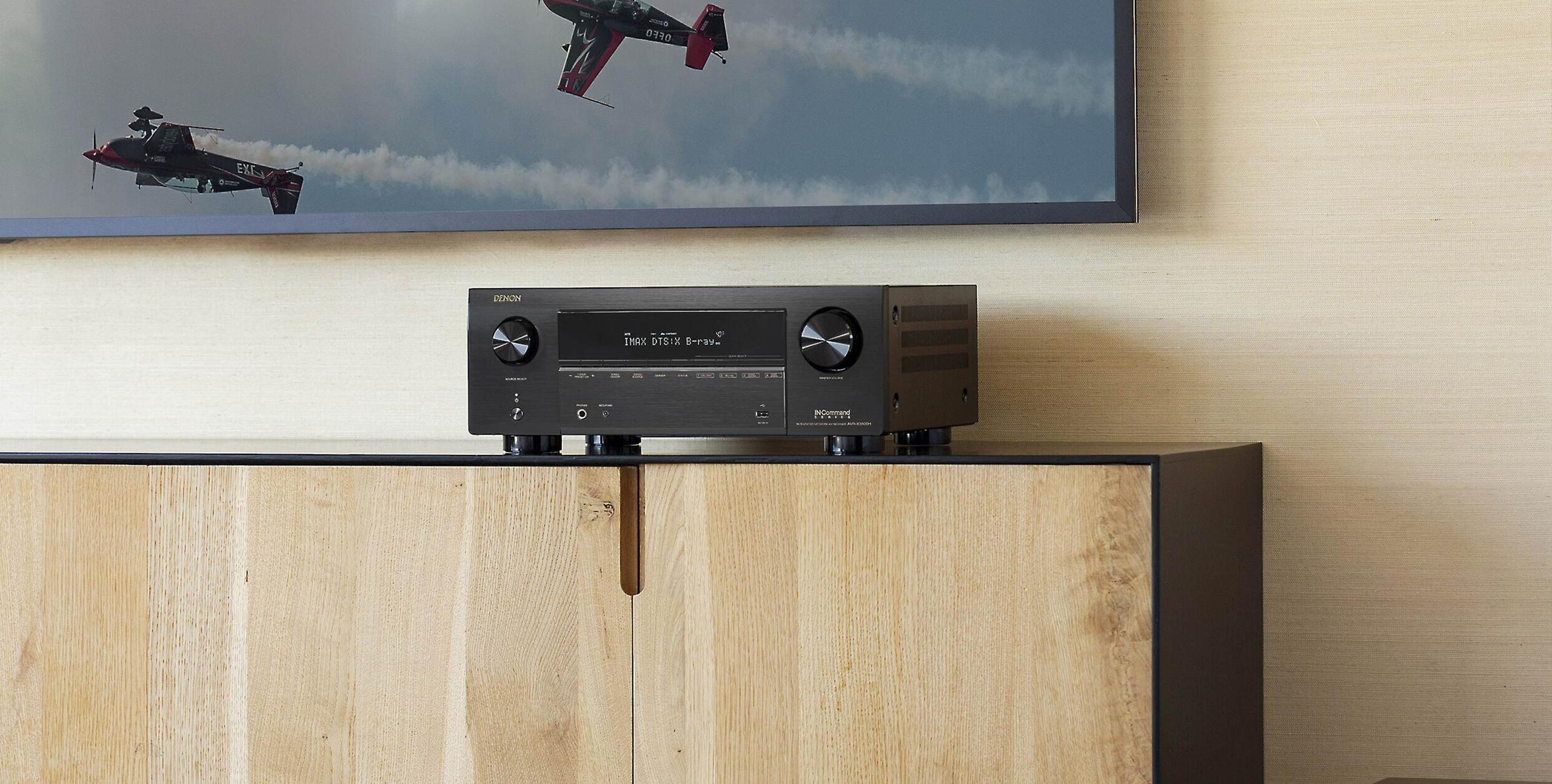
These are the models where features and performance scale noticeably upward. They support more channels, more preamp outputs (for external amps), and advanced decoding like IMAX Enhanced and AURO-3D. The X4800H has nine discrete assignable amp channels and multiple preouts for building large systems. Both support advanced features and higher-tier room correction (e.g. Dirac Live, where licensed).
Who are they for?
Both the X3800H and X4800H receivers appeal to serious home theater enthusiasts who expect to build large immersive setups, maybe integrate external amplifiers, or want the best possible flexibility. If your room or speaker layout demands higher headroom, more channels, or future expansion, these are ideal stepping stones.
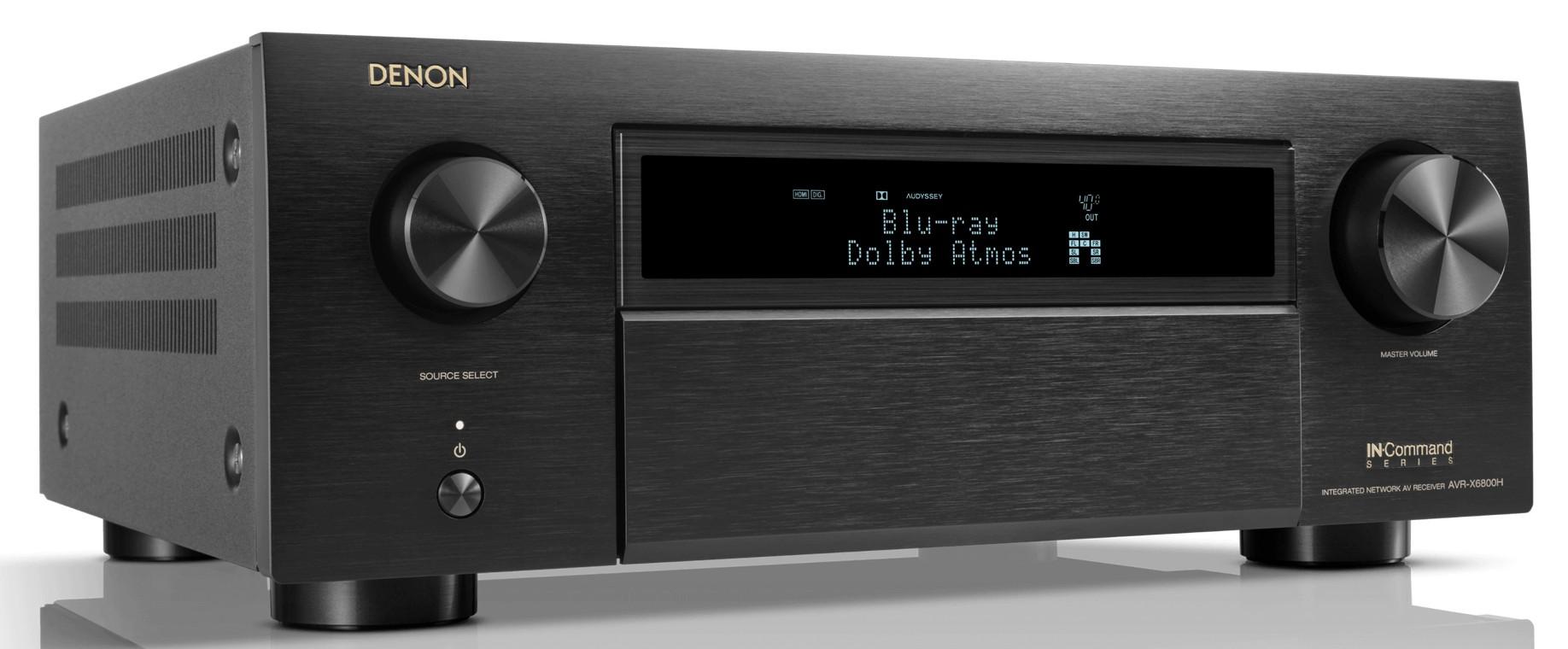
This is Denon’s flagship X model. It offers 11 amplification channels, allows 13.4 channel processing with external amps, and supports all major immersive and advanced audio formats. It has strong video I/O, multiple subwoofer outputs, and is built to serve as the core of a high-end system without going full-blown flagship.
Who is it for?
If you want top-tier performance, plan to drive large speaker arrays, build a cinema-level setup with height and width channels, or want headroom and flexibility for future expansion, the X6800H gives you a near-flagship experience without stepping into the (much costlier) A‑Series.
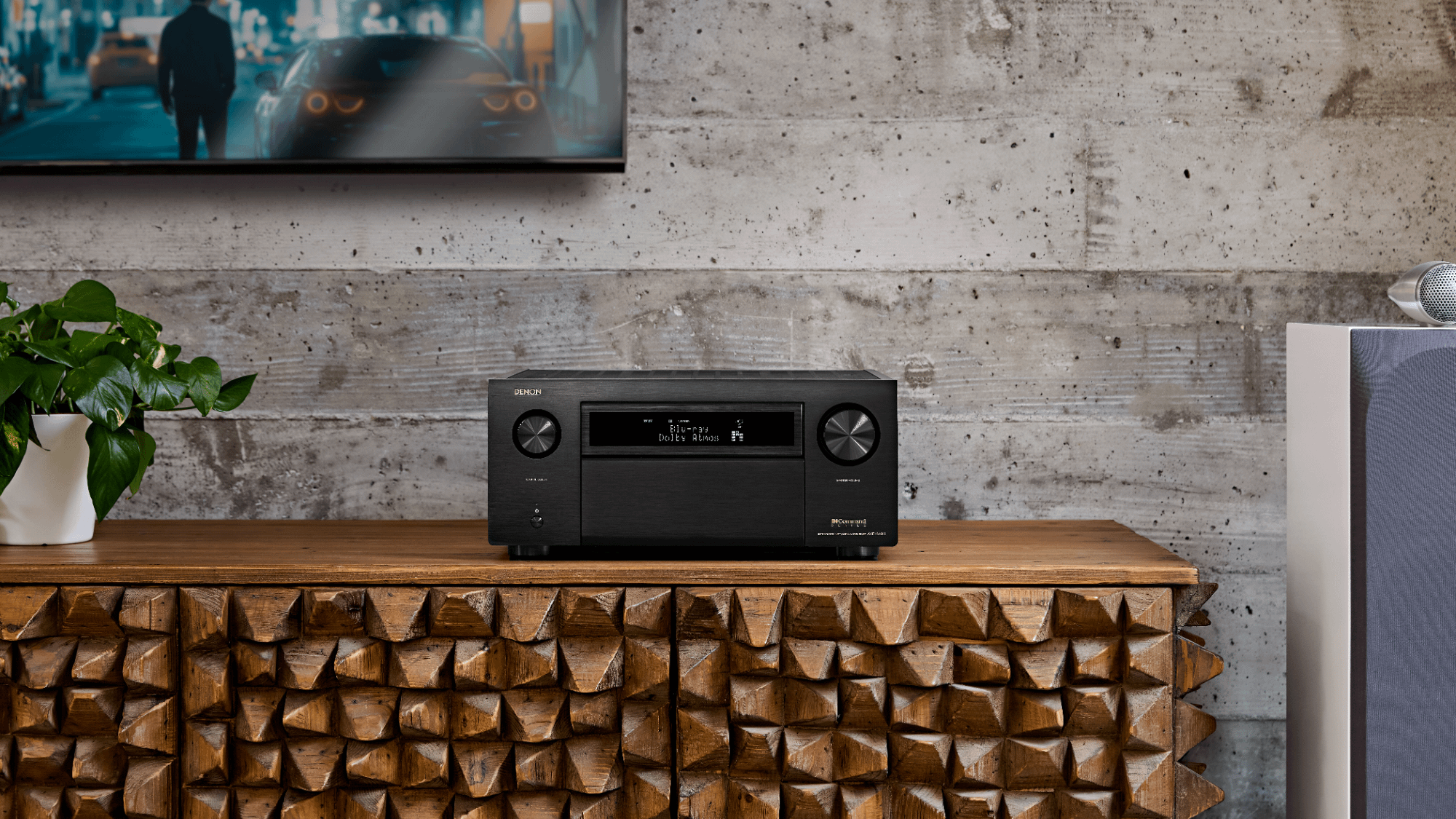
The A‑Series is Denon’s “no-limits, do-everything” line. These receivers are aimed at the most ambitious home theaters or custom installations, and are built to handle large, powerful systems, multiple zones, premium room correction, and any immersive format you might adopt. The expectation is that users in this class will demand high performance, and also plan for future upgrades in channels, zones, or control systems.
In the 2025 A‑Series, Denon offers:
Key capabilities of these models:
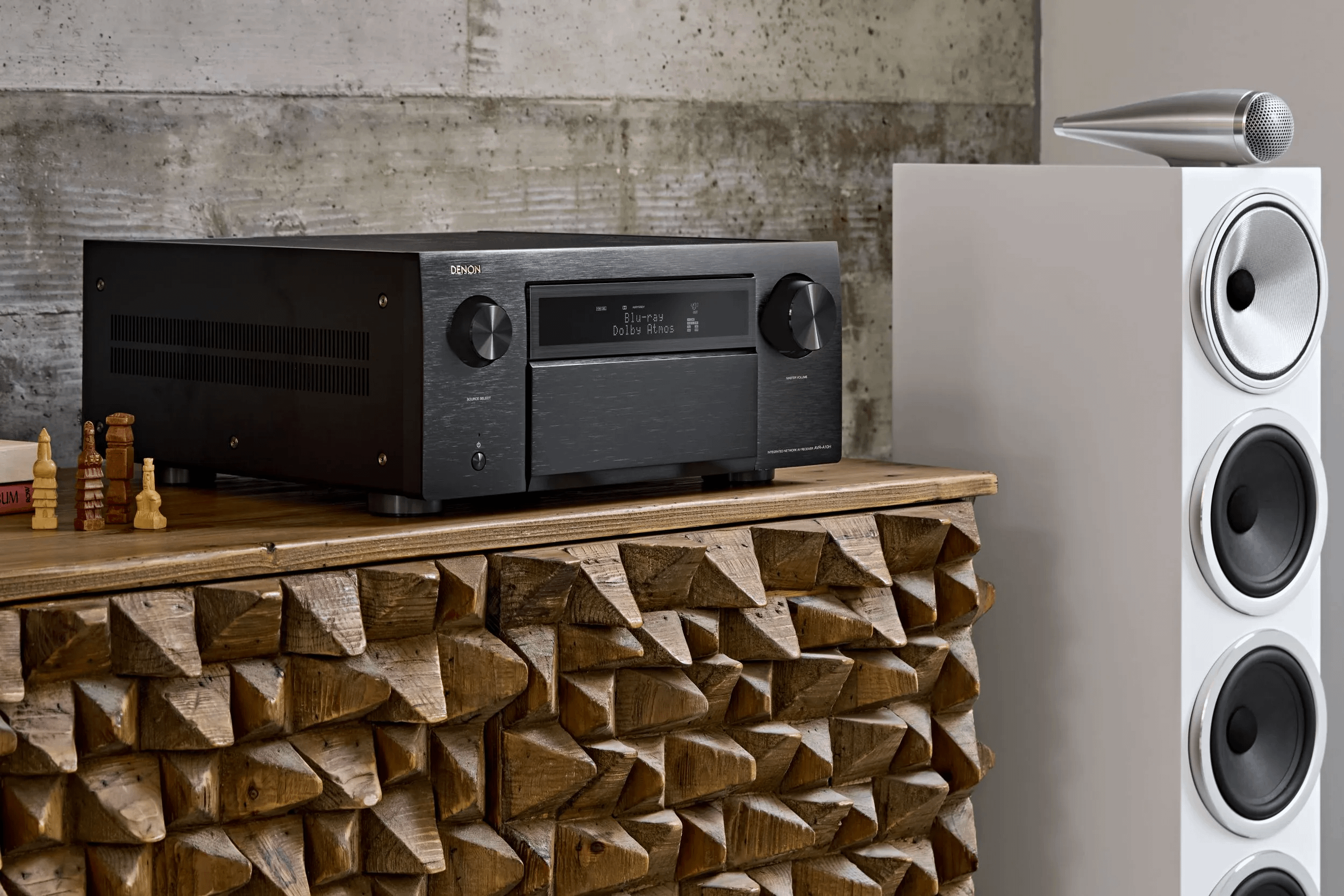
The A10H brings serious channel flexibility: 13 internal amplifier channels, plus ample preamp outputs for external amps. It supports full immersive configurations (e.g. 7.4.6, 9.4.4) depending on your system.
It includes powerful switching and routing options, multiple subwoofer outputs, and connectivity for large systems. The processing side is robust, with full support for advanced immersive and 3D audio formats. Streaming, phono, and other features are on par with top-tier offerings.
Who is it for?
If your expectations exceed the norms—say, building a theater room with multiple height and width channels, running multiple zones, or planning future upgrades—the A10H is a strong anchor. For many high-end setups, this might be the ideal balance between cost and capability.
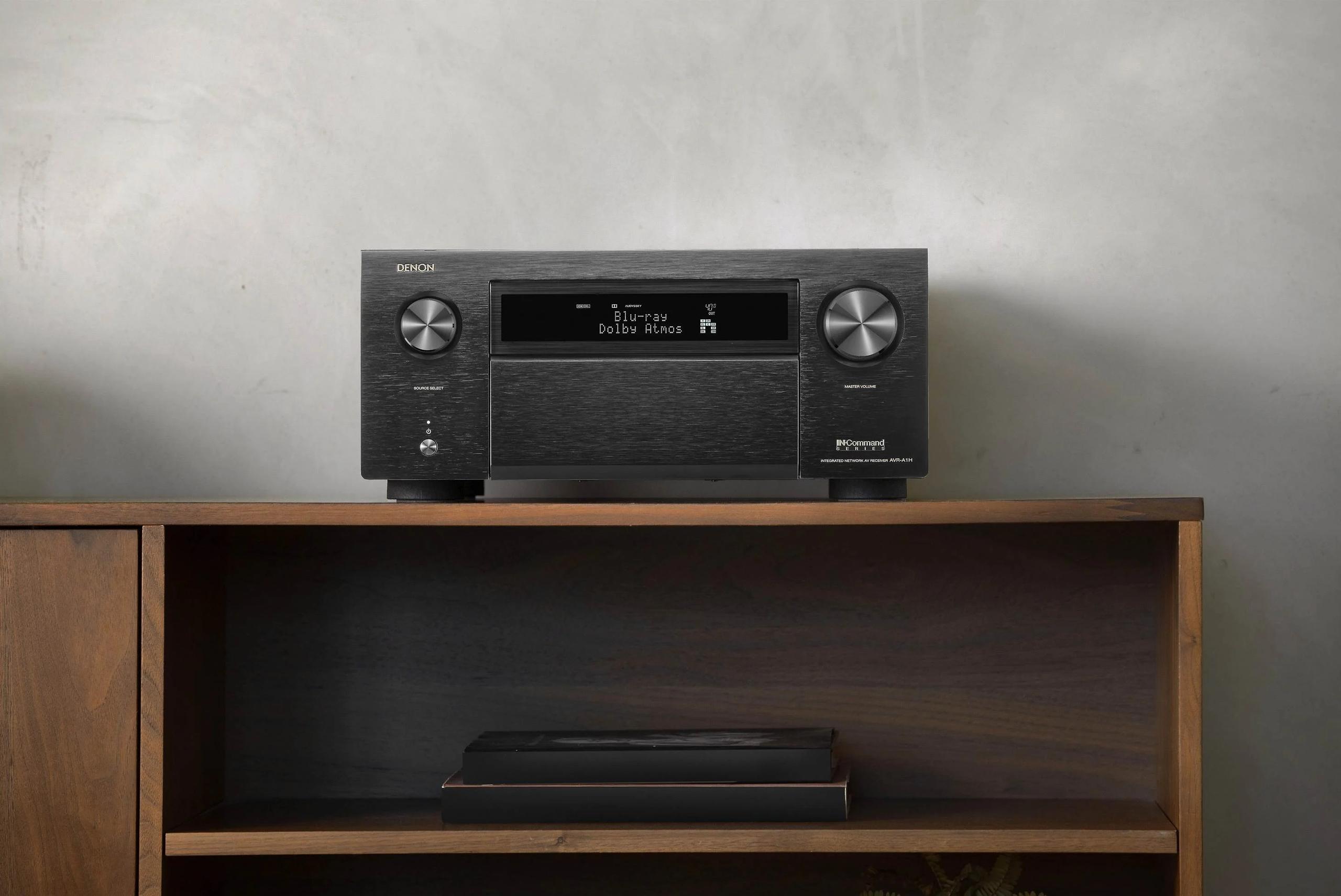
This is Denon’s top-of-the-line receiver. With 15 discrete amplifier channels and multiple preamp outputs, it’s designed to be the nerve center of a full-scale, custom, cinema-grade system.
Support for all the immersive, spatial, and advanced audio formats is included. The setup supports bi-amping, multi-zone playback, and large channel counts for demanding setups. The DSP and DAC topology is premium, built to support extreme loads without compromise.
Who is it for?
If your goal is to build a showpiece-level home theater, or you want to squeeze maximum performance from every speaker in a large room (or multiple rooms), the A1H is the top dog. It’s for users who expect the headroom, connectivity, and control to match their highest ambitions.
When deciding among S, X, and A lines, here are some key frames of reference to keep in mind:
| Factor | S‑Series | X‑Series | A‑Series |
|---|---|---|---|
| Typical power / headroom | Modest — good for small to medium rooms | Strong — suitable for medium to large rooms or demanding speakers | Very strong — built for large rooms and demanding systems |
| Immersive audio (Atmos, DTS:X, etc.) | Only certain models (S770H, S970H) support full formats | All support immersive formats; higher models support AURO, IMAX, etc. | Full immersive and 3D audio support out of the box |
| Channel count / expansion | Up to 7.2 in S970H, limited expansion | Up to 11+ channels and many preamp outputs | Highest flexibility (13–15 amp channels, many preamps) |
| Room correction | Audyssey in higher S models | Audyssey / Dirac (for certain models) | Audyssey, Dirac Live, advanced room correction options |
| Future-proofing | Basic HDMI 2.1 in higher S models, streaming, etc. | Strong feature support, upgrade paths | Top-tier connectivity, integrator features, strong long-term ROI |
| Cost per feature | Very cost-efficient, but limited headroom | Balanced — you often get good return on what you pay | Premium — cost is high, but so is capability |
Here are some guidance points to help refine your choice:
To bring this all together, here are some scenarios and which Denon models or lines might make sense:
In many cases, the “sweet spot” ends up in the X‑Series. But if your demands are modest, an S can do very well. On the other hand, if you have very ambitious goals, the A‑Series is the only line that will scale fully.
A/V receivers aren’t the flashiest part of your home theater setup, but they’re the most important. They’re the command center. The traffic cop. The unsung hero behind every explosion, guitar solo, whispered dialogue, or boss fight.
Denon’s S-Series, X-Series, and A-Series are laid out clearly enough once you know what to look for:
Each line is designed with a different user in mind, but all serve the same purpose: to bring your music, movies, and games to life.




Privacy Policy
Terms and Conditions - Affiliate Policy
Home Security
© Copyright 2008-2026.
11816 Inwood Rd #1211, Dallas, TX 75244