

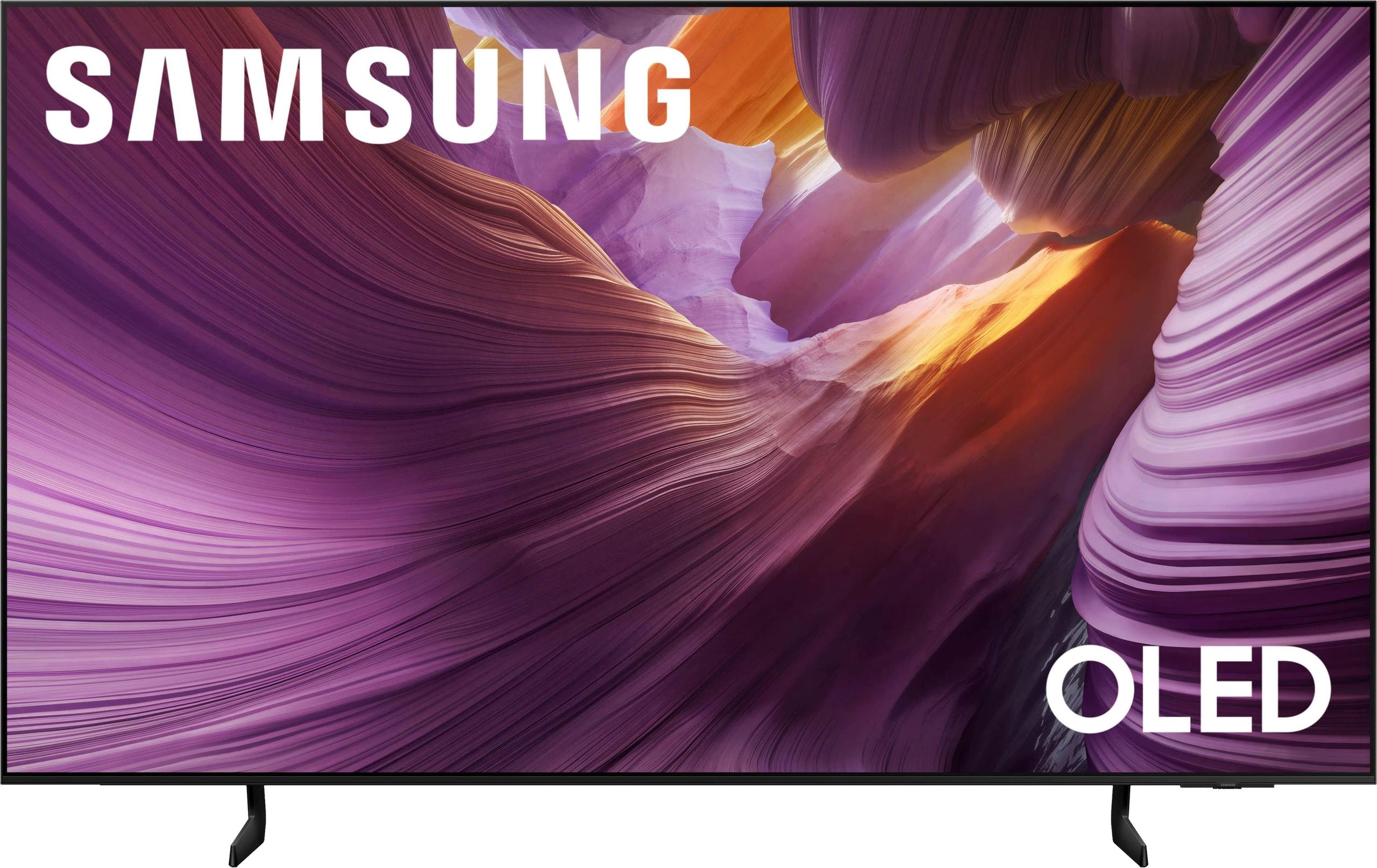
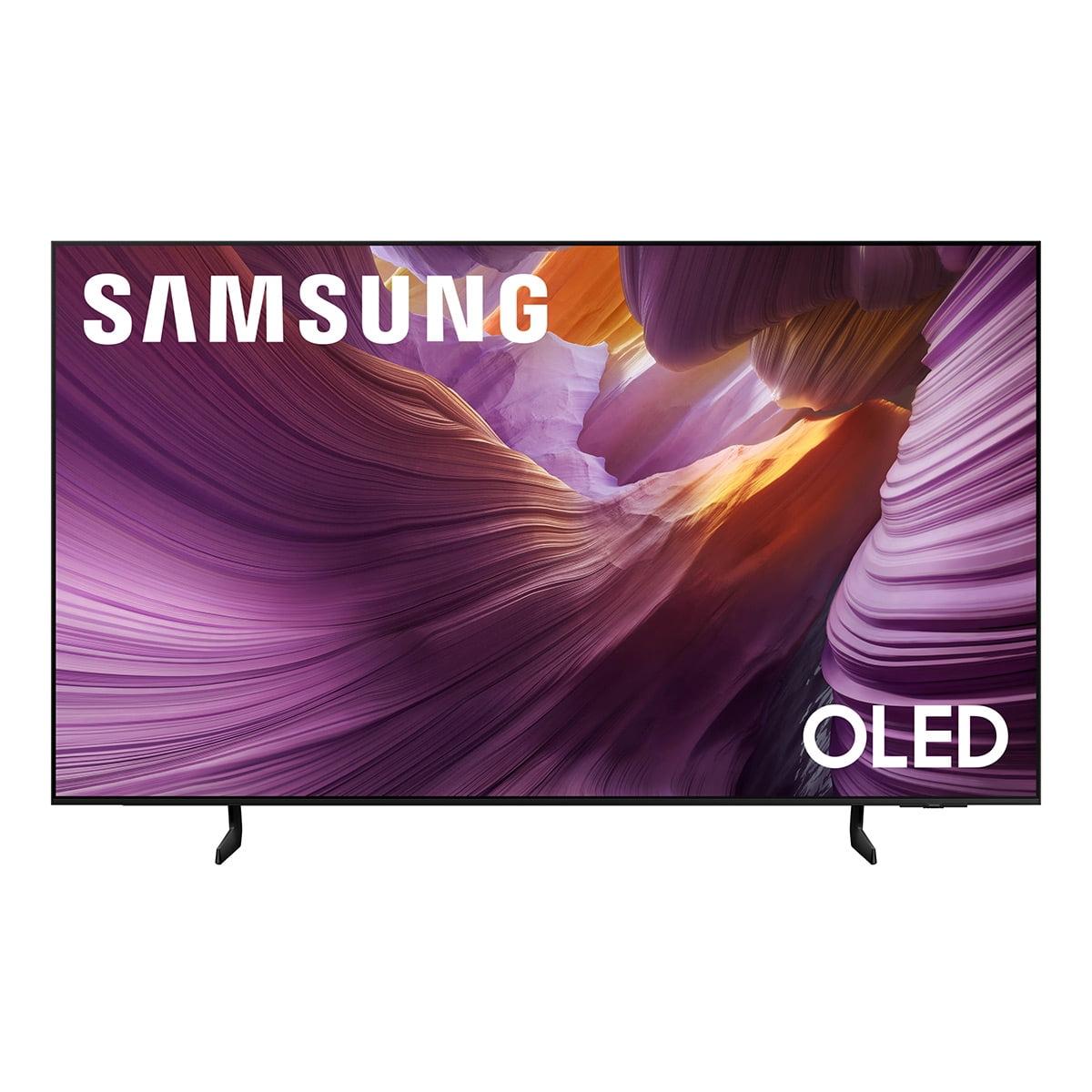
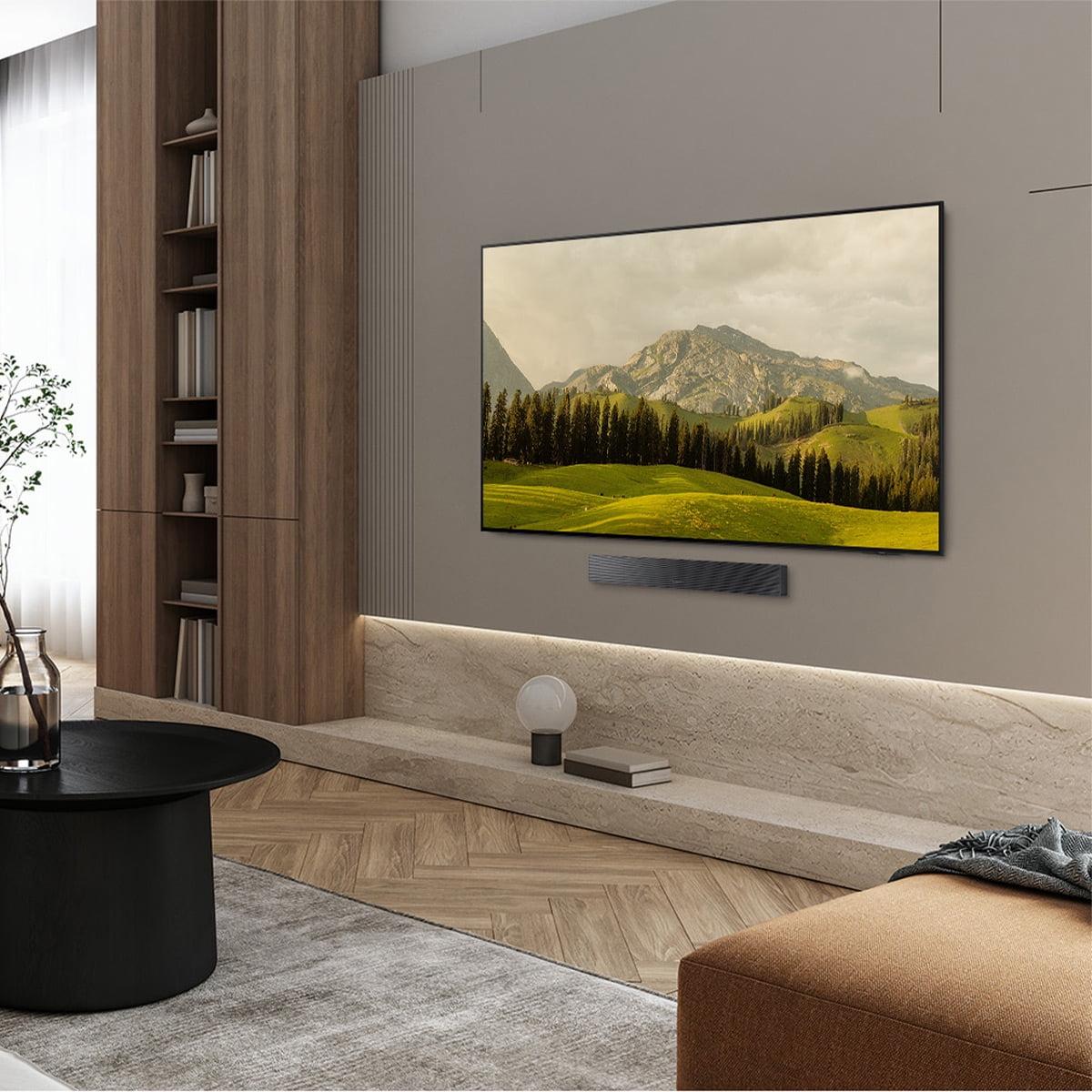
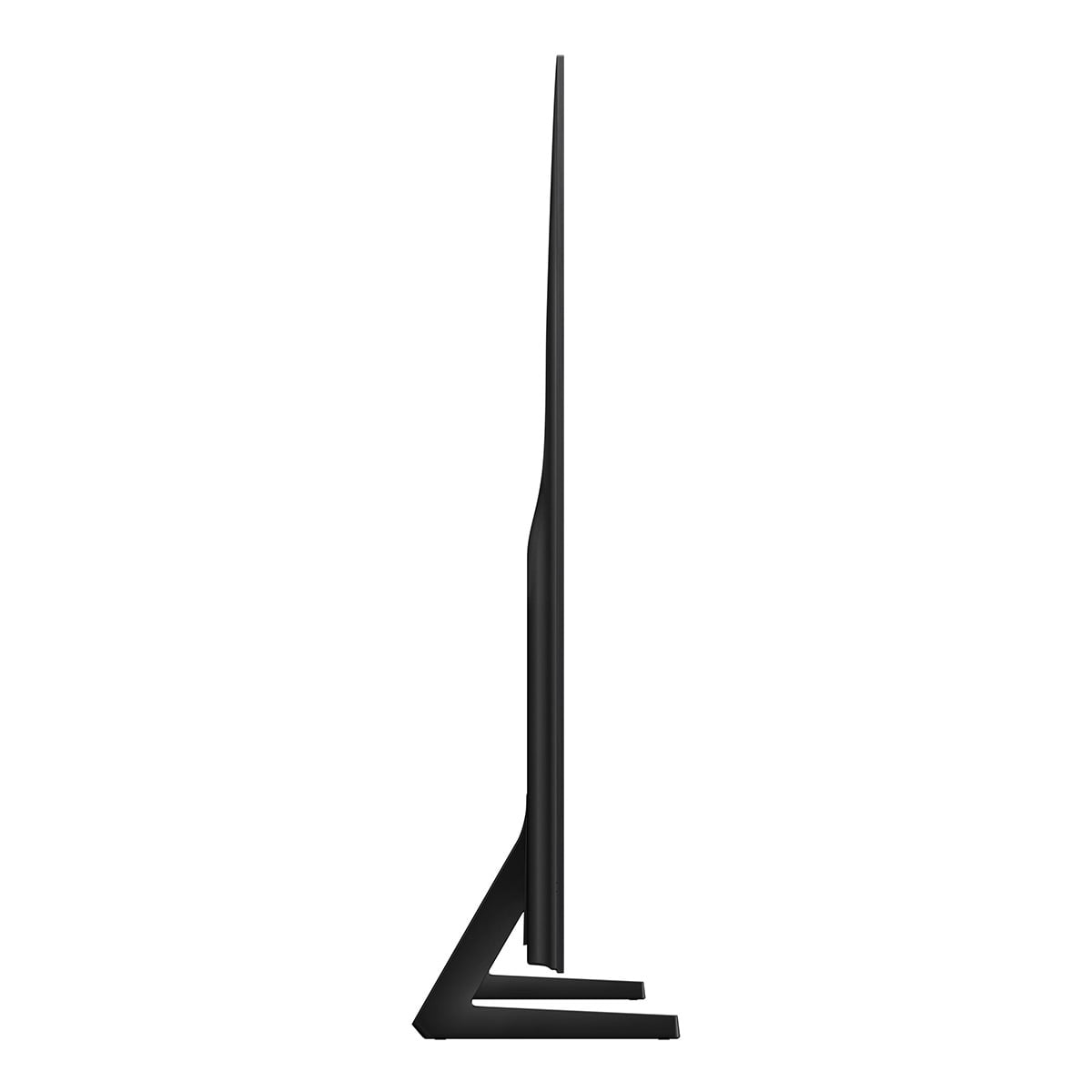

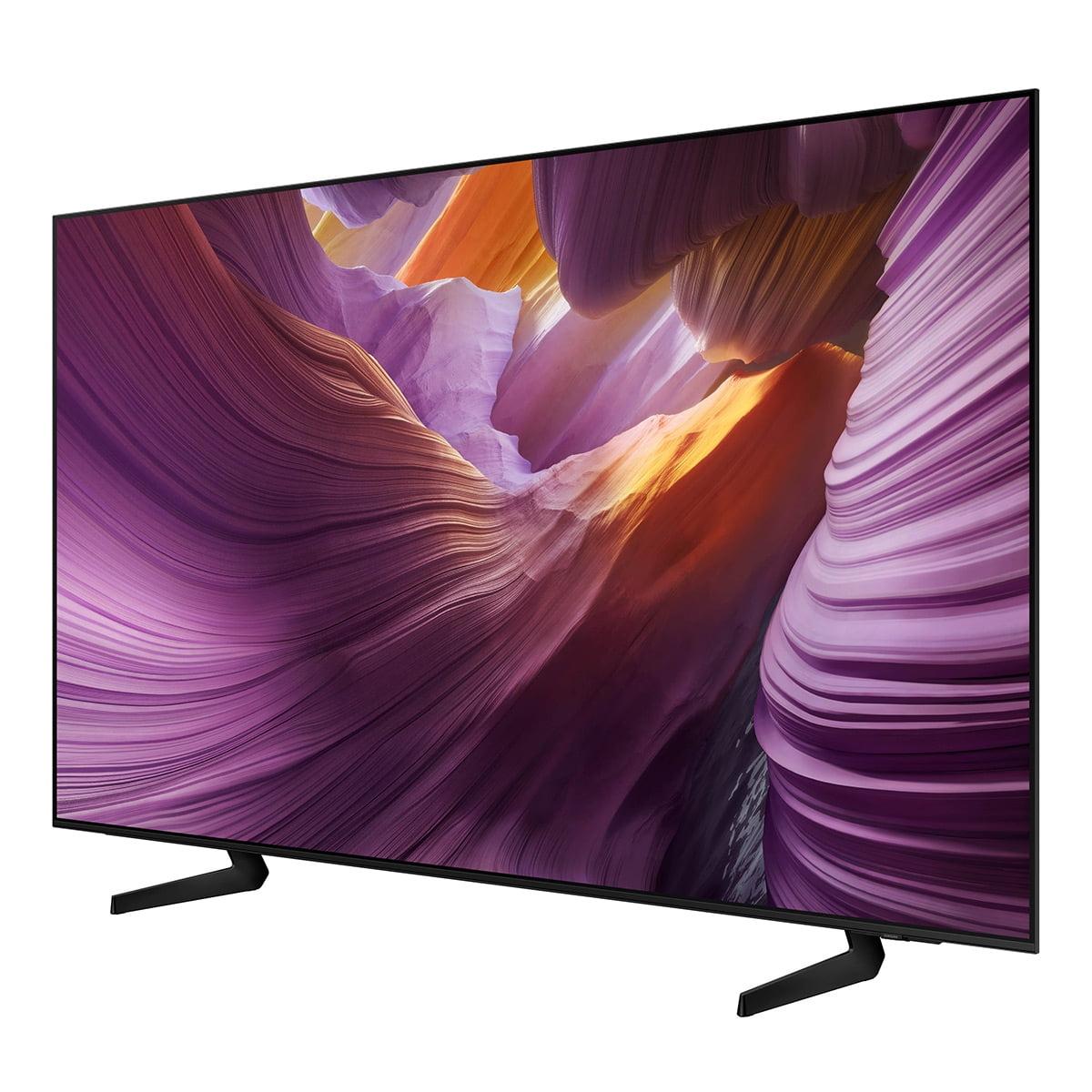
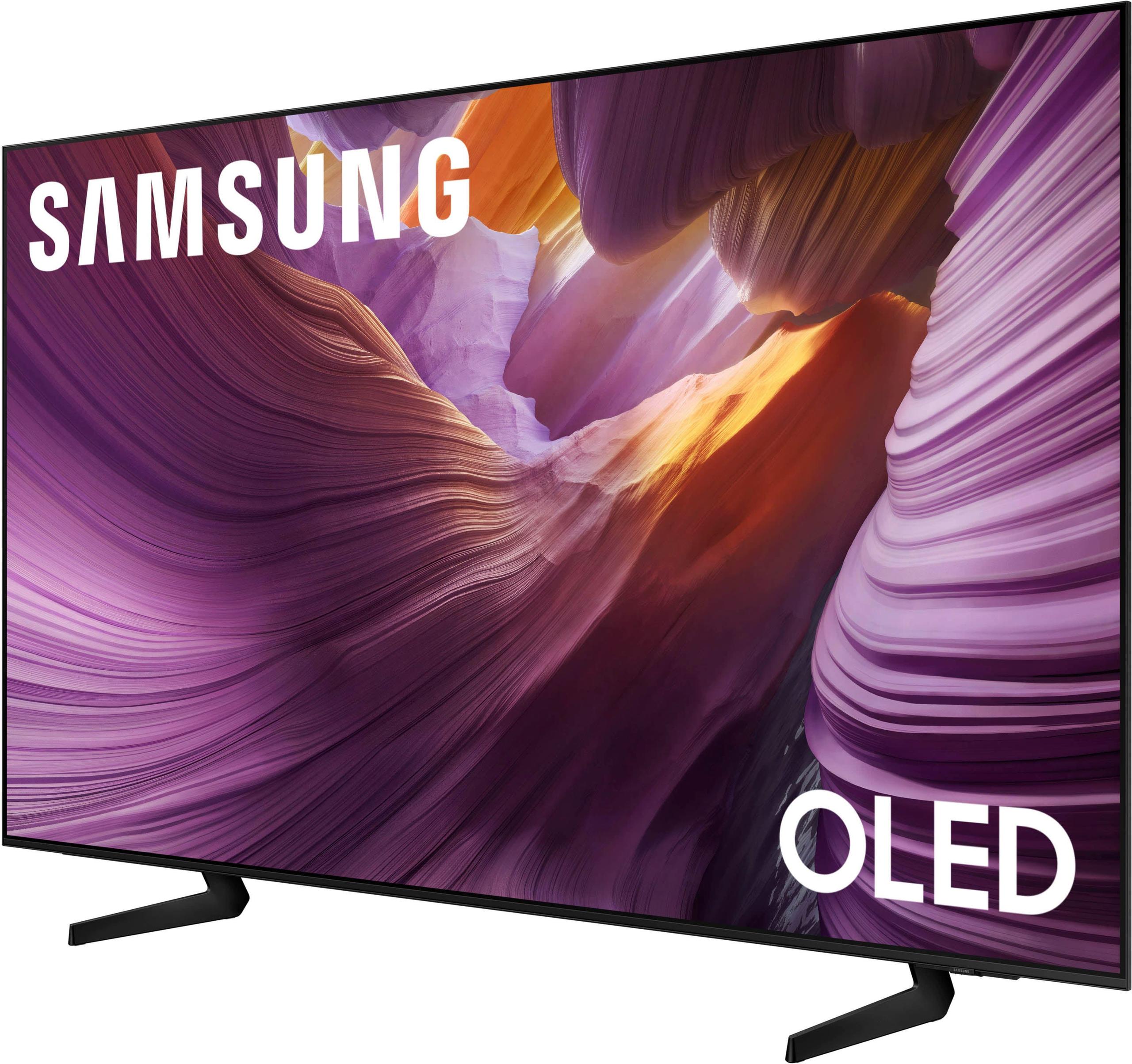
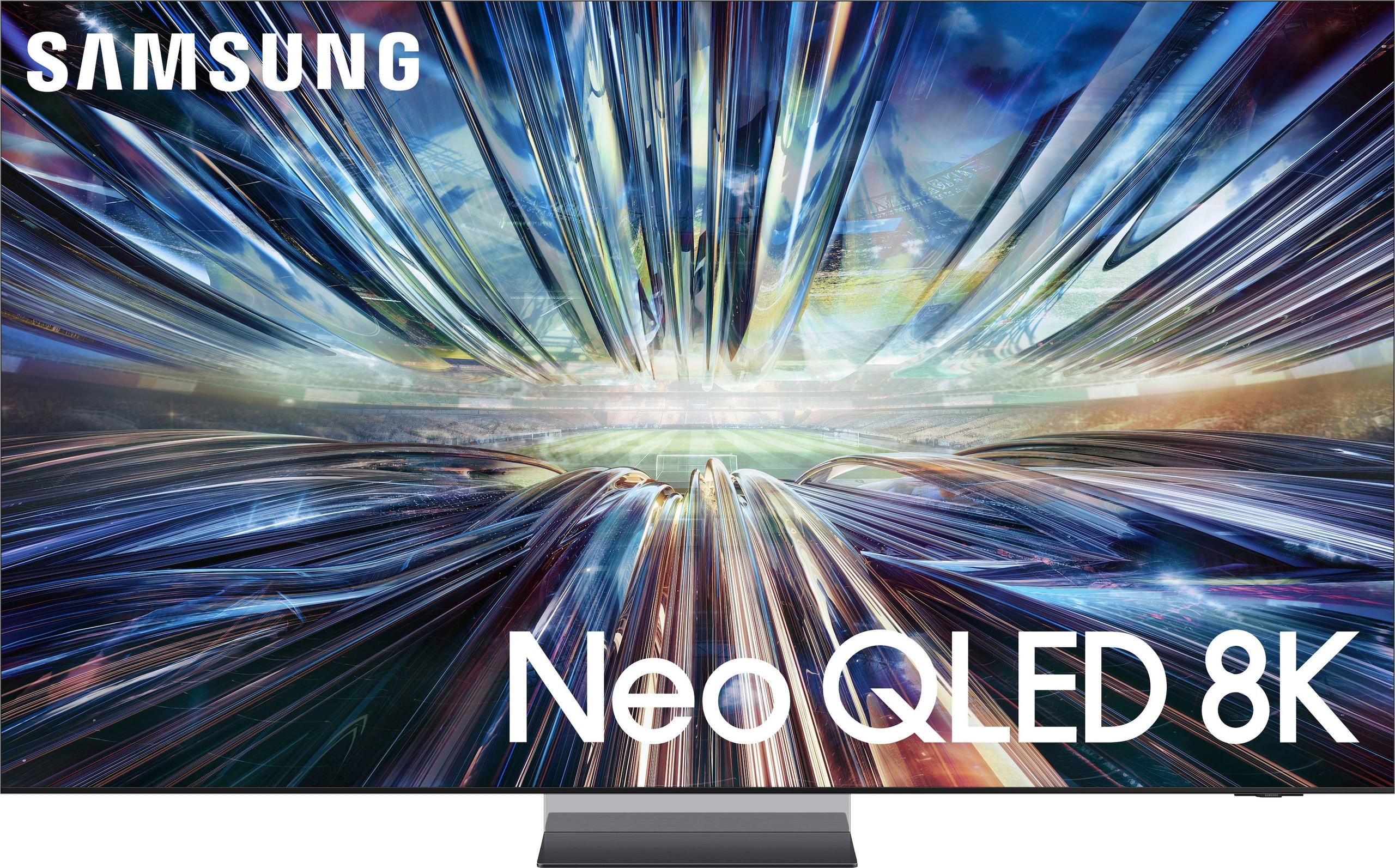
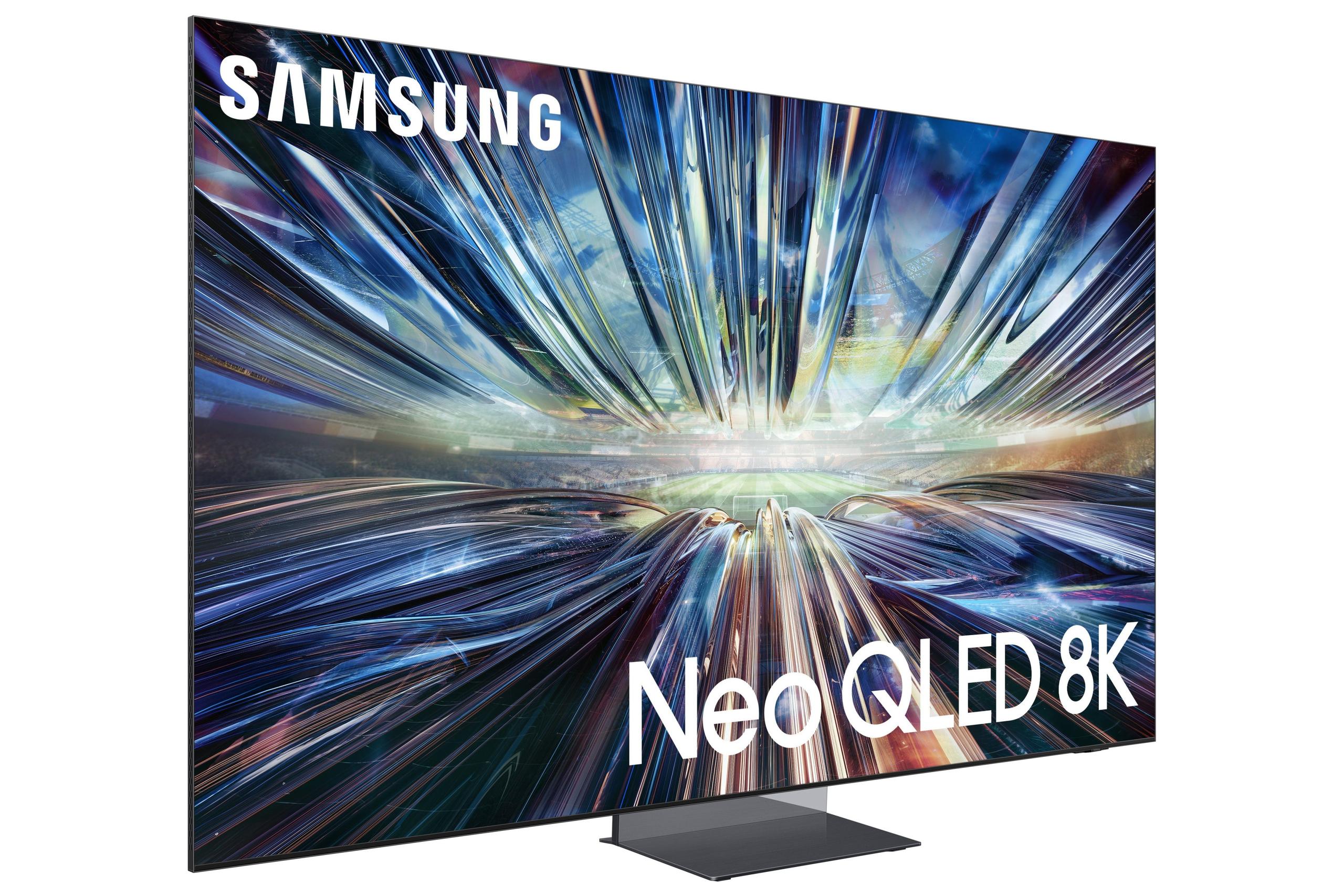
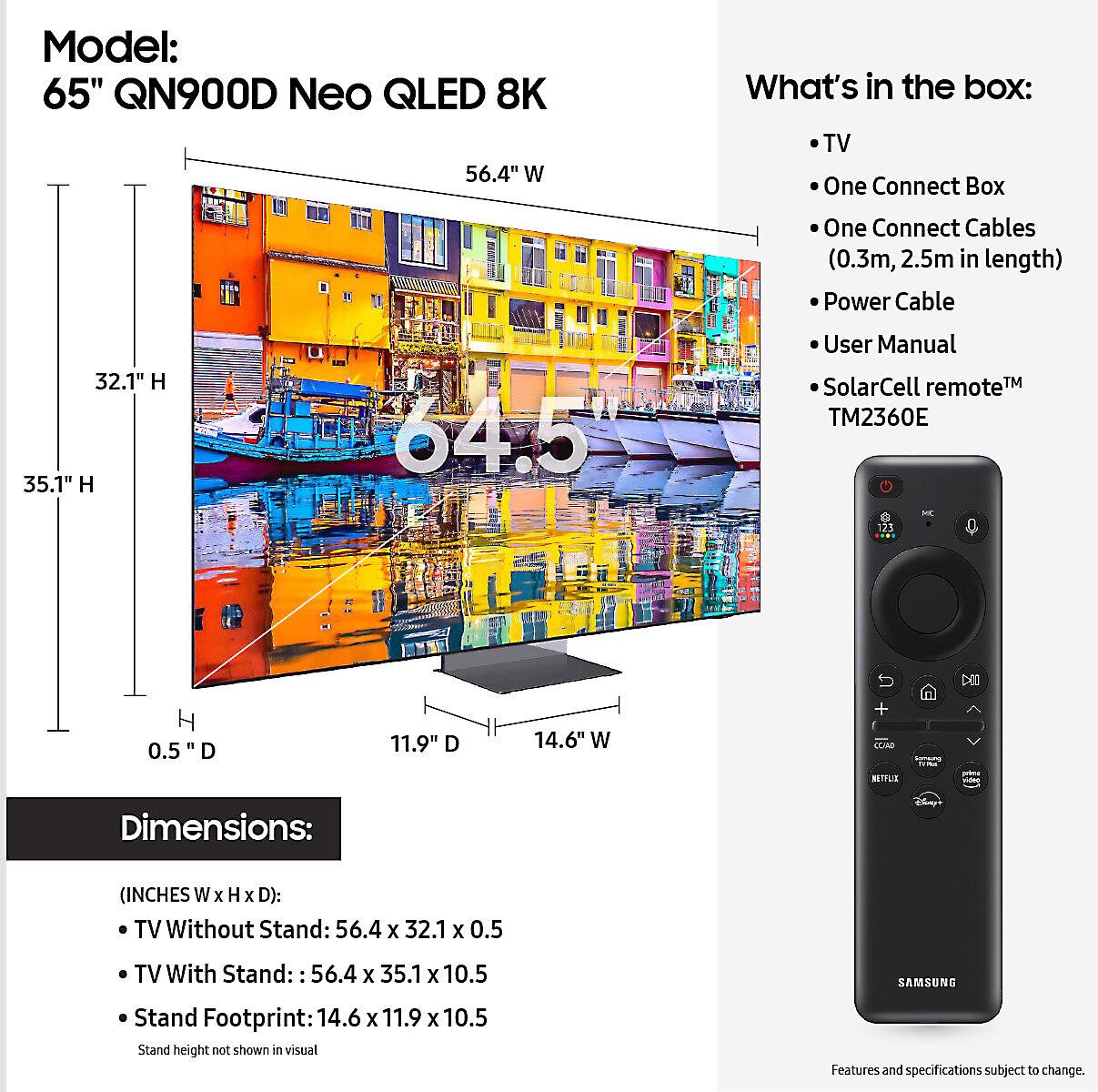
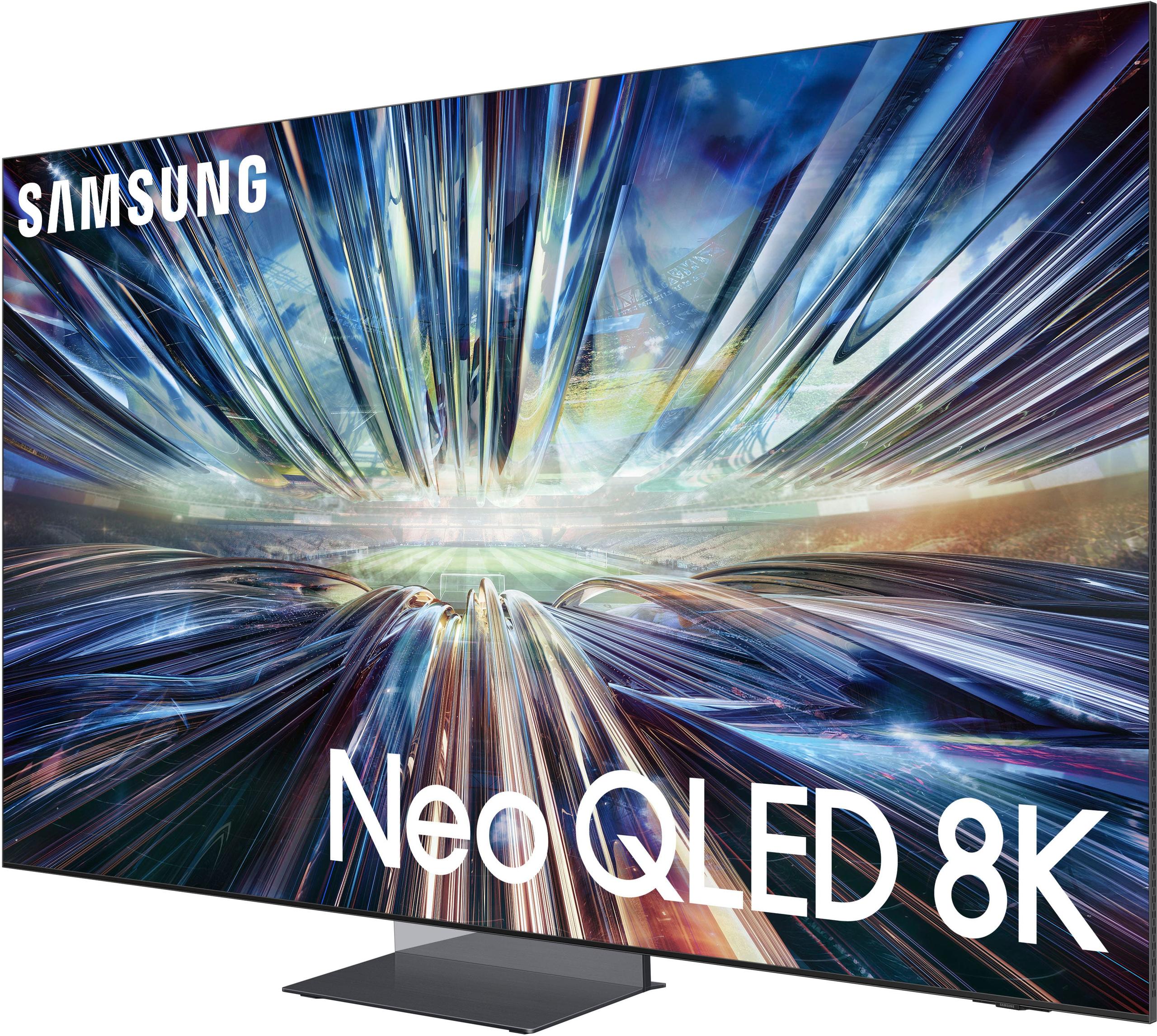
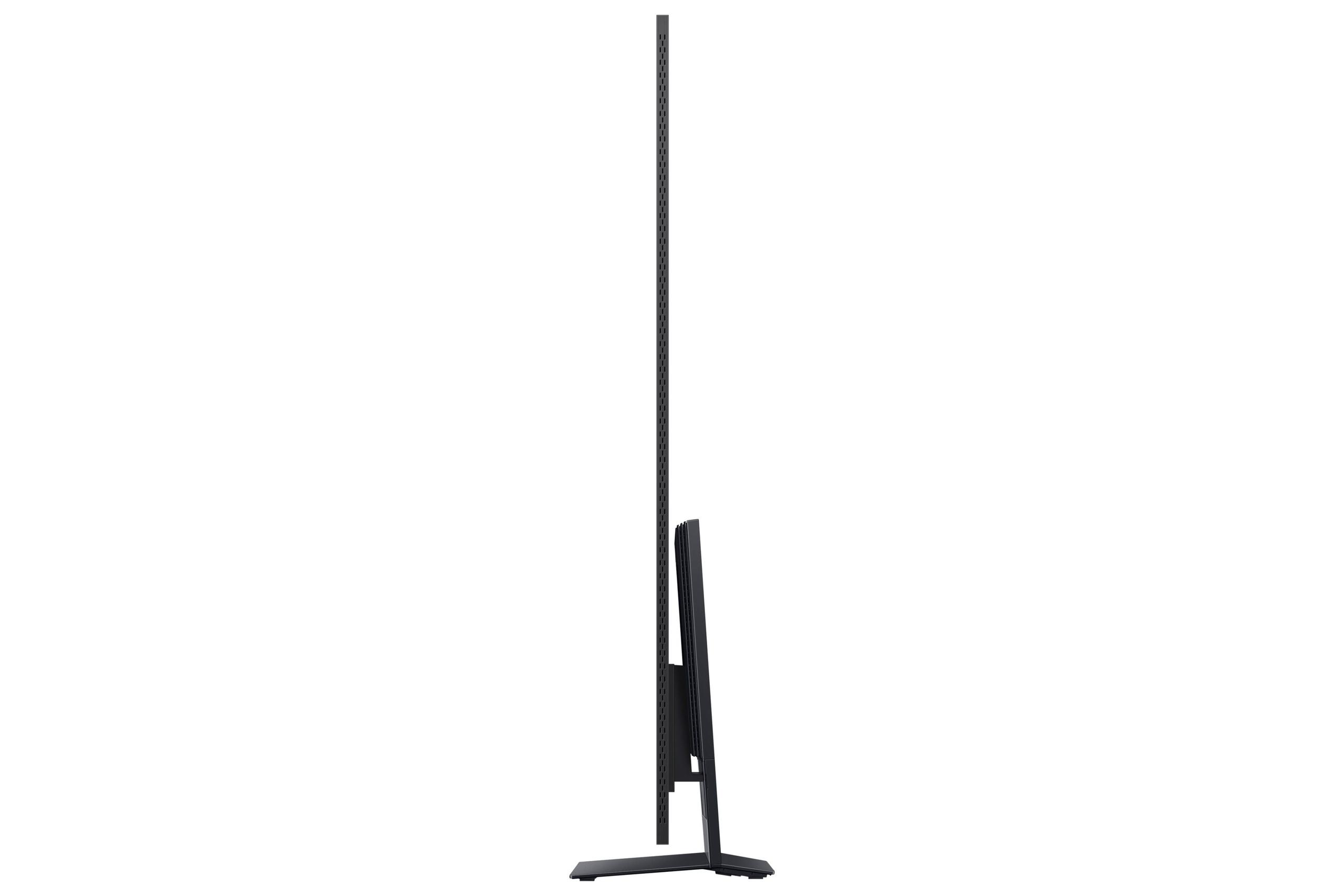
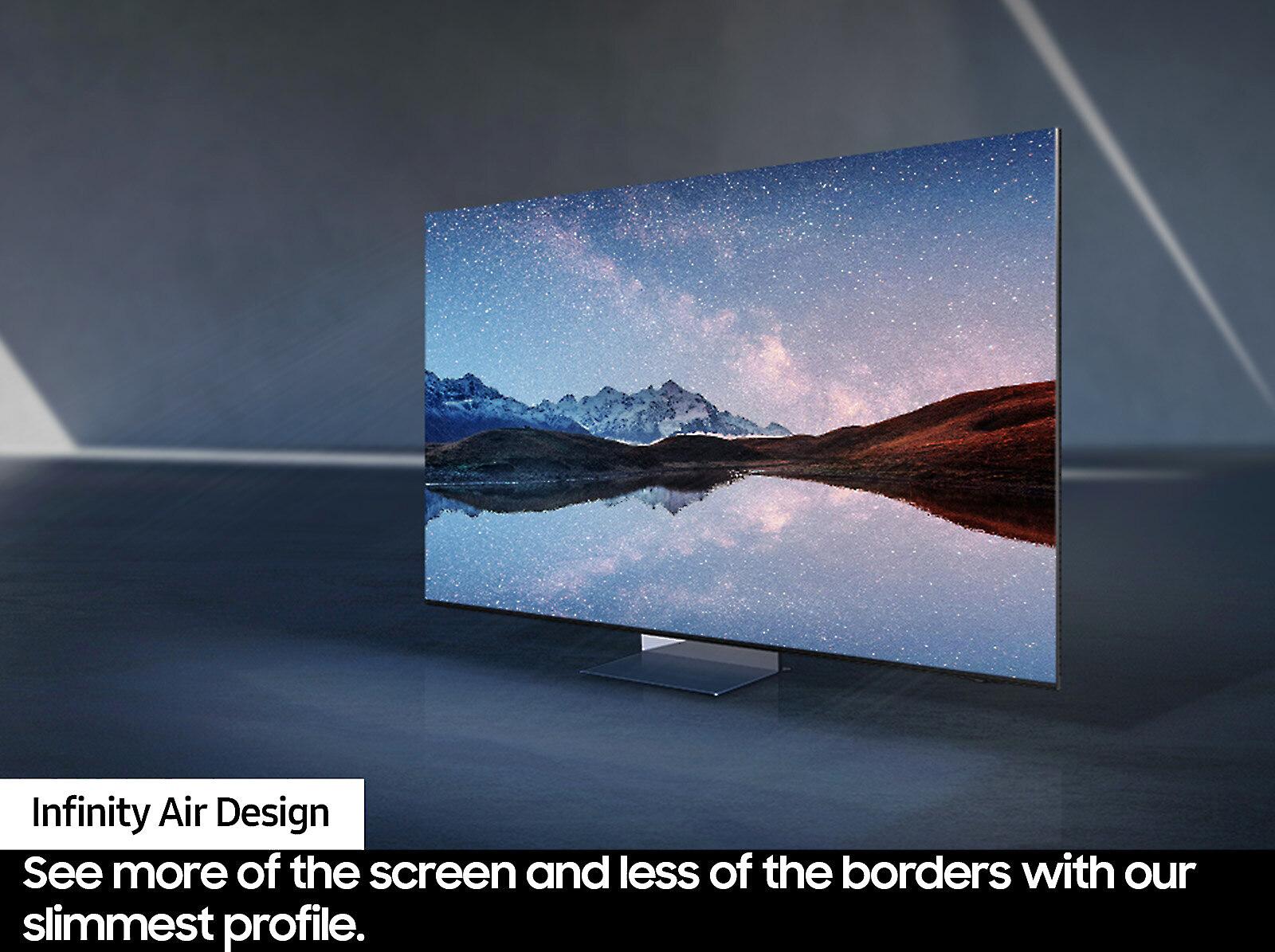

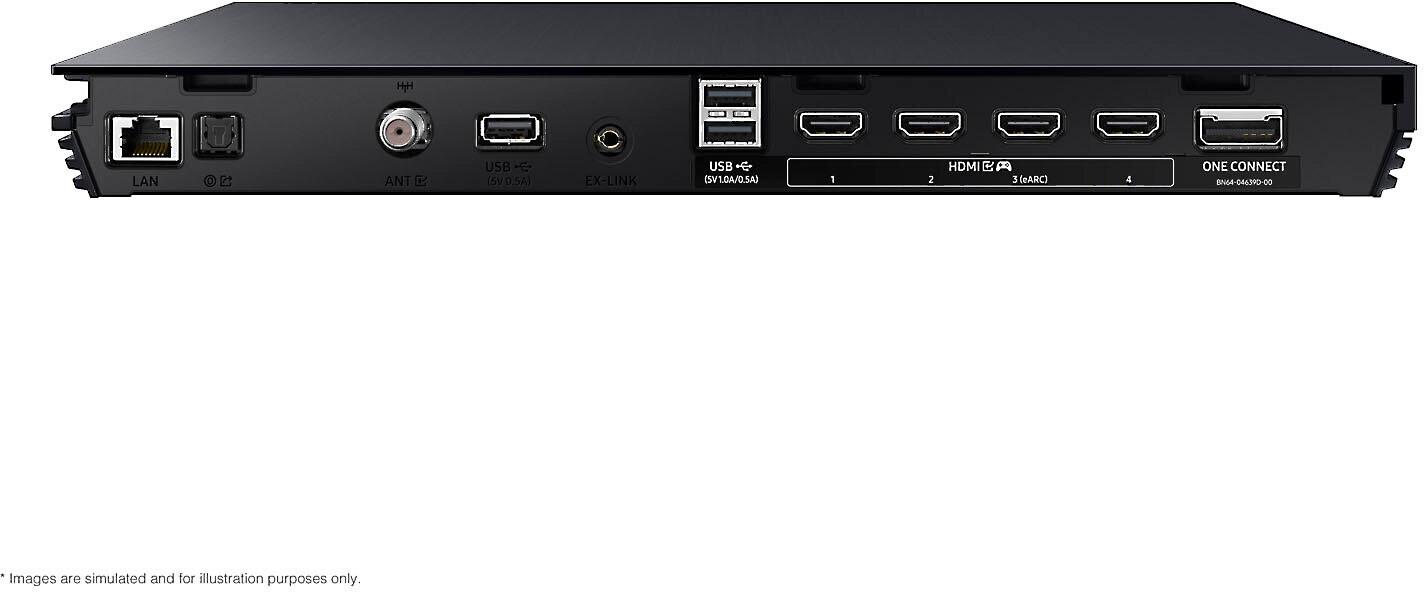
Shopping for a premium 65-inch TV in 2025? You're likely considering Samsung's latest offerings, and two models stand out as compelling options: the Samsung 65" S85F OLED 4K Smart TV at $1,599.99 and the Samsung QN900D Series 65" Neo QLED 8K Smart TV at $2,897.00. Both represent Samsung's cutting-edge display technology, but they take fundamentally different approaches to delivering exceptional picture quality.
The premium TV market has evolved dramatically over the past few years. OLED technology, once exclusive to expensive flagship models, has become more accessible, while manufacturers have pushed Mini LED technology to new heights. Samsung released both of these models in early 2025, with the QN900D launching first as part of their CES lineup, followed by the S85F in spring.
What makes this comparison particularly interesting is that these TVs represent two distinct philosophies in premium display technology. OLED uses self-emissive pixels that can turn completely off to create perfect blacks, while Neo QLED employs thousands of tiny LED backlights (called Mini LEDs) behind a traditional LCD panel to achieve impressive brightness and color performance.
The key considerations when choosing between these technologies include how you'll use the TV, your room's lighting conditions, gaming preferences, and whether you value cutting-edge features like 8K resolution. Let me walk you through the most important differences to help you make an informed decision.
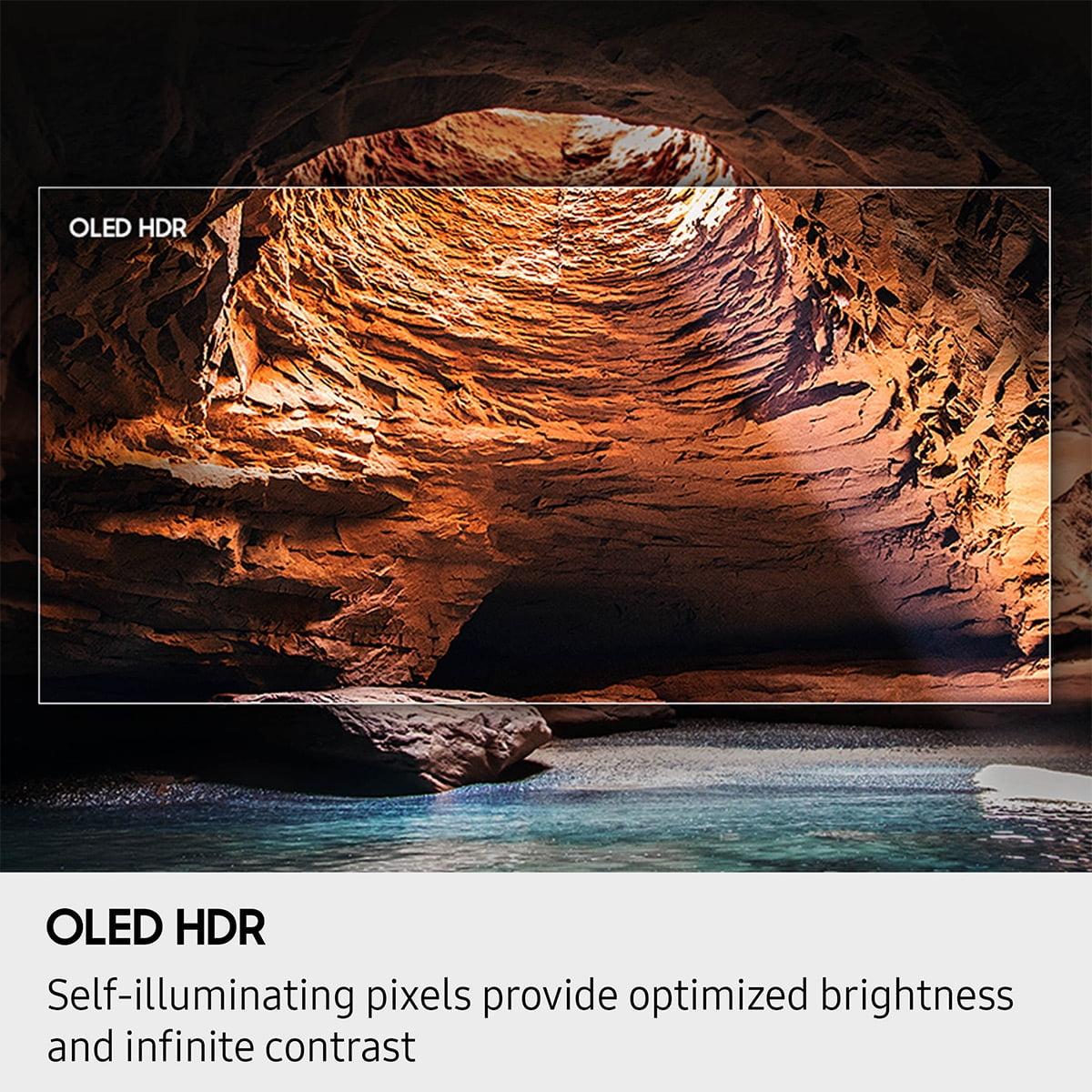
The S85F OLED uses what's called QD-OLED technology, which combines quantum dots with organic light-emitting diodes. Think of each pixel as a tiny light bulb that can turn completely on or off independently. When displaying a black pixel, it simply turns off entirely – no light, no glow, just pure black. This creates what's called an "infinite contrast ratio" because you're dividing any bright value by zero (complete darkness).
I've spent considerable time with OLED displays, and the effect is immediately noticeable when watching movies with dark scenes. Space movies like "Interstellar" or horror films look particularly stunning because the darkness feels genuinely dark, not the grayish-black you get from most TVs.
The QN900D Neo QLED takes a different approach. It uses thousands of tiny LED backlights (Samsung calls them Mini LEDs) arranged in precise zones behind the screen. Each zone can be dimmed independently using "local dimming" technology. Samsung's Quantum Matrix Technology Pro allows for extremely precise control of these zones – far more precise than older LED TVs.
The quantum dot layer enhances colors by converting blue LED light into highly pure red and green light. This creates a wider color gamut (range of colors) and higher color volume (how saturated colors can be at different brightness levels) than traditional LED displays.
In a dark room, the S85F OLED has a clear advantage. Those perfect blacks create an almost three-dimensional depth to images that's particularly noticeable in cinematic content. When watching "Dune" or "The Batman," the contrast between bright desert sand and deep shadows creates an immersive experience that feels closer to what you'd see in a movie theater.
The QN900D, despite its advanced local dimming, can't quite match this performance. While it's impressively dark, you might notice subtle "blooming" – a faint halo around bright objects against dark backgrounds. This is most visible in content like star fields or bright text on black backgrounds.
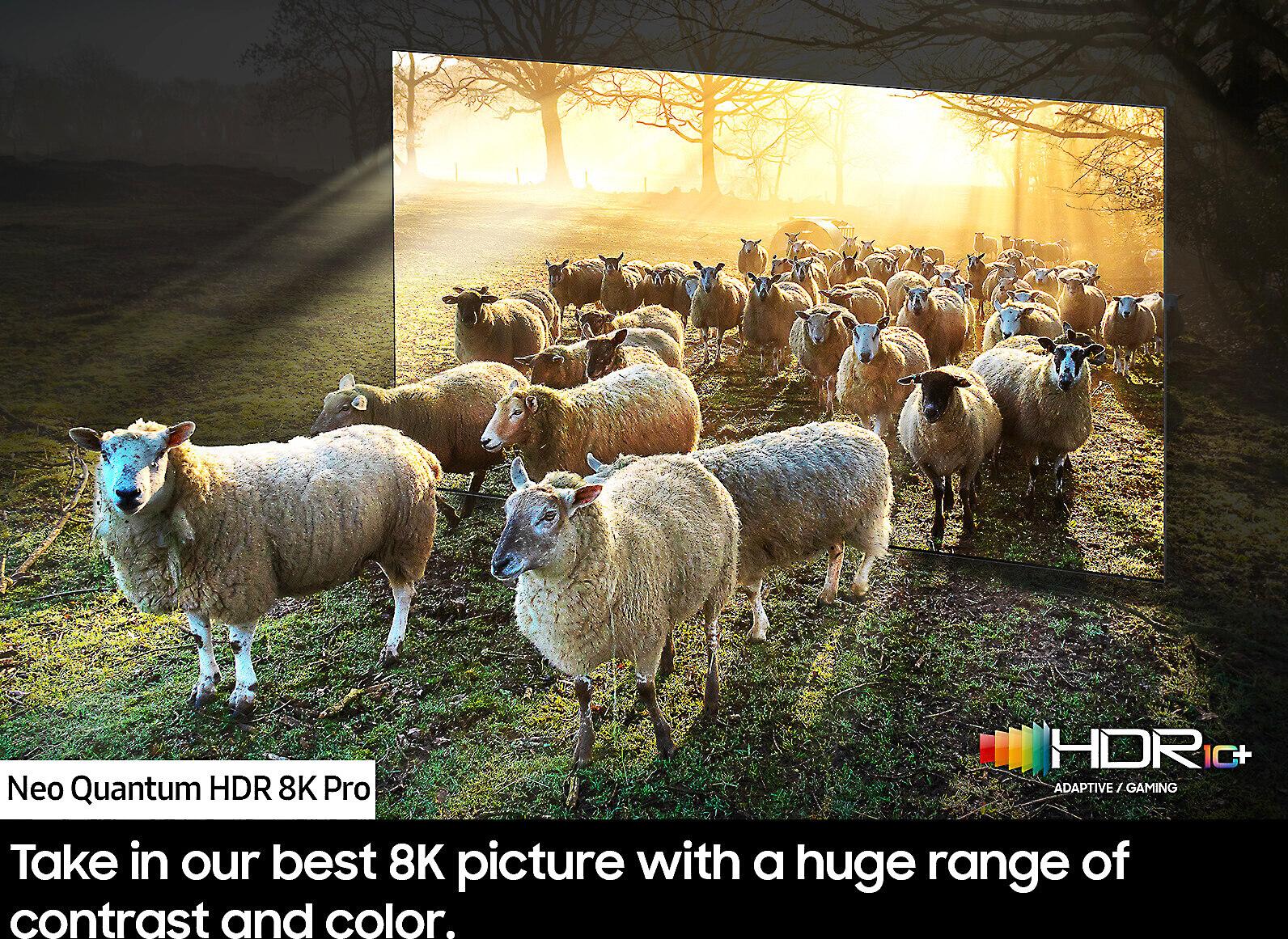
Here's where the QN900D Neo QLED shines. Its peak brightness exceeds 2,000 nits (a measure of luminance), compared to the S85F's approximately 750 nits in highlights. In practical terms, this means the QN900D can maintain picture quality even in rooms with lots of windows or bright overhead lighting.
I've tested both in various lighting conditions, and the difference is significant. The QN900D's image remains vibrant and detailed even with afternoon sunlight streaming through windows, while the S85F can look somewhat washed out in the same conditions. Both TVs include Samsung's anti-glare coating, which helps reduce reflections, but the QN900D's higher brightness gives it a substantial advantage in bright environments.
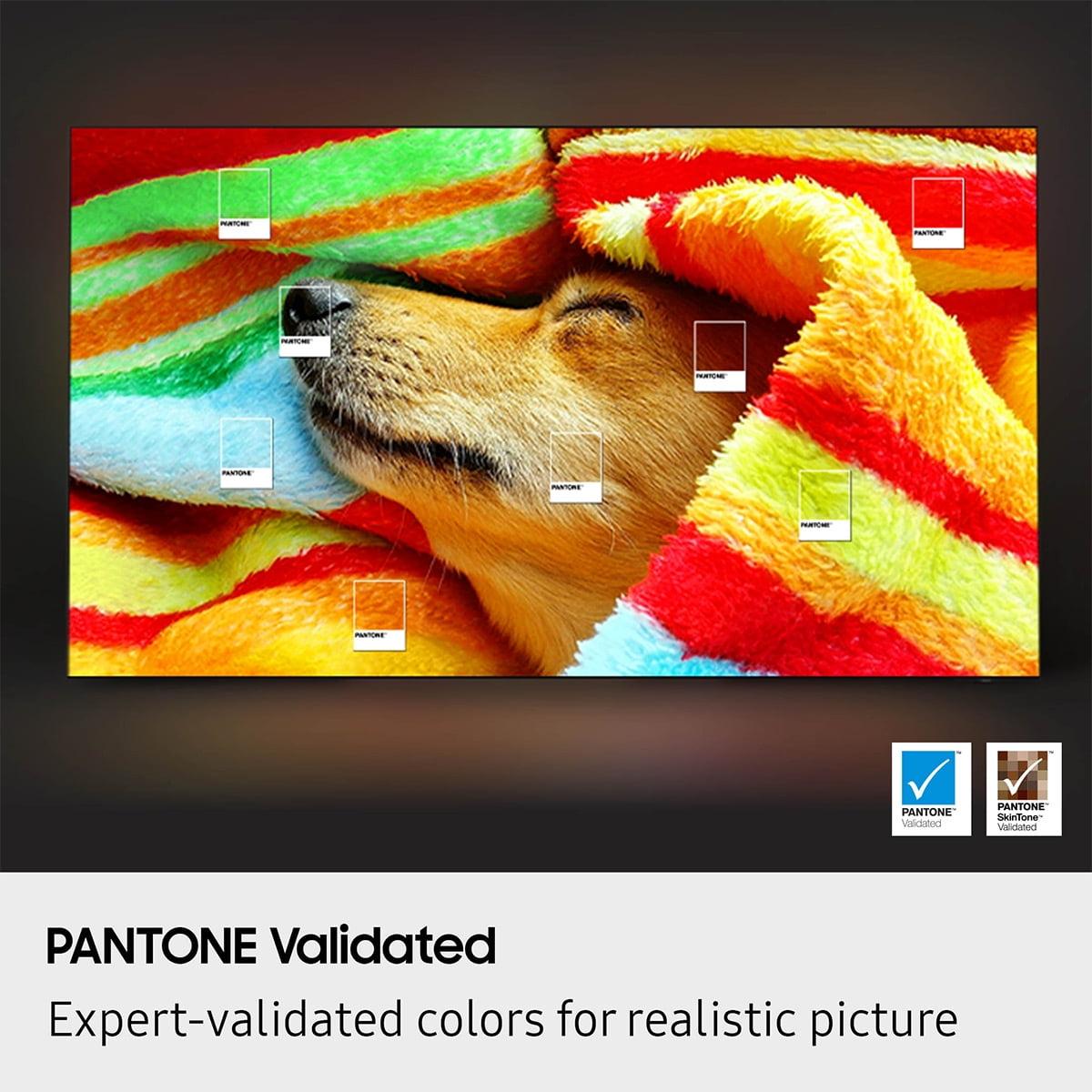
Both TVs excel in color reproduction but in different ways. The S85F's QD-OLED panel is Pantone Validated, meaning it can accurately reproduce over 2,140 colors and 110 skin tone shades as defined by industry standards. Colors appear natural and film-like, with excellent accuracy across the spectrum.
The QN900D's quantum dot technology delivers higher color volume – meaning colors can remain saturated even at high brightness levels. This is particularly beneficial for HDR content where you might have very bright, colorful elements like a sunset or neon signs.
Both TVs are excellent for gaming, but they excel in different areas. The S85F OLED offers nearly instantaneous pixel response times – meaning no blur behind fast-moving objects. This is crucial for competitive gaming where every millisecond matters. The infinite contrast also makes dark game environments more immersive, whether you're exploring caves in "Elden Ring" or playing horror games.
The QN900D Neo QLED supports higher refresh rates for PC gaming, including 4K at 240Hz. This future-proofs the TV for high-end gaming setups and provides incredibly smooth motion. It also supports 8K gaming at 60Hz, which could become relevant as next-generation consoles arrive.
Both TVs include Samsung's Gaming Hub, which provides access to cloud gaming services like Xbox Game Pass and NVIDIA GeForce Now without needing a console. They also support Variable Refresh Rate (VRR) and Auto Low Latency Mode (ALLM) for seamless gaming experiences.
This is perhaps the most debated aspect of the comparison. The QN900D's 8K resolution provides four times the pixel density of the S85F's 4K display. At 65 inches, sitting at typical viewing distances (8-10 feet), the difference in native resolution is subtle but noticeable with the right content.
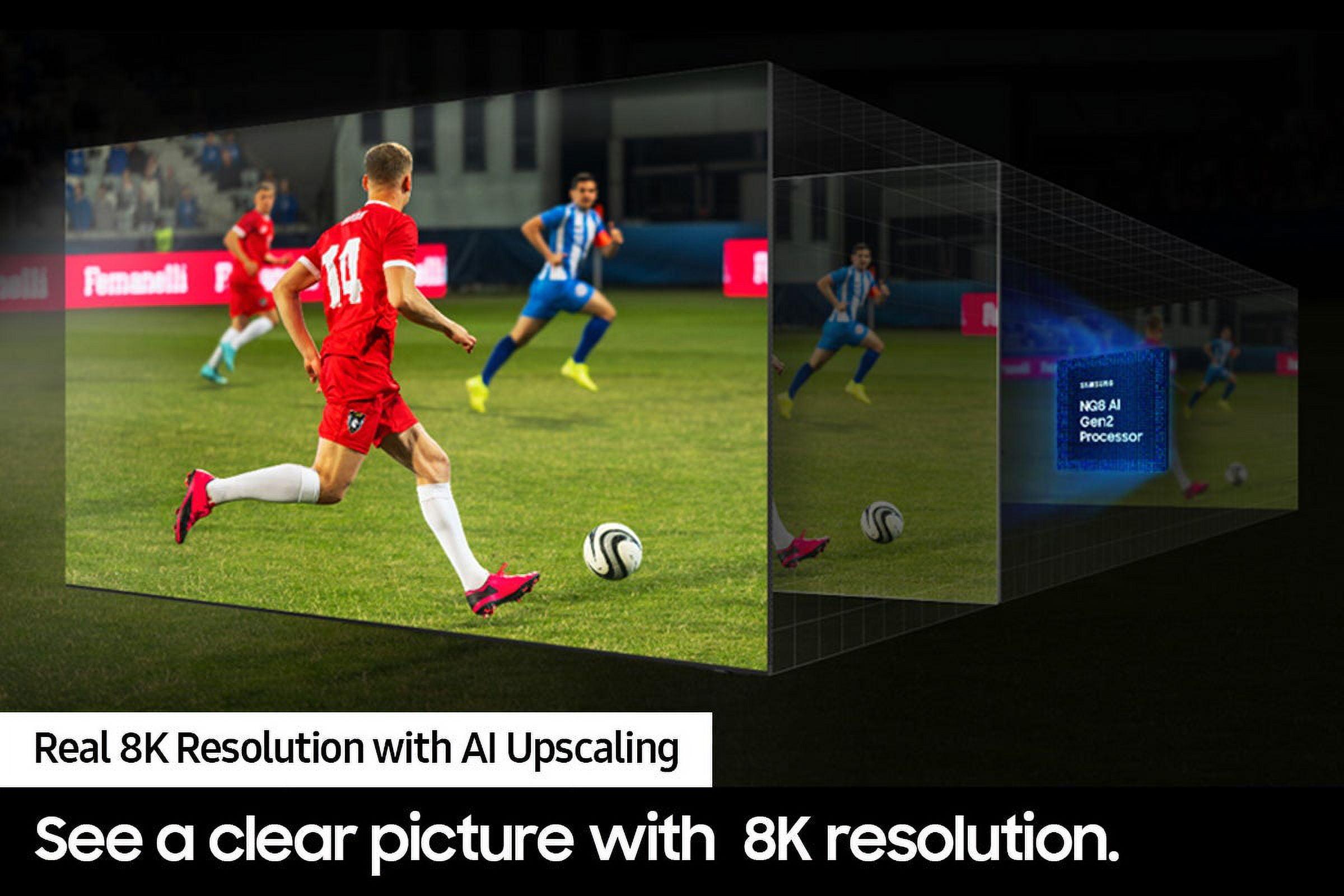
The real strength of the QN900D's 8K capability lies in its upscaling performance. The NQ8 AI Gen3 Processor (which is twice as fast as the processor in Samsung's 4K TVs) can take 1080p or 4K content and enhance it to impressive 8K quality. I've been consistently impressed with how well it handles older movies and TV shows, adding detail and clarity that wasn't visible in the original source.
However, native 8K content remains extremely limited. There's virtually no 8K streaming content available, and 8K gaming is still in its infancy. The value proposition largely depends on whether you believe 8K will become mainstream within the TV's lifespan.
Audio performance differs significantly between these models. The S85F OLED includes a 2.0 channel, 20W speaker system with features like Dolby Atmos processing and Object Tracking Sound Lite. It's adequate for casual viewing but will likely leave home theater enthusiasts wanting more.
The QN900D Neo QLED steps up substantially with a 6.2.4 channel, 90W speaker system. This includes upward-firing speakers for genuine Dolby Atmos effects, creating a more immersive audio experience. The 360 Audio feature can track objects moving around the screen, matching sound to visual elements.
For serious home theater use, most enthusiasts will pair either TV with a dedicated sound system. However, if you prefer the simplicity of built-in audio, the QN900D offers a significantly more impressive experience.
Both TVs run Samsung's latest Tizen operating system with similar smart features. The key difference lies in processing power. The QN900D's NQ8 AI Gen3 Processor provides more advanced AI picture and sound optimization, adapting settings in real-time based on content and room conditions.
Both include Samsung's SmartThings Hub functionality, making them central controllers for smart home devices. They support major voice assistants (Bixby, Alexa, Google Assistant) and offer extensive streaming app support.
The S85F includes Samsung's new SolarCell Remote, which charges via ambient light rather than requiring batteries – a thoughtful sustainability feature.
The $1,300 price difference between these TVs represents a significant value consideration. The S85F OLED delivers approximately 80% of the premium TV experience at 55% of the cost. You're getting flagship-level picture quality, excellent gaming performance, and premium smart features.
The QN900D Neo QLED commands its premium through cutting-edge 8K technology, superior brightness, advanced audio, and future-proofing features. Whether these benefits justify the additional cost depends on your specific needs and viewing environment.
For dedicated home theater setups, several factors become crucial. The S85F OLED excels in controlled lighting environments where its perfect blacks create that cinematic depth. The viewing angle is excellent, meaning everyone in the room gets consistent picture quality.
The QN900D Neo QLED might be preferable if your theater room has some ambient lighting or if you frequently watch HDR content where the higher brightness creates more impactful highlights. The superior built-in audio is also advantageous if you're not planning to add a separate sound system immediately.
Both TVs support the latest HDR formats, though neither includes Dolby Vision (Samsung uses HDR10+ instead). This might be a consideration for some home theater enthusiasts who have extensive Dolby Vision libraries.
Choose the Samsung 65" S85F OLED 4K Smart TV if you:
Choose the Samsung QN900D Series 65" Neo QLED 8K Smart TV if you:
Both of these Samsung TVs represent excellent choices in the premium segment, but they serve different priorities. The S85F OLED offers exceptional value with technology that will satisfy most viewers' needs for years to come. The QN900D Neo QLED provides cutting-edge features and performance that justify its premium pricing for the right user.
In my experience, most consumers will be thoroughly satisfied with the S85F's picture quality and feature set. The QN900D makes sense if you specifically need its brightness advantages, 8K capability, or advanced gaming features. Consider your room lighting, viewing habits, and budget carefully – both TVs will deliver years of exceptional entertainment, just through different technological approaches.
The TV market continues evolving rapidly, but these models represent the current state of the art in their respective technologies. Whichever you choose, you'll be getting a display that showcases the best of what modern television technology can offer.
| Samsung 65" S85F OLED 4K Smart TV (2025) | Samsung QN900D Series 65" Neo QLED 8K Smart TV |
|---|---|
| Price - The $1,300 difference reflects premium 8K technology and advanced features | |
| $1,599.99 | $2,897.00 |
| Display Technology - OLED offers perfect blacks, Neo QLED provides superior brightness | |
| QD-OLED with self-emissive pixels | Mini LED with Quantum Matrix Technology Pro |
| Resolution - 8K provides future-proofing but limited current content benefit | |
| 4K (3840 x 2160) with excellent upscaling | 8K (7680 x 4320) native with AI upscaling |
| Peak Brightness - Critical for HDR impact and bright room performance | |
| ~750 nits (small highlights), ~150 nits (full screen) | >2,000 nits sustained across larger areas |
| Contrast Ratio - OLED's infinite contrast creates superior dark scene detail | |
| Infinite (pixels turn completely off) | ~10,000:1 with some blooming in dark scenes |
| Processor - More powerful chip enables better upscaling and AI features | |
| NQ4 AI Gen2 Processor | NQ8 AI Gen3 Processor (2x faster than 4K models) |
| Gaming Performance - Both excellent, but QN900D offers higher refresh rates | |
| 4K @ 120Hz, VRR, ALLM, instant response | 4K @ 240Hz, 8K @ 60Hz, VRR, ALLM |
| Audio System - QN900D's superior speakers reduce need for soundbar | |
| 2.0 channel, 20W with Dolby Atmos processing | 6.2.4 channel, 90W with true Dolby Atmos |
| Best Room Conditions - Lighting environment significantly impacts performance | |
| Dark to moderate lighting (perfect blacks excel) | Bright rooms (high brightness cuts through glare) |
| HDR Support - Both support Samsung's HDR10+ format | |
| OLED HDR, HDR10+ Adaptive/Gaming | Neo Quantum HDR 8K+, HDR10+ Adaptive/Gaming |
| Smart Features - Similar capabilities with processing power differences | |
| Tizen OS, SmartThings Hub, SolarCell Remote | Tizen OS, SmartThings Hub, advanced AI optimization |
| Value Proposition - S85F offers 80% of premium experience at 55% of cost | |
| Entry-level OLED with flagship picture quality | Cutting-edge 8K with maximum brightness |
The Samsung 65" S85F OLED 4K Smart TV (2025) is significantly better for dark room viewing. Its OLED technology allows pixels to turn completely off, creating perfect blacks and infinite contrast. This makes movies and shows with dark scenes look more cinematic and immersive compared to the Samsung QN900D Series 65" Neo QLED 8K Smart TV, which can show some blooming around bright objects in dark scenes.
The Samsung QN900D Series 65" Neo QLED 8K Smart TV excels in bright rooms with its peak brightness exceeding 2,000 nits. This allows it to maintain picture quality even with windows or bright overhead lighting. The Samsung 65" S85F OLED 4K Smart TV (2025) reaches only about 750 nits in highlights and may appear washed out in very bright environments.
The 8K resolution on the Samsung QN900D Series 65" Neo QLED 8K Smart TV provides future-proofing and excellent upscaling of current content, but native 8K content is extremely limited. For most viewers, the Samsung 65" S85F OLED 4K Smart TV (2025) offers better value with excellent 4K performance at $1,300 less.
Both TVs are excellent for gaming, but serve different needs. The Samsung 65" S85F OLED 4K Smart TV (2025) offers instant pixel response times ideal for competitive gaming, while the Samsung QN900D Series 65" Neo QLED 8K Smart TV supports higher refresh rates including 4K at 240Hz for high-end PC gaming.
OLED technology in the Samsung 65" S85F OLED 4K Smart TV (2025) uses self-emissive pixels that can turn completely off for perfect blacks. Neo QLED technology in the Samsung QN900D Series 65" Neo QLED 8K Smart TV uses thousands of Mini LED backlights behind an LCD panel for superior brightness and color volume.
The Samsung QN900D Series 65" Neo QLED 8K Smart TV has significantly better built-in audio with a 6.2.4 channel, 90W speaker system including upward-firing speakers for true Dolby Atmos. The Samsung 65" S85F OLED 4K Smart TV (2025) has a basic 2.0 channel, 20W system that will likely require a soundbar for optimal audio.
The Samsung 65" S85F OLED 4K Smart TV (2025) at $1,599.99 offers exceptional value, delivering about 80% of the premium TV experience at 55% of the cost. The Samsung QN900D Series 65" Neo QLED 8K Smart TV at $2,897.00 provides cutting-edge features but at a significant premium that may not be justified for most users.
Both TVs handle HDR content excellently but differently. The Samsung 65" S85F OLED 4K Smart TV (2025) excels in shadow detail and contrast, while the Samsung QN900D Series 65" Neo QLED 8K Smart TV provides more impactful bright highlights due to its superior peak brightness capability.
For dedicated home theaters with controlled lighting, the Samsung 65" S85F OLED 4K Smart TV (2025) creates a more cinematic experience with perfect blacks. However, if your theater room has ambient lighting or you want superior built-in audio, the Samsung QN900D Series 65" Neo QLED 8K Smart TV might be preferable.
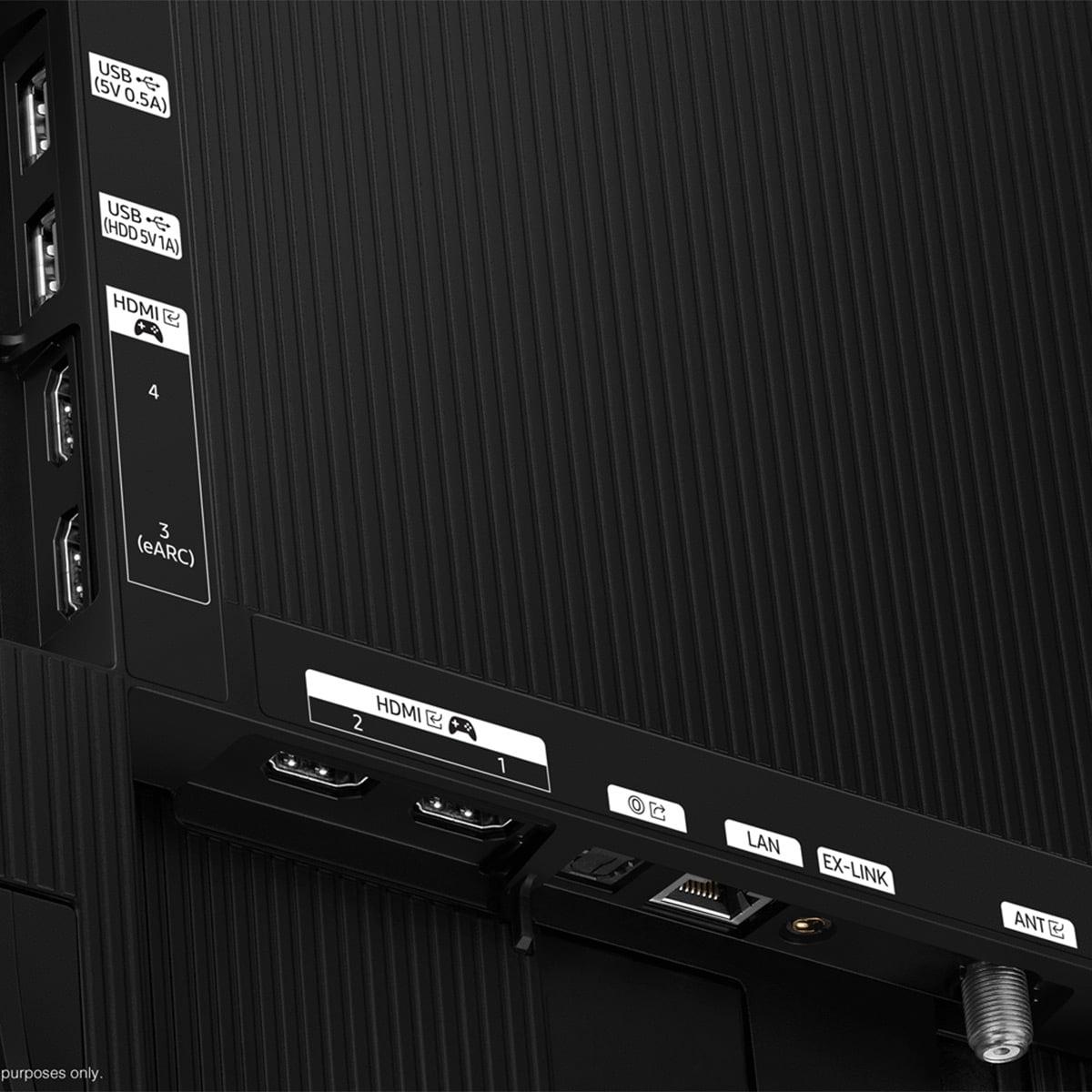
Yes, both the Samsung 65" S85F OLED 4K Smart TV (2025) and Samsung QN900D Series 65" Neo QLED 8K Smart TV support HDMI 2.1, Variable Refresh Rate (VRR), Auto Low Latency Mode (ALLM), and 4K at 120Hz gaming for PS5 and Xbox Series X compatibility.
The Samsung QN900D Series 65" Neo QLED 8K Smart TV offers better future-proofing with 8K resolution and more powerful processing for upcoming content and gaming advances. However, the Samsung 65" S85F OLED 4K Smart TV (2025) will remain highly relevant for years with excellent 4K performance and OLED technology longevity.
For streaming content, the Samsung 65" S85F OLED 4K Smart TV (2025) provides excellent value with superior contrast for movies and shows. The Samsung QN900D Series 65" Neo QLED 8K Smart TV offers impressive upscaling that can enhance streaming quality, but the significant price difference may not be justified for this use case alone.
We've done our best to create useful and informative comparisons to help you decide what product to buy. Our research uses advanced automated methods to create this comparison and perfection is not possible - please contact us for corrections or questions. These are the sites we've researched in the creation of this article: rtings.com - samsung.com - youtube.com - rtings.com - youtube.com - samsung.com - bestbuy.com - avsforum.com - avsforum.com - samsung.com - displayspecifications.com - videoandaudiocenter.com - bestbuy.com - flatpanelshd.com - myallsouth.com - samsung.com - richstv.com - samsung.com - heartlandappliance.com - rtings.com - videoandaudiocenter.com - bestbuy.com - avsforum.com - bestbuy.com - walts.com - images.samsung.com - samsung.com - merlinstv.com - samsung.com - avsforum.com - samsung.com

Privacy Policy
Terms and Conditions - Affiliate Policy
Home Security
© Copyright 2008-2026.
11816 Inwood Rd #1211, Dallas, TX 75244