

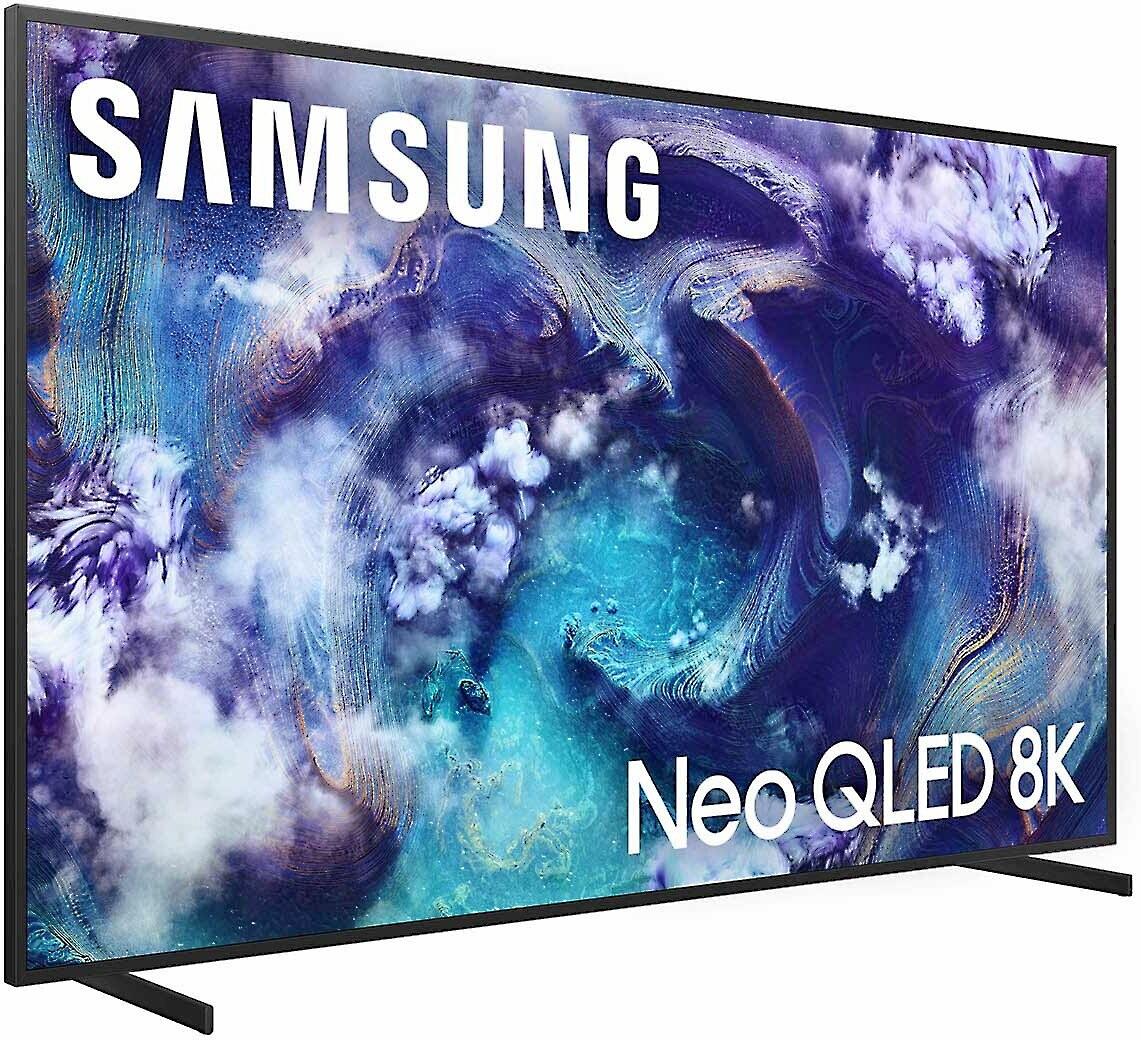
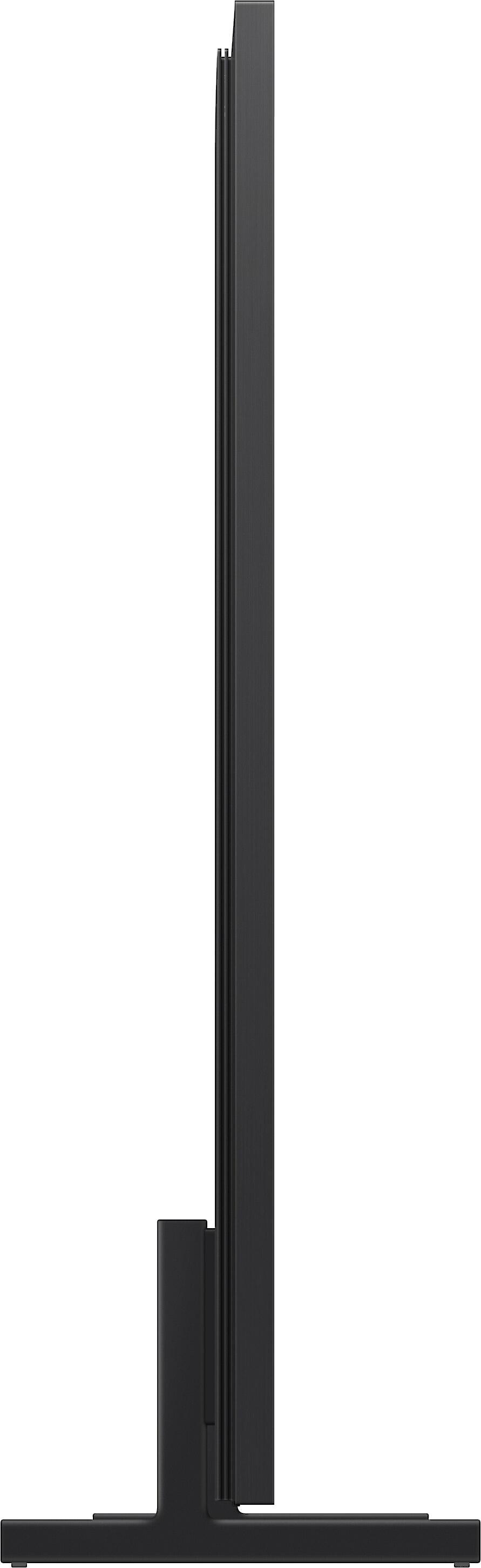
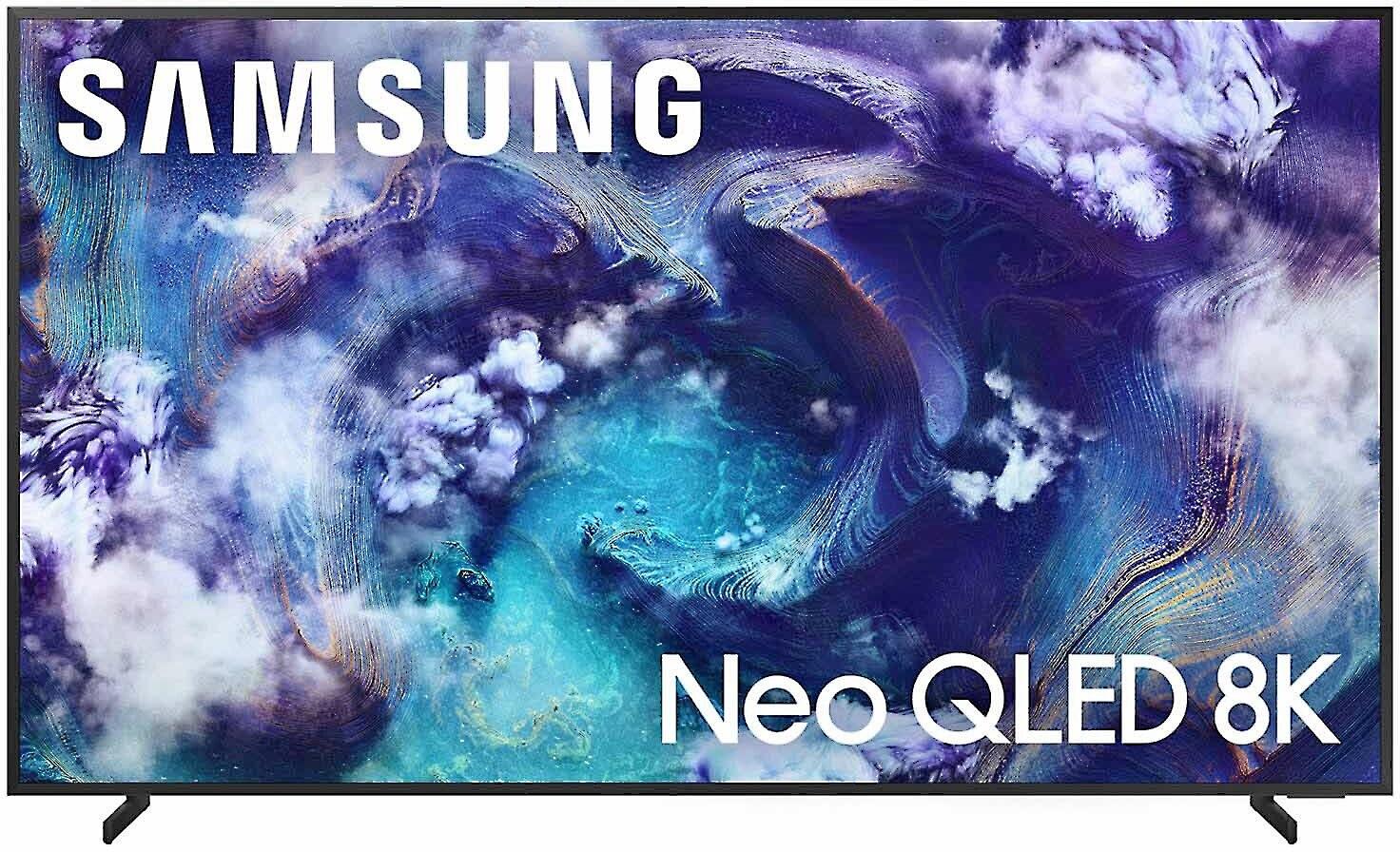
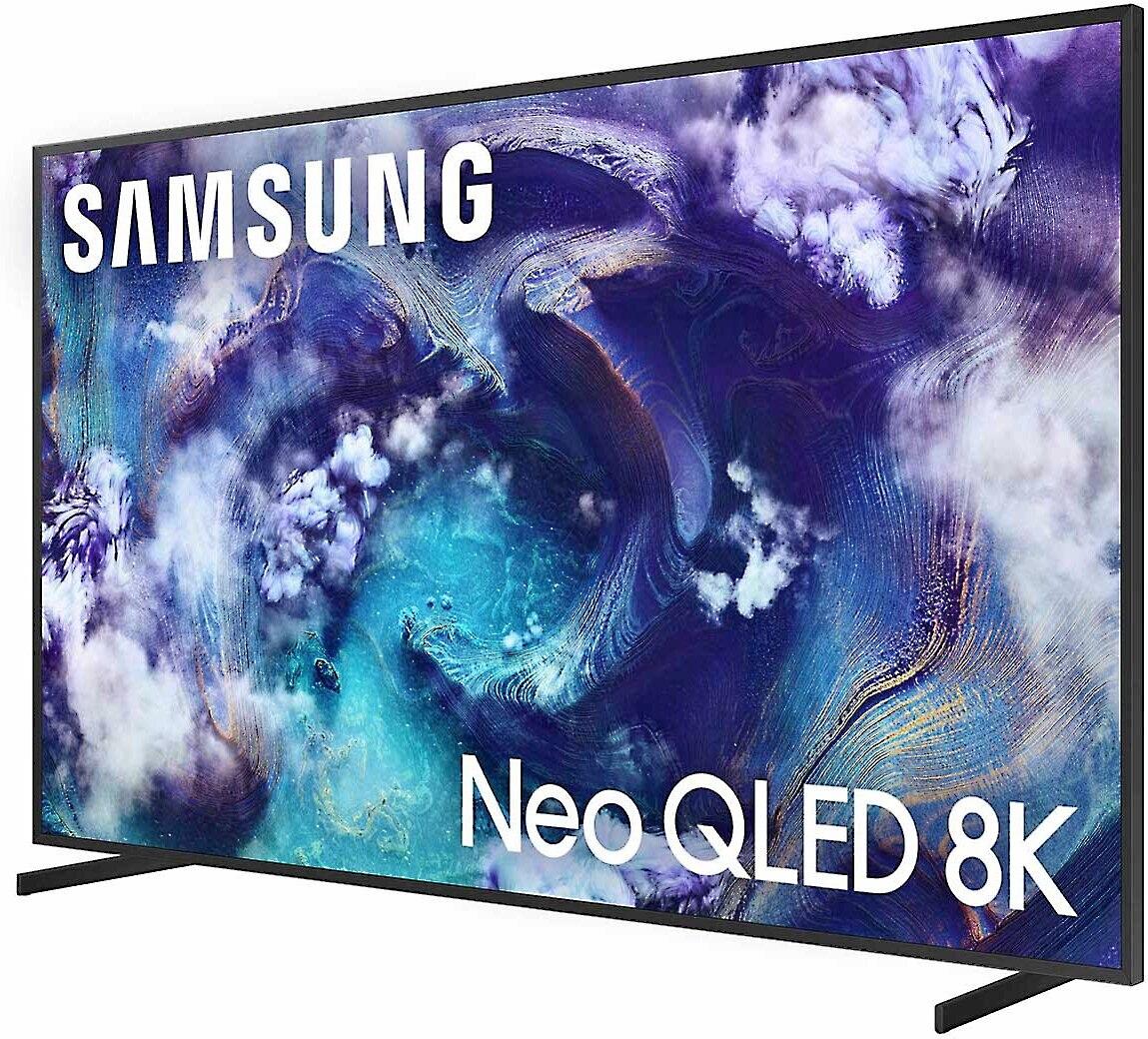
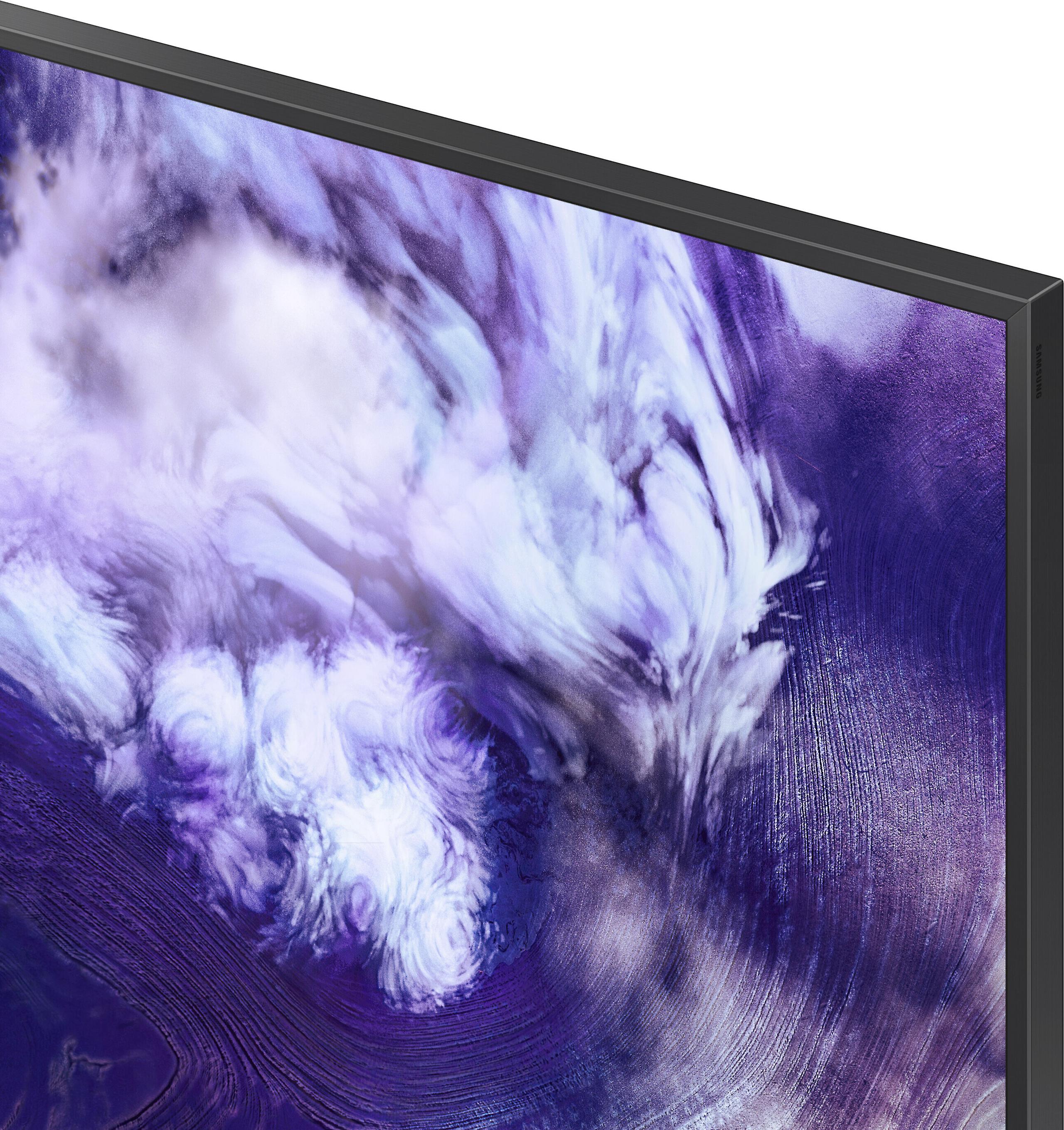

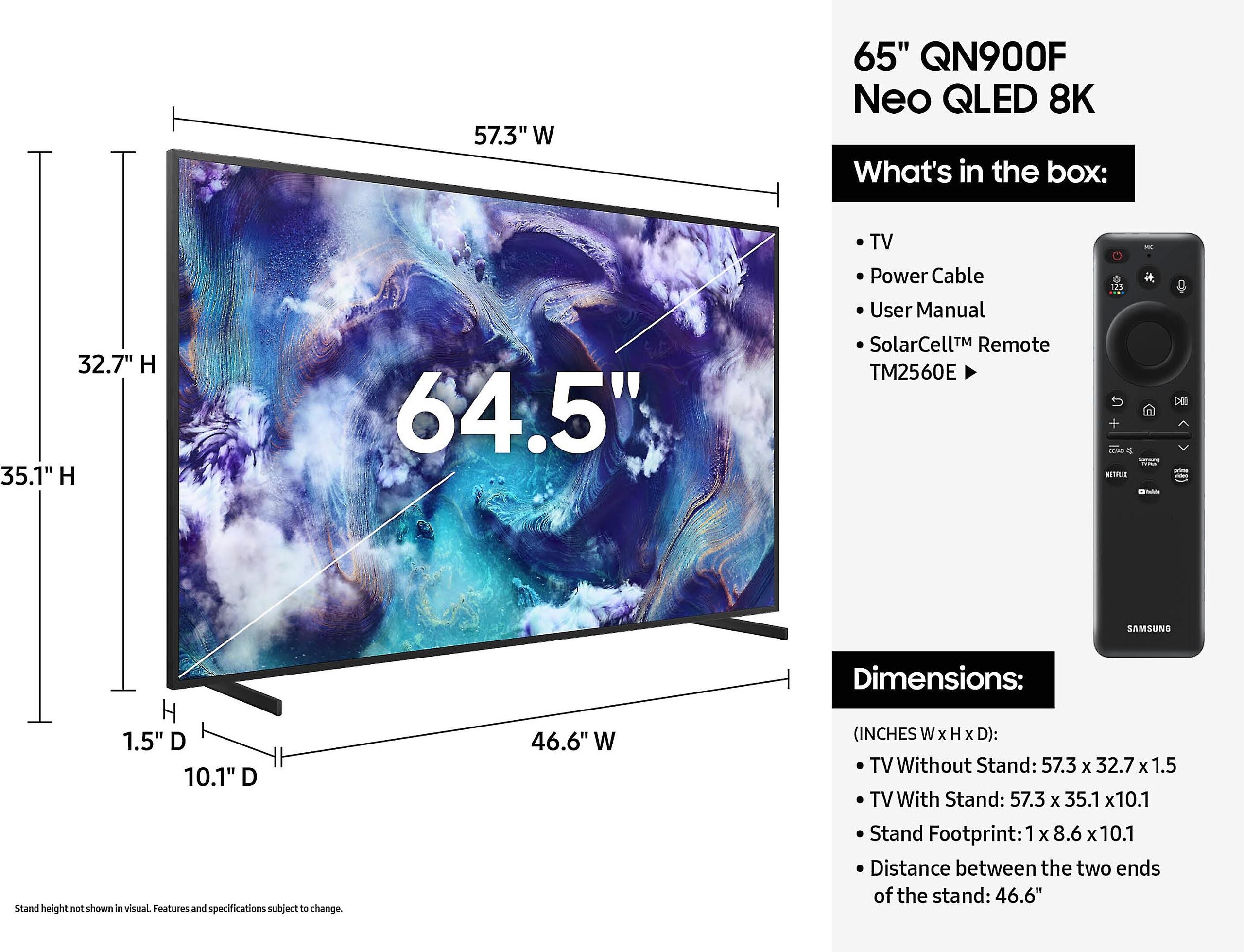
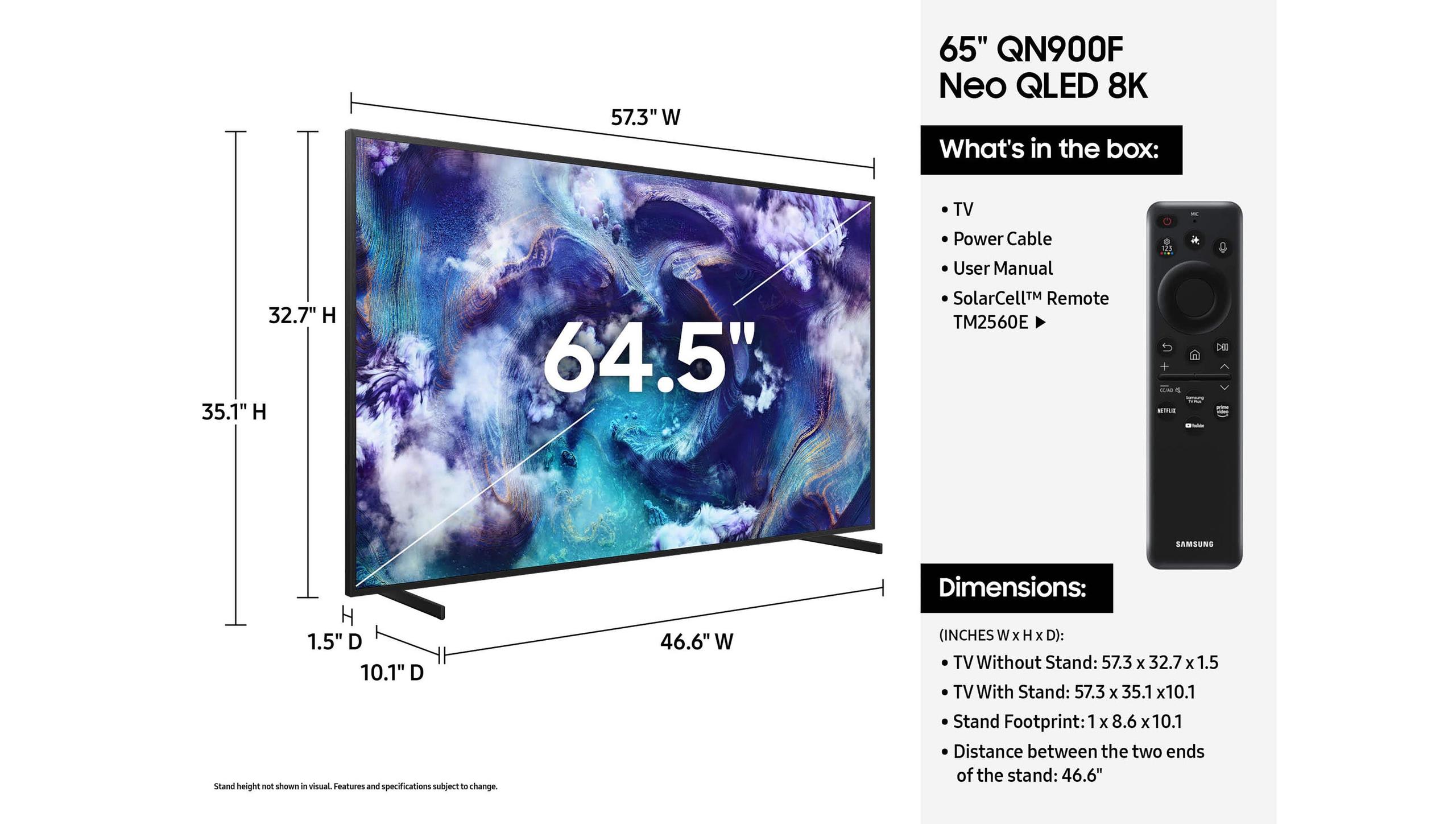
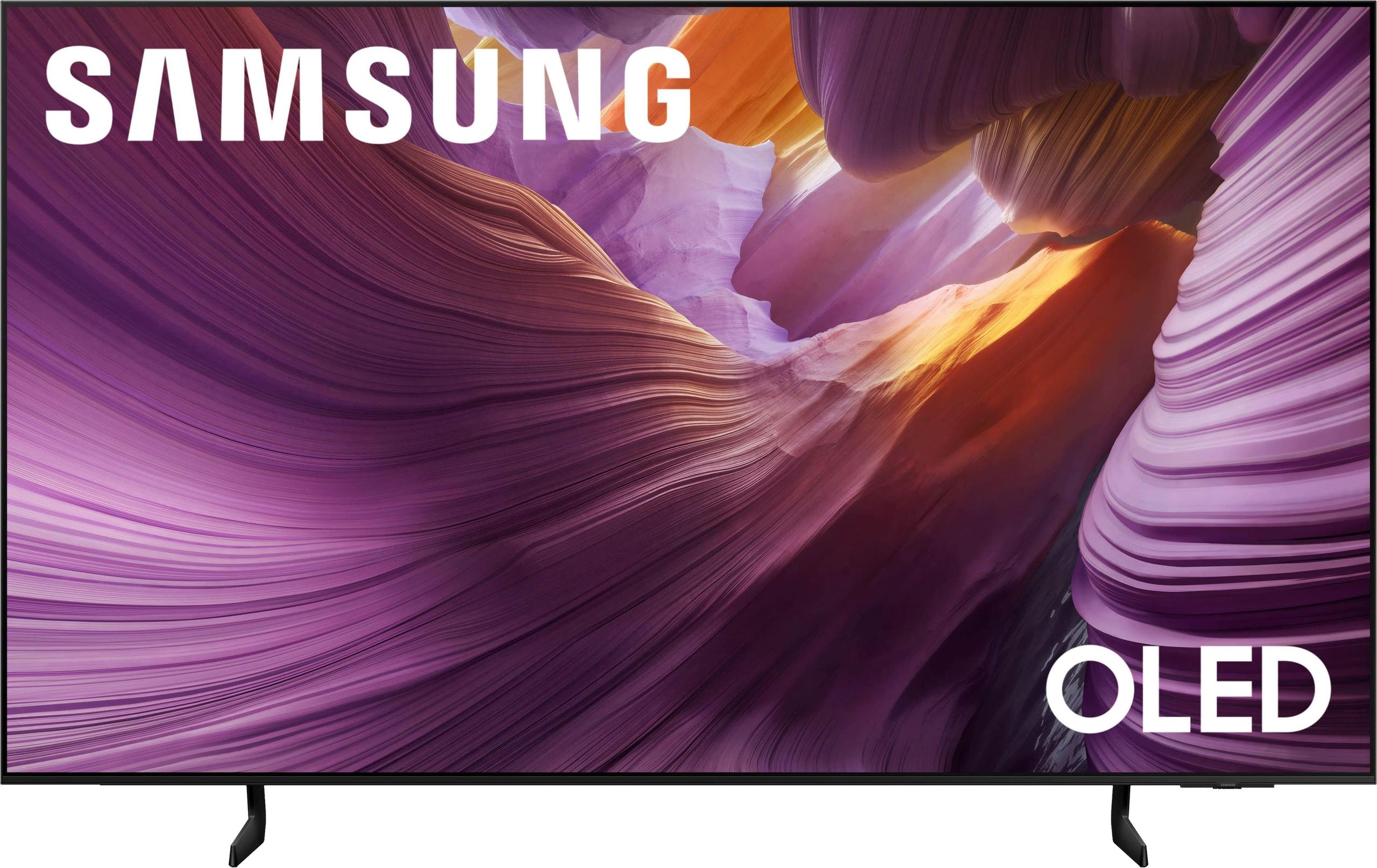
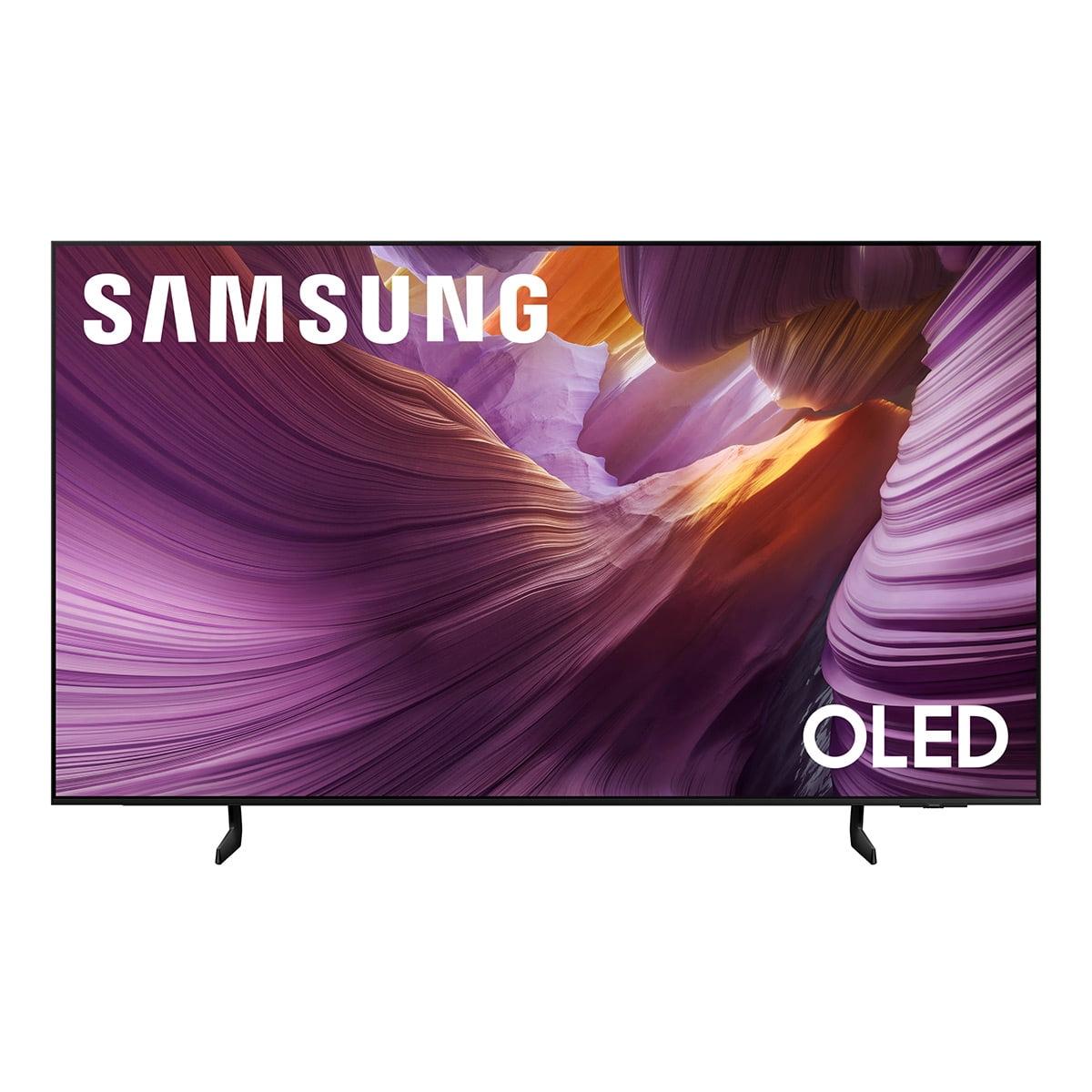
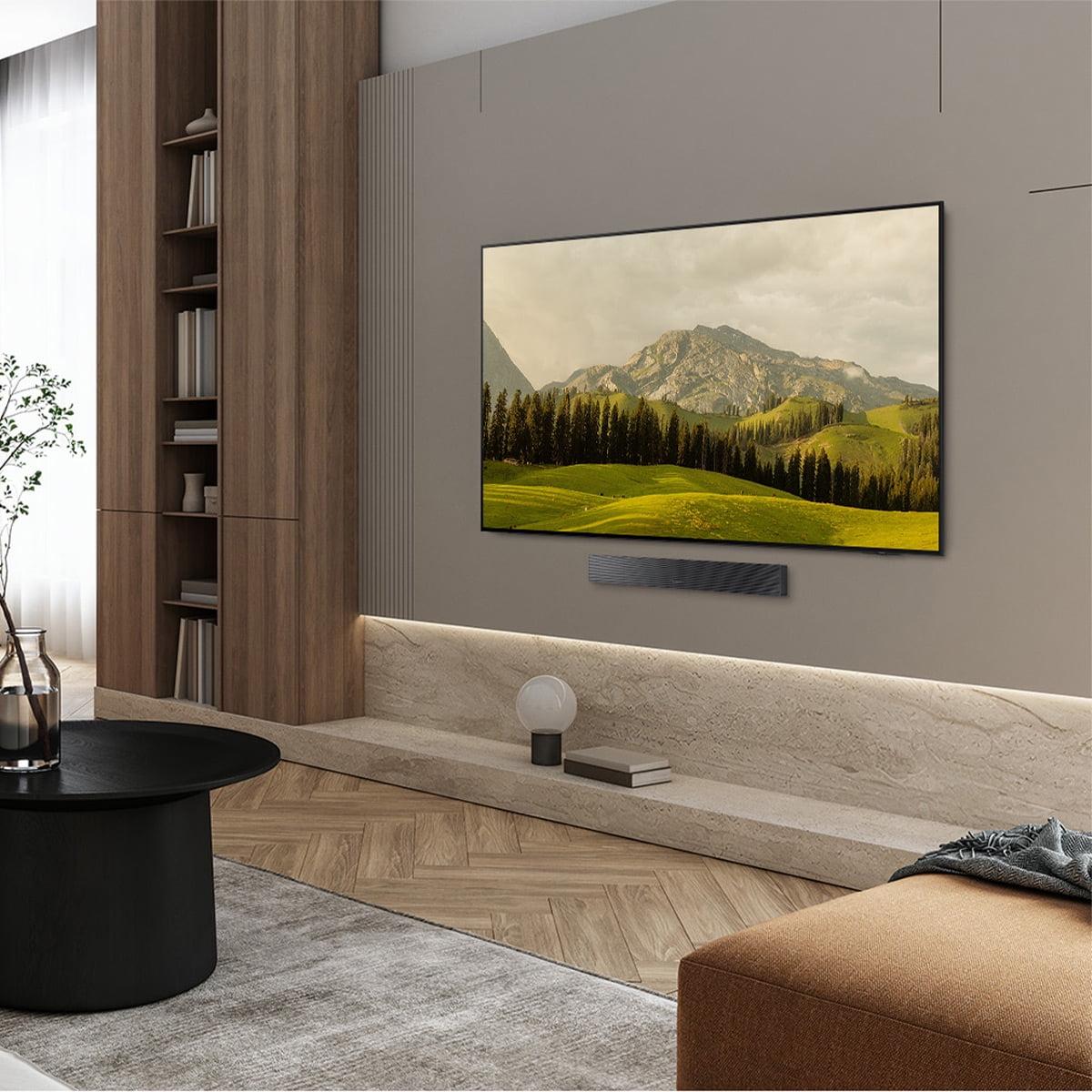
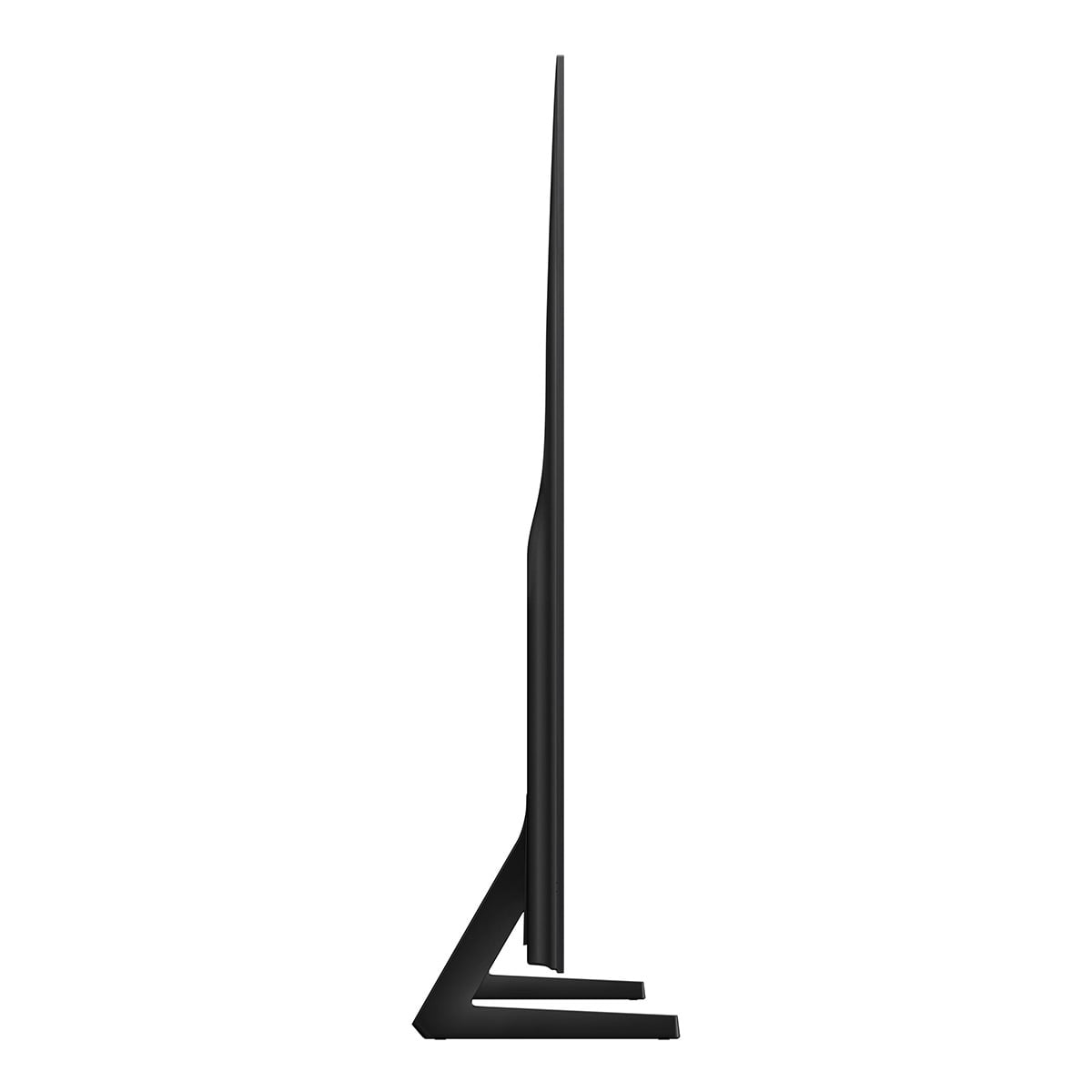

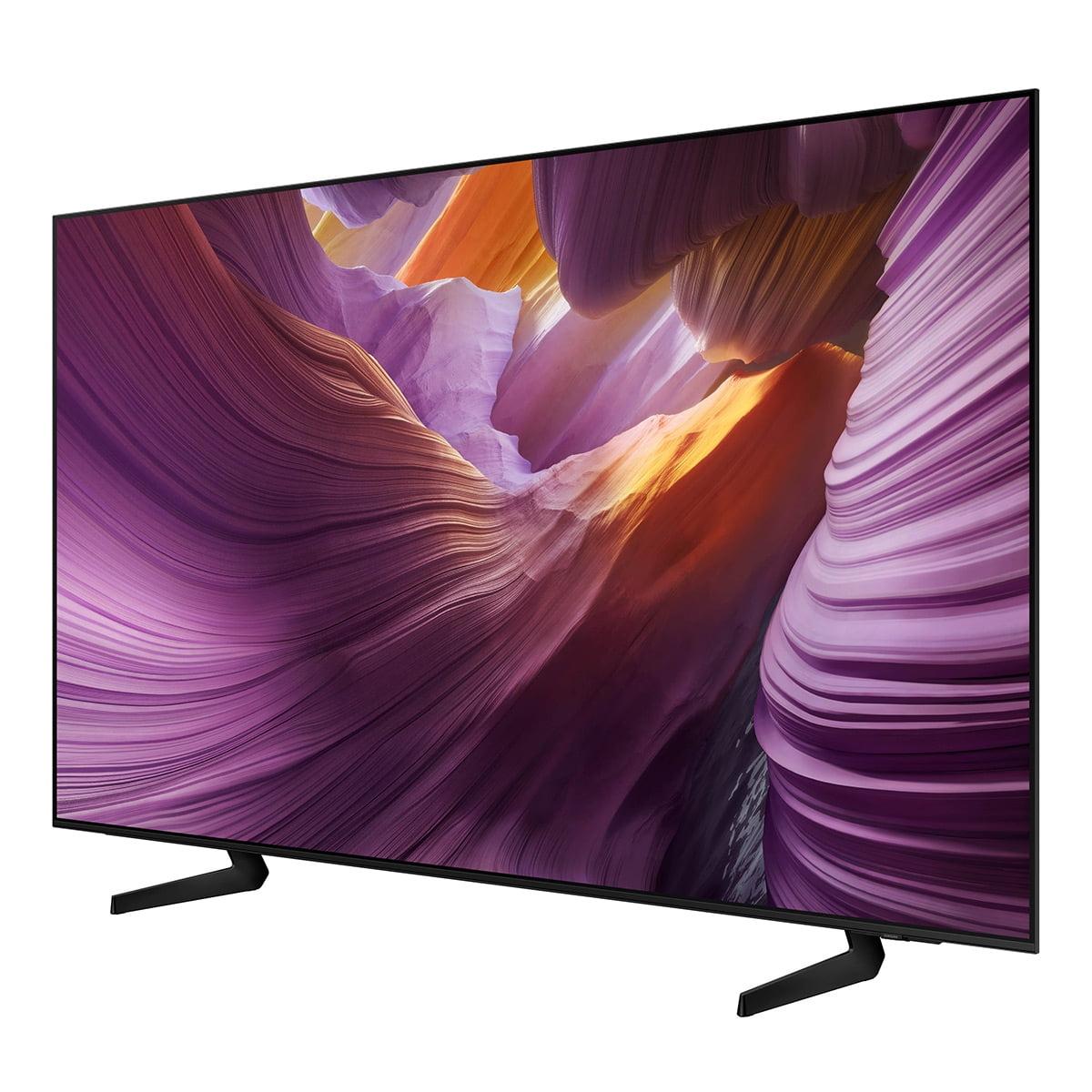
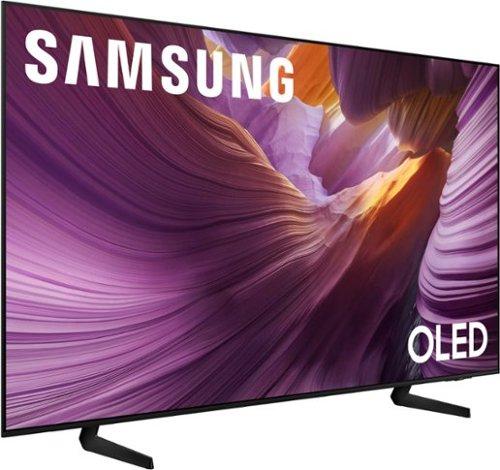
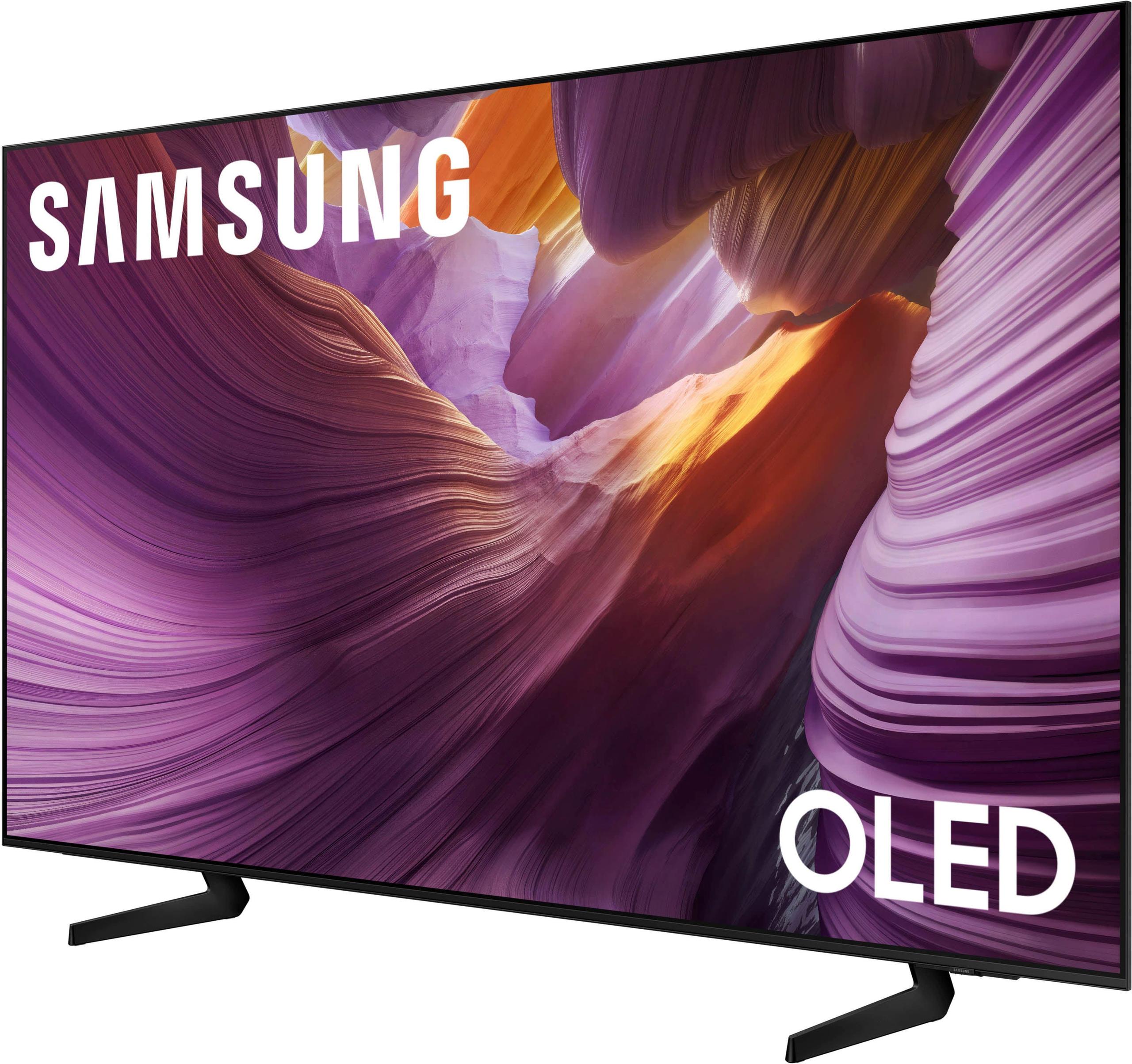
Samsung's 2025 TV lineup presents an interesting choice between two fundamentally different approaches to premium picture quality. The Samsung 65" Neo QLED 8K QN900F represents the cutting edge of LCD technology with 8K resolution and thousands of Mini LEDs, while the Samsung 65" S85F OLED 4K brings OLED's perfect blacks to Samsung's lineup at a more accessible price point.
Understanding which technology suits your needs requires diving into how these displays actually work and what they excel at. Both TVs launched in March 2025, but they represent very different philosophies about what makes a great television.
The core difference between these TVs lies in how they create light and color. The QN900F Neo QLED uses a traditional LCD panel backed by thousands of tiny Mini LEDs (each smaller than traditional LED backlights) combined with quantum dot technology. Think of quantum dots as microscopic crystals that can produce incredibly pure colors when hit with light. This combination allows the TV to get exceptionally bright while maintaining vivid, accurate colors.
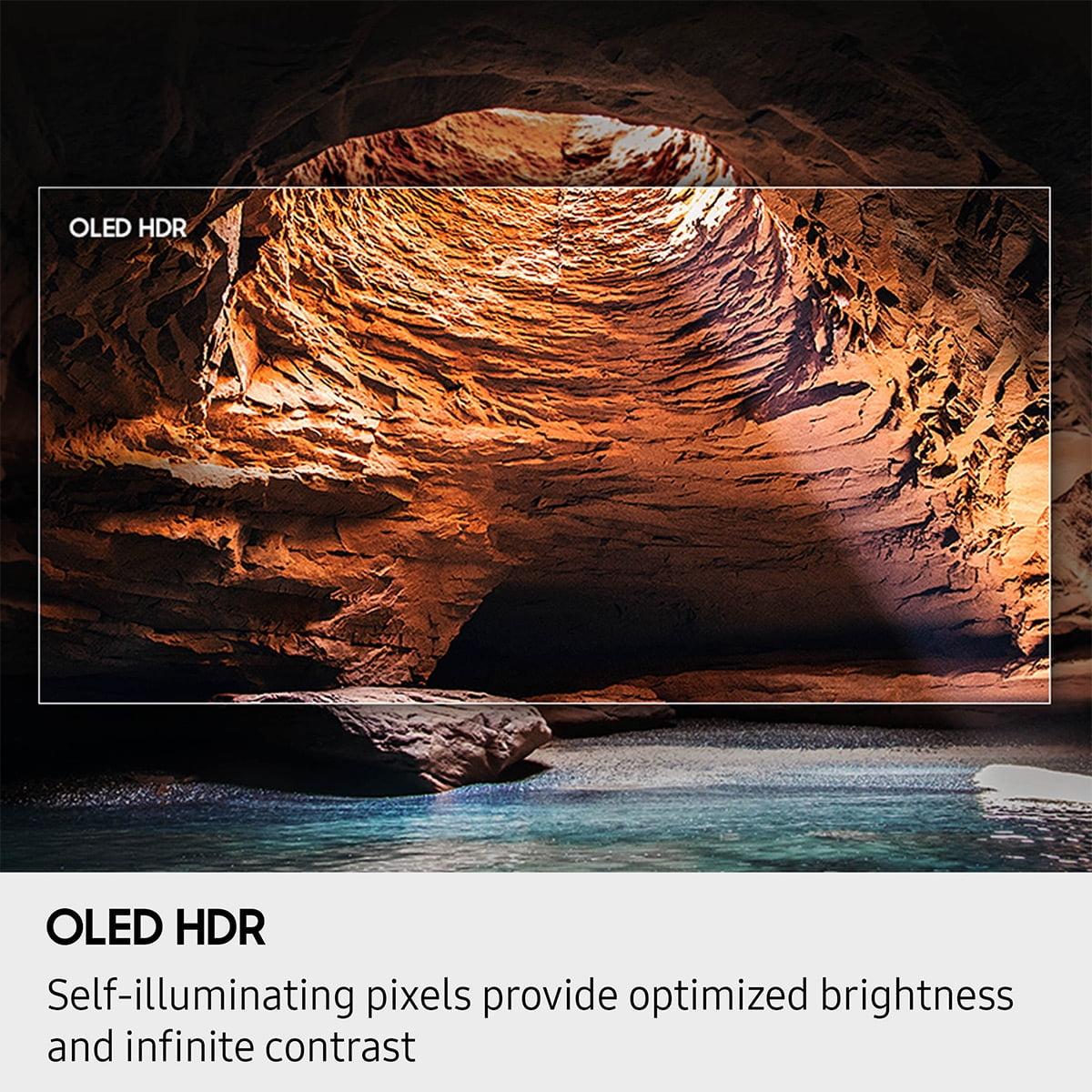
The S85F OLED, on the other hand, uses pixels that create their own light. When an OLED pixel needs to show black, it simply turns off completely – no backlight bleeding through, no compromises. This is why OLED TVs can display true black, something LCD TVs have struggled with for decades.
Samsung's entry into the OLED space is particularly interesting because they're using QD-OLED technology in the 65-inch S85F. This combines OLED's self-illuminating pixels with quantum dot color enhancement, potentially offering the best of both worlds – perfect blacks with exceptionally vibrant colors.
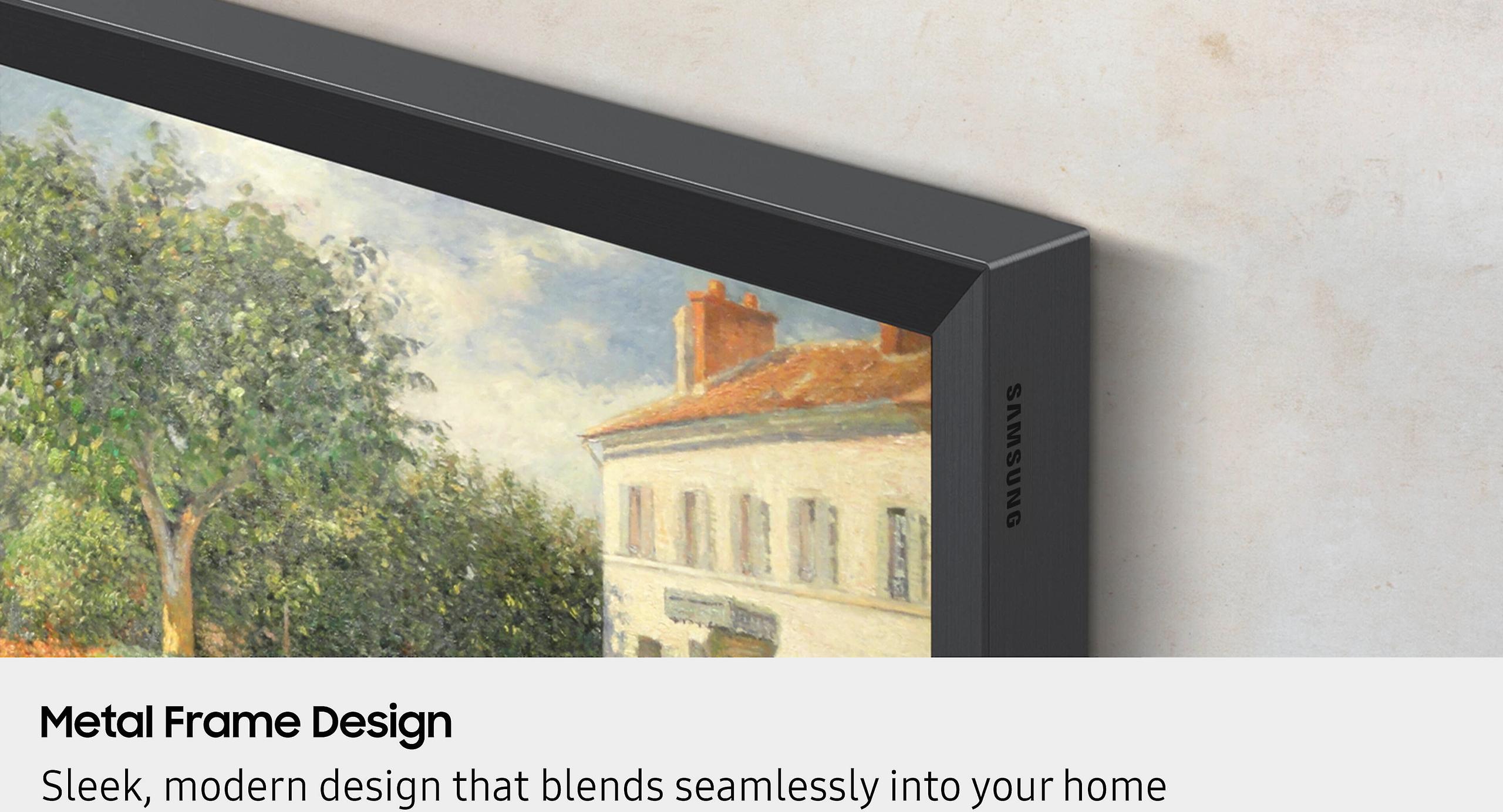
The Neo QLED QN900F is a brightness powerhouse, capable of hitting over 4,000 nits in peak highlights. To put this in perspective, a sunny day outdoors measures about 10,000 nits, while most TVs struggle to exceed 1,000 nits. This extreme brightness makes HDR (High Dynamic Range) content absolutely pop – think of the sun glinting off metal in a movie or the bright explosion in an action scene. These moments look dramatically more realistic on the QN900F.
This brightness advantage becomes crucial in bright living rooms. If your TV faces windows or you like watching during the day, the QN900F's ability to overpower ambient light is unmatched. The Glare-Free coating further enhances this by virtually eliminating reflections, something that's genuinely impressive when you see it in action.
The S85F OLED, meanwhile, peaks at around 750 nits – still respectable, but roughly one-fifth of the QN900F's capability. However, OLED's strength isn't in brightness but in contrast. When you're watching in a dark room, the S85F's ability to display true black makes every other color appear more vivid by comparison.
The QN900F offers native 8K resolution – that's 7,680 by 4,320 pixels, four times more detailed than 4K. However, here's the reality: there's virtually no native 8K content available to consumers yet. Netflix, Disney+, and other streaming services max out at 4K, and even that's limited to premium content.
So why consider 8K? The QN900F's NQ8 AI Gen3 processor uses artificial intelligence to upscale everything to near-8K quality. This isn't just stretching pixels – it's intelligently analyzing content and filling in detail that wasn't there before. The results can be genuinely impressive, especially with high-quality 4K sources.
The S85F's 4K resolution, powered by the NQ4 AI Gen2 processor, focuses on optimizing existing content rather than creating new detail. For most viewers watching standard streaming content, this approach makes more practical sense.
Both TVs excel in color reproduction but take different approaches. The QN900F achieves 100% color volume, meaning it can display vibrant colors even at extreme brightness levels – something most TVs struggle with. Colors remain saturated whether you're watching a dark cave scene or a bright beach.
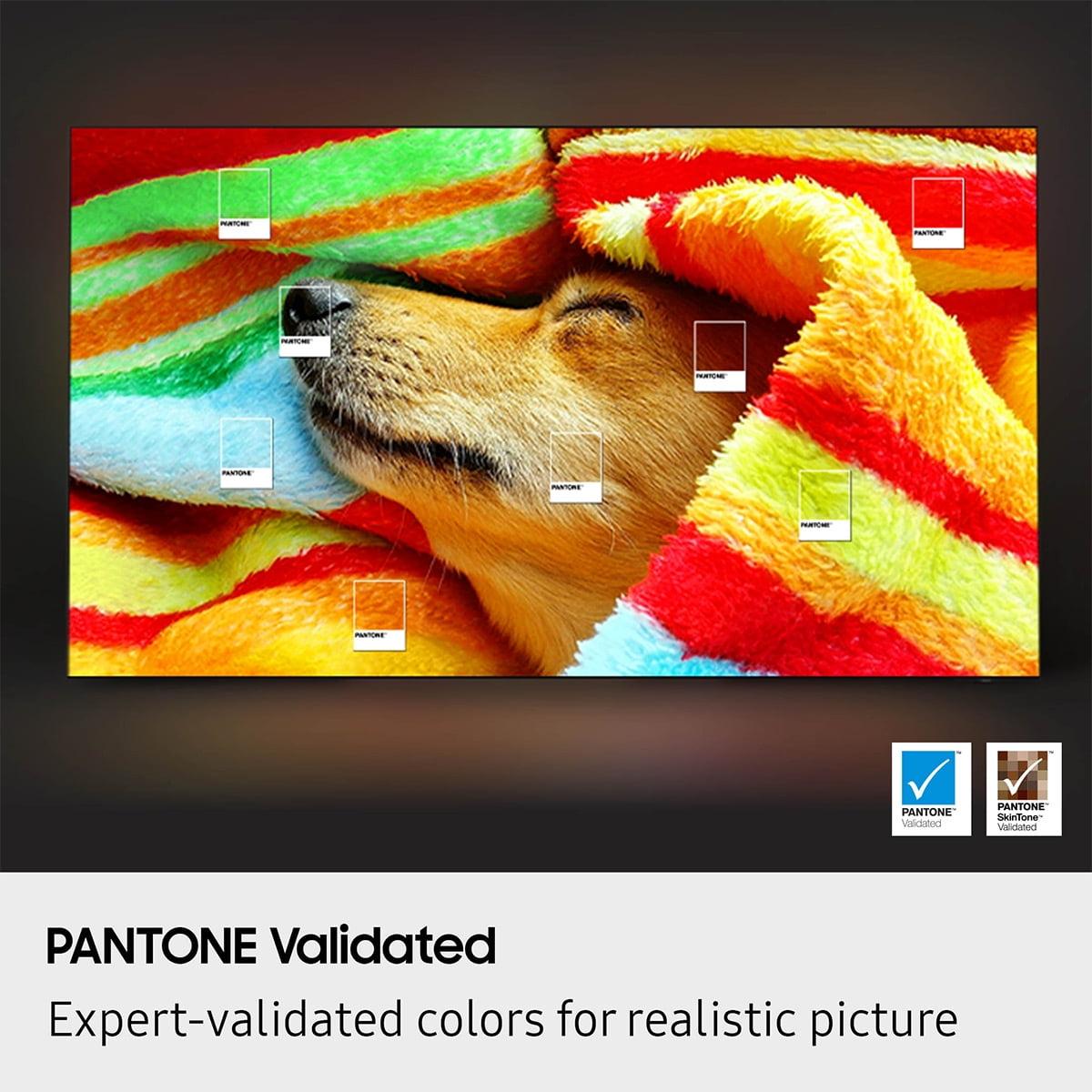
The S85F is Pantone Validated, ensuring accurate reproduction of over 2,140 colors and 110 skin tone variations. This certification matters for content creators and viewers who prioritize color accuracy over maximum saturation.
Gaming has become a crucial TV feature, and both models deliver but for different reasons. The QN900F supports Motion Xcelerator 240Hz, which can display incredibly smooth motion – ideal for competitive gaming where every frame matters. Its extreme brightness also enhances HDR gaming, making games look more dynamic and engaging.
The S85F OLED offers near-instantaneous pixel response times, meaning virtually no motion blur in fast-paced scenes. While it caps out at 120Hz (versus the QN900F's 240Hz), this is still more than adequate for current gaming consoles and most PC gaming scenarios.
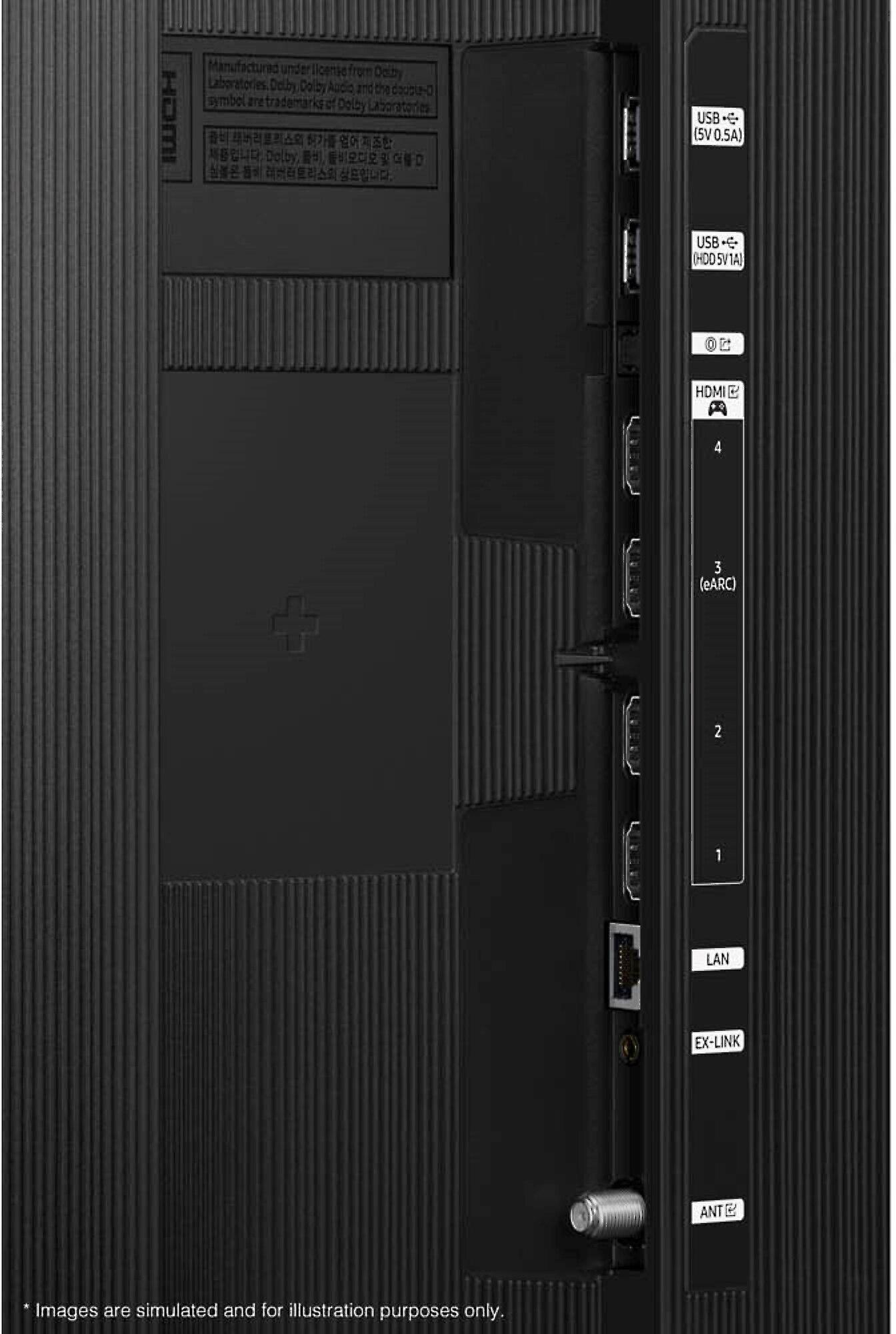
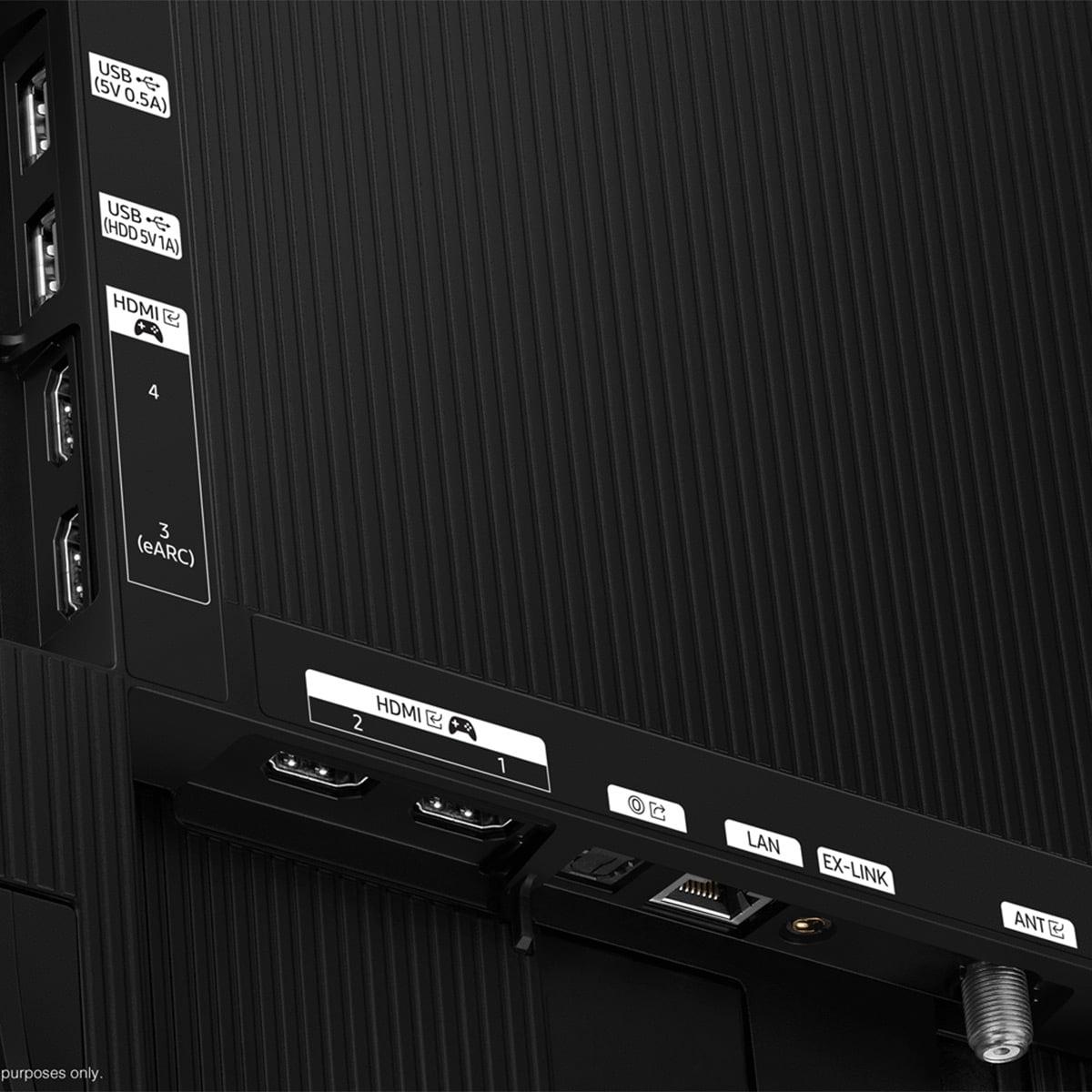
Both TVs include four HDMI 2.1 ports, Variable Refresh Rate (VRR) support, and Auto Low Latency Mode (ALLM). The QN900F adds advanced gaming features like Super Ultrawide Game View, which adjusts aspect ratios for a more immersive experience.
For competitive gamers who prioritize maximum performance, the QN900F has the edge. For casual gaming in dark rooms where atmosphere matters, the S85F's perfect blacks create incredibly immersive experiences.
Samsung's 2025 smart TV platform runs on Tizen OS for both models, but the processing power differs significantly. The QN900F uses the NQ8 AI Gen3 processor with 256+ neural networks, while the S85F has the NQ4 AI Gen2 with 20 neural networks.
This processing difference shows up in several ways. The QN900F offers more sophisticated content optimization, better upscaling, and advanced Vision AI features that adapt to your viewing habits. The Wireless One Connect Box is particularly clever – it handles all your input connections wirelessly, reducing cable clutter significantly.
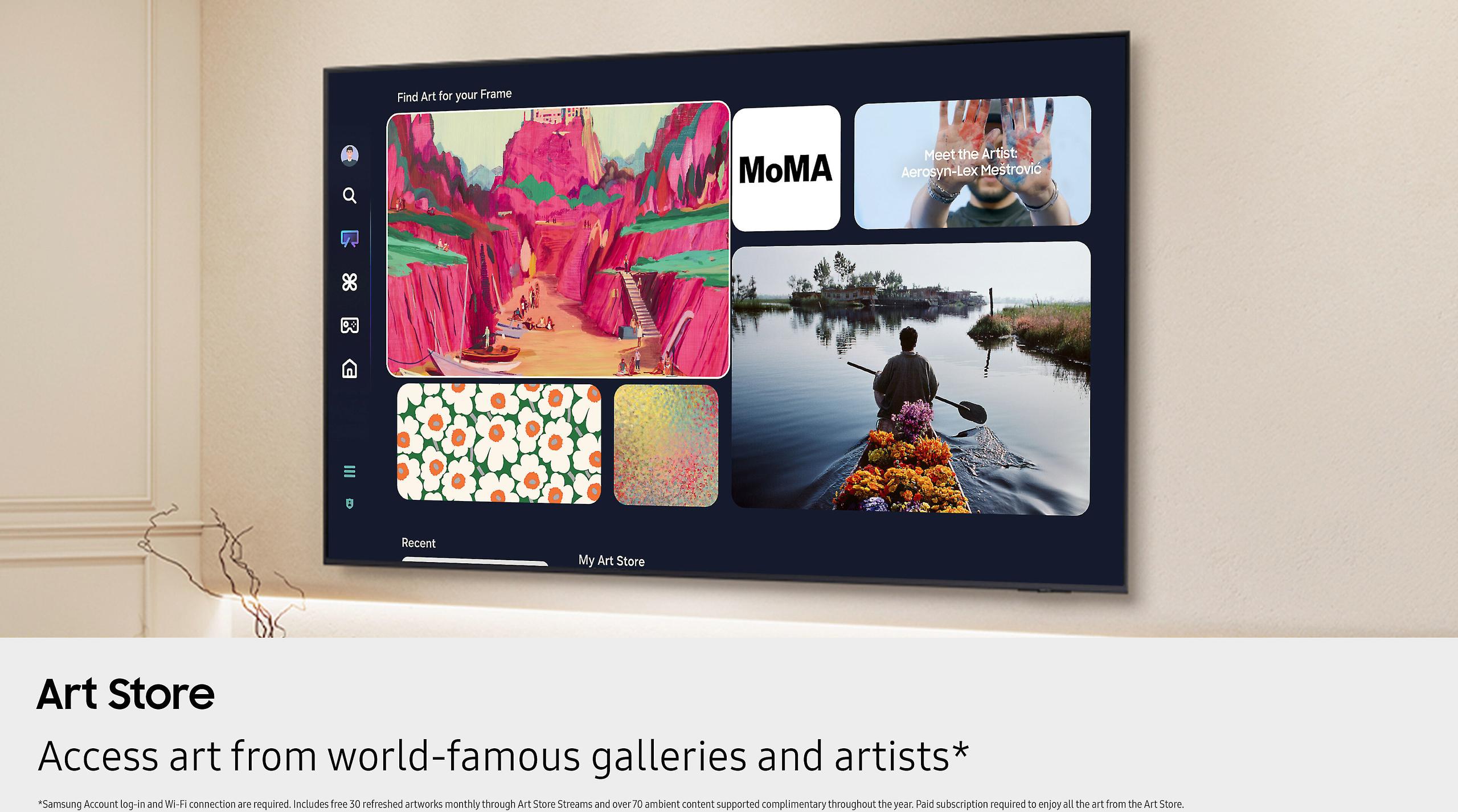
The S85F includes the standard Tizen experience with voice control, streaming apps, and SmartThings integration. It's fully capable but lacks the advanced AI features of its premium sibling.
Both TVs include Samsung's SolarCell Remote, which charges itself from ambient light – a small but appreciated sustainability touch.
The QN900F includes Object Tracking Sound Pro with dedicated top-firing speakers, creating a more immersive audio experience. The sound literally follows action across the screen, which can be surprisingly effective for movies and sports.
The S85F has a basic 2.0 channel, 20W system with Object Tracking Sound Lite. It's adequate for casual viewing but clearly designed with the expectation that serious viewers will add a soundbar.
For home theater setups, both TVs support eARC (enhanced Audio Return Channel) for connecting premium sound systems. However, neither supports DTS audio passthrough, which some home theater enthusiasts consider a limitation.
At the time of writing, the QN900F commands ultra-premium pricing – expect to pay flagship smartphone money for this level of technology. The S85F OLED sits in the premium category but at roughly half the price.
The QN900F represents future-proofing at its most extreme. You're paying for 8K processing that may not show full benefits for years, brightness levels that exceed most content mastering, and AI features that will improve over time through software updates.
The S85F delivers immediate gratification. OLED picture quality is instantly impressive, the price is more accessible, and it excels with current 4K content that actually exists.
For dedicated home theater setups, room lighting becomes the deciding factor. The S85F OLED creates a more cinematic experience in dark rooms – those perfect blacks make movies feel more engaging and immersive. Film grain appears natural, and shadow detail is exceptional.
The QN900F works better in multipurpose rooms where you can't control lighting completely. Its brightness and anti-reflective coating maintain picture quality even with some ambient light.
Both TVs handle 24fps cinema content well, with proper motion processing to avoid the dreaded "soap opera effect" that makes movies look like cheap TV productions.
The Neo QLED QN900F makes sense for specific scenarios: bright rooms where OLED struggles, enthusiasts wanting cutting-edge technology regardless of cost, and gamers who prioritize maximum performance. If you're the type of person who buys flagship phones and upgrades computers regularly, this TV's future-focused approach aligns with that mindset.
The S85F OLED works for almost everyone else. It provides genuinely premium picture quality at a more reasonable price point, excels with current content, and delivers that "wow factor" OLED is known for. For most living rooms and home theater setups, it's the smarter choice.
Consider your viewing environment first. Do you watch TV primarily in bright, well-lit rooms during the day? The QN900F maintains picture quality where OLED can look washed out. Do you prefer movie nights in dark rooms? The S85F's perfect blacks create a more immersive experience.
Think about your budget timeline. The QN900F requires a significant investment upfront for benefits that may not fully materialize for years. The S85F delivers immediate value with proven technology.
Gaming priorities matter too. Competitive gamers might appreciate the QN900F's higher refresh rates, while casual gamers will find the S85F's instant response times and atmospheric blacks more engaging.
Ultimately, both TVs represent excellent choices within their respective categories. The QN900F pushes technology boundaries for those willing to pay for the latest innovations, while the S85F OLED provides exceptional picture quality at a more accessible price point. Your choice should align with your viewing habits, room conditions, and technology adoption preferences.
| Samsung 65" Neo QLED 8K QN900F Vision AI Smart TV 2025 | Samsung 65" S85F OLED 4K Smart TV (2025) |
|---|---|
| Display Technology - Determines contrast, brightness, and viewing experience | |
| Neo QLED Mini LED with Quantum Dots | QD-OLED (self-illuminating pixels) |
| Peak Brightness - Critical for HDR impact and daytime viewing | |
| 4,000+ nits (exceptional for bright rooms and HDR) | 750 nits (adequate but limited in bright spaces) |
| Resolution - Future-proofing vs current content optimization | |
| 8K (7680×4320) with AI upscaling | 4K (3840×2160) optimized for current content |
| Black Levels - Affects contrast and dark scene detail | |
| Very deep blacks with minimal blooming | Perfect infinite blacks (pixels turn completely off) |
| Processor - Determines AI features and upscaling quality | |
| NQ8 AI Gen3 with 256+ neural networks | NQ4 AI Gen2 with 20 neural networks |
| Gaming Refresh Rate - Matters for competitive and PC gaming | |
| 240Hz (Motion Xcelerator 240) | 120Hz (adequate for consoles and most PC gaming) |
| Response Time - Important for gaming motion blur | |
| Very low (typical for premium Mini LED) | Near-instantaneous (OLED advantage) |
| Color Accuracy - Important for content creators and critical viewing | |
| 100% Color Volume (vibrant colors at high brightness) | Pantone Validated (2,140+ accurate colors) |
| Anti-Reflection - Crucial for bright room performance | |
| Glare-Free technology (nearly eliminates reflections) | Standard anti-reflection coating |
| Audio System - Built-in sound quality | |
| Object Tracking Sound Pro with top-firing speakers | Basic 2.0 channel 20W with OTS Lite |
| Smart Features - Long-term software support and AI capabilities | |
| Advanced Vision AI, Wireless One Connect Box | Standard Tizen OS with SmartThings integration |
| Best Room Conditions - Where each TV performs optimally | |
| Bright living rooms, mixed lighting conditions | Dark rooms, controlled lighting environments |
| Value Proposition - What you're paying for | |
| Ultra-premium future-proofing and maximum performance | Premium OLED experience at accessible pricing |
The Samsung Neo QLED 8K QN900F is significantly better for bright rooms. It can reach over 4,000 nits of brightness and features Samsung's Glare-Free technology that virtually eliminates reflections. The Samsung S85F OLED peaks at only 750 nits and can appear washed out in bright lighting conditions, making it better suited for darker environments.
The QN900F Neo QLED offers 8K resolution (7,680 x 4,320 pixels), which is four times more detailed than the S85F OLED's 4K resolution (3,840 x 2,160 pixels). However, there's virtually no native 8K content available yet. The QN900F uses AI upscaling to enhance 4K content, while the S85F focuses on optimizing current 4K streams and broadcasts.
The Samsung S85F OLED delivers perfect black levels because its pixels can turn completely off, creating infinite contrast. The Neo QLED QN900F produces very deep blacks with minimal blooming but cannot achieve true black due to its backlight system. For dark room viewing and cinematic experiences, the S85F OLED has a clear advantage.
Both TVs excel for gaming but in different ways. The QN900F Neo QLED supports 240Hz refresh rates and has exceptional brightness for HDR gaming. The S85F OLED offers near-instantaneous response times and 120Hz refresh rates, which is excellent for console gaming. Both include four HDMI 2.1 ports, VRR support, and low input lag.
For dedicated home theaters with controlled lighting, the Samsung S85F OLED is typically preferred due to its perfect blacks and cinematic picture quality. However, if your home theater has ambient light or windows, the QN900F Neo QLED maintains better picture quality in those conditions. Both support advanced audio features for surround sound systems.
The QN900F Neo QLED includes more advanced AI processing with its NQ8 AI Gen3 processor and 256+ neural networks, plus features like the Wireless One Connect Box. The S85F OLED runs the same Tizen OS but with a less powerful NQ4 AI Gen2 processor. Both offer voice control, streaming apps, and SmartThings integration.
The Samsung S85F OLED typically offers better value, providing premium OLED picture quality at a more accessible price point. The QN900F Neo QLED commands ultra-premium pricing for cutting-edge 8K technology and maximum brightness. Your choice depends on whether you prioritize immediate OLED benefits or future-proofing with 8K.
Both TVs support HDR content but differently. The QN900F Neo QLED excels with its extreme brightness, making HDR highlights incredibly impactful. The S85F OLED provides excellent HDR with perfect blacks and accurate colors, though with less peak brightness. Both support HDR10+ but neither includes Dolby Vision.
For movie watching, it depends on your room setup. The Samsung S85F OLED creates a more cinematic experience in dark rooms with its perfect blacks and film-like picture quality. The QN900F Neo QLED works better for daytime movie watching or in rooms with ambient light, maintaining picture quality where OLED might struggle.
The QN900F Neo QLED includes Object Tracking Sound Pro with dedicated top-firing speakers for more immersive built-in audio. The S85F OLED has a basic 2.0 channel system adequate for casual viewing. Both support eARC for connecting external sound systems, which is recommended for the best home theater audio experience.
The Samsung QN900F Neo QLED offers more future-proofing with 8K resolution and advanced AI processing that will improve over time. The S85F OLED provides proven OLED technology that delivers immediate benefits with current content. Both should receive software updates for several years, but the QN900F may stay relevant longer as 8K content emerges.
Choose the QN900F Neo QLED if you watch TV primarily in bright rooms, want maximum brightness for HDR, or prioritize future-proofing with 8K. Pick the S85F OLED if you prefer dark room viewing, want perfect blacks for movies, or seek premium picture quality at a more reasonable investment. Consider your room lighting and viewing habits as the primary deciding factors.
We've done our best to create useful and informative comparisons to help you decide what product to buy. Our research uses advanced automated methods to create this comparison and perfection is not possible - please contact us for corrections or questions. These are the sites we've researched in the creation of this article: rtings.com - samsung.com - techradar.com - dolby.com - youtube.com - samsung.com - youtube.com - samsung.com - samsung.com - samsung.com - samsung.com - displayspecifications.com - samsung.com - rtings.com - bestbuy.com - merlinstv.com - news.samsung.com - bestbuy.com - rtings.com - samsung.com - youtube.com - rtings.com - youtube.com - samsung.com - bestbuy.com - avsforum.com - avsforum.com - samsung.com - displayspecifications.com - videoandaudiocenter.com - bestbuy.com - flatpanelshd.com - myallsouth.com - samsung.com - richstv.com - samsung.com - heartlandappliance.com

Privacy Policy
Terms and Conditions - Affiliate Policy
Home Security
© Copyright 2008-2026.
11816 Inwood Rd #1211, Dallas, TX 75244