

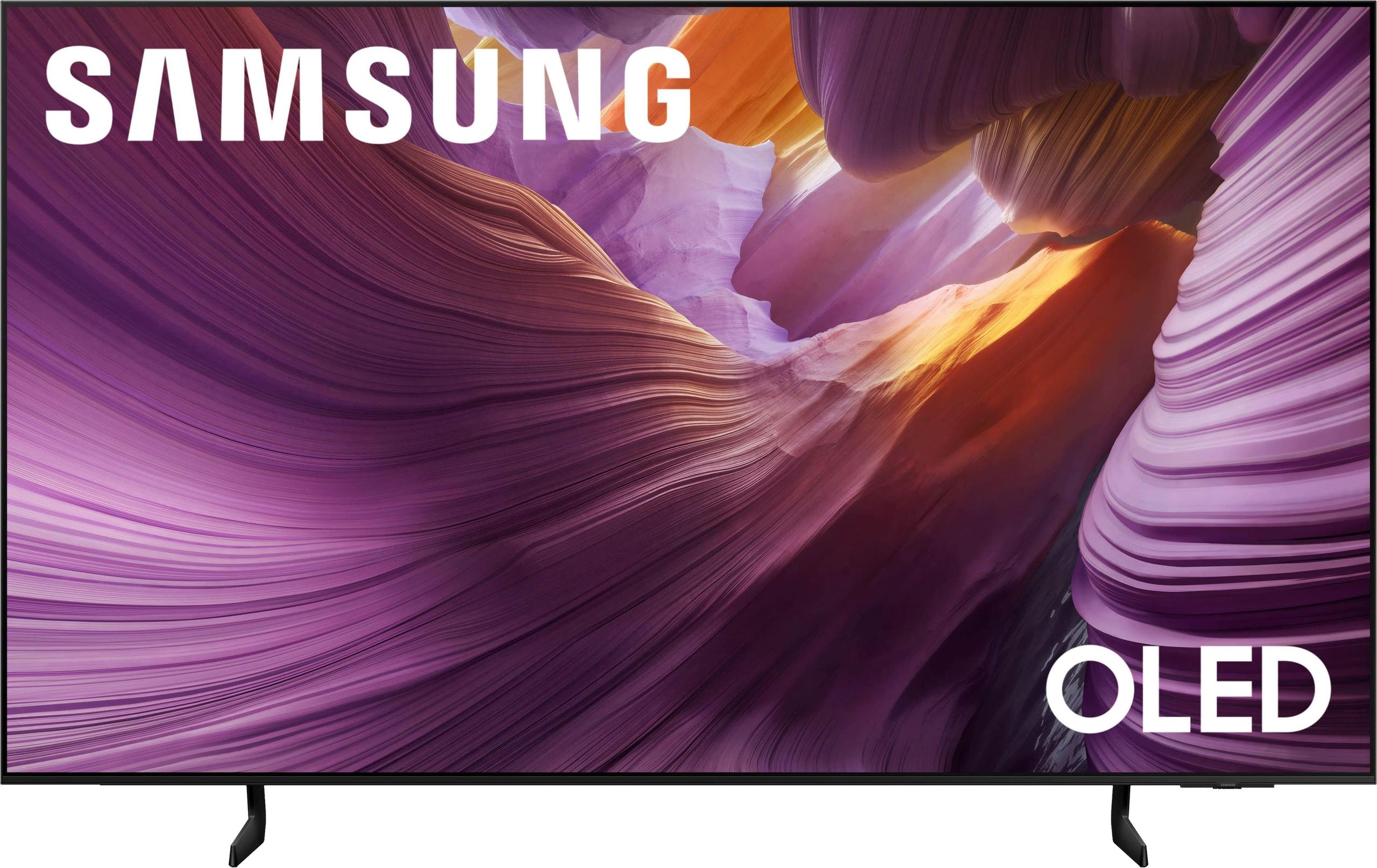
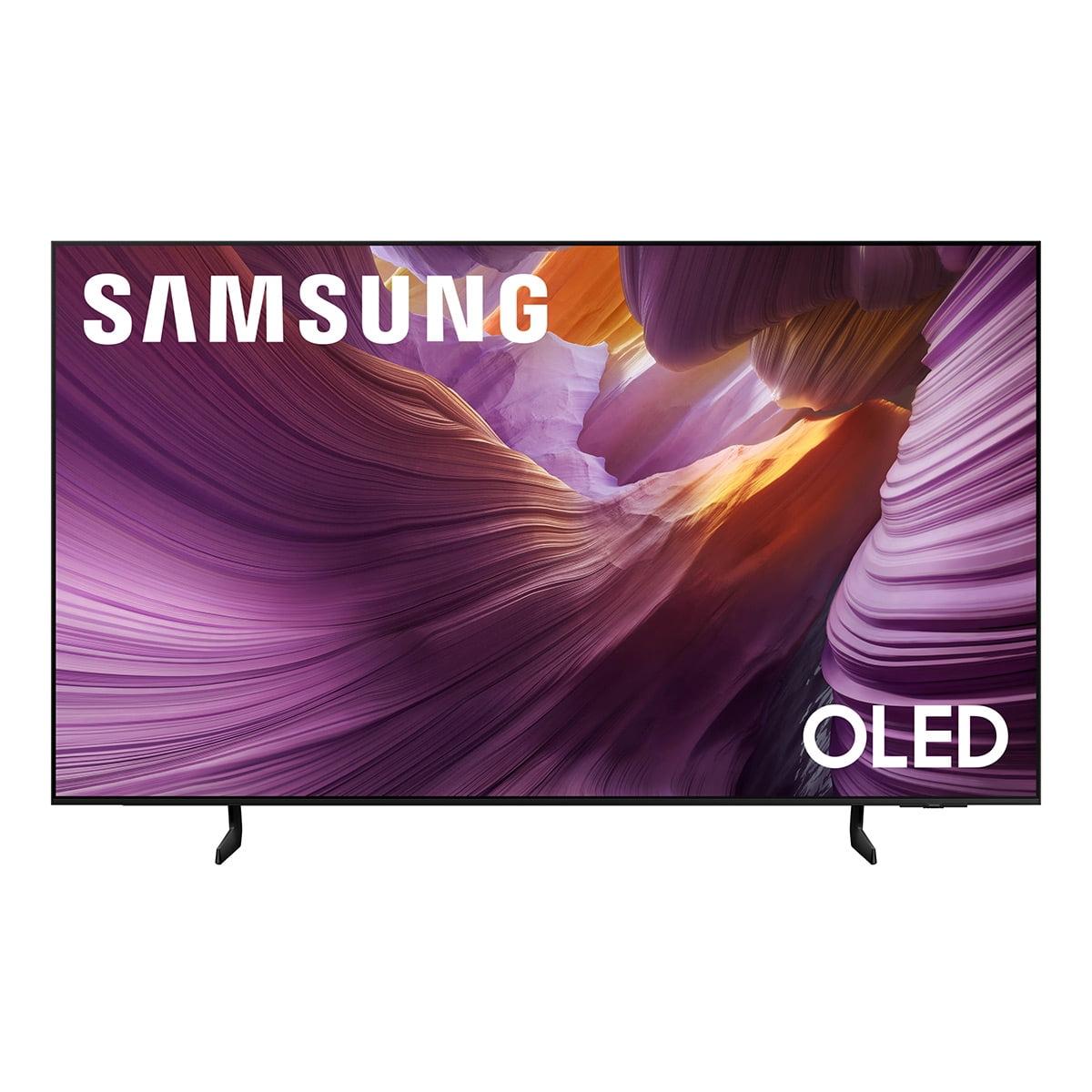
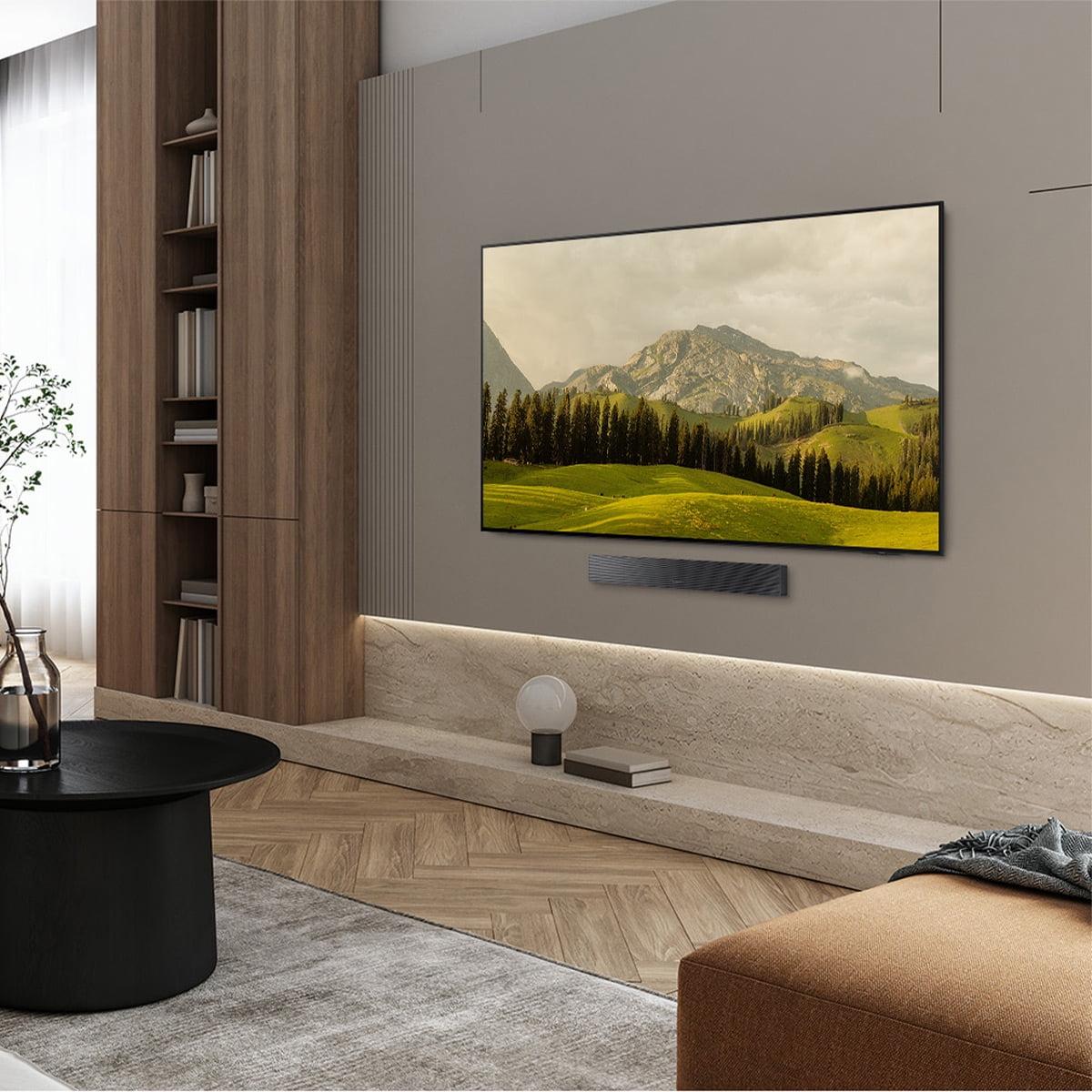
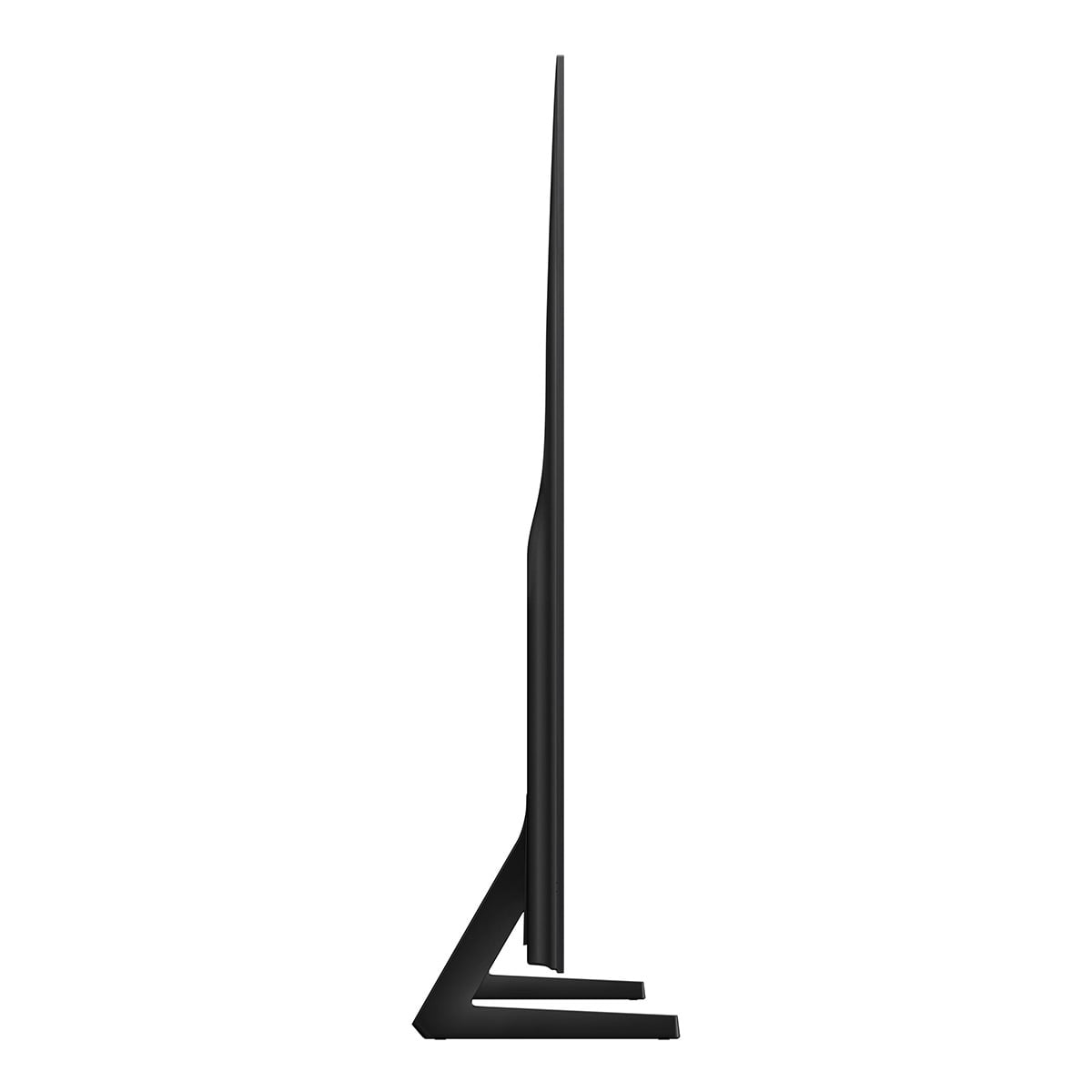

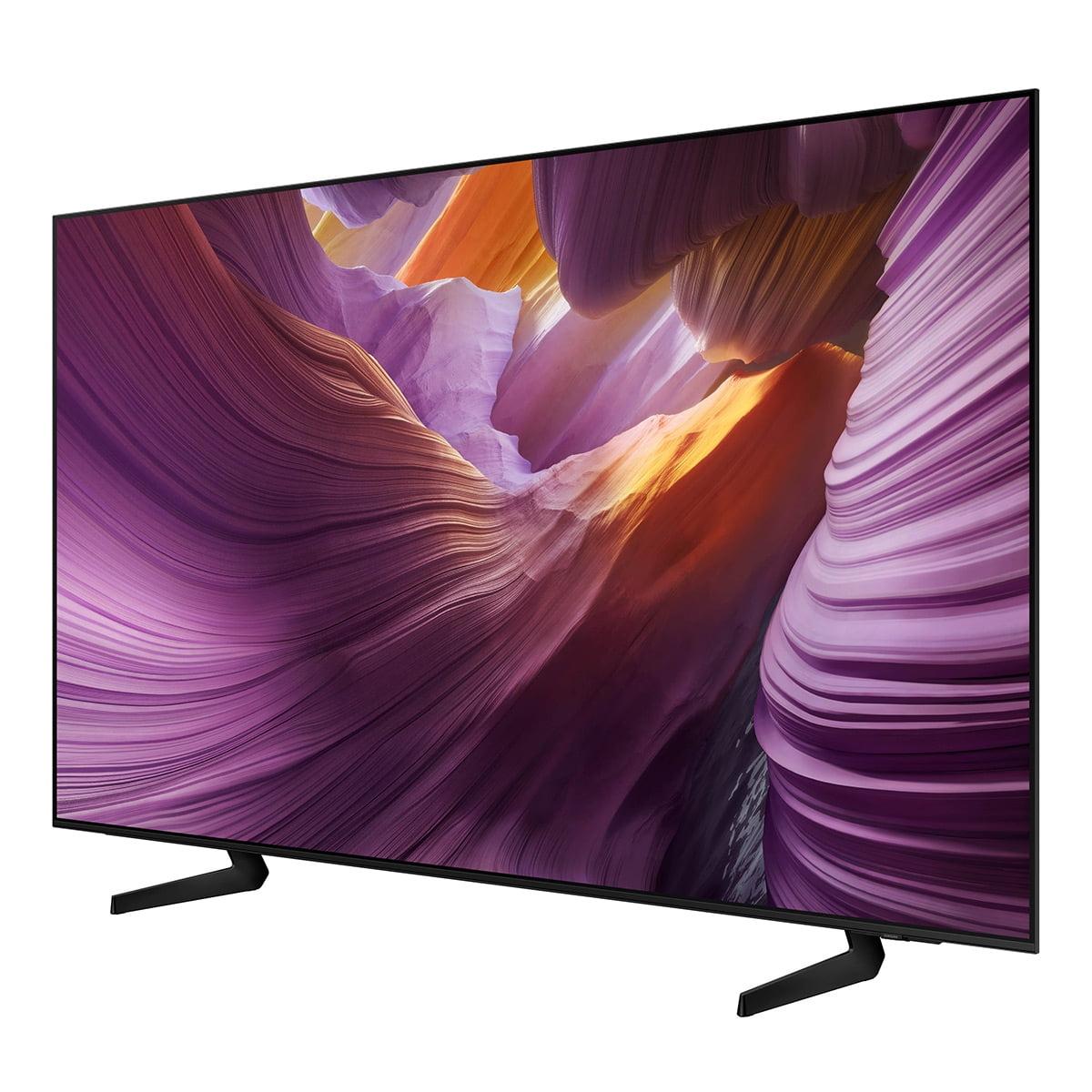
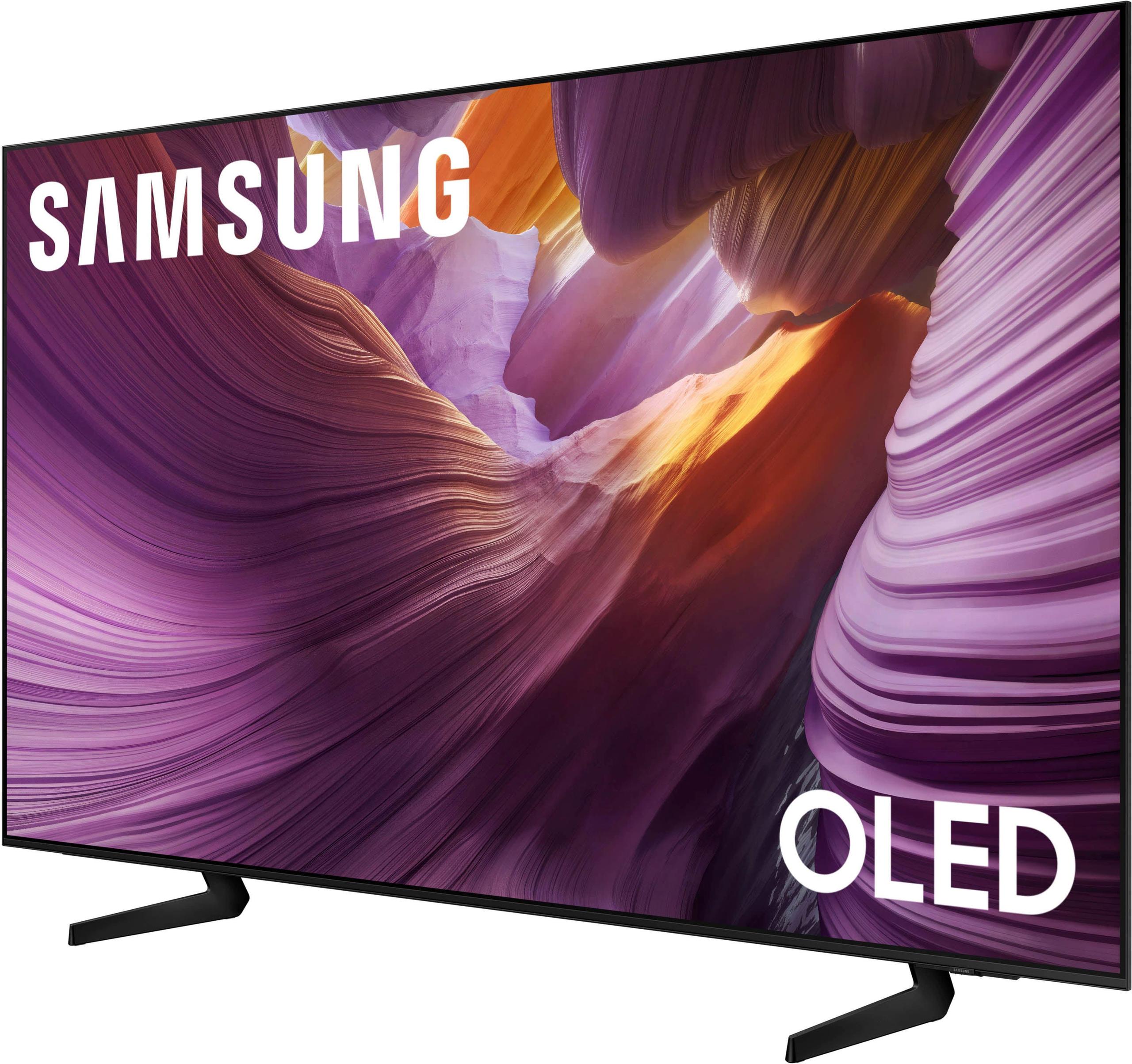
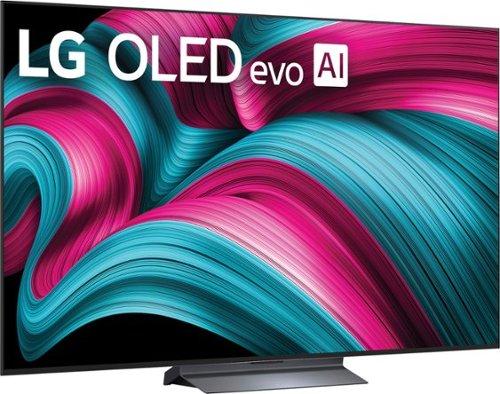
Shopping for a new OLED TV can feel overwhelming, especially when you're comparing two excellent options from different manufacturers. Today, I'm diving deep into the Samsung 65" S85F OLED 4K Smart TV (2025) priced at $1,599.99 and the LG OLED evo C5 65" 4K TV 2025 with a launch price of $2,699 (though frequently discounted to $1,697-$2,196). Both represent the entry-level OLED offerings from their respective brands, but they take notably different approaches to delivering premium picture quality.
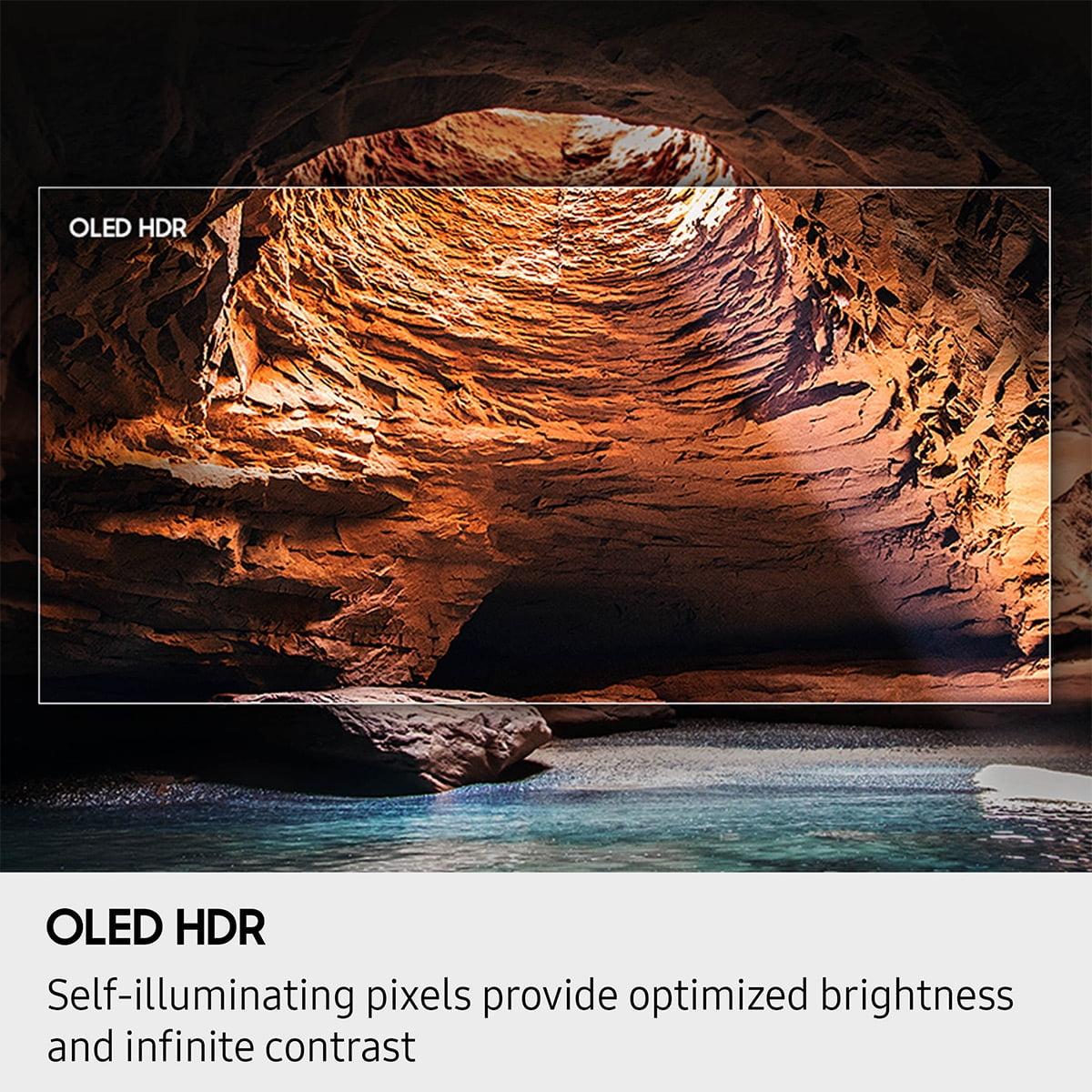
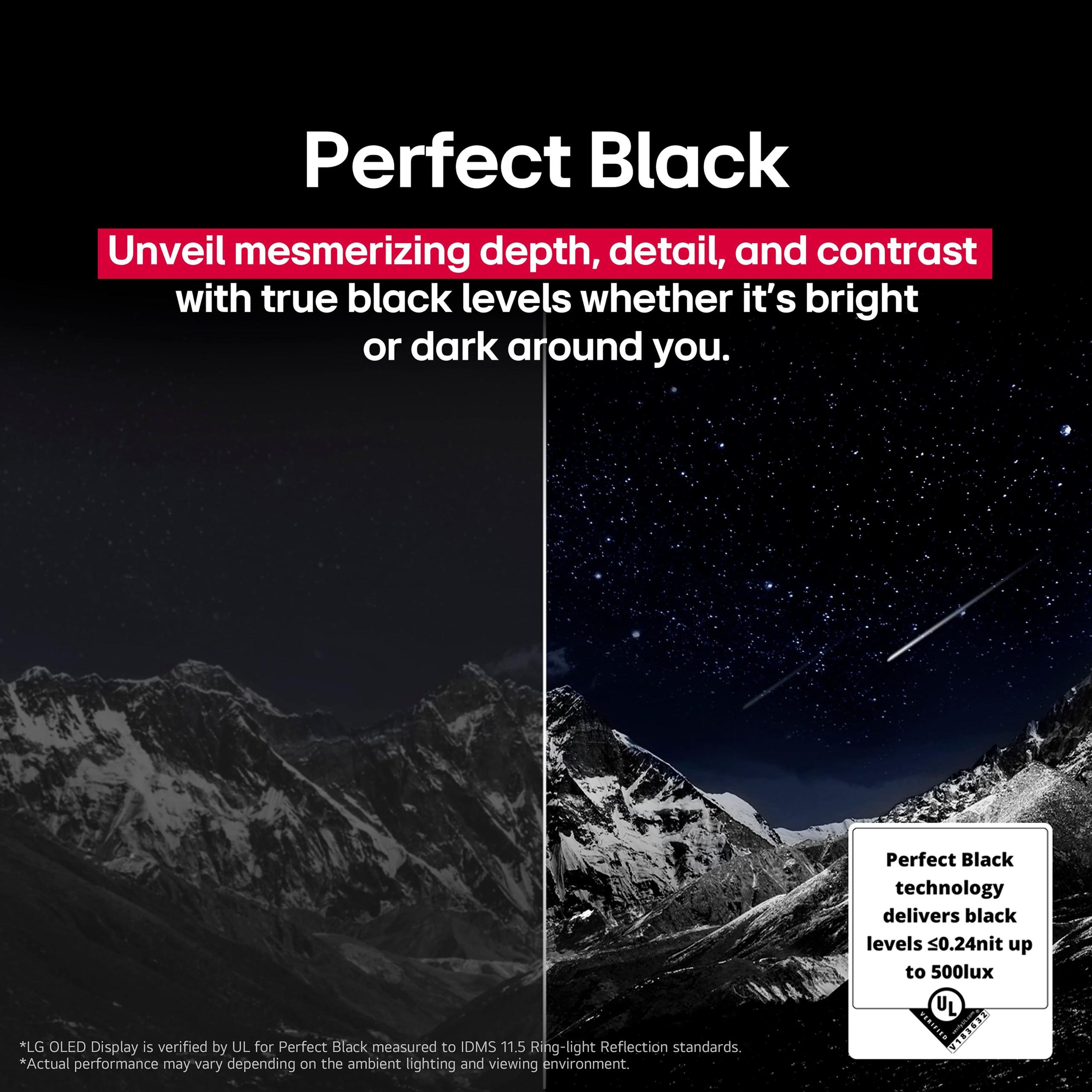
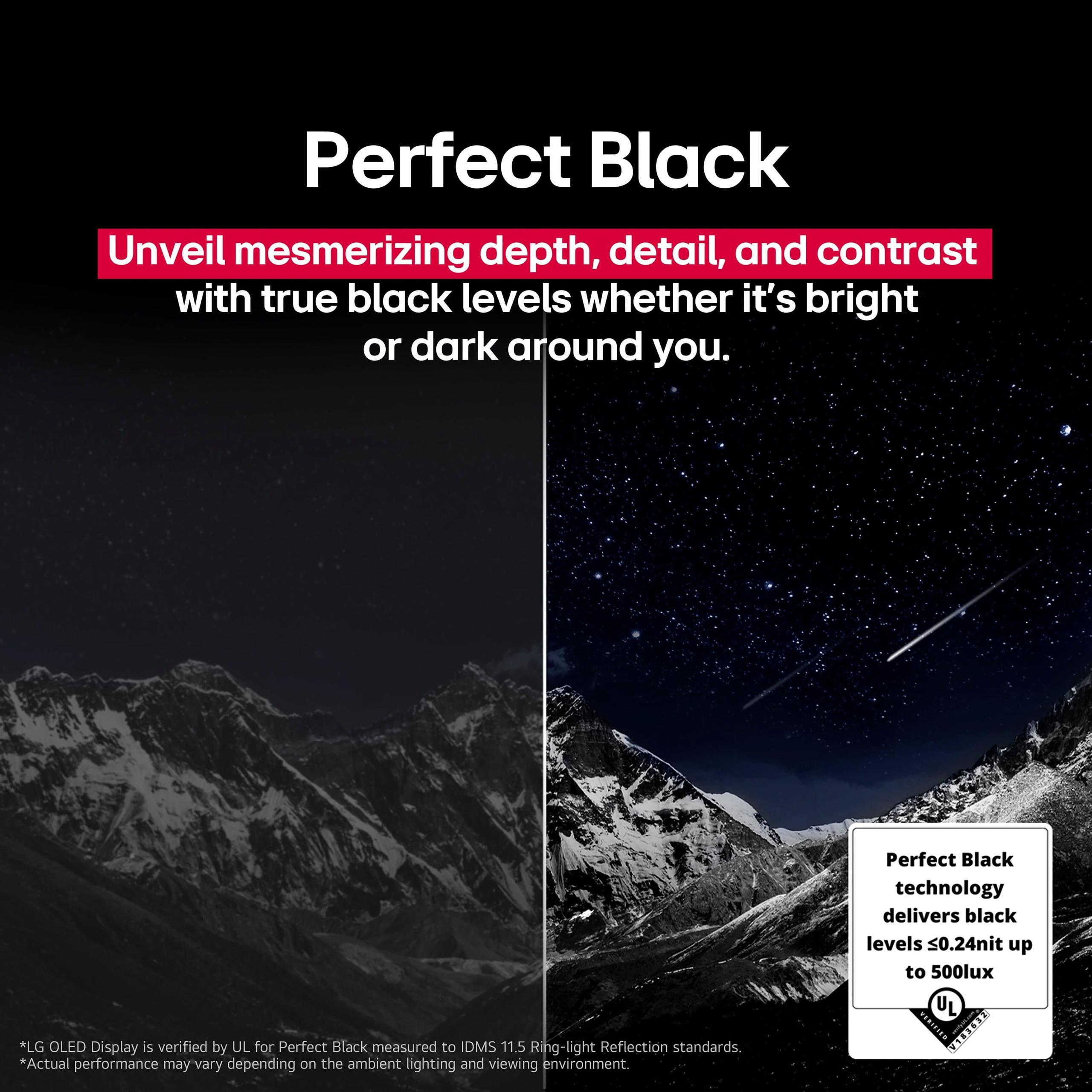
OLED (Organic Light-Emitting Diode) technology represents the current pinnacle of consumer display technology. Unlike traditional LCD TVs that require a backlight, each pixel in an OLED display generates its own light. This means when a pixel needs to be black, it simply turns off completely, creating perfect blacks that LCD TVs can't match. Both TVs offer this fundamental advantage, but they achieve it through different technical approaches.
The main considerations when choosing an OLED TV include picture quality performance in various lighting conditions, gaming capabilities, smart TV features, and overall value. Room environment plays a crucial role – a TV that excels in a dark home theater might struggle in a bright living room.
Both TVs launched in spring 2025, with the Samsung hitting the market in April and the LG following in March. This timing reflects the manufacturers' traditional release cycles, where new models debut ahead of the peak summer buying season.
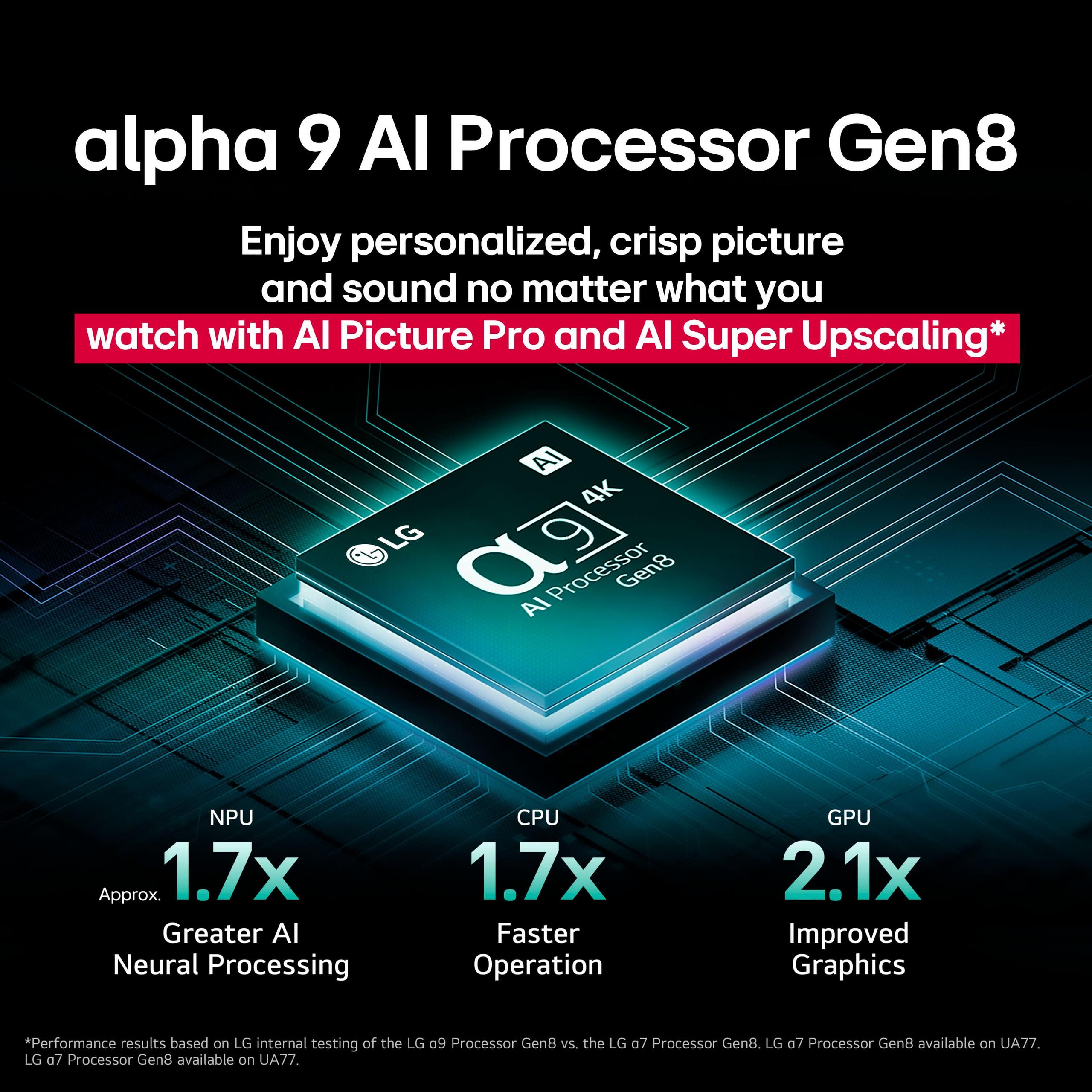
The 2025 OLED market brought significant improvements over previous generations. Samsung's S85F represents a step up from the 2024 S85D, incorporating the new NQ4 AI Gen2 Processor and enhanced QD-OLED panels. Meanwhile, LG's C5 evolved from the popular C4 series, adding the Alpha 9 AI Processor Gen8 and substantially improved brightness – a long-standing weakness of previous LG OLEDs.
Here's where things get interesting. The Samsung S85F uses QD-OLED (Quantum Dot OLED) technology, while the LG C5 employs WOLED (White OLED). This isn't just marketing jargon – it fundamentally affects how these displays produce colors and handle brightness.
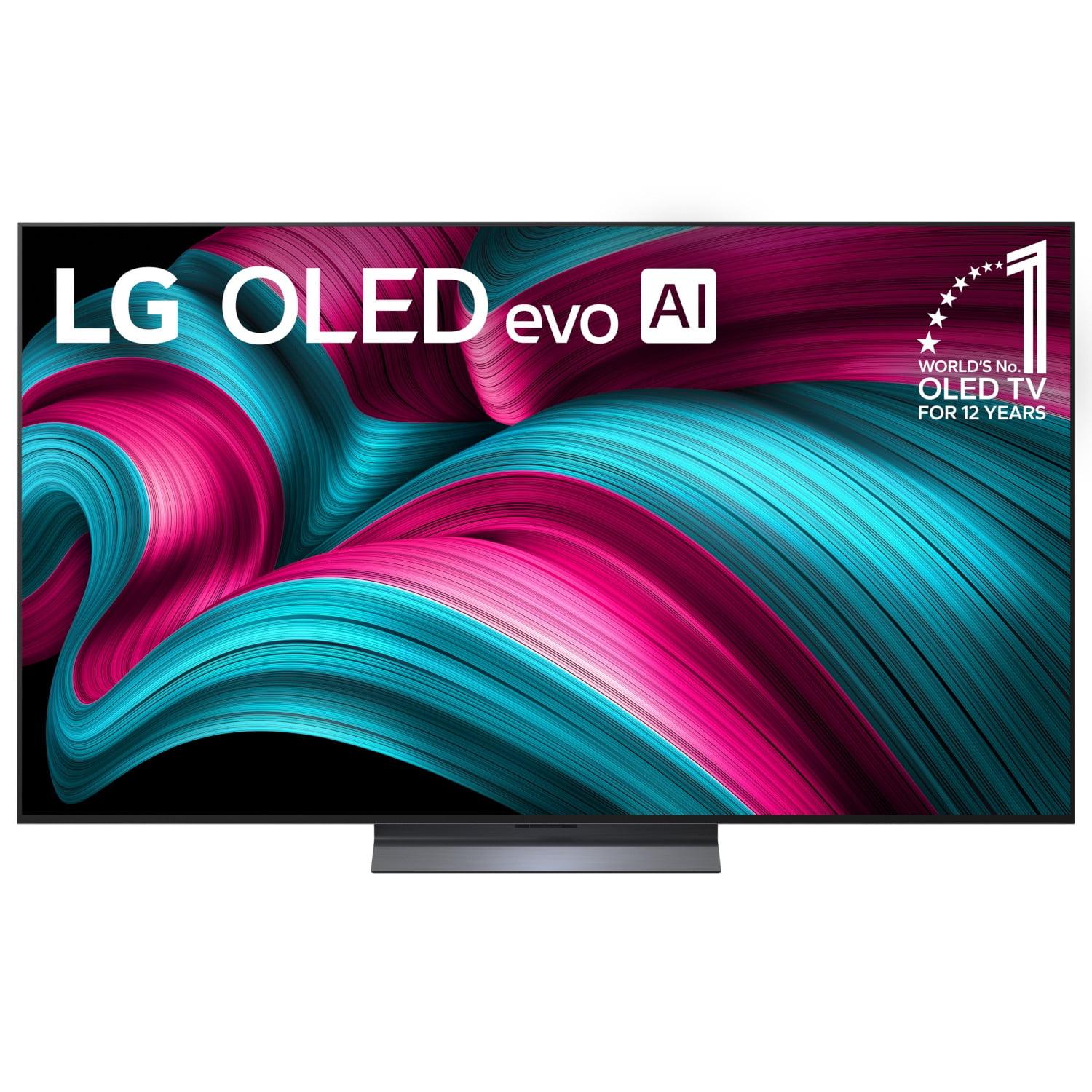
Samsung's QD-OLED approach combines quantum dots with OLED technology. The quantum dots act like tiny color filters, converting blue light into precise red and green colors. This creates incredibly vibrant, saturated colors that can make content appear more vivid than what you'd see in real life. When I first saw QD-OLED technology in action, the difference was immediately apparent – colors seemed to pop off the screen with an almost artificial brilliance that many viewers find appealing.
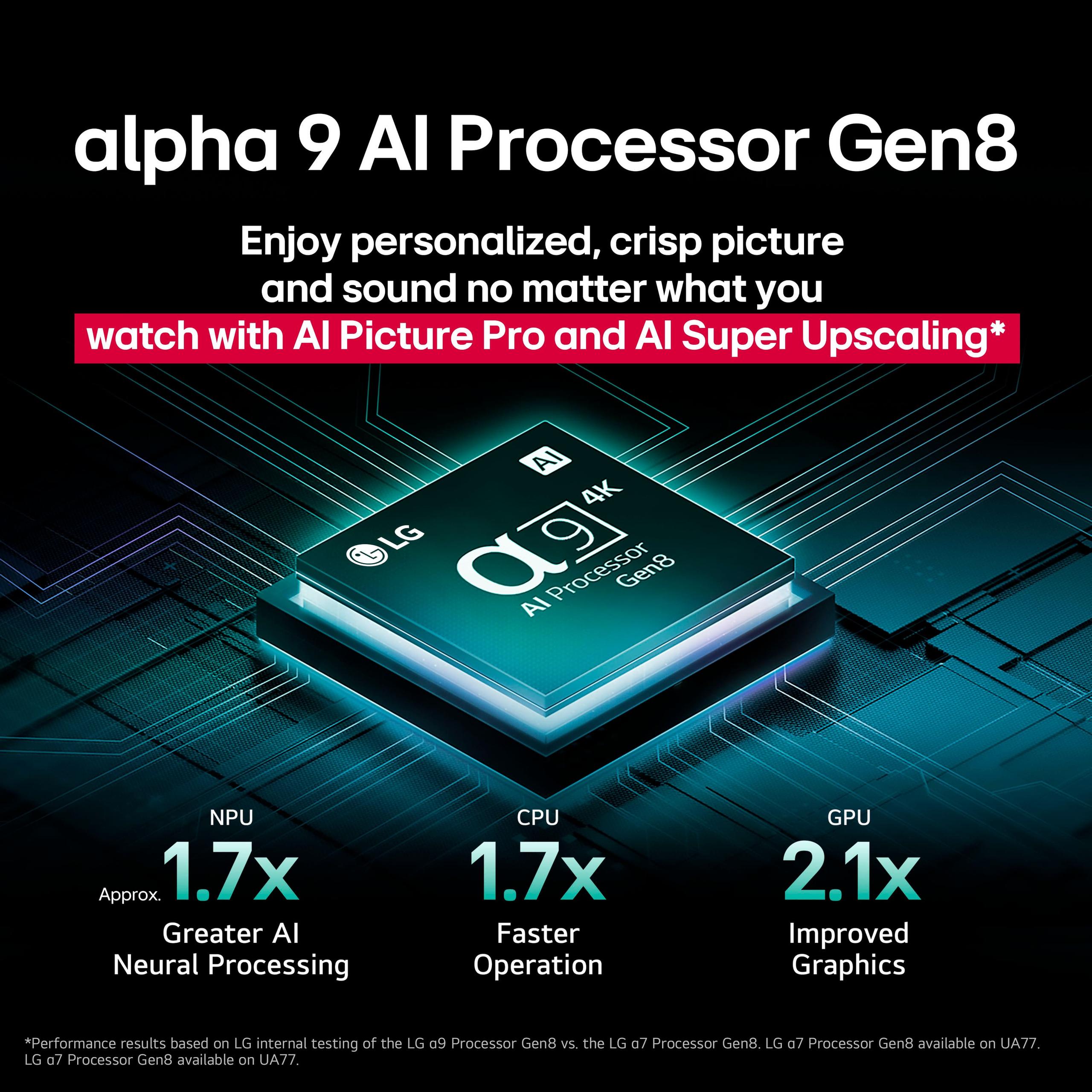
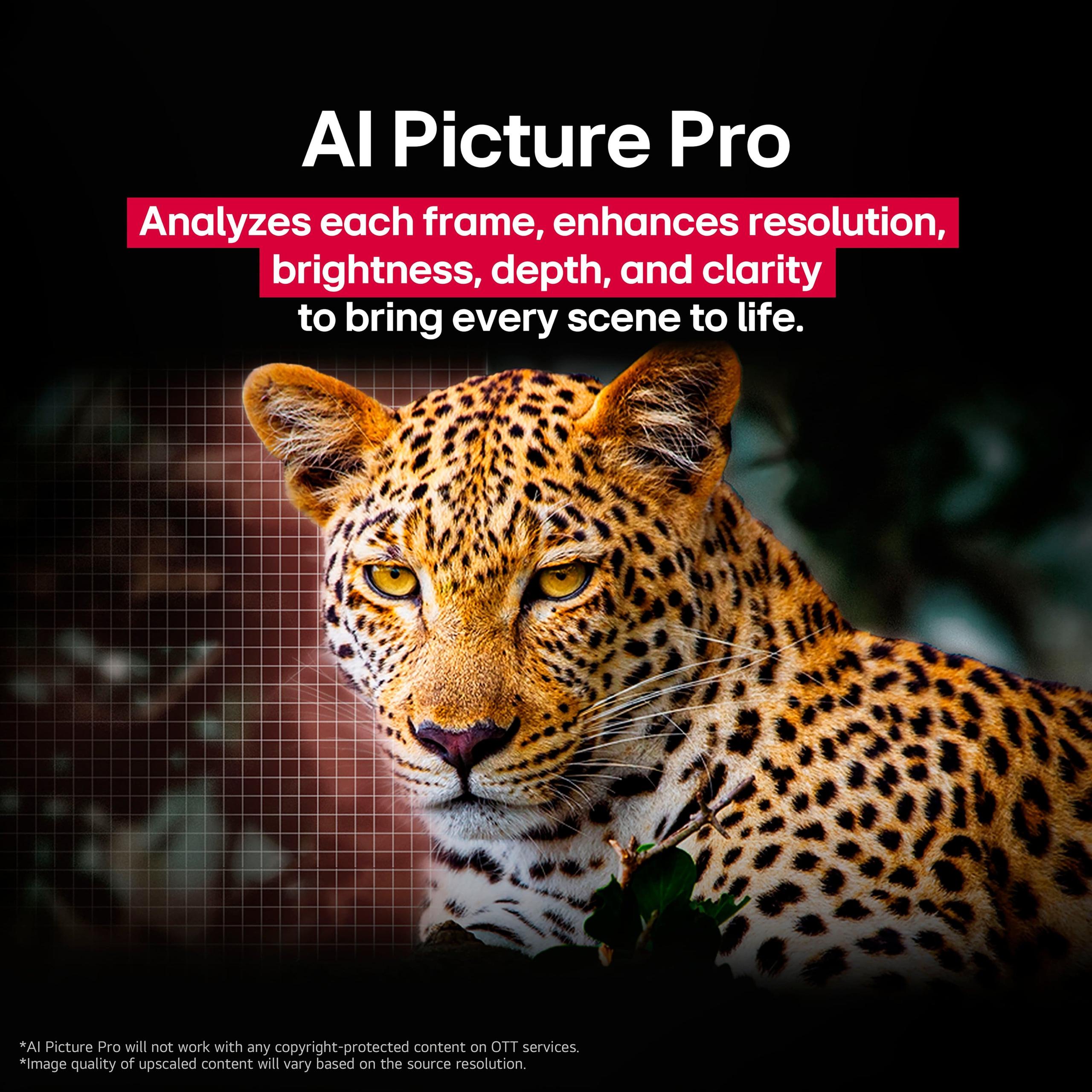
LG's WOLED technology takes a different approach. It uses white OLED pixels combined with color filters to create the final image. While this might sound less sophisticated, it allows for more precise control over brightness levels and generally produces more accurate, natural-looking colors. The Alpha 9 AI Processor Gen8 in the C5 uses machine learning to optimize this process, analyzing content in real-time to enhance picture quality.
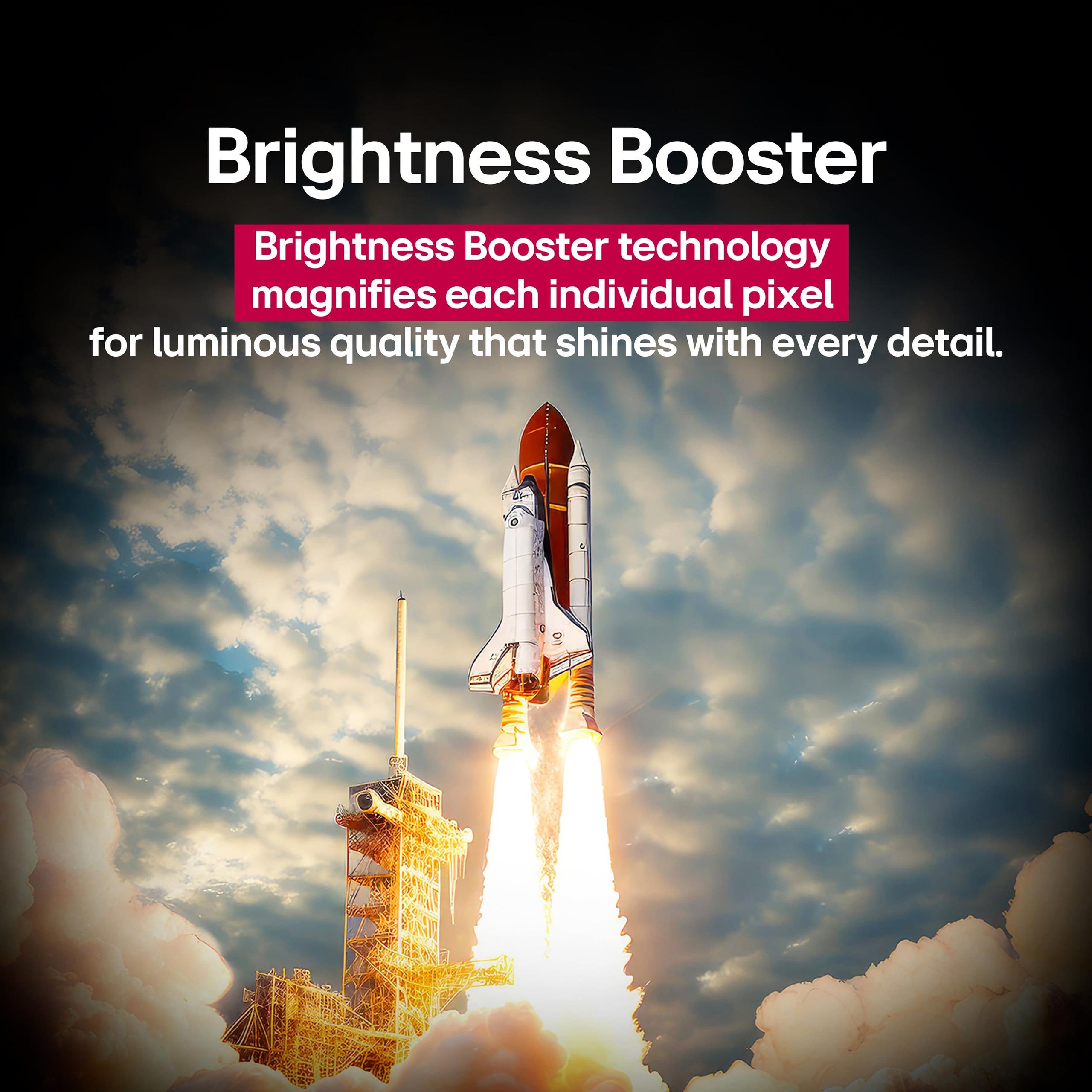
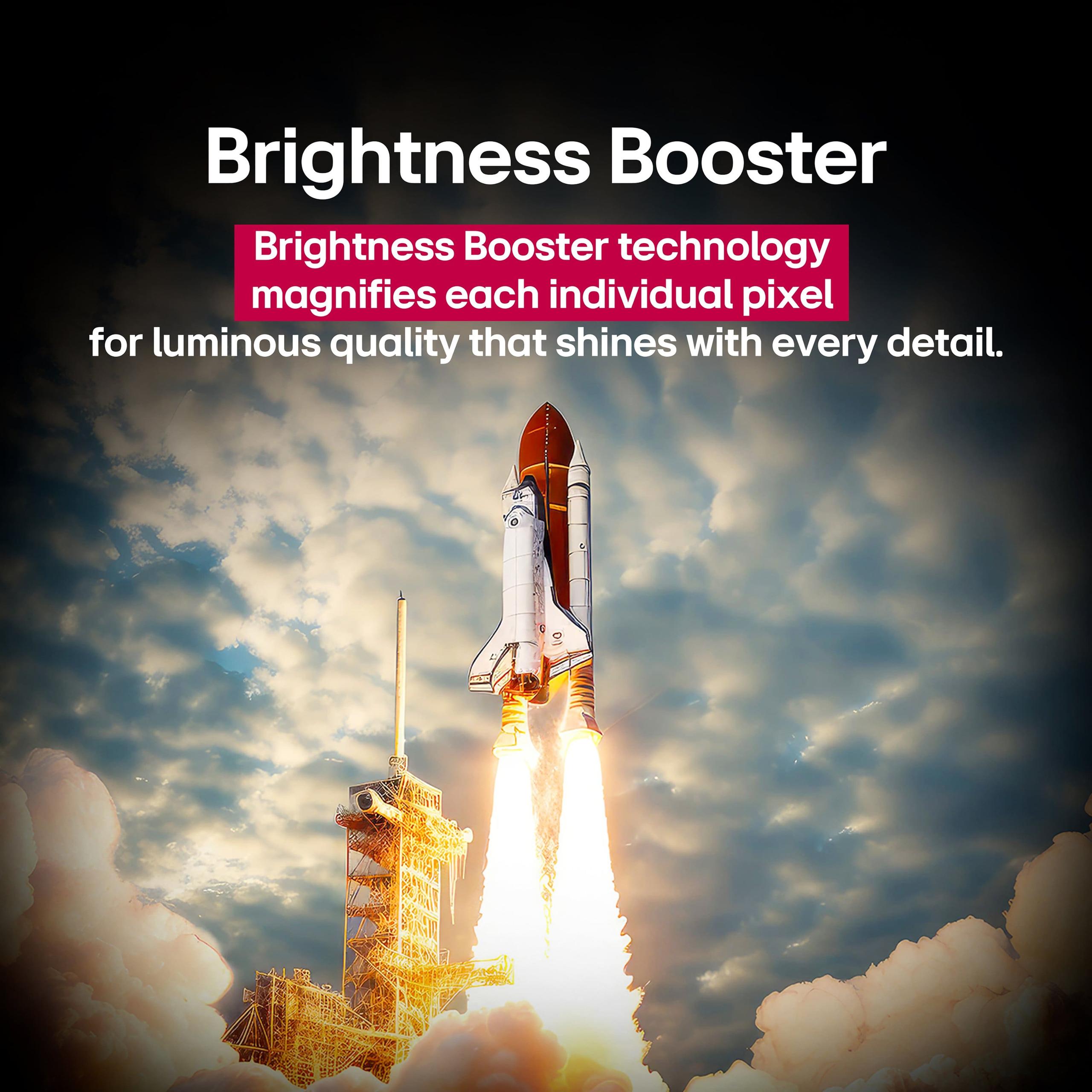
The most significant performance difference lies in brightness handling. The LG C5 delivers substantially higher brightness levels across all content types. In HDR (High Dynamic Range) content, where bright highlights should sparkle against dark backgrounds, the C5 can reach peak brightness levels that make HDR more impactful. HDR is essentially a technology that expands the range between the darkest and brightest parts of an image, creating more realistic and dramatic visuals.
The Samsung S85F, while capable, reaches about 750 nits in small highlights and drops to around 150 nits in full-screen bright scenes. This limitation becomes noticeable when watching HDR movies with dramatic lighting – those bright explosions or sunny outdoor scenes don't have the same punch. The LG C5's improved brightness makes it significantly better for bright rooms where ambient light might otherwise wash out the display.
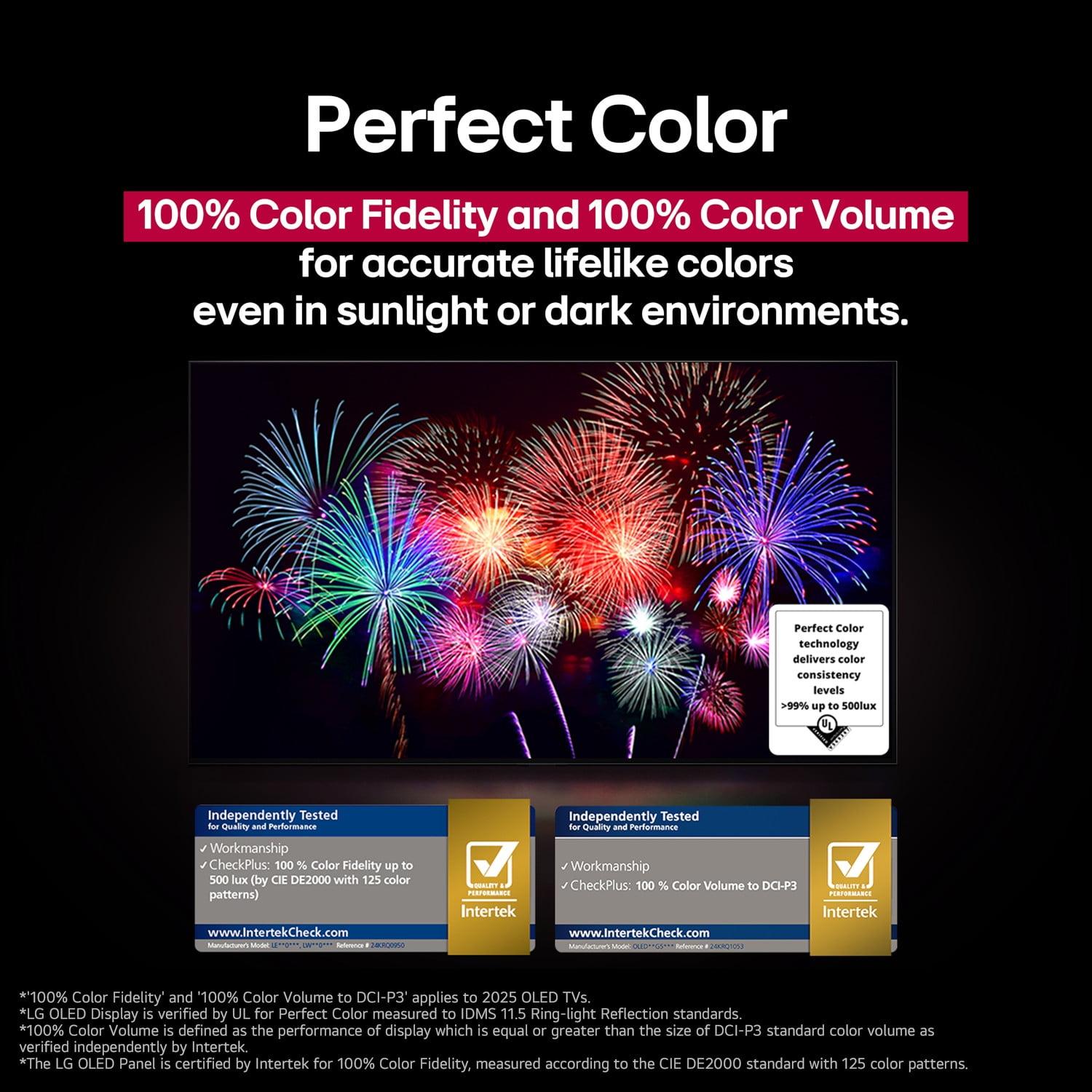
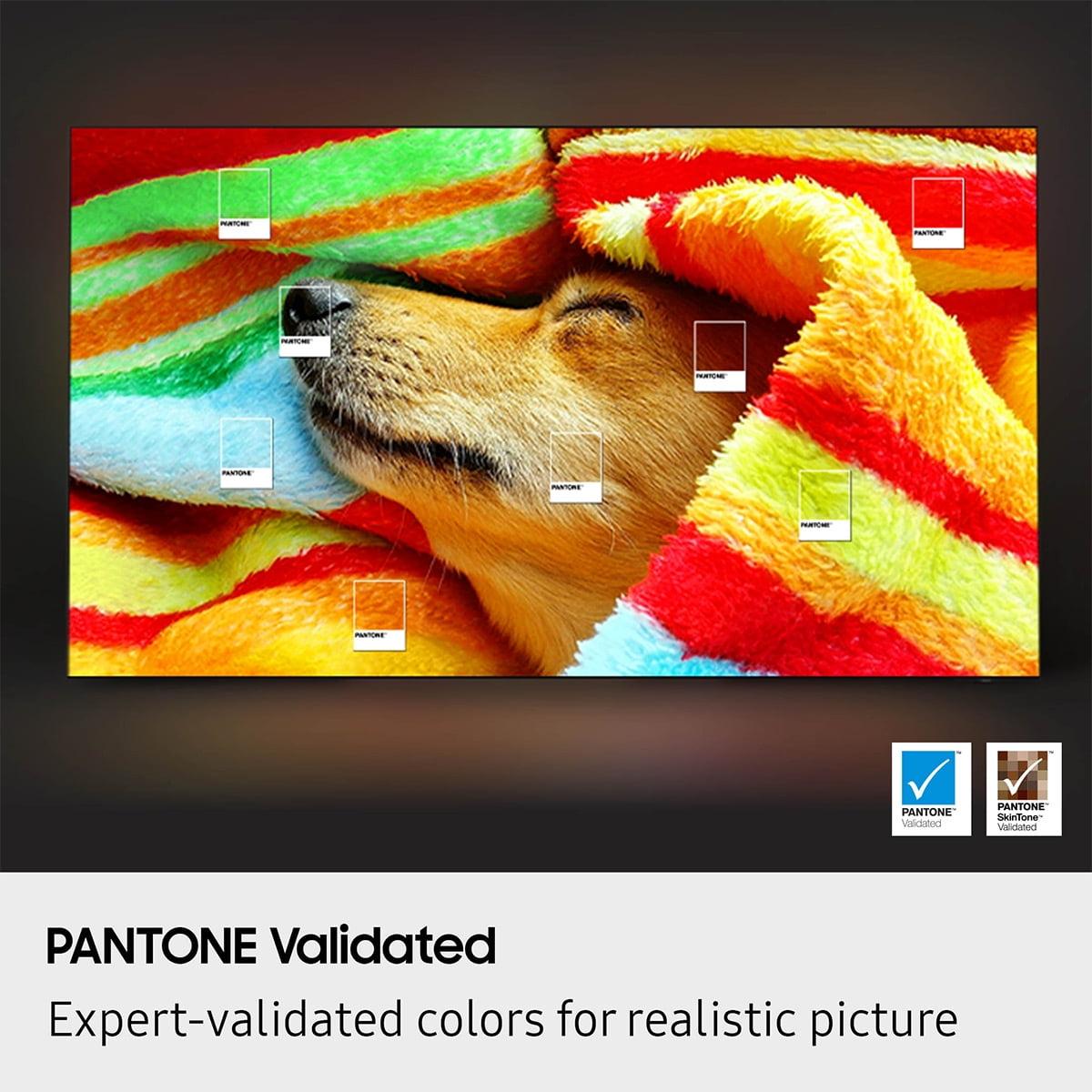
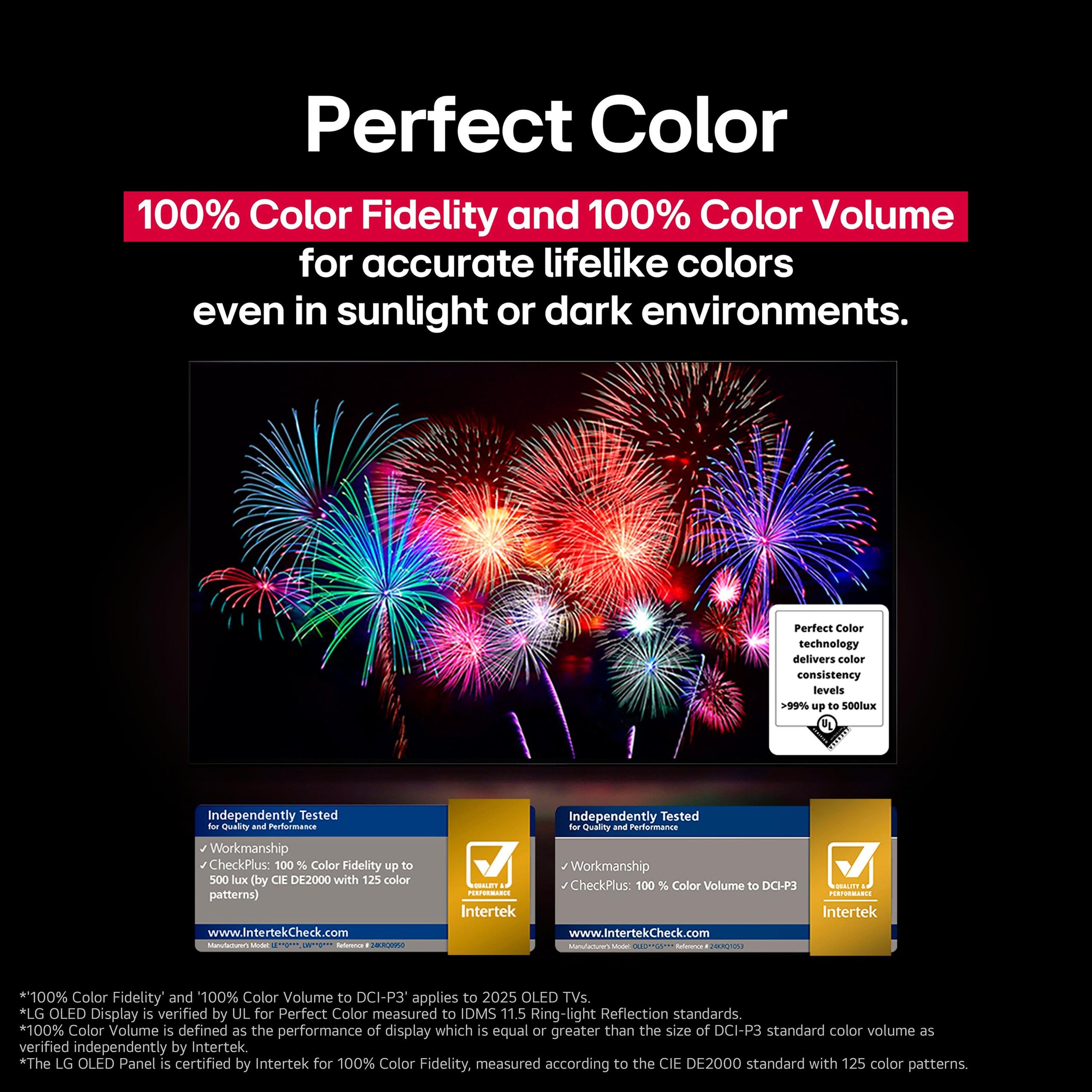
Here's where personal preference becomes crucial. The Samsung S85F's QD-OLED technology produces more saturated, vibrant colors. It's Pantone Validated, meaning it can accurately reproduce over 2,140 colors and 110 skin tone shades as defined by the Pantone color standard. This makes content appear more vivid and "poppy" – great for animated movies, sports, and gaming.
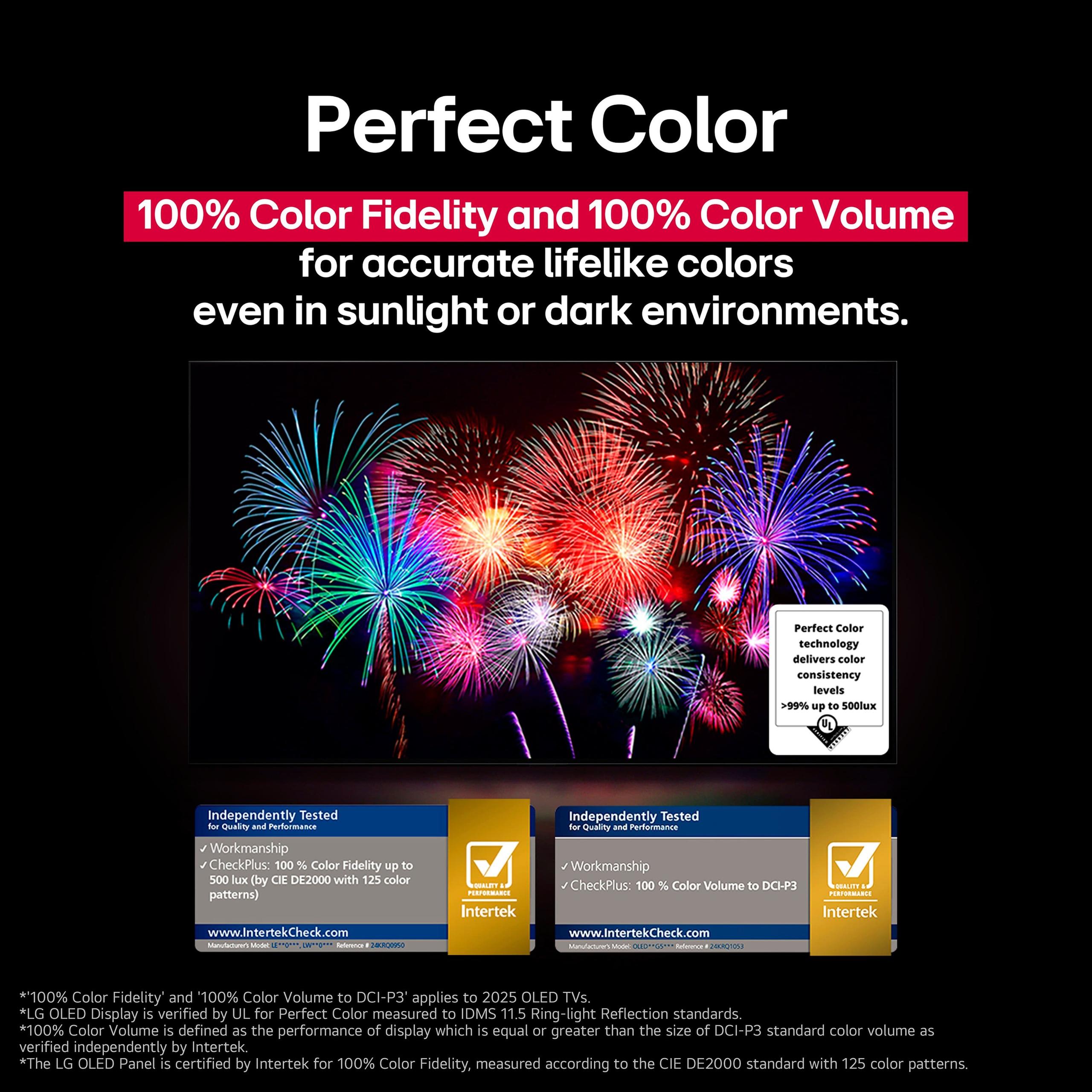
The LG C5 takes a more measured approach, delivering exceptional out-of-the-box color accuracy that often surpasses even premium competitors. Colors appear more natural and realistic, which many professional reviewers and home theater enthusiasts prefer. The Alpha 9 AI Processor continuously analyzes content to ensure colors remain accurate across different types of material.
This is where the decision becomes clearer for many buyers. The LG C5 supports Dolby Vision, the premium HDR format used by Netflix, Disney+, Apple TV+, and many 4K Blu-ray discs. Dolby Vision provides scene-by-scene optimization, adjusting brightness and color for each individual scene rather than applying static settings to entire movies.
The Samsung S85F only supports HDR10+, Samsung's preferred HDR format. While HDR10+ is technically capable, it's less widely adopted by content creators and streaming services. This means you'll miss out on the enhanced HDR experience for a significant portion of your viewing.
Both TVs excel at gaming, but with some important differences. The LG C5 supports up to 144Hz refresh rate, which future-proofs it for high-end PC gaming and potential next-generation consoles. The Samsung S85F caps out at 120Hz, which is perfectly adequate for current PlayStation 5 and Xbox Series X consoles.
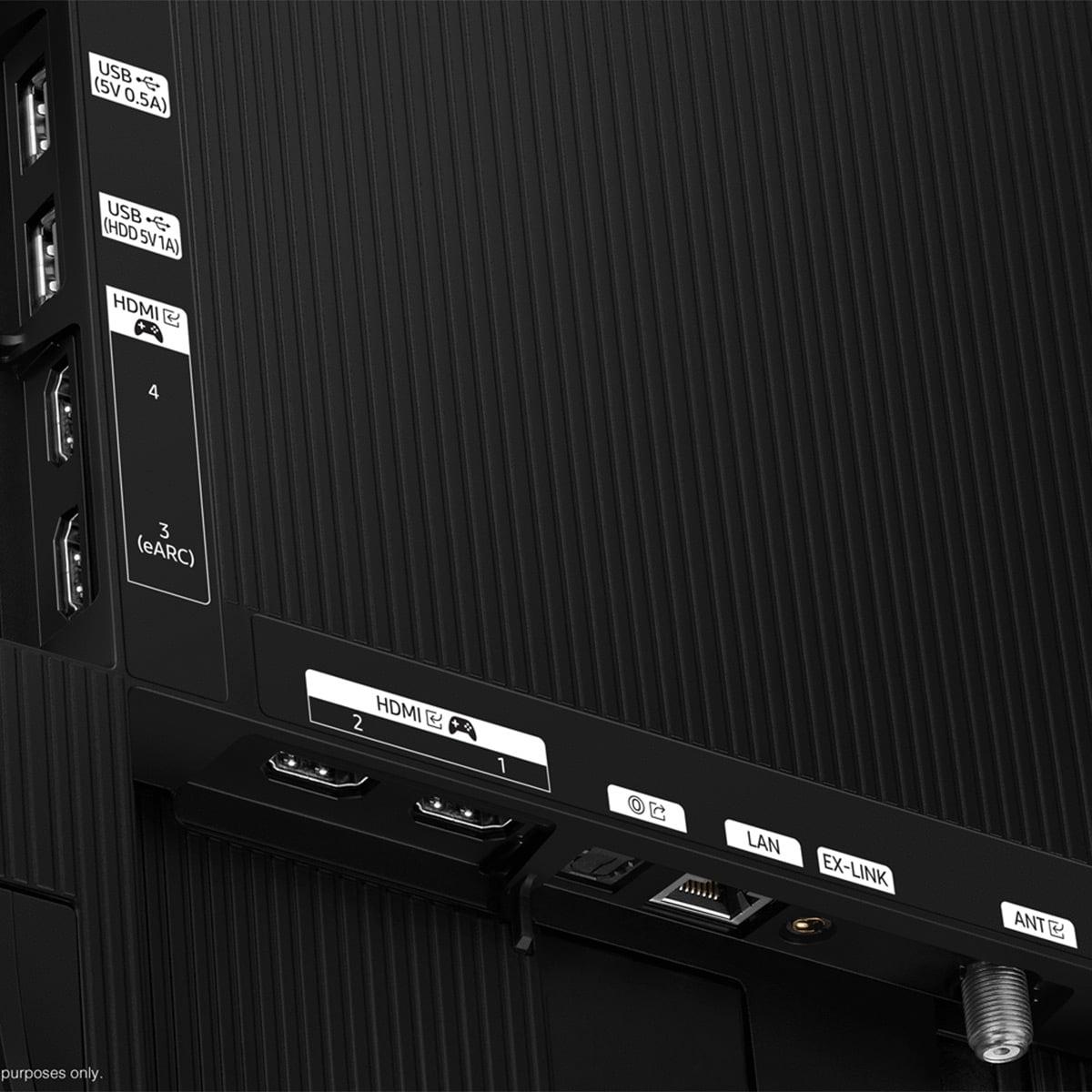
Both offer four HDMI 2.1 ports – the full-bandwidth connections needed for 4K gaming at high refresh rates. HDMI 2.1 is crucial because it provides the bandwidth necessary for uncompressed 4K video at 120Hz or higher, along with features like Variable Refresh Rate (VRR) that eliminates screen tearing.
Response time is excellent on both, with the LG claiming 0.1ms and the Samsung delivering near-instantaneous response. For competitive gaming, either will satisfy even the most demanding players. The Samsung includes some unique gaming features like Dynamic Black EQ, which brightens dark areas in games to spot enemies hiding in shadows – a feature competitive gamers appreciate.
The software experience differs significantly between these TVs. The LG C5 runs webOS 25, which I find more intuitive and responsive than previous versions. The interface feels modern and allows for easy multitasking, including the ability to display multiple video sources simultaneously.
Samsung's Tizen OS on the S85F offers a clean, organized interface with good app selection. However, the LG's broader voice assistant support (Google Assistant, Alexa, Apple HomeKit) and AirPlay 2 integration makes it more versatile for smart home environments.
The LG C5 dominates in bright rooms. Its "Bright Room Ready" technology and improved brightness make it capable of overcoming ambient light that would wash out the Samsung. If your TV faces windows or you prefer watching with lights on, the LG is the clear choice.
In dedicated home theater environments, the Samsung S85F shines. Its QD-OLED technology produces incredibly vibrant colors that look spectacular in controlled lighting. The perfect blacks inherent to OLED technology combine with the saturated colors to create an immersive viewing experience that rivals commercial theaters.
For families who watch TV throughout the day in varying lighting conditions, the LG C5's versatility makes it the safer choice. Its superior brightness handling means consistent performance regardless of room conditions.
At $1,599.99, the Samsung S85F offers exceptional value for QD-OLED technology. You're getting premium display tech at a price point that was unthinkable just a few years ago. The vibrant colors and excellent gaming performance make it compelling for budget-conscious buyers who still want flagship features.
The LG C5's $2,699 launch price initially seemed steep, but frequent discounts bring it closer to the Samsung's price range. When available under $2,000, the LG becomes the better value proposition for most users due to its superior brightness and Dolby Vision support.
LG's five-year Re:New Program promises ongoing software updates and feature additions, providing better long-term value. Samsung offers standard support but includes environmentally conscious touches like the SolarCell remote that charges via ambient light.
Both manufacturers have strong track records for OLED panel longevity, though burn-in protection has improved significantly in recent generations. Modern OLED TVs include pixel shifting, logo detection, and automatic brightness limiting to prevent permanent image retention.
For dedicated home theater setups, both TVs excel but serve different priorities. The Samsung S85F's more saturated colors can make movies feel more dramatic and engaging, while the LG C5's accurate colors and Dolby Vision support provide a more filmmaker-intended experience.
The LG's superior brightness also helps with screen size considerations – if you're planning a large-screen home theater, the extra brightness helps maintain image quality at bigger sizes and longer viewing distances.
After extensive comparison, your choice should primarily depend on your viewing environment and content preferences. The Samsung S85F at $1,599.99 offers incredible value for dark room viewing and gaming, with vibrant colors that many find more engaging than reality. The LG C5 justifies its higher price (especially when discounted) with superior brightness, Dolby Vision support, and versatility across different room conditions.
For most buyers, I'd recommend the LG C5 if you can find it under $2,000 – its brightness advantage and Dolby Vision support make it more future-proof and versatile. However, the Samsung S85F represents exceptional value for anyone with a dedicated viewing room or tight budget who still wants premium OLED performance.
Both represent significant improvements over previous generations and either will deliver an outstanding viewing experience. The key is matching the TV's strengths to your specific needs and viewing environment.
| Samsung 65" S85F OLED 4K Smart TV (2025) | LG OLED evo C5 65" 4K TV 2025 |
|---|---|
| Price - Major factor in value decision | |
| $1,599.99 (excellent value for QD-OLED tech) | $2,699 launch / $1,697-$2,196 discounted (higher but often competitive when on sale) |
| Panel Technology - Affects color vibrancy and brightness | |
| QD-OLED (more vibrant, saturated colors) | WOLED (more accurate, natural colors) |
| Peak Brightness - Critical for HDR impact and bright rooms | |
| ~750 nits highlights, ~150 nits full screen (limited for bright rooms) | Significantly higher across all content (much better for bright rooms) |
| HDR Format Support - Determines streaming compatibility | |
| HDR10+ only (limited streaming support) | Dolby Vision + HDR10+ (full Netflix/Disney+ compatibility) |
| Gaming Refresh Rate - Important for future-proofing | |
| 120Hz (perfect for current consoles) | 144Hz (better for high-end PC gaming) |
| Smart TV Platform - Affects daily usability | |
| Tizen OS (clean, good app selection) | webOS 25 (more intuitive, better voice integration) |
| Processor - Impacts upscaling and AI features | |
| NQ4 AI Gen2 (good performance) | Alpha 9 AI Gen8 (superior upscaling and processing) |
| Voice Assistant Support - Smart home integration | |
| Bixby, Alexa, SmartThings | Google Assistant, Alexa, Apple HomeKit, AirPlay 2 |
| Best Room Environment - Where each excels | |
| Dark/dim rooms, home theaters | Bright living rooms, mixed lighting |
| Unique Advantages - What sets each apart | |
| Pantone color validation, vibrant QD-OLED colors, lower price | Superior brightness, Dolby Vision, 5-year software updates |
The LG OLED evo C5 65" 4K TV 2025 is significantly better for bright rooms. It offers much higher peak brightness levels and "Bright Room Ready" technology that helps overcome ambient light. The Samsung 65" S85F OLED 4K Smart TV (2025) has lower brightness output (~750 nits) and may struggle in well-lit environments.
The Samsung 65" S85F OLED 4K Smart TV (2025) costs $1,599.99, while the LG OLED evo C5 65" 4K TV 2025 launched at $2,699 but is frequently discounted to $1,697-$2,196. The Samsung offers better value at its consistent lower price point.
This depends on preference. The Samsung 65" S85F OLED 4K Smart TV (2025) uses QD-OLED technology for more vibrant, saturated colors that pop off the screen. The LG OLED evo C5 65" 4K TV 2025 delivers more accurate, natural-looking colors with superior out-of-the-box calibration.
No, only the LG OLED evo C5 65" 4K TV 2025 supports Dolby Vision HDR, which is used by Netflix, Disney+, and Apple TV+. The Samsung 65" S85F OLED 4K Smart TV (2025) only supports HDR10+, limiting your HDR streaming options.
Both are excellent for gaming, but the LG OLED evo C5 65" 4K TV 2025 has a slight edge with 144Hz refresh rate support versus the Samsung's 120Hz. Both offer 4x HDMI 2.1 ports, VRR, and ultra-low input lag. The Samsung 65" S85F OLED 4K Smart TV (2025) includes unique gaming features like Dynamic Black EQ.
The Samsung 65" S85F OLED 4K Smart TV (2025) runs Tizen OS with a clean interface and good app selection. The LG OLED evo C5 65" 4K TV 2025 uses webOS 25, which offers more intuitive navigation and broader voice assistant support including Google Assistant, Alexa, and Apple HomeKit.
For dedicated dark room home theaters, the Samsung 65" S85F OLED 4K Smart TV (2025) excels with its vibrant QD-OLED colors and lower price. However, the LG OLED evo C5 65" 4K TV 2025 provides more accurate colors and Dolby Vision support for a more filmmaker-intended experience.
The LG OLED evo C5 65" 4K TV 2025 features the more advanced Alpha 9 AI Processor Gen8 with superior upscaling and AI processing capabilities. The Samsung 65" S85F OLED 4K Smart TV (2025) uses the NQ4 AI Gen2 Processor, which performs well but isn't as sophisticated for content enhancement.
The Samsung 65" S85F OLED 4K Smart TV (2025) has better reflection handling thanks to its panel technology, making it more suitable for rooms with direct light sources. The LG OLED evo C5 65" 4K TV 2025 compensates with higher brightness to overcome ambient light.
The Samsung 65" S85F OLED 4K Smart TV (2025) lacks Dolby Vision support and has lower brightness for HDR content. The LG OLED evo C5 65" 4K TV 2025 has a higher price point and occasionally shows banding in certain color gradients.
The LG OLED evo C5 65" 4K TV 2025 includes a 5-year Re:New Program for ongoing software updates and feature additions. The Samsung 65" S85F OLED 4K Smart TV (2025) offers excellent immediate value at $1,599.99 but has standard support cycles.
Choose the Samsung 65" S85F OLED 4K Smart TV (2025) if you have a dark viewing room and want excellent QD-OLED performance at a great price. Choose the LG OLED evo C5 65" 4K TV 2025 if you need brightness for mixed lighting conditions, want Dolby Vision support, and can find it discounted under $2,000.
We've done our best to create useful and informative comparisons to help you decide what product to buy. Our research uses advanced automated methods to create this comparison and perfection is not possible - please contact us for corrections or questions. These are the sites we've researched in the creation of this article: rtings.com - samsung.com - youtube.com - rtings.com - youtube.com - samsung.com - bestbuy.com - avsforum.com - avsforum.com - samsung.com - displayspecifications.com - videoandaudiocenter.com - bestbuy.com - flatpanelshd.com - myallsouth.com - samsung.com - richstv.com - samsung.com - heartlandappliance.com - bestbuy.com - rtings.com - youtube.com - businessinsider.com - youtube.com - bestbuy.com - lg.com - files.bbystatic.com - lg.com - flatpanelshd.com - lg.com - blvdhome.com - bhphotovideo.com - flanners.com - videopro.com.au

Privacy Policy
Terms and Conditions - Affiliate Policy
Home Security
© Copyright 2008-2026.
11816 Inwood Rd #1211, Dallas, TX 75244