


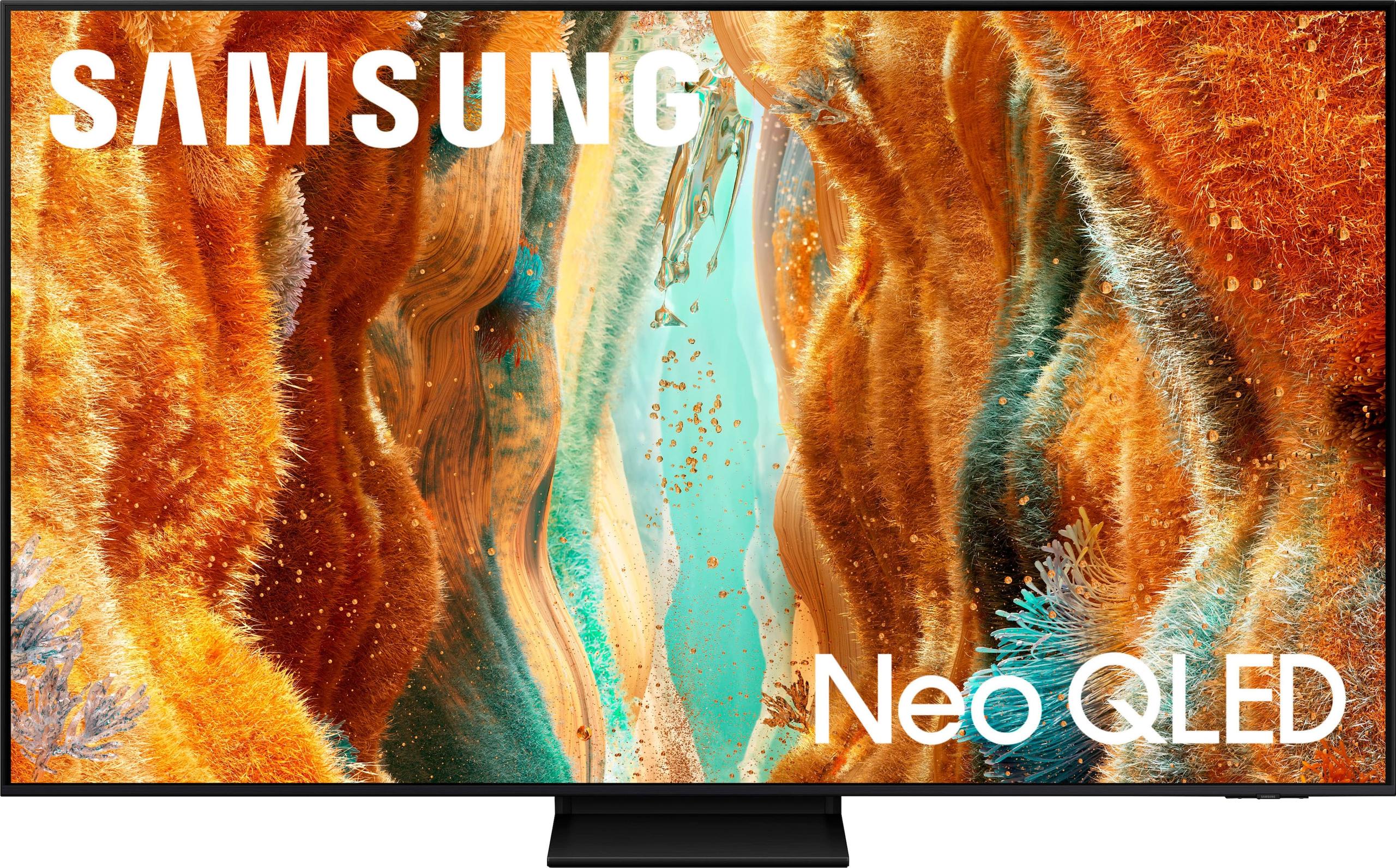
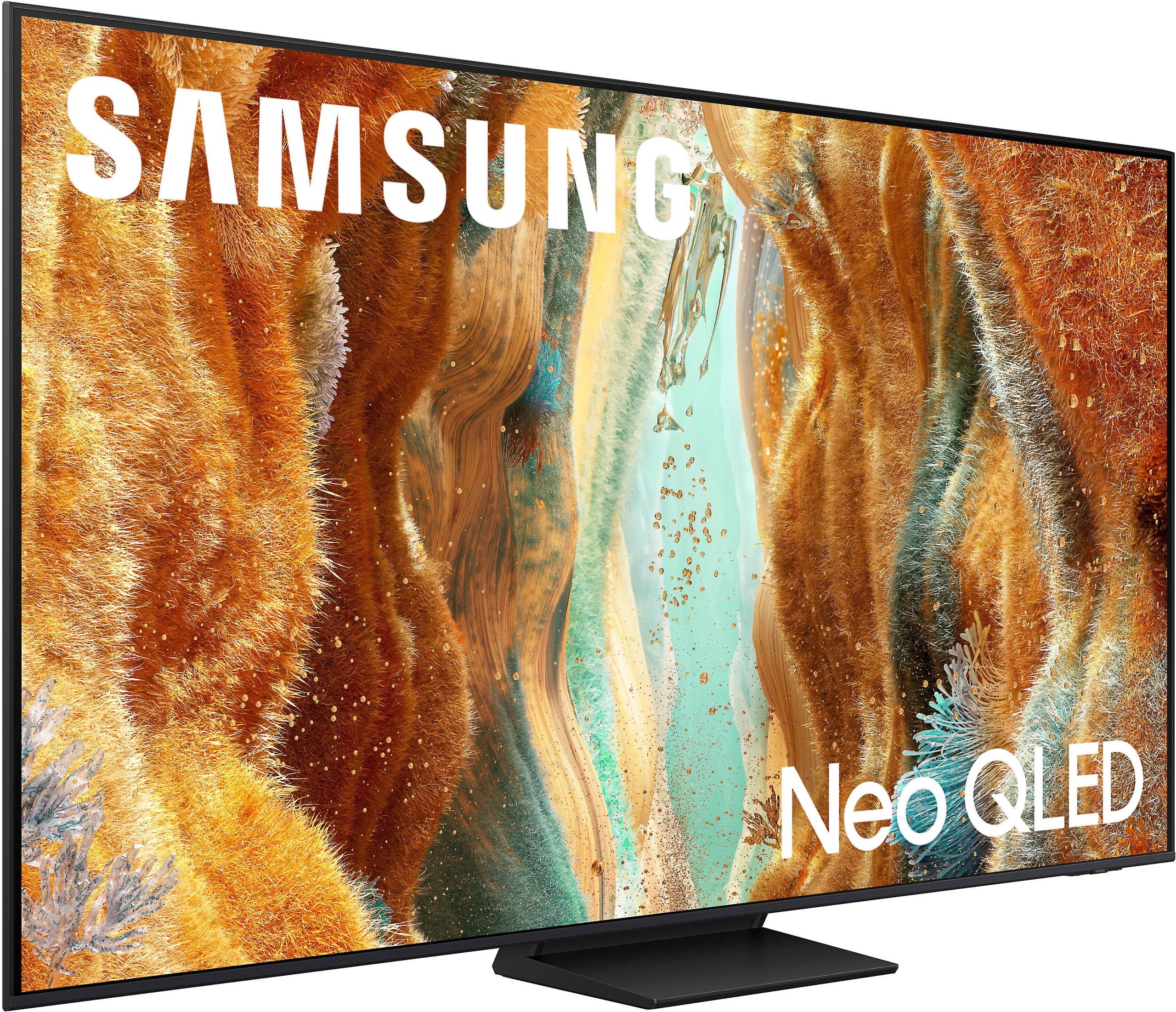
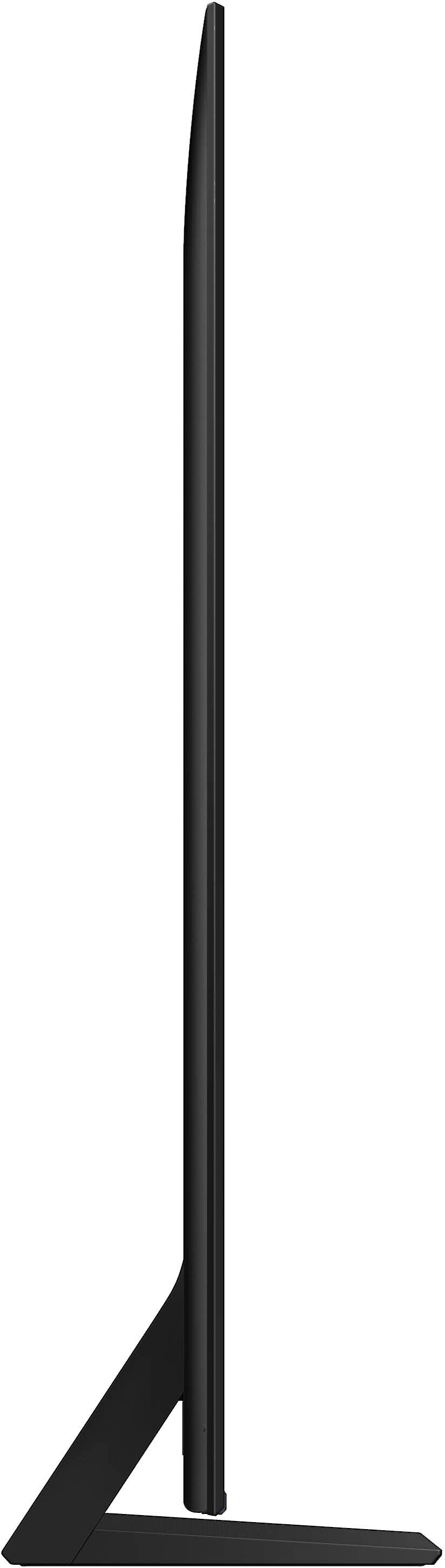

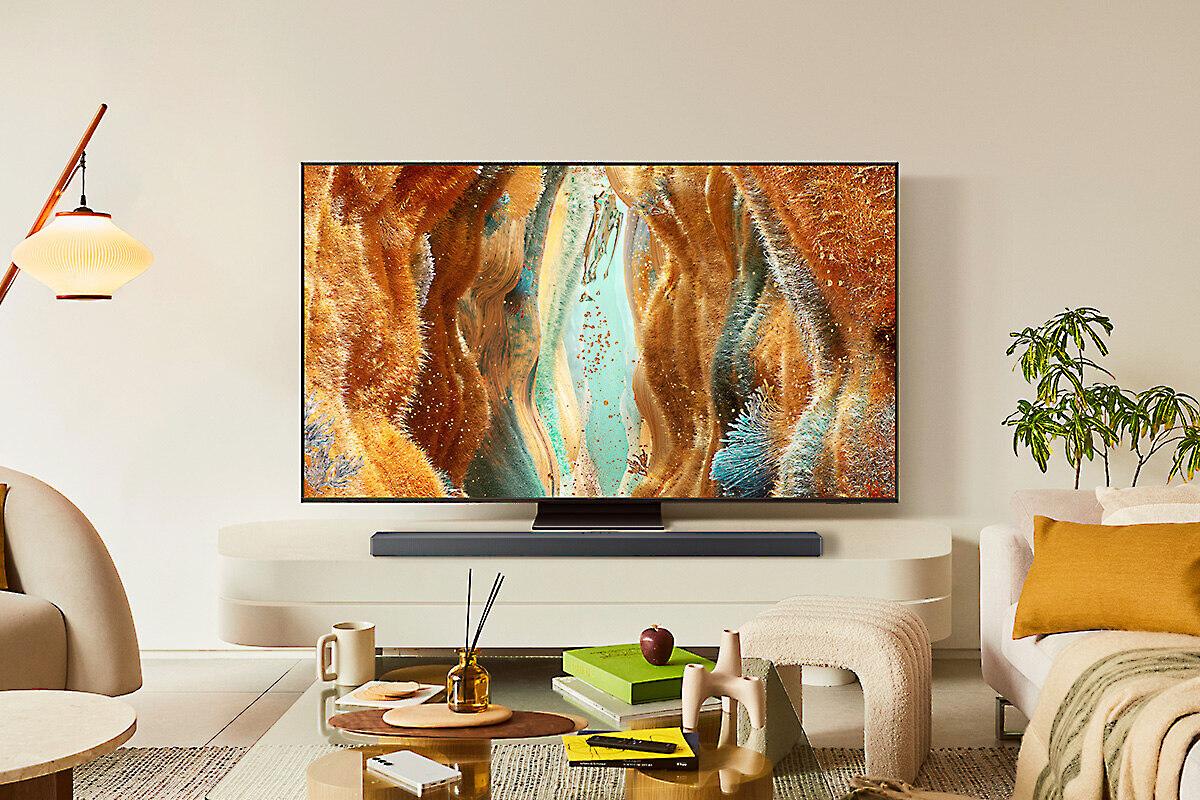
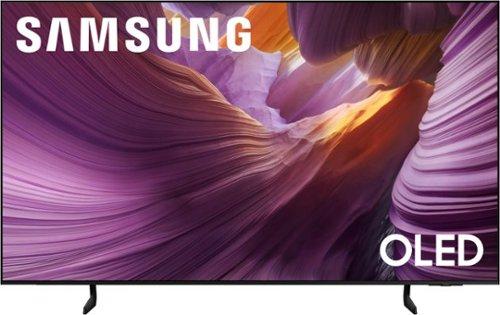
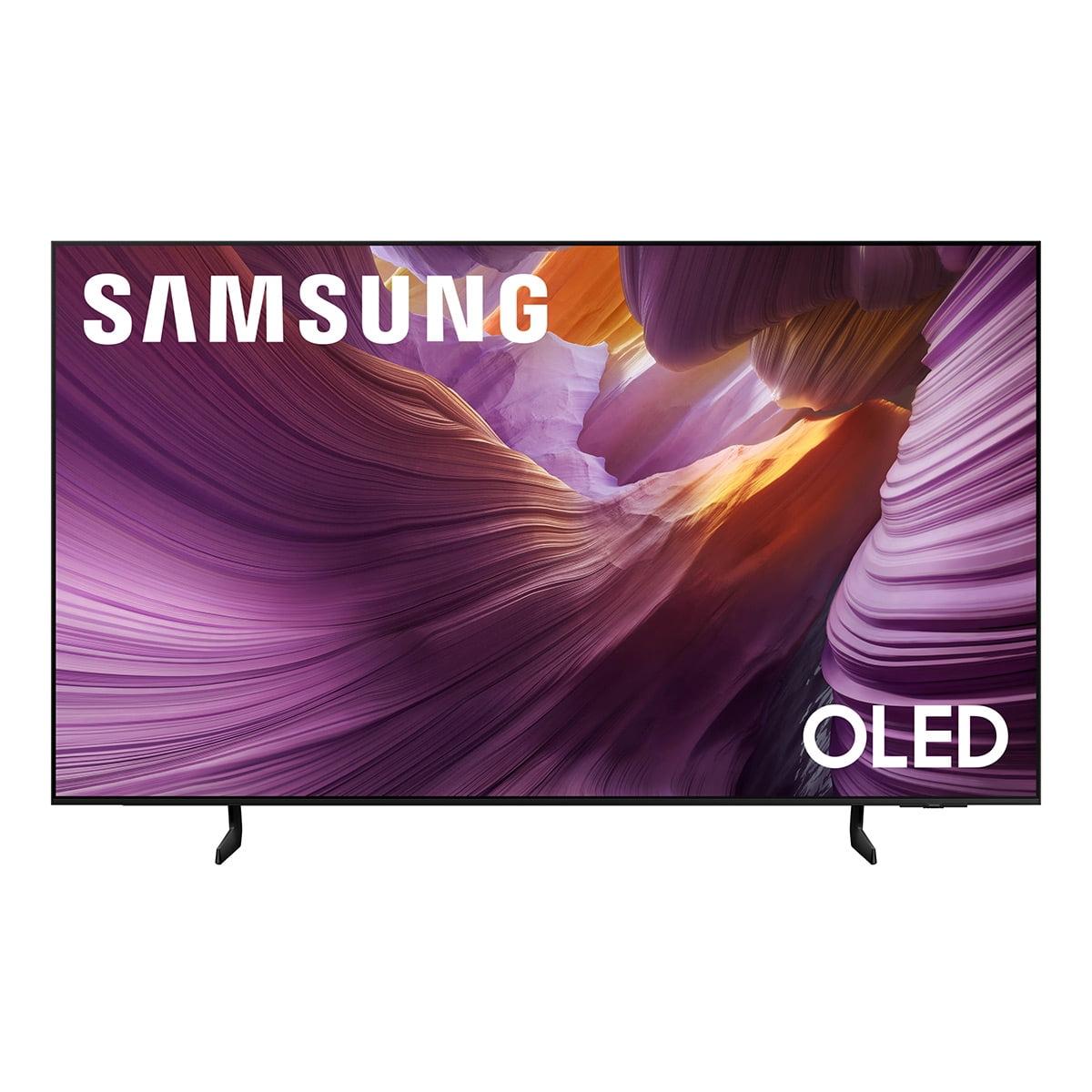
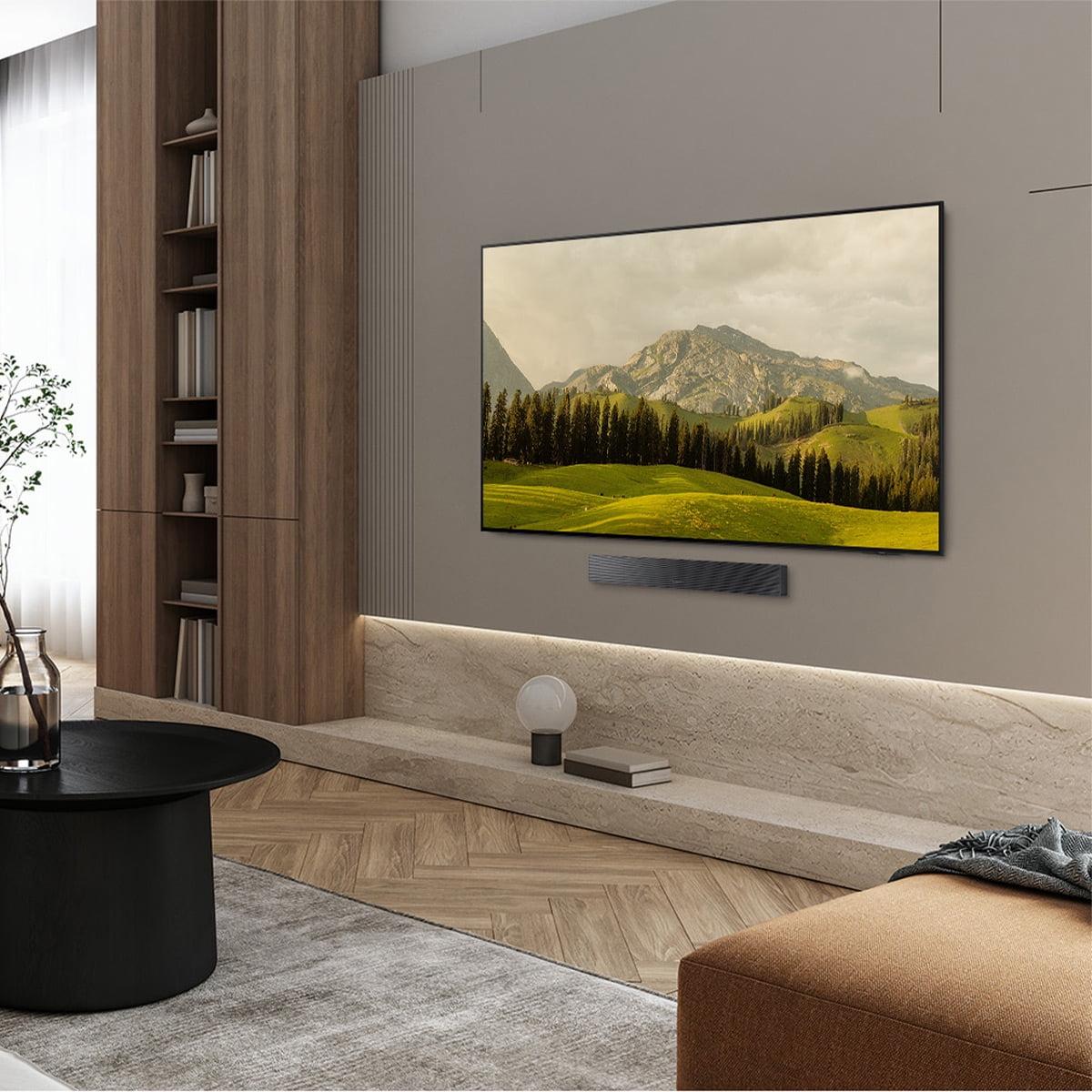
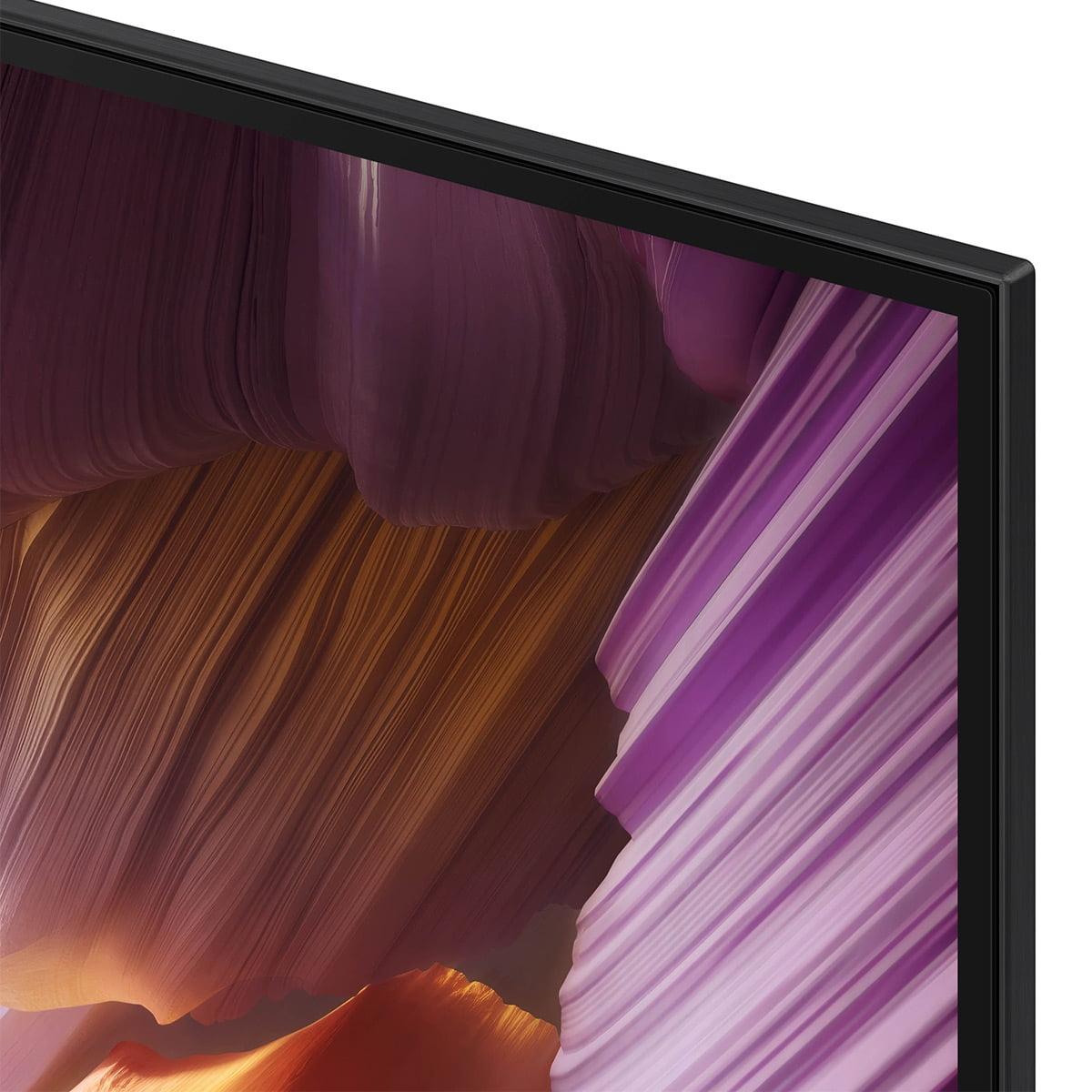

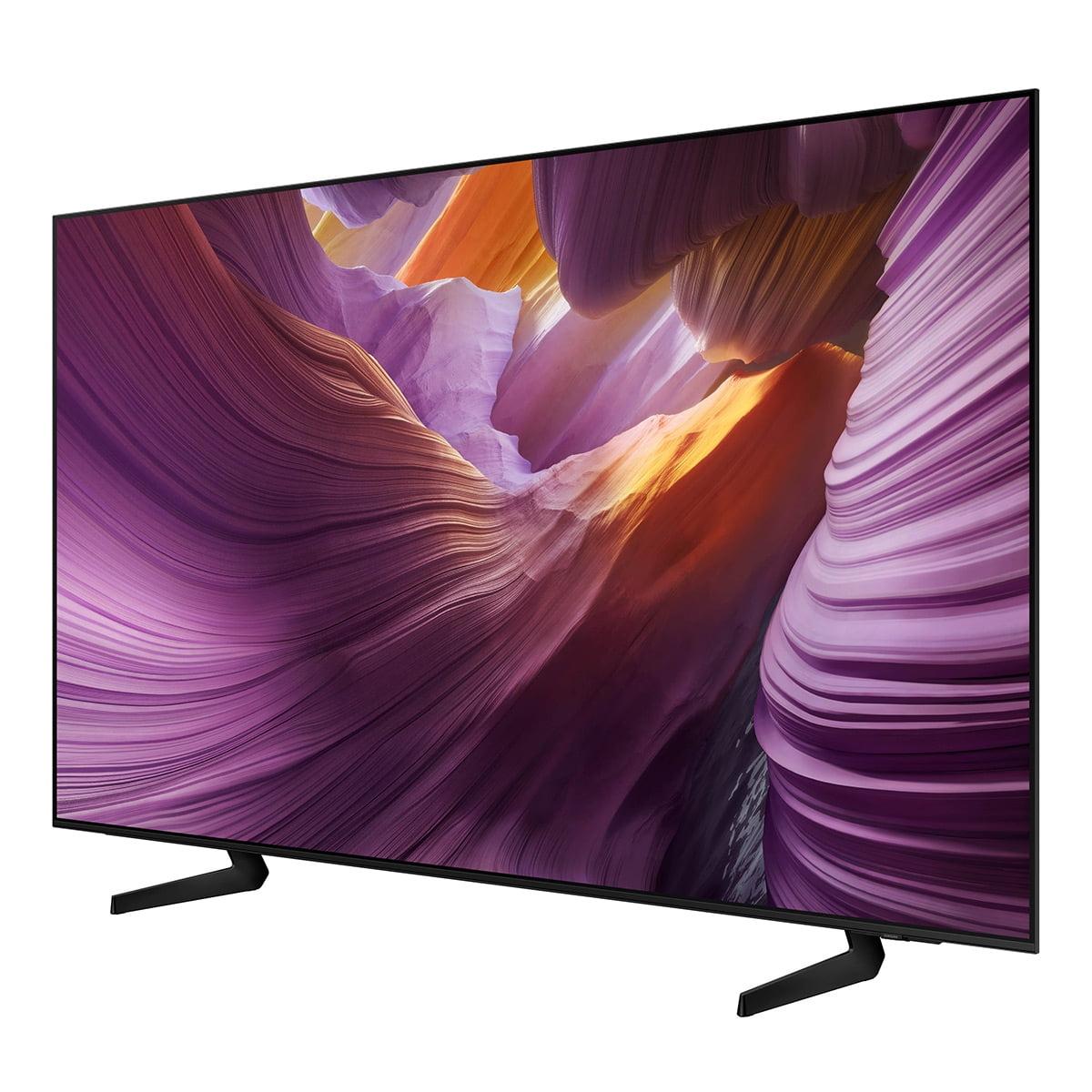
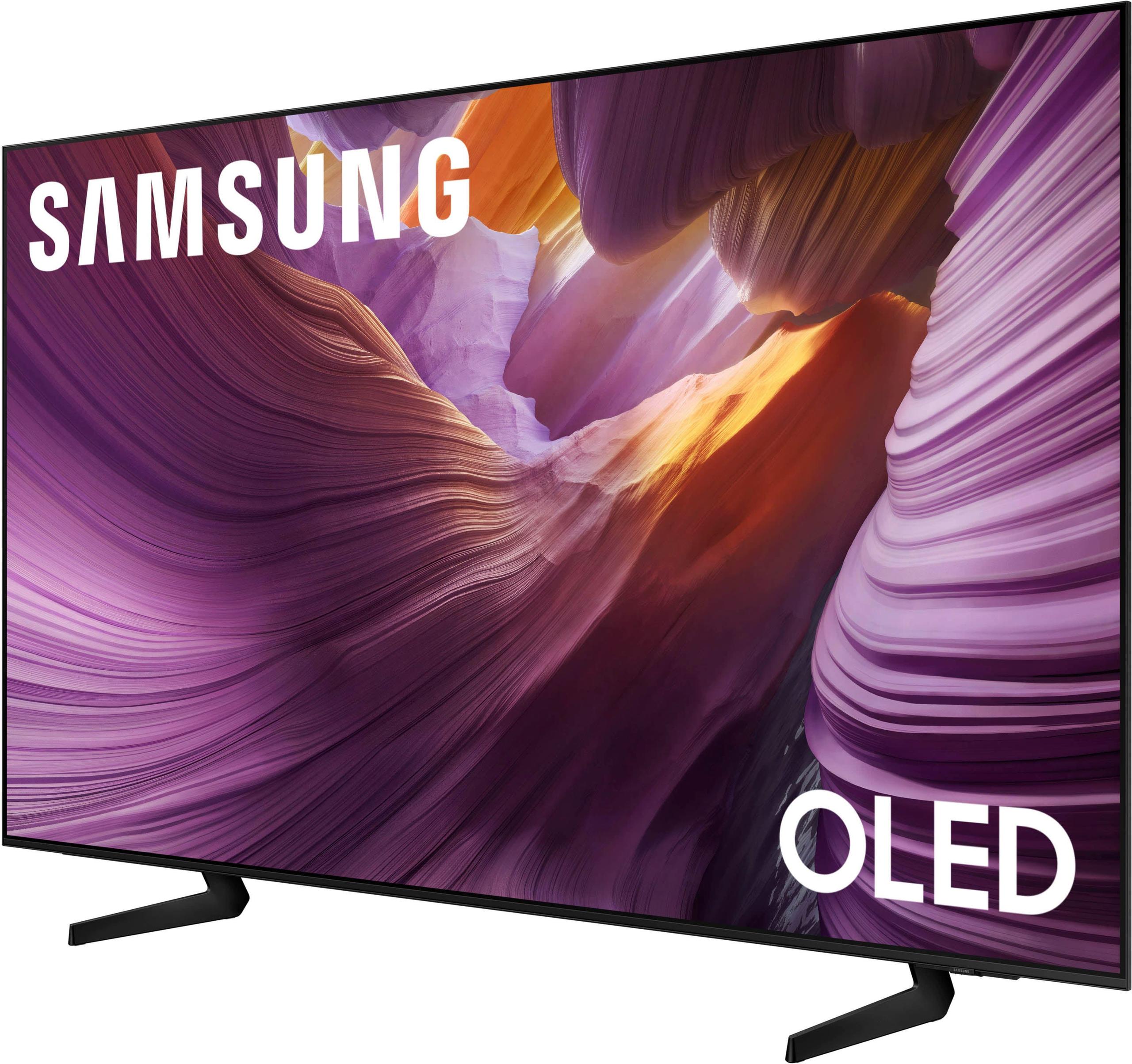
When Samsung launched their 2025 TV lineup, they presented consumers with a fascinating dilemma: two excellent 65-inch televisions using fundamentally different display technologies. The QN70F Neo QLED and S85F OLED both deliver exceptional picture quality, but they achieve it through completely different approaches. Understanding these differences is crucial for making the right choice for your home.
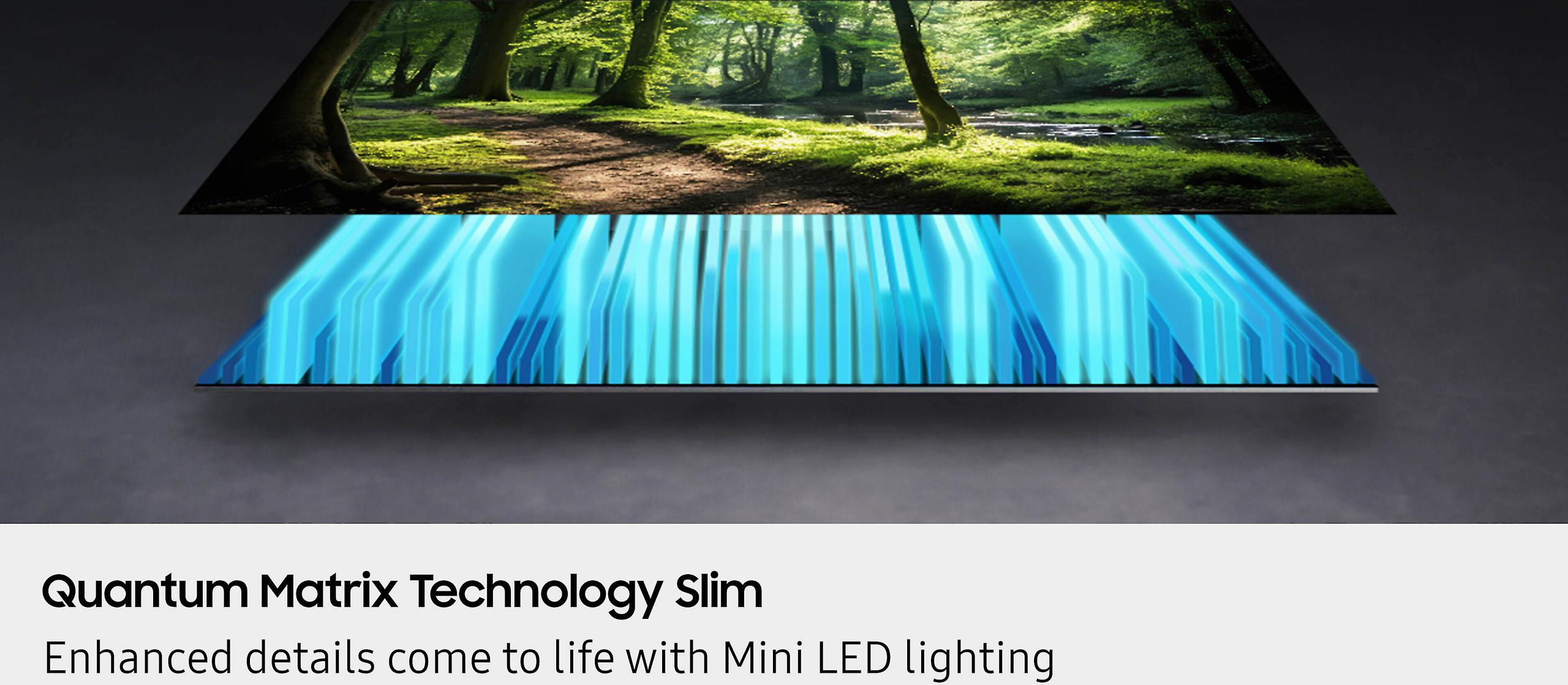
The core difference between these TVs lies in how they create the images you see. The QN70F Neo QLED uses Mini LED technology – thousands of tiny LEDs arranged behind an LCD panel that act like a sophisticated backlight system. Think of it like having thousands of tiny flashlights illuminating different parts of your screen independently. This allows for precise control over brightness in specific areas, creating what's called local dimming zones.
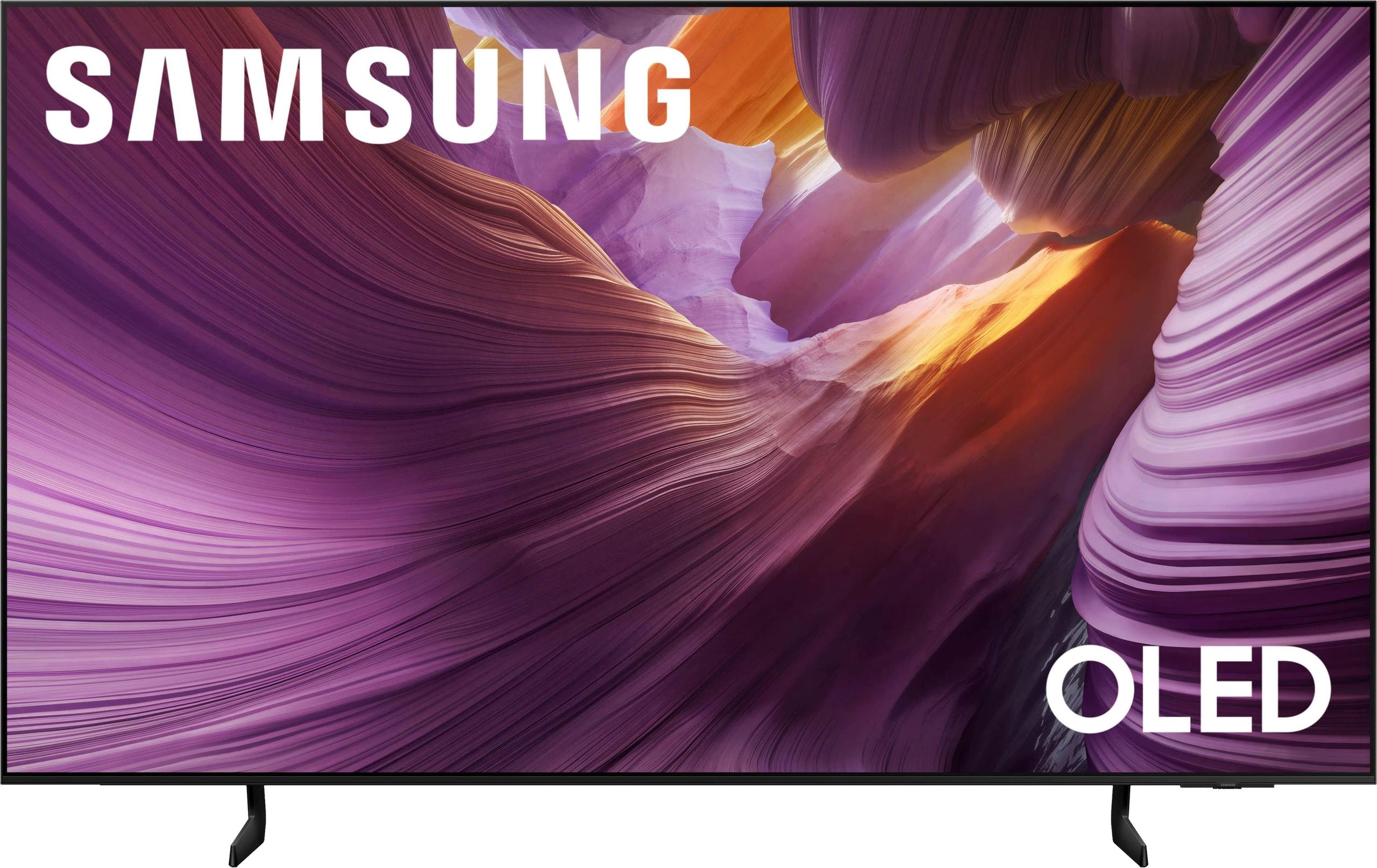
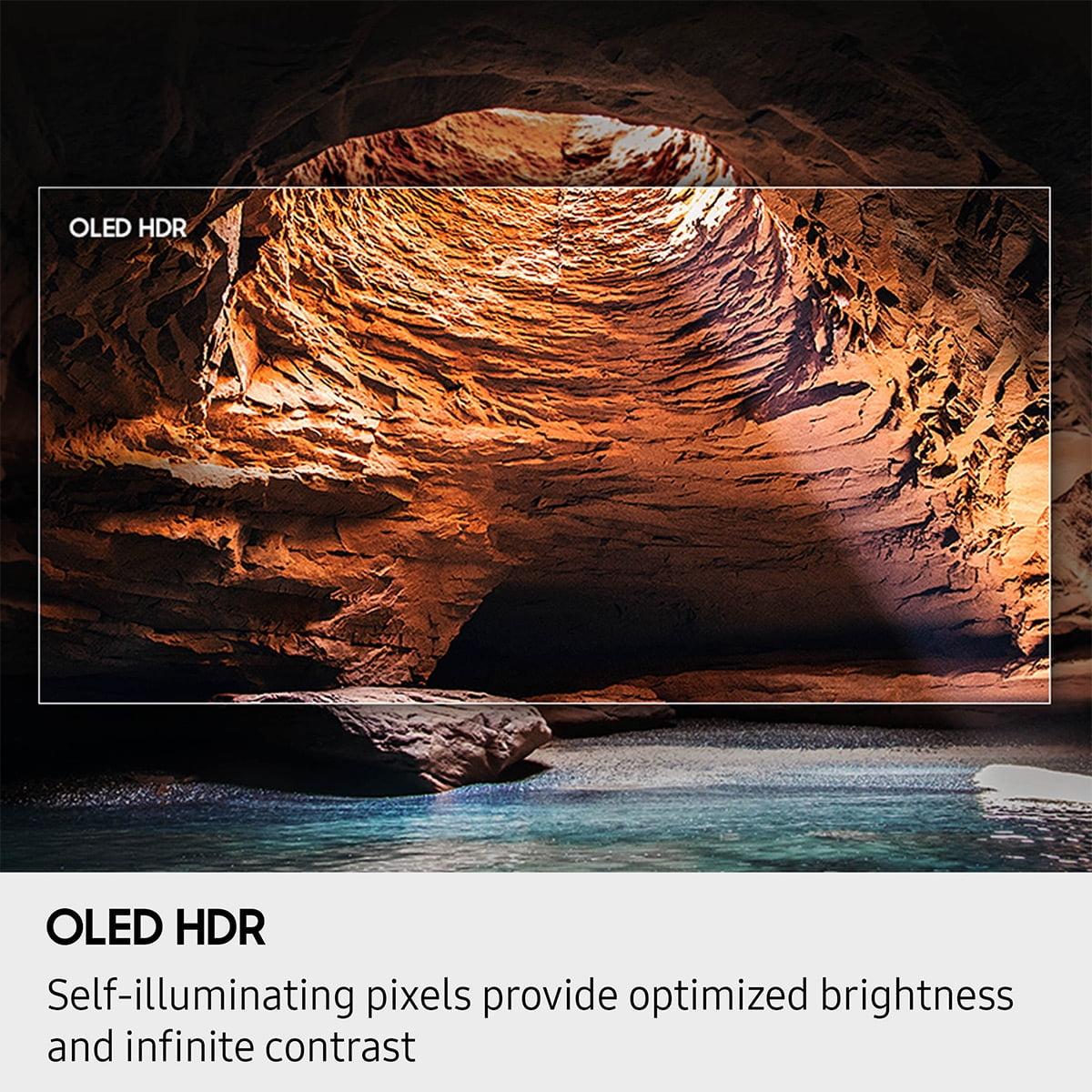
The S85F OLED, on the other hand, uses OLED (Organic Light Emitting Diode) technology where each individual pixel produces its own light. Imagine each pixel as a microscopic bulb that can turn completely on, dim to any level, or turn completely off. This fundamental difference creates dramatically different viewing experiences.
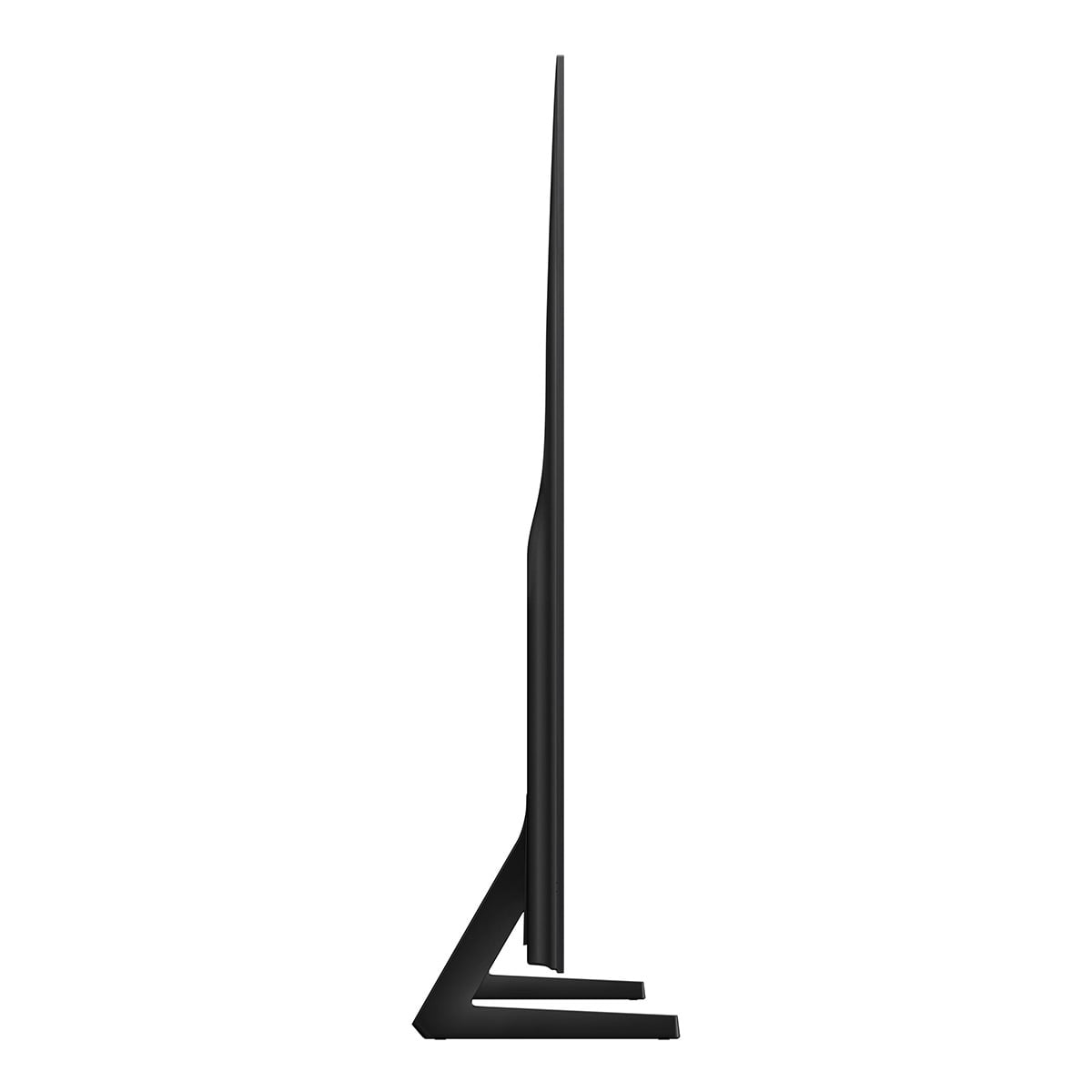
Samsung's 2025 models represent significant improvements over their predecessors. The QN70F features their new Quantum Matrix Slim technology, which packs more Mini LEDs into a thinner design than previous generations. Meanwhile, the S85F uses QD-OLED panels in the 65-inch size, combining quantum dots with OLED for enhanced color reproduction – a technology that's only become widely available in recent years.
In my years of testing TVs, nothing quite matches OLED's ability to display true blacks. When you're watching a space scene in a movie, the S85F OLED can make those black areas completely disappear into the darkness of your room. This happens because OLED pixels can turn completely off, creating what's called an infinite contrast ratio – the difference between the brightest whites and the darkest blacks.
The QN70F Neo QLED can't achieve true blacks because it relies on backlighting. Even with advanced local dimming that dims specific zones, some light inevitably bleeds through. However, Samsung's Supreme UHD Dimming technology has dramatically improved this situation compared to older LCD TVs. In most viewing conditions, the difference is less noticeable than you might expect.
Here's where the QN70F Neo QLED typically outperforms the S85F OLED. Mini LED backlighting can achieve much higher peak brightness levels – often exceeding 1,500 nits compared to OLED's typical 1,300 nits. This matters significantly for HDR (High Dynamic Range) content, where bright highlights like sunlight, explosions, or fire should pop off the screen.
In a bright living room with large windows, this brightness advantage becomes crucial. I've found that OLED TVs can look somewhat washed out in high ambient light conditions, while the QN70F maintains its visual impact. The Neo Quantum HDR processing also helps optimize these bright highlights for maximum impact.
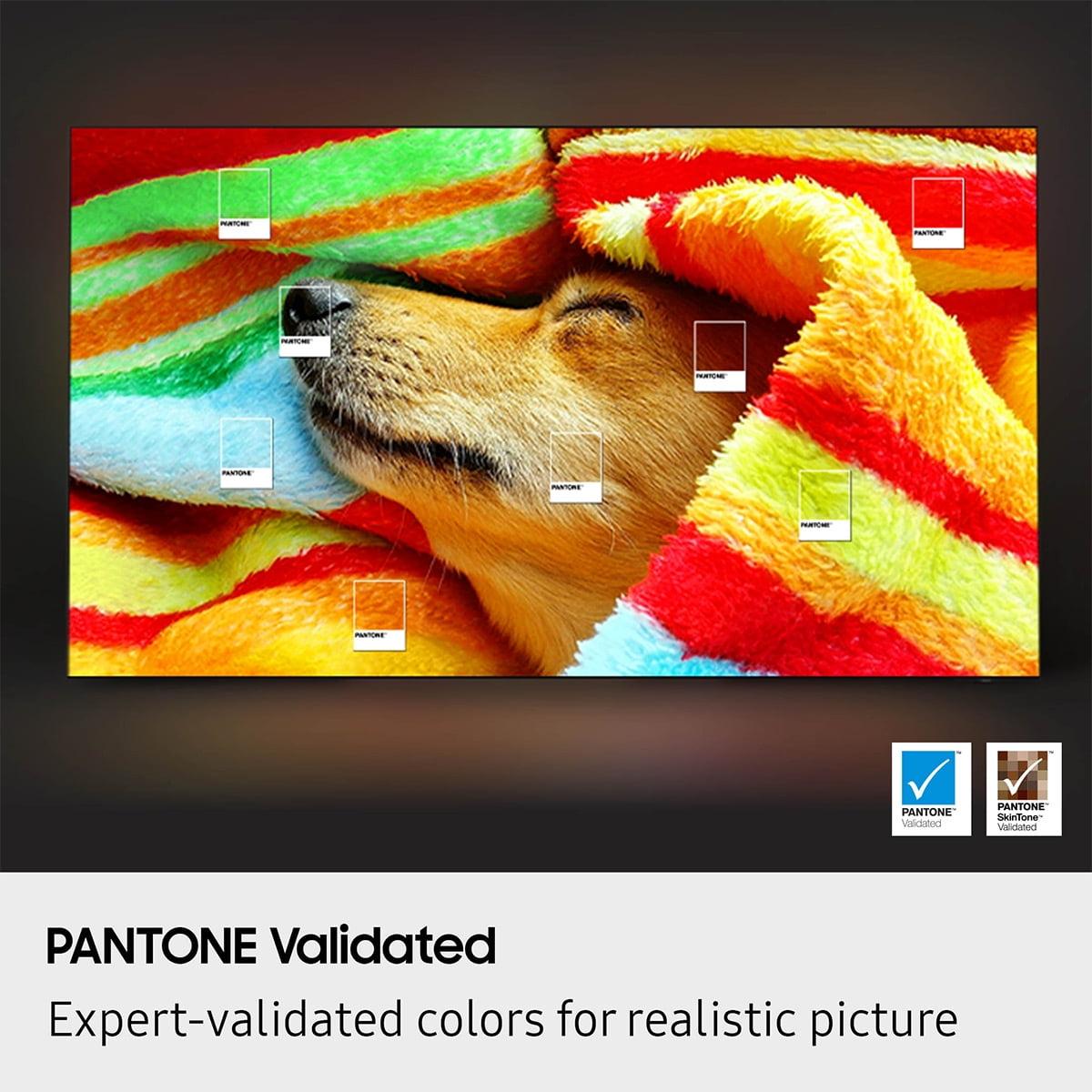
Both TVs excel in color reproduction, but through different methods. The S85F OLED uses QD-OLED technology, which combines quantum dots with OLED for an exceptionally wide color gamut – essentially the range of colors the TV can display. Samsung has earned Pantone Validation for this model, meaning it can accurately reproduce over 2,140 specific colors according to industry standards.
The QN70F Neo QLED achieves excellent colors through Quantum Dot technology combined with its Color Booster Pro feature. This AI-driven system analyzes each scene and enhances colors intelligently, often making content appear more vibrant than the original source material.
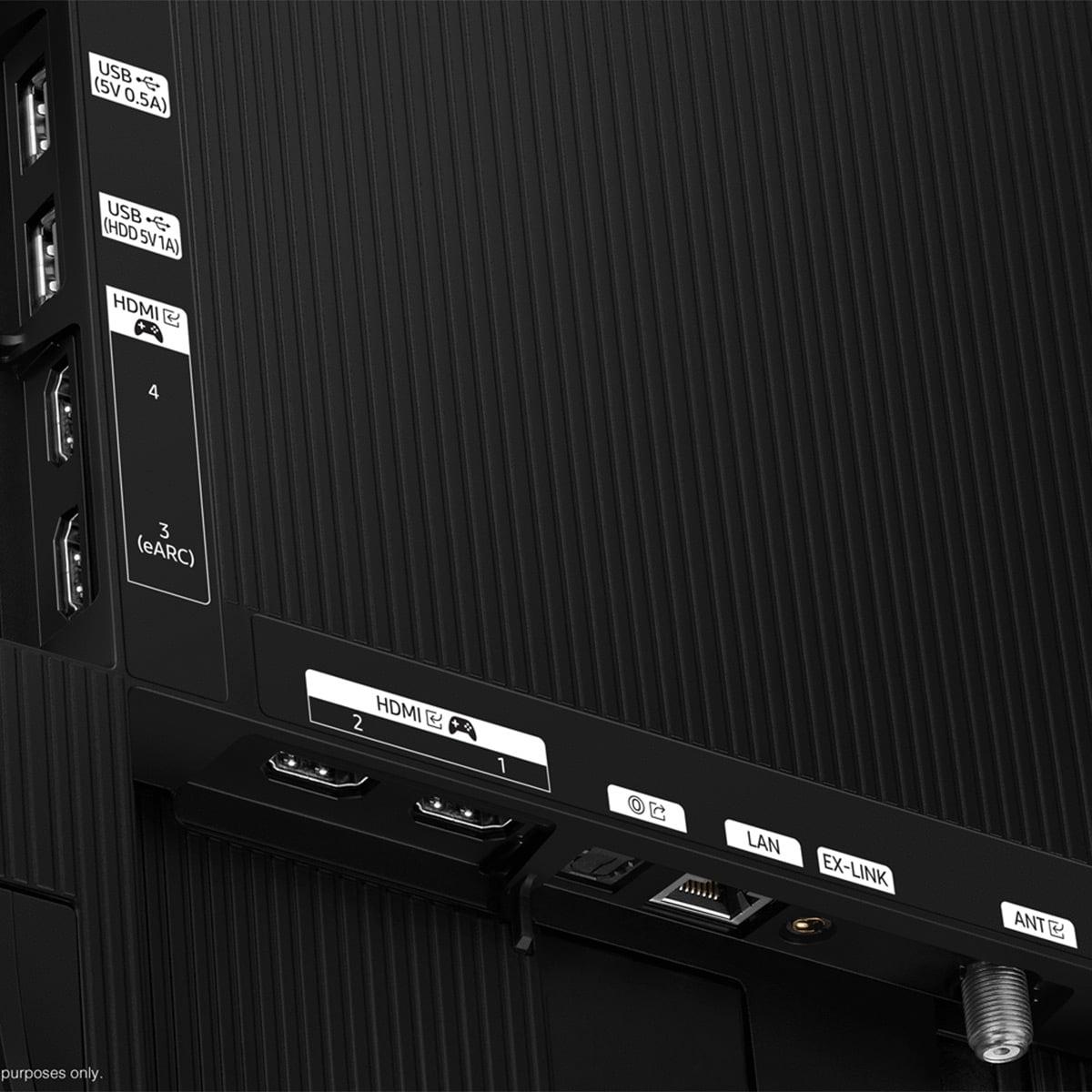
Modern gaming demands have pushed both TVs to include advanced gaming features. Both the QN70F and S85F support 4K resolution at 120Hz refresh rates with Variable Refresh Rate (VRR) technology, which synchronizes the TV's refresh rate with your gaming console to eliminate screen tearing.
However, the S85F OLED has a significant advantage in input lag and response times. OLED pixels can change states almost instantaneously, resulting in response times under 1 millisecond. This translates to incredibly smooth motion and reduced blur during fast-paced gaming sequences. For competitive gamers, this difference can be meaningful.
The QN70F Neo QLED counters with AMD FreeSync Premium Pro support and potentially 4K at 144Hz capability, offering future-proofing for high-end PC gaming. Its higher brightness also benefits games with bright, colorful environments where detail visibility matters.
Both TVs include Auto Low Latency Mode (ALLM), which automatically switches to gaming mode when it detects a gaming console, minimizing processing delays without manual intervention.
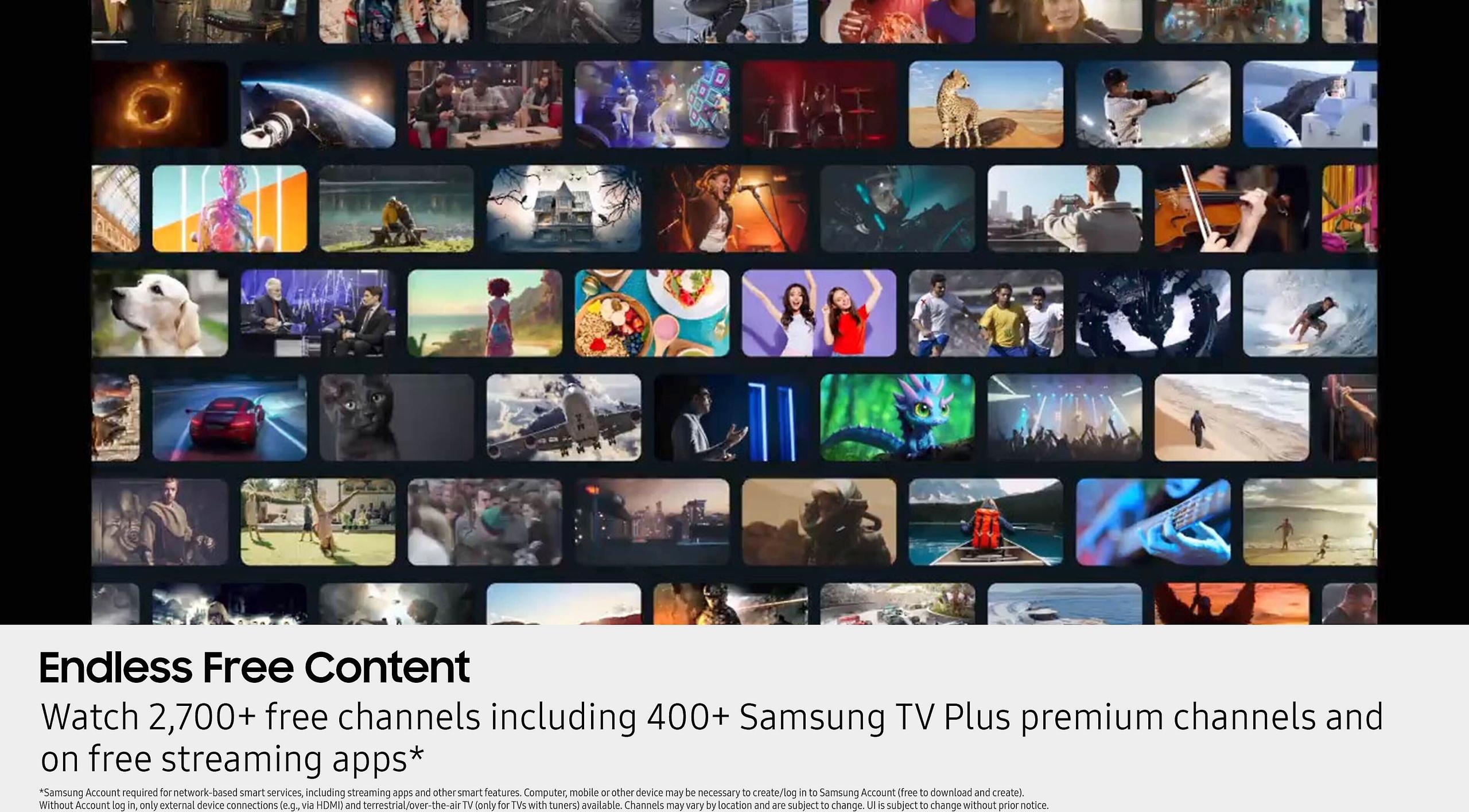
Samsung's Vision AI technology appears on both models, representing their 2025 push into AI-enhanced television experiences. The Click to Search feature lets you pause any content and instantly get information about actors, locations, or products on screen. Live Translate provides real-time subtitle translation for foreign content – a genuinely useful feature for international programming.
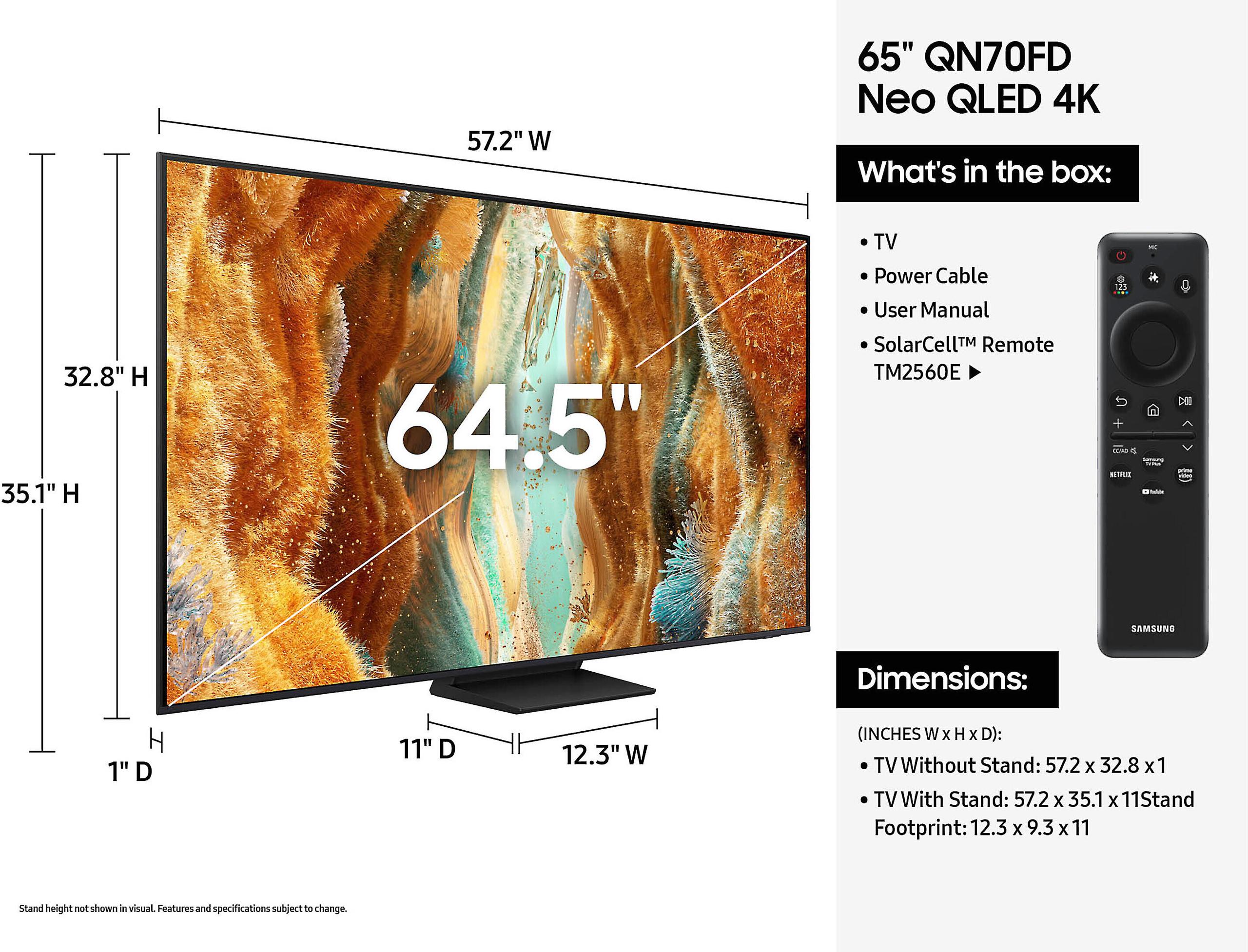
Both TVs run Samsung's Tizen operating system, which has evolved significantly since its introduction. The interface feels responsive and includes all major streaming services. The SolarCell Remote charges itself using ambient light, eliminating battery replacements – a small but appreciated innovation.
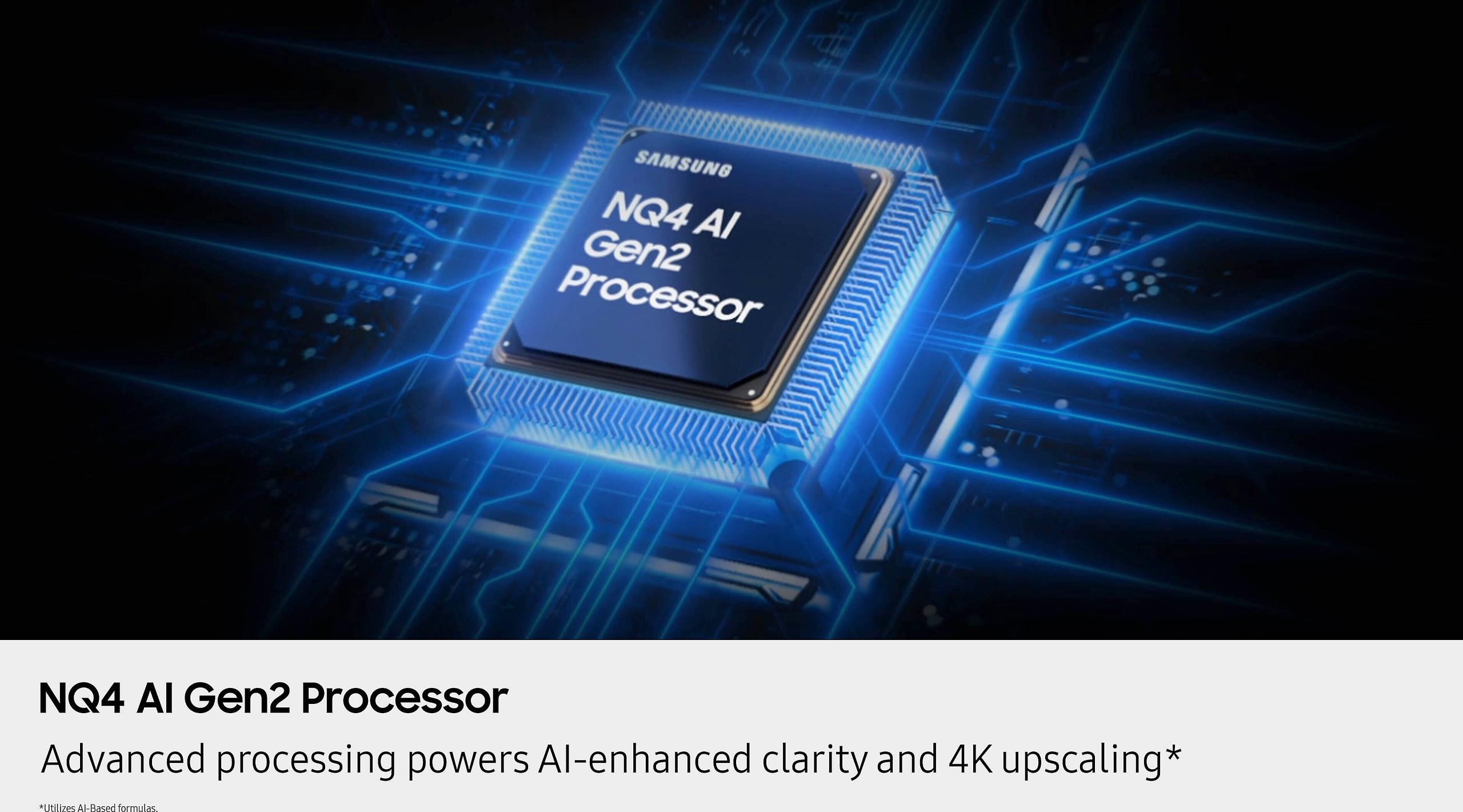
The NQ4 AI Gen2 processor in both models handles 4K AI upscaling, intelligently enhancing lower-resolution content to approach native 4K quality. In practice, this makes older shows and movies look notably sharper and more detailed.
Neither TV will replace a dedicated sound system, but both include respectable audio features. Object Tracking Sound (OTS Lite) attempts to make audio follow on-screen action, while Q-Symphony allows seamless integration with Samsung soundbars, where the TV speakers work in harmony with the external audio system rather than being disabled.
The Adaptive Sound Pro feature analyzes room acoustics and content type to optimize audio output. While these 20-watt systems provide acceptable dialogue clarity and basic surround effects, serious home theater enthusiasts will want to budget for external audio.
For dedicated home theater setups, the choice becomes clearer. The S85F OLED excels in controlled lighting environments where you can minimize ambient light. Those perfect blacks create an immersive cinematic experience that's difficult to match. When watching movies with dark scenes – think horror films or space epics – OLED's ability to display true black creates incredible depth and atmosphere.
However, if your theater room has any ambient light issues or if you occasionally watch content during daytime hours, the QN70F Neo QLED might prove more practical. Its higher brightness capabilities ensure consistent image quality regardless of lighting conditions.
The Filmmaker Mode on both TVs disables unnecessary processing to display content as directors intended, making either suitable for serious movie watching.
At the time of writing, the QN70F Neo QLED typically costs several hundred dollars less than the S85F OLED, making it an excellent value proposition for most buyers. This price difference could fund a quality soundbar upgrade, potentially providing greater overall improvement to your viewing experience than the display technology difference alone.
The S85F OLED represents Samsung's entry point into OLED technology, positioning it as a premium option that justifies its higher cost through superior contrast performance and gaming responsiveness.
Live in a bright room with large windows or significant ambient lighting. The higher peak brightness will maintain image quality where OLED might appear washed out. This makes it ideal for family rooms, open-plan living spaces, or anywhere natural light control is challenging.
Prioritize value and versatility. The lower price point delivers exceptional picture quality suitable for all content types – from sports and news to movies and gaming. It's the safer choice for most buyers.
Watch varied content throughout the day. The consistent brightness performance works well for everything from morning news shows to evening movies without requiring room adjustments.
Have concerns about burn-in. While modern OLEDs are much more resistant to permanent image retention, LCD technology eliminates this concern entirely for users who display static content like news tickers or gaming interfaces.
Prioritize contrast and cinematic experience above all else. If you're primarily watching movies and dramatic content in a darkened room, OLED's perfect blacks create unmatched immersion.
Are serious about gaming, particularly competitive or fast-paced titles. The instantaneous response times and perfect motion clarity provide a tangible advantage in gaming scenarios.
Value color accuracy highly. The Pantone validation and QD-OLED technology deliver industry-leading color reproduction for professional or enthusiast applications.
Have a dedicated entertainment room with controlled lighting. OLED technology reaches its full potential in darker environments where ambient light won't compromise the viewing experience.
Both the Samsung QN70F Neo QLED and S85F OLED represent excellent televisions that showcase different approaches to premium picture quality. The Neo QLED offers broader versatility and better value, making it suitable for most living situations. The OLED provides a more specialized, premium experience that excels in specific conditions.
In my experience, most buyers will be happier with the QN70F Neo QLED due to its adaptability and lower cost. However, for those who prioritize the ultimate in contrast performance and have the right viewing environment, the S85F OLED delivers an experience that's hard to match.
The decision ultimately comes down to your specific viewing environment, content preferences, and budget priorities. Both represent significant technological achievements that would have been impossible just a few years ago, making either choice a solid investment in your home entertainment experience.
| Samsung 65" QN70F Neo QLED 4K Vision AI Smart TV 2025 | Samsung 65" S85F OLED 4K Smart TV (2025) |
|---|---|
| Display Technology - The fundamental difference that affects all picture quality | |
| Neo QLED (Mini LED LCD with Quantum Matrix Slim) | QD-OLED (Self-emissive pixels with Quantum Dots) |
| Peak Brightness - Critical for HDR impact and bright room performance | |
| ~1,500+ nits (excellent for bright rooms and HDR highlights) | ~1,300 nits (good for most conditions, may struggle in very bright rooms) |
| Black Level Performance - Affects contrast and dark scene detail | |
| Very good with local dimming zones (some light bleed possible) | Perfect blacks with infinite contrast ratio |
| Gaming Response Time - Important for competitive gaming and motion clarity | |
| Good LCD response (~5-8ms typical) | Near-instantaneous OLED response (<1ms) |
| Gaming Features - Modern console and PC gaming support | |
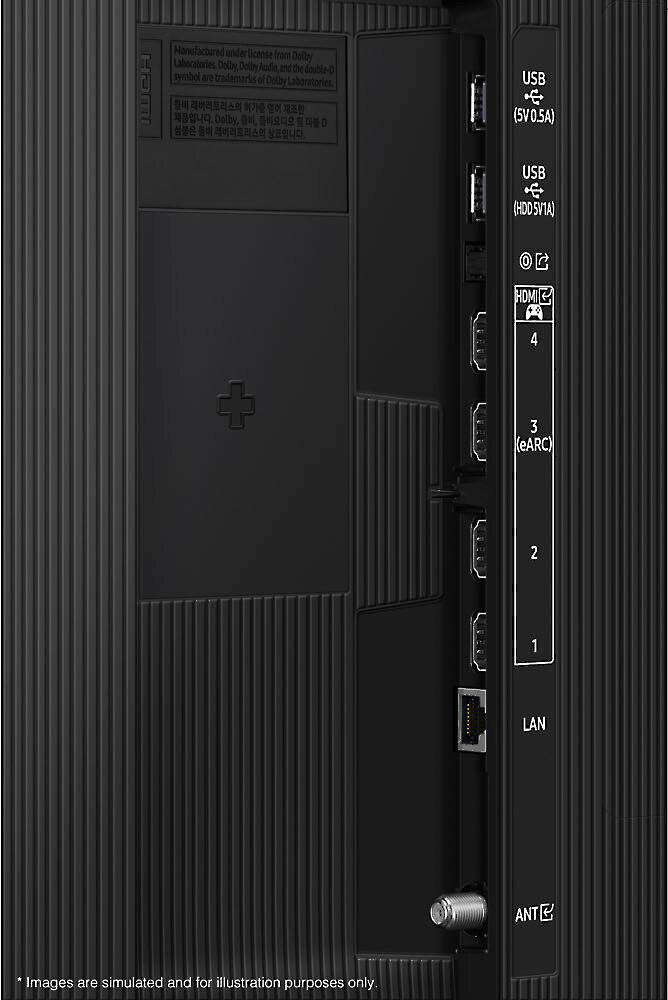
| 4K@120Hz, VRR, AMD FreeSync Premium Pro, potential 144Hz support | 4K@120Hz, VRR, Motion Xcelerator 120Hz, four HDMI 2.1 ports |
| Color Accuracy - Professional and enthusiast content creation | |
| Excellent with Color Booster Pro AI enhancement | Pantone Validated with 2,140+ accurate colors |
| Burn-in Risk - Long-term reliability with static content | |
| No burn-in risk (LCD technology immunity) | Minimal modern OLED risk, but static content requires consideration |
| Processor - AI features and upscaling performance | |
| NQ4 AI Gen2 with 4K AI Upscaling | NQ4 AI Gen2 with OLED-optimized processing |
| Smart Platform - Streaming and connectivity features | |
| Tizen OS with Samsung Vision AI (Click to Search, Live Translate) | Tizen OS with Samsung Vision AI (Click to Search, Live Translate) |
| Audio System - Built-in sound capabilities | |
| 20W 2CH with Object Tracking Sound Lite, Q-Symphony | 20W 2CH with Object Tracking Sound Lite, Q-Symphony, Dolby Atmos |
| HDR Support - High dynamic range content compatibility | |
| Neo Quantum HDR, HDR10+, Supreme UHD Dimming | OLED HDR, HDR10+ Adaptive/Gaming, Auto HDR Remastering |
| Ideal Room Conditions - Where each TV performs best | |
| Bright living rooms, mixed lighting, versatile placement | Dark/controlled lighting, dedicated entertainment spaces |
| Value Positioning - Price-to-performance consideration | |
| Entry-level Neo QLED with premium Mini LED features | Entry-level OLED with flagship contrast technology |
The Samsung S85F OLED delivers superior picture quality in dark rooms due to its perfect black levels and infinite contrast ratio. Each pixel can turn completely off, creating true blacks that make dark scenes incredibly immersive. The Samsung QN70F Neo QLED produces very good blacks with its Mini LED local dimming, but cannot match OLED's performance in darkened environments.
The Samsung QN70F Neo QLED performs better in bright living rooms thanks to its higher peak brightness capability, typically exceeding 1,500 nits. This allows it to maintain image quality and color saturation even with significant ambient light. The Samsung S85F OLED may appear washed out in very bright conditions, making the Neo QLED the more practical choice for well-lit spaces.
Neo QLED technology in the Samsung QN70F uses thousands of Mini LEDs as backlighting behind an LCD panel, providing excellent brightness and color reproduction. OLED technology in the Samsung S85F features self-emissive pixels that create their own light, allowing for perfect blacks and infinite contrast. Neo QLED excels in brightness, while OLED delivers superior contrast performance.
Both TVs offer excellent gaming features, but the Samsung S85F OLED has a slight edge due to its near-instantaneous response times (under 1ms) and perfect motion clarity. The Samsung QN70F Neo QLED counters with AMD FreeSync Premium Pro and potentially higher refresh rate support. Both support 4K at 120Hz with Variable Refresh Rate for modern console gaming.
The Samsung QN70F Neo QLED has no burn-in risk since it uses LCD technology. The Samsung S85F OLED has minimal burn-in risk with modern OLED panels, but users should avoid displaying static content like news tickers or gaming interfaces for extended periods. For most viewing habits, burn-in is not a practical concern with today's OLED technology.
The Samsung QN70F Neo QLED typically offers better value, costing several hundred dollars less while delivering excellent picture quality suitable for most viewing conditions. The price difference could fund audio upgrades or other accessories. The Samsung S85F OLED justifies its premium pricing through superior contrast performance and gaming responsiveness.
Yes, both the Samsung QN70F Neo QLED and Samsung S85F OLED run the same Tizen operating system with Samsung Vision AI features, including Click to Search and Live Translate. Both include the NQ4 AI Gen2 processor for 4K upscaling and come with the eco-friendly SolarCell remote. Smart TV capabilities are essentially identical between the models.
For dedicated movie watching in controlled lighting, the Samsung S85F OLED provides a more cinematic experience with its perfect blacks and infinite contrast ratio. For mixed viewing throughout the day in various lighting conditions, the Samsung QN70F Neo QLED offers more consistent performance. Both support Filmmaker Mode for accurate content reproduction.
Both the Samsung QN70F Neo QLED and Samsung S85F OLED feature similar 20W 2-channel audio systems with Object Tracking Sound Lite and Q-Symphony soundbar integration. The OLED model adds Dolby Atmos support. However, both TVs will benefit significantly from external soundbar additions for serious home theater use.
The Samsung QN70F Neo QLED excels at bright HDR highlights due to its higher peak brightness, making explosions and sunlight more impactful. The Samsung S85F OLED delivers superior shadow detail and contrast in HDR content thanks to its perfect blacks. Both support HDR10+ for scene-by-scene optimization, with the choice depending on whether you prioritize bright highlights or dark detail.
Both TVs work well in home theater environments, but the Samsung S85F OLED is particularly well-suited for dedicated theater rooms with controlled lighting, where its perfect blacks create maximum immersion. The Samsung QN70F Neo QLED is more versatile if your theater room has any ambient light challenges or multiple usage scenarios beyond movie watching.
Both the Samsung QN70F Neo QLED and Samsung S85F OLED are built to Samsung's quality standards with similar one-year warranties. The Neo QLED has no organic materials that degrade over time, while modern OLED panels are much more durable than earlier generations. Expected lifespan for both technologies under normal use exceeds 10+ years with proper care.
We've done our best to create useful and informative comparisons to help you decide what product to buy. Our research uses advanced automated methods to create this comparison and perfection is not possible - please contact us for corrections or questions. These are the sites we've researched in the creation of this article: rtings.com - youtube.com - wifihifi.com - samsung.com - samsung.com - samsung.com - samsung.com - flatpanelshd.com - news.samsung.com - bestbuy.com - rtings.com - samsung.com - youtube.com - youtube.com - samsung.com - bestbuy.com - avsforum.com - avsforum.com - samsung.com - displayspecifications.com - videoandaudiocenter.com - bestbuy.com - flatpanelshd.com - myallsouth.com - samsung.com - richstv.com - samsung.com - heartlandappliance.com

Privacy Policy
Terms and Conditions - Affiliate Policy
Home Security
© Copyright 2008-2026.
11816 Inwood Rd #1211, Dallas, TX 75244