

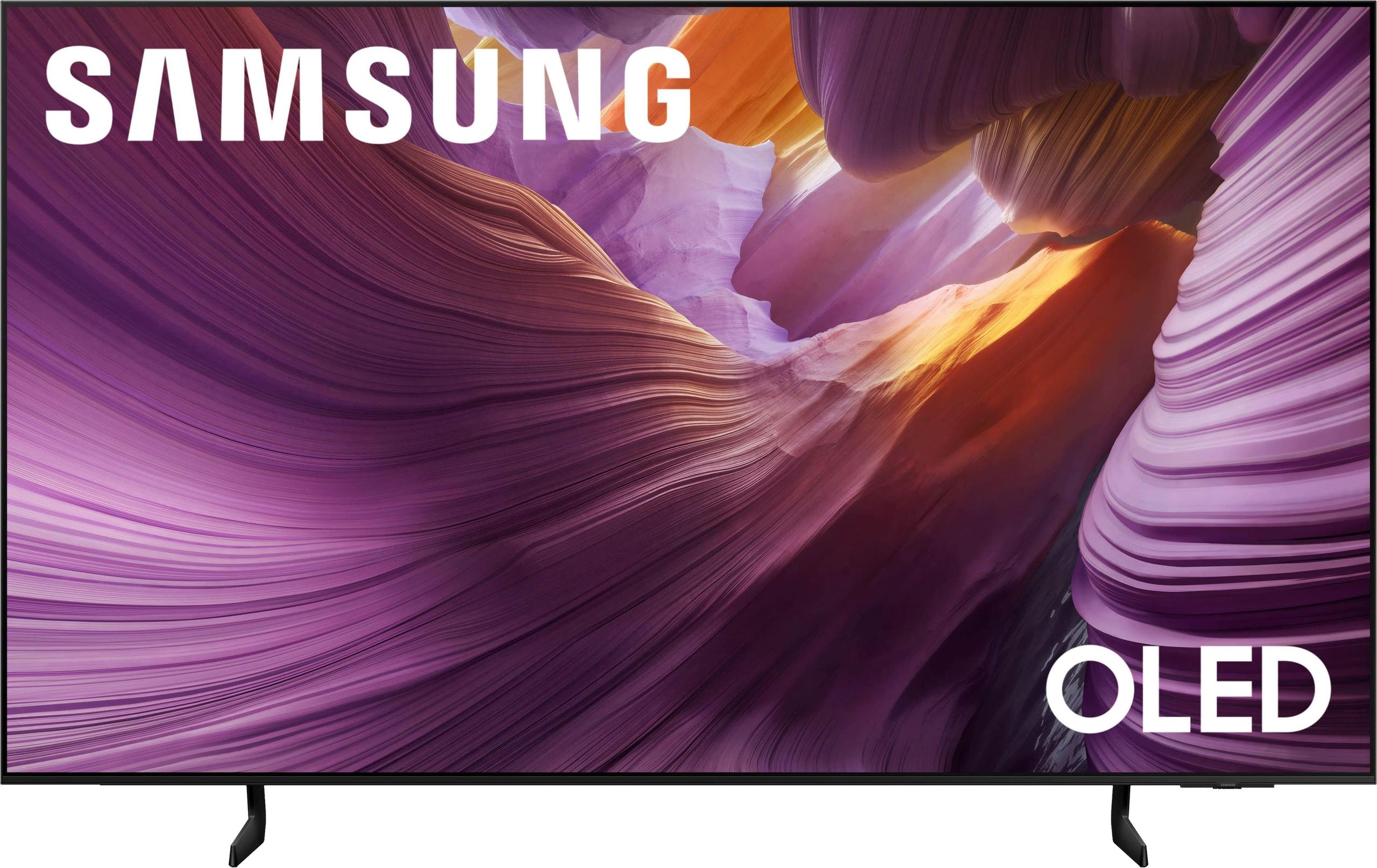
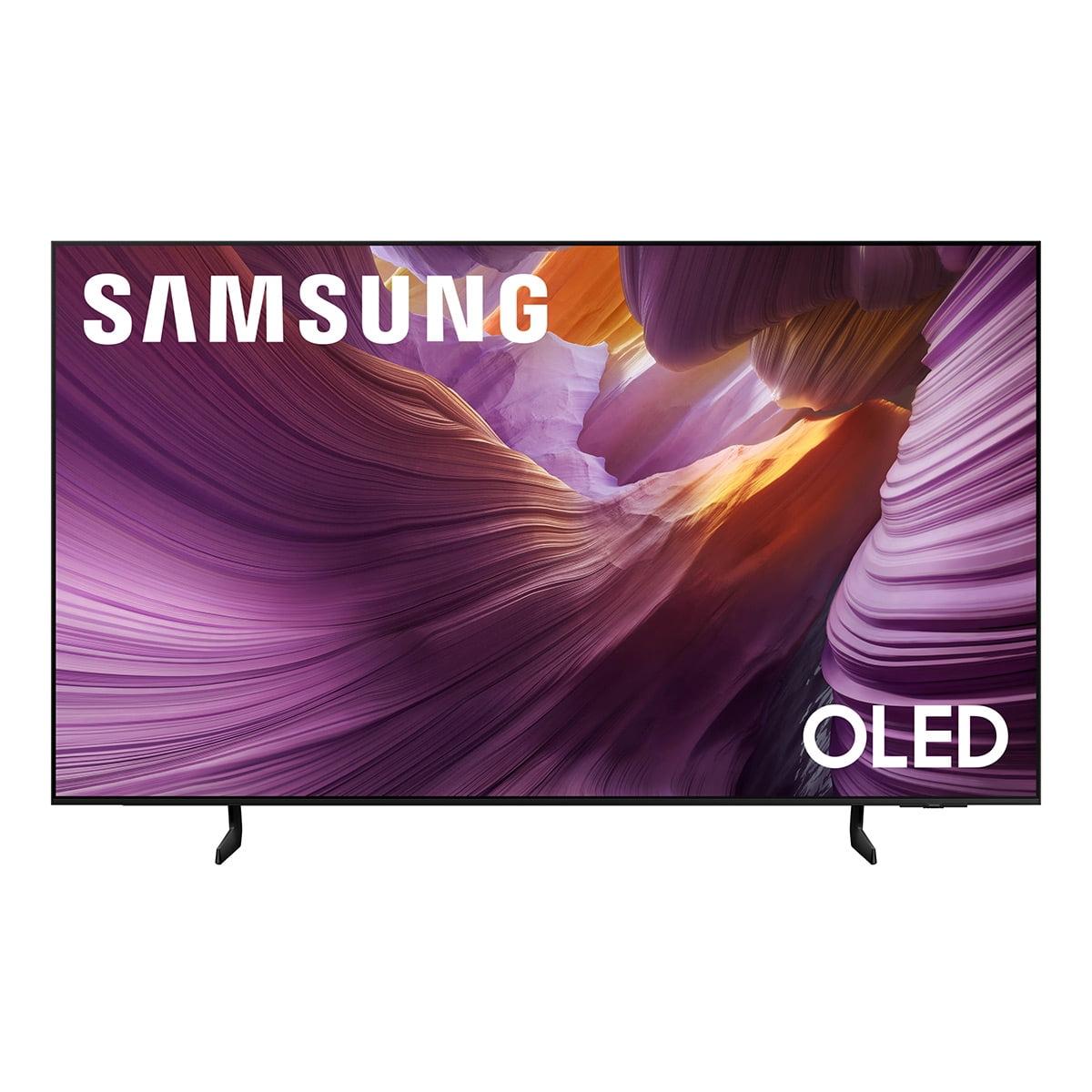
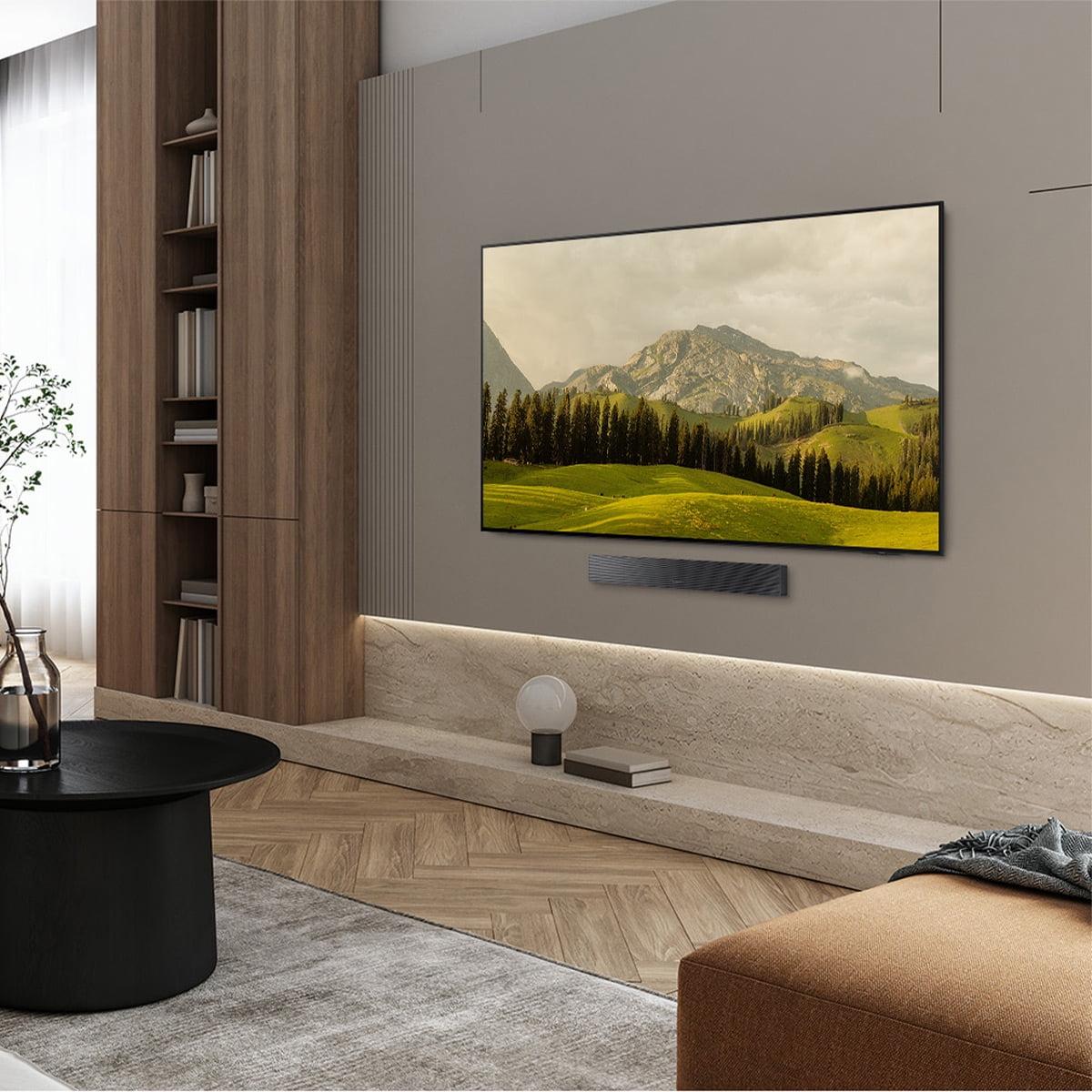
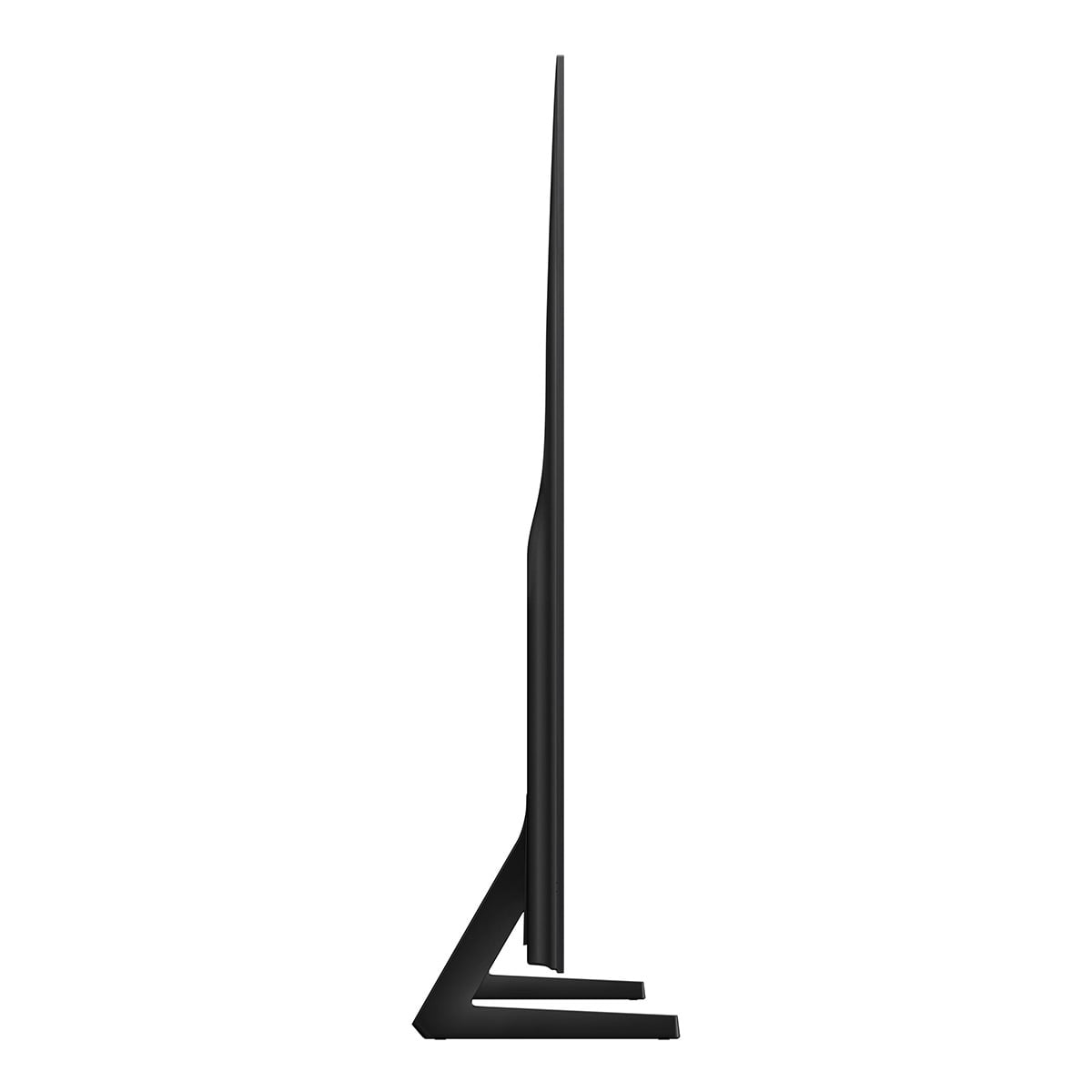
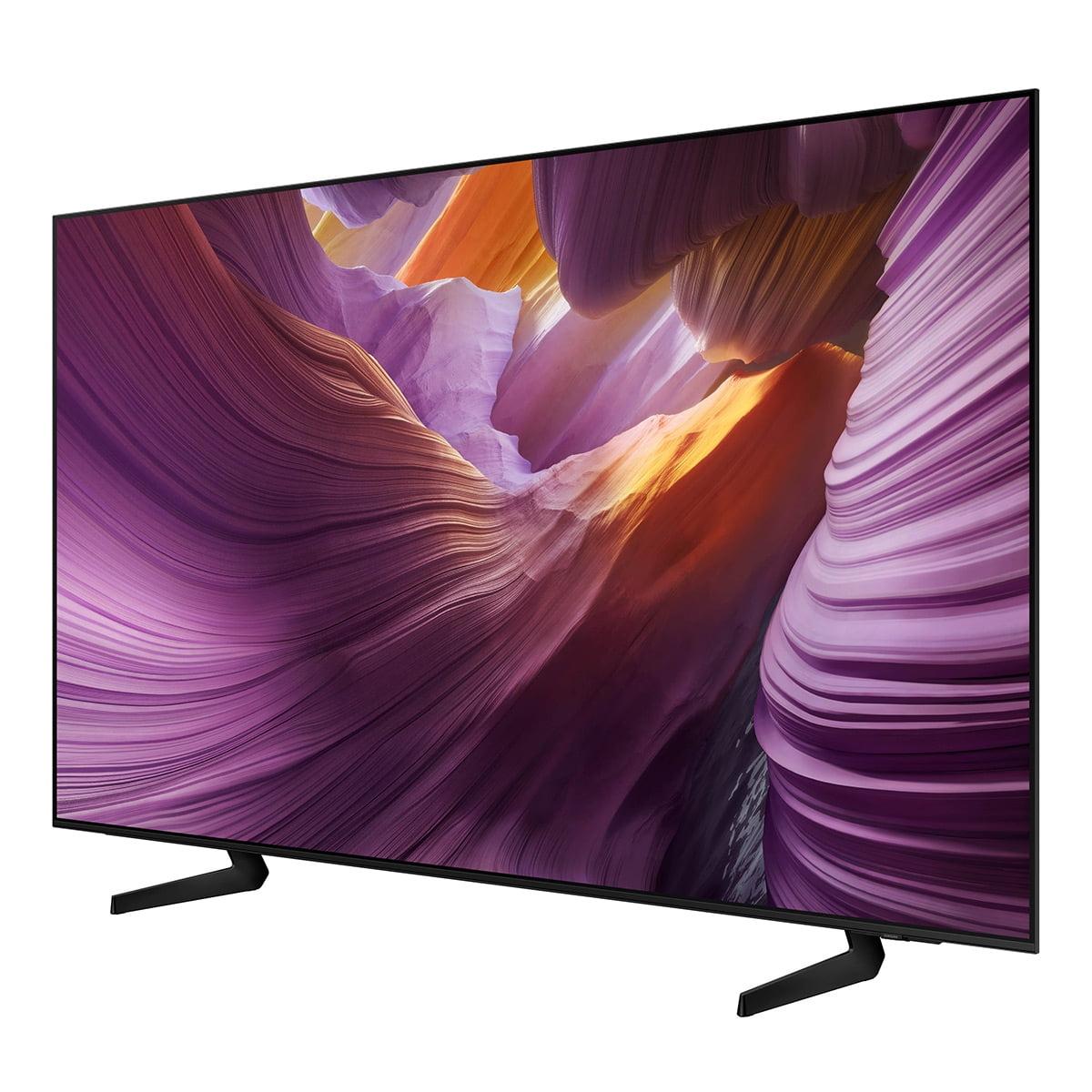
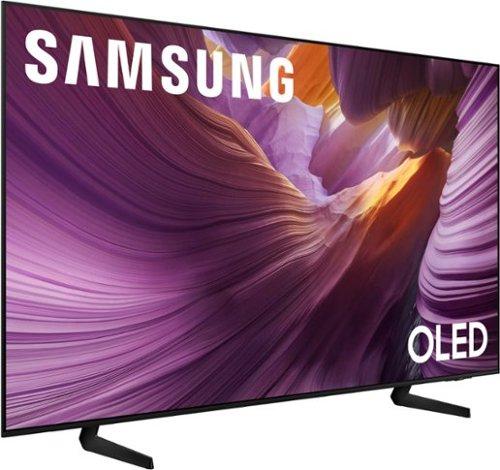
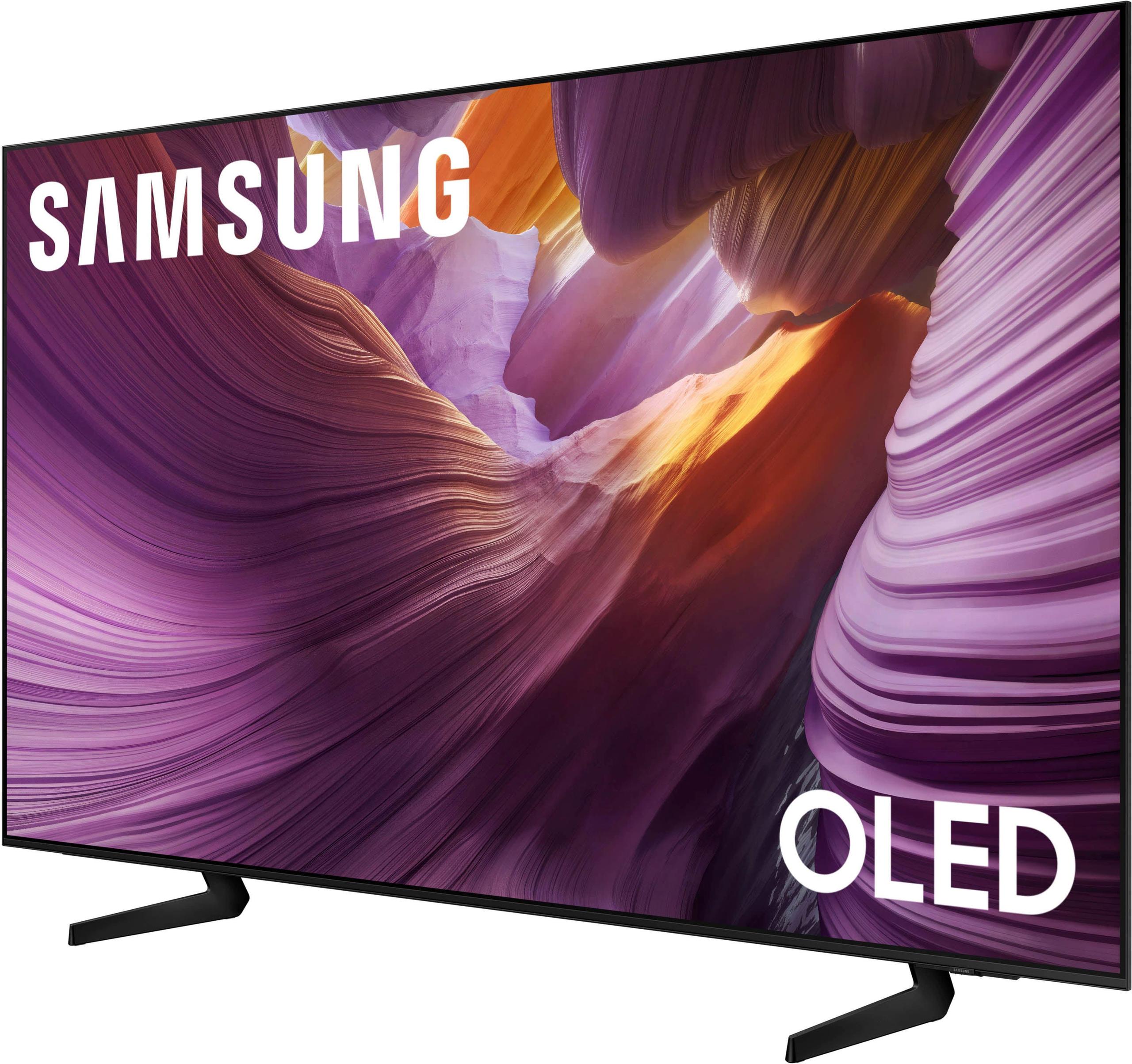
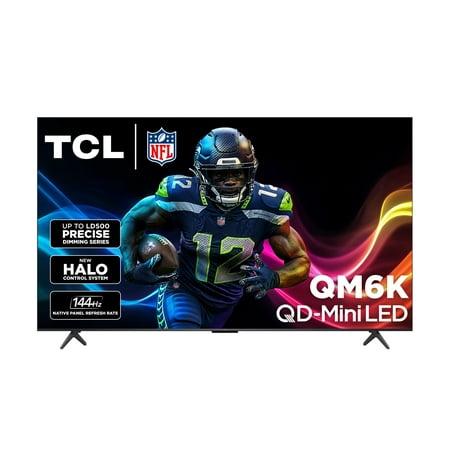
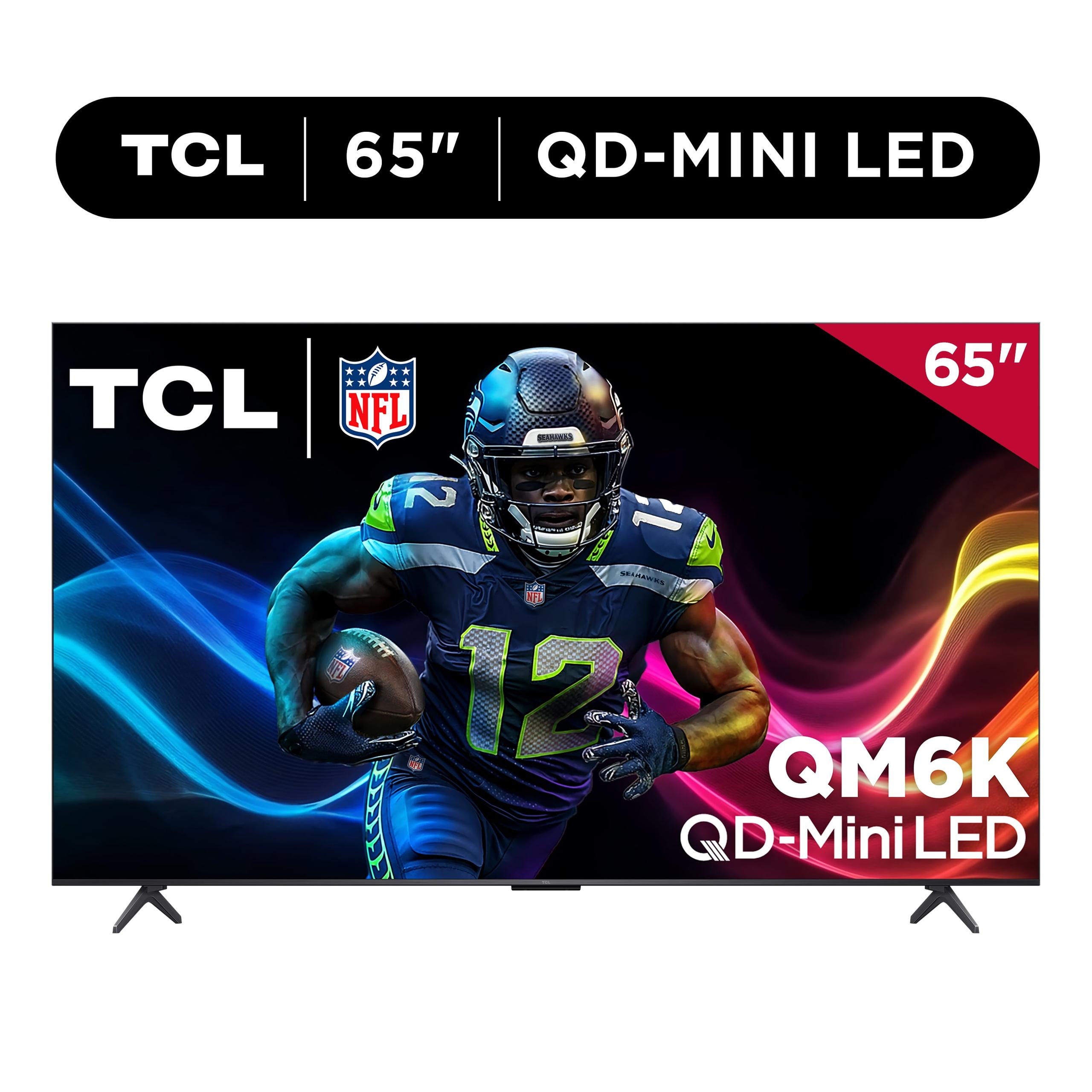
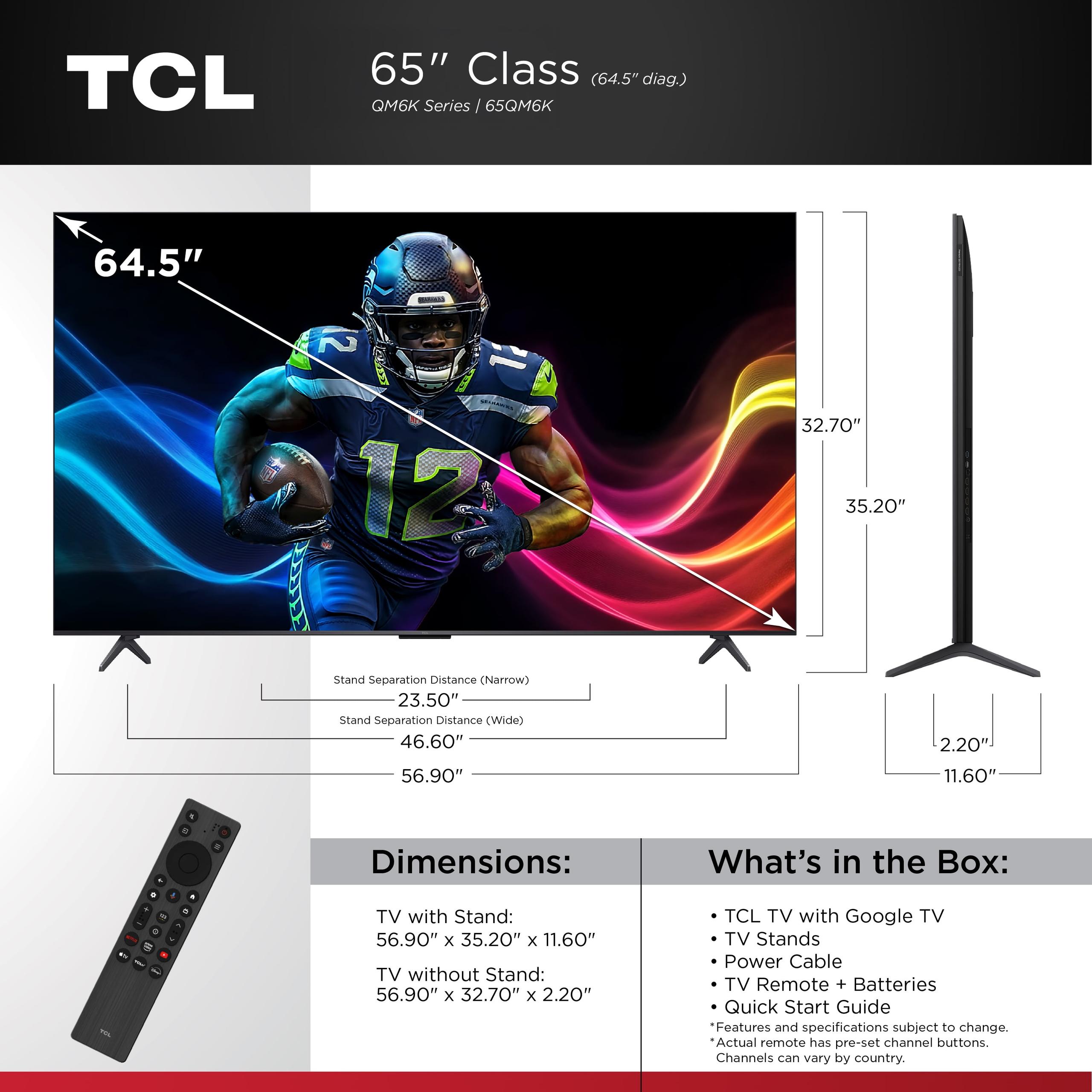
Shopping for a new 65" 4K TV can feel overwhelming with so many options and technical terms flying around. Today, we're comparing two very different approaches to premium television: the Samsung 65" S85F OLED 4K Smart TV (2025) at $1,599.99 and the TCL 65" QM6K QD-Mini LED 4K TV at $547.99. While both deliver 4K resolution on a 65-inch screen, they use completely different technologies to get there—and that makes all the difference in how they perform and what they cost.
The biggest difference between these TVs isn't the brand or price—it's the fundamental technology that creates the picture you see. Think of it like comparing a smartphone camera to a professional DSLR. Both take photos, but they work in completely different ways and produce different results.
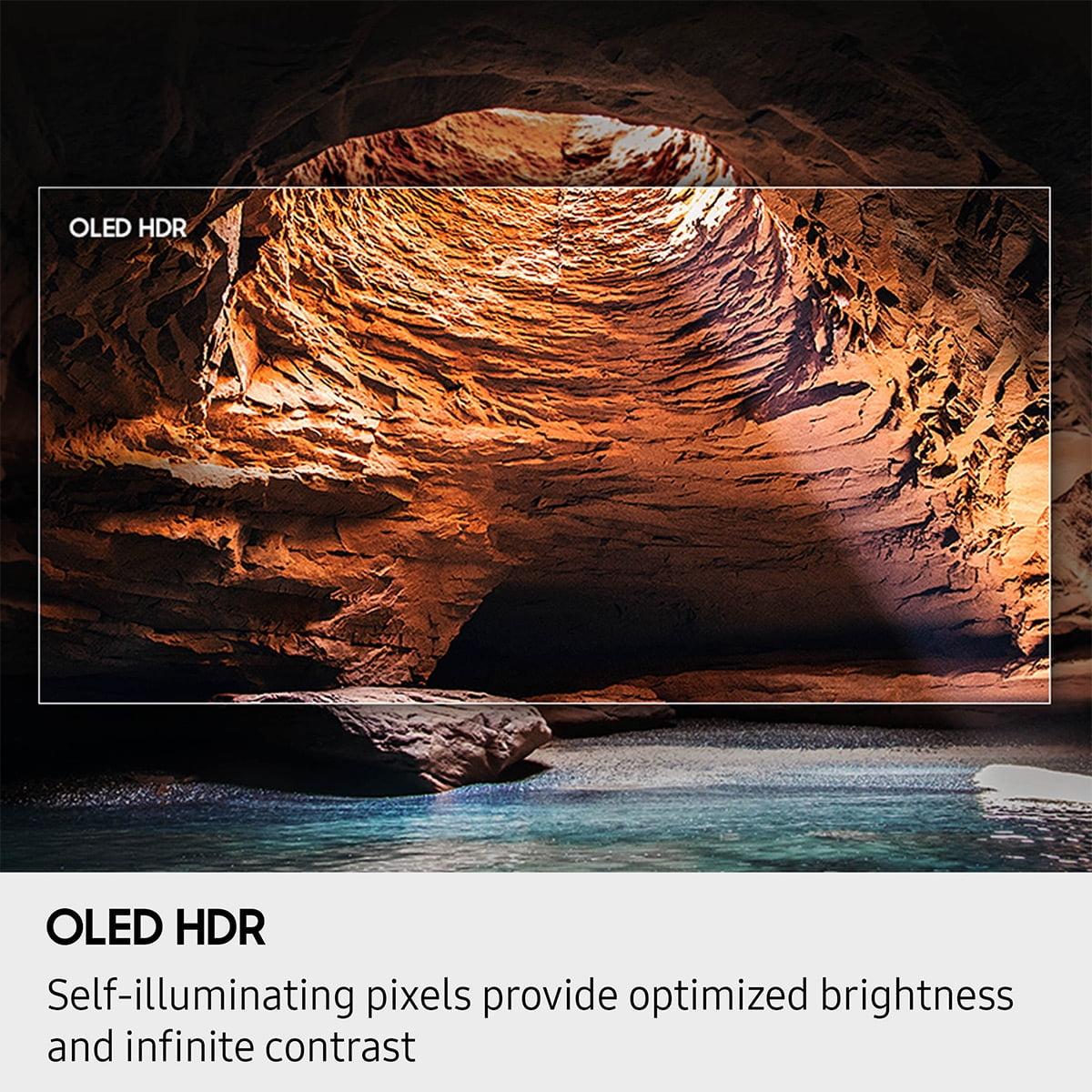
The Samsung S85F uses OLED technology, which stands for Organic Light-Emitting Diode. Here's what makes it special: each pixel is essentially a tiny light bulb that can turn on and off independently. When you're watching a movie with a dark night scene, those pixels actually turn completely off, creating perfect black levels. It's like having millions of individual light switches that can create any color or turn off entirely.
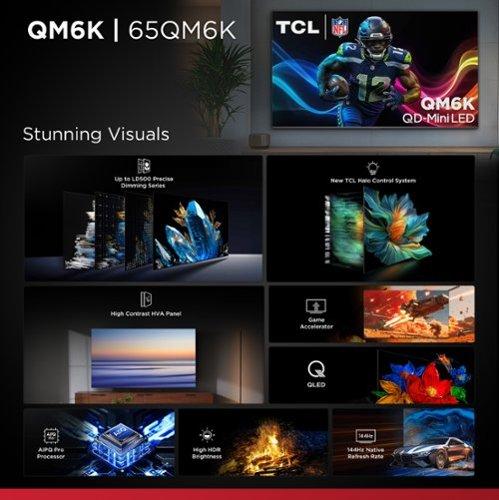
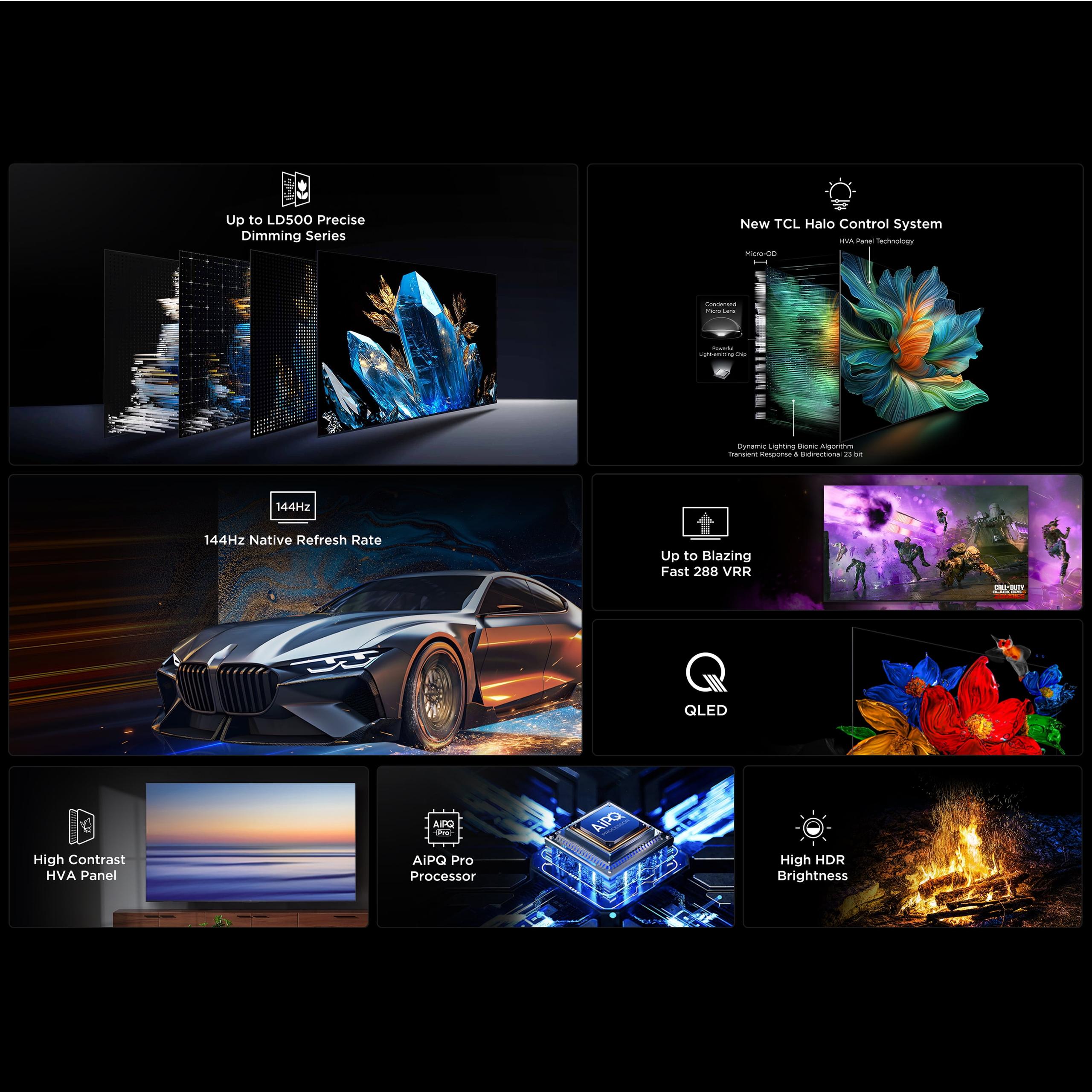
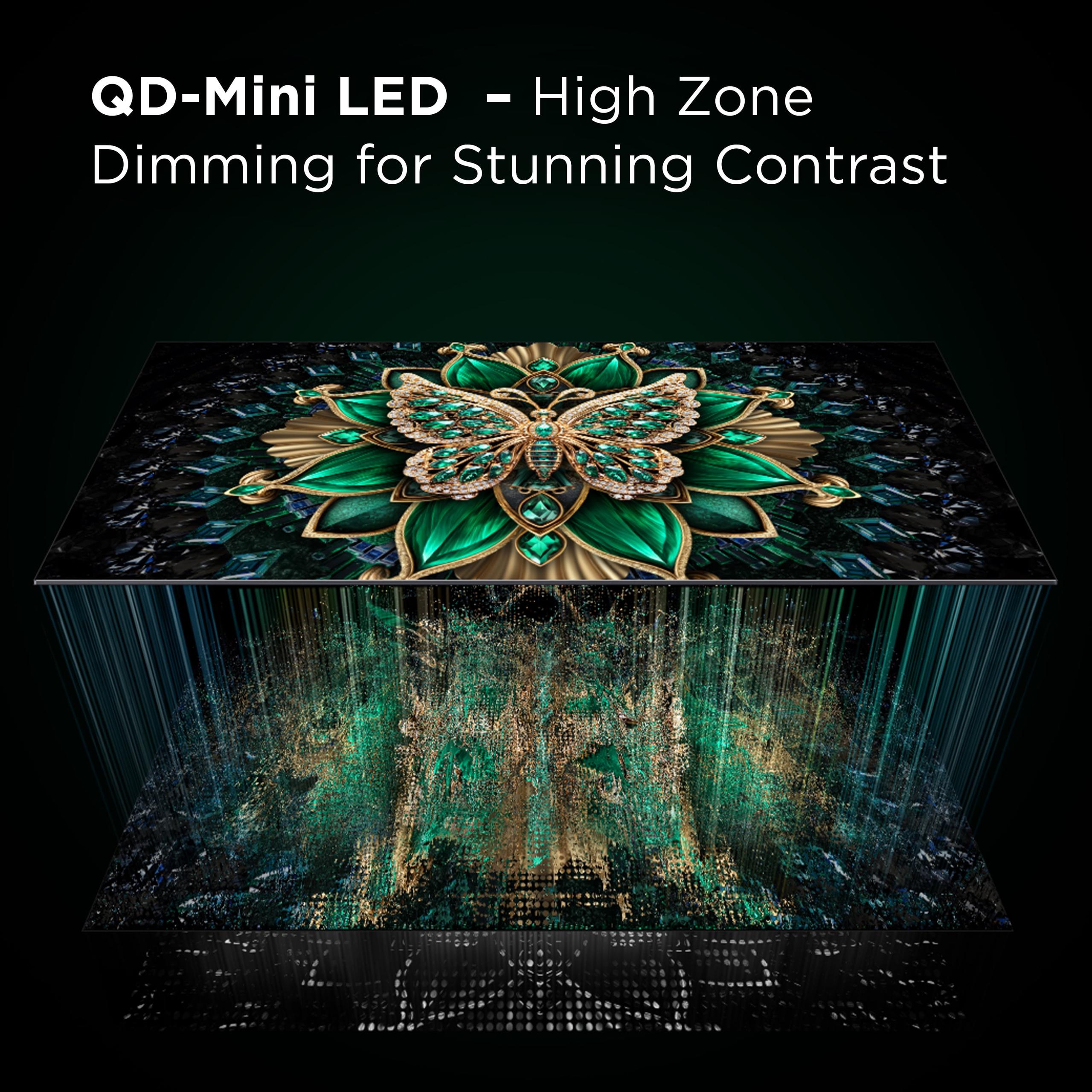
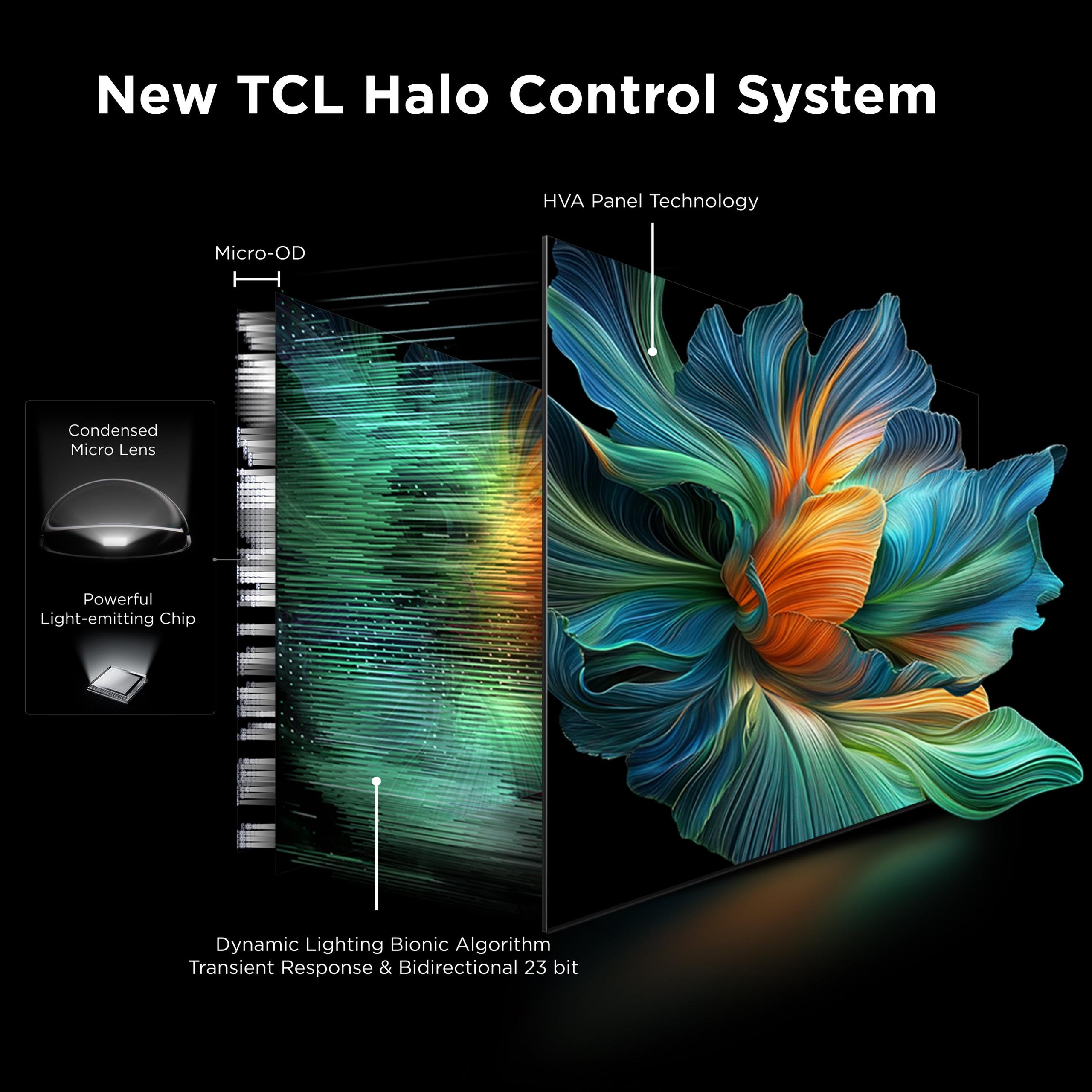
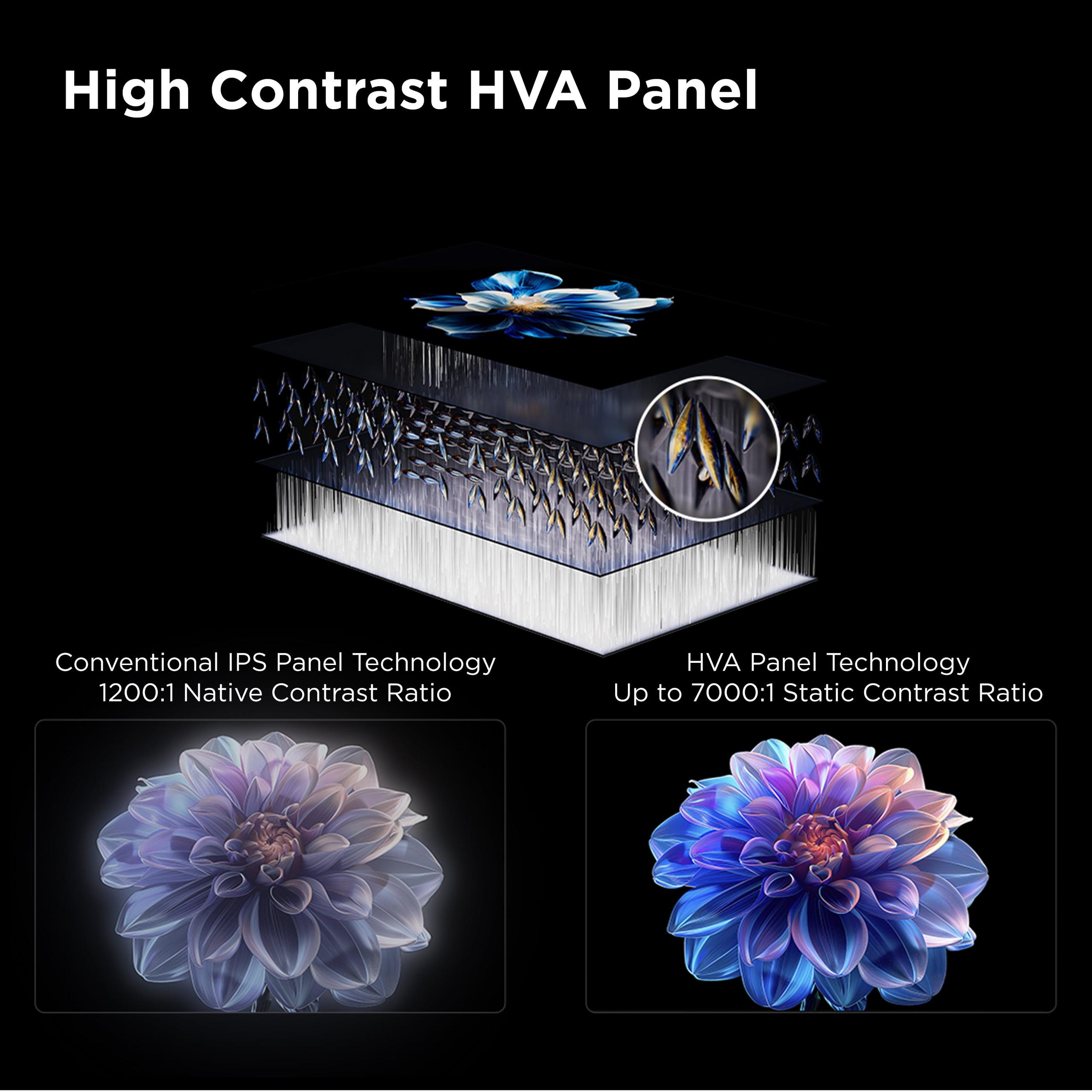
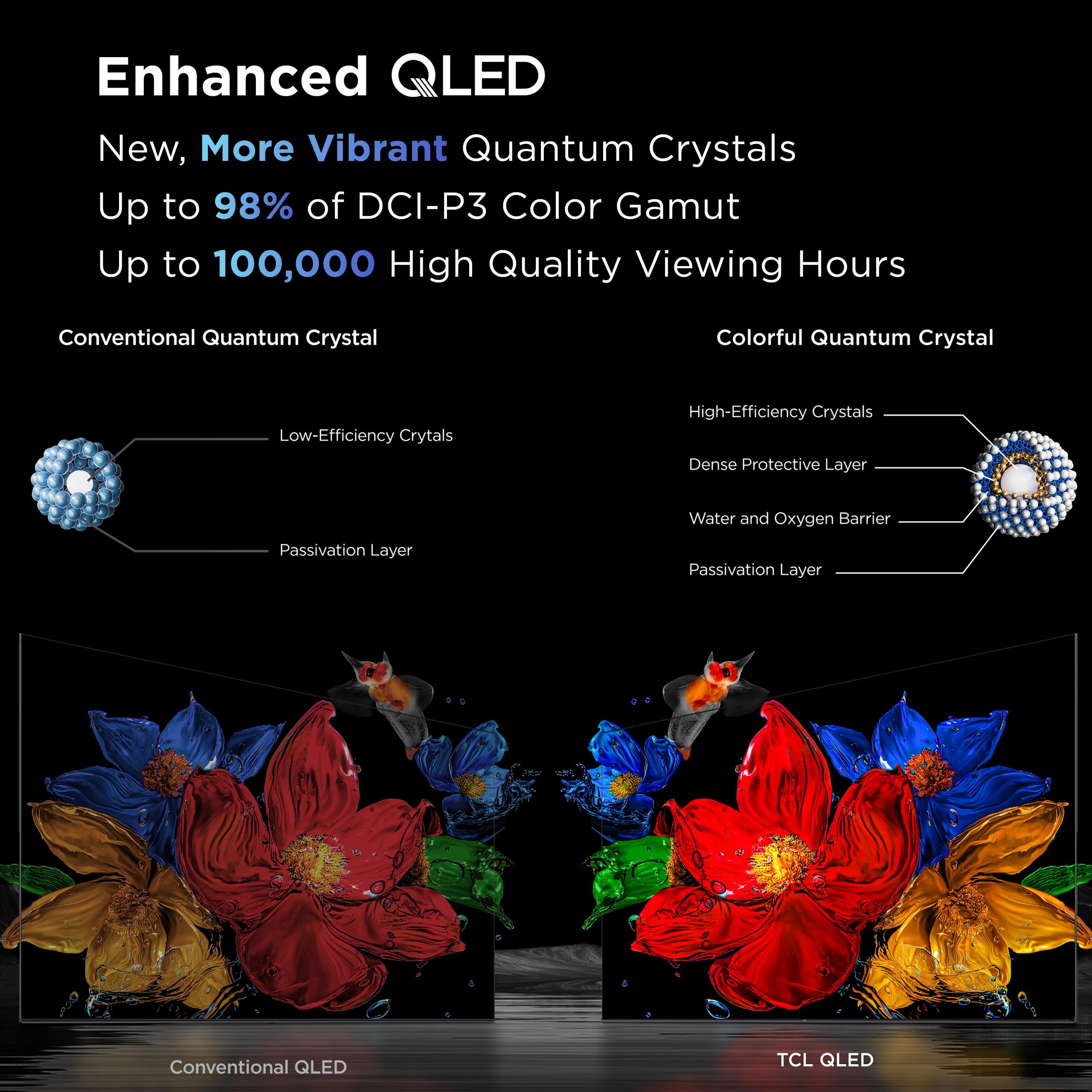
The TCL QM6K, on the other hand, uses QD-Mini LED technology. This is still an LCD display (the same basic technology that's been around for years), but with two major upgrades. First, it uses quantum dots—microscopic particles that can produce more vibrant colors when light hits them. Second, it has mini LEDs for backlighting, which are much smaller than traditional LED backlights. Instead of having a few dozen LED zones, it can have hundreds or even thousands of dimming zones behind the screen.
This is where the technology difference becomes most apparent. The Samsung S85F OLED delivers what we call "infinite contrast ratio." Since each pixel can turn completely off, you get true black—not dark gray, but actual black. I've spent countless hours testing TVs, and nothing quite matches that moment when you're watching a space movie and the void of space looks genuinely black, not like a dark gray rectangle.
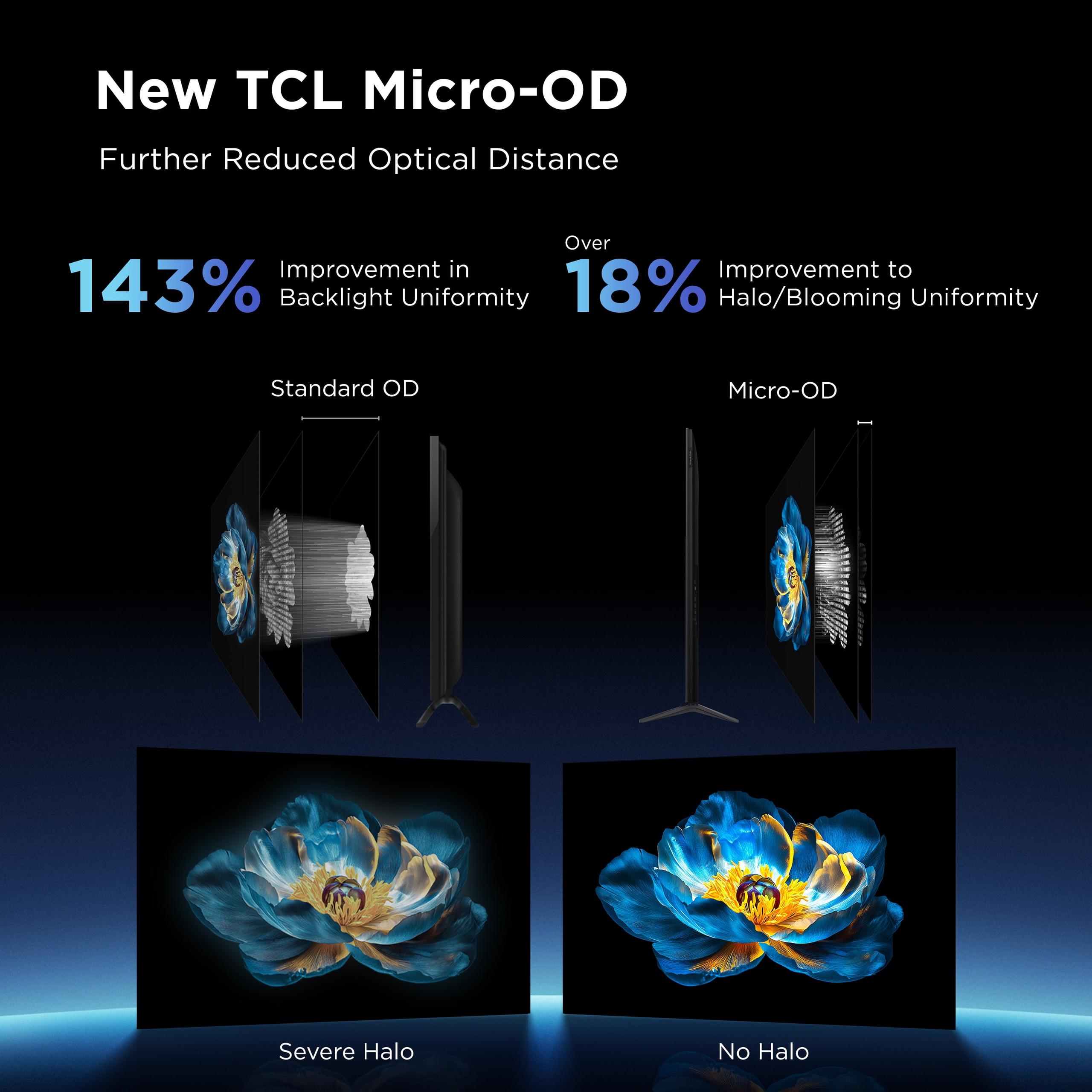
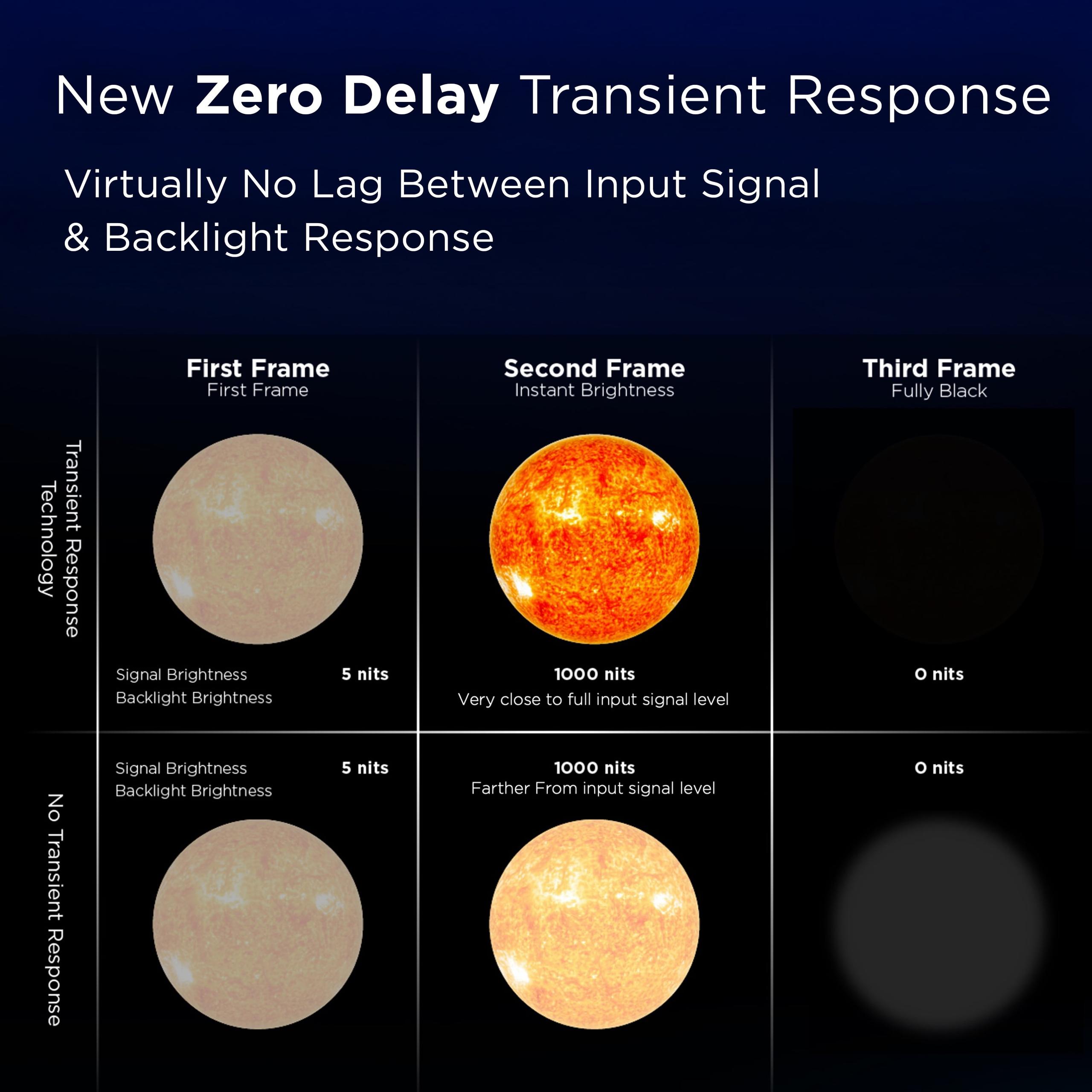
The TCL QM6K can't match this because it's fundamentally an LCD display with a backlight. Even with its impressive local dimming zones (up to 500 zones that can dim independently), some light always bleeds through. This creates what we call "blooming"—a subtle halo effect around bright objects in dark scenes. It's not necessarily bad, but it's noticeable if you're coming from an OLED display.
However, the TCL fights back with brightness. While the Samsung peaks at around 750 nits (a measurement of brightness), the TCL can hit over 1,500 nits. In practical terms, this means HDR content—those movies and shows designed to show bright highlights and deep shadows—will have more impactful bright scenes on the TCL. Sunlight reflecting off water or an explosion in an action movie will appear more realistic and punchy.
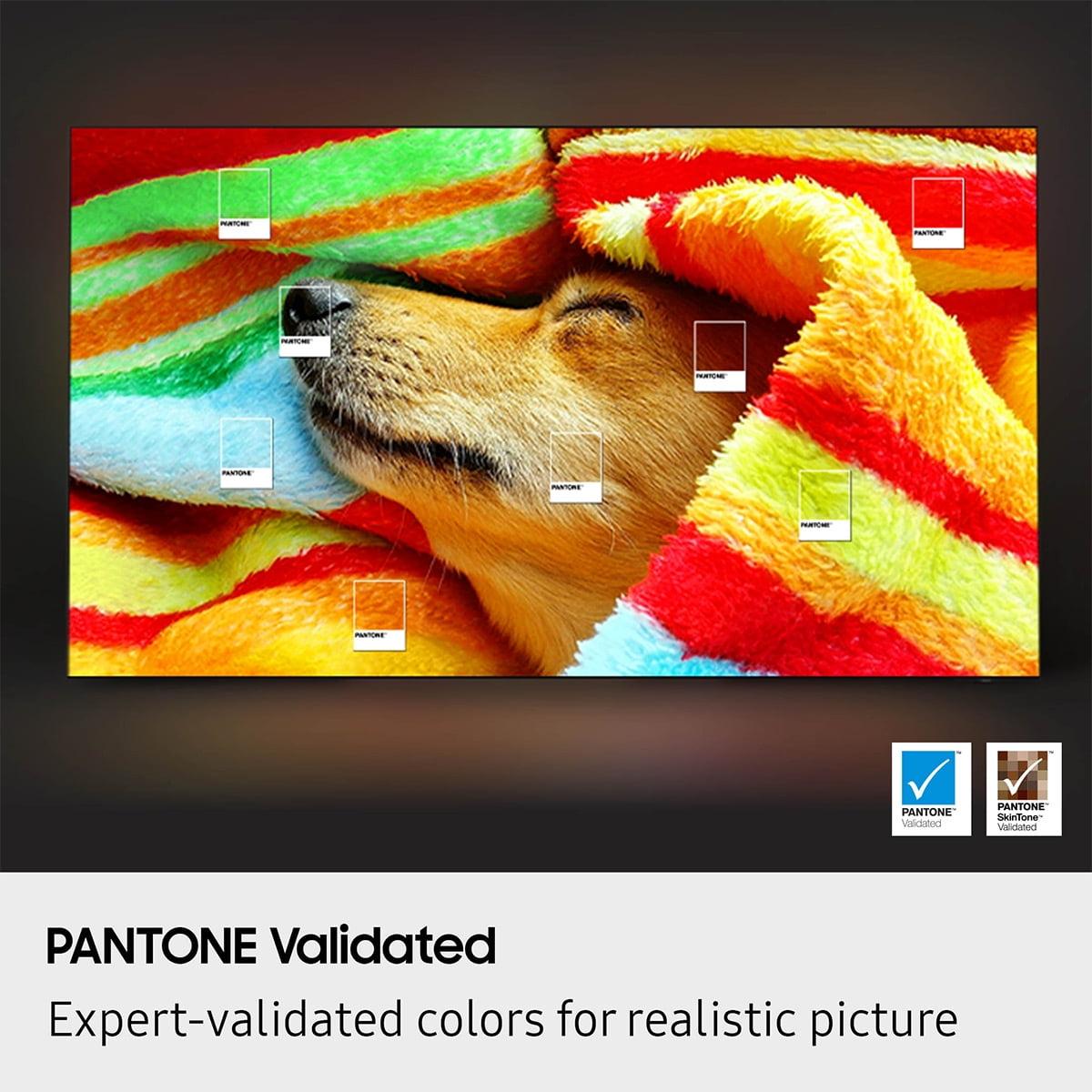
The Samsung S85F uses a QD-OLED panel in the 65-inch North American model, which combines quantum dots with OLED technology. This delivers exceptional color accuracy—in fact, it's Pantone validated, meaning it can accurately display over 2,140 colors and 110 different skin tones. For movie enthusiasts and anyone who cares about seeing content as the director intended, this level of accuracy is impressive.
The TCL QM6K also uses quantum dots, but in a different way. Since it's brighter than the Samsung, it can display colors at higher brightness levels. This is called "color volume"—how vivid colors can be when they're also bright. If you're watching a cartoon or a nature documentary with bright, saturated colors, the TCL might actually look more vibrant and eye-catching.
Gaming has become a huge consideration for TV buyers, especially with the PlayStation 5 and Xbox Series X pushing 4K resolution at 120 frames per second. Both TVs handle gaming well, but they take different approaches.
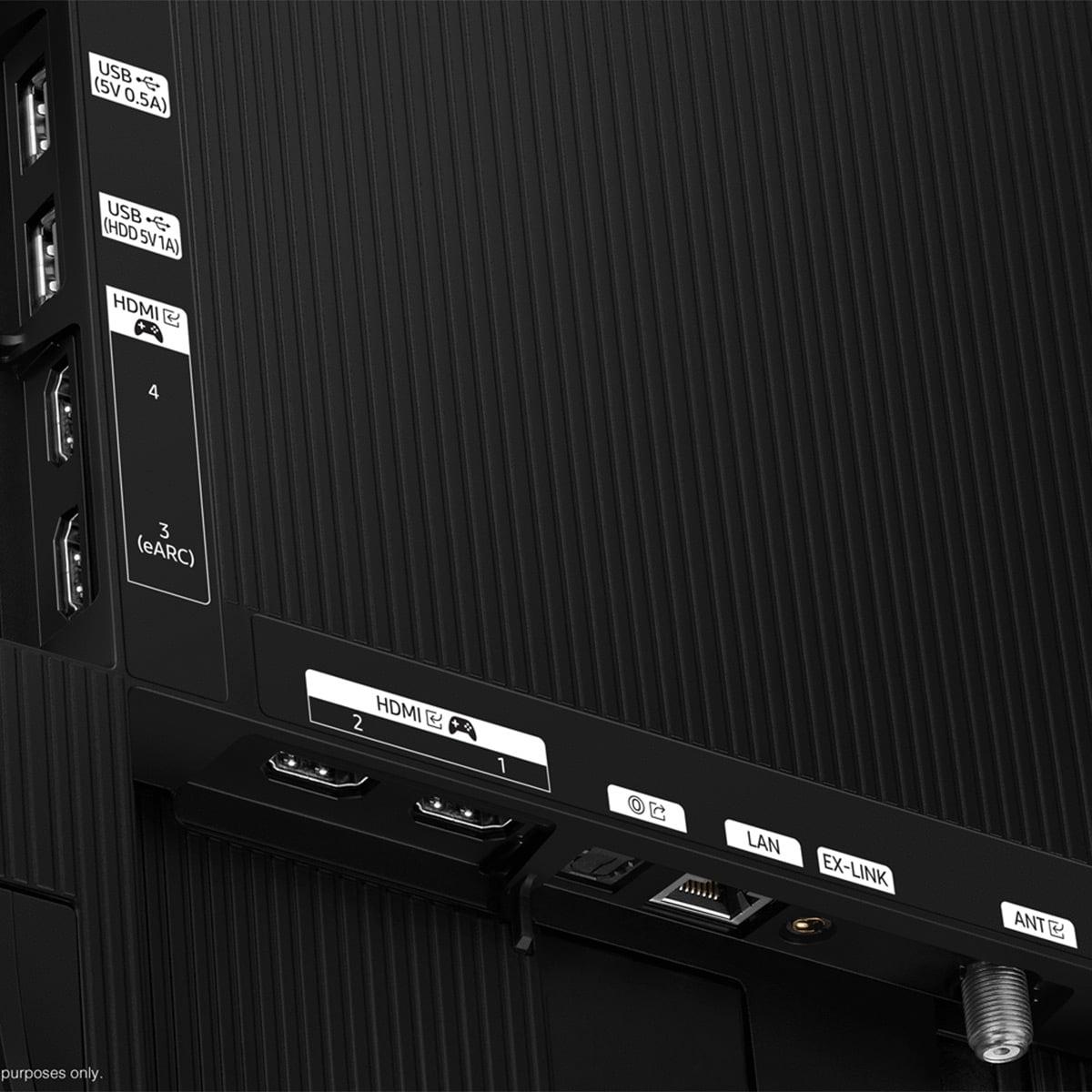
The Samsung S85F is built for console gaming. It has four HDMI 2.1 ports, which means you can connect multiple next-gen consoles and still get the full 4K at 120Hz experience. The response time is nearly instantaneous—when you press a button, the action happens on screen with virtually no delay. Features like Auto Game Mode automatically optimize the TV's settings when it detects a gaming console, and Variable Refresh Rate (VRR) eliminates screen tearing.
The TCL QM6K takes a different approach with its 144Hz native refresh rate and Game Accelerator technology that can push variable refresh rates up to 288Hz. This makes it particularly interesting for PC gaming, where frame rates can be much higher than console gaming. If you're running a high-end gaming PC, the TCL might actually be more future-proof for gaming than the Samsung.
This is where personal preference really comes into play. The Samsung runs Tizen OS, Samsung's proprietary smart TV platform. It's mature, stable, and integrates well with Samsung's ecosystem of devices. The interface is clean, and features like SmartThings integration mean you can control smart home devices directly from your TV. The AI-powered features are genuinely useful—the TV learns your viewing habits and can automatically adjust picture settings based on what you're watching and the lighting in your room.
The TCL QM6K runs Google TV, which is essentially Android TV with a Google-focused interface. If you're deep in the Google ecosystem—using Google Assistant, Chromecast, and Google services—this might feel more familiar. The interface is straightforward, and you get access to the Google Play Store for apps.
TV audio often gets overlooked, but it's crucial for the overall experience. The Samsung S85F includes several advanced audio features that work together to create a more immersive experience. Object Tracking Sound Lite uses the TV's speakers to make it seem like sounds are coming from specific locations on screen. Adaptive Sound Pro analyzes the audio content and your room's acoustics to optimize the sound automatically.
The TCL QM6K has a 2.1 channel Onkyo speaker system with Dolby Atmos support. While it's good for the price point, it lacks the sophisticated audio processing of the Samsung. For casual viewing, it's perfectly adequate, but for movie nights or gaming sessions, you might want to consider a separate soundbar sooner.
If you're setting up a dedicated home theater space, the choice between these TVs becomes more nuanced. The Samsung S85F OLED is often considered the enthusiast's choice because of its perfect black levels and color accuracy. In a dark, controlled environment, nothing quite matches the cinematic experience of watching a movie on a good OLED display. The wide viewing angles also mean everyone in the room gets a good picture, not just people sitting directly in front.
However, there's a catch: the Samsung doesn't support Dolby Vision, which is becoming the premium HDR standard for movies and streaming content. Instead, it uses HDR10+, which is good but not as widely supported. This is a significant limitation for home theater enthusiasts who want the absolute best HDR experience.
The TCL QM6K supports Dolby Vision, which gives it an advantage for movie watching. Its higher brightness also means it can deliver more impactful HDR scenes, though it can't match the Samsung's contrast and black levels.
The price difference between these TVs is significant—the Samsung costs nearly three times as much as the TCL. Is it worth it? That depends on your priorities and viewing habits.
The Samsung S85F at $1,599.99 delivers premium features across the board. The OLED technology, advanced AI processing, comprehensive gaming support, and build quality justify the price for enthusiasts who want the best possible experience. If you're the type of person who researches every purchase, cares about having the latest technology, and plans to keep the TV for many years, the Samsung makes sense.
The TCL QM6K at $547.99 represents exceptional value for what you get. A 65-inch 4K TV with quantum dot technology, high refresh rates, and decent smart features for under $600 is impressive. It's perfect for someone who wants a large, good-looking TV without paying premium prices. The compromises—limited viewing angles, potential blooming, basic processing—are reasonable trade-offs for the price savings.
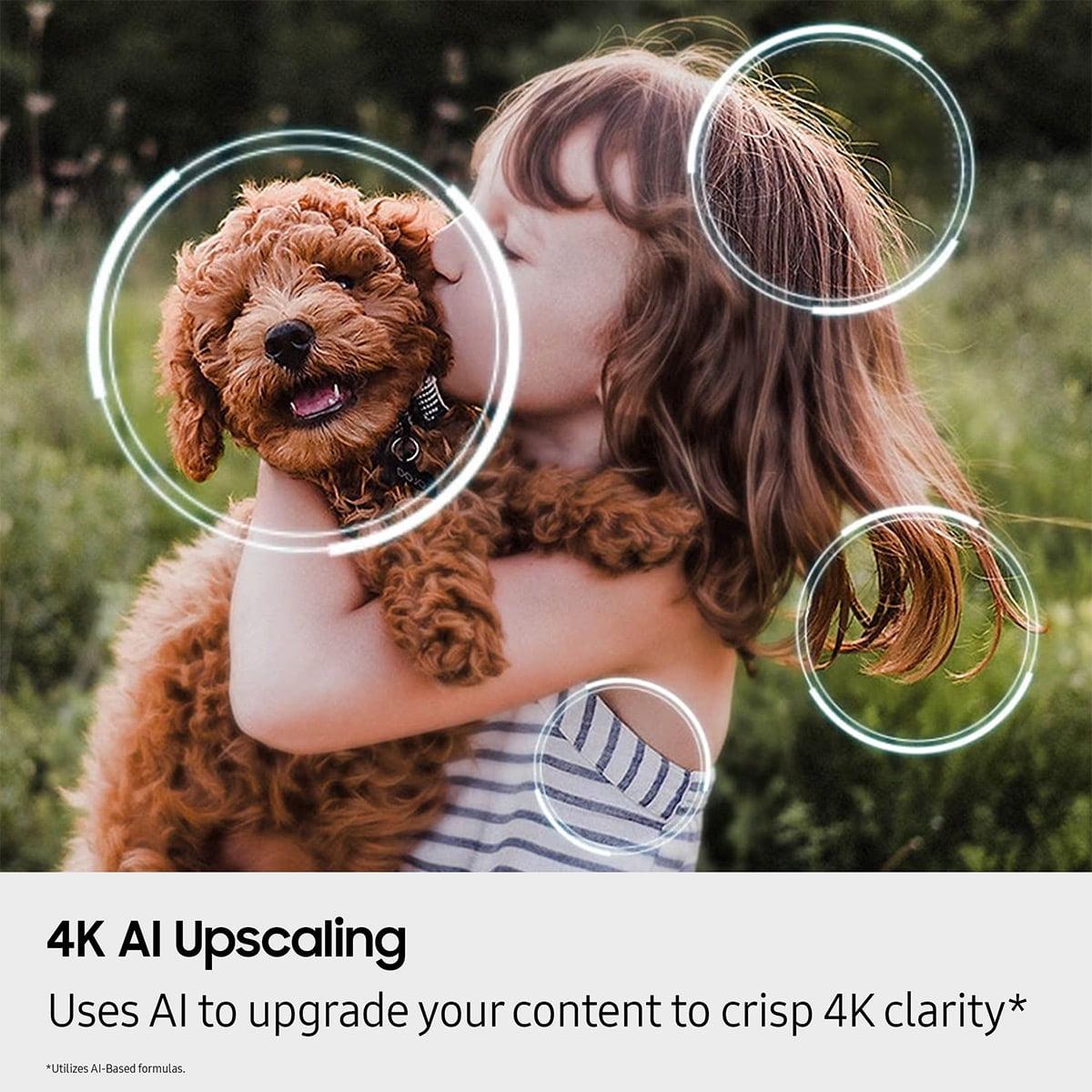
The Samsung S85F is Samsung's 2025 entry-level OLED, replacing the 2024 S85D. Samsung has been refining their OLED technology rapidly, and this model includes their latest NQ4 AI Gen2 processor with improved upscaling and color processing. The QD-OLED panel technology, first introduced in Samsung's premium TVs, has now trickled down to more affordable models.
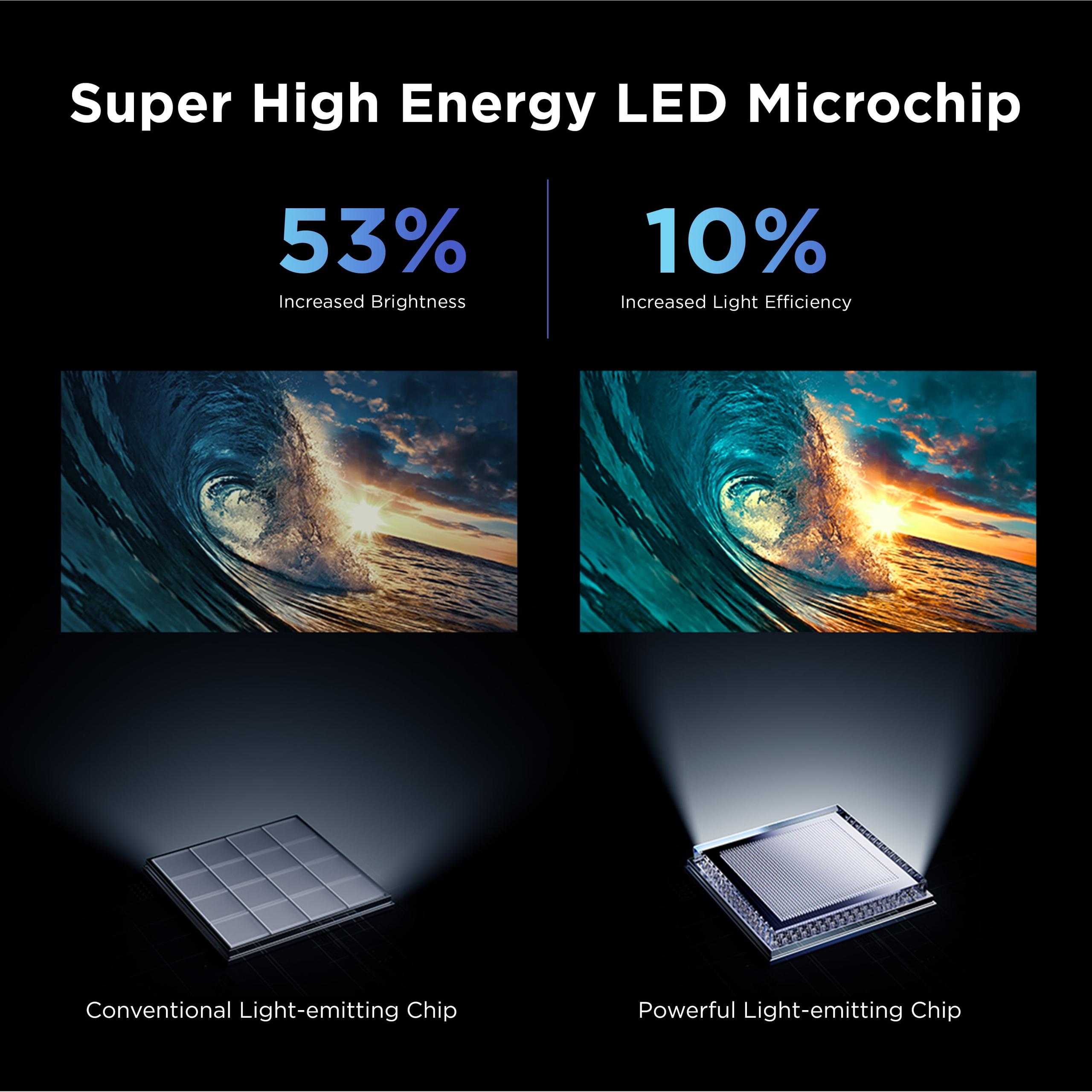
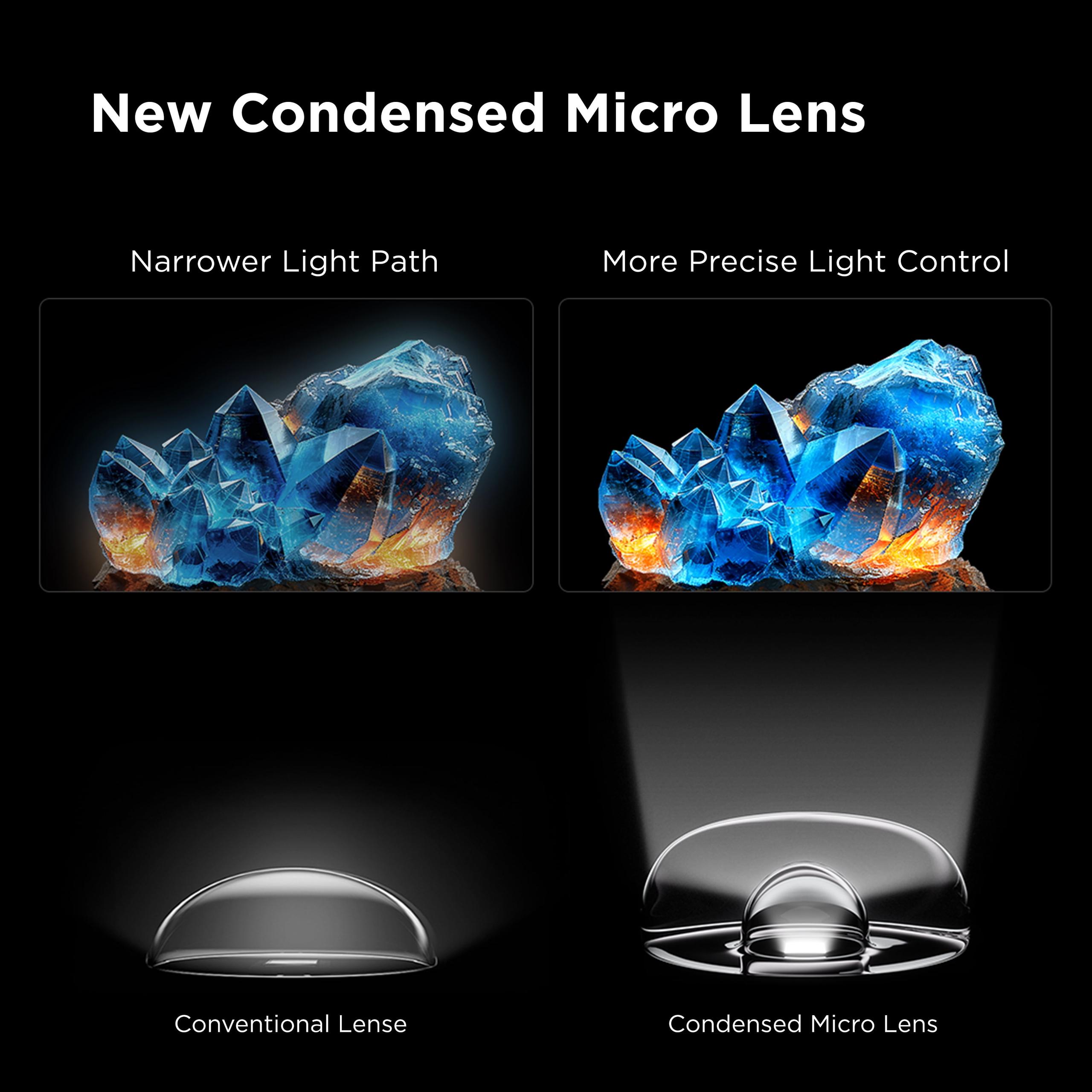
The TCL QM6K represents TCL's push into the premium mid-range market. TCL has been improving their mini LED technology consistently, and this model includes their new Super High Energy LED chip, which provides 53% more brightness while using 10% less energy than previous generations. The 144Hz refresh rate shows TCL's focus on gaming performance, an area where they've been competitive with much more expensive brands.
After testing both TVs extensively, here's my honest assessment: choose the Samsung if picture quality is your top priority and you have the budget for it. The OLED technology truly delivers a superior viewing experience in most situations, and the gaming features are comprehensive and future-proof for console gaming.
Choose the TCL if you want the biggest, brightest TV for your money. It's perfect for well-lit rooms, delivers excellent value, and the higher refresh rates make it interesting for PC gaming. The picture quality is genuinely good—just not quite at the Samsung's level.
Consider your room too. If you have a bright living room with lots of windows, the TCL's higher brightness might actually look better during daytime viewing. If you have a dedicated TV room or basement setup where you can control the lighting, the Samsung's superior contrast will be more noticeable and appreciated.
For home theater enthusiasts, the decision gets more complex. The Samsung's picture quality is superior, but the lack of Dolby Vision support is frustrating. The TCL's Dolby Vision support and higher brightness make it compelling for HDR movie watching, despite its other limitations.
Ultimately, both TVs deliver excellent 4K experiences, just in different ways. The Samsung represents the premium approach with cutting-edge technology and comprehensive features. The TCL represents the value approach with impressive performance for the price. Your choice depends on whether you prioritize absolute quality or maximum value—and both approaches have their merits.
| Samsung 65" S85F OLED 4K Smart TV (2025) | TCL 65" QM6K QD-Mini LED 4K TV |
|---|---|
| Price - Significant budget difference that affects value proposition | |
| $1,599.99 | $547.99 |
| Display Technology - Fundamental difference in how the picture is created | |
| QD-OLED with self-emissive pixels | QD-Mini LED with quantum dot backlighting |
| Black Levels - Critical for movie watching and dark room performance | |
| Perfect blacks (infinite contrast) | Good blacks with potential blooming |
| Peak Brightness - Important for HDR impact and bright room viewing | |
| ~750 nits (limited for OLED) | 1,500+ nits (excellent for bright rooms) |
| Refresh Rate - Matters for gaming and motion handling | |
| 120Hz with Motion Xcelerator | 144Hz native with Game Accelerator up to 288Hz |
| Gaming Features - Essential for console and PC gaming | |
| 4x HDMI 2.1, VRR, FreeSync Premium, ALLM | FreeSync Premium Pro, high refresh rates |
| HDR Support - Affects movie and streaming quality | |
| HDR10+, OLED HDR (no Dolby Vision) | Dolby Vision, HDR10+, HDR10 |
| Viewing Angles - Important for family viewing and room layout | |
| Ultra-wide with minimal color shift | Limited (typical LCD degradation) |
| Smart Platform - Daily user experience and ecosystem integration | |
| Tizen OS with AI features, SmartThings | Google TV with Google Assistant |
| Audio System - Built-in sound quality | |
| 20W Dolby Atmos with Object Tracking Sound | 2.1 channel Onkyo with Dolby Atmos |
| Processor - Affects upscaling and smart features | |
| NQ4 AI Gen2 with 20 neural networks | TCL AiPQ Pro (basic processing) |
| Best Use Case - Who should buy this TV | |
| Dark room movie watching, console gaming | Bright room viewing, budget-conscious buyers |
The Samsung 65" S85F OLED 4K Smart TV (2025) delivers superior picture quality for movies with perfect black levels and infinite contrast ratio. Each pixel can turn completely off, creating true blacks that make dark scenes look cinematic. The TCL 65" QM6K QD-Mini LED 4K TV offers good picture quality but can't match OLED's contrast performance, though it does provide brighter HDR highlights.
The Samsung S85F OLED costs $1,599.99 while the TCL QM6K is priced at $547.99. The Samsung costs nearly three times more than the TCL, making the TCL an excellent value option for budget-conscious buyers who still want a large 4K TV with premium features.
Both TVs excel at gaming but in different ways. The Samsung S85F OLED is ideal for console gaming with four HDMI 2.1 ports, near-instantaneous response times, and comprehensive support for PS5/Xbox Series X at 4K 120Hz. The TCL QM6K offers 144Hz refresh rates and up to 288Hz VRR, making it particularly appealing for PC gaming.
The TCL QM6K QD-Mini LED TV performs better in bright rooms with its peak brightness exceeding 1,500 nits, easily overcoming ambient light and glare. The Samsung S85F OLED is limited to around 750 nits, making it better suited for dark or controlled lighting environments where its superior contrast can shine.
Both TVs support HDR but with different formats. The Samsung S85F supports HDR10+ and OLED HDR but lacks Dolby Vision support. The TCL QM6K supports Dolby Vision, HDR10+, and HDR10, giving it an advantage for streaming content and movies that use Dolby Vision's advanced HDR processing.
The Samsung S85F OLED offers more advanced smart features with its NQ4 AI Gen2 processor, Tizen OS, and SmartThings integration. It includes AI-powered picture optimization and voice control. The TCL QM6K runs Google TV with basic smart features and Google Assistant integration, which is simpler but less sophisticated.
The Samsung S85F OLED provides ultra-wide viewing angles with minimal color shift, making it ideal for family viewing from different seating positions. The TCL QM6K QD-Mini LED TV has limited viewing angles typical of LCD displays, with color accuracy degrading when viewed from the sides.
For dedicated home theaters, the Samsung S85F OLED is generally preferred due to its perfect black levels, color accuracy, and cinematic picture quality in dark rooms. However, the TCL QM6K has an advantage with Dolby Vision support and higher brightness for HDR content, making the choice dependent on your specific viewing preferences.
The Samsung S85F features a more advanced 20W audio system with Dolby Atmos, Object Tracking Sound Lite, and Adaptive Sound Pro that optimizes audio based on content and room acoustics. The TCL QM6K has a 2.1 channel Onkyo speaker system with Dolby Atmos support, which is good for the price but less sophisticated.
The TCL QM6K at $547.99 offers exceptional value with its 65-inch 4K display, quantum dot technology, and high refresh rates at a budget-friendly price. The Samsung S85F at $1,599.99 provides premium value with cutting-edge OLED technology and advanced features for buyers who prioritize top-tier performance.
The Samsung S85F uses QD-OLED technology with self-emissive pixels that can turn completely on or off individually. The TCL QM6K uses QD-Mini LED technology, which is an LCD display with quantum dots and hundreds of local dimming zones. This fundamental difference affects contrast, brightness, and overall picture characteristics.
Choose the Samsung S85F OLED if you prioritize picture quality, have a dark viewing room, want premium gaming features, and can afford the higher price. Choose the TCL QM6K if you want excellent value, have a bright room, need high refresh rates for PC gaming, or want a large 4K TV on a budget.
We've done our best to create useful and informative comparisons to help you decide what product to buy. Our research uses advanced automated methods to create this comparison and perfection is not possible - please contact us for corrections or questions. These are the sites we've researched in the creation of this article: rtings.com - samsung.com - youtube.com - rtings.com - youtube.com - samsung.com - bestbuy.com - avsforum.com - avsforum.com - samsung.com - displayspecifications.com - videoandaudiocenter.com - bestbuy.com - flatpanelshd.com - myallsouth.com - samsung.com - richstv.com - samsung.com - heartlandappliance.com - youtube.com - tomsguide.com - youtube.com - tcl.com - tomsguide.com - youtube.com - youtube.com - hometechnologyreview.com - rtings.com - bestbuy.com - tcl.com - youtube.com - youtube.com - bestbuy.com - youtube.com - youtube.com - youtube.com - tcl.com - youtube.com - walmart.com - tcl.com - displayspecifications.com - kitele.com - displayspecifications.com - flatpanelshd.com - woodruffappliance.com - displayspecifications.com - prnewswire.com - tcl.com - youtube.com - abt.com - youtube.com - tclkenya.co.ke - budgethomefurn.com

Privacy Policy
Terms and Conditions - Affiliate Policy
Home Security
© Copyright 2008-2026.
11816 Inwood Rd #1211, Dallas, TX 75244