

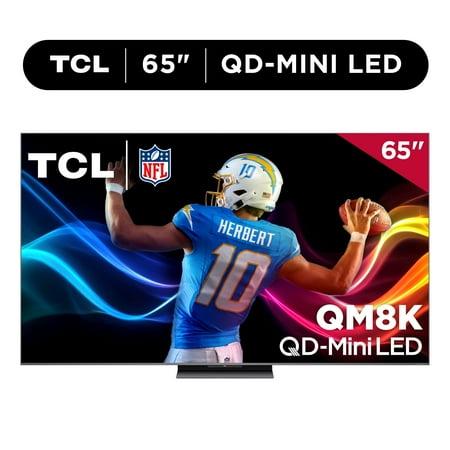
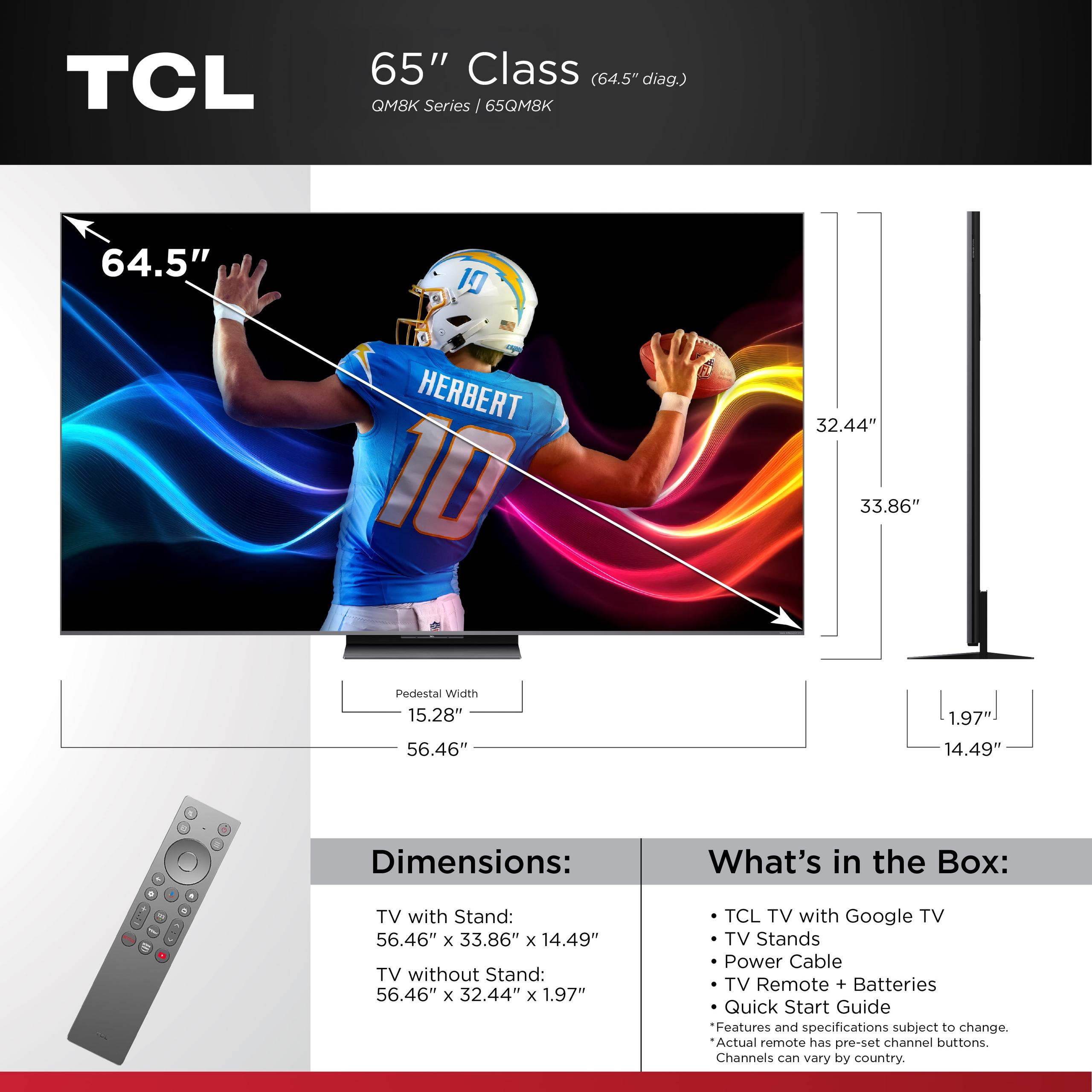

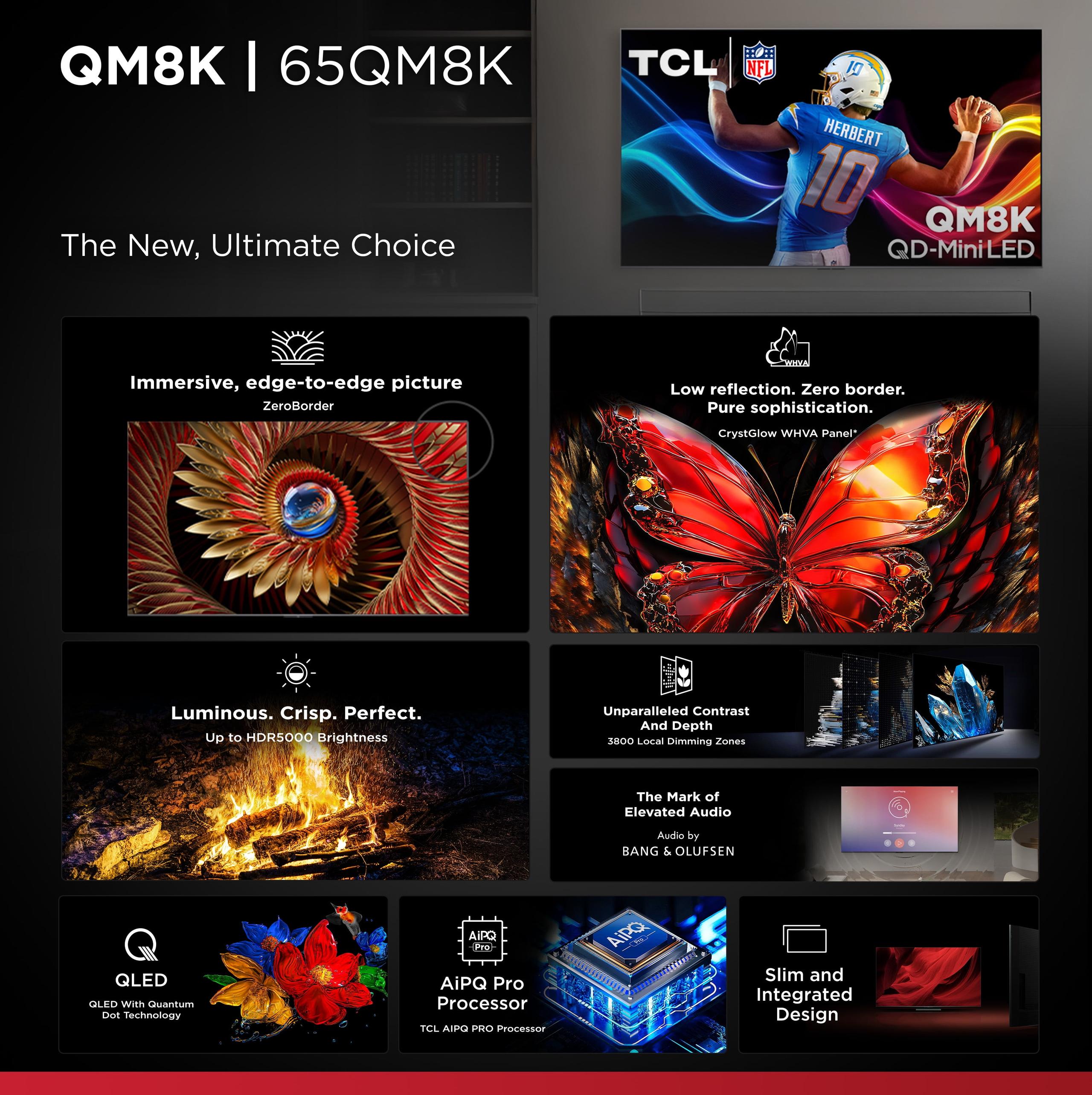

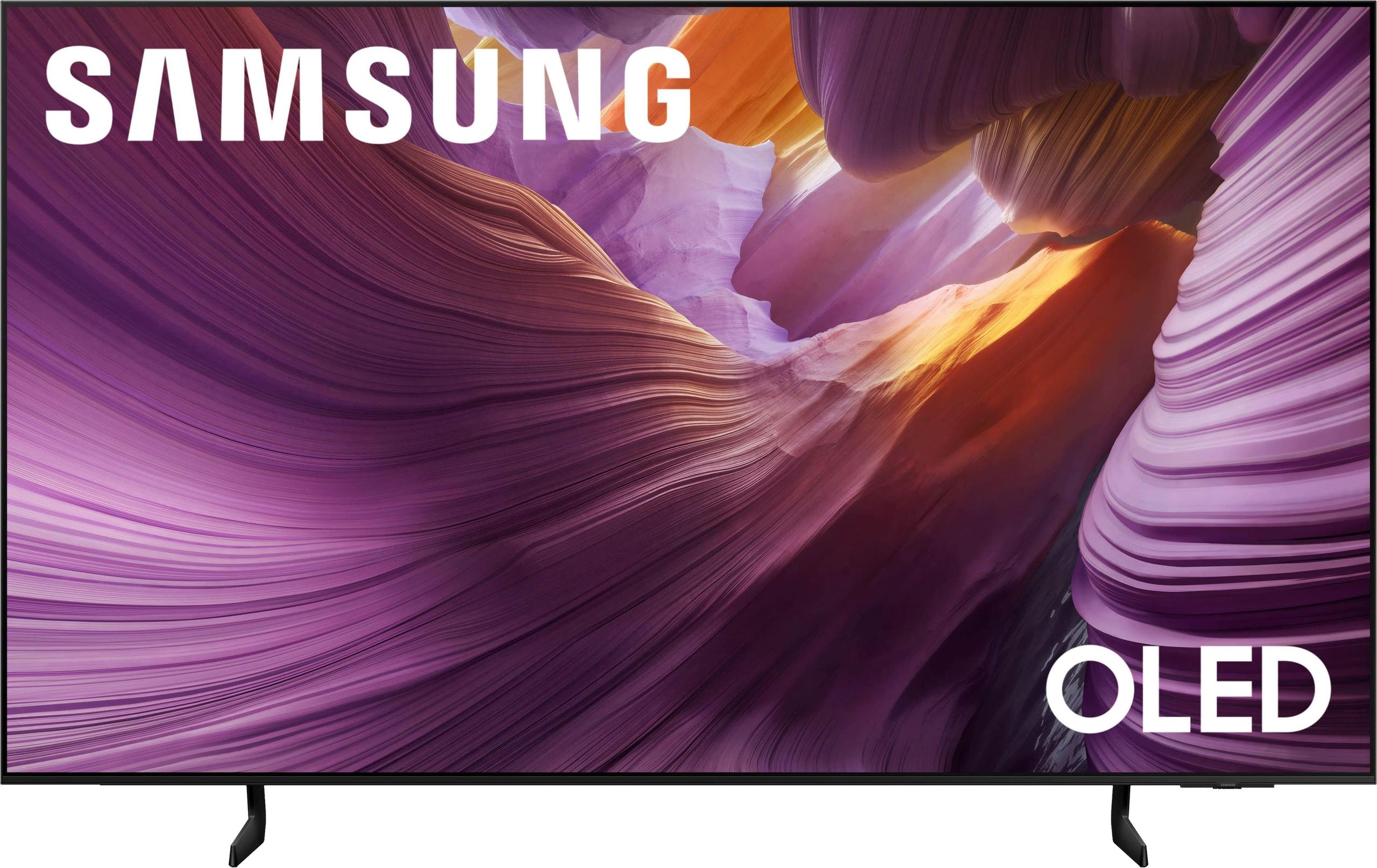
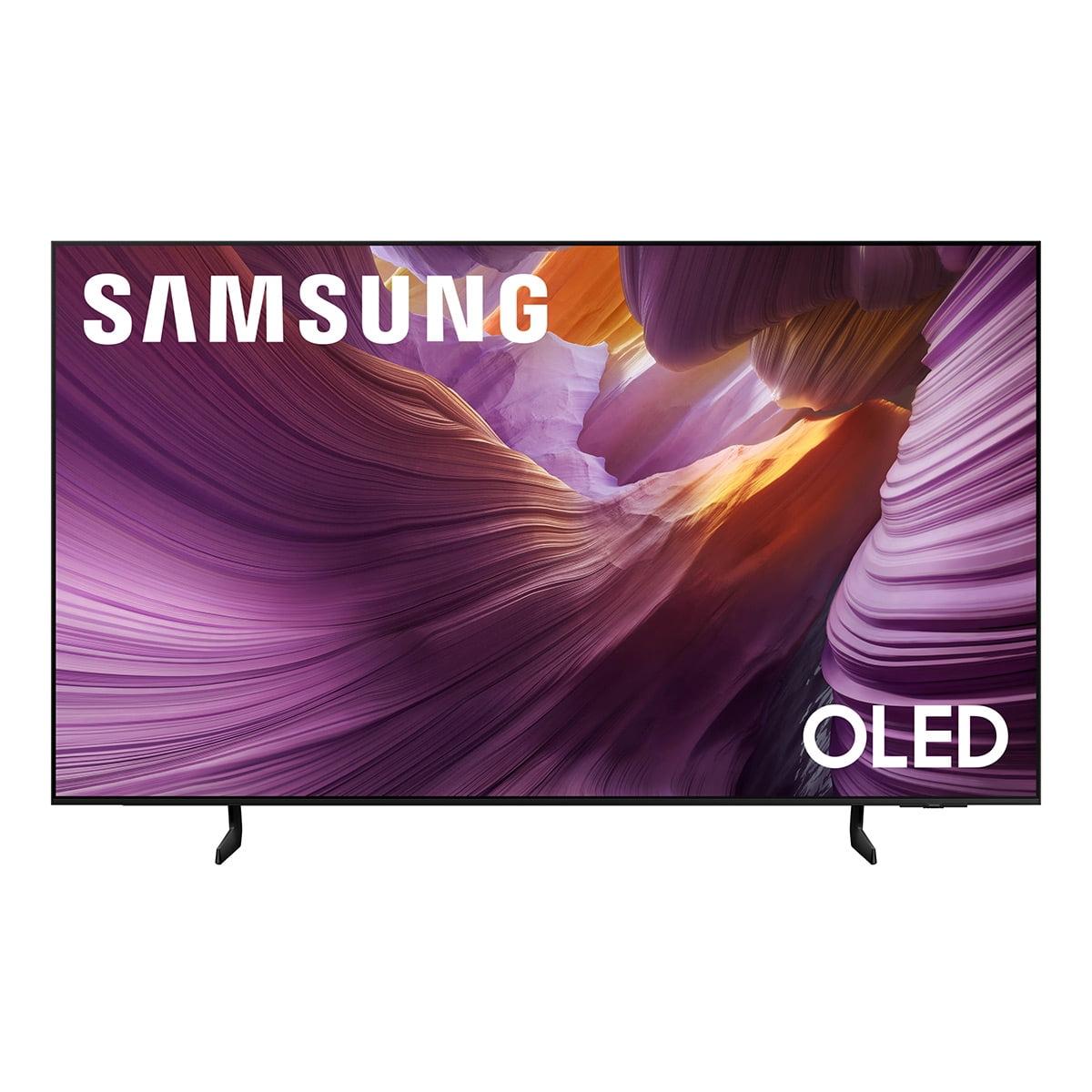
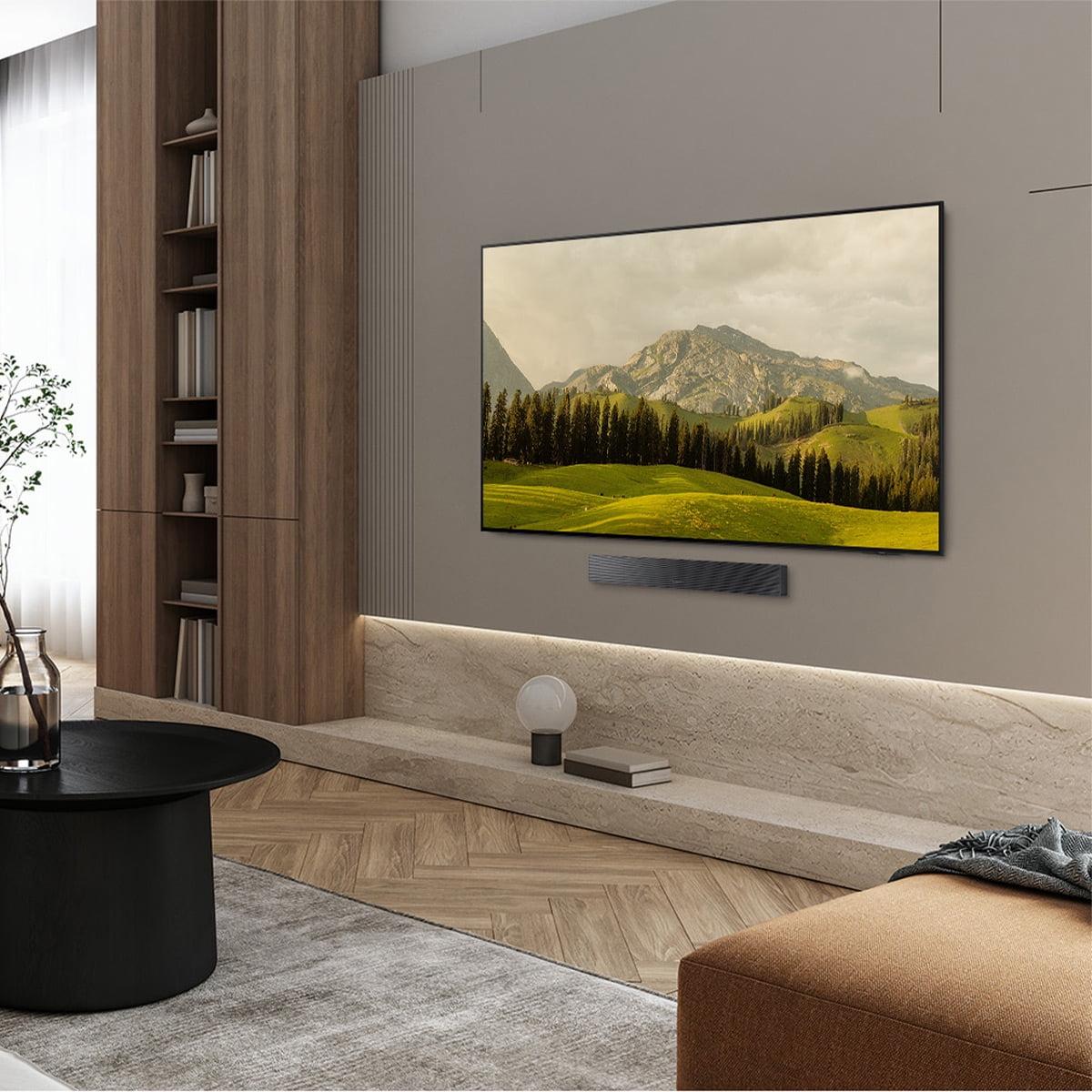

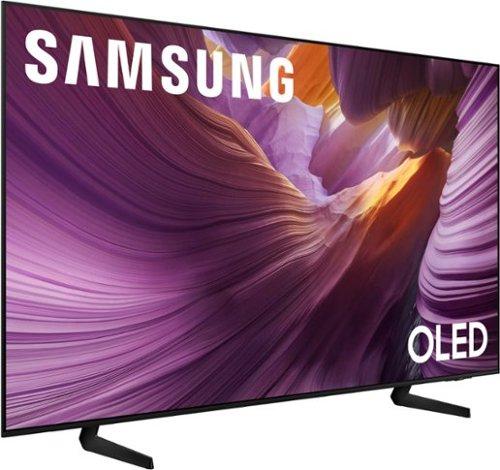
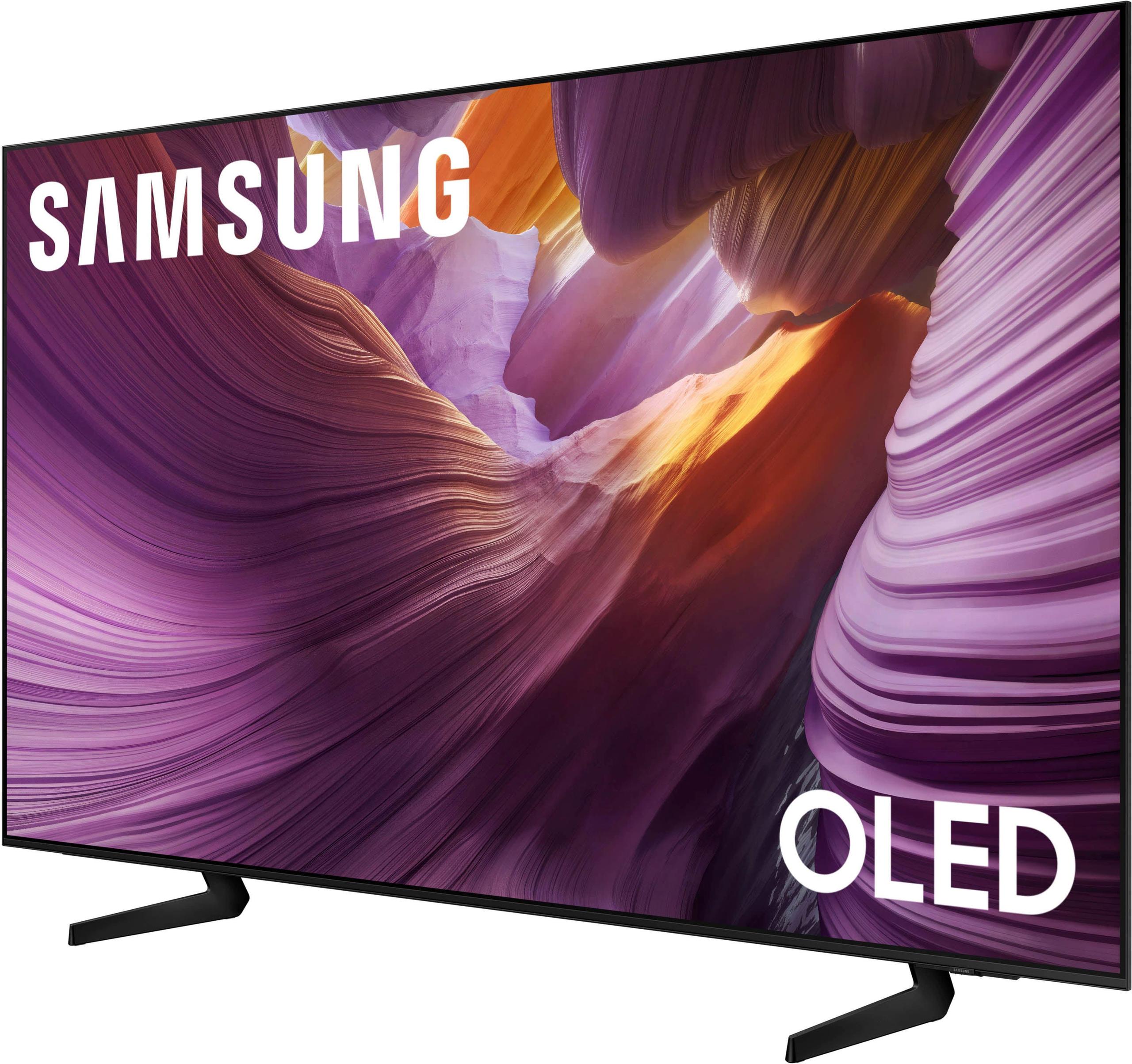
Shopping for a premium 65-inch 4K TV in 2025? You're looking at an exciting time in display technology. Two standout options have emerged: the TCL 65" QM8K Series QD-Mini LED 4K Smart TV at $998 and the Samsung 65" S85F OLED 4K Smart TV priced between $1,599-$1,999. Both represent different approaches to achieving stunning picture quality, but which one's right for your living room?
The TV market has evolved dramatically over the past few years. We've moved beyond the simple LCD vs OLED debate into more nuanced territory where Mini LED technology challenges OLED's supremacy in different ways. Both of these 2025 models showcase how manufacturers are pushing boundaries—TCL by making flagship-level brightness accessible, and Samsung by refining their OLED technology with quantum dots.
Before diving into specifics, let's understand what we're comparing. The fundamental difference between these TVs lies in how they create light and darkness.
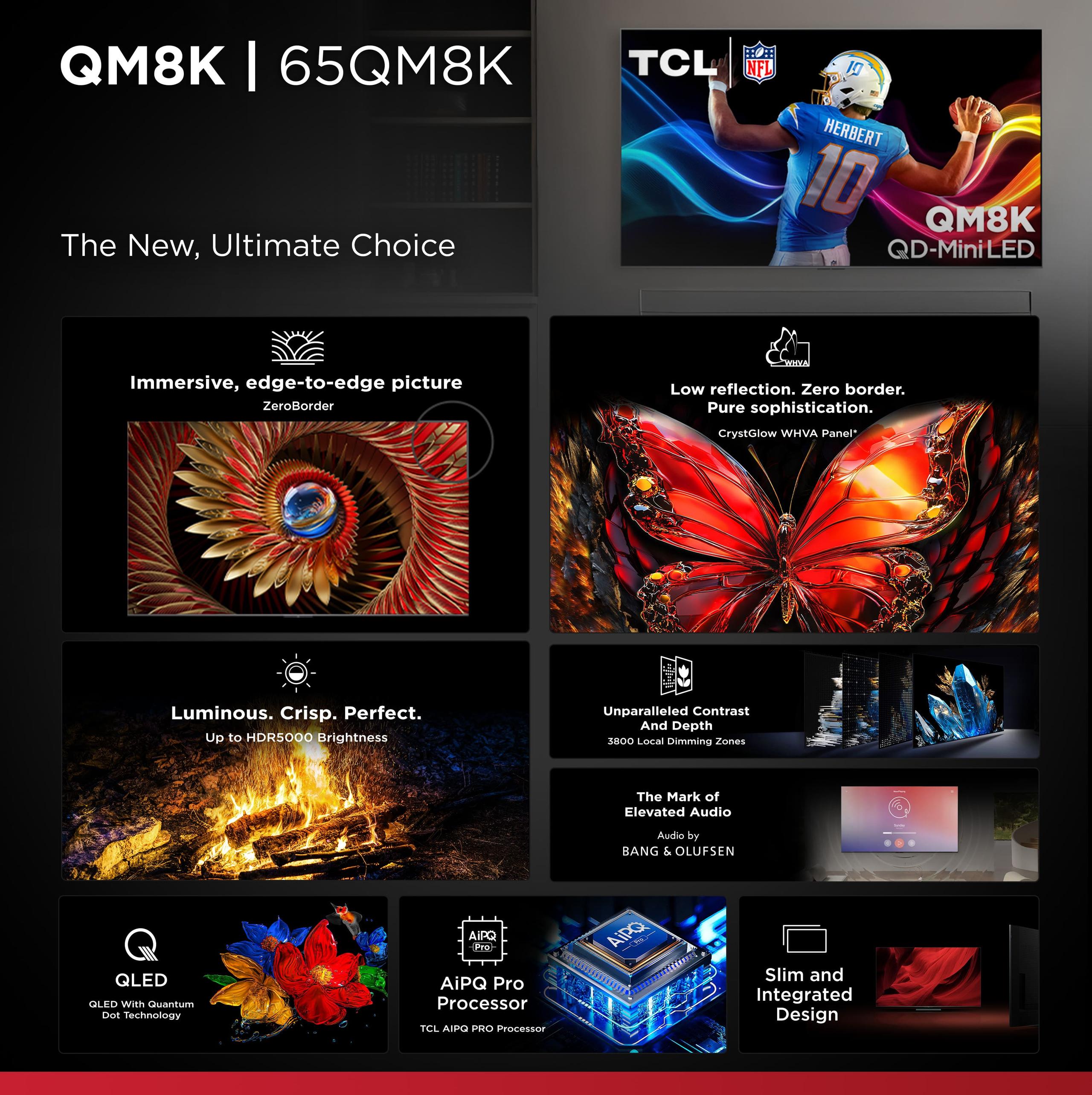
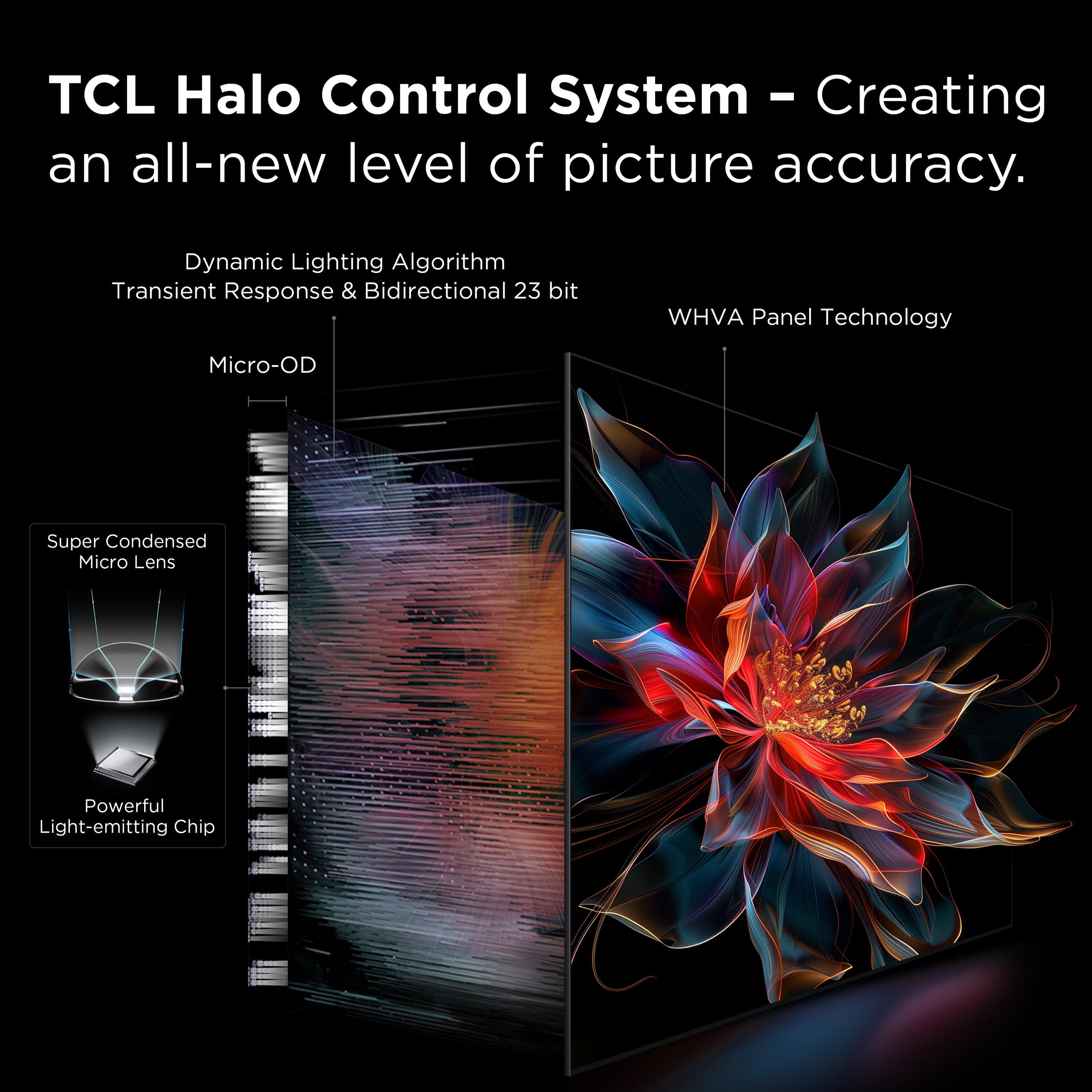
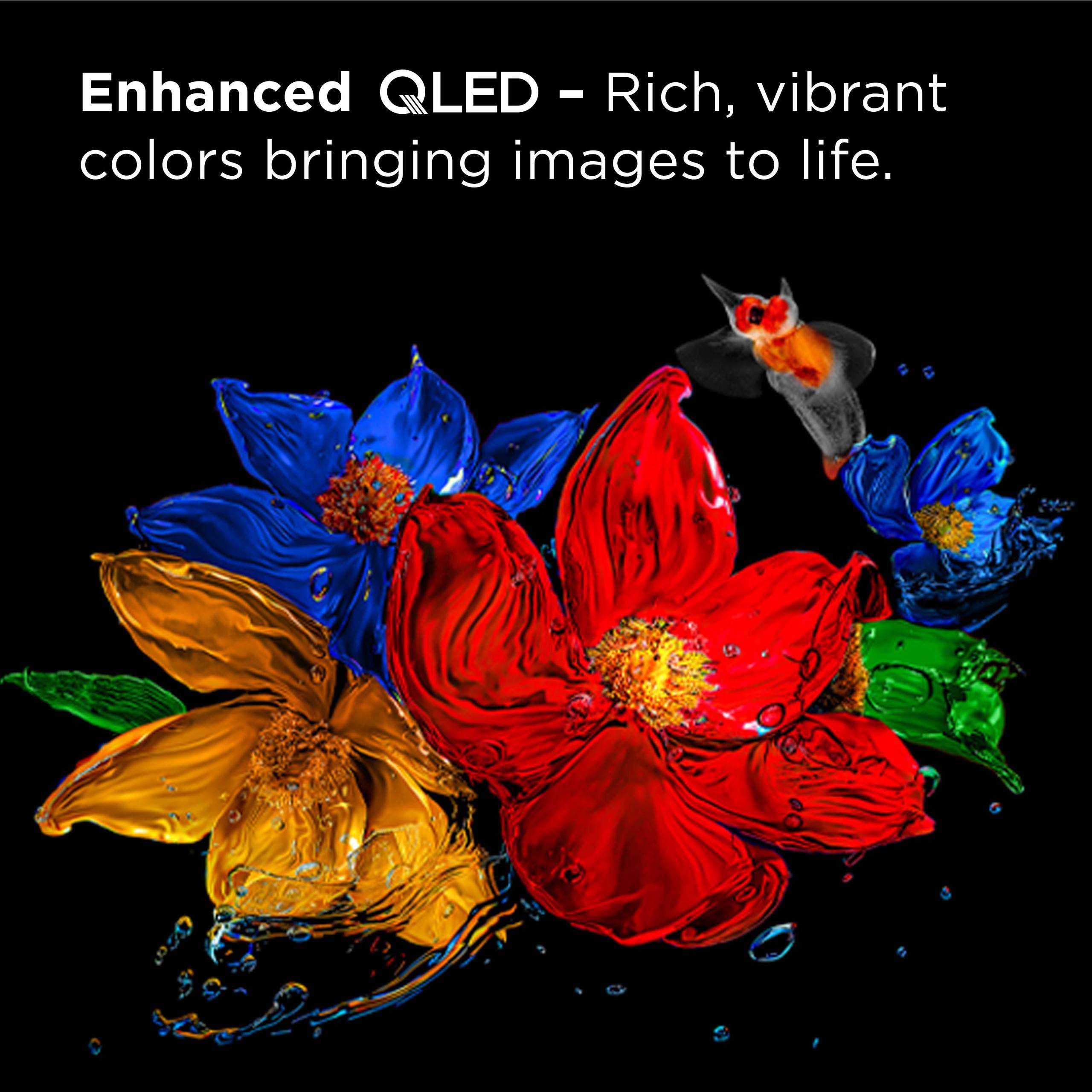
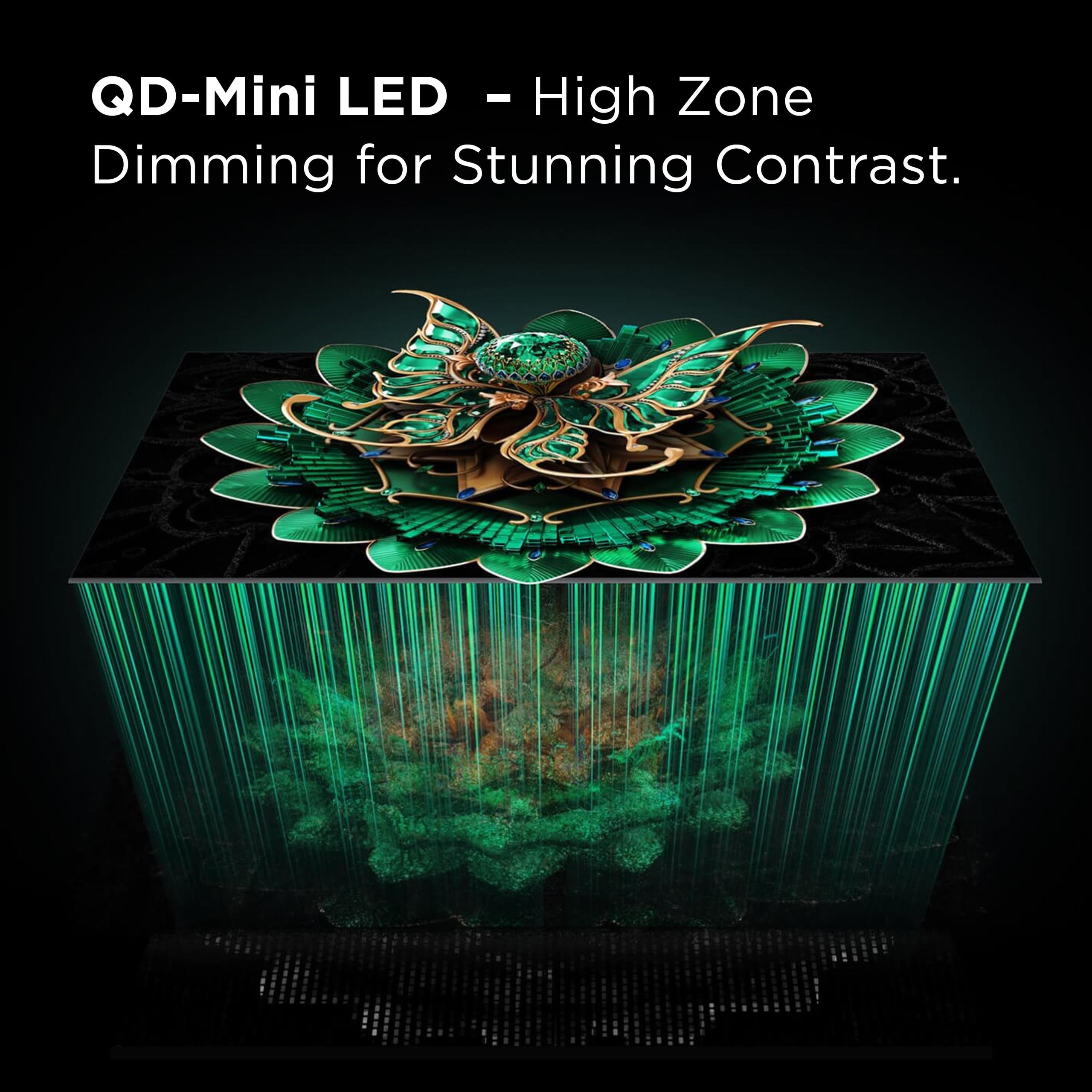
The TCL QM8K uses QD-Mini LED technology, which sounds complex but breaks down simply: thousands of tiny LED lights sit behind an LCD panel, creating zones that can brighten or dim independently. The "QD" stands for Quantum Dot—microscopic crystals that enhance color when light passes through them. Think of it as having thousands of tiny flashlights behind your TV screen, each one capable of turning on, off, or dimming to create the perfect amount of light for each part of the image.
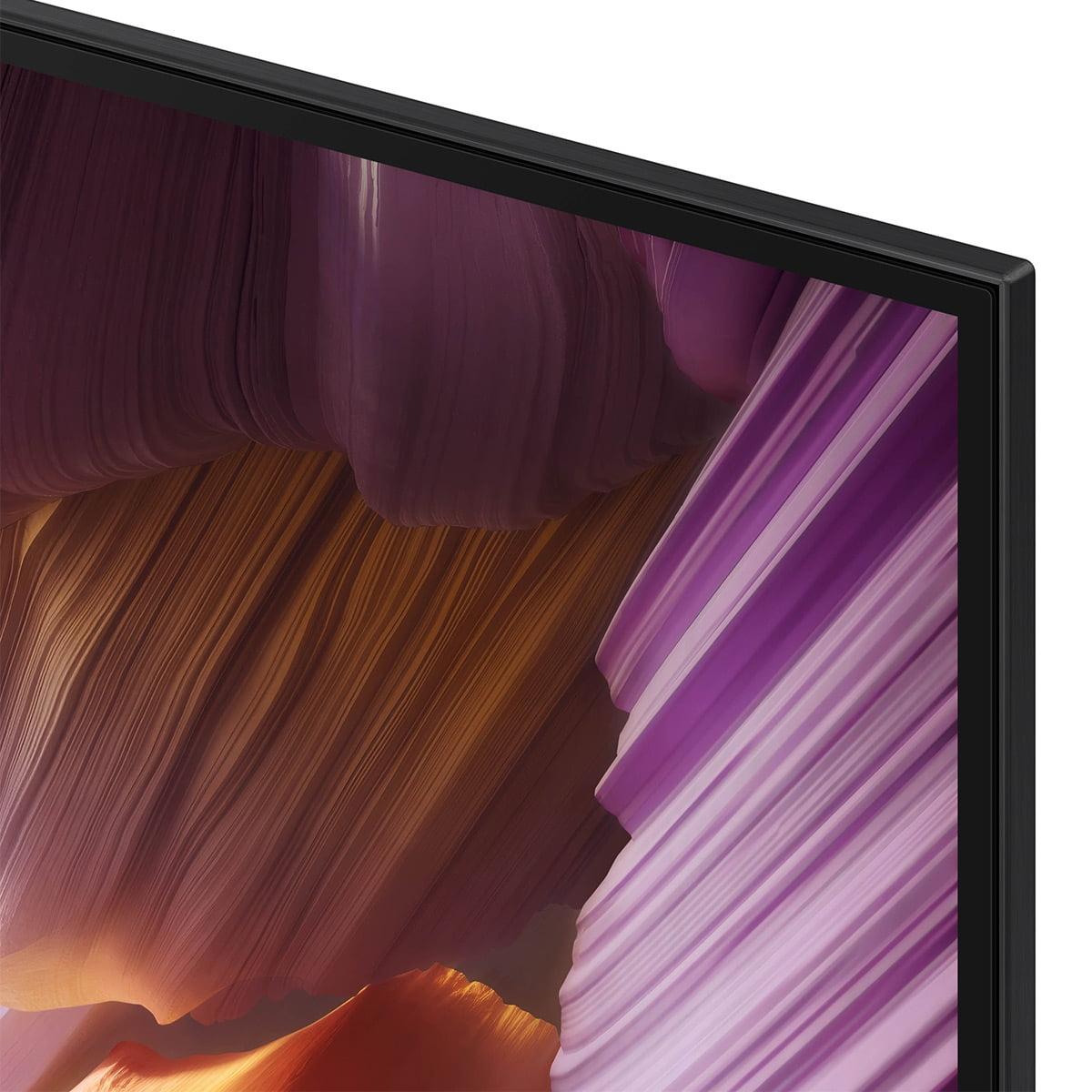
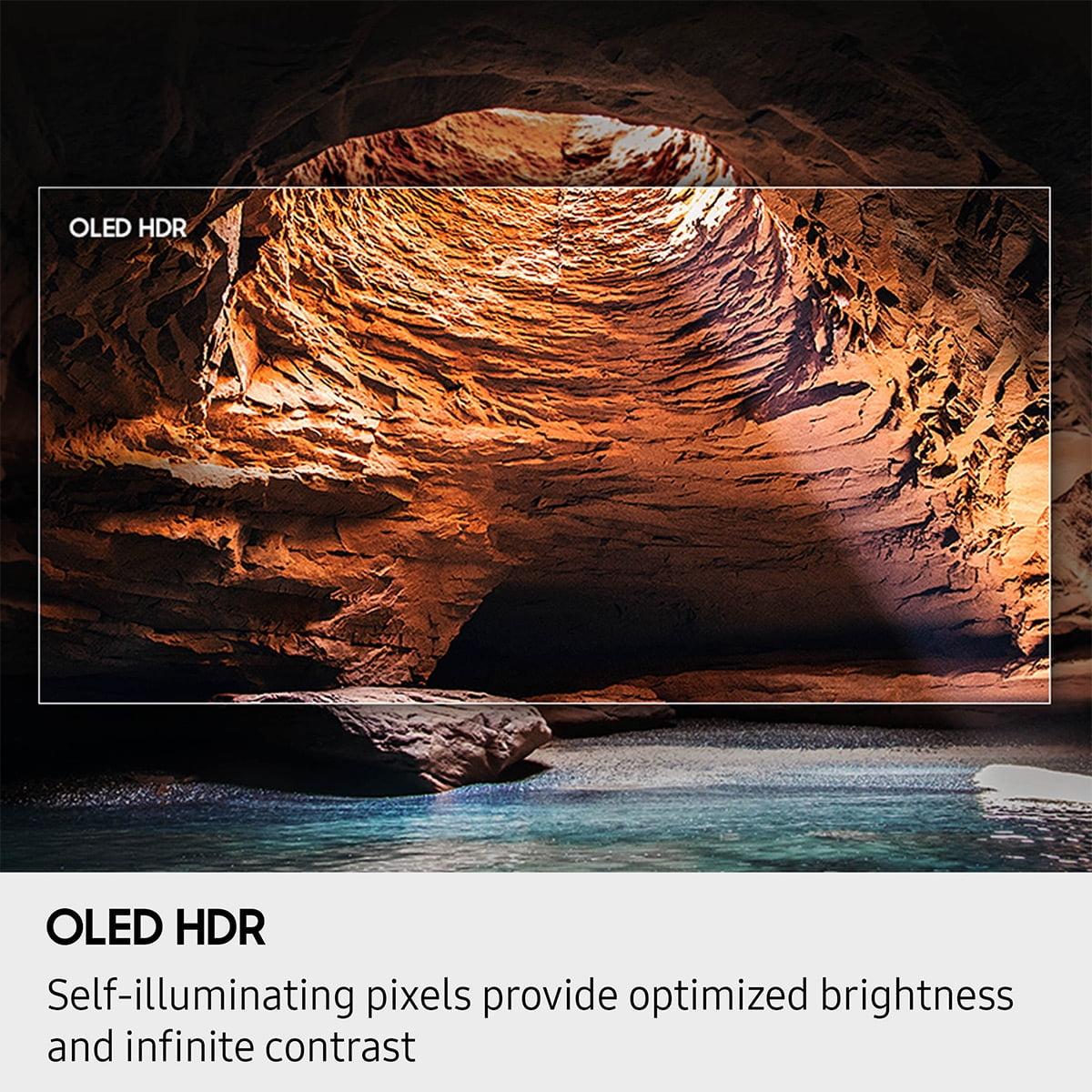
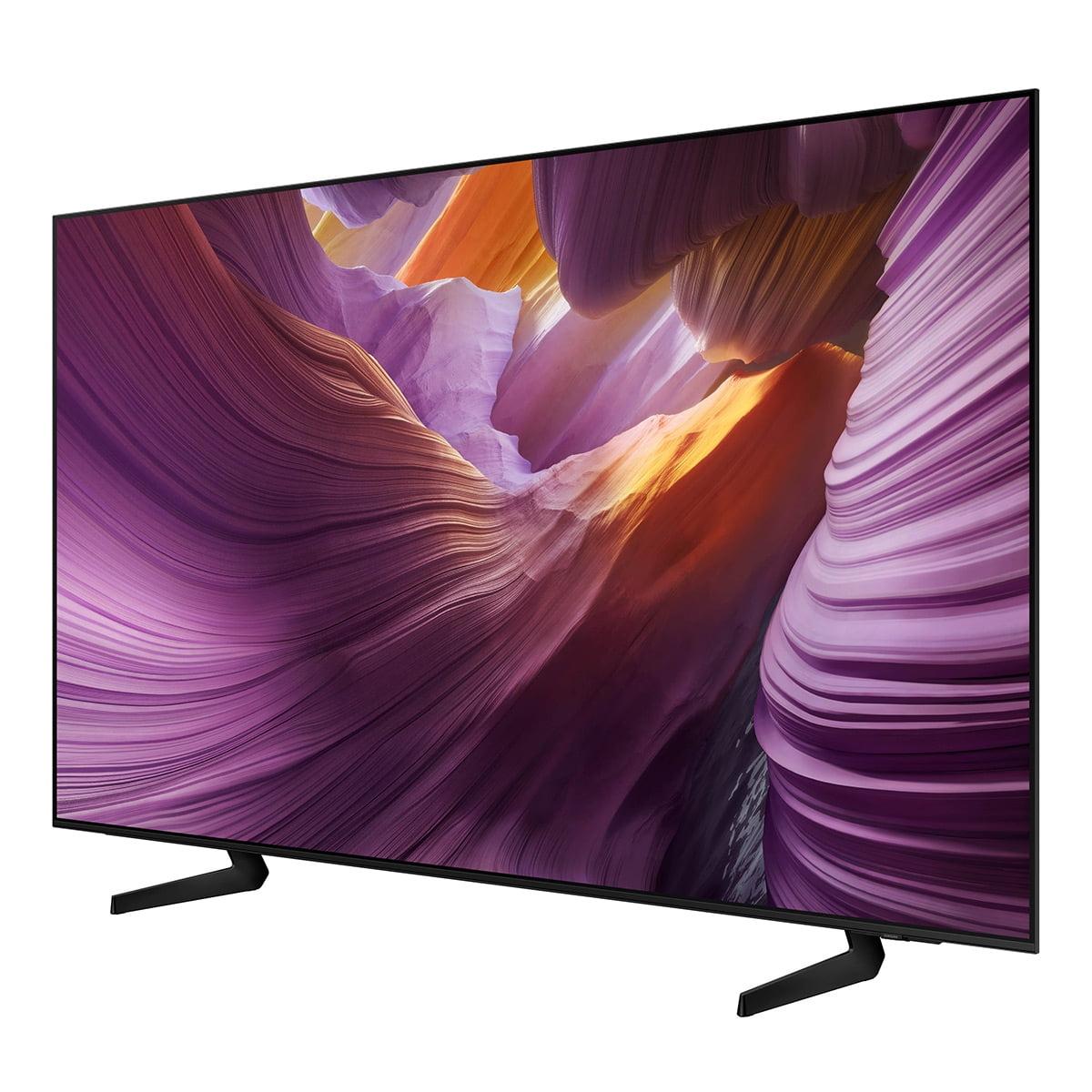
The Samsung S85F OLED takes a completely different approach. OLED stands for Organic Light-Emitting Diode, meaning each pixel creates its own light. When a pixel needs to be black, it simply turns off completely. Samsung's version adds quantum dots to traditional OLED technology, creating what they call QD-OLED. This combination aims to deliver OLED's perfect blacks while achieving brighter, more vibrant colors.
Having tested both technologies extensively, I can tell you each has distinct advantages. Mini LED excels in bright rooms where you need the TV to compete with sunlight streaming through windows. OLED shines (pun intended) in dark rooms where those perfect blacks create an almost cinematic experience.
This is where the TCL QM8K truly flexes its muscles. With peak brightness reaching up to 5,000 nits in small highlights, it's among the brightest consumer TVs ever made. To put this in perspective, a typical sunny day measures around 100,000 nits, while indoor lighting ranges from 100-500 nits. The QM8K's 5,000-nit peaks mean HDR (High Dynamic Range) content—think explosions in action movies or bright sunsets—will have genuine impact.
The Samsung S85F OLED, while impressive for an OLED, reaches about 2,250 nits in small highlights. More importantly, when the entire screen needs to be bright (like a snow scene or bright sky), the TCL maintains over 800 nits while the Samsung drops to around 250-350 nits. This difference is immediately noticeable in real-world use.
I've found this brightness advantage particularly valuable during daytime viewing. Sports on Saturday afternoons, news programs, or even just navigating the smart TV interface feel more vibrant and easier to see on the TCL. The Samsung requires more controlled lighting to truly shine.
However, brightness isn't everything. The Samsung's perfect blacks create contrast that can make even moderate brightness levels appear more dramatic. It's the difference between a powerful flashlight and a perfectly dark room—both contribute to the overall visual impact.
Here's where the Samsung S85F OLED demonstrates why this technology commands premium pricing. When an OLED pixel needs to display black, it simply turns off. No light bleeds through, no subtle gray tint—just perfect, inky black. This creates what's technically called infinite contrast ratio.
The TCL QM8K, despite its impressive Mini LED backlighting with up to 3,800 dimming zones, still can't achieve perfect blacks. Light inevitably bleeds slightly from neighboring zones, creating what we call "black crush" or subtle gray tinting in dark scenes. However, TCL has done excellent work minimizing this issue. Their "Halo Control System" uses advanced algorithms and precise dimming to reduce blooming (unwanted light around bright objects on dark backgrounds) to barely noticeable levels.
For home theater enthusiasts, this difference matters significantly. Dark movie scenes—think space movies, horror films, or dramatic night scenes—simply look more authentic on the Samsung. The absence of any light pollution creates depth and dimensionality that's hard to replicate with backlit displays.
That said, the TCL's performance in dark rooms is far better than previous generations of LCD TVs. Unless you're comparing them side-by-side, many viewers won't notice the difference in typical mixed content.
Both TVs excel in color reproduction but take different approaches. The TCL QM8K delivers what I'd call "vivid realism"—colors that pop with energy and vibrancy. It covers 97% of the DCI-P3 color gamut (the standard used in movie theaters), meaning it can reproduce nearly all colors you'd see in Hollywood films.
The quantum dot layer in the TCL enhances color saturation, making greens more vivid, reds more intense, and blues more striking. This works beautifully for sports, nature documentaries, and action movies where you want colors to have impact. However, out of the box, the TCL can sometimes oversaturate skin tones or make certain scenes look less natural than intended.
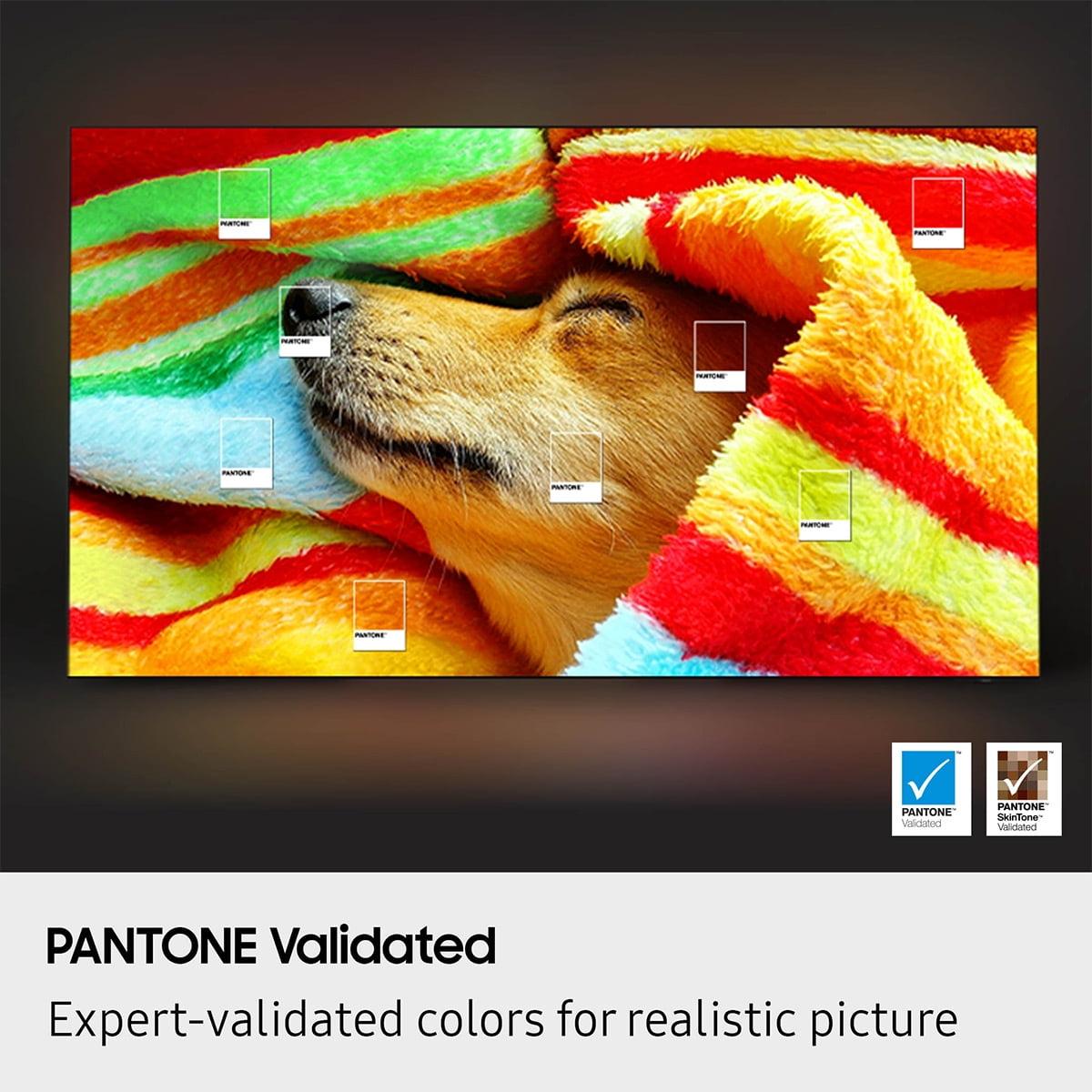
The Samsung S85F OLED takes a more refined approach. Being Pantone Validated means it can accurately reproduce over 2,140 colors exactly as the Pantone color matching system defines them. This translates to more natural, film-accurate color reproduction. Skin tones look more lifelike, and the overall image has a more organic feel.
For home theater purists, the Samsung's color accuracy is preferable. For general viewing, especially sports and gaming, many users prefer the TCL's more punchy presentation. It's worth noting that both TVs offer extensive calibration options, so you can tune them to your preferences.
Modern gaming demands have pushed both manufacturers to optimize for console and PC gaming. The TCL QM8K offers impressive gaming specifications with its 144Hz native refresh rate and Game Accelerator 288 technology, which can handle Variable Refresh Rate (VRR) up to 288Hz. This means games can display up to 288 frames per second with perfectly smooth motion.
The TCL also includes gaming-specific features like Shadow Enhancer (brightens dark areas to spot enemies), Aiming Aid (highlights crosshairs), and comprehensive Auto Game Mode switching. For competitive gaming, these features can provide genuine advantages.
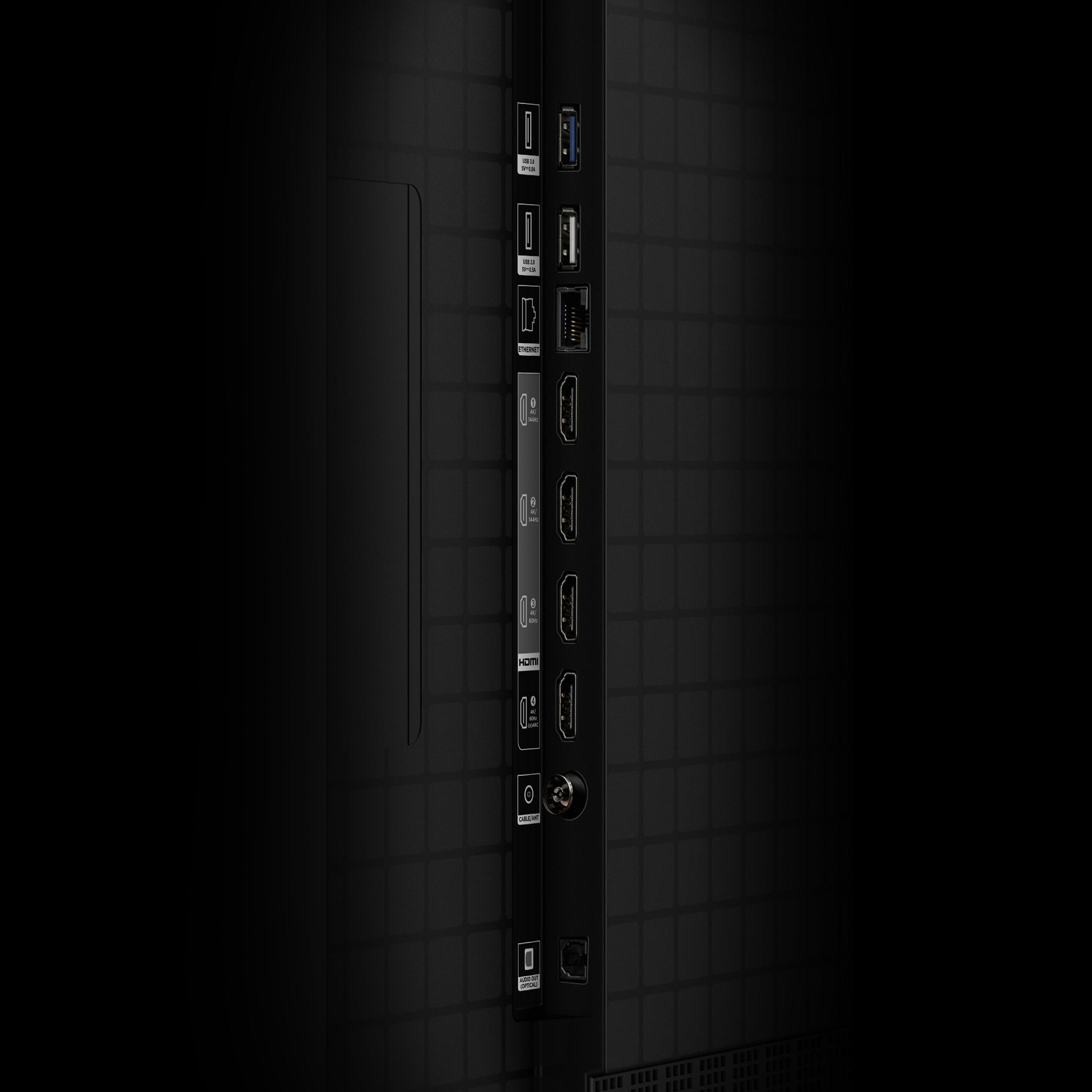
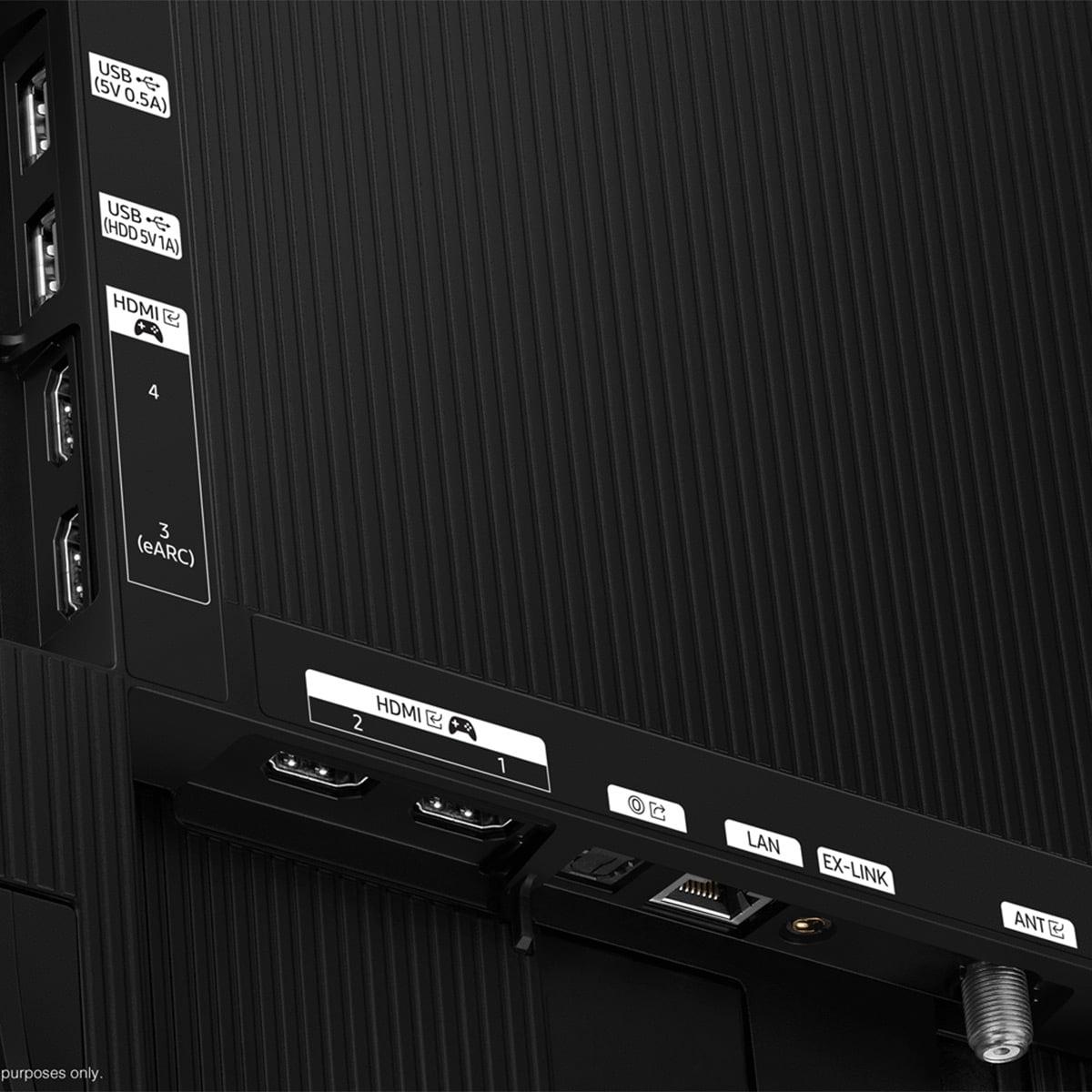
The Samsung S85F OLED approaches gaming differently. While it "only" supports 120Hz, it offers near-instantaneous response times—the speed at which pixels change from one color to another. This eliminates motion blur and creates incredibly crisp movement during fast-paced gaming. All four HDMI ports support 4K at 120Hz, providing flexibility for multiple gaming devices.
Having tested both with various consoles, I'd give the edge to the Samsung for single-player, cinematic games where perfect blacks and natural colors enhance immersion. The TCL wins for competitive gaming where brightness, high refresh rates, and gaming-specific features matter more.
The smart TV experience has become increasingly important as streaming dominates entertainment consumption. The TCL QM8K runs Google TV, which provides excellent integration with Google services, comprehensive app selection, and intuitive voice control. The interface is clean and responsive, making it easy to find content across multiple streaming services.
The Samsung S85F OLED uses Tizen OS, Samsung's proprietary platform. While it lacks some Google integration, it offers excellent performance and unique features like SmartThings/Matter Hub integration for smart home control. The Gaming Hub provides access to cloud gaming services, essentially turning your TV into a gaming console.
Both platforms perform well in daily use, though Google TV feels more familiar to Android users while Tizen offers deeper integration with Samsung's ecosystem.
TV audio often gets overlooked, but both models include noteworthy improvements. The TCL features Audio by Bang & Olufsen with Dolby Atmos support, creating more immersive sound than typical TV speakers. The Samsung includes Object Tracking Sound Lite and Q-Symphony, which can sync with compatible Samsung soundbars for enhanced audio.
While both offer decent built-in audio, serious home theater enthusiasts should plan for external audio solutions. The improved audio systems serve as good placeholders until you add a dedicated soundbar or surround system.
This is where the conversation gets interesting. The TCL QM8K at $998 delivers flagship-level brightness and gaming features at nearly half the price of the Samsung. For many buyers, this represents exceptional value—you're getting premium HDR performance without premium pricing.
The Samsung S85F OLED at $1,599-$1,999 costs significantly more but delivers the OLED experience that many consider the gold standard for home theater. The question becomes: is perfect black performance worth the premium?
Having lived with both technologies, I can say the answer depends entirely on your viewing habits and room setup. In my bright living room, the TCL's superior brightness makes it more versatile throughout the day. In a dedicated home theater with controlled lighting, the Samsung's perfect blacks create a more cinematic experience.
For dedicated home theater rooms, several factors tip the scales toward the Samsung S85F OLED. Perfect blacks are crucial for cinematic immersion, especially in dark viewing environments. The wide viewing angles mean everyone in the room gets consistent picture quality, important for theater seating arrangements.
However, the TCL shouldn't be dismissed for home theater use. Its exceptional brightness means HDR content has genuine impact, and its color performance can be calibrated for accuracy. The significant cost savings could fund other theater improvements like better audio or seating.
Choose the TCL QM8K if you:
Choose the Samsung S85F OLED if you:
Both TVs represent excellent choices in 2025's premium TV market, but they serve different needs. The TCL QM8K delivers flagship performance at an accessible price point, making premium features available to more buyers. The Samsung S85F OLED provides the refined OLED experience that many consider the pinnacle of display technology.
Your choice ultimately depends on your room, viewing habits, and budget. The TCL offers better value and bright room performance, while the Samsung provides superior dark room viewing and color accuracy. Both will deliver years of excellent entertainment, just through different technological approaches.
In my experience, you can't go wrong with either choice—they're both remarkable achievements in display technology. The real winner is consumers, who now have access to previously expensive premium features at more accessible price points than ever before.
| TCL 65" QM8K Series QD-Mini LED 4K Smart TV | Samsung 65" S85F OLED 4K Smart TV (2025) |
|---|---|
| Price - Major factor in premium TV decision | |
| $998 (exceptional value for flagship features) | $1,599-$1,999 (premium OLED pricing) |
| Display Technology - Fundamental difference affecting all performance | |
| QD-Mini LED (LCD with quantum dots and mini LED backlighting) | QD-OLED (self-emissive pixels with quantum dot enhancement) |
| Peak Brightness - Critical for HDR impact and bright room viewing | |
| Up to 5,000 nits (highlights), >800 nits full-screen | ~2,250 nits (highlights), 250-350 nits full-screen |
| Black Levels - Determines contrast and dark room performance | |
| Very good with minimal blooming (not perfect black) | Perfect blacks with infinite contrast ratio |
| Refresh Rate - Important for gaming and sports | |
| 144Hz native with Game Accelerator 288 (up to 288Hz VRR) | 120Hz with VRR and near-instant response times |
| Color Performance - Affects realism and viewing preference | |
| 97% DCI-P3, vivid and punchy (may need calibration) | Pantone Validated, natural and film-accurate |
| Gaming Features - Console and PC gaming optimization | |
| 288Hz VRR, Shadow Enhancer, Aiming Aid, Auto Game Mode | 4K 120Hz on all HDMI ports, ALLM, FreeSync Premium |
| Smart Platform - Daily usability and app ecosystem | |
| Google TV with voice control and Chromecast built-in | Tizen OS with SmartThings Hub and Gaming Hub |
| Viewing Angles - Important for group viewing and room layout | |
| Good but some color/contrast loss off-center | Excellent wide viewing angles with consistent quality |
| HDR Support - Compatibility with premium content | |
| Dolby Vision IQ, HDR10+, HDR10, HLG | HDR10+ Adaptive, HDR10 (no Dolby Vision) |
| Audio System - Built-in sound quality | |
| Bang & Olufsen with Dolby Atmos | Object Tracking Sound Lite, Q-Symphony, Adaptive Sound Pro |
| Best Use Case - Optimal viewing scenarios | |
| Bright rooms, sports/gaming, maximum HDR impact | Dark rooms, movies, color accuracy, group viewing |
The TCL 65" QM8K Series QD-Mini LED 4K Smart TV is significantly better for bright rooms. With peak brightness up to 5,000 nits and over 800 nits full-screen brightness, it can easily compete with sunlight and ambient lighting. The Samsung 65" S85F OLED 4K Smart TV reaches only 250-350 nits full-screen, making it less suitable for well-lit environments.
The TCL QM8K costs $998, while the Samsung S85F OLED is priced between $1,599-$1,999. This makes the TCL about $600-$1,000 less expensive, offering exceptional value for premium features at nearly half the price of the Samsung OLED.
The Samsung S85F OLED delivers perfect black levels with infinite contrast ratio since OLED pixels turn completely off. The TCL QM8K has very good black levels with minimal blooming thanks to its advanced Mini LED backlighting, but cannot achieve the perfect blacks of OLED technology.
Both TVs excel for gaming but in different ways. The TCL QM8K offers 144Hz native refresh rate with Game Accelerator 288 (up to 288Hz VRR) and gaming features like Shadow Enhancer. The Samsung S85F OLED provides near-instant response times, 4K 120Hz on all HDMI ports, and comprehensive gaming features including ALLM and FreeSync Premium.
For dedicated home theater rooms, the Samsung S85F OLED is typically preferred due to its perfect blacks, wide viewing angles, and film-accurate colors in dark environments. However, the TCL QM8K can also work well in home theaters, especially if you want maximum HDR impact and can invest the cost savings in other theater improvements.
The TCL QM8K supports Dolby Vision IQ, HDR10+, HDR10, and HLG for comprehensive HDR compatibility. The Samsung S85F OLED supports HDR10+ Adaptive and HDR10 but notably lacks Dolby Vision support, which may matter for users with extensive Dolby Vision content libraries.
The Samsung S85F OLED offers superior color accuracy with Pantone Validation and more natural, film-accurate colors out of the box. The TCL QM8K delivers vibrant, punchy colors with 97% DCI-P3 coverage but may require calibration for optimal accuracy, especially for film enthusiasts.
The TCL QM8K runs Google TV with voice control, Chromecast built-in, and extensive app selection. The Samsung S85F OLED uses Tizen OS with SmartThings Hub integration, Gaming Hub for cloud gaming, and Samsung ecosystem features. Both platforms offer excellent performance and app availability.
The TCL QM8K is generally better for sports viewing due to its exceptional brightness, vibrant colors, and excellent performance in bright rooms where sports are often watched. The high refresh rate and motion processing also help with fast-moving action. The Samsung S85F OLED offers excellent motion clarity but may not be as impactful in typical sports viewing environments.
The Samsung S85F OLED has excellent wide viewing angles with consistent picture quality from any seating position, making it ideal for group viewing. The TCL QM8K has good viewing angles but experiences some color and contrast loss when viewed off-center, though this has improved significantly over previous LCD generations.
The TCL QM8K at $998 offers exceptional value, delivering flagship-level brightness and premium features at nearly half the cost of competing OLEDs. The Samsung S85F OLED provides premium OLED technology but at a significantly higher price point, making it better value only if you specifically need OLED's perfect blacks and viewing angles.
Choose the TCL QM8K if you have bright rooms, want maximum HDR impact, prioritize value, or prefer vivid colors for sports and gaming. Choose the Samsung S85F OLED if you primarily watch in dark rooms, value perfect blacks and color accuracy, need wide viewing angles for group viewing, or want the premium OLED experience regardless of cost.
We've done our best to create useful and informative comparisons to help you decide what product to buy. Our research uses advanced automated methods to create this comparison and perfection is not possible - please contact us for corrections or questions. These are the sites we've researched in the creation of this article: tomsguide.com - youtube.com - businessinsider.com - rtings.com - youtube.com - avsforum.com - avsforum.com - bestbuy.com - tcl.com - tcl.com - tcl.com - flatpanelshd.com - romomattressfurniture.com - brandsmartusa.com - pcrichard.com - tvsbook.com - tcl.com - youtube.com - prnewswire.com - tcl.com - tcl.com - rtings.com - samsung.com - youtube.com - rtings.com - youtube.com - samsung.com - bestbuy.com - avsforum.com - avsforum.com - samsung.com - displayspecifications.com - videoandaudiocenter.com - bestbuy.com - flatpanelshd.com - myallsouth.com - samsung.com - richstv.com - samsung.com - heartlandappliance.com

Privacy Policy
Terms and Conditions - Affiliate Policy
Home Security
© Copyright 2008-2026.
11816 Inwood Rd #1211, Dallas, TX 75244