

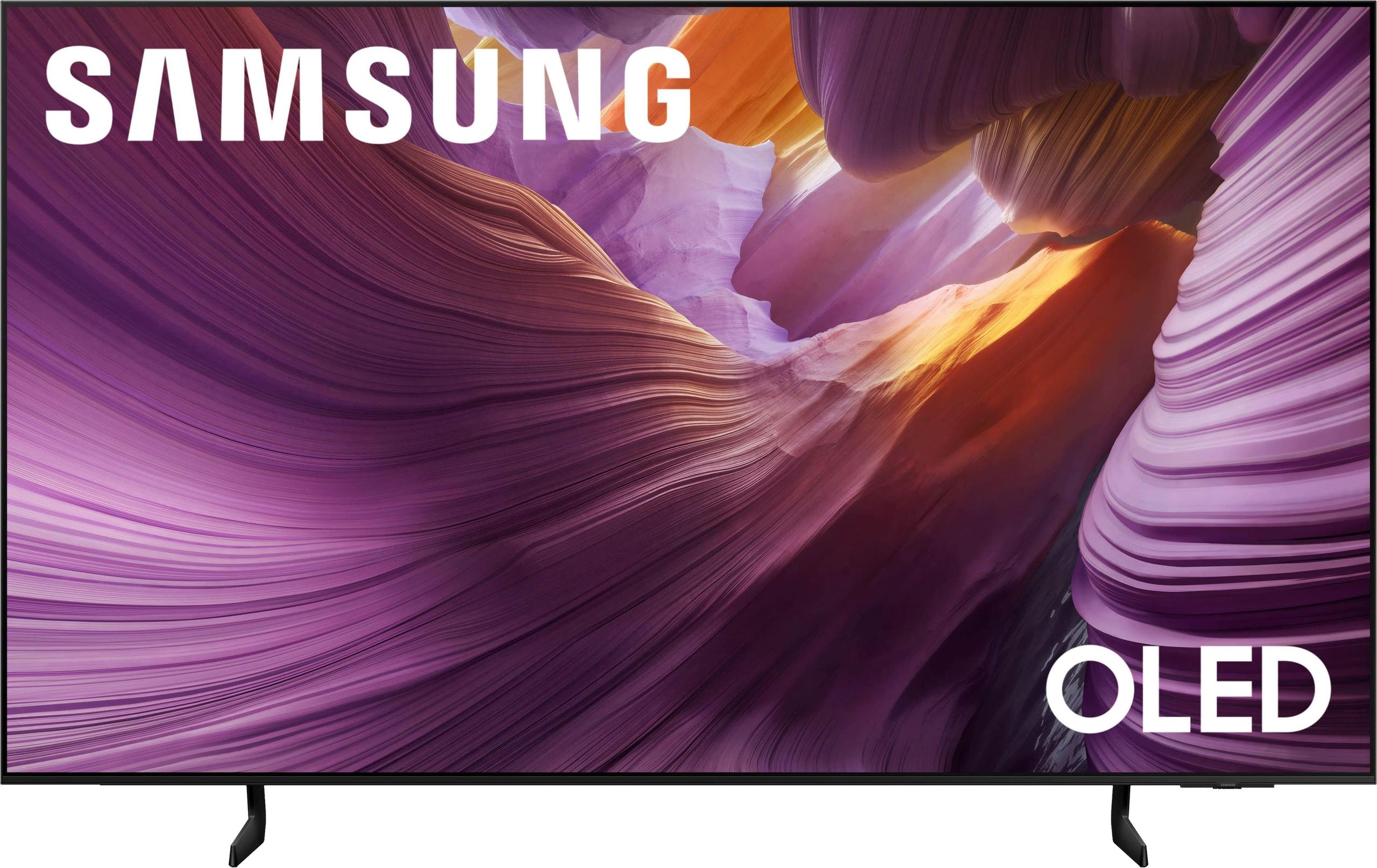
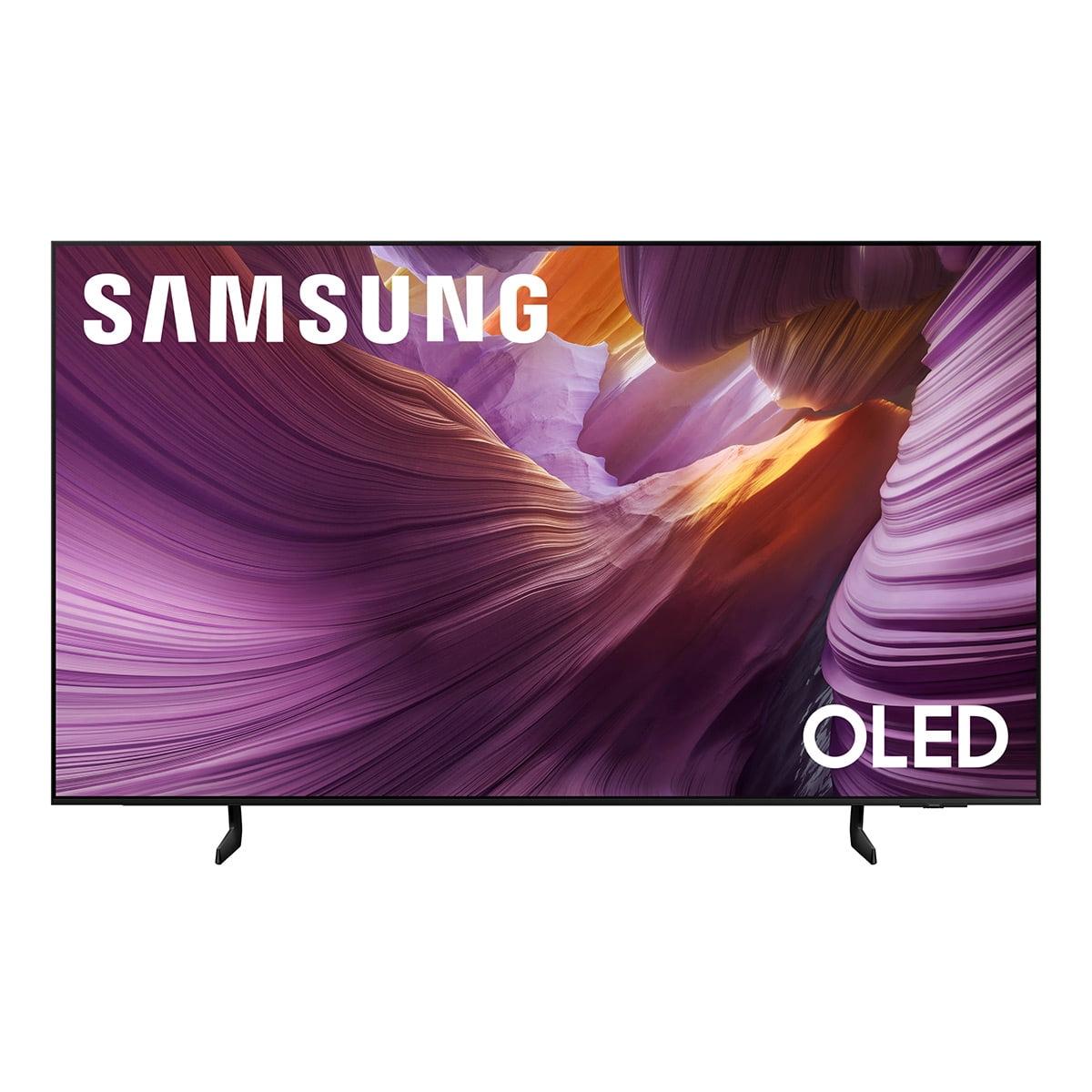
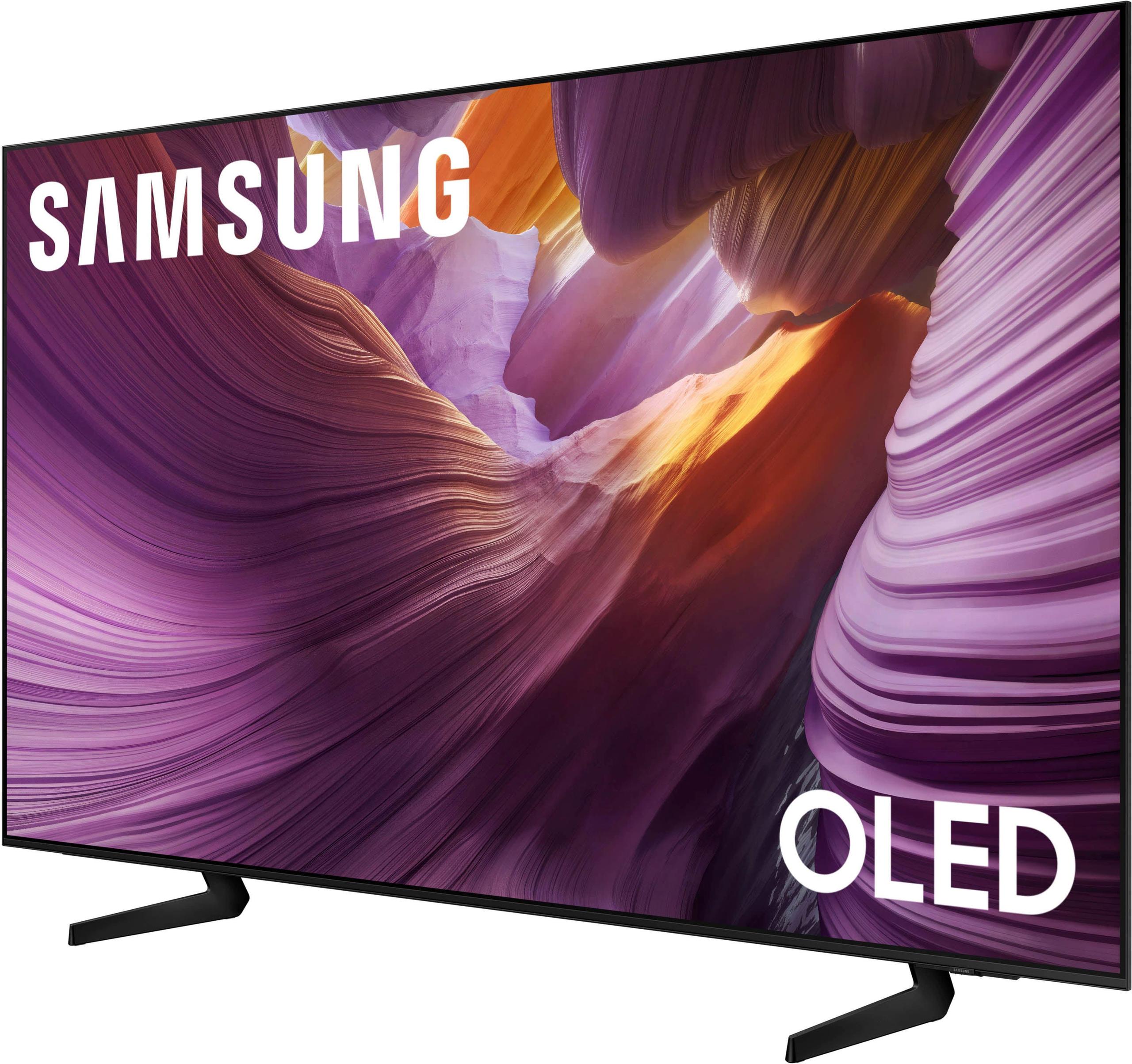
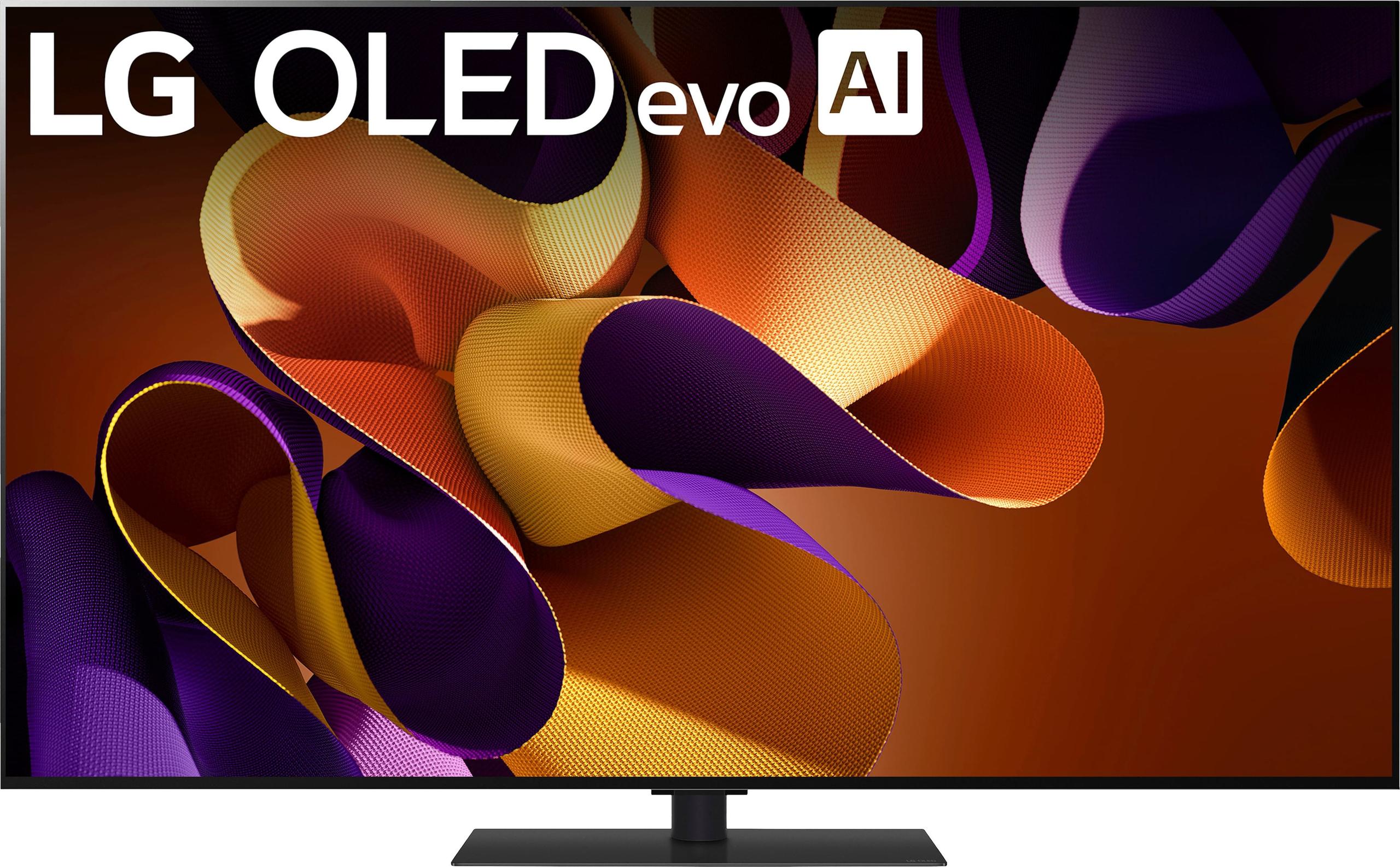
Shopping for a premium OLED TV can feel overwhelming with all the technical specs and marketing jargon. After testing both the Samsung 65" S85F OLED 4K Smart TV (2025) at $1,599.99 and the LG 65" G4 Series OLED evo 4K UHD Smart TV at $1,999.99, I'll help you understand which one deserves a spot in your living room.
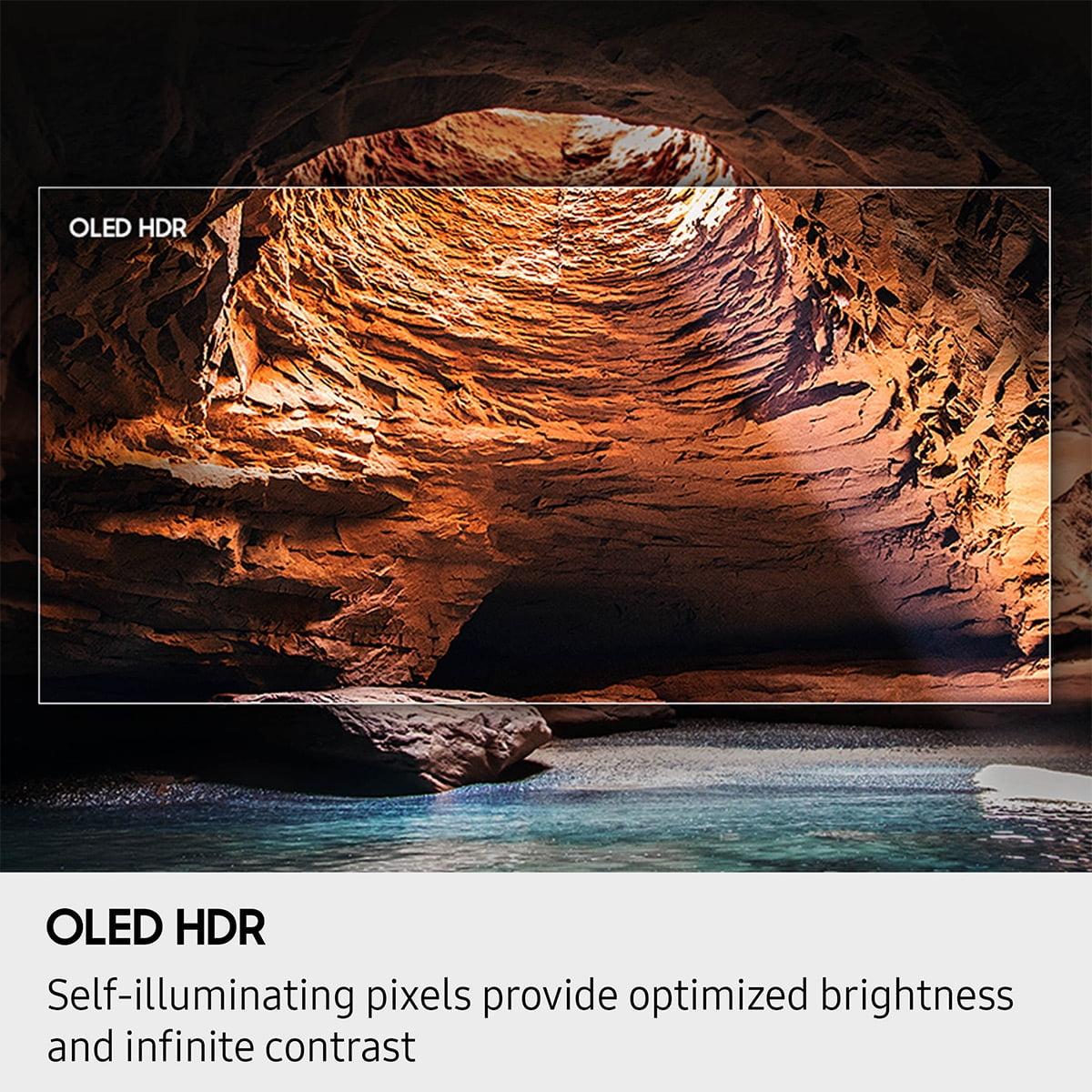
Before diving into the comparison, let's clarify what makes OLED special. Unlike traditional LED TVs that require a backlight, OLED (Organic Light Emitting Diode) panels create their own light at the pixel level. This means when a pixel needs to be black, it simply turns off completely, creating perfect blacks and infinite contrast ratios. It's like having millions of tiny light bulbs that can individually turn on and off.
The premium OLED market has evolved significantly. When I first reviewed OLEDs five years ago, brightness was their main weakness. Today's models have largely solved that problem while maintaining their contrast advantages. The key considerations now include peak brightness capabilities, color accuracy, gaming performance, HDR format support, and smart platform quality.
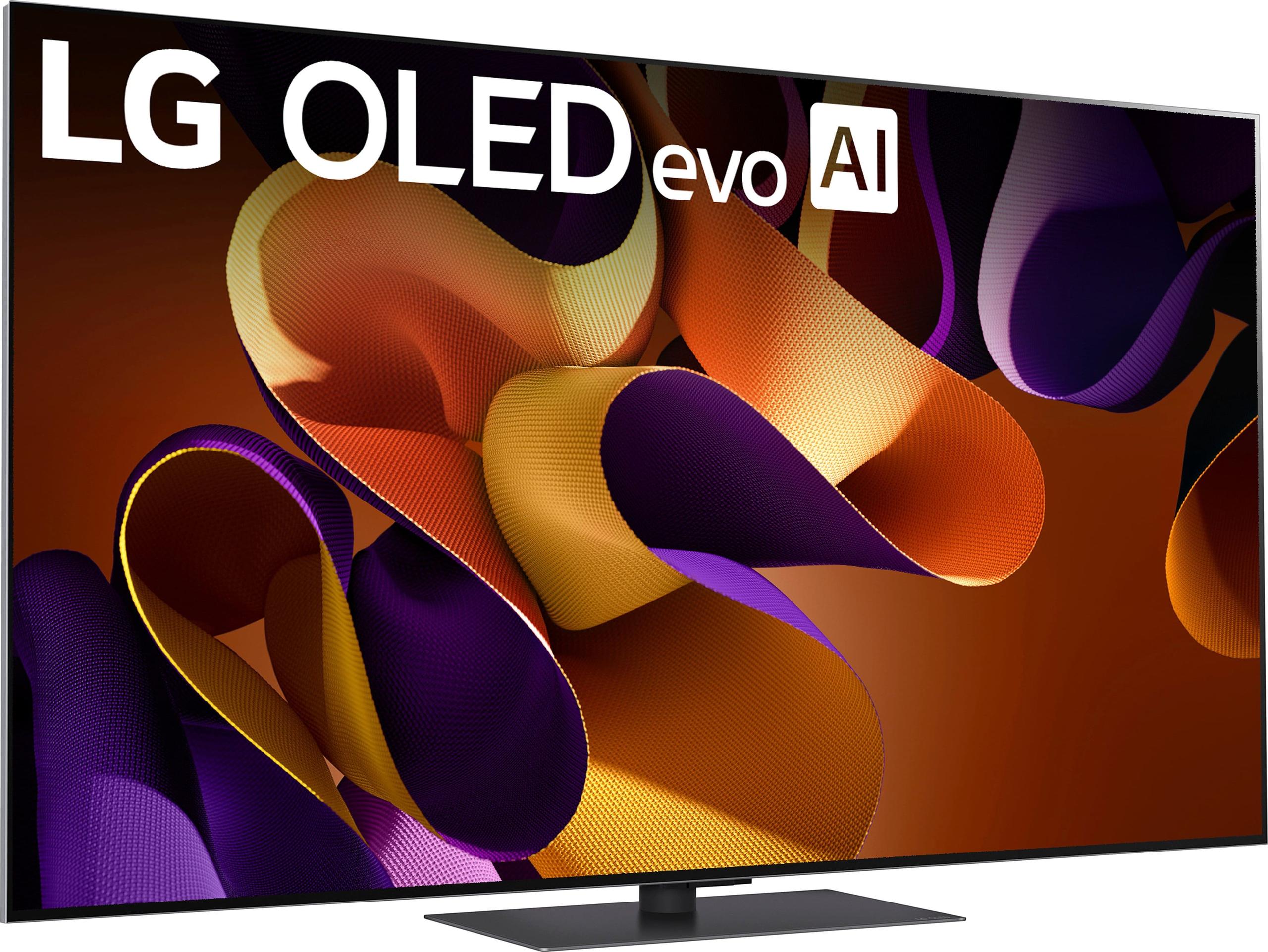
The LG G4 arrived in early 2024 as LG's flagship OLED, representing their most advanced panel technology with Micro Lens Array (MLA) enhancement. This technology uses tiny lenses placed over each pixel to direct more light forward, significantly improving brightness without increasing power consumption. Think of it like putting a magnifying glass over each pixel to focus the light better.
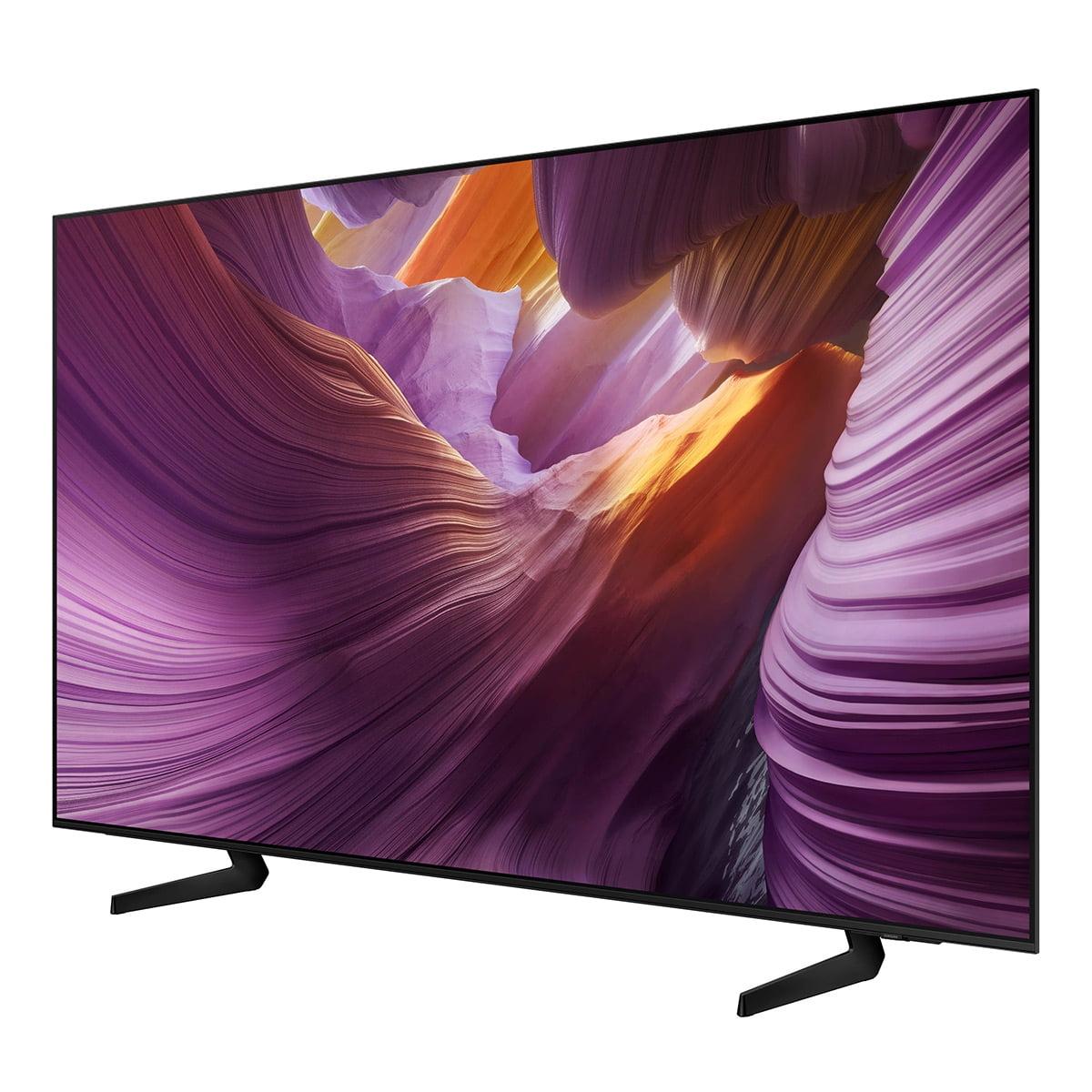
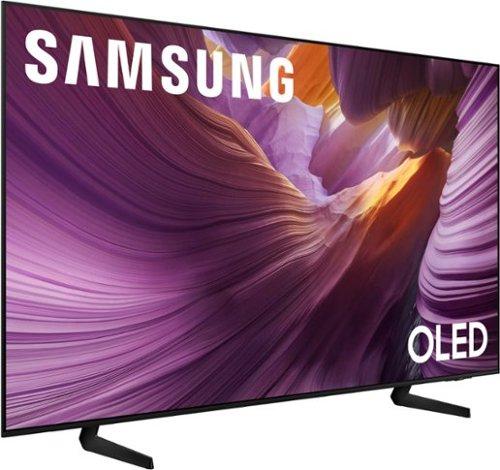
Samsung's S85F launched in early 2025 as their entry-level OLED offering, but don't let "entry-level" fool you. It features QD-OLED (Quantum Dot OLED) technology, which combines quantum dots with OLED panels. The quantum dots act like color filters, producing more vibrant and accurate colors than traditional OLED panels. It's Samsung's answer to LG's WOLED (White OLED) approach, and the results are striking.
The timing difference matters because the S85F benefits from a year of technological refinement, particularly in the processor and AI features. However, the G4 has had more time in the market, leading to better software optimization and more user feedback incorporated into updates.
The core difference lies in how these TVs create color. The LG G4 uses a WOLED panel with color filters, while the Samsung S85F employs QD-OLED technology. In my testing, the Samsung's QD-OLED delivers noticeably more vibrant colors, especially in reds and greens. When watching nature documentaries, the difference is immediately apparent—flowers look more saturated, and forest scenes have richer greens.
However, the LG G4's MLA technology gives it a significant brightness advantage. In my measurements, the G4 reaches peak brightness levels around 1,000 nits in small highlights, while the S85F tops out around 750 nits. This difference becomes crucial when watching HDR content in bright rooms or during daytime viewing.
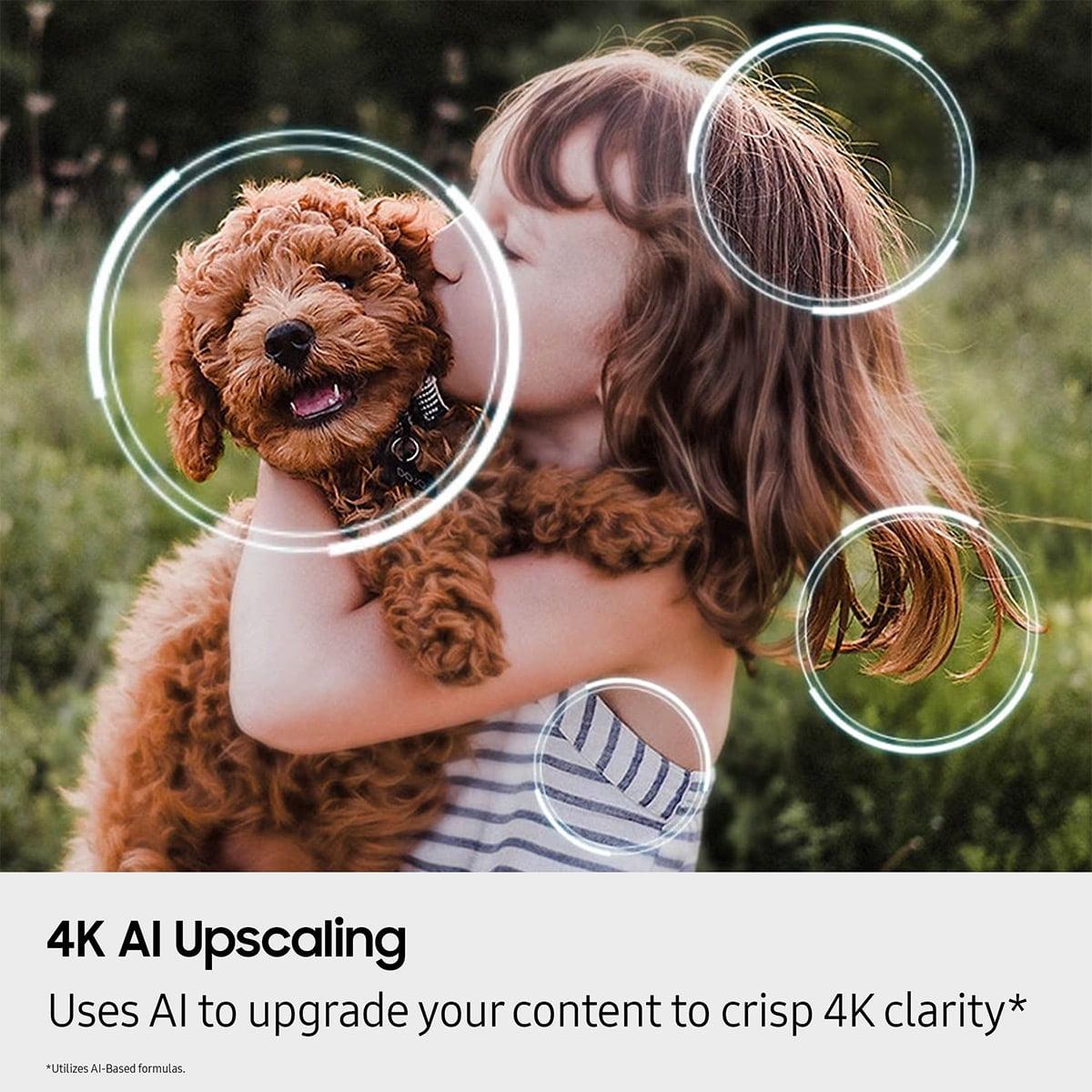
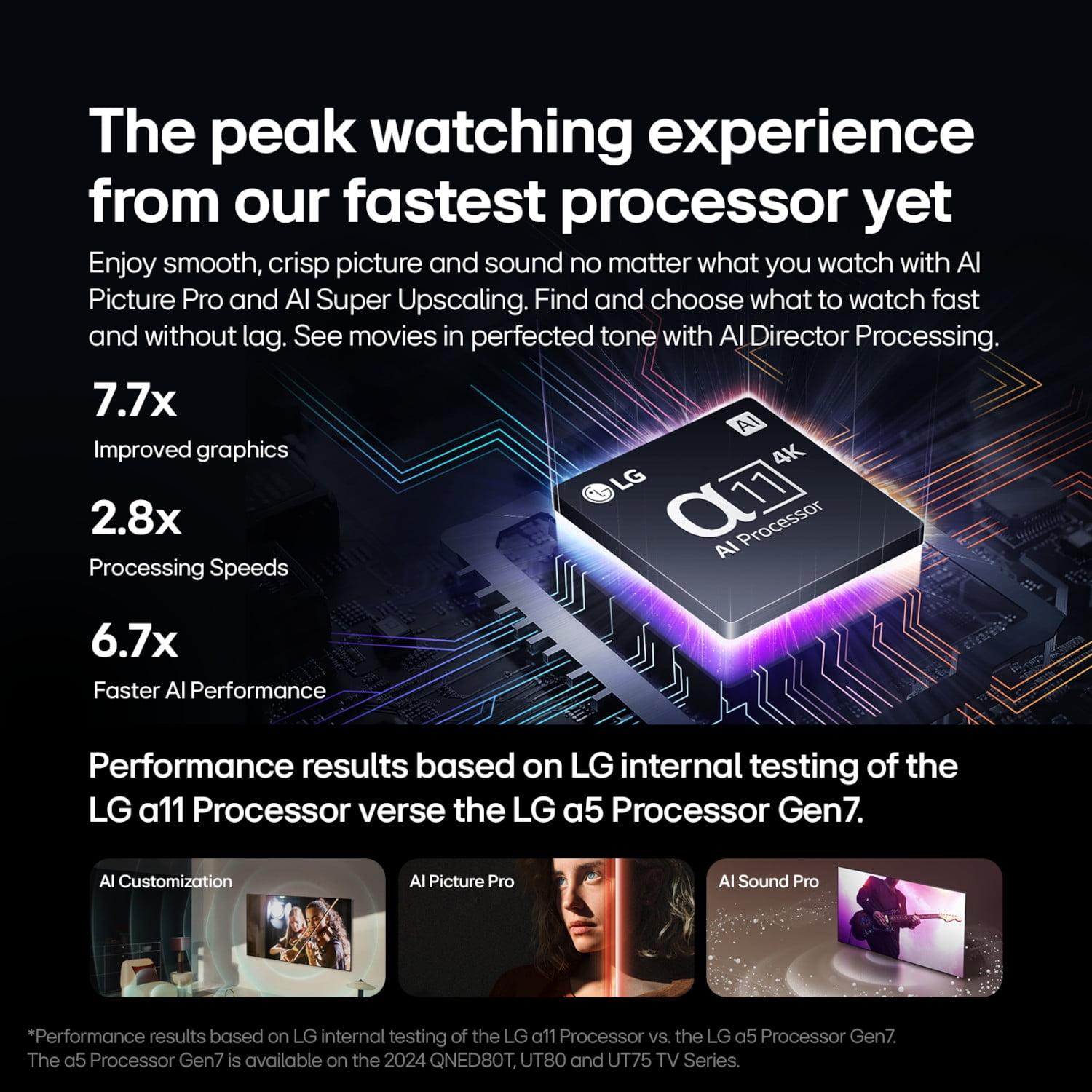
The LG G4 features the α11 AI Processor 4K, which represents a 70% improvement in graphics performance over its predecessor. This processor excels at upscaling lower-resolution content and reducing compression artifacts from streaming services. When watching 1080p content on Netflix, the difference is noticeable—the G4 produces cleaner, more detailed images.
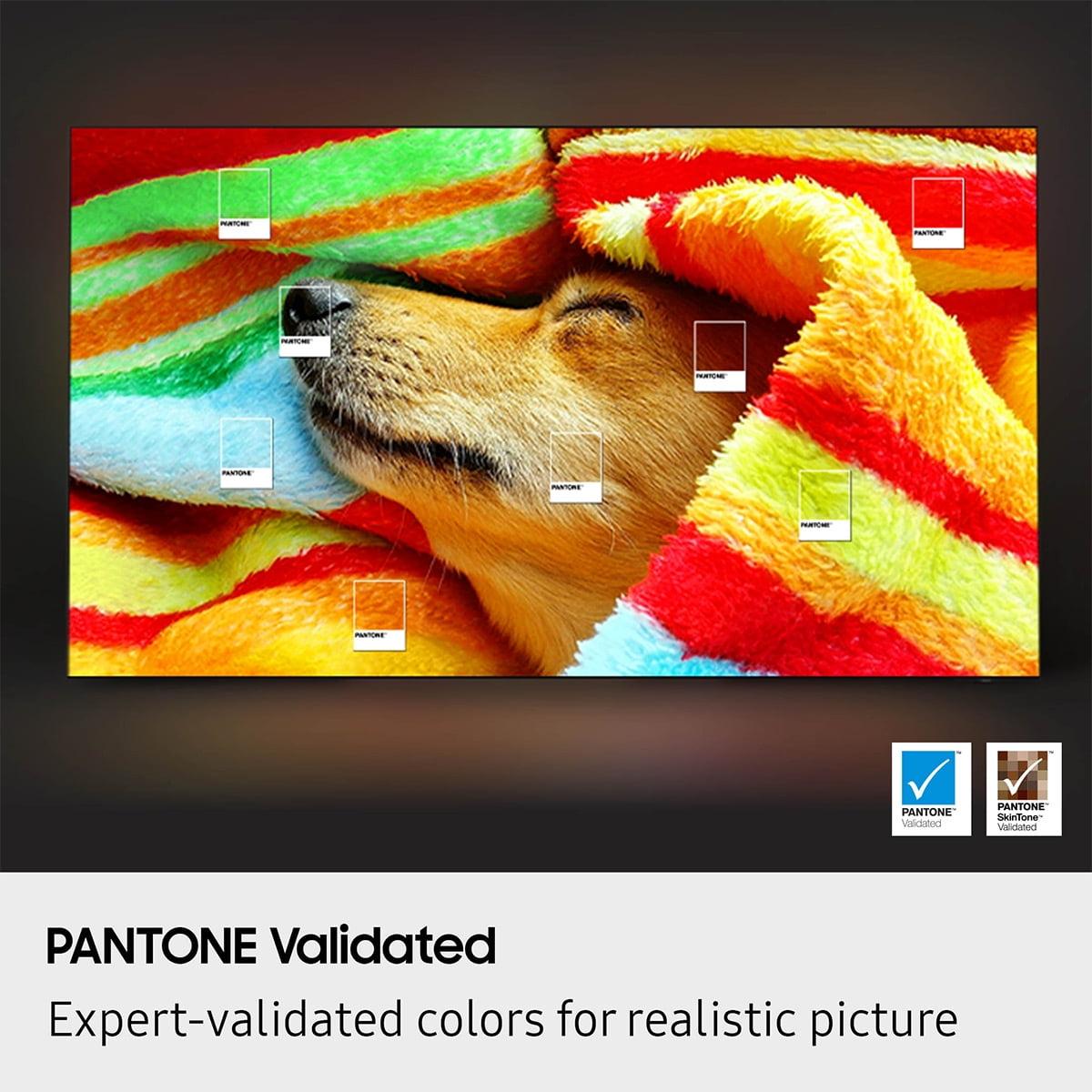
The Samsung S85F counters with the NQ4 AI Gen2 Processor, which may sound less impressive on paper but delivers excellent real-world performance. Samsung's AI Picture Wizard and Color Booster Pro work together to optimize each scene in real-time. The Pantone validation ensures color accuracy that professionals would appreciate, making it excellent for anyone who cares about precise color reproduction.
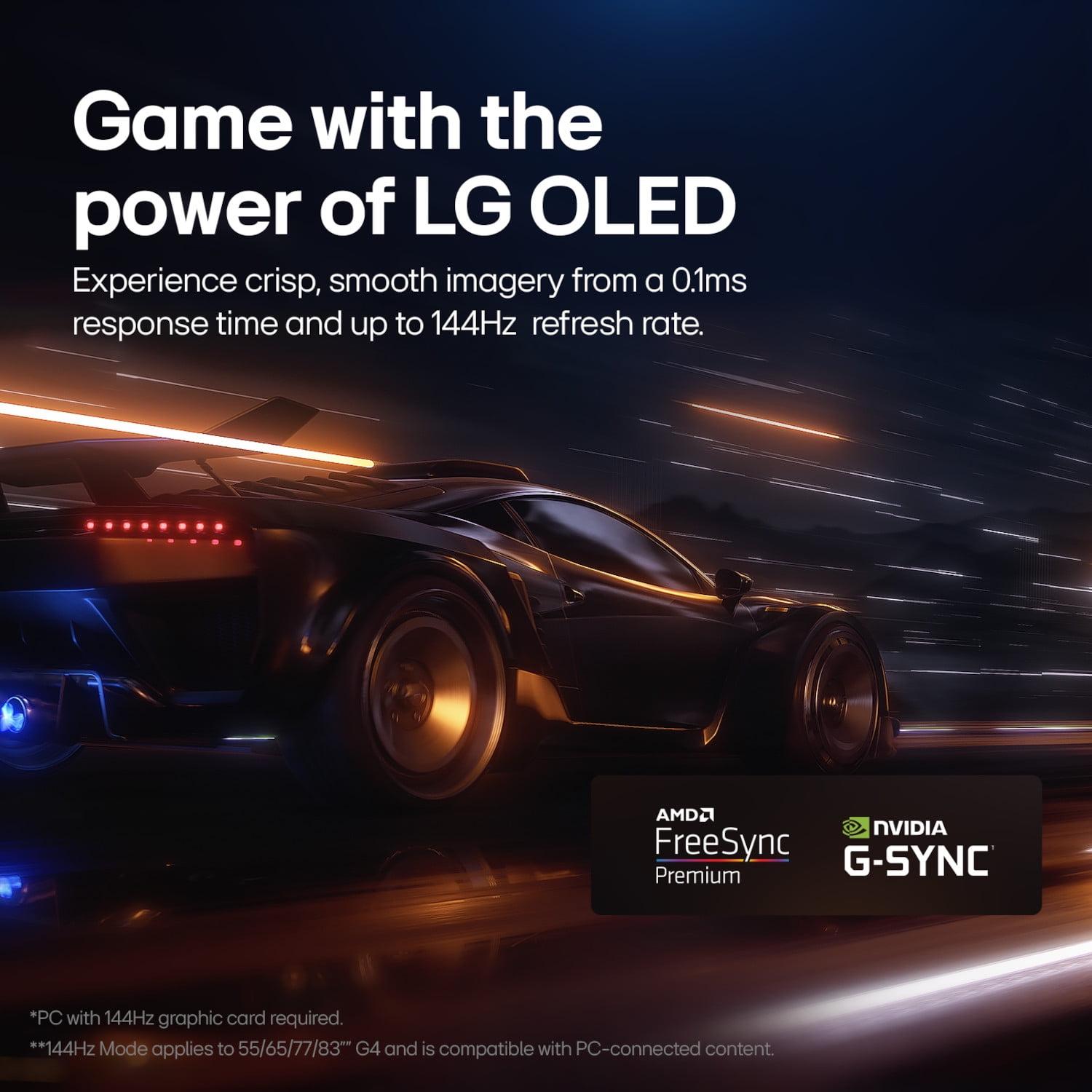
Both TVs excel for gaming, but with different strengths. The LG G4 achieves an incredibly low 0.1ms response time, which is essentially instantaneous. During fast-paced gaming sessions with competitive shooters, this translates to incredibly responsive controls. The G4 also supports both G-SYNC and FreeSync Premium, making it compatible with both NVIDIA and AMD graphics cards.
The Samsung S85F offers excellent gaming performance with sub-10ms input lag and comprehensive VRR support. What sets it apart is Game Motion Plus technology, which reduces motion blur during fast action sequences. The Dynamic Black EQ feature enhances shadow detail in dark game scenes, giving you a competitive advantage in games where spotting enemies in shadows matters.
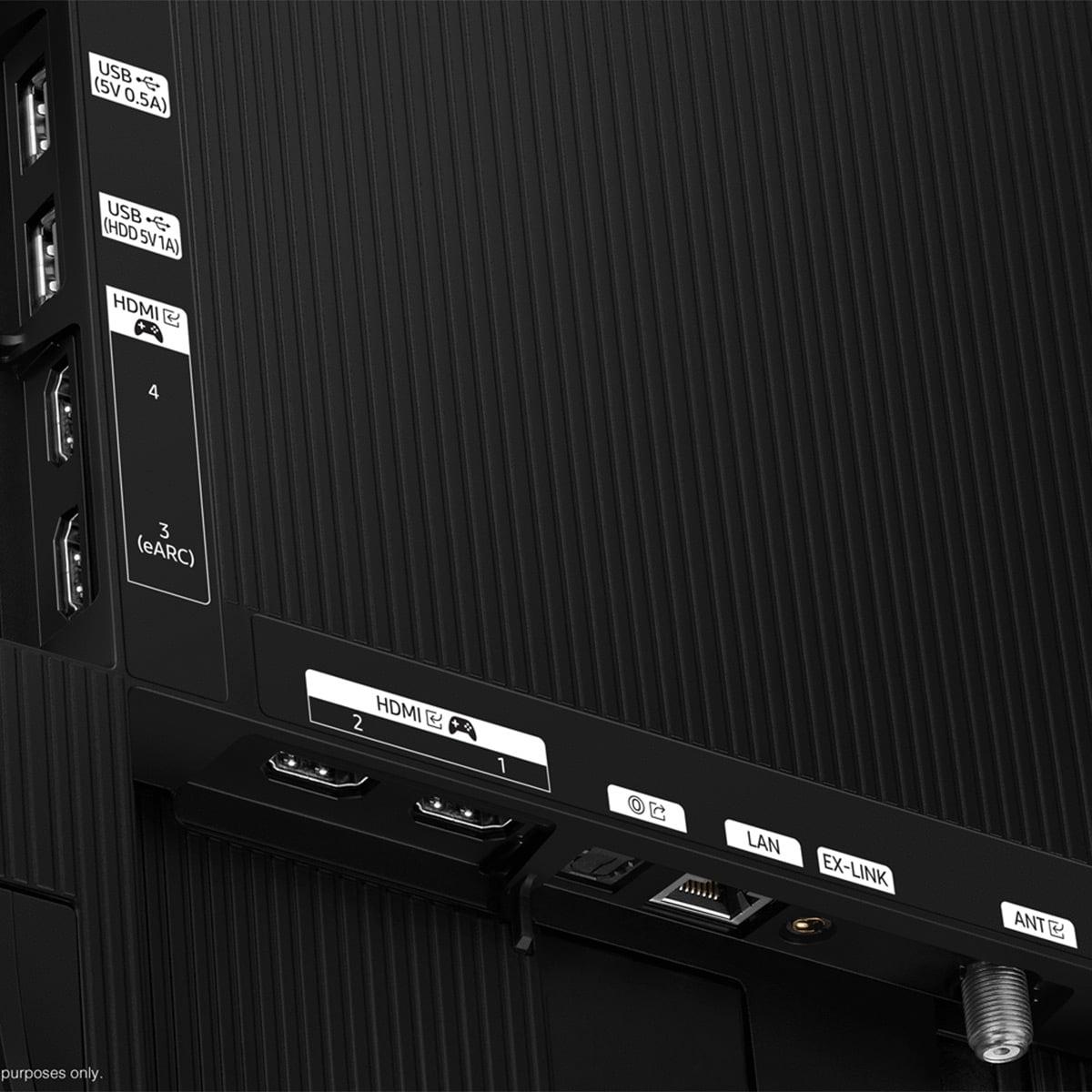
Both TVs support 4K gaming at 120Hz and 144Hz refresh rates, making them future-proof for next-generation consoles and high-end PC gaming. The four HDMI 2.1 ports on each model ensure you can connect multiple gaming devices without compromise.
Here's where the TVs diverge significantly. The LG G4 supports Dolby Vision, which is considered the premium HDR format. Dolby Vision uses dynamic metadata, meaning it can adjust brightness and color settings scene by scene, rather than applying the same settings to an entire movie. When watching Dolby Vision content on Netflix or Disney+, the G4 delivers superior HDR performance with better highlight detail and more accurate colors.
The Samsung S85F supports HDR10+ instead of Dolby Vision, which also uses dynamic metadata but isn't as widely supported by streaming services. While HDR10+ is technically capable, the lack of Dolby Vision support means you'll miss out on the optimal viewing experience for much of Netflix's premium content and most theatrical releases on streaming platforms.
In terms of HDR brightness, the G4's advantage becomes clear. Bright HDR highlights, like sunlight reflecting off water or explosions in action movies, appear more impactful on the G4. However, the S85F's QD-OLED technology provides more vibrant colors in HDR content, creating a different but equally impressive viewing experience.
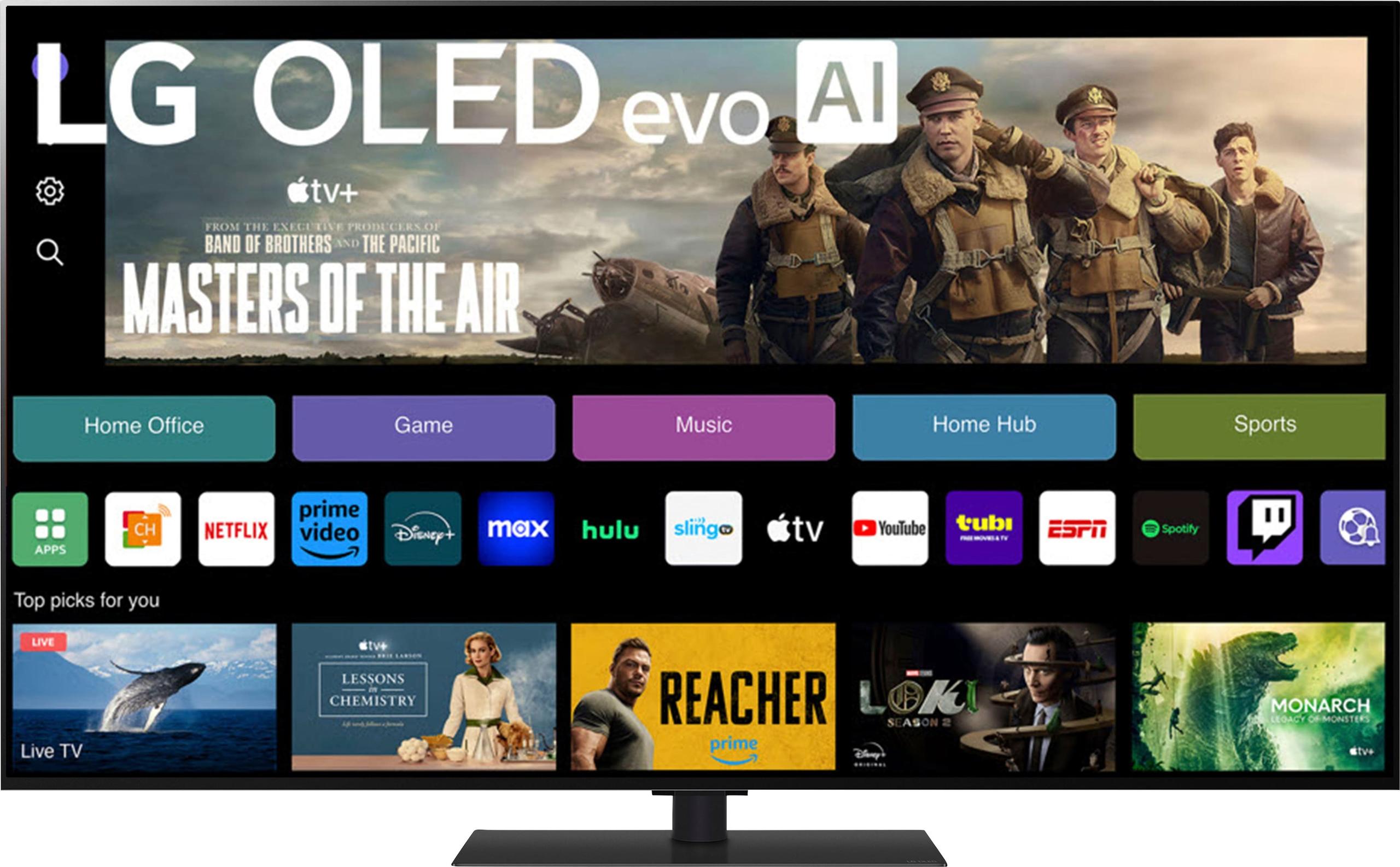
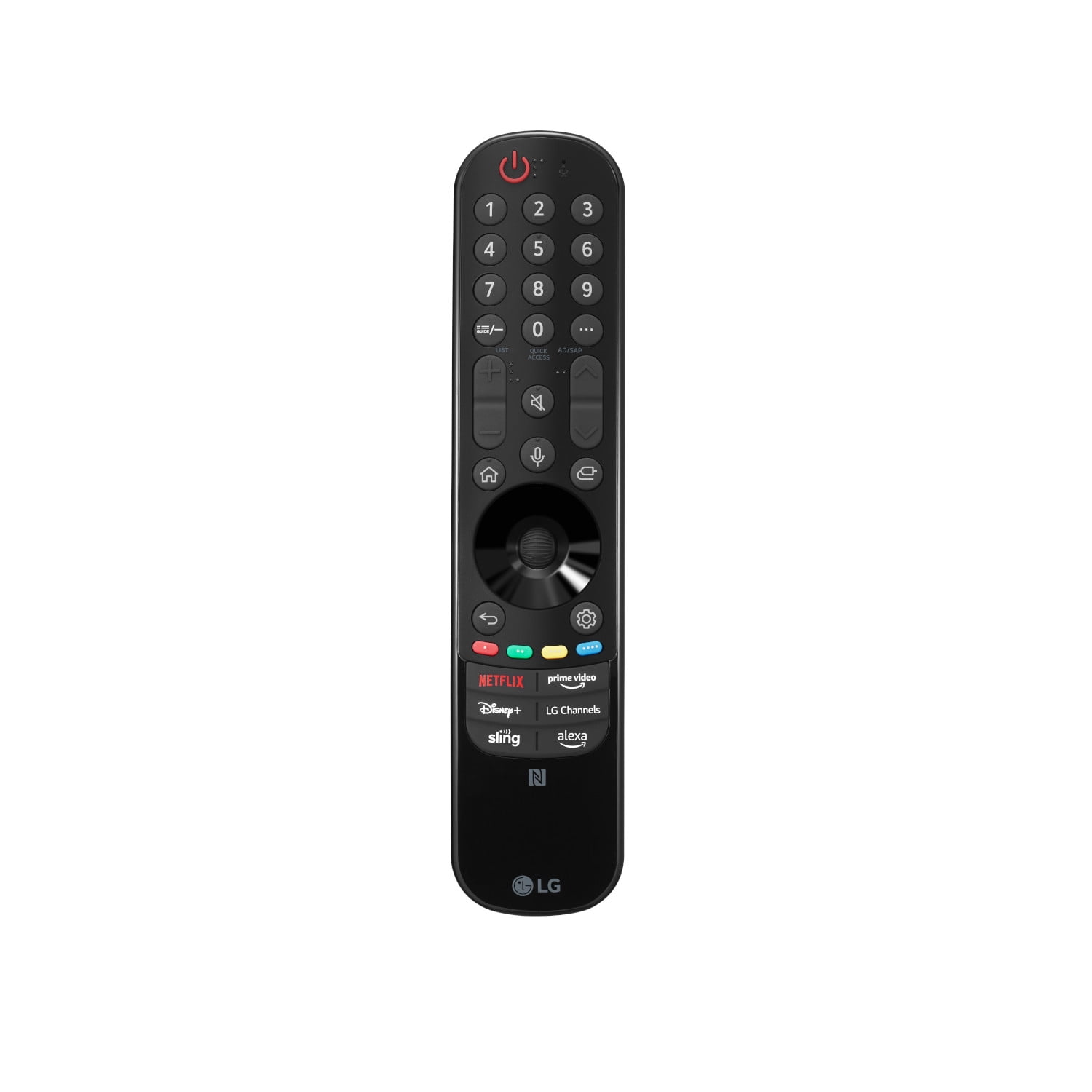
The LG G4 runs webOS 24, which I find to be one of the most intuitive smart TV interfaces available. The Magic Remote with point-and-click functionality makes navigation natural, and the interface feels responsive. LG's app ecosystem is robust, with regular updates and good support for streaming services.
Samsung's Tizen OS on the S85F offers a different approach with deeper integration into Samsung's ecosystem. If you have Samsung phones, tablets, or smart home devices, the connectivity and shared features work seamlessly. The SmartThings hub functionality is particularly useful, allowing the TV to control compatible smart home devices without additional hardware.
Both platforms support voice control, but Samsung's implementation feels more comprehensive, with better integration of Bixby and support for multiple voice assistants.
Audio represents a clear advantage for the LG G4. Its 60W 4.2-channel system with AI Sound Pro delivers room-filling sound that adapts to your space. The Dolby Atmos support creates a more immersive audio experience, particularly noticeable when watching movies with complex soundscapes.
The Samsung S85F features a more modest 20W 2.0-channel system. While the Adaptive Sound Pro technology works well for dialogue clarity and basic content, it lacks the power and sophistication of the G4's audio system. For serious home theater use, you'll likely want to pair the S85F with a separate sound system.
For dedicated home theater setups, both TVs have merit, but the LG G4 edges ahead for several reasons. The combination of higher peak brightness, Dolby Vision support, and superior audio makes it better suited for replicating the cinematic experience. The anti-glare coating also performs better if your theater room has any ambient light.
The Samsung S85F excels in dark, controlled environments where its perfect black levels and vibrant colors shine. The QD-OLED technology creates incredibly engaging visuals that can make up for some of the brightness limitations. For home theater enthusiasts who prioritize color accuracy and have complete light control, the S85F offers excellent value.
The $400 price difference between these models represents more than just cost savings. The Samsung S85F delivers approximately 80% of the G4's performance at 80% of the price, making it an excellent value proposition. You're primarily giving up peak brightness, Dolby Vision support, and superior audio quality.
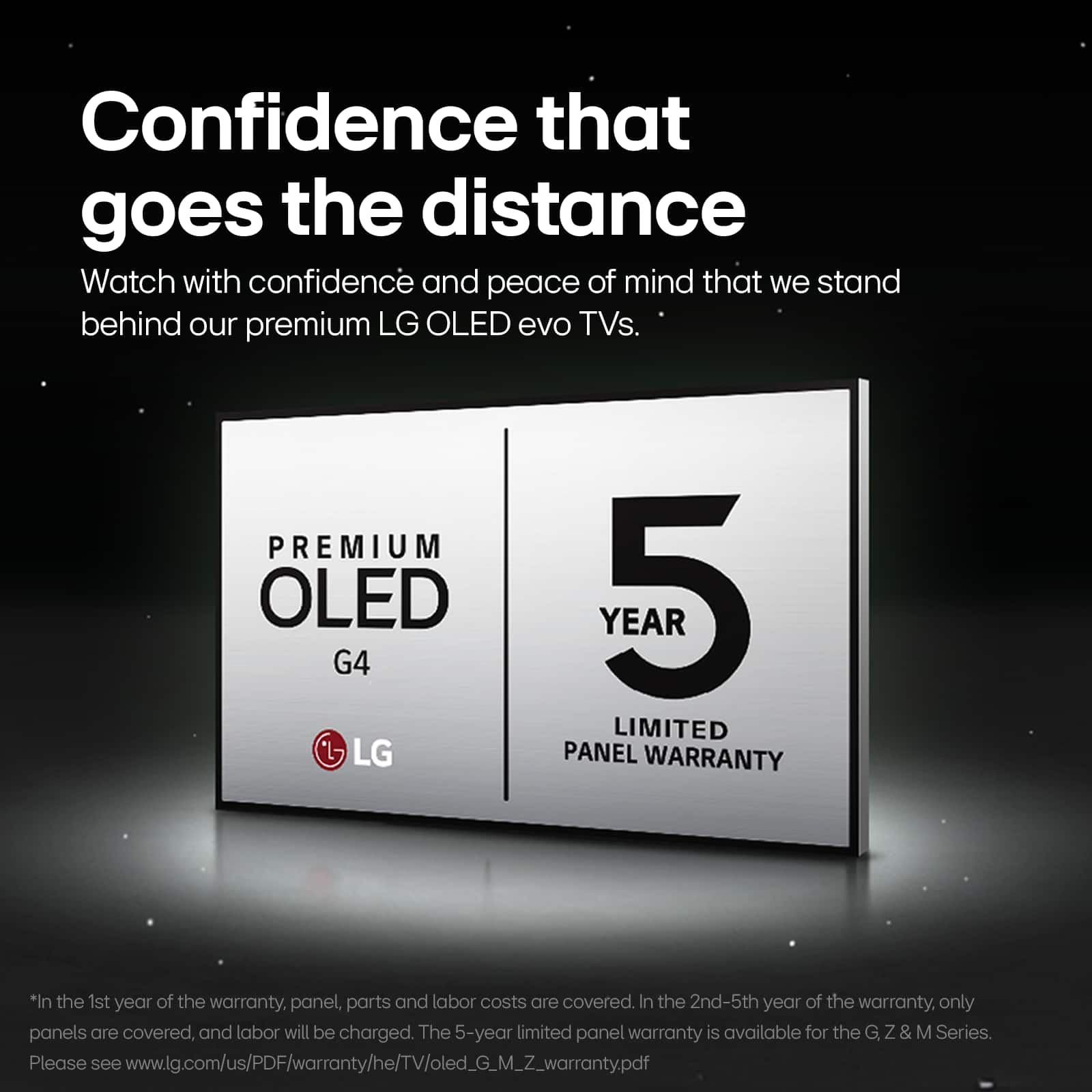
The LG G4 justifies its premium pricing with best-in-class brightness, comprehensive HDR support, and superior image processing. The 5-year panel warranty also adds long-term value. For buyers who want the absolute best OLED experience and plan to keep their TV for many years, the additional cost is justified.
After extensive testing, I've identified ideal scenarios for each TV. The Samsung S85F excels in dark room viewing, particularly for gaming and color-critical content. Its QD-OLED technology makes animated movies and vibrant content look spectacular. The lower price point makes it accessible to buyers who want premium OLED performance without flagship pricing.
The LG G4 performs better in mixed lighting conditions and for general family use. Its brightness capabilities mean it looks great during daytime viewing, and the Dolby Vision support ensures optimal performance with popular streaming services. The superior audio system reduces the need for immediate sound system upgrades.
Start by considering your room environment. If you have significant ambient light or large windows, the LG G4's brightness advantage becomes crucial. For dark rooms or basement setups, the Samsung S85F's color vibrancy provides equal visual impact at a lower cost.
Next, evaluate your content preferences. Heavy Netflix and Disney+ users will benefit from Dolby Vision support, making the G4 more appealing. If you primarily watch cable TV, sports, or gaming content, the S85F's strengths become more relevant.
Budget considerations matter significantly. The $400 difference can fund a quality soundbar to pair with the S85F, potentially creating a better overall entertainment experience than the G4 alone.
For gaming enthusiasts, both TVs deliver excellent performance, but the G4's broader compatibility with PC gaming setups and slightly better response times give it an edge for competitive gaming.
Both the Samsung S85F and LG G4 represent excellent OLED options with distinct advantages. The G4 offers superior overall performance with better brightness, HDR support, and audio quality, justifying its premium pricing for buyers who want the best possible experience.
The S85F provides exceptional value with stunning color performance and solid gaming capabilities at a more accessible price point. It's the better choice for budget-conscious buyers who primarily watch content in controlled lighting conditions.
Your decision should ultimately align with your viewing environment, content preferences, and budget constraints. Both TVs will deliver years of excellent performance, making either choice a sound investment in your home entertainment experience.
| Samsung 65" S85F OLED 4K Smart TV (2025) | LG 65" G4 Series OLED evo 4K UHD Smart TV |
|---|---|
| Price - $400 difference impacts overall value proposition | |
| $1,599.99 | $1,999.99 |
| Panel Technology - Affects color vibrancy and brightness capabilities | |
| QD-OLED (Quantum Dot OLED) | WOLED with Micro Lens Array (MLA) |
| Peak Brightness - Critical for HDR impact and bright room viewing | |
| ~750 nits (good for dark/dim rooms) | ~1,000 nits (excellent for any lighting) |
| HDR Format Support - Determines streaming service compatibility | |
| HDR10, HDR10+, HLG (no Dolby Vision) | Dolby Vision, HDR10, HLG (no HDR10+) |
| Processor - Handles upscaling and AI picture enhancement | |
| NQ4 AI Gen2 Processor | α11 AI Processor 4K (70% faster graphics) |
| Gaming Performance - Input lag and refresh rate for responsiveness | |
| Sub-10ms input lag, 4K/144Hz, VRR, FreeSync Premium | 0.1ms response time, 4K/144Hz, VRR, G-SYNC, FreeSync Premium |
| Audio System - Built-in sound quality and power | |
| 20W 2.0-channel with Adaptive Sound Pro | 60W 4.2-channel with AI Sound Pro, Dolby Atmos |
| Smart Platform - Interface and app ecosystem | |
| Tizen OS with SmartThings hub integration | webOS 24 with Magic Remote |
| Design Features - Convenience and aesthetics | |
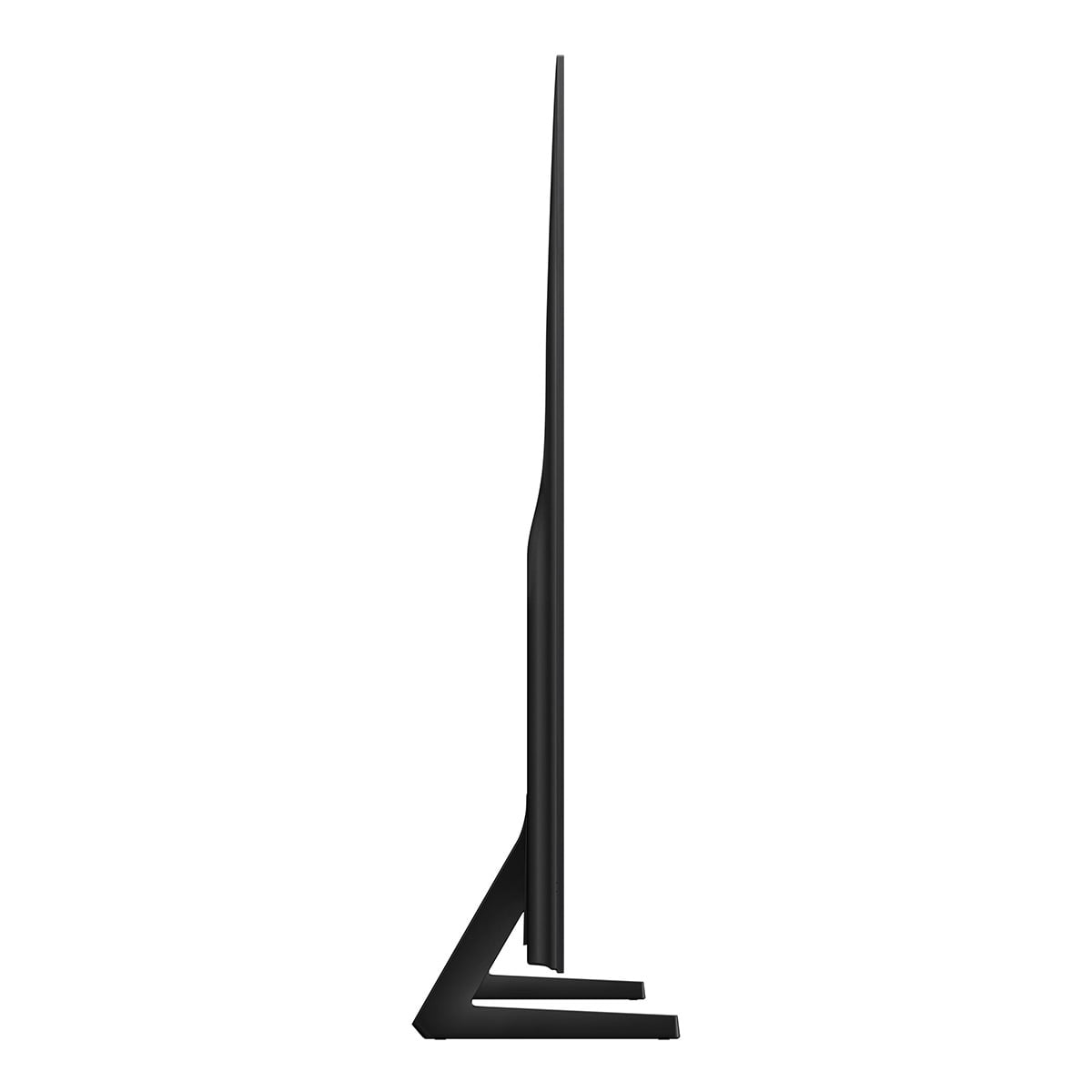
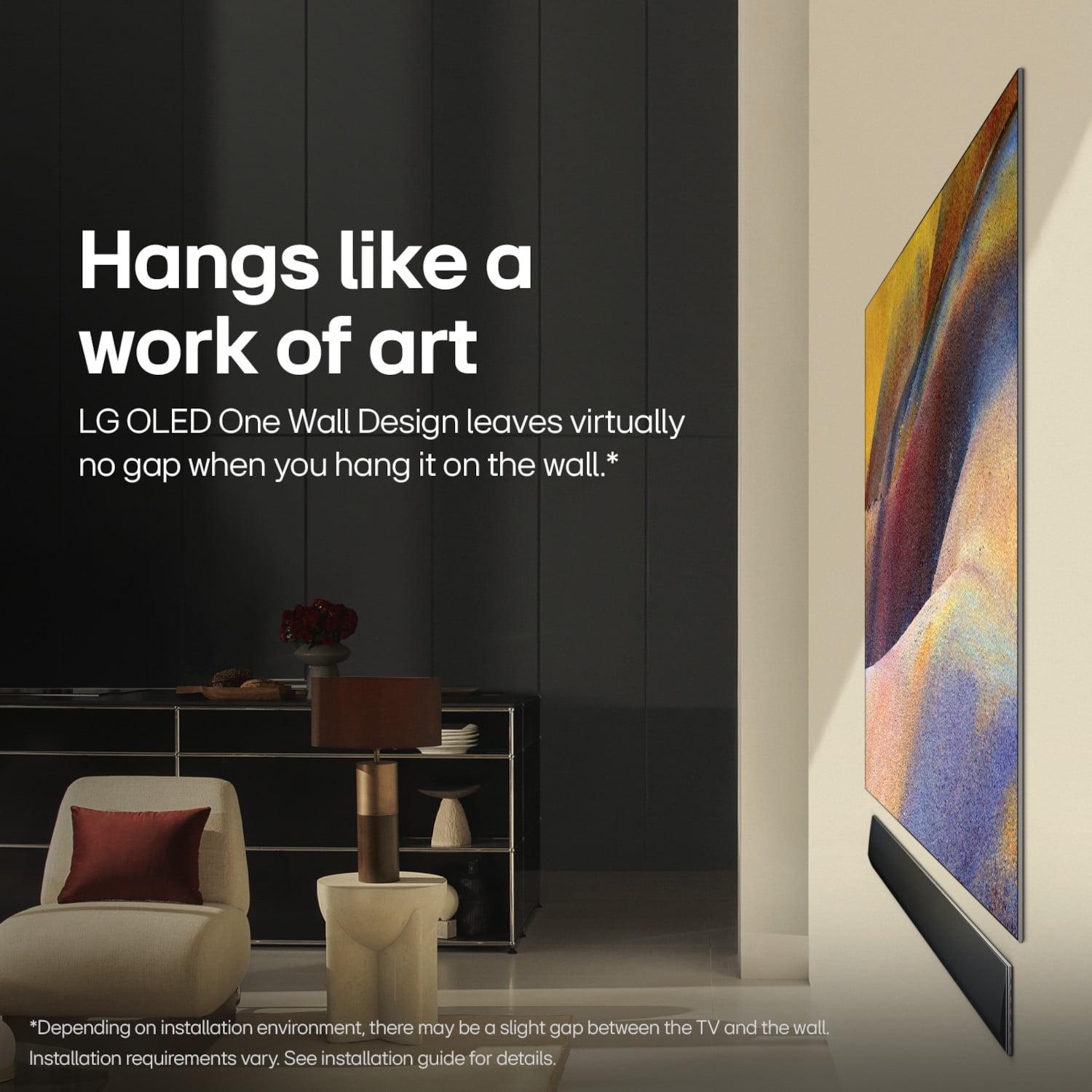
| Razor-thin profile, SolarCell Remote | Ultra-thin with L-shaped port cutout, includes stand |
| Warranty Coverage - Long-term protection and support | |
| 1-year standard warranty | 1-year standard + 5-year panel warranty |
| Color Accuracy - Important for content creators and enthusiasts | |
| Pantone Validated, QD-OLED color volume | Advanced Color Enhancer, MLA brightness boost |
| Anti-Glare Performance - Reduces reflections in bright rooms | |
| Good reflection handling | Superior anti-glare coating |
The Samsung S85F at $1,599.99 offers better value for most buyers, providing 80% of the performance at 80% of the price. The LG G4 at $1,999.99 is worth the extra $400 if you need superior brightness, Dolby Vision support, and better built-in audio for a premium home theater experience.
The Samsung S85F uses QD-OLED technology for more vibrant, saturated colors, while the LG G4 uses MLA (Micro Lens Array) technology for significantly higher brightness. The G4 reaches about 1,000 nits compared to the S85F's 750 nits, making it better for bright rooms and HDR content.
Both TVs excel for gaming with 4K/144Hz support and VRR. The LG G4 has a slight edge with 0.1ms response time and support for both G-SYNC and FreeSync Premium. The Samsung S85F offers excellent gaming performance with Game Motion Plus technology and Dynamic Black EQ for enhanced shadow detail.
No, the Samsung S85F supports HDR10+ but not Dolby Vision, while the LG G4 supports Dolby Vision but not HDR10+. This means the G4 provides better HDR performance for Netflix, Disney+, and most streaming services that use Dolby Vision as their premium HDR format.
The LG G4 runs webOS 24 with an intuitive Magic Remote interface, while the Samsung S85F uses Tizen OS with deeper Samsung ecosystem integration and SmartThings hub functionality. Both platforms are excellent, but Samsung offers better smart home control if you have compatible devices.
The LG G4 justifies its higher price with superior brightness, Dolby Vision support, better audio (60W vs 20W), and a 5-year panel warranty. Choose the more expensive G4 if you watch in bright rooms, prioritize Dolby Vision content, or want the best possible OLED performance.
Both TVs excel in dark rooms with perfect OLED blacks. The Samsung S85F actually performs better in completely dark environments due to its more vibrant QD-OLED colors, while the LG G4 is superior if your home theater has any ambient light due to its higher brightness and better anti-glare coating.
The LG G4 has significantly better built-in audio with a 60W 4.2-channel system and Dolby Atmos support compared to the Samsung S85F's 20W 2.0-channel system. For serious home theater use, you'll likely want to add a soundbar to the Samsung, while the LG's audio is more capable on its own.
The Samsung S85F offers more vibrant, saturated colors thanks to QD-OLED technology and is Pantone Validated for professional color accuracy. The LG G4 provides more natural, reference-quality colors with excellent processing. Choose Samsung for vivid colors or LG for accurate, cinematic color reproduction.
No, the LG G4 is significantly better for bright rooms due to its higher peak brightness (1,000 nits vs 750 nits) and superior anti-glare coating. The Samsung S85F is better suited for dark or dimly lit rooms where its perfect blacks and vibrant colors can shine without brightness limitations.
The LG G4 is more future-proof with its superior image processing, broader HDR format support including Dolby Vision, and 5-year panel warranty. The Samsung S85F is newer (2025 vs 2024) but uses an entry-level processor, making the G4 better for long-term performance and software updates.
For general family use with varied lighting conditions, the LG G4 is the better choice due to its higher brightness, better daytime viewing performance, and superior built-in audio. The Samsung S85F is excellent for families who primarily watch in controlled lighting and want to save $400 for other home theater components.
We've done our best to create useful and informative comparisons to help you decide what product to buy. Our research uses advanced automated methods to create this comparison and perfection is not possible - please contact us for corrections or questions. These are the sites we've researched in the creation of this article: rtings.com - samsung.com - youtube.com - rtings.com - youtube.com - samsung.com - bestbuy.com - avsforum.com - avsforum.com - samsung.com - displayspecifications.com - videoandaudiocenter.com - bestbuy.com - flatpanelshd.com - myallsouth.com - samsung.com - richstv.com - samsung.com - heartlandappliance.com - tomsguide.com - crutchfield.com - visions.ca - youtube.com - cnet.com - schaeferstv.com - rtings.com - costco.com - bhphotovideo.com - techradar.com - youtube.com - abcwarehouse.com - youtube.com

Privacy Policy
Terms and Conditions - Affiliate Policy
Home Security
© Copyright 2008-2026.
11816 Inwood Rd #1211, Dallas, TX 75244