

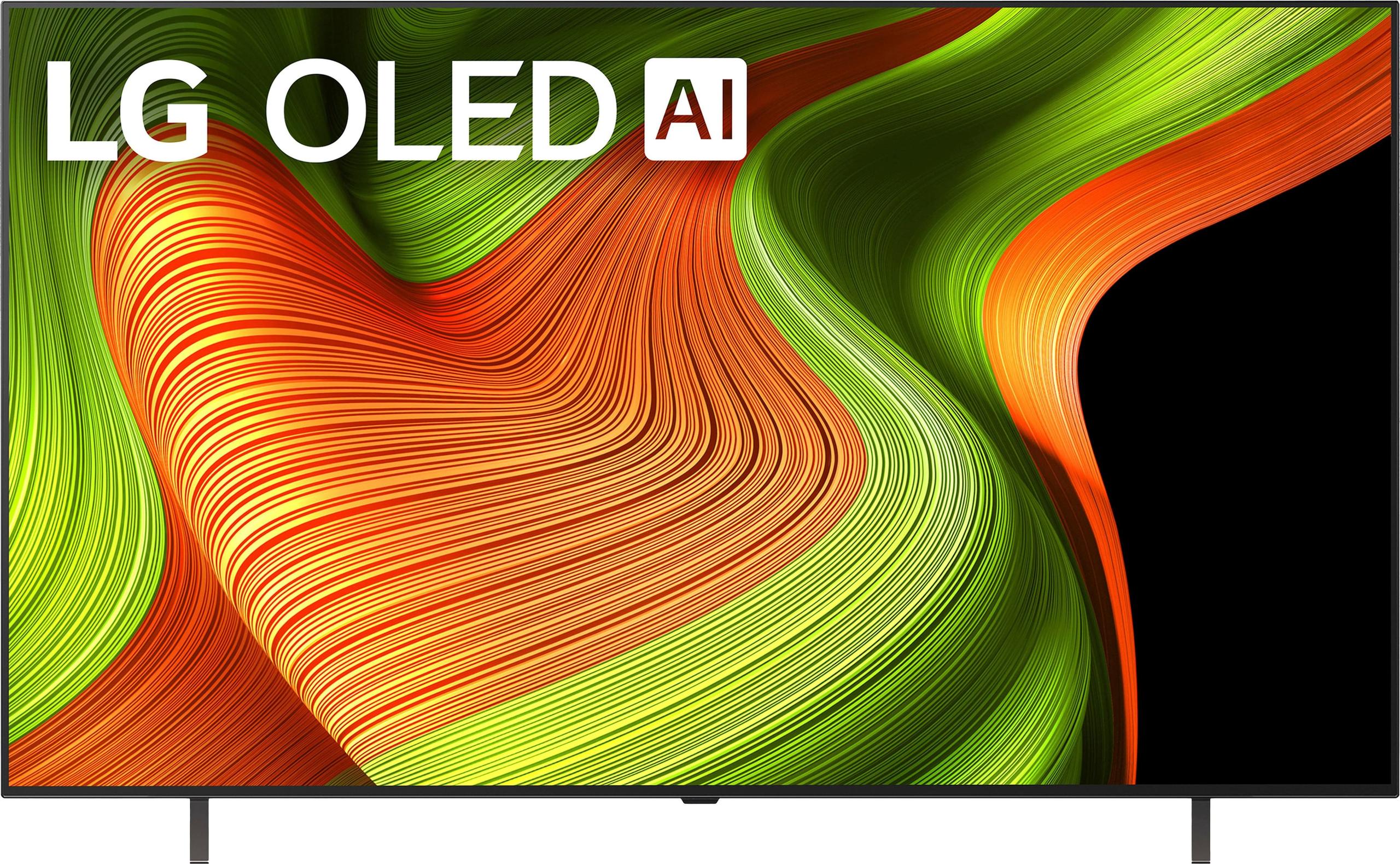
![LG B5 Series OLED 65" 4K Smart TV 2025[1][7][9]](https://images.hometheaterreview.com/htr-stateless/2025/07/3368ce40-25ef-4d07-b442-bb0af89e3a29.jpg)
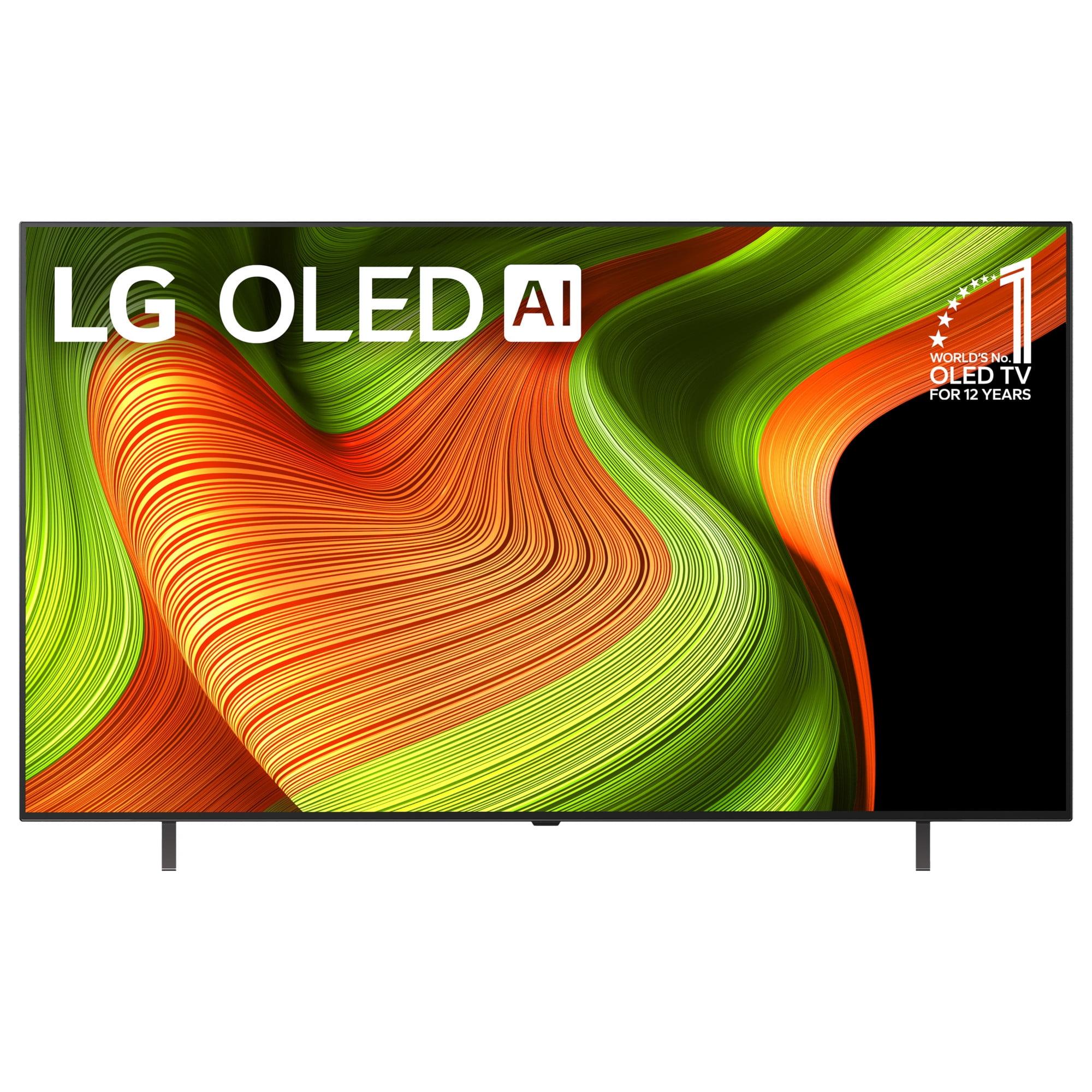
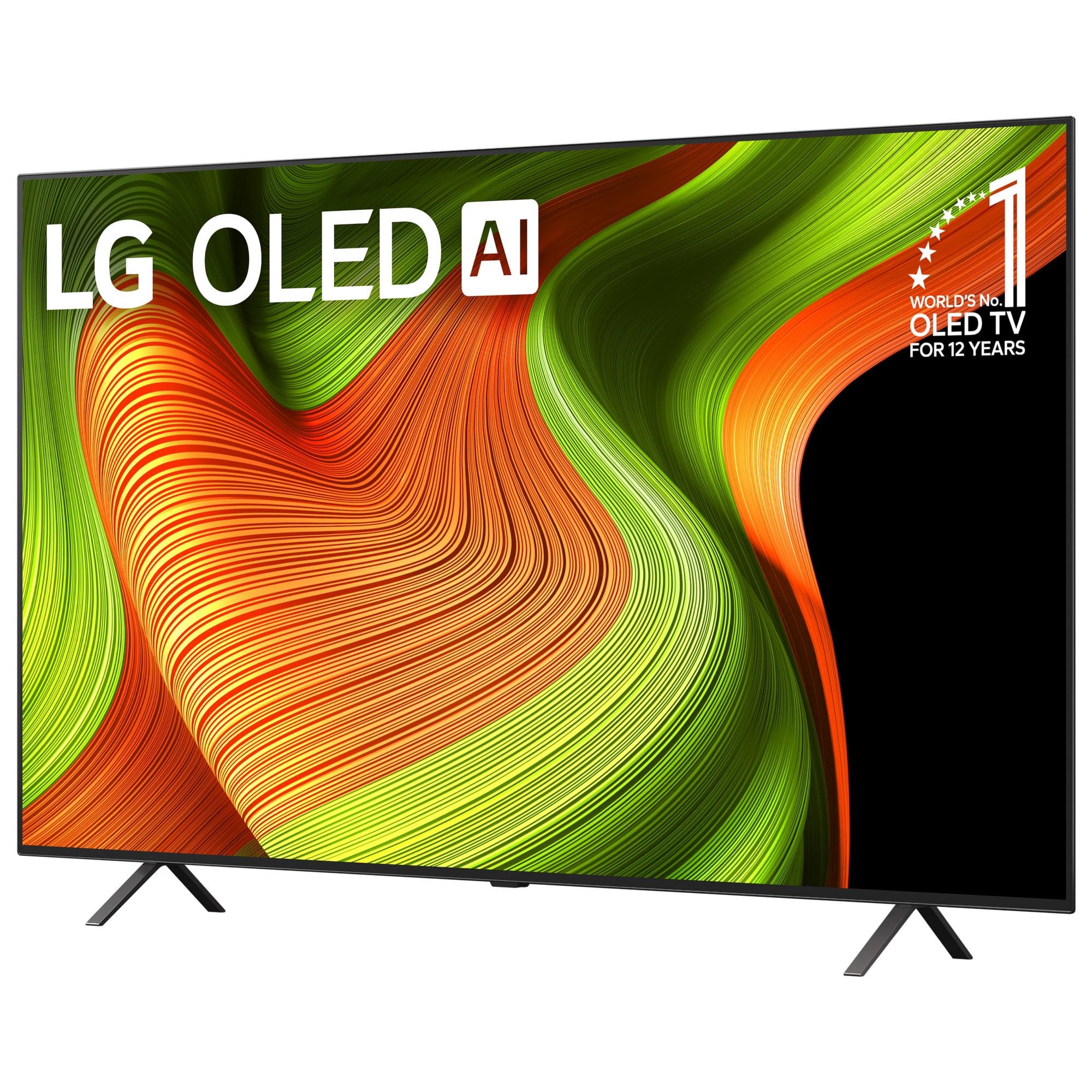
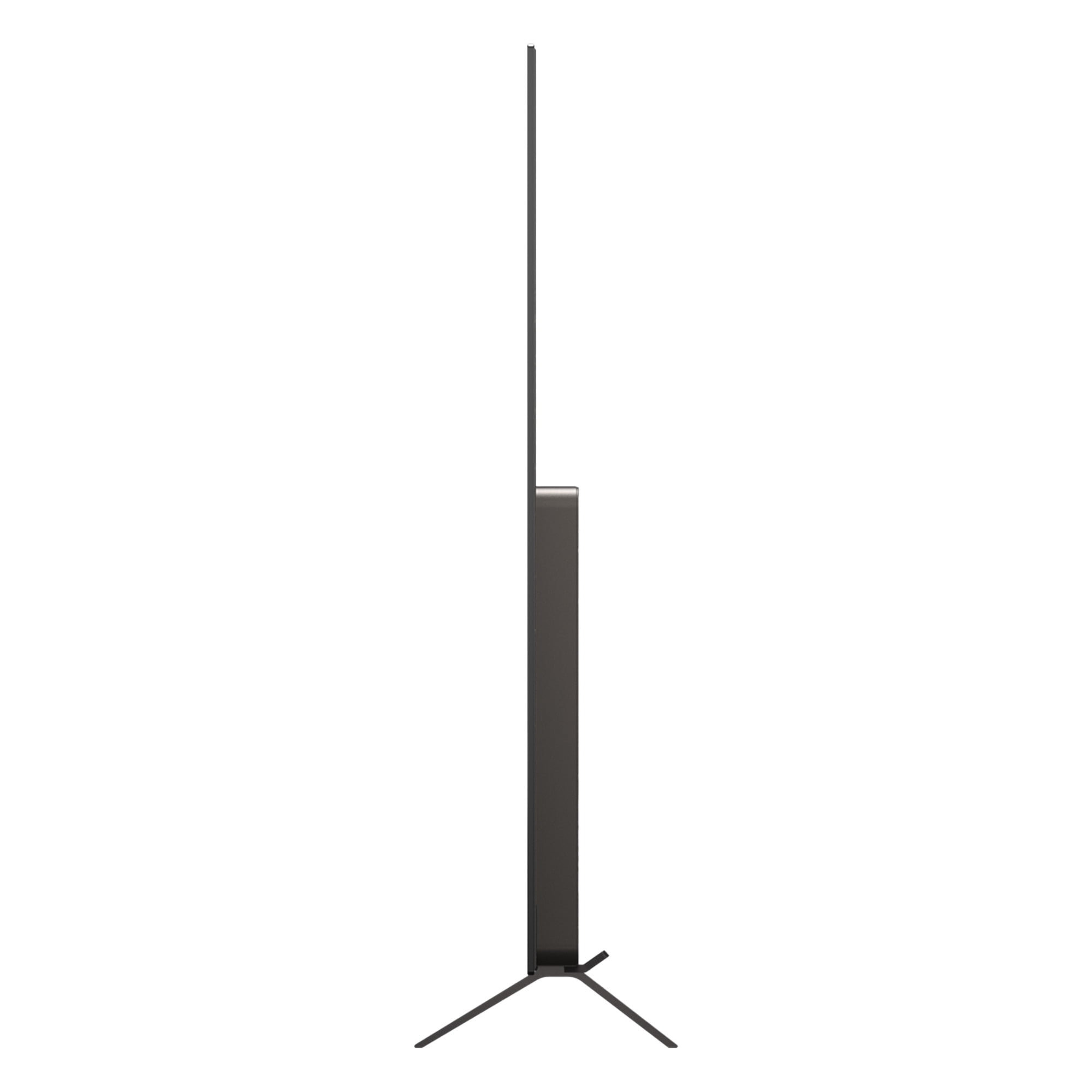
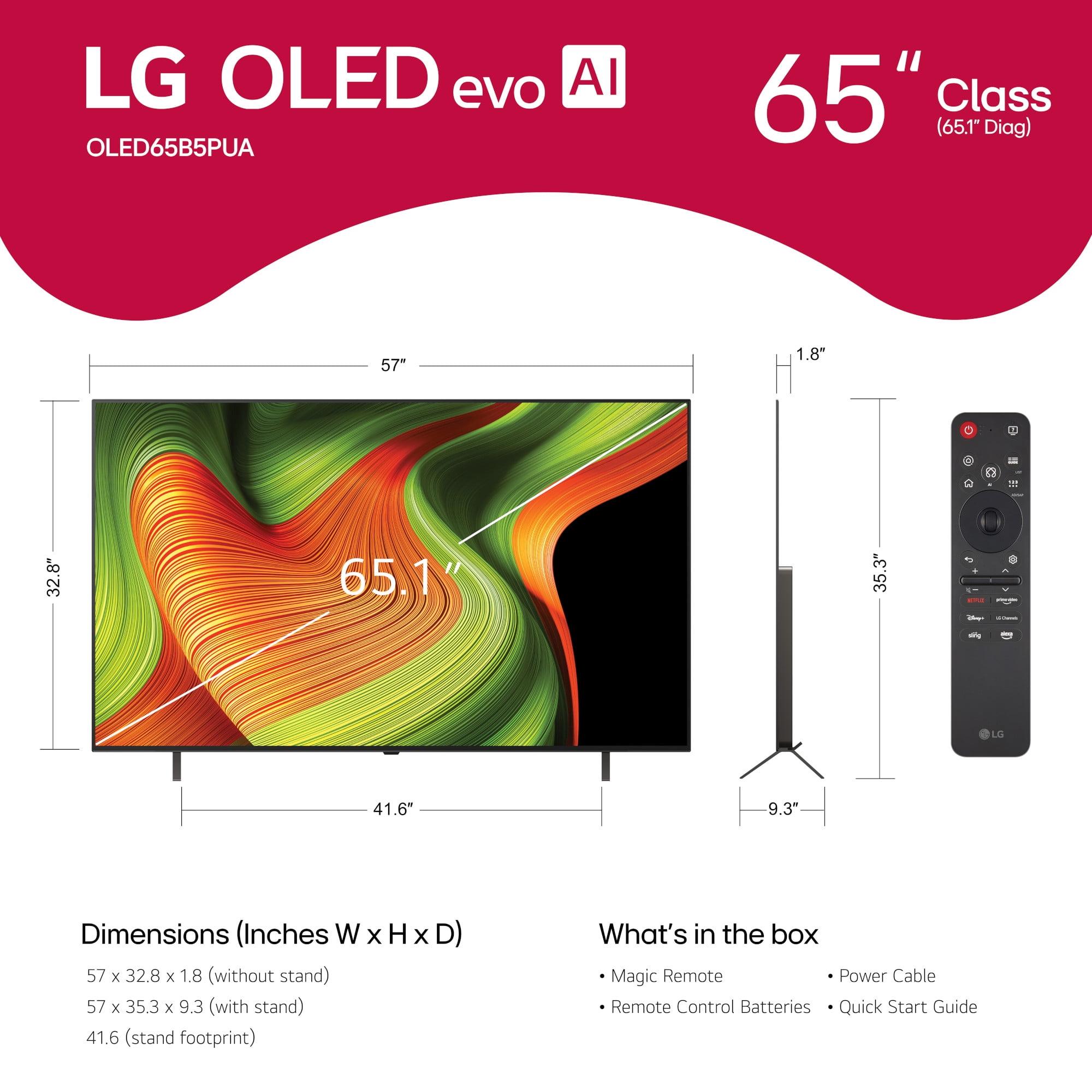
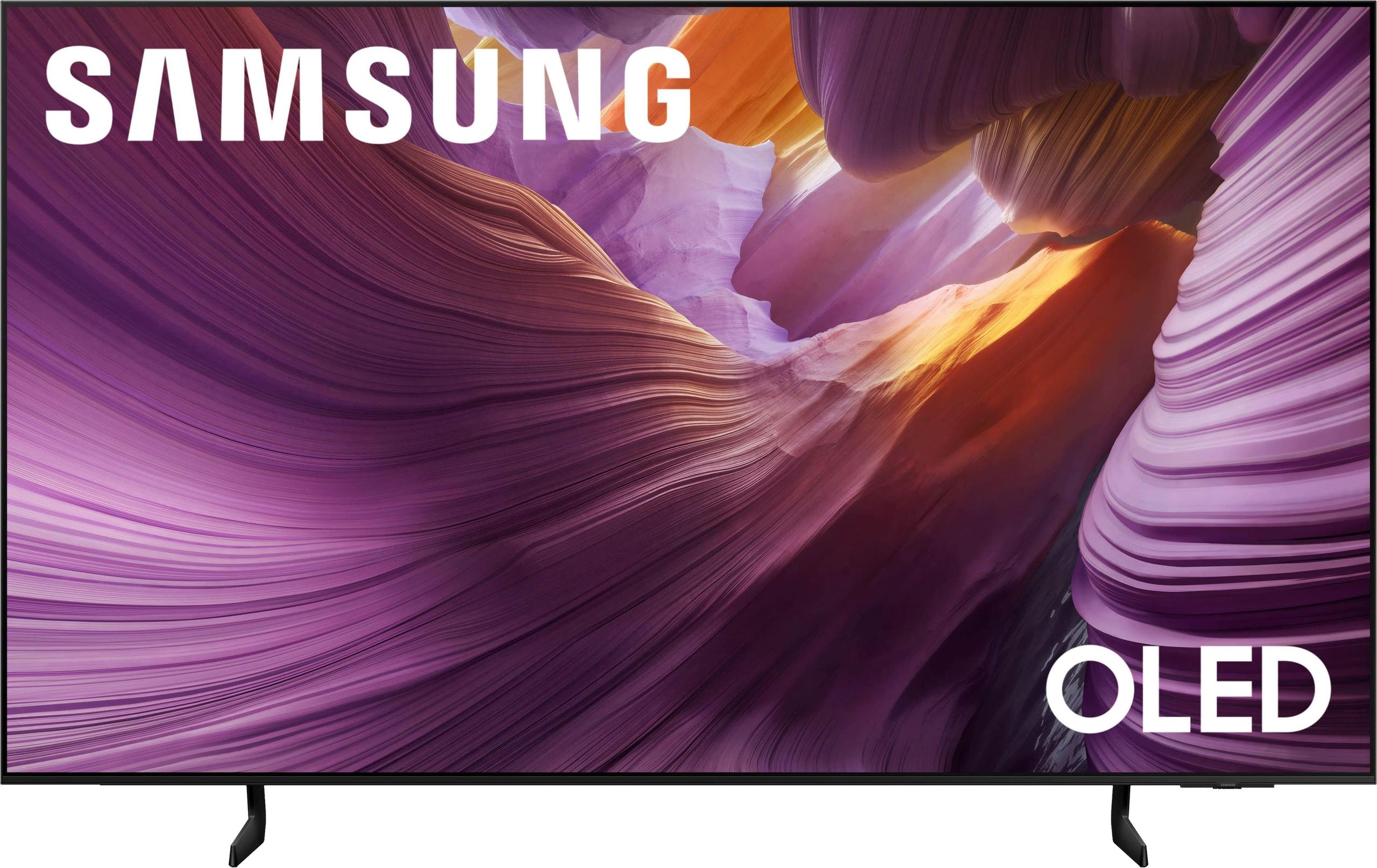
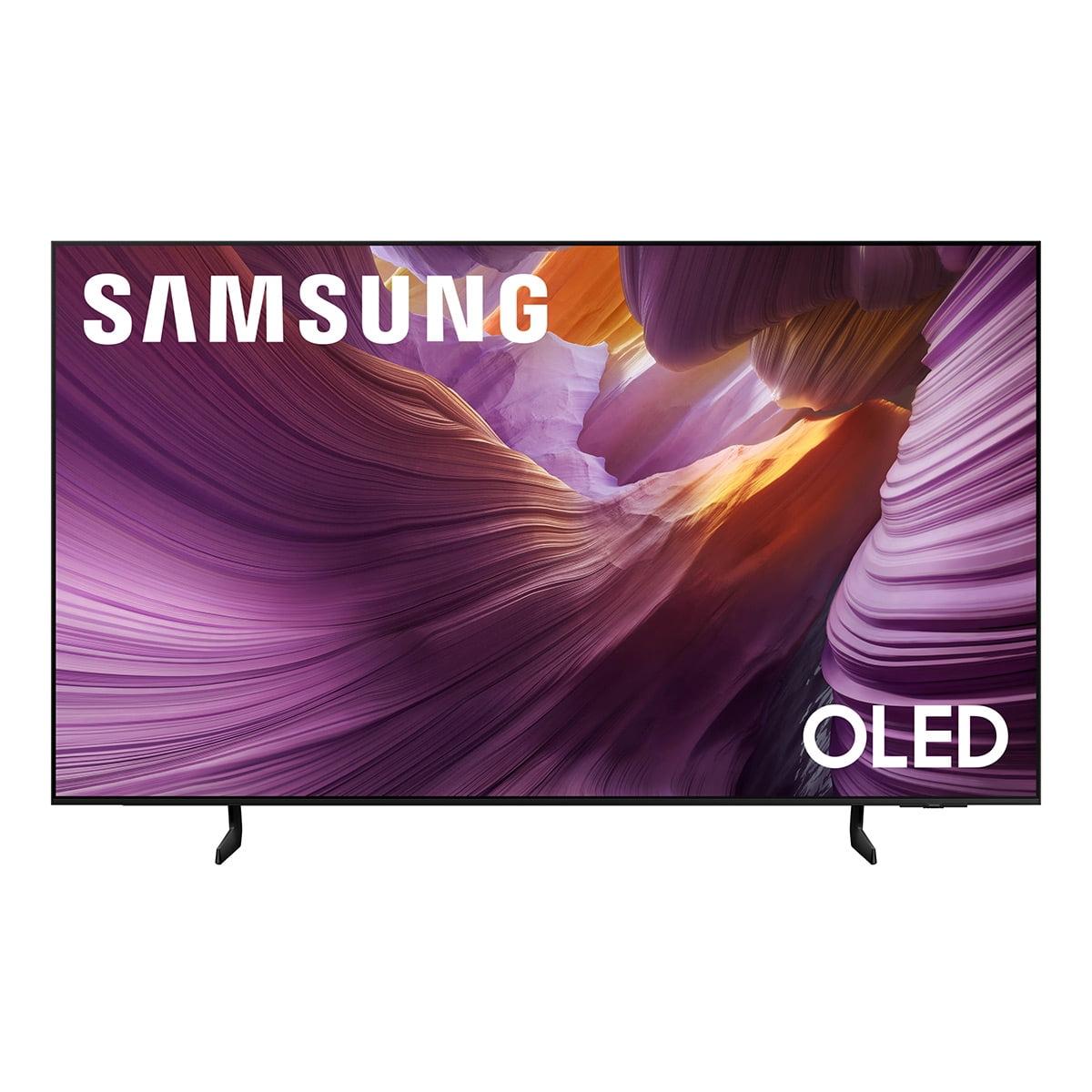
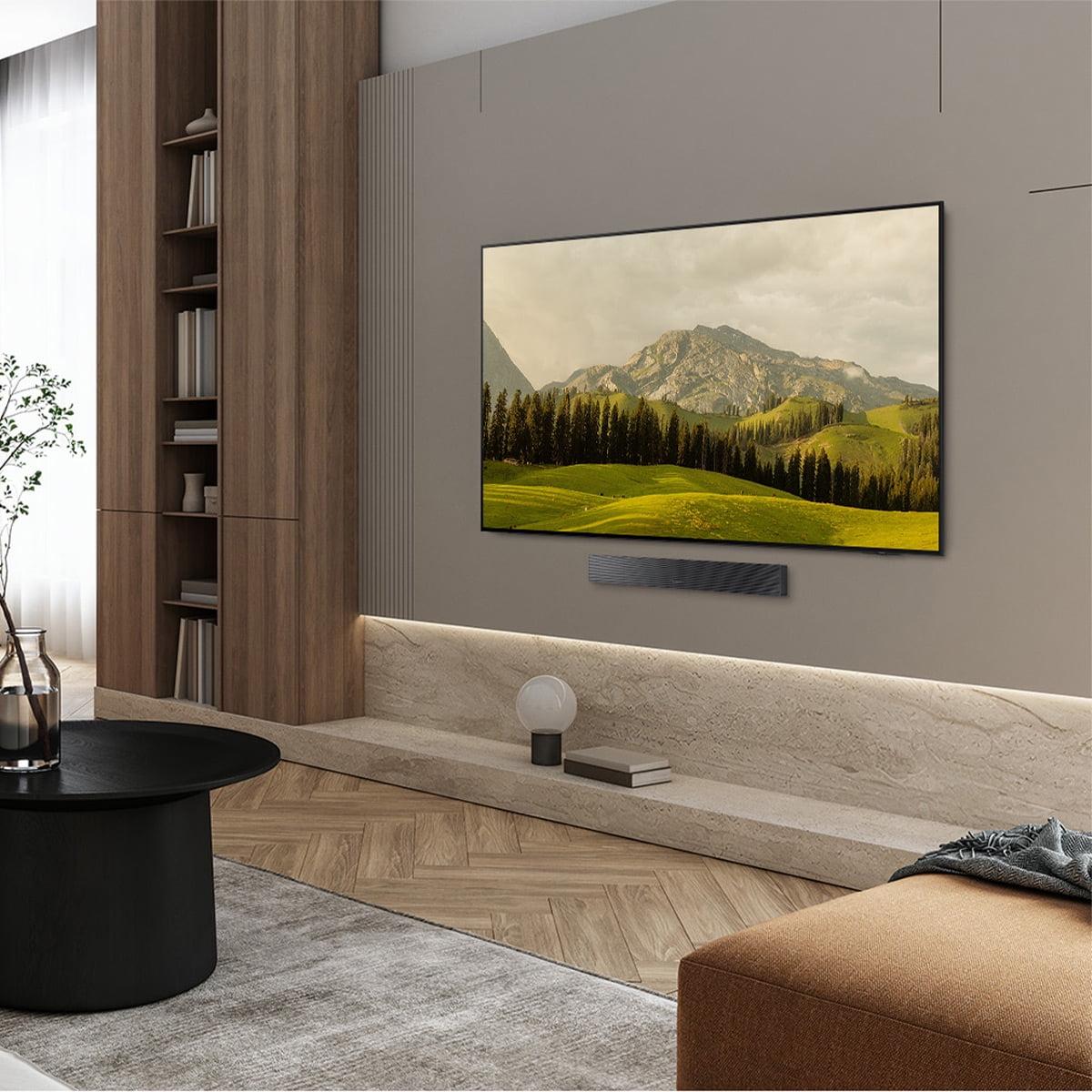
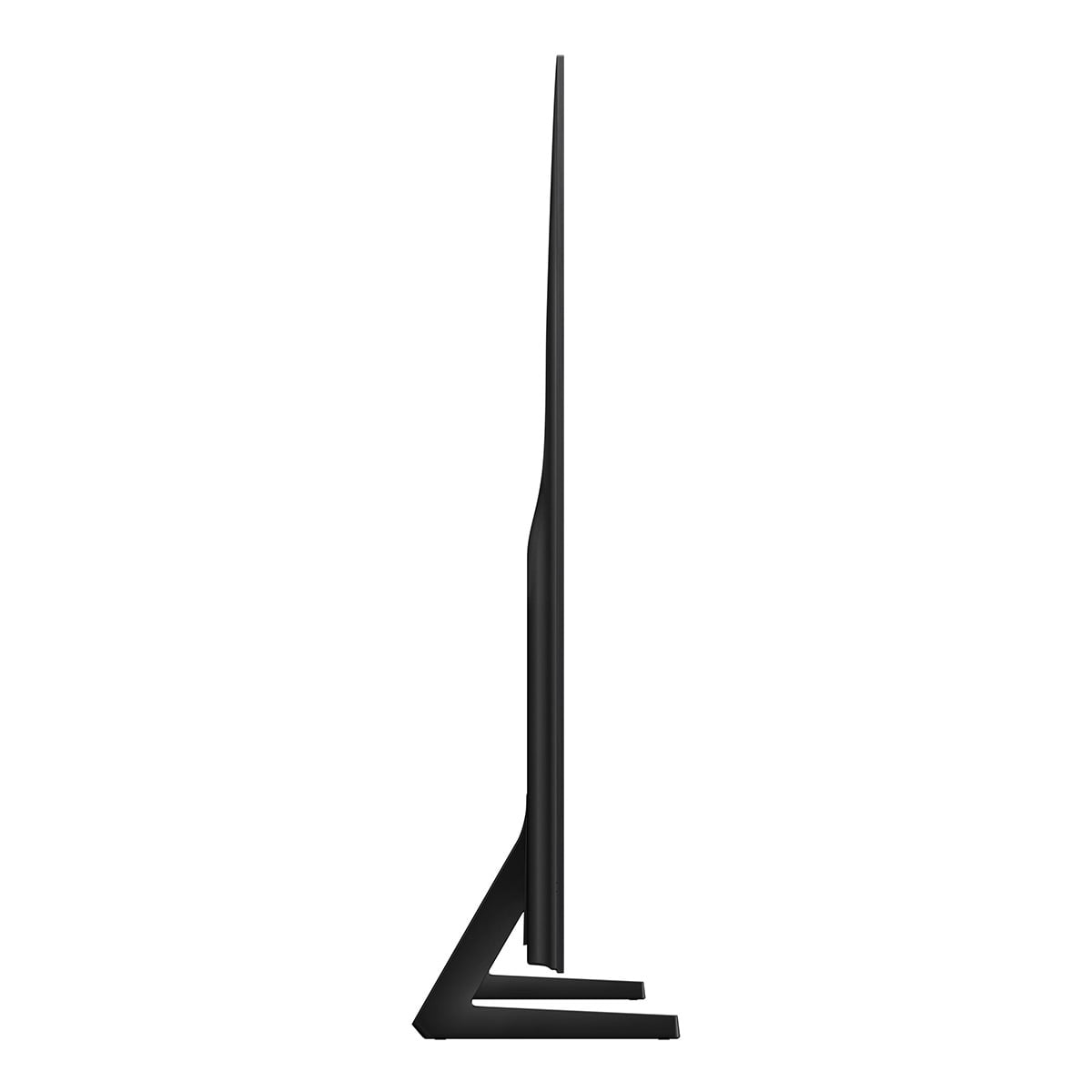

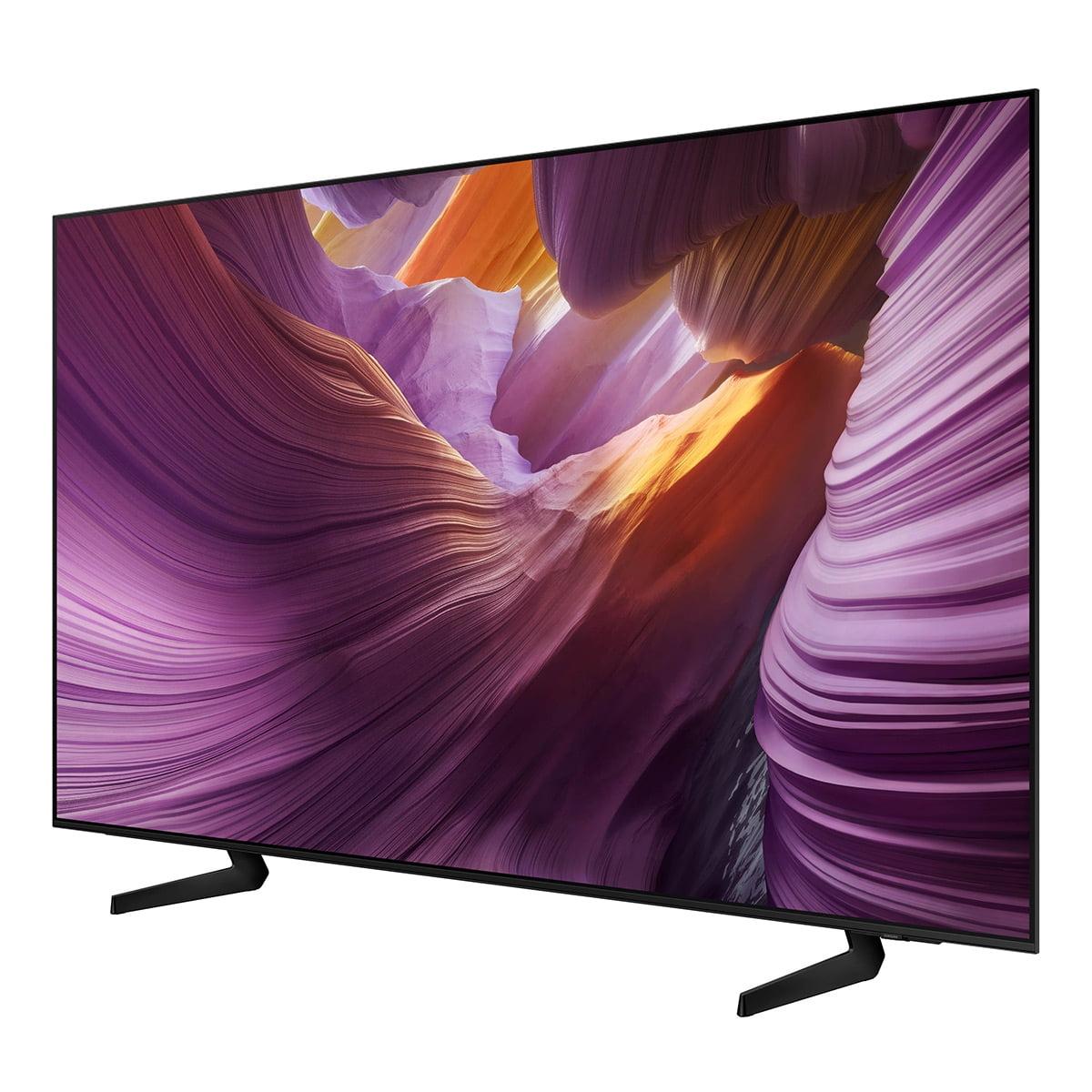
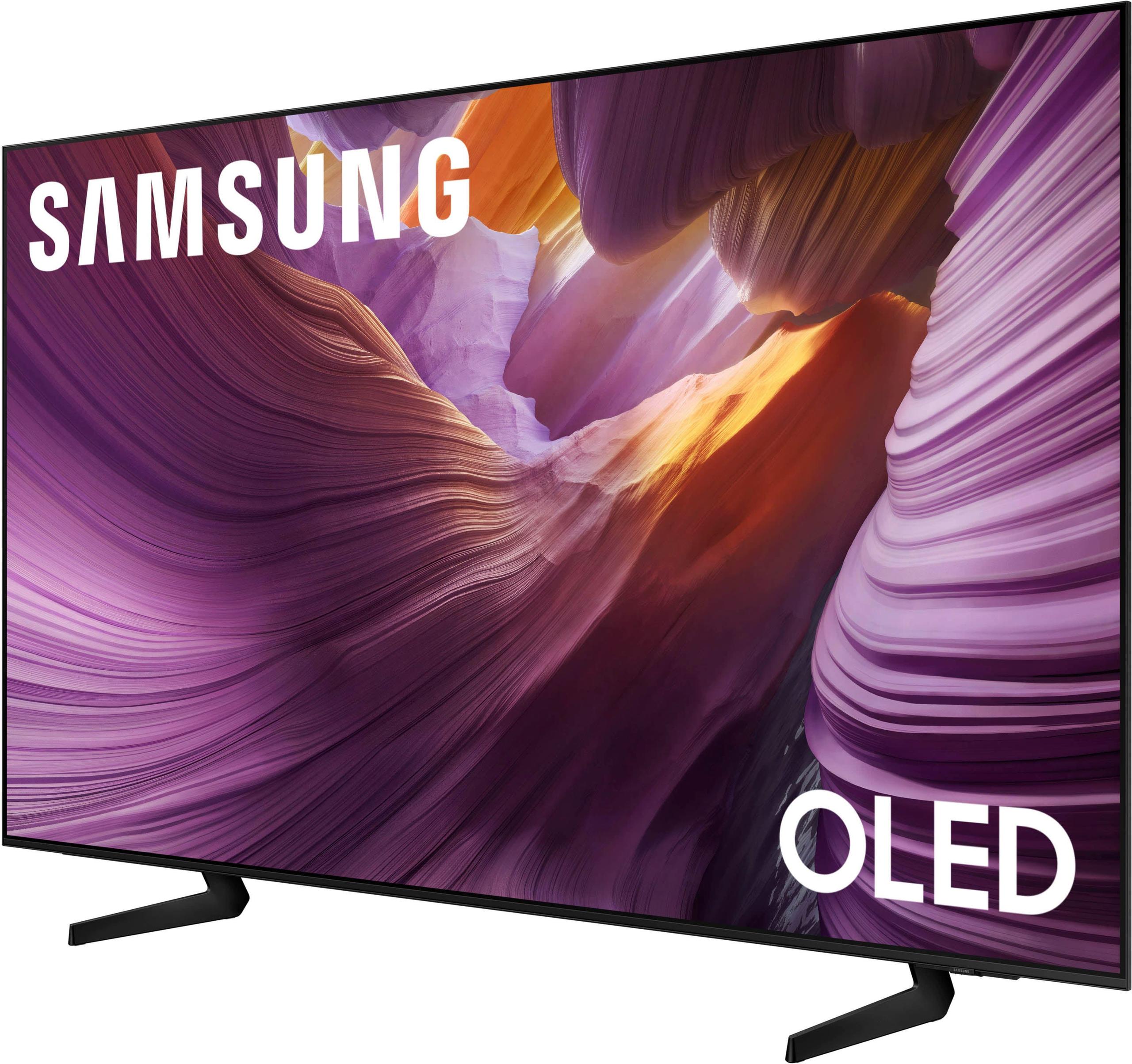
Shopping for a new TV can feel overwhelming, especially when you're looking at OLED models that promise perfect blacks and incredible picture quality. Both the LG B5 Series OLED 65" 4K Smart TV ($1,699.99) and the Samsung S85F OLED 65" 4K Smart TV ($1,599.99) launched in early 2025 as the entry-level OLED options from these major manufacturers. While they're both excellent TVs, they take different approaches to delivering premium picture quality, and understanding these differences will help you make the right choice for your home.
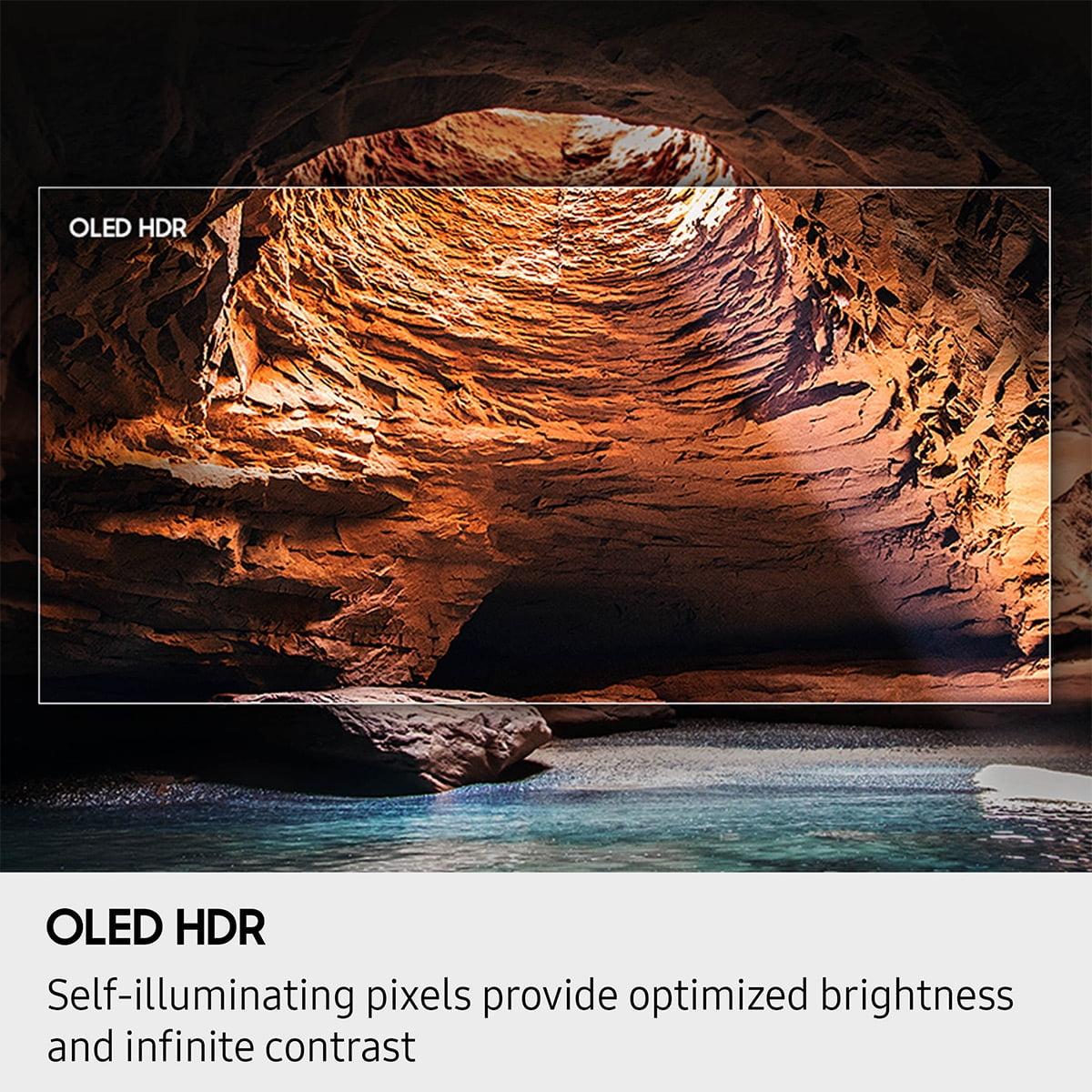
Before diving into the comparison, it's worth understanding what makes OLED TVs unique. Unlike traditional LED TVs that use a backlight behind the screen, OLED (Organic Light-Emitting Diode) TVs have pixels that light themselves up. This means each pixel can turn completely off to create true black, resulting in infinite contrast ratios that make colors pop and details shine in dark scenes.
Think of it this way: if you're watching a movie with a night scene, an OLED TV can make the dark parts truly black while keeping bright elements like streetlights or car headlights brilliantly illuminated. This creates a more immersive viewing experience that's closer to what you'd see in a movie theater.
Both TVs arrived in stores during the first half of 2025, with the Samsung S85F launching slightly earlier in the spring and the LG B5 following in late spring to early summer. These represent significant updates from their 2024 predecessors.
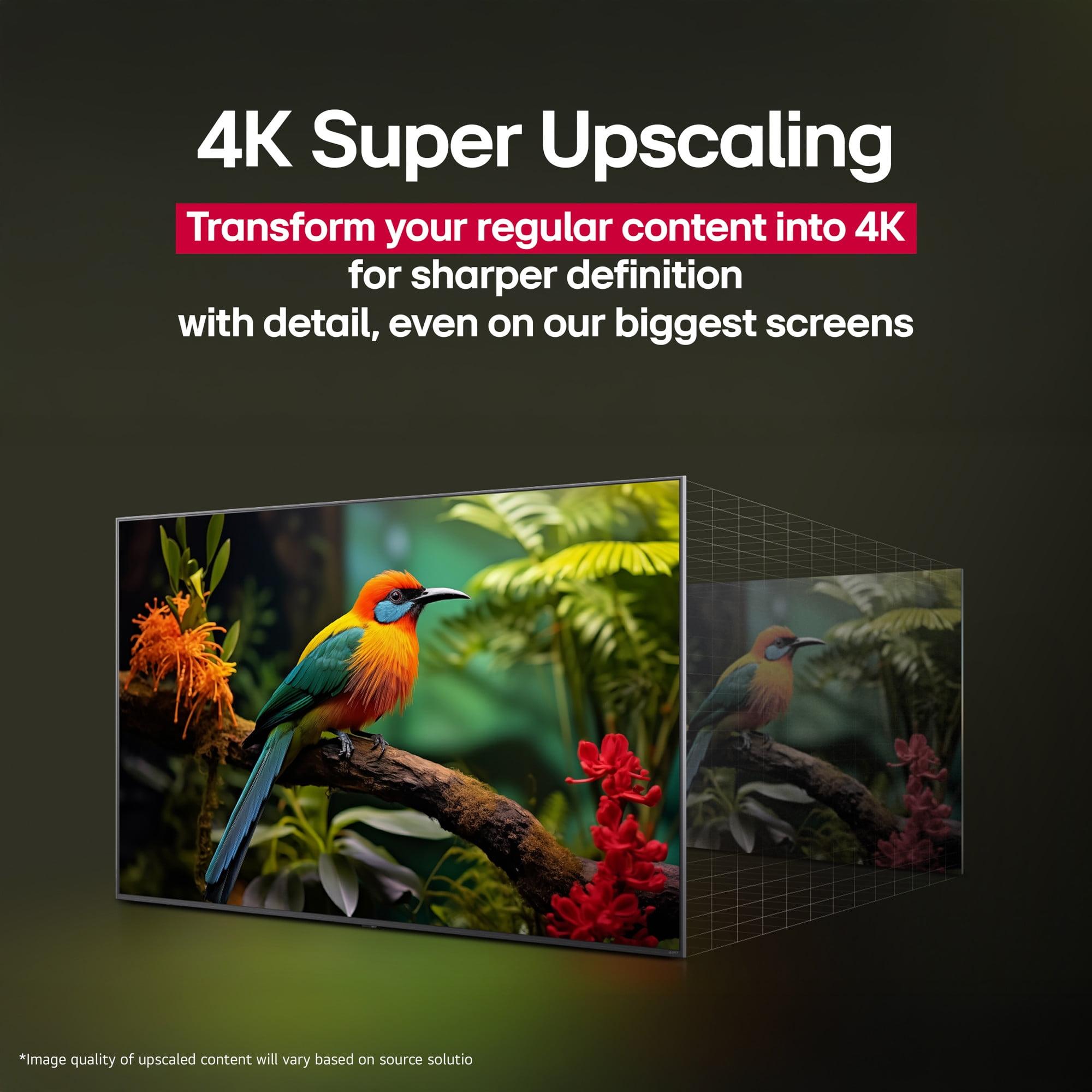
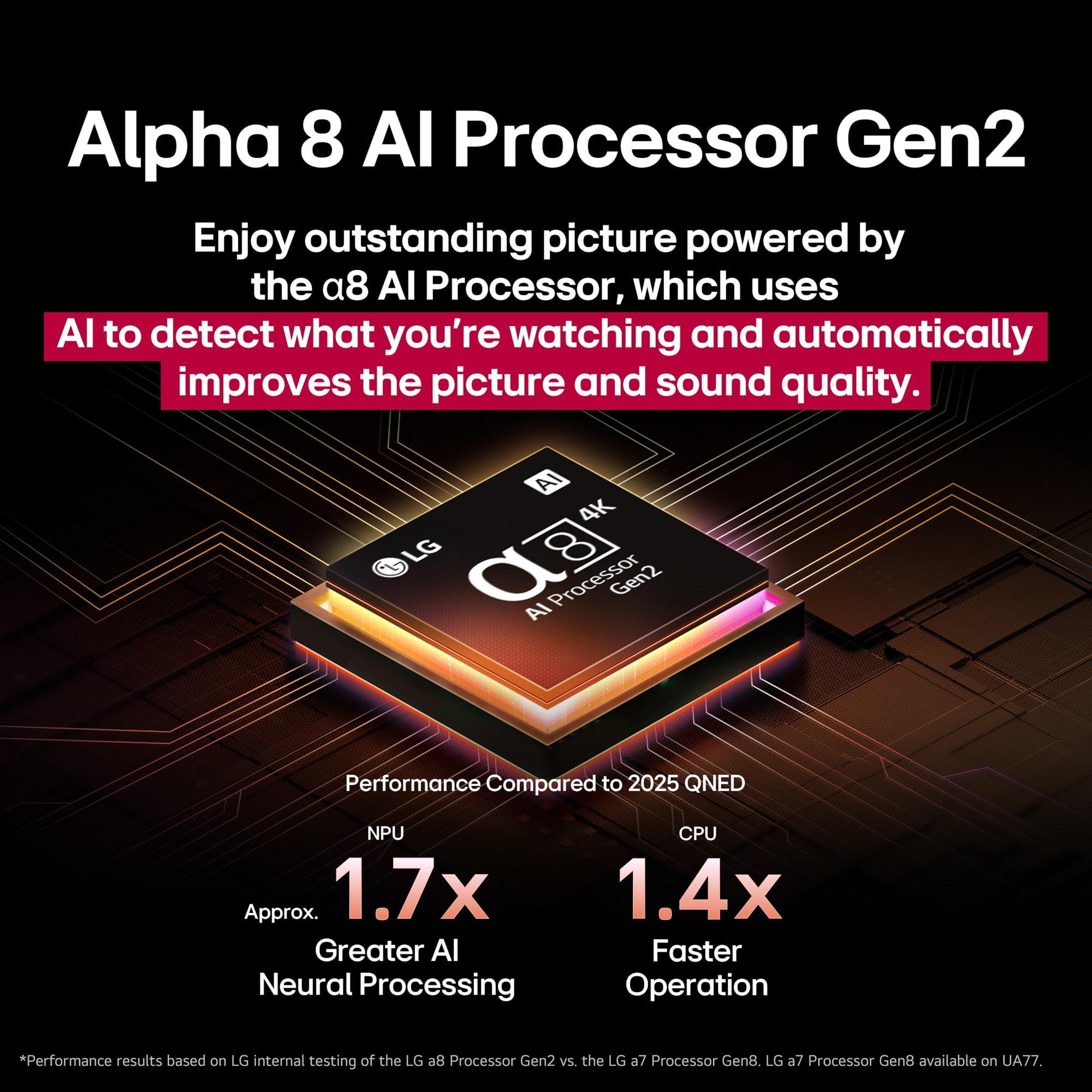
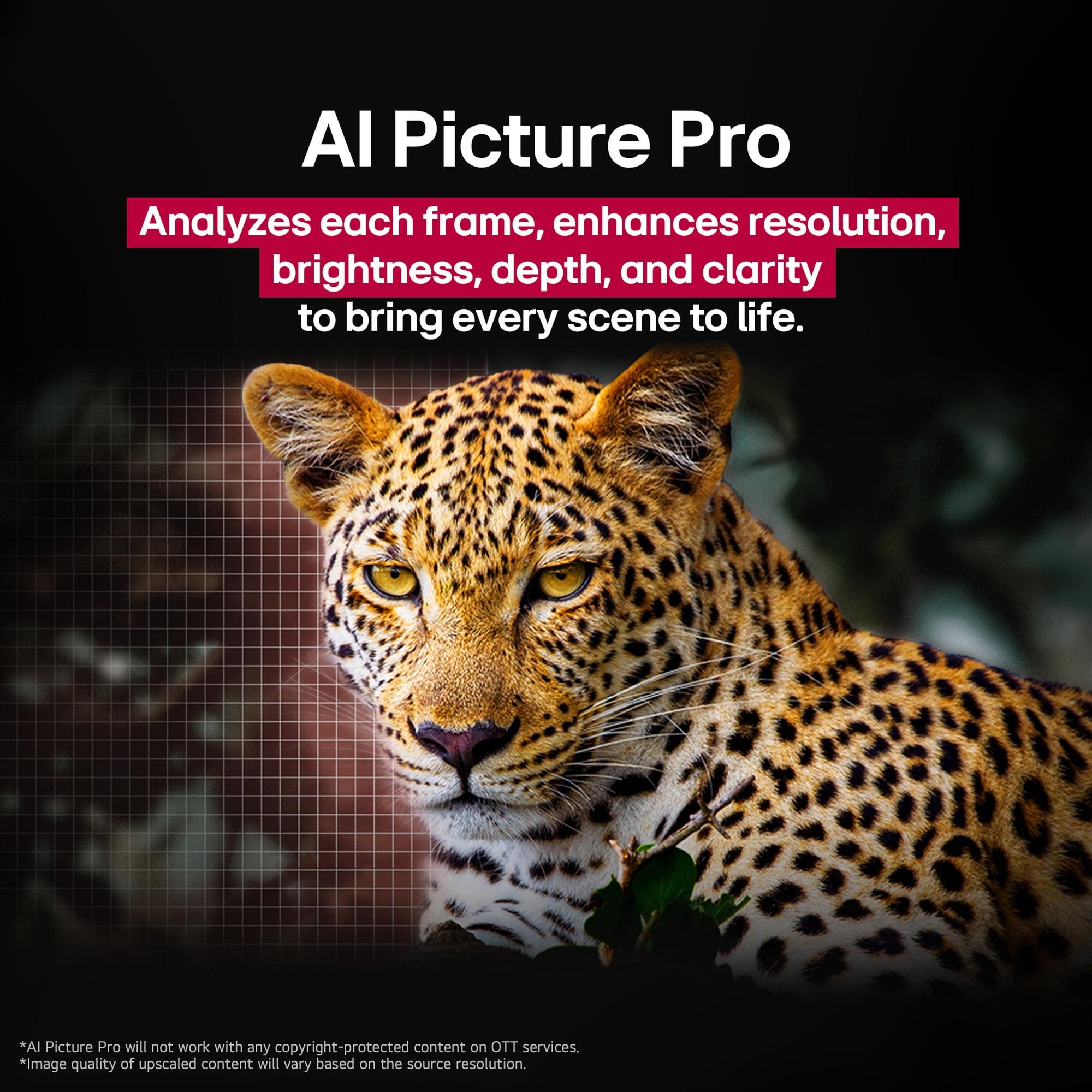
The LG B5 ($1,699.99) introduces the new α8 AI Processor Gen2, which is 1.4 times faster than the previous generation and includes 1.7 times more AI neural processing power. This upgrade means better upscaling of lower-resolution content and smarter scene-by-scene optimization. LG also enhanced the gaming features and improved the webOS interface with new AI-powered personalization.
Samsung's S85F ($1,599.99) represents a more dramatic leap forward, particularly in the 65-inch size. The company upgraded from a traditional WOLED panel to a QD-OLED (Quantum Dot OLED) panel, which combines quantum dot technology with OLED for significantly brighter images and more vibrant colors. Samsung also claims a 30% brightness improvement over the previous generation, addressing one of the main criticisms of earlier OLED TVs.
Here's where these TVs really diverge, and understanding the difference is crucial for making the right choice.
The LG B5 uses a WOLED (White OLED) panel, which has been LG's signature technology for years. This approach produces exceptionally natural colors and excellent shadow detail. When I watch darker content like "The Batman" or "Game of Thrones," the B5 reveals details in shadows that often get lost on other TVs. The blacks are truly black, and the way colors transition from dark to light feels organic and realistic.
The B5's strength lies in its color accuracy and natural reproduction. It supports Dolby Vision, which is a premium HDR format that provides scene-by-scene instructions for how bright and colorful each part of the image should be. This means when you're watching Dolby Vision content on Netflix or Disney+, you're seeing the image exactly as the content creators intended.
The TV also includes FILMMAKER MODE, which automatically adjusts settings to match the director's original vision. This feature disables motion smoothing (that soap opera effect) and optimizes color and contrast for the most authentic viewing experience possible.
Samsung's S85F takes a different approach with its QD-OLED panel. This technology combines quantum dots (tiny particles that emit very pure colors when hit by light) with OLED pixels. The result is a TV that can get significantly brighter while producing more vibrant, saturated colors.
In practical terms, this means the S85F can reach peak brightness levels around 2,000 nits in small highlights, compared to the B5's more modest brightness capabilities. This makes a huge difference when watching HDR content during the day or in a bright room. Fireworks, explosions, and bright sunny scenes have more impact and feel more realistic.
The S85F also features what Samsung calls "OLED Glare Free" technology, which significantly reduces reflections from windows or lights. If your TV room has windows or bright overhead lighting, this feature makes a noticeable difference in viewing comfort.
However, the S85F doesn't support Dolby Vision, relying instead on HDR10+ (Samsung's competing format). While HDR10+ is technically capable, Dolby Vision has broader content support across streaming services and physical media.
Both TVs are excellent for gaming, but they excel in different areas. If you're a serious gamer, these differences matter.
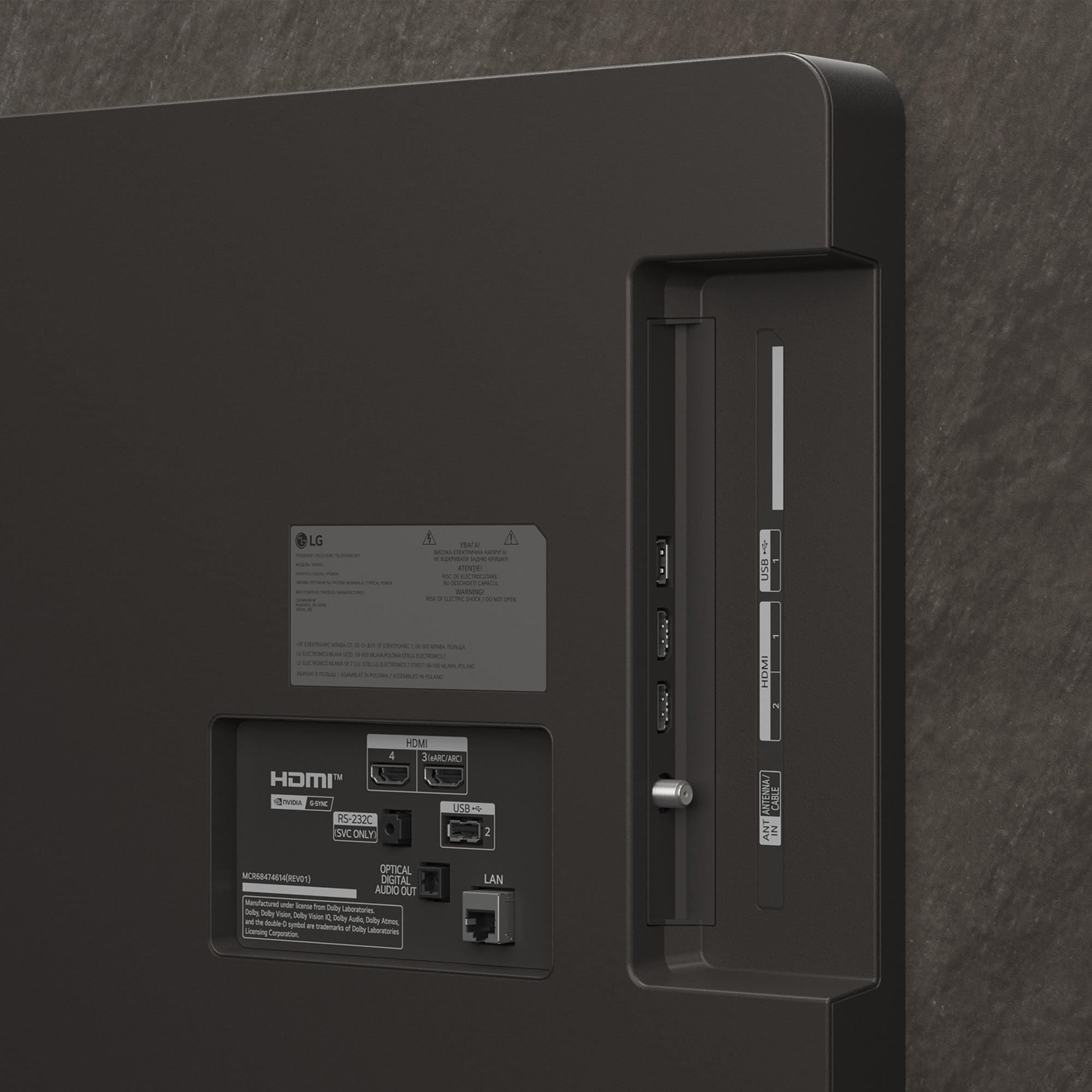
The LG B5 offers what might be the most comprehensive gaming feature set available. It supports both NVIDIA G-Sync and AMD FreeSync Premium, which means whether you have a PlayStation 5, Xbox Series X, or gaming PC with either type of graphics card, you'll get smooth, tear-free gaming.
The response time is an incredibly fast 0.1 milliseconds, which means there's virtually no delay between when you press a button and when the action appears on screen. For competitive gaming, this can be the difference between winning and losing.
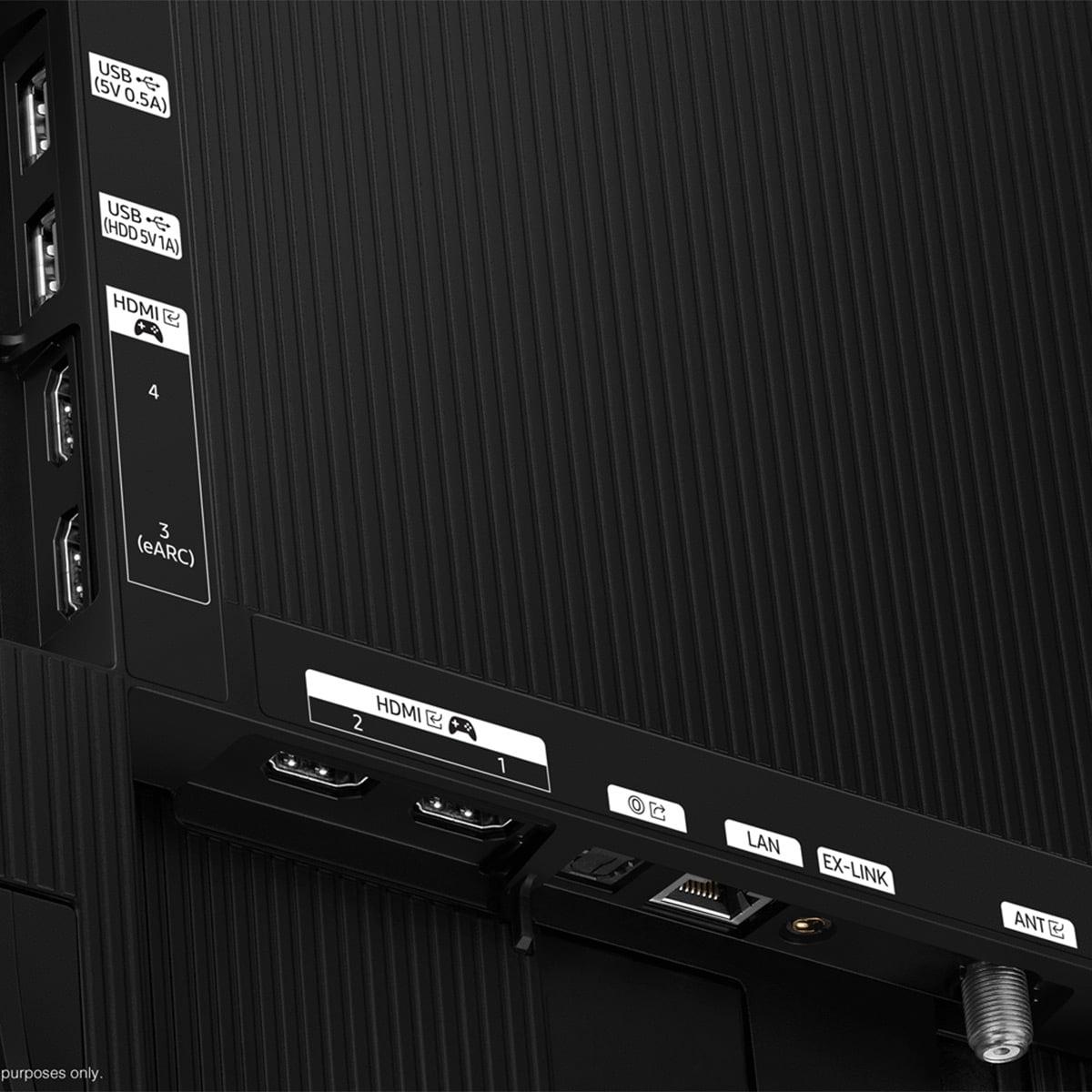
LG includes a Game Dashboard that lets you quickly adjust settings without leaving your game, and the Game Optimizer provides preset modes for different game types. All four HDMI ports support 4K gaming at 120Hz, giving you flexibility in how you connect your devices.
The Samsung S85F also offers excellent gaming performance with 4K/120Hz support, VRR (Variable Refresh Rate), and AMD FreeSync Premium. The response time is nearly as fast as the LG, and the Auto Low Latency Mode automatically switches to game mode when it detects a gaming console.
Where the Samsung really shines for gaming is in bright, colorful games. The extra brightness and color volume make games like "Spider-Man," "Horizon," or "Forza" look incredibly vibrant and impactful. The Gaming Hub also provides access to cloud gaming services like Xbox Game Pass Ultimate without needing a console.
However, the S85F only supports AMD FreeSync Premium, not NVIDIA G-Sync. For most console gamers, this won't matter, but PC gamers with NVIDIA graphics cards might prefer the LG's broader compatibility.
Both TVs run mature, capable smart TV platforms, but they take different approaches to organization and features.
LG's webOS has evolved into one of the most user-friendly smart TV interfaces. The 2025 version introduces Quick Cards, which let you group your favorite apps and content for faster access. The interface is clean and intuitive, making it easy to find what you want to watch.
Where webOS really excels is in smart home integration. The B5 supports Matter, Apple HomeKit, Google Assistant, and Amazon Alexa, making it a true smart home hub. You can control lights, thermostats, and other devices directly from your TV. LG also promises five years of software updates, which is longer than most manufacturers offer.
The TV includes access to over 300 free streaming channels through LG Channels, which is handy for background content or discovering new shows without additional subscriptions.
Samsung's Tizen OS is equally polished but focuses more on entertainment and gaming features. The Gaming Hub provides access to multiple cloud gaming services in one place, and the Multi-View feature lets you watch two different sources simultaneously – perfect for keeping an eye on sports while gaming.
The S85F includes SmartThings Hub functionality, making it a control center for Samsung's smart home ecosystem. While it doesn't support as many third-party smart home standards as LG, it works seamlessly with Samsung appliances and devices.
One unique feature is the SolarCell Remote, which charges itself using ambient light and reduces the need for disposable batteries. It's a small touch, but it shows Samsung's attention to sustainability.
Neither TV will replace a dedicated sound system, but both offer respectable audio for their thin profiles.
The LG B5 supports Dolby Atmos and includes AI-powered sound optimization that adjusts audio based on what you're watching. If you have an LG soundbar, the TV can coordinate with it for improved audio performance.
The Samsung S85F also supports Dolby Atmos and includes Object Tracking Sound Lite, which tries to make audio follow the action on screen. The Adaptive Sound Pro feature adjusts the audio based on your room's acoustics.
For casual viewing, both TVs sound fine. But if you're setting up a home theater, plan to add a soundbar or surround sound system to either TV.
This might be the most important consideration for many buyers, and it's where the Samsung S85F has a clear advantage.
The LG B5 performs beautifully in dark or moderately lit rooms. The natural colors and perfect blacks create an immersive viewing experience that's particularly good for movie watching. However, in bright rooms with lots of windows or overhead lighting, the TV can struggle to maintain deep blacks, and the overall image might appear washed out.
If you have a dedicated home theater room or primarily watch TV in the evening with controlled lighting, the B5 will deliver an exceptional experience.
The Samsung S85F's higher brightness and superior anti-reflection technology make it much more versatile in different lighting conditions. The QD-OLED panel can maintain vibrant colors and good contrast even in bright rooms, making it suitable for daytime viewing and rooms with large windows.
The OLED Glare Free technology significantly reduces reflections, so you won't see yourself or room lights reflected in the screen during bright scenes. This makes the TV much more comfortable to watch during the day.
At $1,599.99, the Samsung S85F offers exceptional value. You're getting QD-OLED panel technology, superior brightness, and excellent anti-reflection capabilities at the entry-level OLED price point. For most buyers, this represents the best balance of features and cost.
The LG B5 at $1,699.99 costs $100 more but justifies the premium with superior gaming features, Dolby Vision support, and broader smart home integration. If you're a serious gamer or prioritize the most accurate HDR reproduction, the extra cost is worthwhile.
If you're building a dedicated home theater, both TVs have merits, but your choice depends on your setup and priorities.
For a light-controlled home theater where accuracy is paramount, the LG B5's Dolby Vision support and natural colors make it the better choice. The FILMMAKER MODE ensures you're seeing movies as directors intended, and the superior gaming features add versatility.
For a multipurpose room that serves as both a family room and home theater, the Samsung S85F's brightness and anti-reflection capabilities make it more practical. The vibrant colors and high brightness create an impressive viewing experience even when you can't control all the lighting.
Choose the LG B5 if you're a serious gamer who wants the most comprehensive gaming features, if you prioritize Dolby Vision support for the most accurate HDR, or if you have a dark viewing environment where you can take advantage of its natural colors and perfect blacks.
Choose the Samsung S85F if you want the brightest OLED available at this price point, if your TV room has windows or bright lighting, or if you prefer vibrant, punchy colors over absolute accuracy. The $100 savings is also significant if you're budget-conscious.
Both TVs represent excellent entry points into OLED technology, but they serve different needs and preferences. The Samsung offers broader appeal with its brightness and versatility, while the LG caters to enthusiasts who prioritize specific features like Dolby Vision and comprehensive gaming support. Either choice will deliver the incredible contrast and picture quality that makes OLED technology so appealing.
| LG B5 Series OLED 65" 4K Smart TV 2025 | Samsung 65" S85F OLED 4K Smart TV (2025) |
|---|---|
| Price - Entry-level OLED pricing with $100 difference | |
| $1,699.99 | $1,599.99 |
| Panel Technology - Different approaches to OLED performance | |
| WOLED (White OLED) for natural colors | QD-OLED (Quantum Dot OLED) for brightness and vibrancy |
| Peak Brightness - Critical for HDR impact and bright room viewing | |
| Moderate brightness, best for controlled lighting | Up to 2,000 nits (30% brighter than previous generation) |
| HDR Format Support - Affects premium streaming content compatibility | |
| Dolby Vision, HDR10 Pro, HLG | HDR10, HDR10+ (no Dolby Vision) |
| Gaming Response Time - Crucial for competitive gaming | |
| 0.1ms (industry-leading) | Near 0.1ms (excellent but not quite as fast) |
| VRR Gaming Support - Variable refresh rate compatibility | |
| NVIDIA G-Sync + AMD FreeSync Premium | AMD FreeSync Premium only |
| Smart TV Platform - Long-term usability and updates | |
| webOS 25 with 5-year update promise | Tizen OS with standard Samsung support |
| Anti-Reflection Performance - Important for bright rooms | |
| Standard OLED coating | OLED Glare Free technology (superior) |
| Smart Home Integration - Connected device compatibility | |
| Matter, HomeKit, Google, Alexa support | SmartThings Hub, Google, Alexa |
| Processor - Affects upscaling and AI features | |
| α8 AI Processor Gen2 (1.4x faster than previous) | NQ4 AI Gen2 Processor |
| HDMI 2.1 Ports - Next-gen gaming console connectivity | |
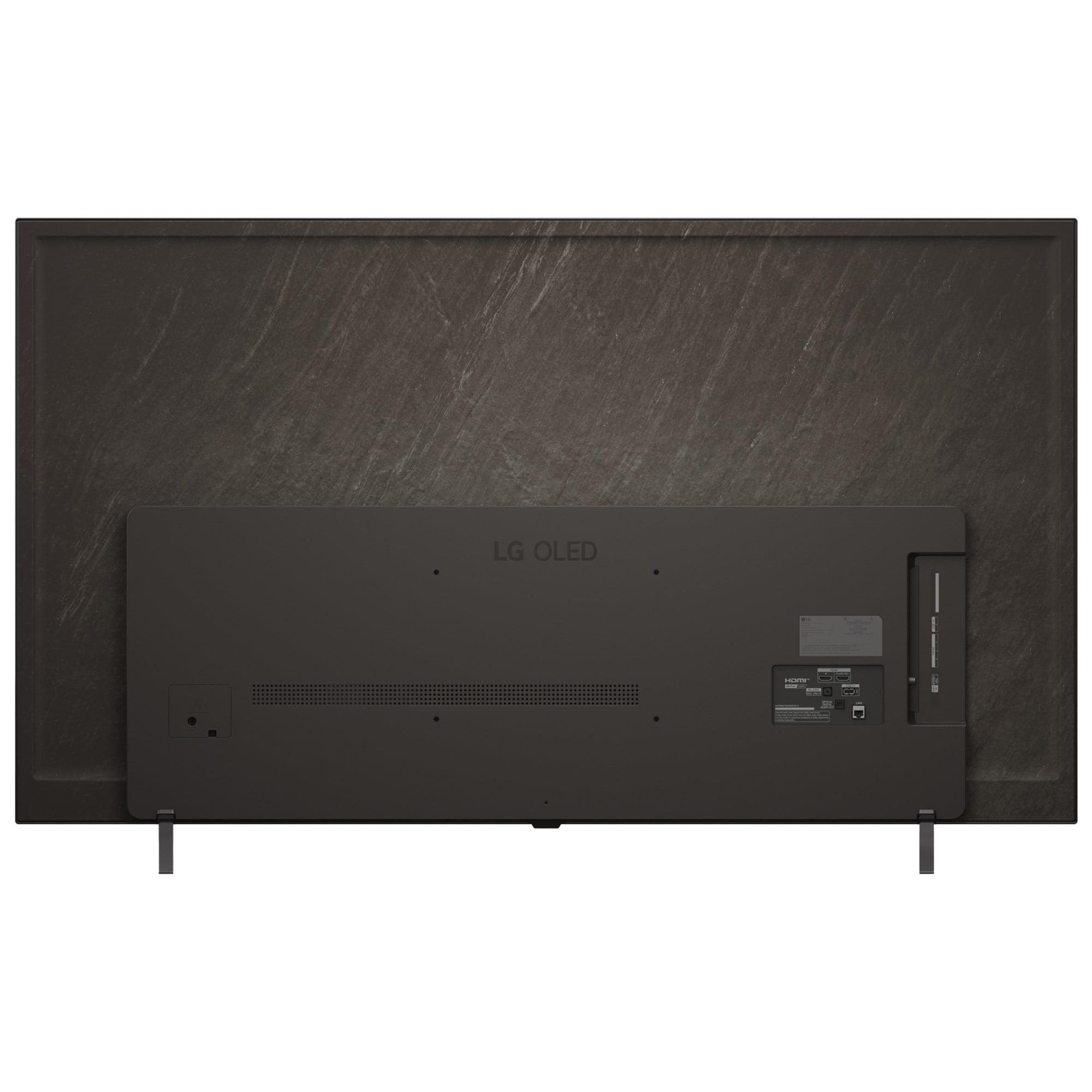
| 4 ports with 4K/120Hz support | 4 ports with 4K/120Hz support |
| Color Accuracy - Professional and cinema viewing | |
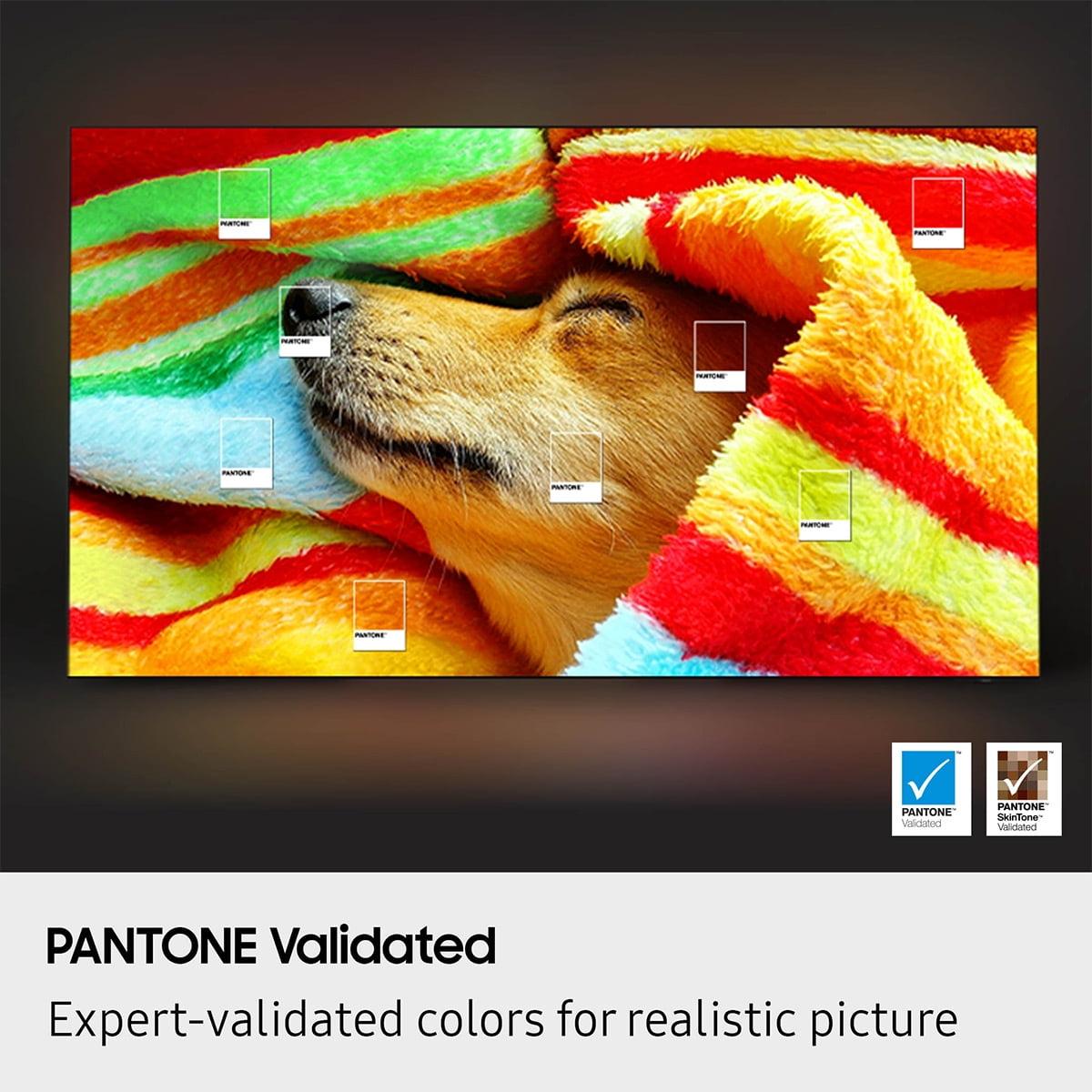
| Natural reproduction with FILMMAKER MODE | Pantone Validated with vibrant QD-OLED colors |
| Audio Features - Built-in sound capabilities | |
| Dolby Atmos, AI Sound optimization | Dolby Atmos, Object Tracking Sound Lite |
| Best Use Case - Optimal viewing scenarios | |
| Dark rooms, serious gaming, home theater accuracy | Bright rooms, casual gaming, vibrant content |
The Samsung S85F OLED 65" ($1,599.99) is significantly better for bright rooms. It features QD-OLED technology that can reach up to 2,000 nits of brightness and includes OLED Glare Free anti-reflection technology. The LG B5 Series OLED 65" ($1,699.99) has moderate brightness and is better suited for controlled lighting environments.
The Samsung S85F ($1,599.99) costs $100 less than the LG B5 ($1,699.99). Despite being cheaper, the Samsung offers QD-OLED panel technology, while the LG justifies its higher price with superior gaming features and Dolby Vision support.
The LG B5 Series OLED 65" has more comprehensive gaming features, including both NVIDIA G-Sync and AMD FreeSync Premium support, 0.1ms response time, and extensive gaming optimization tools. The Samsung S85F offers excellent gaming with AMD FreeSync Premium and 4K/120Hz support but lacks NVIDIA G-Sync compatibility.
Only the LG B5 Series OLED 65" supports Dolby Vision, which is widely used by Netflix, Disney+, and other streaming services. The Samsung S85F uses HDR10+ instead, which provides good HDR performance but has less content support than Dolby Vision.
The Samsung S85F OLED 65" gets significantly brighter with peak brightness up to 2,000 nits, making HDR content more impactful. The LG B5 has moderate brightness that's suitable for dark rooms but won't deliver the same HDR punch in bright environments.
Both TVs work well for home theaters, but serve different needs. The LG B5 Series OLED 65" is better for dedicated dark home theaters with its natural colors, Dolby Vision support, and FILMMAKER MODE. The Samsung S85F is better for multipurpose rooms that also serve as home theaters due to its superior brightness and anti-reflection properties.
Both platforms are excellent, but the LG B5's webOS 25 offers broader smart home integration with Matter, HomeKit, and 5-year software update promise. The Samsung S85F's Tizen OS focuses more on gaming features with Gaming Hub and includes SmartThings Hub functionality.
The Samsung S85F produces more vibrant, saturated colors thanks to its QD-OLED panel technology and is Pantone Validated for accuracy. The LG B5 delivers more natural, cinema-accurate colors that are ideal for movie watching and professional content creation.
The Samsung S85F OLED 65" is much better for daytime sports viewing due to its higher brightness and superior anti-reflection technology. The LG B5 may appear washed out in bright rooms with lots of natural light during daytime sports viewing.
Yes, both the LG B5 Series OLED 65" and Samsung S85F feature four HDMI 2.1 ports that support 4K gaming at 120Hz. This provides plenty of connectivity for gaming consoles, streaming devices, and other equipment.
Both TVs offer similar audio capabilities with Dolby Atmos support. The LG B5 includes AI sound optimization, while the Samsung S85F features Object Tracking Sound Lite and Adaptive Sound Pro. Neither replaces a dedicated sound system, but both provide decent audio for casual viewing.
Choose the Samsung S85F ($1,599.99) if your living room has windows or bright lighting, as its superior brightness and anti-reflection make it more versatile. Choose the LG B5 ($1,699.99) if you have controlled lighting, prioritize gaming features, or want Dolby Vision support for streaming services.
We've done our best to create useful and informative comparisons to help you decide what product to buy. Our research uses advanced automated methods to create this comparison and perfection is not possible - please contact us for corrections or questions. These are the sites we've researched in the creation of this article: eftm.com - bestbuy.com - rtings.com - youtube.com - rtings.com - tomsguide.com - youtube.com - nationalproductreview.com.au - lg.com - manchesterbrothers.com - avsforum.com - lg.com - lg.com - lg.com - lg.com - retailspecs.com - american-homeappliance.com - perpichtv.com - rtings.com - samsung.com - youtube.com - rtings.com - youtube.com - samsung.com - bestbuy.com - avsforum.com - avsforum.com - samsung.com - displayspecifications.com - videoandaudiocenter.com - bestbuy.com - flatpanelshd.com - myallsouth.com - samsung.com - richstv.com - samsung.com - heartlandappliance.com

Privacy Policy
Terms and Conditions - Affiliate Policy
Home Security
© Copyright 2008-2026.
11816 Inwood Rd #1211, Dallas, TX 75244