

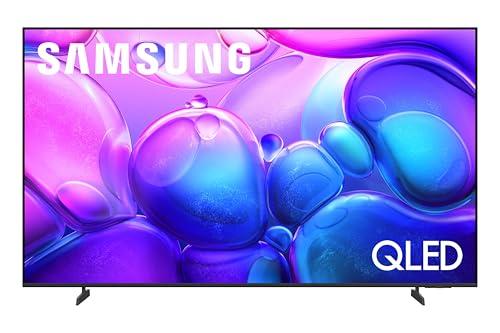

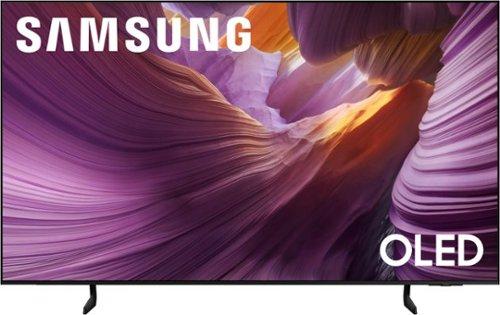
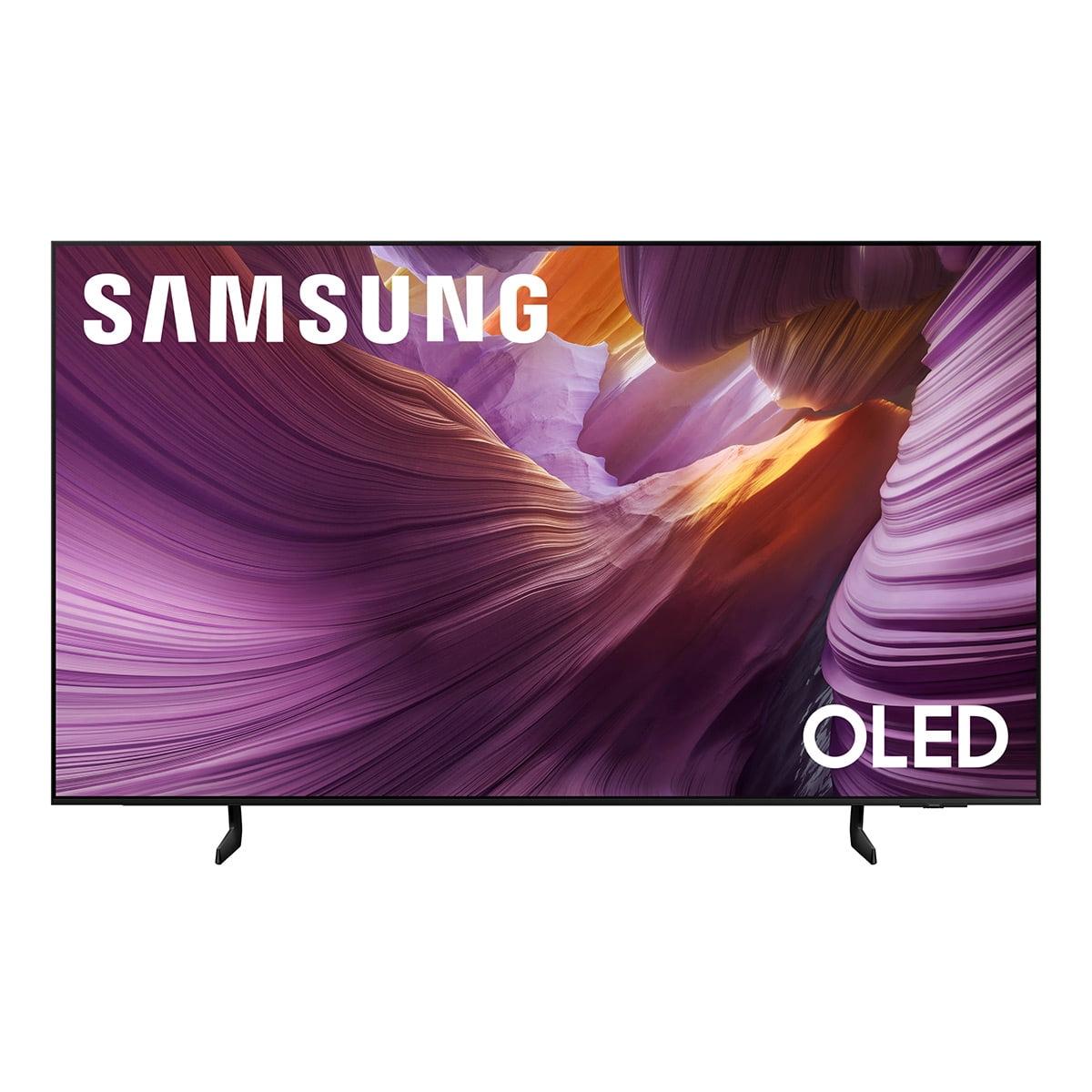
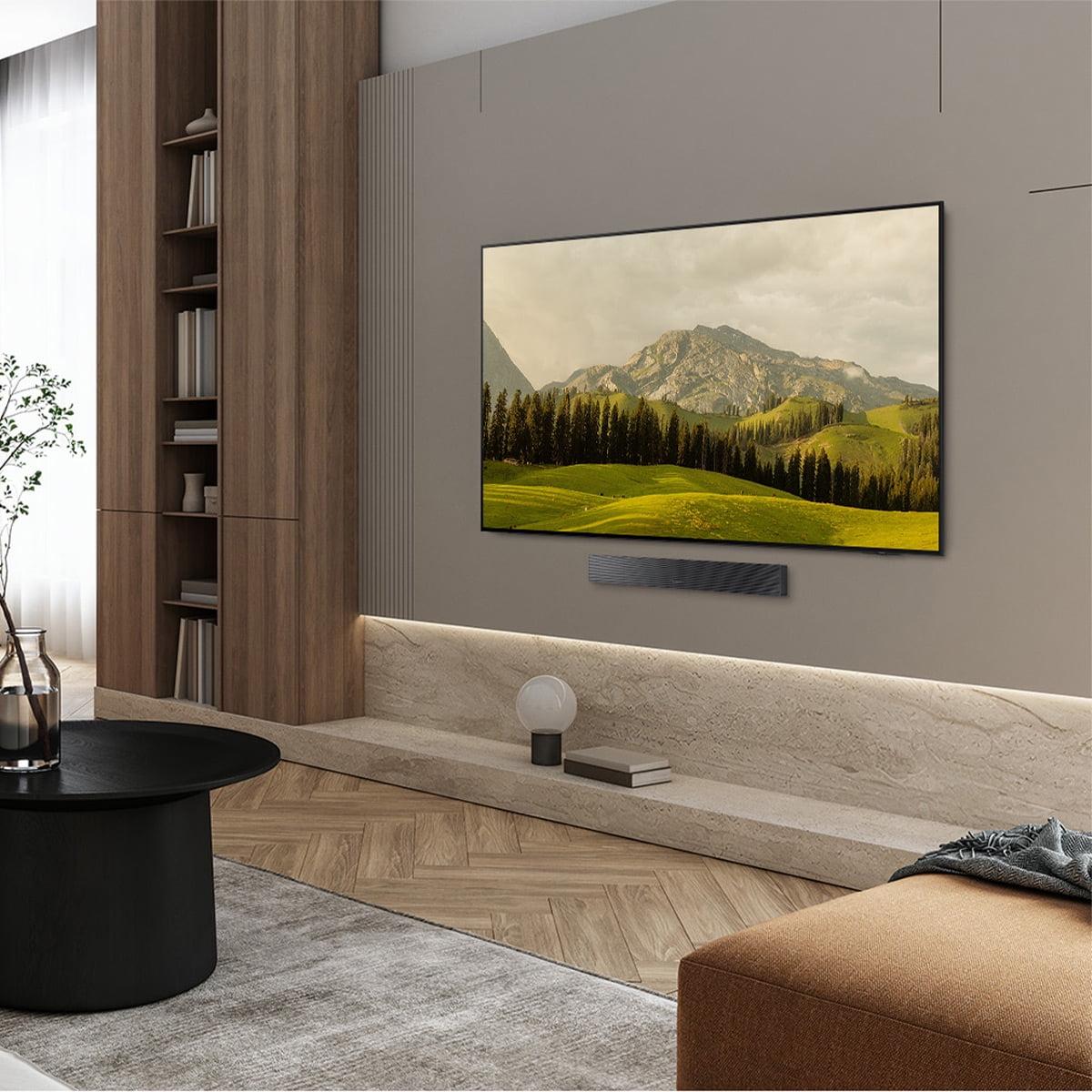

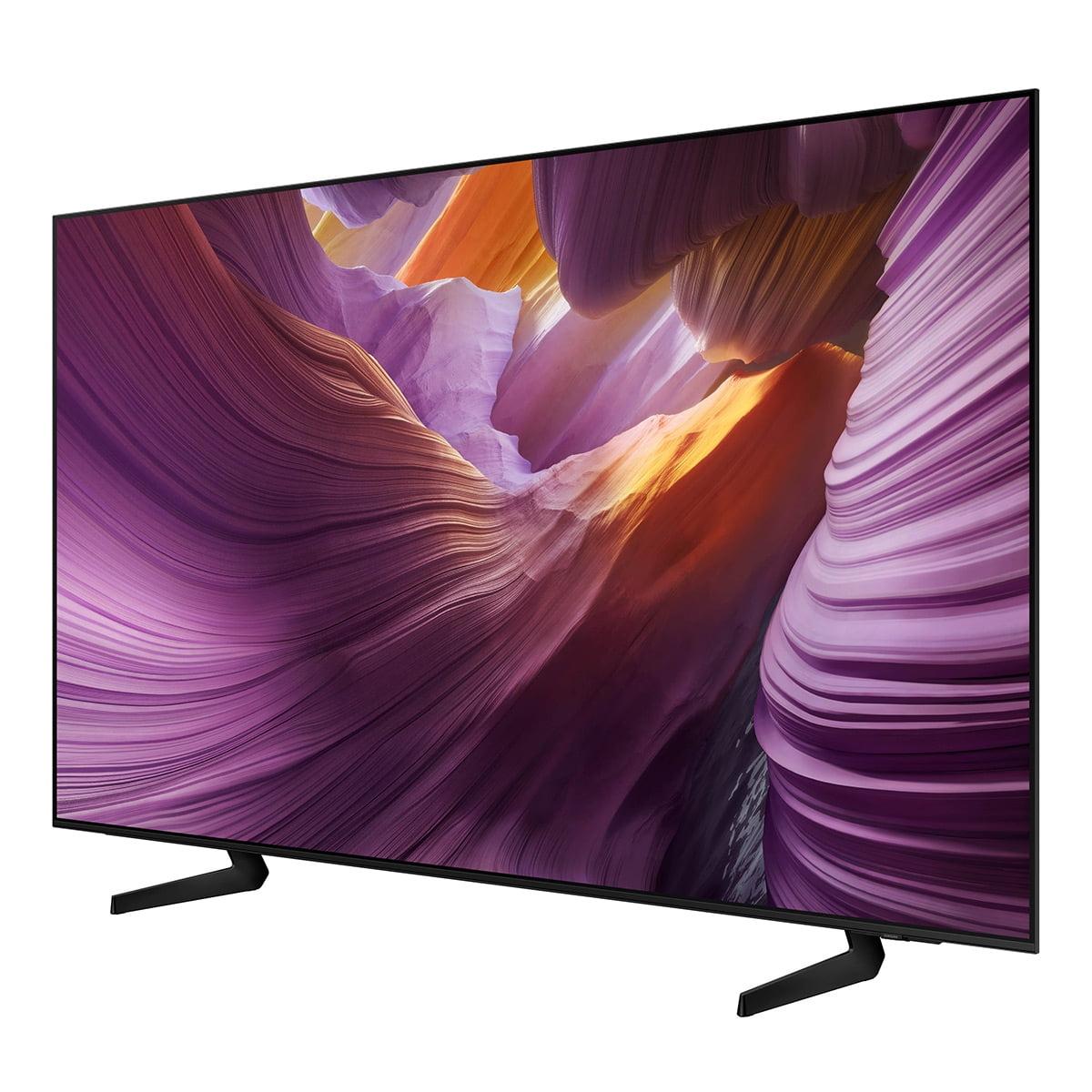
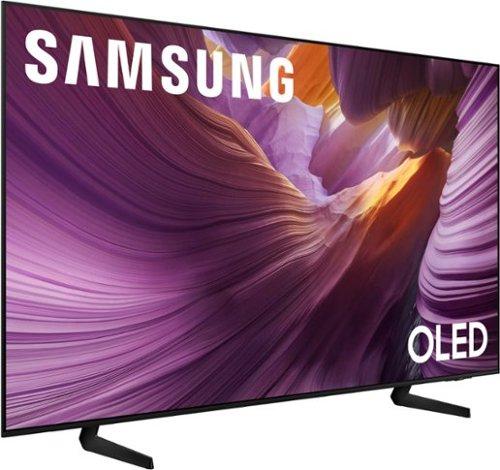
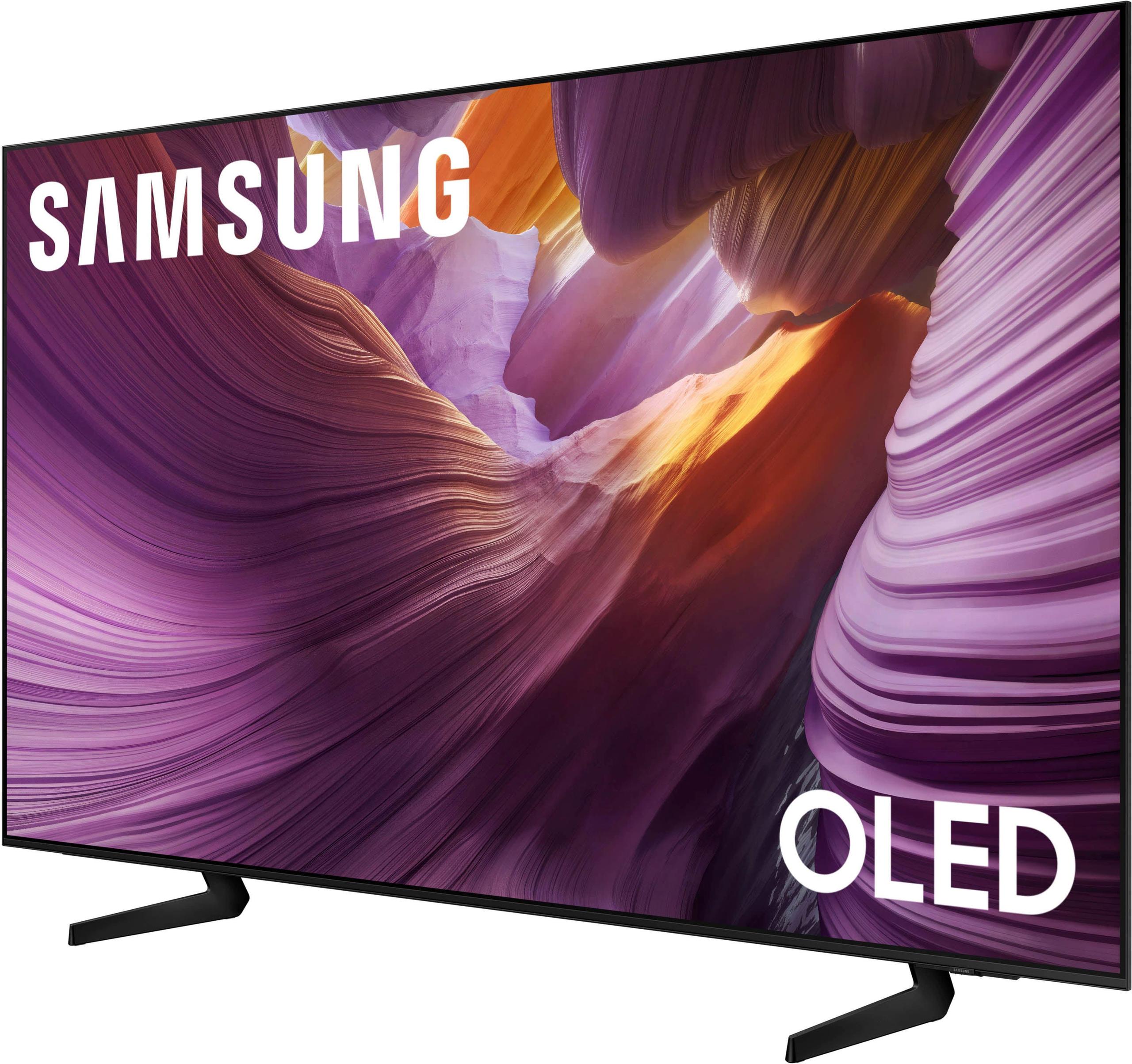
Choosing between Samsung's latest smart TVs can feel overwhelming, especially when you're comparing two fundamentally different technologies. The Samsung 75-Inch QLED Q6F Series 2025 and Samsung 65" S85F OLED 4K Smart TV (2025) represent a classic dilemma in today's TV market: do you prioritize screen size and value, or do you pay more for superior picture technology?
Both TVs launched in 2025 as part of Samsung's refreshed lineup, but they target completely different buyers. After diving deep into expert reviews and user feedback, it's clear these TVs excel in different scenarios. Let me break down everything you need to know to make the right choice for your home.
The biggest difference between these TVs isn't their size—it's how they create the picture you see. The Q6F uses QLED technology, which stands for Quantum Dot Light-Emitting Diode. Think of it as a traditional LED TV with a special layer of microscopic particles called quantum dots that enhance colors. These quantum dots act like tiny color filters, taking blue LED light and converting it into incredibly pure reds and greens.
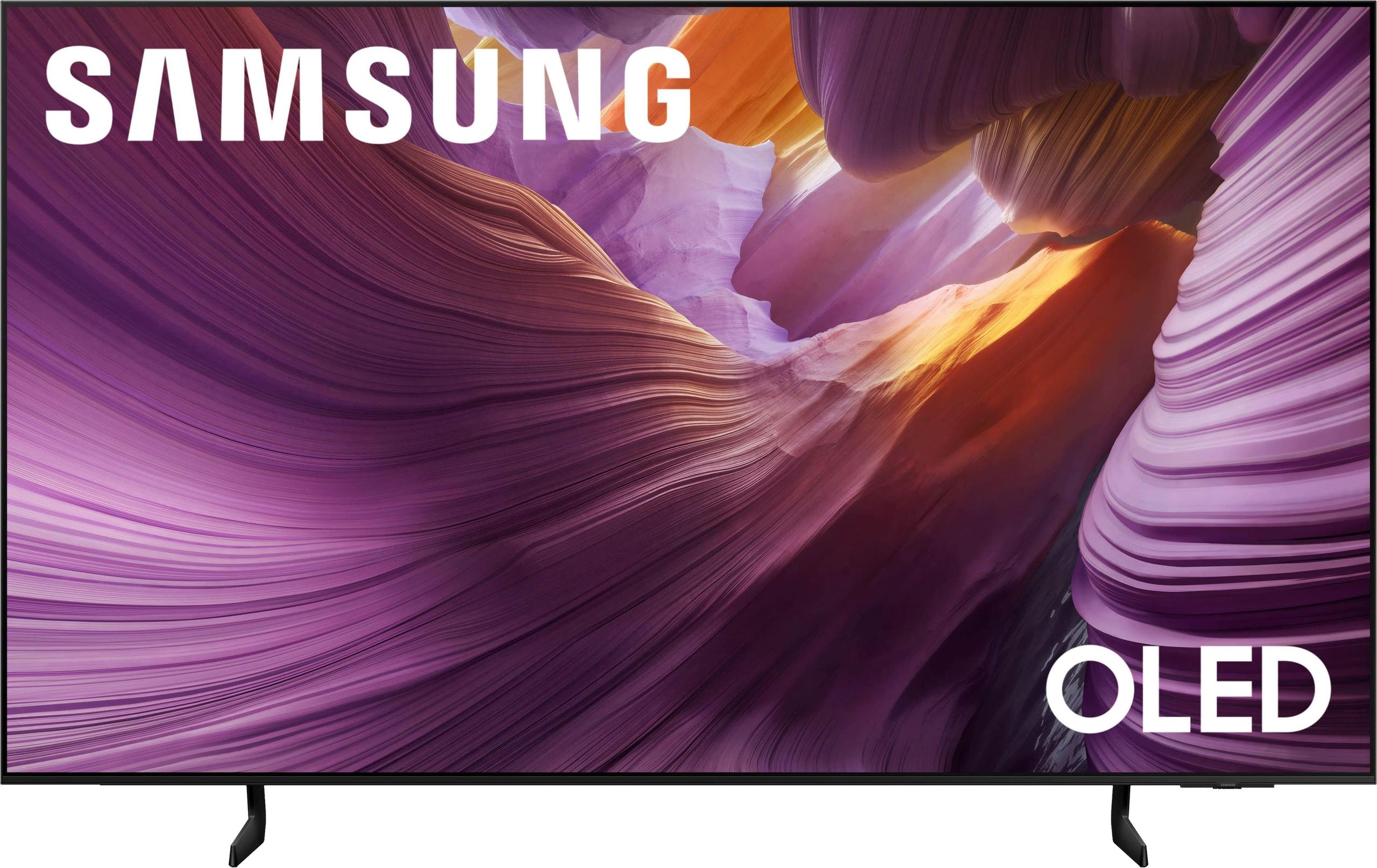
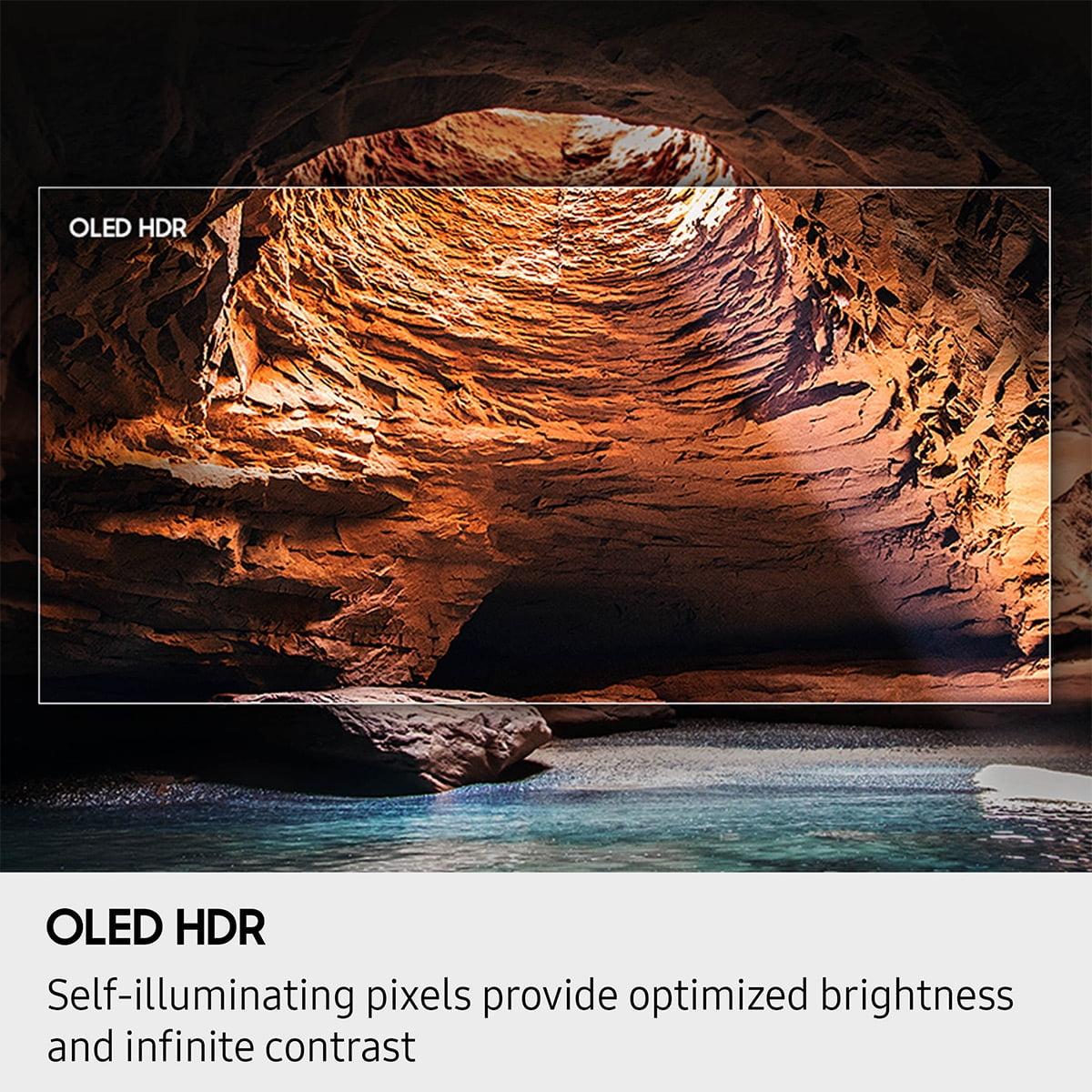
The S85F, on the other hand, uses OLED technology—Organic Light-Emitting Diode. Here's where it gets interesting: instead of needing a backlight like the Q6F, each pixel in an OLED display produces its own light. When a pixel needs to show black, it simply turns off completely. This fundamental difference creates dramatically different viewing experiences.
Samsung made some smart improvements in 2025. The Q6F now includes their latest quantum dot formulation that's completely cadmium-free while maintaining 100% color volume—meaning colors stay vibrant even at maximum brightness. The S85F uses Samsung's QD-OLED technology in the 65-inch size for North American markets, which combines quantum dots with OLED for wider color gamut than traditional OLED panels.
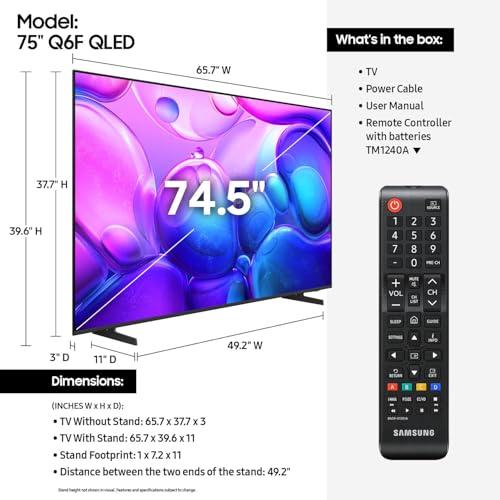
At first glance, choosing between a 75-inch and 65-inch TV might seem straightforward—bigger is better, right? But the reality is more nuanced. The Q6F's 75-inch screen provides about 25% more viewing area than the S85F's 65-inch panel. That's genuinely noticeable, especially for sports, group viewing, or if you sit farther from your TV.
However, screen size means nothing if the picture quality doesn't impress you. Based on our research into professional reviews and user experiences, the S85F delivers significantly better picture quality despite its smaller size. The difference is particularly stark in dark scenes, where the OLED's ability to produce true blacks creates a cinematic experience that the Q6F simply cannot match.
I've found that most people underestimate how much picture quality matters until they see OLED in action. The S85F's self-illuminating pixels create contrast that looks almost three-dimensional, especially in movies with dramatic lighting. The Q6F, while impressive for its price point, uses a traditional LED backlight that can't turn off completely, resulting in slightly gray blacks instead of true black.
If gaming matters to you, the performance gap between these TVs is substantial. The S85F supports 120Hz refresh rates, meaning it can display 120 frames per second—double what the Q6F's 60Hz panel can handle. For context, newer gaming consoles like PlayStation 5 and Xbox Series X can output games at 120fps, making fast-paced games noticeably smoother on the S85F.
Input lag—the delay between pressing a controller button and seeing the action on screen—is crucial for competitive gaming. OLED technology naturally has faster pixel response times than QLED, and reviews consistently show the S85F achieving input lag measurements under 10 milliseconds in game mode. The Q6F, while still respectable at around 10-15 milliseconds, can't quite match OLED's instantaneous response.
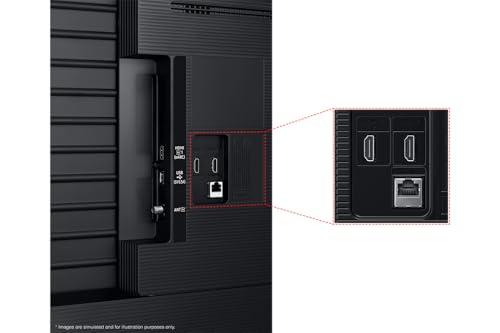
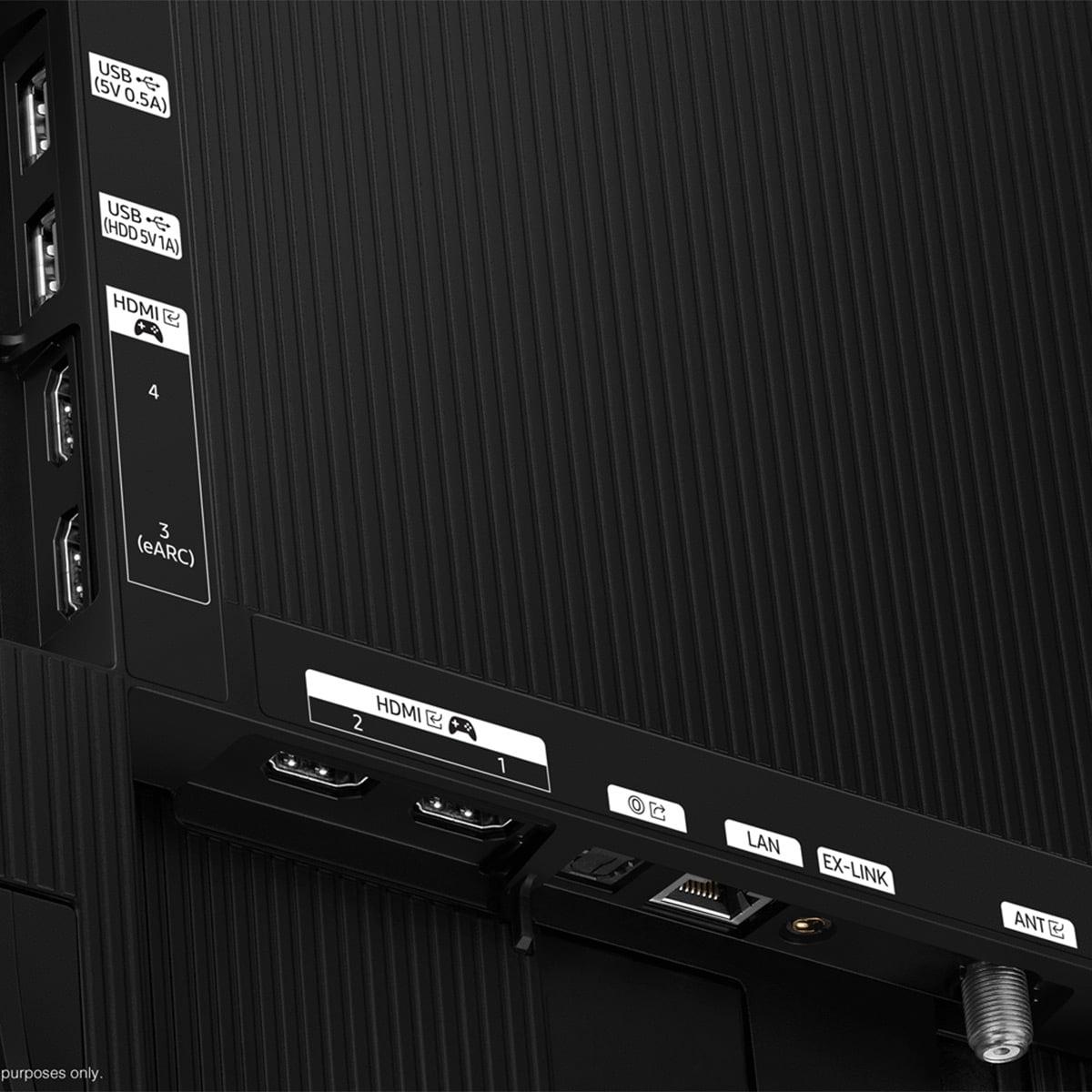
The S85F also includes four HDMI 2.1 ports compared to the Q6F's three HDMI ports. HDMI 2.1 supports higher bandwidth for 4K 120Hz gaming and features like Variable Refresh Rate (VRR), which eliminates screen tearing. Both TVs support VRR, but the S85F's implementation is more comprehensive with FreeSync Premium support.
Gaming features like Auto Low Latency Mode (ALLM) and Game Motion Plus are present on both TVs, but the S85F adds advanced options like Dynamic Black EQ, which brightens dark areas in games without affecting other parts of the image—particularly helpful in competitive shooters where spotting enemies in shadows matters.
Here's where the Q6F shows its strengths. QLED technology can achieve higher peak brightness than entry-level OLED, making it better suited for bright rooms with lots of windows. Based on technical measurements from professional reviews, the Q6F can reach over 1,000 nits of peak brightness, while the S85F tops out around 750 nits in small highlight areas.
This brightness advantage is particularly noticeable during daytime viewing or in rooms with significant ambient light. The Q6F's quantum dots maintain color saturation even at high brightness levels—Samsung calls this "100% Color Volume." In practice, this means bright, colorful scenes in movies or shows maintain their impact even when sunlight is streaming through your windows.
The S85F, being Samsung's entry-level OLED, doesn't include the anti-glare technology found in their premium S95F model. This means reflections can be more problematic on the S85F in bright rooms. However, Samsung has improved the anti-reflective coating compared to previous years, making it more usable in moderately lit rooms than older OLED models.
For dark room viewing—which I consider the gold standard for evaluating TV picture quality—the S85F is in a different league. The infinite contrast ratio creates an almost projector-like experience where bright stars against a night sky or car headlights in dark scenes have genuine impact. The Q6F handles dark scenes well for a QLED, but the slightly elevated black levels mean you're not getting the full cinematic effect.
High Dynamic Range (HDR) is where these TVs showcase their different philosophies. HDR content includes additional brightness and color information to create more lifelike images with brighter highlights and deeper shadows. Both TVs support HDR10+, Samsung's preferred HDR format that adds dynamic metadata to optimize each scene individually.
The Q6F uses Samsung's Quantum HDR processing, which leverages its higher peak brightness to create impactful highlights. In HDR content like nature documentaries or action movies, bright elements like explosions, sunlight, or fire can really pop off the screen. However, the Q6F's UHD Dimming technology, while helpful, can't match the pixel-level control of OLED.
The S85F approaches HDR differently. While it can't get as bright as the Q6F, its perfect black levels mean the contrast between dark and bright areas is more dramatic. Professional reviews consistently praise the S85F's gradient handling—the smooth transitions between different brightness levels that prevent banding or posterization in scenes like sunsets or shadows.
One notable limitation for home theater enthusiasts: neither TV supports Dolby Vision, the competing HDR format preferred by many streaming services and 4K Blu-rays. This is a Samsung ecosystem choice, as they push their own HDR10+ format instead.
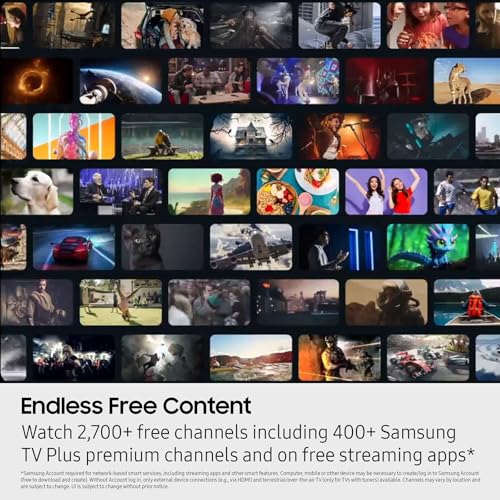
Both TVs run Samsung's Tizen operating system, which has evolved significantly over recent years into one of the more responsive and feature-rich smart TV platforms. The interface is intuitive, with quick access to popular streaming apps and Samsung's free Samsung TV Plus service.
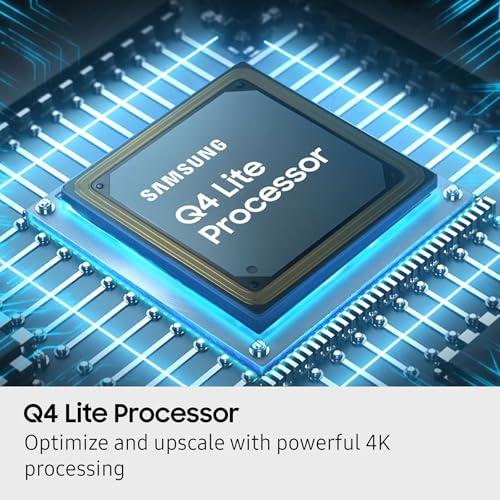
The Q6F uses Samsung's Q4 Lite Processor, which handles basic AI upscaling to improve lower-resolution content. This is particularly important since much of what we watch isn't native 4K—from cable TV to older movies on streaming services. The upscaling is competent, though not groundbreaking.
The S85F steps up to the NQ4 AI Gen2 Processor, which includes 20 AI neural networks for more sophisticated image processing. This processor handles more advanced features like AI-powered HDR remastering that can enhance standard dynamic range (SDR) content to HDR-like quality, and scene-by-scene color optimization.
Both TVs include Samsung's Gaming Hub, which centralizes access to cloud gaming services like Xbox Game Pass and NVIDIA GeForce Now. Voice control works through Bixby, Alexa, or Google Assistant, and both TVs serve as SmartThings hubs for controlling compatible smart home devices.
The SolarCell Remote included with both TVs deserves mention—it charges via ambient light or indoor lighting, reducing battery waste. It's a small touch that shows Samsung's attention to sustainability.
TV audio has improved dramatically in recent years, and both these Samsung models exceed basic expectations. The Q6F features Object Tracking Sound Lite (OTS Lite), which attempts to make audio follow the action on screen. While not as sophisticated as the full OTS system on premium TVs, it creates a more immersive soundstage than traditional down-firing speakers.
The S85F includes more advanced audio processing with Dolby Atmos support and Adaptive Sound Pro, which analyzes your room acoustics and content to optimize audio output. The difference is subtle but noticeable, particularly with dialogue clarity and spatial audio effects.
Both TVs support Q-Symphony, Samsung's technology that allows the TV speakers to work in harmony with compatible Samsung soundbars rather than turning off when a soundbar is connected. This creates a more enveloping sound experience if you're planning to add a soundbar later.
However, let's be realistic: built-in TV audio has physical limitations. The thin profiles of modern TVs simply can't house large speakers. While both TVs sound good for their form factor, serious movie watching or music listening benefits from external audio solutions.
At the time of writing, the Q6F represents exceptional value for large-screen entertainment. You're getting quantum dot color enhancement, smart TV features, and that impressive 75-inch screen size at a price point that was unimaginable just a few years ago. For families who prioritize screen real estate and watch a mix of content in various lighting conditions, the cost-per-inch ratio is compelling.
The S85F commands a significant premium—roughly 65-70% more expensive despite being 10 inches smaller. However, this price reflects genuinely superior technology. OLED manufacturing remains more complex and expensive than QLED, and the picture quality difference is substantial in the right viewing conditions.
I've observed that buyers who choose based primarily on specifications and price often gravitate toward QLED, while those who prioritize the actual viewing experience tend to prefer OLED despite the cost. Neither approach is wrong—it depends on your priorities and viewing habits.
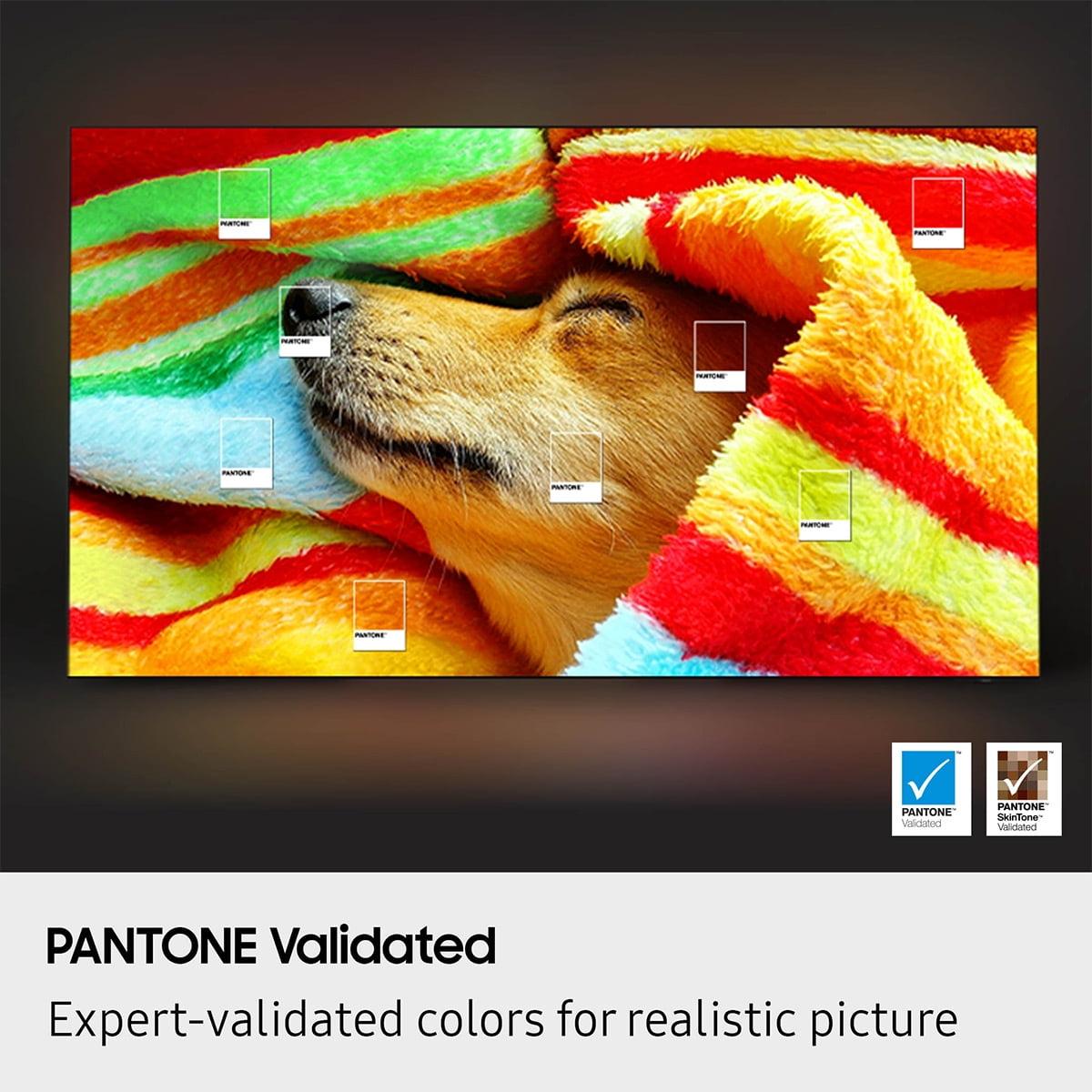
For dedicated home theaters or media rooms where lighting can be controlled, the S85F is the clear winner. The combination of perfect blacks, excellent color accuracy (Pantone validated for over 2,140 colors), and sophisticated processing creates a premium cinematic experience. The smaller screen size becomes less of a limitation when you can sit closer in a dedicated viewing environment.
The Q6F works well in multipurpose family rooms where the TV handles everything from morning news to evening movies. Its brightness advantage means it maintains picture quality even when you can't control ambient light perfectly.
Choose the Samsung Q6F 75" if you:
Choose the Samsung S85F 65" if you:
Both TVs excel in their intended roles, but they're designed for different buyers with different priorities. The Q6F delivers tremendous value for general entertainment, offering quantum dot color enhancement and smart features in an impressively large package. It's the TV I'd recommend for most families who want to upgrade from an older set without breaking the bank.
The S85F represents Samsung's entry into premium display technology. While expensive, it delivers picture quality that rivals TVs costing significantly more just a few years ago. For movie enthusiasts, gamers, and anyone who appreciates technological excellence, the premium is justified by the genuinely superior viewing experience.
My take? If budget allows and you can live with 65 inches, the S85F will likely provide more long-term satisfaction due to its superior contrast and gaming capabilities. However, the Q6F offers such strong value that it's hard to argue against, especially if screen size matters to your household.
The smart money says either TV will serve you well—just make sure you're honest about your viewing habits, room conditions, and what aspects of TV performance matter most to your daily experience.
| Samsung 75-Inch QLED Q6F Series 2025 Smart TV | Samsung 65" S85F OLED 4K Smart TV (2025) |
|---|---|
| Display Technology - Fundamental difference affecting picture quality | |
| QLED with Quantum Dot enhancement and LED backlight | QD-OLED with self-illuminating pixels (no backlight needed) |
| Screen Size - Physical viewing area | |
| 75 inches (25% more viewing area) | 65 inches (premium picture quality in smaller package) |
| Refresh Rate - Critical for gaming and motion smoothness | |
| 60Hz native with Motion Xcelerator | 120Hz native with Motion Xcelerator 120Hz |
| Black Levels - Most noticeable picture quality difference | |
| Deep blacks via UHD Dimming (cannot achieve true black) | Perfect blacks with infinite contrast (pixels turn completely off) |
| Peak Brightness - Determines performance in bright rooms | |
| 1000+ nits (excellent for bright rooms and HDR highlights) | ~750 nits in highlights (better for controlled lighting) |
| Gaming Features - Important for console and PC gaming | |
| 3 HDMI ports, 4K 60Hz, VRR, ALLM, HGiG | 4 HDMI 2.1 ports, 4K 120Hz, VRR, ALLM, FreeSync Premium |
| Processor - Affects upscaling and smart features | |
| Q4 Lite Processor with basic AI upscaling | NQ4 AI Gen2 Processor with 20 AI neural networks |
| Color Performance - Affects vibrant content and HDR | |
| 100% Color Volume with Quantum Dots (vibrant but less precise) | Pantone Validated colors across 2,140+ colors (superior accuracy) |
| HDR Support - Enhanced contrast and brightness range | |
| Quantum HDR with HDR10+ (leverages high brightness) | OLED HDR with HDR10+ (superior gradient handling) |
| Audio System - Built-in sound quality | |
| 20W 2-channel with OTS Lite and Q-Symphony | Enhanced audio with Dolby Atmos and Adaptive Sound Pro |
| Best Room Conditions - Where each TV excels | |
| Bright family rooms, mixed lighting conditions | Dark rooms, controlled lighting, dedicated home theaters |
| Target Buyer - Who benefits most from each approach | |
| Families wanting large screen value and bright room performance | Quality-focused viewers prioritizing picture excellence and gaming |
The Samsung 65" S85F OLED has significantly better picture quality than the Samsung 75-Inch QLED Q6F. The S85F's OLED technology delivers perfect black levels and infinite contrast, while the Q6F uses LED backlighting that cannot achieve true blacks. However, the Q6F gets brighter, making it better for very bright rooms.
The Samsung S85F OLED is much better for gaming with its 120Hz refresh rate, four HDMI 2.1 ports, and faster response times. The Samsung Q6F only supports 60Hz and has three HDMI ports, making it adequate for casual gaming but not ideal for serious gamers with next-gen consoles.
The Samsung 75-Inch QLED Q6F is better for bright rooms due to its higher peak brightness of over 1000 nits. The Samsung S85F OLED reaches only around 750 nits and can struggle with reflections in very bright environments, though it works fine in moderately lit rooms.
Choose the Samsung Q6F if you prioritize screen size and have a bright living room with mixed lighting. Choose the Samsung S85F if you value superior picture quality and can control lighting somewhat. The Q6F offers 25% more viewing area, while the S85F delivers premium picture technology.
QLED in the Samsung Q6F uses quantum dots with LED backlighting for enhanced colors and brightness. OLED in the Samsung S85F has self-illuminating pixels that can turn completely off, creating perfect blacks and infinite contrast. This makes OLED better for dark room viewing and QLED better for bright rooms.
The Samsung S85F OLED is superior for movies due to its perfect black levels, accurate colors, and cinematic contrast. The Samsung Q6F is better for mixed content viewing including sports and daytime TV, especially in bright rooms where its higher brightness advantage shines.
Yes, both the Samsung Q6F and Samsung S85F run Tizen OS with identical smart features including Samsung TV Plus, Gaming Hub, voice assistants, and SmartThings integration. The main difference is the S85F has a more powerful NQ4 AI Gen2 processor for better upscaling and AI features.
The Samsung 75-Inch QLED Q6F offers exceptional value with quantum dot technology and a large 75-inch screen at a budget-friendly price. The Samsung S85F costs significantly more but delivers premium OLED picture quality that justifies the price for quality-focused buyers.
Yes, the Samsung S85F OLED is excellent for home theaters with its perfect blacks, accurate colors (Pantone validated), and cinematic contrast. The controlled lighting of a dedicated theater room maximizes OLED's strengths while minimizing its brightness limitations compared to the Samsung Q6F.
Both TVs support HDR10+, but they excel differently. The Samsung Q6F uses its higher brightness for impactful HDR highlights, while the Samsung S85F delivers superior gradient handling and contrast for more cinematic HDR. The S85F generally provides better overall HDR quality despite lower peak brightness.
The Samsung S85F OLED fully supports next-gen console gaming with 4K 120Hz, VRR, and four HDMI 2.1 ports. The Samsung Q6F supports current gaming features like VRR and Auto Game Mode but is limited to 60Hz, making it less future-proof for PlayStation 5 and Xbox Series X gaming.
The Samsung 75-Inch QLED Q6F is better for all-day viewing in typical living rooms due to its higher brightness and larger screen size. The Samsung S85F OLED is ideal if you primarily watch in the evening or have good light control, as its superior picture quality shines in darker viewing conditions.
We've done our best to create useful and informative comparisons to help you decide what product to buy. Our research uses advanced automated methods to create this comparison and perfection is not possible - please contact us for corrections or questions. These are the sites we've researched in the creation of this article: youtube.com - rtings.com - cnet.com - youtube.com - rtings.com - samsung.com - bestbuy.com - samsung.com - samsung.com - bestbuy.com - manuals.plus - arrowassociatedstores.com - samsung.com - samsung.com - samsung.com - flatpanelshd.com - device.report - rtings.com - samsung.com - youtube.com - youtube.com - samsung.com - bestbuy.com - avsforum.com - avsforum.com - samsung.com - displayspecifications.com - videoandaudiocenter.com - bestbuy.com - flatpanelshd.com - myallsouth.com - samsung.com - richstv.com - samsung.com - heartlandappliance.com

Privacy Policy
Terms and Conditions - Affiliate Policy
Home Security
© Copyright 2008-2026.
11816 Inwood Rd #1211, Dallas, TX 75244