

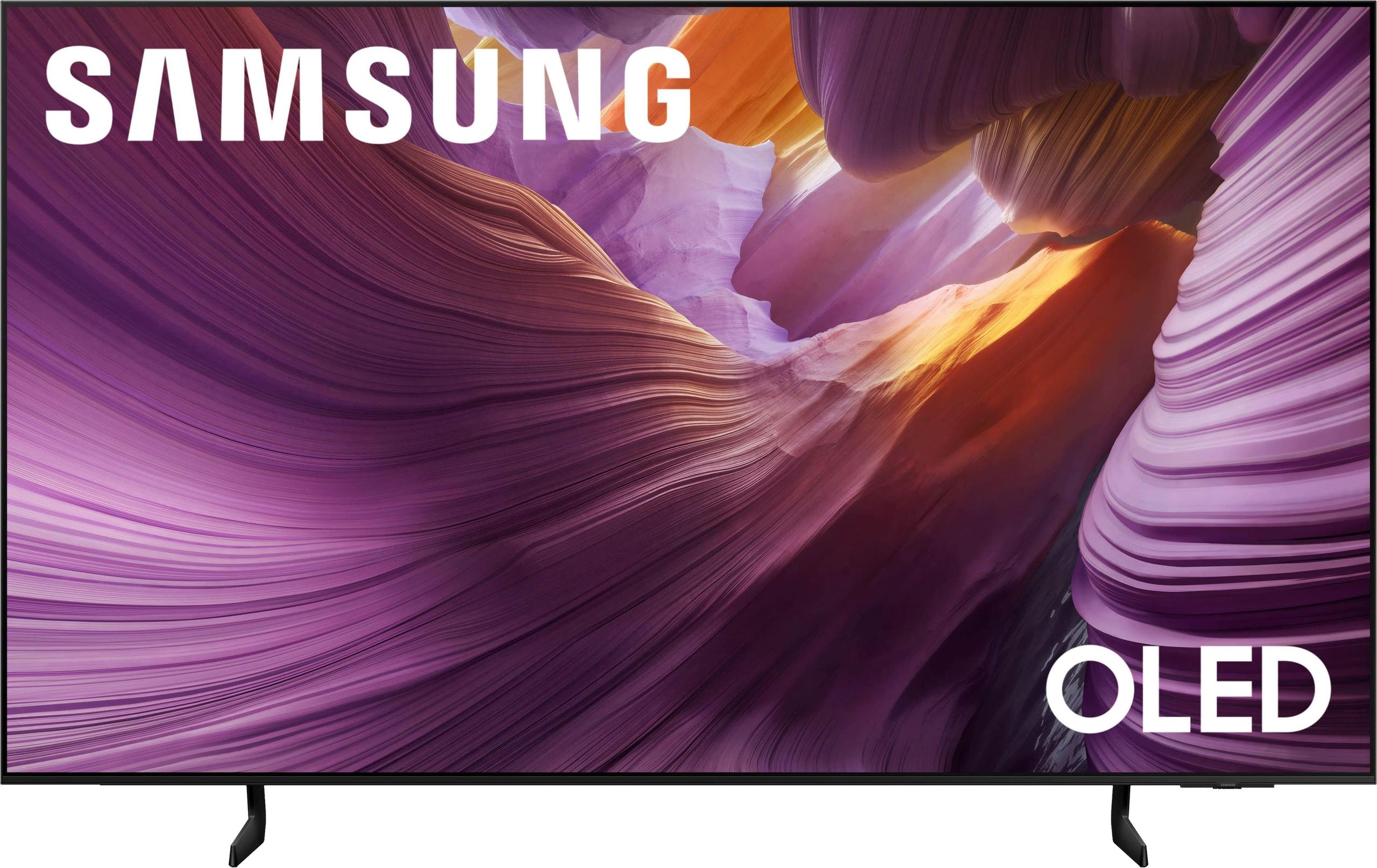
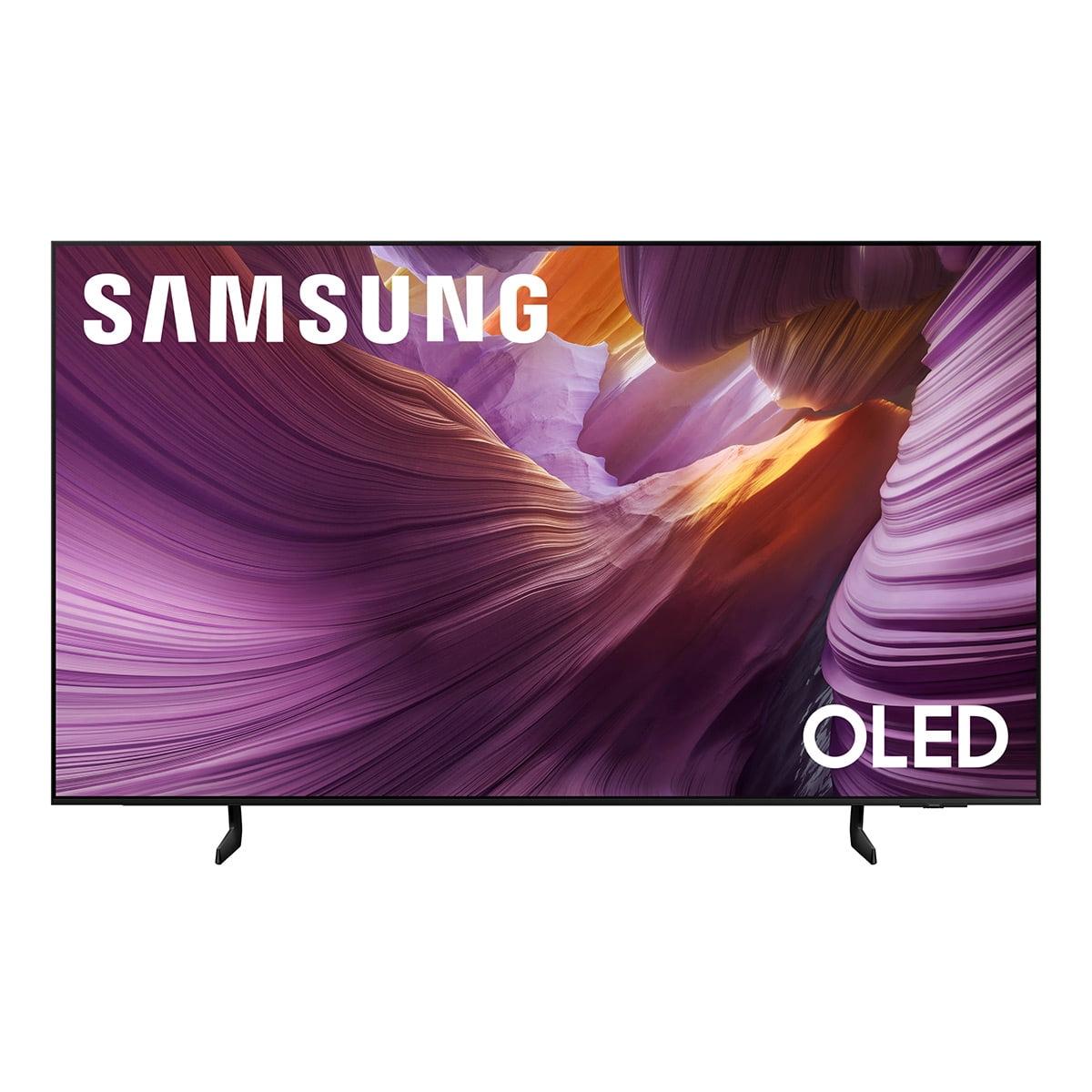
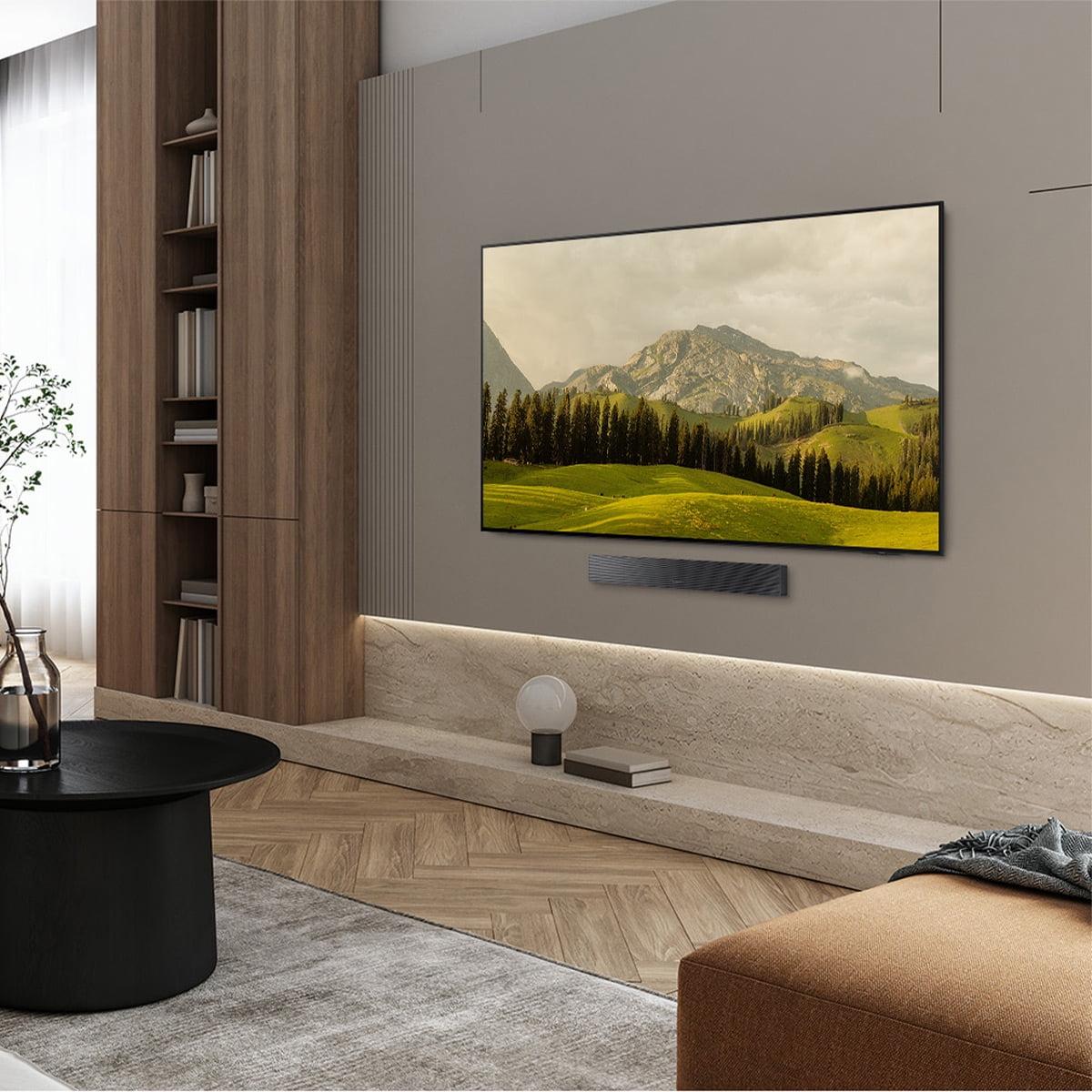
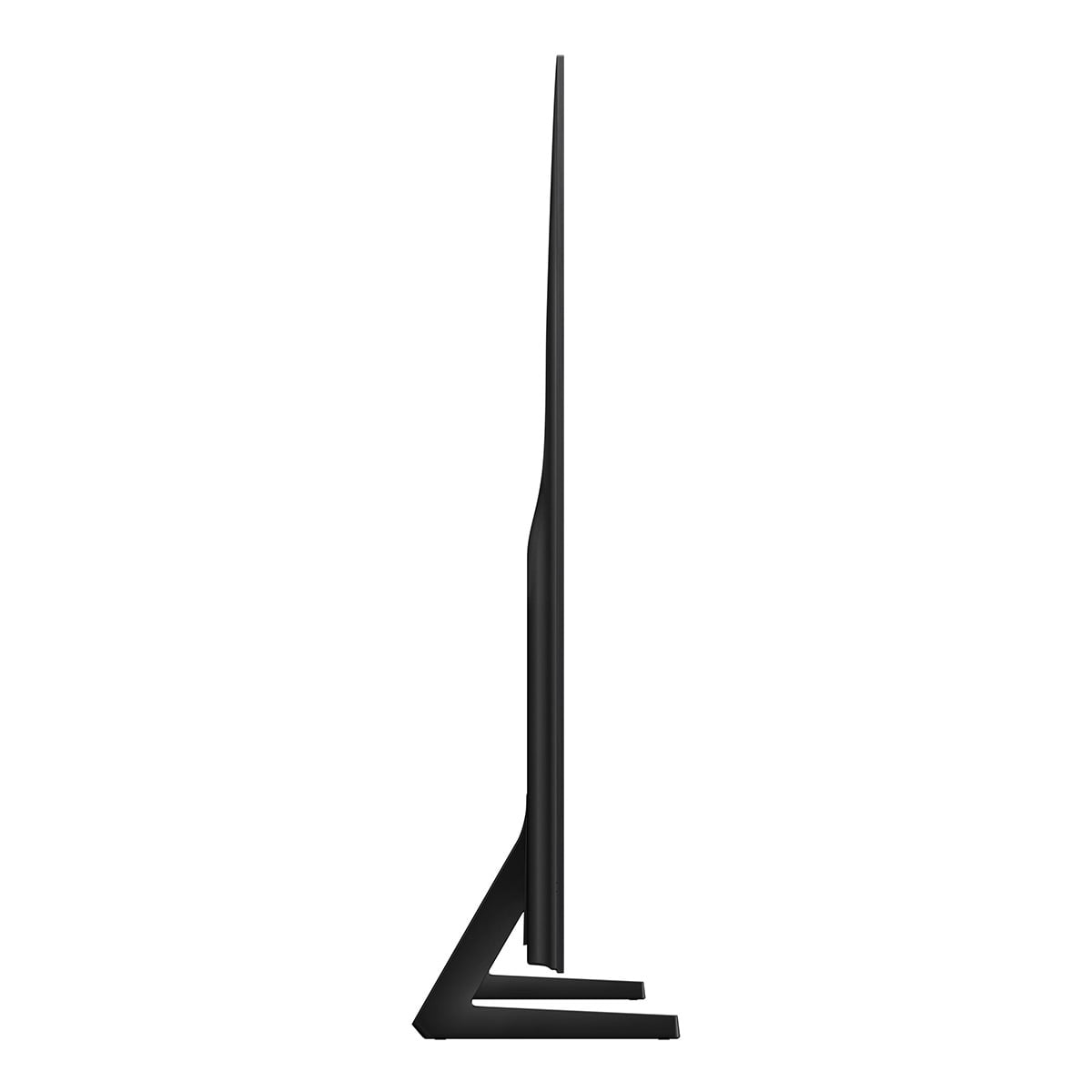

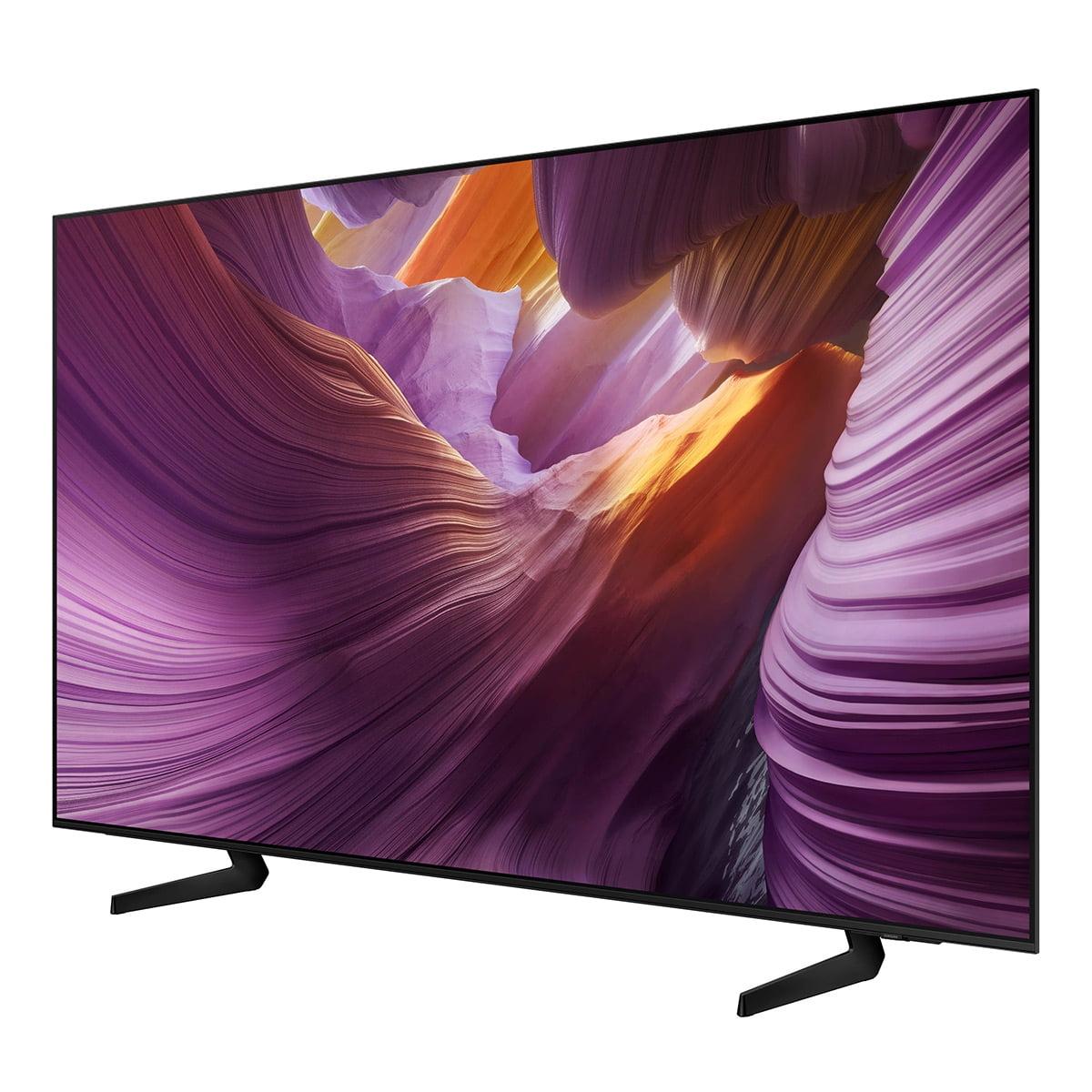
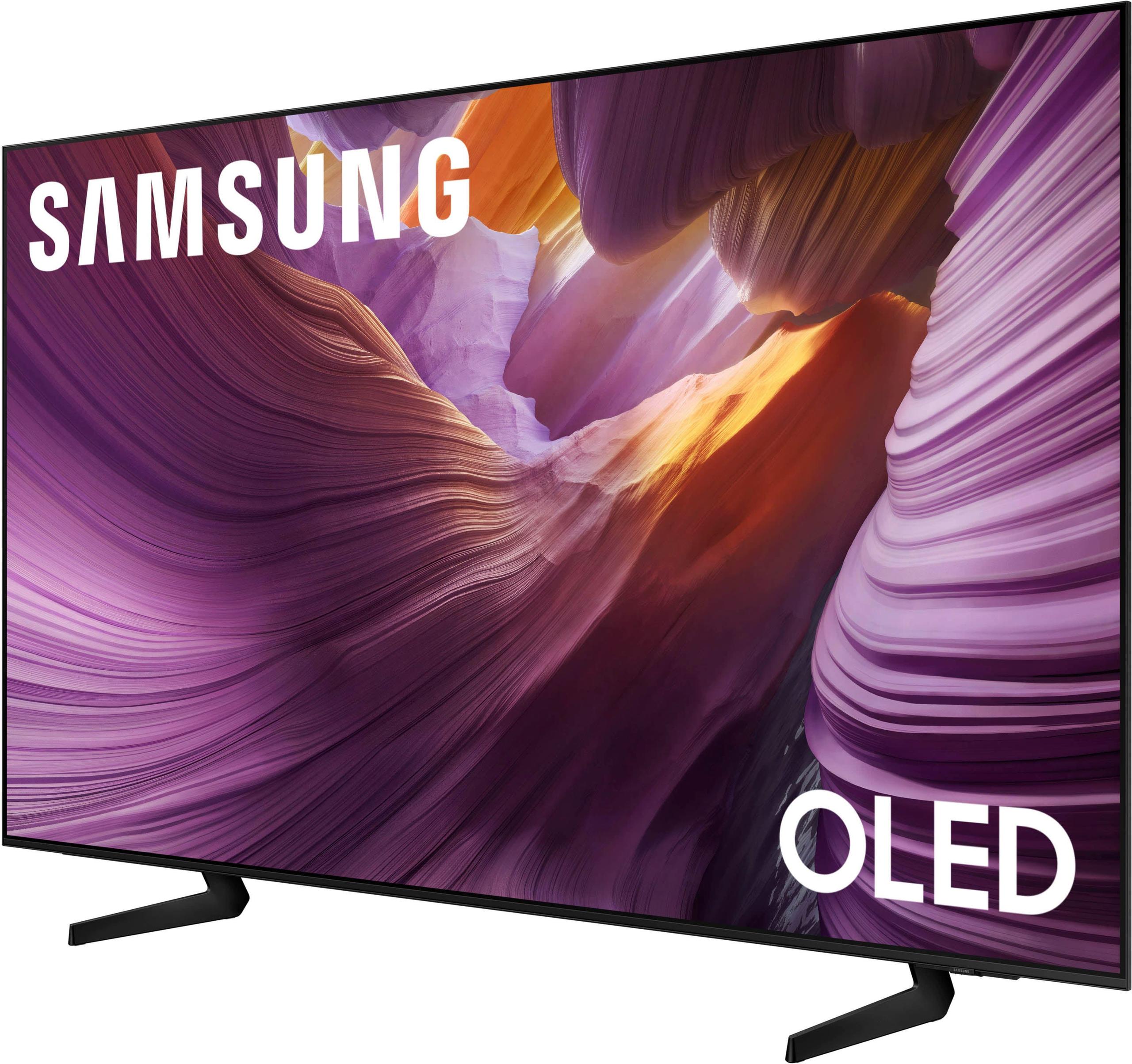
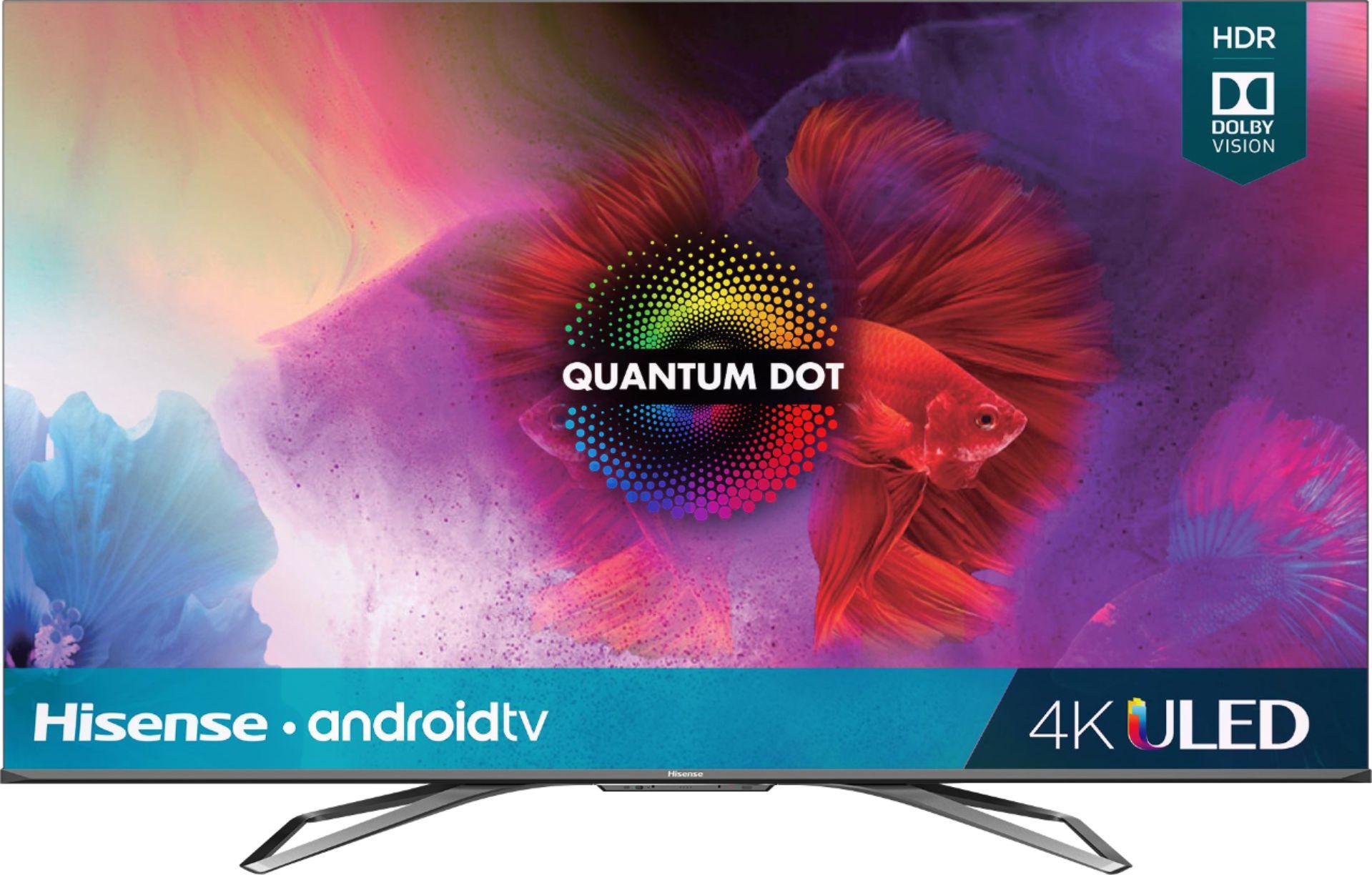
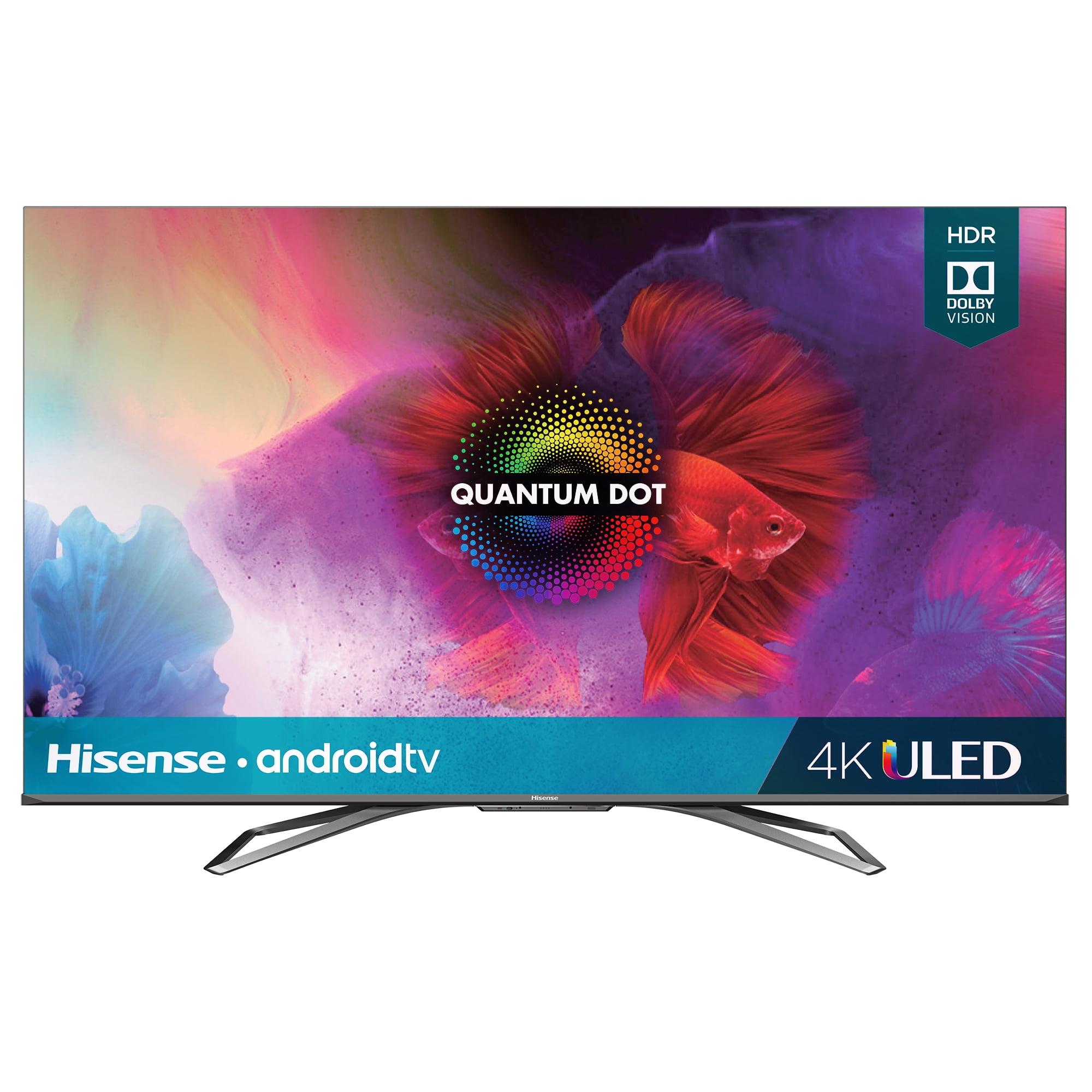
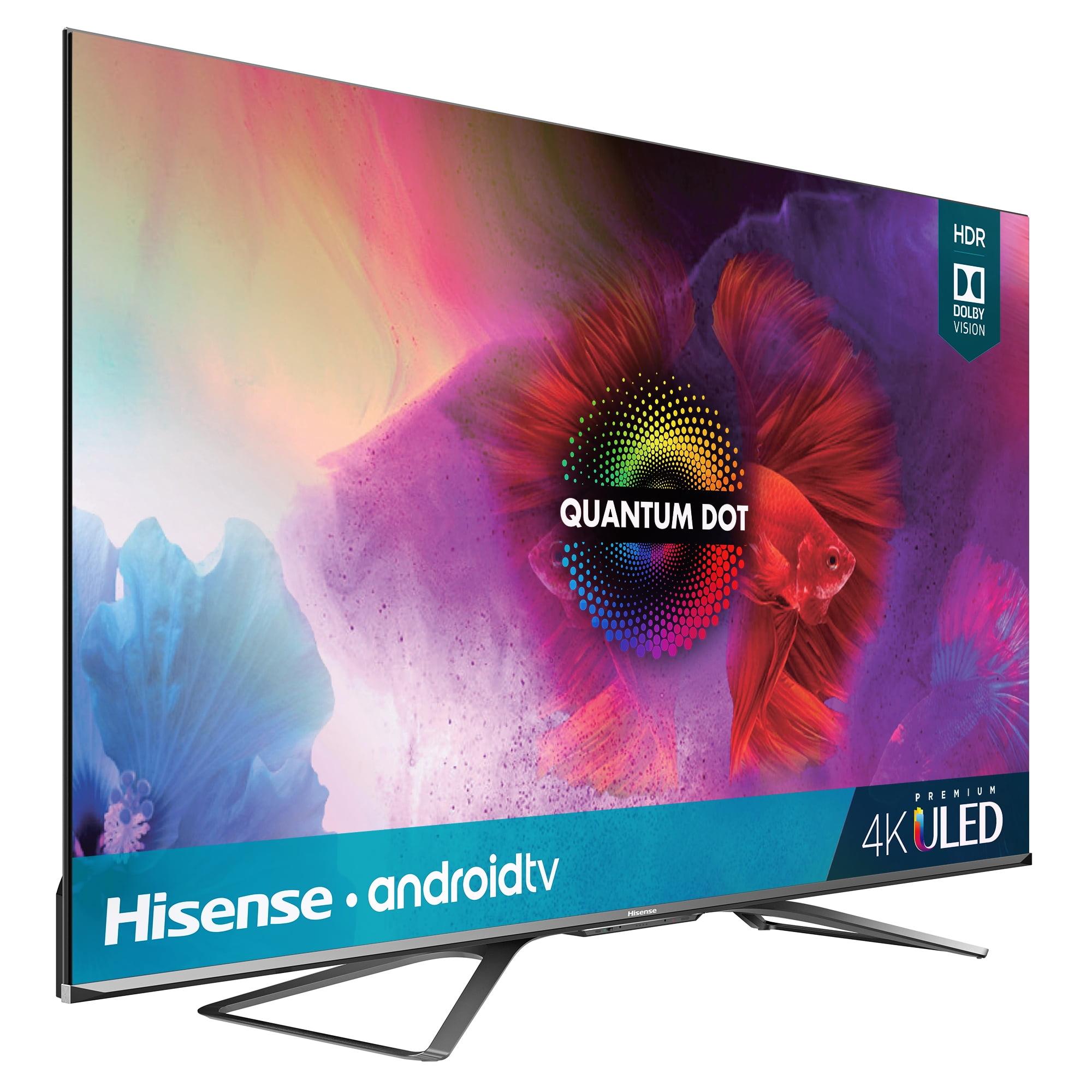

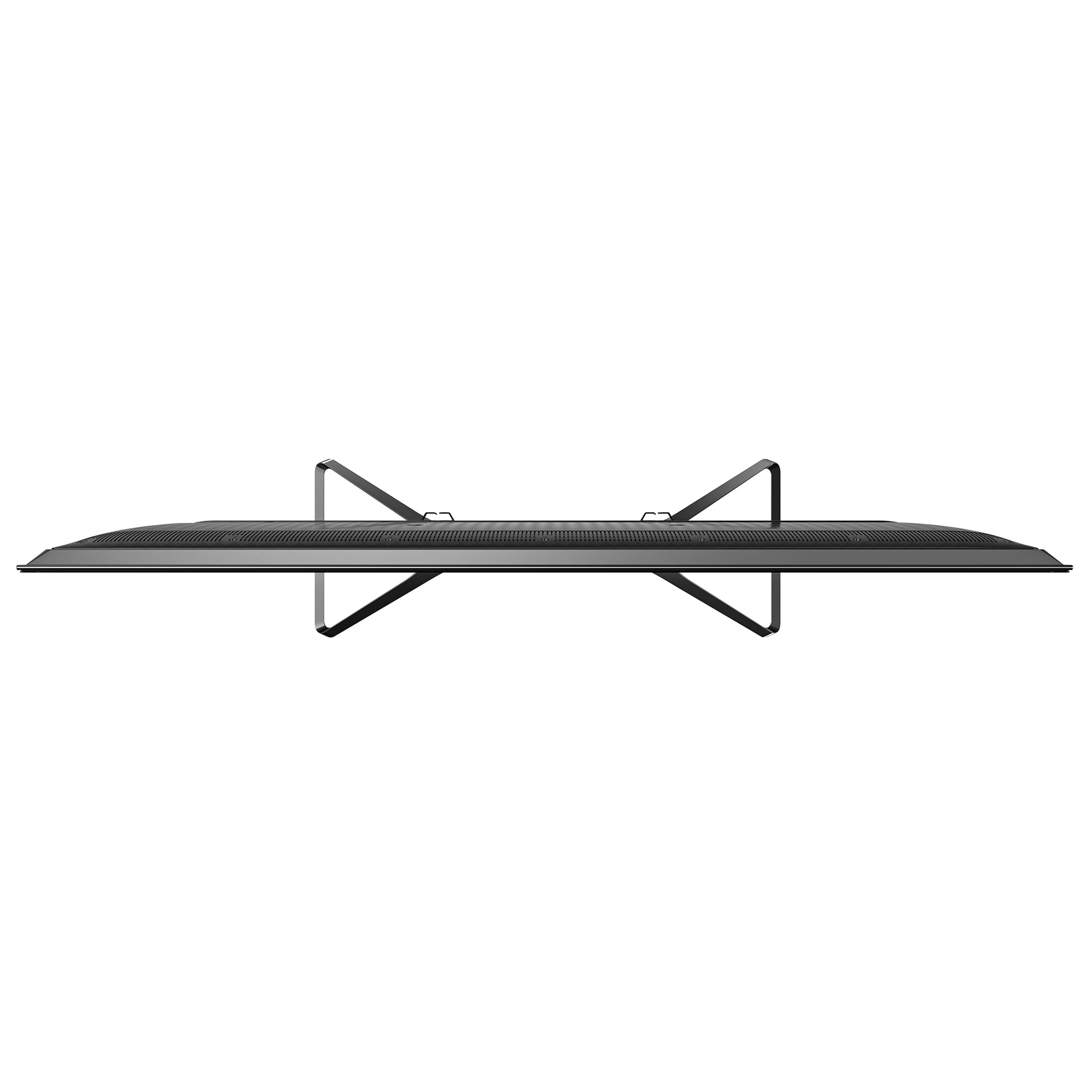
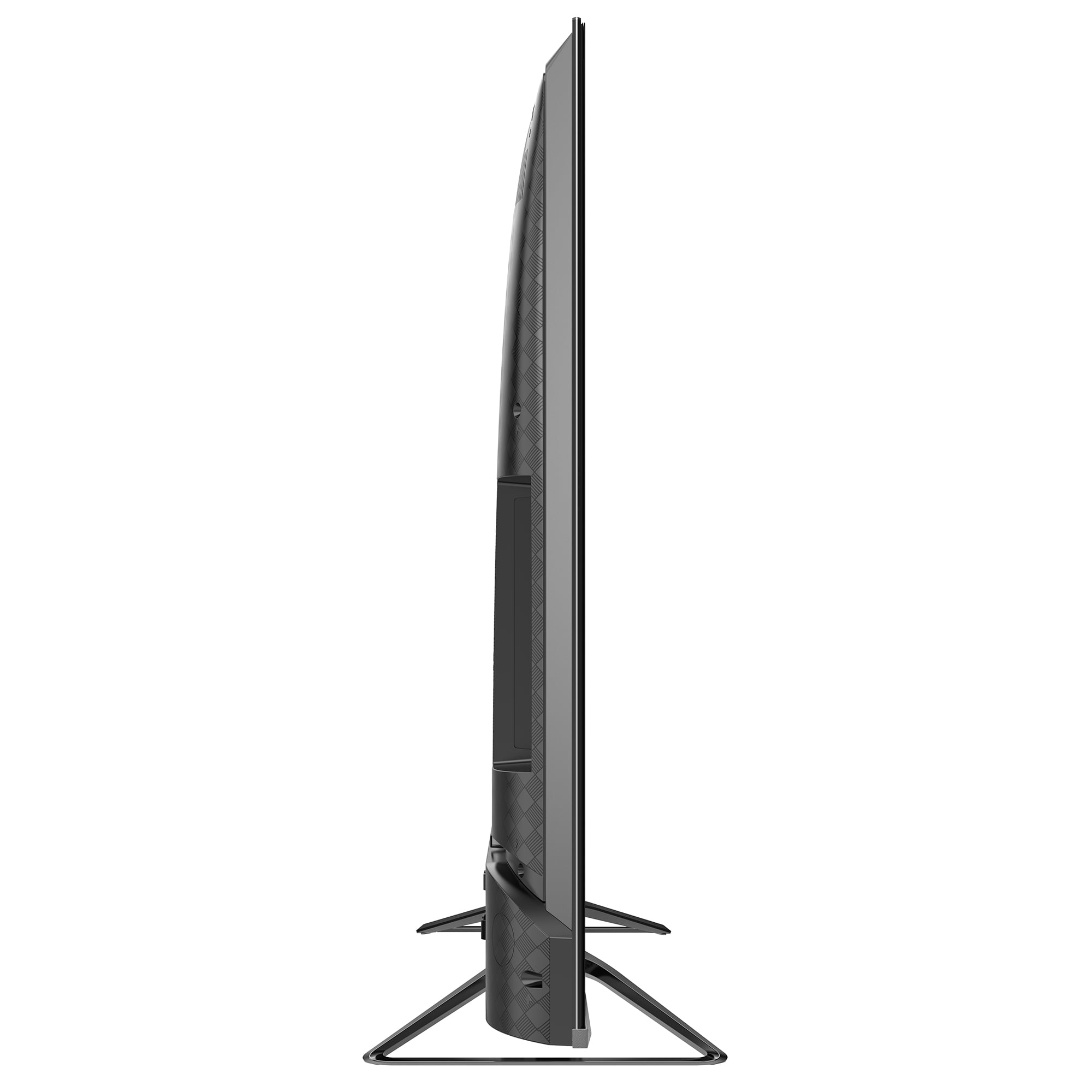
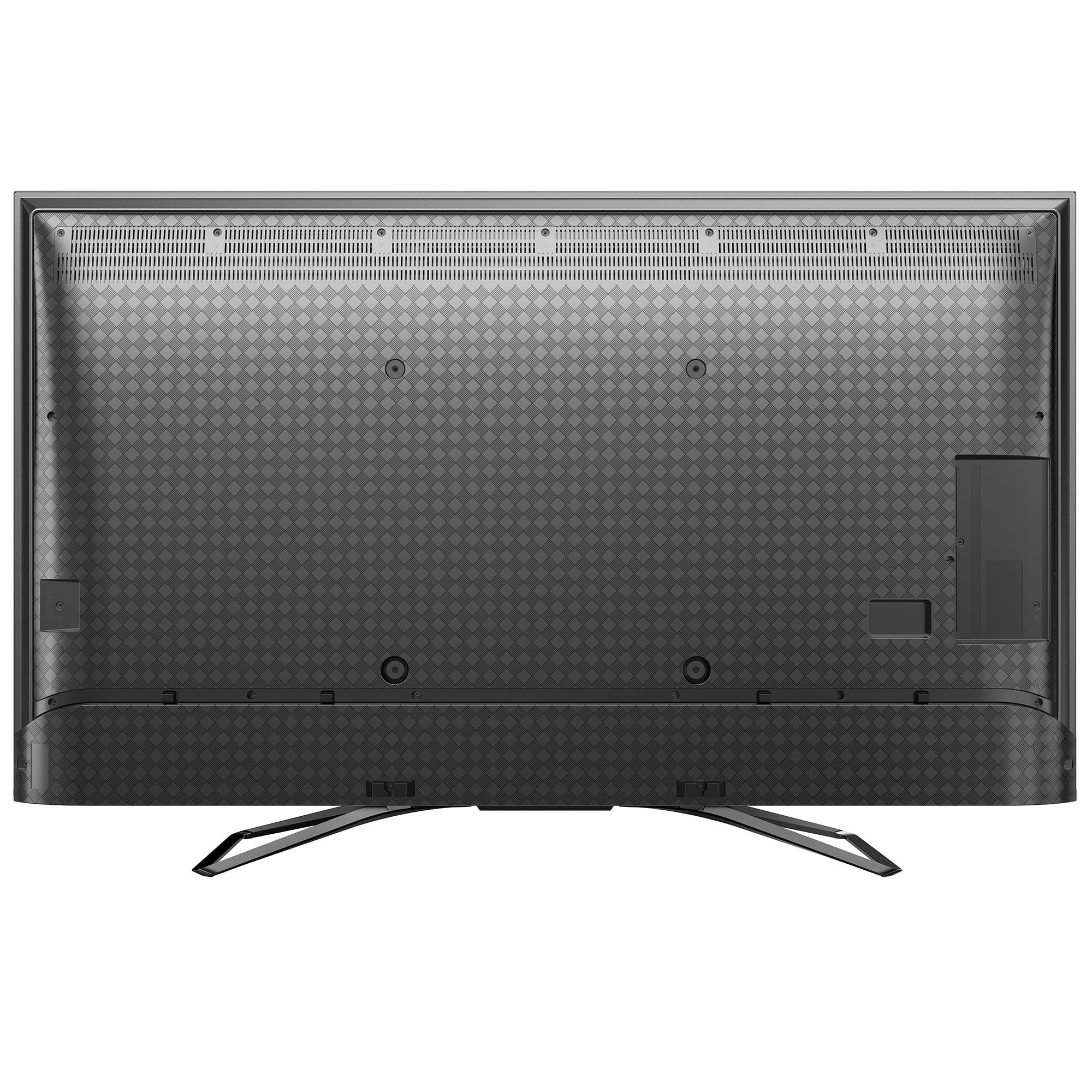
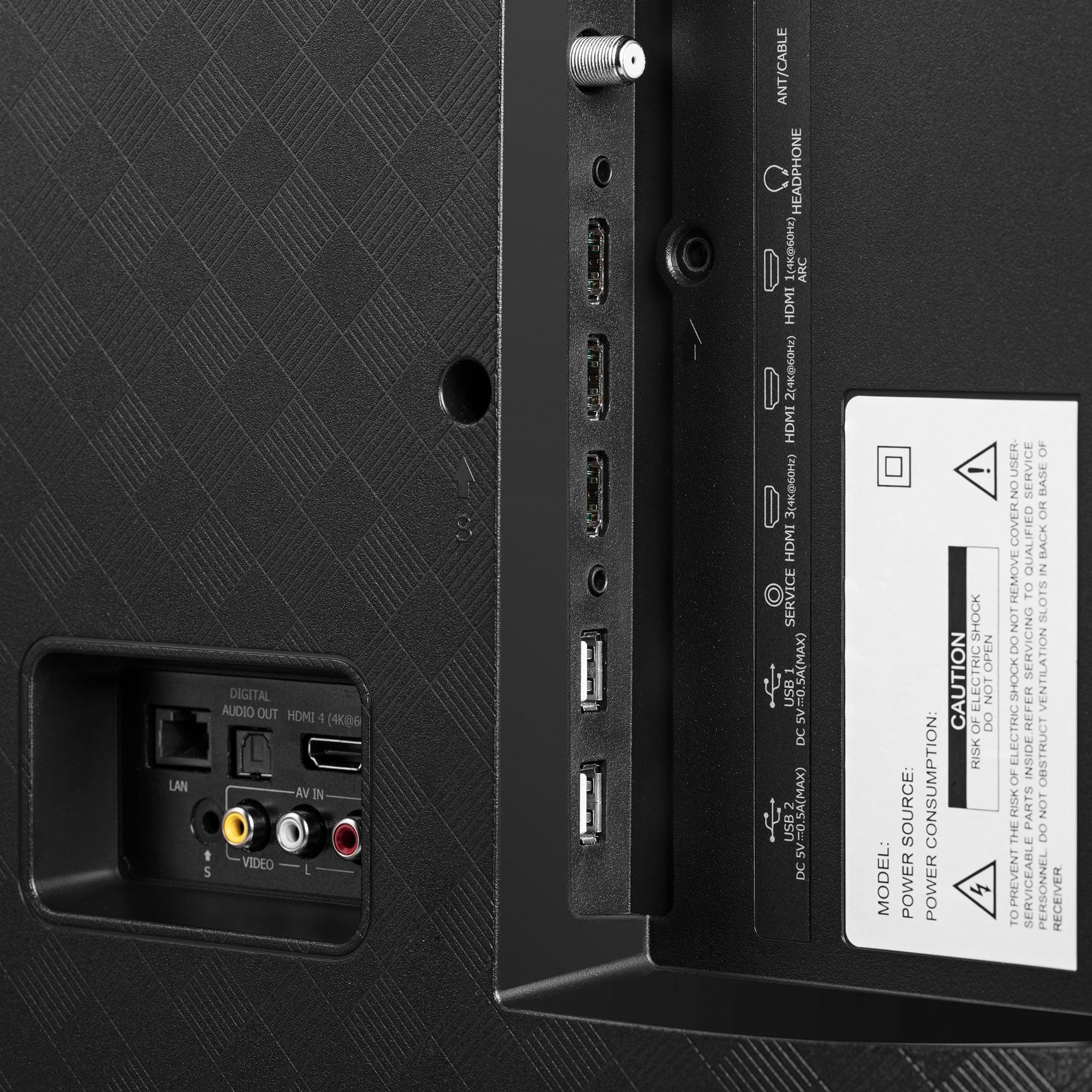
Shopping for a new TV can feel overwhelming, especially when you're looking at premium models with different technologies. Today, we're comparing two excellent options: the Samsung 65" S85F OLED 4K Smart TV (2025) at $1,599.99 and the Hisense 65" H9G Quantum Series 4K UHD Smart Android TV at $1,252.81. While both deliver impressive picture quality, they represent completely different approaches to premium TV technology.
Before diving into specifics, let's talk about what makes these TVs tick. The Samsung uses OLED technology, where each pixel produces its own light. Think of it like having millions of tiny light bulbs that can turn completely off to create perfect black levels. The Hisense uses LED technology with quantum dots – essentially a traditional LED backlight enhanced with special nanocrystals that produce more vibrant colors.
When shopping for premium TVs, you'll want to consider several key factors: how the TV looks in your specific room lighting, whether you game frequently, what streaming services you use, and how long you plan to keep the TV. These considerations will heavily influence which technology works best for your situation.
The Samsung S85F OLED launched in 2025, representing the latest in TV technology. Since the Hisense H9G's 2020 release, we've seen major advances in gaming features, processor capabilities, and smart TV platforms. The Samsung benefits from five years of technological evolution, including support for HDMI 2.1 (which enables 4K gaming at 120 frames per second), more sophisticated AI processing, and significantly improved OLED panels that are brighter and more durable than earlier generations.
Meanwhile, the Hisense H9G was impressive for its time and remains a solid performer today. However, it predates many modern gaming standards and uses older smart TV software. This doesn't make it obsolete – it just means you're getting proven, mature technology rather than cutting-edge features.
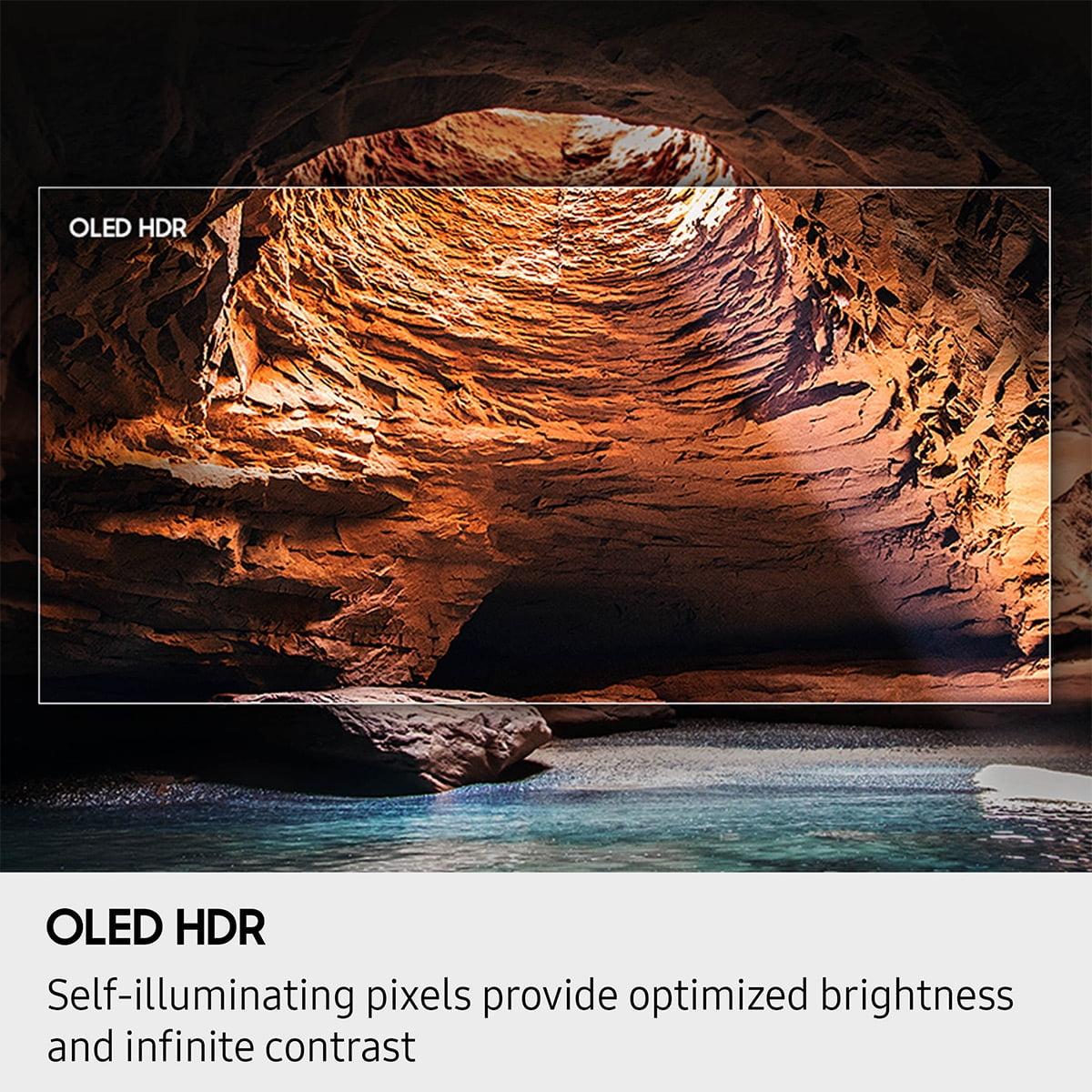
Here's where the fundamental difference between these TVs becomes crystal clear. The Samsung S85F OLED's self-illuminating pixels can turn completely off, creating what we call "perfect blacks." When you're watching a movie with space scenes or dark cinematography, those black areas are truly black – not dark gray like you'd see on most TVs.
The Hisense H9G uses full-array local dimming with 180 zones, which is excellent for LED technology. These zones can dim independently, creating impressive contrast ratios around 124,000:1. While this produces deep blacks for an LED TV, they're not perfectly black because the backlight still bleeds through slightly. In a dark room, you might notice that black areas appear slightly gray, especially compared to OLED.
This is where the tables turn. The Hisense H9G can reach over 1000 nits of peak brightness, making it excellent for bright rooms or daytime viewing. HDR content really pops with bright highlights that can compete with sunlight streaming through windows. The Samsung, while significantly brighter than older OLEDs, typically reaches around 750 nits – still very good, but not quite as eye-searing bright.
For HDR (High Dynamic Range) content, both TVs excel but in different ways. The Samsung processes HDR beautifully with its NQ4 AI Gen2 processor, which uses 20 neural networks to analyze and enhance content in real-time. However, it lacks Dolby Vision support, which is becoming increasingly important for streaming services like Netflix and Disney+.
The Hisense supports the full HDR suite: Dolby Vision, HDR10, HDR10+, and HLG. Dolby Vision is particularly significant because it provides scene-by-scene optimization, making highlights brighter and shadows more detailed than standard HDR10.
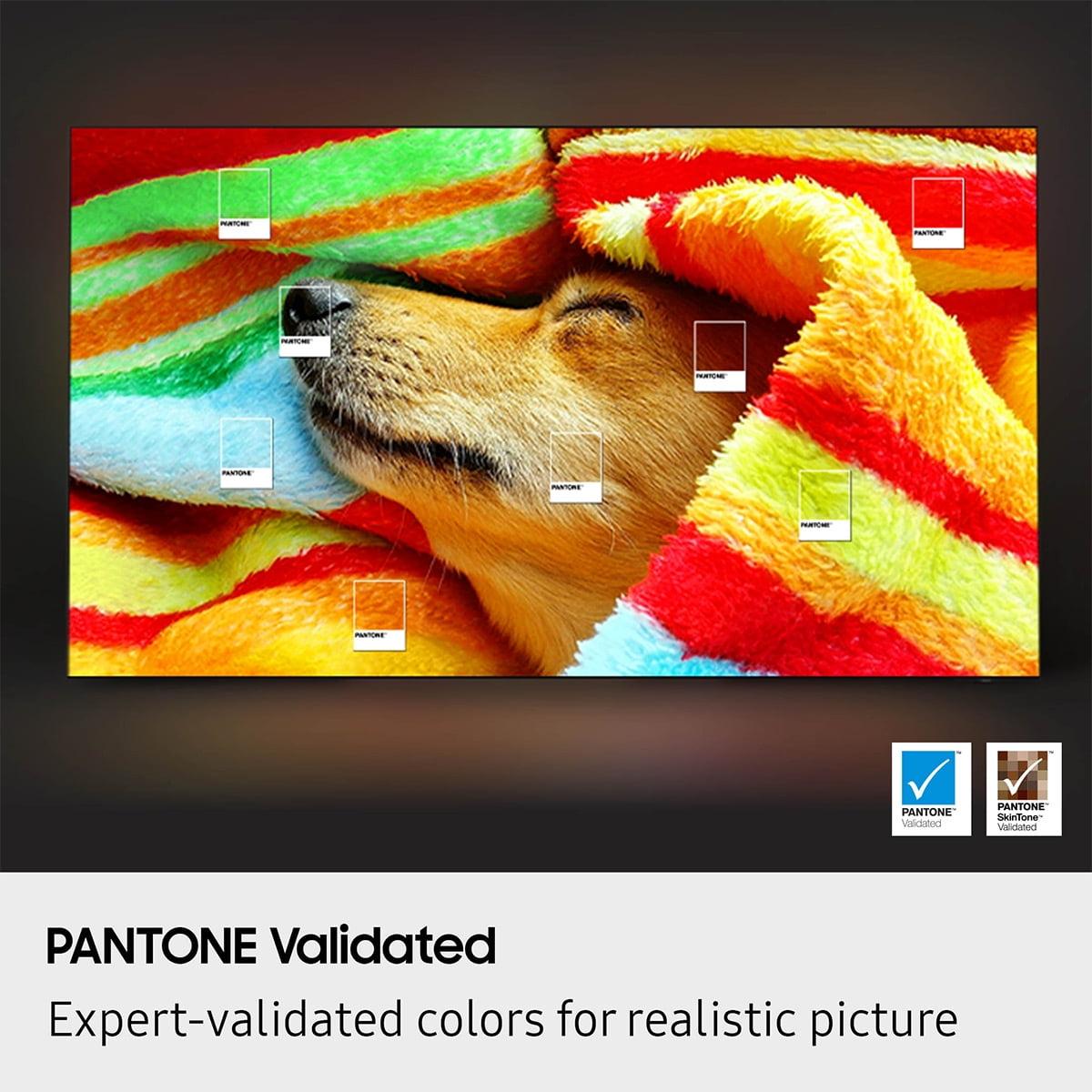
The Samsung's QD-OLED panel (in the 65" model) combines quantum dots with OLED technology, creating exceptionally wide color gamut coverage. It's Pantone validated, meaning it can accurately reproduce over 2,140 colors as defined by the industry standard. This translates to more lifelike skin tones and vibrant, yet natural-looking colors.
Viewing angles present another stark difference. The Samsung S85F OLED maintains consistent picture quality from nearly any seating position – you could sit 45 degrees to the side and still see accurate colors and contrast. The Hisense H9G, like most LED TVs, shows noticeable color shifting and contrast loss when viewed from the sides. This matters more than you might think, especially in family rooms where people sit in different positions.
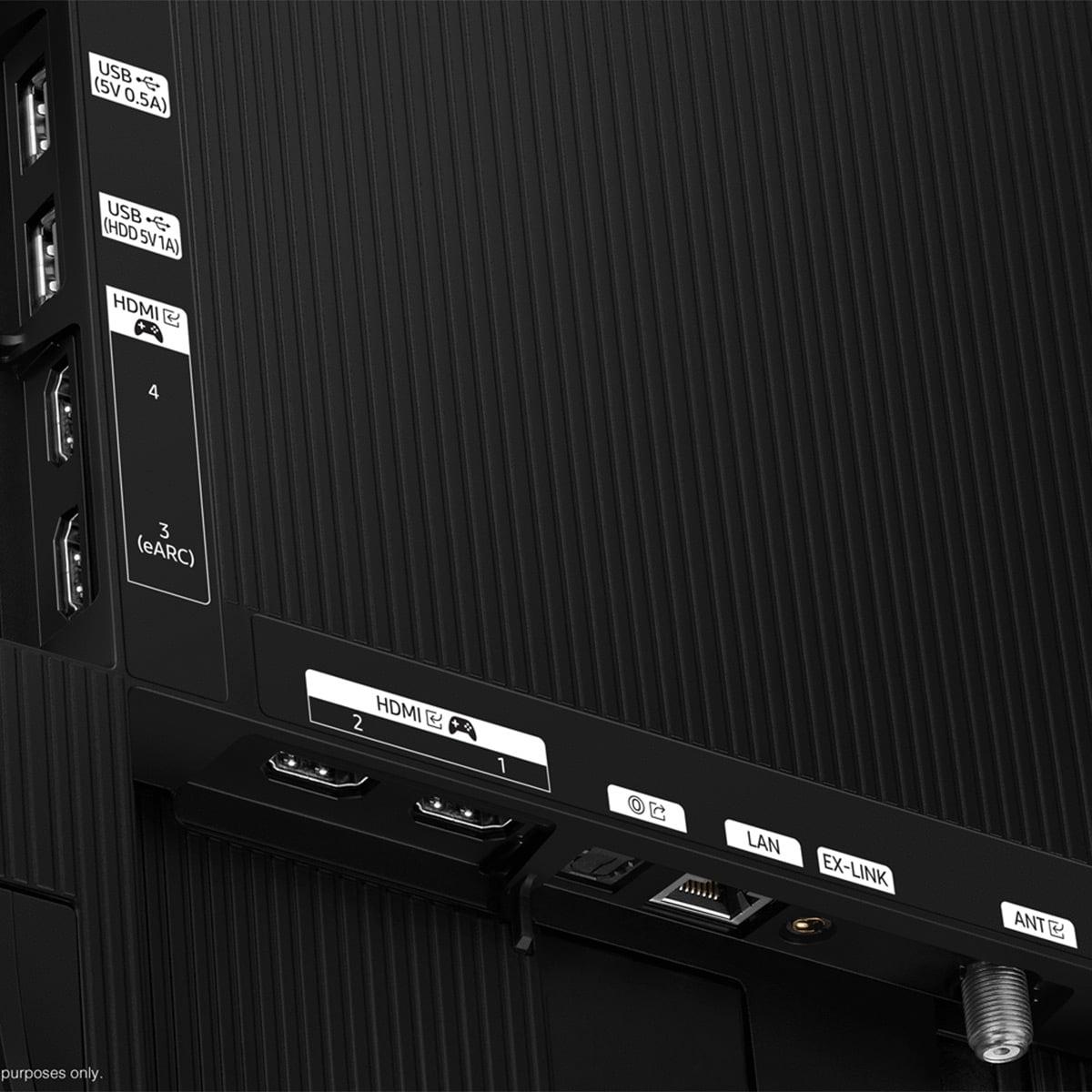
The gaming landscape has changed dramatically since 2020. The Samsung S85F OLED includes four HDMI 2.1 ports, supporting 4K resolution at 120Hz refresh rates. This means games from PlayStation 5 and Xbox Series X can run at their full potential, delivering smoother motion and more responsive gameplay.
Variable Refresh Rate (VRR) and AMD FreeSync Premium prevent screen tearing and stuttering when frame rates fluctuate. The TV's nearly instantaneous response time means there's virtually no delay between pressing a button and seeing the action on screen – crucial for competitive gaming.
The Hisense H9G predates these gaming advances. It's limited to 4K at 60Hz through HDMI 2.0 ports, which was standard when it launched but feels limiting now. While it has a decent Game Mode that reduces input lag, it can't take advantage of next-gen console features.
Samsung has developed gaming-focused features like Game Motion Plus for enhanced motion clarity, Dynamic Black EQ for better shadow detail, and an Ultra Wide Game View that essentially crops the display to simulate ultrawide gaming monitors. These features show Samsung's commitment to the gaming market.
The Hisense offers solid gaming performance for its generation, with good input lag performance in Game Mode. However, it lacks the advanced gaming features that modern consoles can utilize.
The Samsung S85F OLED runs the latest Tizen OS, which Samsung promises to support with updates for seven years. This is exceptional in the TV world, where manufacturers often abandon software support after just a few years. The interface is snappy, with AI-powered recommendations and seamless integration with Samsung's SmartThings ecosystem.
The Hisense H9G uses Android TV from 2020, which provides excellent app compatibility and Google ecosystem integration. Chromecast is built-in, and Google Assistant works well for voice control. However, Android TV can sometimes feel sluggish compared to newer platforms, and Hisense typically provides only 2-3 years of major updates.
Both TVs offer voice control, but the Samsung's implementation feels more advanced. Its far-field voice interaction lets you control the TV from across the room without the remote, while the Hisense requires the remote for voice commands. The Samsung also includes unique features like Pet Care, which can detect when your pets are stressed and play calming content.
Neither TV will replace a dedicated sound system, but they handle audio differently. The Samsung S85F OLED features Dolby Atmos support with Object Tracking Sound Lite, which attempts to match audio to moving objects on screen. Q-Symphony technology can synchronize the TV's speakers with compatible Samsung soundbars for enhanced audio.
The Hisense H9G also supports Dolby Atmos but with a more traditional 2.0 channel setup. While adequate for casual viewing, serious home theater enthusiasts will want to add a soundbar or receiver to either TV.
The Samsung's four HDMI 2.1 ports provide more flexibility for connecting gaming consoles, streaming devices, and sound systems. Its SmartThings/Matter Hub integration makes it a central control point for smart home devices.
The Hisense offers four HDMI ports but they're limited to HDMI 2.0 speeds. For most current devices, this isn't a problem, but it limits future expandability.
The Samsung S85F OLED costs about $350 more upfront, but that premium buys you five years of technological advancement, seven years of software updates, and future-proofing for next-generation content and gaming. If you typically keep TVs for 7-10 years, this represents excellent value.
The Hisense H9G offers tremendous immediate value. You're getting premium features like quantum dot technology, excellent HDR support, and solid smart TV functionality at a lower price point. For many viewers, especially those who don't game extensively or plan to upgrade sooner, this represents better value.
When considering pure performance metrics, the Hisense delivers impressive brightness and HDR performance for its price point. The Samsung commands a premium but justifies it with superior technology, longer support, and advanced features.
You prioritize the absolute best picture quality, especially for dark room viewing. The perfect blacks and wide viewing angles make it ideal for movie nights and varied seating arrangements. If you're a serious gamer or want the latest features, the advanced gaming capabilities and long-term software support justify the higher price.
The Samsung also makes sense if you're building a premium home theater setup where picture quality is paramount. Its color accuracy and processing capabilities will better complement high-end audio equipment and carefully controlled lighting.
Your TV lives in a bright room where the higher peak brightness will make a real difference in daytime viewing. If you primarily stream content and want full Dolby Vision support, the Hisense's broader HDR compatibility might outweigh the Samsung's processing advantages.
Budget-conscious buyers who want premium features without the premium price tag will find excellent value here. The Android TV platform provides great app support and Google integration, making it perfect for users invested in the Google ecosystem.
Both TVs excel in different ways, reflecting their different technologies and target markets. The Samsung S85F OLED represents the cutting edge of TV technology with superior picture quality, advanced gaming features, and long-term support. The Hisense H9G offers excellent performance and features at a more accessible price point, with superior brightness and full HDR format support.
Your choice ultimately depends on your viewing environment, gaming habits, and long-term plans. In a dark room with varied seating, the Samsung's OLED technology shines. In a bright room where you primarily stream content, the Hisense's brightness and Dolby Vision support provide excellent value.
Consider your specific needs, room setup, and budget. Both TVs will deliver impressive performance – the question is which approach to premium TV technology better matches your priorities and viewing habits.
| Samsung 65" S85F OLED 4K Smart TV (2025) | Hisense 65" H9G Quantum Series 4K UHD Smart Android TV |
|---|---|
| Price - Initial investment and long-term value | |
| $1,599.99 | $1,252.81 |
| Display Technology - Fundamentally different approaches to picture quality | |
| OLED (QD-OLED) with self-illuminating pixels | LED with Quantum Dot and 180-zone local dimming |
| Peak Brightness - Critical for bright room viewing and HDR impact | |
| ~750 nits (good for most rooms) | 1000+ nits (excellent for bright rooms) |
| Black Levels - Determines contrast and dark scene detail | |
| Perfect blacks (infinite contrast) | Very good blacks for LED (limited by backlight bleed) |
| Viewing Angles - Important for family rooms and varied seating | |
| Excellent (consistent from nearly any angle) | Limited (color/contrast shifts beyond 30-40°) |
| Gaming Features - Future-proofing for next-gen consoles | |
| 4K@120Hz, VRR, HDMI 2.1, ultra-low input lag | 4K@60Hz, no VRR, HDMI 2.0, good input lag |
| HDR Support - Compatibility with streaming content | |
| HDR10, HDR10+, HLG (missing Dolby Vision) | Full support: Dolby Vision, HDR10, HDR10+, HLG |
| Smart TV Platform - User experience and longevity | |
| Tizen OS (2025) with 7 years of updates promised | Android TV (2020) with 2-3 years typical support |
| Processor - Affects upscaling and smart features | |
| NQ4 AI Gen2 with 20 neural networks | Standard processor (older generation) |
| Audio Features - Built-in sound quality | |
| Dolby Atmos, Object Tracking Sound Lite, Q-Symphony | Dolby Atmos, standard 2.0 channel (10W x 2) |
| Burn-in Risk - Long-term durability consideration | |
| Minimal risk with modern OLED (improved from earlier generations) | No burn-in risk (LED technology) |
| Release Date - Technology generation and feature currency | |
| 2025 (latest technology) | 2020 (mature, proven technology) |
The Samsung 65" S85F OLED 4K Smart TV (2025) delivers superior picture quality for movies, especially in dark rooms. Its OLED technology produces perfect blacks and infinite contrast, making it ideal for cinematic viewing. The self-illuminating pixels create the deep blacks essential for dramatic scenes, while the wide viewing angles ensure everyone gets the same great picture quality.
Yes, the Samsung S85F OLED at $1,599.99 justifies its premium over the Hisense H9G at $1,252.81 through superior OLED technology, advanced gaming features, and 7 years of software updates. You're paying for cutting-edge 2025 technology, future-proofing, and significantly better picture quality in most viewing conditions.
The Hisense 65" H9G Quantum Series performs better in bright rooms with its 1000+ nits peak brightness, compared to the Samsung's ~750 nits. The Hisense's LED technology with quantum dots can overcome ambient light more effectively, making it the better choice for daytime viewing or rooms with large windows.
Only the Samsung S85F OLED fully supports next-gen 4K gaming with its four HDMI 2.1 ports enabling 4K at 120Hz, VRR, and ultra-low input lag. The Hisense H9G is limited to 4K at 60Hz through HDMI 2.0 ports, which was standard in 2020 but lacks modern gaming features.
The Hisense H9G has broader HDR format support, including Dolby Vision, HDR10, HDR10+, and HLG. The Samsung S85F OLED lacks Dolby Vision support, which is increasingly important for streaming services like Netflix and Disney+, though it excels at processing HDR10 and HDR10+ content.
Yes, there's a significant difference. The Samsung S85F OLED maintains consistent picture quality from nearly any seating position, while the Hisense H9G shows noticeable color shifting and contrast loss when viewed from the sides. This makes the Samsung better for family rooms with varied seating arrangements.
The Samsung S85F OLED promises 7 years of software updates, significantly longer than the Hisense H9G's typical 2-3 years of support. This makes the Samsung a better long-term investment for users who keep TVs for many years.
Modern OLED TVs like the Samsung S85F OLED have greatly reduced burn-in risk compared to earlier generations. Samsung includes features like pixel shifting and automatic brightness limiting to prevent permanent image retention. The Hisense H9G has no burn-in risk due to its LED technology.
The Samsung S85F OLED excels in dedicated home theater environments with its perfect blacks, wide viewing angles, and superior contrast. Its color accuracy and processing make it ideal for dark room viewing. The Hisense H9G works well too but is better suited for multi-purpose rooms with ambient light.
The Samsung S85F OLED runs the latest Tizen OS with advanced AI features and promised long-term support. The Hisense H9G uses Android TV from 2020, offering excellent Google integration and app compatibility but with potentially slower performance and shorter update cycles.
Both TVs offer Dolby Atmos support, but the Samsung S85F OLED includes more advanced audio features like Object Tracking Sound Lite and Q-Symphony for Samsung soundbar integration. The Hisense H9G has standard 2.0 channel audio that's adequate but less sophisticated.
Choose the Samsung S85F OLED if you prioritize the best picture quality, gaming features, and long-term software support. Opt for the Hisense H9G if you want excellent performance at a lower price, need maximum brightness for bright rooms, or require full Dolby Vision support for streaming.
We've done our best to create useful and informative comparisons to help you decide what product to buy. Our research uses advanced automated methods to create this comparison and perfection is not possible - please contact us for corrections or questions. These are the sites we've researched in the creation of this article: rtings.com - samsung.com - youtube.com - rtings.com - youtube.com - samsung.com - bestbuy.com - avsforum.com - avsforum.com - samsung.com - displayspecifications.com - videoandaudiocenter.com - bestbuy.com - flatpanelshd.com - myallsouth.com - samsung.com - richstv.com - samsung.com - heartlandappliance.com - rtings.com - bestbuy.com - techradar.com - youtube.com - digitaltrends.com - assets.hisense-usa.com - bestbuy.com - youtube.com - bestbuy.com

Privacy Policy
Terms and Conditions - Affiliate Policy
Home Security
© Copyright 2008-2026.
11816 Inwood Rd #1211, Dallas, TX 75244