

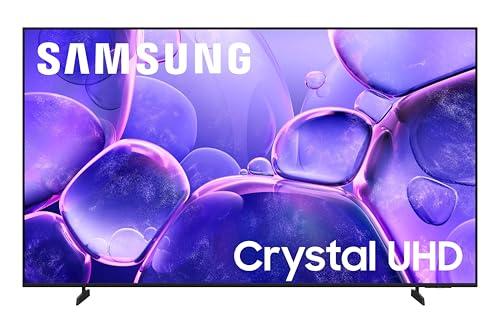
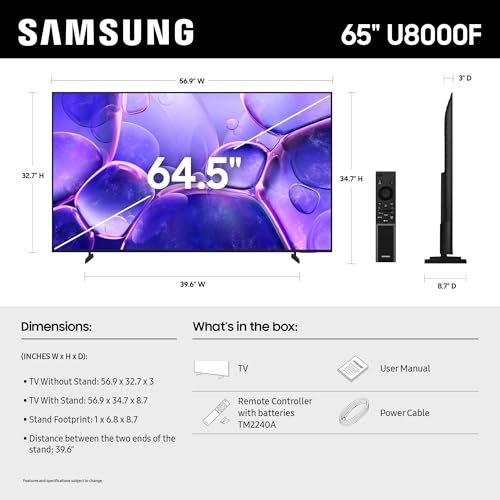
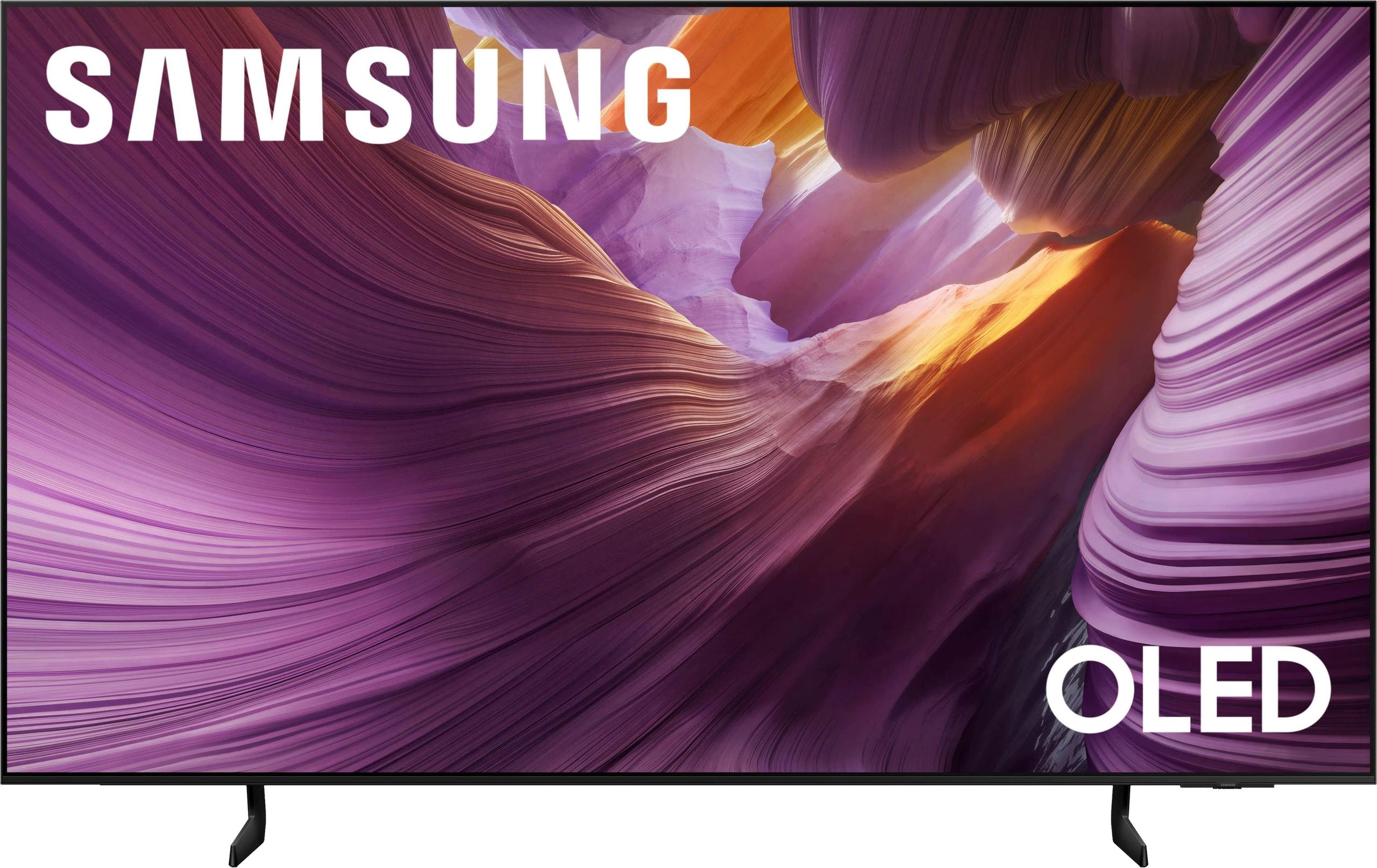
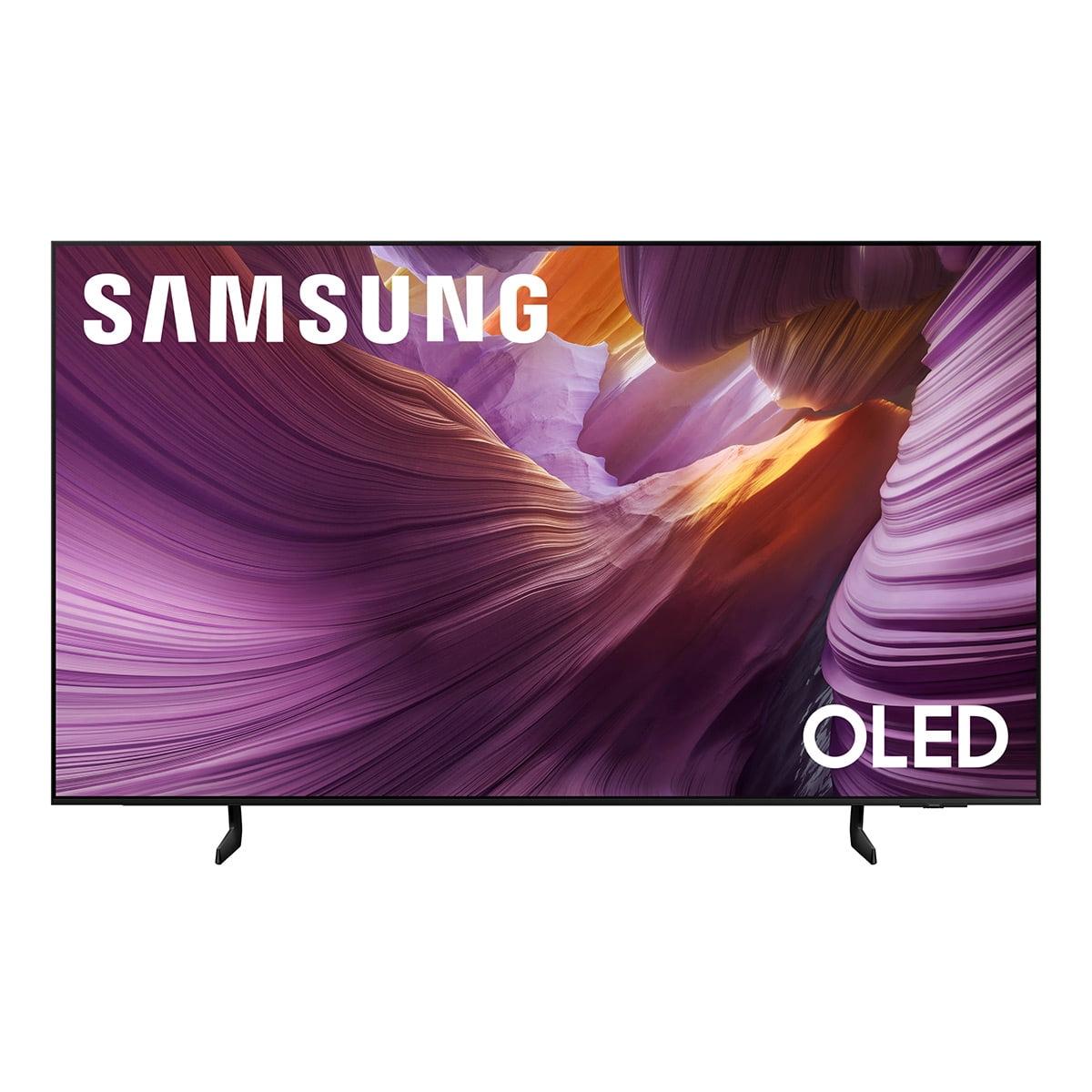

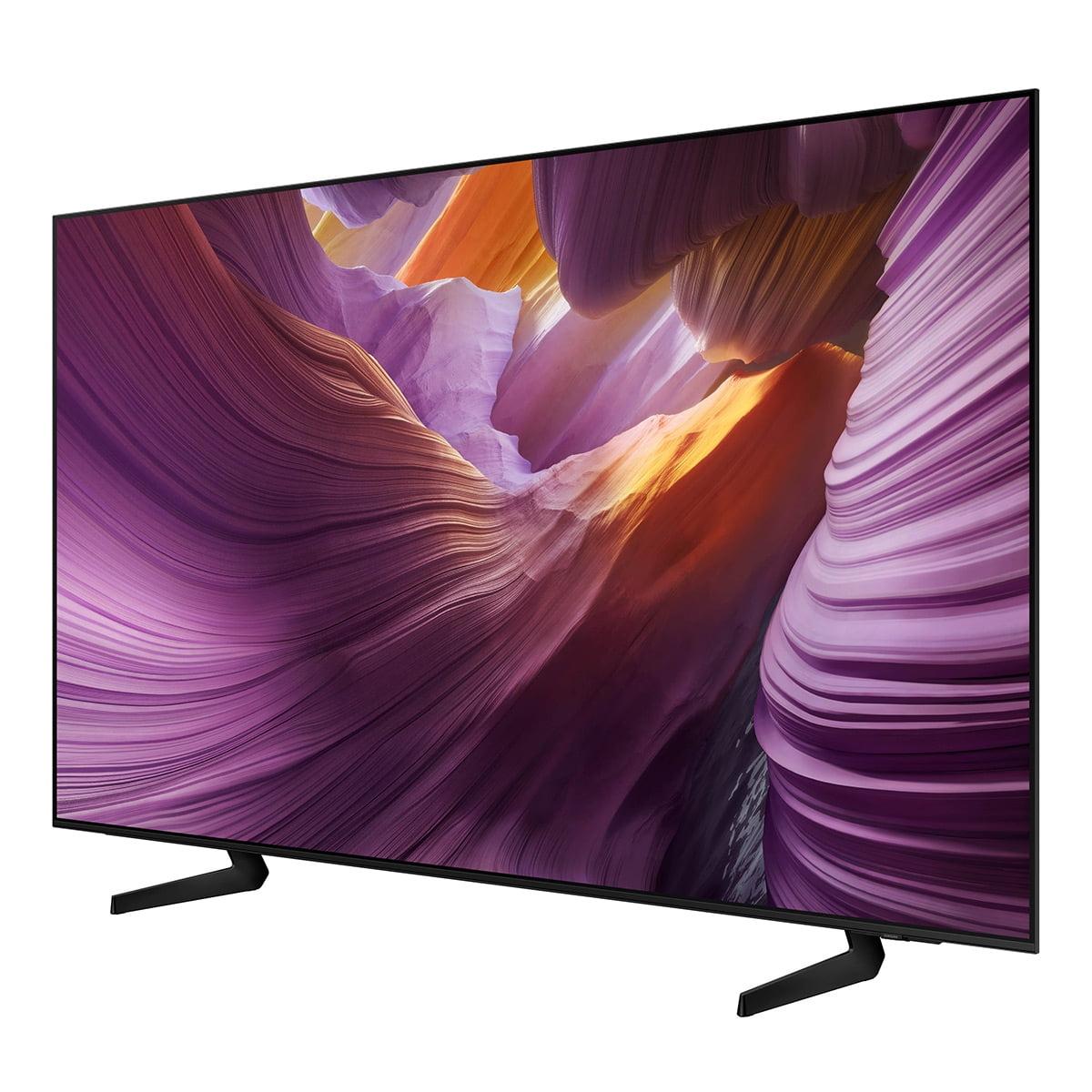
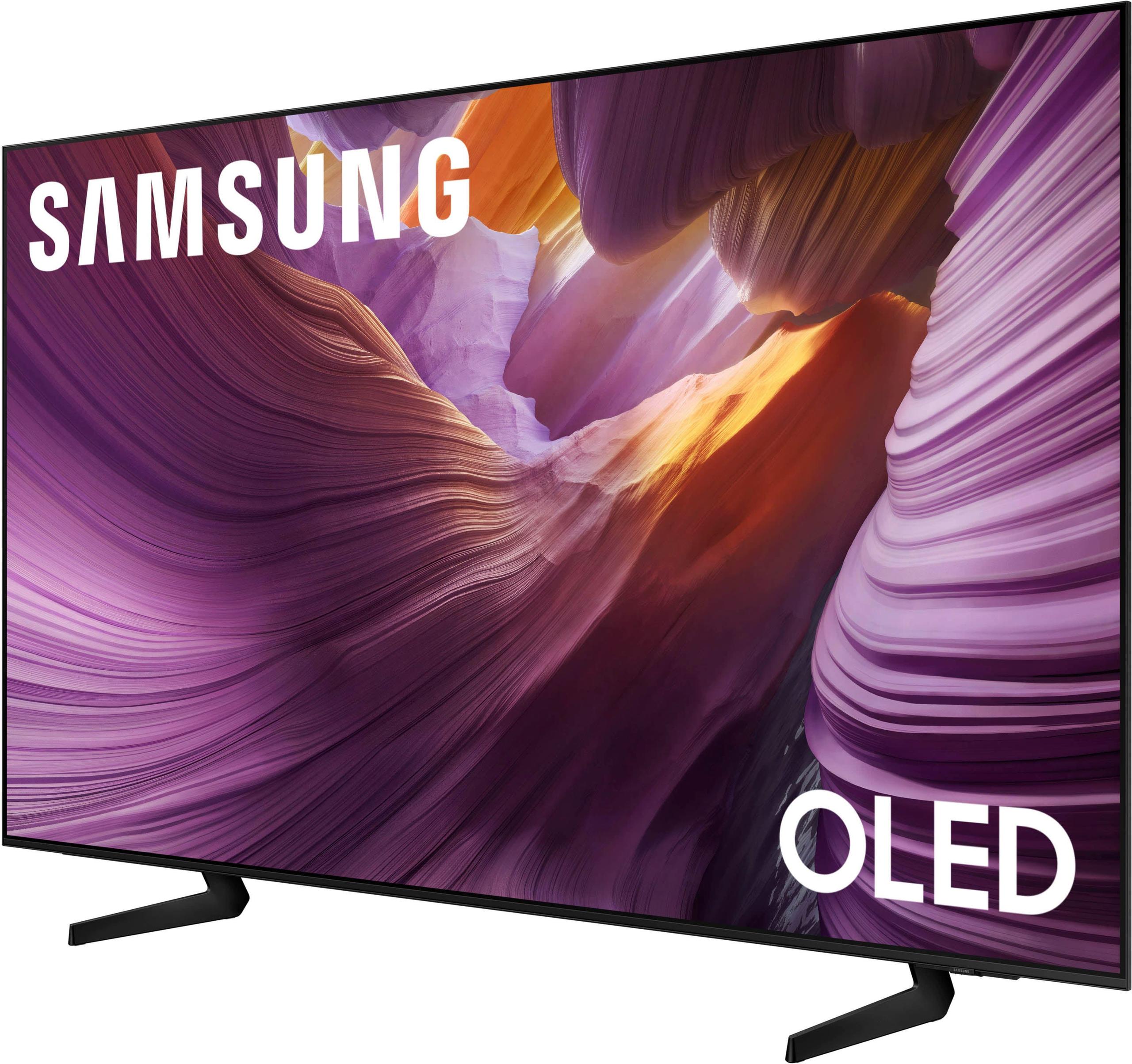
Choosing between Samsung's 65-inch Crystal UHD U8000F and 65" S85F OLED feels like comparing a reliable Honda Civic to a BMW—both will get you where you're going, but the experience couldn't be more different. Released as part of Samsung's 2025 lineup, these TVs represent two completely different philosophies: bare-bones functionality versus premium home theater performance.
Before diving into the nitty-gritty, it's crucial to understand that we're dealing with fundamentally different display technologies. The U8000F uses LCD (Liquid Crystal Display) technology with LED backlighting—essentially a grid of liquid crystals that twist to block or allow light from a backlight panel. The S85F, on the other hand, uses OLED (Organic Light-Emitting Diode) technology where each pixel generates its own light.
This isn't just a technical detail—it's the foundation that determines everything from how dark your blacks look to whether you can see the TV clearly from your kitchen while cooking dinner. At the time of writing, OLED technology commands a significant price premium, but the performance benefits are substantial.
The 2025 models bring some interesting updates. Samsung has streamlined their Crystal UHD lineup to just the U8000F series, simplifying choices but also limiting options for buyers wanting something between basic and premium. Meanwhile, the S85F replaces the 2024 S85D model with improved processing and, crucially for North American buyers of the 65-inch model, QD-OLED technology—a hybrid approach combining quantum dots with OLED that delivers even more vibrant colors than traditional OLED panels.
Here's where the fundamental technology difference becomes immediately apparent. The U8000F suffers from what we call "LCD black level limitations." Because it relies on a single backlight illuminating the entire screen, it cannot achieve true black—instead, dark scenes appear grayish or washed out. Imagine trying to read a book by flashlight in a dark room; even when you're not shining the light directly on the page, ambient light still illuminates everything slightly.
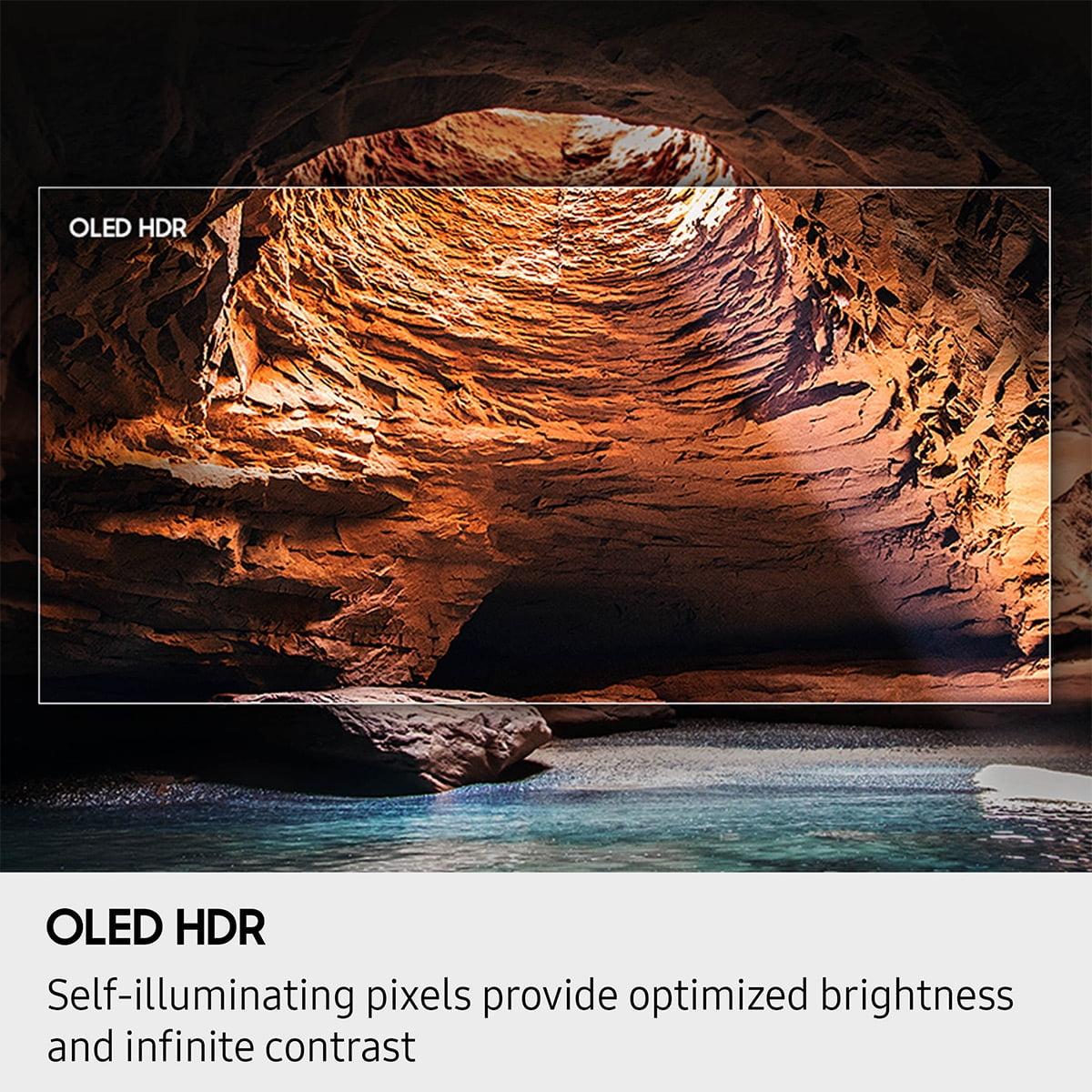
The S85F delivers perfect blacks because each pixel can turn completely off. This creates what's called an "infinite contrast ratio"—the difference between the brightest whites and darkest blacks is limitless. In practical terms, this means movie scenes in dark caves or space look genuinely dark, making bright elements like explosions or lightsabers pop dramatically off the screen.
Our research into user experiences consistently shows this as the most noticeable difference when people compare LCD and OLED TVs side-by-side. The OLED's ability to display true blacks fundamentally changes how engaging dark content feels, whether you're watching horror movies, playing atmospheric games, or enjoying moody dramas.
The U8000F delivers adequate color reproduction for everyday viewing—streaming shows, news, and casual content look fine. However, it lacks quantum dot technology, which means it can't access the wider color gamuts that make HDR content truly spectacular. Think of it like having a box of 24 crayons instead of the 120-crayon set; you can color the picture, but you're missing subtle shades that bring images to life.
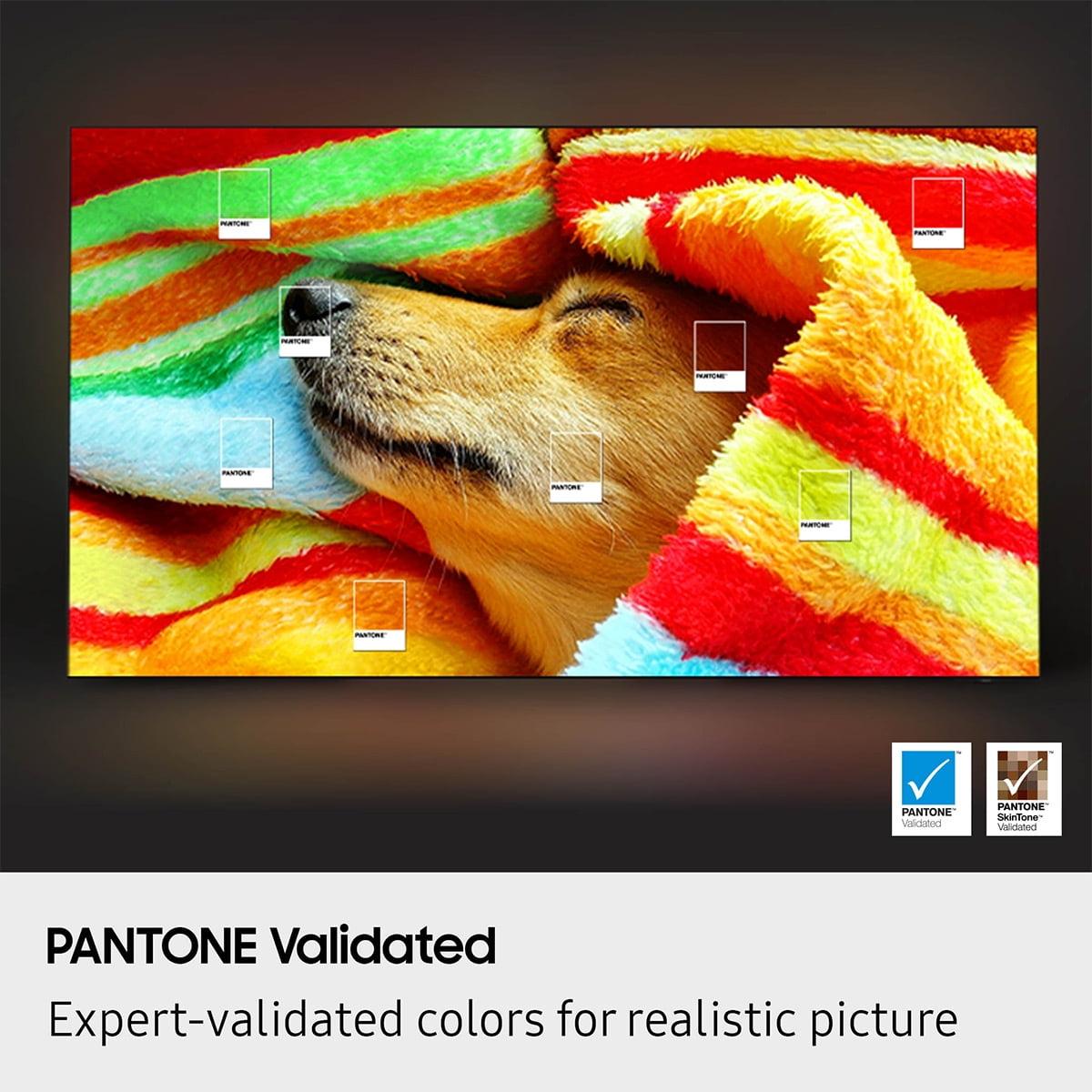
The 65-inch S85F sold in North America uses QD-OLED technology, combining quantum dots with OLED's self-emitting pixels. This delivers exceptionally wide color gamut coverage—essentially a much larger "crayon box" of colors the TV can display. The TV is Pantone Validated, meaning it can accurately reproduce over 2,140 colors and 110 skin tone variations exactly as intended by content creators.
This difference becomes particularly noticeable with nature documentaries, animated films, and HDR content where vibrant colors are crucial to the experience. Sunset scenes display subtle orange and pink gradations, ocean blues appear more natural, and skin tones look more lifelike on the S85F.
HDR (High Dynamic Range) represents one of the biggest advances in TV technology in recent years, expanding the range between the darkest darks and brightest brights to more closely match what our eyes see in real life. However, not all HDR implementations are created equal.
The U8000F can technically process HDR10 and HDR10+ signals, but our research into expert reviews reveals it's among Samsung's dimmest TVs. Peak brightness hovers around levels that make HDR content appear only marginally better than standard dynamic range. It's like having a sports car that can only go 35 mph—technically functional, but missing the point entirely.
The S85F achieves moderate OLED brightness levels, reaching approximately 750 nits in small highlight areas. While not as bright as Samsung's premium S90F or S95F models, this provides enough punch to make HDR highlights genuinely impactful. Movie explosions, stadium lights, and bright sky scenes display the dramatic brightness differences that make HDR content worth seeking out.
LCD technology has inherent viewing angle limitations due to how liquid crystals function. The U8000F exhibits typical LCD behavior where colors shift and contrast degrades when viewed from sides or angles. If your seating arrangement spreads across a wide room, people sitting off to the sides get a noticeably different picture quality.
OLED technology maintains consistent picture quality across wide viewing angles, making the S85F ideal for rooms where people sit in various positions. Whether you're directly in front of the TV or watching from the kitchen island, the picture quality remains essentially identical.
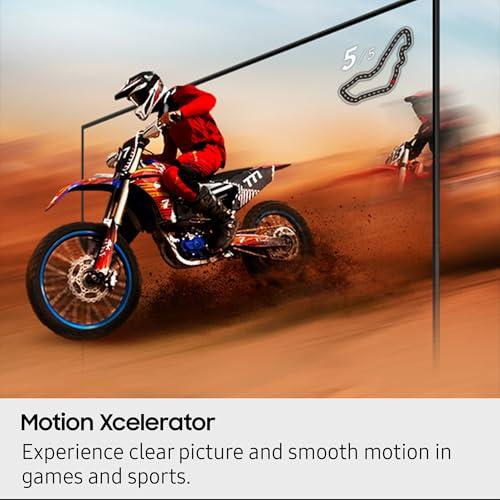
Gaming has evolved significantly, with PlayStation 5 and Xbox Series X capable of 4K gaming at 120 frames per second. The U8000F maxes out at 60Hz, meaning it can't display the smooth motion these consoles can produce. It's like buying a Formula 1 car and only being able to drive it in city traffic—functional, but not utilizing its capabilities.
The S85F offers true 120Hz refresh rates with OLED's nearly instantaneous pixel response times. In fast-paced games, this translates to crisper motion, reduced motion blur, and more responsive gameplay. The difference is particularly noticeable in racing games, first-person shooters, and sports titles where split-second timing matters.
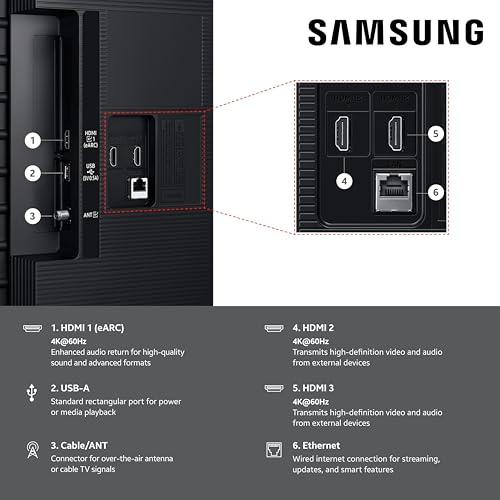
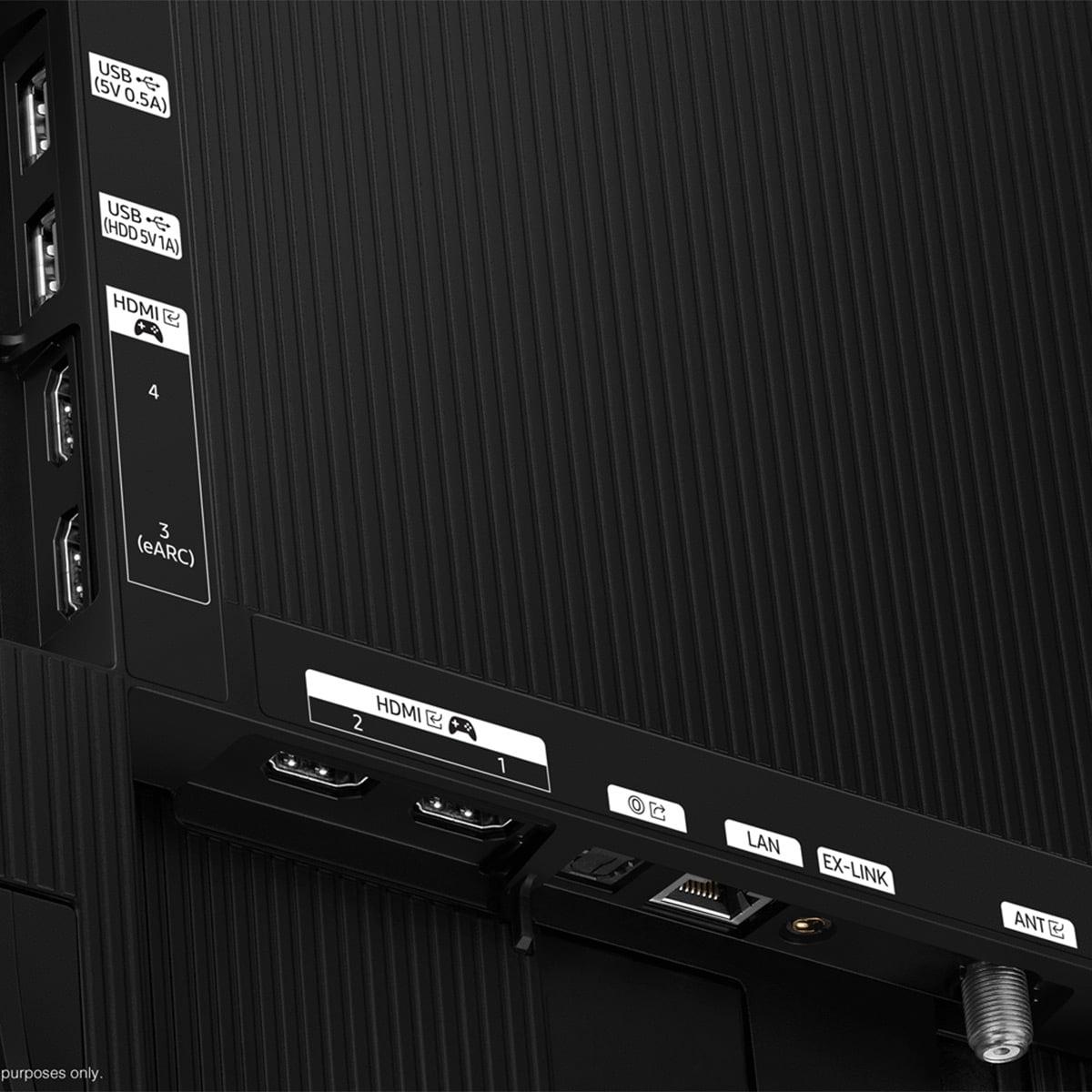
Modern gaming requires proper connectivity. The U8000F provides three HDMI ports with basic Variable Refresh Rate (VRR) and Auto Low Latency Mode (ALLM) support. While adequate for casual gaming, it lacks the bandwidth for full 4K@120Hz gaming.
The S85F includes four HDMI 2.1 ports—the gold standard for gaming connectivity. These support full 4K@120Hz with VRR, FreeSync Premium (which prevents screen tearing), and comprehensive gaming features like Dynamic Black EQ for better shadow detail in dark game scenes. It's essentially future-proofed for whatever gaming advances come next.
Both TVs achieve low input lag—the delay between pressing a controller button and seeing the result on screen. However, the S85F maintains exceptionally low lag even with all visual enhancements enabled, while the U8000F may require toggling certain features for optimal gaming responsiveness.
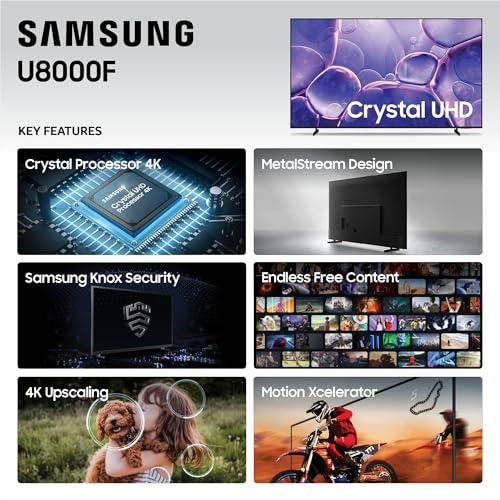
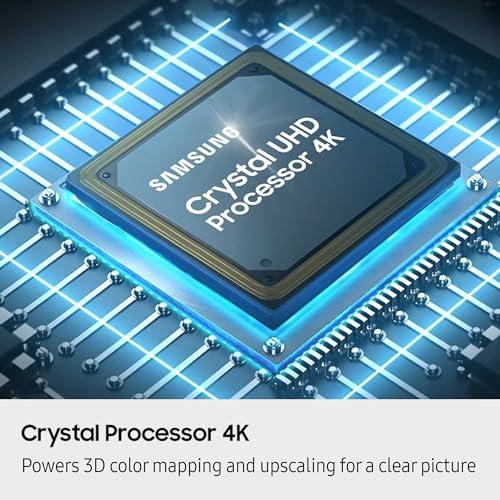
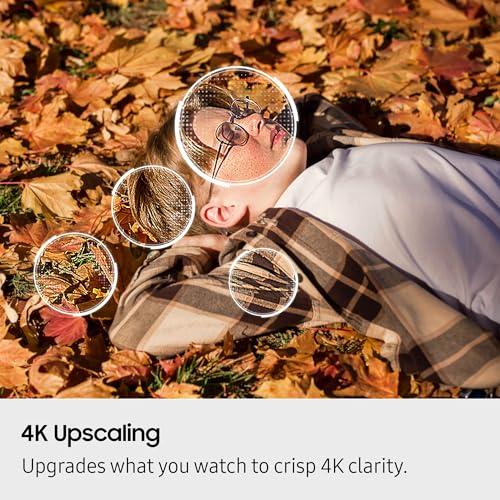
The U8000F uses Samsung's Crystal Processor 4K, which handles basic upscaling of lower-resolution content to 4K and manages smart TV functions adequately. It's like having a reliable, basic computer—it gets the job done without bells and whistles.
The S85F features the NQ4 AI Gen2 Processor with 20 AI neural networks. This sophisticated chip powers features like AI 4K Upscaling, which intelligently analyzes content to enhance details, and AI Mode, which automatically optimizes picture and sound settings based on what you're watching and your room's lighting conditions.
One particularly interesting feature is Pet Care—the TV can detect pet distress sounds through its microphone and automatically play calming content when you're away. While seemingly gimmicky, it demonstrates the advanced processing capabilities that enable more practical features like real-time picture optimization.
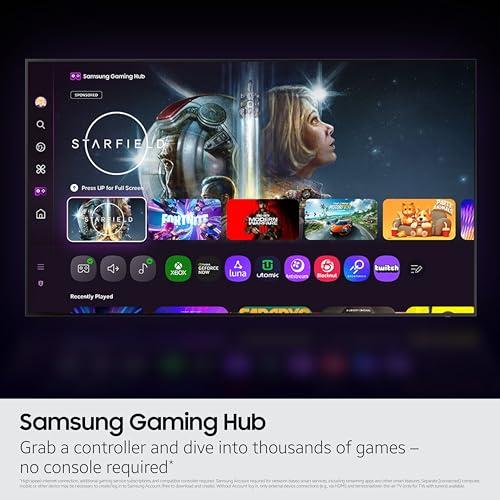
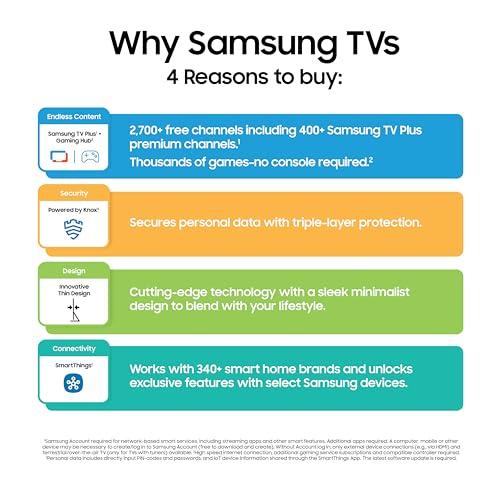
Both TVs run Samsung's Tizen operating system, providing access to all major streaming services, Samsung's free TV Plus channels, and smart home integration through SmartThings. The S85F includes enhanced voice assistant capabilities and more sophisticated AI-driven content recommendations.
The S85F also includes Samsung's SolarCell Remote, which charges itself using ambient light, reducing battery waste and ensuring you never find yourself with a dead remote at crucial moments.
Audio frequently gets overshadowed by picture quality discussions, but both TVs have limitations that home theater enthusiasts should understand. The U8000F provides basic 20W audio that's clear but lacks depth and power for immersive experiences.
The S85F includes more sophisticated audio processing with Dolby Atmos support, Object Tracking Sound Lite (which moves audio effects across the screen to match visual action), and Adaptive Sound Pro that analyzes your room's acoustics and optimizes audio accordingly.
However, both models lack Dolby Vision and DTS audio passthrough support—a Samsung limitation that affects their appeal for serious home theater enthusiasts who prioritize these formats. At the time of writing, this remains a significant differentiator from some competitors.
For dedicated home theater use, the S85F is clearly superior, but with important caveats. Its perfect black levels and wide color gamut make it excellent for movie watching in dark rooms. The glossy screen finish, however, can show reflections in bright rooms, though its reflection handling is generally adequate for most environments.
The U8000F struggles in home theater applications due to its limited contrast and brightness. While adequate for casual viewing, it lacks the visual impact that makes movie night special.
For room setup, consider that OLED panels can appear slightly gray in very bright rooms due to ambient light reflecting off the screen—this affects all OLED TVs, not just the S85F. In moderate to dark lighting, however, the OLED's picture quality advantages become immediately apparent.
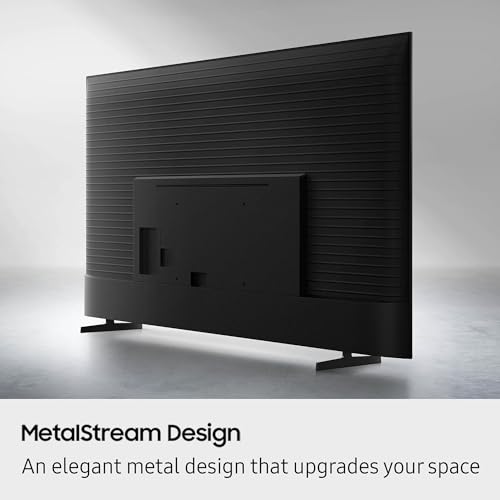
The U8000F features Samsung's MetalStream Design—a sleek appearance that looks modern without premium flourishes. Build quality is solid for its class, using mostly plastic construction that keeps costs down while maintaining reliability.
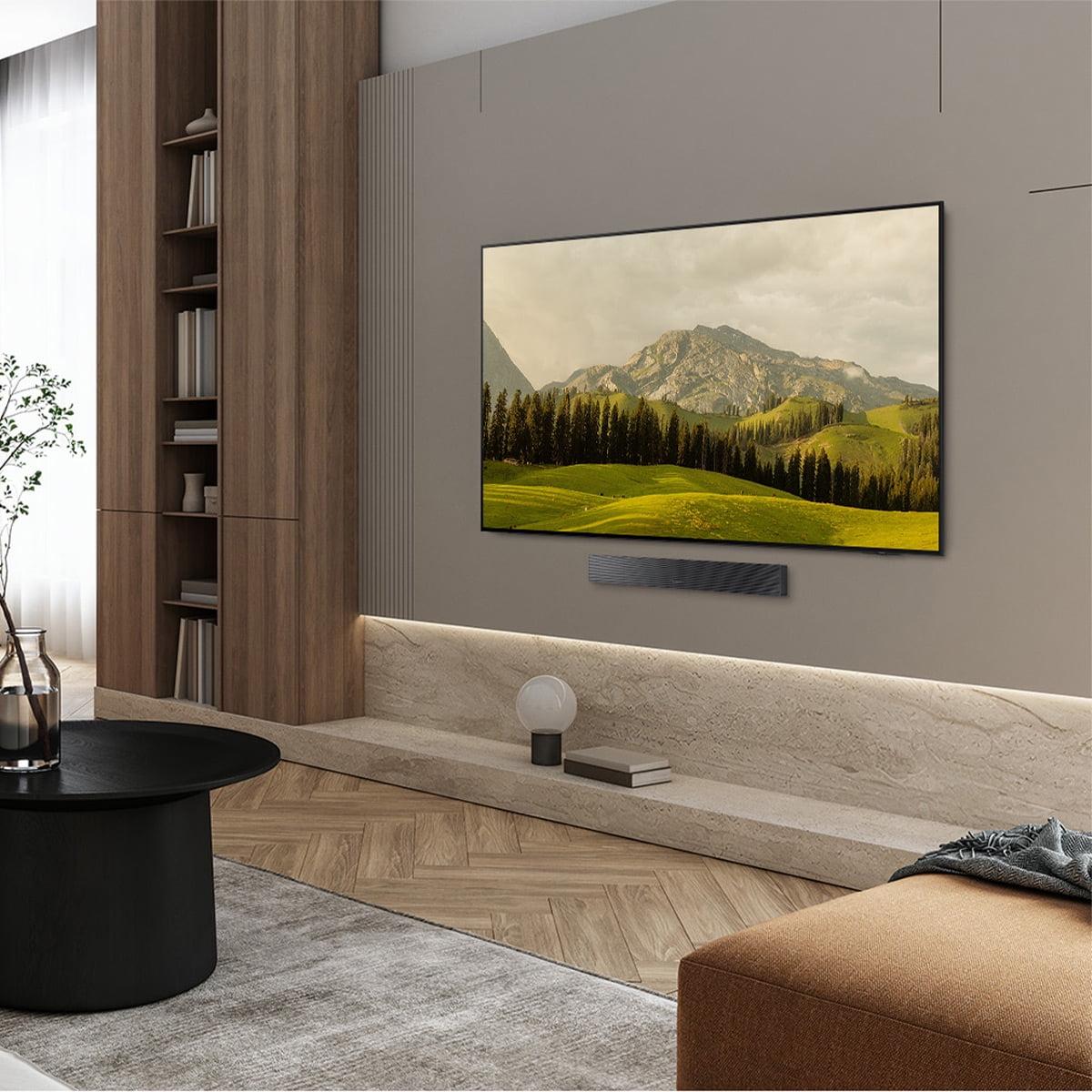
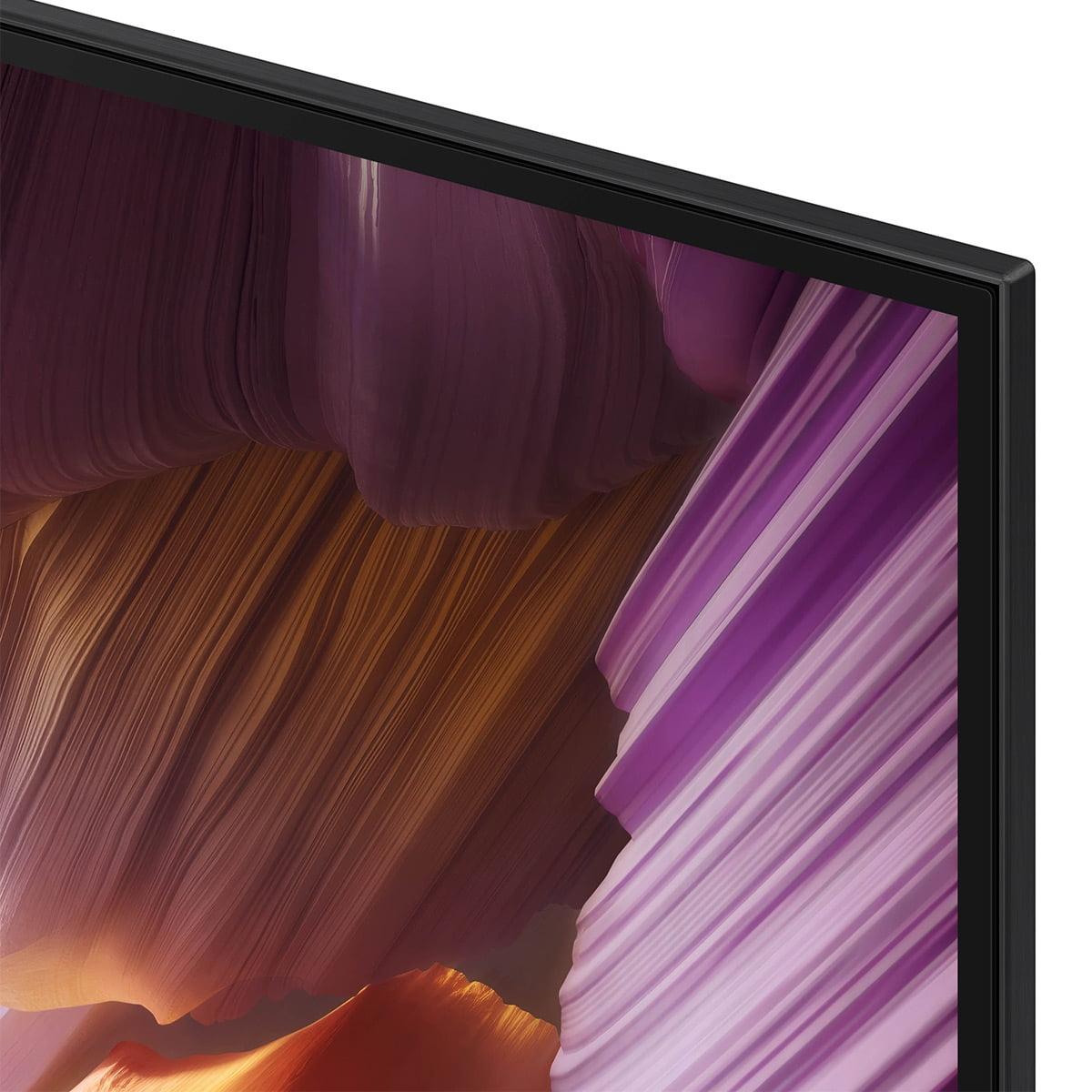
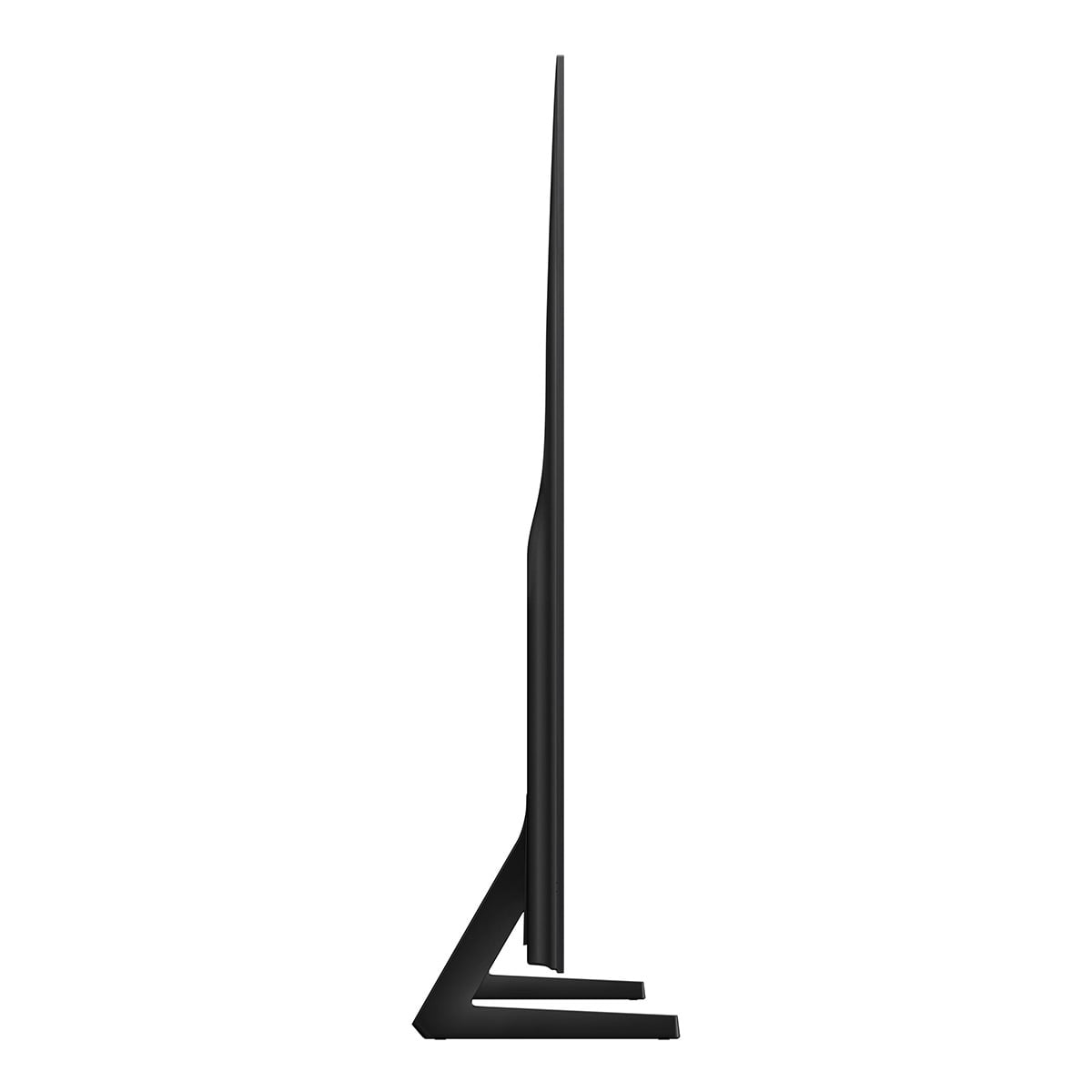
The S85F achieves the thin profile characteristic of OLED technology, creating an elegant, premium appearance. The build quality feels more substantial, though the glossy screen finish requires more careful cleaning than matte alternatives.
At the time of writing, these TVs serve completely different market segments with pricing that reflects their capabilities. The U8000F targets budget-conscious buyers who need basic 4K smart TV functionality without premium features. The S85F commands a significant premium but delivers genuine home theater performance.
Choose the U8000F if:
Choose the S85F if:
Here's something crucial that many buyers miss: the 65-inch S85F sold in North America uses QD-OLED technology, while international models and other sizes use standard WOLED panels. This significantly impacts performance, with QD-OLED delivering superior brightness and color volume. If you're considering other sizes or live outside North America, research which panel type you'll actually receive.
These TVs aren't really competitors—they're solutions for different needs and budgets. The U8000F provides adequate functionality at entry-level pricing, while the S85F delivers genuinely premium performance that justifies its higher cost.
Based on our research into user experiences and expert reviews, most buyers would be better served either embracing the budget limitations of the U8000F for secondary use or investing in the substantially superior S85F for primary entertainment. The performance gap is too significant to ignore, and the S85F represents the minimum entry point for serious home theater or gaming applications.
The bottom line: if picture quality matters to your viewing experience, the S85F isn't just better—it's transformatively different. If you simply need a functional 4K smart TV and picture quality isn't a priority, the U8000F will serve basic needs adequately.
| Samsung 65-Inch Crystal UHD U8000F | Samsung 65" S85F OLED |
|---|---|
| Display Technology - Fundamental difference that affects all picture quality aspects | |
| LCD with LED backlight, no local dimming | QD-OLED with self-illuminating pixels (North America 65" only) |
| Black Levels - Critical for movie watching and contrast | |
| Grayish blacks due to always-on backlight | Perfect blacks with infinite contrast ratio |
| Peak Brightness - Important for HDR content and bright rooms | |
| Very limited brightness, among Samsung's dimmest | ~750 nits peak highlights, moderate OLED brightness |
| Color Performance - Affects vibrancy and accuracy | |
| Standard LCD color gamut without quantum dots | Wide QD-OLED color gamut, Pantone validated |
| Refresh Rate - Essential for modern gaming and smooth motion | |
| 60Hz maximum (limits PS5/Xbox Series X capabilities) | 120Hz native with near-instant OLED response |
| Gaming Connectivity - Future-proofing for next-gen consoles | |
| 3 HDMI ports with basic VRR/ALLM | 4 HDMI 2.1 ports with full 4K@120Hz support |
| Processor - Affects upscaling and smart features | |
| Crystal Processor 4K (basic functionality) | NQ4 AI Gen2 with 20 neural networks (advanced AI features) |
| Viewing Angles - Important for wide room layouts | |
| Limited LCD viewing angles with color/contrast degradation | Wide OLED viewing angles maintain picture quality |
| HDR Performance - Makes premium content more impactful | |
| HDR10/HDR10+ support but insufficient brightness | Effective HDR with good highlight detail |
| Audio Features - Built-in sound quality | |
| Basic 20W 2-channel system | Enhanced audio with Dolby Atmos and room optimization |
| Smart TV Experience - Interface and AI capabilities | |
| Standard Tizen OS with basic features | Advanced Tizen with AI optimization and Pet Care |
| Best Use Case - Who should buy each model | |
| Secondary rooms, casual viewing, tight budgets | Primary entertainment, gaming, home theater enthusiasts |
The Samsung U8000F uses LCD technology with LED backlighting, while the Samsung S85F OLED uses self-illuminating OLED pixels. This fundamental difference means the S85F delivers perfect black levels and infinite contrast, while the U8000F produces grayish blacks due to its always-on backlight. The OLED technology also provides wider viewing angles and more vibrant colors.
The Samsung S85F OLED is significantly better for gaming. It offers 120Hz refresh rates, four HDMI 2.1 ports supporting 4K@120Hz, and nearly instant response times. The Samsung U8000F is limited to 60Hz and basic gaming features, making it inadequate for PlayStation 5 or Xbox Series X gaming at full capabilities.
While both TVs technically support HDR10 and HDR10+, only the Samsung S85F OLED can display HDR content effectively. The U8000F lacks sufficient brightness to make HDR highlights impactful, essentially making HDR content look only marginally better than standard content. The S85F provides the brightness and contrast needed for true HDR performance.
The Samsung S85F OLED offers more advanced smart TV capabilities with its NQ4 AI Gen2 Processor, featuring AI-powered picture optimization, advanced voice controls, and unique features like Pet Care. The Samsung U8000F provides basic Tizen OS functionality with standard streaming apps and Samsung TV Plus, which is adequate for casual users.
Yes, there's a significant difference. The Samsung U8000F has typical LCD viewing angle limitations where picture quality degrades when viewed from the side. The Samsung S85F OLED maintains consistent picture quality from wide viewing angles, making it better for rooms where people sit in different positions.
The Samsung S85F OLED is far superior for home theater use. Its perfect black levels, wide color gamut, and effective HDR performance create a cinematic experience, especially in dark rooms. The U8000F lacks the contrast and color performance needed for serious home theater applications, though it's adequate for casual movie watching.
The Samsung S85F OLED features enhanced audio with Dolby Atmos, Object Tracking Sound Lite, and Adaptive Sound Pro that optimizes audio for your room. The Samsung U8000F has a basic 20W 2-channel system that's clear but lacks depth. Both TVs benefit from adding a soundbar for optimal audio performance.
Value depends on your needs and budget. The Samsung U8000F offers basic 4K smart TV functionality at an entry-level price point, suitable for secondary rooms or casual viewing. The Samsung S85F OLED commands a premium but delivers substantially better performance that justifies the cost for primary entertainment use.
The Samsung U8000F performs adequately in bright rooms despite its limited brightness. The Samsung S85F OLED can show slight grayish blacks in very bright rooms due to ambient light reflection, but generally handles moderate lighting well. Neither TV excels in extremely bright environments compared to premium LCD models.
The Samsung U8000F works fine with Nintendo Switch, older PlayStation, and Xbox models, but cannot fully utilize PlayStation 5 or Xbox Series X capabilities due to its 60Hz limitation. The Samsung S85F OLED is optimized for all current gaming consoles and provides the full 4K@120Hz experience with next-generation systems.
The Samsung S85F OLED offers better long-term value with its 120Hz capability, HDMI 2.1 ports, and advanced processing that will remain relevant as content and gaming technology advance. The Samsung U8000F may become limited by its 60Hz refresh rate and basic connectivity as media standards evolve.
For a primary living room TV, the Samsung S85F OLED is the better choice if your budget allows. Its superior picture quality, gaming capabilities, and smart features provide a more engaging entertainment experience. Choose the Samsung U8000F only if budget is the primary constraint or if the TV will be used for basic viewing needs in secondary spaces.
We've done our best to create useful and informative comparisons to help you decide what product to buy. Our research uses advanced automated methods to create this comparison and perfection is not possible - please contact us for corrections or questions. These are the sites we've researched in the creation of this article: bestbuy.com - youtube.com - youtube.com - rtings.com - youtube.com - samsung.com - hometechnologyreview.com - rtings.com - samsung.com - displayspecifications.com - samsung.com - displayspecifications.com - walmart.com - billsmith.com - dentonstv.com - samsung.com - samsung.com - samsung.com - youtube.com - bestbuy.com - bestbuy.com - youtube.com - samsung.com - donstv.com - rtings.com - samsung.com - youtube.com - youtube.com - samsung.com - bestbuy.com - avsforum.com - avsforum.com - samsung.com - displayspecifications.com - videoandaudiocenter.com - bestbuy.com - flatpanelshd.com - myallsouth.com - samsung.com - richstv.com - samsung.com - heartlandappliance.com

Privacy Policy
Terms and Conditions - Affiliate Policy
Home Security
© Copyright 2008-2026.
11816 Inwood Rd #1211, Dallas, TX 75244