

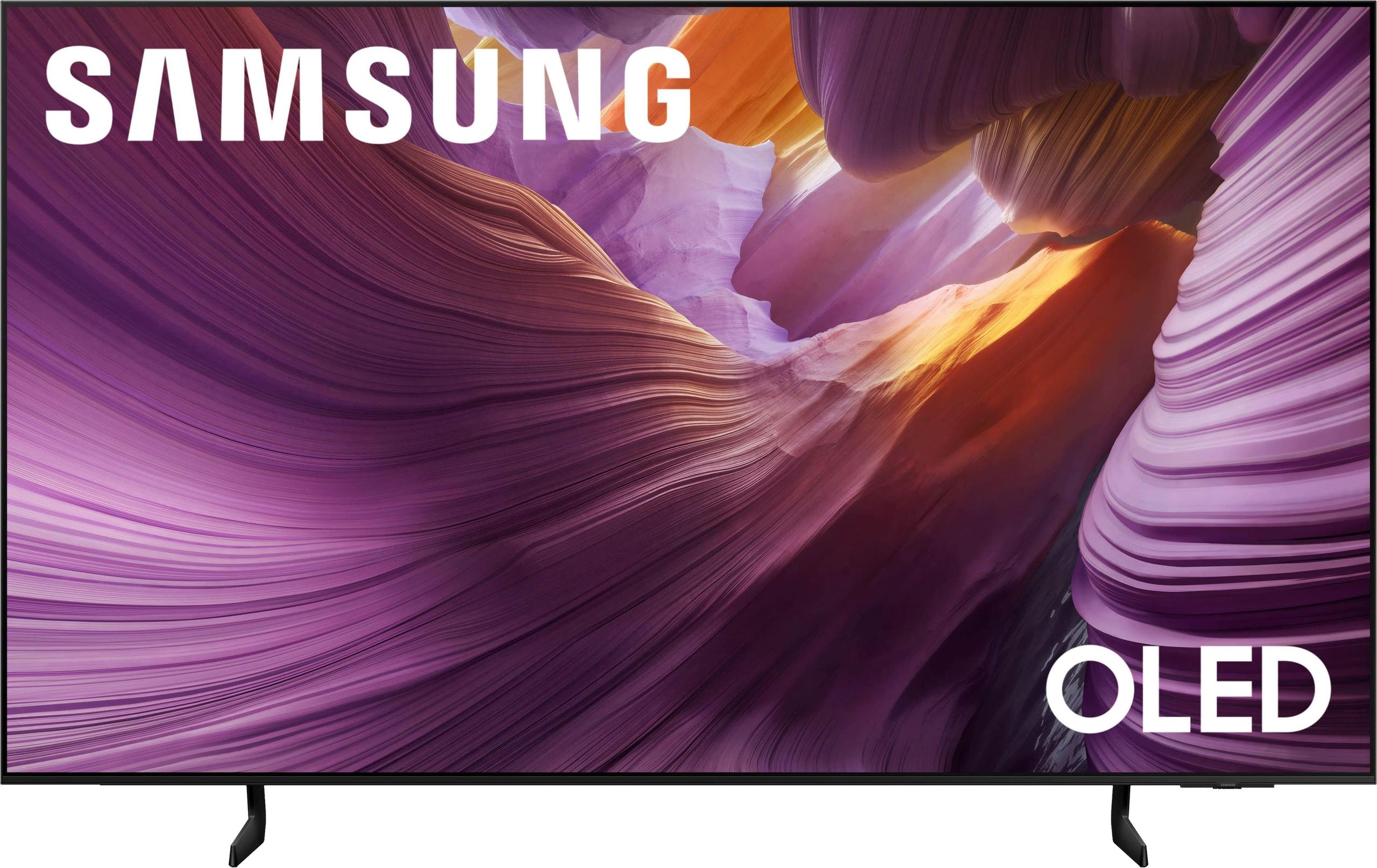
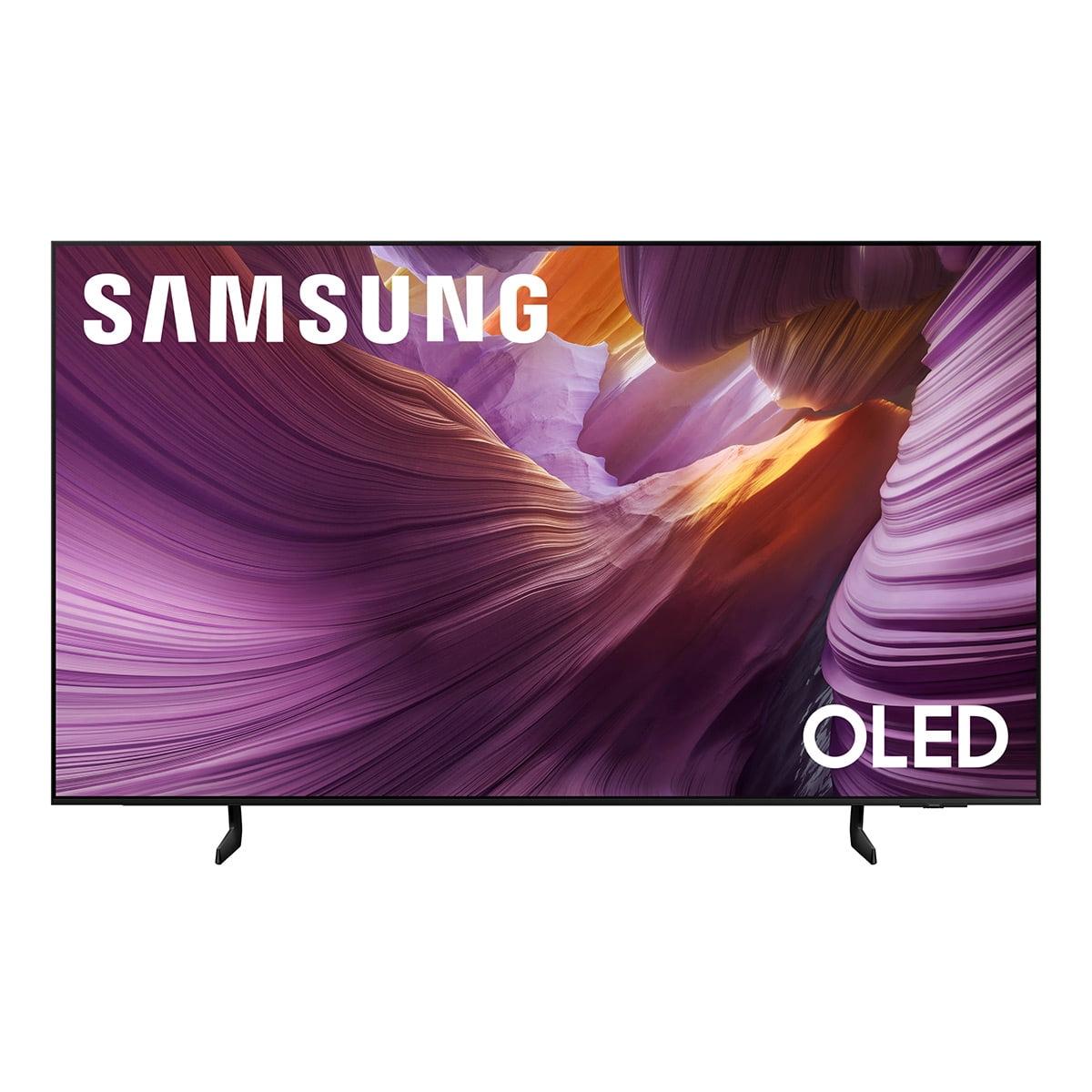
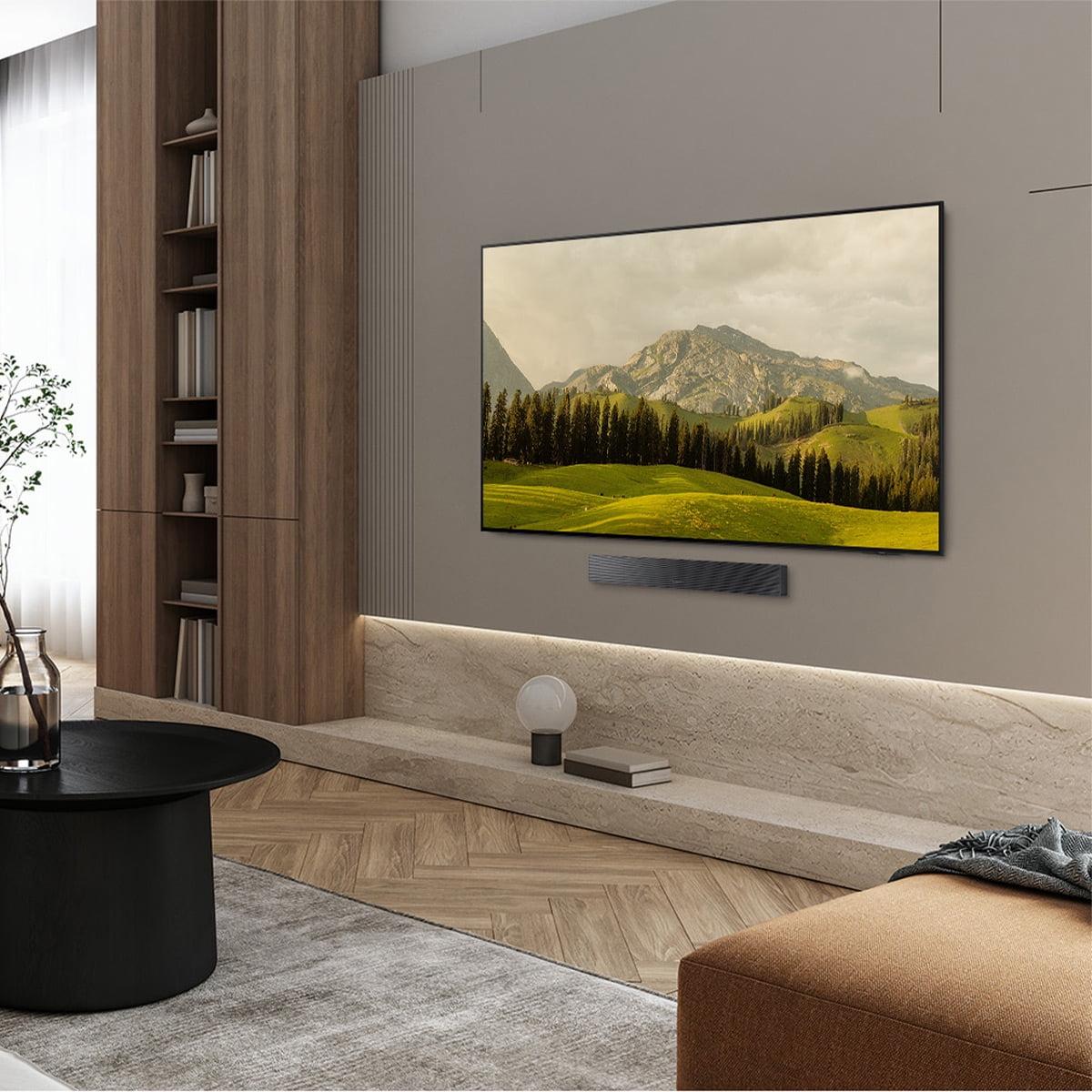
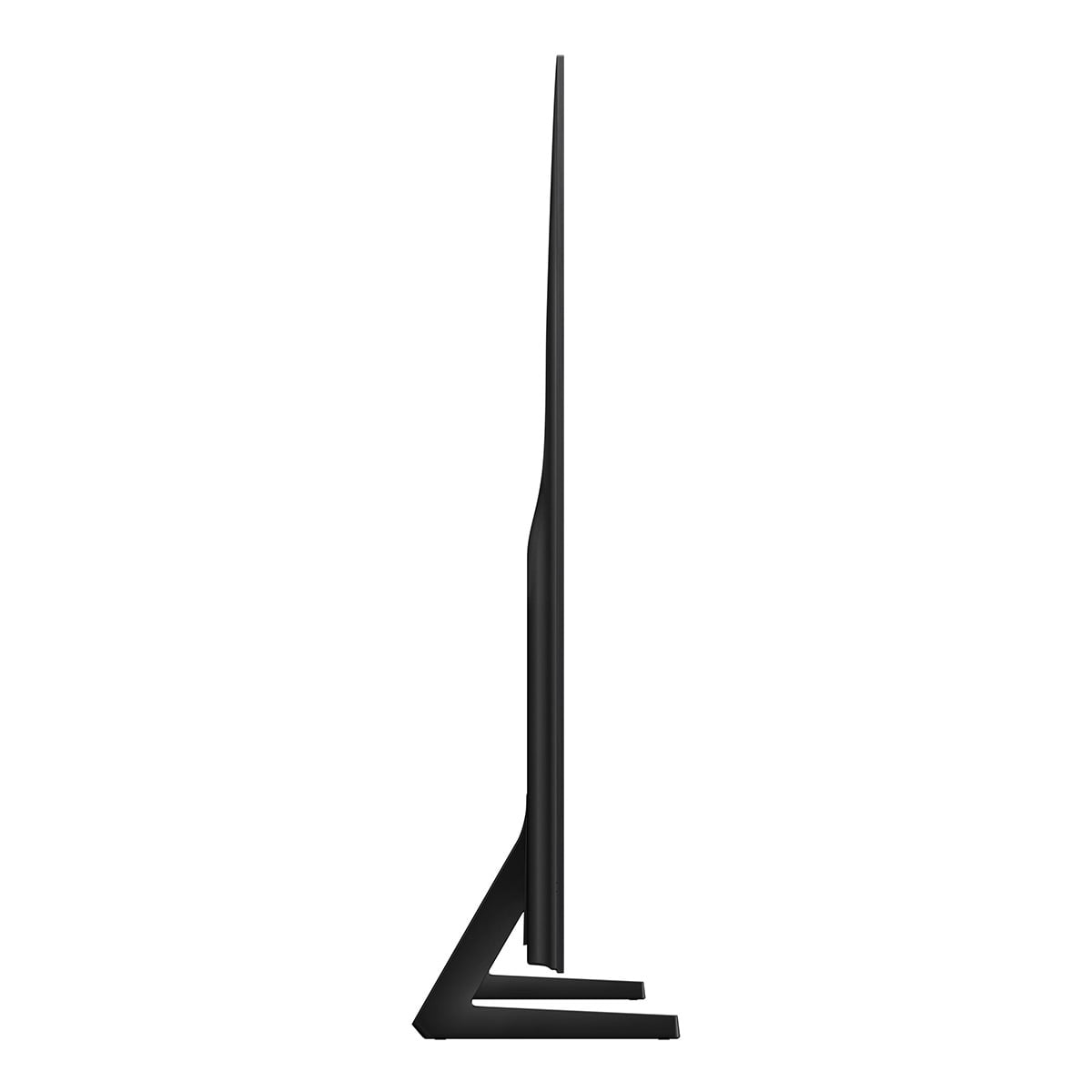

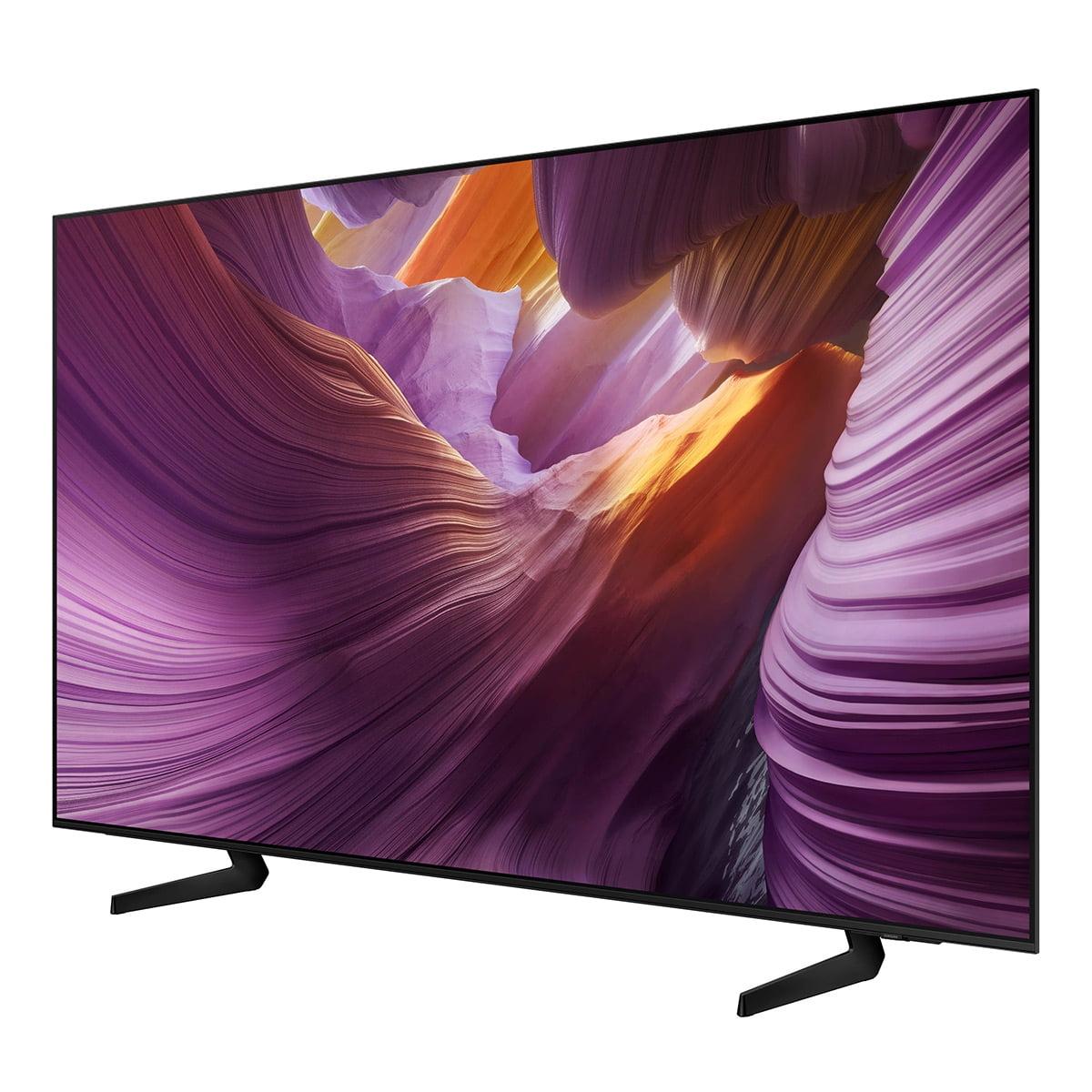
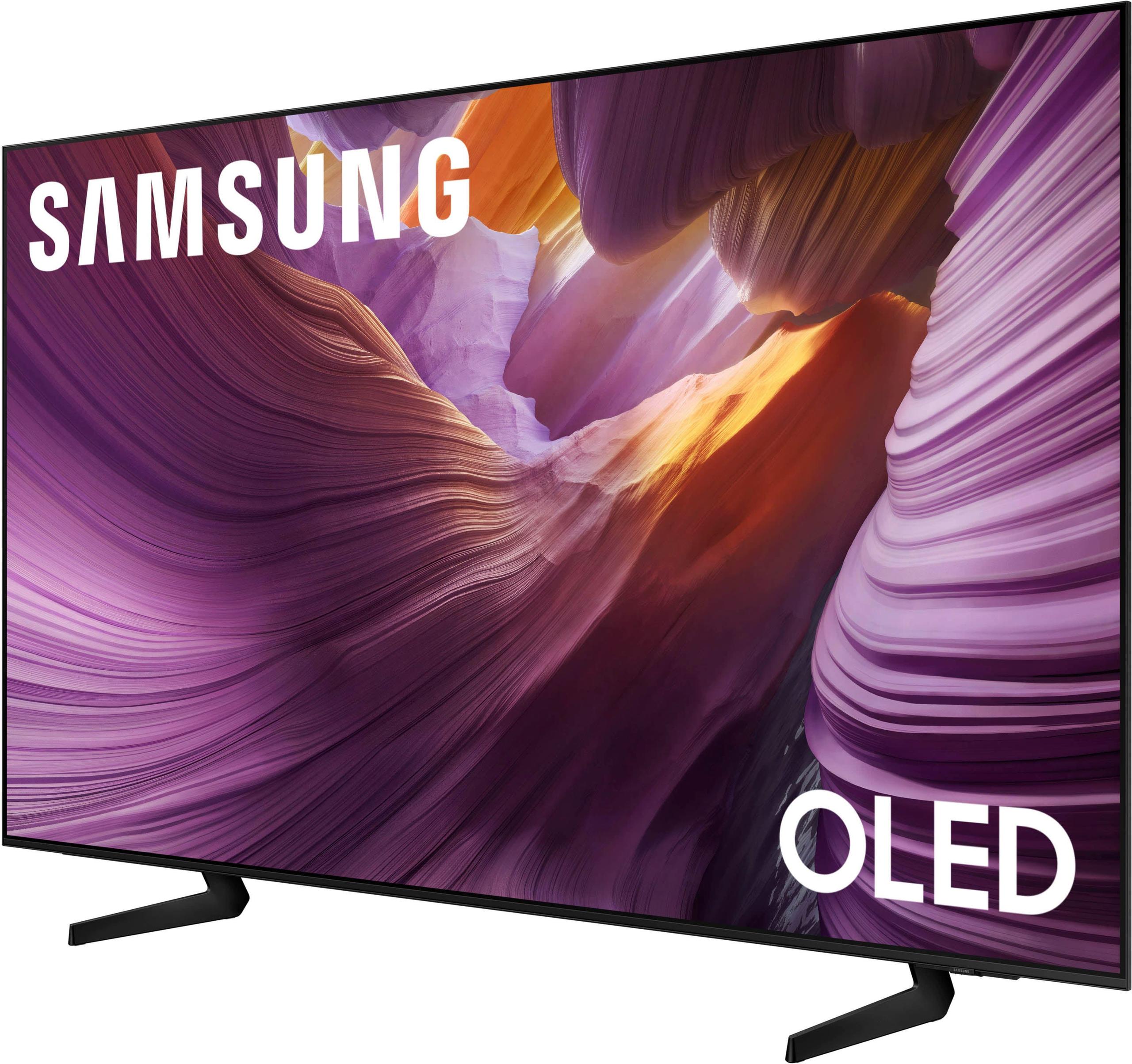

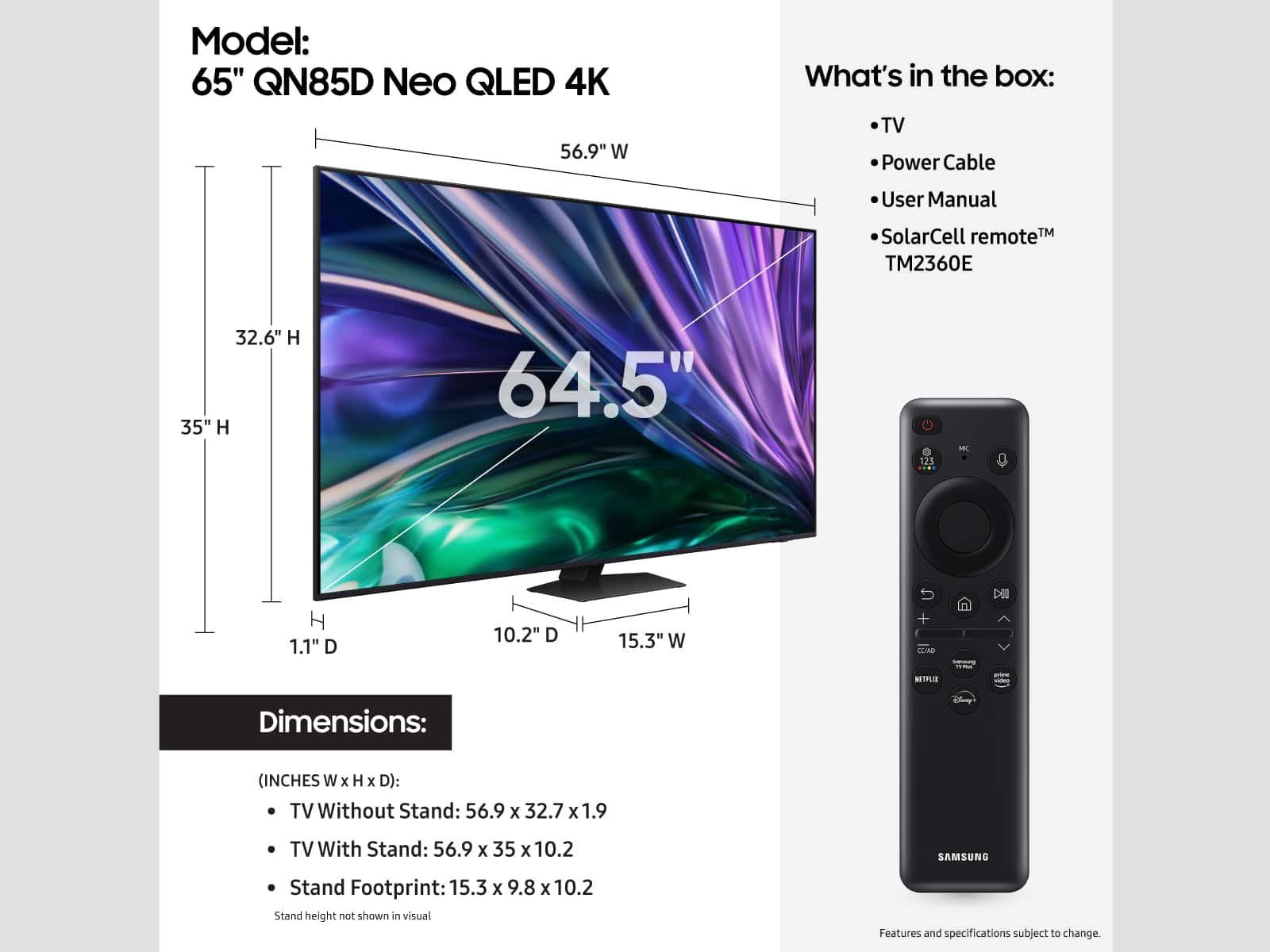
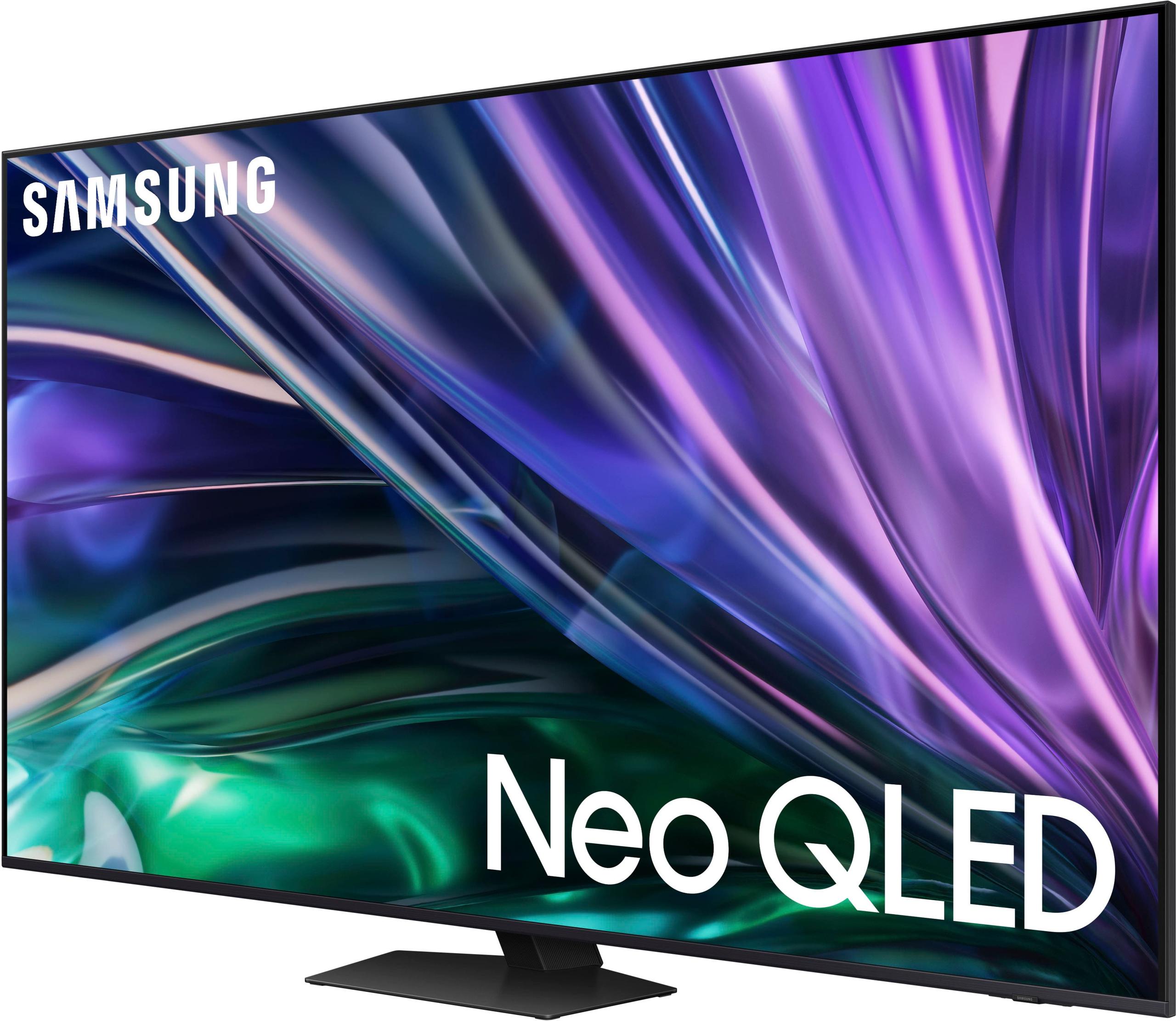
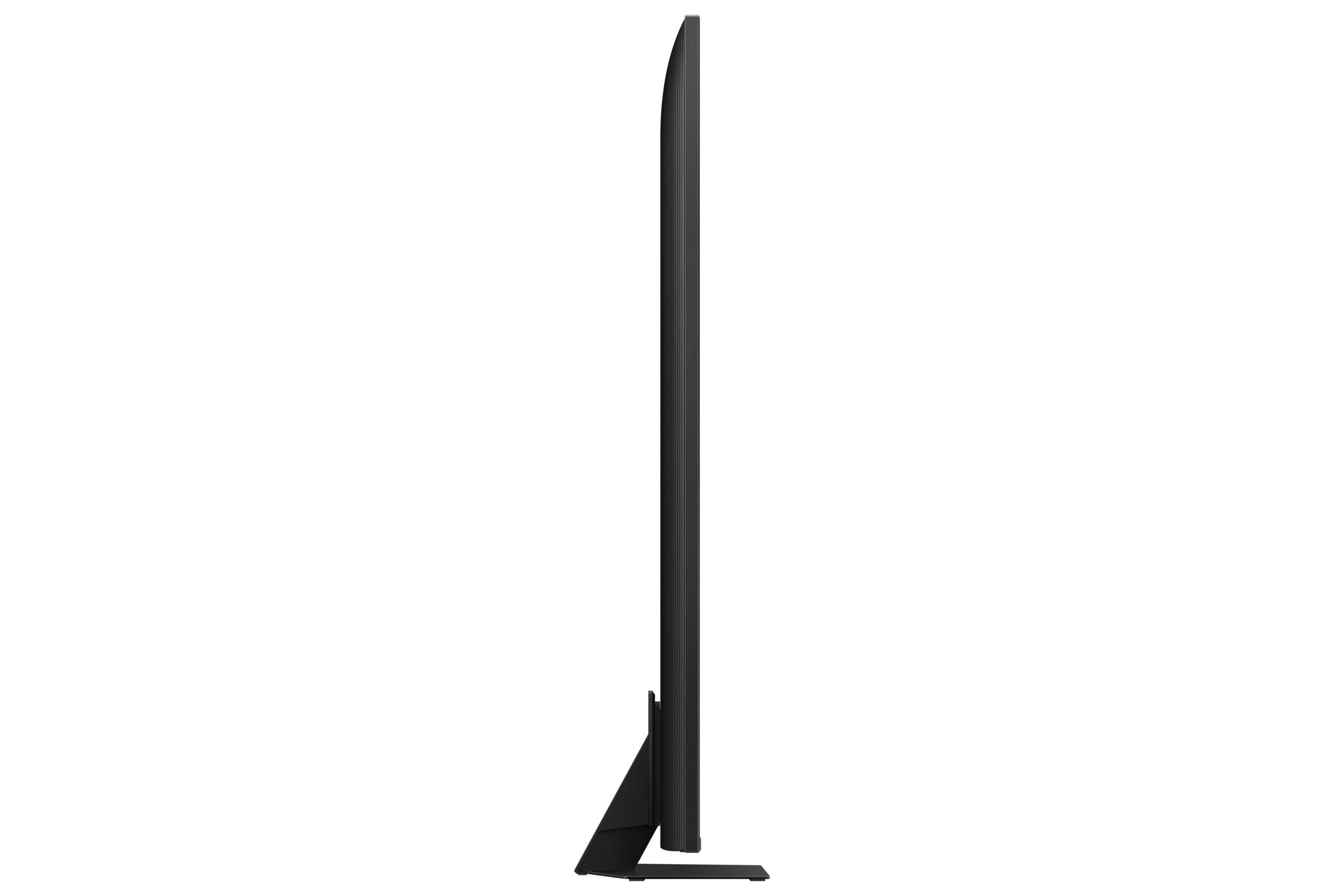
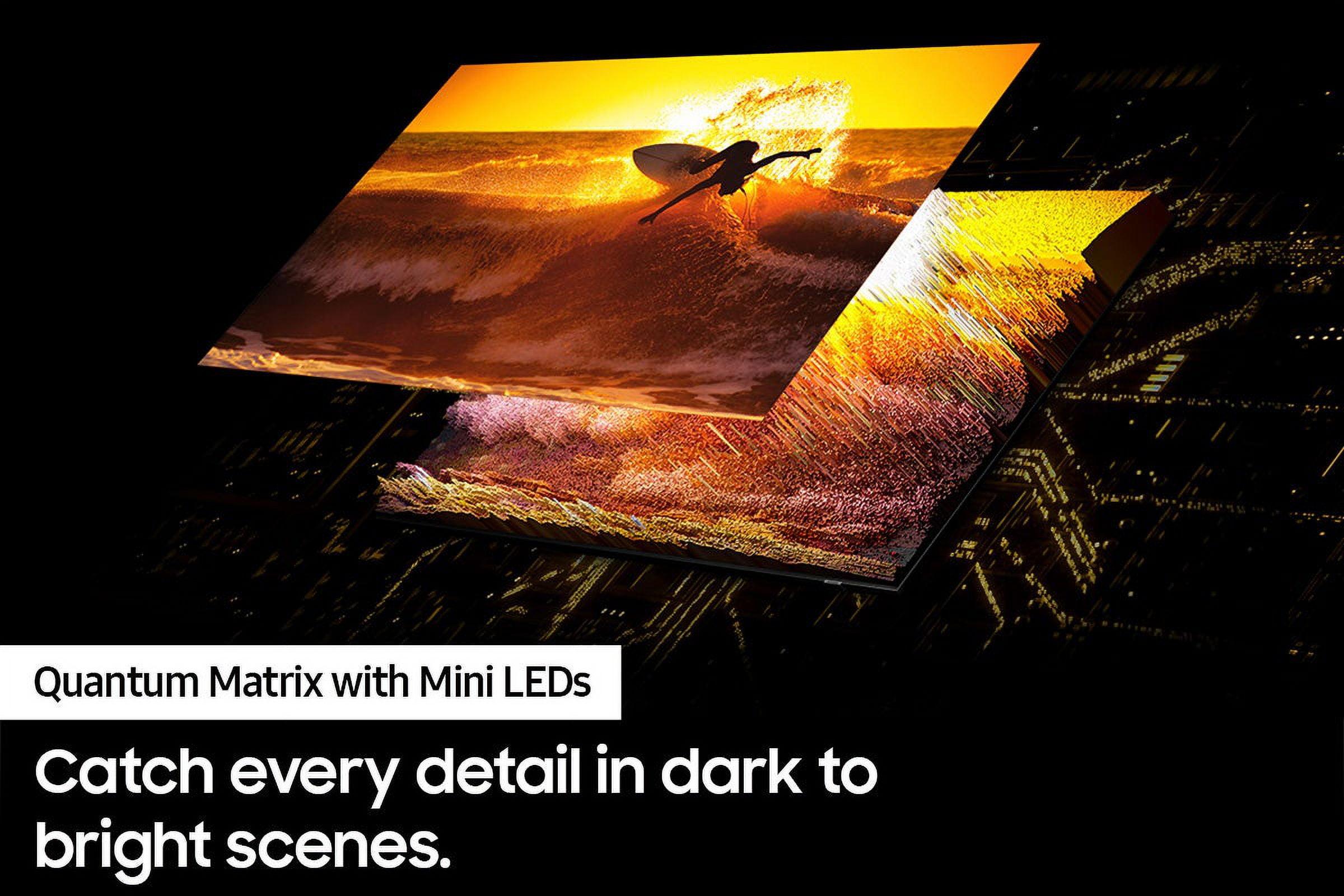

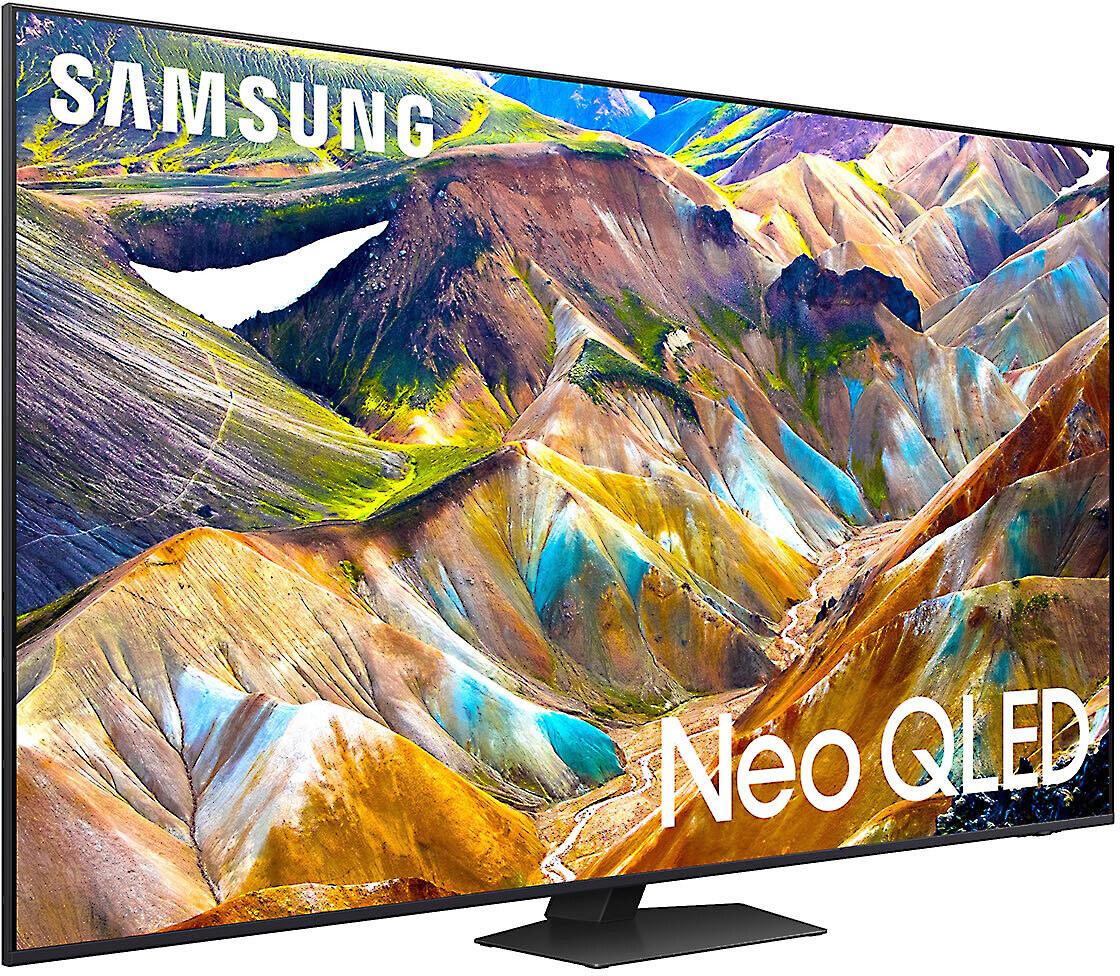
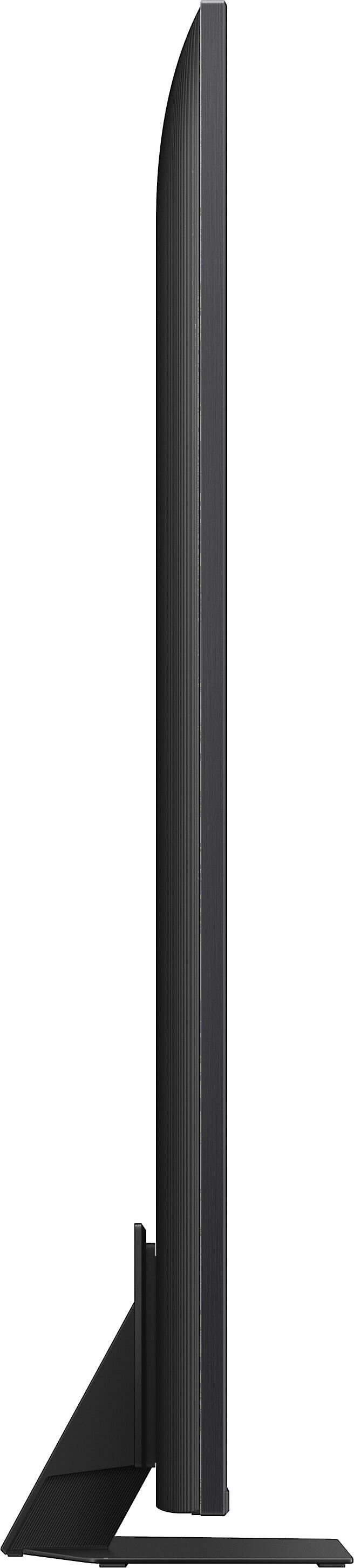
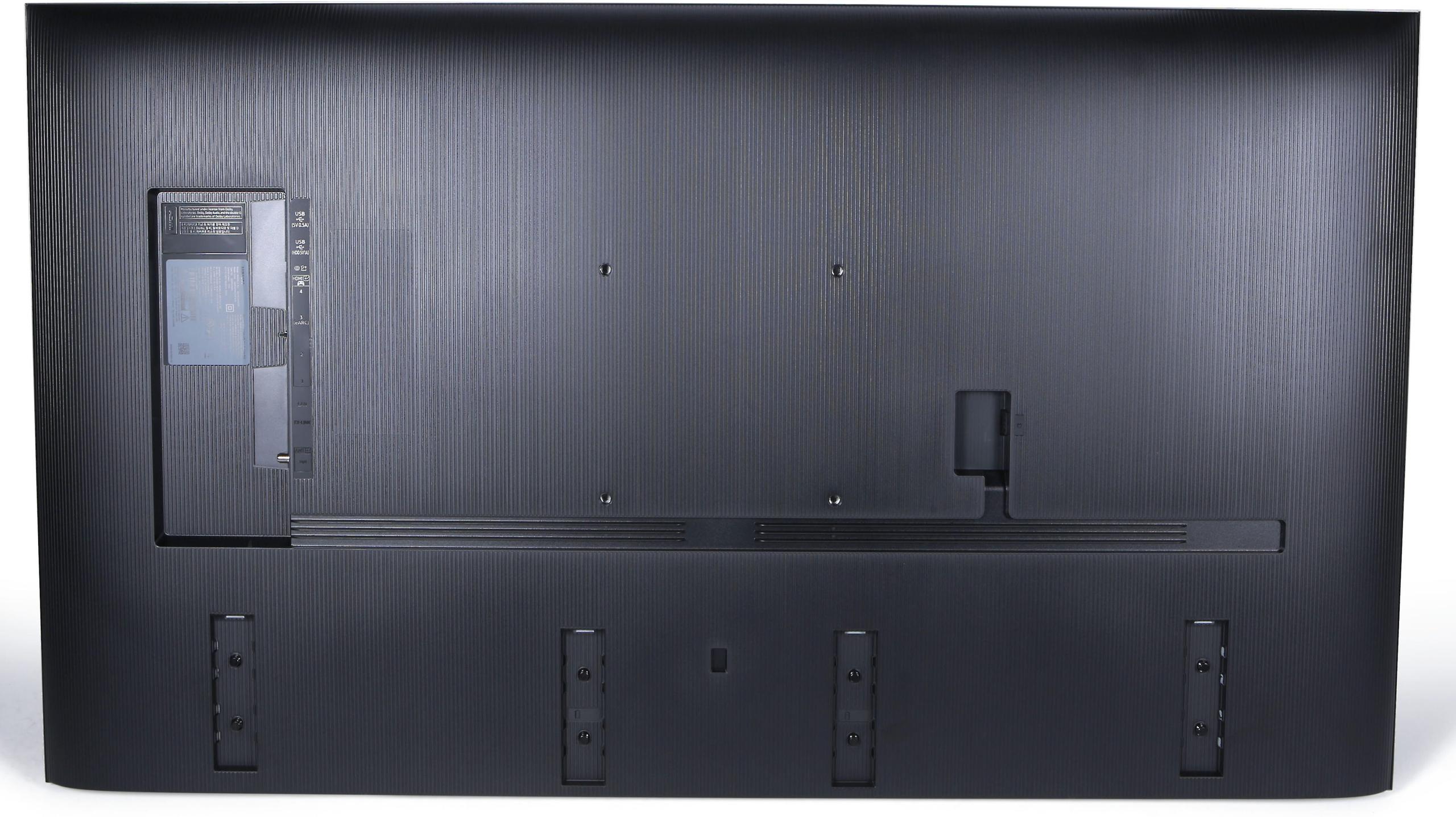
When you're shopping for a premium 65-inch OLED TV, Samsung's lineup can feel overwhelming. Two models that consistently catch buyers' attention are the Samsung 65" S85F OLED 4K Smart TV (2025) at $1,599.99 and the Samsung 65" OLED S90D TV at $1,197.99. Both promise exceptional picture quality, but they take different approaches to get there—and that $400 price difference tells an important story.
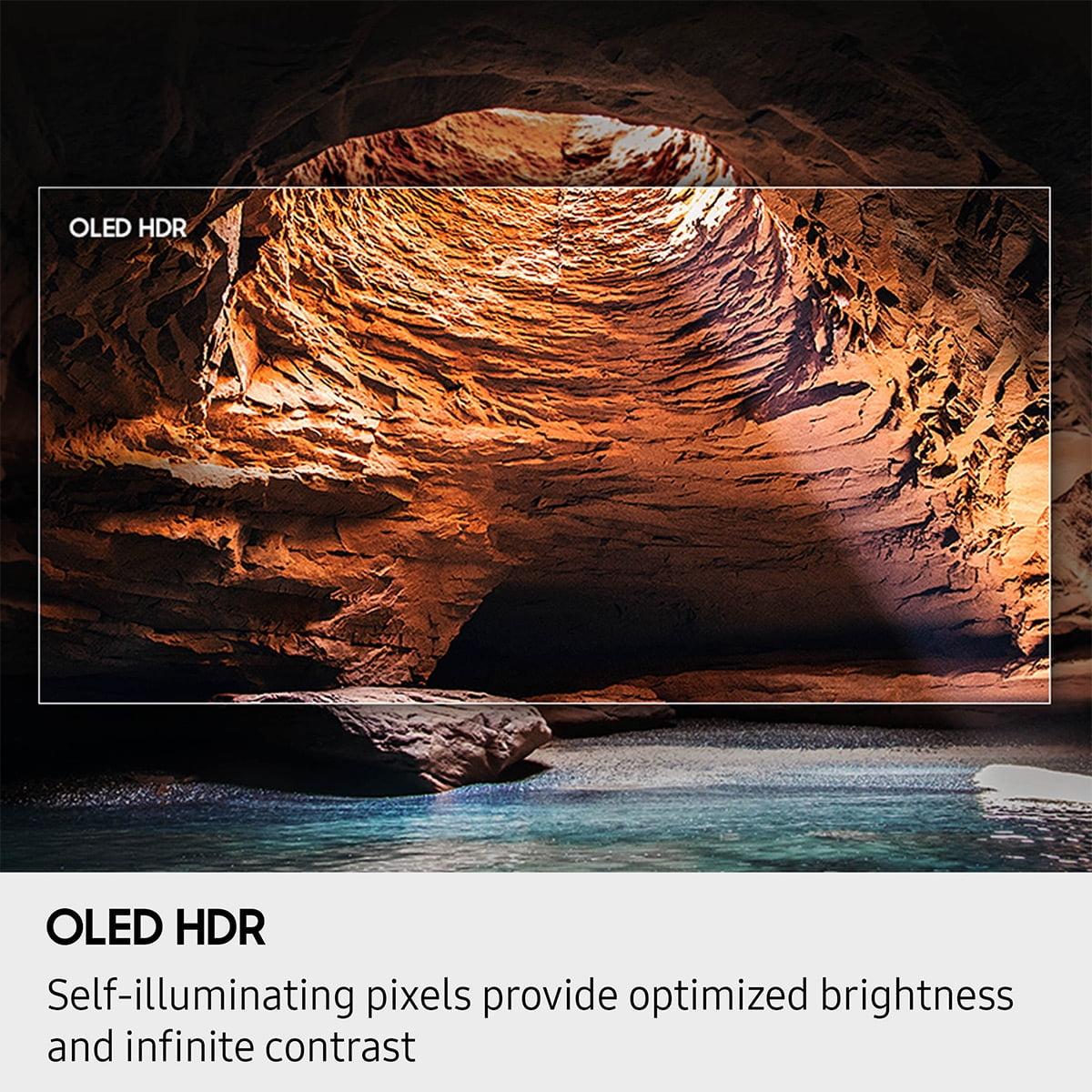
Before diving into the comparison, let's talk about what makes OLED displays so compelling. Unlike traditional LED TVs that use a backlight shining through liquid crystals, OLED (Organic Light-Emitting Diode) pixels generate their own light. This means when a pixel needs to show pure black, it simply turns off completely. The result? Perfect blacks, infinite contrast ratios, and colors that pop off the screen in ways that other display technologies struggle to match.
The key considerations when choosing between OLED models include panel technology (there are actually different types of OLED), processing power for upscaling and AI features, gaming performance, peak brightness for HDR content, and overall value. These factors become especially important when you're comparing models from the same manufacturer, where the differences often lie in the details.
The Samsung 65" OLED S90D TV launched in 2024 as Samsung's mid-tier QD-OLED offering, sitting between the entry-level S85D and the flagship S95D. It represented Samsung's sweet spot—offering most of the premium features at a more accessible price point. The S90D was built around the NQ4 AI Gen2 Processor and featured Motion Xcelerator 144Hz for gaming enthusiasts.
Fast forward to 2025, and Samsung introduced the Samsung 65" S85F OLED 4K Smart TV (2025) as their new entry-level OLED. This positioning shift is significant: Samsung essentially took what used to be mid-tier performance and made it their baseline offering. The S85F comes with the newer NQ4 AI Gen3 processor and updated smart TV features, but it's positioned to compete at a lower price point than the S90D originally commanded.
What's interesting is how the market has evolved. The S90D, now a year old, has seen significant price cuts as retailers clear inventory for newer models. This creates an unusual situation where the "older" model might actually offer better value than its newer counterpart.
Here's where things get technically interesting—and potentially confusing for buyers. Both TVs use OLED technology, but not all OLED panels are created equal. There are two main types: QD-OLED (Quantum Dot OLED) and WOLED (White OLED), each with distinct characteristics.
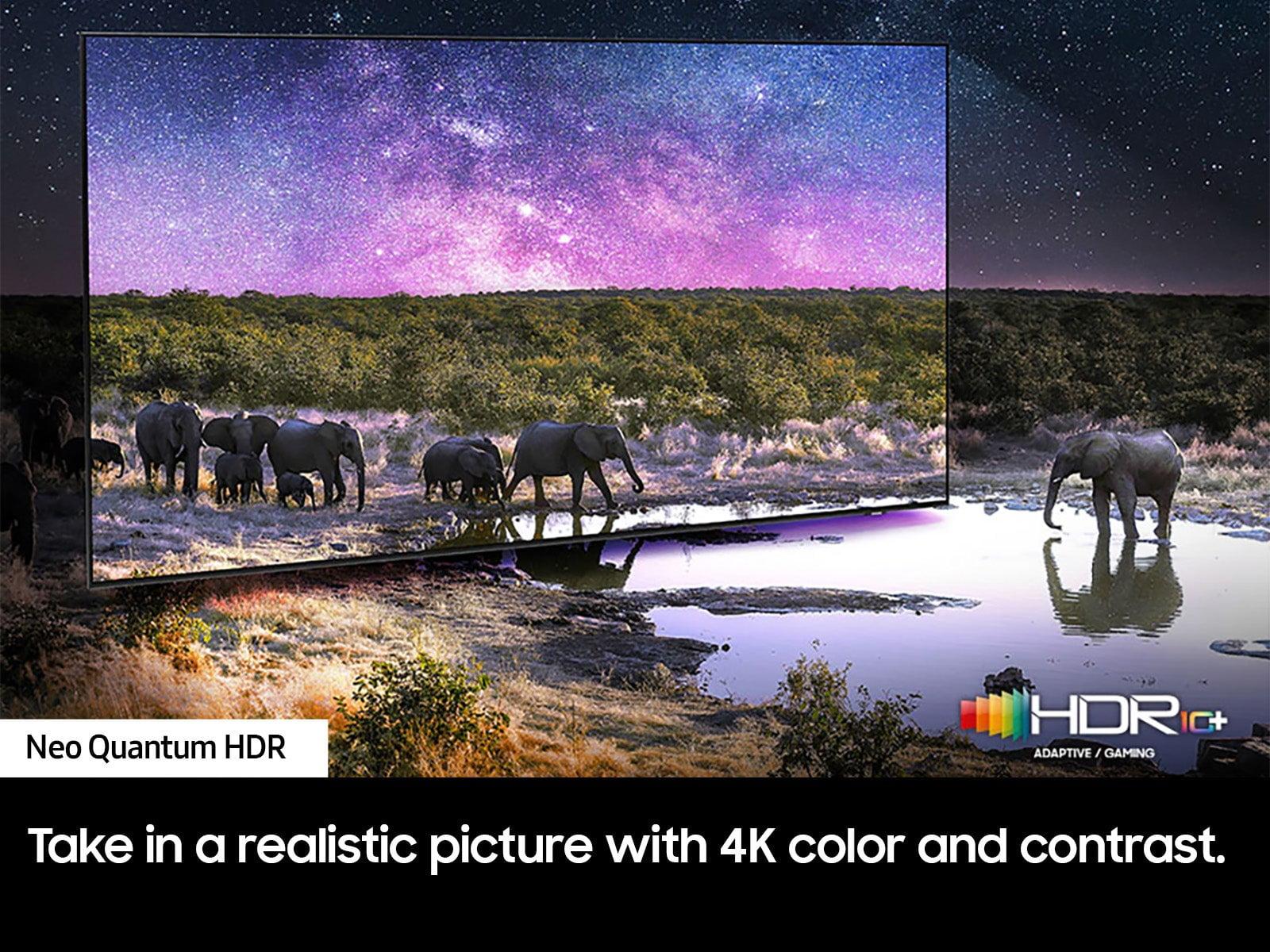
QD-OLED panels combine quantum dots with OLED technology, resulting in brighter colors, higher peak brightness, and a wider color gamut. They're particularly impressive with HDR content, where bright highlights really pop. WOLED panels, while still excellent, typically offer lower peak brightness and a somewhat narrower color range.
The S90D primarily uses QD-OLED panels across most markets and sizes, which explains its strong reputation for vibrant colors and HDR performance. However, some regions and sizes may use WOLED, so buyers need to check specific model codes—a frustrating "panel lottery" situation that Samsung doesn't advertise clearly.
The S85F presents an even more complex situation. In North America, the 55" and 65" models use QD-OLED panels, while other sizes and regions get WOLED panels. This means if you're buying the 65" S85F in the US or Canada, you're getting the premium panel technology. But if you're elsewhere or choosing a different size, you might end up with the less impressive WOLED panel at the same price.
From a performance standpoint, this matters significantly. The QD-OLED versions of both TVs can reach peak brightness levels around 1,200-1,300 nits in small highlights, making HDR content more impactful. The WOLED variants typically max out around 700-800 nits, which is still good but noticeably less dramatic for bright HDR scenes.
The brain of any modern TV is its processor, and this is where the generational differences become apparent. The S85F uses Samsung's NQ4 AI Gen3 processor, while the S90D relies on the older NQ4 AI Gen2 chip. Both are quad-core processors, but the Gen3 version brings meaningful improvements.
The most noticeable difference is in AI upscaling. When you're watching content that isn't native 4K—which is still a lot of what we consume, from streaming services to older movies—the processor works to enhance the image quality. The Gen3 processor in the S85F uses 20 AI neural networks (compared to the S90D's similar count but older algorithms) to analyze content frame by frame, making smarter decisions about how to sharpen details, reduce noise, and enhance colors.
In practical terms, this means the S85F does a better job making your Netflix shows look crisp and detailed, even when they're streaming at 1080p or lower resolutions. The difference is subtle but noticeable, especially if you watch a lot of varied content or have older media collections.
Both processors handle HDR processing well, but the S85F's newer chip includes updated tone mapping algorithms that can extract more detail from shadows and highlights simultaneously. This is particularly valuable for darker scenes in movies or shows where you want to see detail without losing the dramatic contrast.
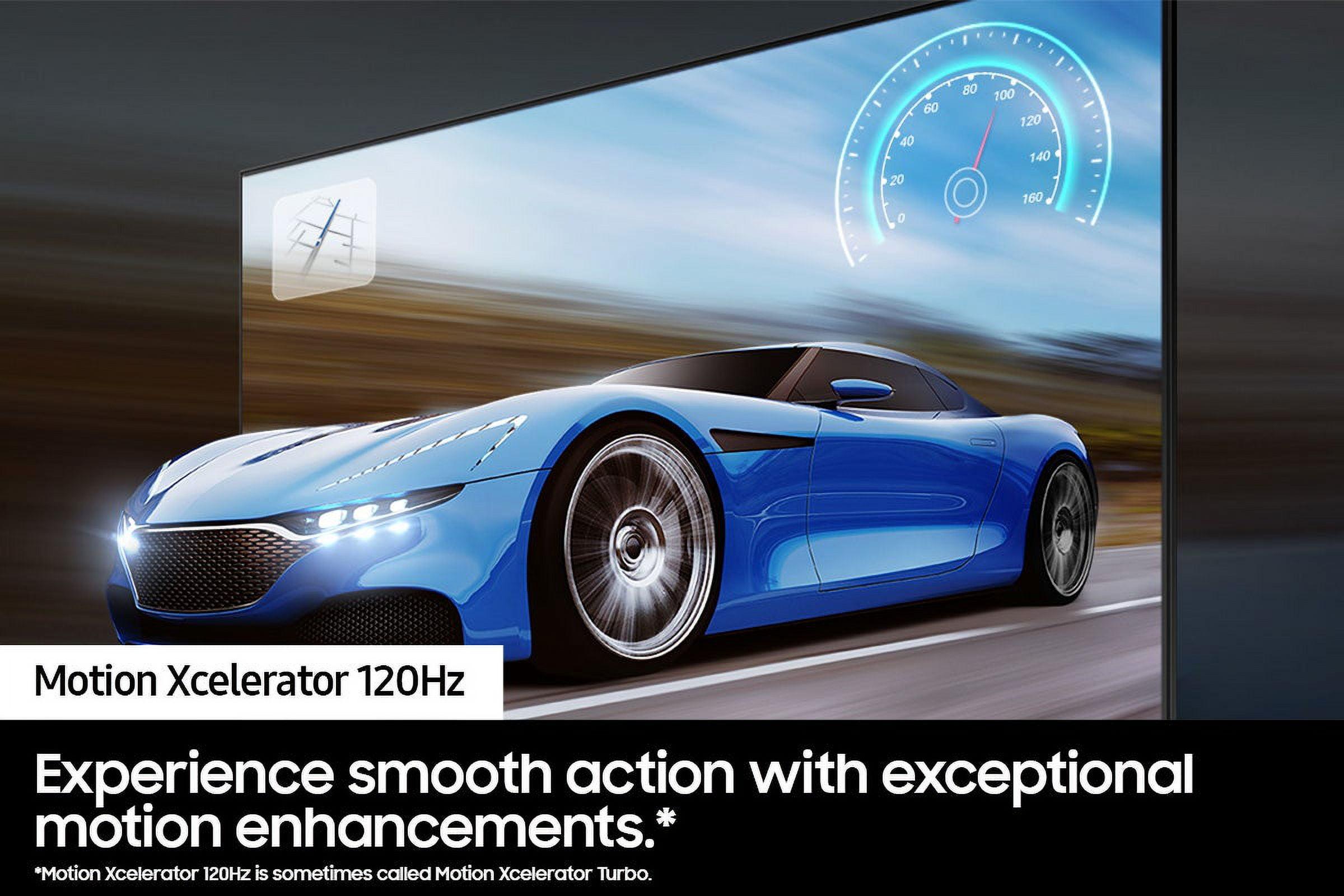
For gaming enthusiasts, the differences between these models become more pronounced. The S90D supports refresh rates up to 144Hz, while the S85F caps out at 120Hz. This might seem like a minor difference, but it has implications for different types of gaming.
Both TVs handle console gaming beautifully. Whether you're playing on a PlayStation 5, Xbox Series X, or Nintendo Switch, you'll get excellent performance with virtually no input lag (typically under 10 milliseconds), perfect black levels for atmospheric games, and smooth motion handling. The 120Hz support on both models means you can take full advantage of the 4K/120fps modes that newer consoles offer in select games.
Where the S90D pulls ahead is in PC gaming. If you have a high-end gaming PC with a powerful graphics card, that extra 24Hz can make a difference in competitive gaming or when playing fast-paced titles. The 144Hz support also provides better future-proofing as game developers continue to push frame rates higher.
Both TVs include comprehensive gaming features like Variable Refresh Rate (VRR) to eliminate screen tearing, Auto Low Latency Mode (ALLM) that automatically switches to game mode when it detects gaming input, and support for FreeSync Premium. They also include Samsung's gaming-specific features like Game Motion Plus for enhanced motion clarity and Dynamic Black EQ to help you spot enemies hiding in shadows.
The reality is that for most home theater setups, the gaming performance difference won't be deal-breaking. But if you're someone who games primarily on PC and values every frame per second, the S90D's higher refresh rate capability gives it a clear advantage.
Both TVs deliver the core OLED benefits that make this technology so appealing: perfect blacks, infinite contrast, and exceptional color accuracy. When you're watching a movie with dark space scenes, stars appear to float against pure black backgrounds rather than the gray-ish blacks you'd see on LED TVs.
The peak brightness capabilities tell an important story about HDR performance. The S90D, with its consistent QD-OLED panel, typically reaches about 1,240 nits in peak highlights according to professional measurements. The S85F, when equipped with a QD-OLED panel, can hit similar levels around 1,300 nits in small highlights, though this drops significantly in larger bright areas.
These brightness levels might sound technical, but they translate to real viewing differences. HDR content like "Planet Earth" documentaries or action movies with bright explosions will have more impact on the S90D, especially in rooms with ambient lighting. The extra brightness helps maintain the dramatic contrast that makes HDR content so compelling.
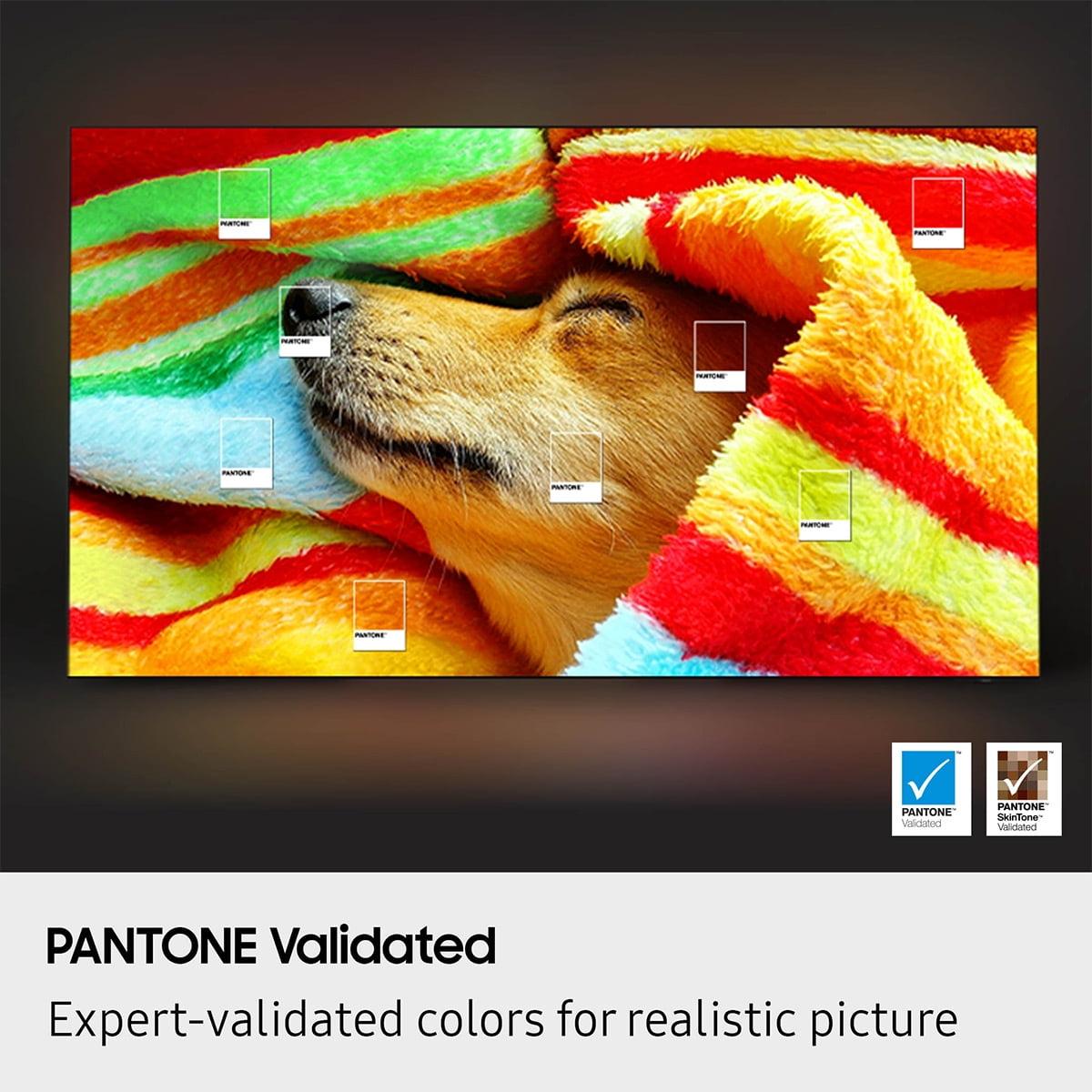
Color accuracy is excellent on both models, with both being Pantone validated—meaning they can accurately reproduce over 2,000 colors according to industry standards. This certification matters for anyone who cares about accurate color reproduction, whether you're watching movies as the director intended or viewing photography.
Viewing angles are exceptional on both TVs, a key advantage of OLED technology. Unlike LED TVs where colors shift and contrast degrades when you're not sitting directly in front, these Samsung OLEDs maintain consistent picture quality even when viewed from the side. This makes them ideal for larger rooms where family members might be sitting at different angles.
Both TVs run Samsung's Tizen operating system, but there are generational differences worth noting. The S85F includes the latest 2025 version of Tizen with updated app interfaces, improved voice recognition, and better integration with Samsung's SmartThings ecosystem for smart home control.
The voice control capabilities have been enhanced on the S85F, with far-field voice interaction that lets you control the TV from across the room without the remote. Both models support multiple voice assistants including Bixby, Alexa, and Google Assistant, but the S85F's implementation is more responsive and capable.
Streaming performance is excellent on both models, with support for all major services and codecs. However, it's worth noting that Samsung TVs don't support Dolby Vision HDR, instead relying on HDR10+ and their own HDR processing. This isn't necessarily a deal-breaker—Samsung's HDR processing is quite good—but it's something to be aware of if you have a large collection of Dolby Vision content.
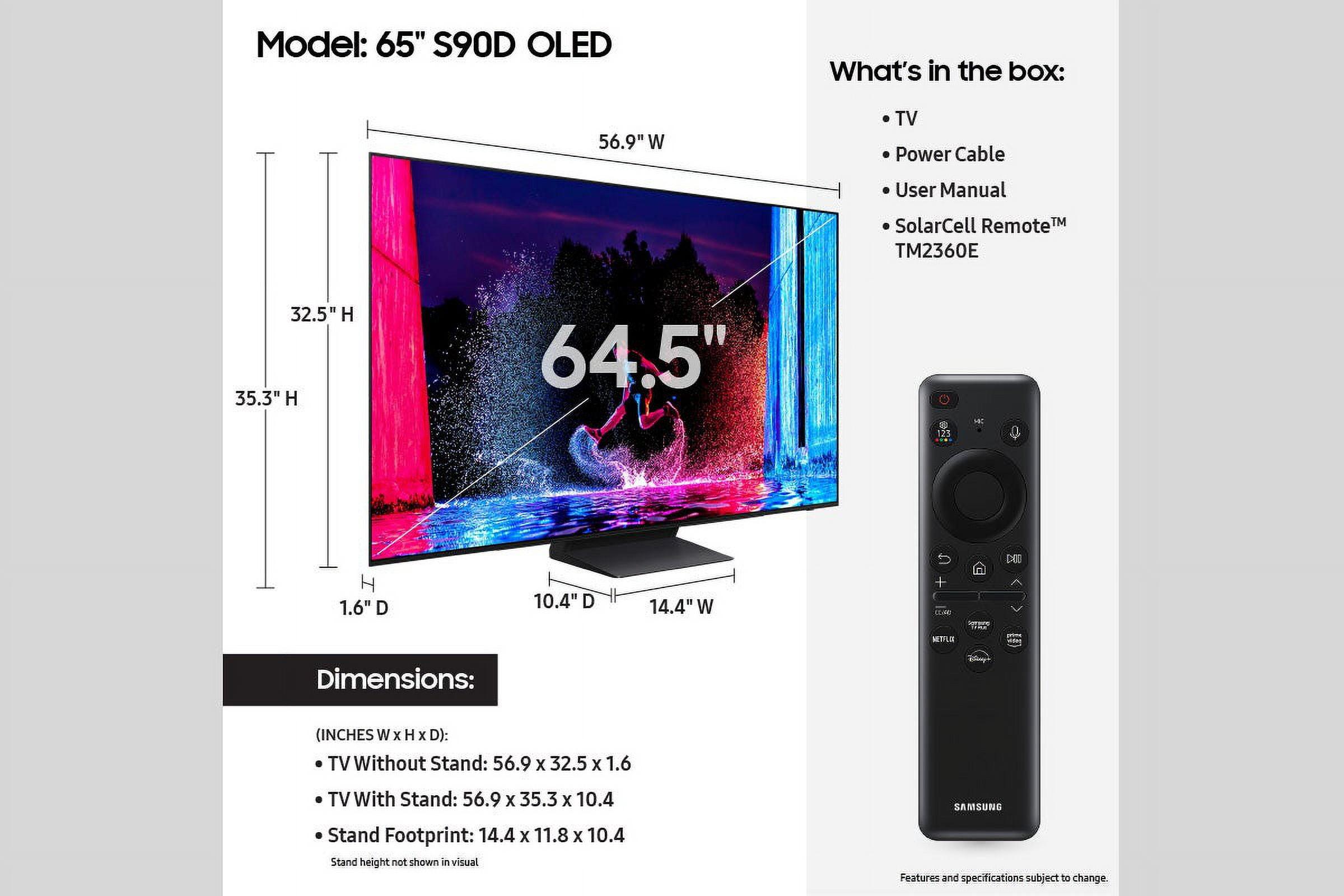
The remote control experience is similar on both models, with Samsung's SolarCell remote that charges from ambient light, reducing battery waste. The interface is intuitive and responsive, making it easy to navigate between apps and settings.
Neither TV is going to replace a dedicated sound system, but both offer respectable built-in audio. The S90D features a 2.0 channel system with Dolby Atmos support, while the S85F has a similar setup with enhanced adaptive sound processing.
Both models include Samsung's Object Tracking Sound technology, which attempts to move audio across the screen to match visual action. It's a neat feature that works better with some content than others, but it's not a substitute for a proper surround sound system.
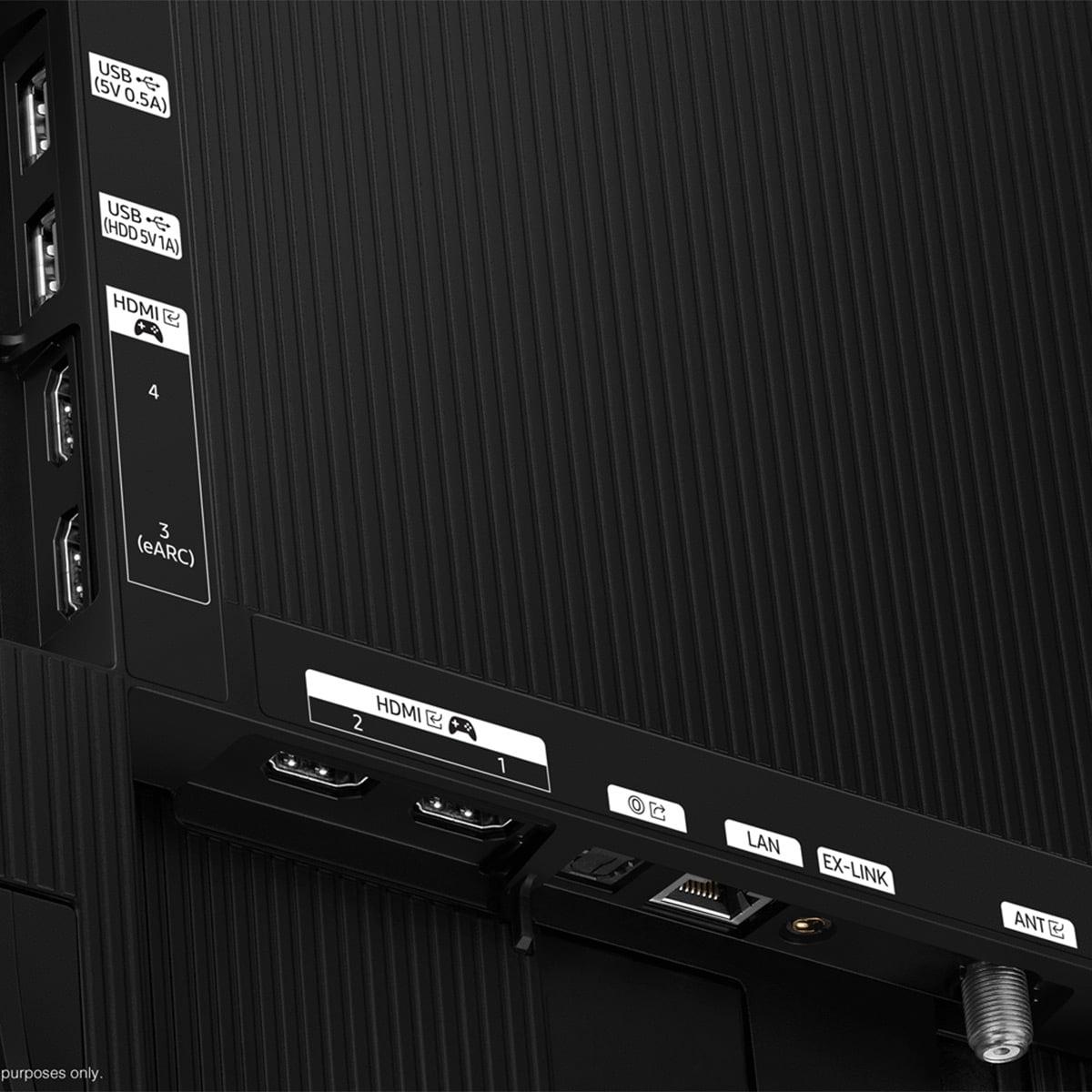
For home theater enthusiasts, both TVs integrate well with Samsung soundbars through the Q-Symphony feature, which synchronizes the TV's speakers with compatible soundbars for a more immersive experience. The HDMI eARC support on both models means you can send high-quality audio to an external sound system without compromising quality.
At current pricing, the Samsung 65" OLED S90D TV at $1,197.99 represents exceptional value in the premium OLED category. You're getting proven QD-OLED performance, higher refresh rates for gaming, and mature software at a significant discount from its original launch price.
The Samsung 65" S85F OLED 4K Smart TV (2025) at $1,599.99 asks you to pay a $400 premium for newer processing technology and the latest smart TV features. Whether that's worth it depends on your priorities and viewing habits.
For most buyers, the S90D offers better value. The performance difference in real-world viewing is relatively small, while the price difference is substantial. The higher refresh rate also provides better future-proofing for gaming, and the proven reliability of a year-old model removes some of the early-adoption risks.
However, if you frequently watch lower-resolution content that benefits from superior upscaling, or if you want the latest smart TV features and longest software support lifecycle, the S85F might justify its higher price.
The choice between these models ultimately depends on your priorities and budget. If you're looking for the best value in premium OLED technology, the S90D is hard to beat at its current price point. You get excellent picture quality, gaming performance, and smart features at a significant discount.
Choose the S90D if you want proven performance, higher gaming refresh rates, and the best value. It's particularly appealing if you're a serious gamer or simply want to maximize your TV budget.
Consider the S85F if you prioritize having the latest technology, plan to keep your TV for many years, or frequently watch content that would benefit from superior upscaling. Just make sure you're getting a QD-OLED panel for your region and size.
Both TVs will deliver an excellent viewing experience with the deep blacks, vibrant colors, and wide viewing angles that make OLED technology so compelling. The "wrong" choice here is minimal—you'll be happy with either. The right choice depends on whether you value cutting-edge features or proven value more highly.
| Samsung 65" S85F OLED 4K Smart TV (2025) | Samsung 65" OLED S90D TV |
|---|---|
| Price - $400 difference significantly impacts value proposition | |
| $1,599.99 | $1,197.99 |
| Release Year - Affects software support and discount availability | |
| 2025 (latest model) | 2024 (heavily discounted) |
| Panel Technology - QD-OLED delivers better brightness and color than WOLED | |
| QD-OLED (NA 55"/65" only), WOLED elsewhere | QD-OLED in most markets/sizes |
| Processor - Newer generation improves AI upscaling of non-4K content | |
| NQ4 AI Gen3 (2025) | NQ4 AI Gen2 (2024) |
| Peak Brightness - Higher numbers mean more impactful HDR in bright rooms | |
| ~1,300 nits (QD-OLED), ~750 nits (WOLED) | ~1,240 nits (QD-OLED measured) |
| Gaming Refresh Rate - Higher rates benefit PC gaming and future-proofing | |
| 120Hz maximum | 144Hz maximum |
| HDMI Ports - Both handle 4K/120Hz gaming perfectly | |
| 4x HDMI 2.1 ports | 4x HDMI 2.1 ports |
| Smart TV OS - Both run latest Tizen with minor feature differences | |
| Tizen 2025 (enhanced voice control) | Tizen 2024 (proven stability) |
| Build Quality Track Record - Important for reliability expectations | |
| New model (unproven) | Year in market (established reliability) |
| Best For - Key buyer profiles who should choose each model | |
| Latest tech enthusiasts, heavy upscaling users | Value seekers, gamers, proven performance seekers |
The Samsung 65" OLED S90D TV at $1,197.99 offers significantly better value than the Samsung 65" S85F OLED 4K Smart TV (2025) at $1,599.99. You save $400 while getting similar picture quality, higher gaming refresh rates, and proven reliability. The S90D delivers about 95% of the S85F's performance at 75% of the price.
The primary differences are release year, pricing, and gaming performance. The Samsung 65" S85F OLED 4K Smart TV (2025) is the newer 2025 model with updated AI processing but costs $400 more. The Samsung 65" OLED S90D TV is from 2024 but offers higher 144Hz gaming refresh rates and better current value due to discounting.
The Samsung 65" OLED S90D TV is better for gaming, especially PC gaming, due to its 144Hz maximum refresh rate compared to the S85F's 120Hz limit. Both TVs offer excellent console gaming performance with low input lag, but the S90D provides better future-proofing for high-frame-rate gaming.
Both use OLED technology but with important variations. The Samsung 65" OLED S90D TV primarily uses QD-OLED panels across most markets. The Samsung 65" S85F OLED 4K Smart TV (2025) uses QD-OLED only in North American 55" and 65" models, with other sizes and regions getting WOLED panels that aren't as bright or colorful.
Picture quality is very similar between both models when both have QD-OLED panels. The Samsung 65" OLED S90D TV typically achieves slightly higher peak brightness (1,240 nits) for more impactful HDR. The Samsung 65" S85F OLED 4K Smart TV (2025) has newer AI processing that provides better upscaling of non-4K content.
The Samsung 65" S85F OLED 4K Smart TV (2025) runs the latest 2025 Tizen OS with enhanced voice control and updated app interfaces. The Samsung 65" OLED S90D TV uses 2024 Tizen, which is proven stable but lacks some newer features. Both support all major streaming services and voice assistants.
The Samsung 65" OLED S90D TV generally performs better in bright rooms due to more consistent QD-OLED panel availability and slightly higher measured peak brightness. The Samsung 65" S85F OLED 4K Smart TV (2025) can match this brightness only if you get a QD-OLED variant, which depends on your region and size choice.
For most buyers, the Samsung 65" OLED S90D TV is the better choice due to its $400 lower price, higher gaming refresh rate, and proven reliability. Choose the Samsung 65" S85F OLED 4K Smart TV (2025) only if you specifically need the latest AI processing features or plan to keep the TV for many years.
The Samsung 65" S85F OLED 4K Smart TV (2025) uses the newer NQ4 AI Gen3 processor with improved AI upscaling and picture optimization. The Samsung 65" OLED S90D TV has the older NQ4 AI Gen2 processor, which is still excellent but not as advanced for enhancing lower-resolution content.
Both excel for home theater, but the Samsung 65" OLED S90D TV offers better value without sacrificing the core OLED benefits like perfect blacks and wide viewing angles. The Samsung 65" S85F OLED 4K Smart TV (2025) provides slightly better upscaling for older movies but at a significant price premium that most home theater enthusiasts won't find justified.
The Samsung 65" OLED S90D TV has been on the market for over a year, establishing a track record of reliability and allowing Samsung to address any early issues. The Samsung 65" S85F OLED 4K Smart TV (2025) is too new to have established reliability data, carrying typical early-adoption risks.
The Samsung 65" S85F OLED 4K Smart TV (2025) will likely receive longer software support and updates as the newer model. However, the Samsung 65" OLED S90D TV offers better immediate value with its $400 savings and will receive several more years of updates. For most buyers, the S90D's current value outweighs the S85F's longer support timeline.
We've done our best to create useful and informative comparisons to help you decide what product to buy. Our research uses advanced automated methods to create this comparison and perfection is not possible - please contact us for corrections or questions. These are the sites we've researched in the creation of this article: rtings.com - samsung.com - youtube.com - rtings.com - youtube.com - samsung.com - bestbuy.com - avsforum.com - avsforum.com - samsung.com - displayspecifications.com - videoandaudiocenter.com - bestbuy.com - flatpanelshd.com - myallsouth.com - samsung.com - richstv.com - samsung.com - heartlandappliance.com - bestbuy.com - valueelectronics.com - youtube.com - cnet.com - bestbuy.com - videoandaudiocenter.com - youtube.com - samsung.com - samsung.com - pcrichard.com - samsung.com

Privacy Policy
Terms and Conditions - Affiliate Policy
Home Security
© Copyright 2008-2026.
11816 Inwood Rd #1211, Dallas, TX 75244