

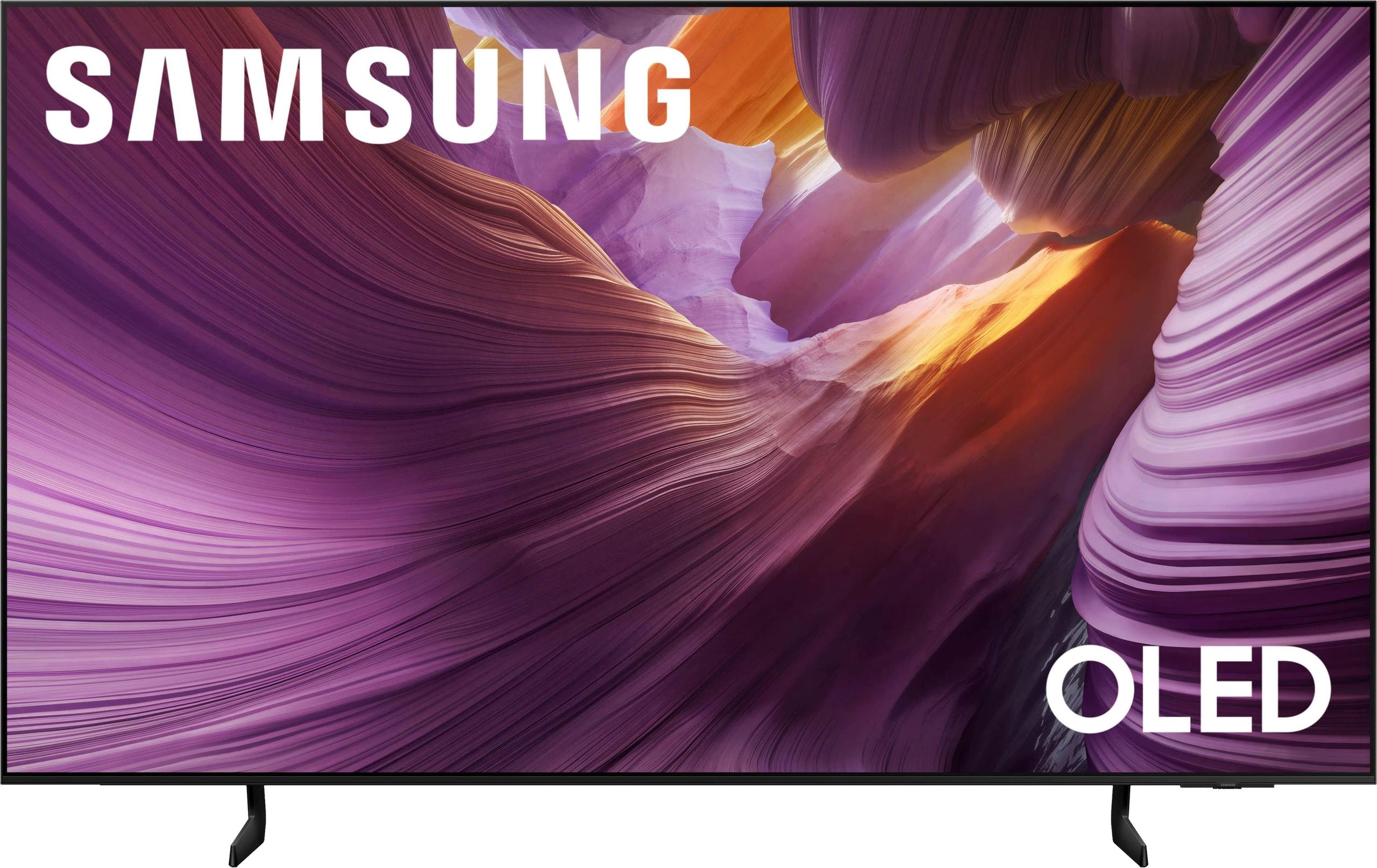
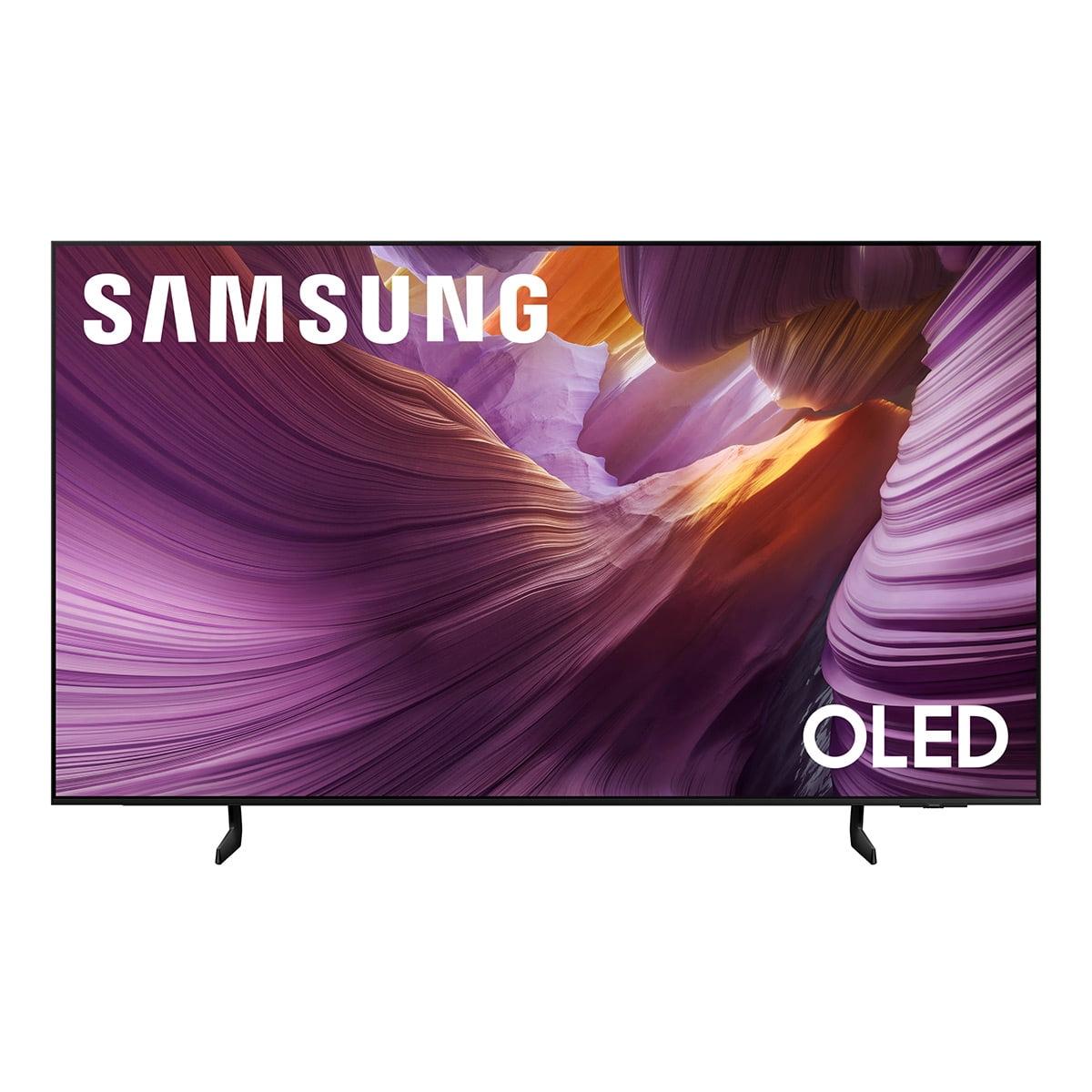
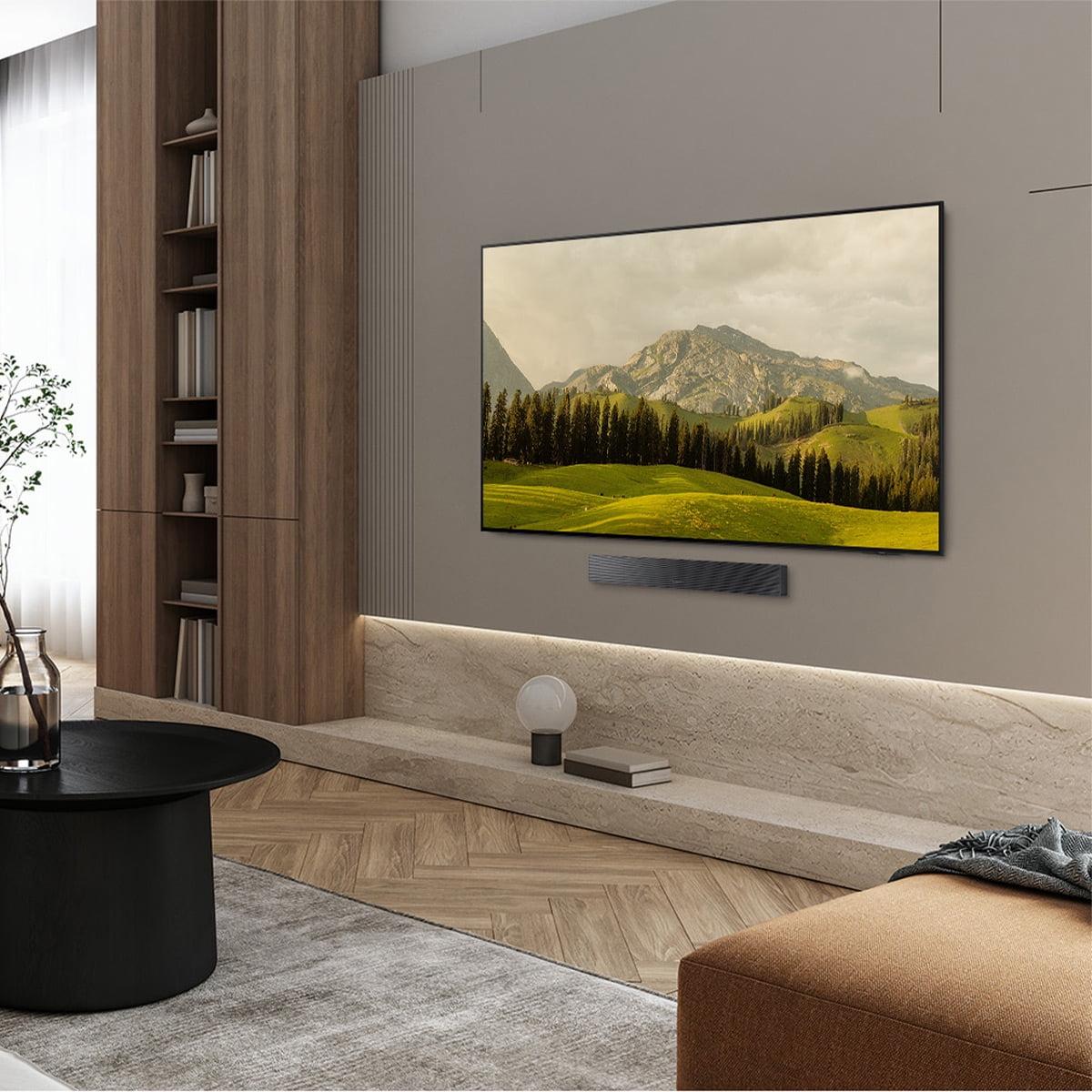

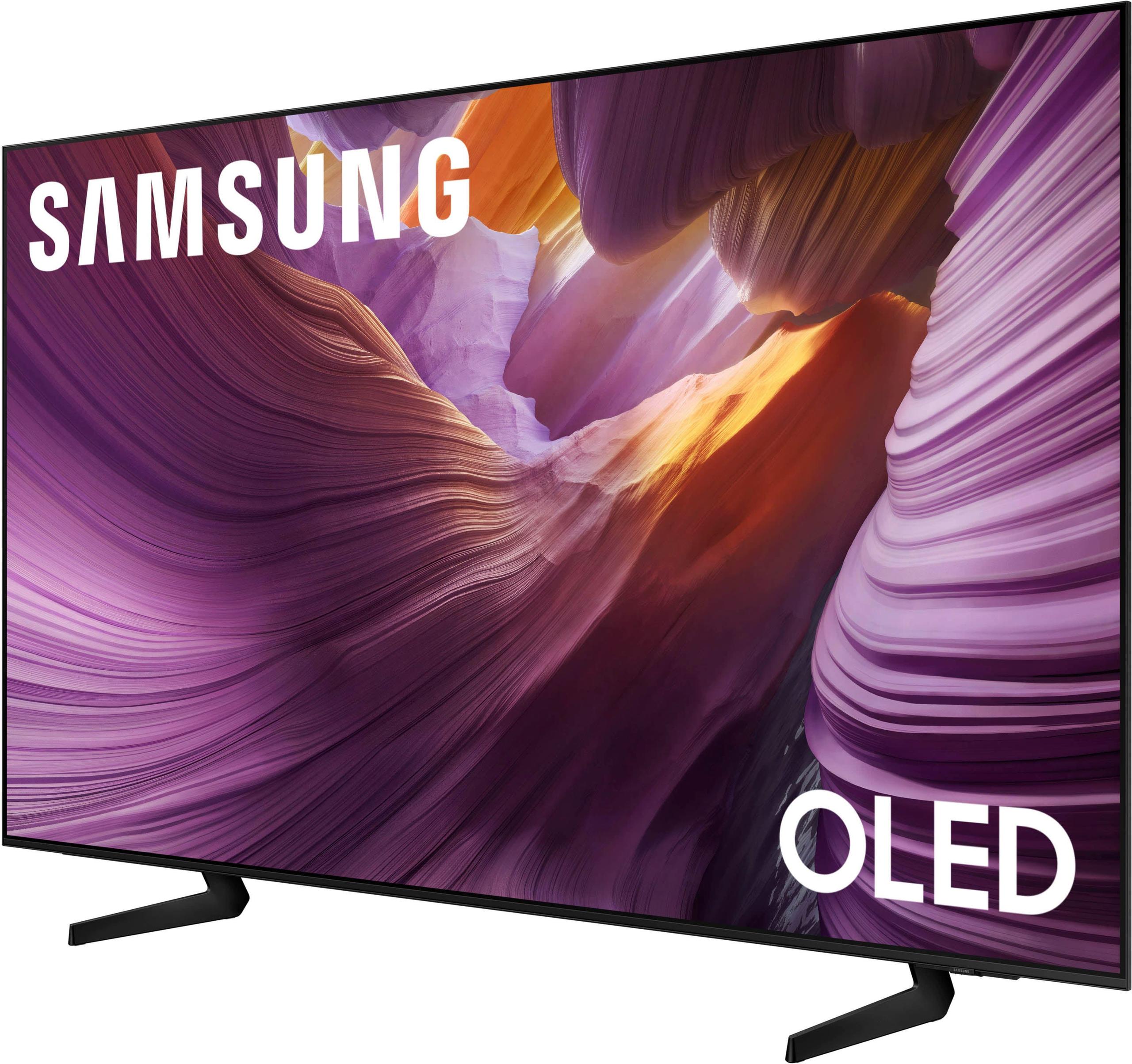
The TV market in 2025 has reached an interesting crossroads. For the first time, premium OLED technology has become genuinely accessible to mainstream buyers, while traditional LED-backlit displays have gotten significantly better at competing on brightness and color. This creates a fascinating dilemma: should you stretch your budget for entry-level OLED perfection, or stick with a well-executed QLED that costs considerably less?
Samsung's 65-inch Q6F QLED and S85F OLED represent exactly this choice. Both launched in 2025 as part of Samsung's refreshed lineup, but they embody completely different philosophies about how a TV should create images. Understanding these differences—and more importantly, how they affect your actual viewing experience—is crucial to making the right decision for your home.
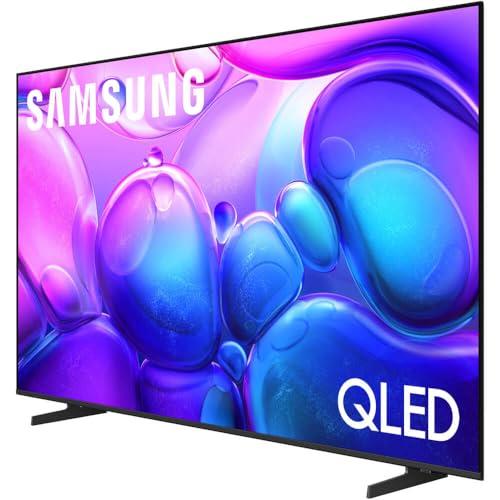
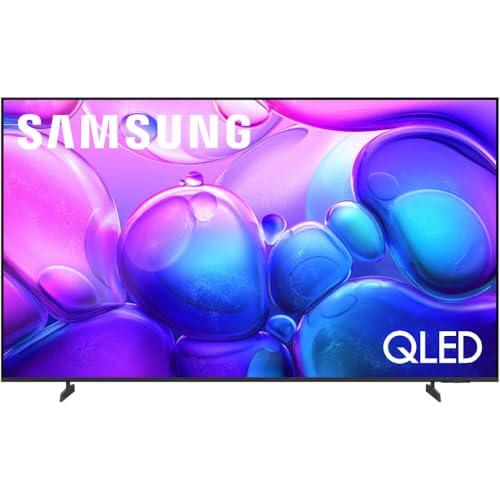
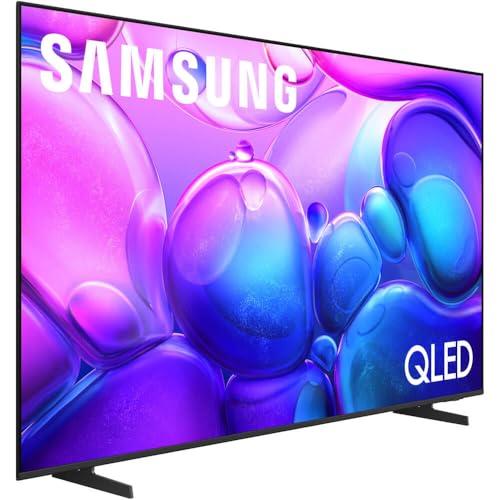
Before diving into specific models, let's clarify what we're actually comparing. The Q6F uses QLED technology, which is Samsung's marketing term for an LED-backlit LCD panel enhanced with quantum dots. Think of it like a traditional TV with a special layer that makes colors more vibrant and accurate. The backlight (usually located along the edges or behind the panel) shines through this quantum dot layer and the LCD panel to create the image you see.
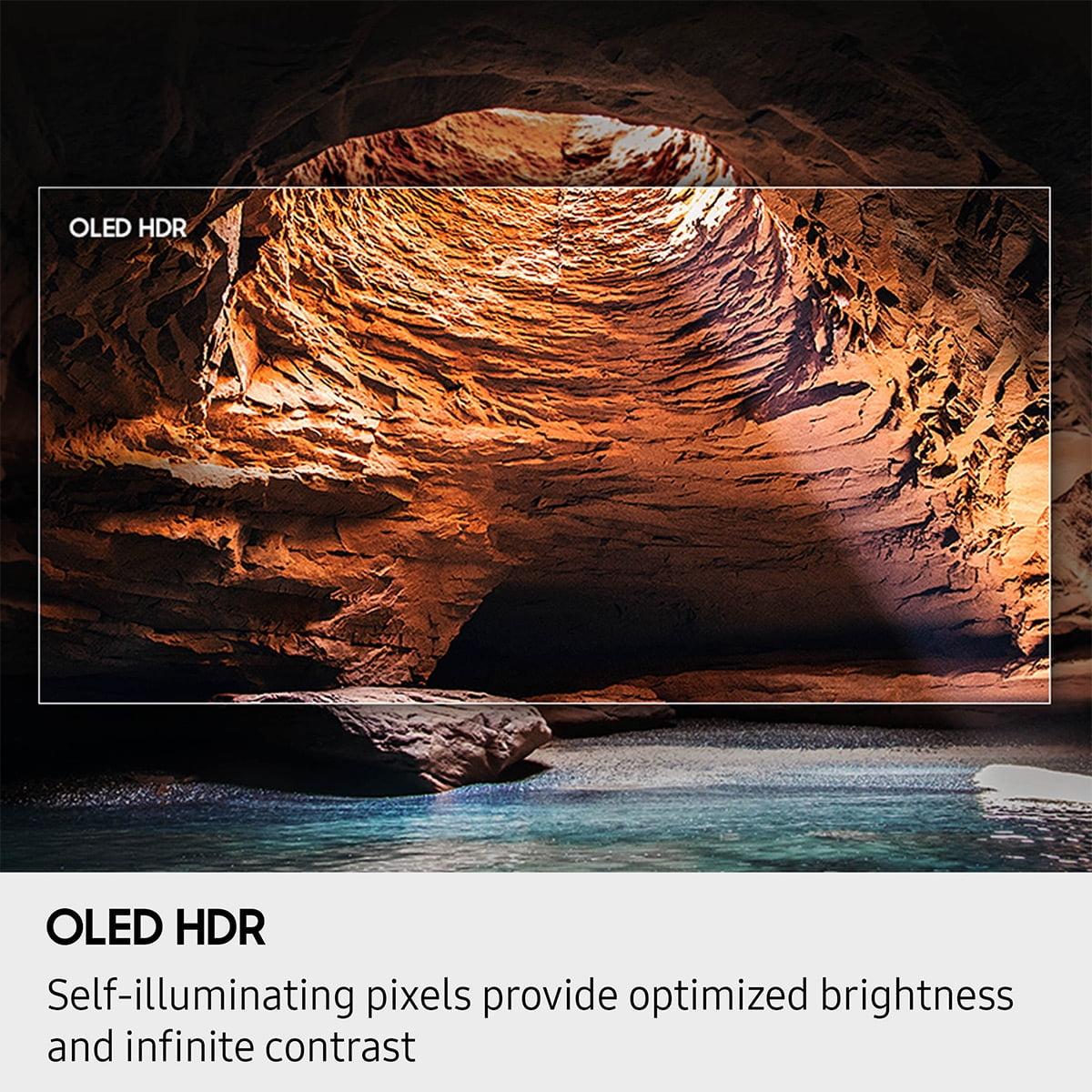
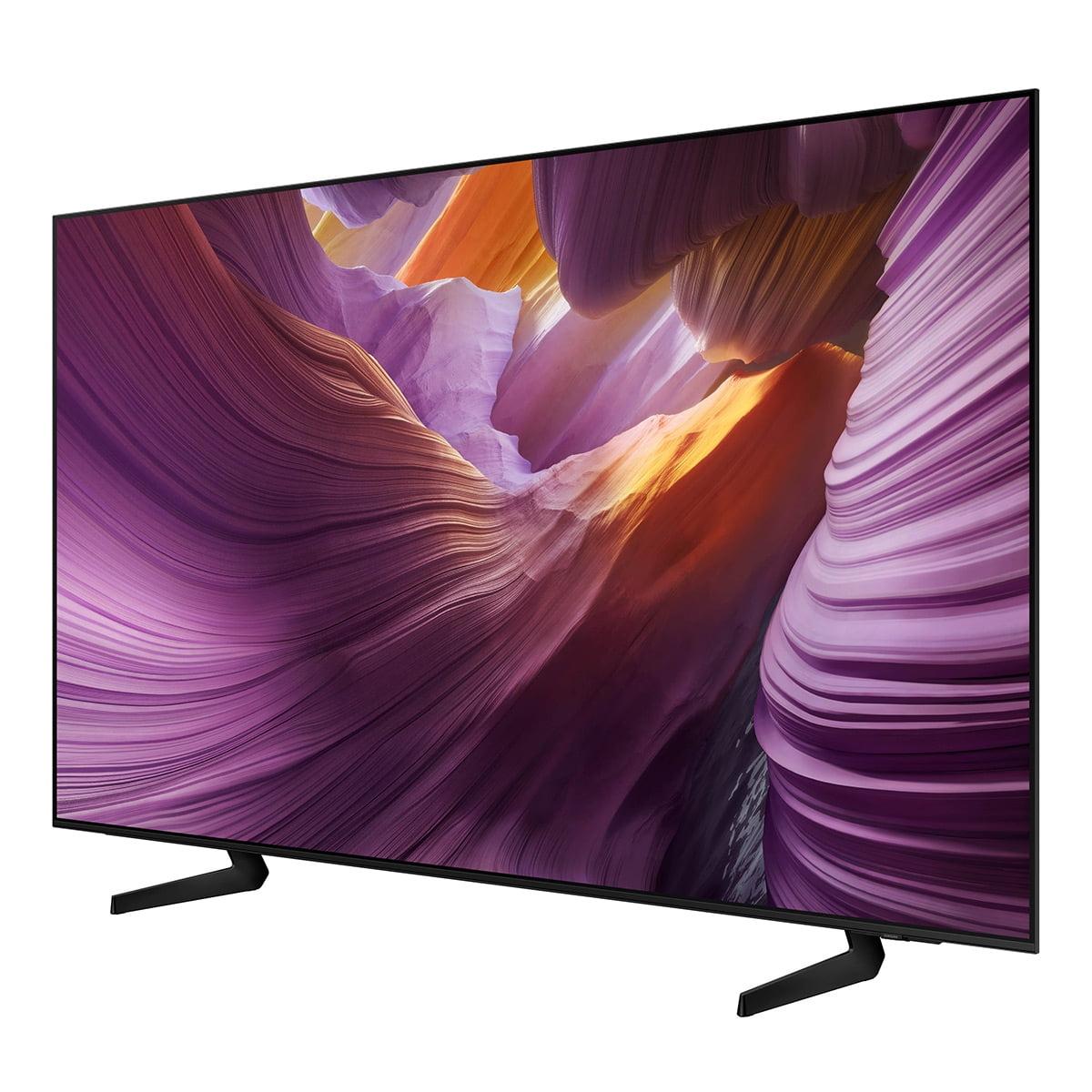
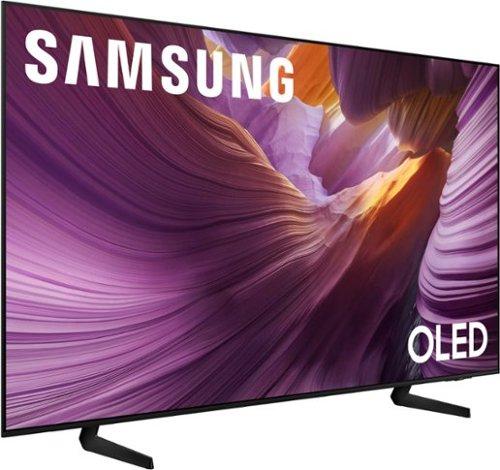
The S85F, on the other hand, uses OLED technology where each individual pixel produces its own light. There's no backlight at all—when the TV wants to show a black pixel, it simply turns that pixel completely off. This fundamental difference affects everything from contrast to power consumption to viewing angles.
What makes the S85F particularly interesting is that Samsung uses QD-OLED panels in the 65-inch North American model. This hybrid approach combines quantum dots with OLED technology, potentially giving you the perfect blacks of OLED with the enhanced color saturation of quantum dots. It's like getting the best of both worlds, though as we'll see, there are still trade-offs.
This is where the S85F OLED simply crushes the Q6F QLED, and it's not even close. When I'm watching a dark movie scene—think the cave sequences in something like "The Batman"—the OLED can make those shadows truly disappear into the darkness of my room. Each black pixel is genuinely off, creating what's called an infinite contrast ratio.
The Q6F, like all LED-backlit TVs, faces a fundamental limitation: the backlight is always on to some degree. Even when trying to display pure black, some light bleeds through, resulting in what looks more like dark gray. This becomes especially noticeable in dark rooms where you'll see a subtle glow around bright objects—a phenomenon called blooming or haloing.
During our research into expert and user reviews, this contrast difference consistently emerged as the most significant factor affecting viewing experience. Home theater enthusiasts particularly noted that the S85F's perfect blacks made movie watching feel more cinematic and immersive.
Here's where things get more nuanced. LED-backlit TVs like the Q6F typically excel in bright rooms because they can push more overall light output. However, the specific brightness measurements for the S85F tell an interesting story: it hits 551 cd/m² (candelas per square meter—a measure of how bright the display can get) for small highlights but drops to 271 cd/m² for large bright scenes.
What this means in practical terms is that the S85F can make HDR highlights like explosions or the sun really pop, but it won't make your entire living room bright as daylight. The Q6F, while not specified in our research, would typically maintain higher brightness across larger areas of the screen.
For most viewing conditions, the S85F's brightness proves adequate. However, if you're planning to watch TV in a room with large windows and no blackout curtains during daytime, the Q6F might actually provide a more comfortable viewing experience.
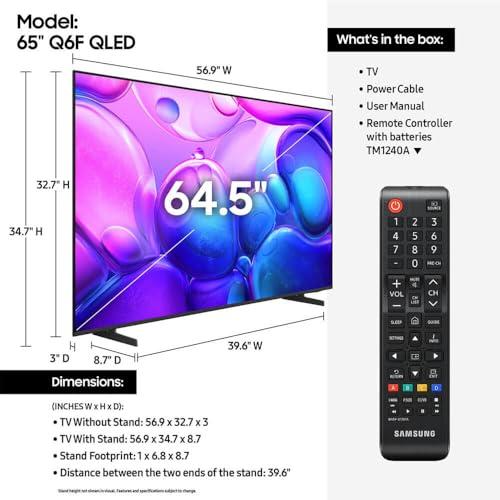
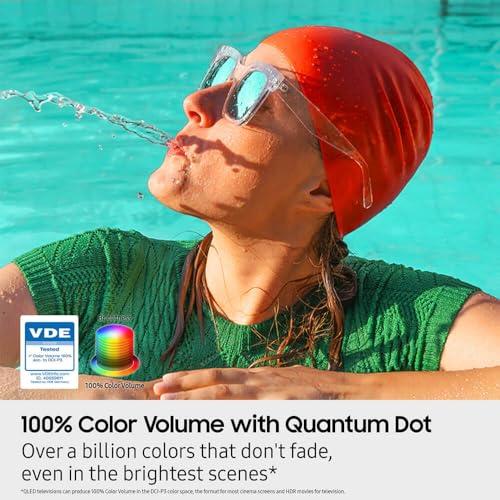
Both TVs benefit from quantum dot technology, but they implement it differently. The Q6F uses quantum dots to enhance its LED backlight, achieving what Samsung calls "100% color volume"—essentially meaning the TV can maintain color accuracy across different brightness levels.
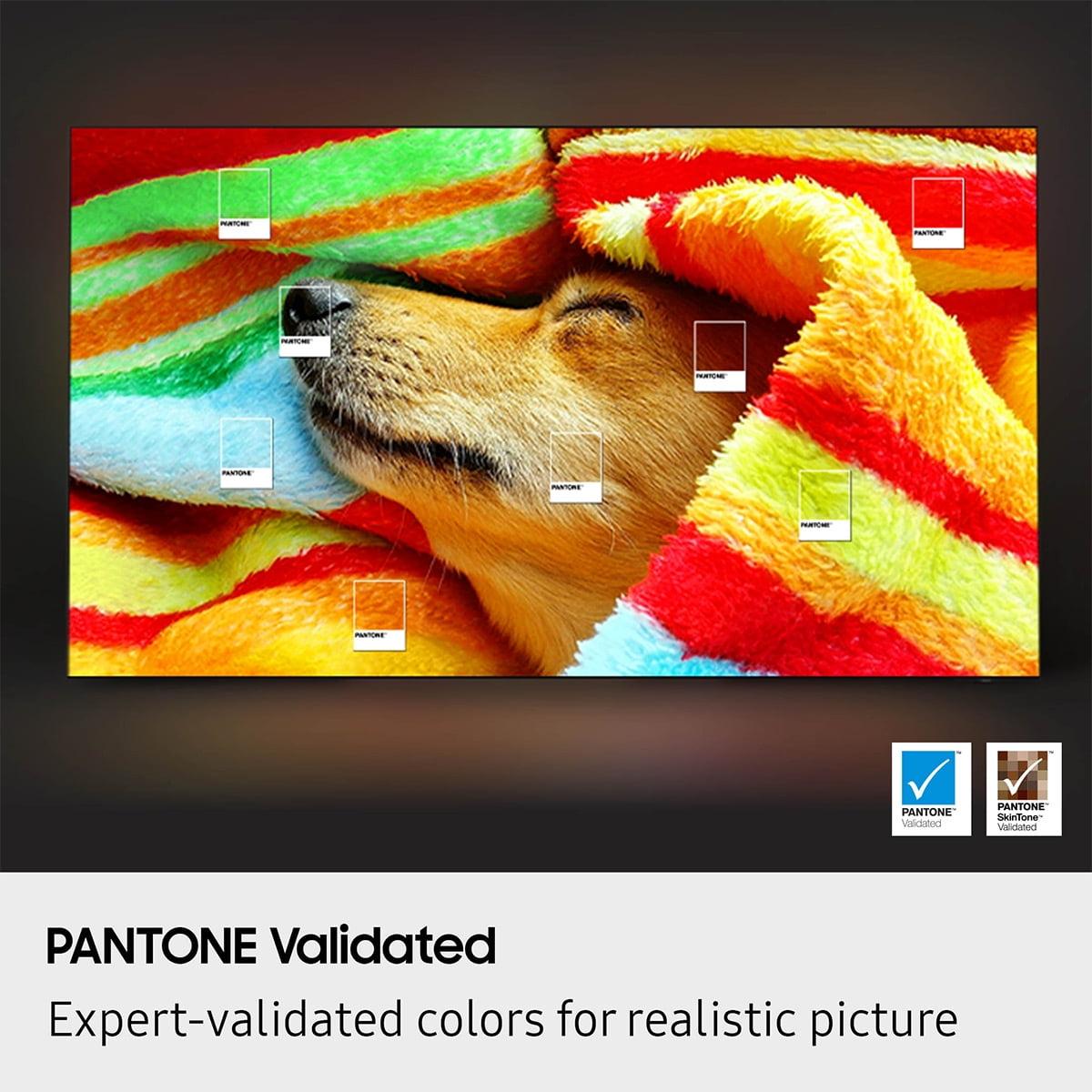
The S85F takes this further with its QD-OLED panel, combining quantum dots with OLED's pixel-level control. The result is exceptional color saturation and accuracy. Samsung has even had this TV Pantone Validated, meaning it can accurately reproduce over 2,140 specific colors as defined by the professional color standard.
In practical terms, this translates to more lifelike skin tones, more vibrant flowers and landscapes, and generally more engaging content. The difference is particularly noticeable in HDR content where the enhanced color gamut can really shine.
Gaming performance represents one of the starkest differences between these models. The S85F OLED is built for serious gaming, while the Q6F handles casual gaming adequately but nothing more.
OLED technology provides nearly instantaneous pixel response times. When Mario jumps or a racing car takes a sharp turn, the S85F displays that motion immediately without the blur that can affect LCD panels. Combined with very low input lag (the delay between pressing a controller button and seeing the action on screen), this creates a responsive gaming experience that competitive players demand.
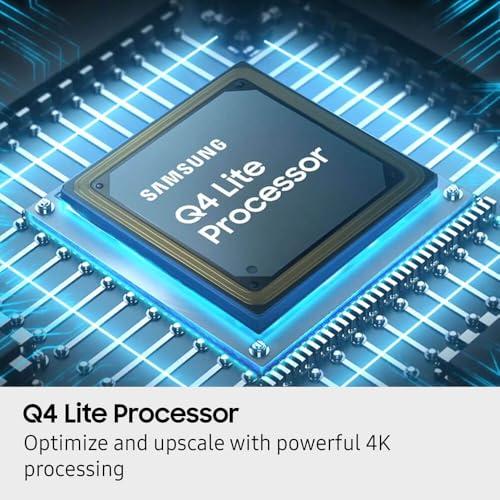
The Q6F can't match this performance. LCD panels inherently have slower response times, and the Q4 Lite processor isn't optimized for minimal input lag. For casual gaming, it's perfectly fine. For competitive online gaming or fast-paced action games, you'll feel the difference.
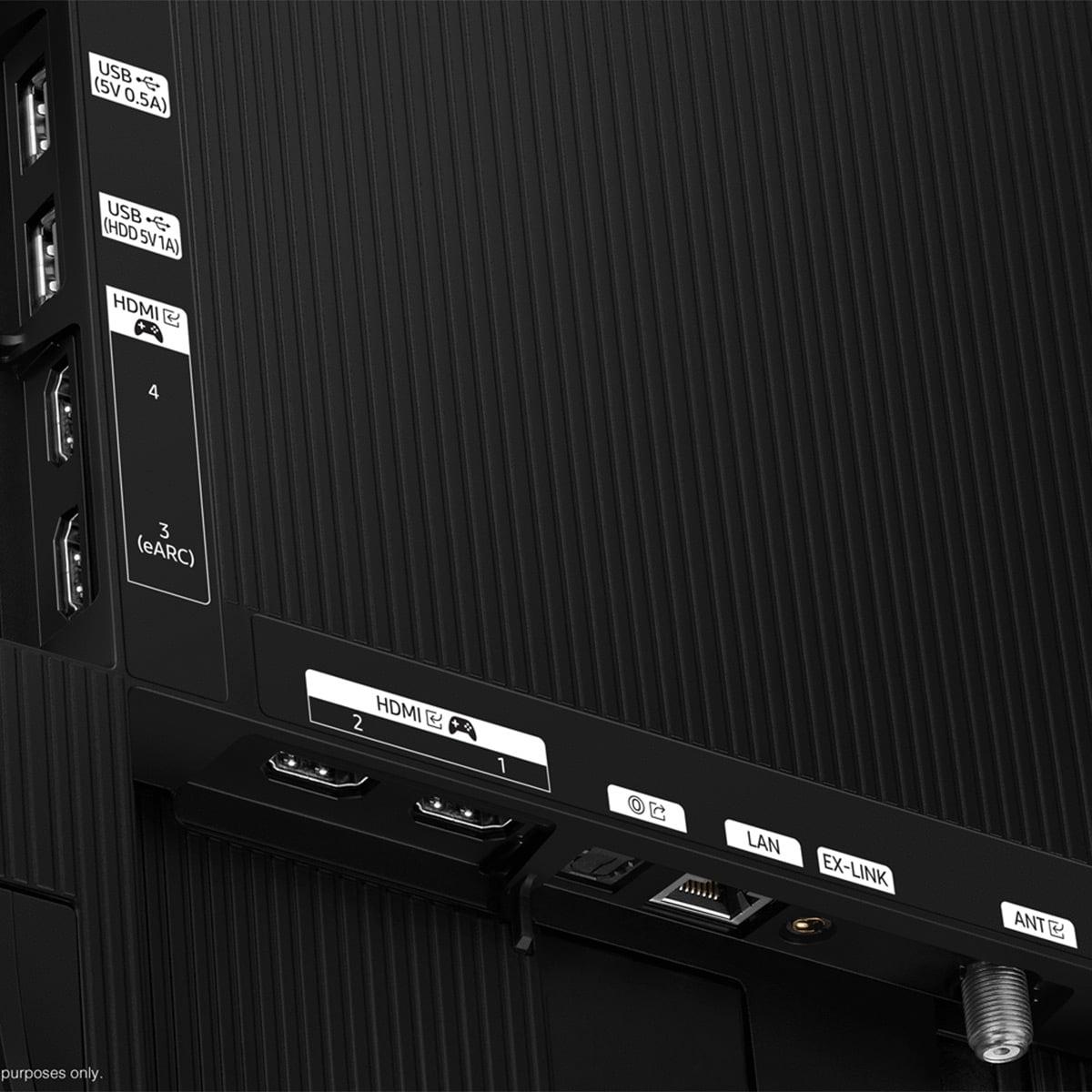
The S85F includes four HDMI 2.1 ports, supporting 4K gaming at 120Hz with Variable Refresh Rate (VRR). This means your PlayStation 5 or Xbox Series X can send 120 frames per second to the TV, and the TV can adjust its refresh rate dynamically to match the console's output. The result is smoother gameplay without screen tearing.
It also supports FreeSync Premium (AMD's version of VRR) and includes gaming-specific features like Ultra Wide Game View for seeing more of the battlefield and Mini Map Zoom for better visibility of game elements.
The Q6F includes basic gaming features like Auto Game Mode, which optimizes settings when it detects a game console, but lacks the advanced connectivity for next-generation console gaming. With only three HDMI ports and no HDMI 2.1 support, it's clearly designed for less demanding gaming scenarios.
Sports viewing reveals another area where these TVs diverge significantly. The S85F offers a native 100Hz refresh rate with Motion Xcelerator 120Hz processing, while the Q6F operates at 60Hz with Motion Xcelerator enhancement.
For fast-moving content like hockey or soccer, the higher refresh rate and superior motion processing of the S85F results in cleaner, more detailed motion. Players and the ball remain sharp even during quick camera pans or fast plays. The OLED's instant response time also eliminates the motion blur that can make following a small object like a hockey puck challenging on LCD displays.
The Q6F handles sports adequately for casual viewing, but enthusiasts who watch a lot of live sports will appreciate the S85F's superior motion clarity.
Both TVs run Samsung's 2025 version of Tizen OS, providing access to all major streaming services, voice control through Bixby, Alexa, and Google Assistant, and integration with Samsung's SmartThings ecosystem for smart home control.
The S85F includes some premium touches like the SolarCell Remote, which charges itself using ambient light, reducing the need for battery replacements. It also features more advanced AI processing for automatically optimizing picture and sound settings based on content and room conditions.
Both support Apple AirPlay for casting from iOS devices, Samsung TV Plus for free streaming channels, and have built-in web browsers. The smart TV experience is essentially equivalent, with the S85F offering some additional convenience features that justify its premium positioning.
Neither TV will replace a dedicated sound system, but both offer respectable built-in audio. The S85F includes Dolby Atmos support and Object Tracking Sound Lite, which attempts to match audio direction with on-screen action. Both support Q-Symphony, allowing them to work in harmony with compatible Samsung soundbars.
The Q6F provides adequate sound for casual viewing, while the S85F offers slightly more sophisticated processing. However, if audio quality is a priority, you'll want to invest in a soundbar or surround sound system regardless of which TV you choose.
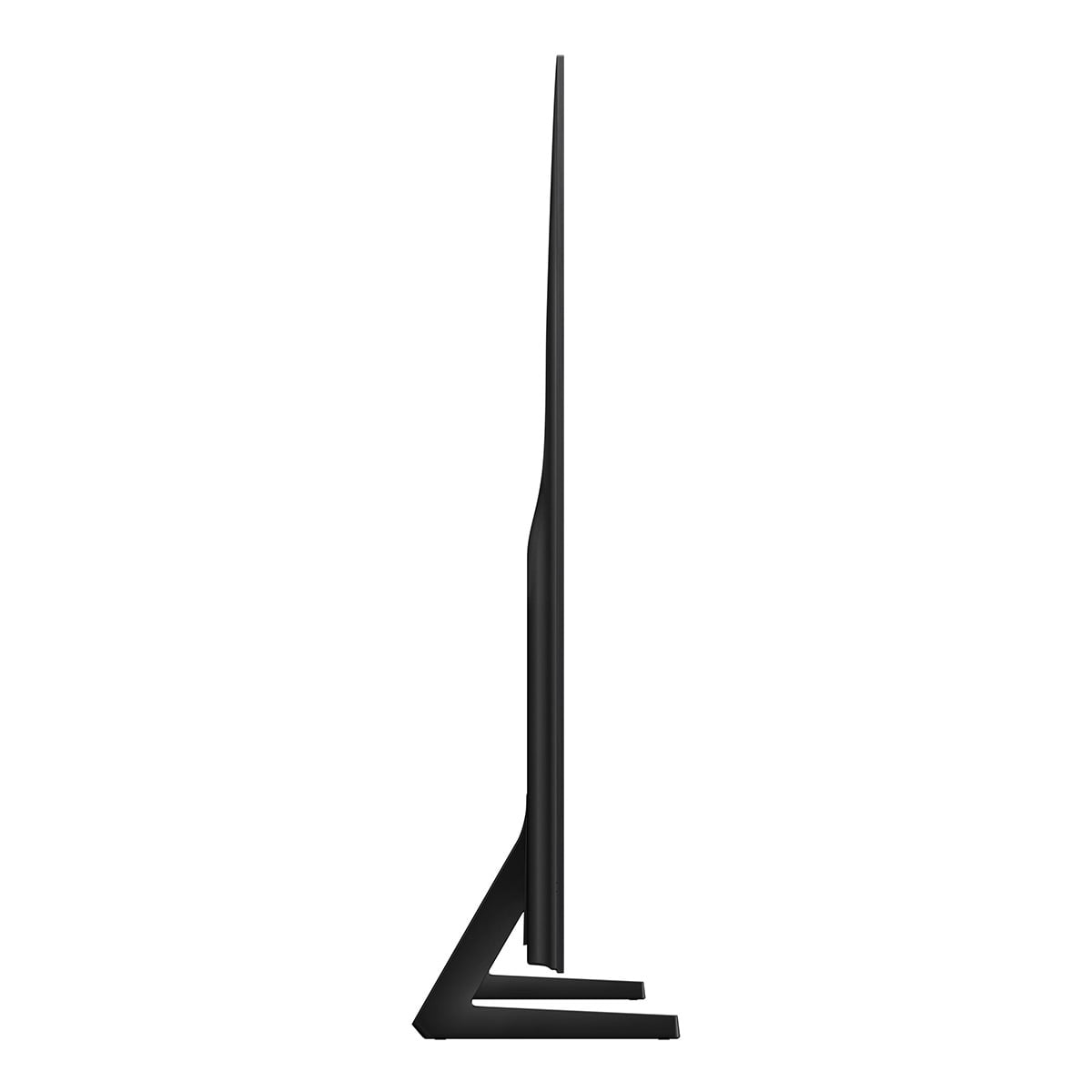
OLED technology provides dramatically wider viewing angles than LCD panels. The S85F maintains consistent color and contrast even when viewed from extreme side positions, making it ideal for larger rooms where people might sit at various angles to the screen.
The Q6F, like most LCD TVs, shows noticeable color shifting and contrast reduction when viewed from the side. This isn't necessarily a deal-breaker, but it does limit your room layout options and makes the TV less suitable for large gatherings where everyone can't sit directly in front of the screen.
OLED technology comes with one significant caveat: potential burn-in. If static images (like news channel logos, gaming HUDs, or computer desktop elements) remain on screen for extended periods, they can potentially leave permanent marks. Modern OLEDs, including the S85F, include various protective measures like pixel shifting and screen savers, but the risk isn't completely eliminated.
The Q6F doesn't face this concern. LED-backlit displays can handle static content indefinitely without permanent damage, making them better suited for use as computer monitors or in commercial environments with lots of static imagery.
However, for typical home use involving varied content, burn-in has become relatively rare in recent OLED generations. Samsung's 2025 models include improved protective measures, making this less of a practical concern for most users.
At the time of writing, the S85F OLED commands a significant premium over the Q6F QLED, though exact pricing varies by retailer and region. The key question becomes whether the OLED's superior picture quality, gaming features, and viewing angles justify the additional cost.
From our analysis of expert reviews and user feedback, the S85F delivers performance that punches well above its entry-level OLED pricing. Professional testing consistently rated it highly for mixed usage (8.9/10), home theater performance (9.0/10), and gaming (9.2/10). These scores reflect picture quality and feature sets typically found in much more expensive models.
The Q6F represents solid value for buyers seeking quantum dot color enhancement without premium pricing. It provides a meaningful upgrade over basic LED TVs while maintaining accessibility for budget-conscious consumers.
The Samsung S85F OLED represents the sweet spot in 2025's TV market: genuine premium display technology at entry-level OLED pricing. Its combination of perfect blacks, vibrant QD-OLED colors, and comprehensive gaming features makes it an excellent choice for most buyers who can accommodate its price premium.
The Q6F QLED serves an important role as an accessible entry point to quantum dot color enhancement. It's a solid choice for specific use cases—bright rooms, static content, budget constraints—but most buyers would benefit from stretching to OLED technology if financially feasible.
For home theater enthusiasts specifically, the S85F is almost mandatory. The perfect blacks and infinite contrast ratio transform movie watching into a genuinely cinematic experience that the Q6F simply cannot match. The wide viewing angles also make it better for family movie nights where everyone needs a good view.
In the current market landscape, OLED technology has matured to the point where its benefits significantly outweigh its limitations for most users. Unless you have specific requirements that favor LED-backlit technology, the S85F OLED represents the better long-term investment, delivering performance that will remain impressive for years to come.
| Samsung 65" QLED Q6F | Samsung 65" S85F OLED |
|---|---|
| Display Technology - The fundamental difference affecting all picture quality aspects | |
| QLED (LED backlight + Quantum Dots) | QD-OLED (Self-illuminating pixels + Quantum Dots) |
| Black Levels & Contrast - Critical for movie watching and dark room viewing | |
| Limited by LED backlight (some glow in dark scenes) | Perfect blacks with infinite contrast ratio |
| Peak Brightness - Important for HDR impact and bright room viewing | |
| Higher sustained brightness (typical for LED-backlit) | 551 cd/m² highlights, 271 cd/m² large scenes |
| Processor - Affects upscaling, color processing, and smart features | |
| Q4 Lite Processor (entry-level) | NQ4 AI Gen2 Processor (advanced AI optimization) |
| Refresh Rate - Critical for gaming and sports viewing | |
| 60Hz native with Motion Xcelerator | 100Hz native with Motion Xcelerator 120Hz |
| Gaming Features - Essential for console gaming performance | |
| Auto Game Mode, HGiG, 3 HDMI ports | 4K@120Hz, VRR, FreeSync Premium, 4 HDMI 2.1 ports |
| Response Time - Affects motion clarity in gaming and sports | |
| Standard LCD response time (some blur) | Nearly instantaneous (crystal clear motion) |
| Viewing Angles - Important for room layout flexibility | |
| Limited (color/contrast degrades off-axis) | Ultra-wide (consistent quality from any angle) |
| Color Accuracy - Affects how realistic content appears | |
| 100% Color Volume with Quantum Dots | Pantone Validated (2,140+ accurate colors) |
| HDR Support - Determines premium content quality | |
| Quantum HDR, HDR10+ | OLED HDR, HDR10+ Adaptive/Gaming |
| Audio Features - Built-in sound capabilities | |
| 20W 2CH, Q-Symphony | 20W 2CH, Dolby Atmos, Object Tracking Sound Lite |
| Burn-in Risk - Long-term durability consideration | |
| No burn-in risk (safe for static content) | Potential burn-in with prolonged static images |
| Best Use Case - Who should choose each model | |
| Bright rooms, casual viewing, budget-conscious | Dark/mixed rooms, gaming, home theater priority |
The primary difference is display technology. The Samsung Q6F uses QLED technology with LED backlighting and quantum dots, while the Samsung S85F uses OLED technology where each pixel produces its own light. This means the S85F OLED can turn pixels completely off for perfect blacks, while the Q6F QLED always has some backlight glow.
The Samsung S85F OLED is significantly better for dark room viewing and home theater setups. Its perfect black levels and infinite contrast ratio create a truly cinematic experience that the Q6F cannot match due to its LED backlight limitations.
The Samsung Q6F QLED typically performs better in very bright rooms with lots of ambient light. LED-backlit displays generally achieve higher sustained brightness levels than entry-level OLEDs, making the Q6F more suitable for daytime viewing in sun-filled rooms.
The Samsung S85F OLED offers superior gaming features with four HDMI 2.1 ports, 4K@120Hz support, Variable Refresh Rate (VRR), and nearly instantaneous response times. The Q6F QLED has basic gaming features like Auto Game Mode but lacks advanced connectivity for next-gen consoles.
Both TVs use quantum dot technology, but the Samsung S85F delivers superior color performance with its QD-OLED panel and Pantone Validation for over 2,140 accurate colors. The Q6F offers good color enhancement through quantum dots but cannot match the S85F's color volume and accuracy.
The Samsung Q6F QLED has no burn-in risk and can safely display static content indefinitely. The S85F OLED has potential burn-in risk with prolonged static images, though modern protective measures make this less of a concern for typical home viewing.
The Samsung S85F OLED provides better sports viewing with its 100Hz native refresh rate, superior motion processing, and instant pixel response that keeps fast-moving objects sharp. The Q6F handles sports adequately but shows more motion blur during quick camera movements.
The Samsung S85F OLED offers ultra-wide viewing angles with consistent picture quality from any seating position. The Q6F QLED has limited viewing angles with noticeable color and contrast degradation when viewed from the sides.
Value depends on your priorities. The Samsung Q6F offers excellent value for buyers seeking quantum dot color enhancement at a lower price point. The S85F OLED provides exceptional value for entry-level OLED technology with premium features that typically cost much more.
Both the Samsung Q6F and S85F OLED run the same Tizen OS with identical streaming apps, voice assistants, and smart home integration. The S85F includes some premium touches like the SolarCell Remote and more advanced AI processing features.
The Samsung S85F OLED is the clear choice for dedicated home theater use. Its perfect blacks, infinite contrast, wide viewing angles, and superior color accuracy create the cinematic experience that home theater enthusiasts demand. The Q6F cannot match this performance in controlled lighting environments.
Choose the Samsung Q6F QLED if you have a bright living room with lots of windows and prioritize budget-friendly quantum dot color. Choose the Samsung S85F OLED if you can control lighting, want the best possible picture quality, or plan to use the TV for gaming and home theater viewing.
We've done our best to create useful and informative comparisons to help you decide what product to buy. Our research uses advanced automated methods to create this comparison and perfection is not possible - please contact us for corrections or questions. These are the sites we've researched in the creation of this article: tomsguide.com - bestbuy.com - samsung.com - rtings.com - youtube.com - rtings.com - bestbuy.com - samsung.com - samsung.com - samsung.com - manuals.plus - shopjetson.com - samsung.com - samsung.com - samsung.com - samsung.com - bestbuy.com - jefflynch.com - rtings.com - samsung.com - youtube.com - youtube.com - samsung.com - bestbuy.com - avsforum.com - avsforum.com - samsung.com - displayspecifications.com - videoandaudiocenter.com - bestbuy.com - flatpanelshd.com - myallsouth.com - samsung.com - richstv.com - samsung.com - heartlandappliance.com

Privacy Policy
Terms and Conditions - Affiliate Policy
Home Security
© Copyright 2008-2026.
11816 Inwood Rd #1211, Dallas, TX 75244