

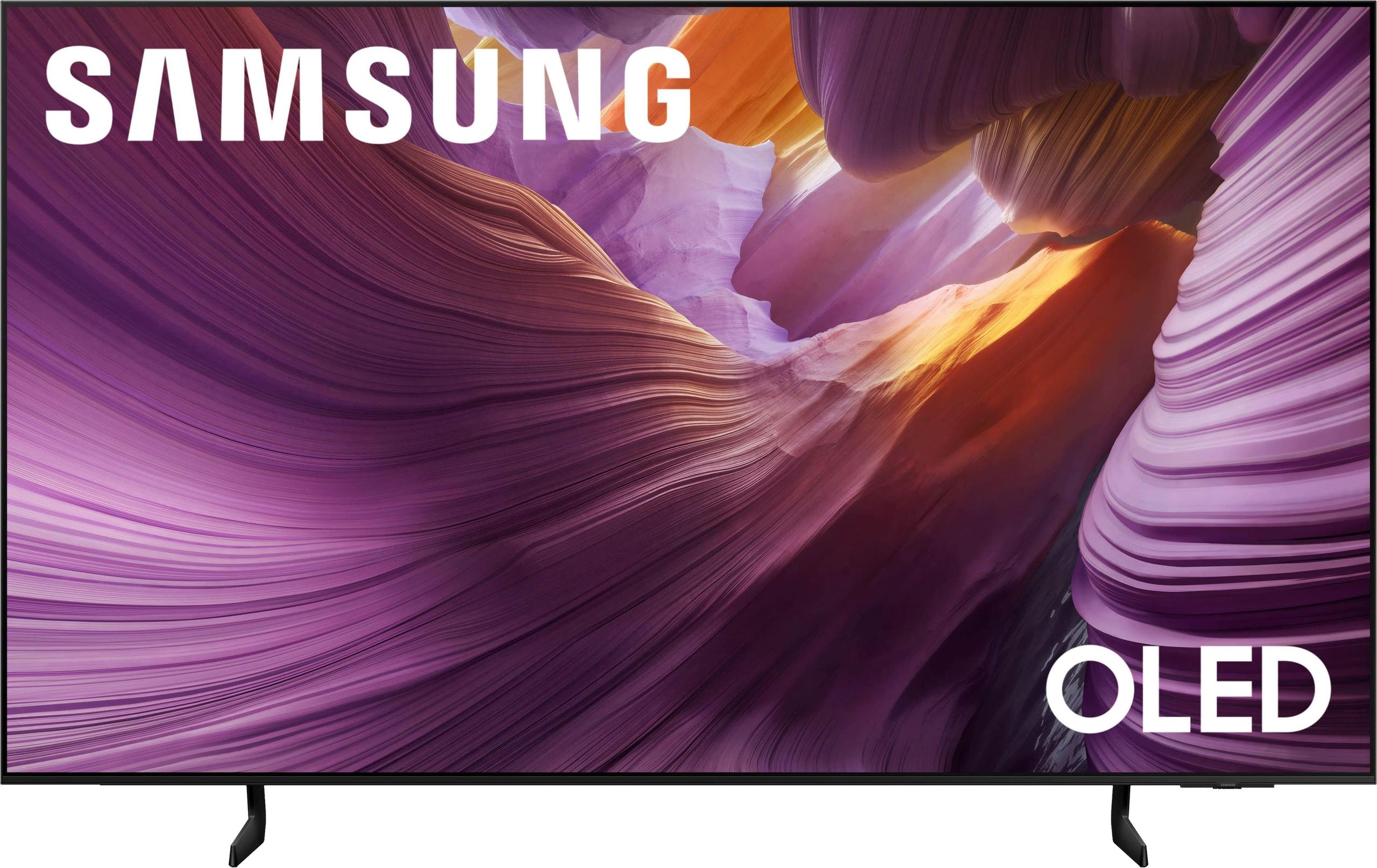
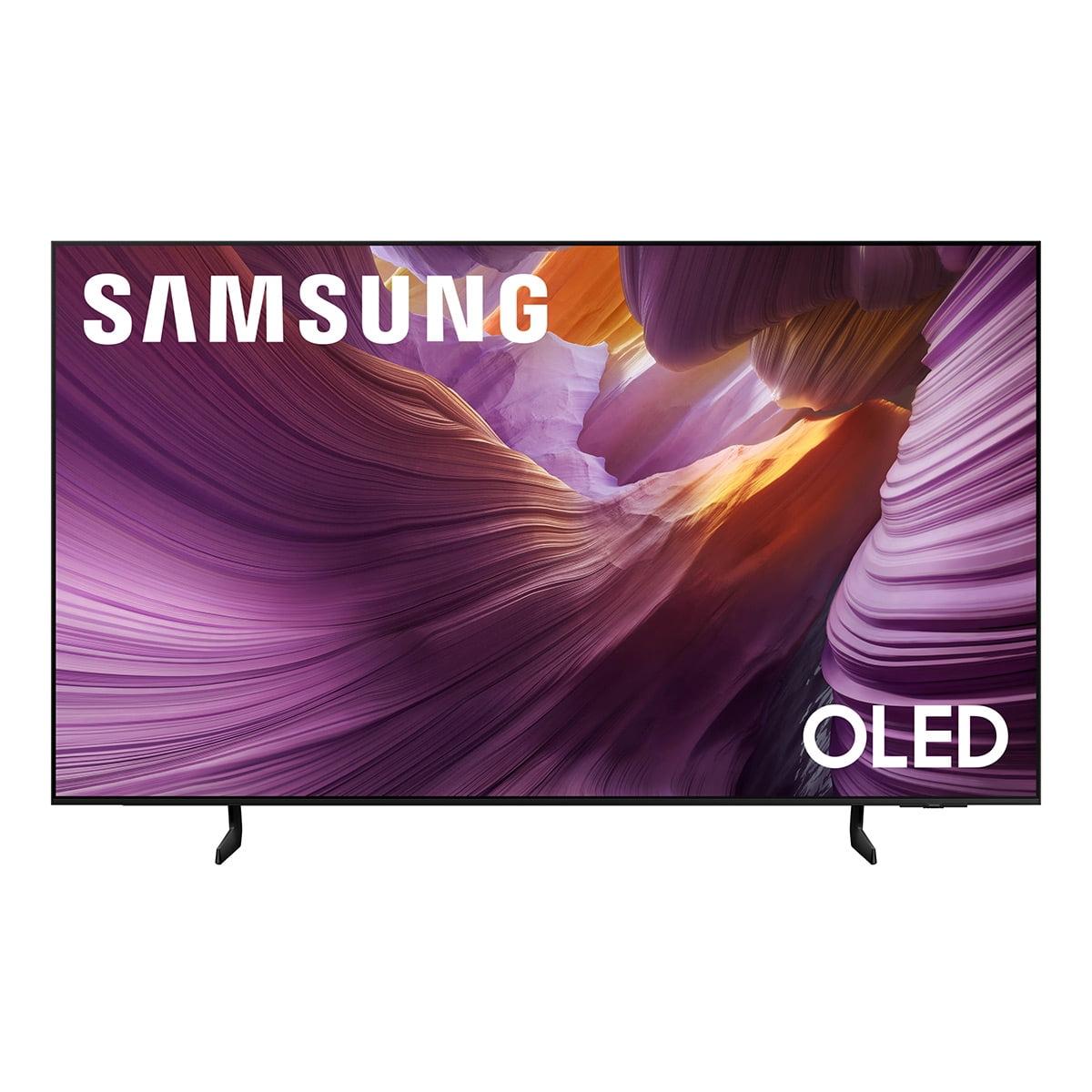
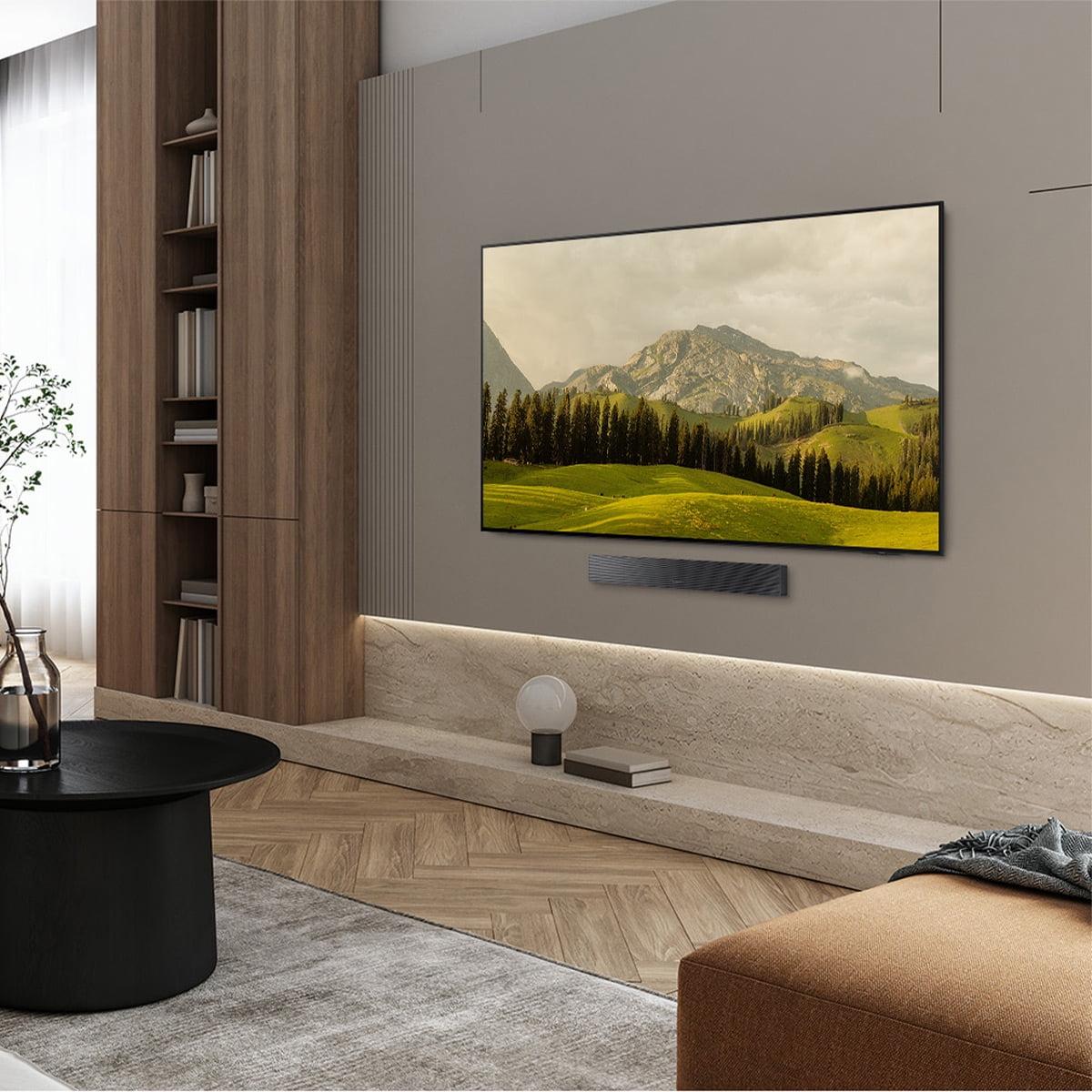
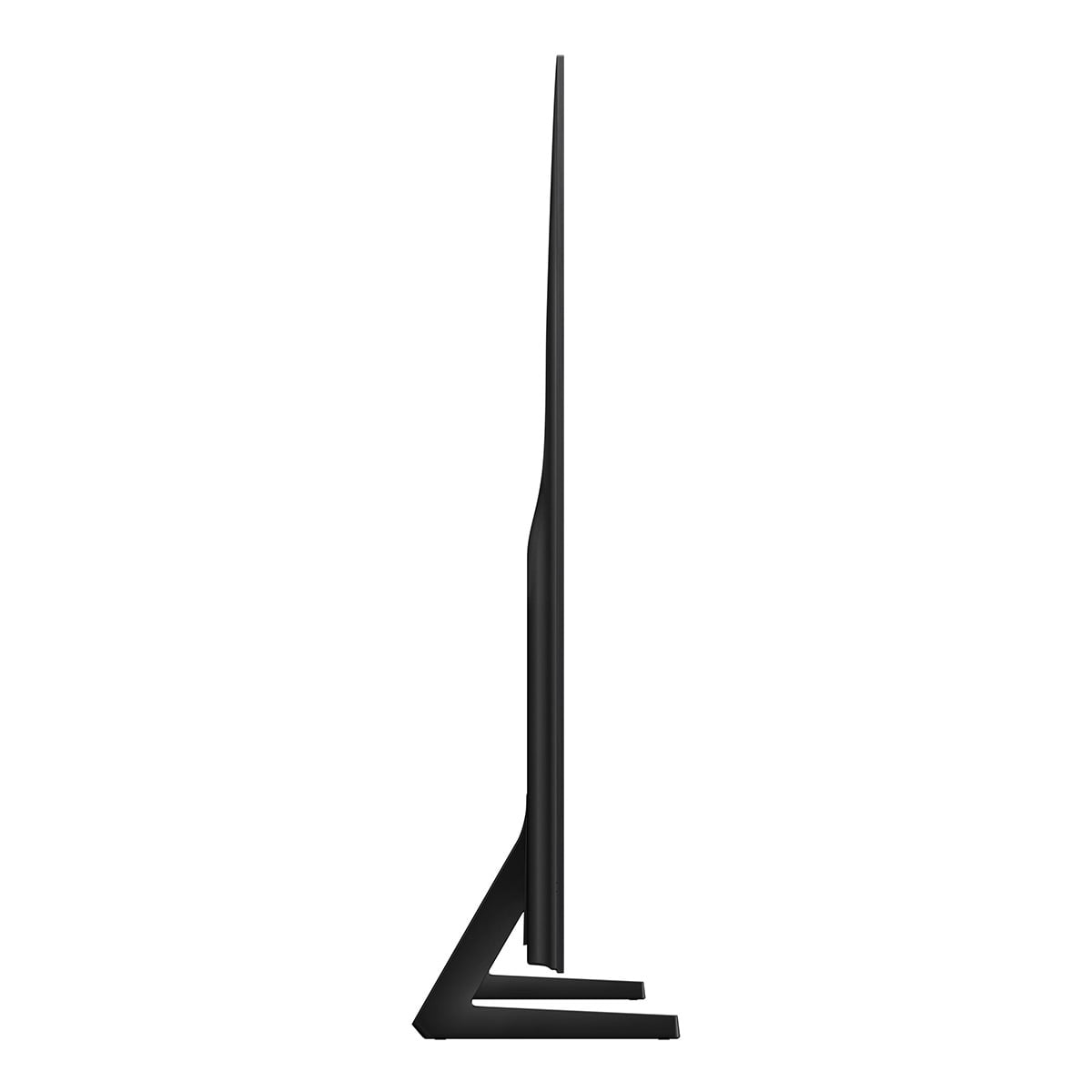

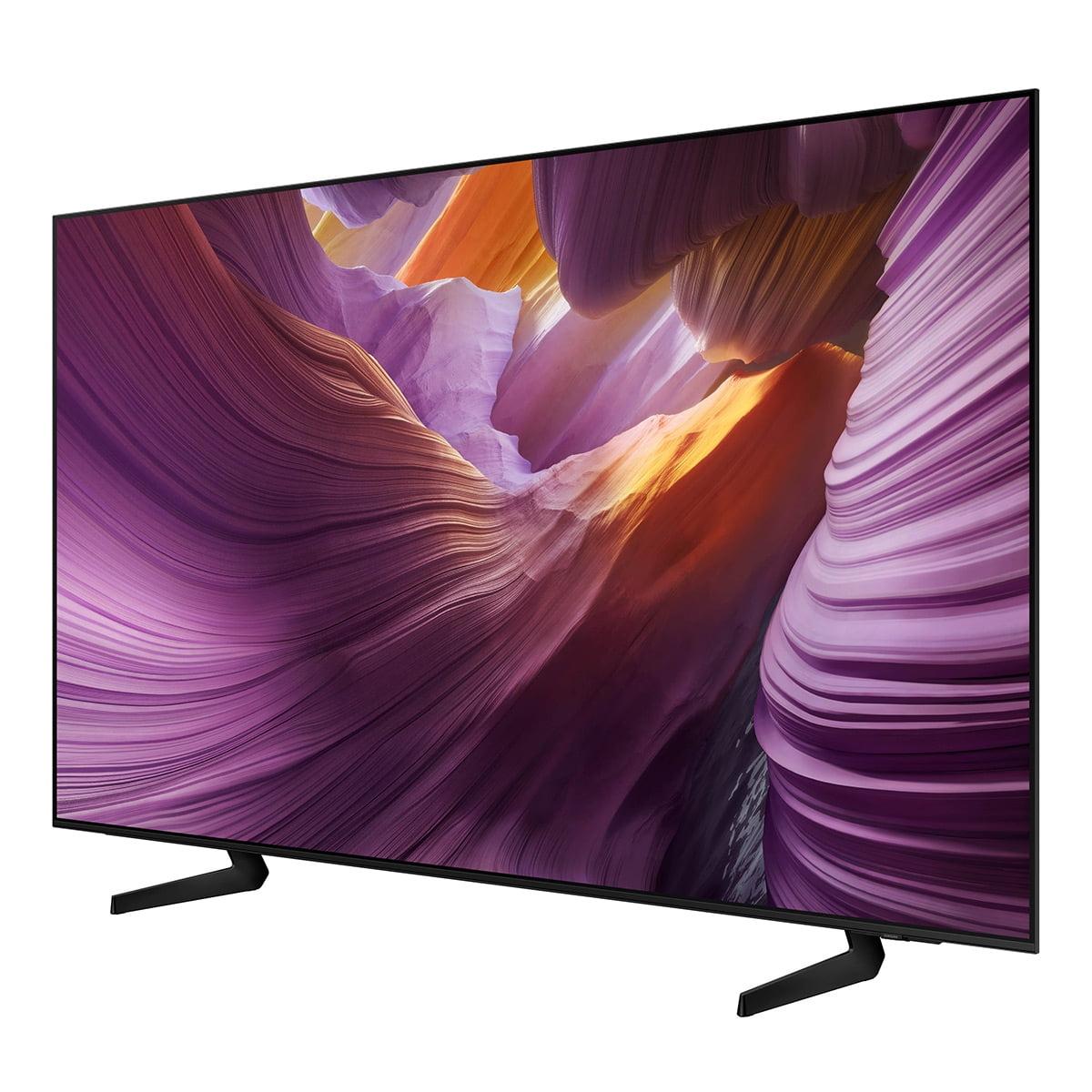
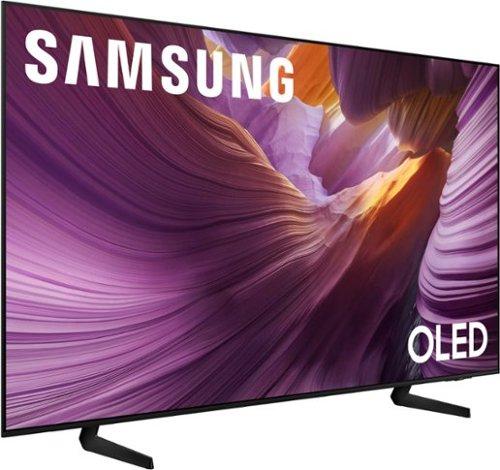
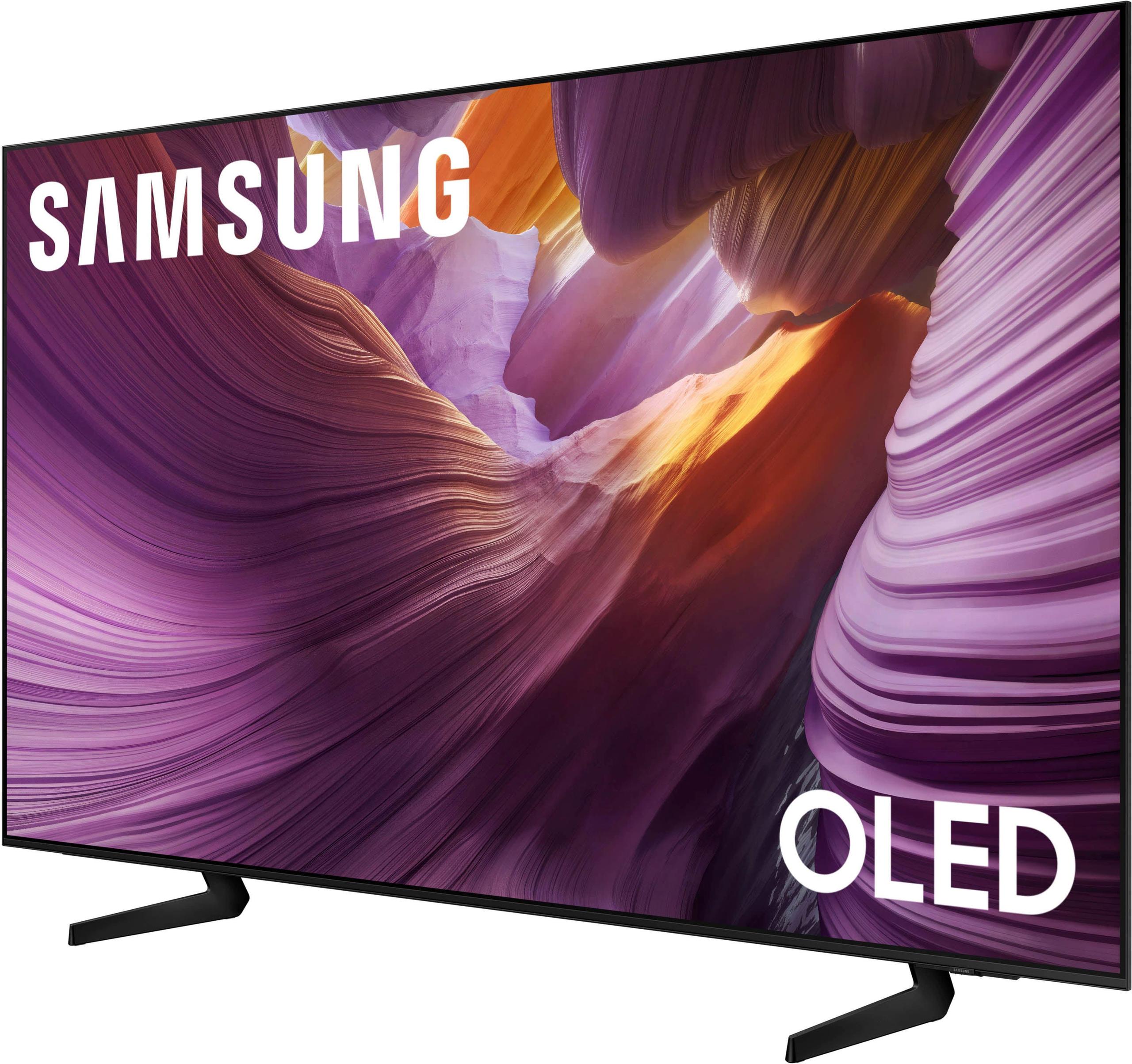
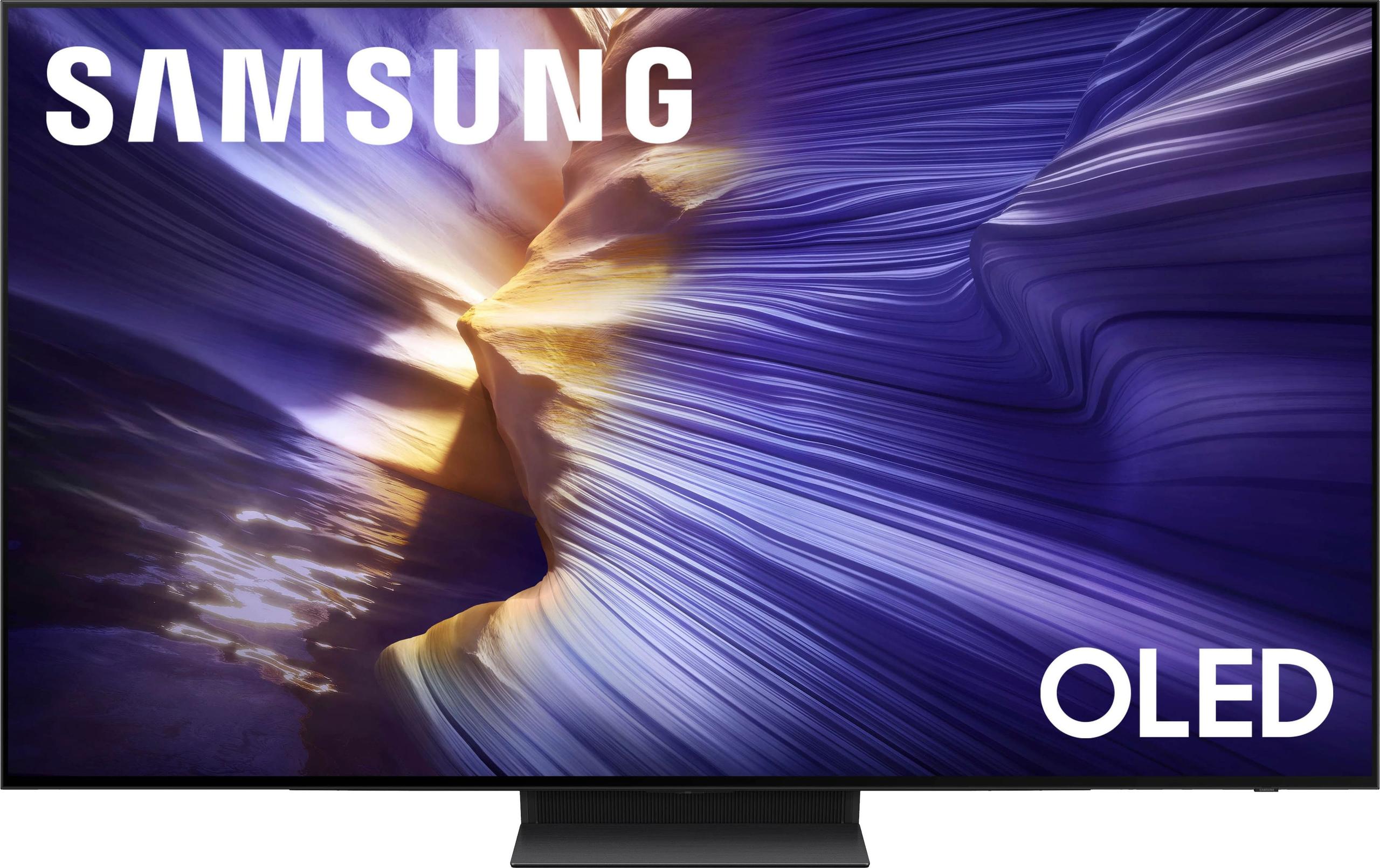
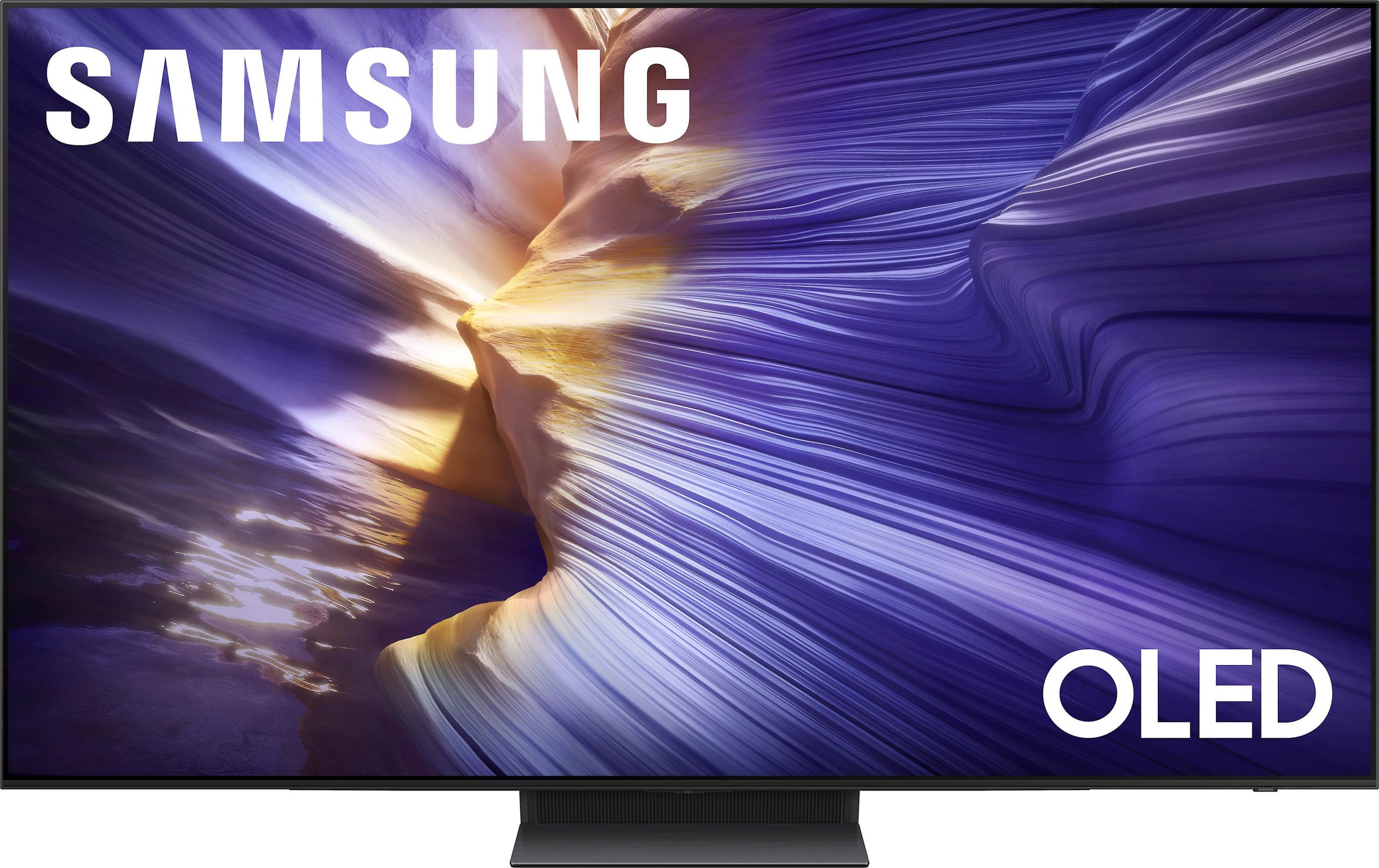
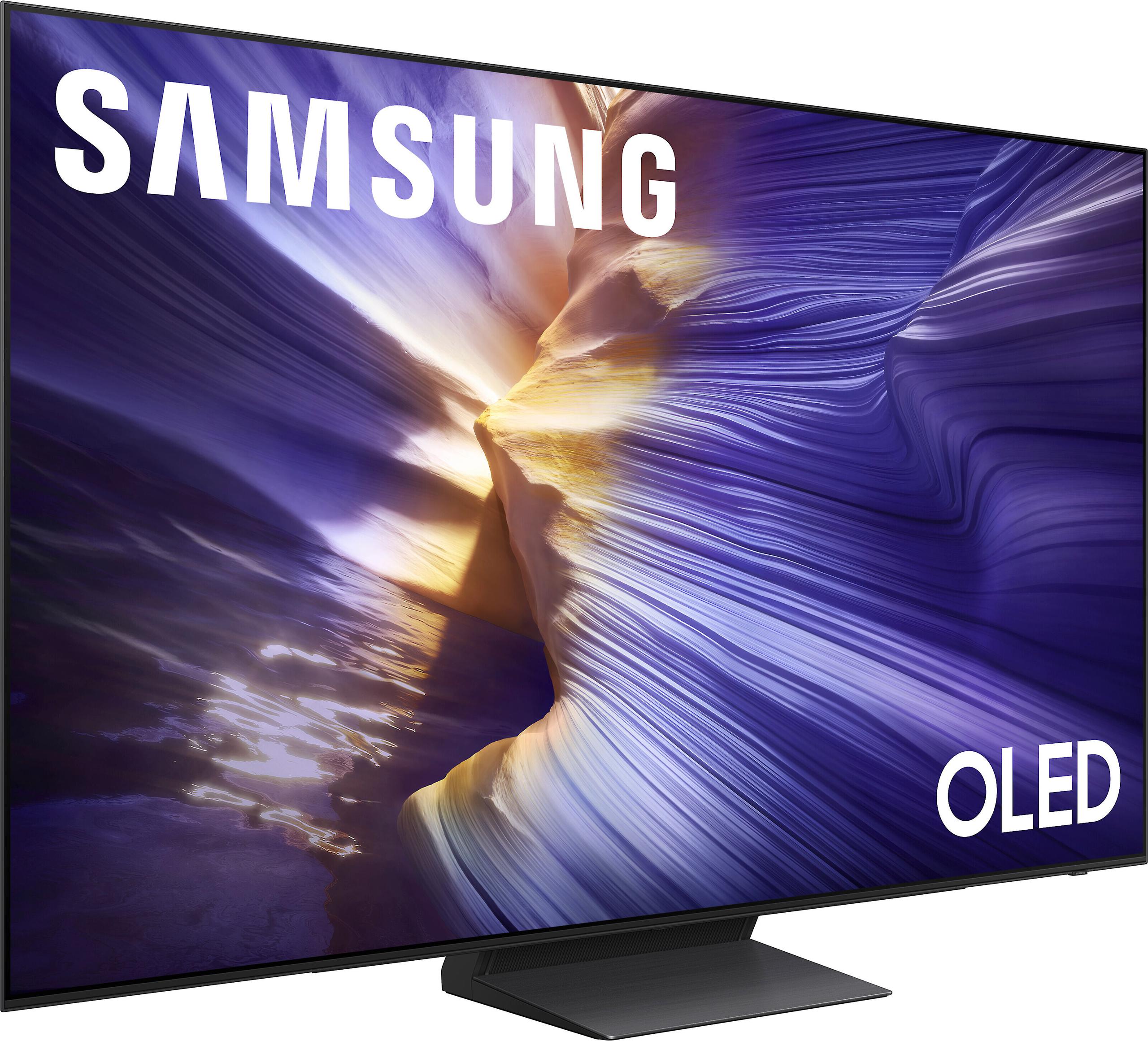

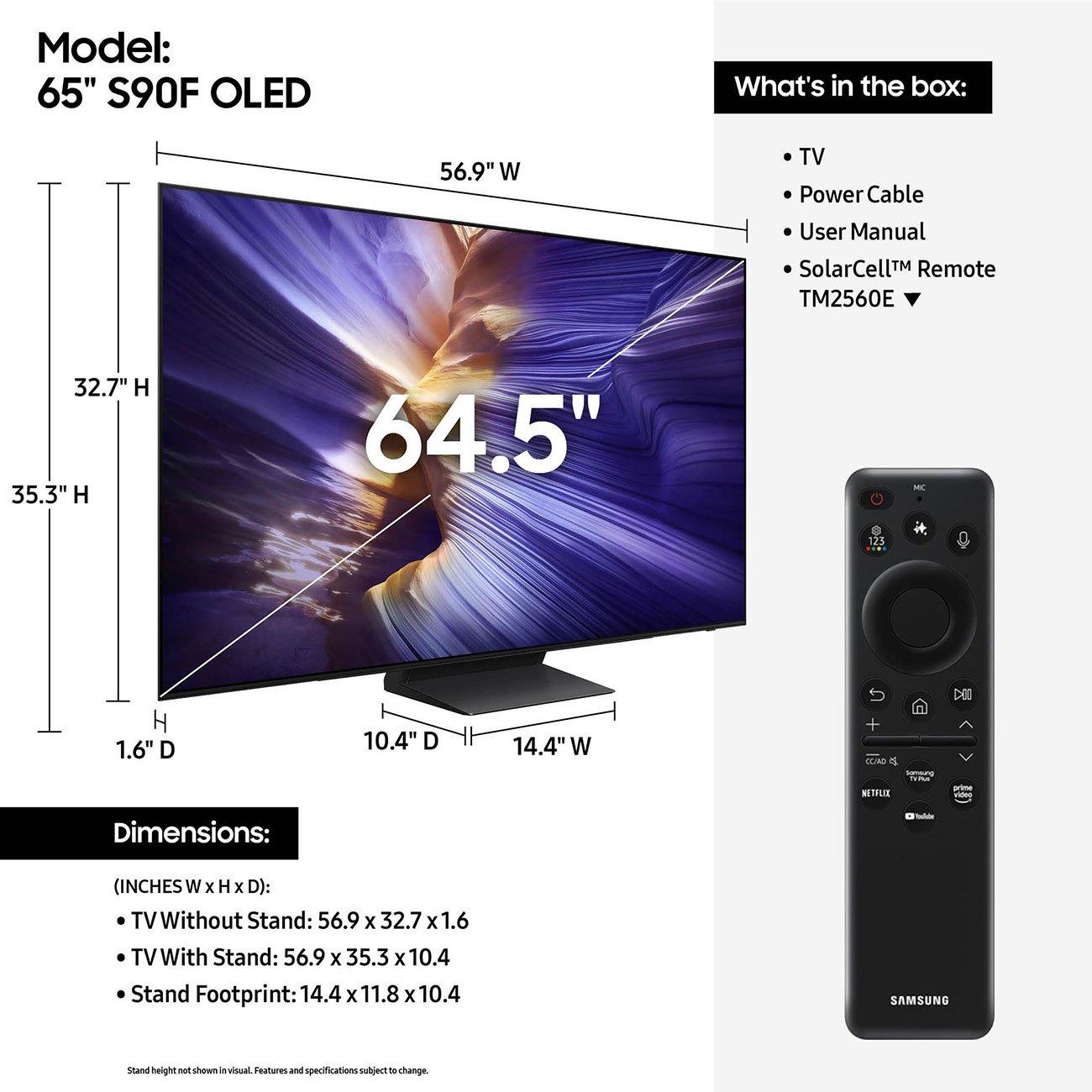
If you're shopping for a premium TV in 2025, you've probably stumbled across Samsung's impressive OLED lineup. Two models that consistently catch buyers' attention are the Samsung 65" S85F OLED 4K Smart TV ($1,599.99) and the Samsung 65" S90F OLED 4K Vision AI Smart TV ($1,797.99). Both launched in early 2025 as part of Samsung's renewed focus on OLED technology, but they target different buyers with distinct performance levels and features.
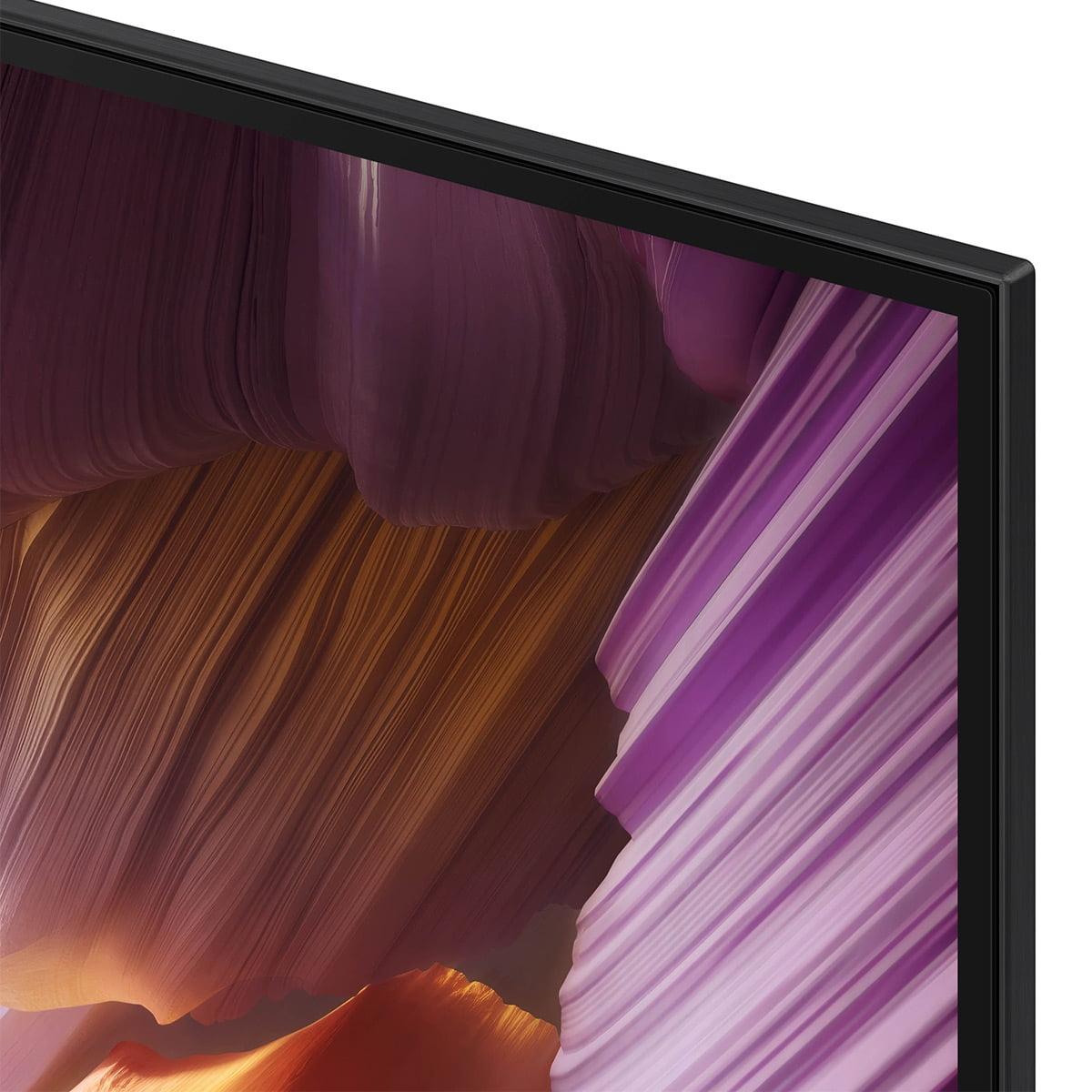
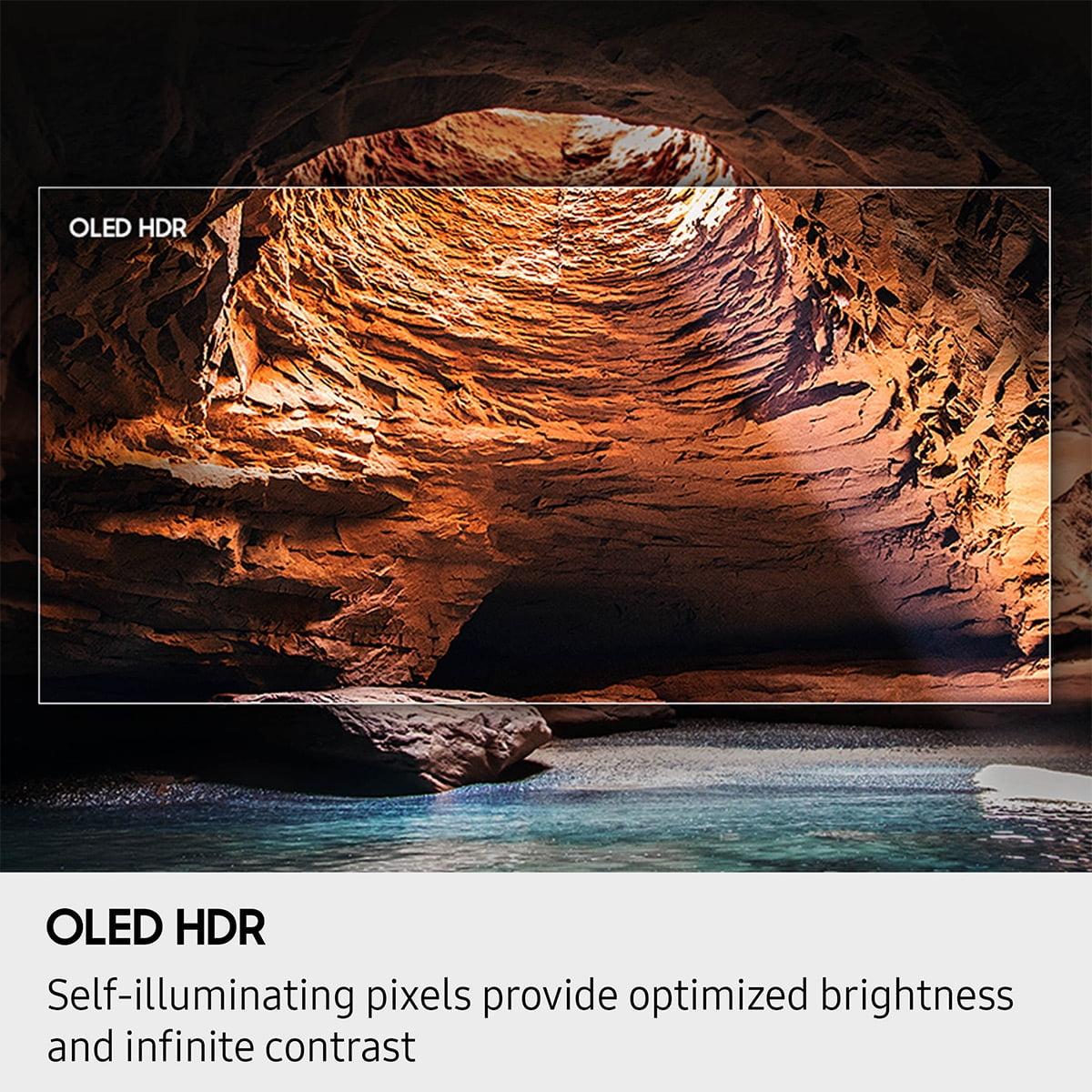
Before diving into the differences, let's talk about what makes OLED technology so appealing. Unlike traditional LED TVs that use a backlight, OLED panels have millions of self-illuminating pixels that can turn completely off to create perfect blacks. This means when you're watching a movie with a dark scene, those black areas are truly black—not the grayish "black" you might notice on cheaper TVs.
The main things to consider when choosing between OLED models are picture brightness (how well it handles bright rooms), color accuracy, gaming performance, and smart features. Since both Samsung models use similar OLED technology, the differences come down to how bright they can get, how fast they can refresh the image, and what smart features they include.
Samsung released both models in early 2025 as part of their push to compete more aggressively in the premium TV market. The company made significant improvements over their 2024 models, particularly in brightness levels and AI processing. The S85F replaced the S85D as the entry-level OLED, while the S90F serves as the sweet spot between affordability and flagship performance.
What's interesting is that both TVs use QD-OLED panels in the 65-inch size for North American markets. QD-OLED combines quantum dot technology with OLED to achieve brighter, more vibrant colors than traditional WOLED panels. This technical choice shows Samsung's commitment to premium display quality even in their more affordable OLED options.
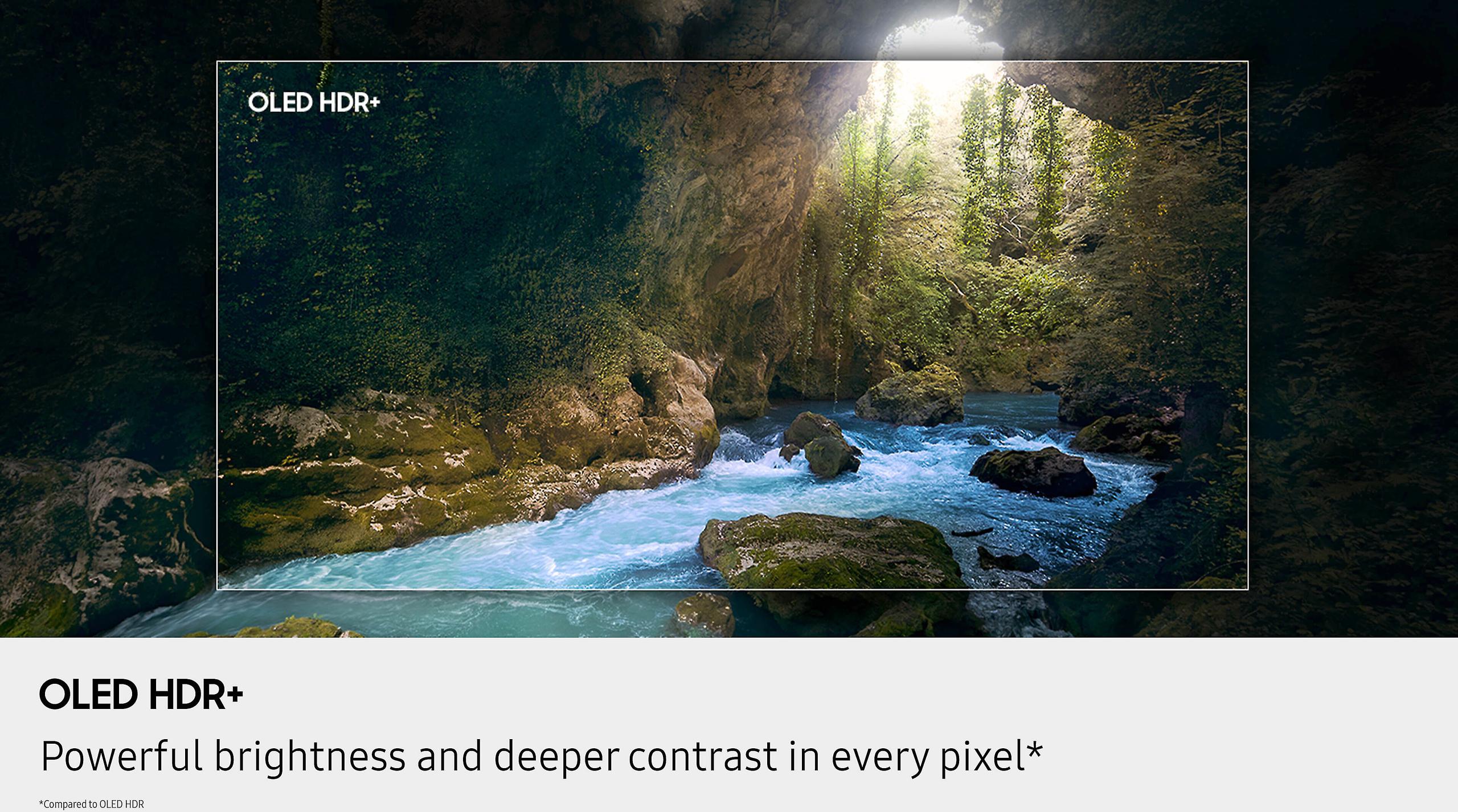
The most significant difference between these TVs is brightness, and it's not even close. The S85F reaches about 750 nits in small highlights (like a bright lamp in a dark room) and drops to around 150 nits when the entire screen is bright. The S90F, however, can hit approximately 1,426 nits in a 10% window—nearly double the peak brightness.
Why does this matter? If you're watching HDR content (high dynamic range video that includes both very bright and very dark elements), higher brightness makes those sunny outdoor scenes, explosions, or bright highlights much more impactful. I've noticed this difference is most apparent when watching movies with mixed lighting—think of a character walking from a dark room into bright sunlight. The S90F makes that transition feel more dramatic and realistic.
For home theater enthusiasts, this brightness difference is crucial. While both TVs excel in dark rooms, the S90F gives you more flexibility for different lighting conditions. If your TV room has windows or you often watch during the day, the extra brightness makes a noticeable difference in image quality.
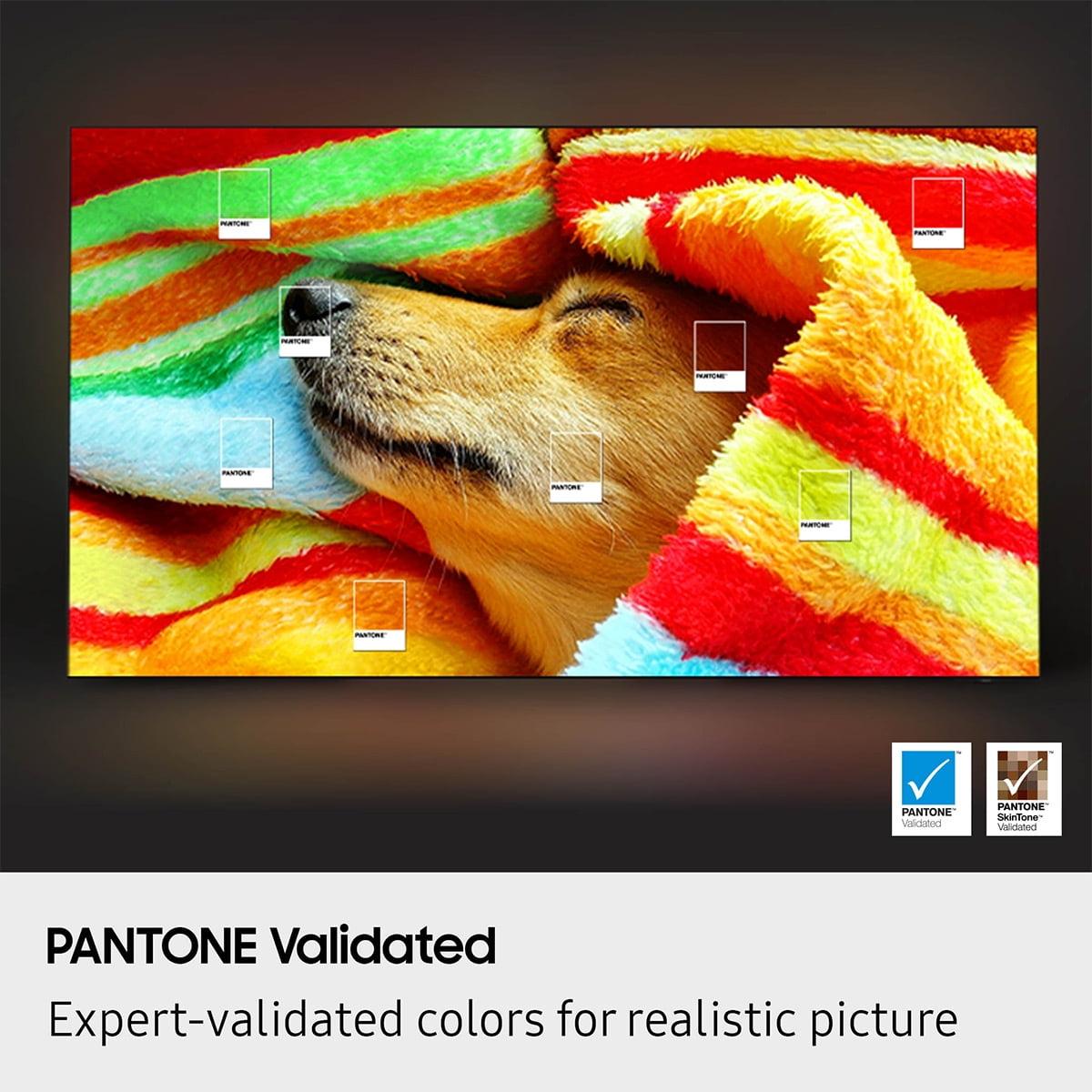
Both models are Pantone Validated, meaning they can accurately reproduce over 2,140 colors as defined by the Pantone color standard. This certification ensures that what you see on screen matches what content creators intended. However, the S90F's higher brightness allows it to display a wider color volume—essentially, it can show more vibrant colors because it has more brightness to work with.
The S90F also includes Color Booster Pro, an AI-driven feature that analyzes each scene and enhances colors in real-time. This isn't just a saturation boost—it's intelligent processing that recognizes different elements in the picture and adjusts them individually. The result is more lifelike skin tones, more vivid landscapes, and better overall color harmony.
Both TVs support HDR10+ Adaptive, which adjusts the tone mapping for each scene dynamically. However, the S90F's higher brightness makes HDR content significantly more impressive. When watching movies like "Dune" or "Blade Runner 2049," the difference in how bright highlights pop off the screen is immediately noticeable.
The S85F still delivers excellent HDR performance for its price point, but you'll notice it struggles more with content that has both very bright and very dark elements in the same scene. The S90F handles these challenging scenarios much better, maintaining detail in both shadows and highlights without sacrificing one for the other.
Here's where the generational difference becomes apparent. The S85F offers a 120Hz refresh rate with Motion Xcelerator 120Hz, which is excellent for current gaming consoles and most content. The S90F steps up to 144Hz with Motion Xcelerator 144Hz, providing smoother motion for high-end PC gaming and potentially future console generations.
If you're primarily gaming on PlayStation 5 or Xbox Series X, both TVs will serve you well—current consoles max out at 120Hz anyway. However, if you're a PC gamer with a high-end graphics card, or if you're thinking about future console upgrades, the S90F's 144Hz capability offers better long-term value.
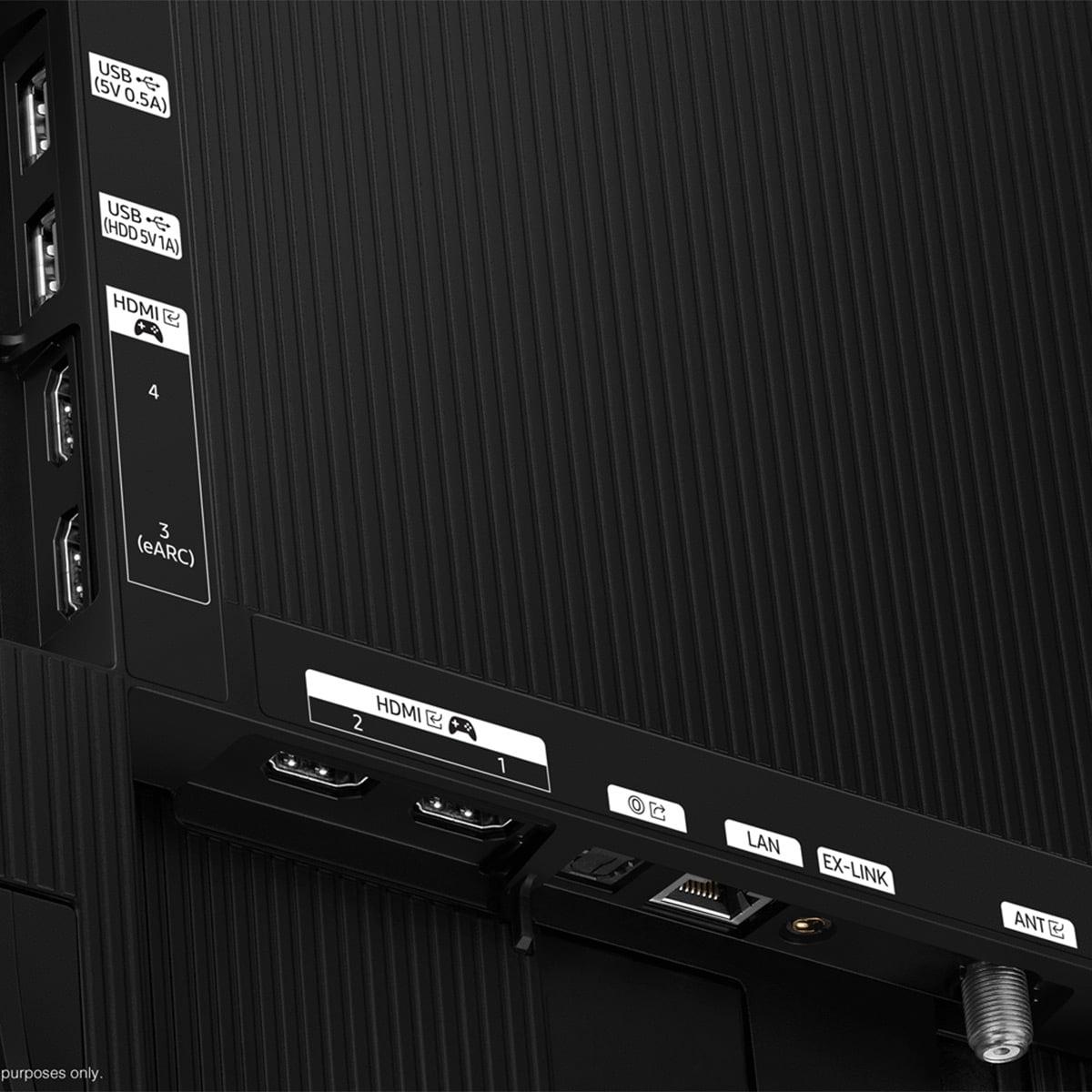
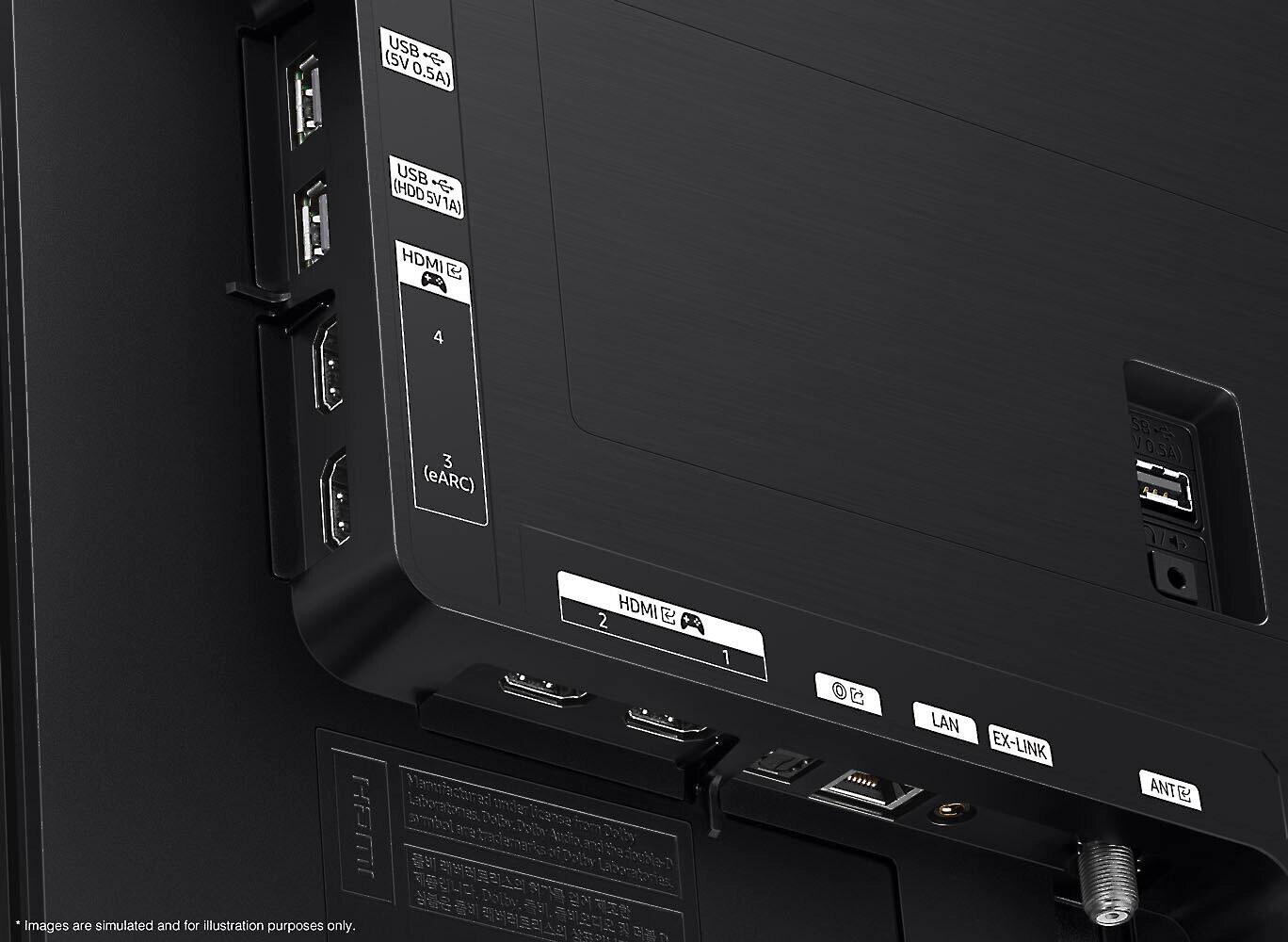
Both models excel in gaming features, offering four HDMI 2.1 ports (important for 4K gaming at high refresh rates), Variable Refresh Rate (VRR) to eliminate screen tearing, and Auto Low Latency Mode (ALLM) that automatically switches to game mode when it detects a gaming signal. Input lag—the delay between pressing a button and seeing the result on screen—is virtually identical and extremely low on both models.
The S90F includes additional gaming enhancements like Dynamic Black EQ, which improves visibility in dark game scenes without washing out the overall image. This feature is particularly useful for competitive gaming where spotting enemies in shadows can make the difference between winning and losing.
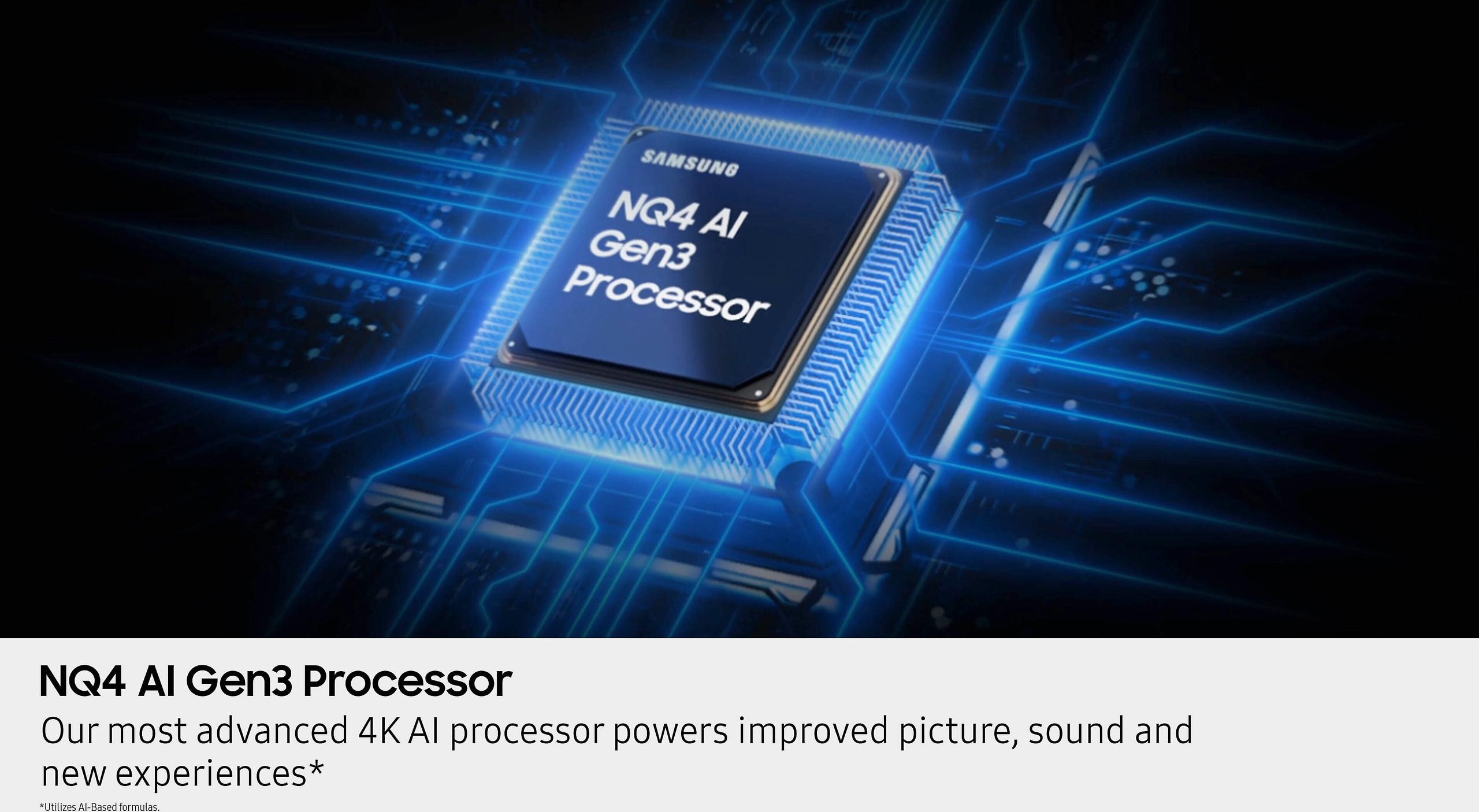
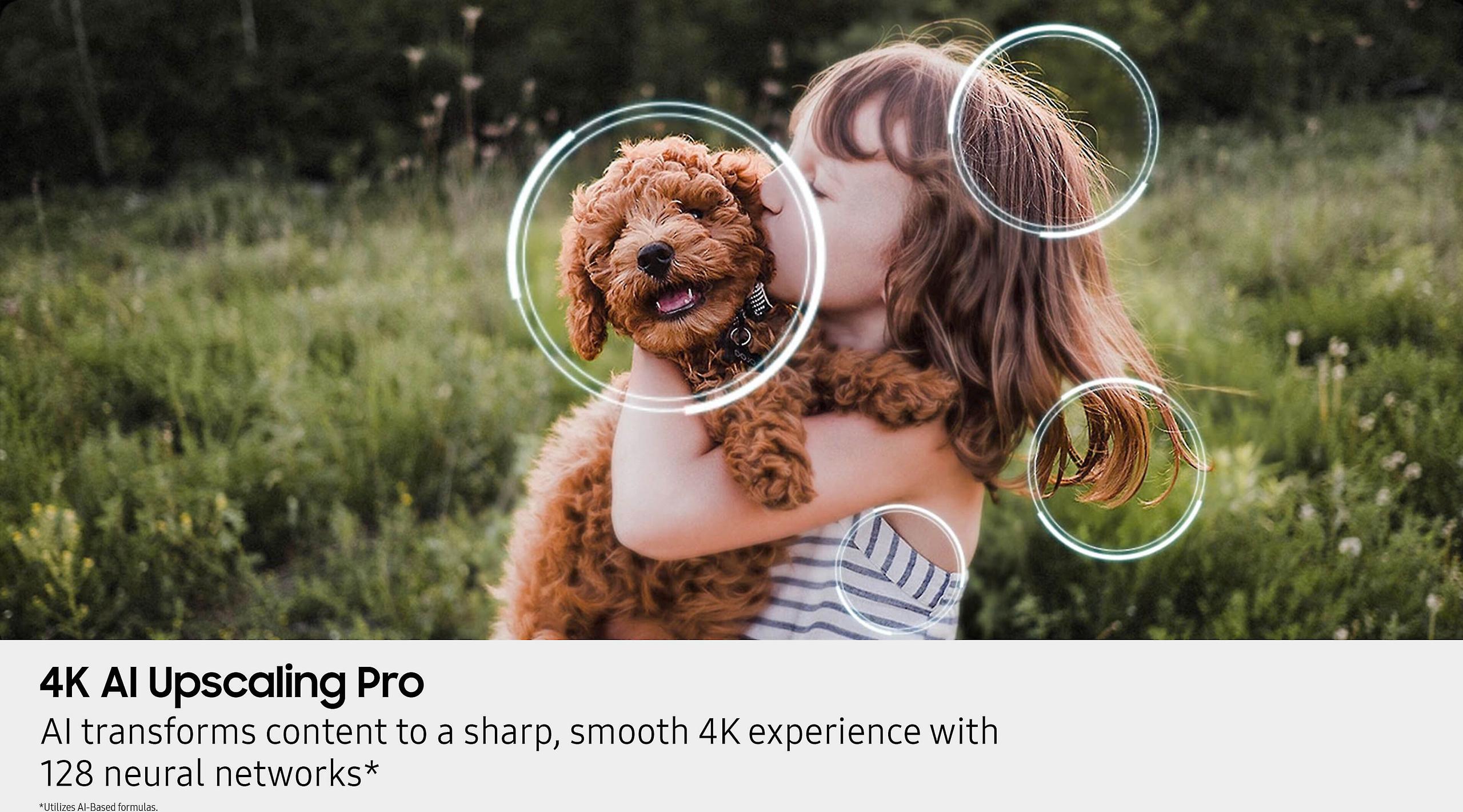
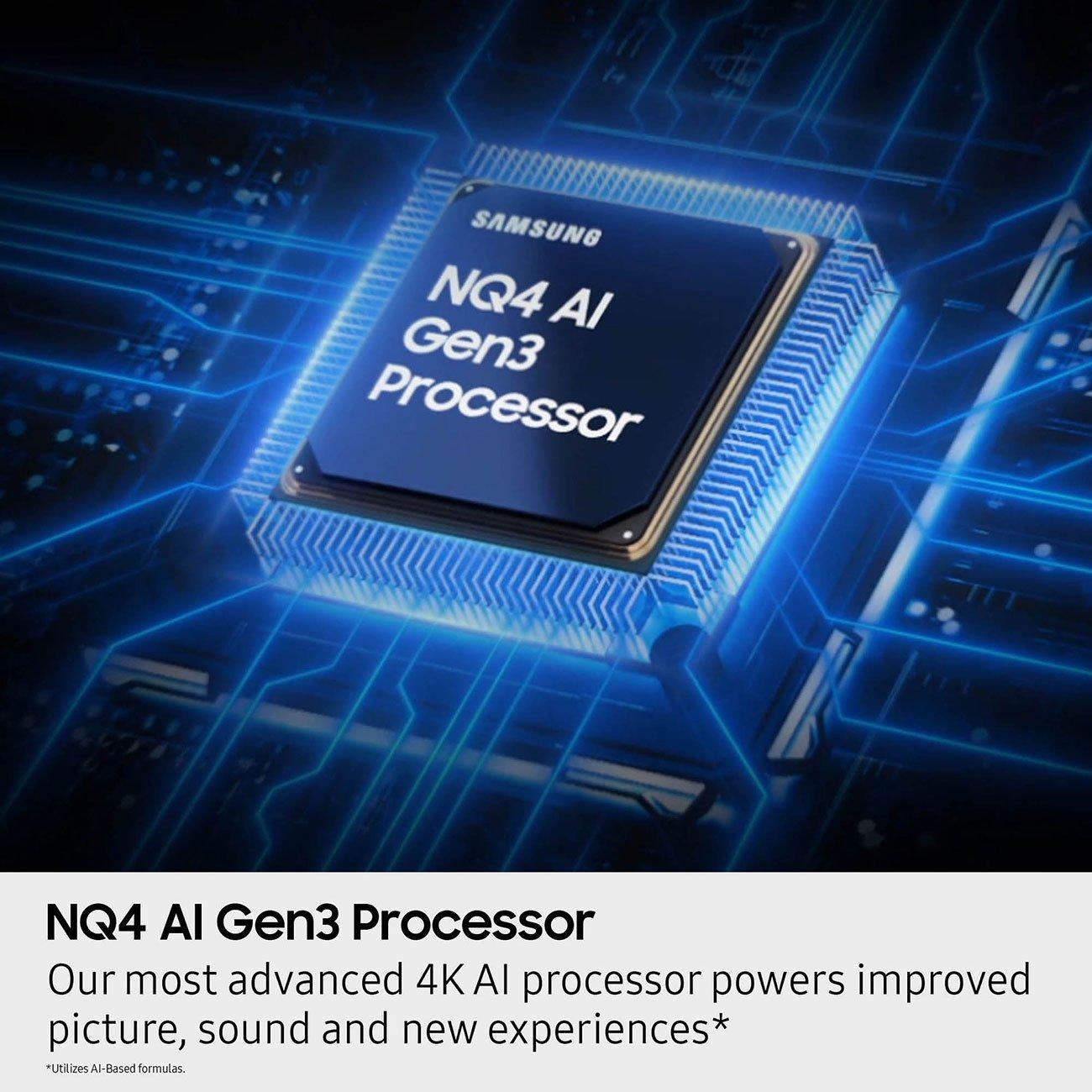
The S85F uses Samsung's NQ4 AI Gen2 processor with 20 neural networks, while the S90F features the newer NQ4 AI Gen3 processor with 128 neural networks. This isn't just a numbers game—the additional processing power translates to better upscaling of lower-resolution content, more accurate color processing, and more sophisticated AI features.
I've found the difference most noticeable when watching older content or streaming services with compressed video. The S90F's superior processing does a better job of cleaning up artifacts and enhancing detail without creating an artificial, over-processed look.
The S90F includes Samsung Vision AI, which goes beyond basic smart TV features. It can provide live translation of subtitles, recognize content types and adjust settings accordingly, and even work with Galaxy Watch for gesture controls. While these features might seem gimmicky, the live translation capability is genuinely useful for international content, and the automatic optimization based on content type works well in practice.
Both TVs include the updated Bixby voice assistant, which can handle multiple commands simultaneously and better understand context. However, the S90F's more powerful processor makes these interactions noticeably snappier and more reliable.
Neither TV will replace a dedicated sound system, but there are differences worth noting. The S85F features a 2.0 channel, 20W speaker system, while the S90F includes a 2.1 channel setup with enhanced audio processing. Both support Object Tracking Sound Lite, which moves audio around the screen to match on-screen action, and Adaptive Sound Pro, which adjusts audio based on room acoustics.
For casual viewing, both systems are adequate, but neither is particularly impressive. If you're building a home theater setup, plan to add a soundbar or surround sound system regardless of which TV you choose. The audio differences between these models shouldn't be a major factor in your decision.
For dedicated home theater use, the S90F is the better choice, primarily due to its superior brightness and more advanced processing. In a controlled lighting environment, you might think the S85F's lower brightness wouldn't matter, but HDR content still benefits from higher peak brightness even in dark rooms.
The S90F's better motion processing also makes it more suitable for home theater use, especially if you watch a lot of action movies or sports. The difference in how these TVs handle fast-moving content is subtle but noticeable during extended viewing sessions.
Both TVs lack Dolby Vision support, instead using Samsung's HDR10+ format. While this isn't ideal for some home theater enthusiasts who prefer Dolby Vision, both formats deliver excellent results, and the content availability gap is narrowing.
At $1,599.99, the S85F represents excellent value for entering the OLED world. You're getting 85% of the premium OLED experience at a price point that was unthinkable just a few years ago. For many buyers, especially those with darker viewing environments, this TV delivers everything they need.
The S90F costs $198 more at $1,797.99, representing a 12% price increase. However, you're getting nearly double the peak brightness, a significantly more powerful processor, higher refresh rate, and advanced AI features. From a performance-per-dollar perspective, the S90F offers better value despite its higher price.
Choose the S85F if your budget is firm at around $1,600, you primarily watch content in dark rooms, you're not a serious gamer, or you simply want to experience OLED technology without paying for premium features you might not use. It's an excellent TV that will satisfy most buyers.
Choose the S90F if you can stretch your budget by $200, you watch TV in bright rooms, you're a serious gamer or want future-proofing, or you appreciate having the latest AI features. The performance improvements justify the modest price increase for most buyers.
While both TVs deliver excellent OLED performance, the Samsung S90F represents the better overall value despite its higher price. The substantial improvements in brightness, gaming performance, and AI processing make it a more complete and future-proof choice. Unless budget is your primary constraint, the S90F will provide a more satisfying long-term experience that adapts better to different viewing conditions and use cases.
The decision ultimately comes down to your specific needs and budget flexibility. Both TVs represent significant improvements over Samsung's 2024 models and offer compelling entry points into premium OLED technology. Whichever you choose, you'll be getting a TV that delivers the stunning picture quality that makes OLED technology so desirable.
| Samsung 65" S85F OLED 4K Smart TV ($1,599.99) | Samsung 65" S90F OLED 4K Vision AI Smart TV ($1,797.99) |
|---|---|
| Peak Brightness - Critical for HDR impact and bright room viewing | |
| 750 nits (small highlights), 150 nits (full screen) | 1,426 nits (10% window) - nearly double the brightness |
| Refresh Rate - Important for gaming and smooth motion | |
| 120Hz with Motion Xcelerator 120Hz | 144Hz with Motion Xcelerator 144Hz |
| Processor - Affects upscaling quality and AI features | |
| NQ4 AI Gen2 with 20 neural networks | NQ4 AI Gen3 with 128 neural networks |
| Panel Technology - Both use premium QD-OLED for vibrant colors | |
| QD-OLED (65" size) with perfect blacks | QD-OLED (65" size) with perfect blacks |
| HDR Support - Enhanced contrast and color range | |
| OLED HDR, HDR10+ Adaptive | OLED HDR+, HDR10+ Adaptive with better peak brightness |
| Gaming Features - All modern gaming capabilities included | |
| 4x HDMI 2.1, VRR, ALLM, FreeSync Premium | 4x HDMI 2.1, VRR, ALLM, FreeSync Premium, Dynamic Black EQ |
| Smart TV Features - AI-powered content optimization | |
| Tizen OS, Bixby, standard AI upscaling | Tizen OS, Bixby, Vision AI with live translation and gesture controls |
| Audio System - Both adequate but benefit from soundbar | |
| 2.0 channel, 20W with Object Tracking Sound Lite | 2.1 channel system with enhanced audio processing |
| Anti-Reflection - Glare handling for various lighting conditions | |
| Standard anti-reflection coating | Improved anti-reflection coating |
| Color Accuracy - Professional-grade color reproduction | |
| Pantone Validated, Color Booster Pro | Pantone Validated, enhanced Color Booster Pro |
| Target User - Best suited for different viewing scenarios | |
| Budget-conscious OLED buyers, dark room viewing | Bright room users, serious gamers, tech enthusiasts |
| Value Proposition - Performance per dollar consideration | |
| Excellent entry-level OLED value | Better overall value despite higher price |
The Samsung 65" S90F OLED 4K Vision AI Smart TV ($1,797.99) offers better overall value despite costing $198 more than the Samsung 65" S85F OLED 4K Smart TV ($1,599.99). The S90F provides nearly double the peak brightness, 144Hz refresh rate, and advanced AI features that justify the 12% price increase for most buyers.
The Samsung S90F is significantly better for bright rooms due to its superior peak brightness of 1,426 nits compared to the S85F's 750 nits. The S90F also has improved anti-reflection coating that handles glare better in various lighting conditions.
The S90F includes advanced Vision AI features like live subtitle translation, gesture controls, and more sophisticated content optimization. The S85F has standard Tizen OS smart features and basic AI upscaling, making it less advanced but still fully functional for streaming and smart home integration.
For dedicated home theater setups, the Samsung S90F is the better choice due to its superior brightness for HDR content, better motion processing, and more powerful upscaling processor. The higher peak brightness enhances the cinematic experience even in controlled lighting environments.
The Samsung S90F is nearly twice as bright as the S85F in peak highlights, reaching 1,426 nits versus 750 nits. This substantial brightness difference makes HDR content more impactful and provides better visibility in rooms with ambient lighting.
If your budget is limited to around $1,600, the Samsung S85F ($1,599.99) provides excellent OLED performance and represents outstanding value for entering premium display technology. It delivers 85% of the premium OLED experience at a more accessible price point.
Yes, the Samsung S90F ($1,797.99) is worth the extra $198 for most buyers. The significant improvements in brightness, 144Hz gaming, advanced AI features, and better processing provide meaningful upgrades that justify the modest price increase over the S85F ($1,599.99).
We've done our best to create useful and informative comparisons to help you decide what product to buy. Our research uses advanced automated methods to create this comparison and perfection is not possible - please contact us for corrections or questions. These are the sites we've researched in the creation of this article: rtings.com - samsung.com - youtube.com - rtings.com - youtube.com - samsung.com - bestbuy.com - avsforum.com - avsforum.com - samsung.com - displayspecifications.com - videoandaudiocenter.com - bestbuy.com - flatpanelshd.com - myallsouth.com - samsung.com - richstv.com - samsung.com - heartlandappliance.com - youtube.com - t3.com - bestbuy.com - stereonet.com - samsung.com - bestbuy.com - flatpanelshd.com - myallsouth.com - pcrichard.com - samsung.com - bestbuy.com - samsung.com - samsung.com - samsung.com

Privacy Policy
Terms and Conditions - Affiliate Policy
Home Security
© Copyright 2008-2026.
11816 Inwood Rd #1211, Dallas, TX 75244