

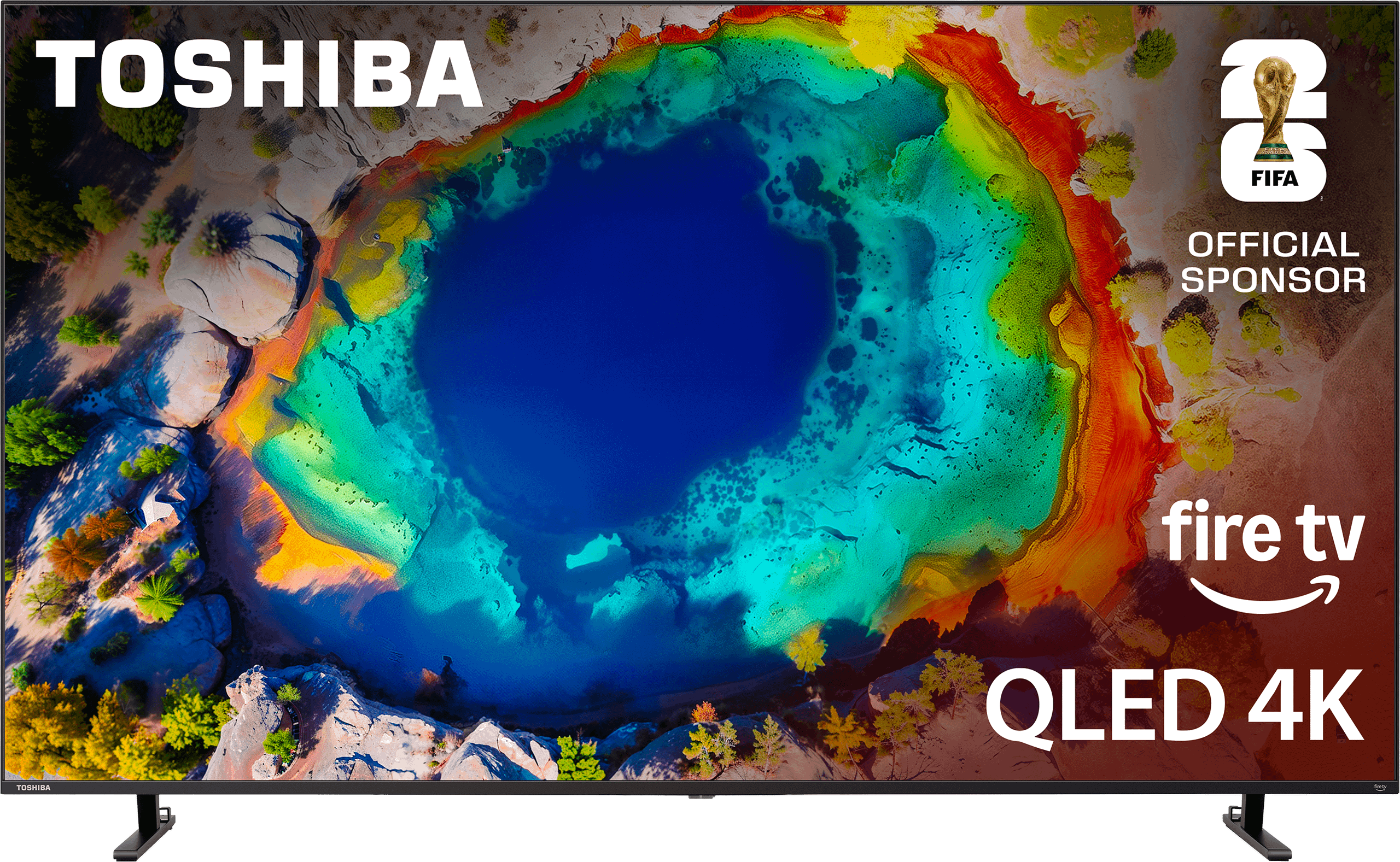
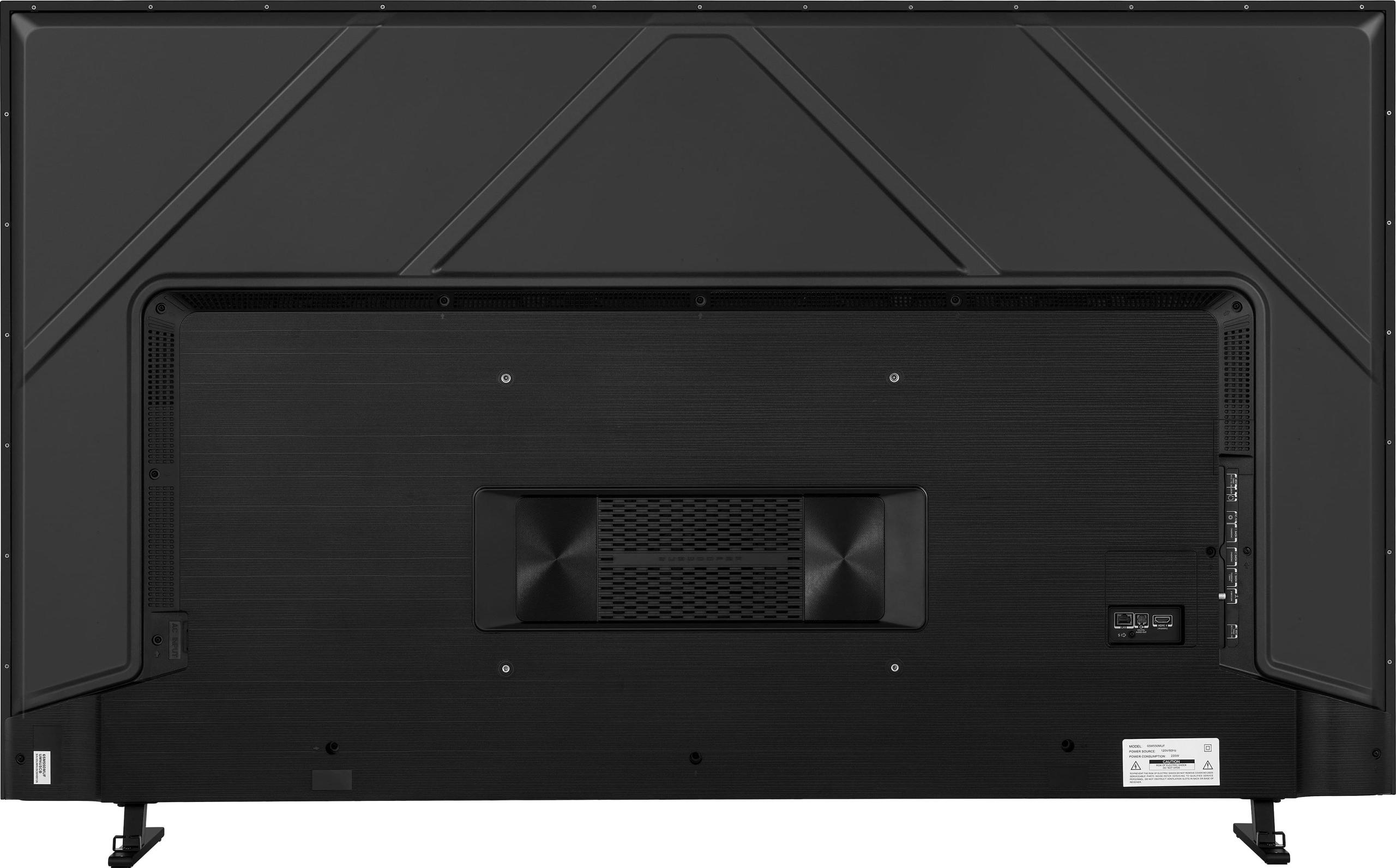
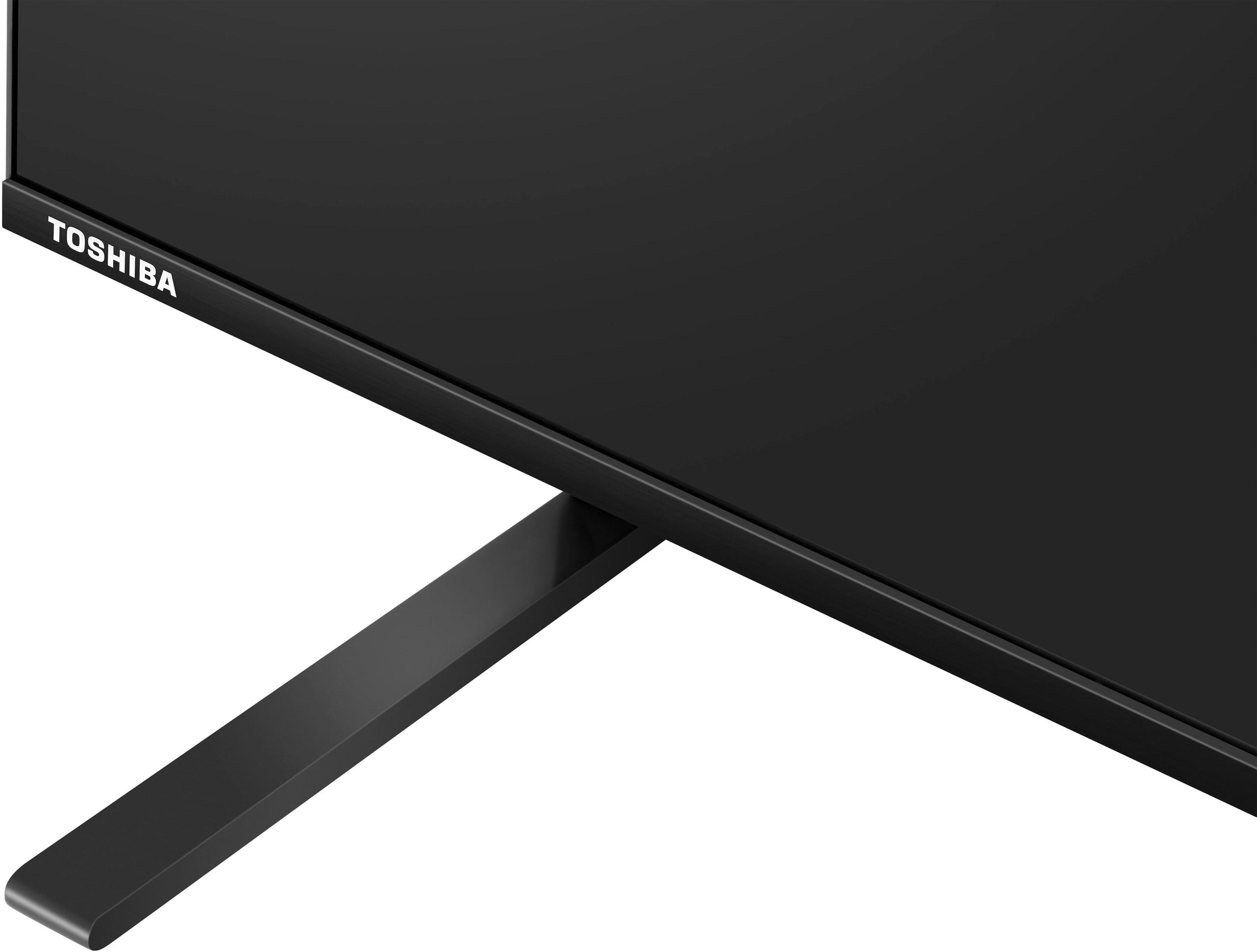
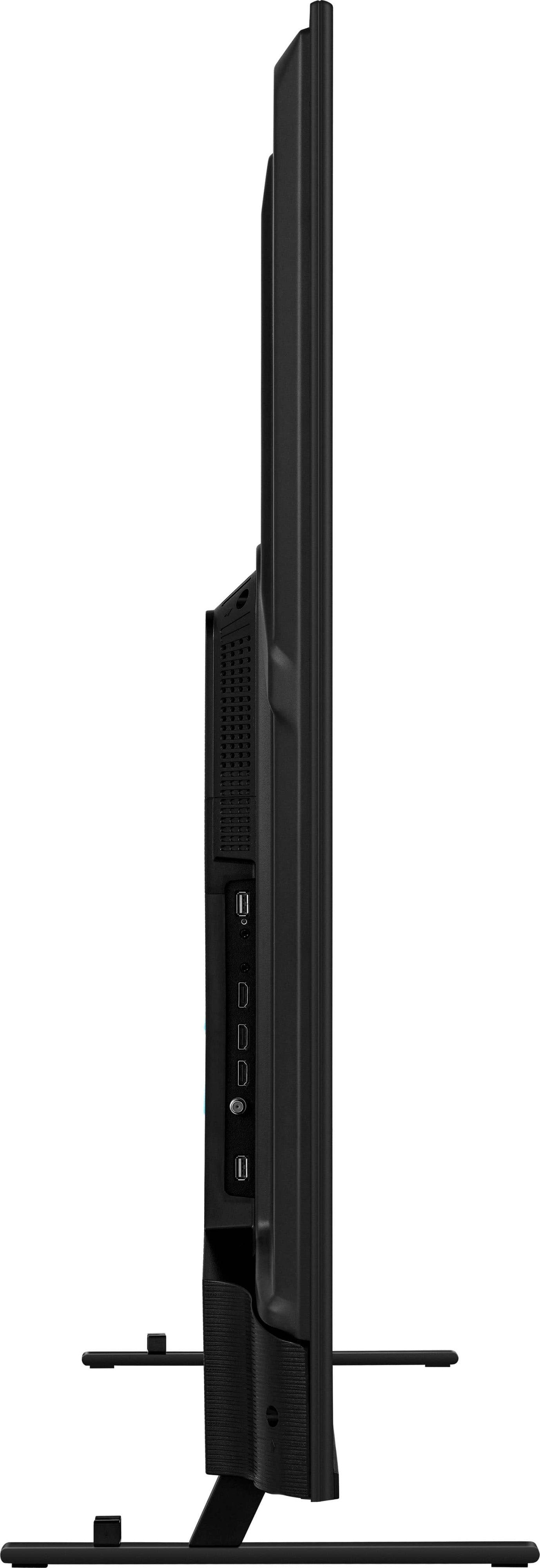
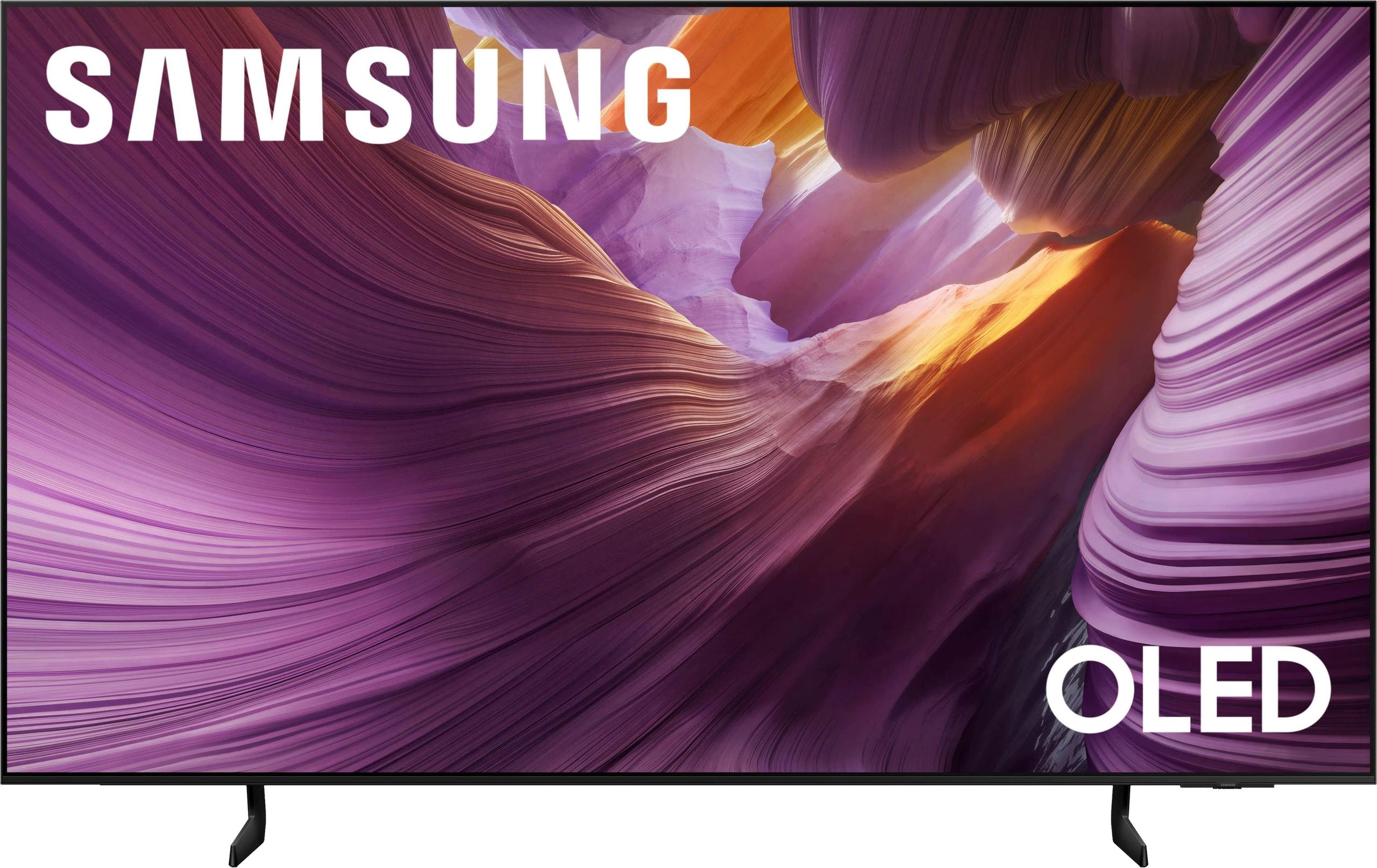
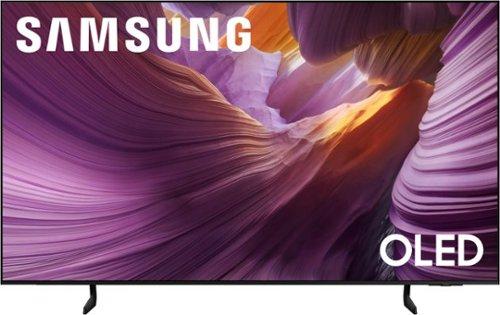
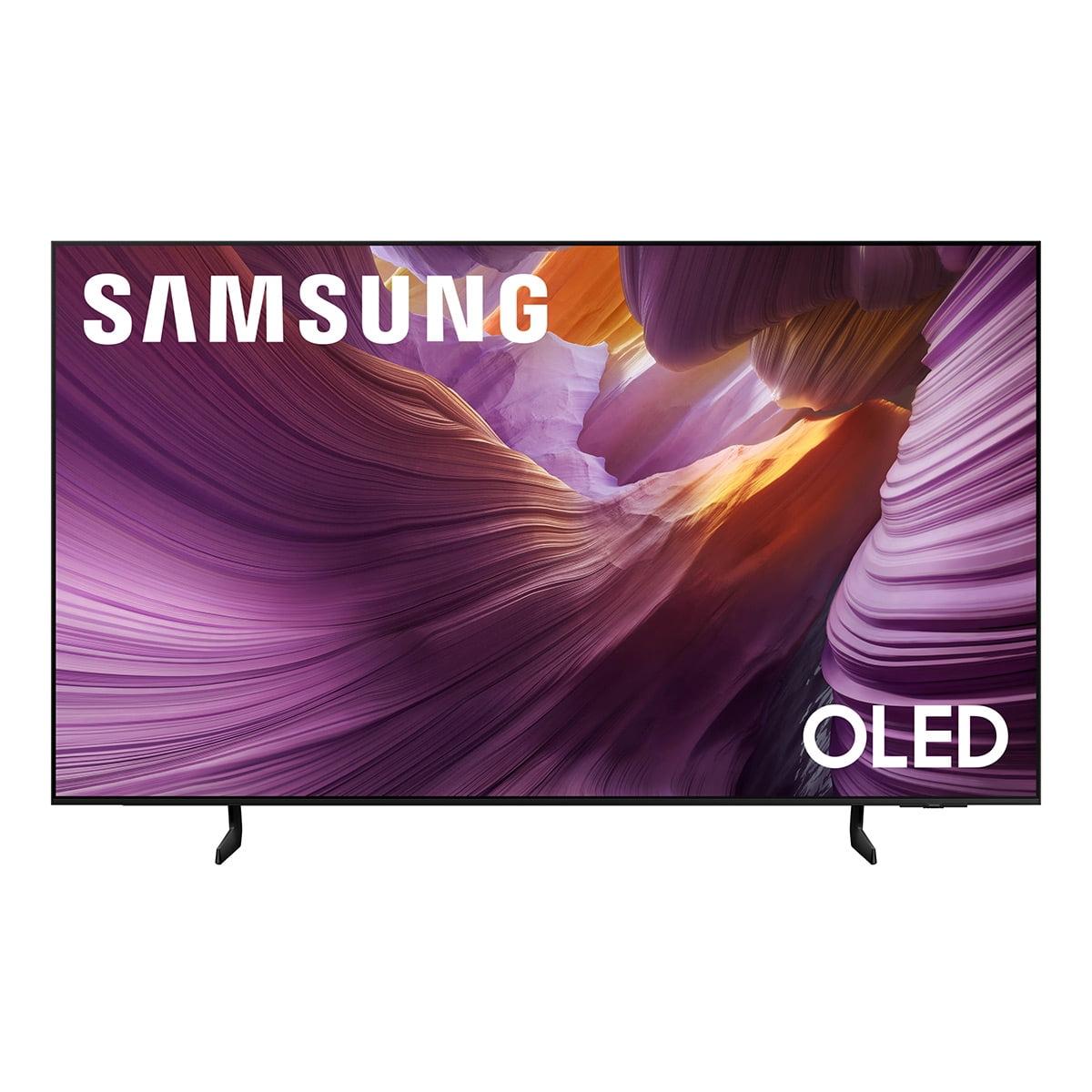
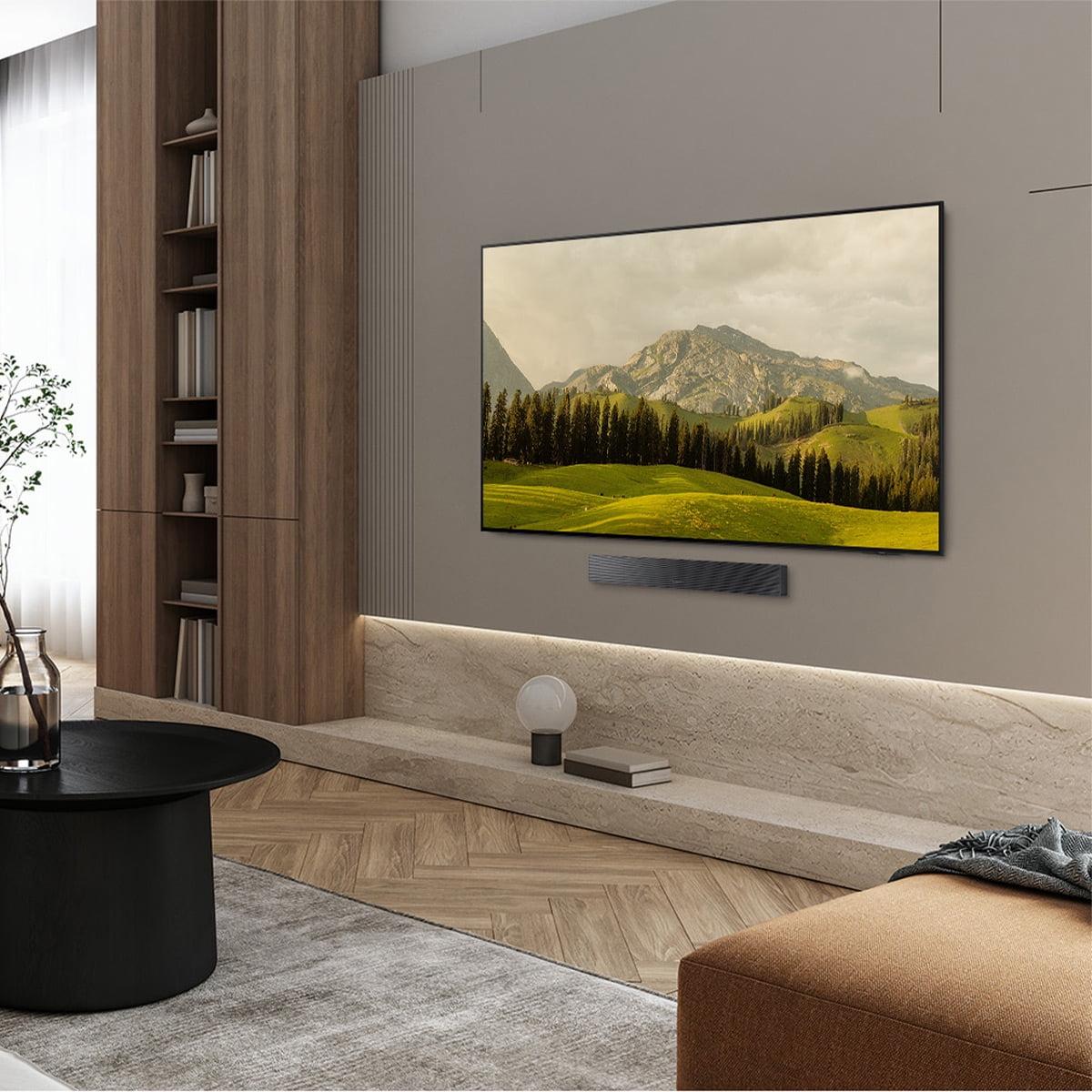

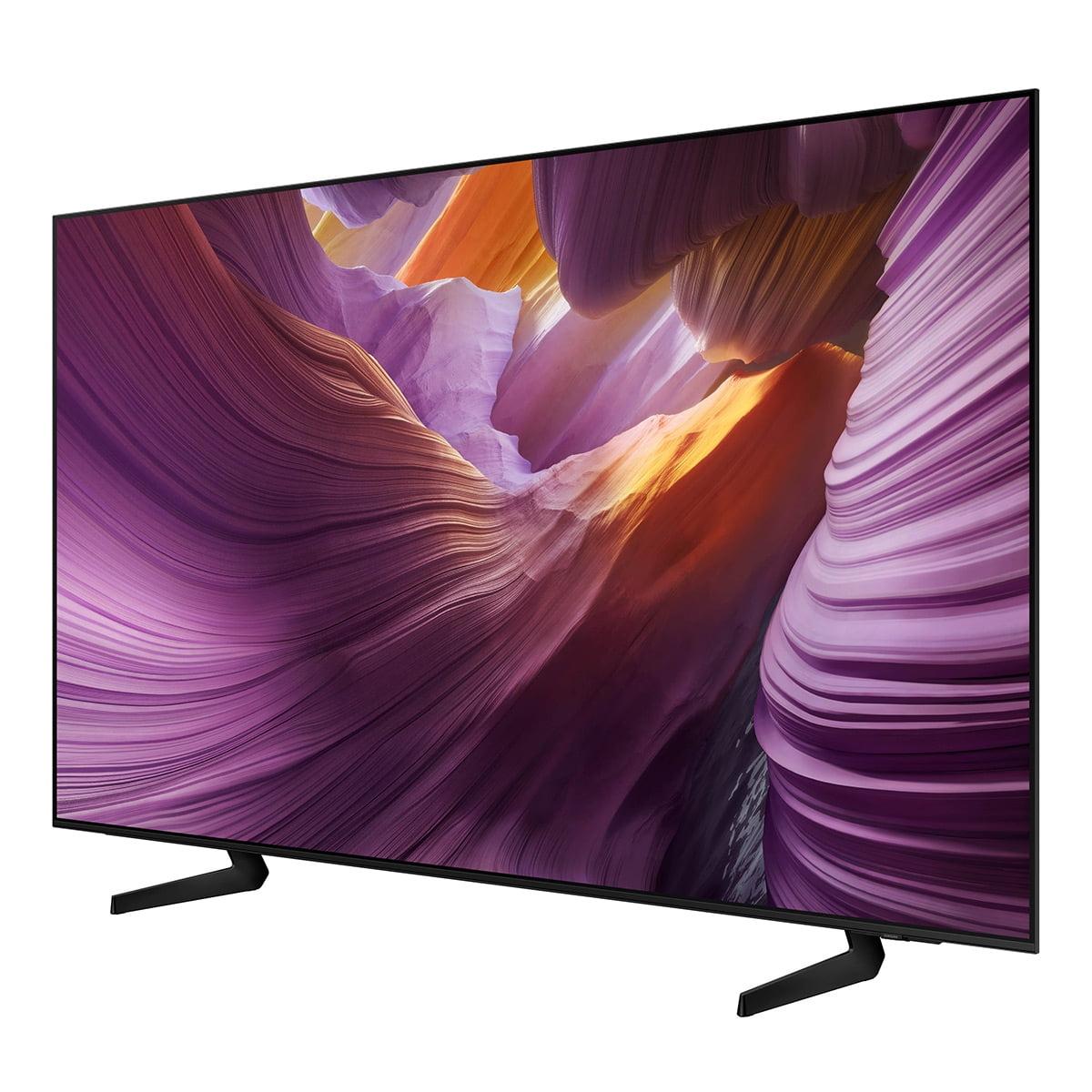
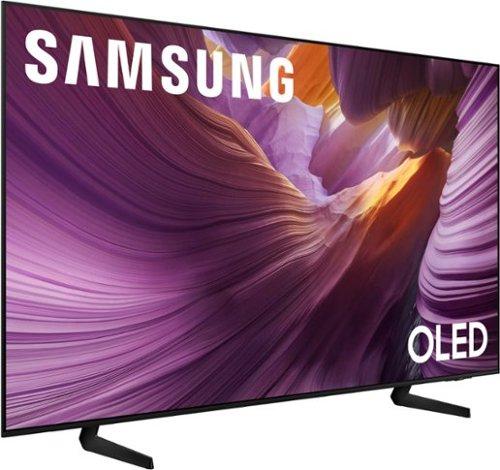
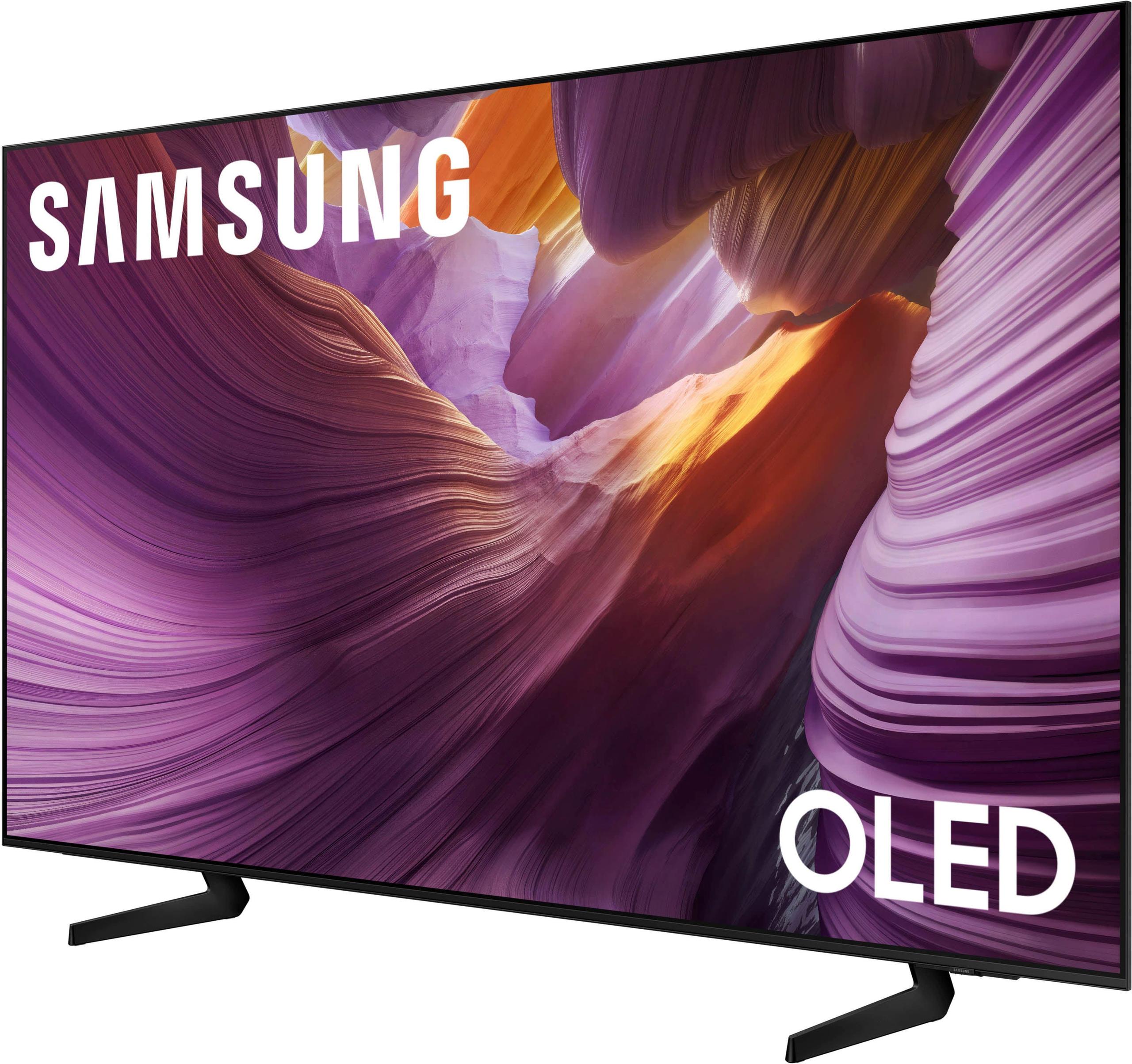
When shopping for a 65-inch TV, you'll quickly discover that not all displays are created equal. The technology powering your screen makes a massive difference in what you see—and what you pay. Today, we're comparing two very different approaches to large-screen entertainment: the Toshiba M550 Series, a budget-friendly LED TV that punches above its weight class, and the Samsung S85F OLED, a premium display that represents Samsung's entry into OLED technology for 2025.
These TVs sit at opposite ends of the price spectrum at the time of writing, but both serve the same basic purpose: delivering 4K entertainment to your living room. The question is whether the premium OLED technology justifies spending roughly three to four times more than the LED alternative.
Before diving into specifics, let's establish what makes these TVs fundamentally different. The Toshiba M550 uses LED-LCD technology with local dimming—despite sometimes being marketed with QLED branding, it's actually a traditional LED backlight system with quantum dot color enhancement. This means LED lights behind the screen illuminate liquid crystal pixels, with the ability to dim sections of the backlight (called local dimming zones) to improve contrast.
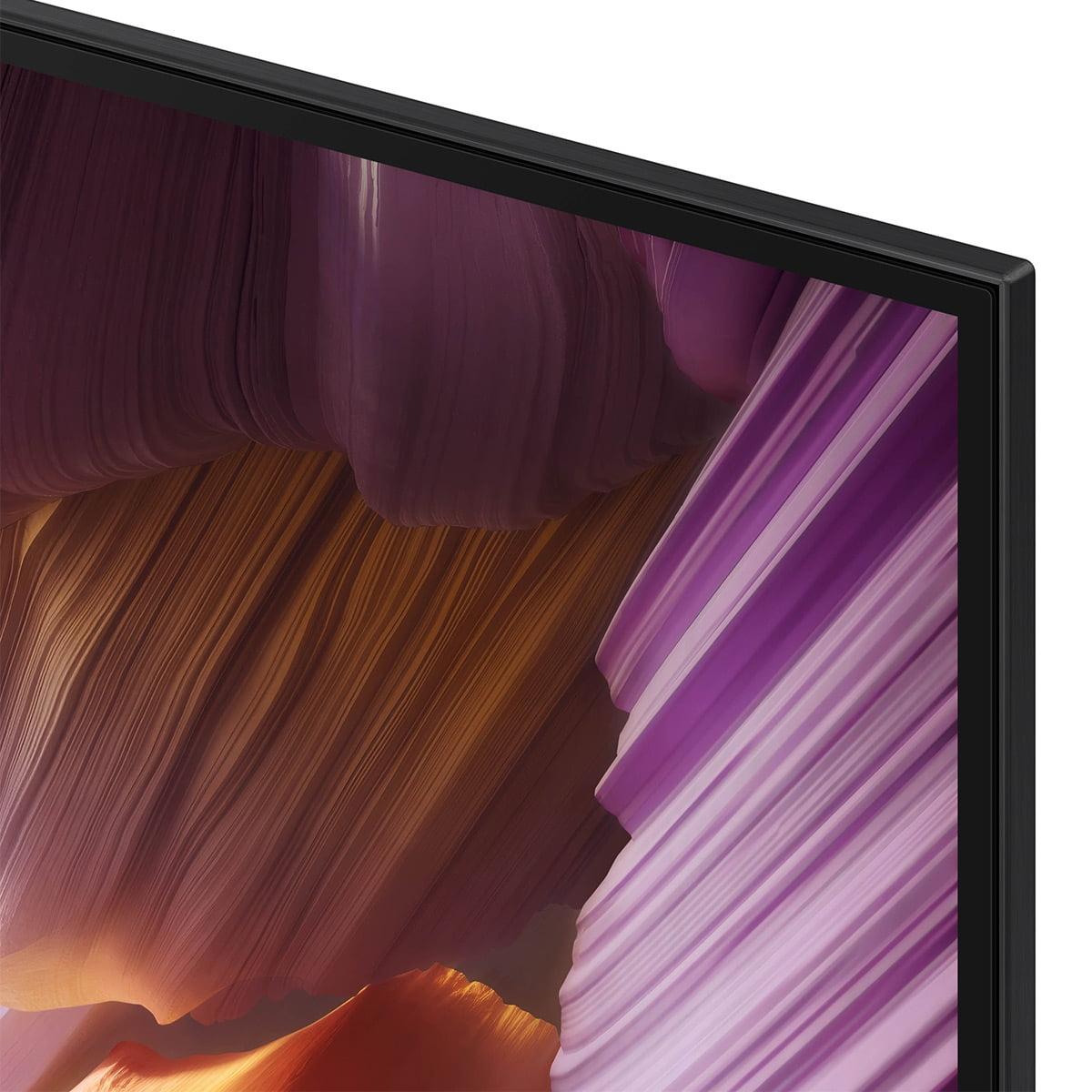
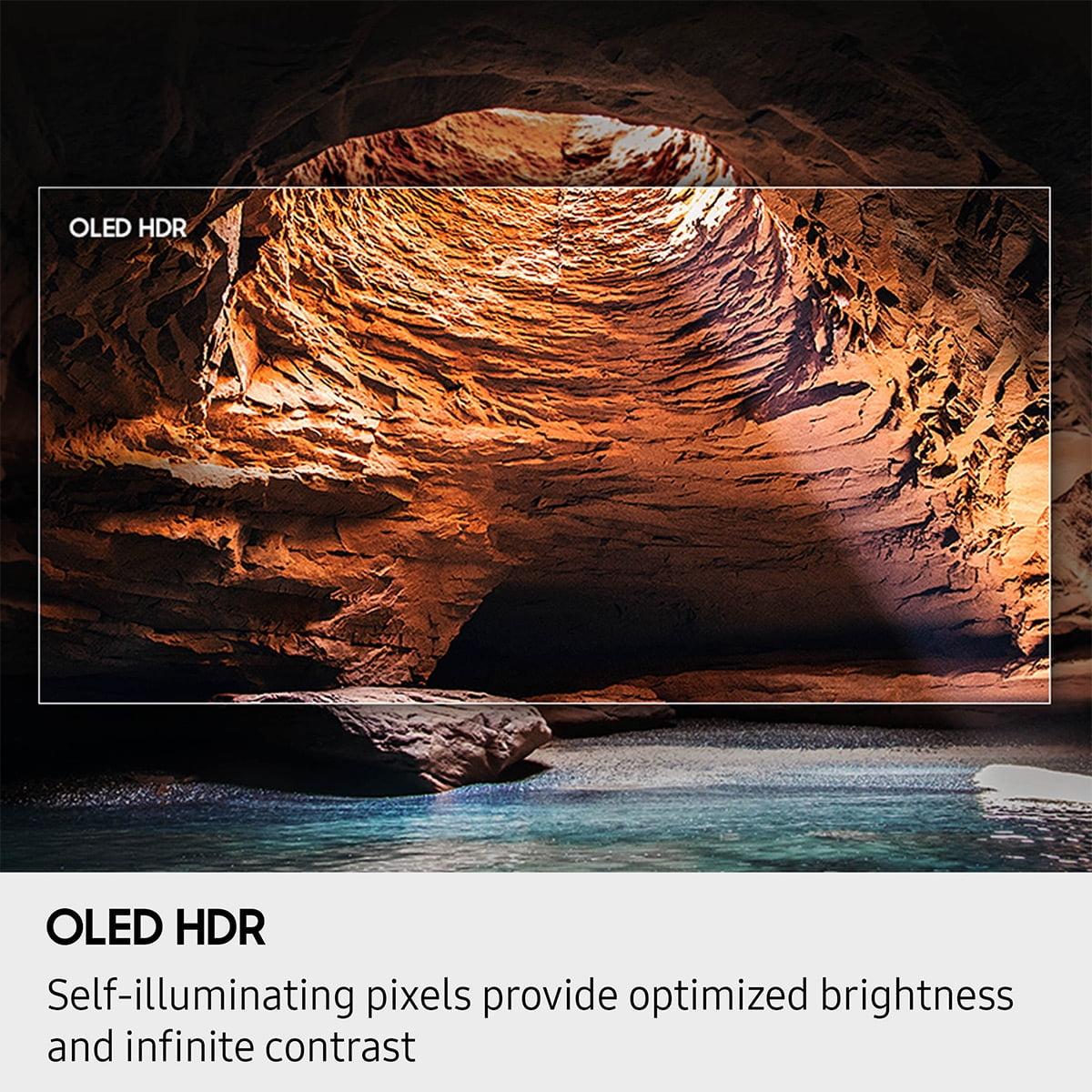
The Samsung S85F, released in 2025, uses QD-OLED technology—a hybrid approach combining quantum dots with organic light-emitting diodes. In OLED displays, each pixel generates its own light and can turn completely off, creating perfect blacks. The QD (quantum dot) enhancement in Samsung's version produces more vibrant colors than traditional WOLED panels.
This technological difference impacts everything: picture quality, viewing angles, power consumption, and price. OLED technology has matured significantly since its consumer debut in 2013, with improvements in brightness, longevity, and manufacturing costs making it more accessible—though still premium-priced.
Picture quality represents the most significant divide between these displays. The Samsung S85F delivers what many consider the gold standard for home viewing: perfect black levels with infinite contrast ratios. When a scene calls for darkness, OLED pixels simply turn off, creating true black rather than the dark gray you get from LED backlights bleeding through liquid crystals.
This advantage becomes immediately apparent when watching movies with dark scenes—think space films, horror movies, or dramatic nighttime sequences. The Toshiba M550 attempts to compete using full-array local dimming with 48 zones, which selectively dims LED backlights behind dark areas of the screen. While this produces deeper blacks than basic LED TVs, it can't match OLED's pixel-level control.
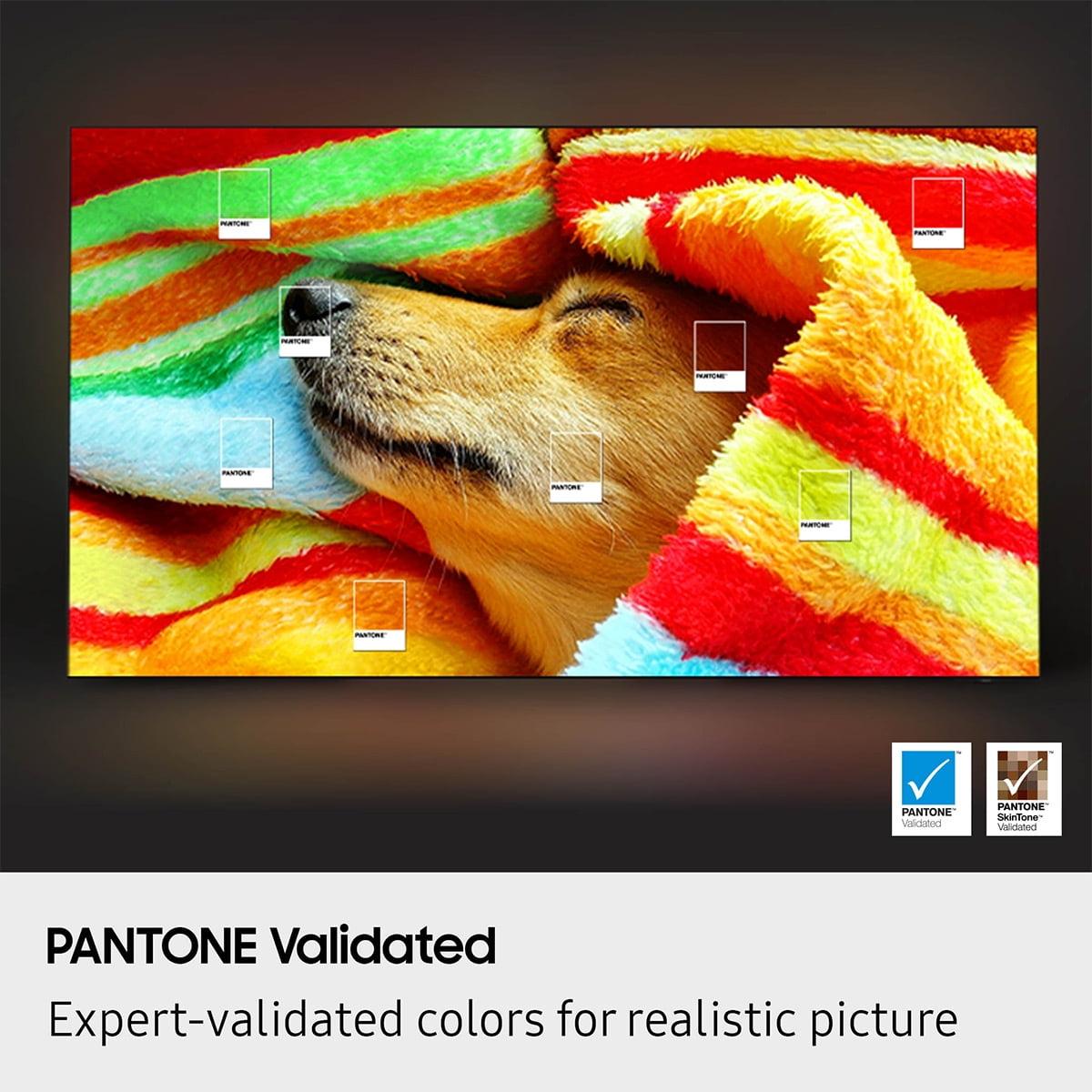
Color accuracy tells a similar story. The Samsung S85F includes Pantone validation, meaning it's been certified to reproduce over 2,140 colors and 110 skin tone variations accurately. The TV's NQ4 AI Gen2 processor constantly analyzes content, adjusting colors scene by scene for optimal accuracy. Research from professional reviewers consistently highlights OLED's superior color volume—the range of colors displayable at different brightness levels.
The Toshiba M550 counters with its REGZA Engine ZR processor, which uses AI 4K upscaling to enhance lower-resolution content. This feature proves particularly valuable for older movies, TV shows, and streaming content that wasn't originally mastered in 4K. The quantum dot enhancement also extends the color gamut beyond standard LED displays, covering over 90% of the DCI-P3 color space used in modern movies.
Brightness represents one area where LED technology maintains an advantage. The Toshiba M550 can achieve higher peak brightness levels across the entire screen, making it more suitable for very bright rooms with lots of windows. The Samsung S85F, while capable of impressive highlights in small areas (around 750 nits), drops to roughly 150 nits in full-screen bright scenes—a limitation of current OLED technology.
High Dynamic Range (HDR) content—which includes more realistic brightness levels and color information—showcases both TVs' strengths and limitations. HDR formats like Dolby Vision and HDR10+ contain metadata that tells the TV how to display each scene for optimal impact.
Both displays support Dolby Vision, but their implementations differ significantly. The Samsung S85F leverages OLED's precise pixel control to maintain detail in both shadows and highlights simultaneously. Professional reviews consistently praise OLED's HDR gradient handling—the smooth transitions between different brightness levels that prevent banding (visible steps in color gradations).
The Toshiba M550 faces the classic LED challenge: balancing bright highlights with dark details. Its 48-zone local dimming helps, but can't match OLED's precision. However, the TV's higher peak brightness means HDR highlights can appear more dramatic in bright viewing environments.
Based on expert analysis, the optimal HDR experience depends heavily on your viewing environment. In a dedicated home theater with controlled lighting, the Samsung S85F's perfect blacks and precise contrast control create a more cinematic experience. In a bright family room, the Toshiba M550's higher brightness levels might actually produce more impactful HDR highlights.
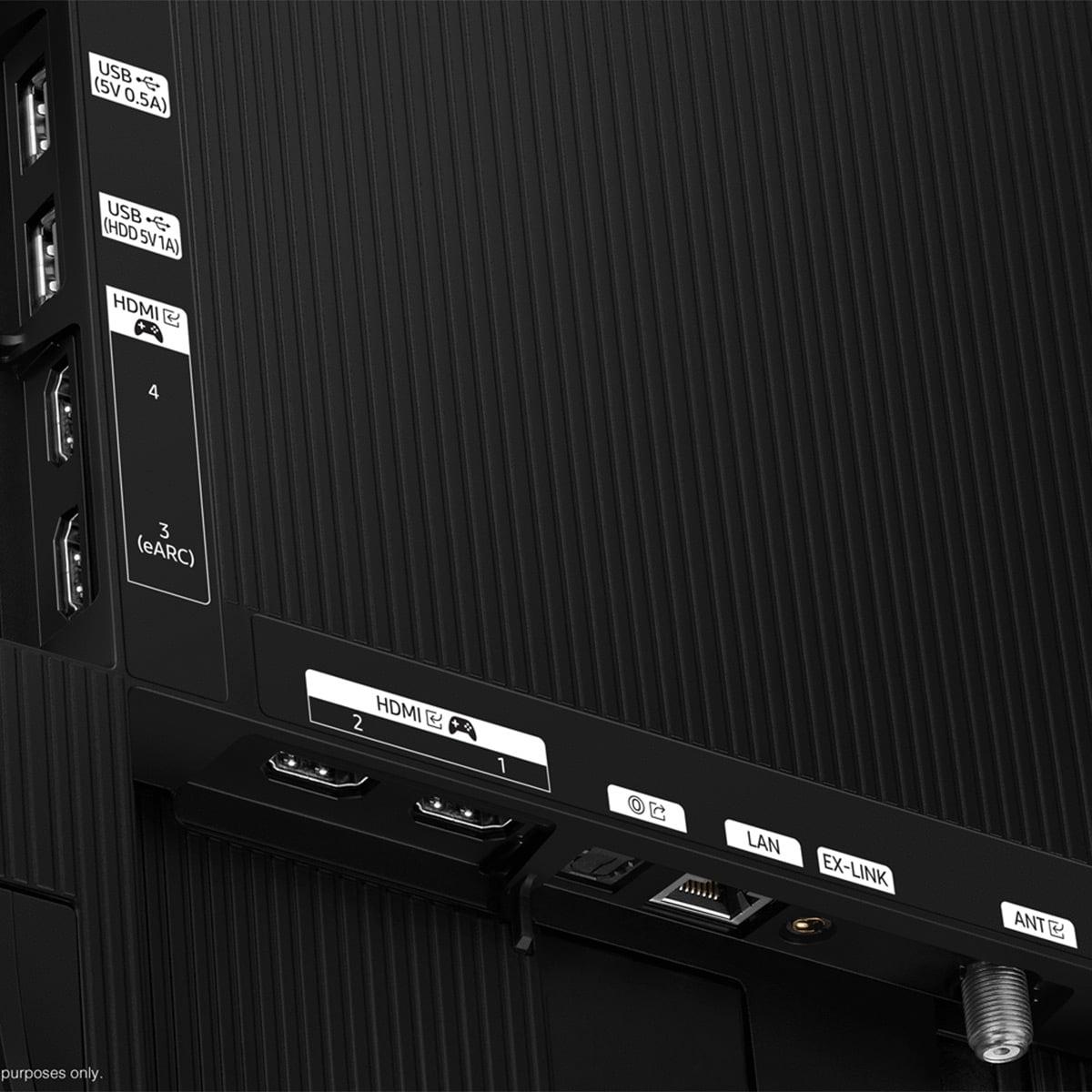
Gaming represents one of the starkest performance differences between these TVs. The Samsung S85F includes four HDMI 2.1 ports supporting 4K resolution at 120Hz refresh rates with Variable Refresh Rate (VRR) technology. VRR synchronizes the TV's refresh rate with your gaming console's output, eliminating screen tearing and stuttering for smoother gameplay.
OLED technology provides near-instantaneous response times (typically under 0.1 milliseconds), meaning virtually no delay between pixel color changes. This characteristic proves crucial for competitive gaming, where even small delays can affect performance. The TV also includes Auto Low Latency Mode (ALLM), which automatically switches to game mode when it detects a console, and FreeSync Premium certification for PC gaming compatibility.
The Toshiba M550 includes a 120Hz panel and supports VRR, but only up to 60Hz—a significant limitation for PlayStation 5 and Xbox Series X owners who want to experience games at their maximum frame rates. The TV supports 120Hz at 1440p and 1080p resolutions, which benefits some PC games and older console titles, but falls short of current-generation console capabilities.
Input lag measurements from professional testing reveal another gaming consideration. OLED displays typically achieve input lag under 10 milliseconds in game mode, while LED TVs like the Toshiba M550 often measure 15-20 milliseconds. While both are acceptable for casual gaming, competitive players notice the difference.
Software platforms represent the daily interface between you and your entertainment, making their quality crucial for long-term satisfaction. The Samsung S85F runs Tizen OS, Samsung's proprietary smart TV platform that has matured significantly since its introduction. The system includes built-in voice control through Bixby, comprehensive smart home integration via SmartThings and Matter protocols, and AI-powered optimization that adjusts picture and sound settings based on content and room conditions.
Tizen's app ecosystem includes all major streaming services with regular updates and new feature additions. The platform's AI capabilities extend beyond basic picture adjustments—it can detect content types (sports, movies, news) and optimize settings accordingly. Samsung's commitment to software updates typically extends several years, maintaining performance and adding features over time.
The Toshiba M550 runs Amazon's Fire TV platform, which offers deep integration with Amazon's ecosystem including Alexa voice control through far-field microphones built into the TV. This allows hands-free voice commands from across the room without a remote. Fire TV's interface prioritizes Amazon content and services but includes comprehensive app support for other streaming platforms.
Based on user feedback analysis, Fire TV occasionally suffers from performance limitations on lower-powered processors like the one in the Toshiba M550. Users report longer app loading times and occasional system freezes, particularly after extended use or when switching between multiple applications quickly.
Audio represents one area where the Toshiba M550 significantly outperforms its premium competitor. The TV includes a 49-watt audio system with a dedicated 25-watt subwoofer and dual 12-watt clear speakers, delivering surprisingly robust sound for a budget display. The system supports both Dolby Atmos and DTS Virtual:X, creating simulated surround sound effects that many users find adequate for casual viewing without additional speakers.
The Samsung S85F includes a more modest 20-watt, 2-channel audio system. While it supports Dolby Atmos and includes advanced processing features like Adaptive Sound Pro (which analyzes room acoustics and adjusts accordingly), the limited power output and speaker configuration restrict its capabilities. Samsung clearly expects users to pair this TV with external audio equipment.
This difference proves particularly relevant for apartment dwellers or others who can't install surround sound systems. The Toshiba M550's built-in audio might eliminate the need for a soundbar, while the Samsung S85F practically requires external audio to reach its full potential.
Long-term reliability becomes crucial when investing in any TV, but especially important for premium displays. Samsung's track record with OLED technology spans several years, with generally positive reliability reports from both professional reviewers and consumer feedback. The Samsung S85F includes comprehensive warranty coverage and access to Samsung's extensive service network.
OLED burn-in concerns—permanent image retention from static content—have decreased significantly with modern panels and software mitigation techniques. Current OLED TVs include pixel shifting, automatic brightness limiting, and other protective measures that make burn-in unlikely under normal viewing conditions.
The Toshiba M550 presents more mixed reliability reports based on our research. Some users praise its stability and performance, while others report issues with the Fire TV platform freezing, slow responsiveness, and occasional hardware problems. Toshiba's consumer electronics presence has diminished in recent years, potentially affecting long-term software support and service availability.
At the time of writing, these TVs exist in completely different market segments. The Toshiba M550 represents exceptional value for budget-conscious buyers, delivering 4K resolution, local dimming, and decent smart TV functionality at a fraction of premium TV costs. For many users, it provides 80% of the performance at 25% of the price.
The Samsung S85F commands a significant premium but delivers genuinely superior technology. OLED's perfect blacks, precise color accuracy, and gaming capabilities represent meaningful improvements over LED technology. The question becomes whether these advantages justify the price difference for your specific needs and viewing habits.
No TV is perfect, and both displays have notable limitations. The Toshiba M550 suffers from processing power constraints that affect responsiveness and gaming performance. Its VRR limitation to 60Hz feels outdated given current gaming console capabilities, and build quality concerns may affect long-term reliability.
The Samsung S85F lacks Dolby Vision support, instead relying on HDR10+ technology. While the difference is subtle in most content, it represents a philosophical choice by Samsung that some home theater enthusiasts find limiting. The TV also doesn't support DTS audio passthrough, requiring external processing for some audio formats.
Choose the Toshiba M550 if you need maximum screen size on a tight budget, prioritize built-in audio quality, or watch primarily in bright rooms where OLED's advantages diminish. It's ideal for families who want 4K streaming and decent performance without premium pricing, especially if gaming at 60Hz satisfies your needs.
The Samsung S85F makes sense for viewers who prioritize picture quality, own current-generation gaming consoles, or plan to use the TV in a dedicated viewing room. It's the better choice for movie enthusiasts, serious gamers, and anyone who values cutting-edge display technology enough to pay for it.
Consider your viewing habits, room environment, and budget carefully. The Toshiba M550 delivers impressive performance for its price, while the Samsung S85F provides genuinely superior technology that justifies its premium positioning. Both serve their intended audiences well, but they're designed for very different users with distinct priorities and budgets.
| Toshiba 65" M550 Series QLED Fire TV | Samsung 65" S85F OLED 4K Smart TV (2025) |
|---|---|
| Display Technology - The fundamental difference affecting picture quality | |
| LED-LCD with Full Array Local Dimming (48 zones) | QD-OLED with self-illuminating pixels |
| Black Levels - Critical for movie watching and contrast | |
| Good blacks with some backlight bleed | Perfect blacks (pixels turn completely off) |
| Peak Brightness - Important for bright room viewing | |
| Higher overall brightness, better for sunny rooms | 750 nits highlights, 150 nits full screen (dimmer but more precise) |
| Gaming Performance - Essential for PS5/Xbox Series X owners | |
| 120Hz panel, VRR limited to 60Hz, higher input lag | 4K 120Hz VRR, sub-0.1ms response time, 4 HDMI 2.1 ports |
| HDR Support - Determines quality of modern content | |
| Dolby Vision, HDR10, HDR10+, HLG | OLED HDR, HDR10+ (no Dolby Vision) |
| Smart TV Platform - Your daily interface experience | |
| Amazon Fire TV with Alexa voice control | Samsung Tizen OS with Bixby and SmartThings hub |
| Audio System - Affects whether you need a soundbar | |
| 49W total (25W subwoofer + dual 12W speakers) | 20W total (2-channel, requires external audio for best experience) |
| Color Accuracy - Important for natural-looking content | |
| Quantum dot enhanced, covers 90% DCI-P3 | Pantone validated, covers wider color gamut with better accuracy |
| Viewing Angles - Matters for larger seating areas | |
| Moderate (colors shift when viewed off-center) | Excellent (OLED maintains quality from wide angles) |
| Processor - Affects responsiveness and smart features | |
| REGZA Engine ZR (some performance limitations reported) | NQ4 AI Gen2 with 20 neural networks |
| Release Year - Indicates technology generation | |
| 2021 (mature but older LED technology) | 2025 (Samsung's latest entry-level OLED) |
| Value Proposition - Who should consider each option | |
| Exceptional budget choice with strong built-in audio | Premium OLED technology at entry-level OLED pricing |
The Samsung S85F OLED delivers superior picture quality with perfect black levels, infinite contrast ratios, and more accurate colors thanks to its OLED technology. The Toshiba M550 provides good picture quality for its price range using LED technology with local dimming, but cannot match OLED's pixel-level control for dark scenes and overall contrast.
The Samsung S85F uses OLED technology where each pixel creates its own light and can turn completely off for true blacks. The Toshiba M550 uses LED-LCD technology with a backlight system and local dimming zones to approximate contrast control. OLED provides better contrast and viewing angles, while LED typically offers higher brightness in bright rooms.
The Samsung S85F OLED is significantly better for next-gen gaming, supporting 4K at 120Hz with full VRR (Variable Refresh Rate) and near-instantaneous response times. The Toshiba M550 has VRR limited to 60Hz despite having a 120Hz panel, making it less ideal for current-generation console gaming at maximum performance.
The Toshiba M550 performs better in very bright rooms due to its higher peak brightness levels across the entire screen. The Samsung S85F can struggle in extremely bright environments as OLED technology has lower full-screen brightness, though it handles reflections reasonably well and excels in moderately lit rooms.
The Toshiba M550 has significantly better built-in audio with 49W total output including a dedicated subwoofer, often eliminating the need for a soundbar. The Samsung S85F has only 20W output and essentially requires external speakers or a soundbar for the best audio experience.
The Toshiba M550 runs Amazon Fire TV with Alexa integration and far-field voice control. The Samsung S85F uses Samsung's Tizen OS with Bixby assistant and SmartThings smart home hub integration. Both platforms support major streaming apps, but Tizen generally offers more advanced features and longer software support.
The Samsung S85F OLED is excellent for dedicated home theaters with its perfect blacks, accurate colors, and cinematic contrast in controlled lighting. The Toshiba M550 can work in home theaters on a budget but lacks the contrast and color accuracy that serious movie enthusiasts prefer. For true home theater experiences, OLED technology provides superior performance.
Both TVs support 4K and HDR content, but the Samsung S85F delivers superior HDR performance with better gradient handling and more precise brightness control. The Toshiba M550 provides decent 4K upscaling and HDR support for its price range, though it cannot match OLED's dynamic range and color volume capabilities.
The Samsung S85F offers better long-term reliability with Samsung's established service network and regular software updates, though it requires a higher initial investment. The Toshiba M550 provides exceptional short-term value but has mixed reliability reports and less certain long-term software support from the manufacturer.
The Samsung S85F OLED maintains excellent picture quality and color accuracy when viewed from wide angles, making it ideal for large seating areas. The Toshiba M550 experiences typical LED limitations with color shifting and contrast reduction when viewed off-center, working best for centered seating positions.
Both the Toshiba M550 and Samsung S85F support all major streaming services including Netflix, Amazon Prime Video, Disney+, HBO Max, and others. The Fire TV platform on the Toshiba integrates deeply with Amazon services, while Samsung's Tizen platform offers broader smart home integration and typically faster app performance.
Choose the Toshiba M550 if you want maximum screen size on a budget, prioritize strong built-in audio, or primarily watch in bright rooms. Select the Samsung S85F if you want premium picture quality, plan to game on current consoles, watch movies in controlled lighting, or can invest in superior display technology for the best viewing experience.
We've done our best to create useful and informative comparisons to help you decide what product to buy. Our research uses advanced automated methods to create this comparison and perfection is not possible - please contact us for corrections or questions. These are the sites we've researched in the creation of this article: bestbuy.com - bestbuy.com - consumerreports.org - youtube.com - pcvarge.com - tomsguide.com - youtube.com - bestbuy.com - toshibatv-usa.com - marketplace-staging.paytomorrow.com - toshibatv-usa.com - productabout.com - leaseville.com - youtube.com - toshibatv-usa.com - rtings.com - samsung.com - youtube.com - rtings.com - youtube.com - samsung.com - bestbuy.com - avsforum.com - avsforum.com - samsung.com - displayspecifications.com - videoandaudiocenter.com - bestbuy.com - flatpanelshd.com - myallsouth.com - samsung.com - richstv.com - samsung.com - heartlandappliance.com

Privacy Policy
Terms and Conditions - Affiliate Policy
Home Security
© Copyright 2008-2026.
11816 Inwood Rd #1211, Dallas, TX 75244