

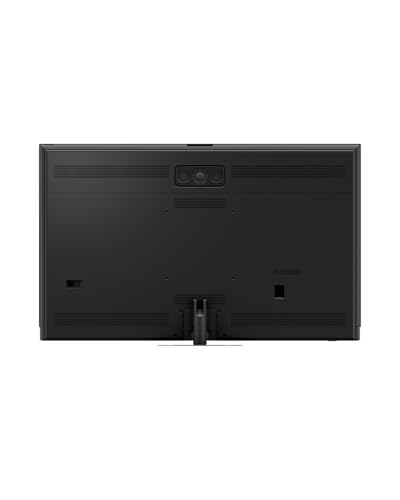

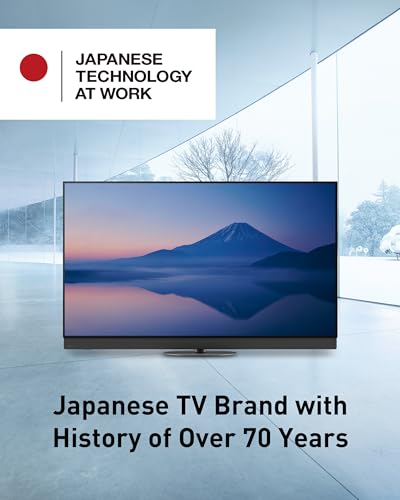

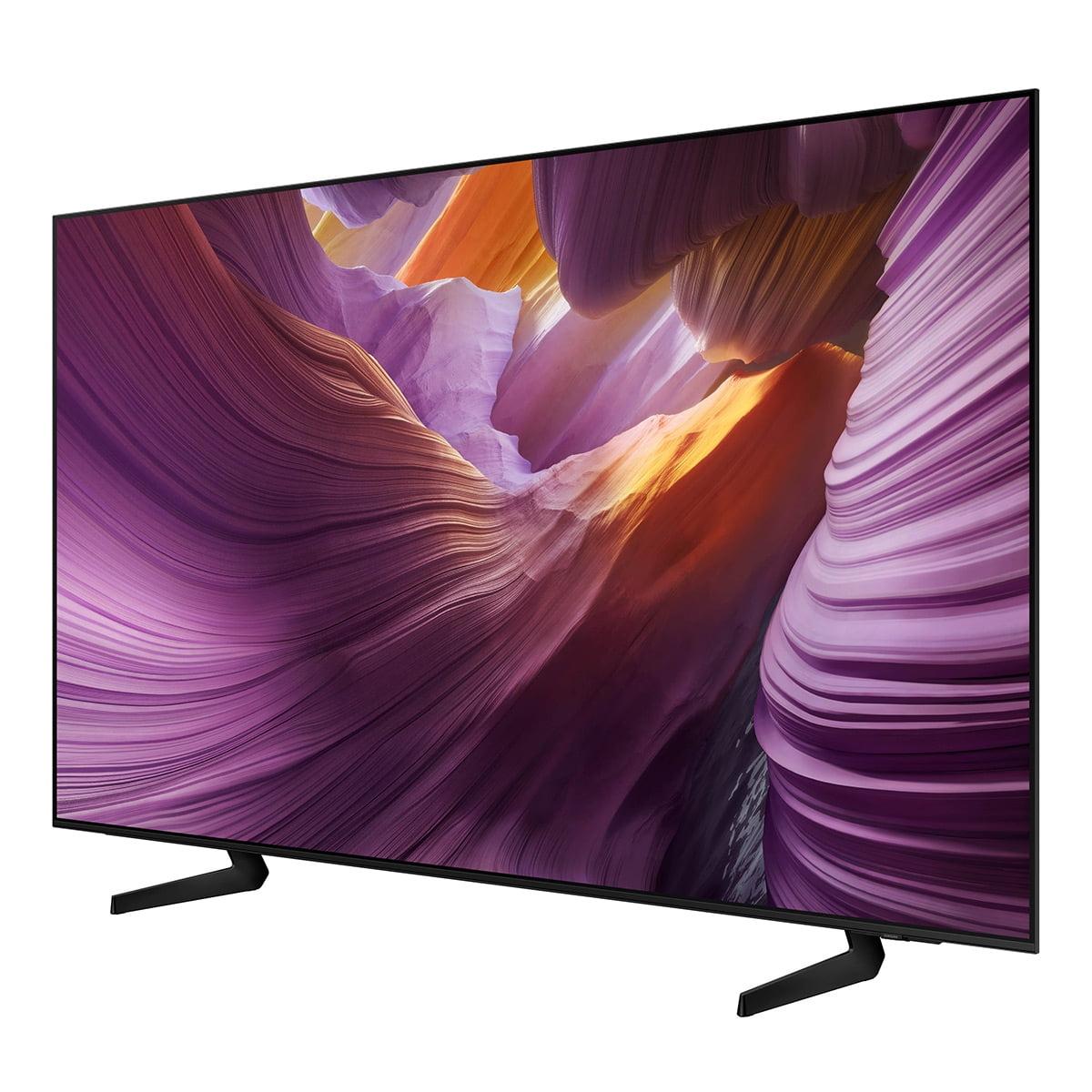
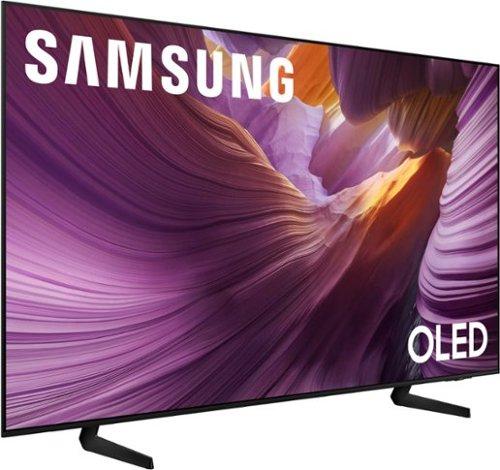
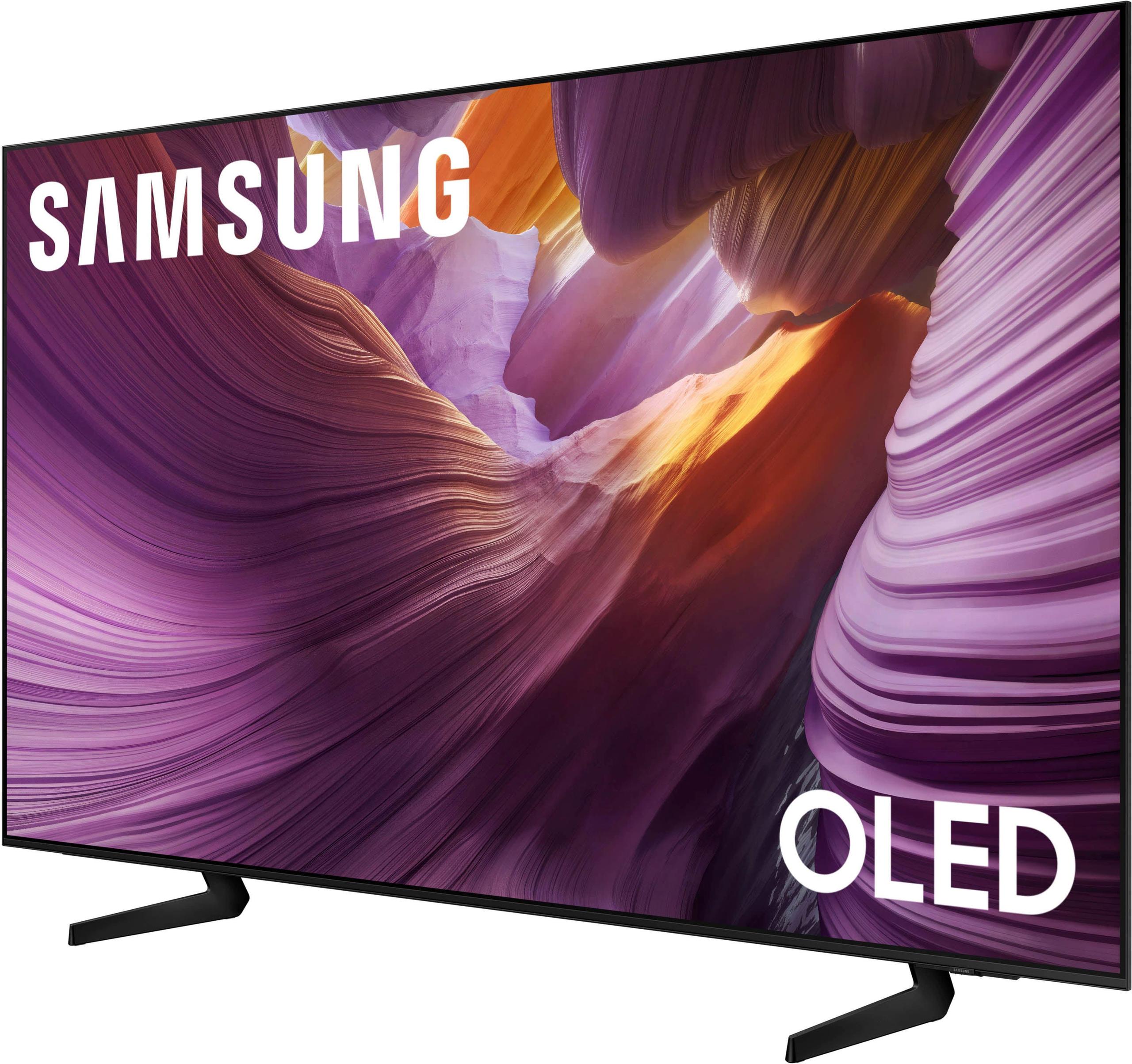
The world of premium televisions has never been more exciting—or more confusing. Both the Panasonic Z95B and Samsung S85F arrived in 2025 as flagship OLED displays, but they take surprisingly different approaches to delivering that perfect picture we all want in our living rooms.
If you're considering either of these 65-inch models, you're already in excellent company. Both represent the cutting edge of OLED technology, where each pixel creates its own light and can turn completely off for true blacks. But despite sharing this fundamental advantage, these TVs couldn't be more different in their execution and philosophy.
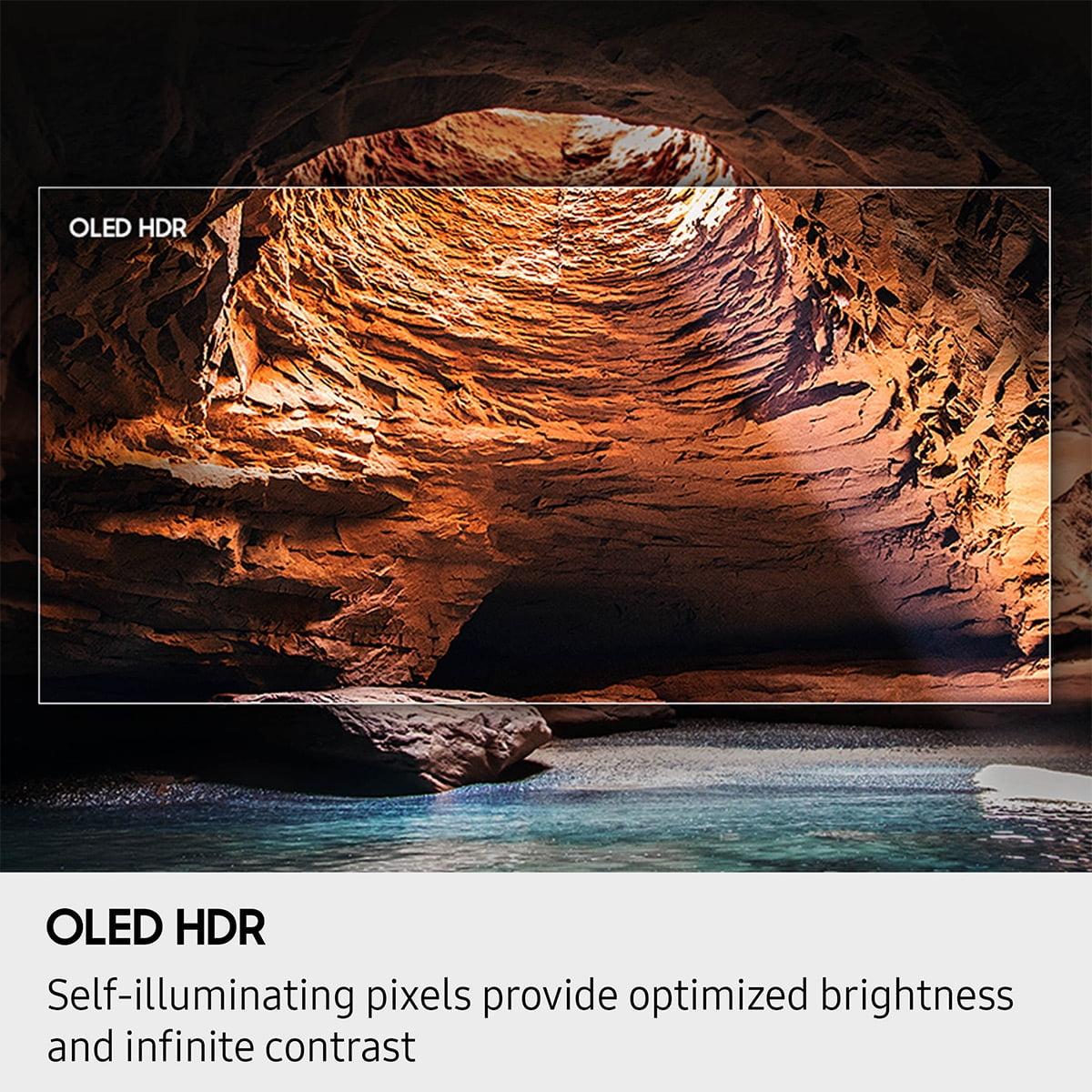
Before diving into the specifics, let's talk about what you're really buying when you choose OLED. Unlike traditional LED TVs that use a backlight, OLED panels have millions of individual pixels that light themselves up. This means when a pixel needs to be black, it simply turns off—creating perfect darkness that no backlit TV can match.
The result? Incredible contrast that makes dark movie scenes look realistic instead of washed out, and colors that pop without looking artificial. It's why OLED has become the gold standard for anyone serious about picture quality.
But here's where things get interesting: not all OLED panels are created equal, and the differences between the Panasonic Z95B and Samsung S85F showcase just how varied this technology has become.
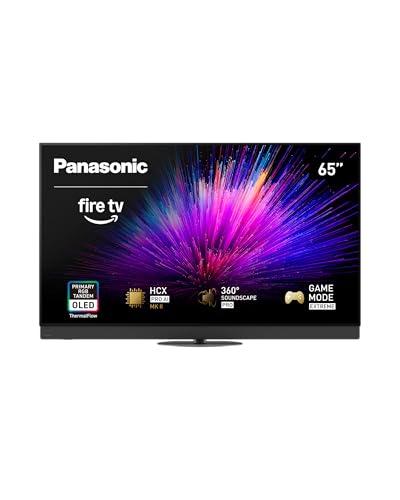
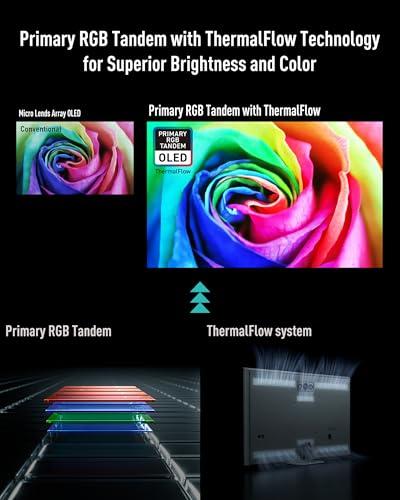
The most fascinating difference between these TVs lies in their display technology. The Panasonic Z95B uses something called Primary RGB Tandem OLED—a mouthful of a name for what's essentially a breakthrough in how OLED panels create light and color.
This four-layer emission structure (compared to the typical single layer) increases light efficiency by about 40% while delivering more accurate colors. Think of it like having four spotlights instead of one—you get brighter, more precise illumination. Panasonic pairs this with their ThermalFlow cooling system, which uses aerodynamic principles to keep the panel running at optimal temperatures. This isn't just engineering showmanship; it means the TV can maintain peak brightness longer without dimming to protect itself.
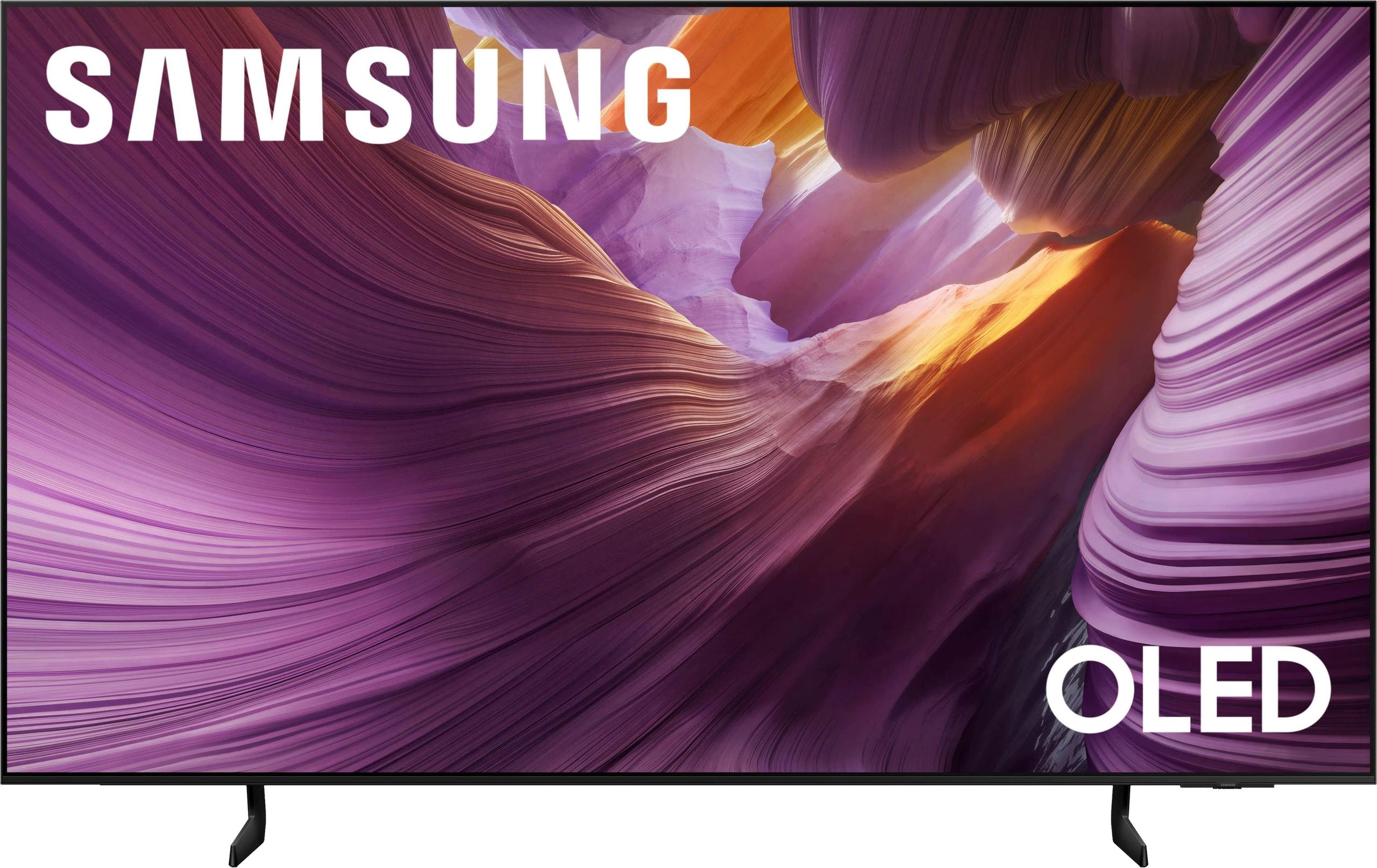
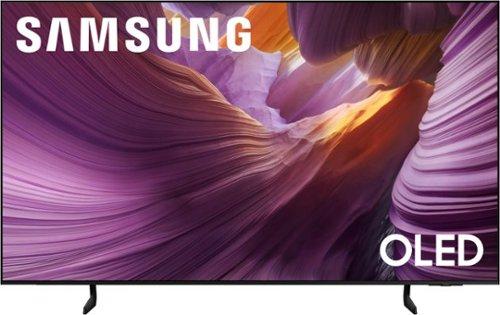
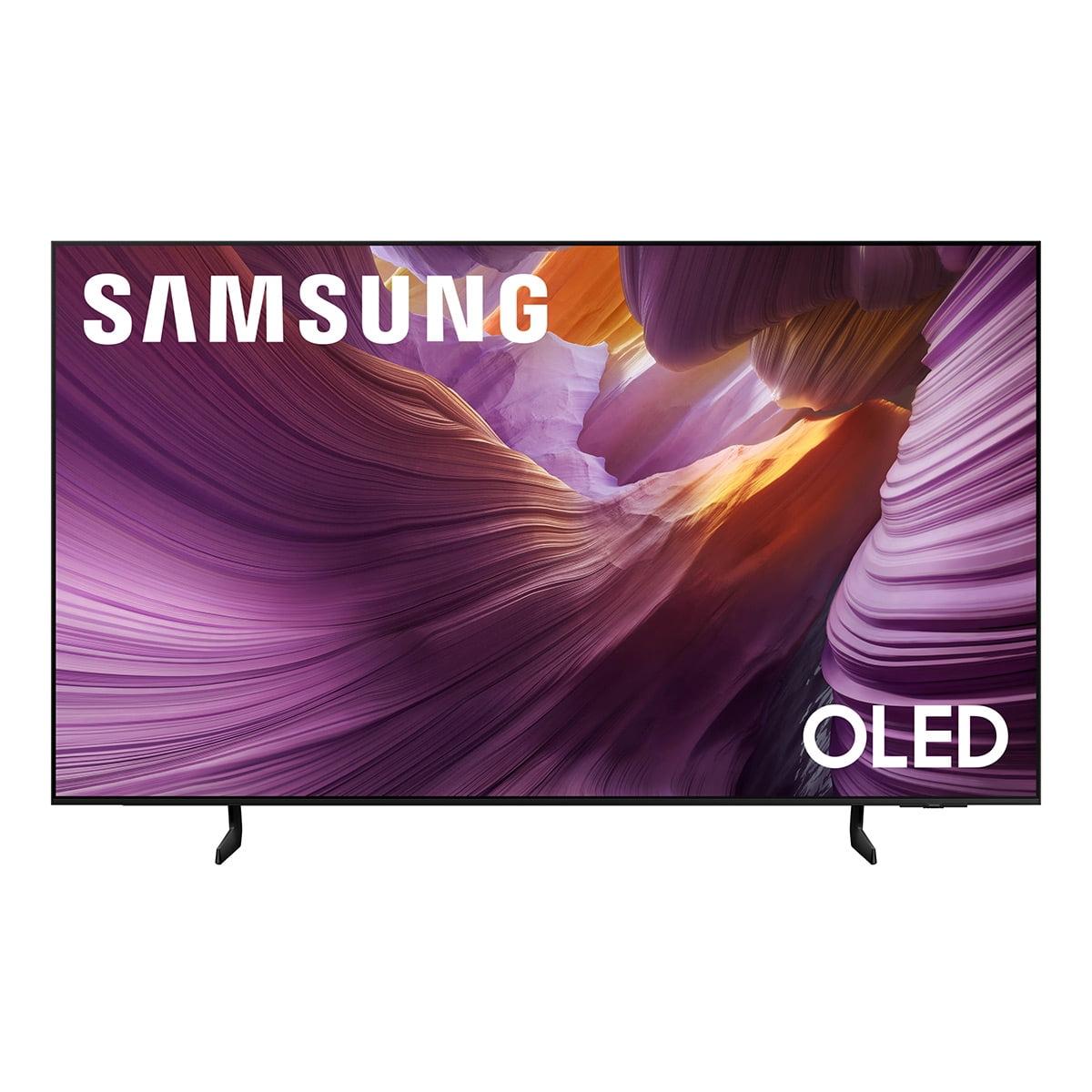
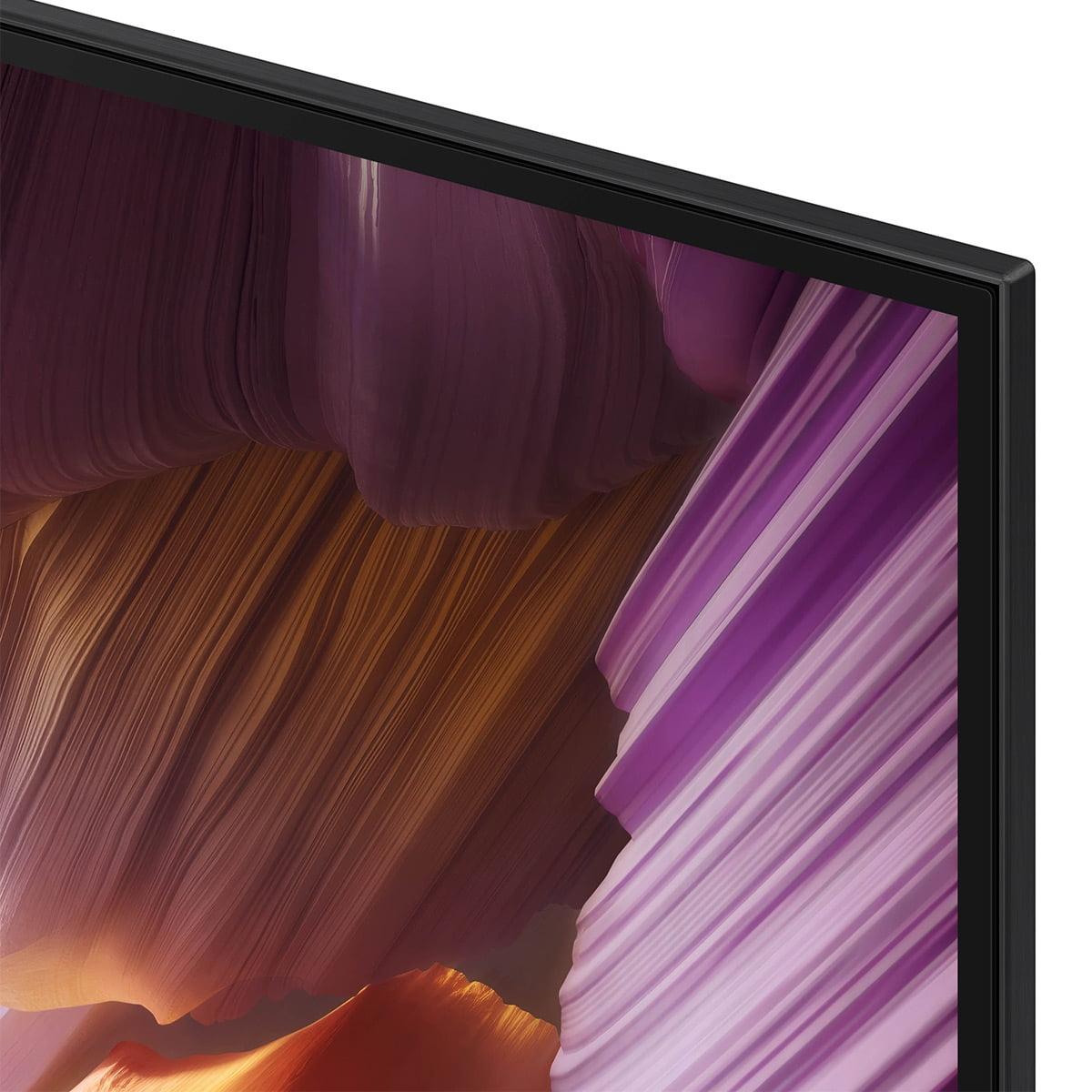
The Samsung S85F, meanwhile, uses QD-OLED (Quantum Dot OLED) technology in its 65-inch model. This combines traditional OLED pixels with quantum dots—tiny crystals that convert blue light into incredibly pure red and green light. The result is a color gamut that's noticeably wider than conventional OLED, meaning you'll see colors that are more vibrant and saturated, especially in bright, colorful content like nature documentaries or animated movies.
From our research into professional reviews and user feedback, both approaches have merit. The Panasonic Z95B tends to deliver more accurate, cinema-like colors that match what directors intended, while the Samsung S85F produces colors that are more vivid and eye-catching, which many viewers prefer for everyday watching.
Both TVs use advanced AI processors, but they've been tuned for different priorities. The Panasonic Z95B features the HCX Pro AI Processor MK II, which focuses heavily on content analysis and professional-grade color reproduction. This processor excels at upscaling lower-resolution content—turning that old DVD or compressed streaming video into something that looks surprisingly close to 4K.
More importantly, it supports both Dolby Vision IQ and HDR10+ Adaptive, making it the only OLED TV currently available that handles both major HDR (High Dynamic Range) formats with dynamic metadata. This means whether you're watching Netflix (which uses Dolby Vision) or Amazon Prime Video (which often uses HDR10+), you're getting the optimal viewing experience the content creators intended.
The Samsung S85F uses Samsung's NQ4 AI Gen2 Processor, which emphasizes real-time optimization and user customization. Its Color Booster Pro feature analyzes each scene and enhances colors on the fly, while AI HDR Remastering can upgrade regular content to HDR-like quality. It's particularly impressive with sports and bright, colorful content where Samsung's processing really makes colors pop.
However, there's a significant trade-off: Samsung doesn't support Dolby Vision at all, relying instead on HDR10+. For many streaming services and 4K Blu-rays that use Dolby Vision, you won't get the enhanced experience you're paying for.
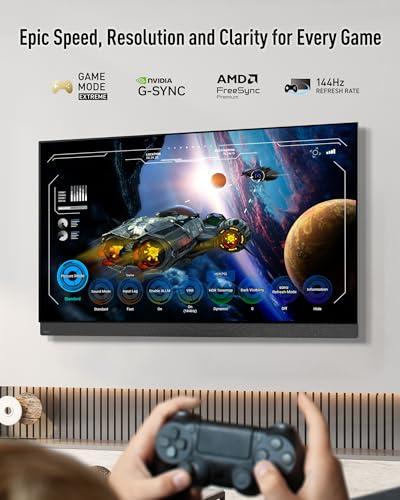
Gaming capabilities reveal another key difference in philosophy. The Panasonic Z95B is built for the enthusiast gamer who wants maximum performance. It supports true 4K gaming at 144Hz—significantly higher than the 120Hz that most gaming TVs offer. This future-proofs the TV for upcoming PC graphics cards and gaming consoles.
Its Game Mode Extreme delivers some of the lowest input lag we've seen in OLED TVs, meaning the delay between pressing a button and seeing the action on screen is virtually imperceptible. It supports all major variable refresh rate technologies (HDMI Forum VRR, AMD FreeSync Premium, and NVIDIA G-SYNC Compatible), ensuring smooth gaming regardless of your setup.
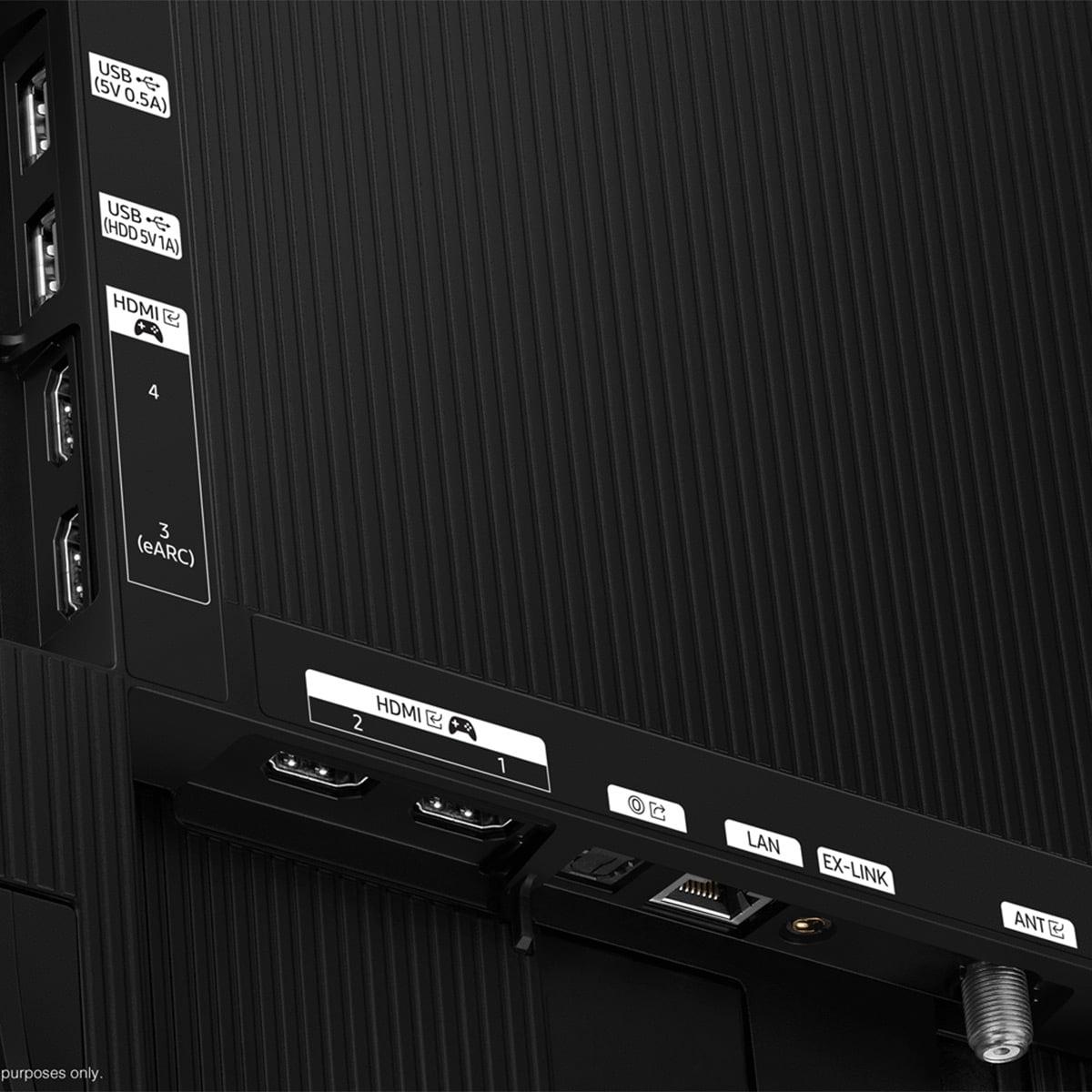
The Samsung S85F takes a more practical approach. While it "only" supports 4K at 120Hz, it offers four HDMI 2.1 ports compared to Panasonic's two. This is huge if you have multiple gaming consoles, a streaming device, and maybe a PC all connected simultaneously. Samsung's Gaming Hub also provides built-in cloud gaming for services like Xbox Game Pass and GeForce Now, letting you play console-quality games without owning a console.
For competitive gamers or PC enthusiasts planning to upgrade to high-end graphics cards, the Panasonic Z95B is the clear winner. For console gamers or those who want maximum connectivity convenience, the Samsung S85F makes more sense.
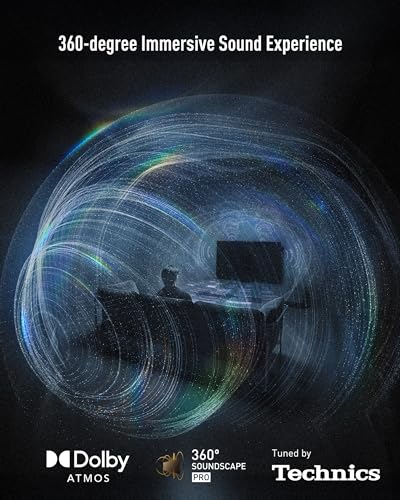
Here's where the Panasonic Z95B pulls significantly ahead. Its 360° Soundscape Pro system, developed with Technics (Panasonic's premium audio brand), is genuinely impressive for built-in TV speakers. The 170-watt, 5.1.2-channel system includes up-firing speakers for Dolby Atmos height effects, side-firing speakers for width, and a sophisticated processing system that creates a surprisingly immersive soundscape.
From user reviews and professional testing, many owners report being shocked by how good it sounds compared to typical TV speakers. While you'll still want a dedicated soundbar or surround system for a true home theater experience, the Panasonic Z95B might actually be good enough for smaller rooms or secondary viewing areas.
The Samsung S85F has decent built-in audio with Adaptive Sound Pro and Object Tracking Sound Lite, but it's fundamentally a standard 2.0-channel system. However, it does offer Q-Symphony, which allows Samsung soundbars to work in harmony with the TV's speakers for a more cohesive audio experience. If you already own or plan to buy a Samsung soundbar, this integration can be valuable.
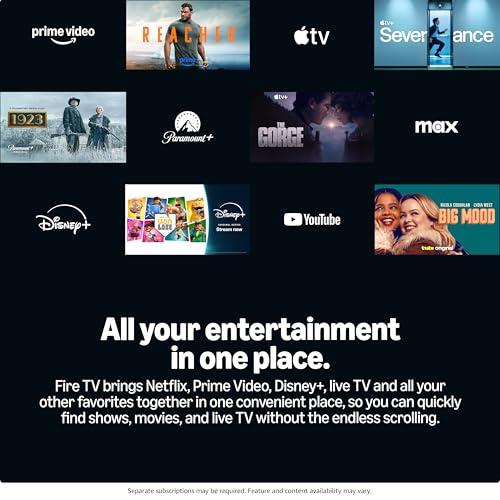
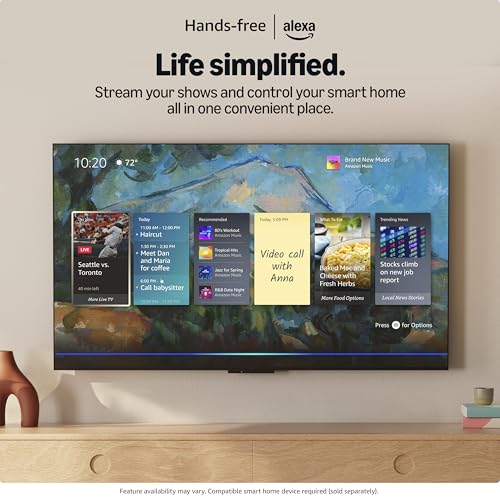
The smart TV experience represents perhaps the most personal choice between these models. The Panasonic Z95B runs Amazon's Fire TV platform, which offers a content-first interface that aggregates shows and movies from multiple streaming services. The hands-free Alexa integration works well for voice control, and the interface is generally responsive and intuitive.
The Samsung S85F uses Samsung's Tizen OS, which has evolved into one of the most feature-rich smart TV platforms. It includes a built-in SmartThings Hub, meaning the TV can directly control compatible smart home devices without needing a separate hub. The interface supports multiple voice assistants (Bixby, Alexa, and Google Assistant) and includes features like Multi-View, which lets you watch two different video sources simultaneously.
For users deep in Samsung's ecosystem—with Samsung phones, tablets, or appliances—the integration benefits are substantial. You can easily cast content, control smart devices, and even use your Samsung phone as a remote with enhanced features.
Real-world brightness performance is crucial for how these TVs will look in your actual living space. The Panasonic Z95B's Primary RGB Tandem technology delivers exceptional brightness for an OLED, maintaining detail in HDR highlights that would get clipped on lesser displays. Its anti-reflection coating is also particularly effective, making it suitable for rooms with moderate ambient light.
The Samsung S85F achieves solid peak brightness around 750 nits in small highlights, which is respectable but not exceptional by current OLED standards. However, its QD-OLED technology provides excellent color volume, meaning colors stay vibrant even in brighter scenes where other OLEDs might look washed out.
For dedicated home theater rooms with controlled lighting, both TVs excel. For living rooms with windows and varied lighting conditions, the Panasonic Z95B has a slight edge due to its superior brightness capabilities and reflection handling.
At the time of writing, these TVs occupy different market positions. The Panasonic Z95B is positioned as a premium flagship with pricing that reflects its advanced technology and features. You're paying for cutting-edge panel technology, superior audio, and professional-grade picture processing.
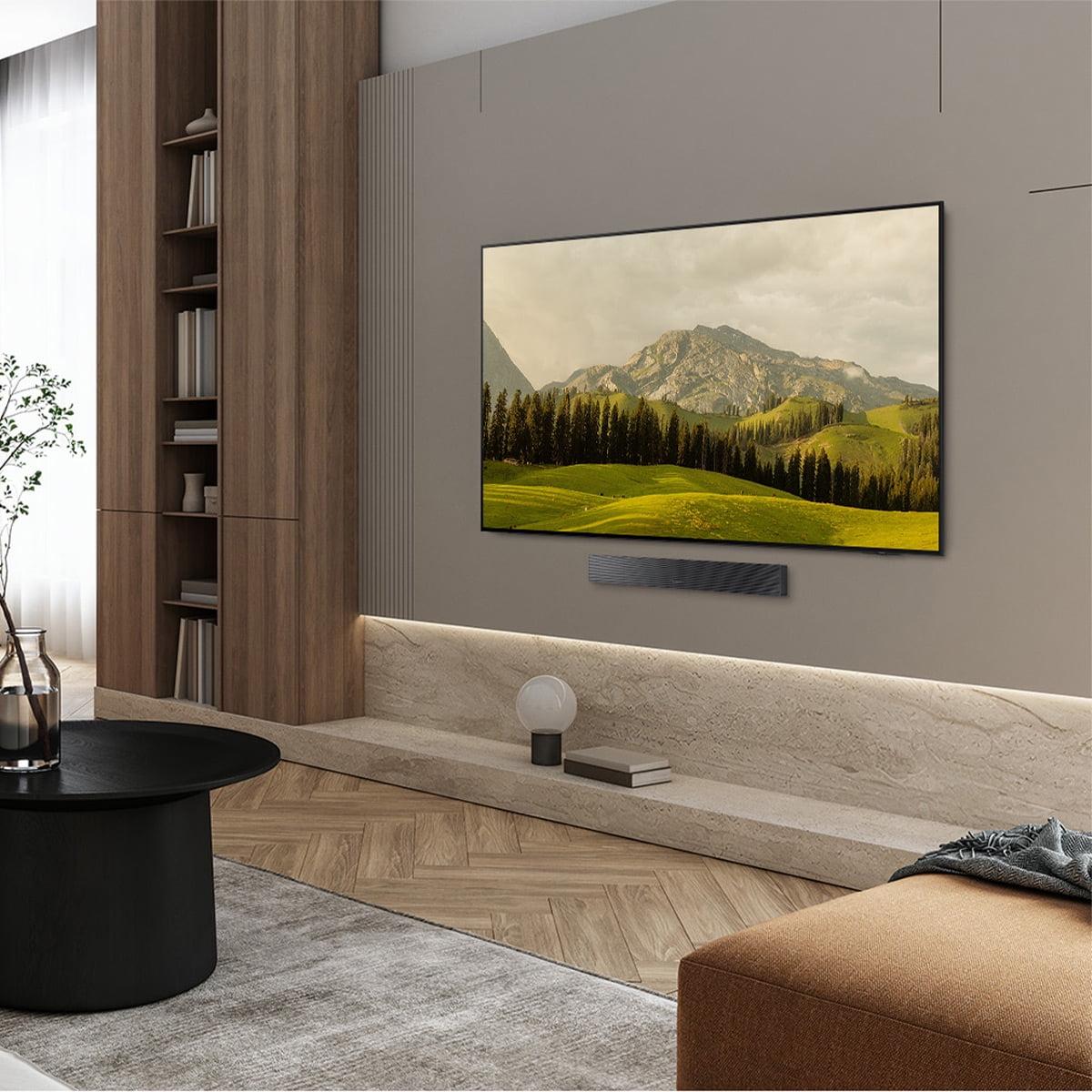
The Samsung S85F represents Samsung's entry-level OLED offering, providing excellent OLED performance at a more accessible price point while delivering features that many users will find more immediately useful, like extra HDMI ports and comprehensive smart home integration.
The Panasonic Z95B makes the most sense if you're building a dedicated home theater or simply want the absolute best picture quality available. It's ideal for movie enthusiasts who watch a lot of cinema content, audiophiles who appreciate excellent built-in sound, and serious gamers who want maximum performance and future-proofing.
Choose the Samsung S85F if you want excellent OLED performance without paying flagship prices, need multiple HDMI 2.1 connections for various devices, or are already invested in Samsung's ecosystem. It's also the better choice if you prioritize vivid, punchy colors over absolute accuracy, or if smart home integration is important to your setup.
For most viewers, both TVs will deliver a transformative upgrade from standard LED displays. The choice often comes down to specific needs: professional-grade accuracy and audio versus practical connectivity and ecosystem integration.
The TV market moves quickly, but both the Panasonic Z95B and Samsung S85F represent thoughtful approaches to premium OLED technology. Your choice should align with how you actually use your TV, what devices you need to connect, and whether you prioritize absolute performance or practical features. Either way, you're getting a display that showcases why OLED has become the display technology of choice for discerning viewers.
| Panasonic Z95B Series 65" OLED 4K Smart Fire TV | Samsung 65" S85F OLED 4K Smart TV (2025) |
|---|---|
| Panel Technology - Core display technology that affects brightness and color | |
| Primary RGB Tandem OLED (4-layer emission, 40% more efficient) | QD-OLED (Quantum Dot enhanced for wider color gamut) |
| HDR Format Support - Critical for streaming and 4K Blu-ray compatibility | |
| Dolby Vision IQ + HDR10+ Adaptive (only OLED with both formats) | HDR10+ Adaptive only (no Dolby Vision support) |
| Gaming Refresh Rate - Higher rates provide smoother motion for competitive gaming | |
| Up to 144Hz (future-proof for next-gen PC gaming) | Up to 120Hz (sufficient for current consoles) |
| HDMI 2.1 Ports - Number of high-bandwidth ports for 4K@120Hz gaming devices | |
| 2 ports with 48Gbps bandwidth | 4 ports with 4K@120Hz support |
| Built-in Audio System - Quality affects whether you need a separate soundbar | |
| 360° Soundscape Pro: 170W, 5.1.2 channels, Technics-tuned | 2.0 channel, 20W with Q-Symphony soundbar integration |
| Smart TV Platform - Your daily interface and app ecosystem | |
| Fire TV with hands-free Alexa | Tizen OS with SmartThings Hub and multi-assistant support |
| Peak Brightness - Affects HDR impact and daytime viewing in bright rooms | |
| Enhanced via Primary RGB Tandem technology | ~750 nits in highlights, ~150 nits full screen |
| Color Validation - Professional color accuracy for cinema enthusiasts | |
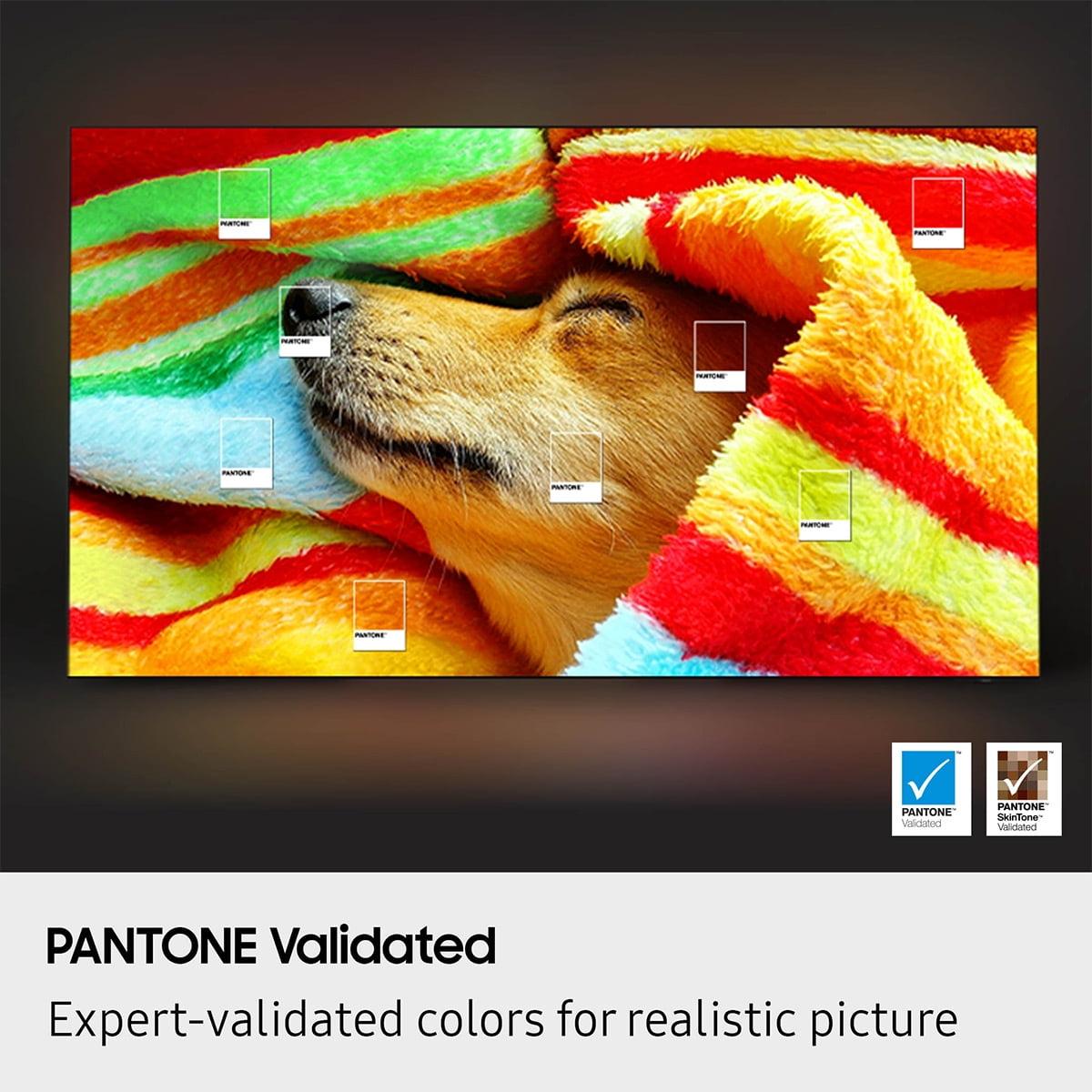
| Filmmaker Mode, Prime Video Calibrated, Calman/ISFccc support | Pantone Validated (2,140+ colors, 110 skin tones) |
| Gaming Features - Special modes and optimizations for console/PC gaming | |
| Game Mode Extreme, VRR, FreeSync Premium, G-SYNC Compatible | Gaming Hub, Auto Game Mode, VRR, FreeSync Premium, cloud gaming |
| Voice Control - Hands-free convenience and smart home integration | |
| Built-in Alexa with far-field microphones | Bixby, Alexa, Google Assistant (remote-based) |
| Market Position - Premium tier affects price and feature set | |
| Flagship model with cutting-edge technology | Entry-level OLED with strong value proposition |
The Panasonic Z95B delivers superior picture quality for cinema enthusiasts thanks to its Primary RGB Tandem OLED technology and professional calibration features. It supports both Dolby Vision and HDR10+, while the Samsung S85F only supports HDR10+. The Panasonic Z95B also offers Filmmaker Mode and multiple calibrated picture modes that reproduce colors exactly as directors intended.
The Panasonic Z95B uses Primary RGB Tandem OLED with four emission layers for 40% better light efficiency and enhanced brightness. The Samsung S85F features QD-OLED technology that combines quantum dots with OLED pixels for wider color gamut and more vivid colors. Both deliver perfect blacks, but the Panasonic Z95B focuses on accuracy while the Samsung S85F emphasizes color vibrancy.
For competitive gaming, the Panasonic Z95B wins with 144Hz support and ultra-low input lag. However, the Samsung S85F offers more practical gaming features including four HDMI 2.1 ports (versus two on Panasonic) and built-in Gaming Hub with cloud gaming services. Choose Panasonic Z95B for maximum performance or Samsung S85F for multiple console connectivity.
The Panasonic Z95B has exceptional built-in audio with its 170W Technics-tuned 360° Soundscape Pro system that many users find sufficient for smaller rooms. The Samsung S85F has basic 20W speakers that will likely require a soundbar for good audio quality, though it does offer Q-Symphony integration with Samsung soundbars.
The Samsung S85F runs Tizen OS with comprehensive smart home integration via built-in SmartThings Hub and supports multiple voice assistants. The Panasonic Z95B uses Fire TV with excellent streaming integration and hands-free Alexa. Choose Samsung S85F for smart home control or Panasonic Z95B for streaming-focused use.
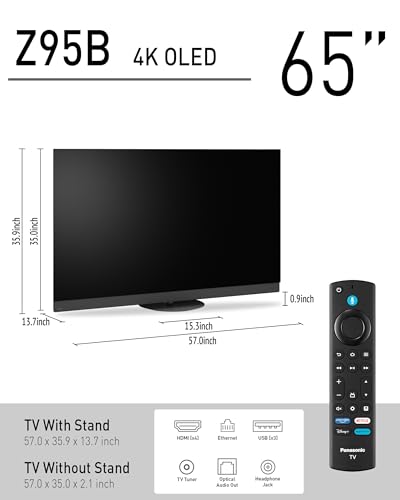
The Samsung S85F provides four HDMI 2.1 ports capable of 4K@120Hz, making it ideal for multiple gaming consoles and devices. The Panasonic Z95B has four total HDMI ports but only two support HDMI 2.1 with full 48Gbps bandwidth. For users with multiple high-end devices, the Samsung S85F offers better connectivity.
Both TVs handle bright rooms well, but the Panasonic Z95B achieves higher peak brightness thanks to its Primary RGB Tandem technology and superior anti-reflection coating. The Samsung S85F reaches about 750 nits in highlights, which is adequate for most rooms. For very bright living rooms, the Panasonic Z95B has the advantage.
Only the Panasonic Z95B supports Dolby Vision (plus HDR10+), making it compatible with Netflix, Disney+, and premium 4K Blu-rays that use this format. The Samsung S85F only supports HDR10+ and will display Dolby Vision content in standard HDR10. This is a significant advantage for the Panasonic Z95B for streaming and physical media.
The Samsung S85F typically offers better value as Samsung's entry-level OLED with solid performance and practical features like multiple HDMI 2.1 ports. The Panasonic Z95B commands a premium for its advanced panel technology and superior audio system. Choose Samsung S85F for budget-conscious buyers or Panasonic Z95B for maximum performance.
Both excel in home theater environments with perfect blacks and excellent contrast. The Panasonic Z95B is superior for dedicated home theaters due to its professional calibration options, dual HDR format support, and exceptional built-in audio. The Samsung S85F works well too but may require external audio equipment to match the Panasonic Z95B's theater experience.
Both TVs offer excellent motion clarity due to OLED's instant pixel response. The Panasonic Z95B supports higher refresh rates (144Hz vs 120Hz) and has sophisticated motion processing. The Samsung S85F includes Game Motion Plus and adaptive processing that works well for sports content. Both handle fast motion excellently, with slight edge to Panasonic Z95B.
Both manufacturers offer standard one-year warranties, but support experiences vary by region. Samsung generally has wider service network availability and more authorized repair centers. Panasonic offers specialized support for professional calibration features on the Panasonic Z95B. Consider local service availability and the manufacturer's reputation in your area when choosing between Samsung S85F and Panasonic Z95B.
We've done our best to create useful and informative comparisons to help you decide what product to buy. Our research uses advanced automated methods to create this comparison and perfection is not possible - please contact us for corrections or questions. These are the sites we've researched in the creation of this article: rtings.com - whathifi.com - techradar.com - tomsguide.com - youtube.com - youtube.com - youtube.com - avsforum.com - bestbuy.com - manuals.plus - na.panasonic.com - panasonic.com - displayspecifications.com - valueelectronics.com - flatpanelshd.com - valueelectronics.com - displayspecifications.com - flatpanelshd.com - rtings.com - samsung.com - youtube.com - rtings.com - youtube.com - samsung.com - bestbuy.com - avsforum.com - avsforum.com - samsung.com - displayspecifications.com - videoandaudiocenter.com - bestbuy.com - flatpanelshd.com - myallsouth.com - samsung.com - richstv.com - samsung.com - heartlandappliance.com

Privacy Policy
Terms and Conditions - Affiliate Policy
Home Security
© Copyright 2008-2026.
11816 Inwood Rd #1211, Dallas, TX 75244