

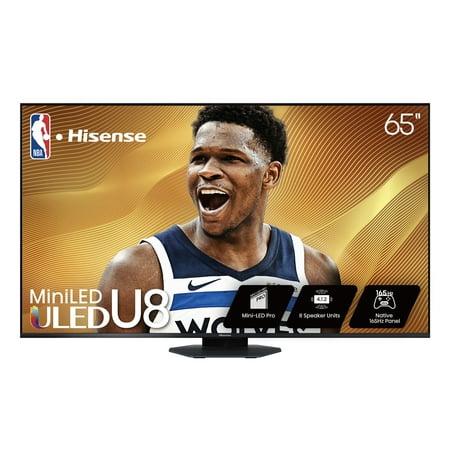
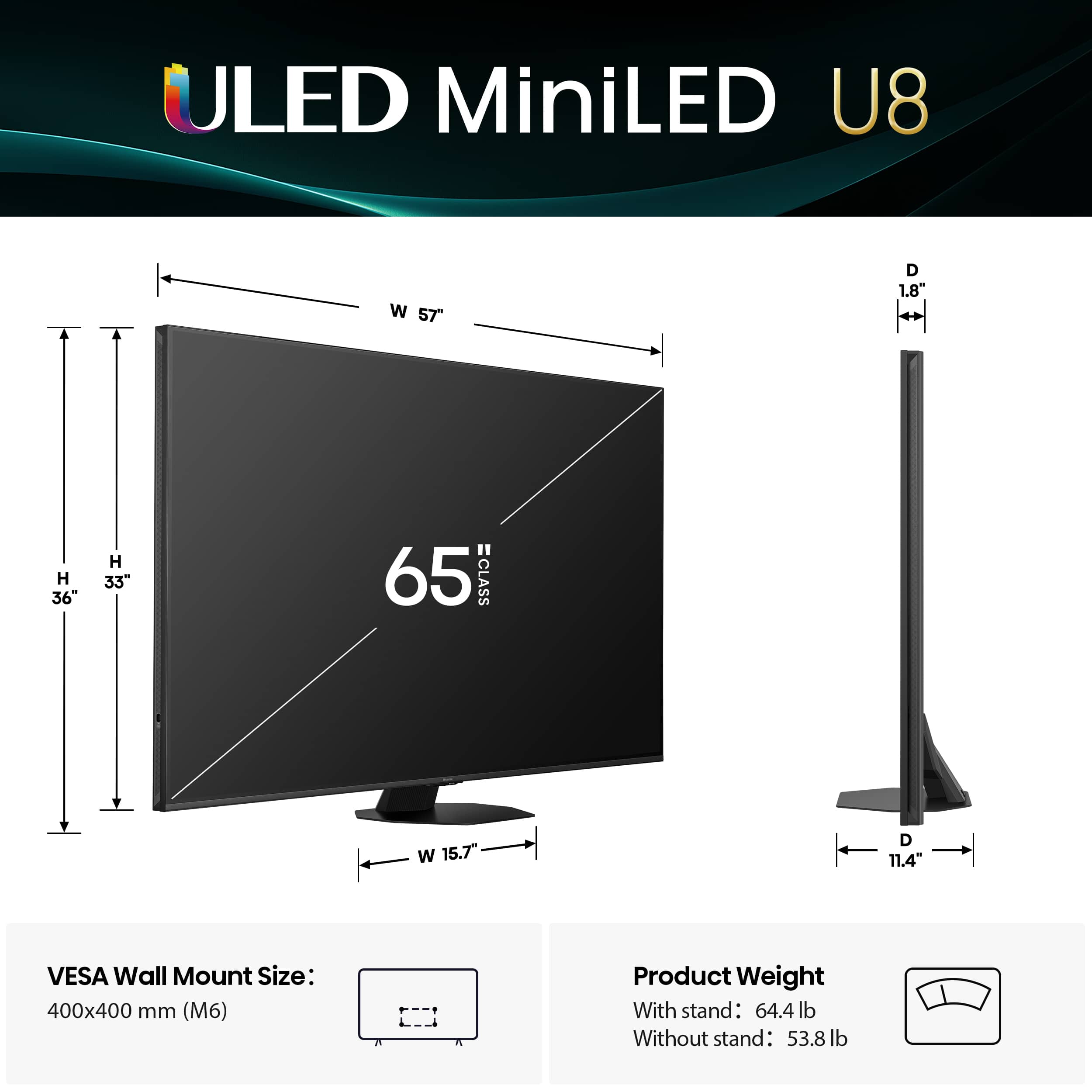
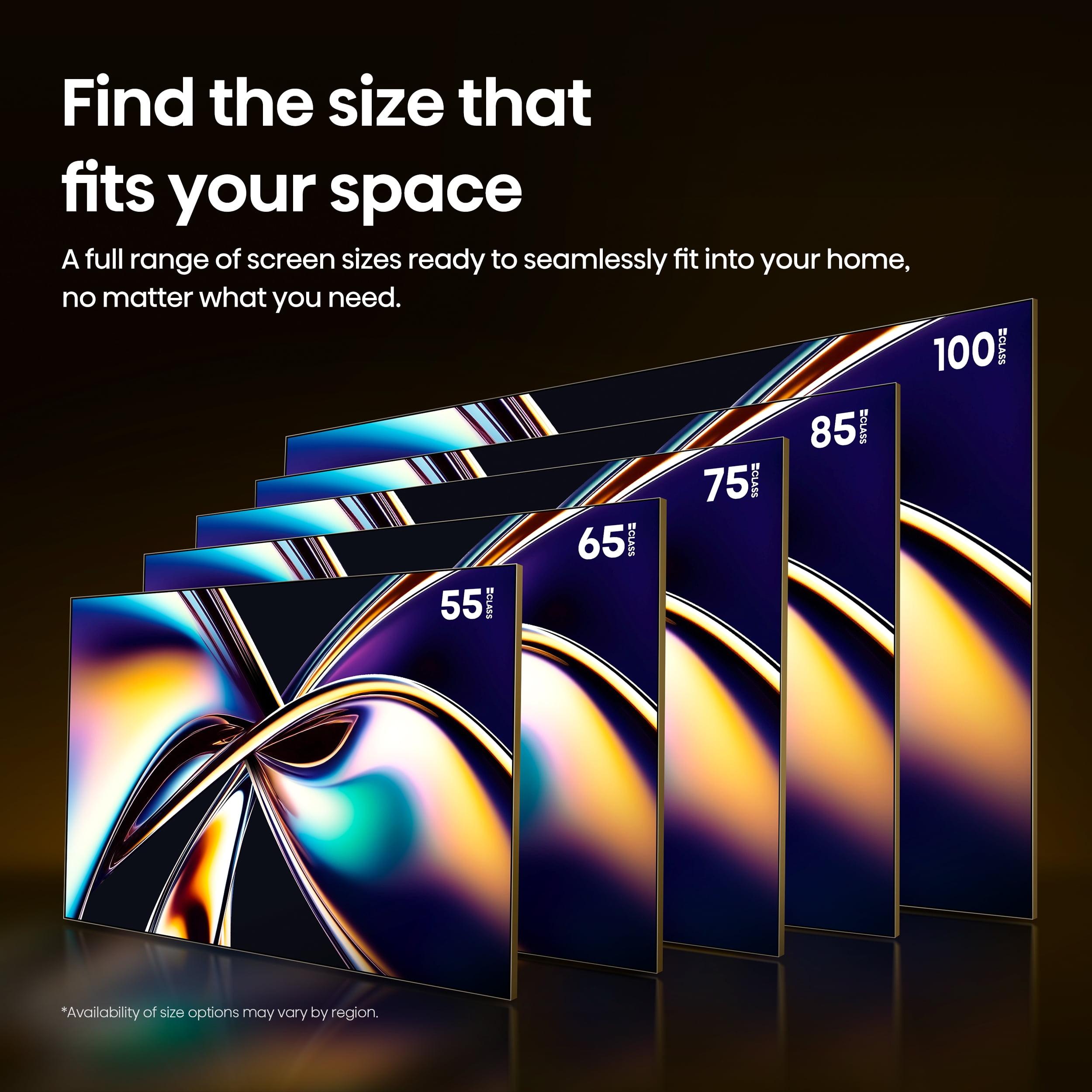
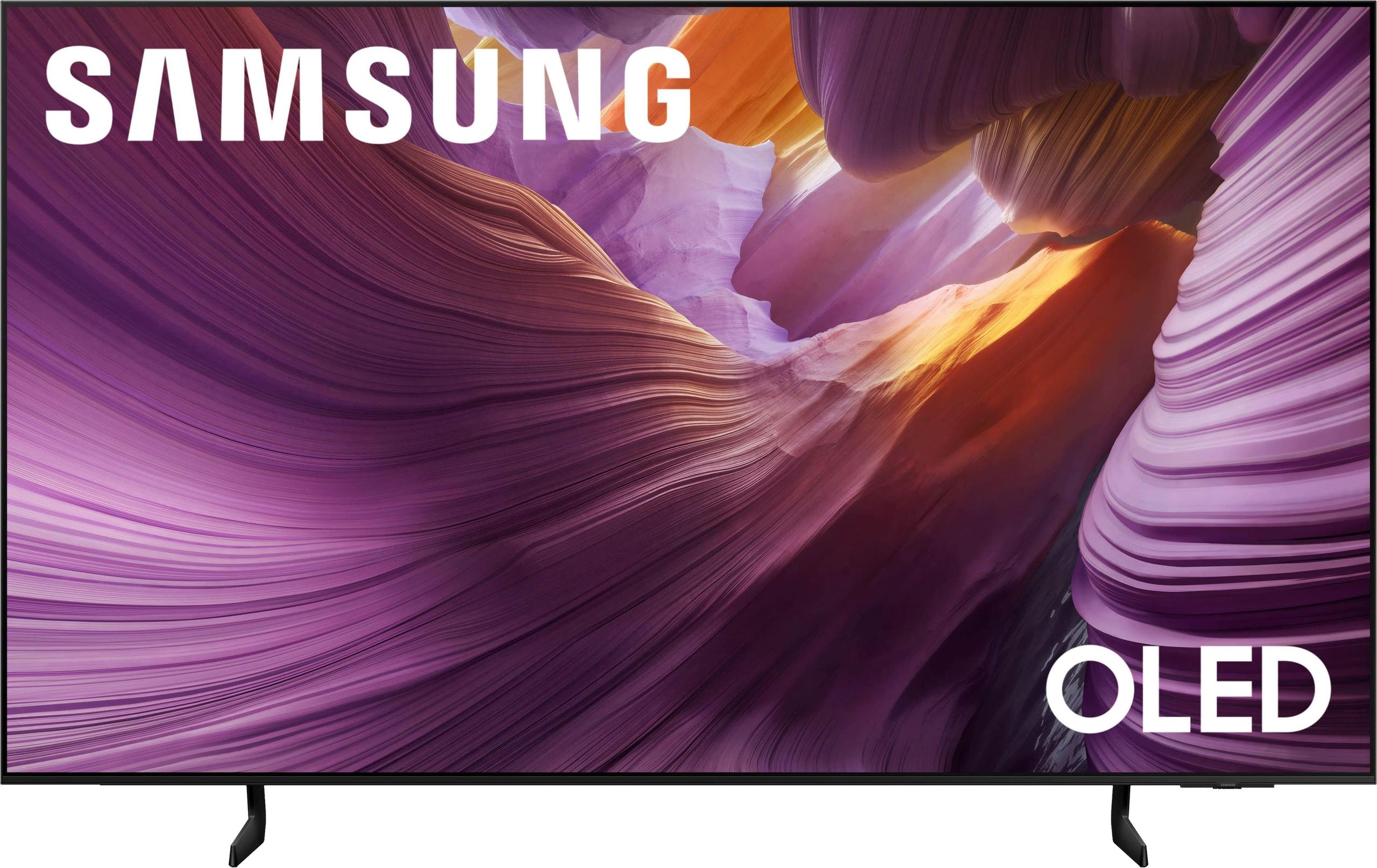
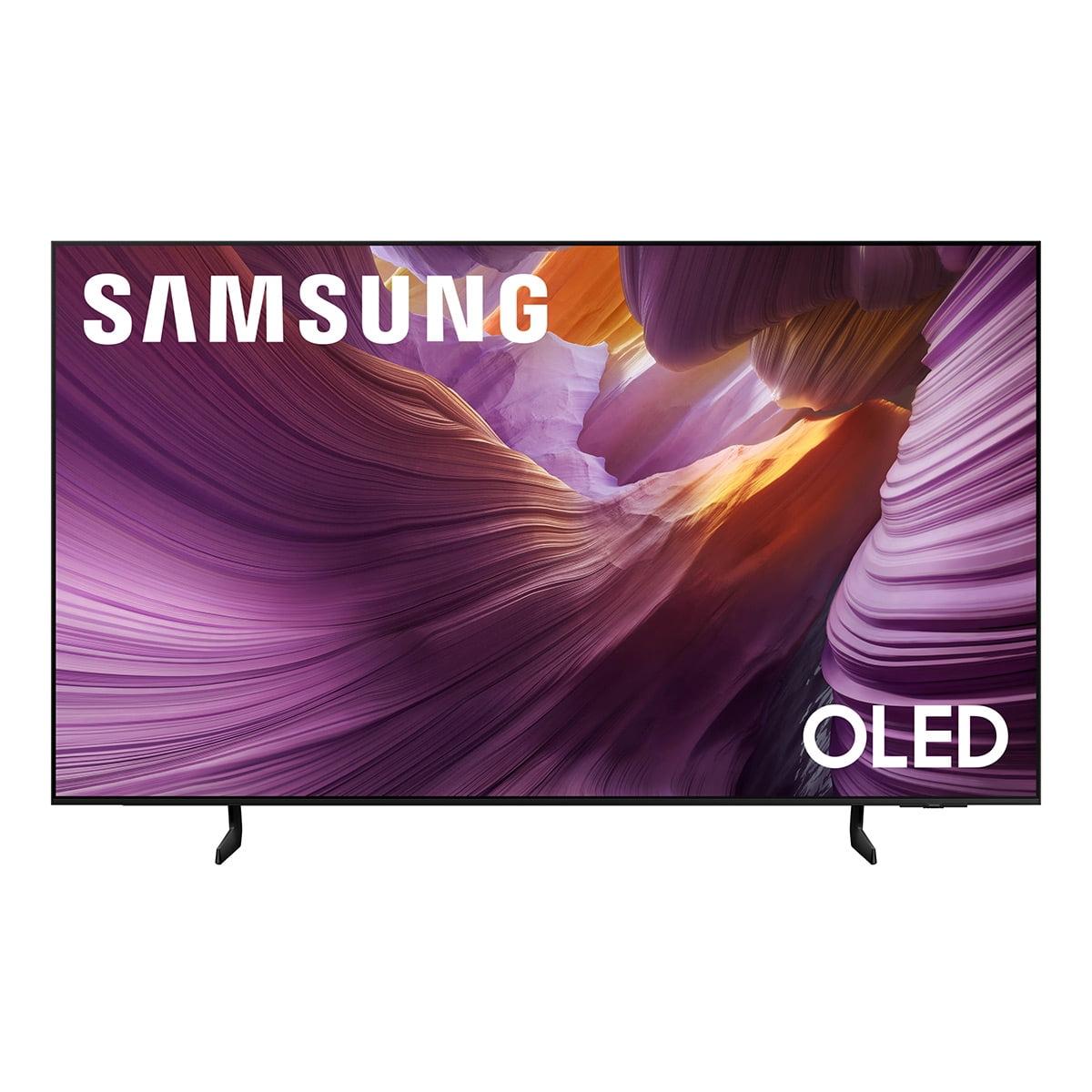
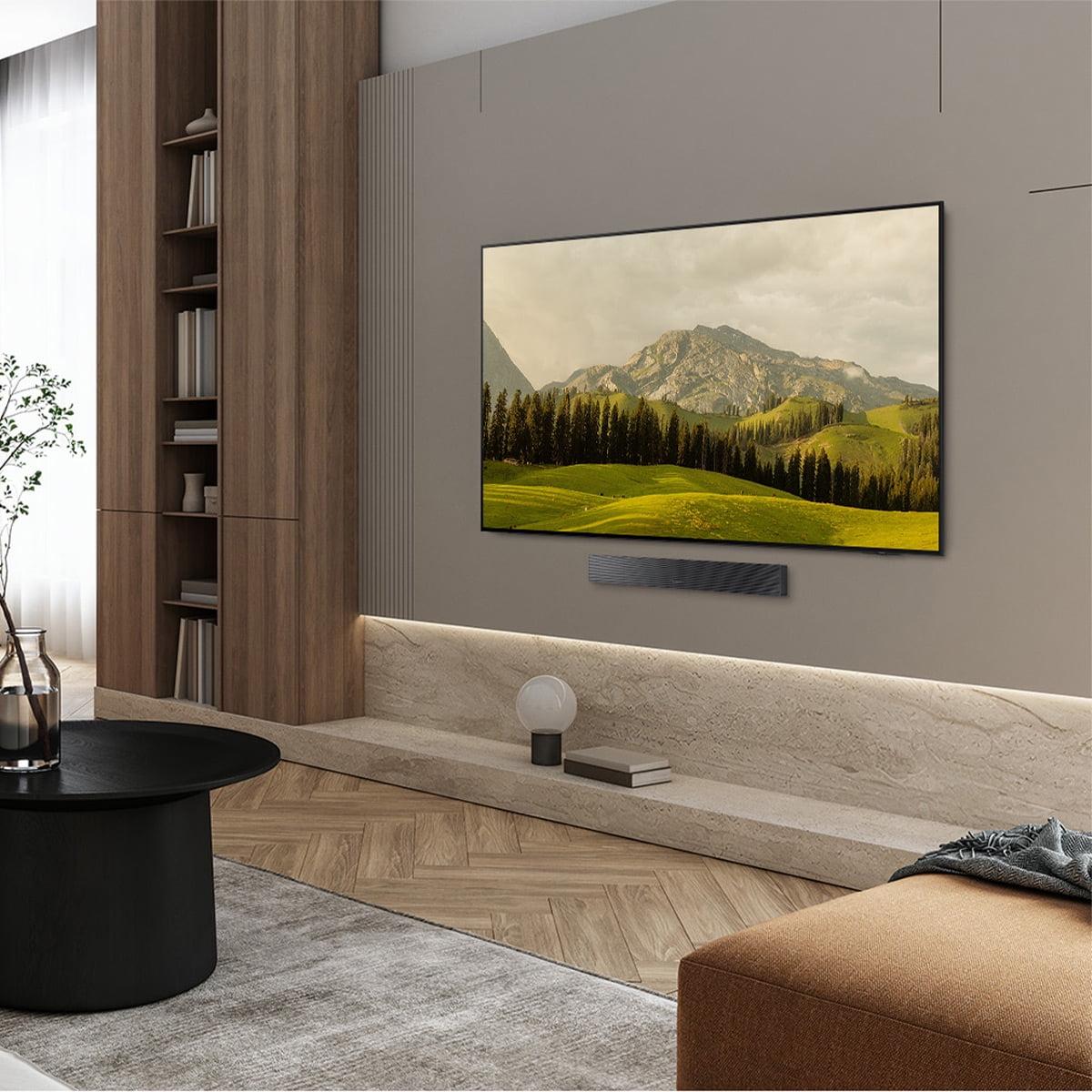
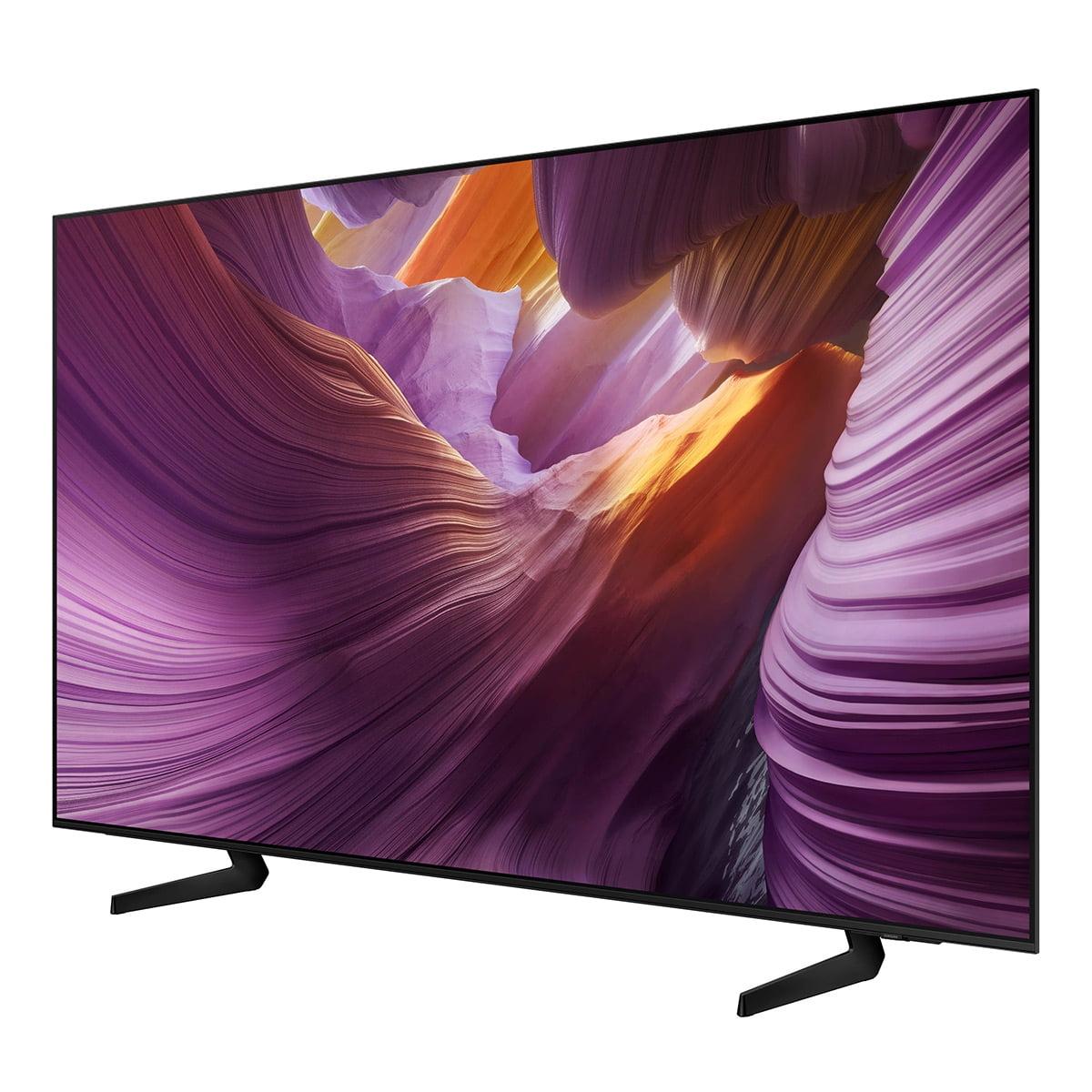
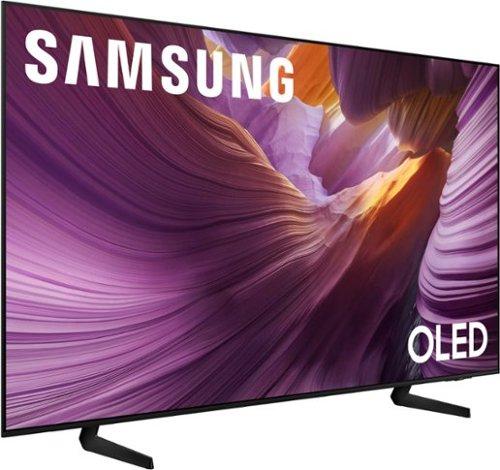
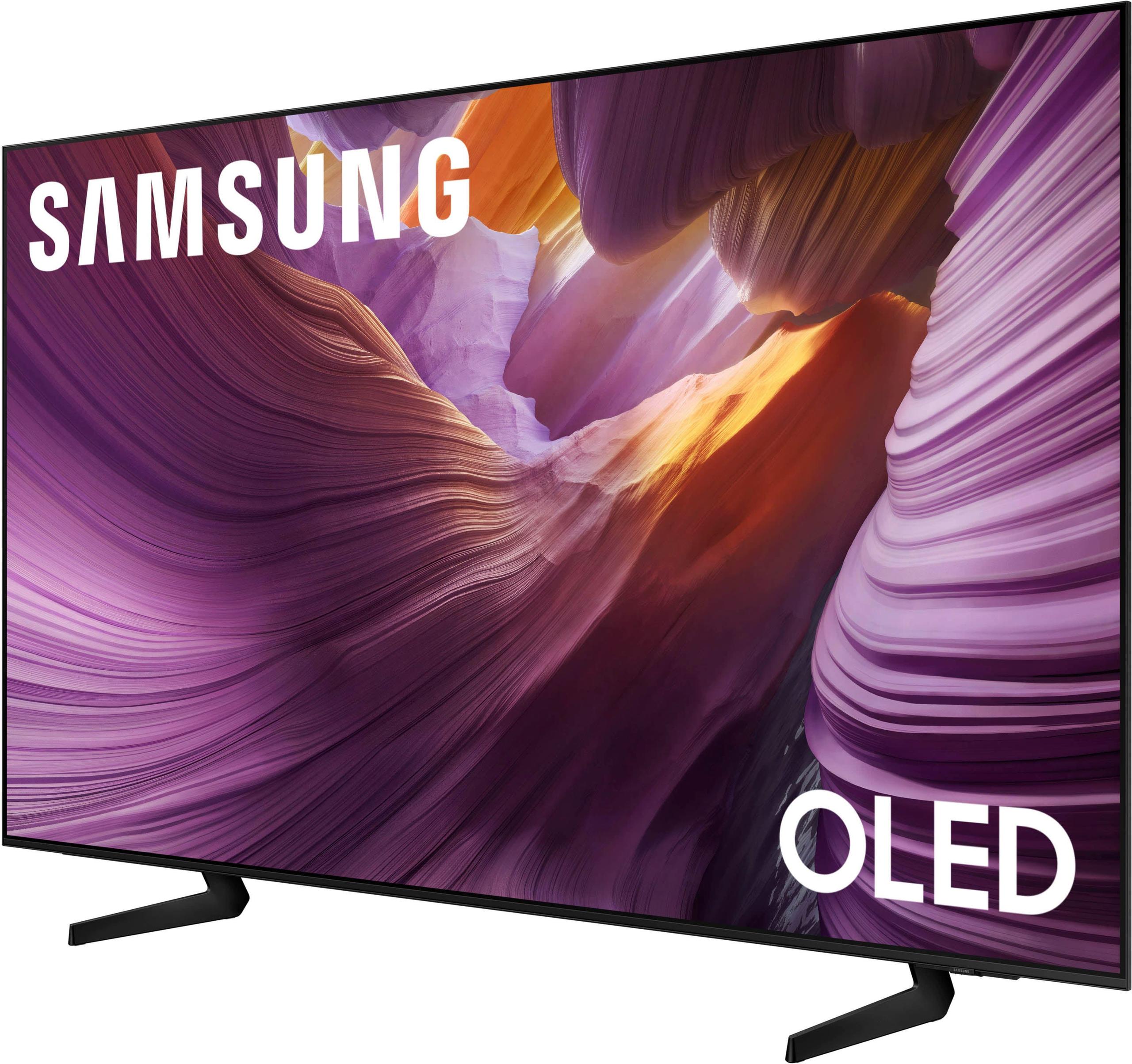
The 65-inch TV market has become incredibly competitive, with manufacturers pushing the boundaries of what's possible at reasonable prices. Two standout options that represent different approaches to premium picture quality are the Hisense 65" U8 Series Mini-LED ULED 4K Google TV at around $998 and the Samsung 65" S85F OLED 4K Smart TV at approximately $1,600. These aren't just random competitors—they represent fundamentally different display technologies that each have compelling advantages.
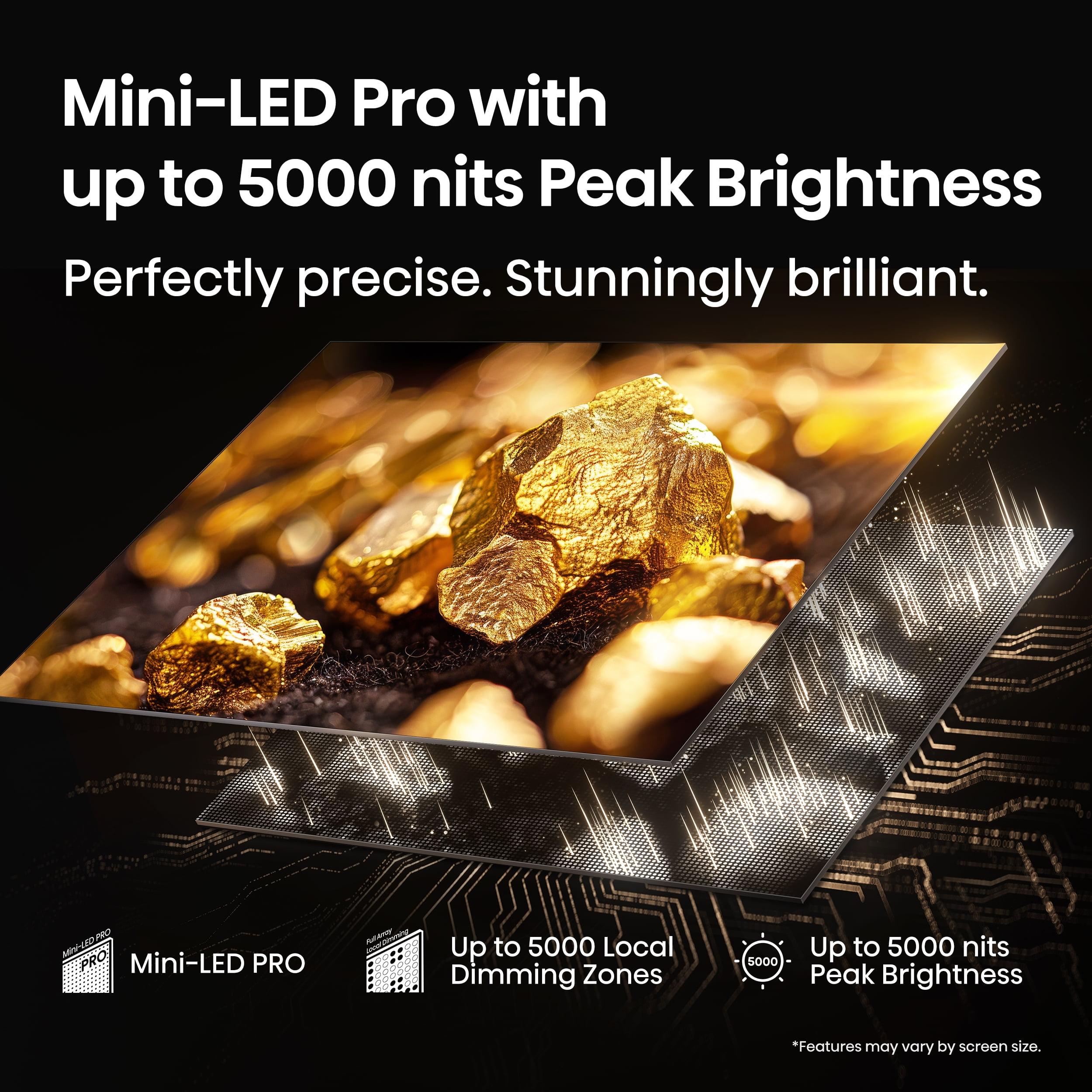
When you're shopping for a premium TV, you're essentially choosing between two competing philosophies for creating great picture quality. The Hisense U8 Series uses Mini-LED technology, which is essentially a supercharged version of traditional LCD displays. Instead of using large LED lights behind the screen, it uses thousands of tiny LEDs (hence "mini") that can be controlled in zones. Think of it like having 2,000+ individual flashlights behind your TV screen that can dim or brighten independently to create the image you see.
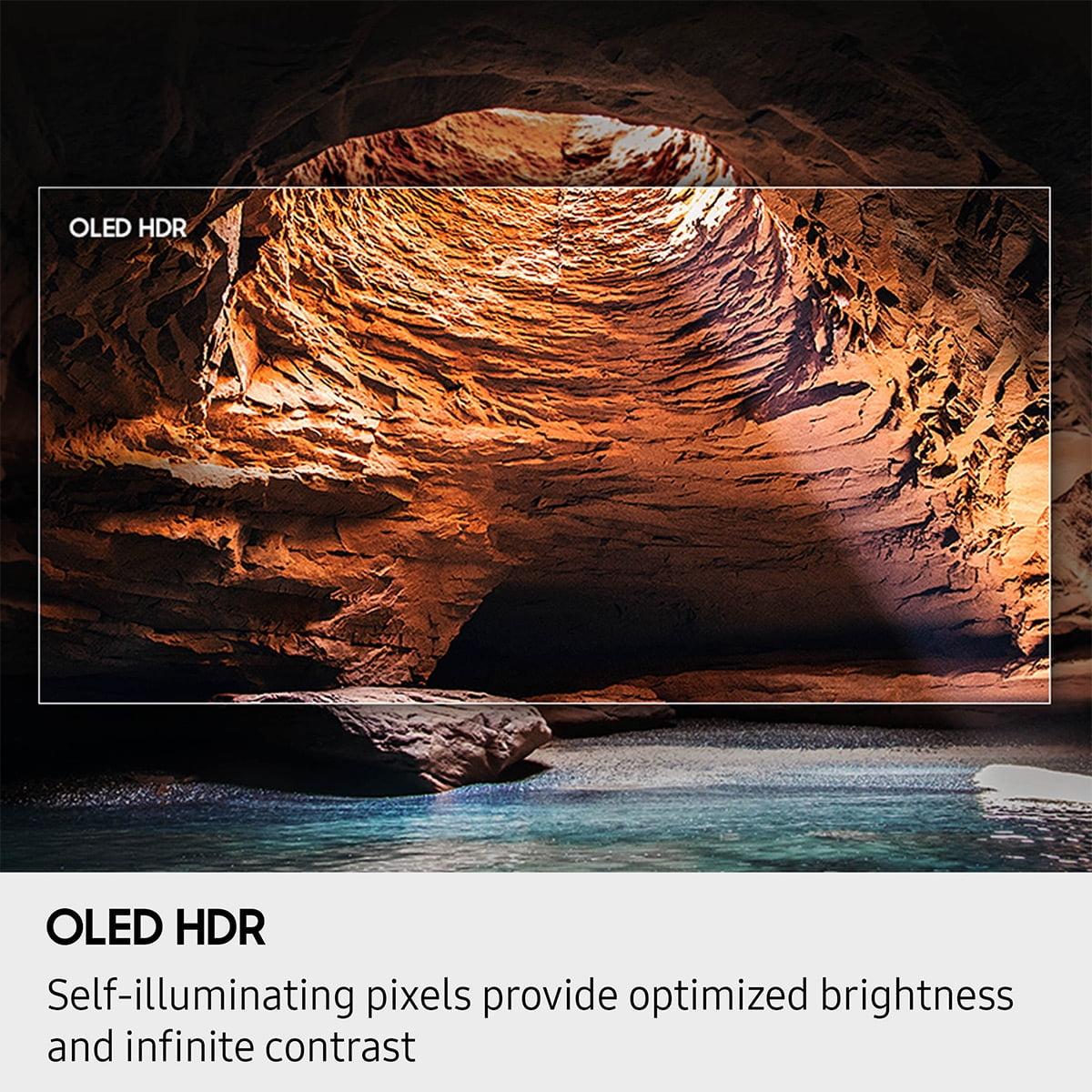
The Samsung S85F OLED, on the other hand, uses OLED technology where each pixel generates its own light. This means when you need a black pixel, it simply turns off completely—no backlight bleeding through. It's like having 8.3 million tiny light bulbs (one for each pixel) that can turn on and off individually.
The Hisense U8 Series launched in August 2023, representing a significant leap forward in Mini-LED technology. What made this release special was the jump from around 500 local dimming zones in previous models to over 2,000 zones, plus peak brightness reaching 3,000 nits—that's seriously bright. Since its release, the U8 has received firmware updates that improved motion handling and gaming performance, particularly for 144Hz gaming which was still relatively new when it launched.
Samsung's S85F OLED arrived in March 2024 as part of their 2025 lineup—yes, TV manufacturers release their "next year" models early. This timing gave Samsung the advantage of incorporating lessons learned from their previous OLED generations. The S85F uses QD-OLED panels (at least in the 65" size), which combines quantum dot technology with OLED for better color reproduction and brightness than traditional OLED panels.
The technology improvements in both displays since their respective launches have been primarily software-based. The Hisense has seen better motion processing and color accuracy through updates, while Samsung has refined their AI processing and gaming features. Both manufacturers have also improved their smart TV platforms significantly.
Here's where the fundamental differences become obvious. The Hisense U8 can hit 3,000 nits of peak brightness, which is absolutely crucial for HDR (High Dynamic Range) content. HDR is essentially about showing a wider range of brightness levels—from the darkest shadows to the brightest highlights. When you're watching a movie with a sunset scene, those 3,000 nits let the sun actually look bright and impactful, not just like a slightly brighter yellow blob.
The Samsung S85F, being an OLED, tops out around 750 nits for small highlights and drops to about 150 nits for full-screen bright scenes. This might sound disappointing, but here's the thing: OLED's perfect blacks create incredible contrast even at lower brightness levels. It's like the difference between having a really bright flashlight in a somewhat dark room versus a dimmer flashlight in a completely dark room—sometimes the dimmer one looks more dramatic.
For HDR content like movies on Netflix or 4K Blu-rays, the Hisense delivers more punch and "wow factor" in bright scenes, while the Samsung provides more subtle gradations and detail in shadows. I've found that action movies with explosions and bright outdoor scenes favor the Hisense, while darker, more atmospheric films like horror or noir thrillers look incredible on the Samsung.
This is where OLED technology traditionally dominates, and the Samsung S85F delivers perfect blacks—literally zero light emission from black pixels. When you're watching a movie with black bars or dark scenes, those areas disappear completely, creating an almost infinite contrast ratio.
The Hisense U8, despite being LCD-based, gets surprisingly close to OLED performance thanks to its 2,000+ local dimming zones. Local dimming means the TV can dim the backlight behind dark areas of the screen while keeping bright areas illuminated. The result is blacks that are about 95% as good as OLED with minimal "blooming" (that slight glow you sometimes see around bright objects on dark backgrounds).
In practical terms, both TVs deliver excellent contrast for most content. The Samsung has a slight edge in very dark rooms where you can appreciate those perfect blacks, while the Hisense's superior brightness gives it an advantage in rooms with ambient light.
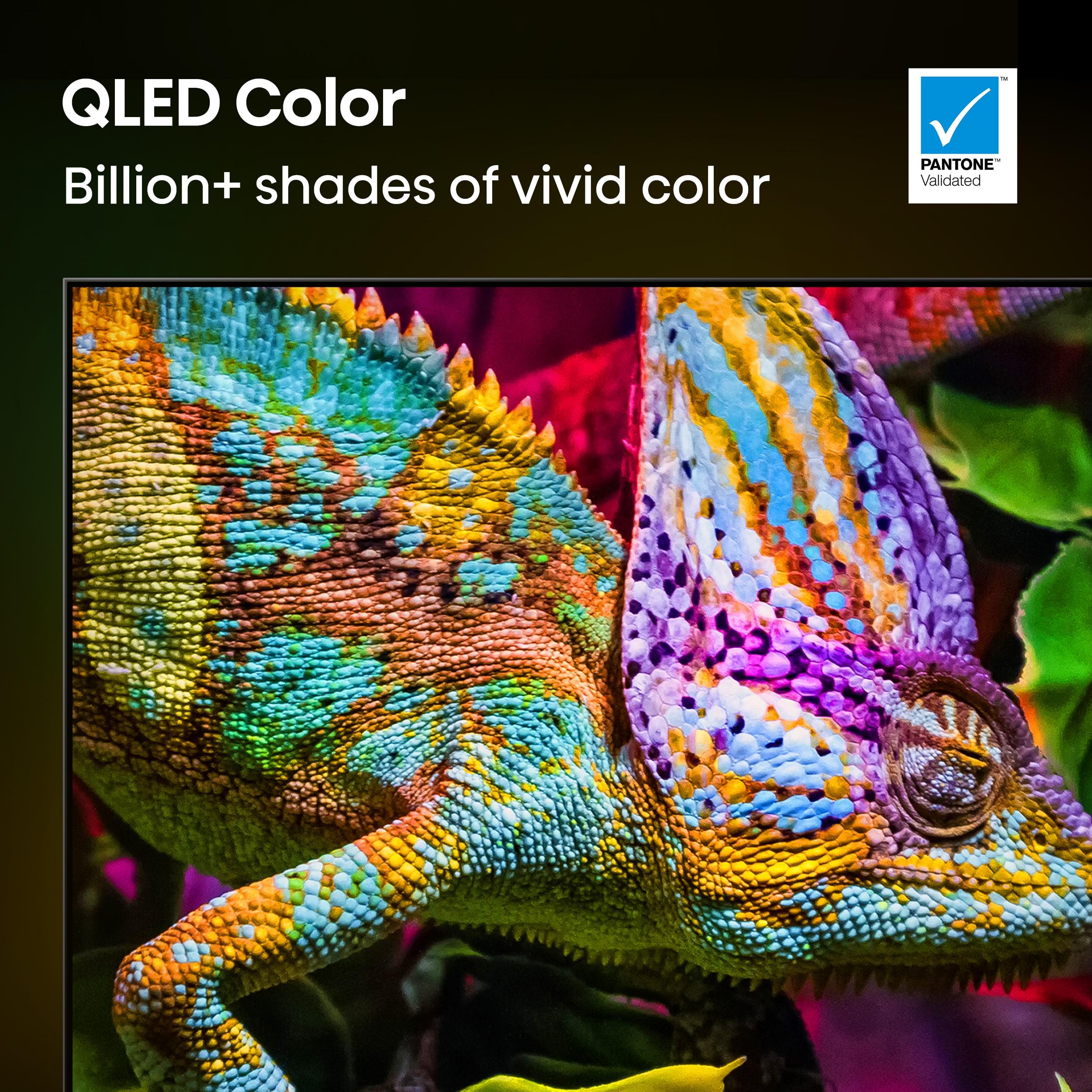
Both displays use quantum dot technology for color reproduction, but they implement it differently. The Hisense uses traditional quantum dots with its Mini-LED backlight to produce over a billion colors. Out of the box, colors can appear oversaturated—think of how phones sometimes make everything look more vivid than reality. This can be adjusted, but it requires some tweaking.
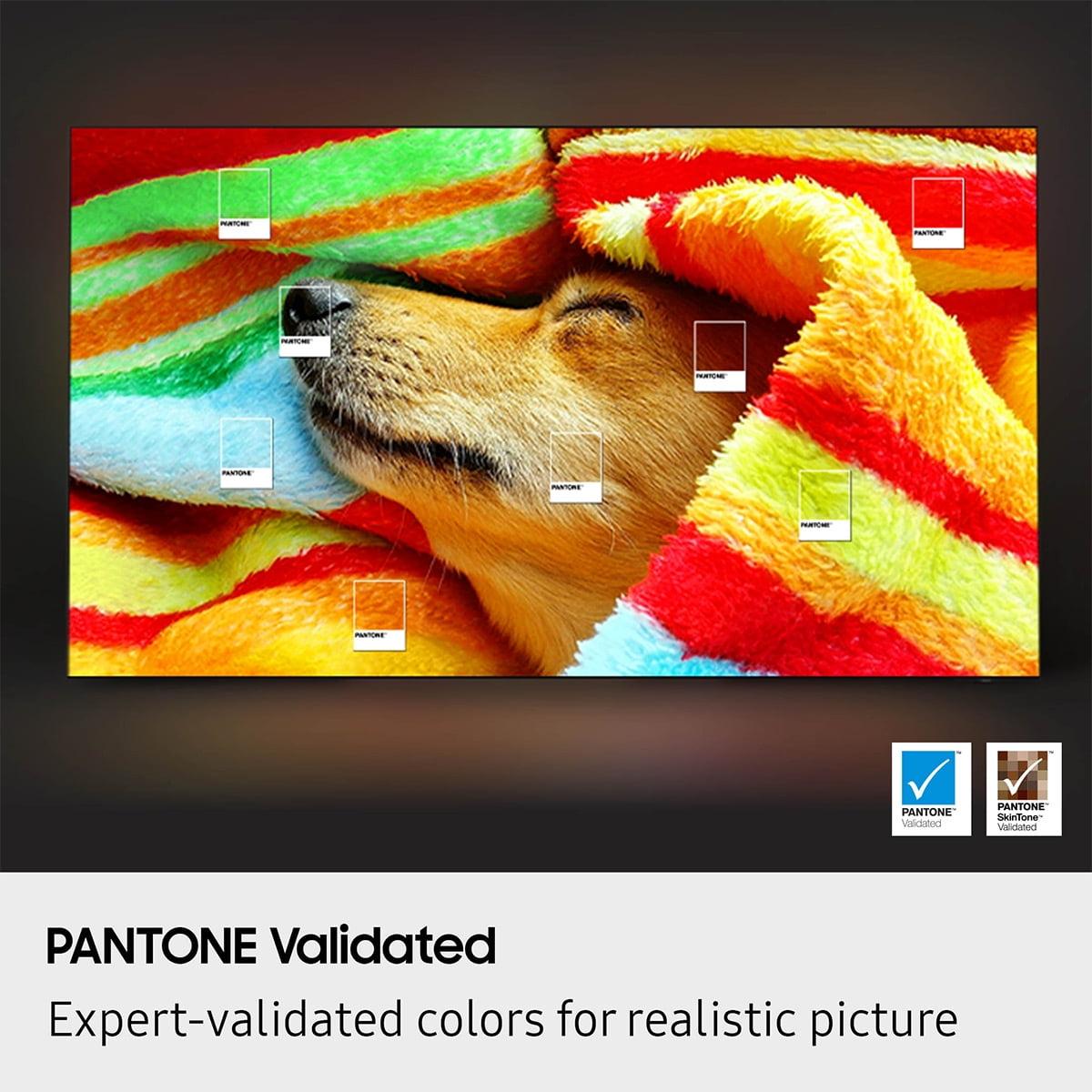
The Samsung S85F uses QD-OLED technology, which combines quantum dots directly with the OLED panel. This creates more accurate colors straight out of the box, and Samsung has Pantone validation, meaning the colors match professional color standards. This is particularly noticeable in skin tones and natural scenes where accuracy matters more than sheer vibrancy.
Gaming has become a crucial consideration for modern TVs, especially with PlayStation 5 and Xbox Series X pushing 4K gaming at high refresh rates.
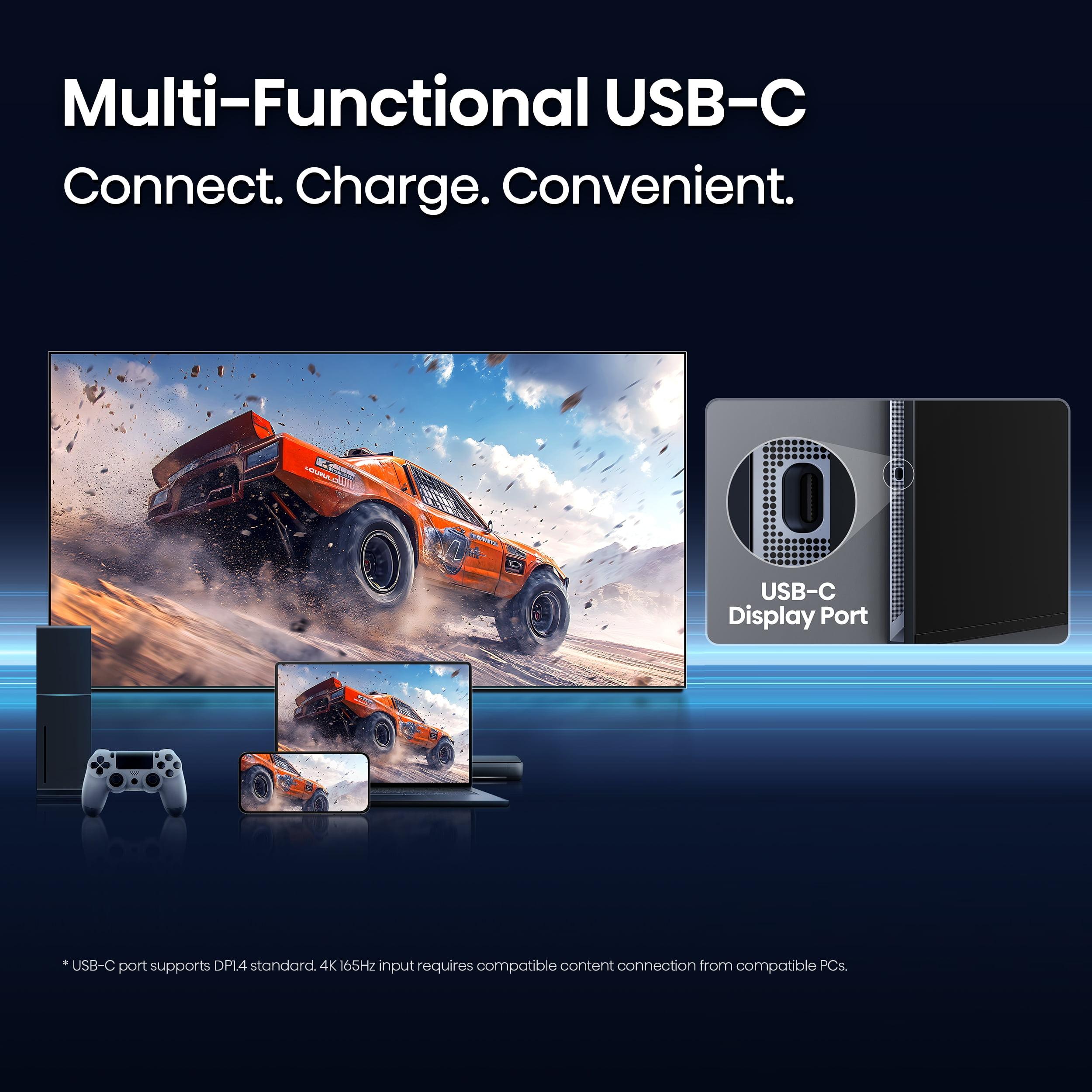
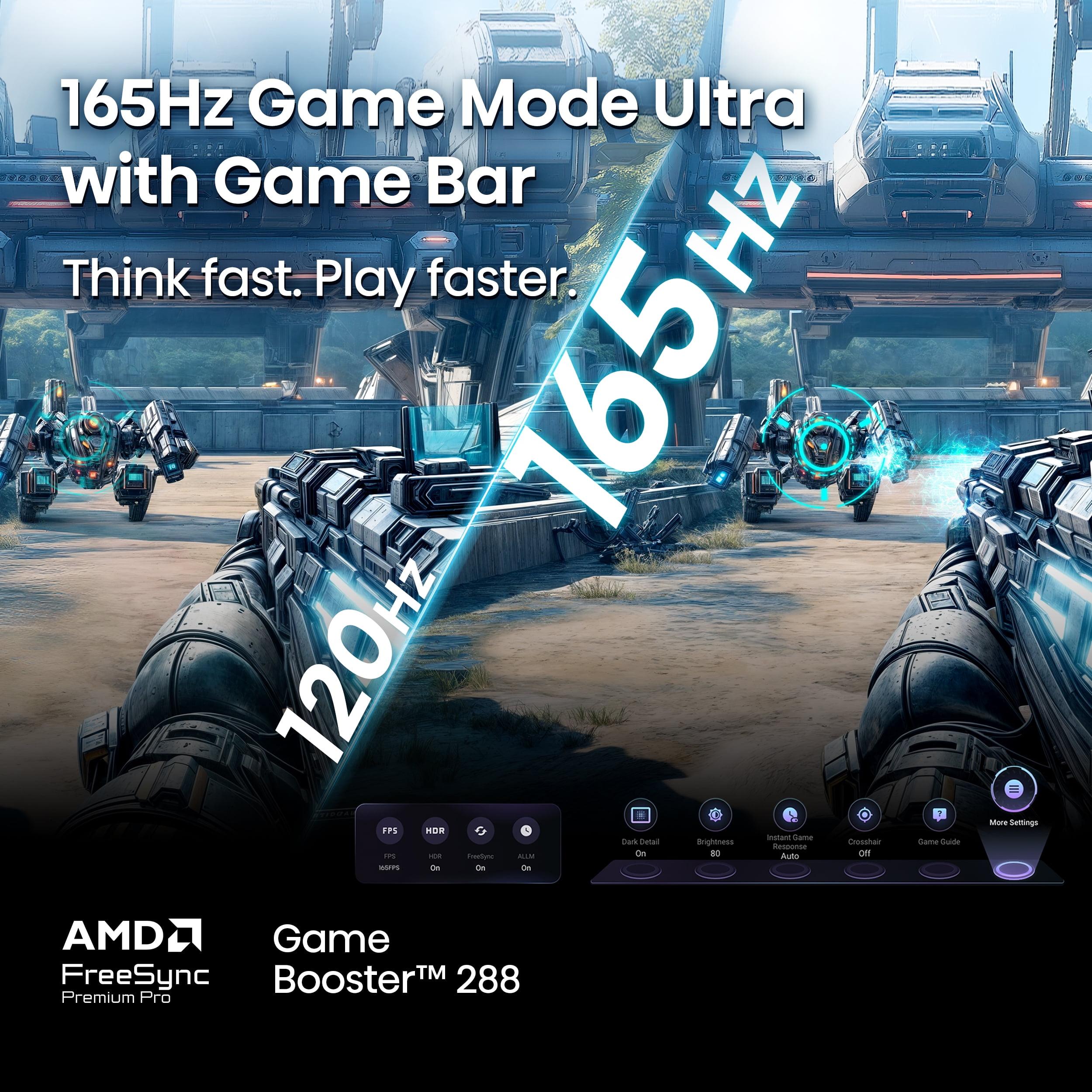
The Hisense U8 supports up to 144Hz refresh rate, which is fantastic for PC gaming. Higher refresh rates mean smoother motion—imagine the difference between a flipbook with 60 pages versus 144 pages for the same scene. For competitive gaming or high-end PC setups, this extra smoothness can be noticeable.
The Samsung S85F caps out at 120Hz, which is still excellent and matches what current gaming consoles output. Where OLED really shines is response time—the time it takes for a pixel to change from one color to another. OLED pixels respond essentially instantly, while the Hisense, though very good, has slight motion blur during fast movement.
Input lag is the delay between pressing a button and seeing the action on screen. The Samsung S85F has extremely low input lag, making it feel incredibly responsive for gaming. The Hisense U8 also performs well with 13.1ms input lag, which is excellent though not quite as instant as the Samsung.
Both TVs support Variable Refresh Rate (VRR), which synchronizes the TV's refresh rate with your gaming device to eliminate screen tearing. They also support Auto Low Latency Mode (ALLM), which automatically switches to game mode when it detects a gaming signal.
The software experience matters more than people often realize since you'll interact with it every time you use the TV.
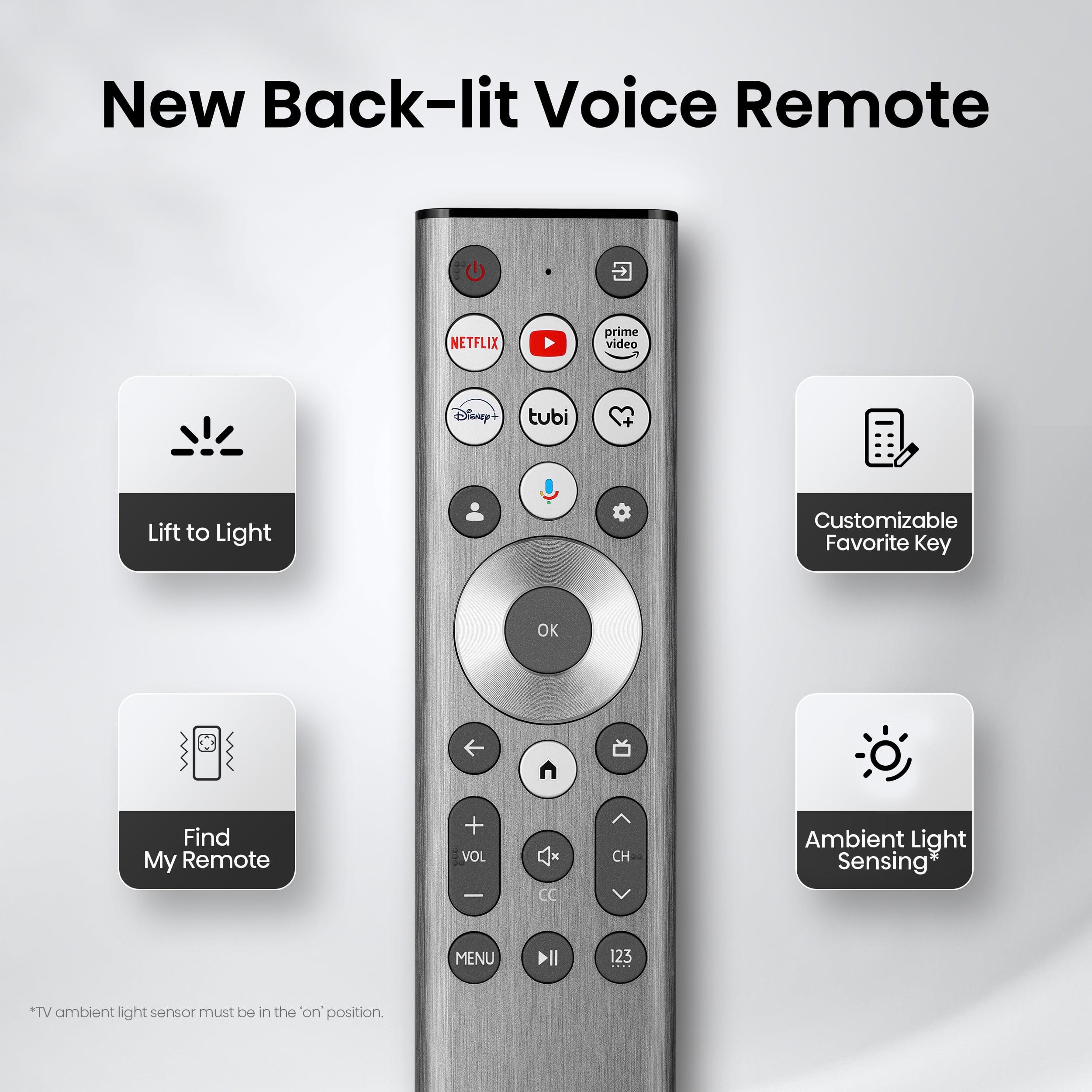
The Hisense runs Google TV, which is essentially Android TV with a better interface. It integrates well with Google services, has excellent voice search, and supports virtually every streaming app. The interface can occasionally feel sluggish, particularly when navigating through menus quickly.
Samsung's Tizen OS is generally more polished and responsive. It integrates seamlessly with Samsung's ecosystem and supports their SmartThings platform for smart home control. However, Samsung doesn't support Dolby Vision (more on this later) and has historically been slower to add new streaming apps.
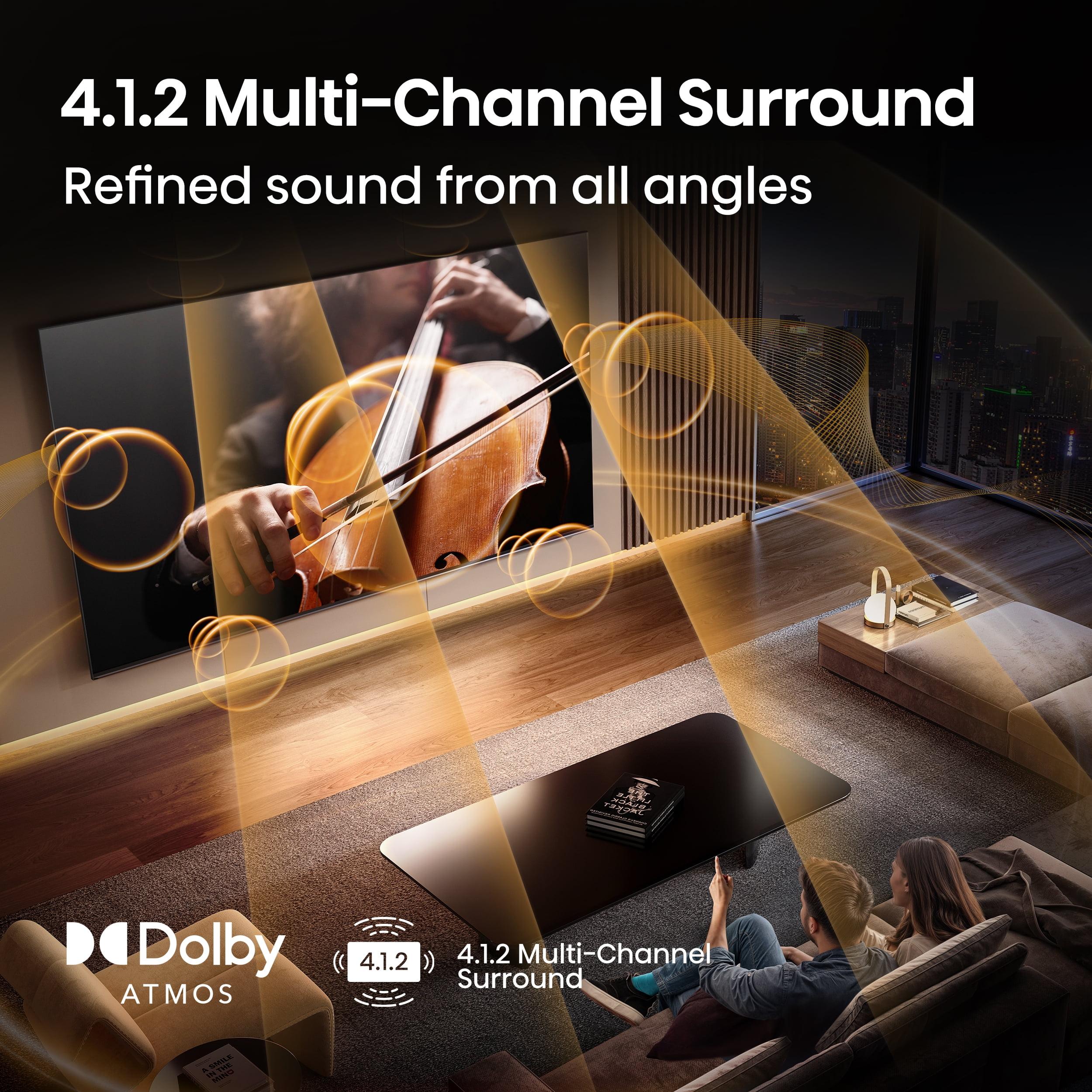
The Hisense U8 includes a 50W 2.1.2 channel audio system with a built-in subwoofer and Dolby Atmos support. This means you get actual bass response and height channels for a more immersive experience. For many people, this eliminates the immediate need for a separate soundbar.
The Samsung S85F has Object Tracking Sound, which uses multiple speakers to make audio follow the action on screen. It's a cool effect, but the lack of a dedicated subwoofer means less bass impact. Samsung also doesn't support DTS audio pass-through, which can be limiting for home theater enthusiasts with existing audio equipment.
If you're setting up a dedicated home theater room, several factors become particularly important.
For a properly controlled home theater environment with blackout curtains and ambient lighting control, the Samsung S85F is the clear winner. Those perfect blacks and infinite contrast create the most cinematic experience possible. The way OLED handles subtle gradations in dark scenes is particularly impressive for movies.
However, if your "home theater" is really a living room that gets used during the day, the Hisense U8 might be more practical. Its 3,000-nit peak brightness cuts through ambient light effectively, and the anti-glare coating helps reduce reflections from windows or lights.
This is where things get interesting. The Hisense supports Dolby Vision, which is a premium HDR format used by Netflix, Disney+, and many 4K Blu-rays. Dolby Vision provides scene-by-scene optimization for better HDR performance. Samsung, in a frustrating corporate decision, doesn't support Dolby Vision and instead uses HDR10+, which has less content support.
For home theater enthusiasts, the Hisense also supports DTS:X audio pass-through, which is important if you have a receiver and surround sound system. The Samsung doesn't support DTS pass-through, which can be a deal-breaker for some setups.
The $600 price difference between these TVs is significant, but so are the performance differences.
The Hisense U8 at $998 delivers about 90% of the Samsung's picture quality at 60% of the price. For most people, this represents exceptional value. You get near-OLED blacks, superior brightness, better gaming support (144Hz), and more comprehensive codec support.
The Samsung S85F at $1,600 commands a premium for that extra 10% of picture quality, plus the premium build quality and more polished software experience. Whether that's worth $600 depends on your priorities and budget.
OLED panels have historically had concerns about burn-in (permanent image retention) and lifespan. Modern OLEDs like the Samsung have greatly improved in this regard, with better pixel compensation and more robust materials. However, LCD-based displays like the Hisense have no burn-in risk and potentially longer lifespans.
The Hisense also comes with a 2-year warranty compared to Samsung's standard 1-year coverage, which adds value and peace of mind.
After extensively testing both displays, here's how I'd break down the decision:
Choose the Hisense U8 Mini-LED if:
Choose the Samsung S85F OLED if:
The reality is that both are excellent TVs that will satisfy most viewers. The Hisense offers incredible value and performance that challenges much more expensive OLEDs. The Samsung provides that last bit of picture quality refinement that justifies its premium price for enthusiasts.
Your room environment might be the deciding factor. In bright rooms, the Hisense's superior brightness wins. In dark rooms optimized for viewing, the Samsung's perfect blacks create magic. Either way, you're getting a display that would have been considered impossible at these price points just a few years ago.
| Hisense 65" U8 Series Mini-LED ULED 4K Google TV | Samsung 65" S85F OLED 4K Smart TV (2025) |
|---|---|
| Price - Significant $600 difference affects value proposition | |
| ~$998 (exceptional value for premium features) | ~$1,600 (premium pricing for OLED technology) |
| Display Technology - Fundamental difference in how image is created | |
| Mini-LED with 2,000+ local dimming zones | QD-OLED with self-illuminating pixels |
| Peak Brightness - Critical for HDR impact and bright room viewing | |
| Up to 3,000 nits (excellent for daylight viewing) | ~750 nits small highlights (better for dark rooms) |
| Black Levels - Determines contrast and movie experience quality | |
| Near-perfect blacks with minimal blooming | Perfect blacks with infinite contrast |
| Gaming Refresh Rate - Higher rates mean smoother motion for PC gaming | |
| 144Hz (future-proof for high-end PC gaming) | 120Hz (matches current console capabilities) |
| Gaming Response Time - Lower is better for competitive gaming | |
| 13.1ms input lag (very good performance) | Near-instantaneous response (superior for gaming) |
| HDR Support - Dolby Vision offers better optimization than HDR10+ | |
| Dolby Vision, HDR10, HDR10+ (comprehensive support) | HDR10, HDR10+ only (no Dolby Vision) |
| Audio System - Built-in subwoofer significantly improves bass response | |
| 50W 2.1.2 with built-in subwoofer, Dolby Atmos | Object Tracking Sound, no subwoofer |
| Smart TV Platform - Affects daily usability and app availability | |
| Google TV (excellent app support, voice integration) | Tizen OS (polished interface, Samsung ecosystem) |
| Viewing Angle - OLED maintains quality when viewed from the side | |
| Limited viewing angle (typical for LCD/Mini-LED) | Wide viewing angle with consistent quality |
| Burn-in Risk - OLED can retain static images permanently over time | |
| No burn-in risk (LCD technology advantage) | Minimal modern risk but still possible |
| Room Suitability - Brightness capabilities determine ideal environment | |
| Excellent for bright rooms, good for dark rooms | Excellent for dark rooms, adequate for bright rooms |
| Warranty Coverage - Longer warranty adds value and peace of mind | |
| 2 years (double industry standard) | 1 year (standard coverage) |
The Hisense 65" U8 Series Mini-LED is significantly better for bright rooms with its 3,000 nits peak brightness compared to the Samsung S85F OLED's 750 nits. The Hisense also features anti-glare technology that reduces reflections from windows and lights, making it ideal for living rooms with lots of natural light.
Mini-LED (used in the Hisense U8) uses thousands of tiny LEDs behind an LCD panel with local dimming zones, while OLED (in the Samsung S85F) has self-illuminating pixels that can turn completely off. This means OLED delivers perfect blacks and infinite contrast, while Mini-LED provides much higher brightness levels.
For PC gaming, the Hisense U8 Series has an advantage with its 144Hz refresh rate versus the Samsung S85F's 120Hz. However, the Samsung offers near-instantaneous pixel response times and lower input lag, making it better for competitive console gaming. Both support VRR and HDMI 2.1 features.
The Samsung S85F OLED at $1,600 offers superior picture quality with perfect blacks and better color accuracy, while the Hisense U8 at $998 delivers about 90% of the performance at 60% of the cost. The price difference is justified if you prioritize the best possible picture quality and primarily watch in dark rooms.
The Hisense U8 runs Google TV with excellent app support and voice integration, while the Samsung S85F uses Tizen OS with a more polished interface and Samsung SmartThings integration. Both platforms support major streaming services, but Google TV generally has broader app compatibility.
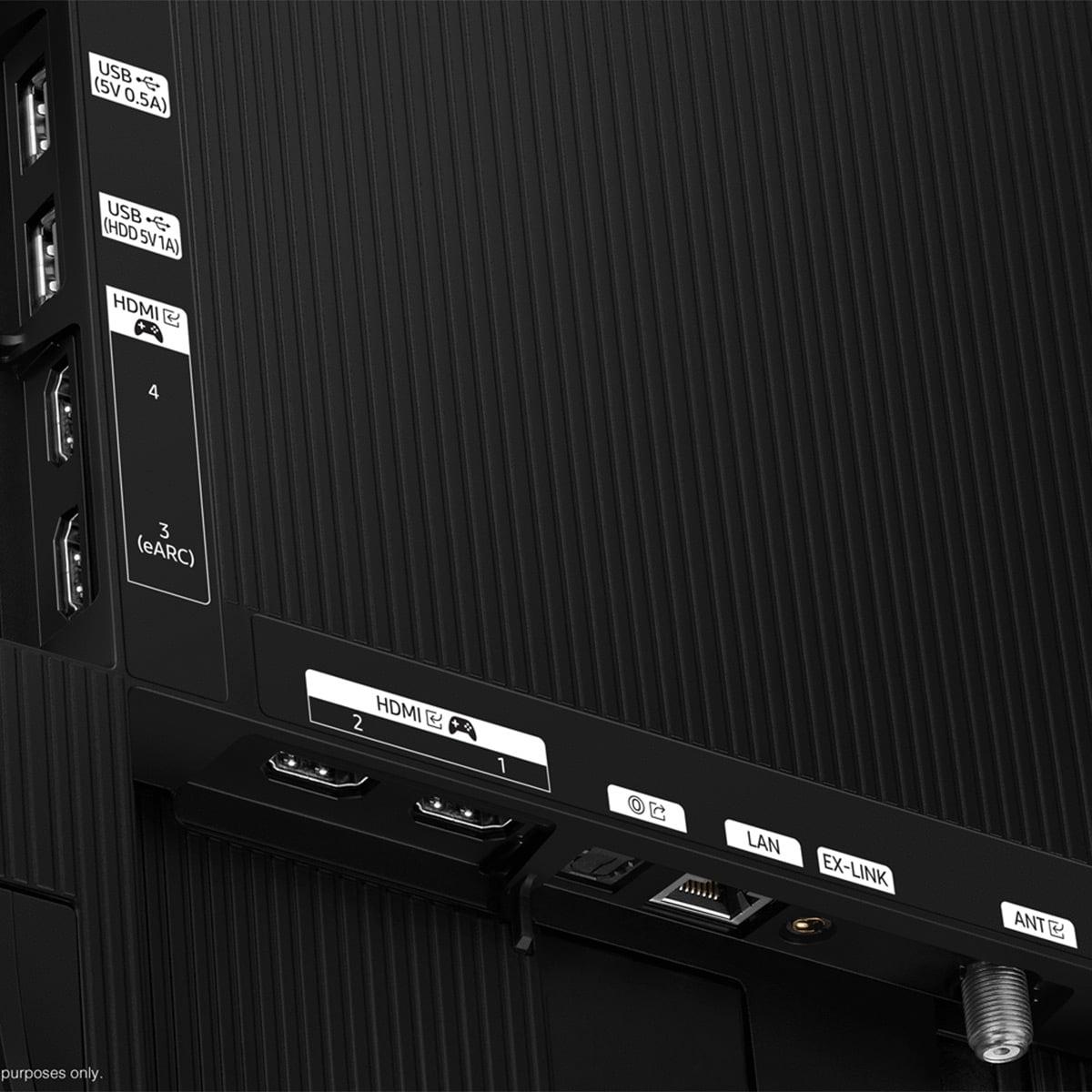
Only the Hisense U8 Series supports Dolby Vision, which provides scene-by-scene HDR optimization for Netflix, Disney+, and 4K Blu-rays. The Samsung S85F only supports HDR10+ due to Samsung's corporate decision not to license Dolby Vision, which can be limiting for some content.
For dedicated dark home theaters, the Samsung S85F OLED excels with perfect blacks and cinematic contrast. However, the Hisense U8 offers better value for home theater enthusiasts with Dolby Vision support, DTS:X audio pass-through, and a built-in subwoofer that may eliminate the need for a separate soundbar.
The Hisense U8 Series has superior built-in audio with a 50W 2.1.2 system including a subwoofer and Dolby Atmos support. The Samsung S85F features Object Tracking Sound technology but lacks a subwoofer and doesn't support DTS audio pass-through, making external audio more necessary.
The Samsung S85F OLED provides a more cinematic movie experience with perfect blacks, infinite contrast, and excellent shadow detail. The Hisense U8 offers more impactful HDR highlights and supports Dolby Vision, making it better for action movies with bright scenes while the Samsung excels with darker, atmospheric films.
The Hisense U8 Mini-LED has no burn-in risk due to its LCD technology. The Samsung S85F OLED has minimal burn-in risk with modern improvements, but it's still possible with static images over long periods. Both come with pixel compensation features to maintain image quality over time.
The Samsung S85F OLED maintains consistent picture quality when viewed from the side, while the Hisense U8 has limited viewing angles typical of LCD displays. This makes the Samsung better for wide seating arrangements or rooms where people sit at various angles to the screen.
The Hisense U8 Series comes with a 2-year warranty, which is double the industry standard and adds significant value. The Samsung S85F includes Samsung's standard 1-year warranty. The extended Hisense warranty provides better peace of mind for long-term ownership.
We've done our best to create useful and informative comparisons to help you decide what product to buy. Our research uses advanced automated methods to create this comparison and perfection is not possible - please contact us for corrections or questions. These are the sites we've researched in the creation of this article: bestbuy.com - hisense-usa.com - rtings.com - bestbuy.com - rtings.com - hisense-usa.com - youtube.com - hisense-usa.com - avsforum.com - hisense-usa.com - hisense-usa.com - rtings.com - avsforum.com - hisense-usa.com - prnewswire.com - hisense-usa.com - bestbuy.com - youtube.com - hisense-usa.com - rtings.com - samsung.com - youtube.com - rtings.com - youtube.com - samsung.com - bestbuy.com - avsforum.com - avsforum.com - samsung.com - displayspecifications.com - videoandaudiocenter.com - bestbuy.com - flatpanelshd.com - myallsouth.com - samsung.com - richstv.com - samsung.com - heartlandappliance.com

Privacy Policy
Terms and Conditions - Affiliate Policy
Home Security
© Copyright 2008-2026.
11816 Inwood Rd #1211, Dallas, TX 75244