

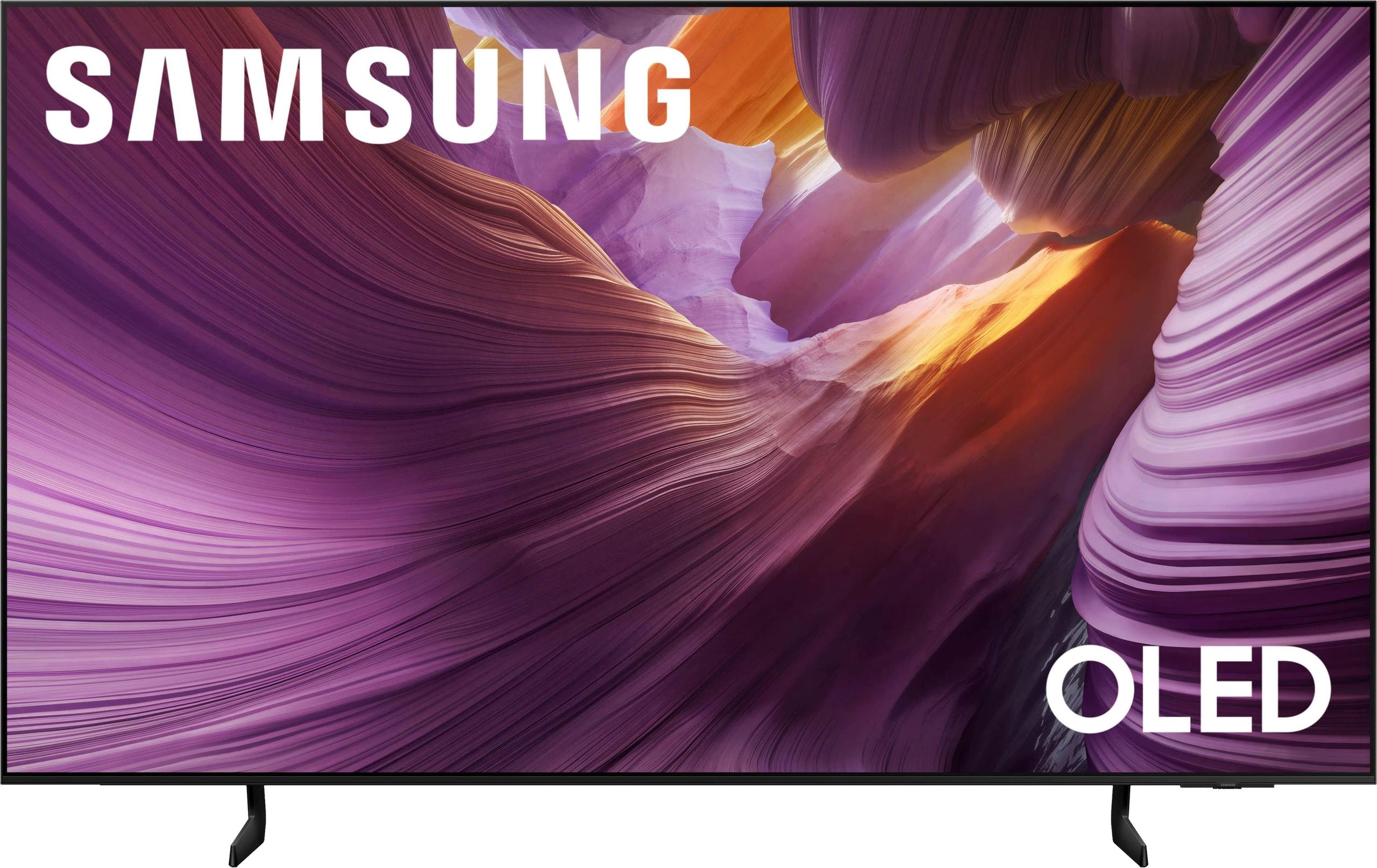
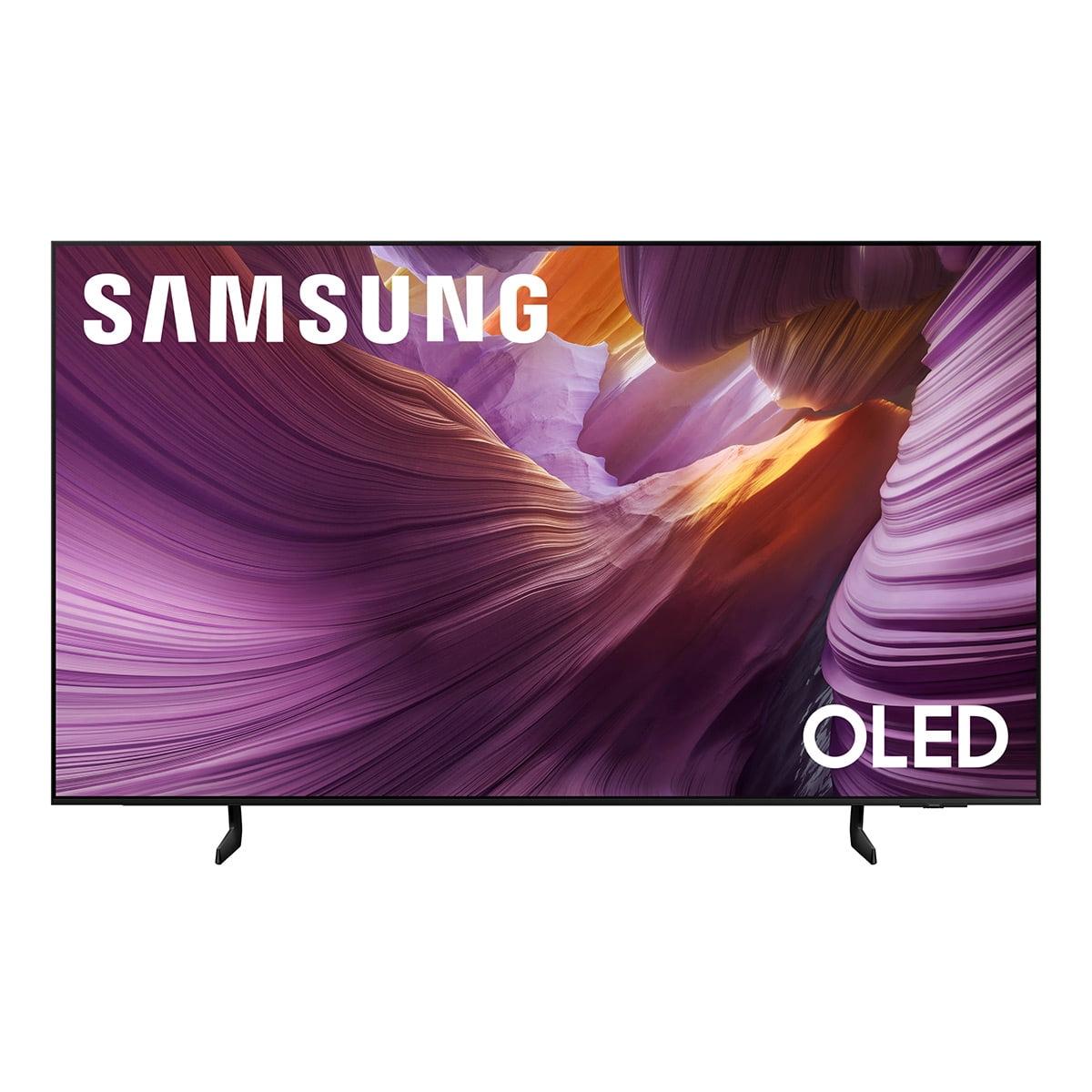
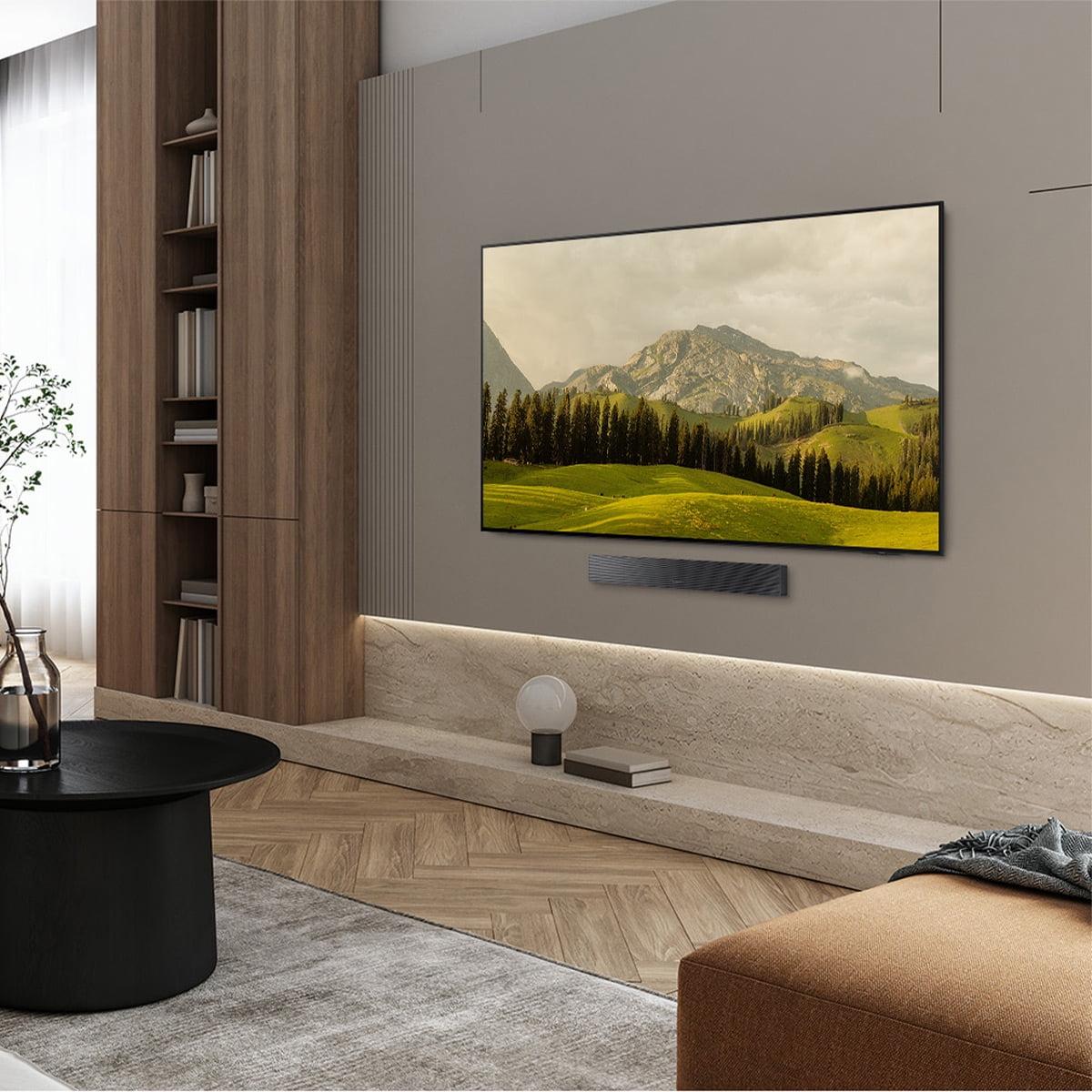

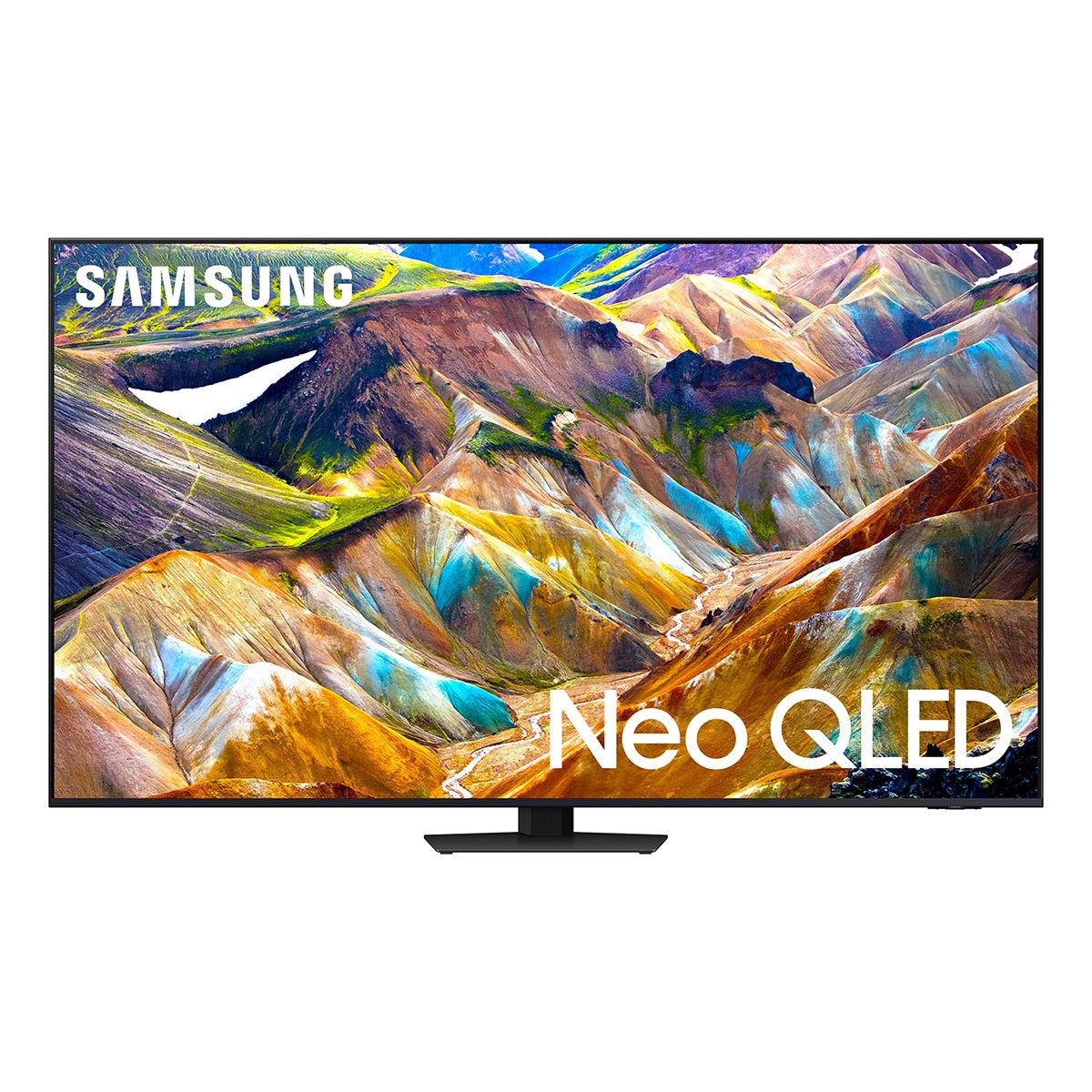
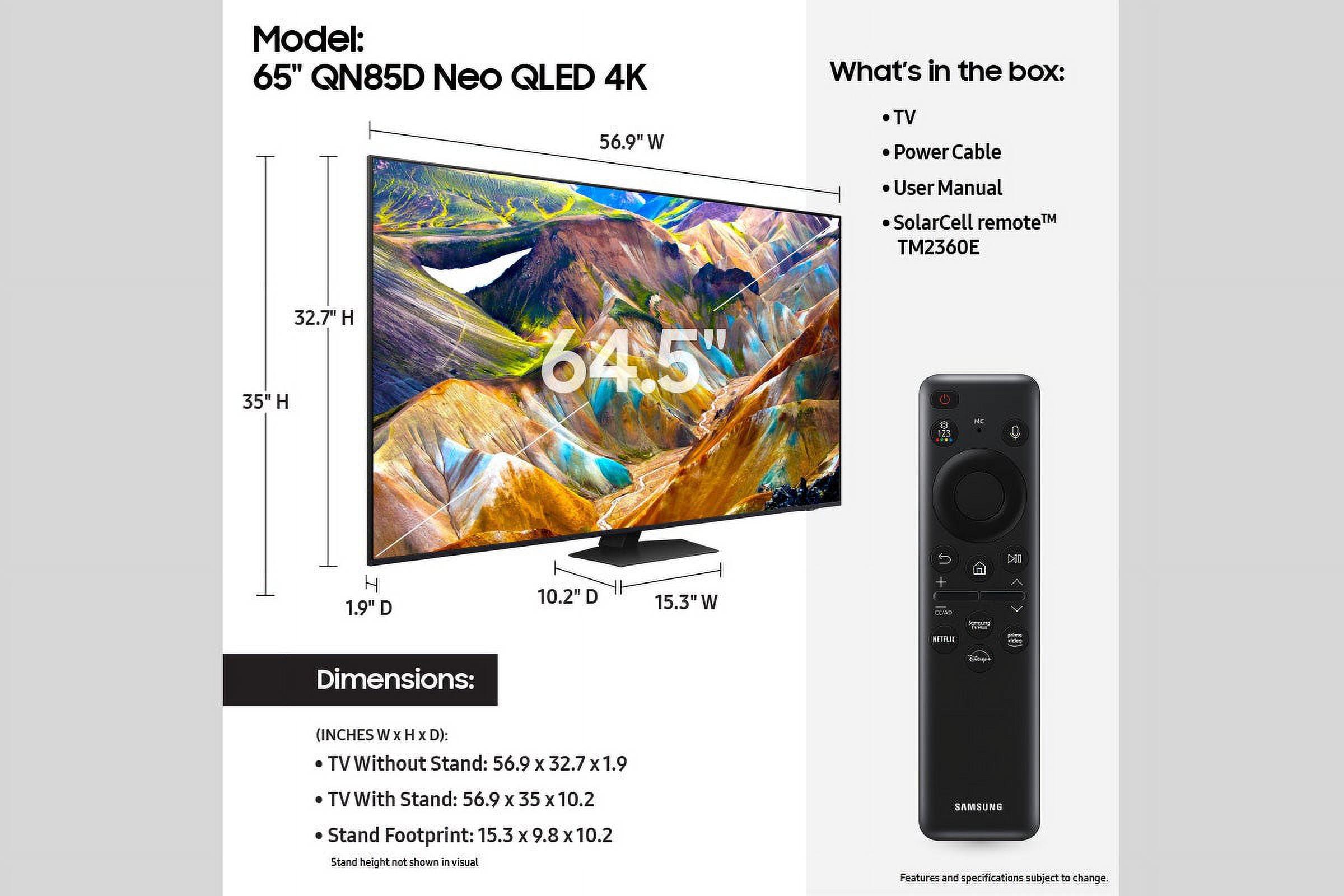
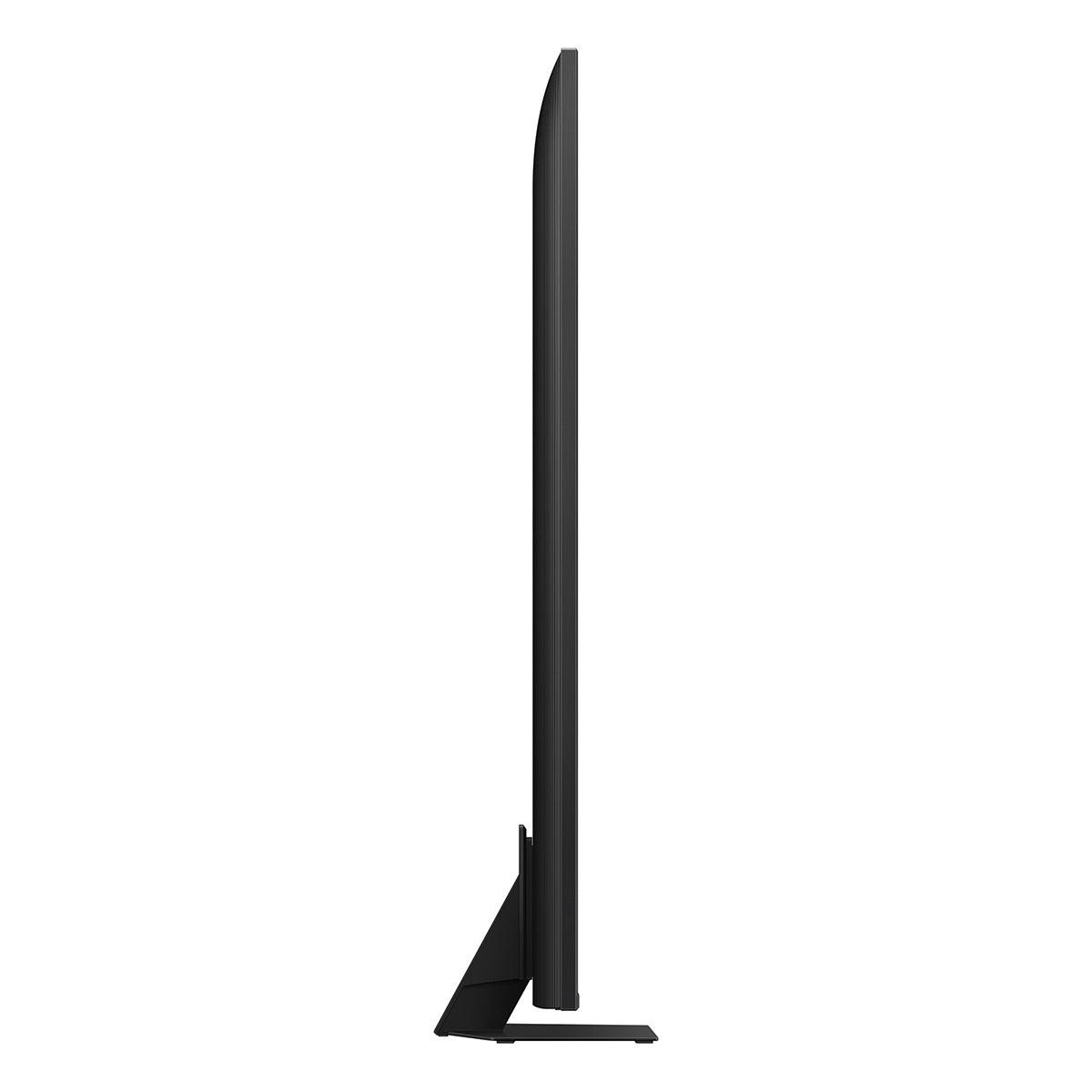
If you're shopping for a premium 65-inch TV, you've probably stumbled across two compelling options from Samsung: the 65" S85F OLED (2025) and the 65" QN85D Neo QLED. Both represent Samsung's serious attempts at capturing the high-end TV market, but they take completely different approaches to delivering that premium experience.
The fundamental difference comes down to display technology. The S85F OLED uses self-illuminating pixels that can turn completely on or off, while the QN85D Neo QLED relies on thousands of tiny LED backlights behind an LCD panel. Think of it like the difference between a campfire (where each flame creates its own light) versus a flashlight shining through a stained glass window. Both can create beautiful images, but the way they produce light affects everything from how dark the blacks look to how bright the screen can get.
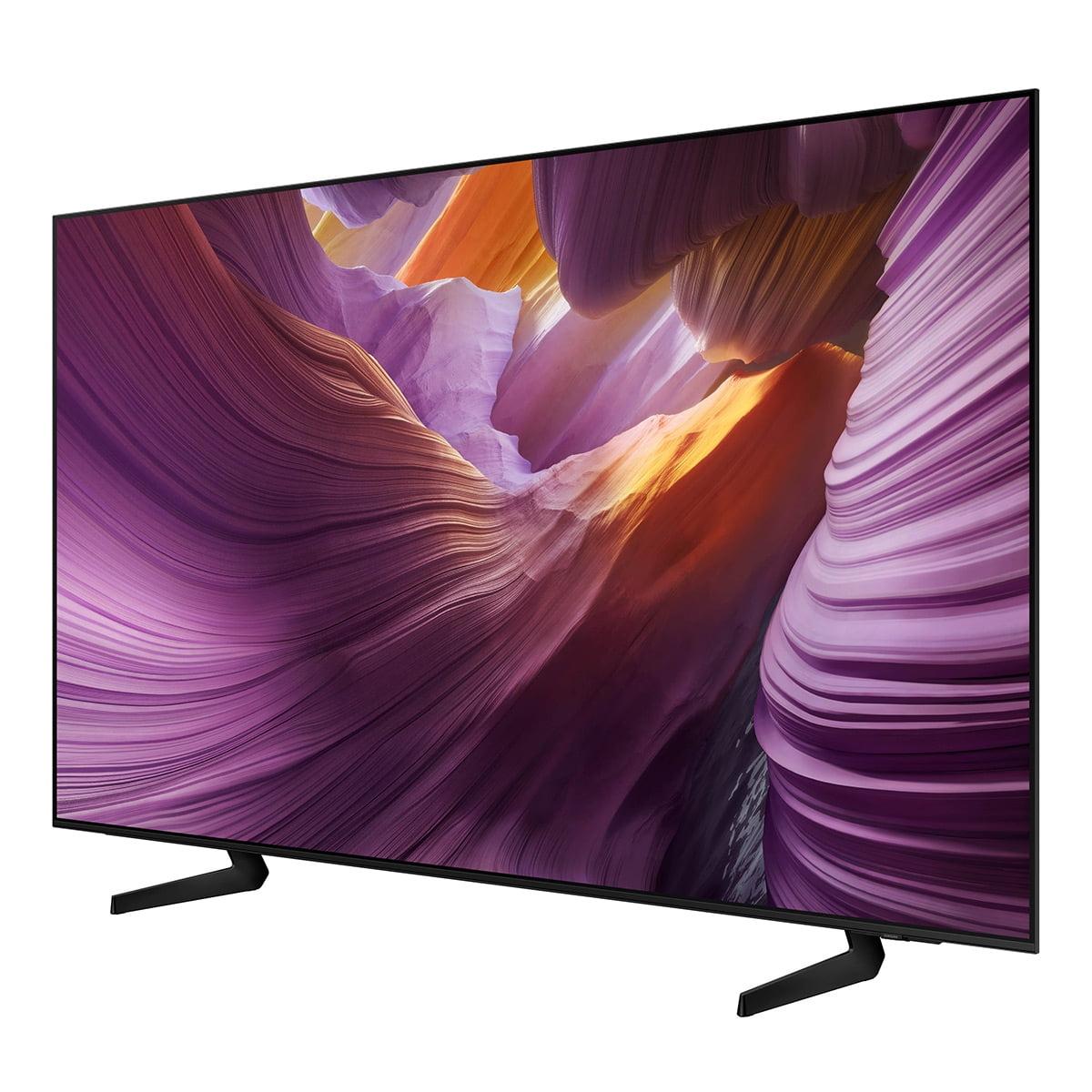
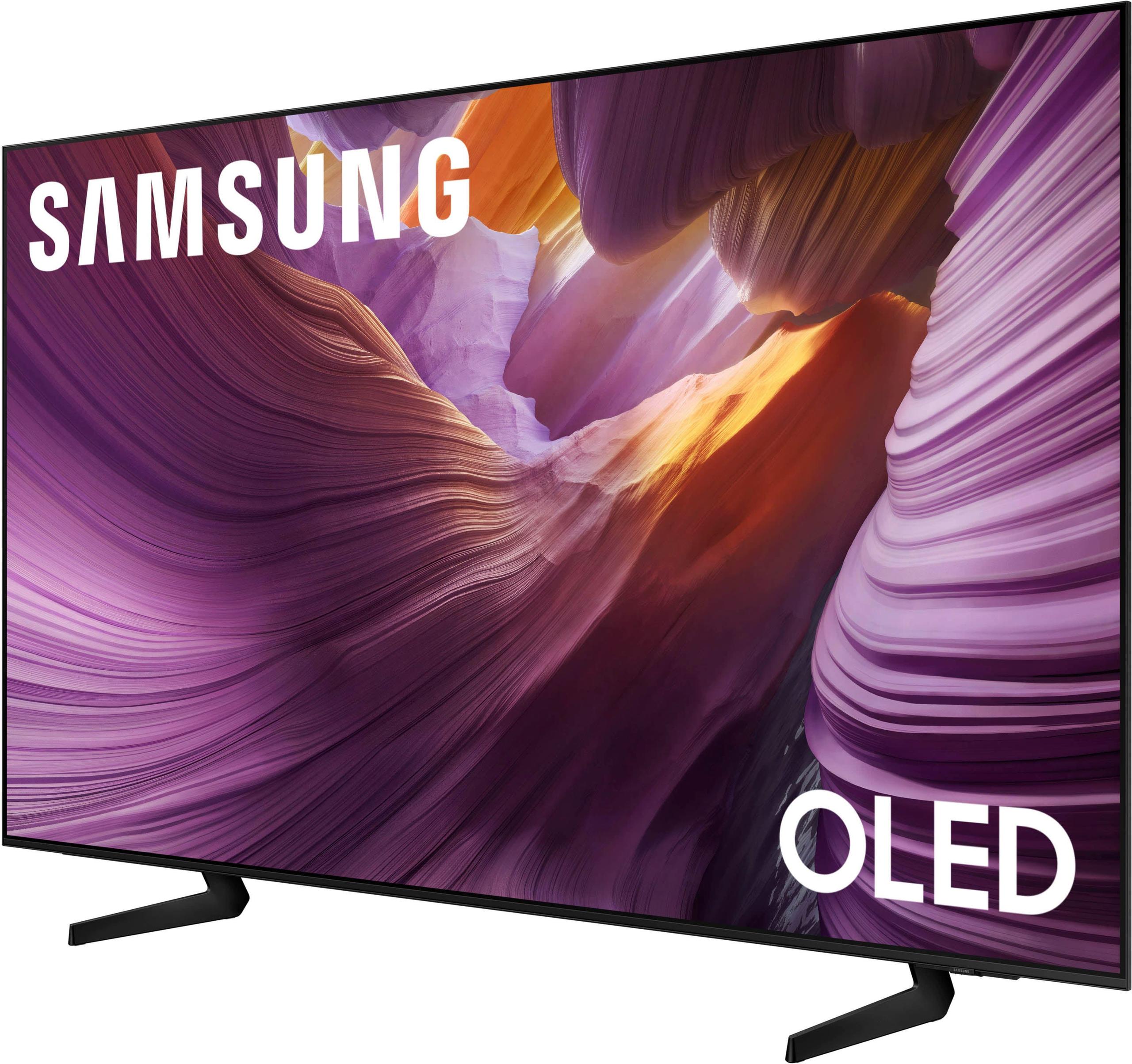
The S85F OLED, released in early 2025, represents Samsung's latest entry into the OLED market. OLED stands for Organic Light-Emitting Diode, which is a fancy way of saying that each pixel generates its own light using organic compounds that glow when electricity passes through them. When a pixel needs to display black, it simply turns off completely – no light, perfect black.
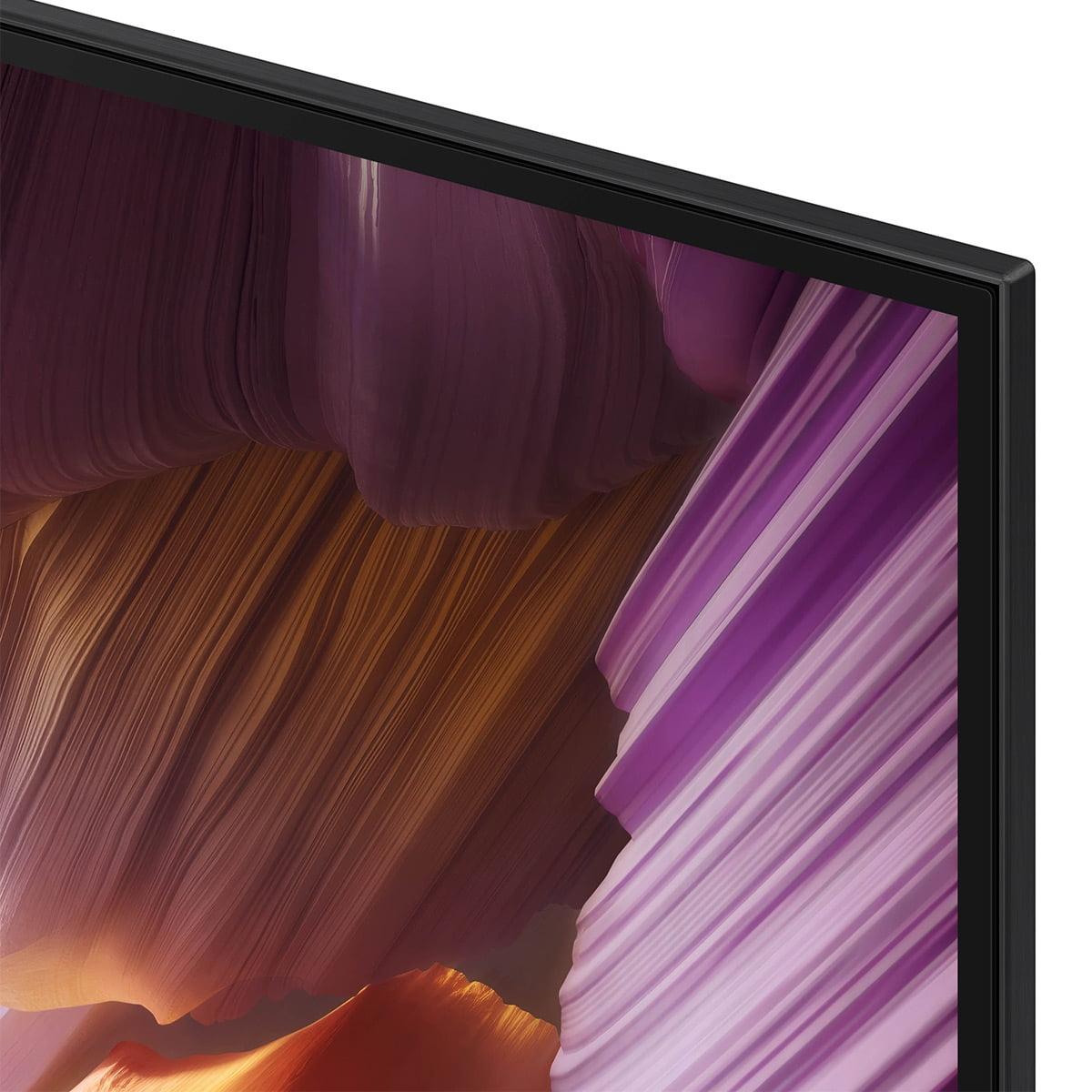
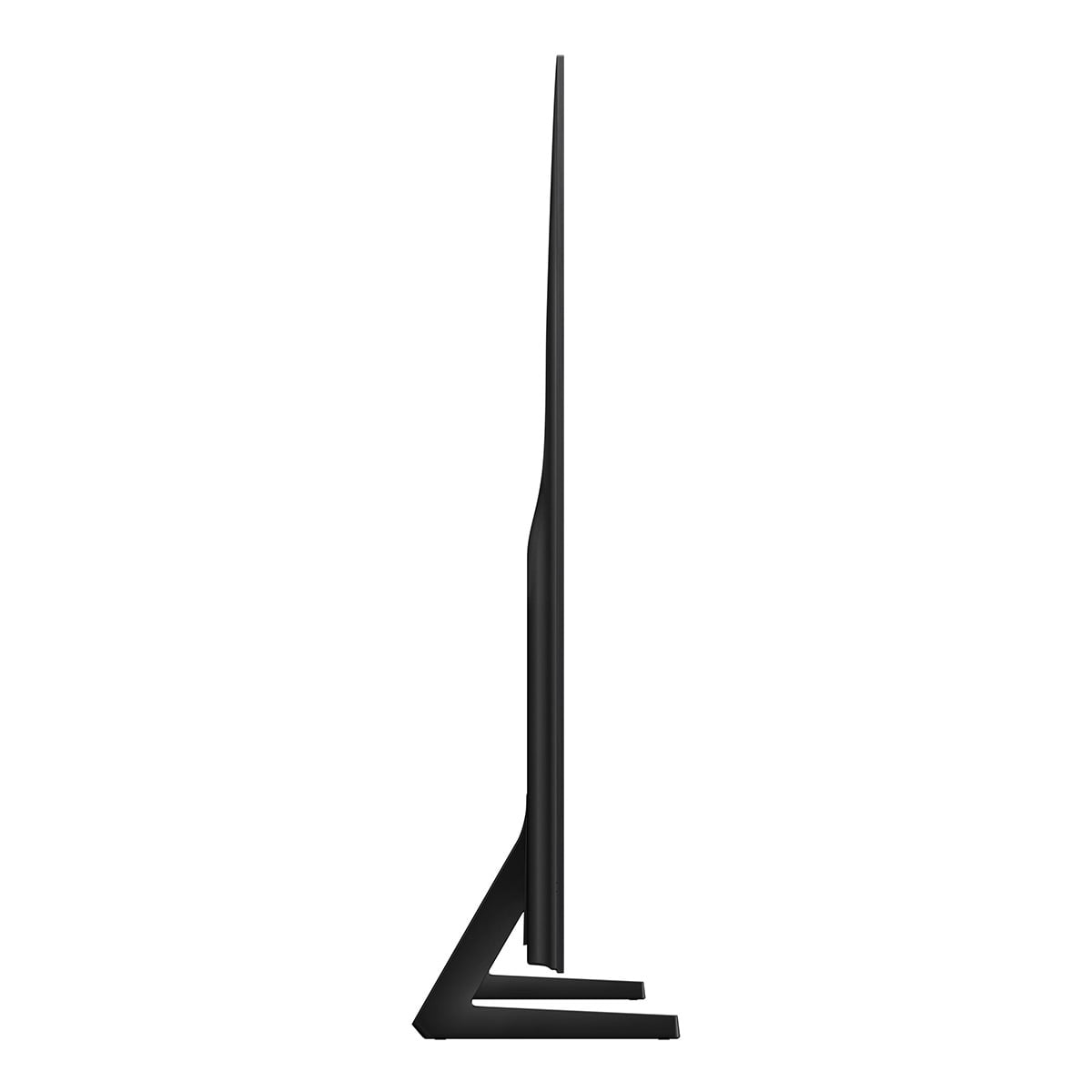
Samsung's 2025 OLED uses what they call a "4-layer WOLED panel" (where the W stands for White). This means the organic material produces white light, which then passes through color filters to create red, green, and blue. The four-layer structure is an improvement over previous generations, allowing for better brightness and color accuracy. Samsung has also added their Anti-Glare 2.0 coating, which helps reduce reflections – a traditional weakness of OLED displays.
What makes this particularly interesting is that Samsung actually sources these OLED panels from LG Display, then adds their own processing and features. It's like buying the same canvas but painting completely different pictures on it.
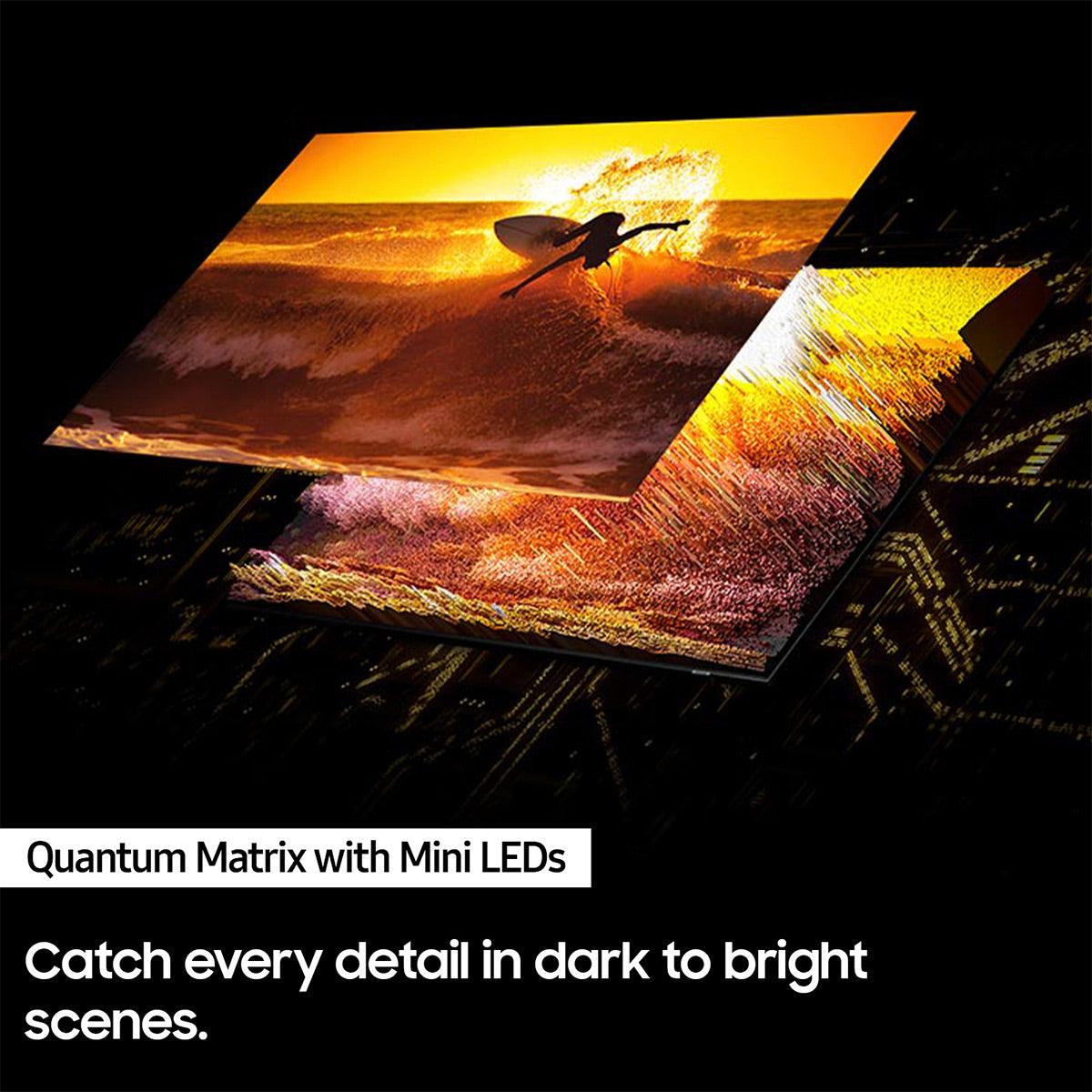
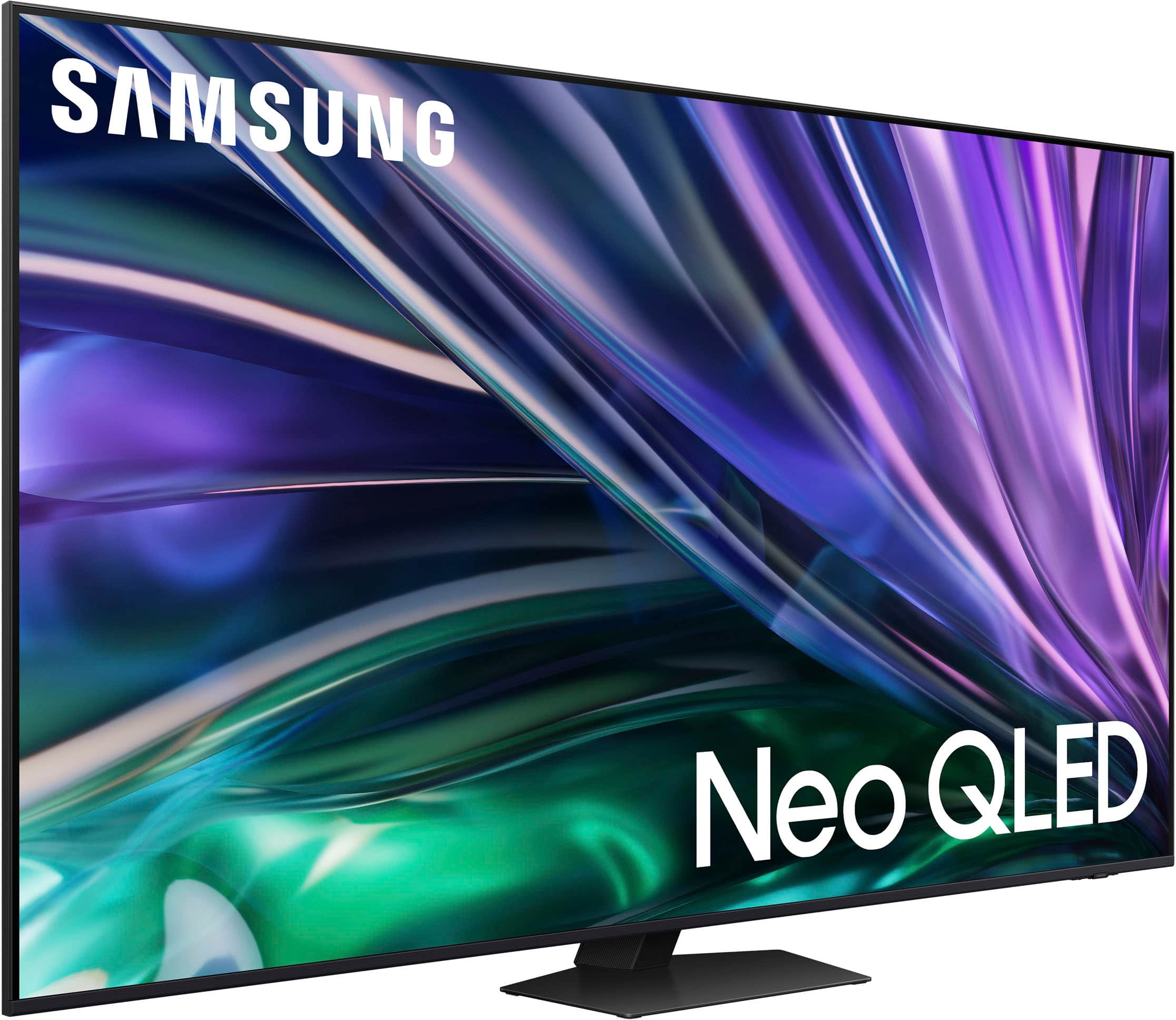
The QN85D Neo QLED, launched in 2024, represents Samsung's own display technology philosophy. Instead of self-illuminating pixels, it uses what Samsung calls "Mini LEDs" – thousands of tiny LED backlights that are about 1/40th the size of traditional LEDs. These Mini LEDs sit behind an LCD panel that acts like a sophisticated window blind, controlling how much light passes through.
The "Quantum Dot" part refers to microscopic crystals that convert the blue light from the LEDs into pure red and green colors. This creates more vibrant and accurate colors than traditional LCD TVs. The "Neo" branding indicates this is Samsung's premium Mini LED implementation, featuring their most advanced local dimming technology.
Local dimming is crucial here – it means different zones of the backlight can be independently controlled. When a scene has bright stars against a dark sky, the TV can dim the LEDs behind the dark areas while keeping the star areas bright. The QN85D uses Samsung's "Quantum Matrix" technology with what they call "Supreme UHD Dimming" to manage these thousands of dimming zones.
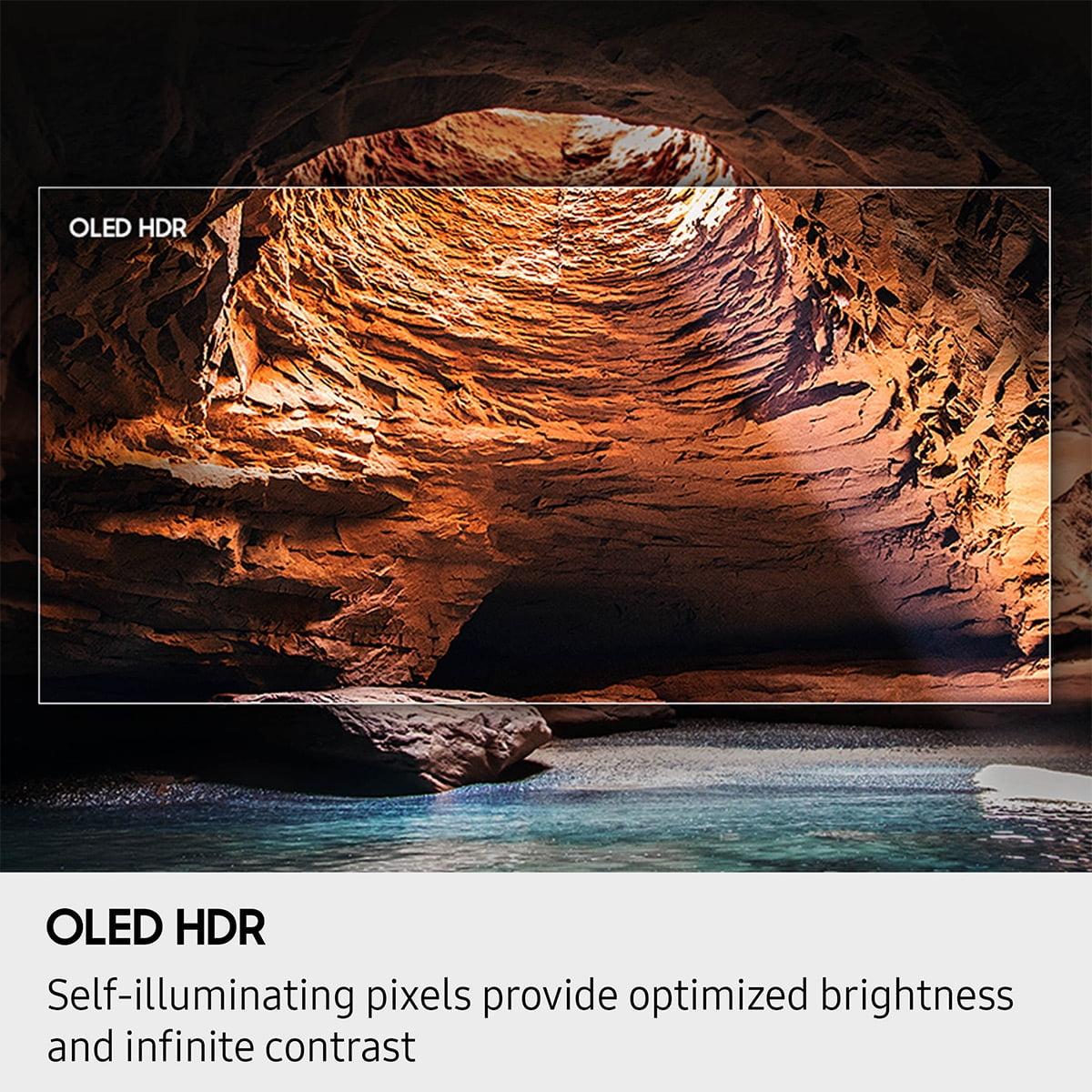
This is where the fundamental technology difference becomes most apparent. The S85F OLED delivers what's called "infinite contrast" because its pixels can turn completely off. When you're watching a space movie and see stars against the blackness of space, those black areas produce absolutely no light – they're as dark as if the TV were turned off.
The QN85D Neo QLED, despite its impressive Mini LED array, still has to shine light through an LCD panel. Even when the local dimming zones are at their darkest, some light still bleeds through. It's like trying to make a room completely dark with very good curtains – you'll get close, but there might still be tiny amounts of light sneaking through.
In practical terms, this means the OLED will look more cinematic in dark rooms, with that "floating in space" effect that movie enthusiasts love. The Neo QLED, while not achieving perfect blacks, still delivers excellent contrast that most viewers will find impressive, especially coming from an older TV.
Here's where the tables turn. The QN85D Neo QLED can get significantly brighter than the S85F OLED, especially when displaying bright content across large areas of the screen. While the OLED can hit peaks of around 1,300 nits (a measure of brightness) in small highlights, the Neo QLED can sustain higher brightness levels across bigger portions of the screen.
Why does this matter? If your living room has large windows and gets a lot of natural light, the brighter display will fight through that ambient light more effectively. It's like having a more powerful projector in a bright room – the image stays vibrant and visible even when competing with daylight.
The OLED's Anti-Glare 2.0 coating helps with reflections, but it can't overcome the fundamental brightness limitation. In my experience testing TVs in various lighting conditions, the brightness difference becomes really noticeable when watching HDR content (High Dynamic Range – content mastered to show a wider range of brightness and color) during the day.
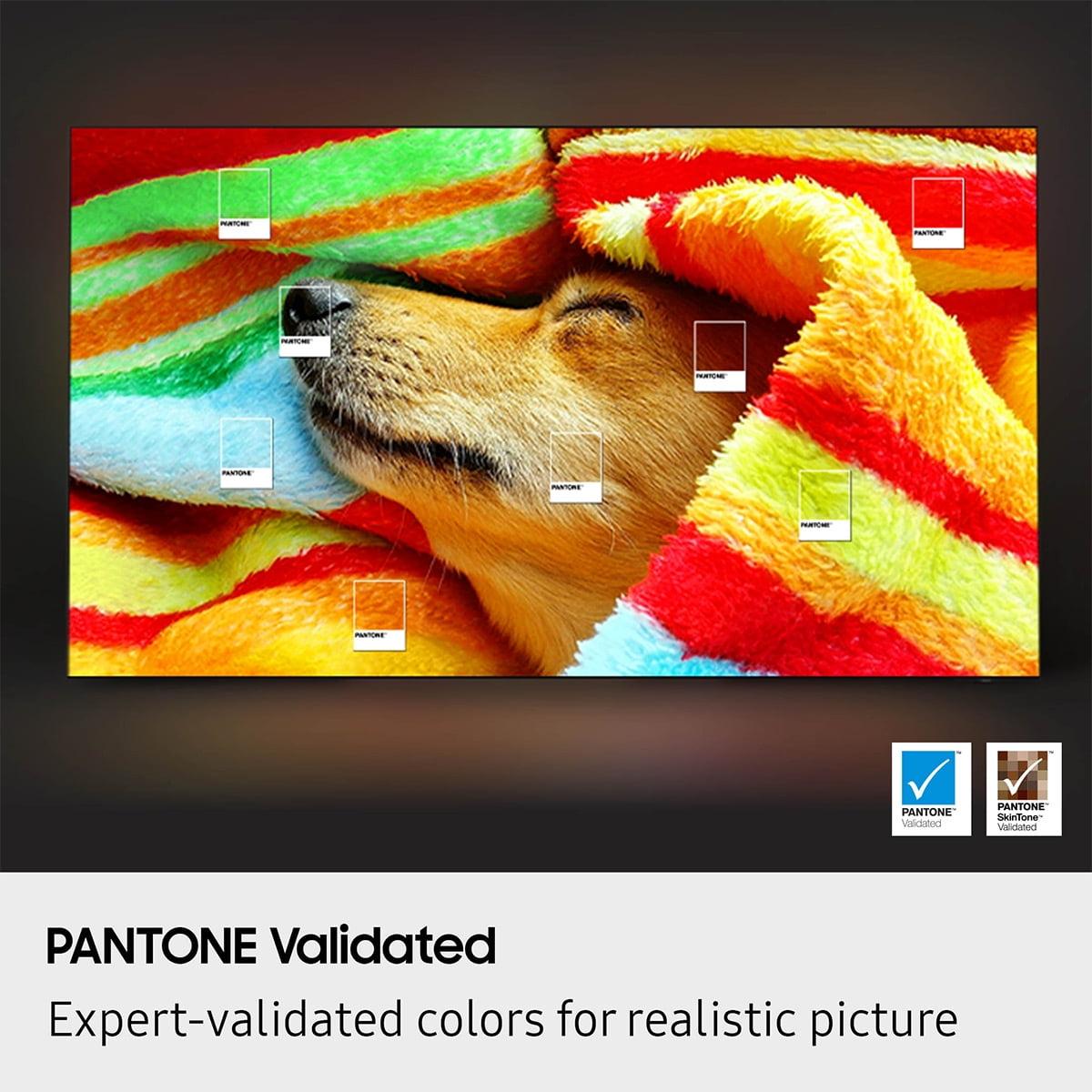
Both TVs excel at color reproduction, but they achieve it differently. The S85F OLED is "Pantone Validated," meaning it can accurately reproduce over 2,140 colors and 110 skin tone shades as defined by the Pantone color standard – the same system used by professional designers and printers.
The QN85D Neo QLED uses Samsung's "100% Color Volume with Quantum Dot" technology. Color volume refers to how many colors a display can show at different brightness levels. Traditional displays might show vibrant reds, but only when they're dark. Quantum Dot technology allows the Neo QLED to maintain color saturation even at high brightness levels.
In practice, the OLED tends to look more natural and film-like, while the Neo QLED often appears more vibrant and punchy. Neither approach is wrong – it's more about preference and content type.
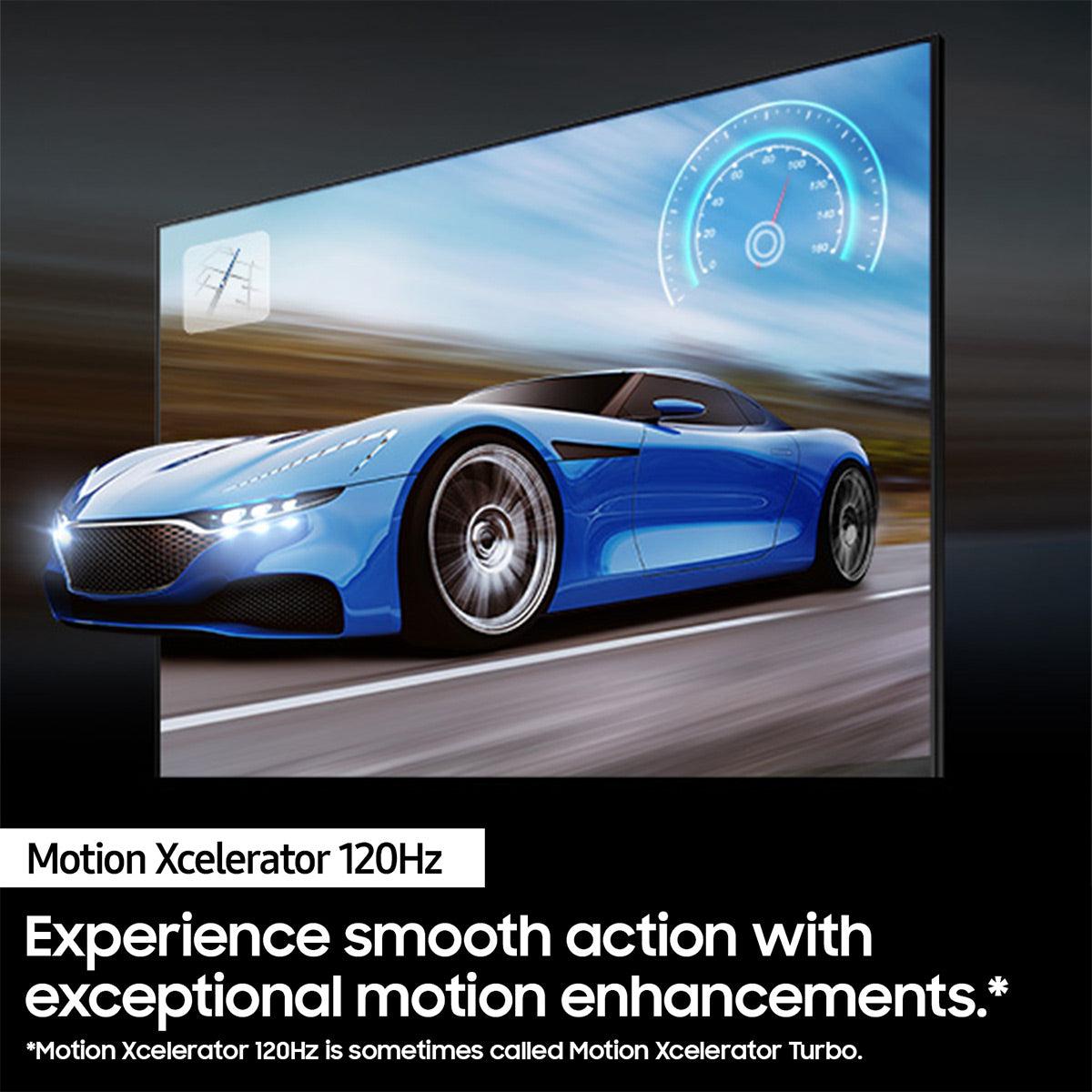
Modern gaming has pushed TV manufacturers to optimize for low input lag (the delay between pressing a button and seeing the result on screen) and high refresh rates. Both TVs support 4K gaming at 120Hz, meaning they can display 120 frames per second at full 4K resolution – perfect for PlayStation 5 and Xbox Series X gaming.
The S85F OLED has a significant advantage in response time – how quickly pixels can change from one color to another. OLED pixels can switch nearly instantaneously, while LCD pixels (even with Mini LED backlighting) take slightly longer. This translates to sharper motion and less blur during fast-paced gaming.
Both TVs support Variable Refresh Rate (VRR), which synchronizes the TV's refresh rate with the console's output to eliminate screen tearing, and Auto Low Latency Mode (ALLM), which automatically switches to the lowest input lag mode when gaming.
For competitive gaming, the OLED's response time advantage is noticeable. For casual gaming, both perform excellently, though the Neo QLED's higher brightness can make colorful games pop more in bright rooms.
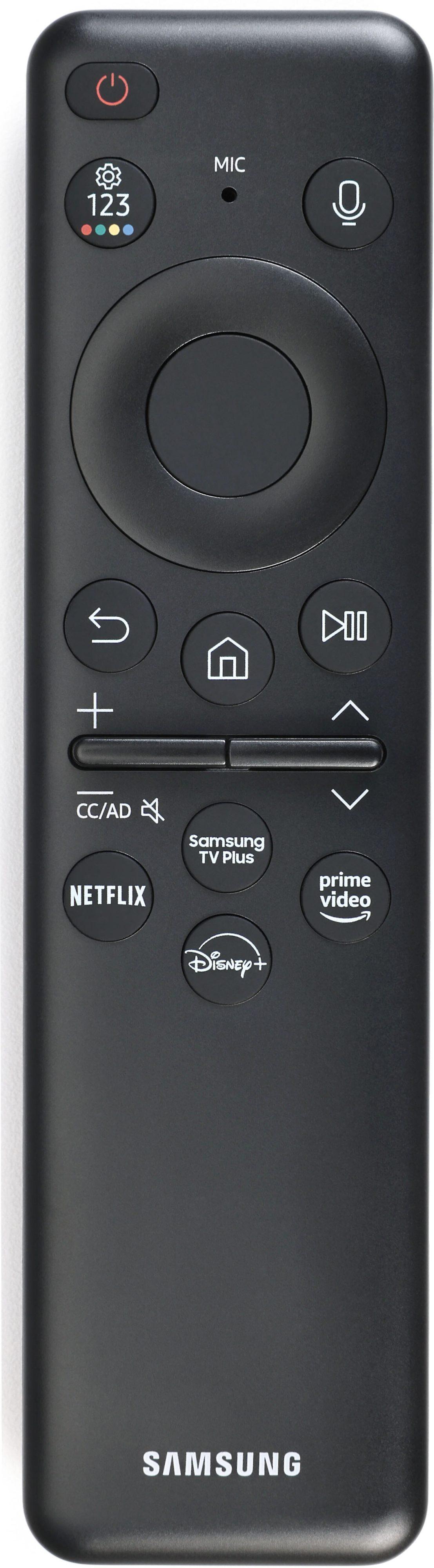
The S85F OLED runs on Samsung's NQ4 AI Gen3 processor, while the QN85D Neo QLED uses the previous generation NQ4 AI Gen2. Both processors handle Samsung's Tizen smart TV platform, which provides access to all major streaming services and features like voice control.
The newer Gen3 processor in the OLED provides slightly better 4K upscaling (converting lower resolution content to look better on the 4K screen) and more responsive navigation. However, both processors are quite capable for typical smart TV tasks.
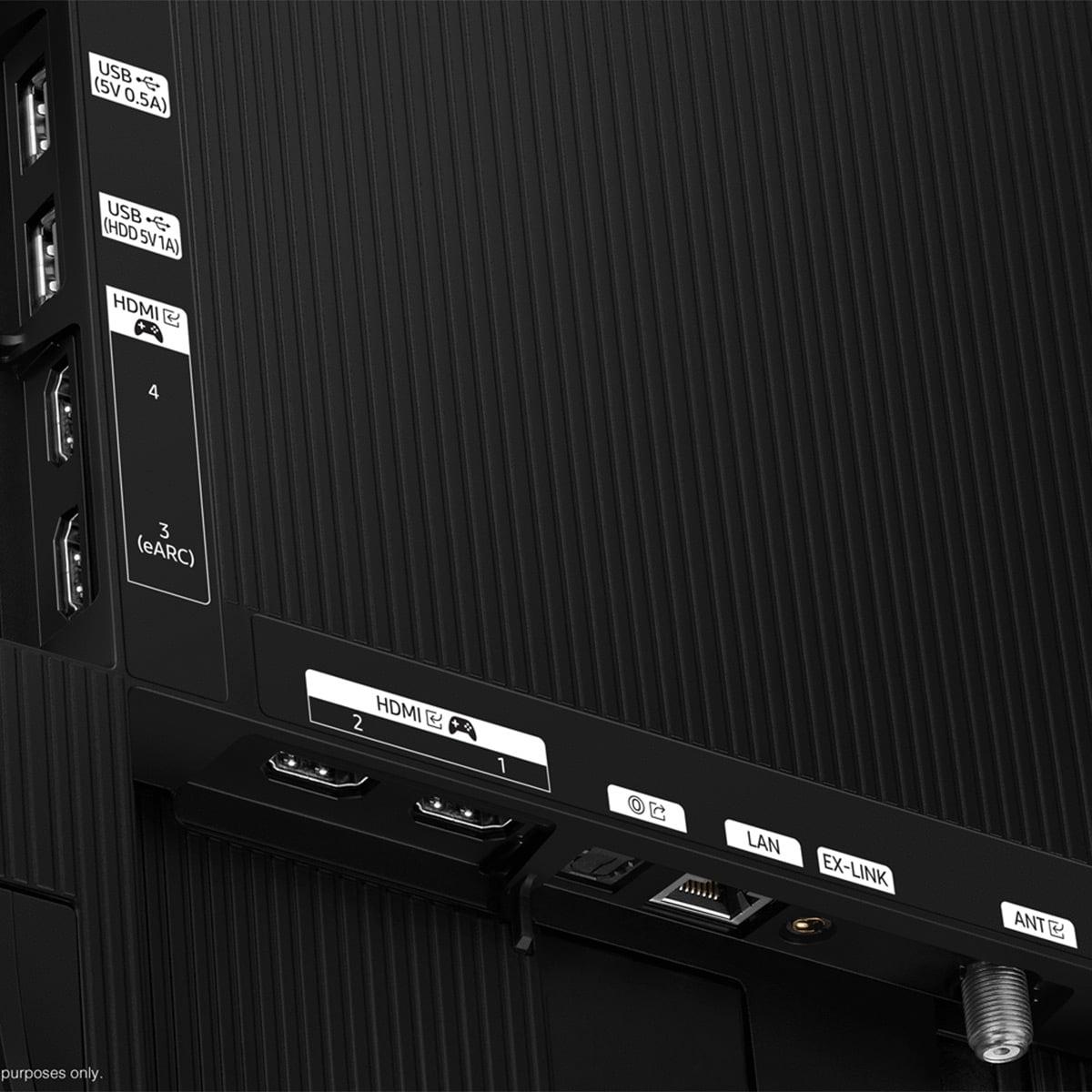
Both TVs include Samsung's complete smart ecosystem, including SmartThings hub functionality for controlling smart home devices, and support for voice assistants like Bixby and Alexa.
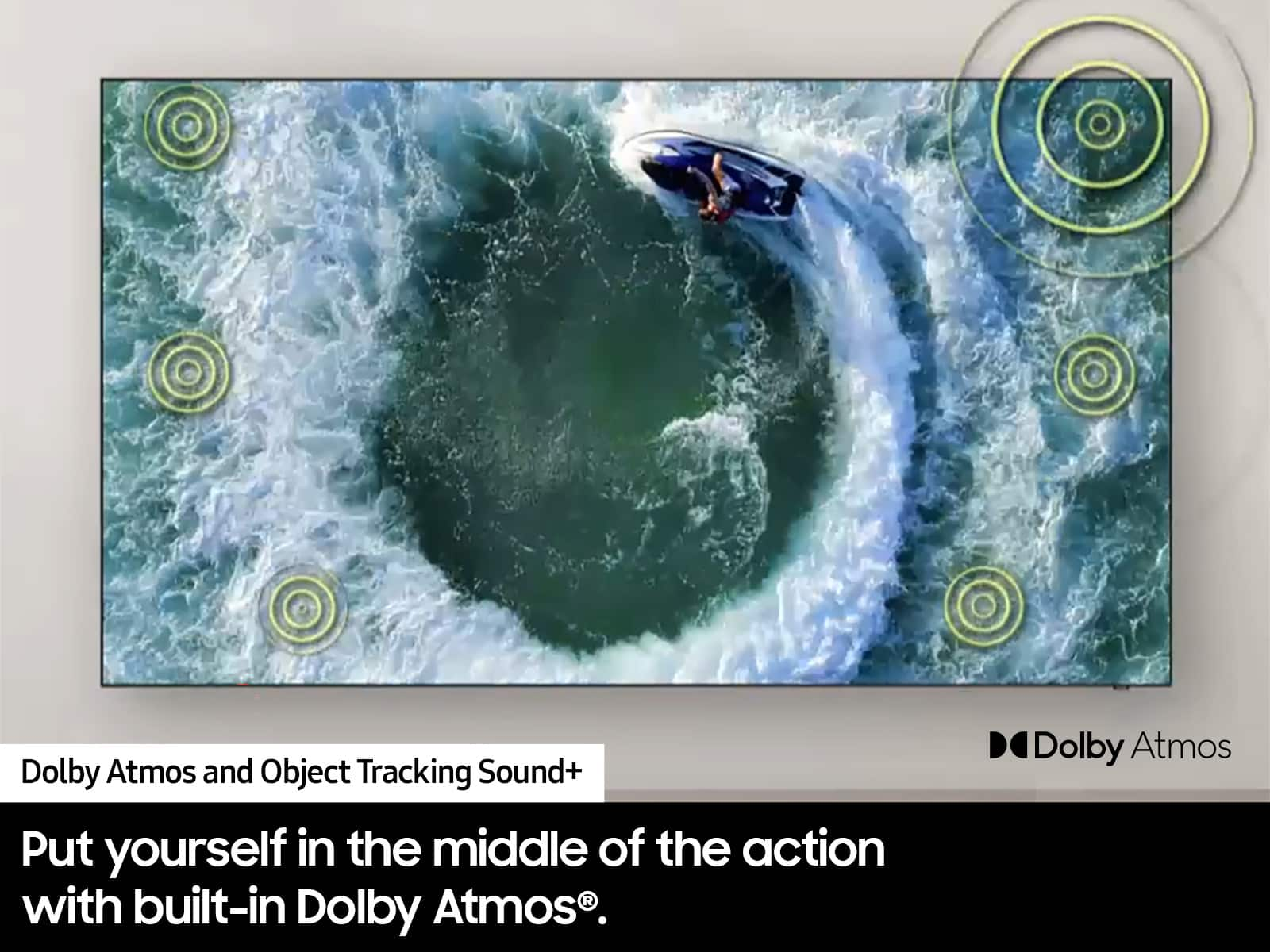
Both TVs feature similar audio systems with Dolby Atmos support and Object Tracking Sound Lite, which tries to make sound appear to come from the right part of the screen. The S85F OLED has a 2.0 channel, 20W speaker system, while the QN85D Neo QLED has comparable audio processing.
For serious home theater use, most enthusiasts will pair either TV with a dedicated soundbar or surround sound system. Both TVs support Samsung's Q-Symphony technology, which allows compatible Samsung soundbars to work in harmony with the TV's built-in speakers.
If you're building a dedicated home theater, the S85F OLED is generally the preferred choice. Its perfect blacks create that "floating image" effect that makes the bezels disappear in a dark room. The more natural, film-like color reproduction also tends to match the director's intent more closely.
The OLED's wider viewing angles mean everyone in the room gets a similar experience, regardless of seating position. This becomes important in a home theater where multiple people might not be sitting directly in front of the screen.
However, if your "home theater" is actually a multi-purpose family room with ambient lighting, the QN85D Neo QLED might be more practical. Its higher brightness and better reflection handling make it more versatile for different lighting conditions.
One consideration that comes up frequently is OLED "burn-in" – the potential for static images to leave permanent marks on the screen. Modern OLEDs, including the S85F, have numerous protections against this, including pixel shifting and automatic brightness limiting. In typical home use, burn-in is quite rare, but it's worth considering if you plan to use the TV for gaming with static UI elements or as a computer monitor.
The QN85D Neo QLED doesn't have burn-in concerns due to its LCD-based technology. It's also generally more resistant to bright ambient light that might affect an OLED's lifespan.
The S85F OLED is priced at $1,599.99 for the 65-inch model, positioning it as a premium option with 2025's latest OLED technology. The QN85D Neo QLED typically ranges from $1,200-$1,500, making it a more accessible entry into Samsung's premium TV lineup.
The price difference reflects both the newer technology in the OLED and the generally higher cost of OLED manufacturing. However, the Neo QLED often provides better value for users who don't need perfect blacks or plan to use the TV primarily in bright environments.
Choose the Samsung 65" S85F OLED if you:
Choose the Samsung 65" QN85D Neo QLED if you:
Both TVs represent excellent choices in Samsung's premium lineup. The OLED excels in cinematic quality and dark-room performance, while the Neo QLED offers superior brightness and versatility at a lower price point. Your choice ultimately depends on your viewing environment, content preferences, and budget priorities.
In my experience, both TVs will likely exceed your expectations coming from an older display. The decision often comes down to whether you prioritize the perfect blacks and film-like experience of OLED, or the brightness and versatility of Mini LED technology. Either way, you're getting a premium TV that should serve you well for years to come.
| Samsung 65" S85F OLED 4K Smart TV (2025) | Samsung 65" QN85D Neo QLED 4K Smart TV |
|---|---|
| Display Technology - The fundamental difference that affects all picture quality | |
| WOLED (White OLED) with 4-layer panel structure | Neo QLED (Mini LED + Quantum Dot LCD) |
| Release Date & Pricing - Newer tech costs more but offers latest features | |
| Early 2025, $1,599.99 | 2024, $1,200-$1,500 |
| Black Levels - Critical for movie watching and dark room performance | |
| Perfect blacks (infinite contrast) - pixels turn completely off | Very good blacks with Mini LED dimming, but some light bleed |
| Peak Brightness - Essential for bright rooms and HDR content | |
| ~1,300 nits (excellent for most environments) | Higher sustained brightness across large areas (better for very bright rooms) |
| Processor - Affects smart TV performance and upscaling quality | |
| NQ4 AI Gen3 (2025, latest generation) | NQ4 AI Gen2 (2024, previous generation) |
| Gaming Performance - Important for console and PC gaming | |
| Near-instantaneous response time, 4K@120Hz, VRR, ALLM | Very low input lag, 4K@120Hz, VRR, ALLM |
| Color Accuracy - Matters for movies and professional content | |
| Pantone Validated (2,140+ colors, film-like reproduction) | 100% Color Volume with Quantum Dot (vibrant, punchy colors) |
| Viewing Angles - Important for family rooms with multiple seating positions | |
| Ultra-wide viewing angles (OLED advantage) | Good viewing angles but not as wide as OLED |
| Reflection Handling - Critical for bright living rooms | |
| Anti-Glare 2.0 coating, but limited by lower brightness | Better performance in bright rooms due to higher brightness |
| Burn-in Risk - Long-term durability consideration | |
| Potential for image retention (rare with modern protections) | No burn-in risk due to LCD technology |
| HDR Performance - Enhances movie and streaming content quality | |
| OLED HDR with superior shadow detail and tone mapping | Neo Quantum HDR with brighter highlights but less nuanced |
| Best Use Case - Where each TV excels | |
| Dark rooms, home theaters, movie enthusiasts | Bright rooms, all-day viewing, sports and casual content |
The Samsung 65" S85F OLED delivers superior movie picture quality with perfect blacks and infinite contrast. OLED technology allows each pixel to turn completely off, creating the deep blacks that make movies look more cinematic. The Samsung 65" QN85D Neo QLED offers excellent picture quality but can't match OLED's contrast performance in dark scenes.
The Samsung 65" S85F OLED is priced at $1,599.99, while the Samsung 65" QN85D Neo QLED typically costs between $1,200-$1,500. The OLED costs about $300-400 more due to its newer 2025 technology and more expensive manufacturing process.
The Samsung 65" QN85D Neo QLED performs better in bright rooms thanks to its Mini LED backlighting that can achieve higher sustained brightness levels. The Samsung 65" S85F OLED has Anti-Glare 2.0 coating but is limited by lower peak brightness in well-lit environments.
Yes, both the Samsung 65" S85F OLED and Samsung 65" QN85D Neo QLED support 4K gaming at 120Hz, Variable Refresh Rate (VRR), and Auto Low Latency Mode (ALLM). The OLED has faster response times for competitive gaming, while both work excellently with PlayStation 5 and Xbox Series X.
The Samsung 65" S85F OLED has a slight advantage with its newer NQ4 AI Gen3 processor compared to the Samsung 65" QN85D Neo QLED's Gen2 processor. Both run Samsung's Tizen OS with identical app selection, voice control, and smart home integration features.
The Samsung 65" S85F OLED is generally preferred for dedicated home theaters due to its perfect blacks, wider viewing angles, and more natural color reproduction. The self-illuminating pixels create a cinematic experience that's ideal for dark room movie watching.
The Samsung 65" QN85D Neo QLED has no burn-in risk due to its LCD technology, making it more durable for varied content. The Samsung 65" S85F OLED has potential for image retention but includes modern protections that make burn-in rare in typical home use.
The Samsung 65" S85F OLED offers Pantone Validated color accuracy with over 2,140 colors, providing film-like reproduction. The Samsung 65" QN85D Neo QLED uses Quantum Dot technology for 100% color volume, delivering more vibrant and punchy colors, especially in bright content.
The Samsung 65" QN85D Neo QLED excels for sports with its higher brightness that makes colors pop in well-lit rooms and excellent motion handling. The Samsung 65" S85F OLED also handles sports well with instant response times, but the Neo QLED's brightness gives it an edge for daytime viewing.
The Samsung 65" S85F OLED has lower peak brightness and potential burn-in concerns, while the Samsung 65" QN85D Neo QLED cannot achieve perfect blacks and has narrower viewing angles compared to OLED technology.
The Samsung 65" QN85D Neo QLED typically offers better value at $1,200-$1,500 with excellent all-around performance. The Samsung 65" S85F OLED at $1,599.99 provides premium picture quality that justifies the higher cost for movie enthusiasts and home theater users.
Choose the Samsung 65" S85F OLED if you prioritize perfect blacks, cinematic picture quality, and primarily watch in dark rooms. Choose the Samsung 65" QN85D Neo QLED if you need a bright room TV, want better value, or prefer vibrant colors for sports and casual viewing.
We've done our best to create useful and informative comparisons to help you decide what product to buy. Our research uses advanced automated methods to create this comparison and perfection is not possible - please contact us for corrections or questions. These are the sites we've researched in the creation of this article: rtings.com - samsung.com - youtube.com - rtings.com - youtube.com - samsung.com - bestbuy.com - avsforum.com - avsforum.com - samsung.com - displayspecifications.com - videoandaudiocenter.com - bestbuy.com - flatpanelshd.com - myallsouth.com - samsung.com - richstv.com - samsung.com - heartlandappliance.com - videoandaudiocenter.com - shopjetson.com - mysoundconcepts.com - samsung.com - merlinstv.com - youtube.com - samsung.com - samsung.com

Privacy Policy
Terms and Conditions - Affiliate Policy
Home Security
© Copyright 2008-2026.
11816 Inwood Rd #1211, Dallas, TX 75244