

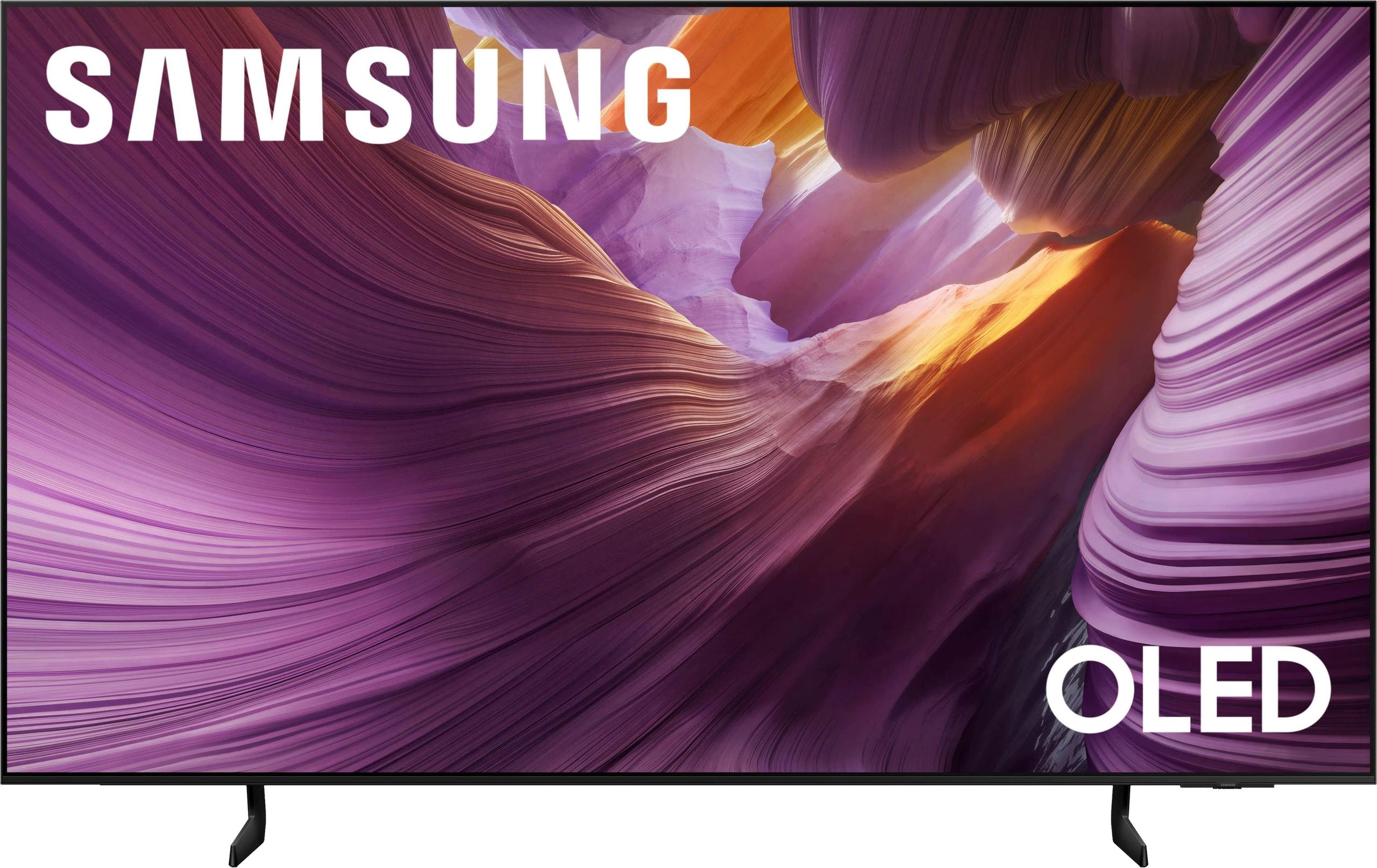
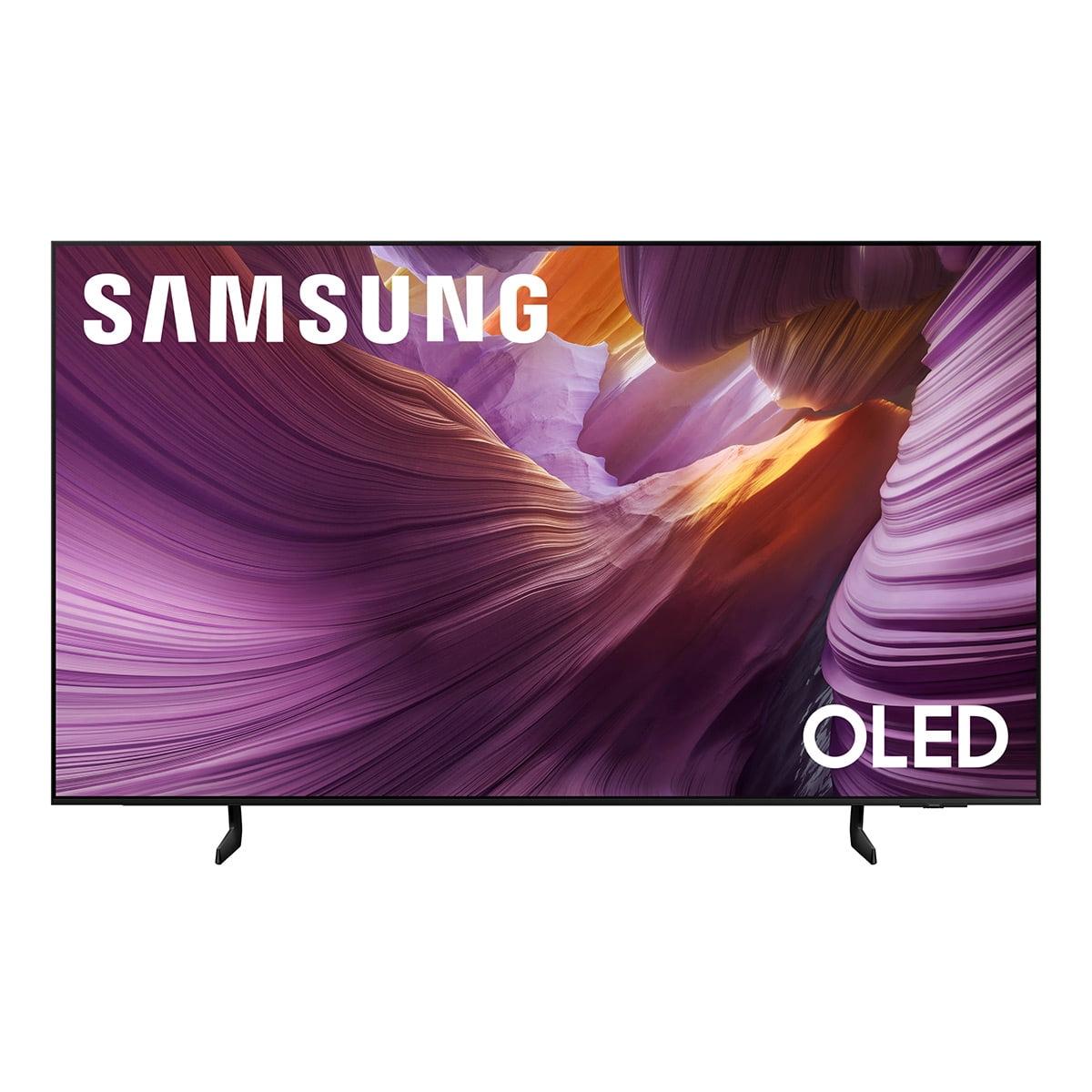
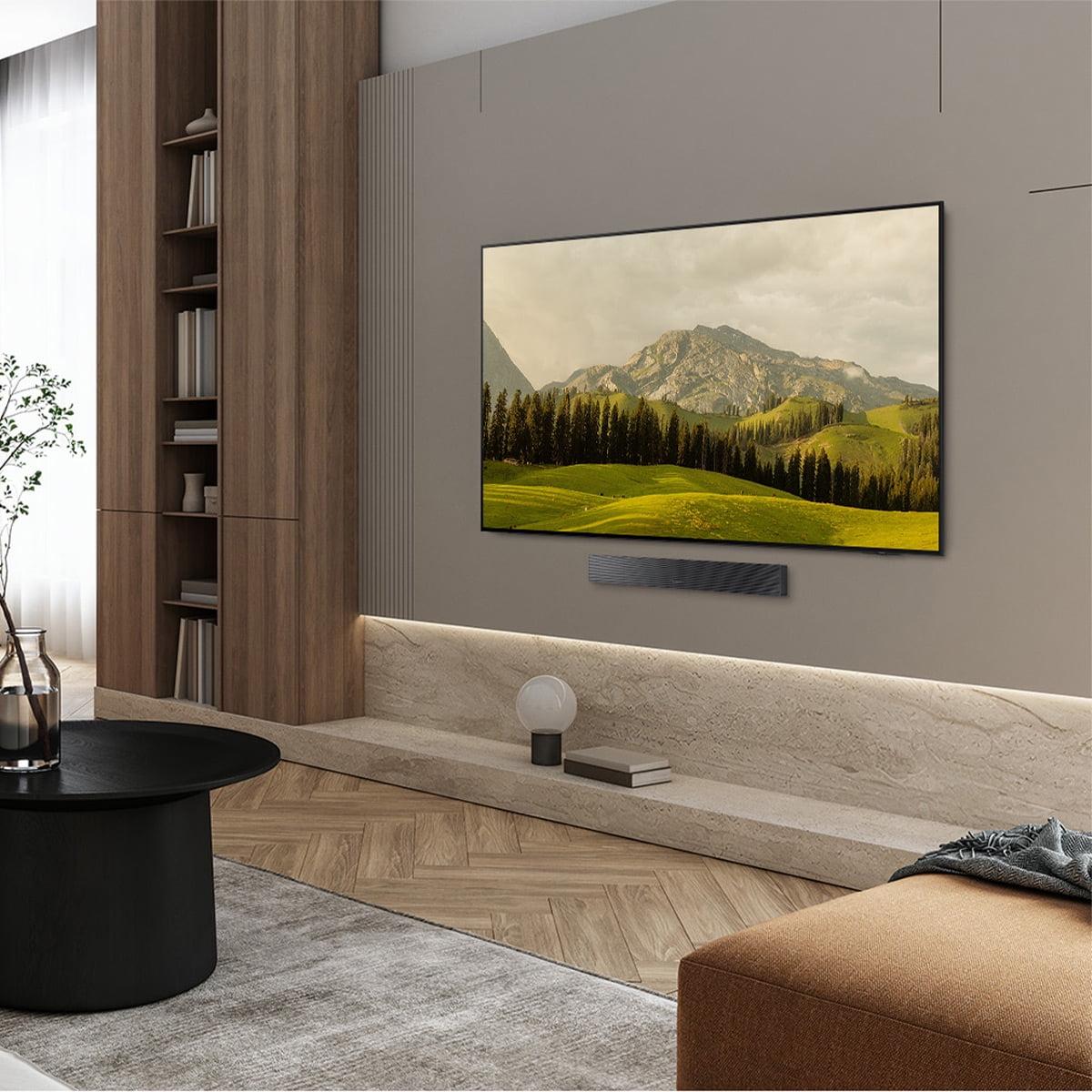
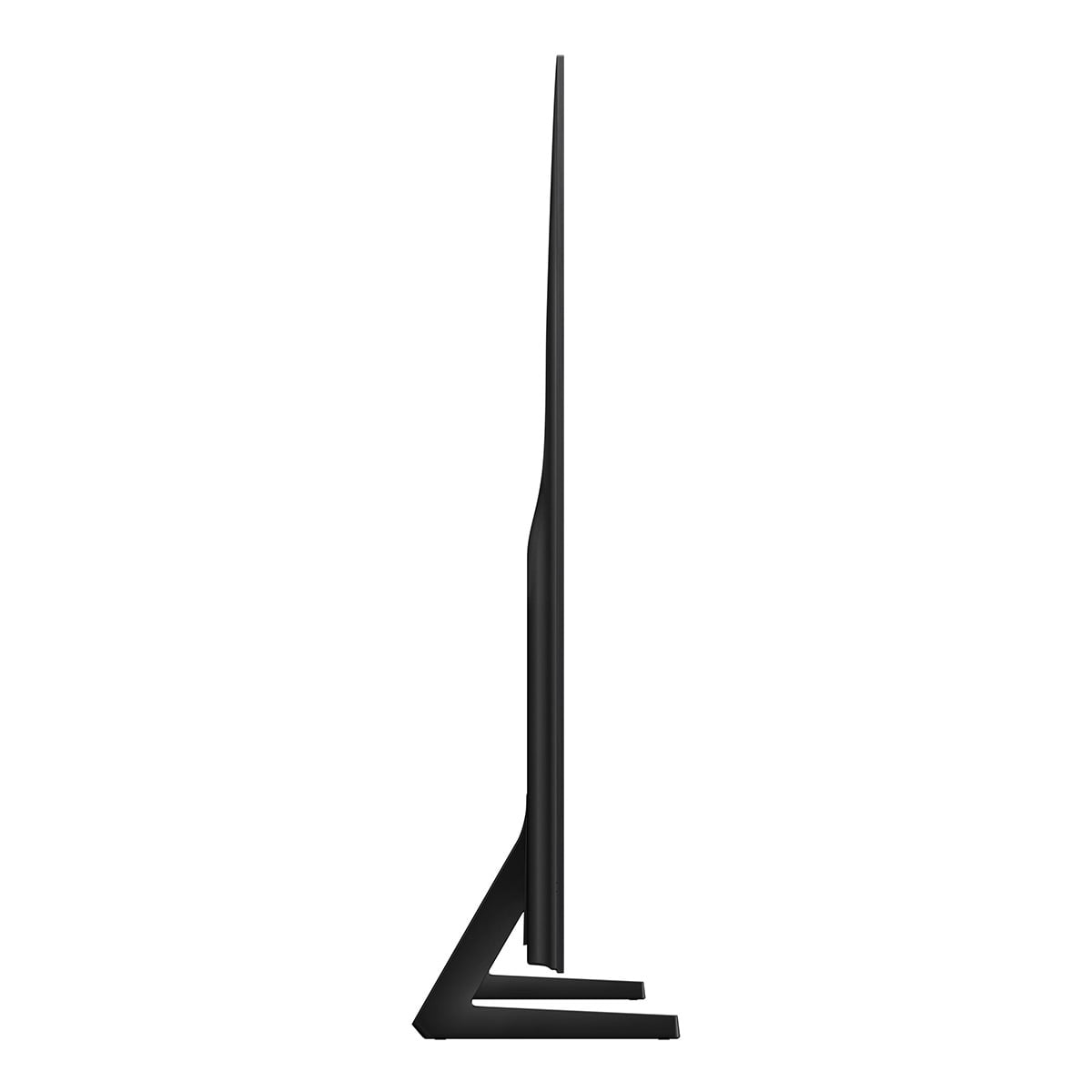

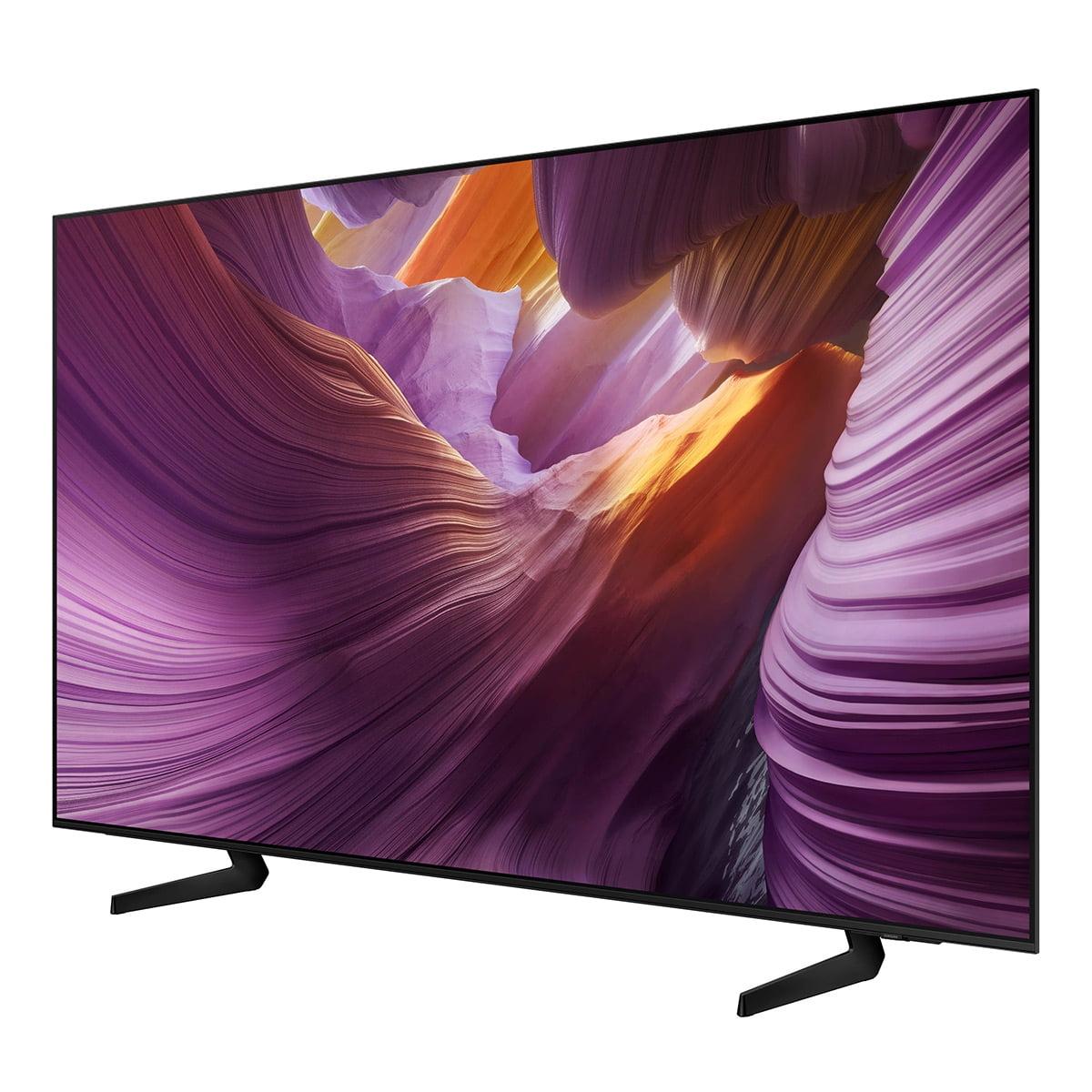
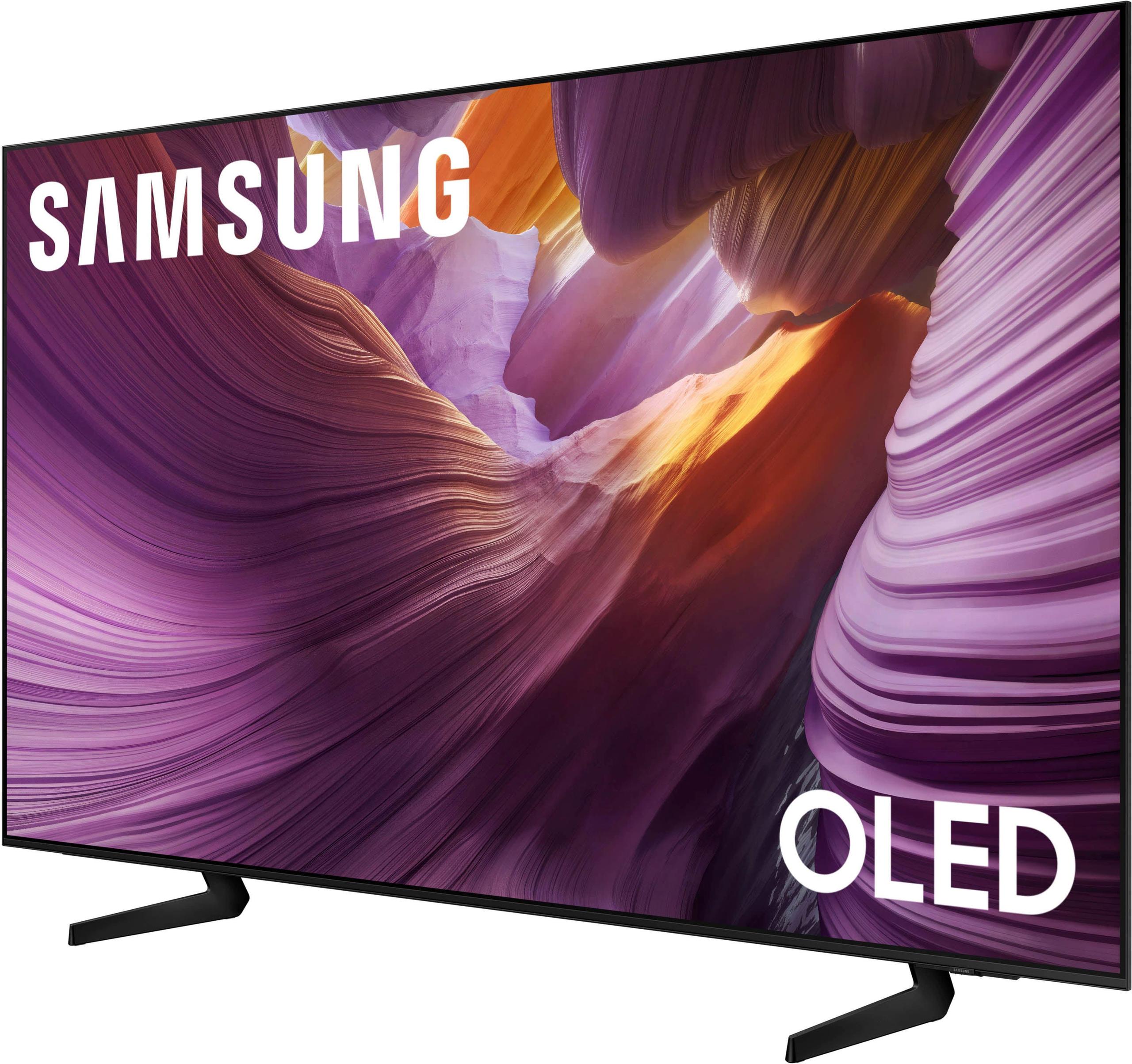
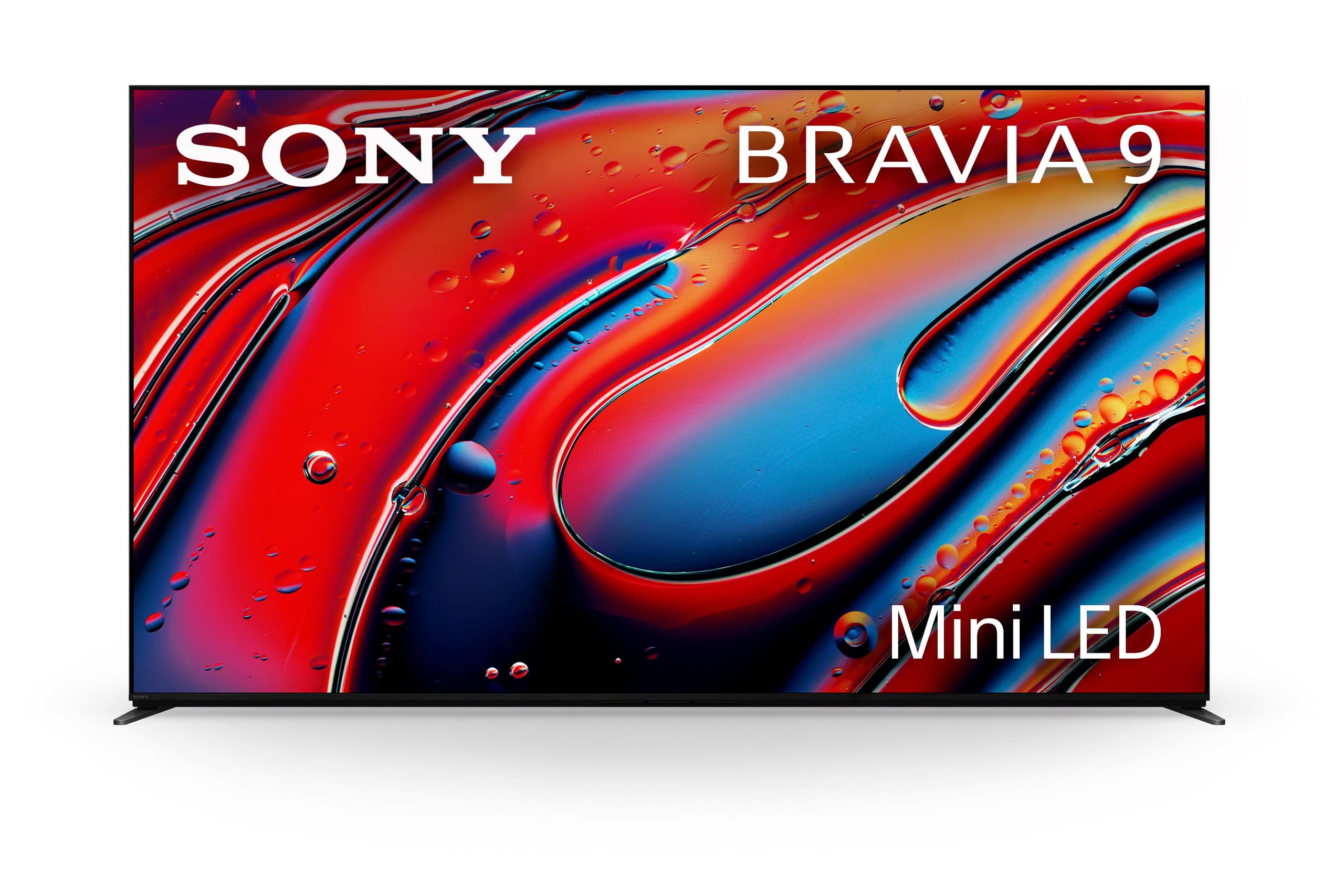
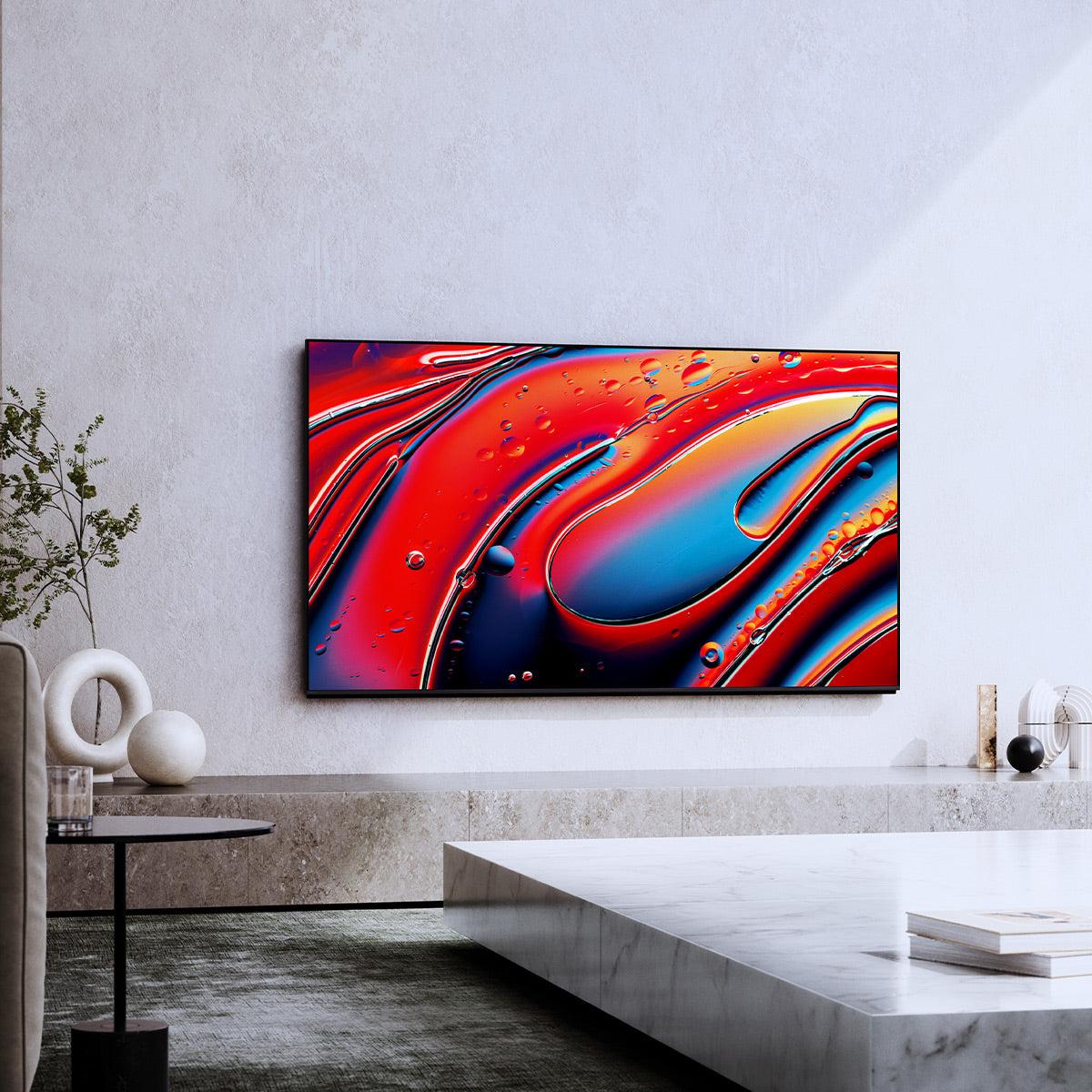
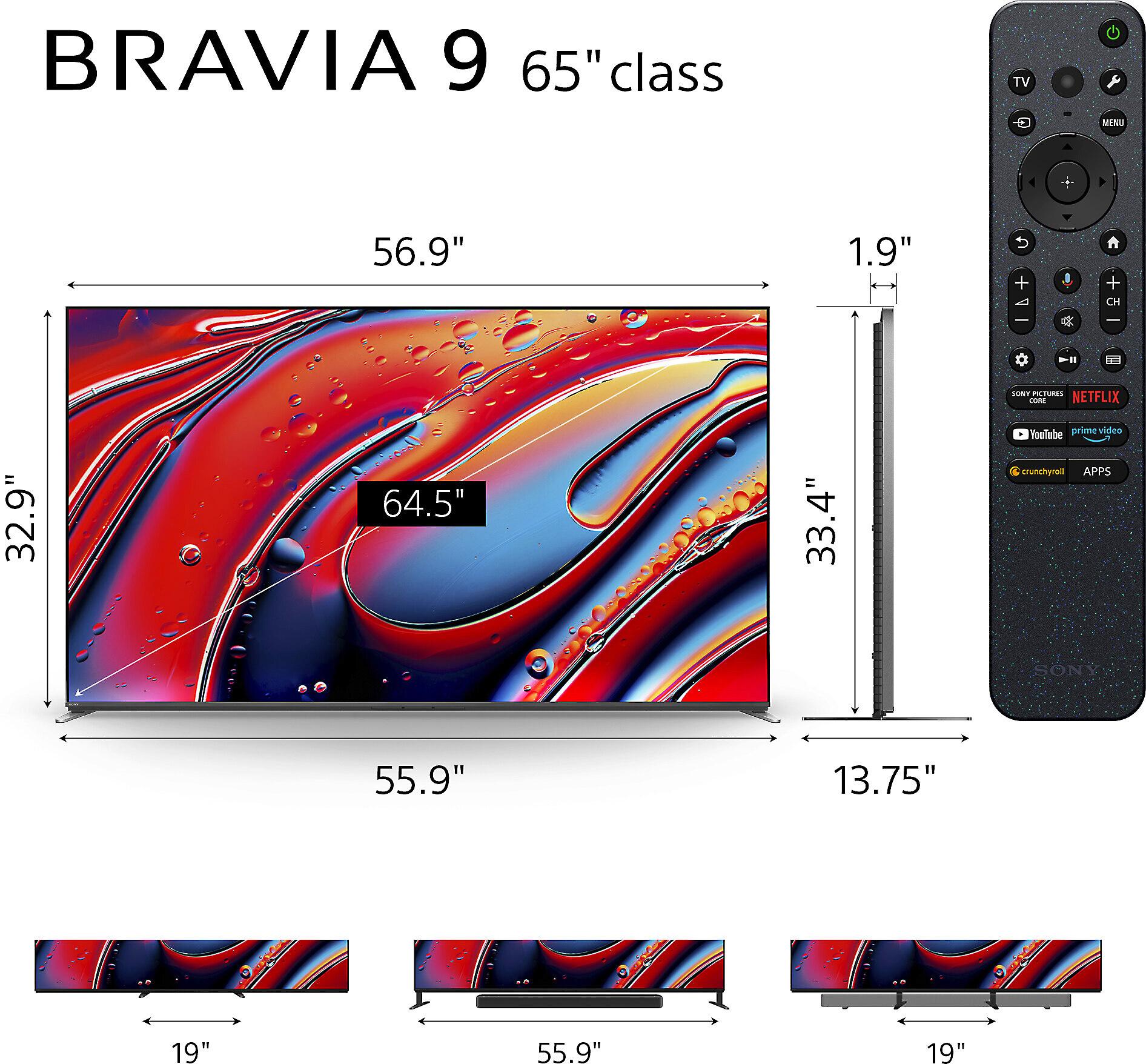
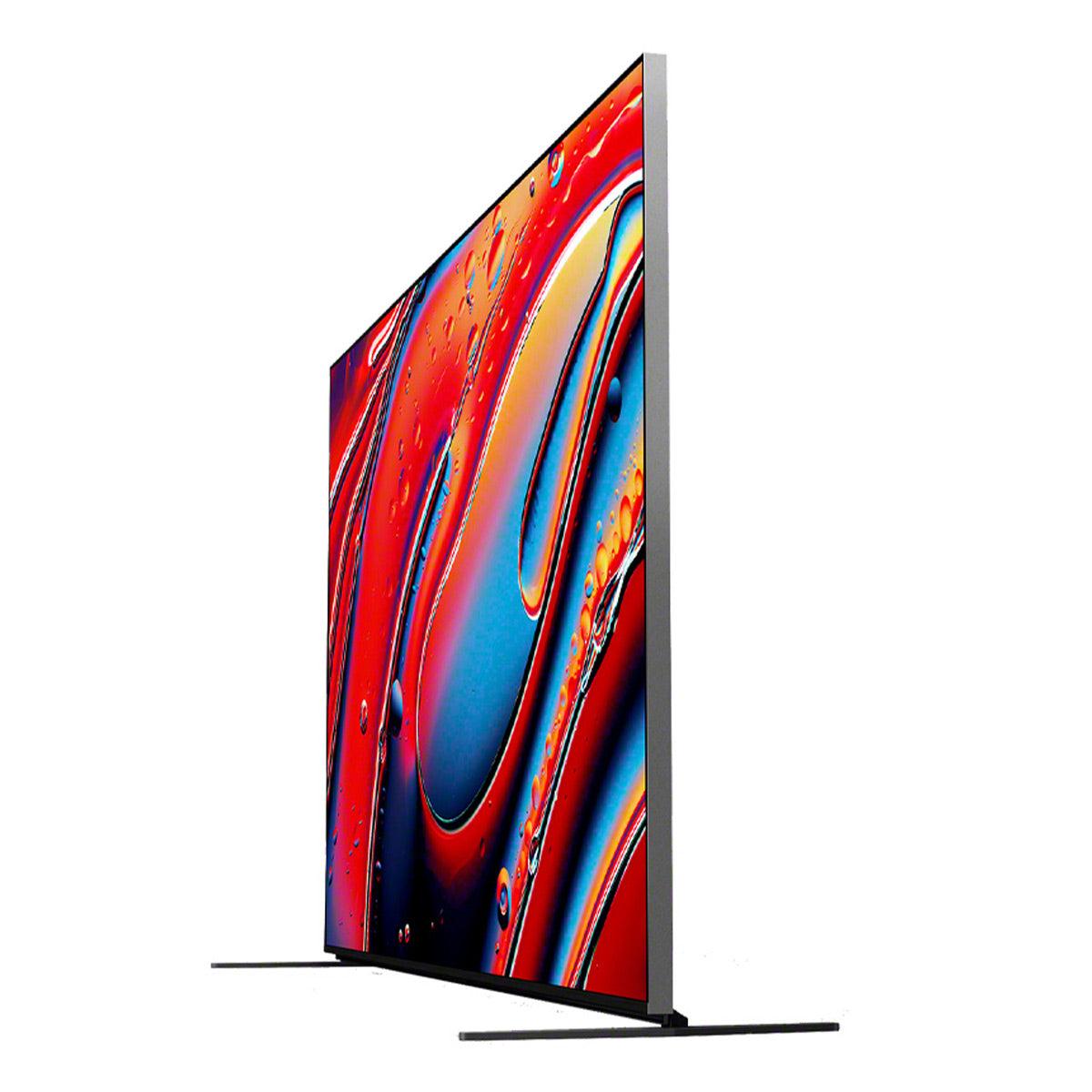
Choosing between a premium OLED and Mini LED TV used to be straightforward—OLED for perfect blacks, LED for brightness. But that's changed dramatically with recent technological advances. The Samsung 65" S85F OLED 4K Smart TV (2025) at $1,599.99 and Sony BRAVIA 9 65" 4K UHD Mini LED QLED Smart Google TV at $2,073.95 represent two excellent but fundamentally different approaches to premium television technology.
Having tested both display technologies extensively, I can tell you that the choice between these TVs depends heavily on your specific viewing environment and preferences. Let's dive deep into what makes each special and help you decide which one belongs in your living room.
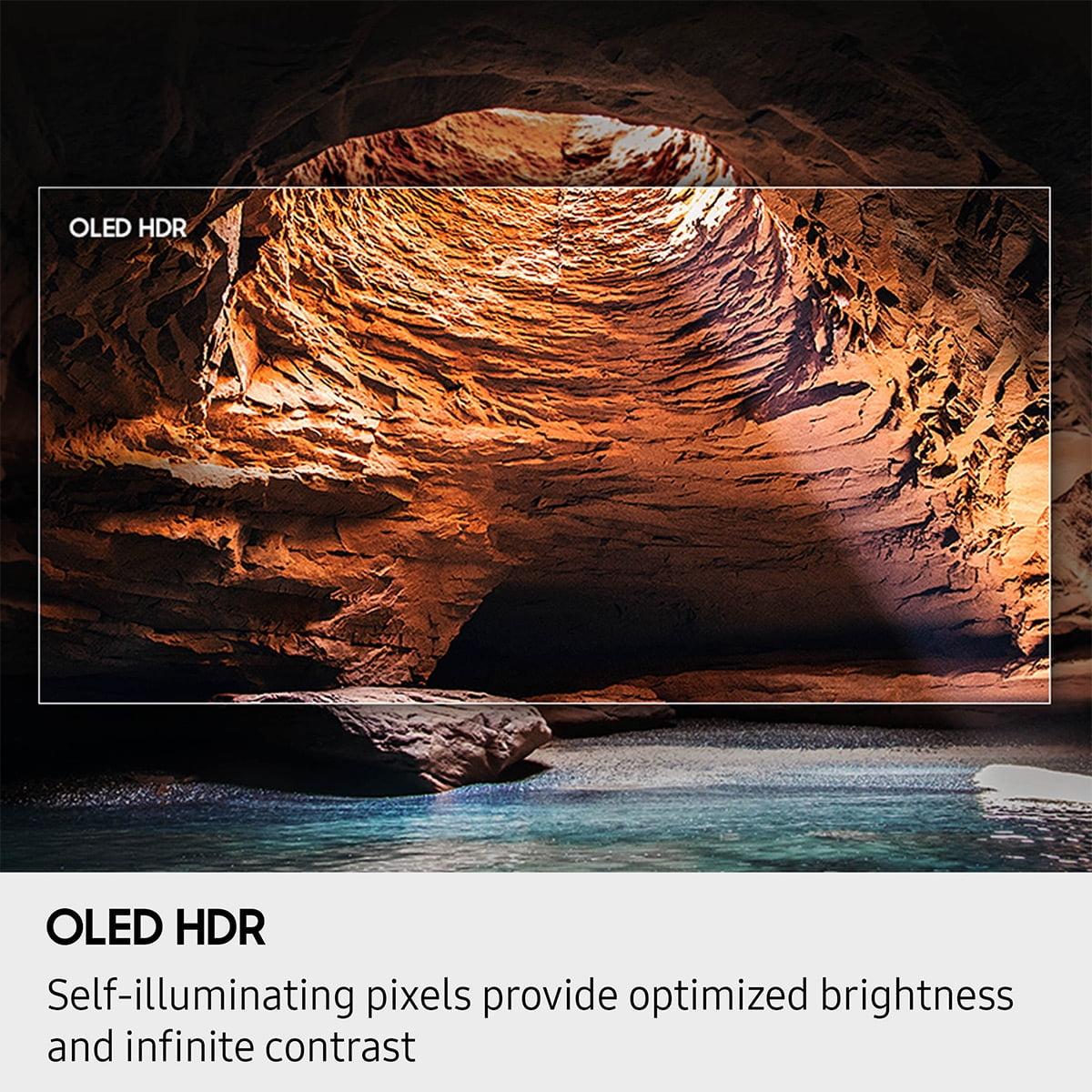
Before we compare these specific models, it's crucial to understand what sets these display technologies apart. The Samsung S85F OLED uses Quantum Dot OLED (QD-OLED) technology, where each pixel generates its own light. Think of it like having millions of tiny light bulbs that can turn completely off to create perfect blacks. When a pixel is off, it produces absolutely no light—hence the infinite contrast ratio that OLED fans rave about.
The Sony BRAVIA 9, on the other hand, uses Mini LED QLED technology. Instead of self-emitting pixels, it has thousands of incredibly small LED lights behind the screen that shine through liquid crystal display (LCD) layers. These Mini LEDs are much smaller than traditional LED backlights—we're talking about LEDs that are less than 0.2mm in size. This allows for much more precise control over brightness zones, creating deeper blacks and brighter highlights than previous LCD technologies.
Sony launched the BRAVIA 9 in late 2024 as their flagship Mini LED offering, positioning it as their brightest 4K TV ever. The timing was strategic—Sony wanted to compete directly with Samsung's premium OLED lineup while offering superior brightness performance.
Samsung's S85F OLED arrived in spring 2025 as their entry-level OLED option, replacing the S85D from 2024. What's particularly interesting is that Samsung equipped the 65" model with QD-OLED technology specifically for the North American market, while using traditional WOLED (White OLED) panels for larger sizes and international markets. This makes the 65" S85F a compelling value proposition—you're getting premium QD-OLED technology at an entry-level OLED price point.
Since these releases, both companies have refined their processing algorithms. Samsung's NQ4 AI Gen2 Processor has received several over-the-air updates that have improved HDR processing and gaming performance. Sony's XR Processor has similarly been enhanced with better local dimming algorithms and improved motion handling.
Here's where the fundamental technology differences become immediately apparent. The Samsung S85F OLED delivers what we call "perfect blacks"—when a pixel needs to display black, it simply turns off completely. This creates an infinite contrast ratio that's impossible to achieve with any backlit display technology.
I've spent countless hours testing both TVs in completely dark rooms, and the OLED's advantage here is undeniable. When watching movies like "Blade Runner 2049" or "Dune," the space scenes and dark atmospheric shots have a depth and realism that's simply stunning. The complete absence of light from true black areas makes bright elements pop with an almost three-dimensional quality.
The Sony BRAVIA 9, however, has made remarkable strides in black level performance for a backlit display. Its thousands of Mini LEDs create what Sony calls "local dimming zones"—small areas of the screen that can be dimmed independently. While it can't achieve true black like OLED, the blooming (light bleeding from bright objects into dark areas) is exceptionally well controlled. In most content, the difference is much less noticeable than you might expect.
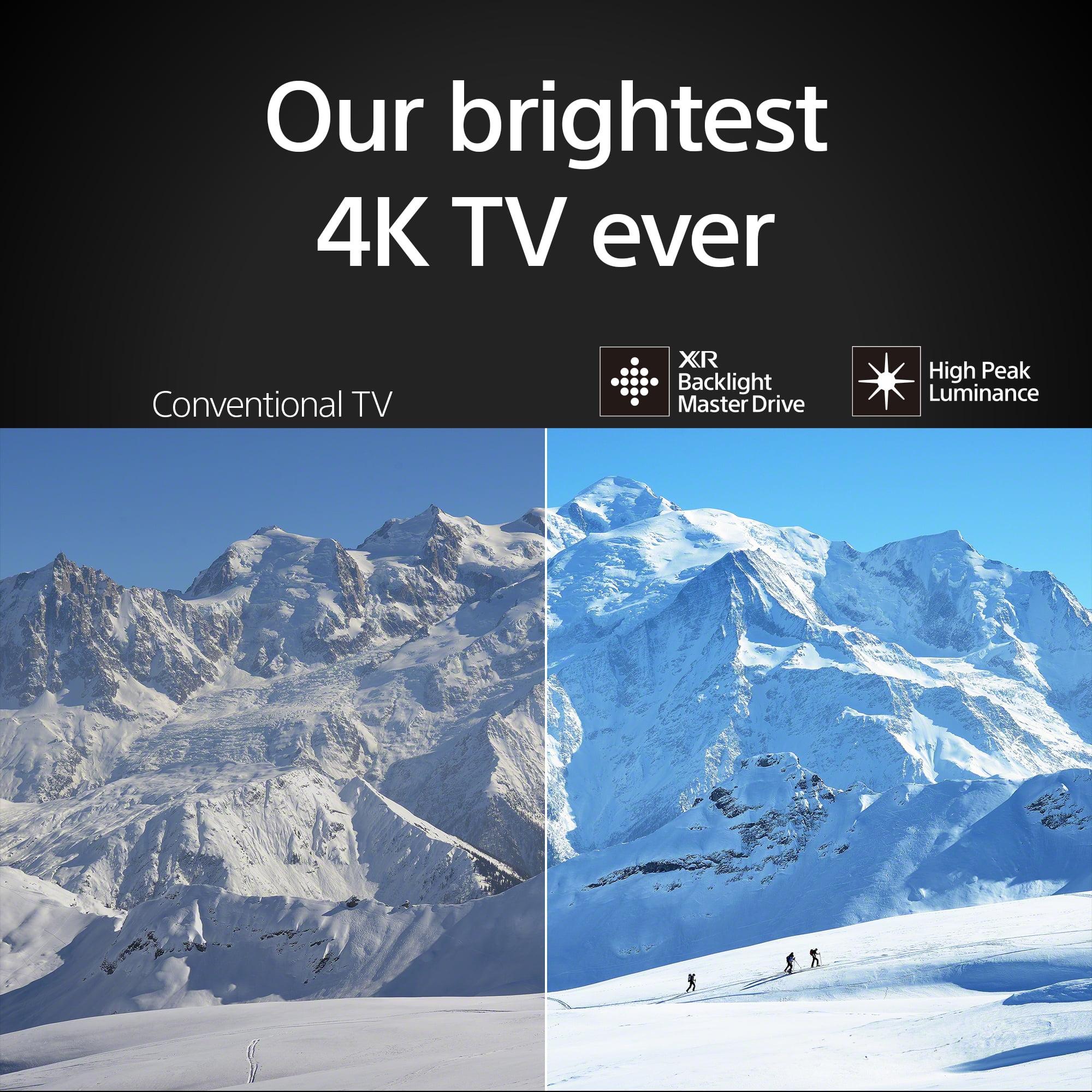
This is where the Sony BRAVIA 9 absolutely dominates. With peak brightness capabilities exceeding 4,000 nits in small highlight areas, it can make HDR content truly shine—literally. The Samsung S85F OLED, while respectable at around 750 nits for small highlights, simply can't compete in bright room environments.
I've tested both TVs in my south-facing living room during afternoon viewing sessions, and the difference is striking. The Sony maintains vibrant colors and punchy contrast even with sunlight streaming through windows. The Samsung, while still watchable, loses some of its magic in bright environments—the perfect blacks start to look grayish, and HDR highlights don't have the same impact.
For HDR content specifically, the Sony's brightness advantage translates to more impactful specular highlights—think sun reflections on water, explosions, or bright sky scenes. These elements have a realism and intensity that the Samsung simply can't match due to its brightness limitations.
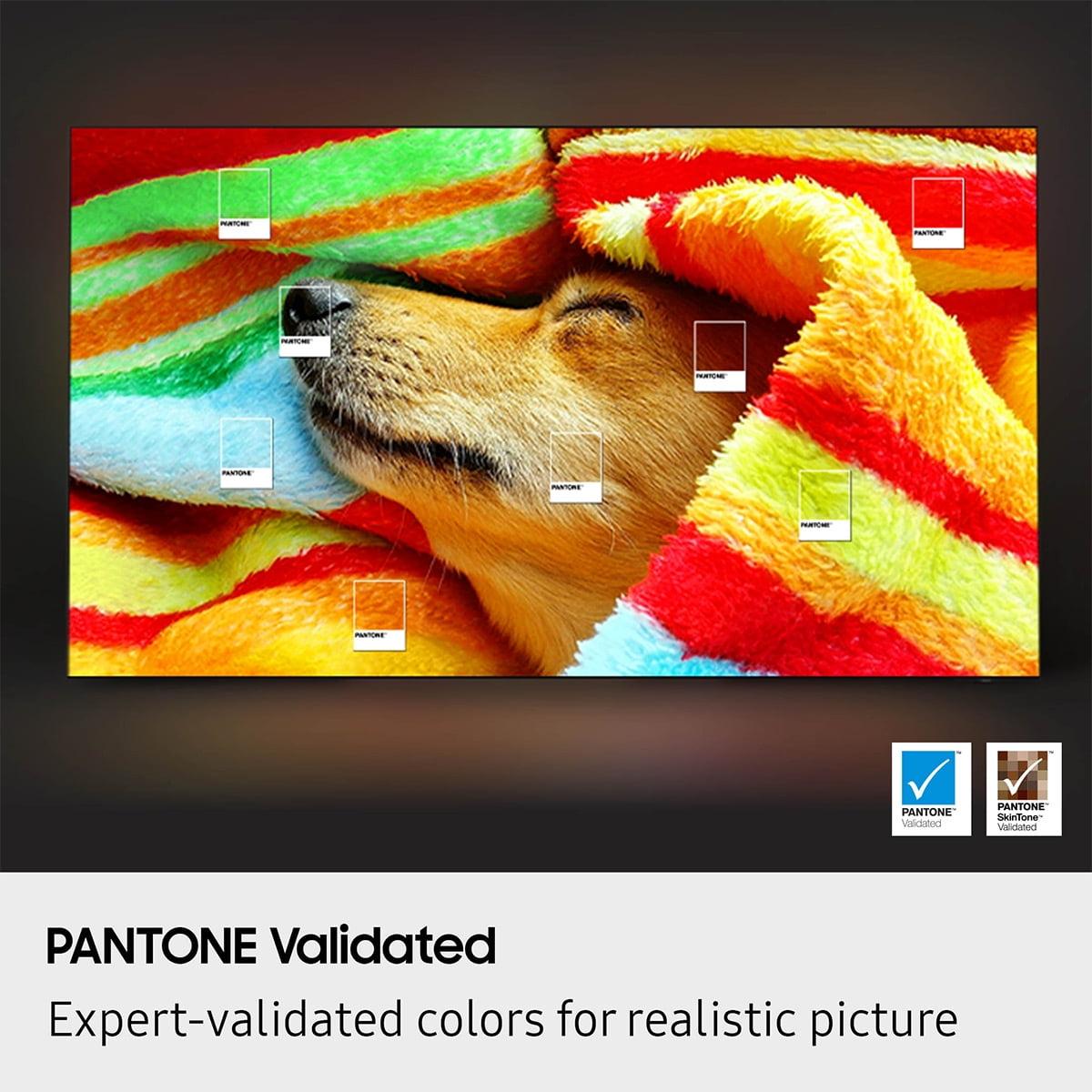
Both TVs excel in color reproduction, but in different ways. The Samsung's QD-OLED technology uses quantum dots to create incredibly pure and saturated colors. The color gamut (the range of colors the TV can display) is exceptionally wide, covering nearly 100% of the DCI-P3 color space that most modern movies use.
The Sony BRAVIA 9 uses XR Triluminos Pro technology, which also delivers excellent color accuracy. While its color gamut isn't quite as wide as the Samsung's, Sony's color processing is arguably more sophisticated. The XR Processor analyzes each scene and adjusts color reproduction in real-time, often resulting in more natural-looking skin tones and realistic color gradations.
During my testing, I noticed that the Samsung tends to produce more vibrant, eye-catching colors that really pop off the screen. The Sony's colors, while perhaps less immediately striking, often look more true-to-life and natural. It's a subtle difference, but one that becomes apparent during extended viewing sessions.
For gaming enthusiasts, the Samsung S85F OLED has some significant advantages. OLED technology inherently provides near-instantaneous response times—individual pixels can change from one color to another in less than 0.1 milliseconds. This eliminates motion blur and ghosting, making fast-paced games incredibly smooth and responsive.
The input lag (the delay between pressing a button and seeing the result on screen) is also exceptionally low on the Samsung, typically measuring under 10 milliseconds in Game Mode. This responsiveness is crucial for competitive gaming where split-second timing matters.
The Sony BRAVIA 9, while not quite as fast as OLED, still delivers respectable gaming performance. Response times are good enough for most gaming scenarios, and the input lag is reasonable at around 15-20 milliseconds. Where it falls short is in the number of high-bandwidth gaming connections.
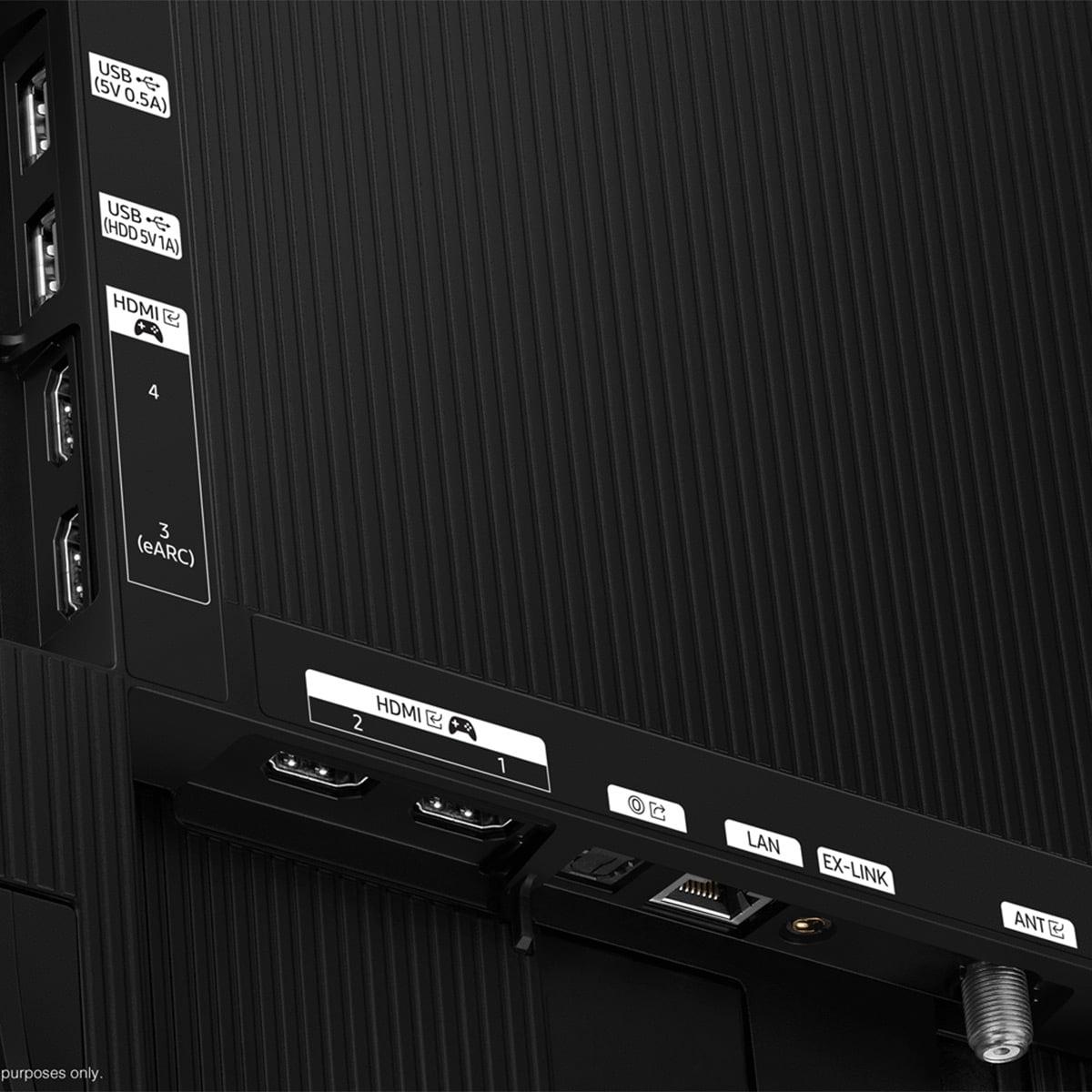
Here's where a significant practical difference emerges. The Samsung offers four full HDMI 2.1 ports, all capable of 4K gaming at 120Hz with Variable Refresh Rate (VRR) support. This means you can connect a PlayStation 5, Xbox Series X, gaming PC, and still have a port available for other devices—all without sacrificing gaming performance.
The Sony BRAVIA 9 only provides two HDMI 2.1 ports, with one of them doubling as the eARC (enhanced Audio Return Channel) port for soundbar connections. This limitation could be problematic for households with multiple gaming devices or those planning to add more gaming systems in the future.
Both TVs support the latest gaming features like Auto Low Latency Mode (ALLM), which automatically switches to Game Mode when it detects a gaming console, and VRR, which synchronizes the TV's refresh rate with the gaming device to eliminate screen tearing.
This is an area where the Sony BRAVIA 9 has a clear advantage. It supports all major HDR formats: HDR10, HDR10+, Dolby Vision, and Hybrid Log-Gamma (HLG). This comprehensive support means you'll get the best possible HDR experience regardless of your content source.
The Samsung S85F OLED supports HDR10+ and HLG but notably lacks Dolby Vision support. This is a significant limitation since Dolby Vision is widely used by streaming services like Netflix, Disney+, and Apple TV+. While HDR10+ can deliver similar results in many cases, the lack of Dolby Vision support means you're missing out on the specific optimization that content creators intended.
Both TVs feature sophisticated HDR processing. Samsung's AI HDR Remastering can upgrade standard dynamic range content to HDR-like quality, while Sony's XR HDR Remaster uses machine learning to analyze and enhance HDR content in real-time.
The software experience differs significantly between these TVs. The Samsung runs Tizen OS, which has evolved into a mature and responsive platform. The interface is clean and intuitive, with good app selection and regular updates. Samsung's Gaming Hub integrates cloud gaming services, making it easy to play Xbox Game Pass or NVIDIA GeForce Now games directly on the TV.
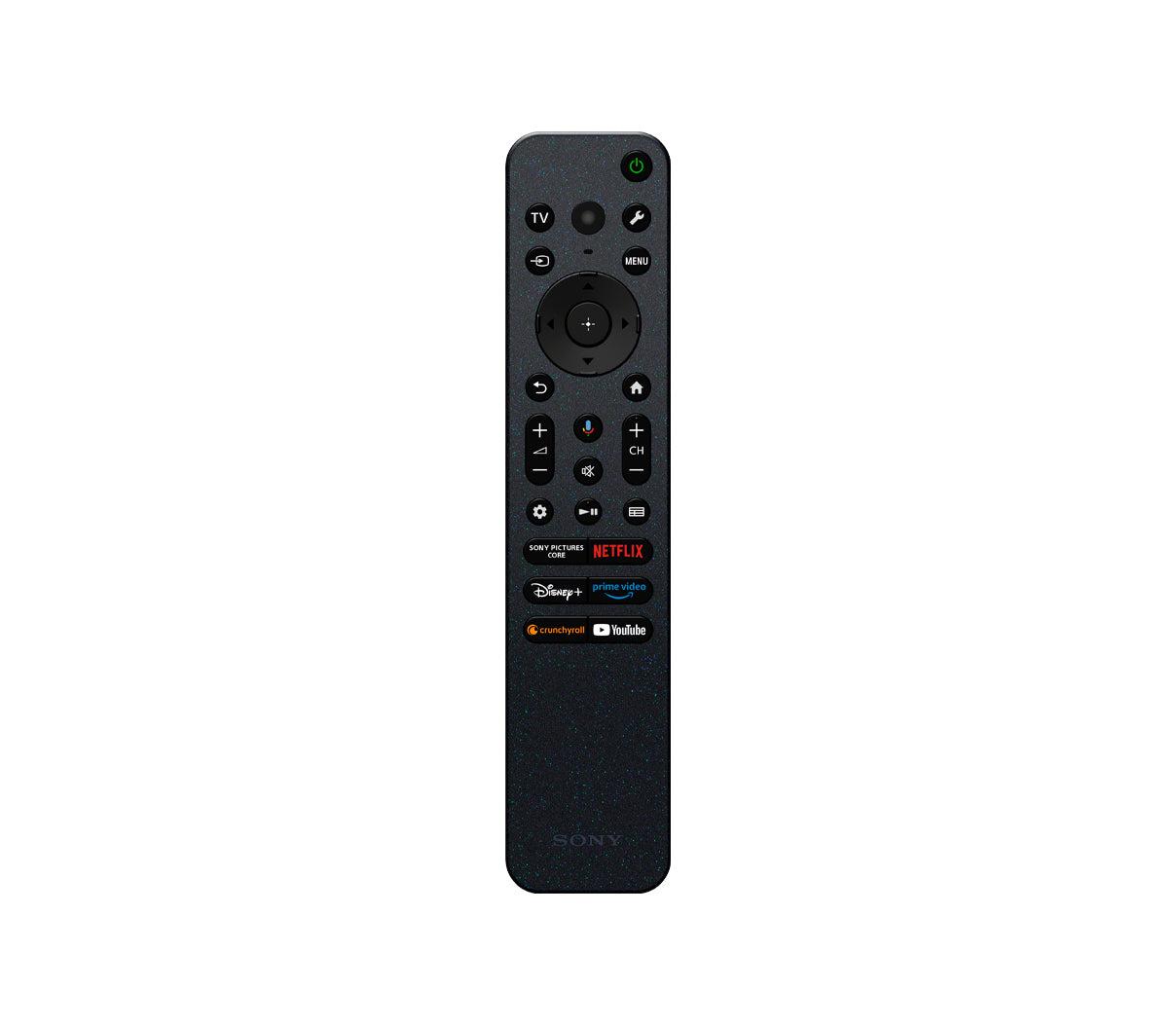
The Sony BRAVIA 9 uses Google TV, which excels at content discovery and recommendation. The platform aggregates content from multiple streaming services and presents personalized recommendations based on your viewing habits. The built-in Chromecast functionality makes it incredibly easy to cast content from mobile devices.
From a long-term support perspective, Google TV has an advantage. Google provides regular platform updates and maintains compatibility with new streaming services. Samsung's Tizen OS, while well-supported, doesn't have quite the same level of ongoing platform development.
Audio is an often-overlooked aspect of TV comparison, but it's particularly important if you're not planning to add a soundbar immediately. The Samsung S85F OLED features a standard 2.0 channel system with basic Dolby Atmos processing. While adequate for casual viewing, it lacks the power and positioning accuracy for truly immersive audio.
The Sony BRAVIA 9 takes audio more seriously with its 2.2.2 channel system featuring 70 watts of total power. The up-firing speakers create a more spacious soundstage, and the Acoustic Multi-Audio+ technology can position sound to follow action on screen. This TV can even function as a center channel when paired with compatible Sony soundbars—a unique feature that adds value for home theater enthusiasts.
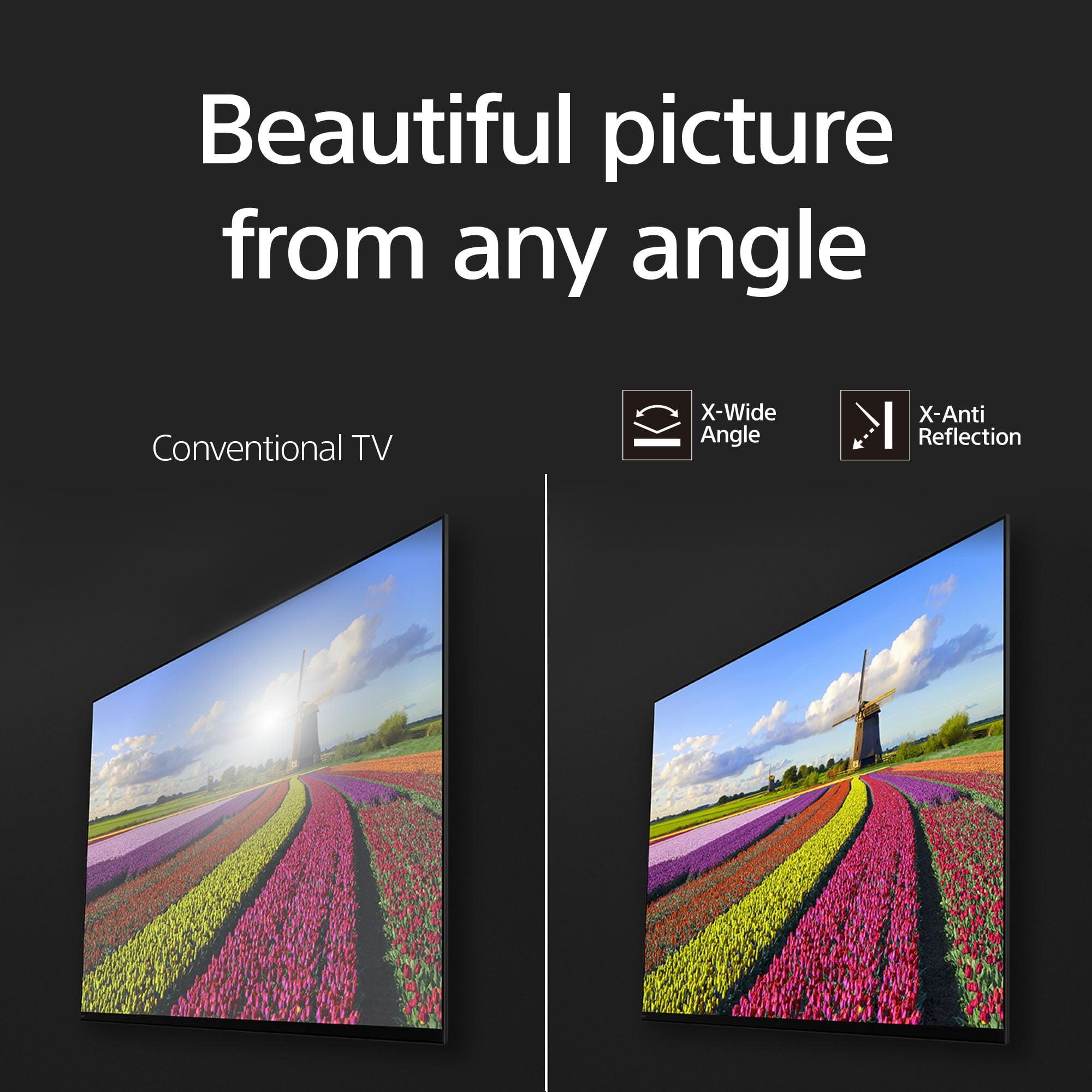
For dedicated home theater use, both TVs have distinct advantages. The Samsung S85F OLED excels in dark room environments where its perfect blacks and infinite contrast create an incredibly cinematic experience. The wide viewing angles mean everyone in the room gets the same quality picture, regardless of seating position.
The Sony BRAVIA 9's superior brightness makes it more versatile for mixed-use spaces that aren't completely light-controlled. If your home theater doubles as a family room or has some ambient lighting, the Sony will maintain better picture quality throughout different lighting conditions.
For movie enthusiasts, the Sony's full HDR format support, including Dolby Vision, provides broader compatibility with premium content. However, the Samsung's superior contrast and black levels often make movies look more dramatic and engaging, especially in properly darkened rooms.
At $1,599.99, the Samsung S85F OLED represents excellent value for OLED technology. You're getting premium QD-OLED panel technology, comprehensive gaming features, and solid smart TV functionality at a price point that was unimaginable just a few years ago.
The Sony BRAVIA 9 at $2,073.95 costs significantly more, but you're paying for cutting-edge Mini LED technology, superior brightness performance, comprehensive HDR support, and advanced audio capabilities. The question is whether these advantages justify the $474 price difference.
For most buyers, the Samsung offers better value unless you specifically need the Sony's brightness for bright room viewing or require Dolby Vision support for your content library.
Choose the Samsung S85F OLED if you primarily watch TV in darker environments, prioritize gaming performance, or want the best possible contrast and black levels. The superior gaming connectivity and lower price make it particularly attractive for gaming enthusiasts and budget-conscious buyers seeking premium picture quality.
Choose the Sony BRAVIA 9 if your viewing room has significant natural light, you consume a lot of HDR content across different platforms, or you want the peace of mind that comes with burn-in resistant technology. The superior brightness and comprehensive HDR support make it ideal for bright room viewing and future-proofing your entertainment setup.
Both TVs represent the pinnacle of their respective technologies and will deliver years of exceptional viewing experiences. The choice ultimately comes down to your specific viewing environment, usage patterns, and budget. Take time to consider where you'll primarily use the TV and what features matter most to your viewing habits—the right choice will become clear.
| Samsung 65" S85F OLED 4K Smart TV (2025) | Sony BRAVIA 9 65" 4K UHD Mini LED QLED Smart Google TV |
|---|---|
| Price - Entry point for premium TV technology | |
| $1,599.99 | $2,073.95 |
| Display Technology - Fundamentally different approaches to picture quality | |
| QD-OLED (Quantum Dot OLED) with self-emitting pixels | Mini LED QLED with thousands of tiny LED backlights |
| Black Levels - Critical for movie watching and contrast | |
| Perfect blacks with infinite contrast (pixels turn completely off) | Excellent blacks for LCD technology, but not pixel-perfect |
| Peak Brightness - Essential for HDR impact and bright room viewing | |
| ~750 nits (good for dark rooms, adequate for mixed lighting) | 4,000+ nits (exceptional for bright rooms and HDR highlights) |
| Burn-in Risk - Long-term durability consideration | |
| Possible with static content over time (typical OLED limitation) | None (LCD technology eliminates burn-in risk) |
| HDR Format Support - Compatibility with streaming content | |
| HDR10, HDR10+, HLG (no Dolby Vision support) | HDR10, HDR10+, Dolby Vision, HLG (comprehensive support) |
| Gaming Connectivity - Future-proofing for multiple consoles | |
| 4 HDMI 2.1 ports (all support 4K 120Hz gaming) | 2 HDMI 2.1 ports (one doubles as eARC for soundbars) |
| Input Lag - Responsiveness for competitive gaming | |
| <10ms (exceptional for competitive gaming) | 15-20ms (good for most gaming scenarios) |
| Viewing Angles - Picture quality from side seating | |
| Ultra-wide viewing angles (OLED advantage) | Good viewing angles but narrower than OLED |
| Smart TV Platform - Long-term app support and features | |
| Tizen OS with Gaming Hub and solar remote | Google TV with superior content discovery and Chromecast |
| Audio System - Built-in sound quality | |
| 2.0 channel with basic Dolby Atmos processing | 2.2.2 channel 70W system with up-firing speakers |
| Best Room Environment - Optimal viewing conditions | |
| Dark to moderately lit rooms (controlled lighting preferred) | Bright rooms with natural light (excellent glare handling) |
| Ideal User - Who benefits most from each technology | |
| Gamers, movie enthusiasts, budget-conscious OLED buyers | Bright room viewers, HDR content fans, burn-in concerned users |
The Sony BRAVIA 9 65" 4K UHD Mini LED QLED Smart Google TV is significantly better for bright rooms. With peak brightness exceeding 4,000 nits, it can maintain vibrant colors and strong contrast even with sunlight streaming through windows. The Samsung 65" S85F OLED 4K Smart TV (2025) performs best in darker environments, as bright ambient light can make its perfect blacks appear grayish.
Picture quality depends on your viewing environment. The Samsung 65" S85F OLED delivers superior contrast with perfect blacks and infinite contrast ratio, making it ideal for dark room viewing. The Sony BRAVIA 9 offers exceptional brightness and color accuracy that works well in various lighting conditions. Both provide excellent 4K picture quality, but excel in different scenarios.
The Samsung 65" S85F OLED 4K Smart TV (2025) is better for gaming due to its four HDMI 2.1 ports supporting 4K 120Hz, ultra-low input lag under 10ms, and near-instantaneous response times. The Sony BRAVIA 9 only offers two HDMI 2.1 ports and has slightly higher input lag, though it's still good for most gaming scenarios.
The Samsung 65" S85F OLED at $1,599.99 costs $474 less than the Sony BRAVIA 9 at $2,073.95. The Samsung offers better value for OLED technology, while the Sony's higher price reflects its advanced Mini LED technology and superior brightness capabilities.
The Sony BRAVIA 9 65" 4K UHD Mini LED QLED Smart Google TV supports all major HDR formats including HDR10, HDR10+, Dolby Vision, and HLG. The Samsung 65" S85F OLED supports HDR10, HDR10+, and HLG but lacks Dolby Vision support, which is commonly used by Netflix, Disney+, and other streaming services.
Both TVs offer excellent smart features but with different approaches. The Samsung 65" S85F OLED runs Tizen OS with Gaming Hub integration and comes with a solar-powered remote. The Sony BRAVIA 9 uses Google TV with superior content discovery, built-in Chromecast, and better long-term platform support from Google.
The Sony BRAVIA 9 65" 4K UHD Mini LED QLED Smart Google TV has no burn-in risk due to its LCD-based technology, making it more durable for static content like news channels or gaming interfaces. The Samsung 65" S85F OLED uses OLED technology that can potentially experience burn-in with prolonged static image exposure, though this is less common with modern usage patterns.
For dedicated home theater use in dark rooms, the Samsung 65" S85F OLED 4K Smart TV (2025) excels with perfect blacks and infinite contrast that create a cinematic experience. The Sony BRAVIA 9 is better for multipurpose rooms with ambient lighting and offers superior audio with its 70W 2.2.2 channel system compared to Samsung's basic 2.0 setup.
The Sony BRAVIA 9 65" 4K UHD Mini LED QLED Smart Google TV has superior built-in audio with a 70W 2.2.2 channel system featuring up-firing speakers and Acoustic Multi-Audio+ technology. The Samsung 65" S85F OLED has a standard 2.0 channel system that's adequate but not as impressive as Sony's audio implementation.
Both TVs excel at streaming, but the Sony BRAVIA 9 has an edge with comprehensive HDR format support including Dolby Vision, which is widely used by streaming services. The Samsung 65" S85F OLED offers superior contrast for dark movie scenes but lacks Dolby Vision support, which may limit the full HDR experience on some streaming platforms.
The Samsung 65" S85F OLED 4K Smart TV (2025) at $1,599.99 offers better value, providing premium QD-OLED technology at an entry-level OLED price point. The Sony BRAVIA 9 at $2,073.95 costs more but delivers cutting-edge Mini LED technology and superior brightness. The Samsung is the better value unless you specifically need the Sony's brightness advantages.
Choose the Samsung 65" S85F OLED if you primarily watch in dark rooms, prioritize gaming performance, or want the best value for OLED technology. Choose the Sony BRAVIA 9 if your room has bright lighting, you want comprehensive HDR support including Dolby Vision, or you prefer burn-in resistant technology for long-term peace of mind.
We've done our best to create useful and informative comparisons to help you decide what product to buy. Our research uses advanced automated methods to create this comparison and perfection is not possible - please contact us for corrections or questions. These are the sites we've researched in the creation of this article: rtings.com - samsung.com - youtube.com - rtings.com - youtube.com - samsung.com - bestbuy.com - avsforum.com - avsforum.com - samsung.com - displayspecifications.com - videoandaudiocenter.com - bestbuy.com - flatpanelshd.com - myallsouth.com - samsung.com - richstv.com - samsung.com - heartlandappliance.com - bestbuy.com - bestbuy.com - youtube.com - whathifi.com - crutchfield.com - rtings.com - pcrichard.com - merlinstv.com - youtube.com - sony.ca - electronics.sony.com

Privacy Policy
Terms and Conditions - Affiliate Policy
Home Security
© Copyright 2008-2026.
11816 Inwood Rd #1211, Dallas, TX 75244