


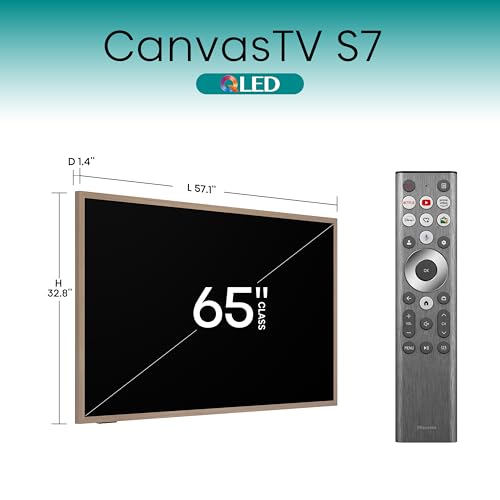


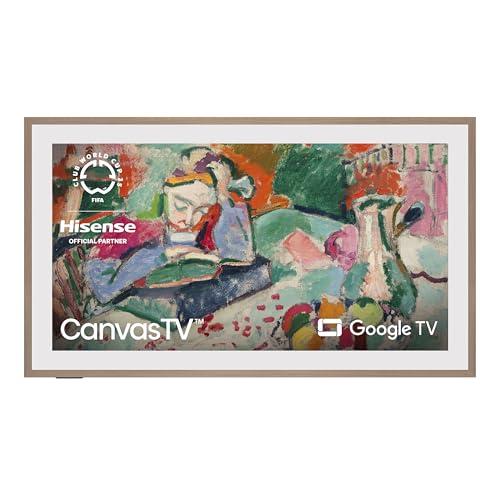

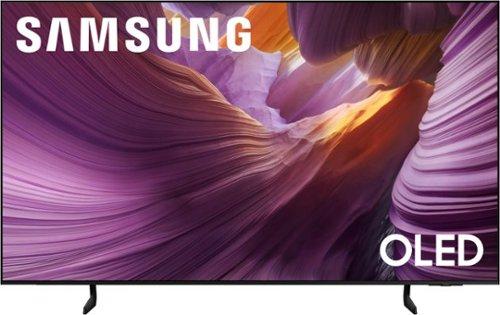
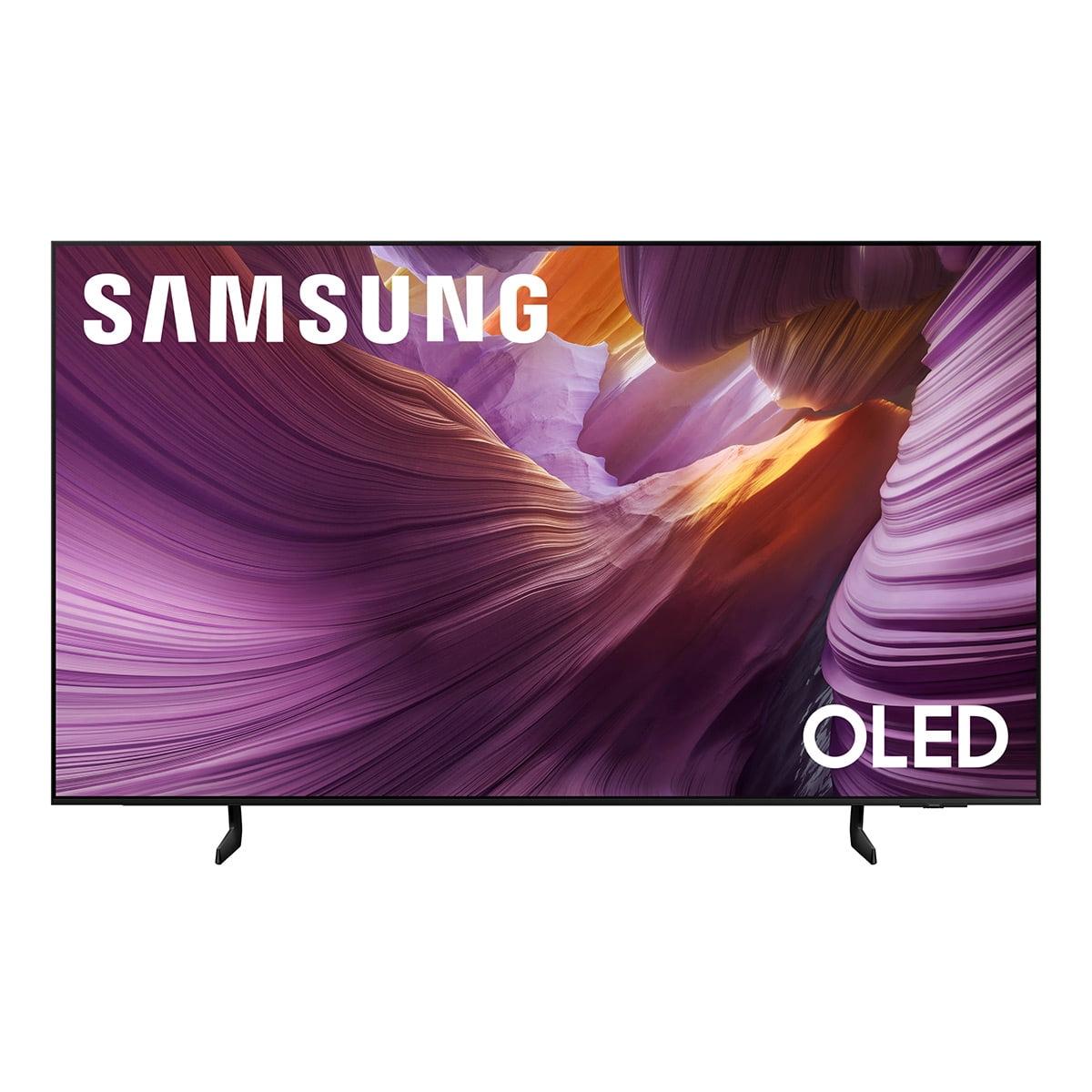
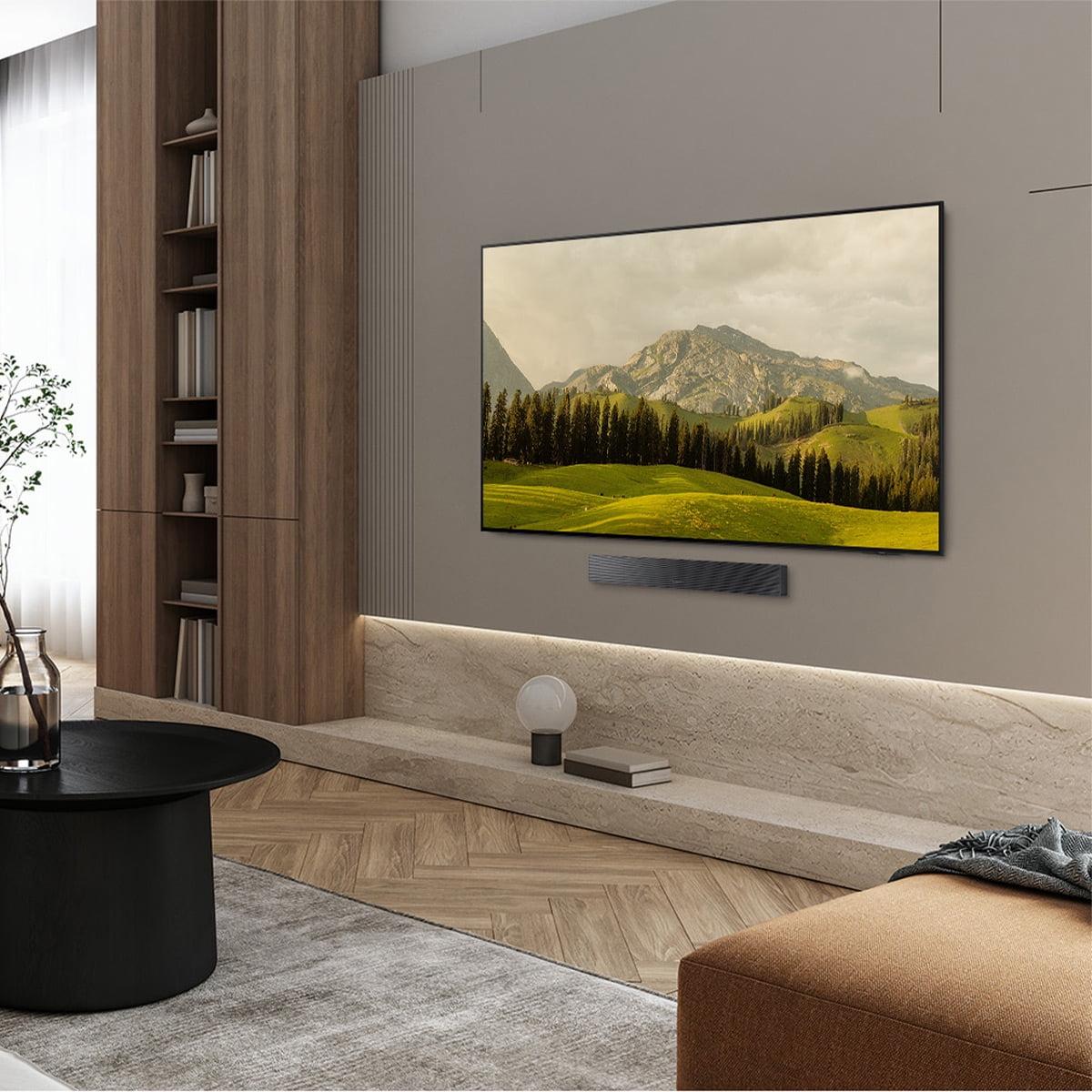

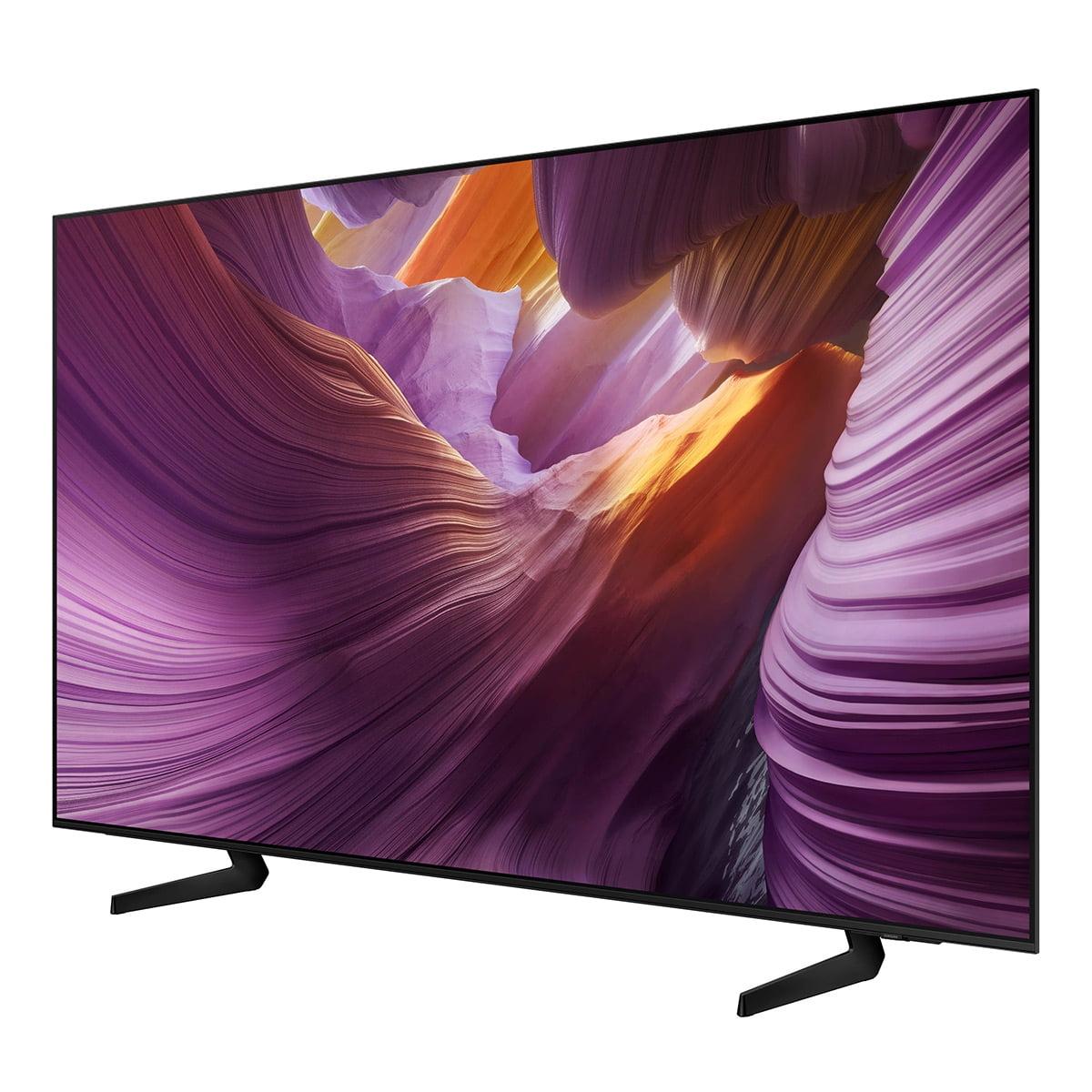
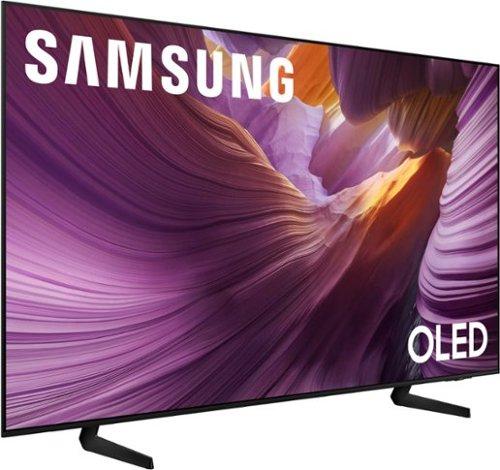
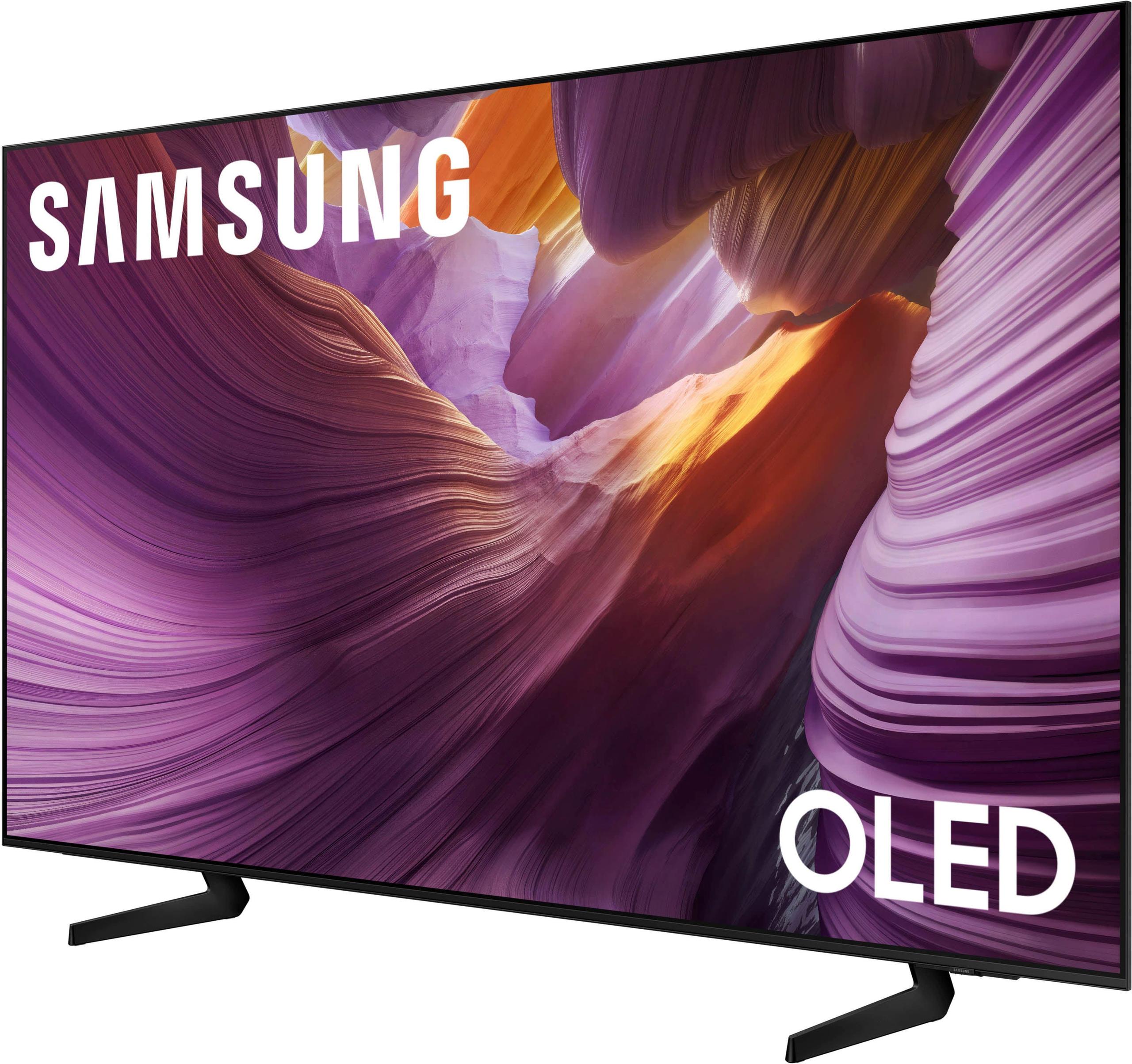
When you're shopping for a premium 65-inch TV in 2025, two compelling but very different options stand out: the Hisense S7N CanvasTV and the Samsung S85F OLED. These TVs represent fundamentally different philosophies about what makes a great display, and understanding their differences will help you make the right choice for your home.
The TV market has evolved dramatically over the past few years. The Samsung S85F, released in 2025, represents Samsung's latest entry-level OLED technology, featuring their newest QD-OLED panels (Quantum Dot OLED) in the 65-inch size. Meanwhile, the Hisense S7N CanvasTV, also from 2024-2025, takes a completely different approach by focusing on art-centric design with advanced anti-glare technology. At the time of writing, both TVs are priced competitively in the premium segment, with the Samsung typically commanding a slight premium for its OLED technology.
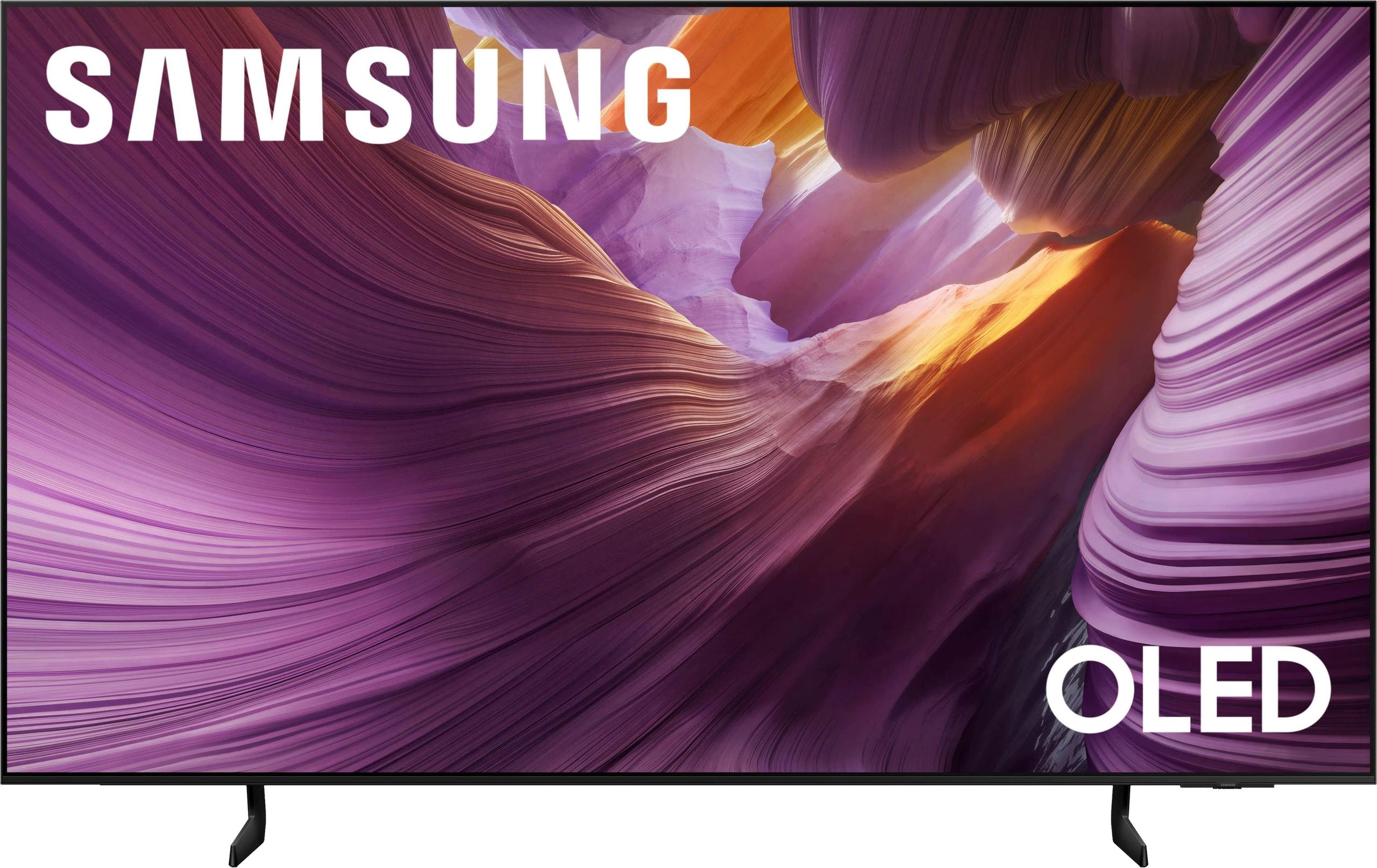
Before diving into specifics, it's crucial to understand what sets these display technologies apart. The Samsung S85F uses OLED technology, where each pixel is made of organic compounds that light up when electricity passes through them. This means each of the 8.3 million pixels can turn completely on or off independently. When a pixel turns off, it produces perfect black—no light escapes at all.
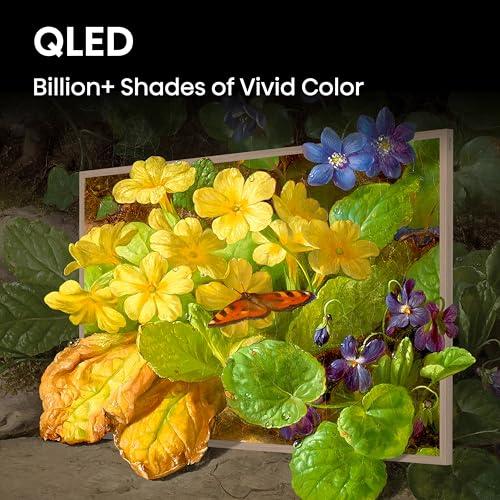
The Hisense S7N CanvasTV, on the other hand, uses QLED (Quantum Dot LED) technology. This is essentially an enhanced LED TV where a backlight shines through quantum dots—tiny semiconductor particles that improve color accuracy and brightness. However, since there's always a backlight behind the screen, true blacks are impossible to achieve.
Think of it this way: OLED is like having millions of tiny light bulbs that can turn on and off individually, while QLED is like having a flashlight shining through a really good filter. Both have their strengths, but they excel in different situations.
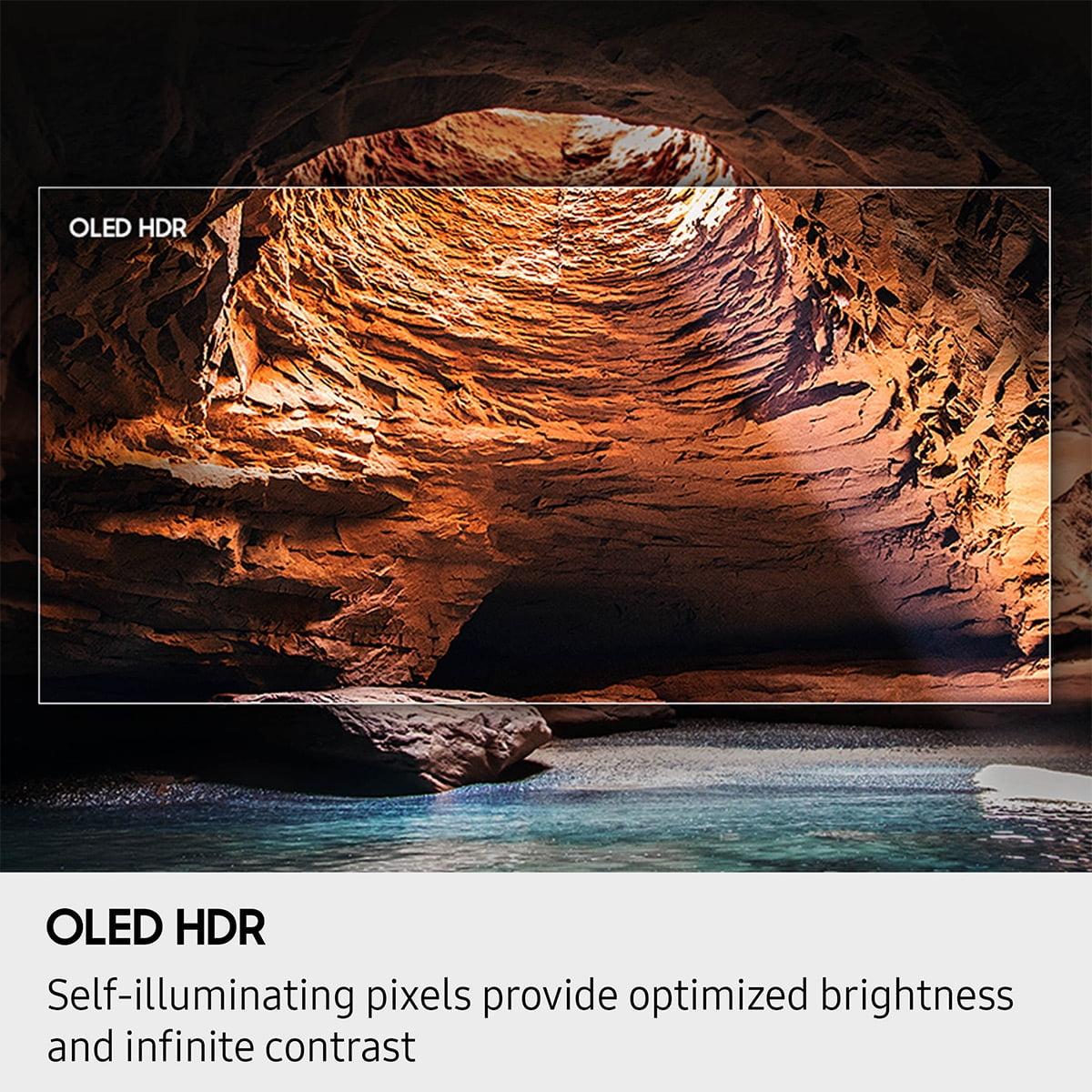
This is where the biggest difference lies. The Samsung S85F delivers what we call "infinite contrast ratio" because its OLED pixels can turn completely off. When you're watching a movie with dark space scenes, those black areas are truly black—not dark gray. This creates an incredibly immersive experience, especially in darker rooms.
The Hisense S7N CanvasTV achieves a respectable 5,000:1 contrast ratio, which is good for an LED-based display, but it can't compete with OLED's perfect blacks. However, this limitation becomes less noticeable in brighter viewing environments, where ambient light would make those perfect OLED blacks appear gray anyway.
Here's where things get interesting. The Samsung S85F reaches about 750 nits of peak brightness—bright enough for most content, but not exceptional by today's standards. More importantly, OLED displays have a fundamental weakness: they look washed out in bright rooms because ambient light reflects off the screen and makes the blacks appear gray.
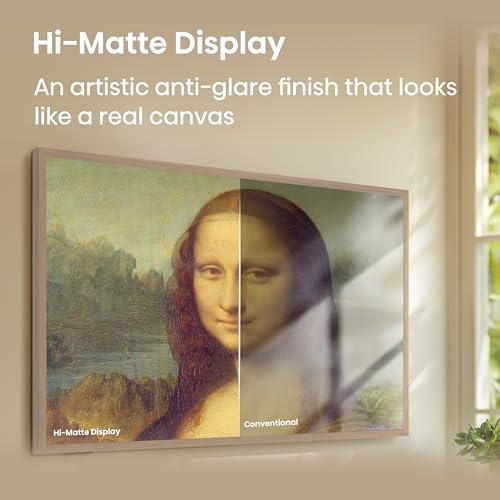
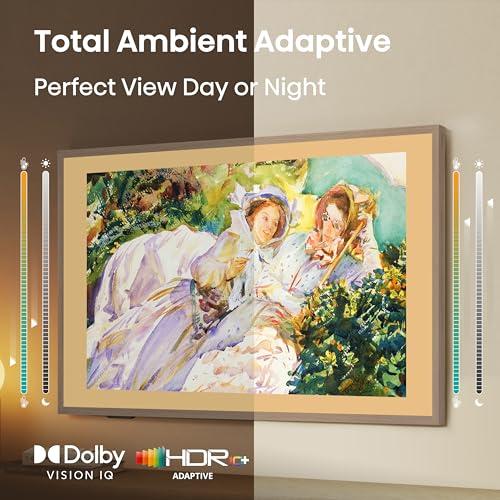
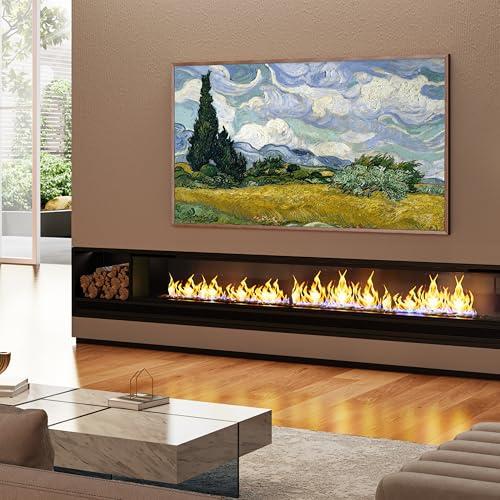
The Hisense S7N CanvasTV takes a radically different approach with its Hi-Matte Display technology. This anti-glare coating reduces reflections to just 5%—meaning it maintains picture quality even in rooms with large windows or bright overhead lighting. Peak brightness reaches 450 nits, which might seem lower on paper, but the anti-glare coating makes it effectively brighter in real-world conditions.
From our research into user experiences, the Hisense consistently receives praise for its daytime viewing performance, while OLED owners often mention needing to control their lighting to get the best picture quality.
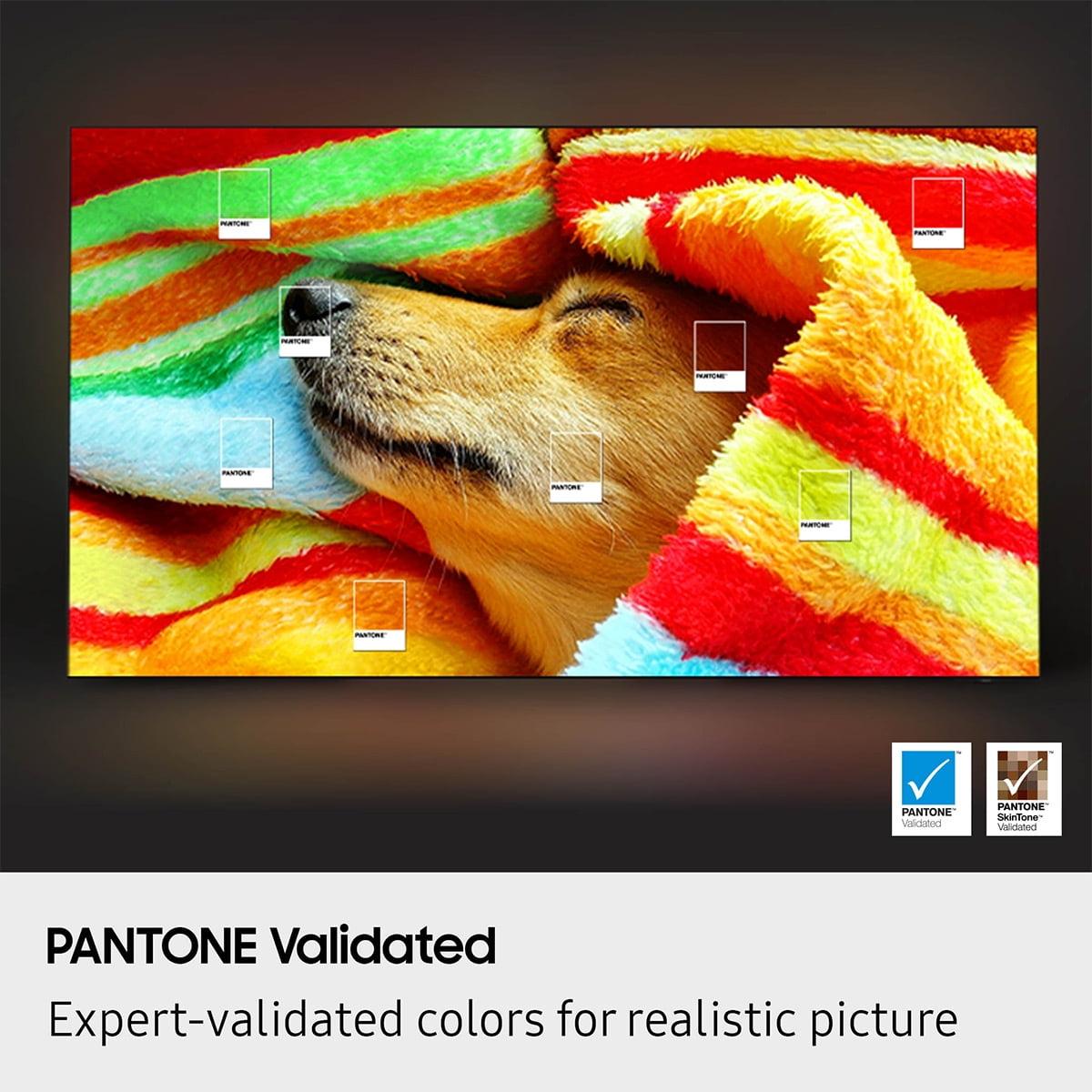
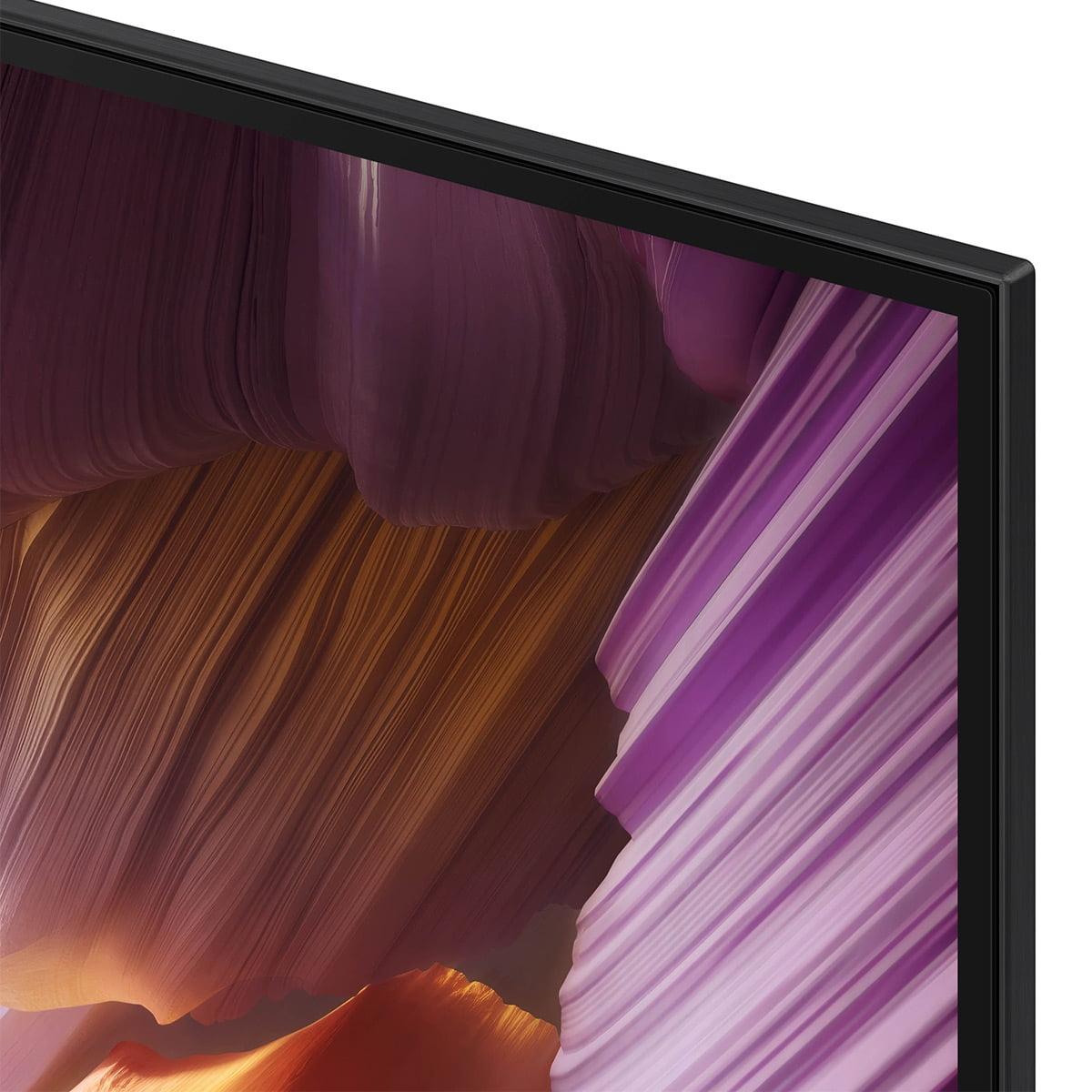
Both TVs excel at color reproduction, but in different ways. The Samsung S85F uses QD-OLED technology, combining quantum dots with OLED pixels to create exceptionally vibrant colors. Samsung's Pantone Validation ensures accurate reproduction of over 2,140 colors, making it excellent for content creators or anyone who values color accuracy.
The Hisense S7N CanvasTV uses traditional quantum dot technology with what Hisense calls "Quantum Dot Color," delivering over a billion color combinations. While impressive, it can't quite match the color volume (the combination of color gamut and brightness) of QD-OLED technology.
Gaming is where these TVs diverge significantly in their approach. The Hisense S7N CanvasTV targets competitive gamers with its native 144Hz refresh rate, supporting 4K gaming at 144Hz and 1080p at an impressive 240Hz. This makes it future-proof for high-end PC gaming and gives it an edge for competitive gaming where every frame matters.
The Samsung S85F focuses on console gaming optimization with 120Hz refresh rate and Motion Xcelerator technology. What OLED lacks in refresh rate, it makes up for in response time—OLED pixels switch nearly instantaneously, eliminating motion blur almost entirely. Input lag is minimal at around 10ms in Game Mode.
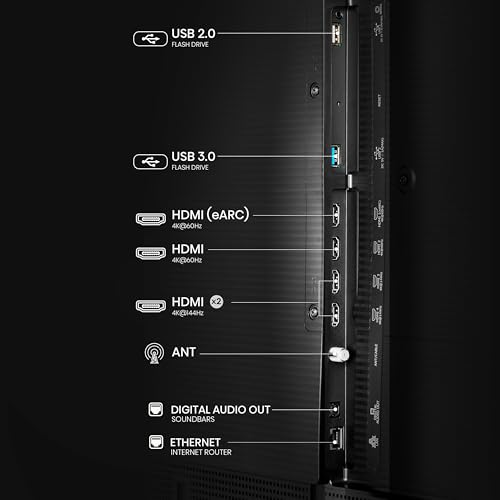
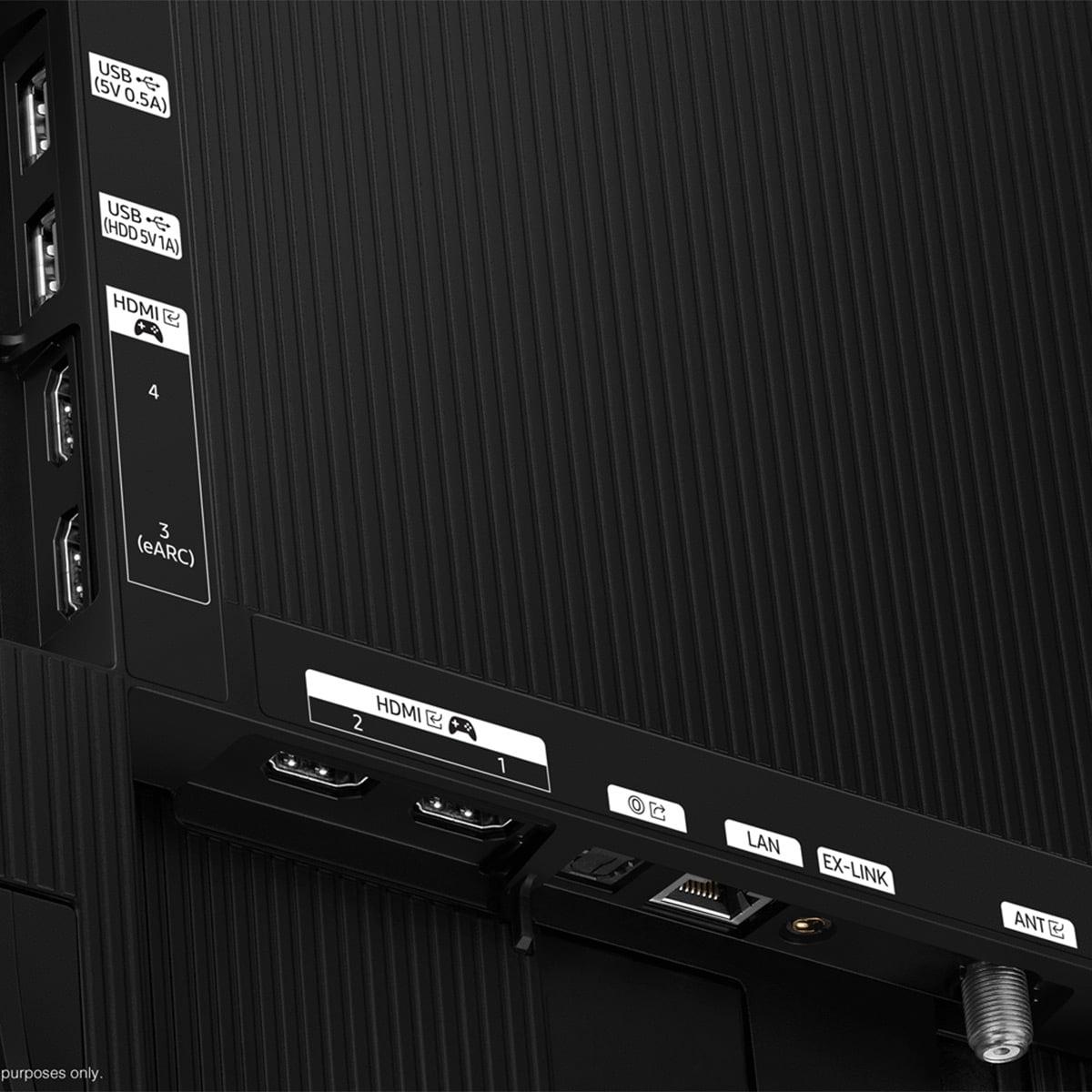
Both TVs support modern gaming features like Variable Refresh Rate (VRR) and Auto Low Latency Mode (ALLM), but the Samsung S85F offers four HDMI 2.1 ports compared to the Hisense's two, providing more flexibility for multiple high-end gaming devices.
For competitive PC gamers, the Hisense S7N CanvasTV is the clear winner. For console gamers who prioritize visual quality and responsiveness over pure refresh rate numbers, the Samsung S85F offers a more refined experience.
High Dynamic Range (HDR) content—which provides brighter highlights and deeper shadows than standard video—reveals another key difference. The Samsung S85F supports HDR10+ and Samsung's own OLED HDR format, but notably lacks Dolby Vision support. This is a significant limitation since many streaming services and 4K Blu-rays use Dolby Vision as their premium HDR format.
The Hisense S7N CanvasTV takes a more comprehensive approach, supporting Dolby Vision, HDR10, HDR10+, and HDR10+ Adaptive. This broader compatibility ensures you'll get the best possible HDR experience regardless of your content source.
In terms of HDR impact, the Samsung S85F's perfect blacks create more dramatic contrast in HDR scenes, while the Hisense's higher peak brightness (in specific highlights) can make bright HDR elements more impactful. The choice depends on whether you prioritize shadow detail or highlight brightness.
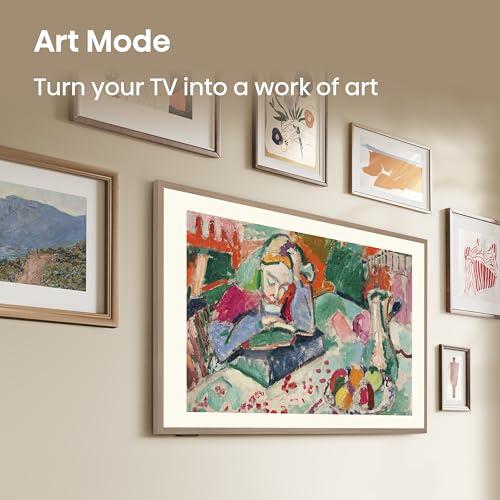
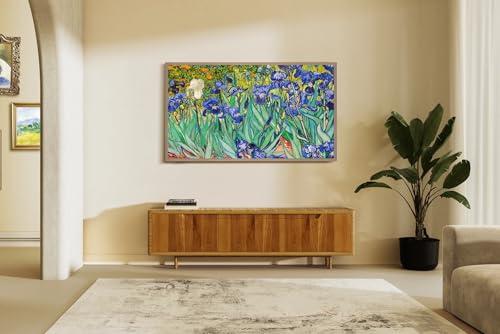
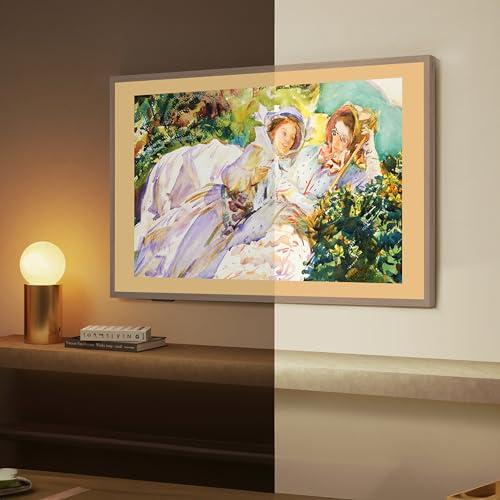
This is where the Hisense S7N CanvasTV truly differentiates itself. It's designed specifically to blend into your home as a piece of art when not in use. The Art Mode displays curated artwork or your personal photos, transforming your TV into a digital art gallery. The motion sensor automatically activates Art Mode when someone enters the room, and the ambient light sensor adjusts brightness to minimize energy consumption.
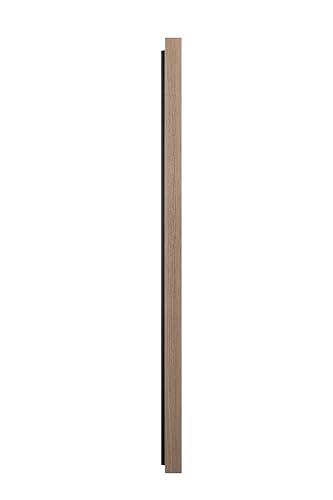
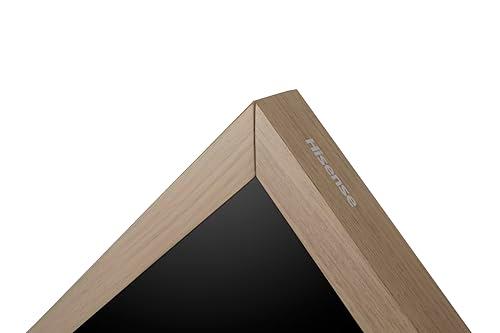
The magnetic frame system is particularly clever—the TV comes with a teak frame, and you can swap in white or walnut frames to match your decor. The included UltraSlim Wall Mount positions the TV just 3mm from the wall, creating an authentic painting-like appearance.
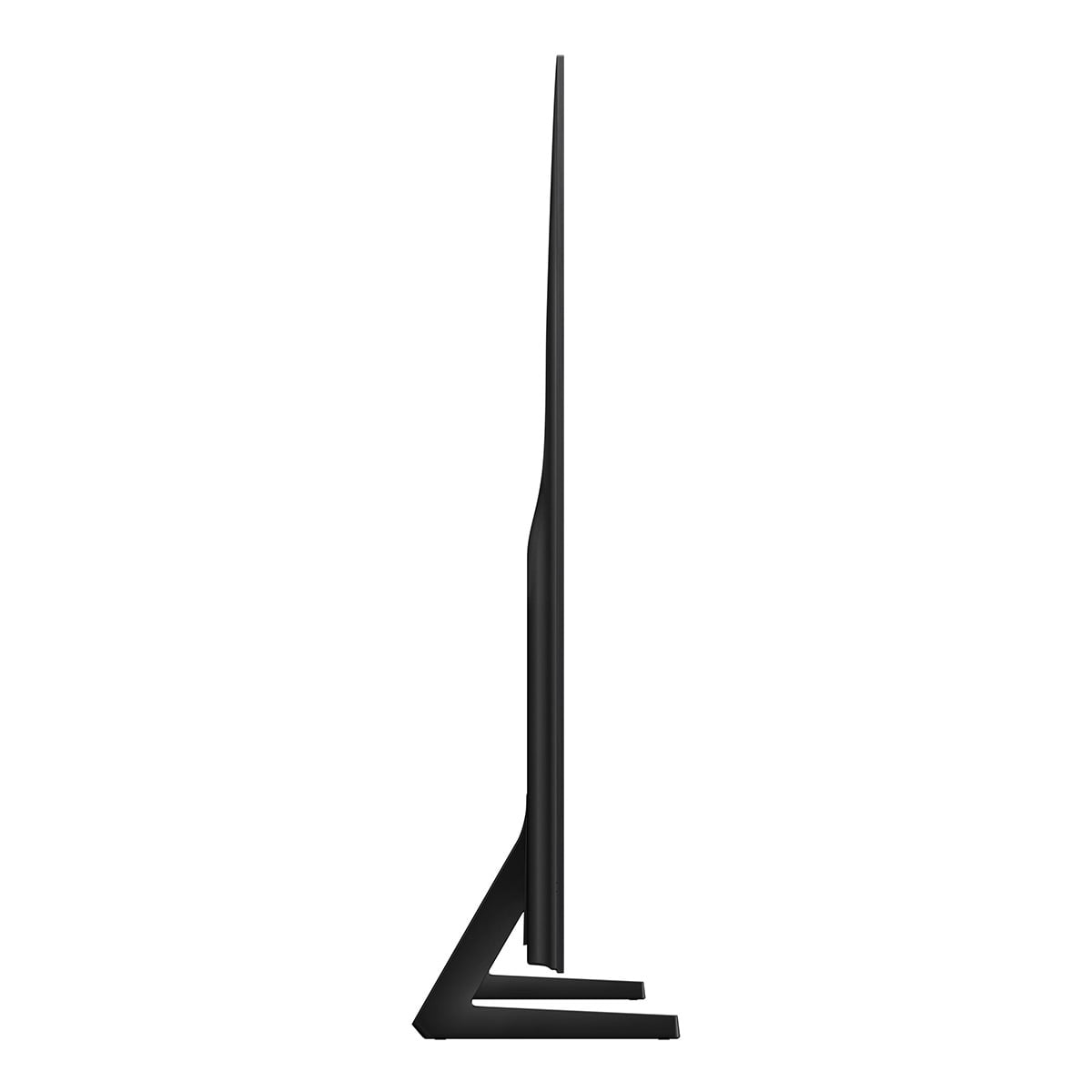
The Samsung S85F follows a more traditional approach with its Contour Design—sleek and modern, but clearly a TV. While it includes Samsung's advanced Tizen OS with SmartThings integration for smart home control, it doesn't attempt to disguise its electronic nature.
For many households, especially those where the TV is the focal point of a living room, the Hisense's art integration capabilities provide significant aesthetic value that goes beyond traditional TV functionality.
Both TVs offer robust smart TV experiences, but with different strengths. The Samsung S85F runs Tizen OS powered by the NQ4 AI Gen2 Processor with 20 neural networks. This enables sophisticated features like real-time picture optimization, automatic content recognition, and seamless integration with Samsung's SmartThings ecosystem.
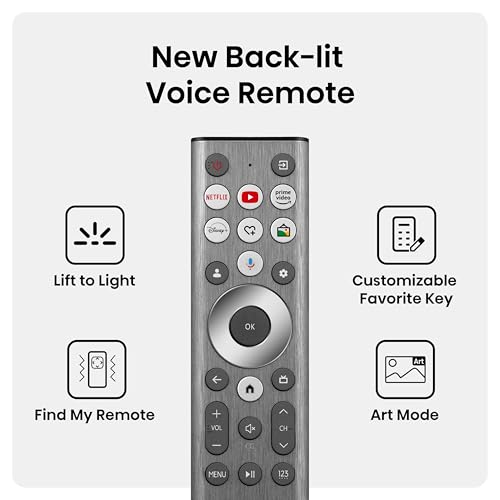
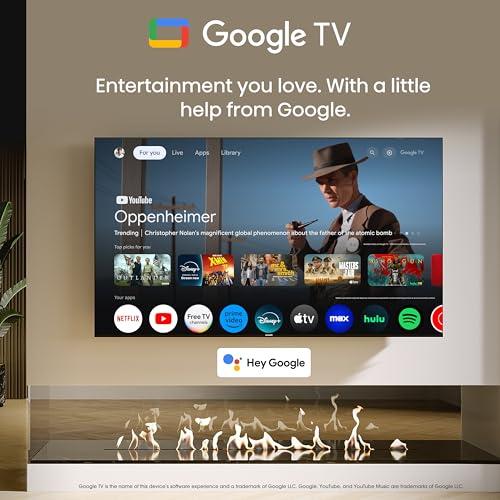
The Hisense S7N CanvasTV uses Google TV, which many users find more intuitive than Samsung's interface. It supports Google Assistant, Amazon Alexa, and Apple HomeKit, providing broader smart home compatibility than Samsung's more proprietary approach.
From our research into user feedback, Google TV tends to be more straightforward for streaming content, while Samsung's Tizen offers more advanced customization and smart home features if you're invested in their ecosystem.
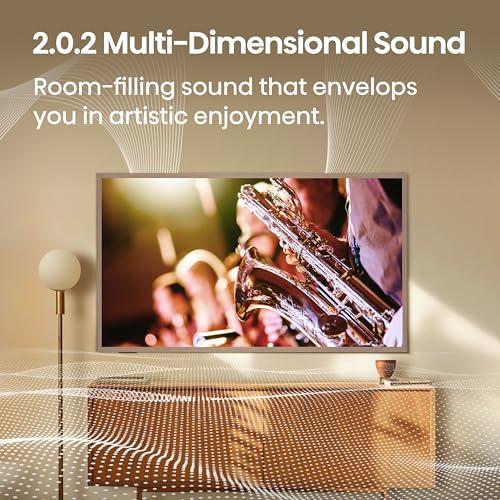
The Hisense S7N CanvasTV includes a 2.0.2 channel sound system with upward-firing speakers for improved spatial audio. User reviews consistently praise its "booming" sound quality, with many noting they don't need a separate soundbar for casual viewing. DTS Virtual:X processing creates a surround sound effect from the built-in speakers.
The Samsung S85F features a more modest 2.0 channel system but includes advanced audio processing like Object Tracking Sound Lite, which moves audio effects across the screen to match on-screen action. Q-Symphony technology allows seamless integration with Samsung soundbars for those who want to upgrade later.
For most users, the Hisense's built-in audio is more immediately satisfying, while the Samsung's system is better suited for integration with external audio equipment.
In a dedicated home theater environment, the choice becomes clearer. The Samsung S85F excels in controlled lighting conditions where its perfect blacks and infinite contrast ratio create a truly cinematic experience. The lack of Dolby Vision support is more problematic in this context, as many 4K Blu-rays and streaming films use this format.
The Hisense S7N CanvasTV works better in multi-purpose rooms where you can't always control ambient lighting. Its anti-glare properties mean you don't need blackout curtains to enjoy HDR content during the day.
For serious home theater enthusiasts, neither TV may be the ultimate choice—you'd likely want Samsung's higher-end S95F or a specialized projector setup. But for the vast majority of users who want excellent picture quality in a normal living room, both TVs deliver impressive performance.
After researching extensive user feedback and expert reviews, clear patterns emerge about who should choose which TV.
Choose the Hisense S7N CanvasTV if you have a bright living room with lots of natural light, value the art display functionality, or prioritize high refresh rate gaming. It's also the better choice if you want comprehensive HDR format support or prefer the simplicity of Google TV. The superior anti-glare performance makes it more versatile for various viewing conditions throughout the day.
The Samsung S85F OLED is ideal for viewers who can control their room lighting and prioritize the absolute best contrast and black levels. It's perfect for movie enthusiasts who primarily watch in darker environments and console gamers who value response time over refresh rate. The advanced AI features and Samsung ecosystem integration appeal to tech enthusiasts who enjoy customizing their viewing experience.
From a value perspective at the time of writing, the Hisense S7N CanvasTV offers more versatility for most real-world viewing situations. Its combination of bright room performance, art integration, gaming capabilities, and comprehensive HDR support provides exceptional value in the premium TV segment.
The Samsung S85F justifies its typically higher price through superior OLED picture quality and advanced smart features, but its benefits are most apparent in specific viewing conditions.
For most buyers, the Hisense S7N CanvasTV delivers better day-to-day usability and unique features that extend beyond traditional TV viewing. However, if you're building a dedicated entertainment space or prioritize the absolute best picture quality in controlled conditions, the Samsung S85F provides the premium OLED experience that many consider the current pinnacle of TV technology.
The decision ultimately comes down to your room environment, viewing habits, and whether you value versatility or peak performance in specific conditions.
| Hisense 65" S7N CanvasTV QLED 4K Smart Display | Samsung 65" S85F OLED 4K Smart TV (2025) |
|---|---|
| Display Technology - Determines contrast performance and room suitability | |
| QLED with LED backlighting and quantum dots | QD-OLED with self-illuminating pixels |
| Peak Brightness - Critical for HDR impact and bright room viewing | |
| 450 nits peak, but Hi-Matte coating reduces glare by 95% | 750 nits peak, but reflective in bright rooms |
| Black Levels - Essential for movie watching and contrast | |
| 5,000:1 contrast ratio (good but not perfect blacks) | Infinite contrast ratio with perfect blacks |
| Refresh Rate - Important for gaming and sports | |
| 144Hz native (supports 4K@144Hz, 1080p@240Hz) | 120Hz with Motion Xcelerator technology |
| Gaming Features - Matters for console and PC gamers | |
| 2x HDMI 2.1, VRR, ALLM, 5.4ms input lag | 4x HDMI 2.1, VRR, ALLM, near-instant OLED response |
| HDR Format Support - Affects compatibility with streaming and discs | |
| Dolby Vision, HDR10, HDR10+, HDR10+ Adaptive | HDR10+, OLED HDR (no Dolby Vision support) |
| Anti-Glare Performance - Crucial for daytime and bright room viewing | |
| Hi-Matte Display reduces reflections to 5% | Standard OLED reflection handling |
| Art Display Features - Unique functionality beyond TV viewing | |
| Dedicated Art Mode with curated gallery, motion sensors, swappable magnetic frames | Standard smart TV interface only |
| Smart TV Platform - Affects ease of use and app selection | |
| Google TV with comprehensive voice assistant support | Tizen OS with advanced AI features and SmartThings integration |
| Built-in Audio - Important if not using external speakers | |
| 2.0.2 channels with upward-firing speakers, DTS Virtual:X | 2.0 channels, 20W, Dolby Atmos, Object Tracking Sound Lite |
| Wall Mounting Design - Affects installation and aesthetics | |
| UltraSlim mount included, 3mm from wall, painting-like appearance | Standard OLED slim profile with Contour Design |
| Best Room Environment - Where each TV performs optimally | |
| Bright rooms, mixed lighting, all-day viewing | Dark or dim rooms, controlled lighting for movies |
The Hisense 65" S7N CanvasTV is significantly better for bright rooms due to its Hi-Matte Display technology that reduces reflections by 95%. The Samsung 65" S85F OLED struggles in bright environments where ambient light makes blacks appear gray and washes out the picture quality.
The Samsung 65" S85F OLED uses self-illuminating pixels that can turn completely on or off for perfect blacks and infinite contrast. The Hisense S7N CanvasTV uses QLED technology with LED backlighting and quantum dots for enhanced colors, but cannot achieve true blacks since there's always a backlight behind the screen.
For competitive gaming, the Hisense S7N CanvasTV offers superior 144Hz refresh rate supporting 4K@144Hz and 1080p@240Hz. For console gaming, the Samsung S85F OLED provides near-instantaneous response times and four HDMI 2.1 ports, though it's limited to 120Hz refresh rate.
No, only the Hisense 65" S7N CanvasTV supports Dolby Vision along with HDR10+ and other HDR formats. The Samsung 65" S85F OLED lacks Dolby Vision support, which is a significant limitation since many streaming services and 4K Blu-rays use this premium HDR format.
For dedicated home theaters with controlled lighting, the Samsung S85F OLED delivers superior picture quality with perfect blacks and infinite contrast ratio. However, the lack of Dolby Vision support is problematic. The Hisense S7N CanvasTV works better in multi-purpose rooms where you can't always control ambient lighting.
Yes, the Hisense 65" S7N CanvasTV features a dedicated Art Mode with curated artwork, motion sensors for automatic activation, and swappable magnetic frames. It includes an UltraSlim wall mount that positions the TV just 3mm from the wall for an authentic painting appearance. The Samsung S85F OLED doesn't offer art display features.
The Hisense S7N CanvasTV includes a 2.0.2 channel system with upward-firing speakers that users consistently describe as "booming" and sufficient without a soundbar. The Samsung 65" S85F OLED has a more modest 2.0 channel system but offers advanced audio processing and Q-Symphony soundbar integration.
The Hisense 65" S7N CanvasTV runs Google TV, which many users find intuitive and supports Google Assistant, Alexa, and Apple HomeKit. The Samsung S85F OLED uses Tizen OS with advanced AI features and SmartThings integration, offering more customization but primarily within Samsung's ecosystem.
The Samsung 65" S85F OLED reaches about 750 nits peak brightness compared to the Hisense S7N CanvasTV's 450 nits. However, the Hisense's anti-glare coating makes it effectively brighter in real-world bright room conditions, while the Samsung's brightness advantage is mainly noticeable in dark rooms.
The Samsung 65" S85F OLED offers four HDMI 2.1 ports for maximum gaming device flexibility. The Hisense S7N CanvasTV includes two HDMI 2.1 ports, which is sufficient for most users but may require an HDMI switcher for multiple high-end gaming devices.
The Hisense 65" S7N CanvasTV typically offers better value with its versatile bright room performance, unique art features, comprehensive HDR support, and superior gaming refresh rates. The Samsung S85F OLED provides premium OLED picture quality but is best suited for specific viewing conditions and users who prioritize contrast over versatility.
Both TVs support modern gaming features like Variable Refresh Rate (VRR) and Auto Low Latency Mode (ALLM). The Samsung 65" S85F OLED excels with console gaming optimization and four HDMI 2.1 ports, while the Hisense S7N CanvasTV is more future-proof for high-refresh PC gaming with its 144Hz capability.
We've done our best to create useful and informative comparisons to help you decide what product to buy. Our research uses advanced automated methods to create this comparison and perfection is not possible - please contact us for corrections or questions. These are the sites we've researched in the creation of this article: bestbuy.com - hisense.sg - tomsguide.com - content.syndigo.com - rtings.com - hisense-usa.com - youtube.com - bestbuy.com - youtube.com - displayspecifications.com - displayspecifications.com - manuals.plus - displayspecifications.com - bestbuy.com - hisense-canada.com - manuals.plus - bargainoutletandmore.com - bestbuy.com - device.report - rtings.com - samsung.com - youtube.com - rtings.com - youtube.com - samsung.com - bestbuy.com - avsforum.com - avsforum.com - samsung.com - displayspecifications.com - videoandaudiocenter.com - bestbuy.com - flatpanelshd.com - myallsouth.com - samsung.com - richstv.com - samsung.com - heartlandappliance.com

Privacy Policy
Terms and Conditions - Affiliate Policy
Home Security
© Copyright 2008-2026.
11816 Inwood Rd #1211, Dallas, TX 75244