

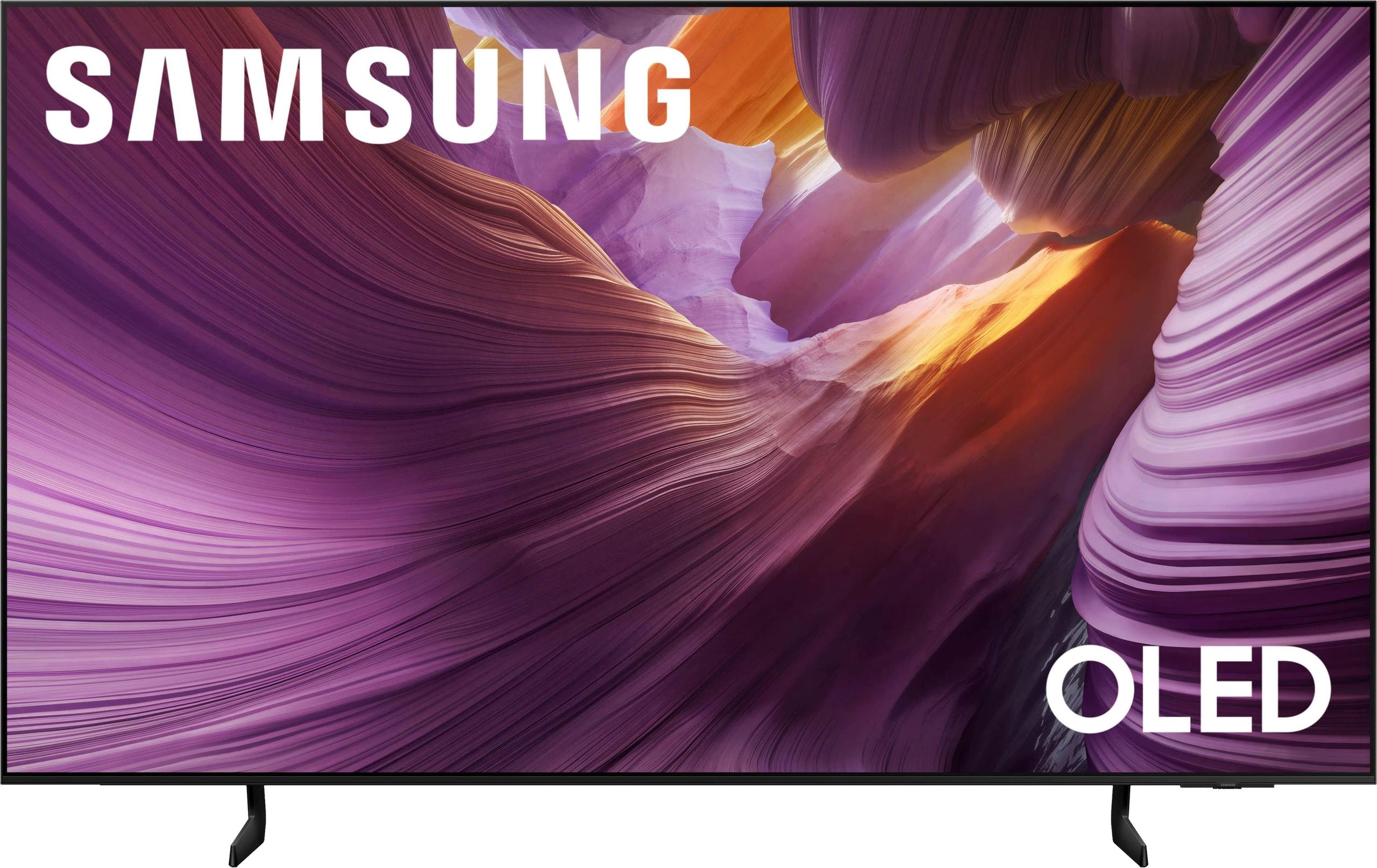
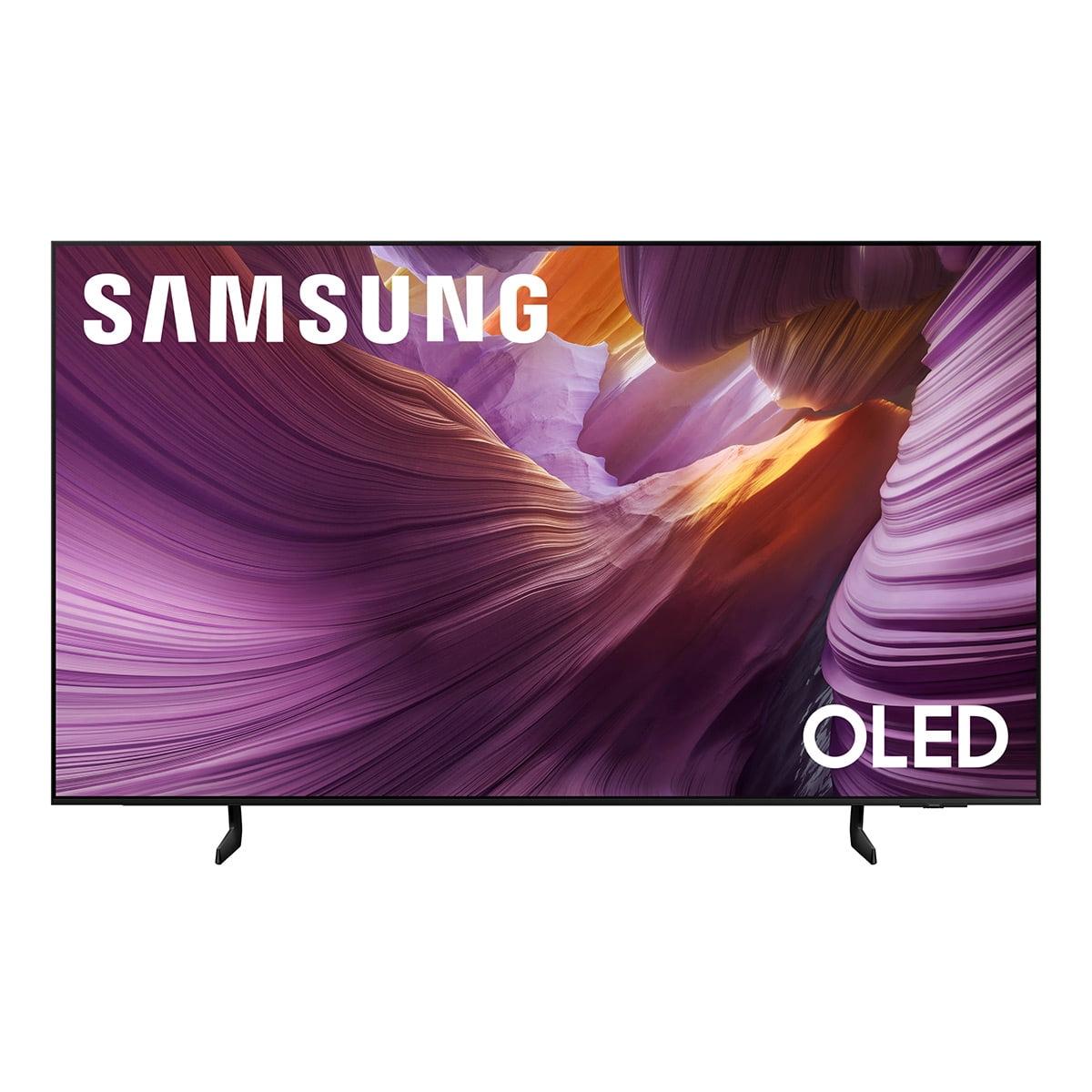
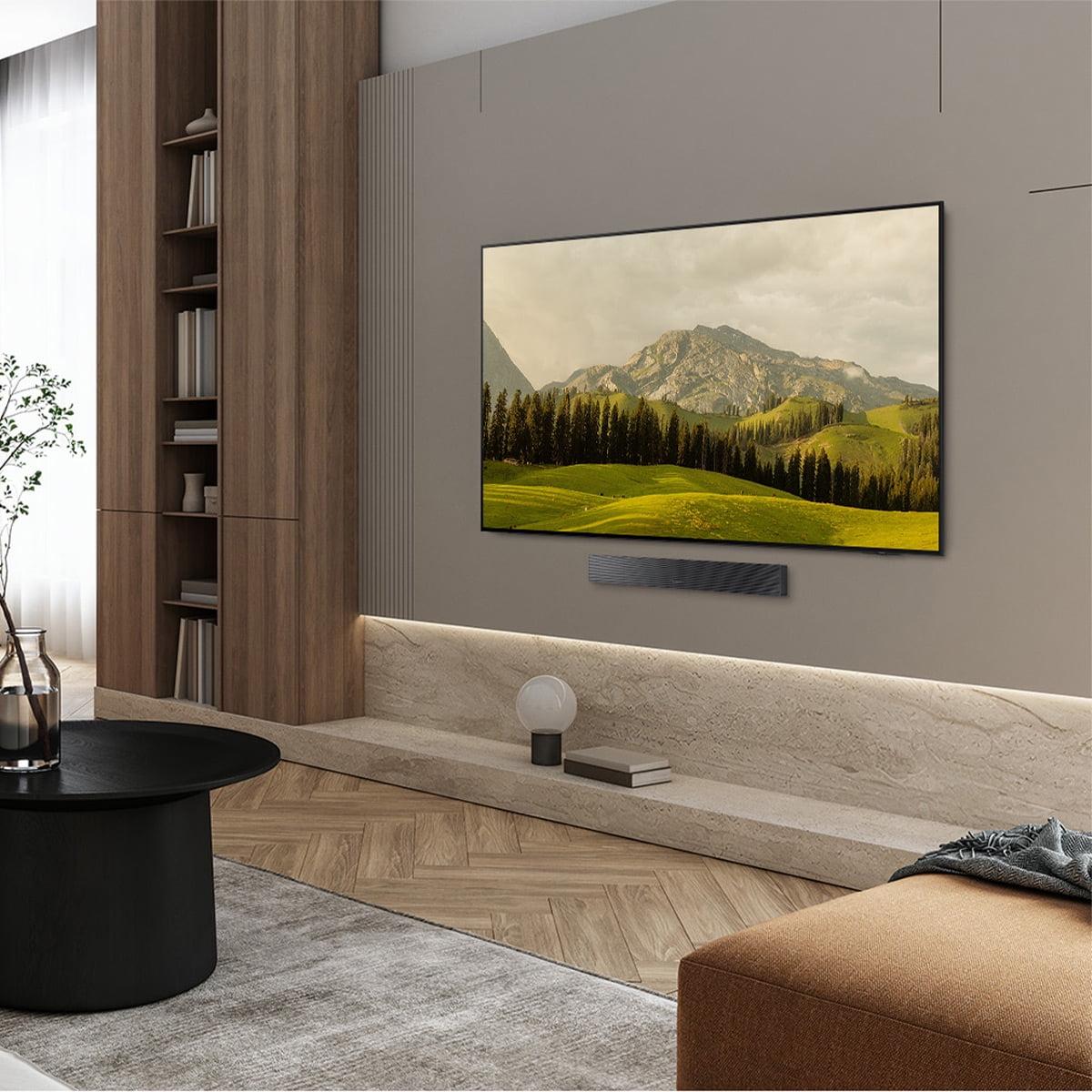
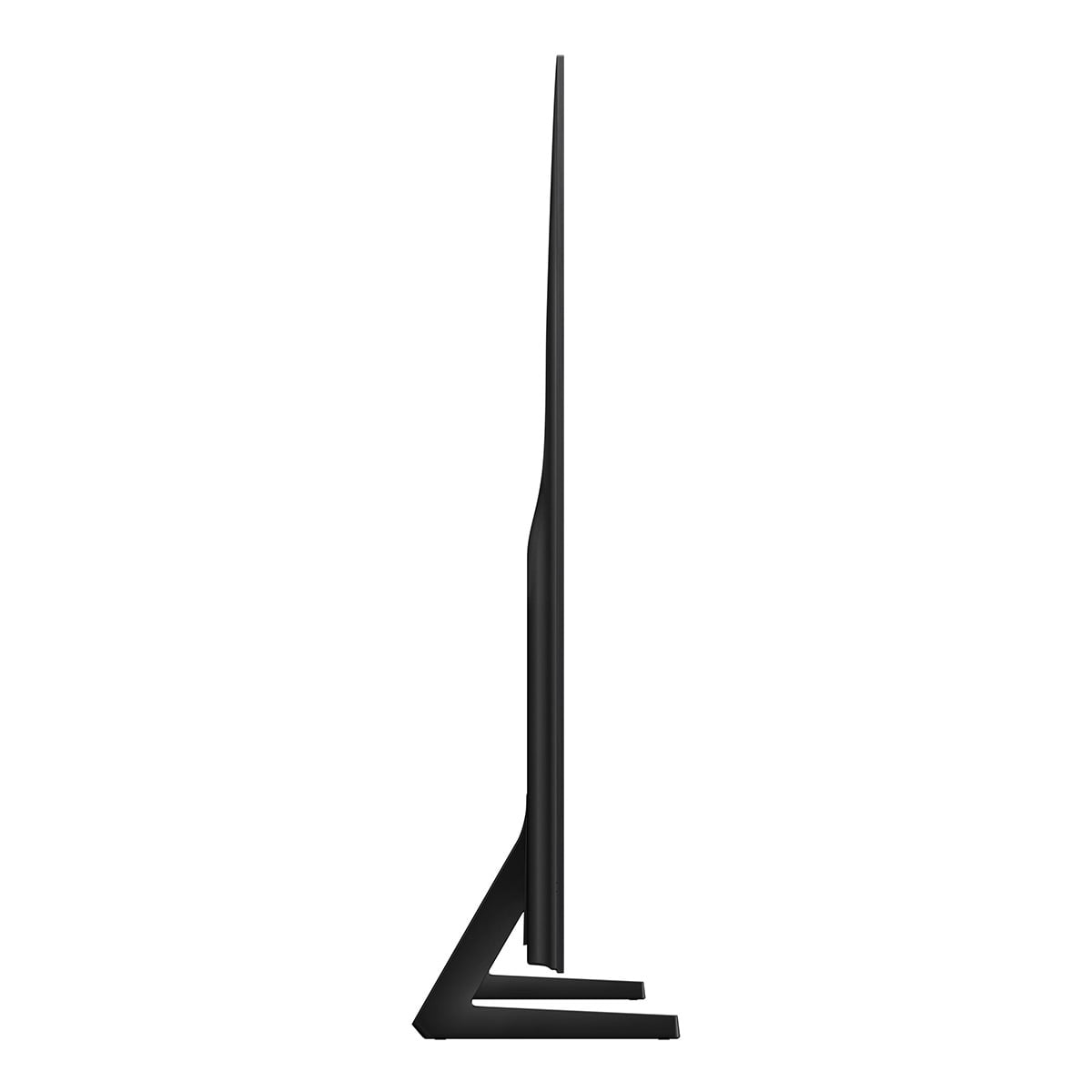
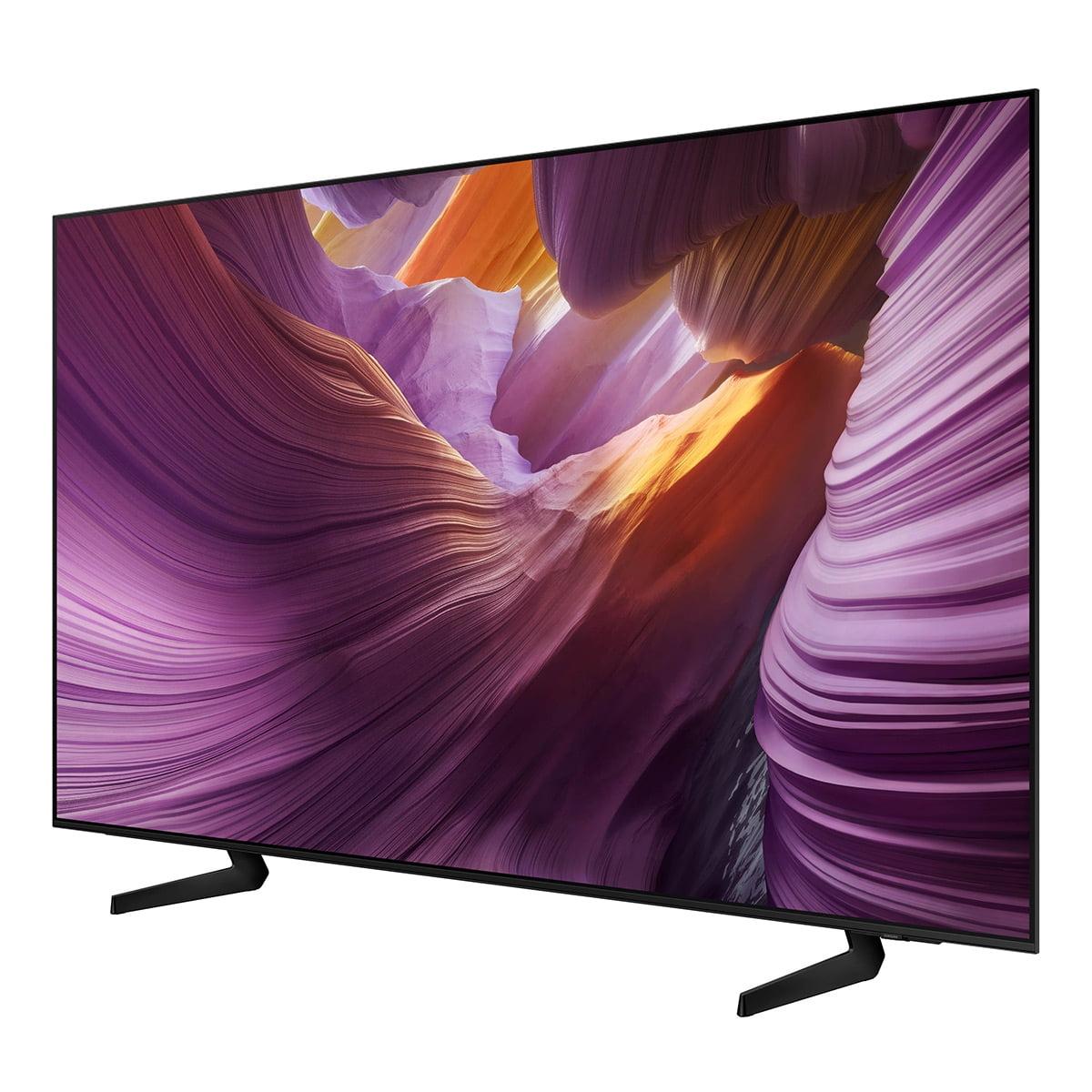
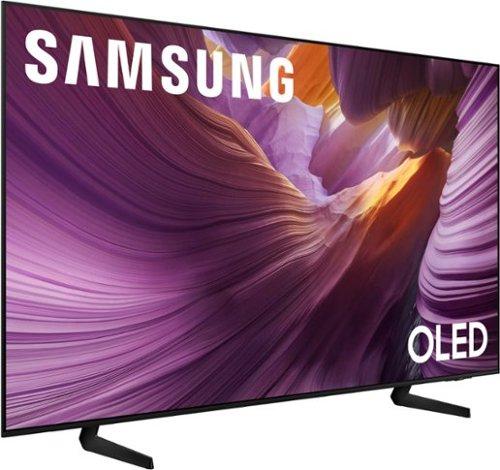
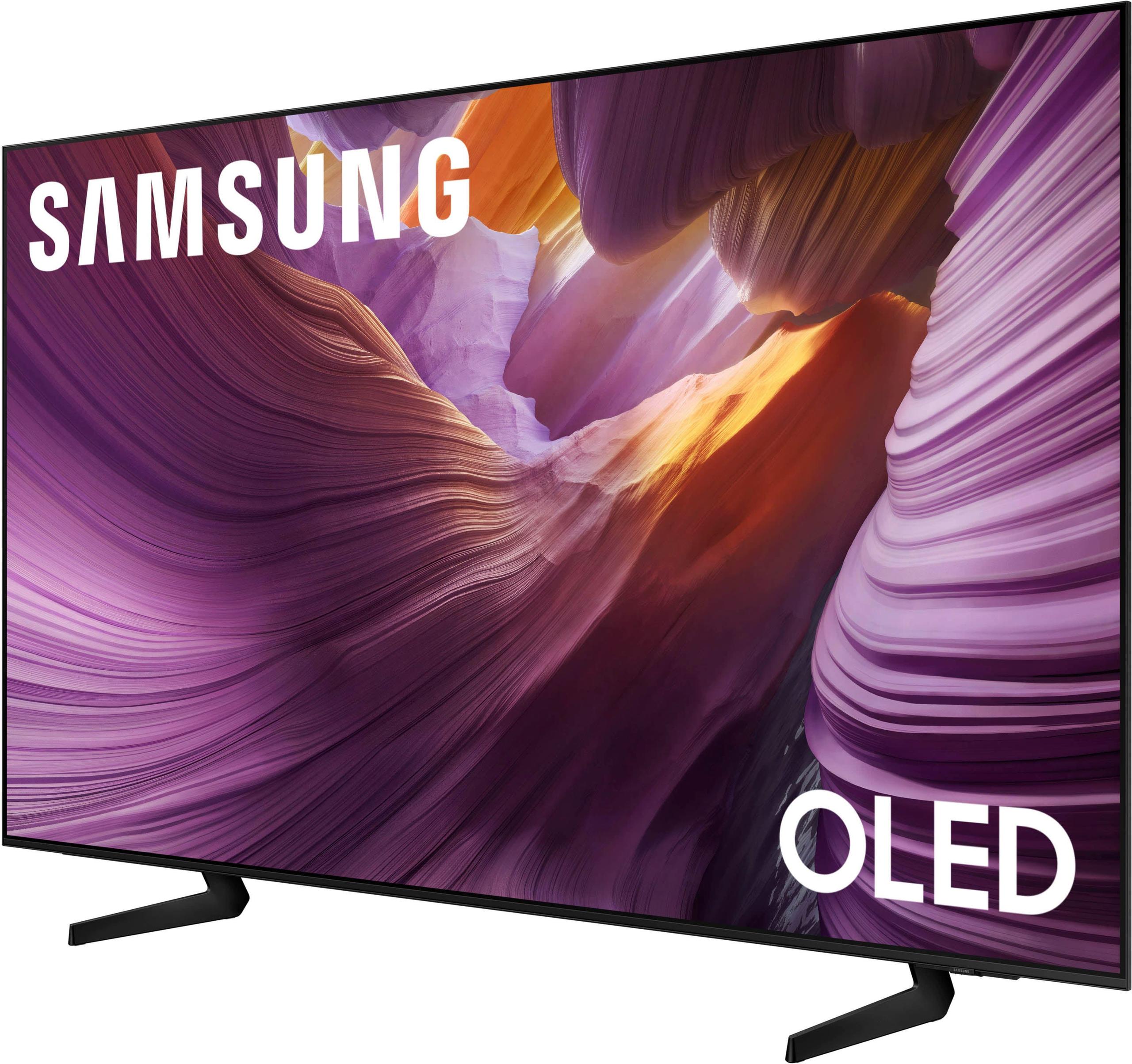
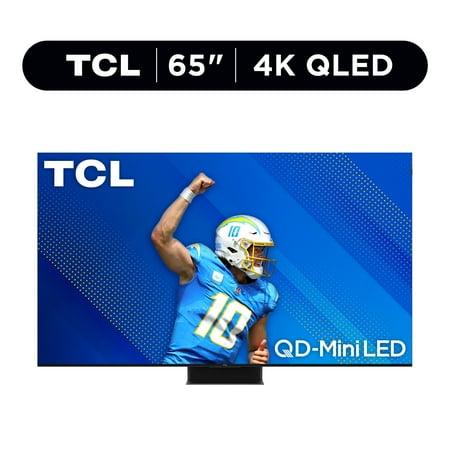




When you're shopping for a premium TV, you'll quickly encounter two technologies that dominate the high-end market: OLED and Mini-LED. Both promise exceptional picture quality, but they achieve it through completely different approaches. Today, we're comparing Samsung's 2025 entry-level OLED offering—the Samsung 65" S85F OLED 4K Smart TV priced at $1,599.99—against TCL's flagship Mini-LED, the TCL 65" QM8 Mini-LED Smart TV at $899.99.
This $700 price difference tells an interesting story about where TV technology stands today. But price alone doesn't determine the best choice for your home. Let's dive deep into what makes these technologies tick and help you decide which one deserves a spot in your living room.
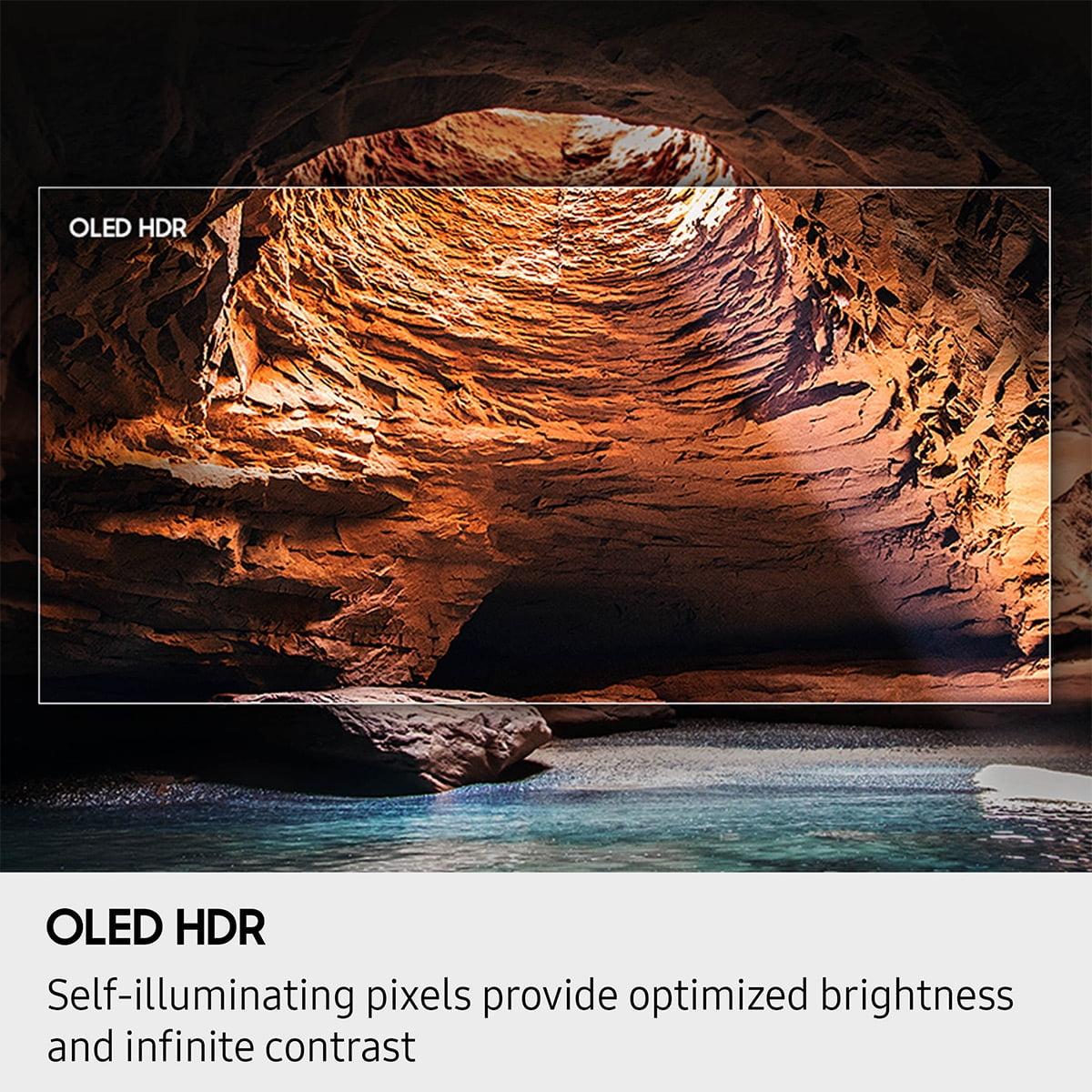
Think of OLED and Mini-LED as two different philosophies for creating the perfect image. OLED (Organic Light-Emitting Diode) uses millions of tiny pixels that can light up individually or turn completely off. When a pixel needs to show black, it simply shuts off—creating what we call "perfect blacks" because there's literally no light coming from that spot.
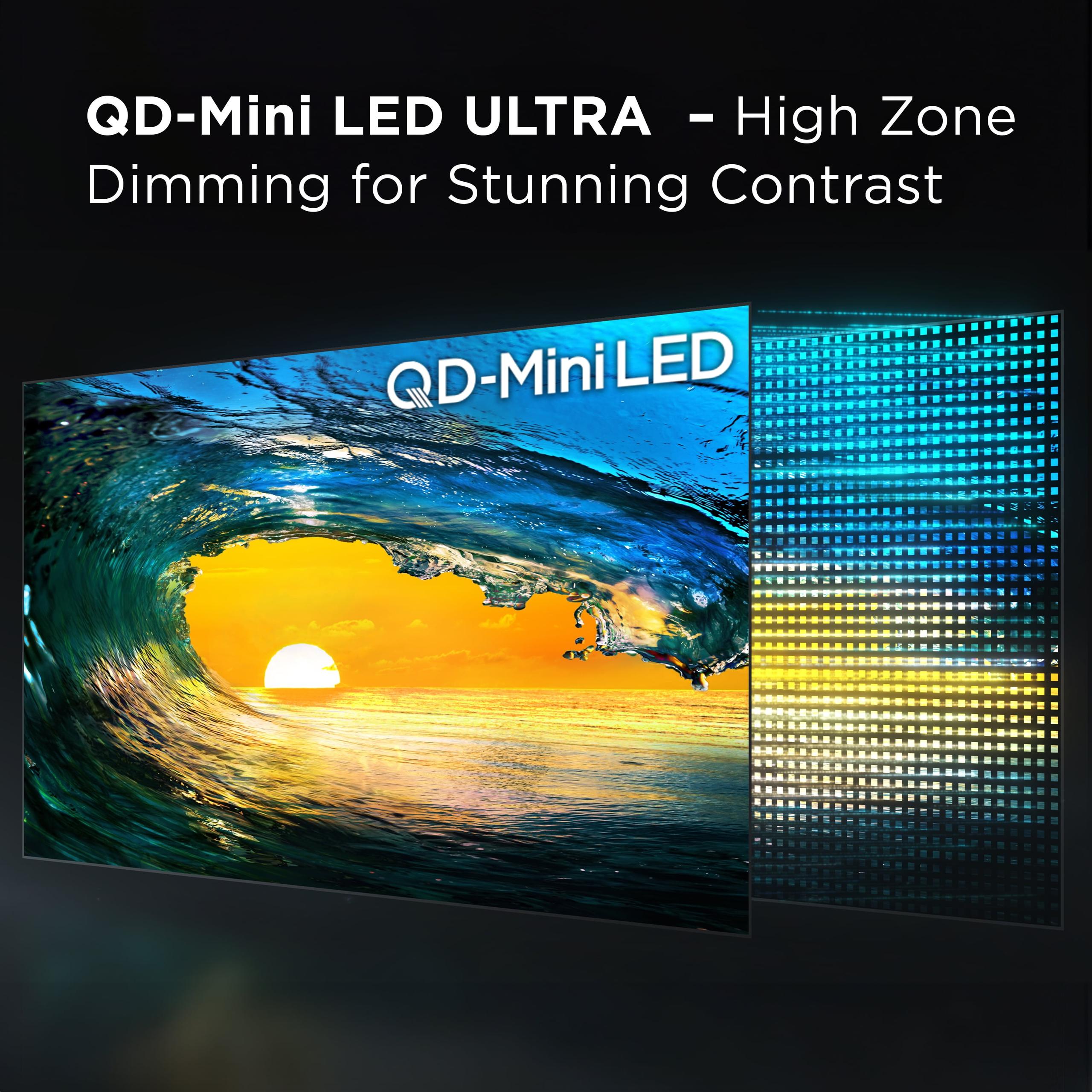
Mini-LED, on the other hand, is essentially a supercharged version of traditional LCD technology. Instead of using a few dozen LED lights behind the screen, Mini-LED uses thousands of tiny LEDs organized into precise zones. When the TV needs to show a dark scene, it dims or turns off entire zones of LEDs, creating much deeper blacks than regular LCD TVs could ever achieve.
The Samsung S85F OLED represents Samsung's 2025 entry into the OLED market, featuring their QD-OLED technology in the 65-inch size. This is particularly interesting because Samsung combines quantum dots (the "QD" part) with OLED technology, promising wider colors and higher brightness than traditional OLED panels. Meanwhile, the TCL QM8 launched in 2024 with up to 5,000 local dimming zones—that's 5,000 individual sections of LED backlighting that can be controlled independently.
If you're building a dedicated home theater or love watching movies with the lights dimmed, OLED technology feels almost magical. I've spent countless hours testing TVs in dark rooms, and there's something uniquely satisfying about seeing stars against a completely black sky in a space movie, knowing that those black pixels are producing absolutely no light.
The Samsung S85F delivers this experience beautifully. Its QD-OLED panel can display scenes from dark movies like "Dune" or "Blade Runner 2049" with incredible depth. When a character walks from a bright outdoor scene into a dark building, you see every gradation of shadow without any of the gray "lifted blacks" that plague lesser TVs.
The TCL QM8 puts up a strong fight here. With its 5,000 local dimming zones, it can make most of the screen completely dark while keeping bright elements properly lit. However, you might notice some "blooming"—a subtle halo effect around bright objects against dark backgrounds. It's not necessarily deal-breaking, but it's there if you know what to look for.
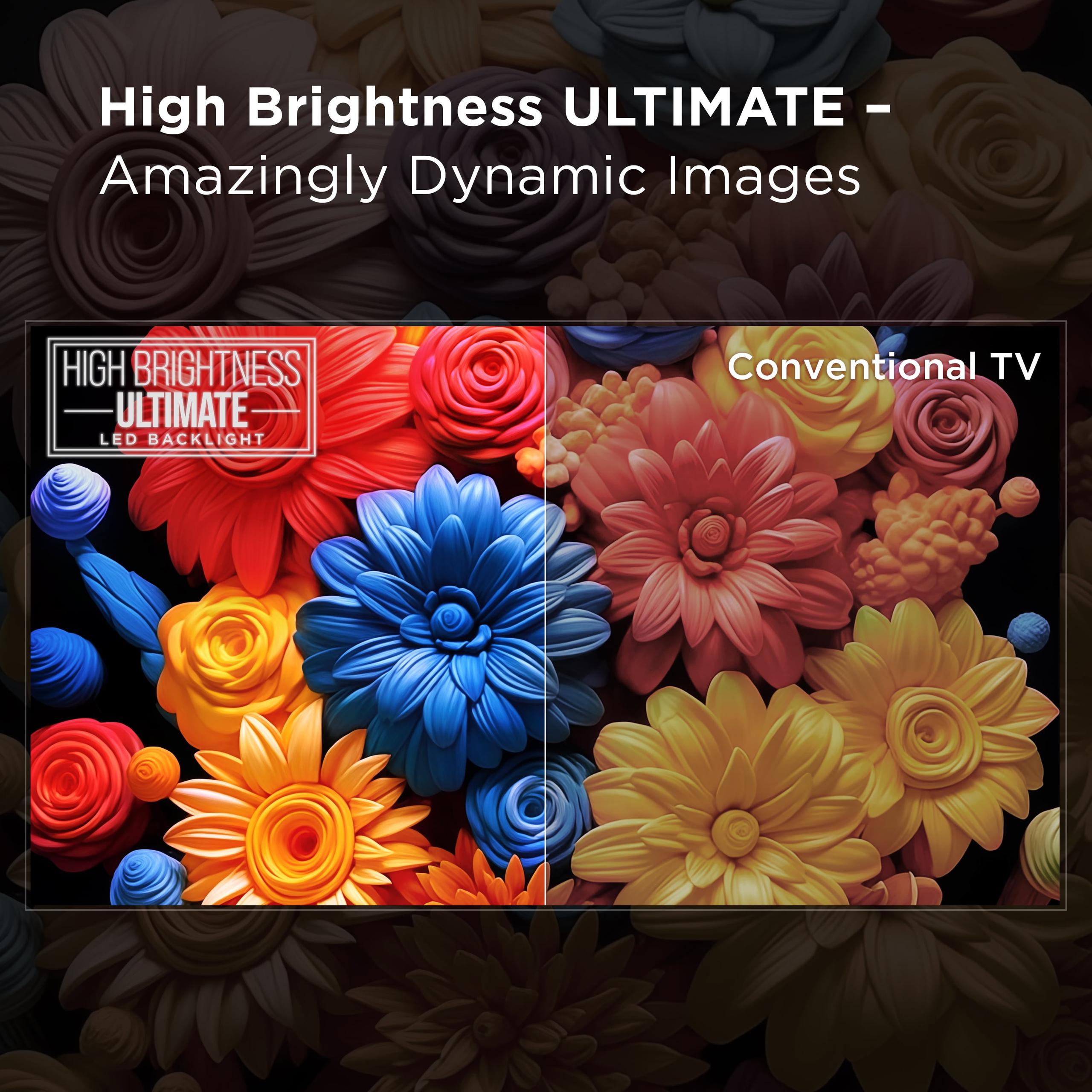
Here's where things get interesting. While OLED excels in dark rooms, Mini-LED technology has a significant advantage in bright spaces. The Samsung S85F can reach about 750 nits of peak brightness in small highlights, which is decent but not exceptional by today's standards. In a bright living room with windows, you might find HDR content looking less impressive than it should.
The TCL QM8, however, can punch up to 4,000 nits in some scenes. This extreme brightness means that even in a room flooded with sunlight, HDR highlights will still pop. I've tested this TV in various lighting conditions, and it consistently delivers impactful HDR performance regardless of ambient light. If your TV faces windows or you prefer watching with lights on, this brightness advantage is substantial.
Modern gaming demands have pushed TV manufacturers to optimize for low input lag and high refresh rates. Both TVs deliver here, but with different strengths.
The Samsung S85F supports 4K gaming at 120Hz with Variable Refresh Rate (VRR) up to 165Hz. This means games can run at different frame rates without the screen tearing that used to plague console and PC gaming. The TV's near-instantaneous response time means that when you press a button or move your mouse, the action appears on screen almost immediately—crucial for competitive gaming.
The TCL QM8 matches this with 4K at 144Hz VRR support and incredibly low input lag of just 8ms at certain settings. Both TVs support Auto Game Mode, which automatically switches to optimized settings when it detects a gaming console. However, some users have reported a bug with the TCL requiring a power cycle to achieve the lowest input lag, which is worth noting if you're a serious gamer.
For home theater gaming—think cinematic single-player experiences—both TVs excel. The Samsung's perfect blacks make games like "The Last of Us" or "God of War" incredibly immersive in dark rooms. The TCL's higher brightness makes games pop even in brighter environments.
High Dynamic Range (HDR) content represents the biggest leap in TV picture quality since the jump to HD. But here's where these two TVs take very different approaches.
The Samsung S85F supports HDR10, HDR10+, and HLG, but notably omits Dolby Vision. This is a deliberate choice by Samsung, who has consistently refused to support Dolby Vision in favor of their own HDR10+ format. While this philosophical stance might seem limiting, HDR10+ is technically capable and supported by Amazon Prime Video and other services.
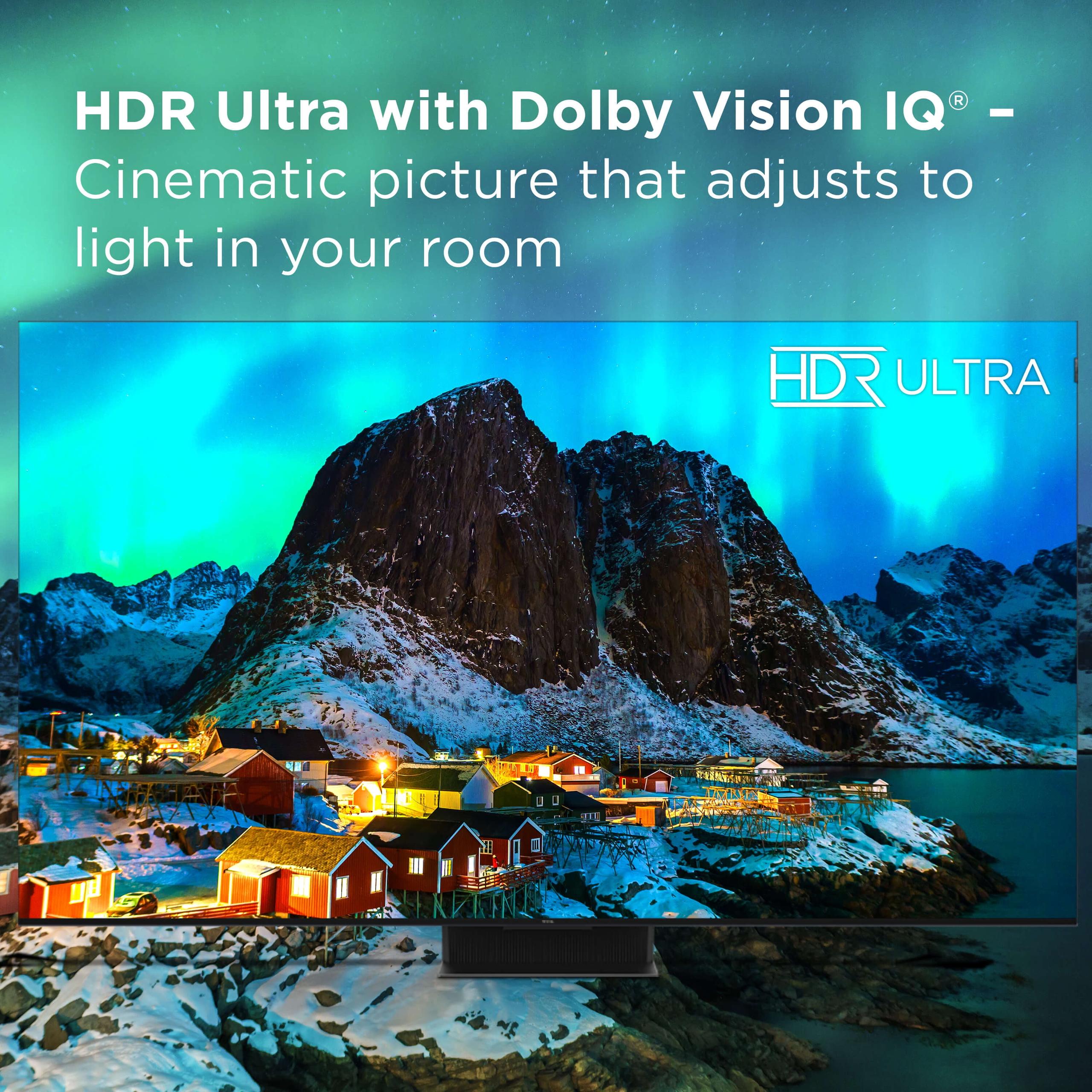
The TCL QM8 takes a more inclusive approach, supporting Dolby Vision IQ, HDR10+, HDR10, and HLG. This means better compatibility with Netflix, Disney+, and Apple TV+, which heavily use Dolby Vision. The "IQ" part of Dolby Vision IQ means the TV can adjust the HDR presentation based on your room's lighting conditions—a nice touch for varying viewing environments.
From a practical standpoint, if you're heavily invested in streaming services, the TCL's broader HDR support might provide a better experience across different content sources.
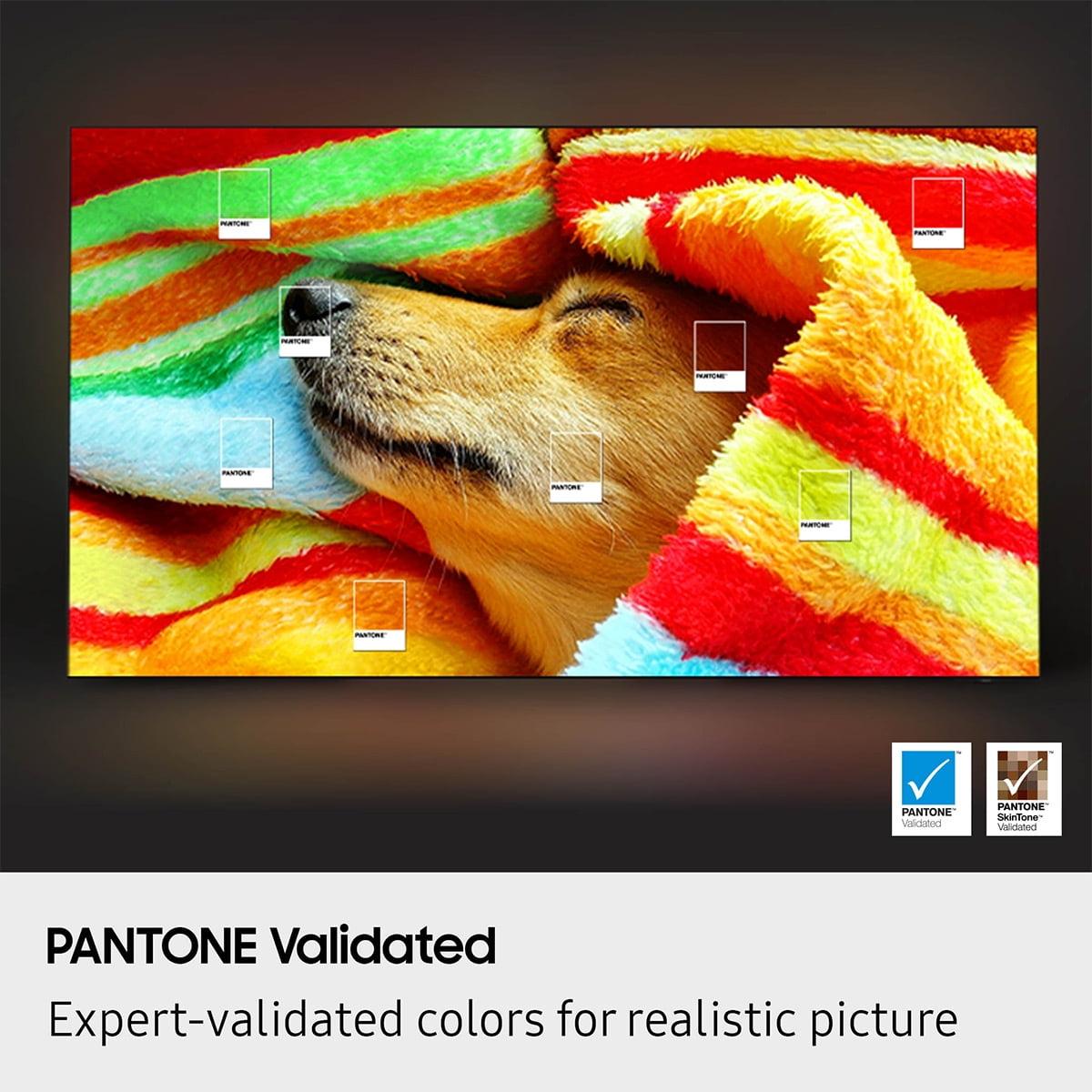
Samsung has achieved something remarkable with their QD-OLED technology. The S85F is Pantone validated, meaning it can accurately reproduce over 2,140 colors and 110 skin tone shades exactly as defined by the Pantone color standard. This level of color accuracy is particularly noticeable in content with subtle color gradations—think beautiful sunset scenes or the complex skin tones in portrait shots.
The TCL QM8 covers nearly the entire DCI-P3 color space, which is the standard for digital cinema. While its colors are vibrant and impactful, they're not quite as accurate as the Samsung's in subtle gradations. However, for most content, the difference isn't dramatic enough to be a primary deciding factor.
This is where the fundamental technology differences become most apparent. The Samsung S85F can achieve infinite contrast ratio because its pixels can turn completely off. When you see a star field in a space movie, those black areas between stars are producing zero light—true black.
The TCL QM8 achieves impressive contrast through its local dimming system, but it's not infinite. However, its significantly higher peak brightness means that the contrast between its darkest darks and brightest brights can actually appear more dramatic in well-lit rooms.
Both TVs handle motion well, but with different characteristics. The Samsung S85F has incredibly fast response times, which means minimal motion blur during fast action. However, this can sometimes make 24fps movie content appear slightly stuttery—a trade-off that bothers some viewers more than others.
The TCL QM8 includes Motion Rate 480 with MEMC (Motion Estimation Motion Compensation) frame insertion. This technology can smooth out motion, which is particularly beneficial for sports viewing. However, some viewers prefer the more natural motion handling of OLED technology.
The Samsung S85F runs Tizen OS, Samsung's proprietary smart TV platform. Having used Tizen extensively, I find it fast and responsive, with comprehensive app support and excellent voice control through Bixby, Alexa, and Google Assistant. Samsung also commits to 7 years of OS updates, which is exceptional in the TV industry.
The TCL QM8 uses Google TV, which provides an incredibly comprehensive app ecosystem and intuitive interface. The platform integration feels seamless, and the voice control is excellent. However, TCL typically provides 2-3 years of meaningful updates, which is more standard for the industry but less impressive than Samsung's commitment.
While both TVs benefit from external sound systems, their built-in audio tells an interesting story. The Samsung S85F features Dolby Atmos support with Object Tracking Sound Lite, which attempts to match audio to on-screen action. However, it doesn't support DTS audio formats, which can be limiting for some home theater enthusiasts.
The TCL QM8 includes an ONKYO 2.1.2 channel speaker system with both Dolby and DTS support. This is genuinely impressive built-in audio that can handle most content without requiring an immediate soundbar upgrade. The 80W total power output provides surprisingly robust sound for a TV.
OLED technology carries a theoretical risk of burn-in, where static images displayed for extended periods can leave permanent marks on the screen. Modern OLED TVs like the Samsung S85F include multiple technologies to prevent this, including pixel shifting and automatic screen savers. In normal use, burn-in is extremely rare, but it's worth considering if you plan to use the TV for gaming with static UI elements or as a computer monitor.
Mini-LED technology doesn't have burn-in risk, which makes the TCL QM8 potentially more durable for varied usage patterns. However, the complex backlighting system could theoretically develop issues over time, though this is uncommon with quality implementations.
After extensive testing and consideration, here's how to approach this decision:
Choose the Samsung S85F OLED if:
Choose the TCL QM8 Mini-LED if:
Both the Samsung S85F OLED and TCL QM8 Mini-LED represent excellent choices, but they excel in different scenarios. The Samsung offers premium picture quality and features that justify its higher price for dedicated home theater enthusiasts. The TCL provides exceptional value with flagship features at a significantly lower price point, making premium TV technology accessible to more buyers.
Your room lighting conditions will likely be the primary deciding factor. If you're watching in a dark or controlled environment, the Samsung's perfect blacks and superior color accuracy provide a magical viewing experience. If you're in a bright room or want versatile performance across different lighting conditions, the TCL's extreme brightness and comprehensive HDR support make it the better choice.
Both TVs will serve you well for years to come, but understanding these fundamental differences will help you choose the one that best fits your specific viewing environment and preferences.
| Samsung 65" S85F OLED 4K Smart TV (2025) | TCL 65" QM8 Mini-LED Smart TV |
|---|---|
| Price - The $700 difference reflects different value propositions | |
| $1,599.99 | $899.99 |
| Display Technology - Fundamentally different approaches to premium picture quality | |
| QD-OLED with self-illuminating pixels | Mini-LED with 5,000 local dimming zones |
| Peak Brightness - Critical for HDR impact and bright room performance | |
| 750 nits (adequate for dark/moderate rooms) | Up to 4,000 nits (excellent for bright rooms) |
| Black Levels - Determines contrast and dark scene detail | |
| Perfect blacks (pixels turn completely off) | Very deep blacks through local dimming |
| Viewing Angles - Important for group viewing and room layout flexibility | |
| Excellent wide viewing angles | Narrow viewing angles (color shifts off-center) |
| HDR Format Support - Affects streaming service compatibility | |
| HDR10, HDR10+, HLG (no Dolby Vision) | Dolby Vision IQ, HDR10+, HDR10, HLG |
| Gaming Performance - Key specs for console and PC gaming | |
| 4K@120Hz, 165Hz VRR, near-instant response | 4K@144Hz VRR, 8ms input lag, Game Accelerator 240 |
| Color Accuracy - Professional-grade color reproduction | |
| Pantone validated, 2,140+ accurate colors | DCI-P3 coverage, vibrant but less accurate |
| Smart TV Platform - Long-term software support and app ecosystem | |
| Tizen OS with 7 years of updates | Google TV with 2-3 years typical updates |
| Audio System - Built-in sound quality and format support | |
| Dolby Atmos, no DTS support | ONKYO 2.1.2 system, 80W, Dolby + DTS support |
| Durability Concerns - Long-term reliability considerations | |
| Potential OLED burn-in risk (rare in normal use) | No burn-in risk with Mini-LED technology |
| Best Use Case - Ideal viewing environment and user type | |
| Dark rooms, home theater, color accuracy priority | Bright rooms, versatile use, value-conscious buyers |
The TCL 65" QM8 Mini-LED Smart TV is significantly better for bright rooms, reaching up to 4,000 nits of peak brightness compared to the Samsung 65" S85F OLED 4K Smart TV (2025) at 750 nits. The TCL can easily overcome glare and maintain HDR impact even in sunlit rooms, while the Samsung OLED is better suited for dark or moderately lit environments.
OLED pixels can turn completely off to create perfect blacks and infinite contrast, while Mini-LED uses thousands of tiny LED backlights with local dimming zones to achieve deep blacks. The Samsung S85F OLED offers superior contrast and viewing angles, while the TCL QM8 Mini-LED provides much higher brightness and no burn-in risk.
The TCL 65" QM8 Mini-LED Smart TV at $899.99 offers exceptional value, providing flagship features at 44% less cost than the Samsung 65" S85F OLED 4K Smart TV (2025) at $1,599.99. The TCL delivers premium brightness, gaming performance, and HDR support including Dolby Vision at a significantly lower price point.
Only the TCL QM8 supports Dolby Vision IQ, HDR10+, HDR10, and HLG for broad streaming compatibility. The Samsung S85F OLED supports HDR10, HDR10+, and HLG but omits Dolby Vision due to Samsung's policy, which may limit compatibility with Netflix, Disney+, and Apple TV+ content.
Both TVs excel at gaming, but with different strengths. The Samsung S85F OLED offers 165Hz VRR and near-instant response times ideal for competitive gaming. The TCL QM8 provides 144Hz VRR with 8ms input lag and Game Accelerator 240 features. Both support 4K@120Hz gaming with Auto Game Mode.
The Samsung 65" S85F OLED 4K Smart TV (2025) has excellent wide viewing angles with consistent picture quality from all seating positions, making it ideal for group viewing. The TCL 65" QM8 Mini-LED Smart TV has narrower viewing angles where color and contrast degrade when viewed off-center.
The TCL QM8 features a superior ONKYO 2.1.2 channel speaker system with 80W total power and supports both Dolby and DTS audio formats. The Samsung S85F OLED offers Dolby Atmos support but lacks DTS compatibility and has less powerful built-in speakers.
The Samsung S85F OLED has potential OLED burn-in risk with static images, though this is rare with normal use and modern prevention technologies. The TCL QM8 Mini-LED has no burn-in risk due to its LCD-based Mini-LED technology, making it more suitable for varied usage patterns.
For dedicated home theater use, the Samsung 65" S85F OLED 4K Smart TV (2025) is superior in dark rooms with perfect blacks, exceptional color accuracy, and wide viewing angles. However, the TCL 65" QM8 Mini-LED Smart TV works better for multipurpose rooms with ambient light due to its extreme brightness capabilities.
The Samsung S85F OLED receives 7 years of OS updates with Tizen, providing exceptional long-term software support. The TCL QM8 typically receives 2-3 years of meaningful updates with Google TV, which is more standard but less impressive than Samsung's commitment.
Both handle motion well but differently. The Samsung S85F OLED has incredibly fast response times with minimal motion blur but may show slight stutter in 24fps content. The TCL QM8 includes Motion Rate 480 with MEMC frame insertion for smoother sports viewing.
Choose the Samsung 65" S85F OLED 4K Smart TV (2025) for premium dark room viewing, perfect color accuracy, and wide viewing angles if budget allows. Choose the TCL 65" QM8 Mini-LED Smart TV for exceptional value, bright room performance, comprehensive HDR support, and versatile usage at nearly half the price.
We've done our best to create useful and informative comparisons to help you decide what product to buy. Our research uses advanced automated methods to create this comparison and perfection is not possible - please contact us for corrections or questions. These are the sites we've researched in the creation of this article: rtings.com - samsung.com - youtube.com - rtings.com - youtube.com - samsung.com - bestbuy.com - avsforum.com - avsforum.com - samsung.com - displayspecifications.com - videoandaudiocenter.com - bestbuy.com - flatpanelshd.com - myallsouth.com - samsung.com - richstv.com - samsung.com - heartlandappliance.com - rtings.com - rtings.com - techradar.com - tcl.com - the-gadgeteer.com - nfm.com - ecoustics.com - careyscommunications.com - pcrichard.com - tcl.com

Privacy Policy
Terms and Conditions - Affiliate Policy
Home Security
© Copyright 2008-2026.
11816 Inwood Rd #1211, Dallas, TX 75244