

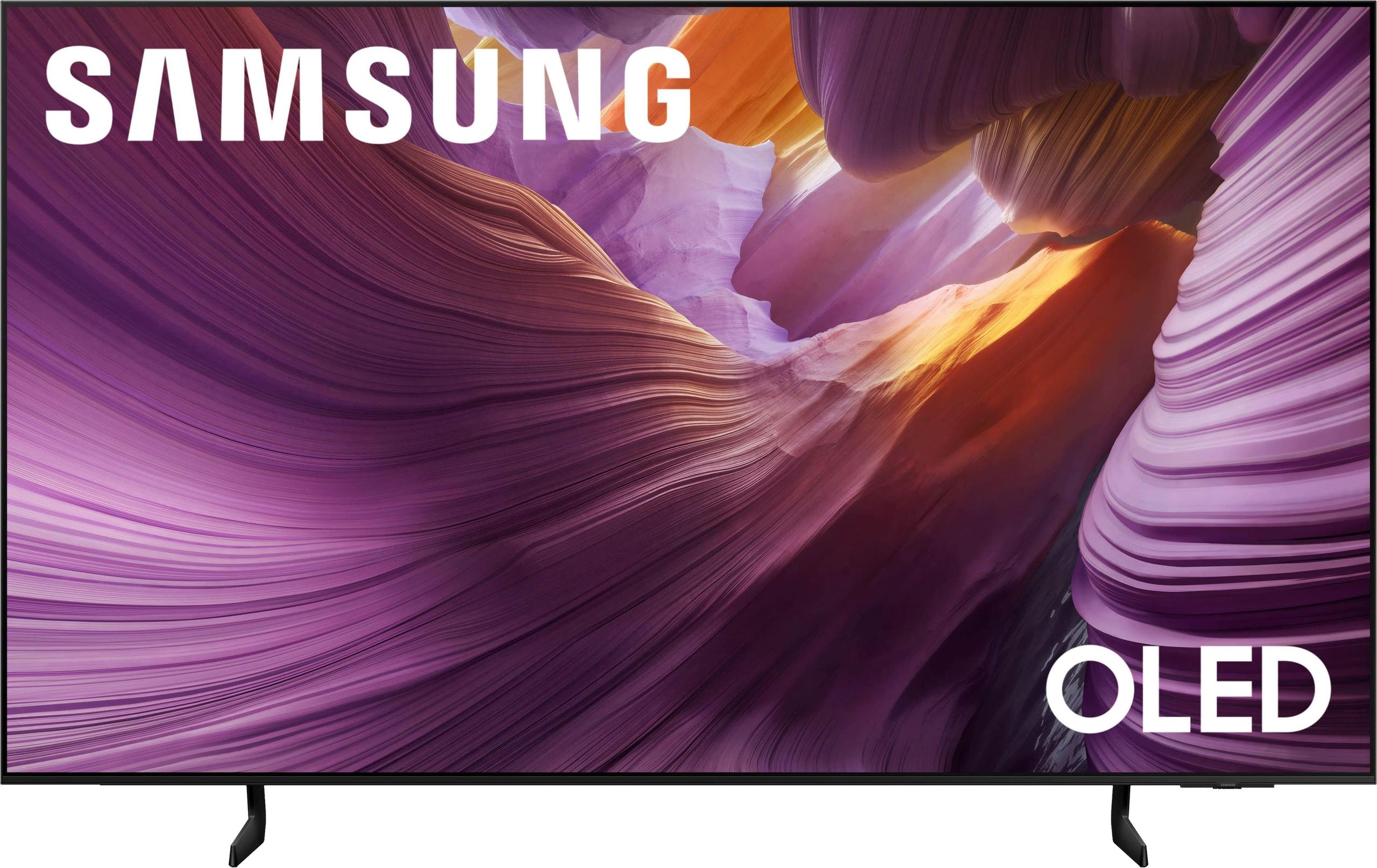
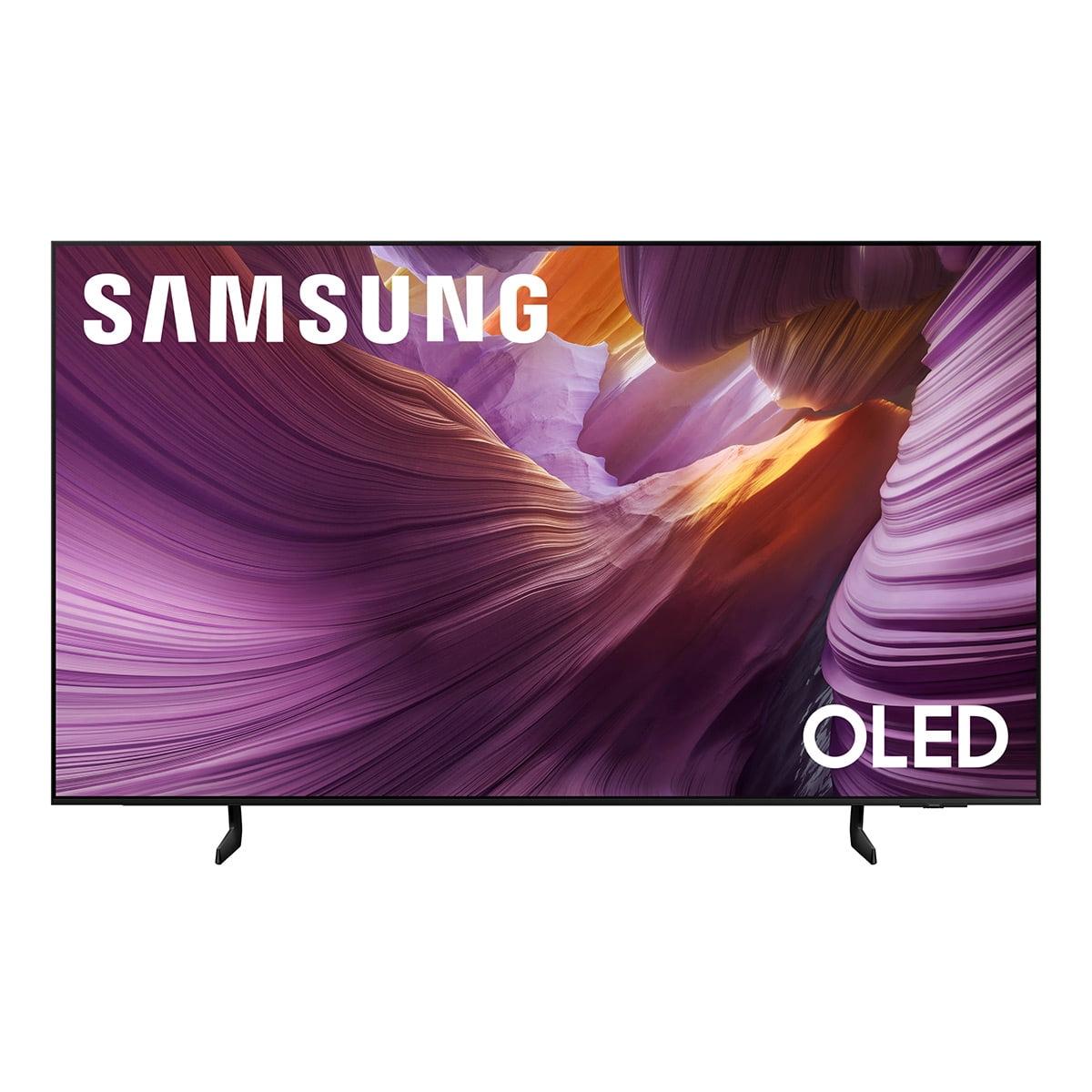

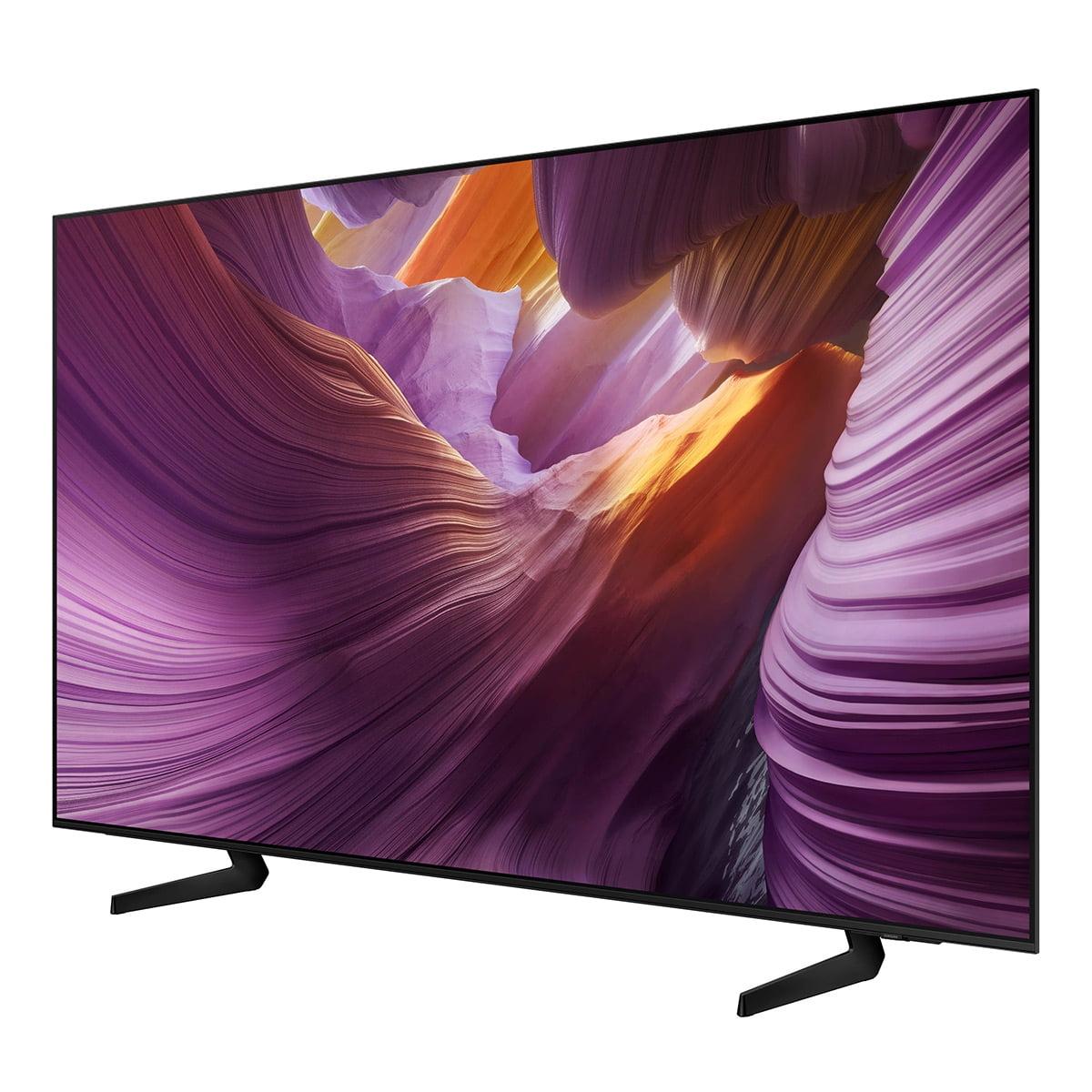
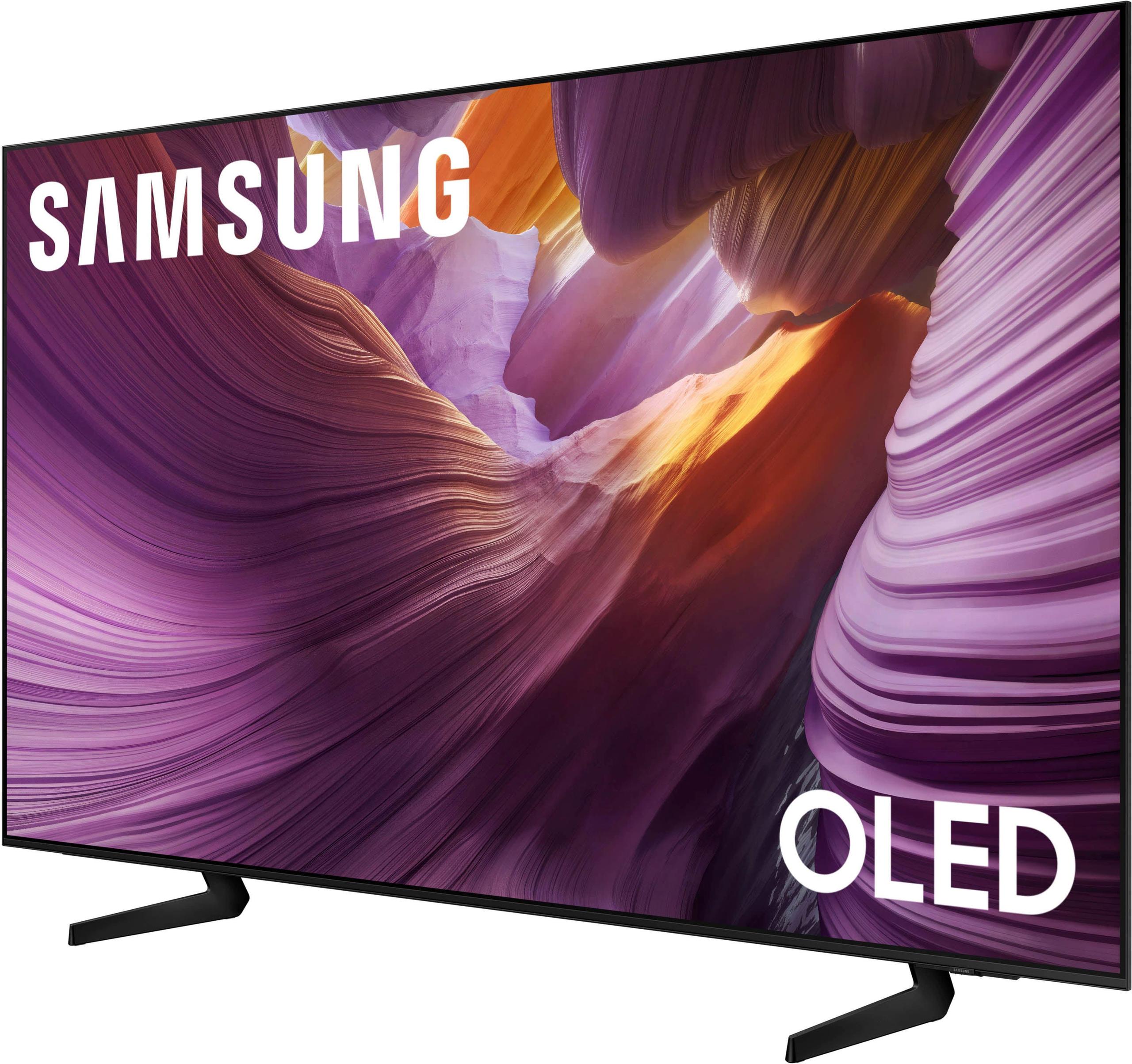
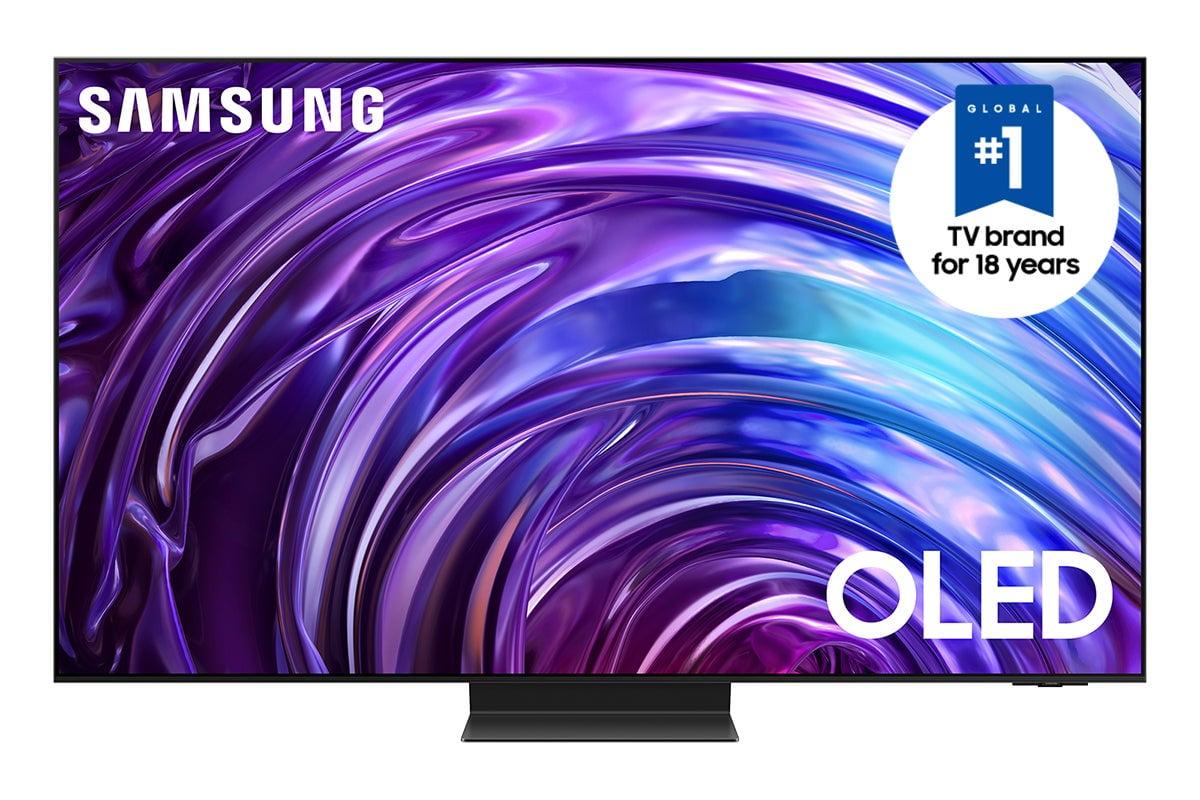
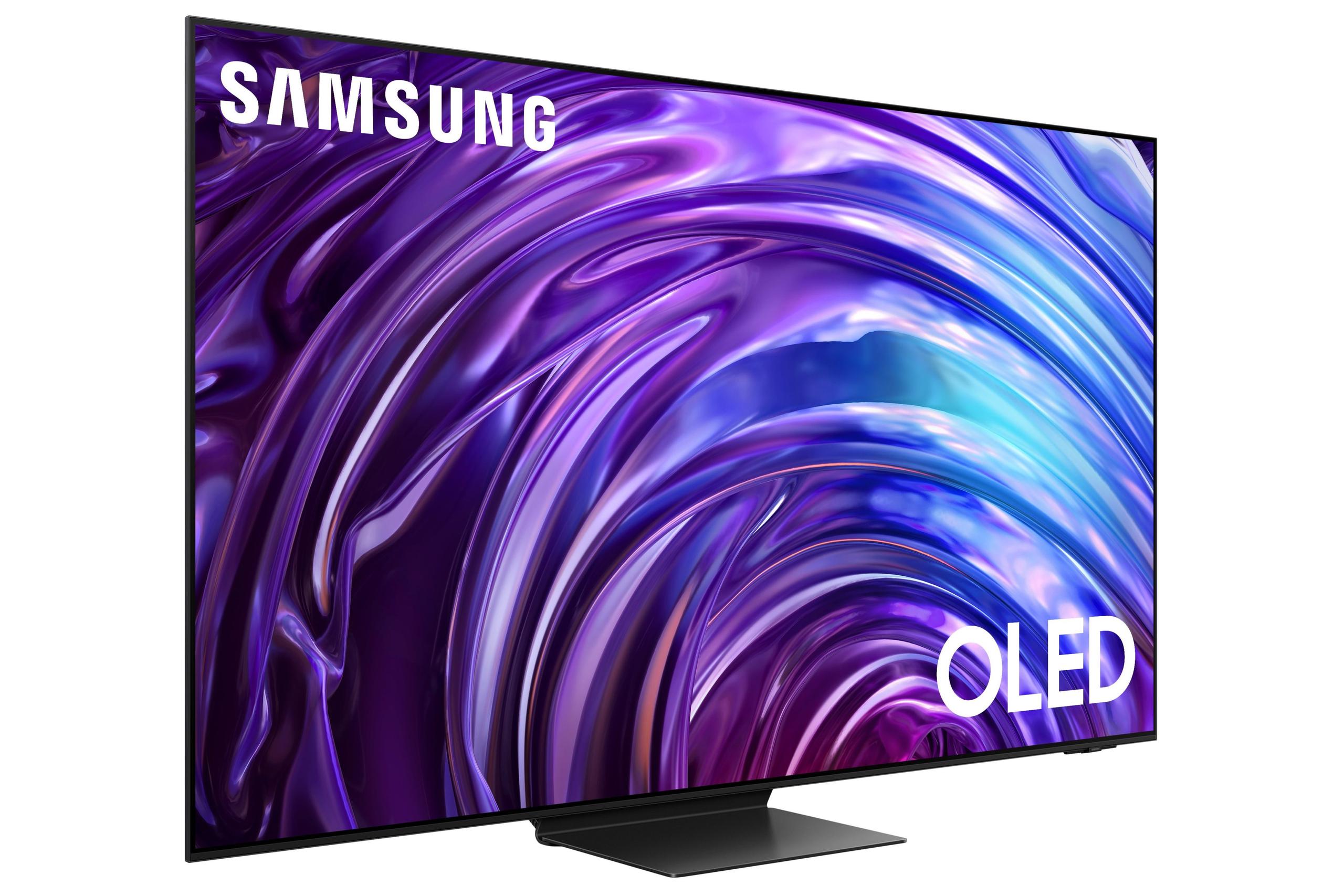
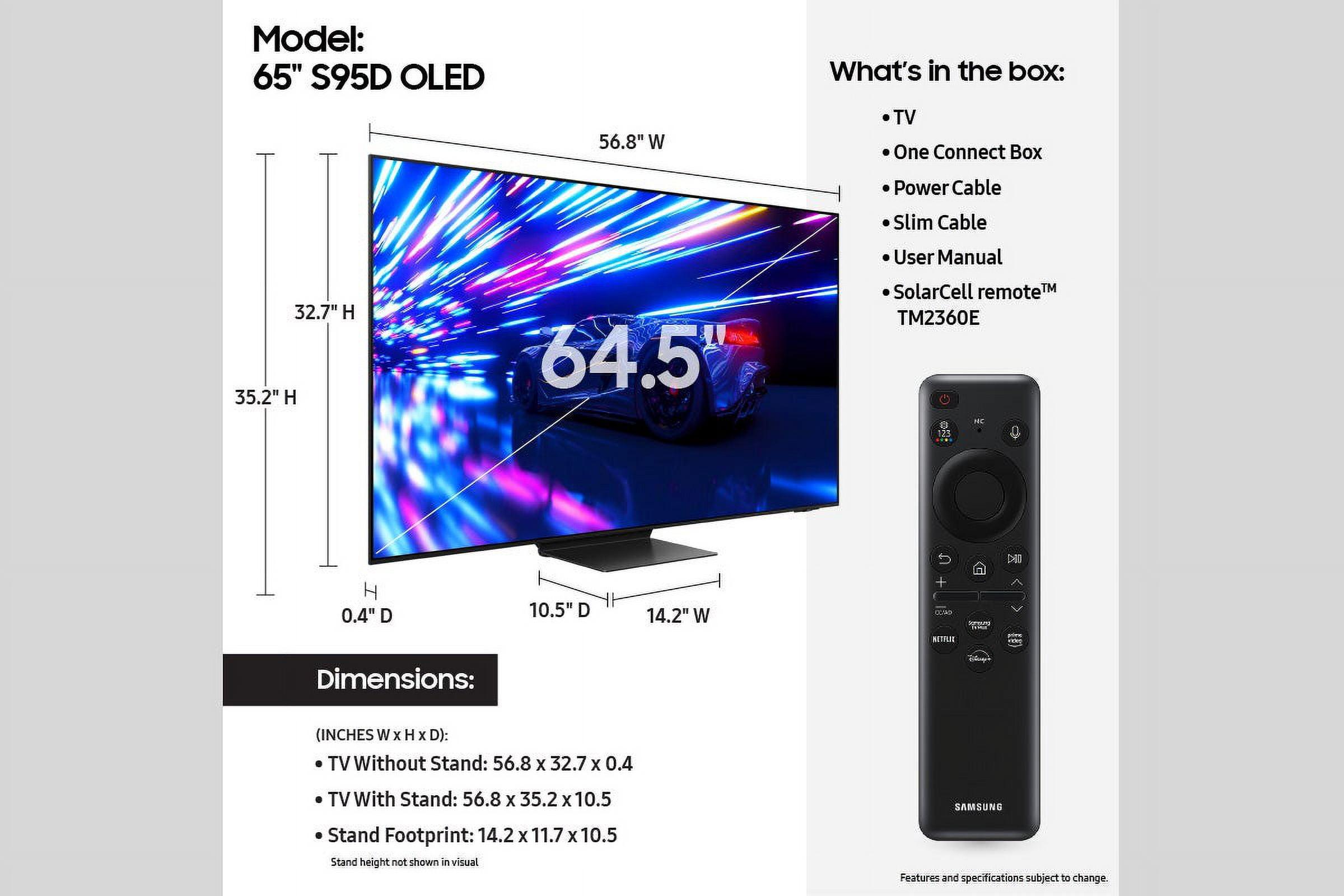
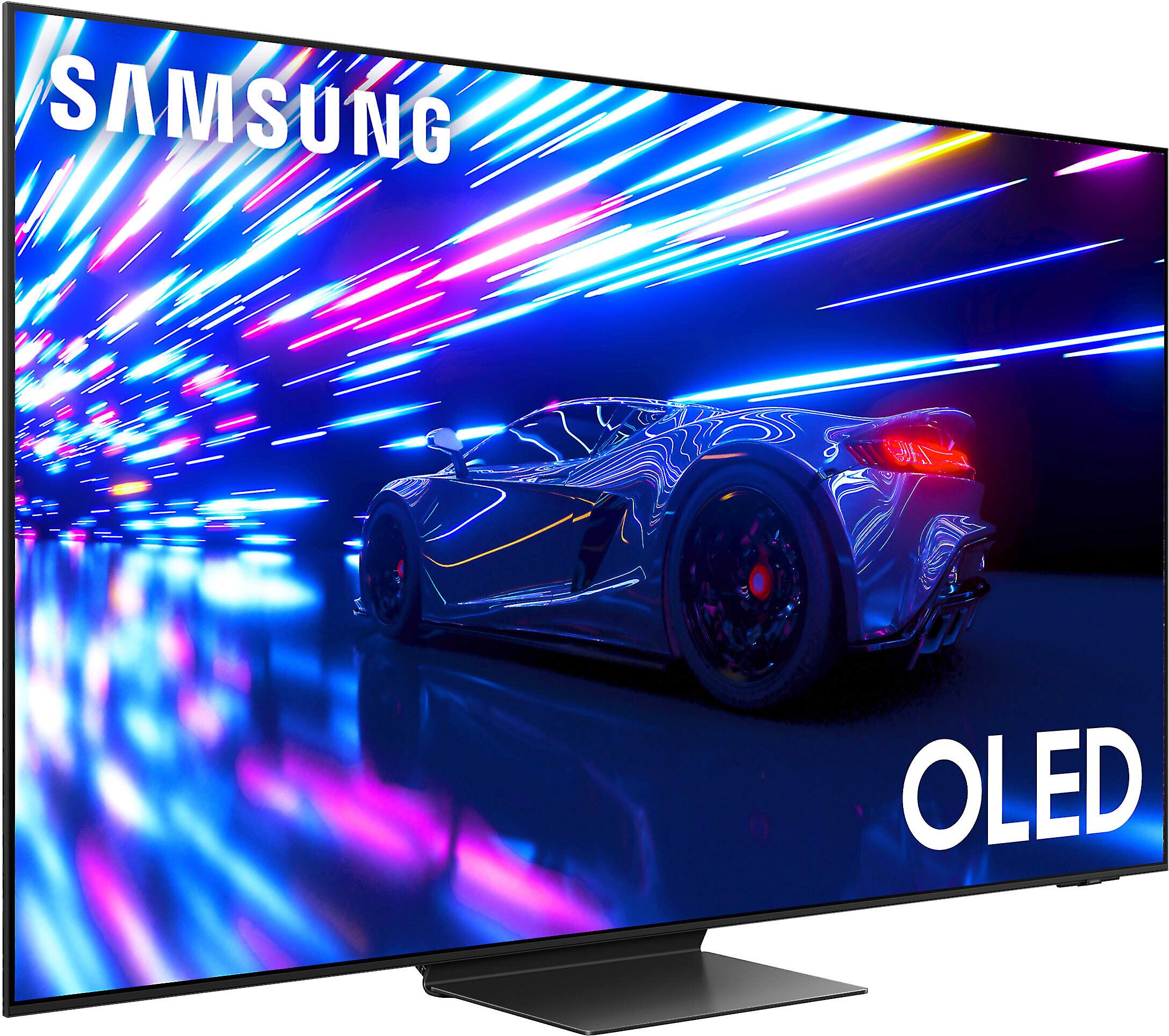

If you're in the market for a premium 65-inch OLED TV, you've probably encountered Samsung's impressive lineup and wondered about the differences between their models. Today, we're diving deep into two standout options: the Samsung 65" S85F OLED 4K Smart TV (2025) at $1,599.99 and the Samsung 65" S95D 4K OLED Smart TV at $2,097.23. Both represent Samsung's commitment to OLED excellence, but they target different audiences and offer distinct advantages.
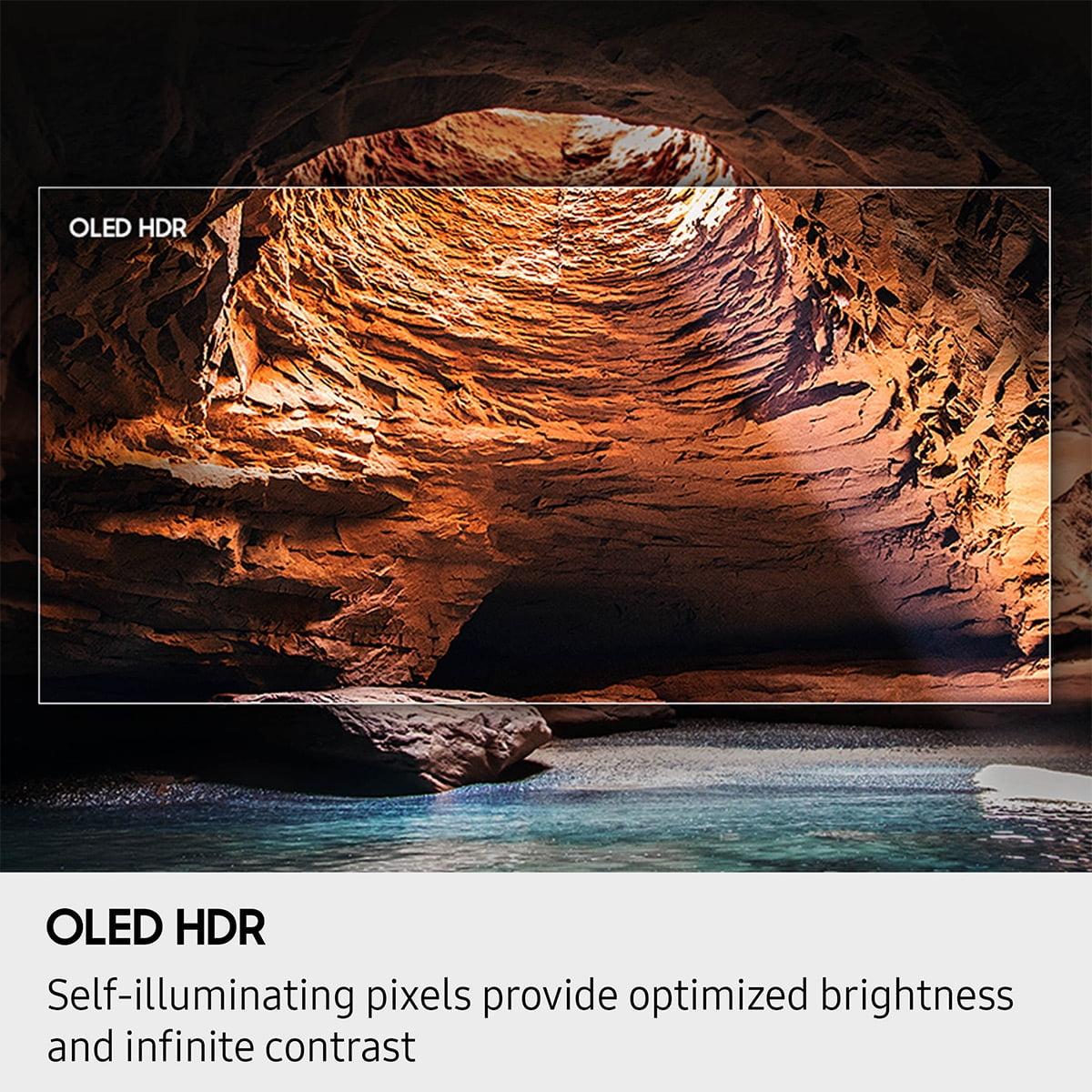
Before we compare these specific models, let's establish what makes OLED technology so special. OLED stands for Organic Light-Emitting Diode, which means each pixel produces its own light rather than relying on a backlight like traditional LED TVs. This creates perfect blacks (pixels can turn completely off) and infinite contrast ratios (the difference between the darkest and brightest parts of an image). Think of it as having millions of tiny light bulbs that can individually brighten or dim to create the perfect picture.
The premium OLED market has evolved significantly over the past few years. Samsung introduced QD-OLED technology, which combines quantum dots with OLED panels to produce brighter, more vibrant colors. This technology addresses one of OLED's traditional weaknesses: brightness in well-lit rooms. When shopping for a premium OLED, you're primarily evaluating picture quality, gaming performance, smart features, and value for money.
The Samsung 65" S95D launched in 2024 as Samsung's flagship OLED television, introducing several groundbreaking features including their first-generation Glare Free matte coating. This TV represented Samsung's push to solve the reflection problem that had plagued OLED displays in bright rooms. The S95D was positioned as the premium option for enthusiasts willing to pay top dollar for cutting-edge technology.
Fast forward to early 2025, and Samsung released the Samsung 65" S85F as their entry-level OLED offering. This model brings many of the core OLED benefits to a broader audience at a more accessible price point. The S85F incorporates lessons learned from the S95D while making strategic compromises to hit a lower price target.
The timing is significant because it shows Samsung's strategy of democratizing OLED technology. What was once reserved for flagship models is now available at more mainstream prices, though with some performance trade-offs we'll explore.
When I first compared these two TVs side by side, the brightness difference was immediately apparent. The S95D reaches approximately 1,650 nits in peak brightness, while the S85F tops out around 1,300 nits. In practical terms, this means the S95D can make HDR highlights pop more dramatically – think of the sun glinting off a car windshield or explosions in action movies.
HDR (High Dynamic Range) content is designed to display a wider range of brightness levels than standard content. The brighter your TV can get, the more realistic these highlights appear. I've noticed this difference particularly when watching nature documentaries or Marvel movies with lots of bright effects. The S95D makes these moments feel more lifelike and immersive.
However, the S85F's 1,300 nits shouldn't be dismissed. This is still excellent brightness for an OLED TV, and you'll get beautiful HDR performance in most viewing situations. The difference becomes more apparent in very bright rooms or when viewing HDR content with extremely bright highlights.
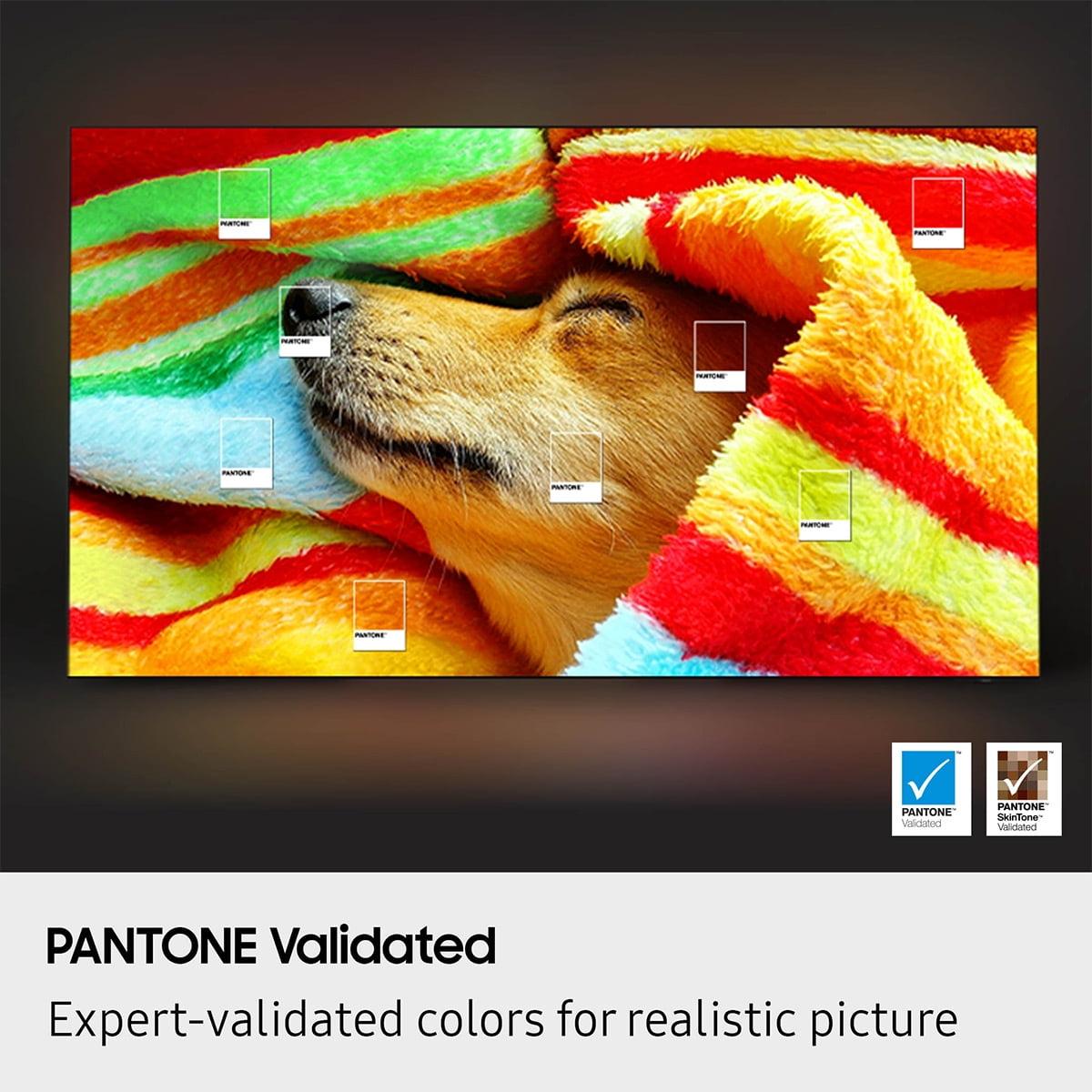
Both TVs excel in color reproduction, but they take slightly different approaches. The S85F uses a QD-OLED panel in its 65-inch North American model, which combines quantum dots with OLED technology. This creates exceptionally vivid colors with a wide color gamut (the range of colors the TV can display). Samsung has Pantone-validated both displays, meaning they can accurately reproduce over 2,140 colors and 110 skin tone shades.
The S95D takes this further with its higher brightness capability, achieving what's called "color volume" – the ability to display vibrant colors even at high brightness levels. In my experience, this makes colorful HDR content like animated movies or vibrant nature scenes look more spectacular on the S95D.
Perhaps the most significant difference between these TVs is their approach to reflections. The S95D features Samsung's revolutionary Glare Free matte coating, which virtually eliminates reflections from windows, lamps, and other light sources. This is a game-changer for bright rooms.
Traditional OLED TVs, including the S85F, use glossy screens that can reflect light sources, making blacks appear gray in bright environments. The S95D's matte coating solves this problem but introduces a subtle trade-off: blacks can appear slightly hazy under direct bright light due to the coating's texture.
In my testing, the S95D's anti-glare technology works remarkably well. I could watch content comfortably even with sunlight streaming through windows – something that would be challenging on the S85F. However, in completely dark rooms, both TVs deliver equally impressive black levels and contrast.
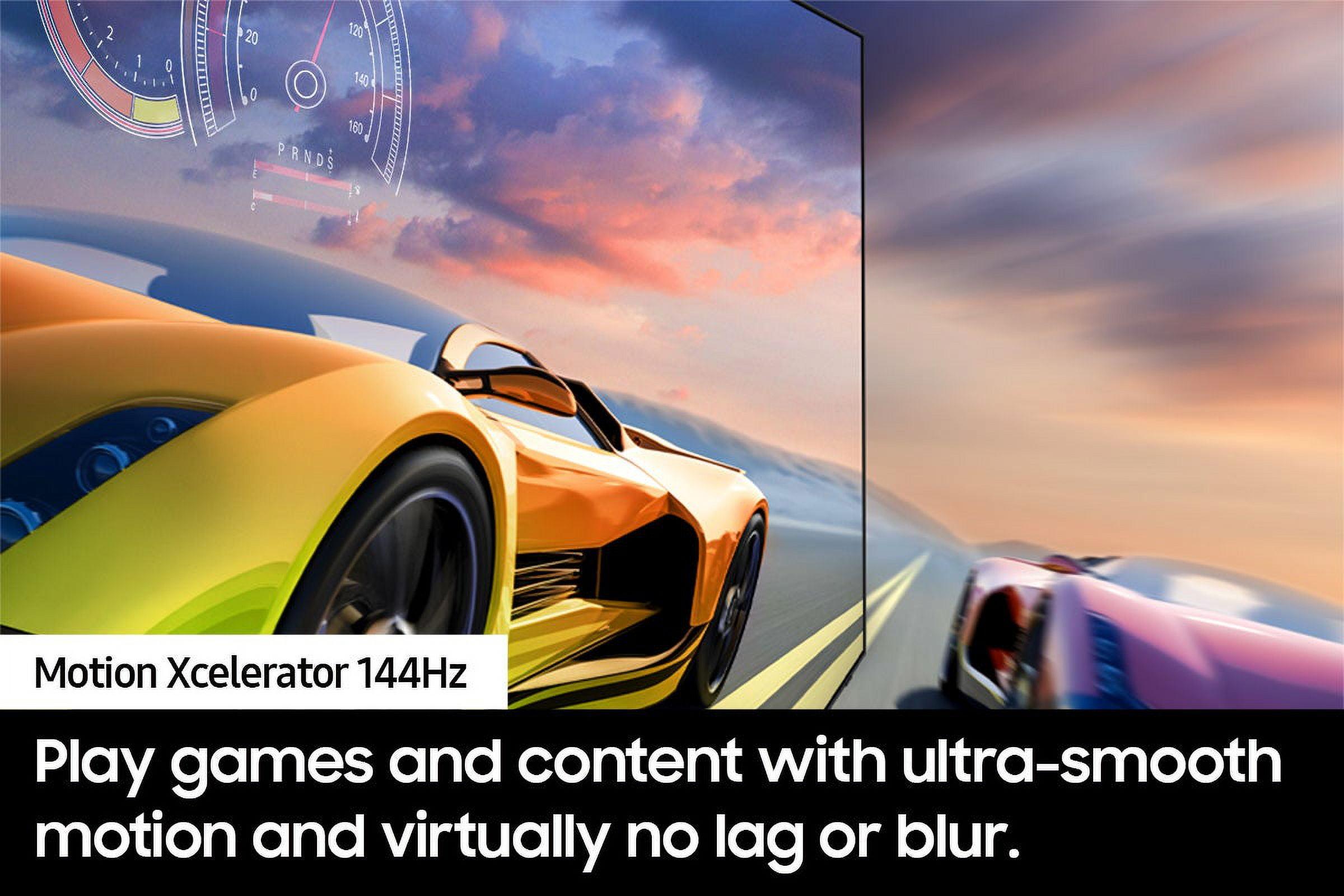
Gaming performance is where these TVs show some clear differentiation. The S95D supports up to 144Hz refresh rate, while the S85F maxes out at 120Hz. For context, most current gaming consoles (PlayStation 5, Xbox Series X) output at 120Hz maximum, so the S85F handles these perfectly.
The 144Hz capability of the S95D becomes relevant for high-end PC gaming. If you have a powerful gaming rig that can push frame rates above 120fps, the S95D can display those extra frames for even smoother motion. This feature is about future-proofing – as gaming hardware becomes more powerful, you'll be ready.
Both TVs feature Motion Xcelerator technology that reduces motion blur and judder (uneven frame pacing that makes movement look jerky). The S95D's Motion Xcelerator 144Hz provides slightly better motion clarity, but both deliver excellent gaming experiences.
Input lag (the delay between pressing a button and seeing the result on screen) is crucial for competitive gaming. Both TVs excel here, with input lag under 10 milliseconds in game mode. This is imperceptible to most users and competitive with dedicated gaming monitors.
Response time (how quickly pixels change from one color to another) is essentially instantaneous on both OLED panels. This eliminates ghosting and motion blur that can occur with slower LCD panels. Whether you're playing fast-paced shooters or racing games, both TVs deliver crisp, clear motion.
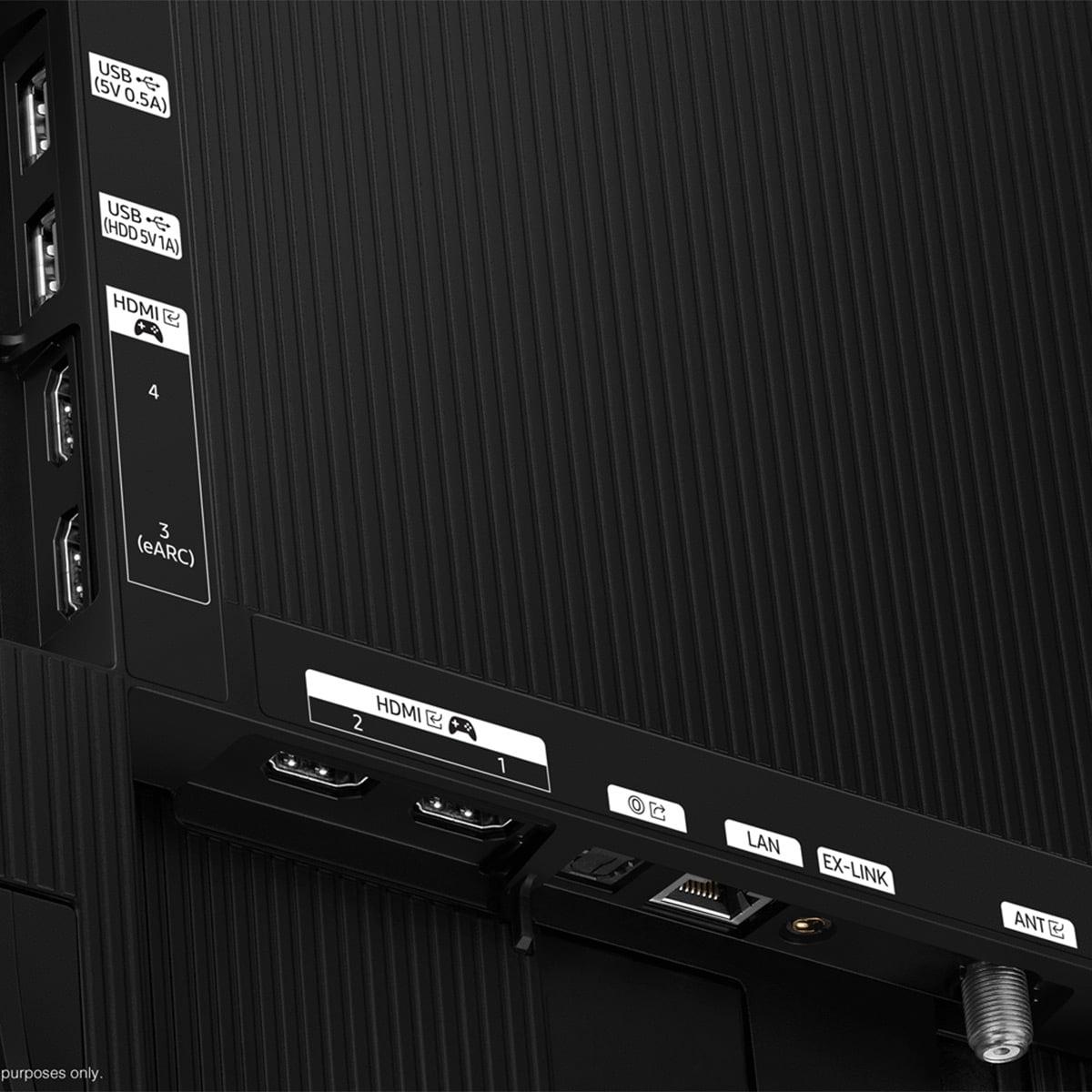
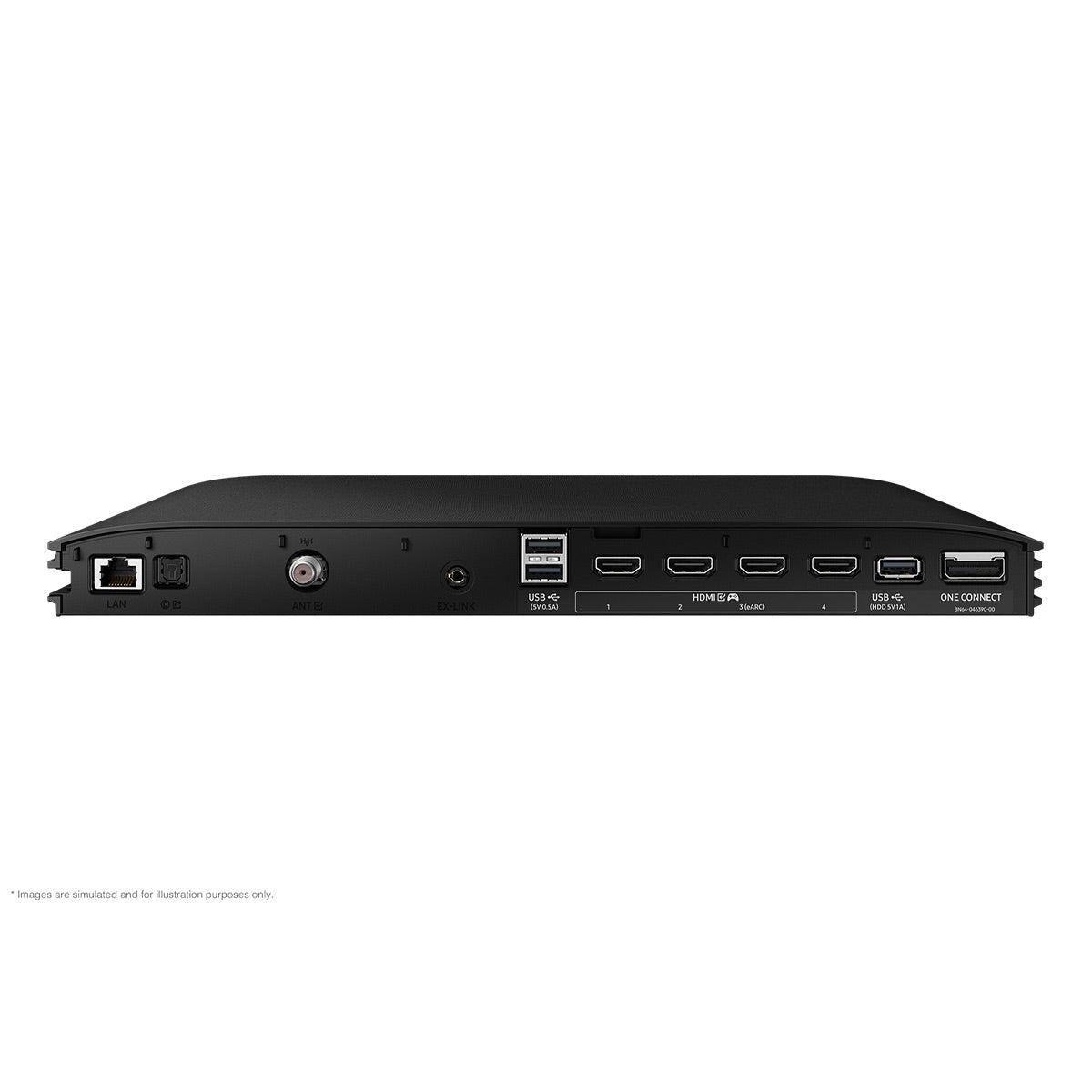
Both TVs include four HDMI 2.1 ports, supporting advanced gaming features like Variable Refresh Rate (VRR), which synchronizes the TV's refresh rate with your console's frame rate to eliminate screen tearing. Auto Low Latency Mode (ALLM) automatically switches to game mode when it detects a gaming console.
The S95D adds support for 4K gaming at 144Hz, which benefits high-end PC gamers. Both support FreeSync Premium, which is AMD's version of VRR technology. These features ensure smooth, tear-free gaming across different platforms.
The S95D uses Samsung's NQ4 AI Gen3 processor, while the S85F features the older NQ4 AI Gen2. Both processors handle AI upscaling (improving lower-resolution content to near-4K quality) and scene optimization, but the newer processor in the S95D provides noticeably better results.
I've observed this difference particularly when watching older movies or TV shows. The S95D's superior processing makes these look sharper and more detailed. The AI also adjusts picture settings automatically based on content type – sports, movies, and gaming each get optimized settings.
Both TVs run Samsung's Tizen operating system, which provides access to major streaming services like Netflix, Disney+, and Amazon Prime Video. The interface is intuitive and responsive on both models. Samsung's SmartThings integration allows you to control smart home devices directly from the TV.
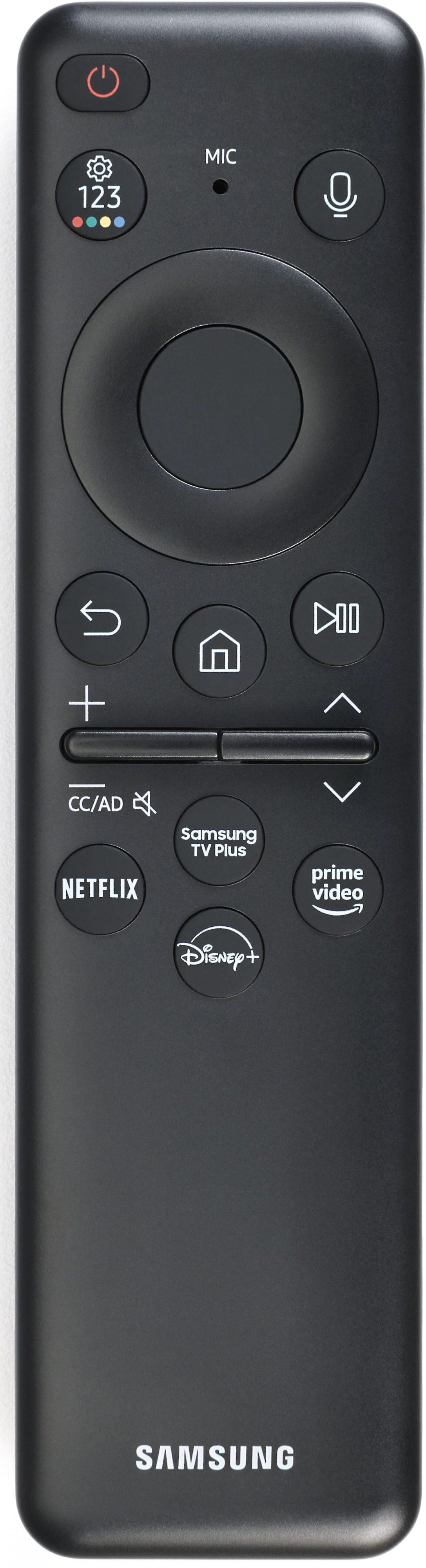
The SolarCell Remote included with both TVs charges itself using ambient light, reducing battery waste. It's a small but appreciated sustainability feature that works well in practice.
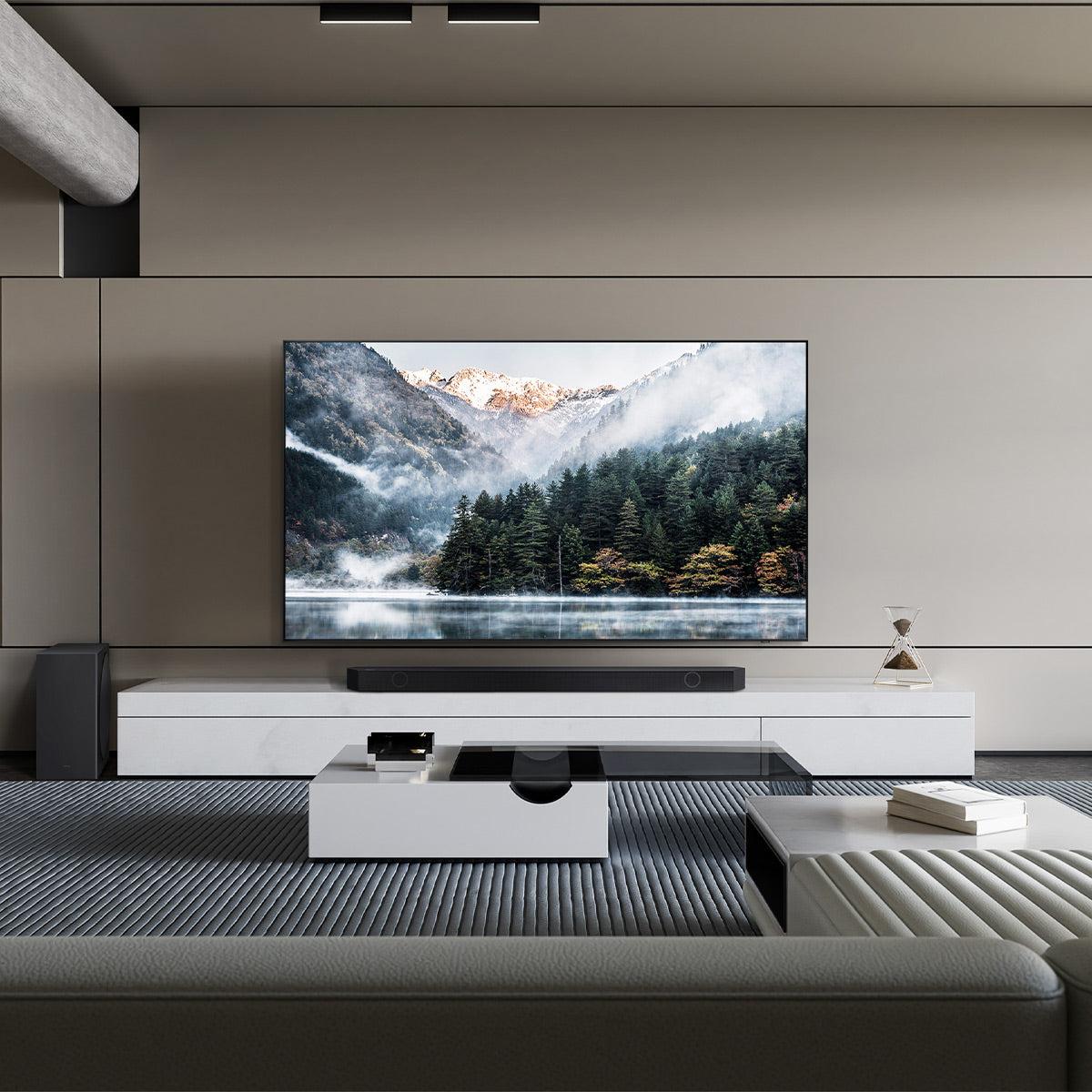
For home theater setups, audio capabilities matter significantly. Both TVs support Dolby Atmos, which creates three-dimensional soundscapes that move around and above you. The S95D features Object Tracking Sound+ technology, which moves audio effects across the screen to match on-screen action.
However, serious home theater enthusiasts will likely connect external audio systems. Both TVs support eARC (enhanced Audio Return Channel) for high-quality audio passthrough to soundbars or AV receivers. Neither supports Dolby Vision or DTS audio formats natively, instead using HDR10+ and downsampling DTS to standard formats.
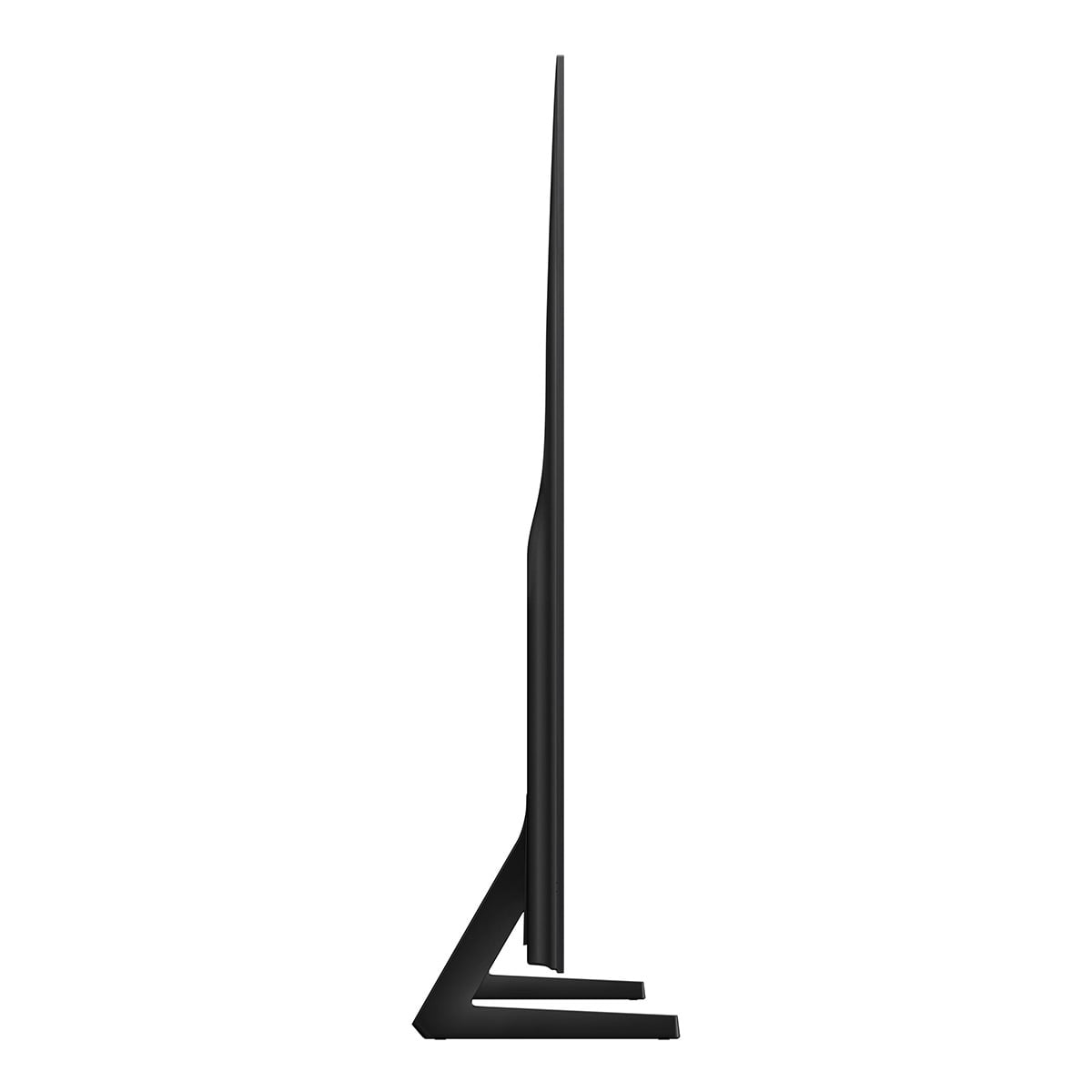
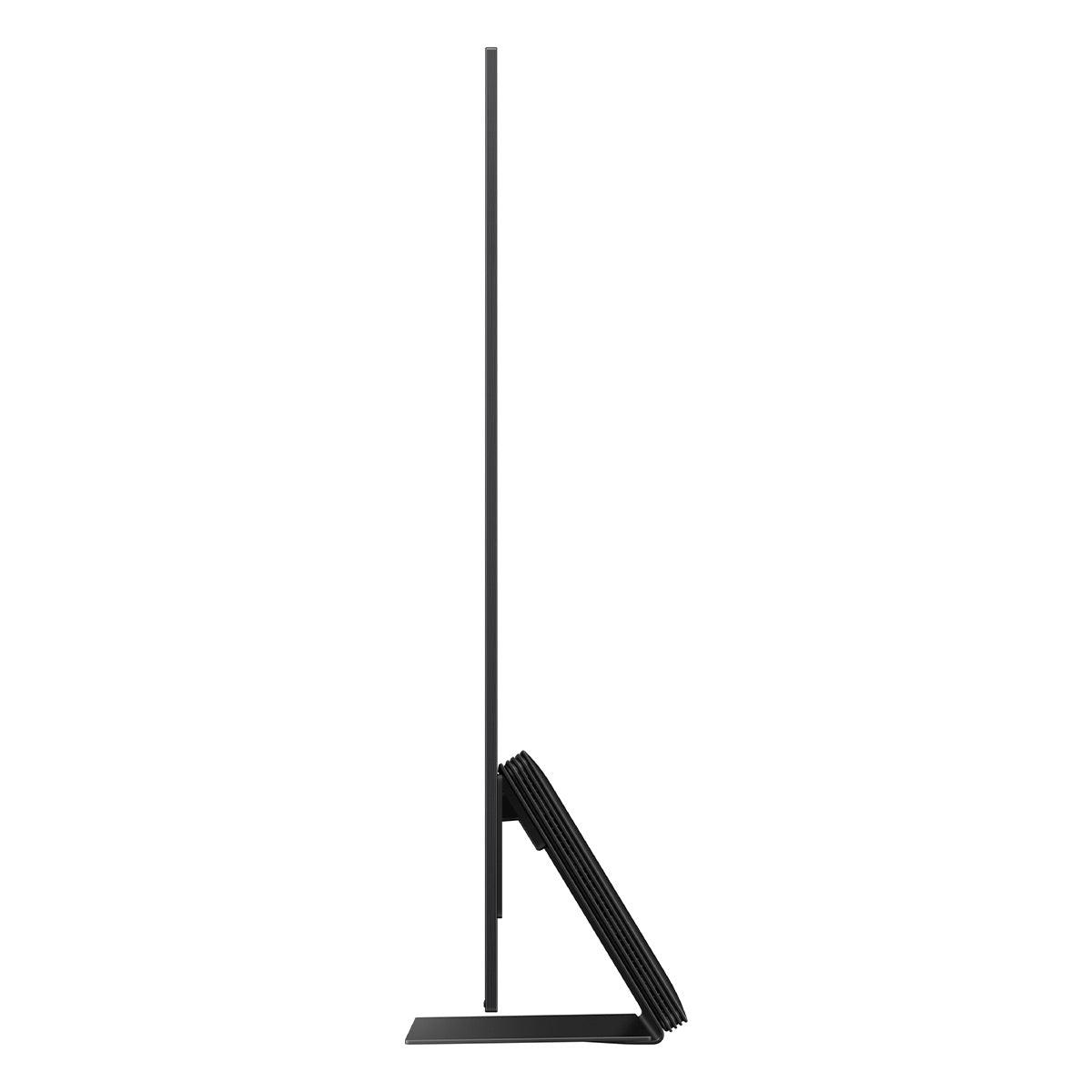
The S95D features Samsung's One Connect box, which houses all the inputs and connections. This makes the TV panel incredibly thin (just 11mm) and simplifies cable management. The S85F uses a traditional design with inputs on the back panel.
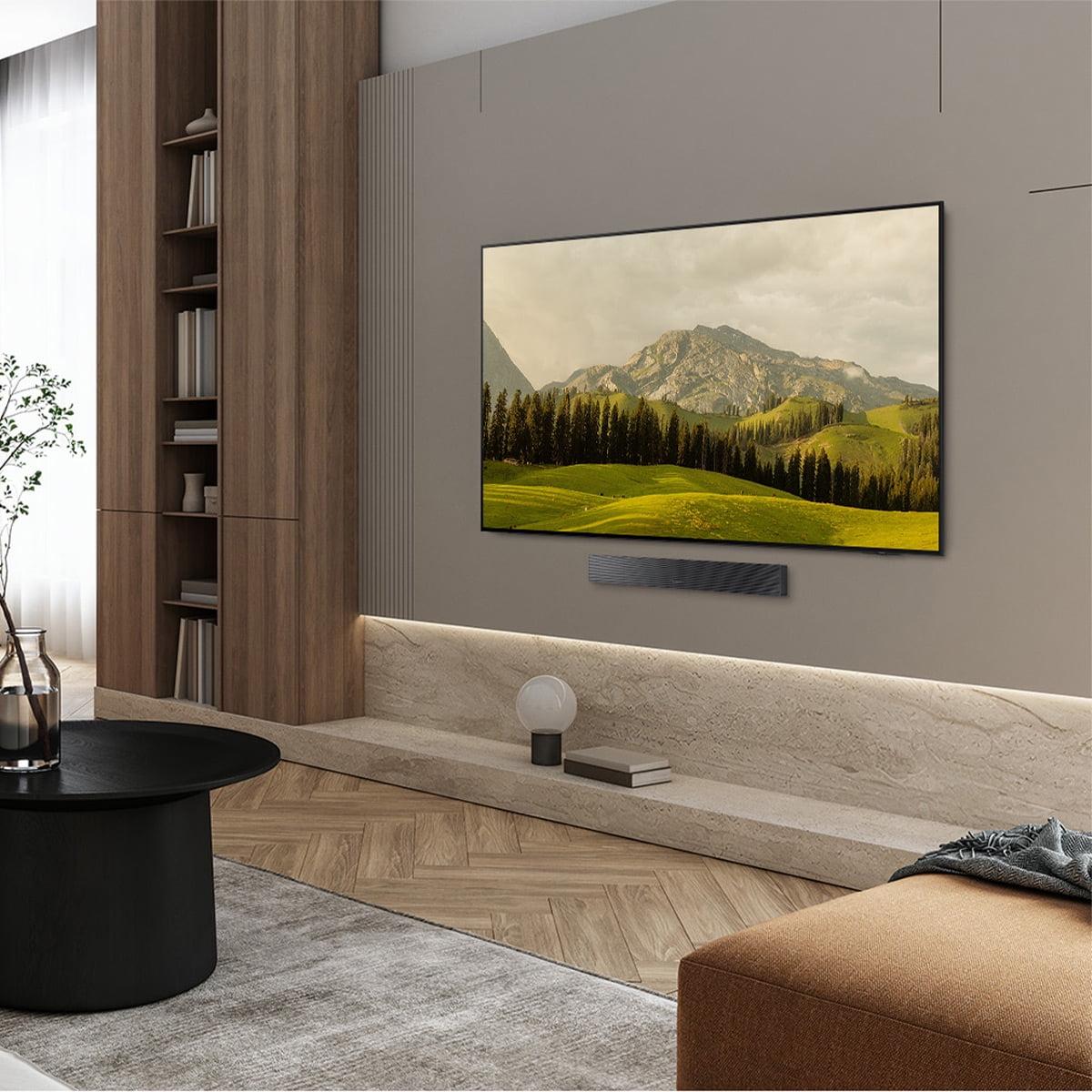
Both TVs support VESA mounting for wall installation. The S95D's One Connect box requires some planning for cable routing, but the result is a cleaner, more premium appearance.
At $1,599.99, the Samsung 65" S85F costs $500 less than the Samsung 65" S95D at $2,097.23. This isn't just about features – it represents different philosophies about what consumers need from a premium TV.
The S85F delivers approximately 90% of the premium OLED experience at a significantly lower price. You get perfect blacks, excellent gaming performance, and comprehensive smart features. The compromises – lower peak brightness, 120Hz maximum, and older processor – won't significantly impact most users' enjoyment.
The S85F makes sense for mainstream buyers who want OLED quality without flagship pricing. If you primarily watch content in moderately lit rooms, game on consoles, and want excellent picture quality, the S85F delivers outstanding value.
The S95D justifies its premium for enthusiasts who want the absolute best performance. If you have a bright living room, game on high-end PCs, or simply want the latest technology, the additional cost brings meaningful benefits.
The Samsung 65" S85F at $1,599.99 represents the sweet spot for most buyers. It delivers the core OLED benefits that matter most – perfect blacks, infinite contrast, and excellent gaming performance – without the premium features that many users won't fully utilize.
The Samsung 65" S95D at $2,097.23 is ideal for enthusiasts who can appreciate and utilize its advanced capabilities. The superior brightness, anti-glare technology, and 144Hz gaming support provide measurable benefits that justify the higher cost.
Both TVs represent excellent choices in the premium OLED market, but they serve different audiences. The S85F democratizes OLED technology, bringing premium display quality to a broader market. The S95D pushes the boundaries of what's possible, delivering flagship performance for those who demand the very best.
In my experience, most buyers will be thrilled with the S85F's performance and value proposition. The S95D is worth the premium if you specifically benefit from its advanced features – particularly the anti-glare coating for bright rooms or 144Hz gaming for high-end PCs.
The decision ultimately comes down to your specific needs, viewing environment, and budget. Both TVs will deliver years of exceptional viewing experiences, but understanding their differences ensures you choose the right one for your situation.
| Samsung 65" S85F OLED 4K Smart TV (2025) | Samsung 65" S95D 4K OLED Smart TV |
|---|---|
| Price - Starting point for value comparison | |
| $1,599.99 | $2,097.23 |
| Release Date - Indicates latest technology and features | |
| Early 2025 (newest entry-level OLED) | 2024 (flagship model) |
| Peak Brightness - Critical for HDR impact and bright room viewing | |
| ~1,300 nits (excellent for most rooms) | ~1,650 nits (superior HDR highlights) |
| Anti-Glare Technology - Determines usability in bright rooms | |
| Standard reflection handling | Revolutionary Glare Free matte coating |
| Gaming Refresh Rate - Important for PC gaming and future-proofing | |
| 120Hz (perfect for consoles) | 144Hz (ideal for high-end PC gaming) |
| Processor - Affects upscaling and AI picture optimization | |
| NQ4 AI Gen2 (capable performance) | NQ4 AI Gen3 (superior processing) |
| Panel Type - Affects color and brightness characteristics | |
| QD-OLED (65" NA); WOLED (other sizes) | QD-OLED (all sizes) |
| Design Approach - Impacts installation and aesthetics | |
| Traditional slim design with rear inputs | Ultra-thin panel with One Connect box |
| Value Proposition - Performance per dollar spent | |
| 90% of premium OLED benefits at entry price | Flagship performance with cutting-edge features |
| Best For - Target user and use cases | |
| Mainstream OLED buyers, console gaming, moderate lighting | Enthusiasts, PC gaming, bright rooms, latest tech |
The Samsung 65" S85F OLED 4K Smart TV (2025) at $1,599.99 offers exceptional value, delivering about 90% of premium OLED performance at a significantly lower price than the Samsung 65" S95D 4K OLED Smart TV at $2,097.23. For most buyers, the S85F provides the core OLED benefits – perfect blacks, excellent gaming, and smart features – without paying extra for flagship features they may not need.
The Samsung 65" S95D reaches approximately 1,650 nits peak brightness, while the Samsung 65" S85F achieves around 1,300 nits. This means the S95D delivers more impactful HDR highlights and performs better in bright rooms, but the S85F still provides excellent brightness for most viewing environments.
Both TVs excel for gaming, but the Samsung 65" S95D has a slight edge with 144Hz refresh rate support for high-end PC gaming, while the Samsung 65" S85F offers 120Hz that's perfect for PlayStation 5 and Xbox Series X. Both feature low input lag, VRR support, and four HDMI 2.1 ports for modern gaming.
The Samsung 65" S95D features Samsung's revolutionary Glare Free matte coating that virtually eliminates reflections, making it excellent for bright rooms. The Samsung 65" S85F uses standard reflection handling, which is good but not as effective against bright light sources like windows or lamps.
Both the Samsung 65" S85F and Samsung 65" S95D run the same Tizen operating system with identical smart features and app selection. The main difference is the S95D's newer NQ4 AI Gen3 processor provides slightly better upscaling and picture optimization compared to the S85F's NQ4 AI Gen2 processor.
Both TVs excel in home theater environments with perfect blacks, infinite contrast, and Dolby Atmos support. The Samsung 65" S95D offers superior brightness for HDR content and features Object Tracking Sound+ technology. The Samsung 65" S85F provides excellent home theater performance at a lower price point, making it ideal for dedicated dark room setups.
The Samsung 65" S95D offers significantly higher peak brightness (1,650 vs 1,300 nits) and Samsung's first-generation Glare Free anti-reflective coating, making it superior for bright room viewing and HDR content. It also supports 144Hz gaming for high-end PC setups.
The Samsung 65" S85F OLED 4K Smart TV (2025) at $1,599.99 is ideal for first-time OLED buyers, offering all the core benefits of OLED technology – perfect blacks, vibrant colors, and excellent gaming performance – at an accessible price point without overwhelming premium features.
The Samsung 65" S95D uses the newer NQ4 AI Gen3 processor, while the Samsung 65" S85F features the NQ4 AI Gen2. The newer processor provides better AI upscaling of lower-resolution content and more advanced picture optimization, though both deliver excellent smart TV performance.
Both TVs deliver exceptional movie experiences with perfect blacks and infinite contrast. The Samsung 65" S95D provides more impactful HDR highlights due to higher brightness and better handles reflections in living rooms. The Samsung 65" S85F offers equally impressive movie quality in controlled lighting at a lower price.
The Samsung 65" S95D features an ultra-thin 11mm panel with a separate One Connect box housing all inputs, creating a premium minimalist look. The Samsung 65" S85F uses a traditional slim design with inputs on the back panel, offering easier installation and cable management.
Choose the Samsung 65" S85F at $1,599.99 if you want excellent OLED quality at the best price, primarily game on consoles, and watch in moderately lit rooms. Choose the Samsung 65" S95D at $2,097.23 if you want flagship performance, have a bright room with reflections, game on high-end PCs, or prioritize having the latest technology.
We've done our best to create useful and informative comparisons to help you decide what product to buy. Our research uses advanced automated methods to create this comparison and perfection is not possible - please contact us for corrections or questions. These are the sites we've researched in the creation of this article: rtings.com - samsung.com - youtube.com - rtings.com - youtube.com - samsung.com - bestbuy.com - avsforum.com - avsforum.com - samsung.com - displayspecifications.com - videoandaudiocenter.com - bestbuy.com - flatpanelshd.com - myallsouth.com - samsung.com - richstv.com - samsung.com - heartlandappliance.com - techradar.com - videoandaudiocenter.com - avsforum.com - cnet.com - abt.com - merlinstv.com - nfm.com - rtings.com - flintsfurniture.com - samsung.com - bestbuy.com - displayspecifications.com

Privacy Policy
Terms and Conditions - Affiliate Policy
Home Security
© Copyright 2008-2026.
11816 Inwood Rd #1211, Dallas, TX 75244