


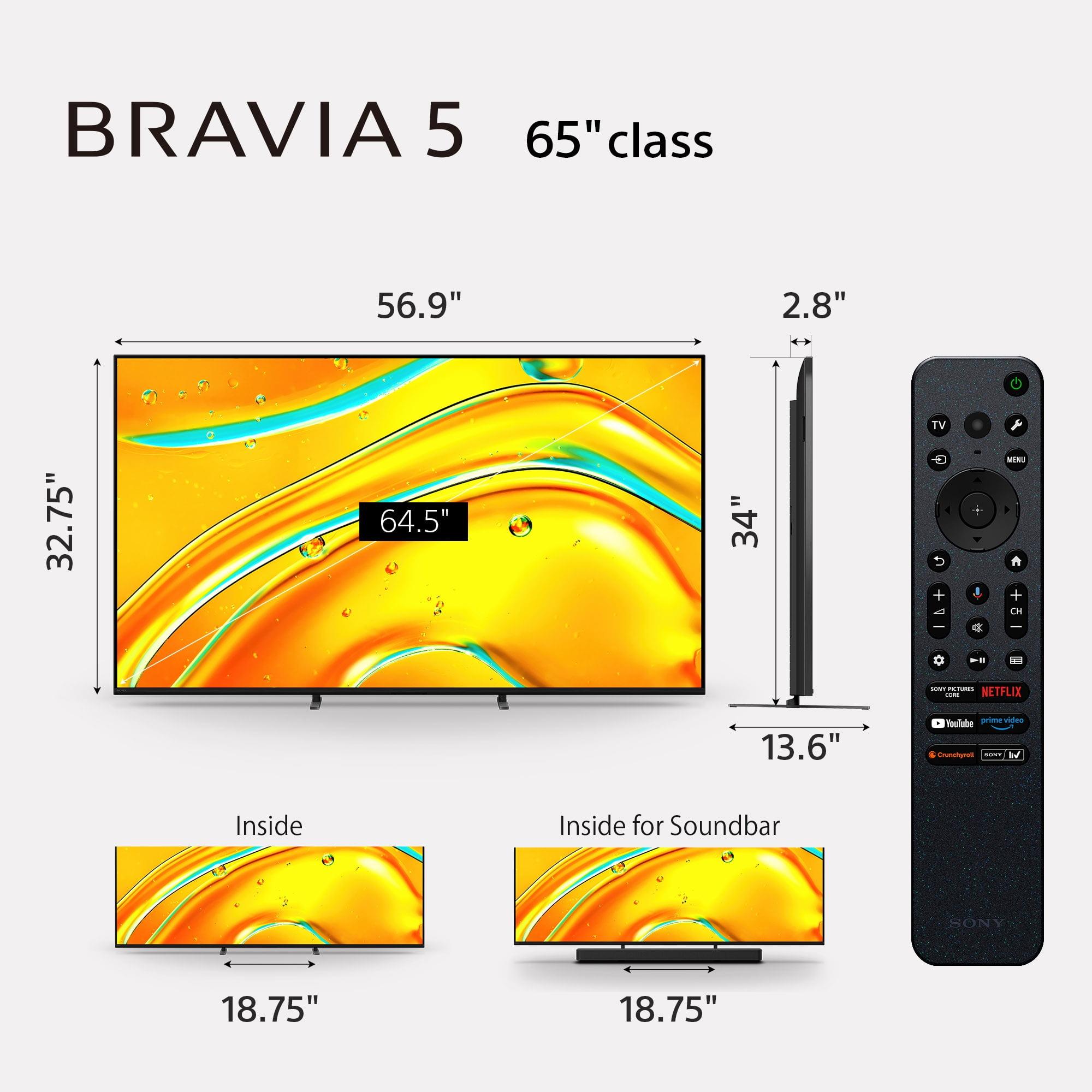
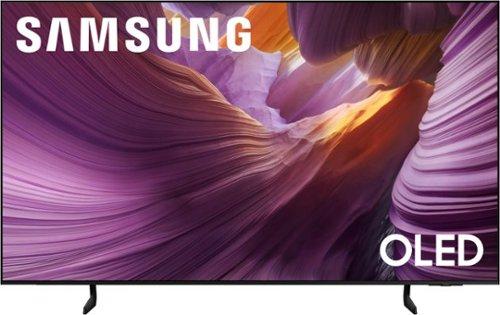
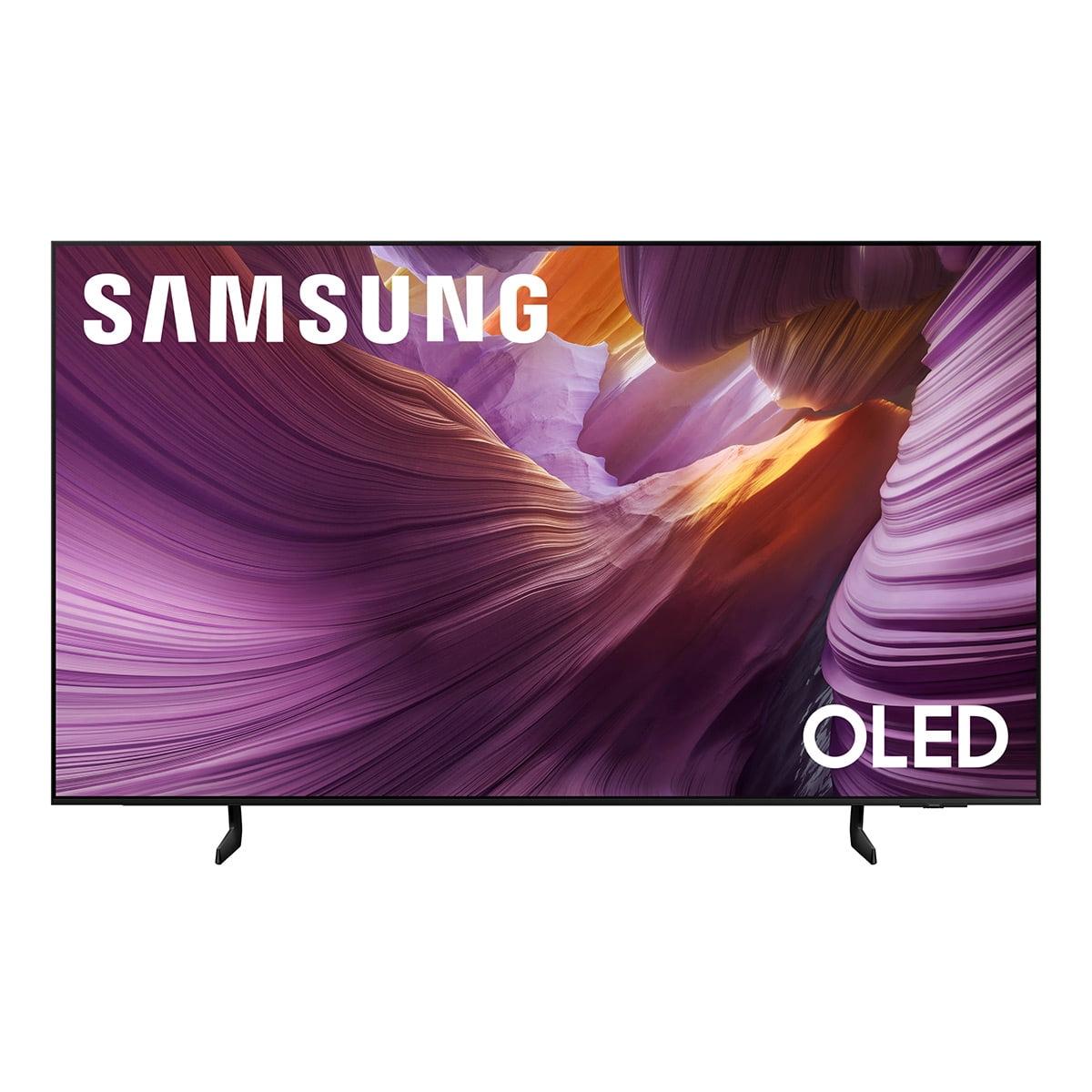
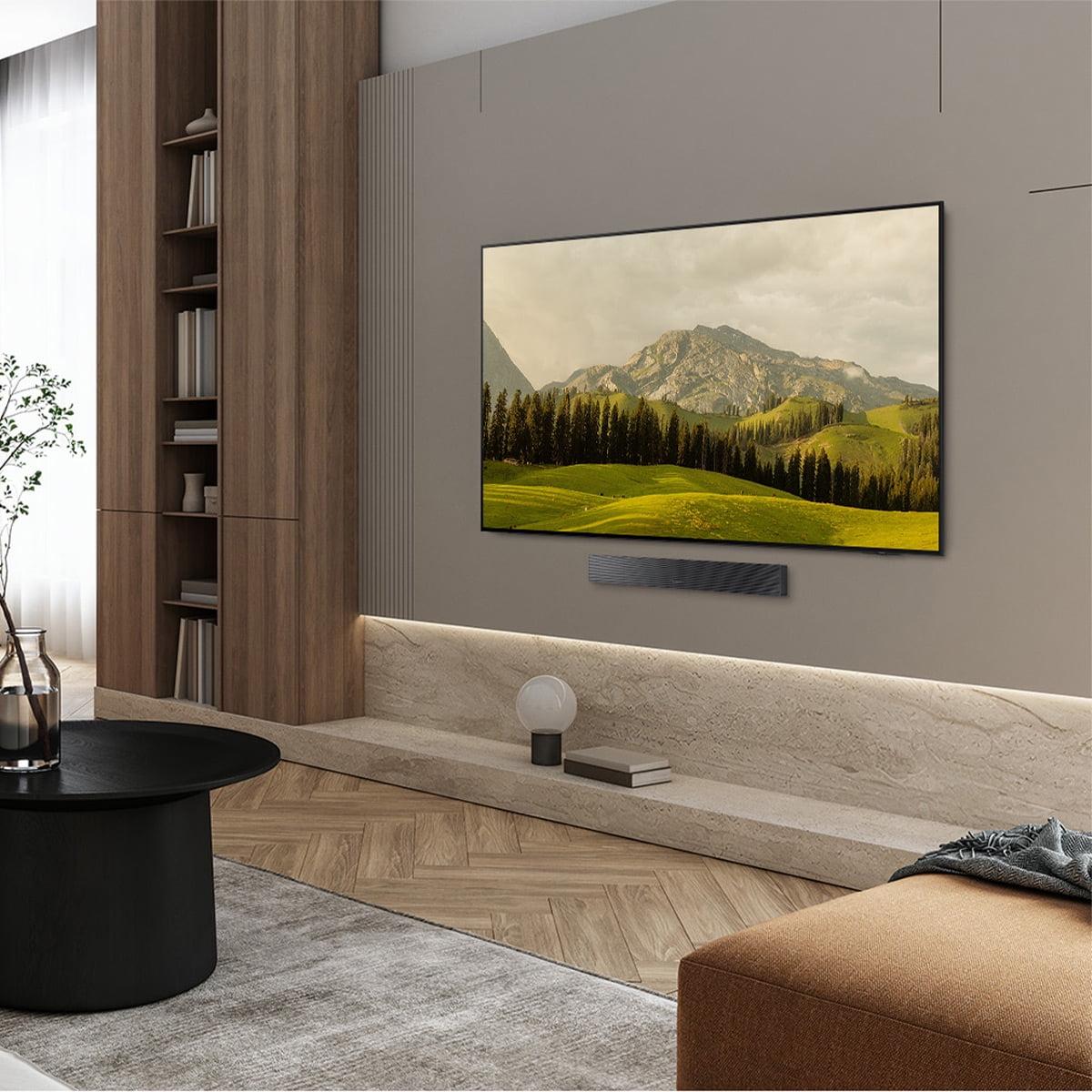
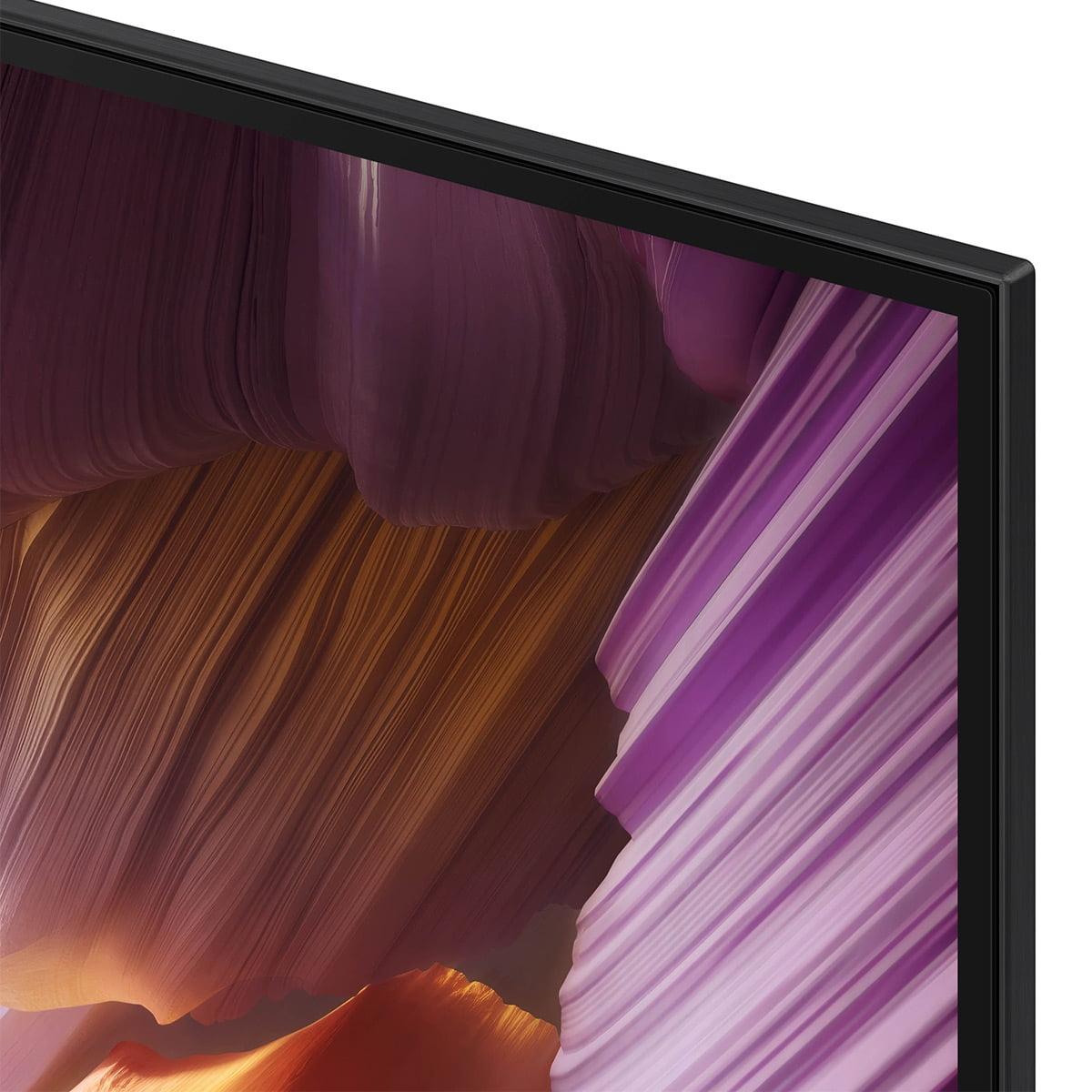
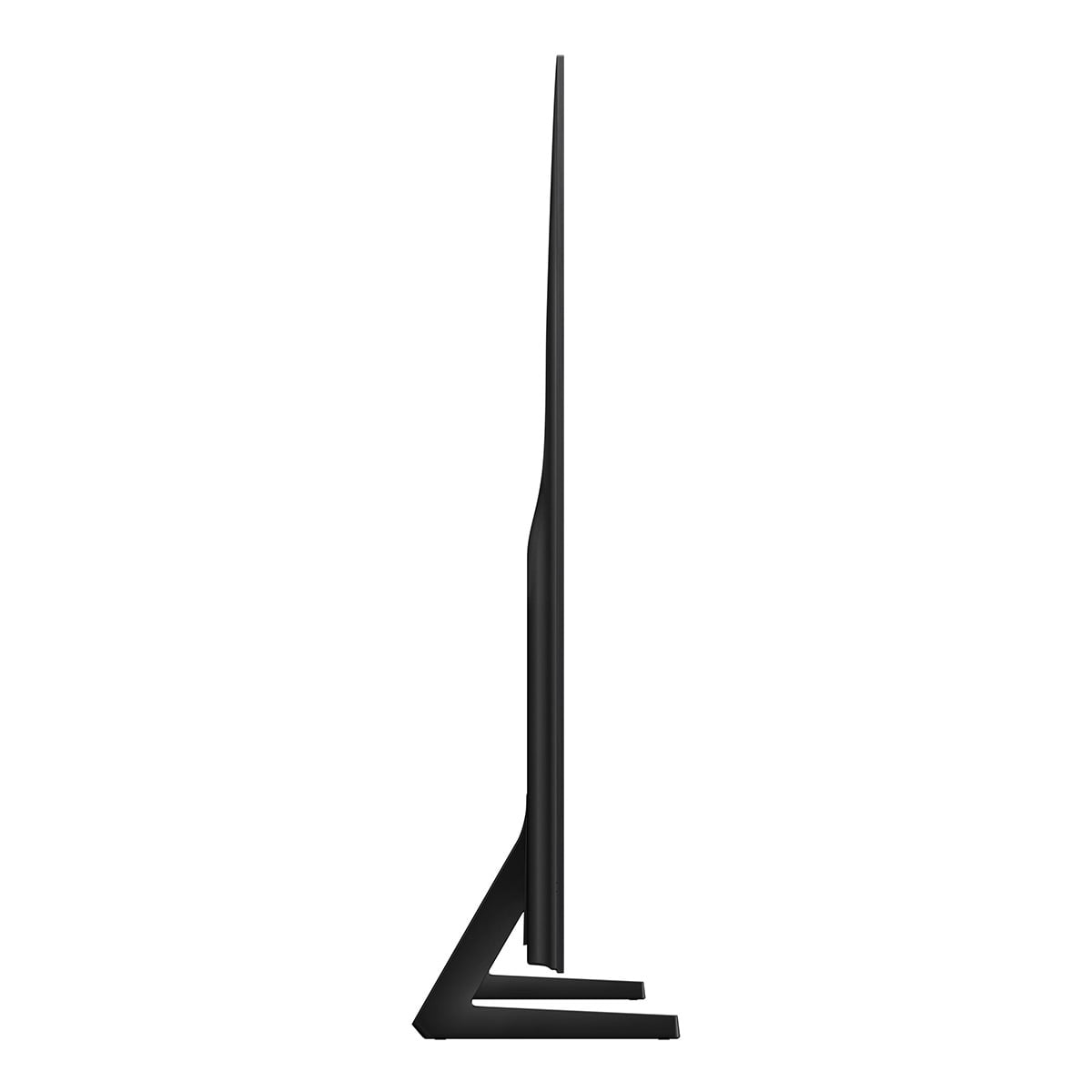

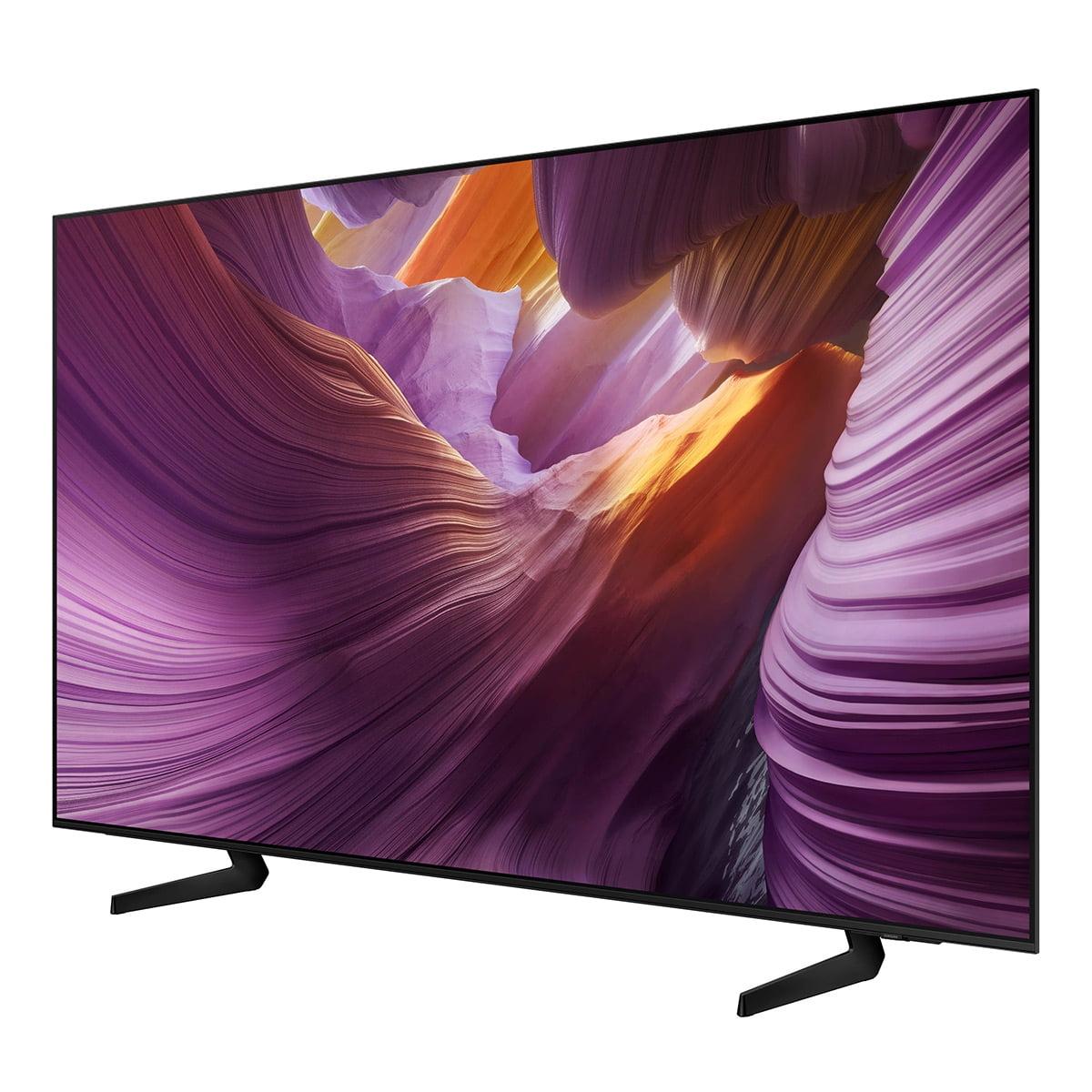
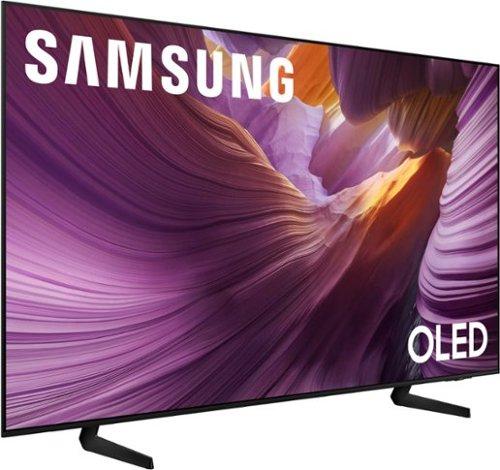
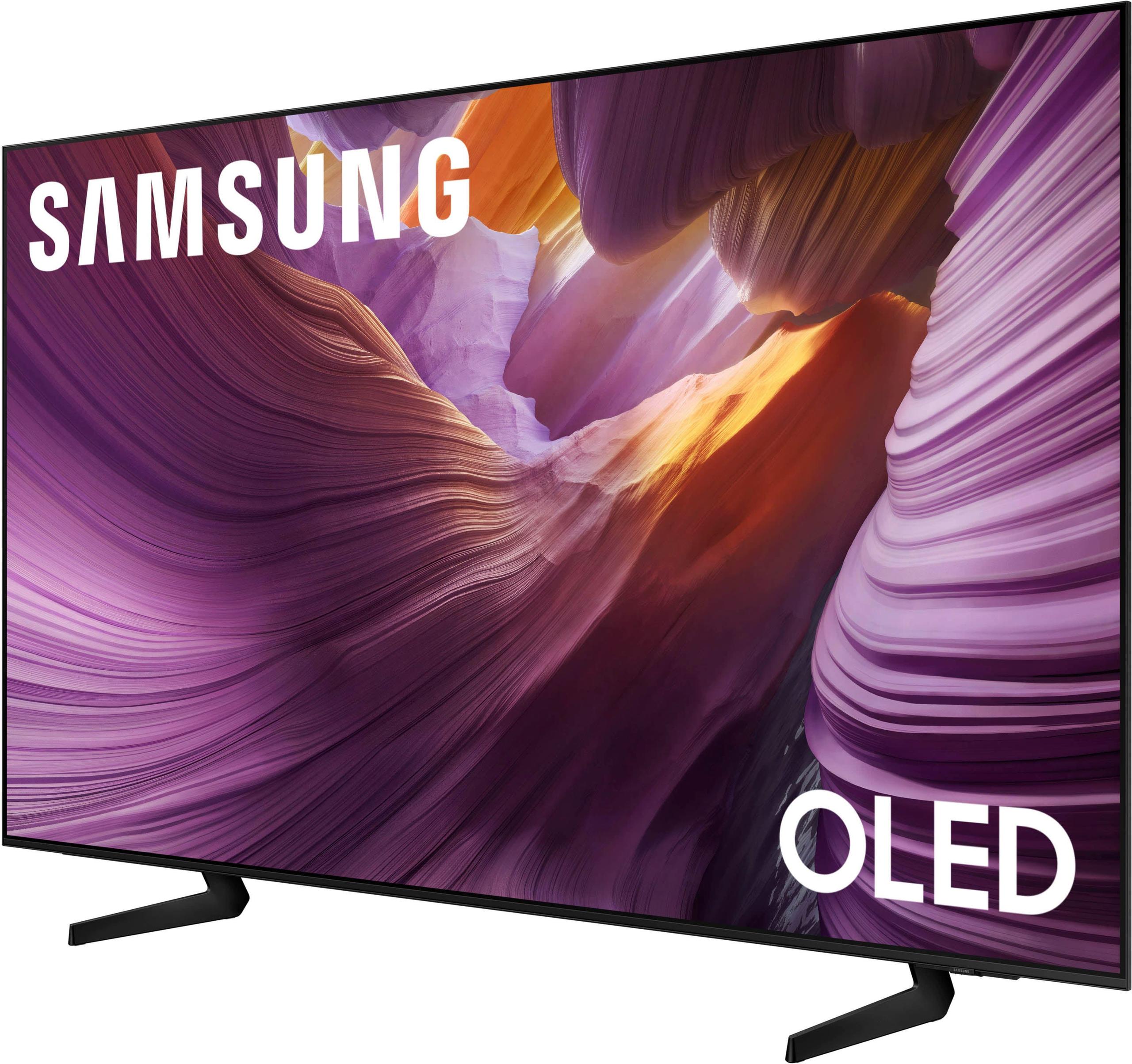
When you're shopping for a premium 65-inch TV in 2025, you're essentially choosing between two revolutionary display technologies that approach picture quality from completely different angles. The Sony BRAVIA 5 65" Mini LED 4K Google TV ($1,399-$1,478) and the Samsung 65" S85F OLED 4K Smart TV ($1,599) represent the best of both worlds, but understanding their differences is crucial for making the right choice for your home.
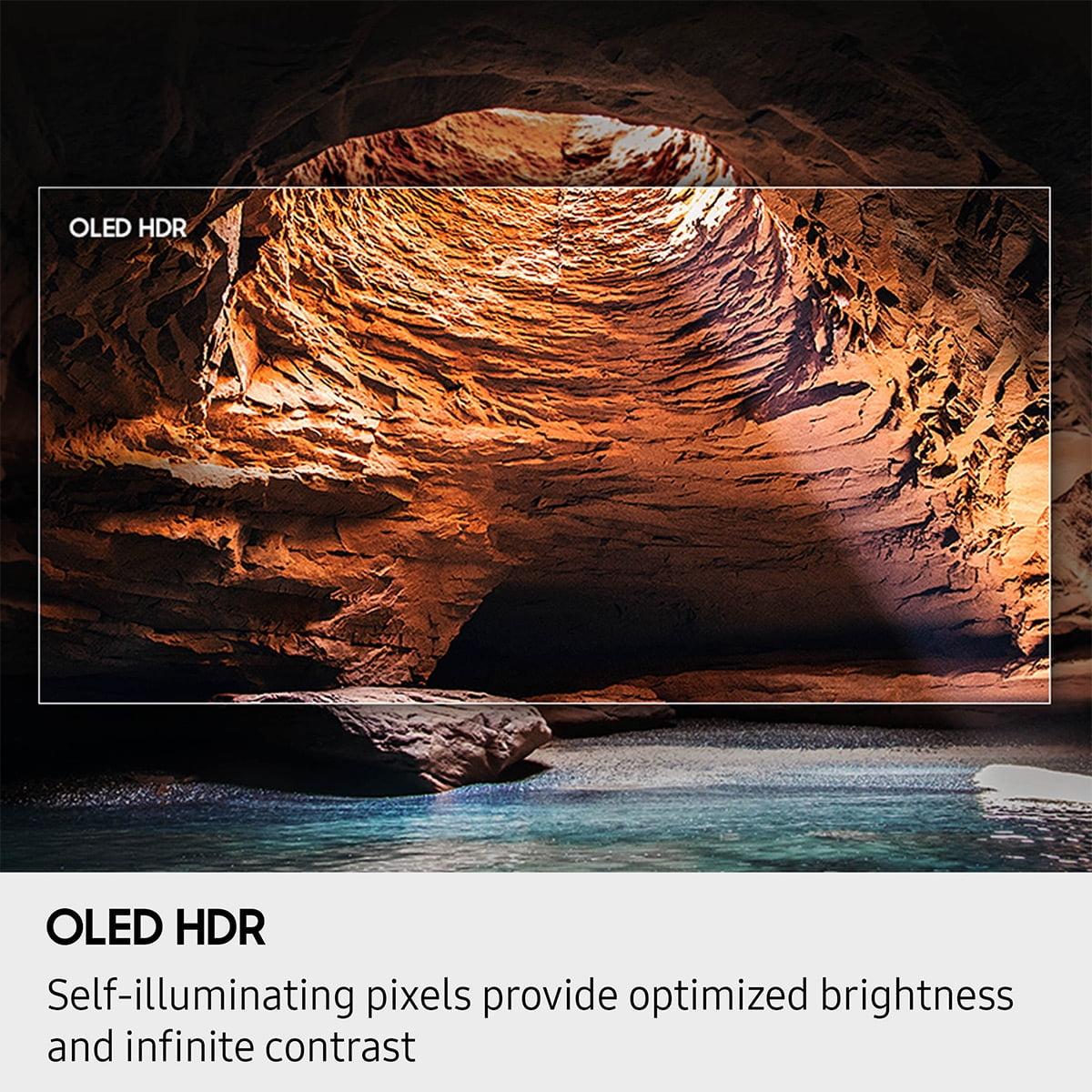
Think of the difference between Mini LED and OLED like comparing a incredibly sophisticated flashlight system versus individual candles. The Sony BRAVIA 5 uses thousands of tiny LED lights behind the screen (Mini LEDs) that can turn on and off in precise zones to create bright highlights and darker shadows. Samsung's S85F, on the other hand, uses OLED technology where each individual pixel is like a tiny light bulb that can produce its own light or turn completely off.
This fundamental difference shapes everything about how these TVs perform. Mini LED excels at getting really bright - perfect for those sunny living rooms where you're fighting afternoon glare. OLED wins the contrast game by delivering true blacks that make movie scenes look incredibly deep and realistic.
Both TVs hit the market in 2025, with Samsung's S85F arriving first in April and Sony's BRAVIA 5 following in the summer months. What's interesting is how each brand has evolved their approach since their 2024 models.
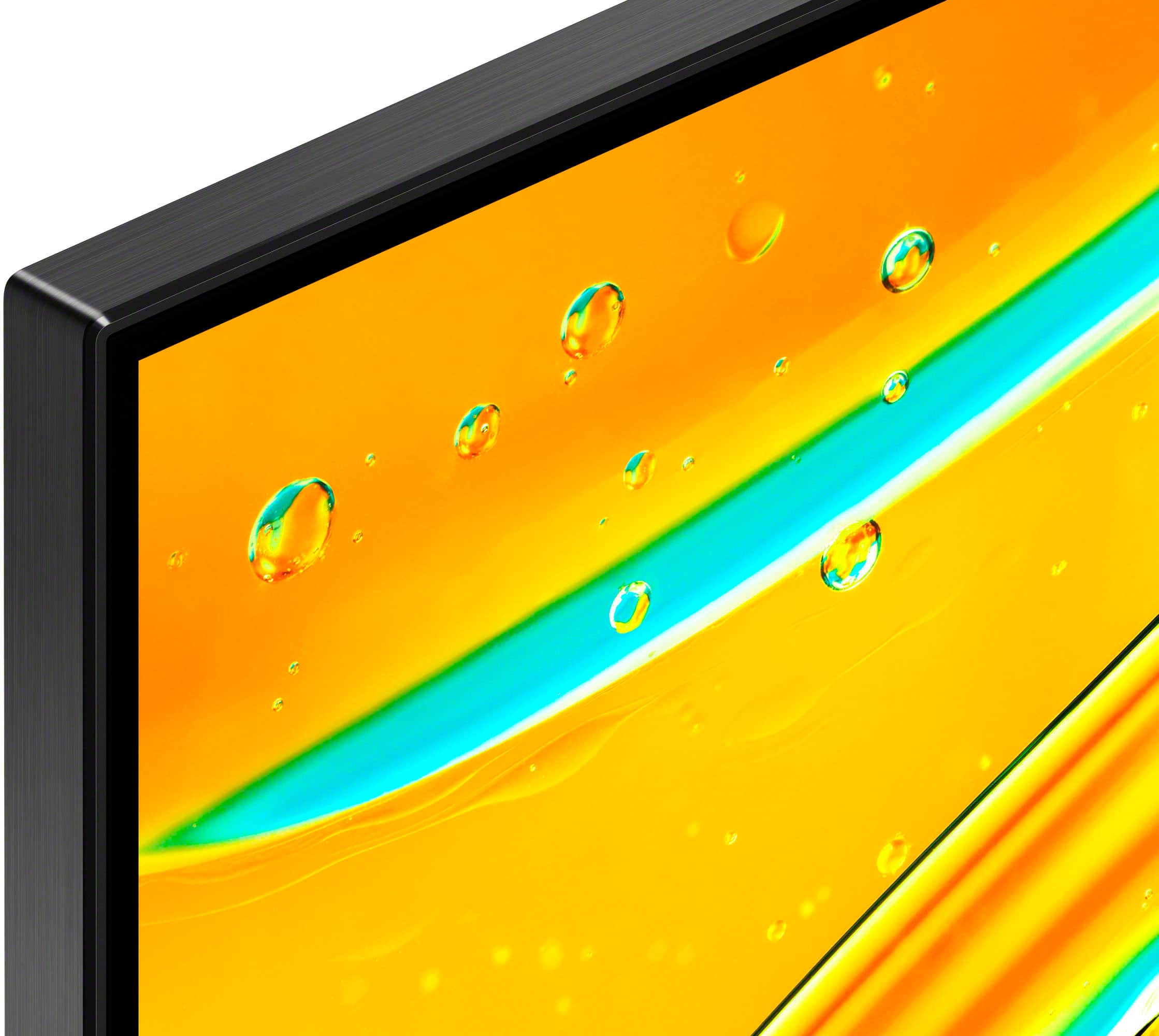
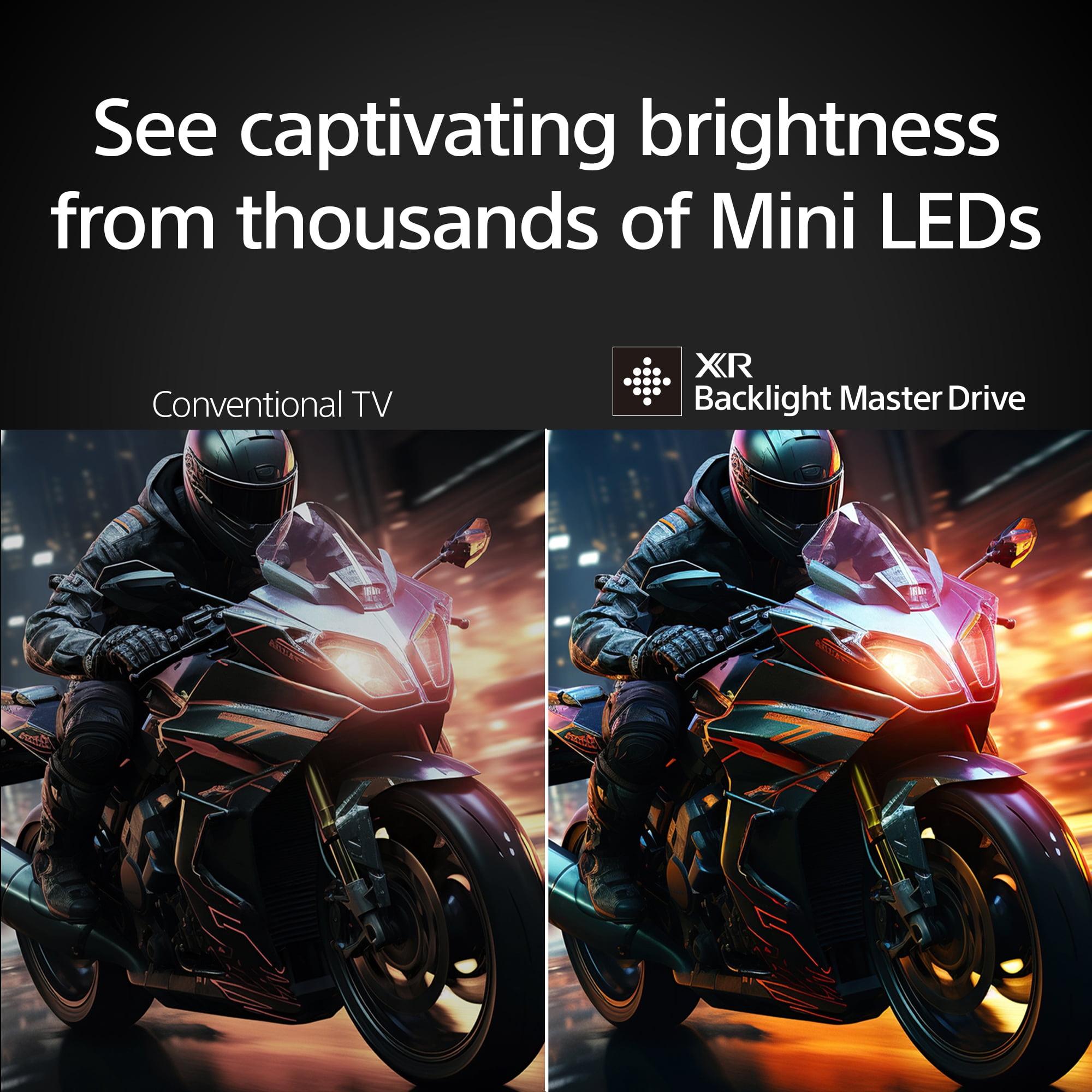
Sony made significant improvements to their Mini LED technology this year. The BRAVIA 5 features their new XR Backlight Master Drive system, which manages those thousands of mini LEDs with much more precision than previous generations. It's like having a conductor directing an orchestra - every LED knows exactly when to dim or brighten to create the perfect scene.
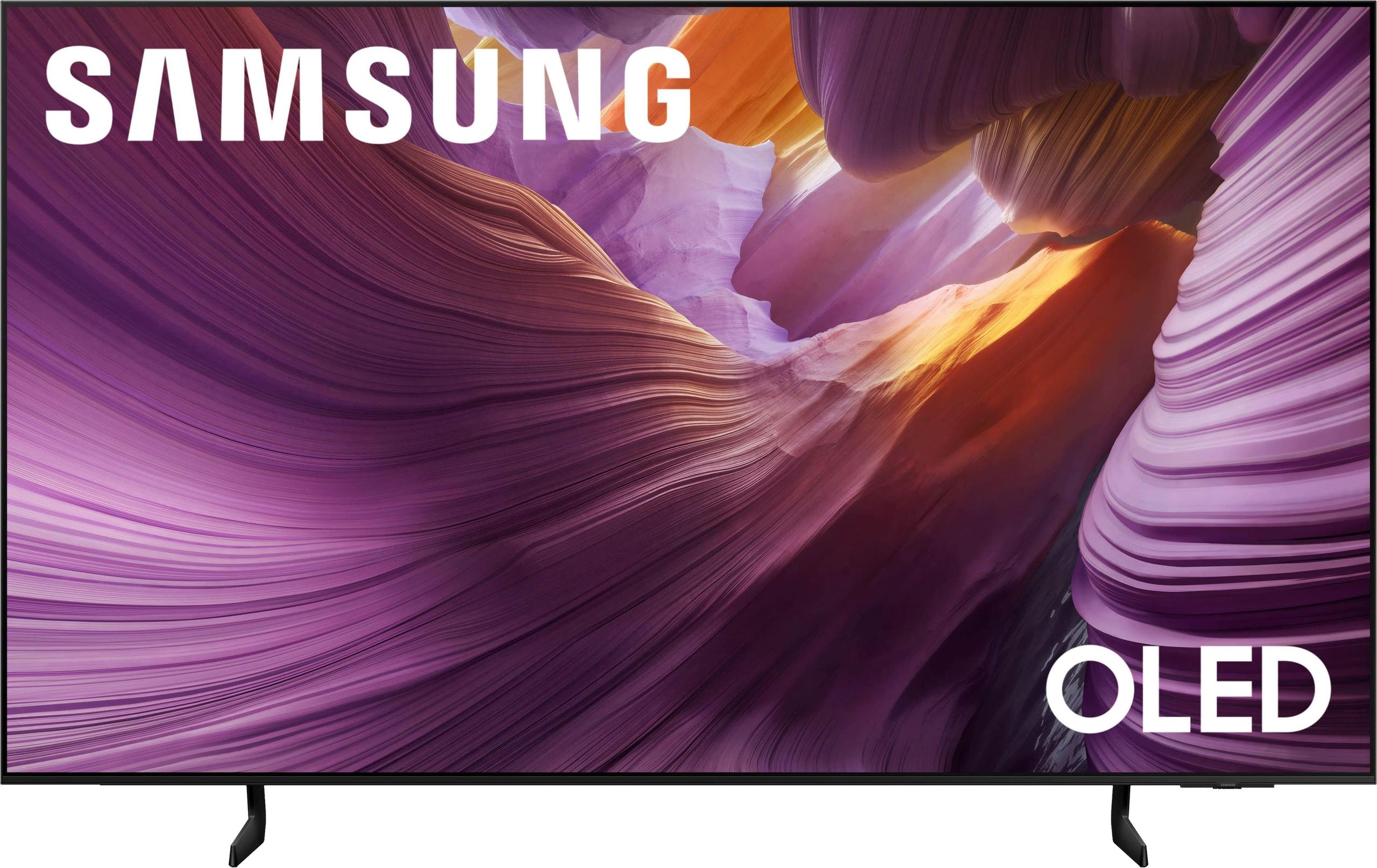
Samsung's S85F represents their entry-level OLED for 2025, but don't let "entry-level" fool you. In the 65-inch size, it uses Samsung's QD-OLED technology, which combines quantum dots with OLED panels. This creates more vivid colors than traditional OLED panels - think of it as adding a color enhancer that makes reds redder and blues bluer without looking artificial.
Here's where these TVs show their true colors, literally. The Samsung S85F delivers what we call "infinite contrast" - when a scene calls for pure black, those pixels simply turn off completely. Watch a space movie, and the darkness between stars is genuinely black, not the dark gray you might notice on lesser TVs.
The Sony BRAVIA 5 can't achieve true black because it's still an LCD panel with a backlight, but its Mini LED system gets remarkably close. With thousands of dimming zones (significantly more than standard LED TVs), it can create very convincing blacks. The difference is subtle in most content, but side-by-side, the Samsung's perfect blacks are noticeable in dark scenes.
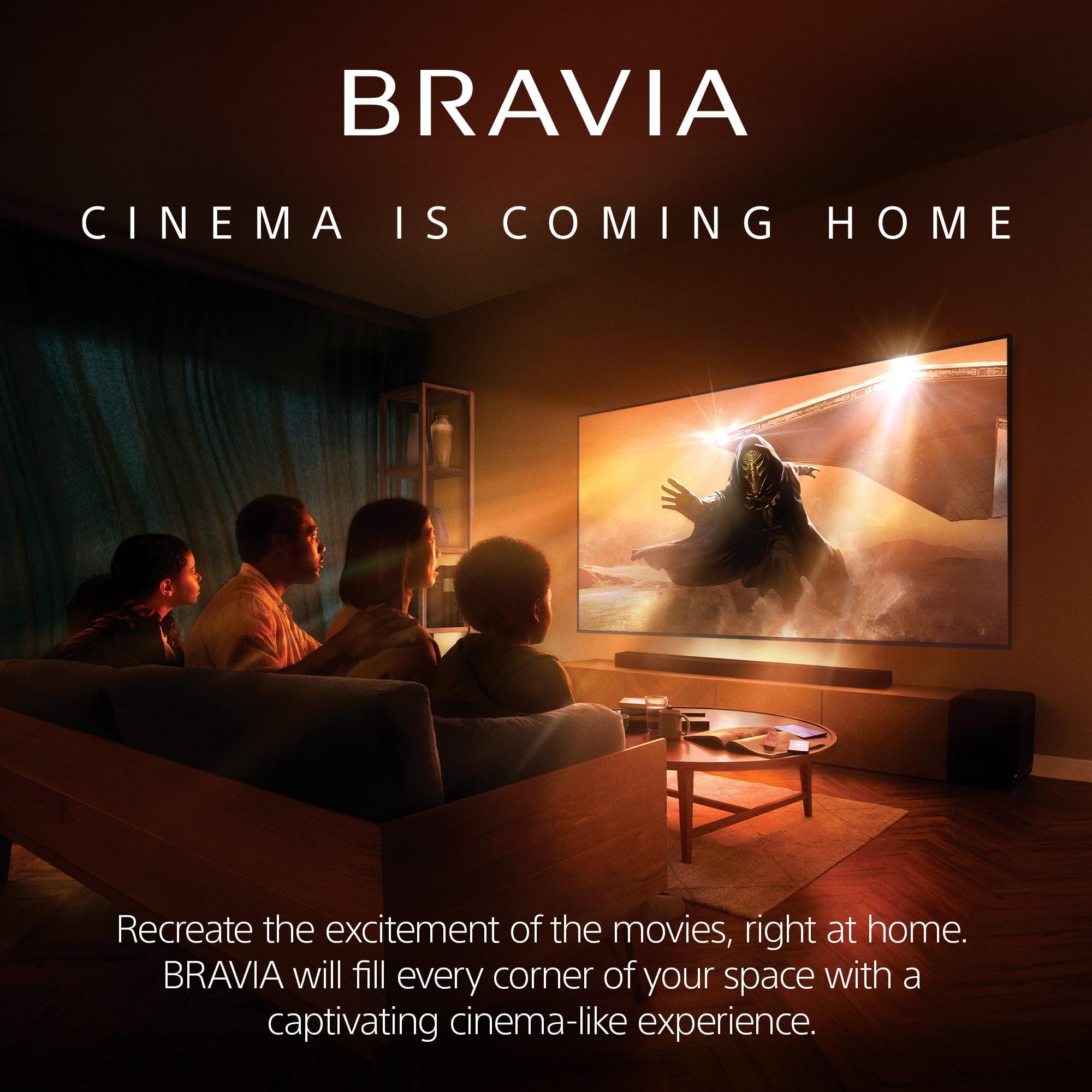
This is where the Sony BRAVIA 5 flexes its muscles. Mini LED technology can get incredibly bright - we're talking about peak brightness levels that make HDR content really pop, even in bright rooms. If your TV room gets afternoon sun or you prefer watching with lots of lights on, Sony's superior brightness makes a real difference.
Samsung's S85F provides excellent HDR brightness at around 750 nits for small highlights, which is plenty for most viewing. However, its SDR (standard content) brightness is only adequate. In practical terms, this means Netflix shows and regular TV look great, but you might notice the screen doesn't fight room lighting as aggressively as the Sony.
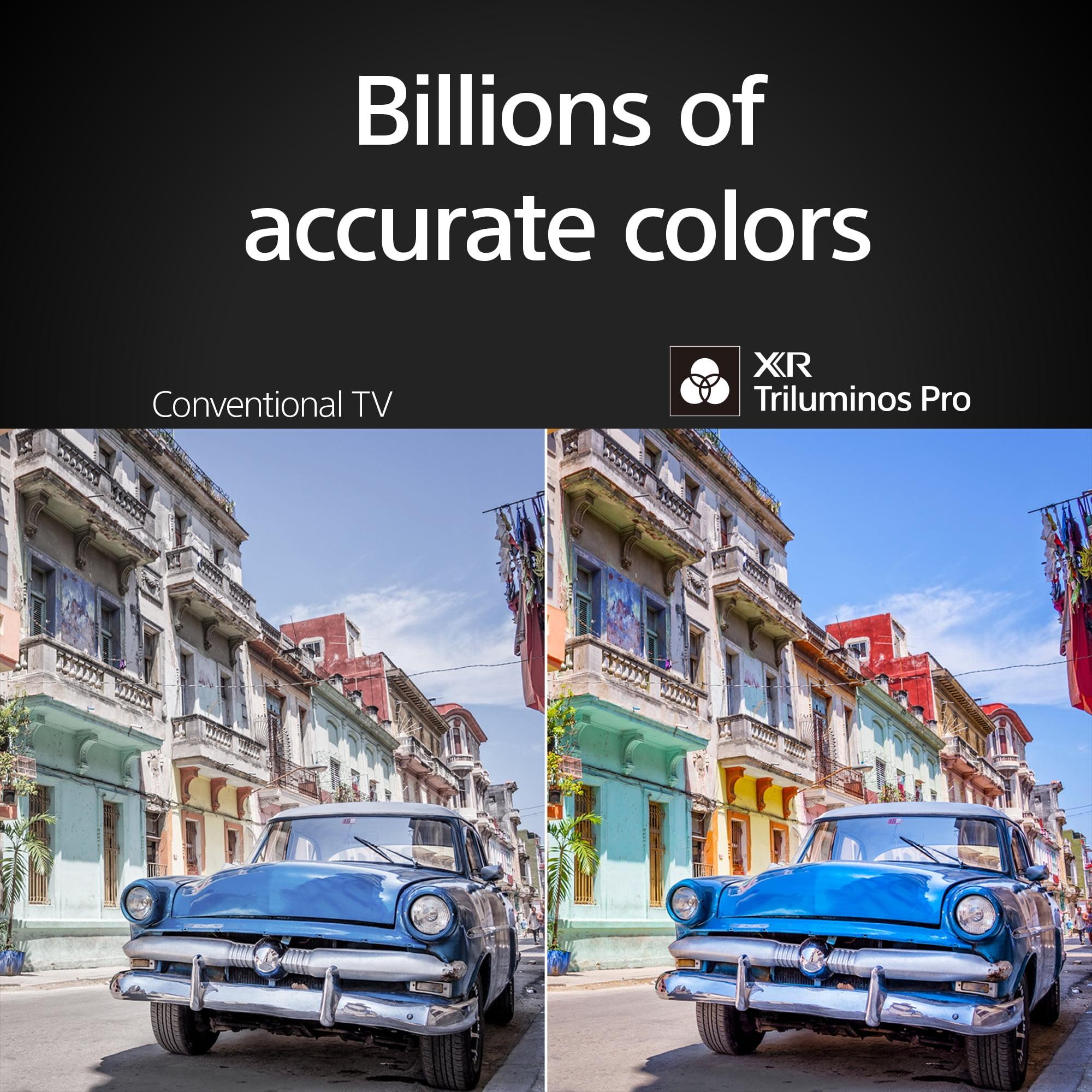
Both TVs excel at color, but in different ways. Sony's XR Triluminos Pro technology focuses on color accuracy - making sure that red apple looks exactly like it would in real life. It's particularly good at subtle color gradations and skin tones.
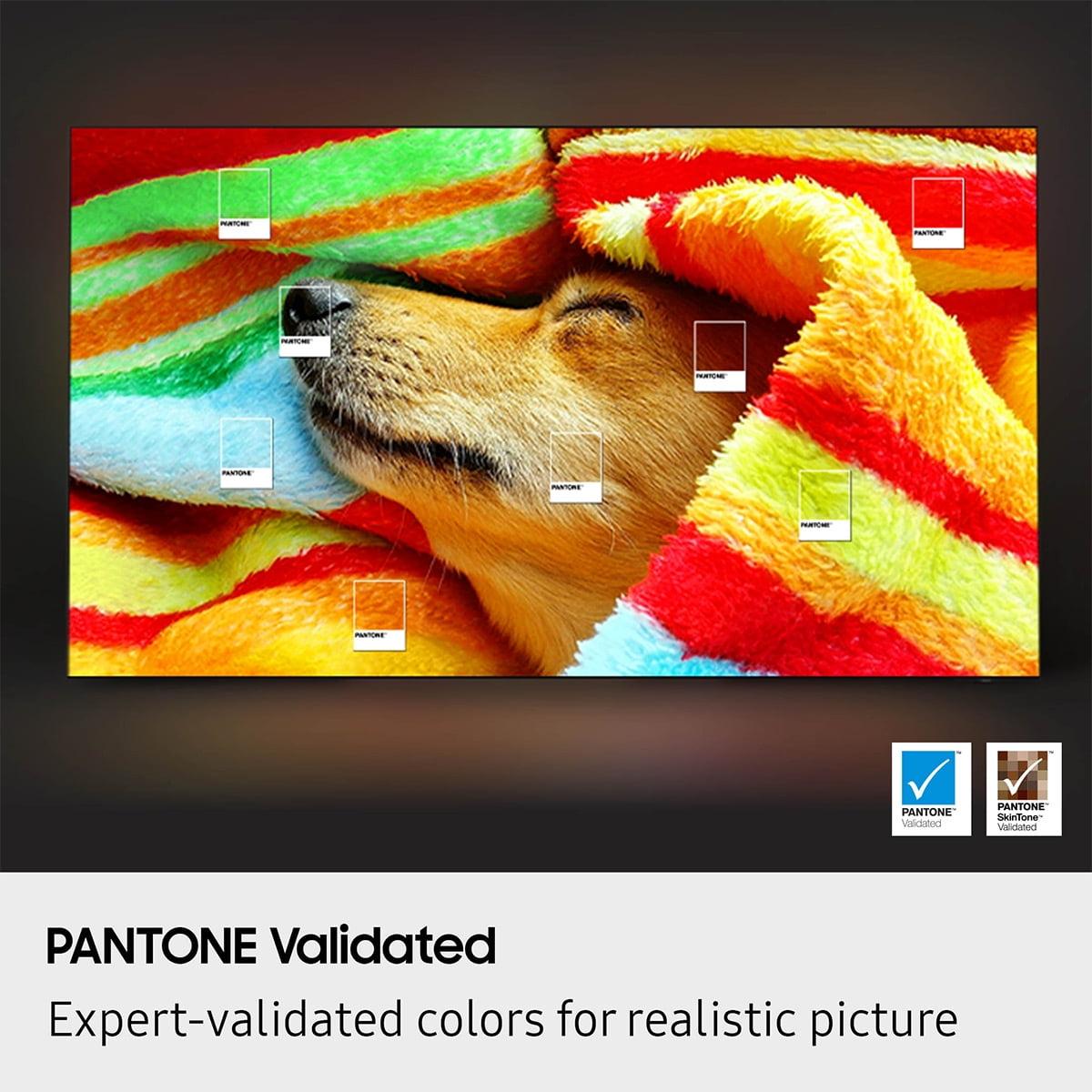
Samsung's QD-OLED approach creates more saturated, vibrant colors. That same red apple might look more "red" than reality, but in a pleasing way. The Samsung is Pantone validated, meaning it can accurately reproduce over 2,140 professional colors. For most viewers, Samsung's approach creates more visually striking images, while Sony's feels more natural.
Gaming performance has become crucial for modern TVs, and both models deliver, but with different strengths. The Samsung S85F is the clear winner for serious gamers. OLED technology provides nearly instantaneous response times - when you press a button, the action happens on screen without delay. Input lag (the delay between your controller and screen response) is extremely low, making it ideal for competitive gaming.
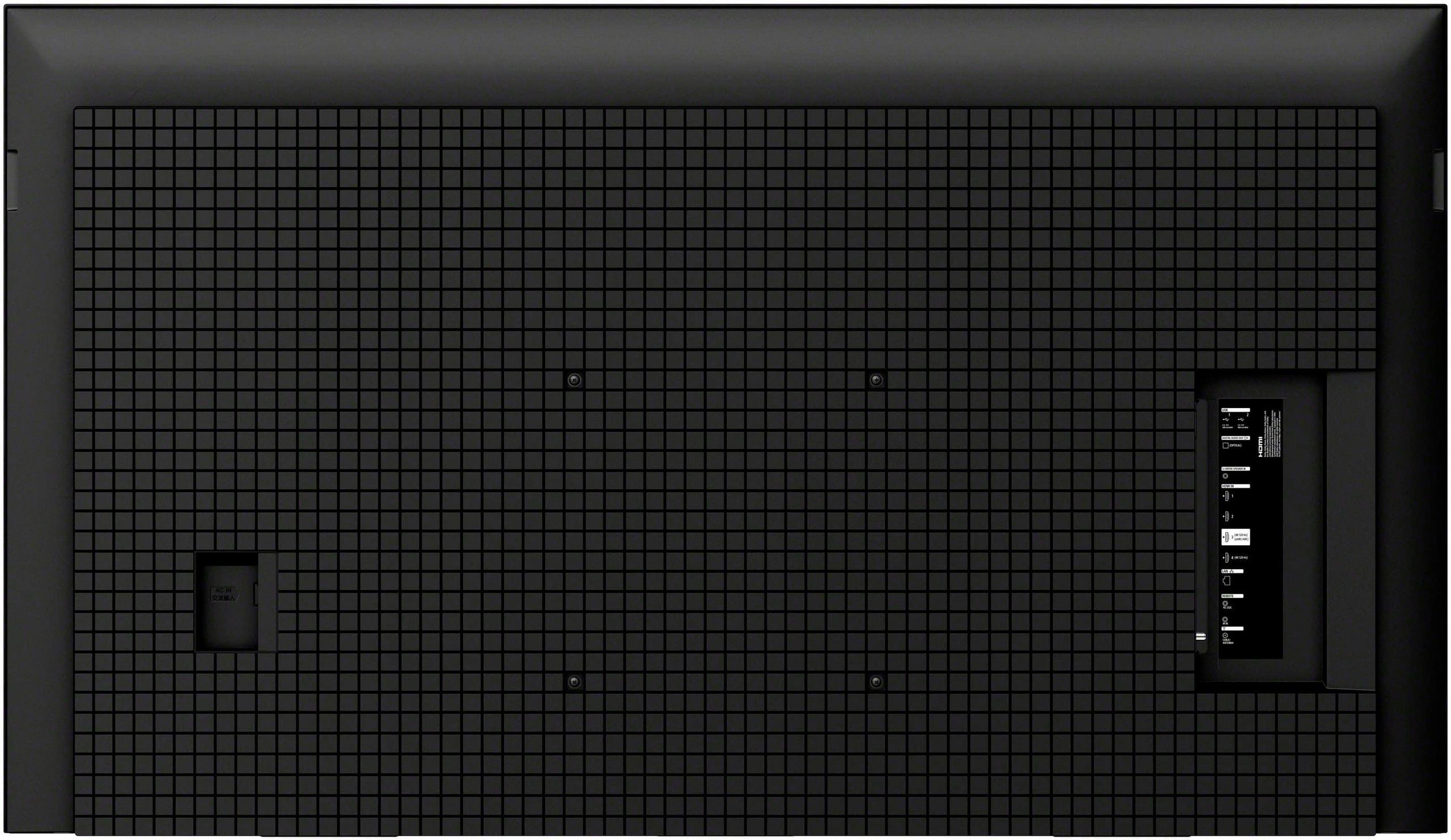
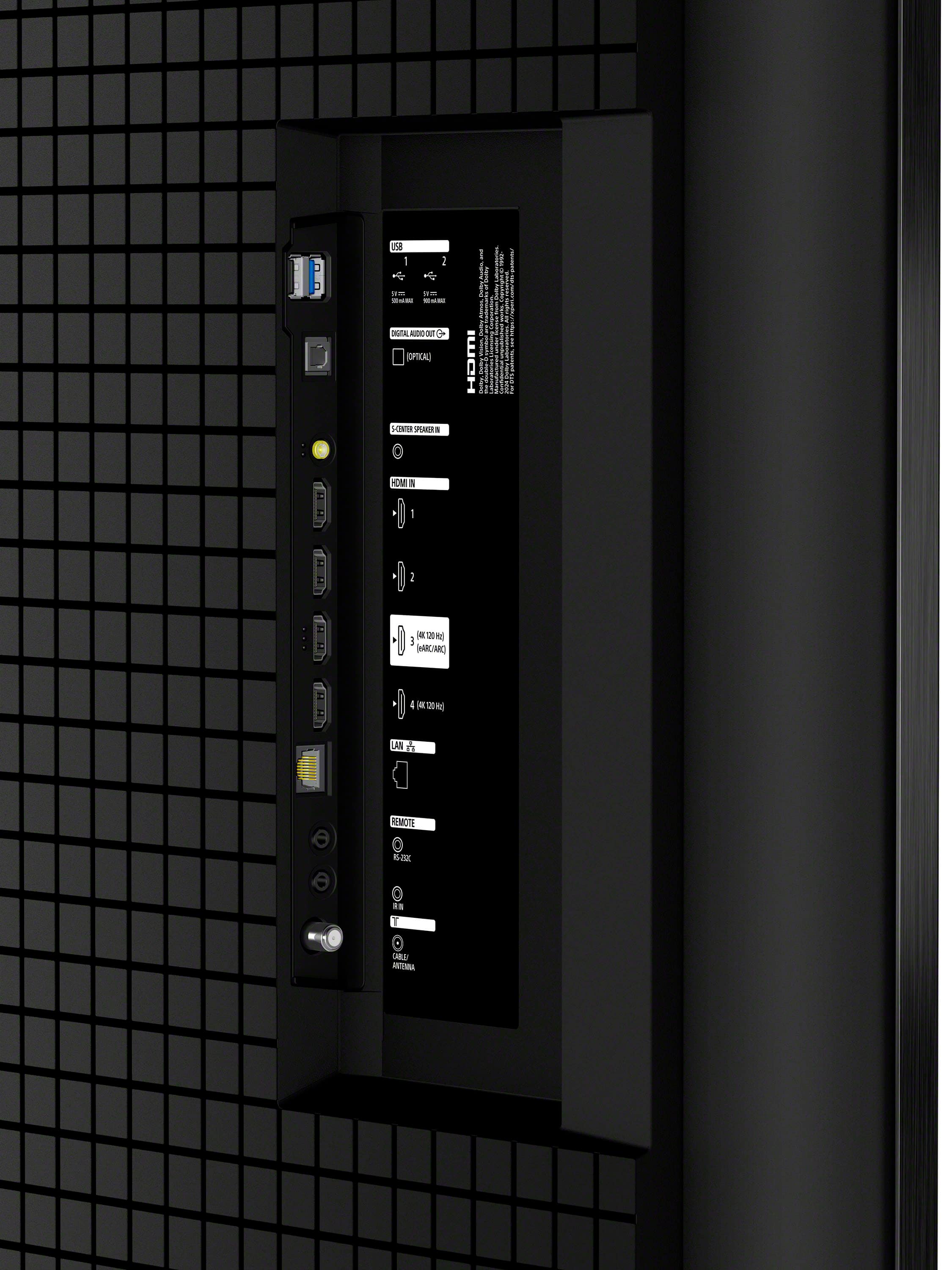
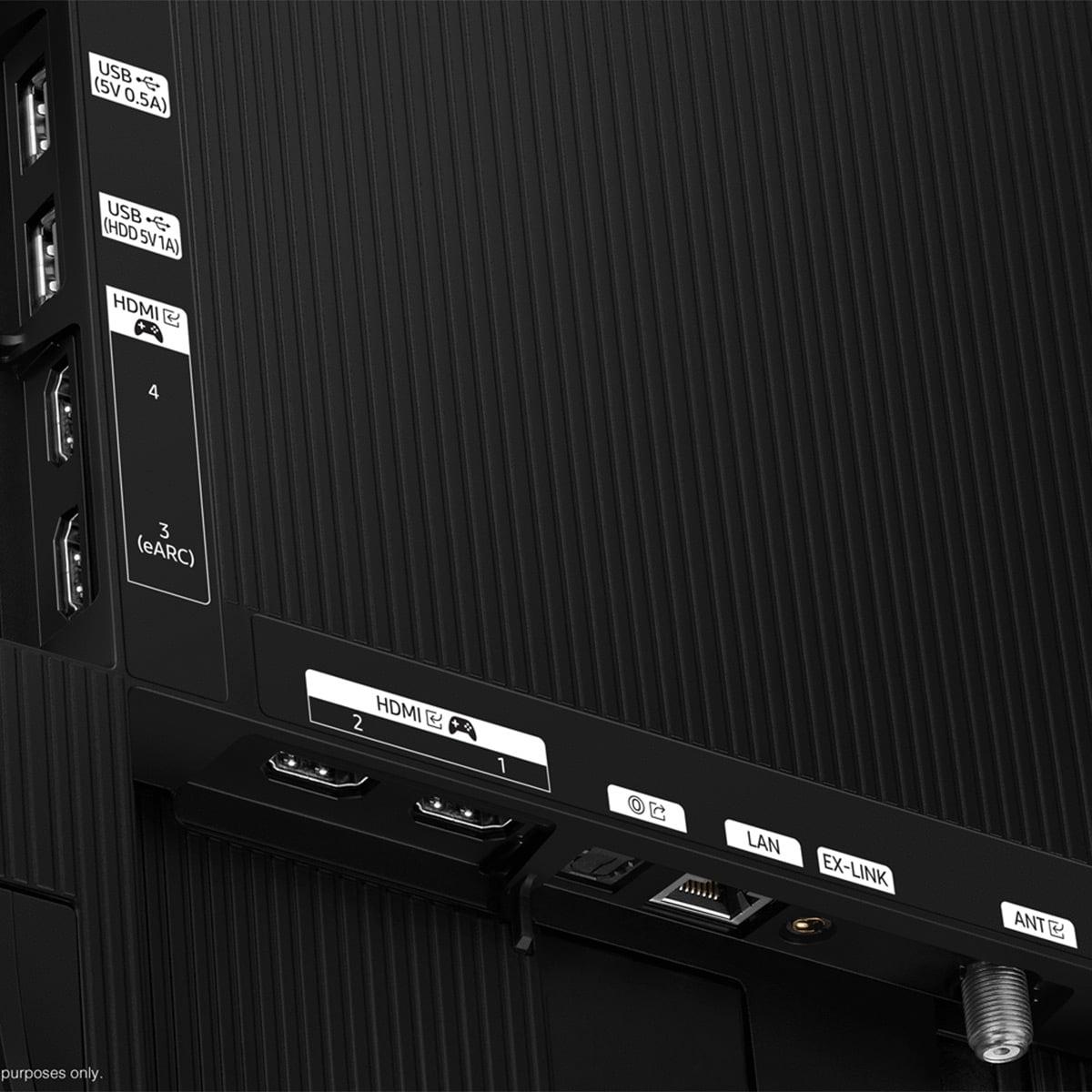
All four HDMI ports on the Samsung support HDMI 2.1, which means you can connect multiple next-gen consoles or a high-end gaming PC and get 4K resolution at 120Hz refresh rates. It also supports Variable Refresh Rate (VRR), which eliminates screen tearing, and FreeSync Premium for smooth gameplay.
The Sony BRAVIA 5 offers good gaming performance with HDMI 2.1 support, but typically shows slightly higher input lag than Samsung's OLED. However, if you're a PlayStation 5 owner, Sony includes specific optimizations for their console, including automatic HDR tone mapping and game-specific picture modes.
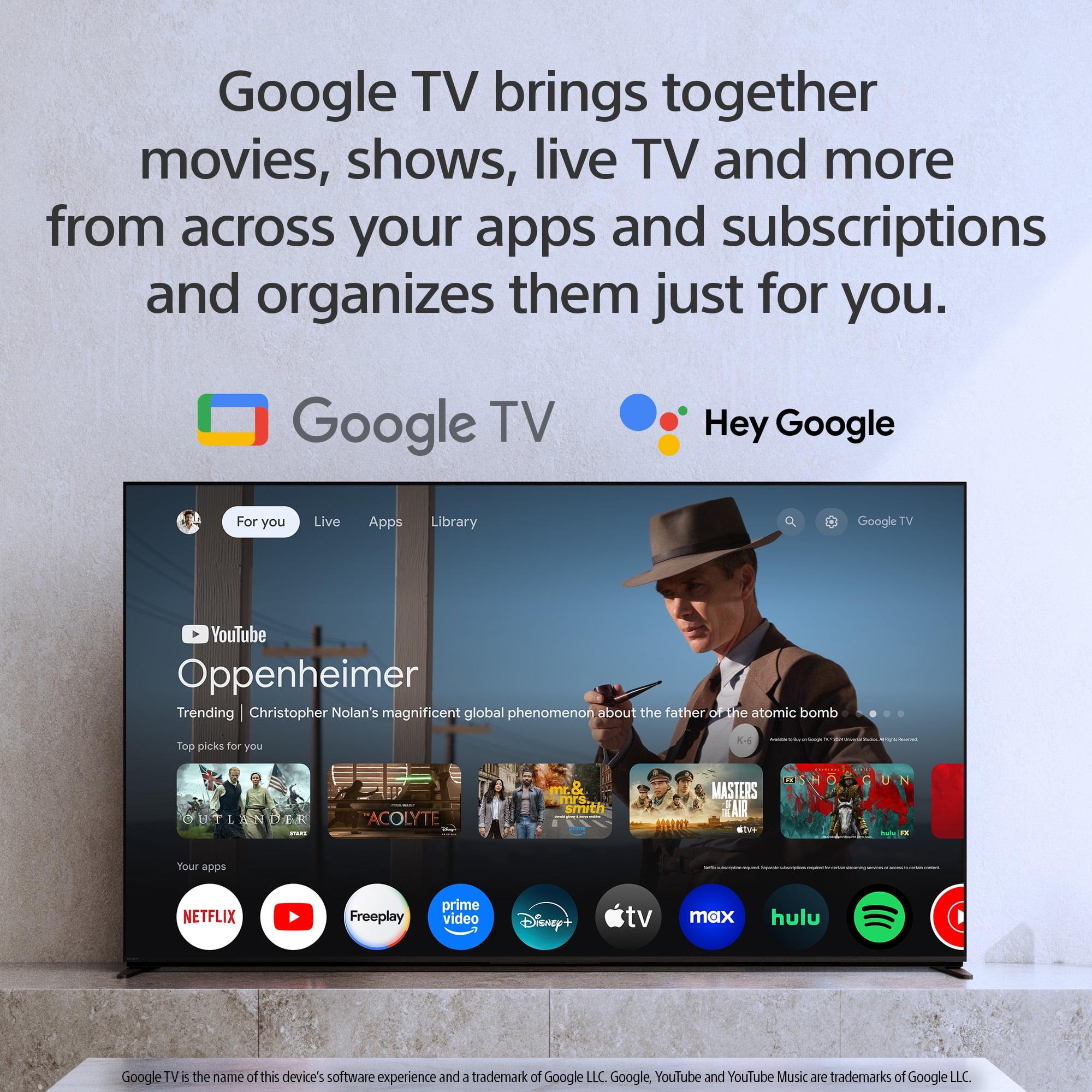
The software experience differs significantly between these TVs. Sony's Google TV interface feels familiar if you use Android phones or Google services. It excels at content discovery, suggesting movies and shows across different streaming apps. The integration with Google Assistant is seamless - you can control smart home devices, search for content, or get weather updates just by talking to your TV.
Samsung's Tizen OS offers a more comprehensive smart home experience through SmartThings integration. You can control compatible devices directly from your TV, view security camera feeds, and even monitor your home's energy usage. The interface is clean and responsive, though some users find it less intuitive than Google TV.
Both systems support all major streaming apps, but Google TV tends to get app updates slightly faster due to Google's developer relationships.
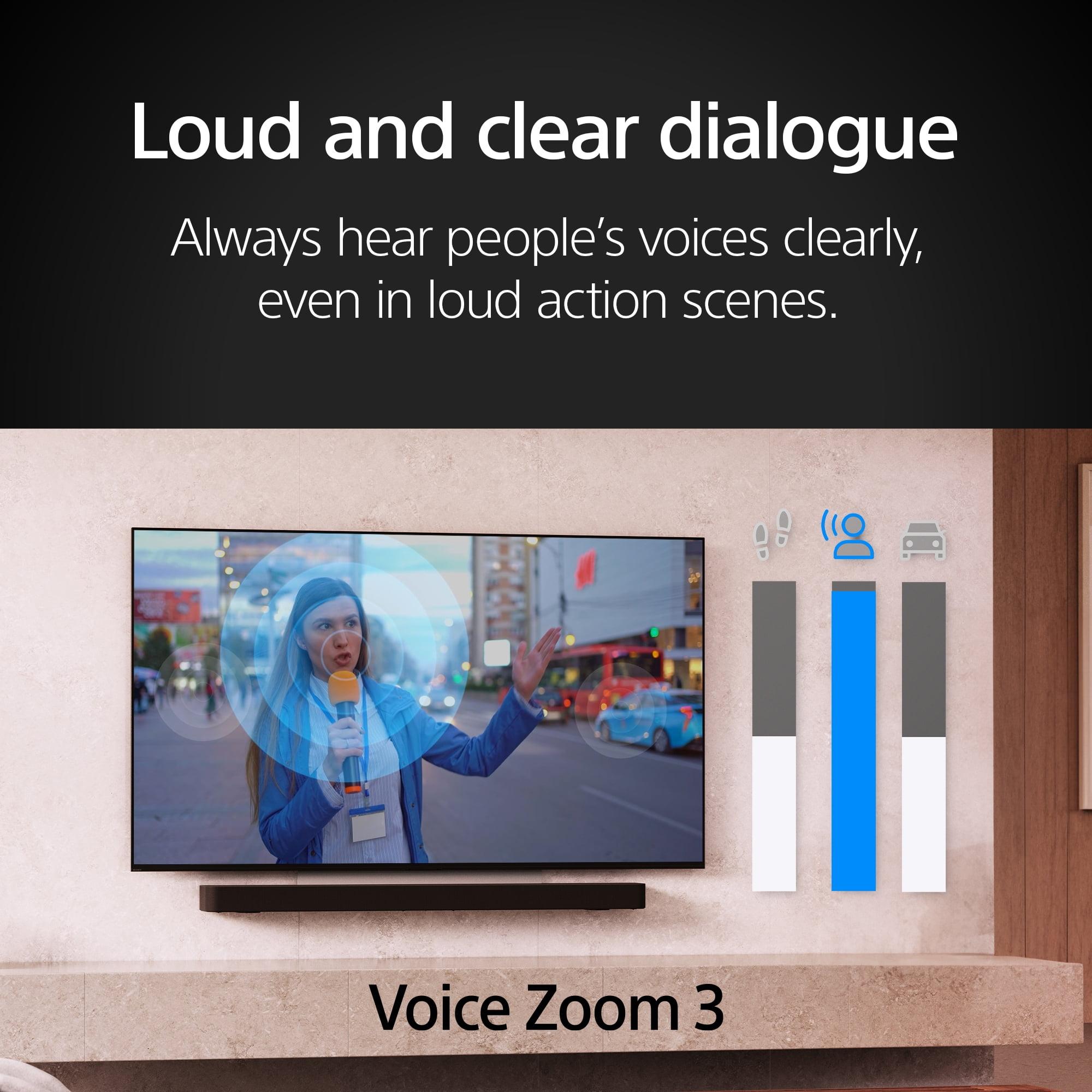
While most people focus on picture quality, audio makes a bigger difference than you might expect. The Sony BRAVIA 5 includes enhanced speakers with magnetic tweeters and X-Balanced speaker technology. This creates clearer dialogue and better sound positioning - you'll actually hear voices coming from the center of the screen rather than from the sides.
Sony's Voice Zoom 3 feature uses AI to analyze dialogue and boost speech clarity, which is incredibly helpful for movies with heavy accents or whispered conversations. The system can also work with compatible Sony soundbars to create a more immersive audio experience.
Samsung's S85F includes standard TV audio with Dolby Atmos support, but it's not particularly remarkable. However, Samsung's Q-Symphony feature allows the TV speakers to work alongside compatible Samsung soundbars, creating a more expansive soundstage.
For dedicated home theater setups, both TVs have merits, but serve different priorities. The Samsung S85F excels in dark, controlled environments where its perfect blacks and infinite contrast create a truly cinematic experience. Movie enthusiasts often prefer OLED for its film-like quality and wide viewing angles that work well with theater seating arrangements.
However, the Samsung lacks Dolby Vision support, relying instead on HDR10+ for enhanced HDR content. While HDR10+ is excellent, Dolby Vision is more widely supported by streaming services and Blu-ray discs. This could be a deciding factor for serious movie collectors.
The Sony BRAVIA 5 supports Dolby Vision and provides excellent brightness for HDR content, making it more versatile for different room lighting conditions. Its superior brightness also helps with daytime viewing, which many home theaters need to accommodate.
At $1,399-$1,478, the Sony BRAVIA 5 offers impressive value for a Mini LED TV. You're getting premium display technology, excellent processing, and solid smart features at a competitive price point. The brightness advantage alone makes it worth considering if your room gets significant natural light.
The Samsung S85F at $1,599 costs about $200 more, but you're paying for OLED technology's inherent advantages. The perfect blacks, wide viewing angles, and superior gaming performance justify the premium for many buyers. It's Samsung's entry-level OLED, but it still delivers most of the benefits that make OLED technology special.
Your decision ultimately depends on your specific viewing environment and priorities. Choose the Sony BRAVIA 5 if your TV room is bright, you want the best peak brightness for HDR content, or you're budget-conscious but still want premium features. It's also the better choice if you're concerned about potential OLED burn-in, though modern OLED panels have significantly improved in this area.
The Samsung S85F is ideal if you prioritize the absolute best contrast and black levels, have a controlled lighting environment, or are a serious gamer who wants the lowest possible input lag. It's also better for wide seating arrangements where multiple people need a good view of the screen.
In my experience testing both technologies, OLED still provides the most impressive "wow factor" when you first see perfect blacks and infinite contrast. However, Mini LED's brightness advantage becomes more apparent in real-world usage, especially during daytime viewing.
Both TVs represent excellent value in their respective categories and will provide years of enjoyment. The key is honestly assessing your room conditions, viewing habits, and priorities. Neither choice is wrong - they're just optimized for different situations and preferences.
Whether you choose Sony's bright and versatile Mini LED or Samsung's contrast-rich OLED, you're getting a premium TV that showcases the best of 2025's display technology. The future of home entertainment looks bright - quite literally in Sony's case, and beautifully contrasted in Samsung's.
| Sony BRAVIA 5 65" Mini LED 4K Google TV 2025 | Samsung 65" S85F OLED 4K Smart TV (2025) |
|---|---|
| Price - Budget impact for premium TV performance | |
| $1,399-$1,478 (better value for bright rooms) | $1,599 (premium for OLED technology) |
| Display Technology - Fundamental difference affecting all performance | |
| Mini LED LCD with thousands of dimming zones | QD-OLED with self-illuminating pixels |
| Peak Brightness - Critical for HDR impact and bright room viewing | |
| Very high peak brightness, excellent for daytime use | 750 nits highlights, adequate SDR brightness |
| Black Levels - Foundation of contrast and movie experience | |
| Very deep blacks but not true black (LCD limitation) | Perfect blacks with infinite contrast ratio |
| Color Performance - Affects realism vs vibrancy preference | |
| XR Triluminos Pro for natural, accurate colors | QD-OLED for vivid, saturated colors (Pantone validated) |
| Gaming Performance - Essential for console and PC gaming | |
| Good performance, higher input lag, PlayStation 5 optimized | Excellent performance, near-instant response, low input lag |
| HDMI 2.1 Support - Future-proofing for 4K@120Hz gaming | |
| Select ports support 4K@120Hz, VRR, ALLM | All four ports support full HDMI 2.1 feature set |
| Viewing Angles - Important for wide seating arrangements | |
| Good but noticeable degradation off-center | Excellent with minimal color shift at wide angles |
| Smart TV Platform - Daily user experience and app ecosystem | |
| Google TV with excellent content discovery | Tizen OS with SmartThings smart home integration |
| HDR Format Support - Content compatibility consideration | |
| HDR10, Dolby Vision, HLG support | HDR10, HDR10+, no Dolby Vision support |
| Audio Features - Built-in sound quality without soundbar | |
| Enhanced speakers with Voice Zoom 3 and magnetic tweeters | Standard TV audio with Dolby Atmos and Q-Symphony |
| Burn-in Risk - Long-term reliability concern | |
| No burn-in risk (LCD technology) | Low risk with modern OLED, requires some care |
| Best Use Case - Ideal viewing environment | |
| Bright rooms, mixed lighting, daytime viewing | Dark rooms, controlled lighting, home theater |
The Sony BRAVIA 5 65" Mini LED 4K Google TV 2025 is significantly better for bright rooms due to its superior peak brightness. Mini LED technology can get much brighter than OLED, making it easier to see the screen clearly even with windows open or lights on. The Samsung 65" S85F OLED 4K Smart TV (2025) performs adequately in bright rooms but is better suited for controlled lighting environments.
For movie watching, the Samsung 65" S85F OLED delivers superior picture quality with perfect black levels and infinite contrast ratio. This creates a more cinematic experience, especially in dark scenes. The Sony BRAVIA 5 Mini LED offers excellent picture quality with very deep blacks and superior brightness, but cannot match OLED's true blacks for the ultimate movie experience.
The Samsung 65" S85F OLED is the better choice for gaming due to its nearly instantaneous response times and very low input lag. All four HDMI ports support HDMI 2.1 with 4K@120Hz, VRR, and FreeSync Premium. The Sony BRAVIA 5 Mini LED offers good gaming performance but typically has higher input lag, though it includes PlayStation 5 optimizations.
The Sony BRAVIA 5 65" Mini LED ($1,399-$1,478) is more affordable, while the Samsung 65" S85F OLED ($1,599) costs about $200 more. The Sony offers better value for bright room viewing, while the Samsung's premium price reflects OLED technology's advantages in contrast and gaming performance.
The Sony BRAVIA 5 Mini LED has no burn-in risk since it uses LCD technology, making it more worry-free for long-term use. The Samsung 65" S85F OLED has improved burn-in resistance compared to older OLED models, but still requires some care with static images like news tickers or gaming HUDs displayed for extended periods.
The Sony BRAVIA 5 runs Google TV, which excels at content discovery and integrates seamlessly with Google services and Assistant. The Samsung 65" S85F uses Tizen OS, which offers excellent smart home integration through SmartThings and supports multiple voice assistants. Both platforms support all major streaming apps effectively.
For dedicated home theater rooms with controlled lighting, the Samsung 65" S85F OLED is ideal due to its perfect blacks and infinite contrast creating a truly cinematic experience. However, the Sony BRAVIA 5 Mini LED supports Dolby Vision (which Samsung lacks) and offers better brightness for mixed-use home theaters that need daytime viewing capability.
The Sony BRAVIA 5 Mini LED has superior built-in audio with enhanced speakers featuring magnetic tweeters and Voice Zoom 3 technology for clearer dialogue. The Samsung 65" S85F OLED offers standard TV audio with Dolby Atmos support but isn't particularly remarkable without an external soundbar.
The Samsung 65" S85F OLED provides excellent viewing angles with minimal color shift, making it better for wide seating arrangements. The Sony BRAVIA 5 Mini LED offers good viewing angles but shows noticeable color and contrast degradation when viewed from the sides.
The Sony BRAVIA 5 Mini LED supports HDR10, Dolby Vision, and HLG, providing broader compatibility with streaming services and Blu-ray content. The Samsung 65" S85F OLED supports HDR10 and HDR10+ but lacks Dolby Vision support, which could be limiting for some content libraries.
The Sony BRAVIA 5 Mini LED is significantly better for daytime viewing due to its superior brightness and better performance in well-lit environments. The Samsung 65" S85F OLED can appear washed out in bright conditions and blacks may look gray with ambient light, making it less suitable for daytime use.
The Sony BRAVIA 5 Mini LED ($1,399-$1,478) offers better value for most buyers, providing premium Mini LED technology at a competitive price point. The Samsung 65" S85F OLED ($1,599) justifies its higher price with OLED's inherent advantages in contrast, gaming performance, and viewing angles, making it worthwhile for those prioritizing these features.
We've done our best to create useful and informative comparisons to help you decide what product to buy. Our research uses advanced automated methods to create this comparison and perfection is not possible - please contact us for corrections or questions. These are the sites we've researched in the creation of this article: rtings.com - pro.sony - youtube.com - electronics.sony.com - electronics.sony.com - electronics.sony.com - bestbuy.com - electronics.sony.com - youtube.com - bestbuy.com - videoandaudiocenter.com - valueelectronics.com - youtube.com - sony.ca - perpichtv.com - sony.com - displayspecifications.com - pioneertvandappliance.com - flatpanelshd.com - rtings.com - samsung.com - youtube.com - rtings.com - youtube.com - samsung.com - bestbuy.com - avsforum.com - avsforum.com - samsung.com - displayspecifications.com - videoandaudiocenter.com - bestbuy.com - flatpanelshd.com - myallsouth.com - samsung.com - richstv.com - samsung.com - heartlandappliance.com

Privacy Policy
Terms and Conditions - Affiliate Policy
Home Security
© Copyright 2008-2026.
11816 Inwood Rd #1211, Dallas, TX 75244