

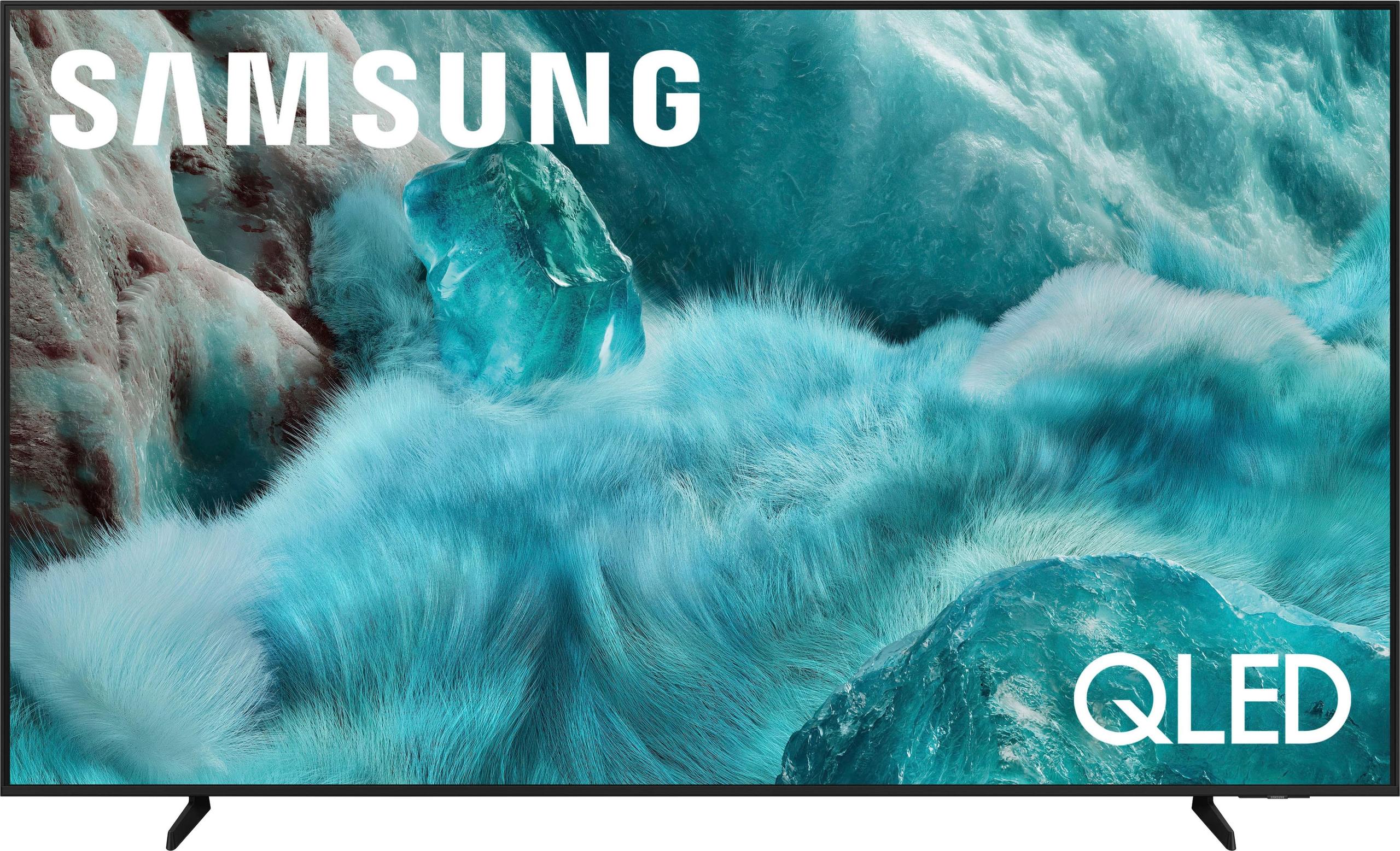
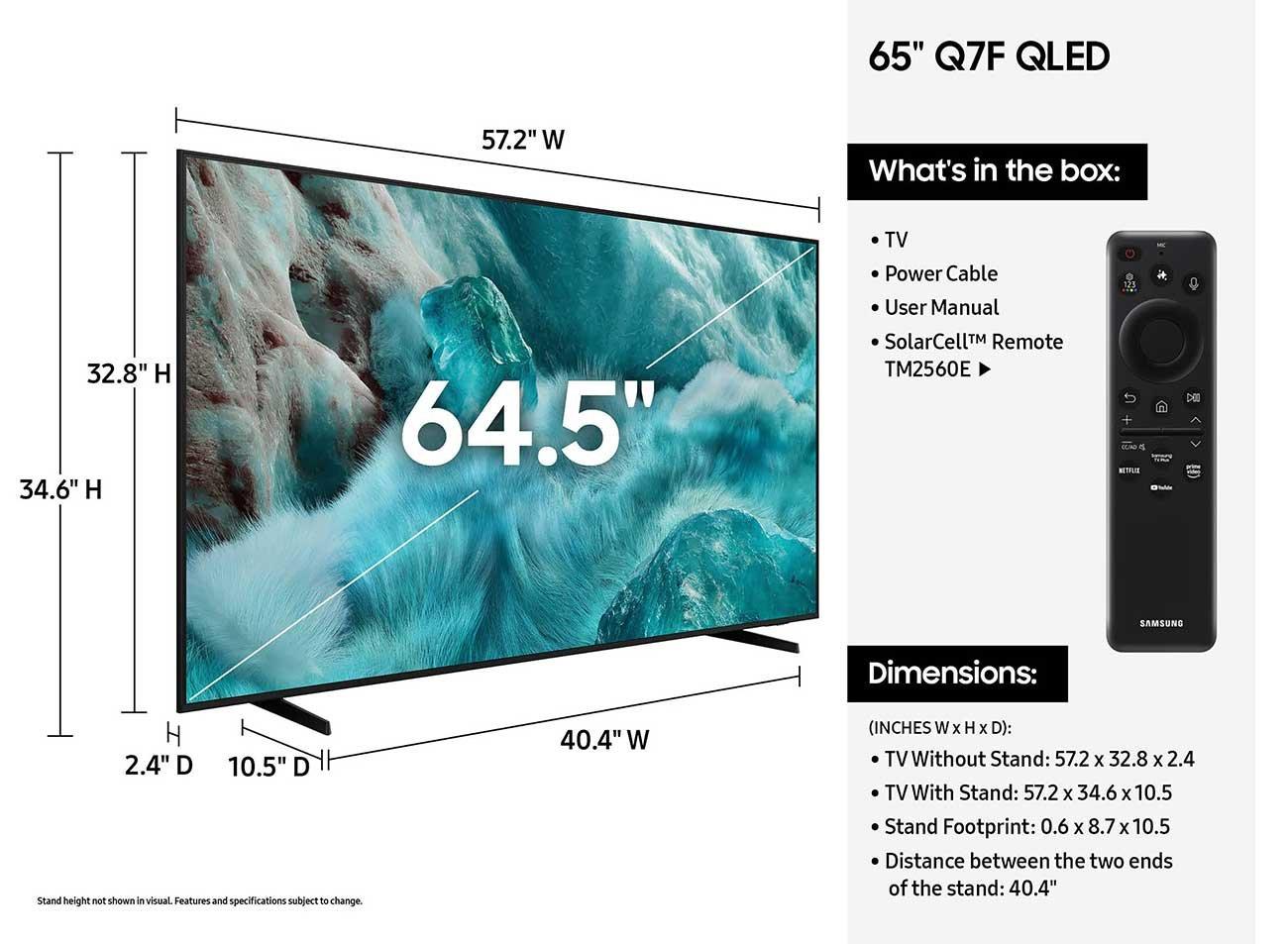

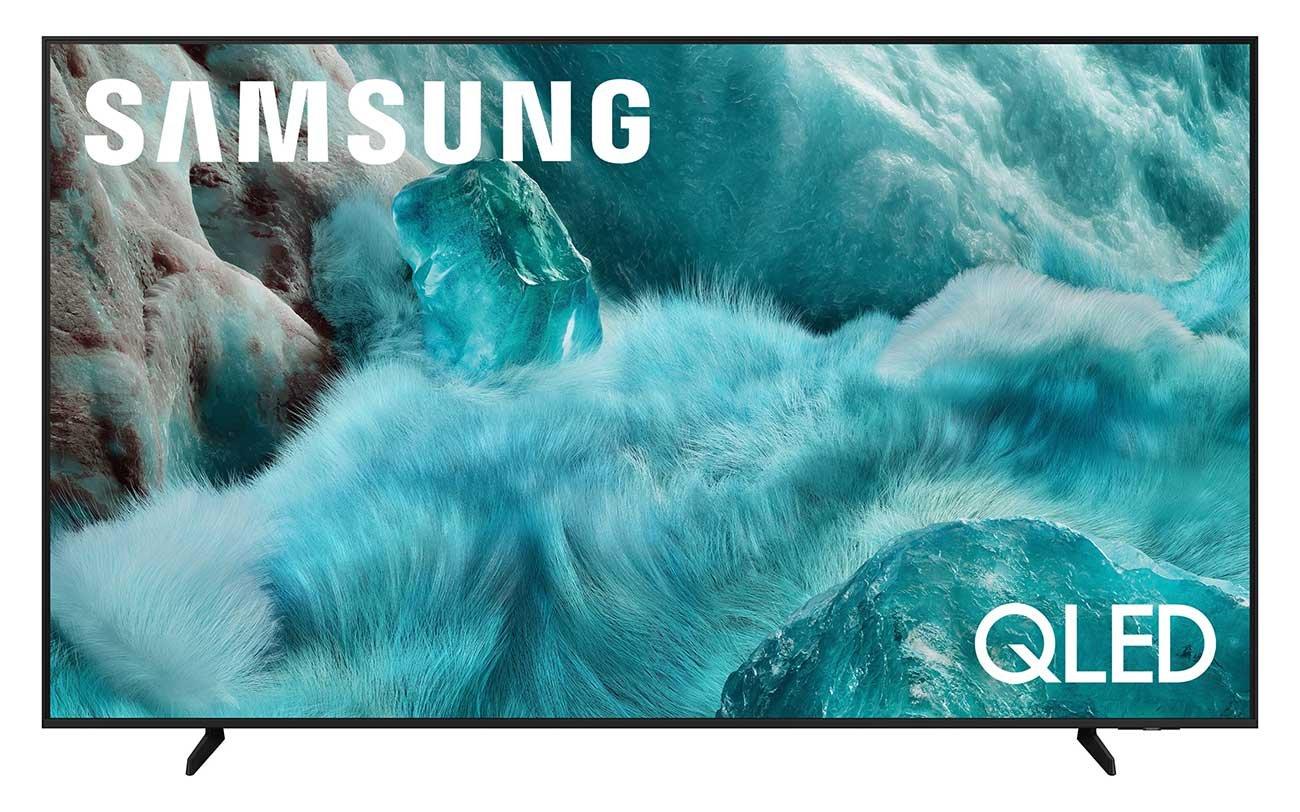
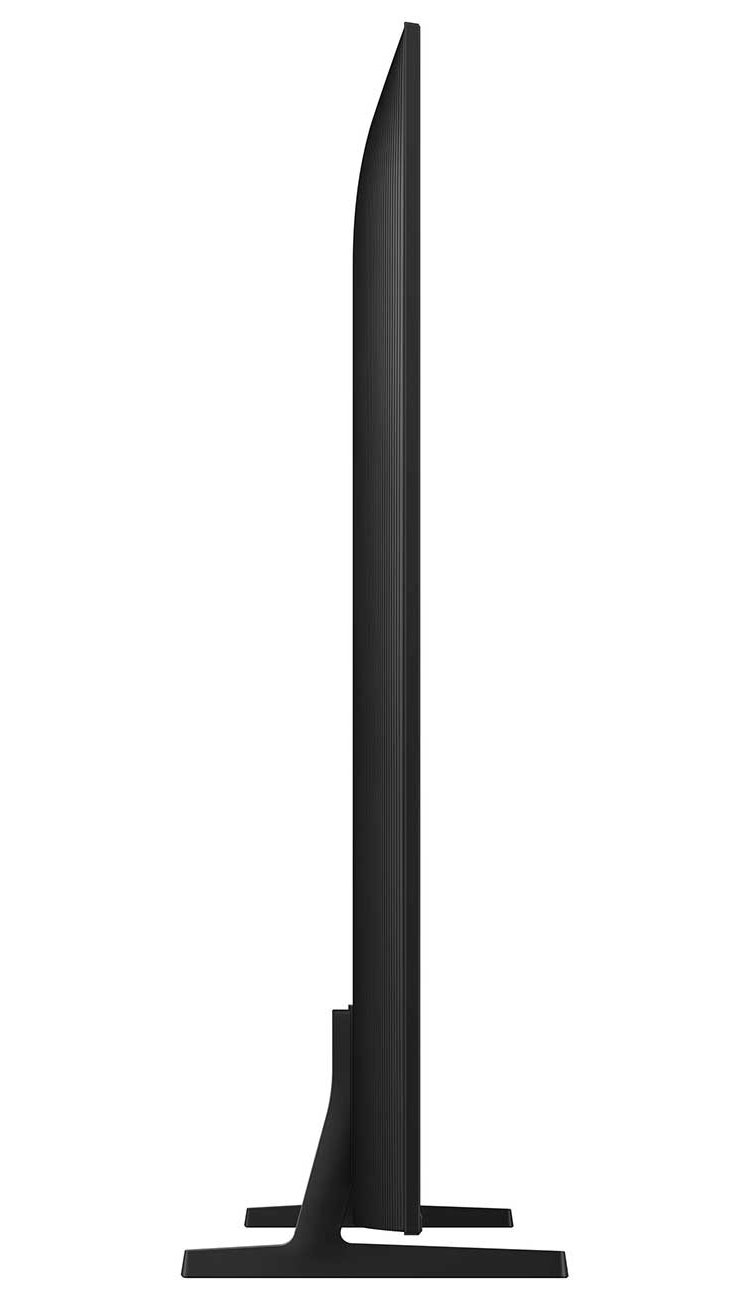

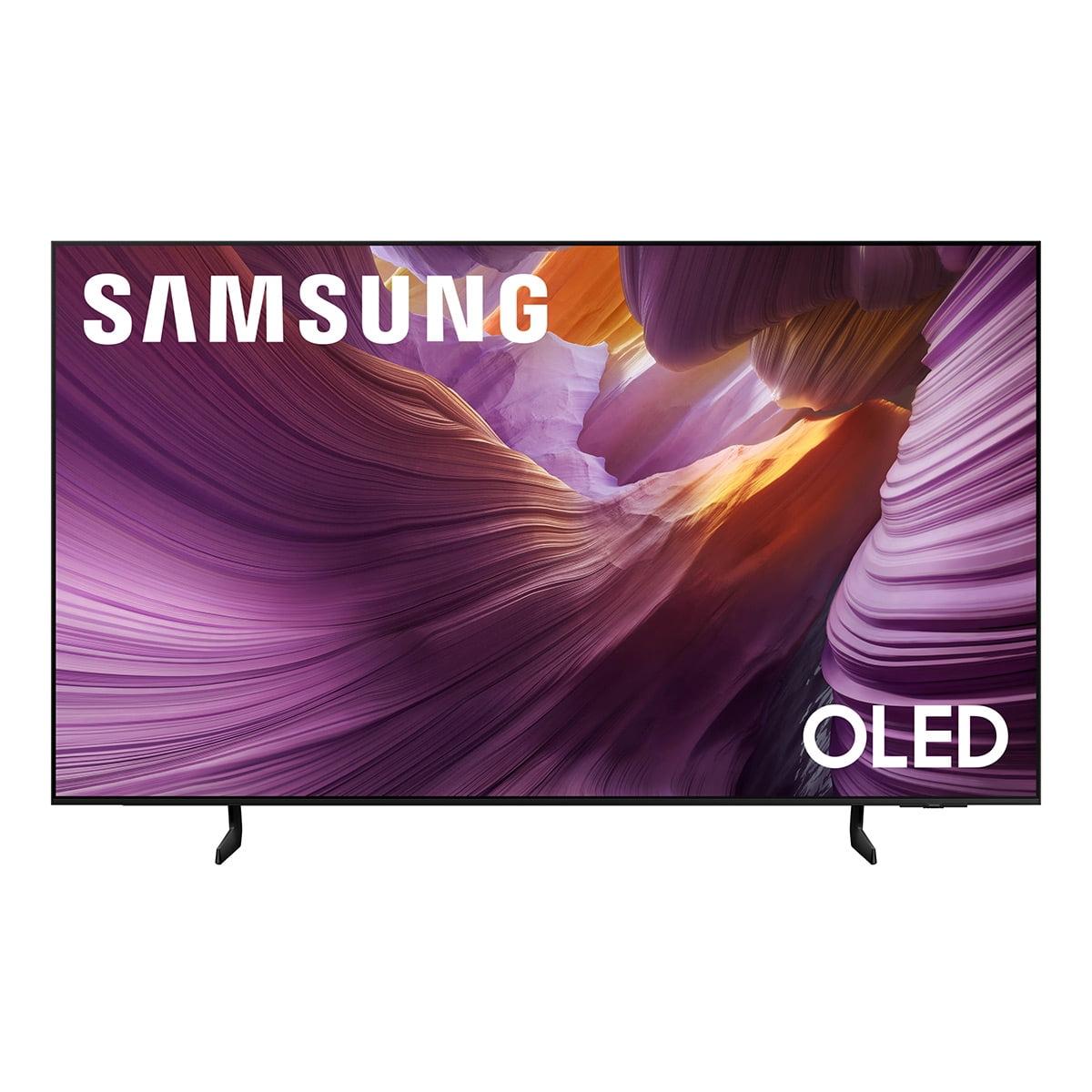
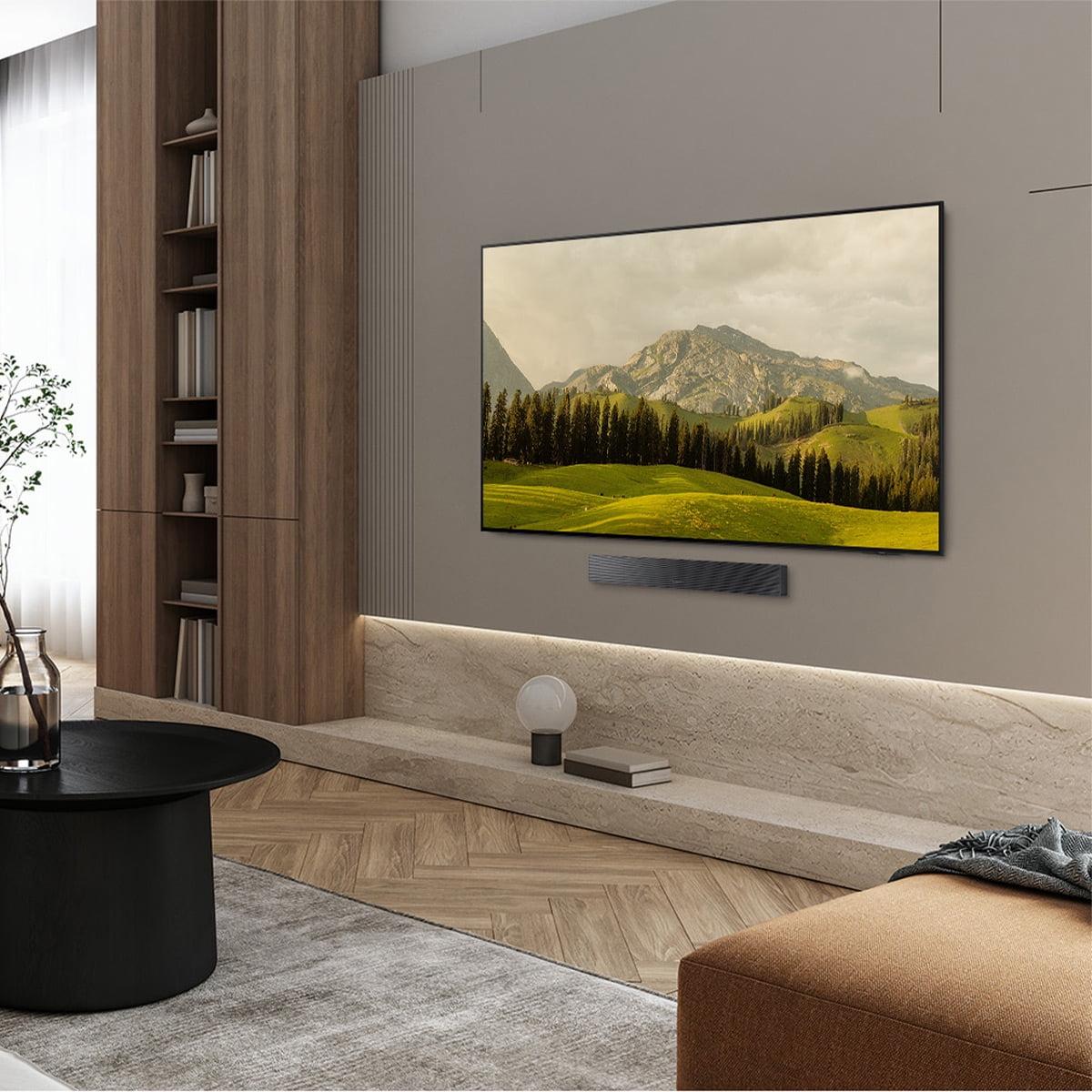

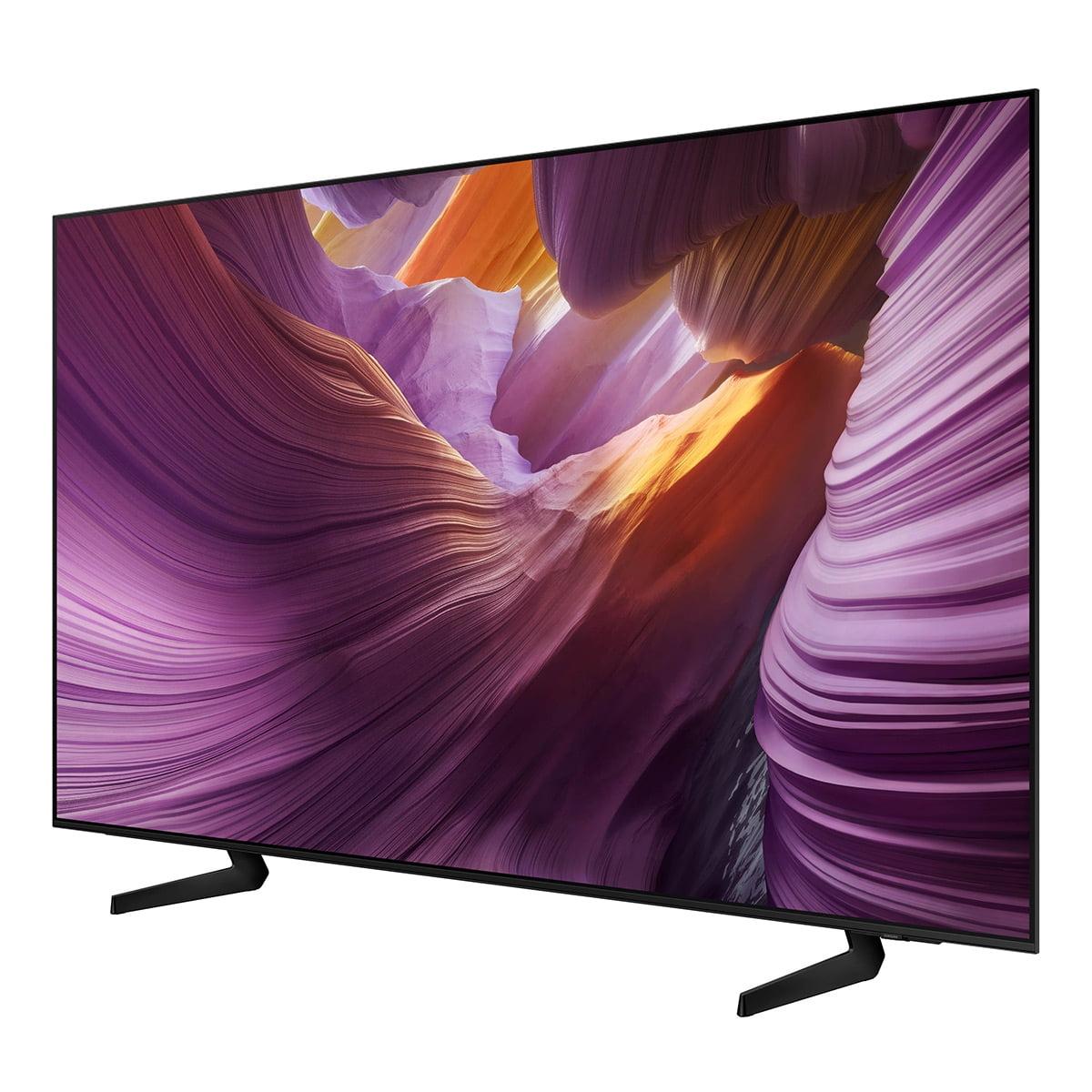
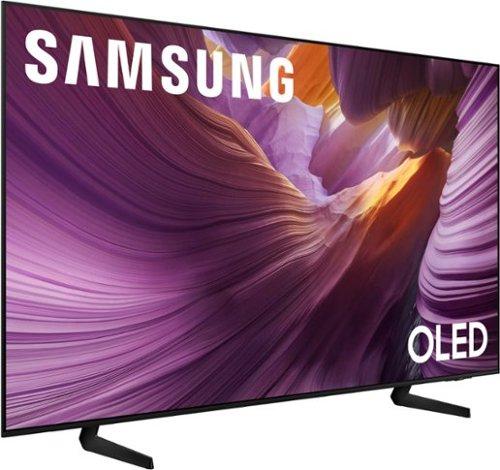
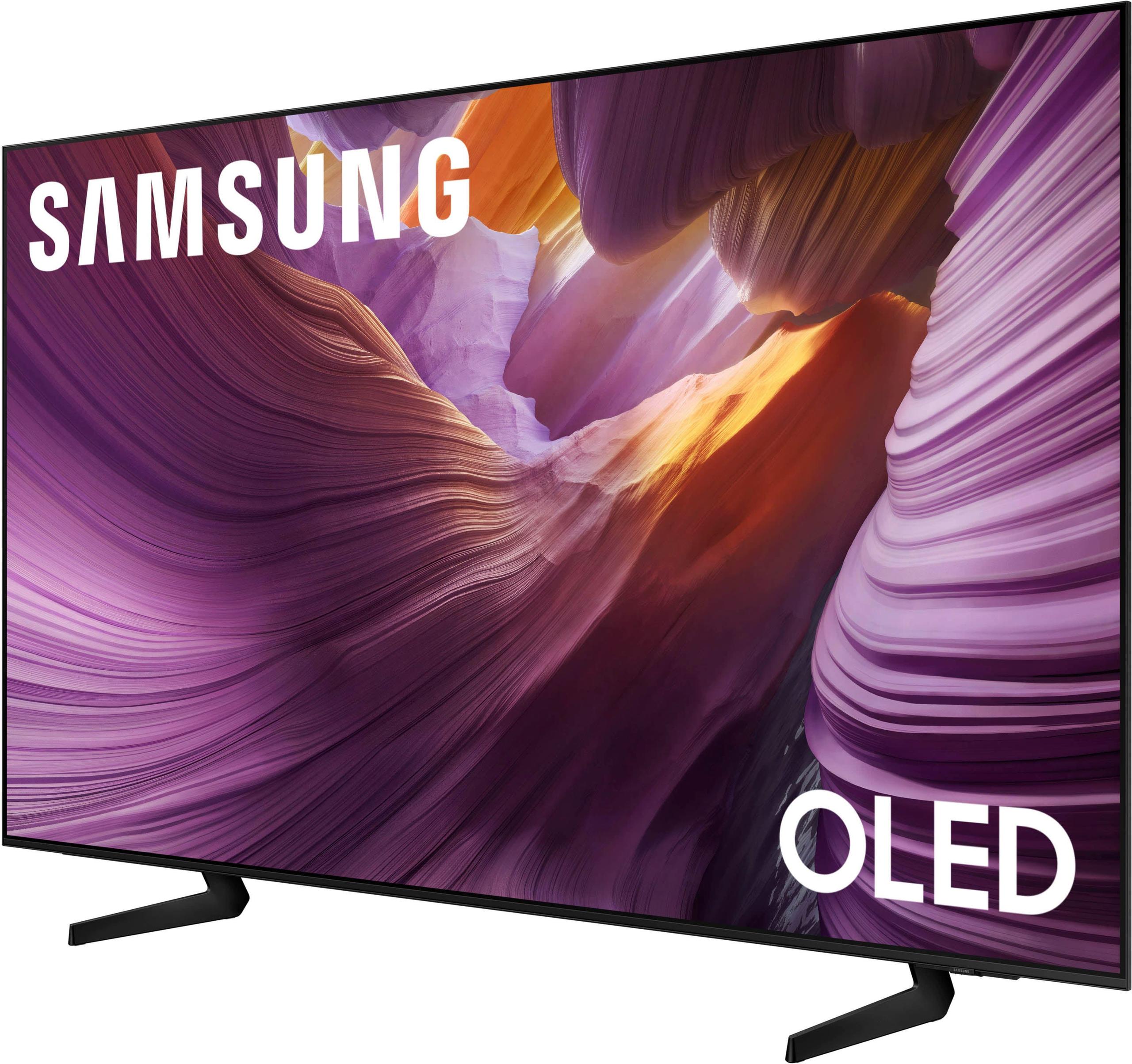
Choosing a new TV used to be simple—bigger was better, and that was about it. Today's TV market is a different beast entirely, with competing display technologies that each promise to deliver the ultimate viewing experience. If you're shopping for a premium 65-inch TV in 2025, you've likely encountered two of Samsung's most compelling options: the Samsung Q7F QLED and the Samsung S85F OLED.
These TVs represent fundamentally different approaches to creating the perfect picture. At the time of writing, there's a significant price gap between them—the OLED costs more than double the QLED—which makes this decision even more complex. Is the premium display technology worth the extra investment, or does the more affordable option deliver everything most people actually need?
Before diving into specifics, it's crucial to understand what makes QLED and OLED technologies so different. Think of it like comparing two completely different ways to paint a picture.
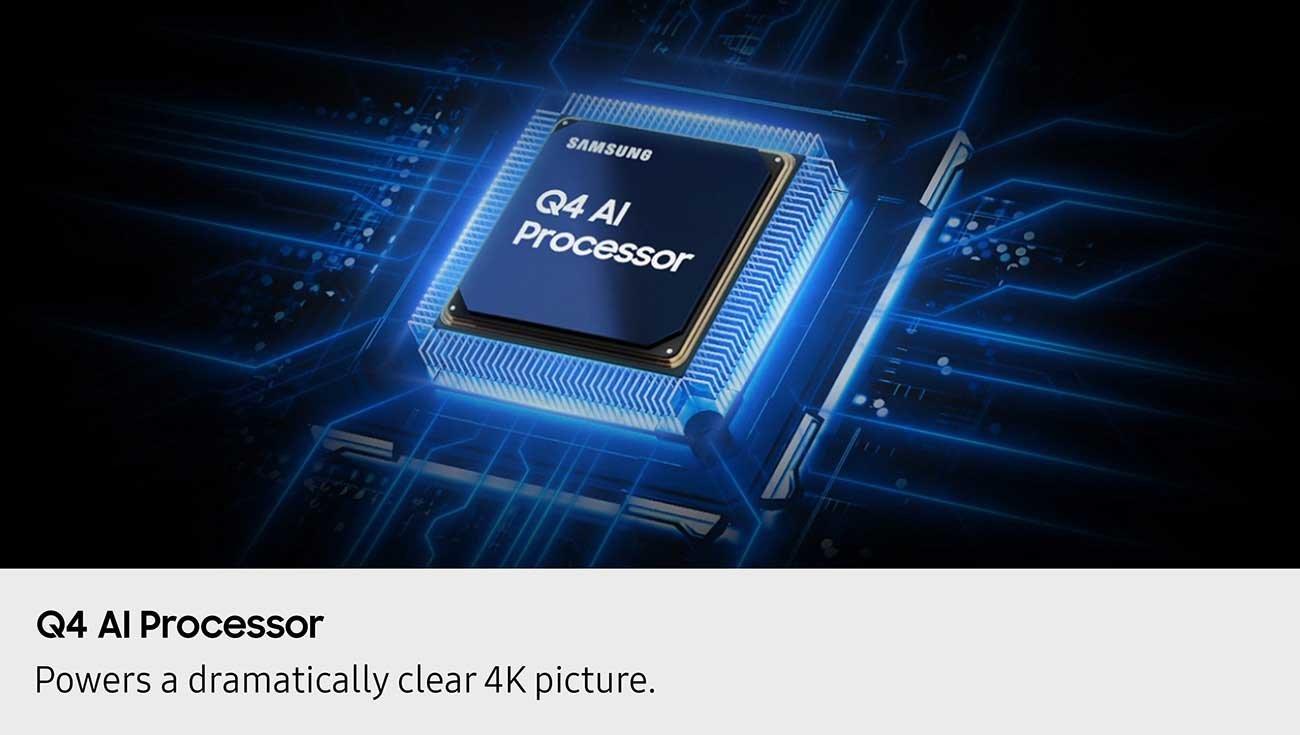
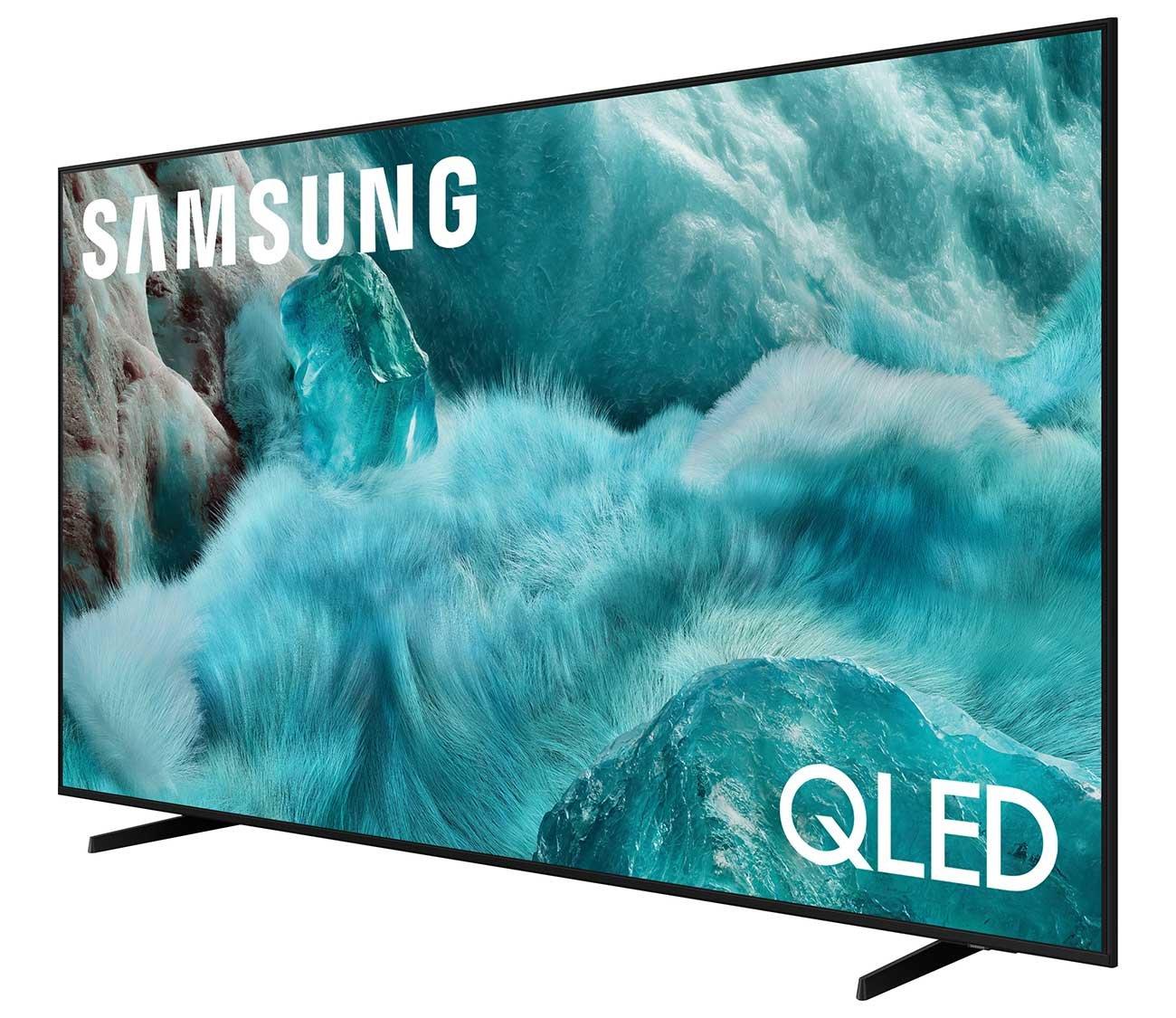
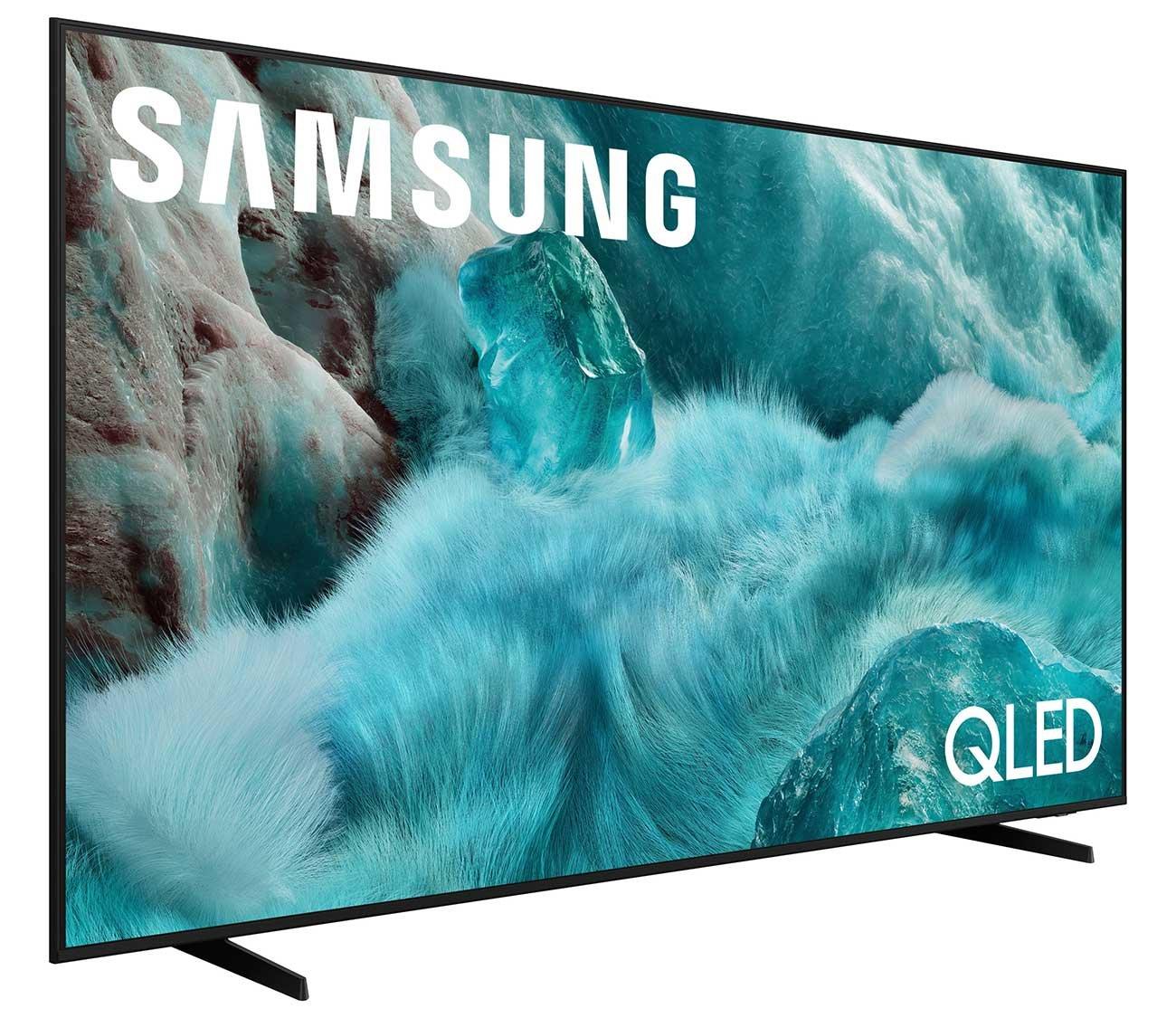
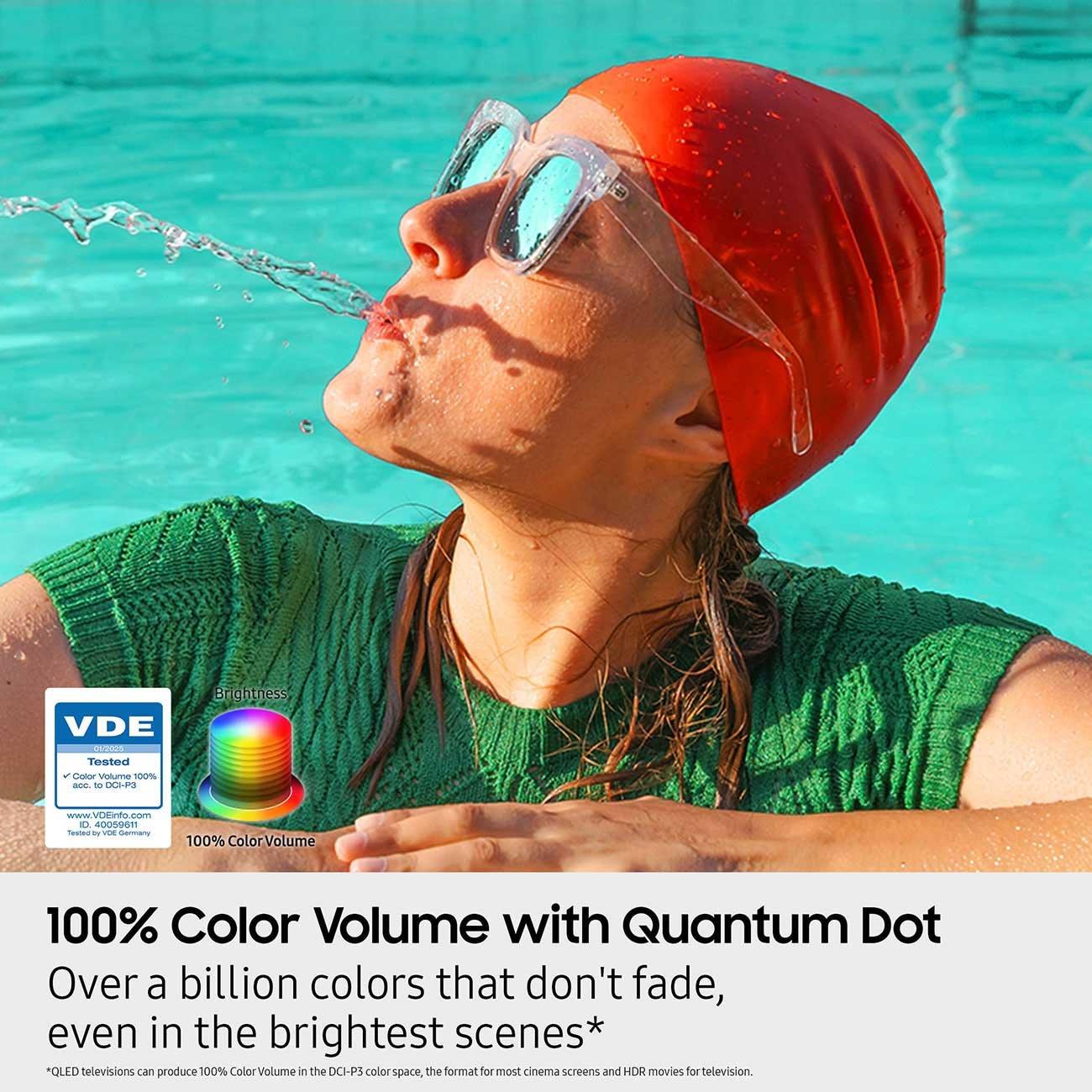
QLED (Quantum Dot Light Emitting Diode) technology, used in the Samsung Q7F, works by shining light through billions of tiny particles called quantum dots. These dots act like incredibly precise color filters, taking the backlight and converting it into very specific colors. The result is enhanced color accuracy and brightness compared to traditional LED TVs. The "Q4 AI Processor" in Samsung's 2025 models adds artificial intelligence to optimize these colors in real-time based on what you're watching.
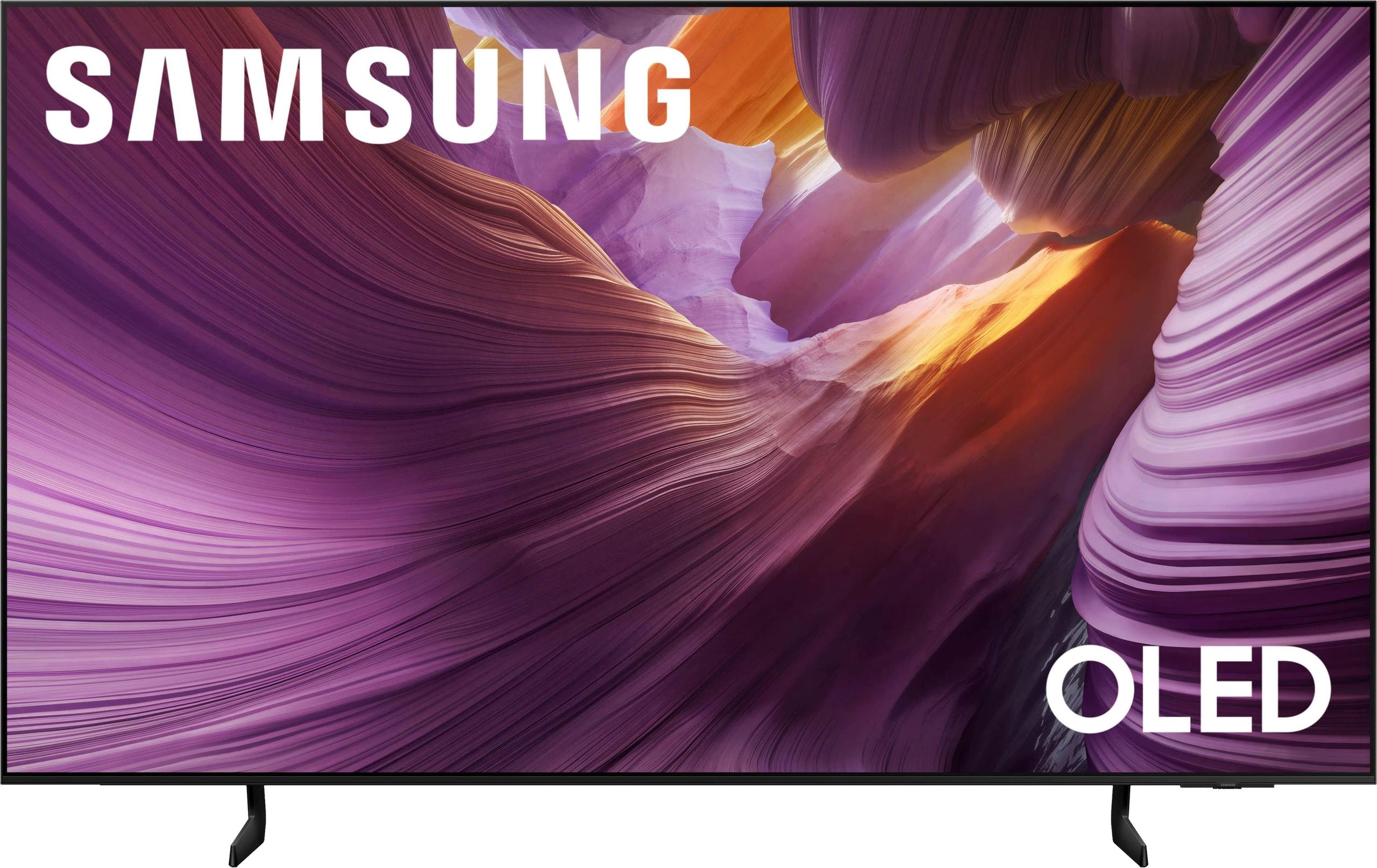
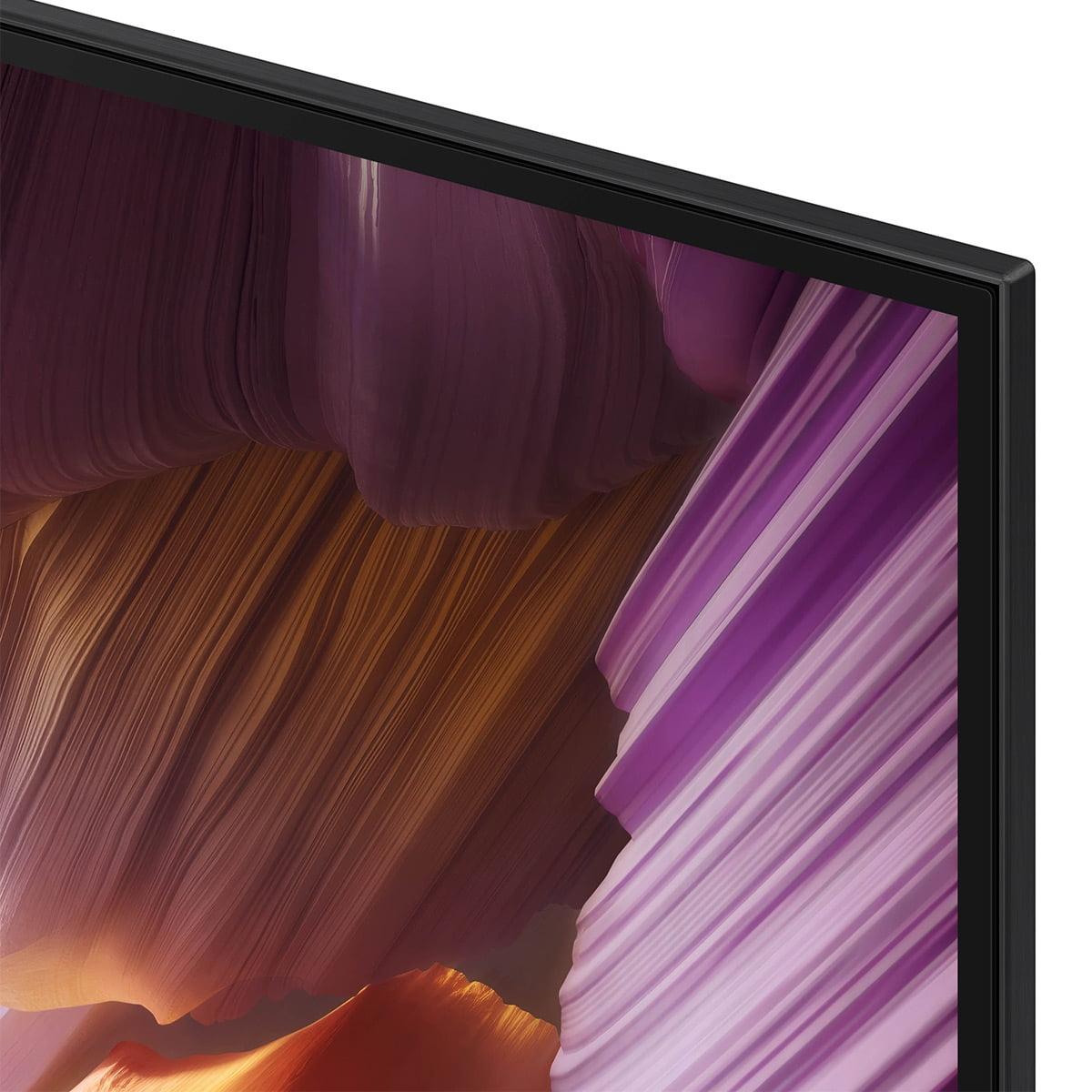
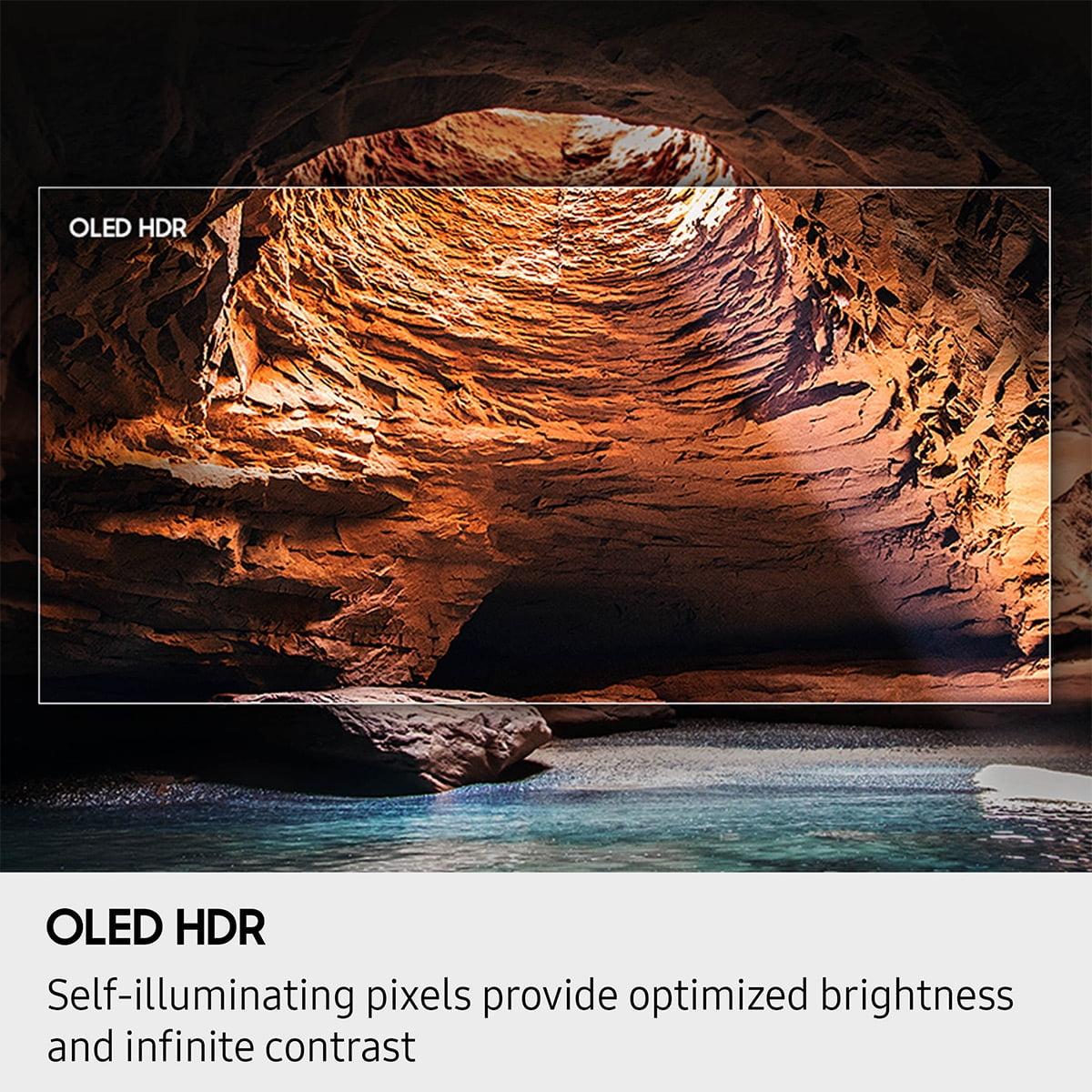
OLED (Organic Light Emitting Diode) technology in the Samsung S85F takes a completely different approach. Each pixel generates its own light and can turn completely off when displaying black. This creates what's called "infinite contrast"—the difference between the brightest whites and the darkest blacks—because true black areas emit zero light. Samsung's 2025 OLED models use a specific type called QD-OLED, which combines quantum dots with OLED technology for enhanced color performance.
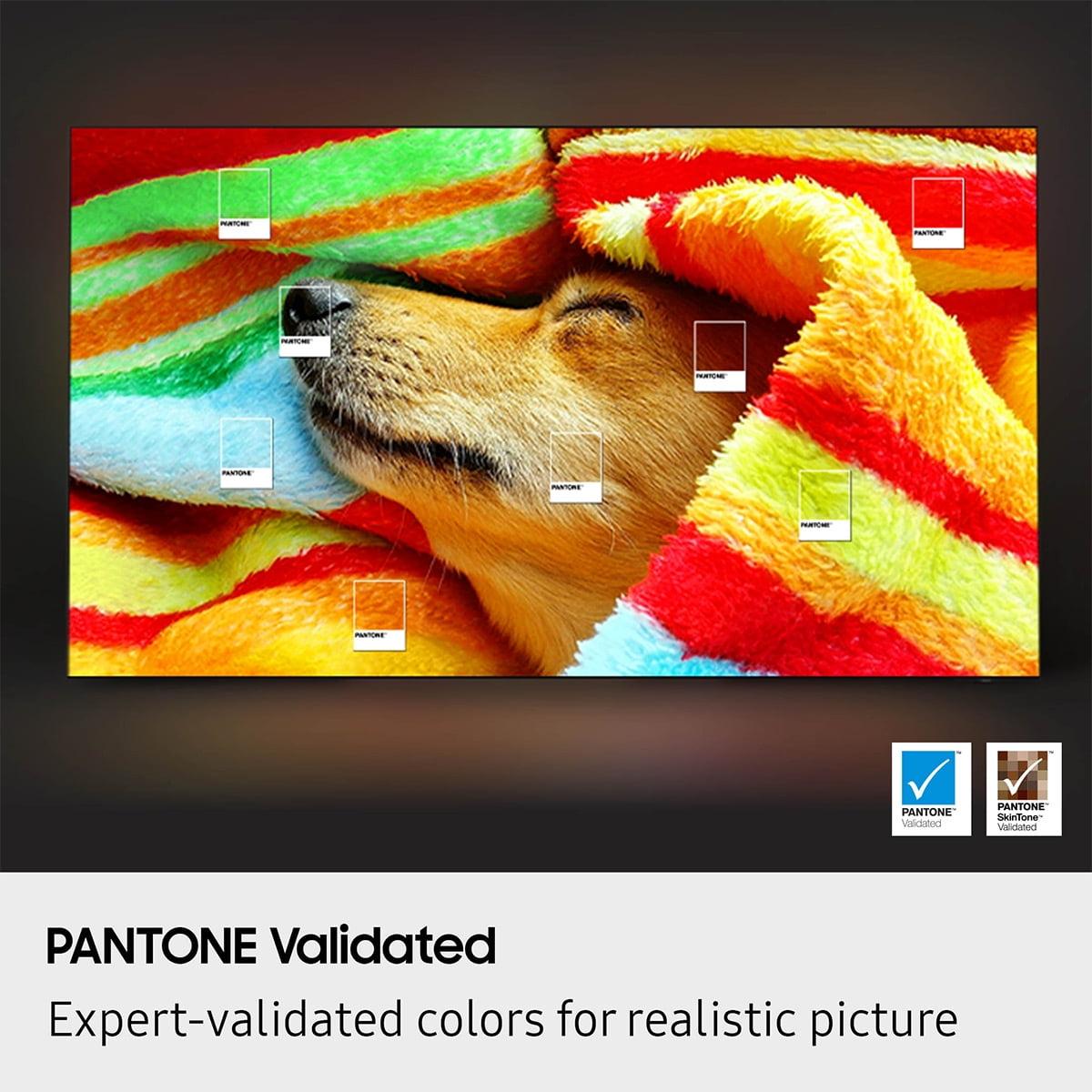
The 2025 model year brought meaningful improvements to both technologies. Samsung refined their AI processing capabilities, improved color accuracy with Pantone validation (a professional color standard), and enhanced their smart TV platform. However, the core technological differences between QLED and OLED remain as distinct as ever.
Picture quality is where these technologies truly diverge, and understanding these differences will help you make the right choice for your viewing habits.
Contrast ratio—the difference between the brightest and darkest parts of an image—is arguably the most important aspect of picture quality. It's what makes images look three-dimensional and realistic rather than flat and washed out.
The Samsung S85F OLED achieves perfect black levels because individual pixels can shut off completely. When you're watching a movie with a night scene, those dark areas are truly dark, not the grayish-black you might see on other TVs. This creates an almost cinematic depth that's immediately noticeable, especially in dark rooms.
The Samsung Q7F QLED, despite its quantum dot enhancement, still relies on a backlight that shines through the entire screen. Even with local dimming technology (where sections of the backlight can dim independently), it can't achieve true black like OLED. However, this limitation comes with a significant advantage: QLED TVs typically get much brighter than OLEDs, making them better suited for bright rooms with lots of windows.
Both TVs excel at color reproduction, but in different ways. The Q7F QLED achieves Pantone-certified color accuracy, meaning it can reproduce over 2,000 specific colors exactly as intended by content creators. This matters for anyone who cares about seeing movies and shows as the director intended.
The S85F OLED uses QD-OLED technology specifically in the 65-inch North American model, which combines quantum dots with OLED's inherent advantages. This creates what's called "color volume"—the ability to display vibrant colors at both bright and dark levels. Traditional OLED panels can struggle with bright, saturated colors, but QD-OLED addresses this limitation.
Based on our research of expert reviews and user feedback, the OLED's color performance feels more natural and immersive, while the QLED's colors appear more vibrant and punchy. Neither approach is objectively better—it's about preference and use case.
High Dynamic Range (HDR) content contains a much wider range of brightness levels than standard video, allowing for more realistic lighting effects and deeper shadows. Both the Samsung Q7F and S85F OLED support HDR10+ (Samsung's preferred HDR format), but they handle it differently.
The OLED's perfect black levels give HDR content incredible depth. When you watch a scene with both bright sunlight and dark shadows, you can see details in both areas simultaneously. However, the OLED's peak brightness limitation means that bright HDR highlights—like the sun reflecting off water—won't be quite as dazzling as they could be.
The QLED's higher peak brightness makes those HDR highlights more impactful, but its limited contrast means dark areas won't look as convincingly dark. For most HDR content, this trade-off favors the OLED's approach, but bright, colorful content like animated movies might look more spectacular on the QLED.
Gaming has become a crucial consideration for TV buyers, especially with the PlayStation 5 and Xbox Series X/S pushing 4K gaming at 120 frames per second. The difference between these TVs in gaming performance is stark.
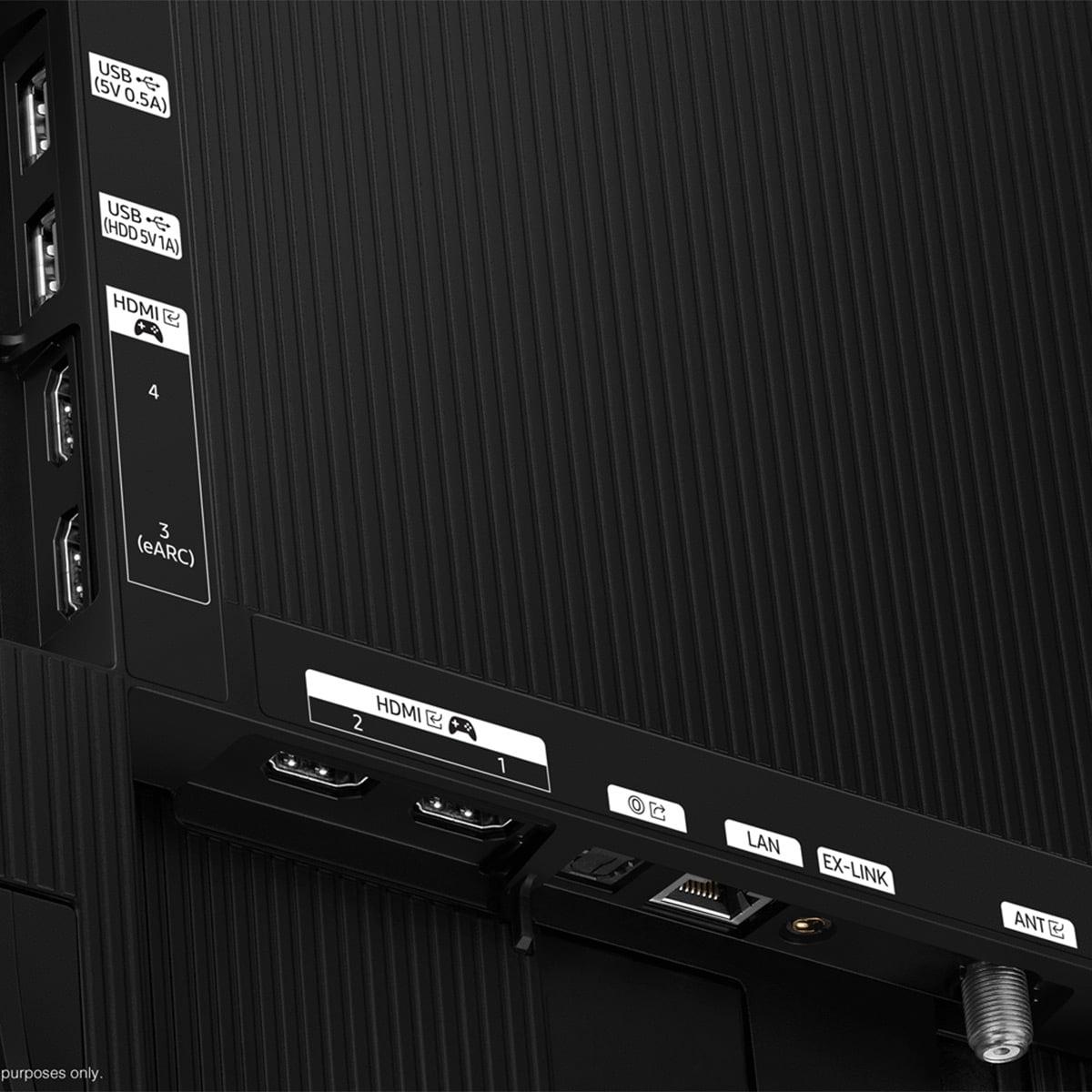
The Samsung S85F OLED is built for serious gaming. All four of its HDMI ports support the latest 2.1 specification, enabling 4K resolution at 120Hz refresh rates. This means games that support these high frame rates will look incredibly smooth, with reduced motion blur during fast action. OLED's near-instantaneous pixel response time (how quickly pixels can change from one color to another) eliminates ghosting and trailing effects that can occur during rapid movement.
Variable Refresh Rate (VRR) and AMD FreeSync Premium support help eliminate screen tearing—the visual artifact that occurs when the game's frame rate doesn't match the TV's refresh rate. For competitive gaming or simply wanting the smoothest possible experience, these features are invaluable.
The Samsung Q7F QLED is limited to 60Hz gaming, which means you won't get the full benefit of next-generation consoles or high-end gaming PCs. While it includes Auto Game Mode to reduce input lag (the delay between pressing a button and seeing the action on screen), it's clearly targeting casual rather than serious gamers.
Both TVs run Samsung's 2025 version of Tizen OS, which has evolved into one of the more capable smart TV platforms. Samsung Vision AI is the standout feature, using machine learning to optimize picture and sound settings based on what you're watching and your room's lighting conditions.
The AI learns your viewing habits and can make personalized content recommendations, automatically adjust picture modes for different content types, and even detect when you're gaming to switch to appropriate settings. Both the Q7F and S85F include voice control through Bixby, Alexa, and Google Assistant, along with casting capabilities and smart home integration through Samsung's SmartThings platform.
The main difference lies in processing power. The Q7F's Q4 AI Processor handles basic optimization well, while the S85F's NQ4 AI Gen2 Processor includes more advanced features like AI-enhanced upscaling for lower-resolution content and more sophisticated HDR processing.
Both TVs feature identical 20-watt, 2-channel audio systems with Object Tracking Sound (OTS) Lite—a technology that tries to make audio appear to come from specific locations on the screen based on what's happening visually. While this is better than basic TV speakers, neither TV will replace a good soundbar or surround sound system.
The Q-Symphony feature allows compatible Samsung soundbars to work in harmony with the TV's built-in speakers, potentially creating a more immersive audio experience. For most users, this represents adequate audio for casual viewing, but home theater enthusiasts will want to invest in dedicated audio equipment regardless of which TV they choose.
Your room's lighting conditions significantly impact which technology works better for your situation.
Bright Rooms: If your TV will be in a living room with large windows or significant ambient lighting, the Samsung Q7F QLED has clear advantages. Its higher peak brightness and anti-reflective coating help maintain picture quality even when there's light hitting the screen. OLED TVs, including the S85F, can look washed out in bright conditions because their black levels appear grayish when ambient light hits the screen.
Dark Rooms: For dedicated home theaters or rooms where you can control lighting, the Samsung S85F OLED is transformative. The perfect black levels and infinite contrast create a cinematic experience that's difficult to match with any backlight-based technology. Movie enthusiasts consistently prefer OLED for dark room viewing.
Mixed Lighting: Most people watch TV under varying lighting conditions throughout the day. Here, personal preference matters more. The QLED offers more consistent performance across different lighting situations, while the OLED provides a more dramatic and immersive experience when conditions are right.
At the time of writing, the price difference between these TVs is substantial—the S85F OLED costs significantly more than the Q7F QLED. This price gap reflects not just the display technology, but the target audience for each model.
The Q7F QLED represents exceptional value for most users. It delivers professional-grade color accuracy, smart features, and solid performance across all content types. The quantum dot technology ensures vibrant, accurate colors, while the AI processor optimizes the experience automatically. For families wanting a premium smart TV experience without the premium price, it's compelling.
The S85F OLED is an investment in best-in-class performance. The QD-OLED technology, advanced gaming features, and superior contrast justify the higher price for enthusiasts. However, the value equation depends heavily on how you plan to use the TV. If you're primarily watching broadcast television or streaming in bright rooms, you might not benefit from the OLED's advantages enough to justify the cost.
For dedicated home theater setups, the Samsung S85F OLED has significant advantages. The perfect black levels are crucial for the cinematic experience, especially when watching movies in their original aspect ratios with black bars. The OLED's wide viewing angles mean everyone in the room gets a consistent picture quality, regardless of seating position.
However, home theater enthusiasts should consider that neither TV supports Dolby Vision, which has become a standard HDR format for premium content. Both support HDR10+, Samsung's competing format, but this means some content won't be displayed in its optimal format. For serious home theater applications, this limitation applies equally to both models.
Based on our research and analysis of expert reviews and user feedback, here's who should choose each TV:
Choose the Samsung Q7F QLED if:
Choose the Samsung S85F OLED if:
The truth is, both TVs will provide excellent viewing experiences for most people. The Q7F QLED delivers about 85% of the premium TV experience at roughly 40% of the cost, making it the rational choice for most buyers. The S85F OLED provides that extra 15% of performance that enthusiasts notice and appreciate, but at a significant premium.
Your decision should ultimately align with how you actually watch TV, not how you think you might watch it. If you're honest about your viewing habits and room conditions, the right choice will become clear. Both represent Samsung's commitment to advancing TV technology in 2025, just with different priorities and target audiences in mind.
| Samsung 65" Q7F QLED 4K Vision AI Smart TV 2025 | Samsung 65" S85F OLED 4K Smart TV (2025) |
|---|---|
| Display Technology - Determines fundamental picture quality characteristics | |
| QLED with Quantum Dots and LED backlight | QD-OLED with self-illuminating pixels |
| Black Level Performance - Critical for contrast and cinematic viewing | |
| Limited by LED backlight (typical LCD blacks) | Perfect blacks (pixels turn completely off) |
| Peak Brightness - Essential for HDR and bright room viewing | |
| 500 cd/m² (better for bright rooms) | ~750 cd/m² small highlights, ~150 cd/m² full screen |
| Gaming Refresh Rate - Crucial for next-gen console and PC gaming | |
| 60Hz (limits gaming to 60fps) | 120Hz native (full 4K@120Hz support) |
| HDMI 2.1 Gaming Features - Future-proofing for gaming consoles | |
| Basic Auto Game Mode only | All 4 ports with VRR, ALLM, FreeSync Premium |
| Processor and AI Features - Smart optimization capabilities | |
| Q4 AI Processor with Vision AI | NQ4 AI Gen2 Processor with advanced upscaling |
| Color Accuracy - Important for content creators and enthusiasts | |
| Pantone Validated (over 1 billion colors) | QD-OLED wide color gamut with superior volume |
| Viewing Angles - Matters for wide seating arrangements | |
| 178°/178° (quantum dot enhancement) | Ultra-wide viewing angle (OLED advantage) |
| Room Lighting Suitability - Where each technology excels | |
| Excellent for bright rooms, good for all conditions | Best in dark/controlled lighting, struggles in bright rooms |
| HDR Format Support - Premium content compatibility | |
| HDR10+ (no Dolby Vision) | HDR10+ and OLED HDR (no Dolby Vision) |
| Audio System - Built-in sound capabilities | |
| 20W 2-channel with OTS Lite, Q-Symphony | 20W 2-channel with OTS Lite, Dolby Atmos |
| Smart Platform - Apps and interface experience | |
| 2025 Tizen OS with Samsung Vision AI | 2025 Tizen OS with Samsung Vision AI |
| Value Proposition - Cost vs performance consideration | |
| Excellent value for premium features | Premium price for cutting-edge OLED technology |
The primary difference is display technology. The Samsung Q7F QLED uses quantum dots with an LED backlight to enhance colors, while the Samsung S85F OLED has self-illuminating pixels that can turn completely off for perfect blacks. This makes the OLED better for dark room viewing with superior contrast, while the QLED performs better in bright rooms.
The Samsung S85F OLED is significantly better for gaming. It supports 4K at 120Hz across all four HDMI 2.1 ports, has near-instant response times, and includes VRR and FreeSync Premium. The Samsung Q7F QLED is limited to 60Hz gaming, making it suitable only for casual gaming rather than next-gen console or PC gaming.
Yes, both the Samsung Q7F QLED and Samsung S85F OLED run Samsung's 2025 Tizen OS with identical smart features including Samsung Vision AI, voice control (Bixby, Alexa, Google Assistant), casting capabilities, and SmartThings integration. The main difference is processing power, with the OLED having a more advanced AI processor.
The Samsung Q7F QLED achieves higher sustained brightness levels, making it better for bright rooms with lots of ambient light. While the Samsung S85F OLED can reach higher peak brightness in small highlights, it dims significantly in full-screen bright scenes. For daytime viewing, the QLED has the advantage.
This depends on your viewing environment and priorities. The Samsung S85F OLED offers dramatically better contrast and black levels, which is immediately noticeable in dark rooms. However, if you primarily watch TV in bright conditions or want excellent performance at a lower cost, the Samsung Q7F QLED delivers exceptional value.
For dedicated home theater use, the Samsung S85F OLED is superior due to its perfect black levels, infinite contrast, and wide viewing angles. These characteristics create a more cinematic experience, especially for movies with dark scenes. However, both TVs lack Dolby Vision support, which some home theater enthusiasts consider important.
Yes, both the Samsung Q7F QLED and Samsung S85F OLED support HDR10+ content. Neither supports Dolby Vision, which is Samsung's standard approach. The OLED's superior contrast makes HDR content appear more dramatic, while the QLED's higher brightness makes HDR highlights more impactful.
Both TVs excel at color reproduction but in different ways. The Samsung Q7F QLED is Pantone-validated for professional color accuracy across over 1 billion colors. The Samsung S85F OLED uses QD-OLED technology for superior color volume, meaning vibrant colors at both bright and dark levels. Both approaches deliver excellent results.
The Samsung Q7F QLED performs much better in bright rooms due to its higher peak brightness and anti-reflective coating. The Samsung S85F OLED can look washed out in bright conditions because ambient light makes its perfect blacks appear grayish. For living rooms with large windows, the QLED is the better choice.
Yes, both the Samsung Q7F QLED and Samsung S85F OLED feature identical 20-watt, 2-channel audio systems with Object Tracking Sound Lite, Q-Symphony soundbar integration, and Adaptive Sound Pro. Neither TV will replace a dedicated sound system, but both offer adequate audio for casual viewing.
Both TVs should provide similar longevity for typical use. The Samsung Q7F QLED has no burn-in concerns and consistent performance over time. The Samsung S85F OLED has theoretical burn-in risk with static images, though modern OLEDs have protective measures. For gaming features and future compatibility, the OLED's 120Hz support makes it more future-proof.
For most first-time premium TV buyers, the Samsung Q7F QLED offers better value and versatility. It performs well in various lighting conditions and provides premium features at a more accessible cost. Choose the Samsung S85F OLED only if you prioritize the absolute best picture quality, have a dedicated dark viewing space, or need advanced gaming features.
We've done our best to create useful and informative comparisons to help you decide what product to buy. Our research uses advanced automated methods to create this comparison and perfection is not possible - please contact us for corrections or questions. These are the sites we've researched in the creation of this article: bestbuy.com - youtube.com - samsung.com - samsung.com - pcrichard.com - samsung.com - samsung.com - videoandaudiocenter.com - displayspecifications.com - bestbuy.com - samsung.com - samsung.com - samsung.com - samsung.com - news.samsung.com - rtings.com - samsung.com - youtube.com - rtings.com - youtube.com - samsung.com - bestbuy.com - avsforum.com - avsforum.com - samsung.com - displayspecifications.com - videoandaudiocenter.com - bestbuy.com - flatpanelshd.com - myallsouth.com - samsung.com - richstv.com - samsung.com - heartlandappliance.com

Privacy Policy
Terms and Conditions - Affiliate Policy
Home Security
© Copyright 2008-2026.
11816 Inwood Rd #1211, Dallas, TX 75244