

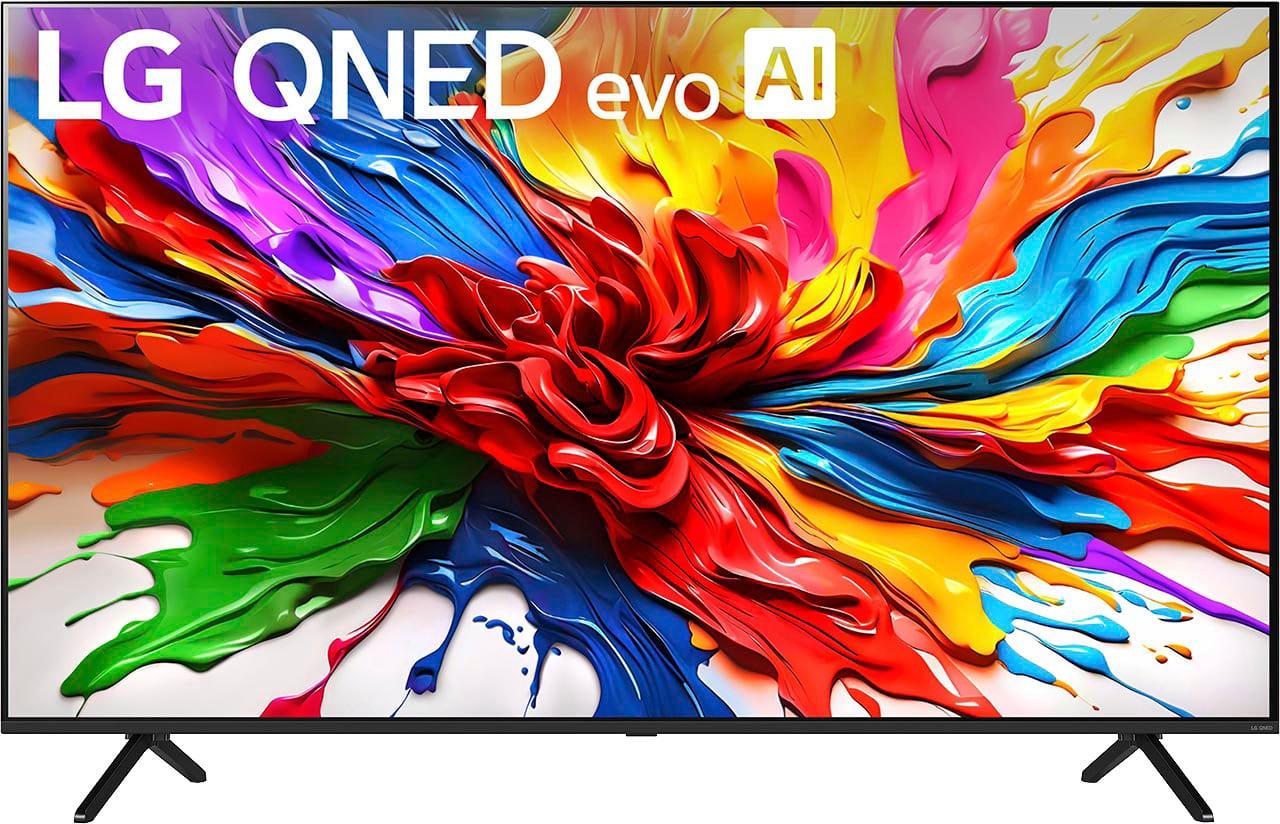
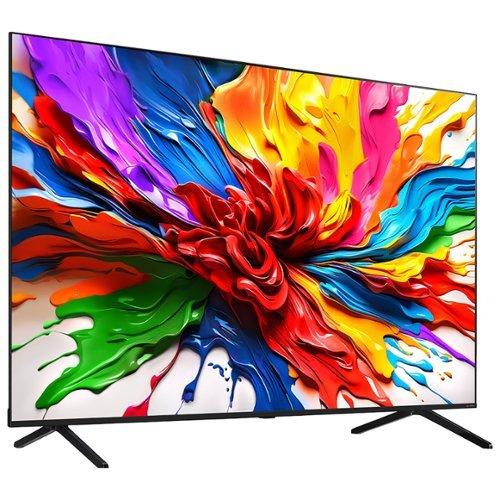
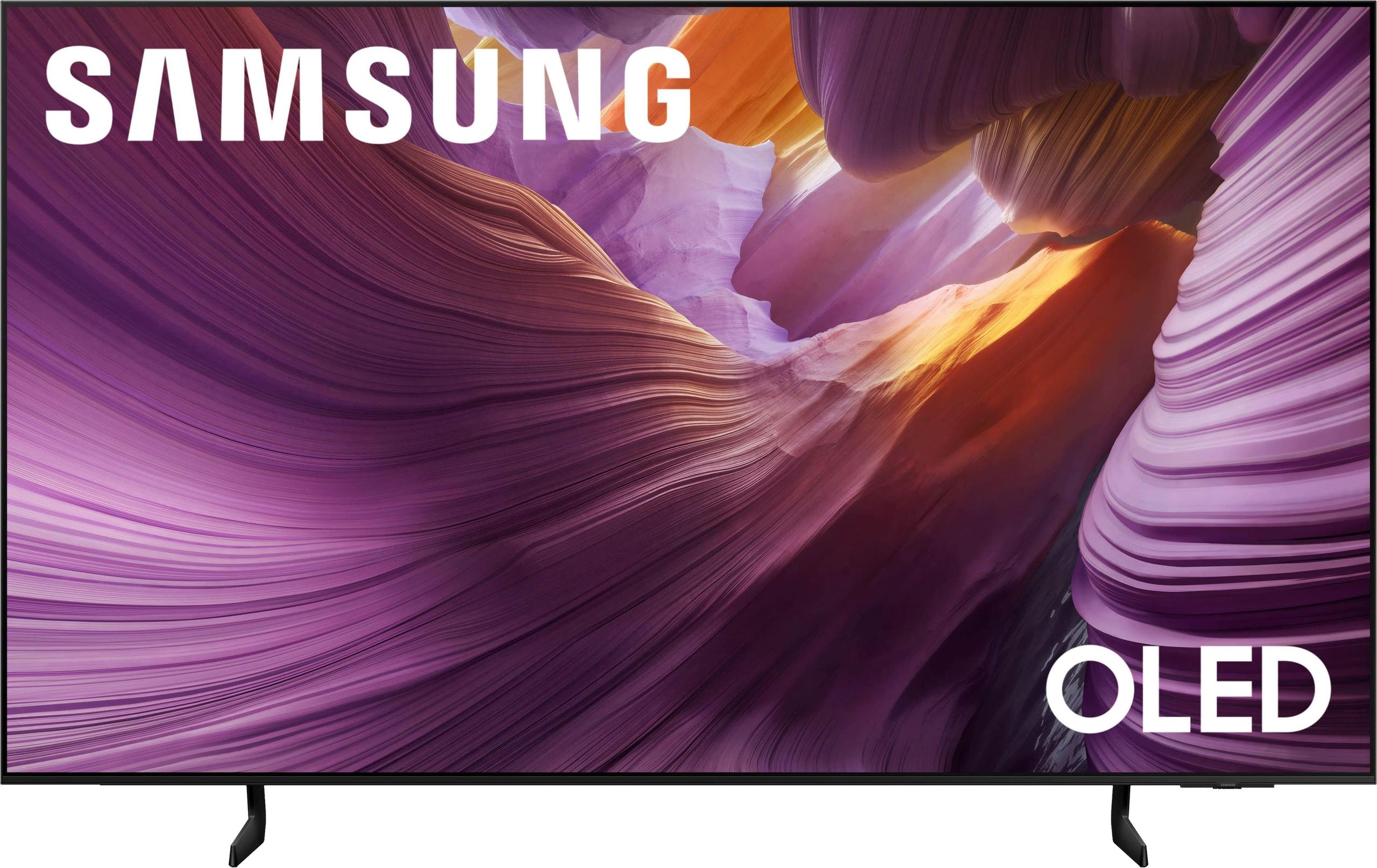
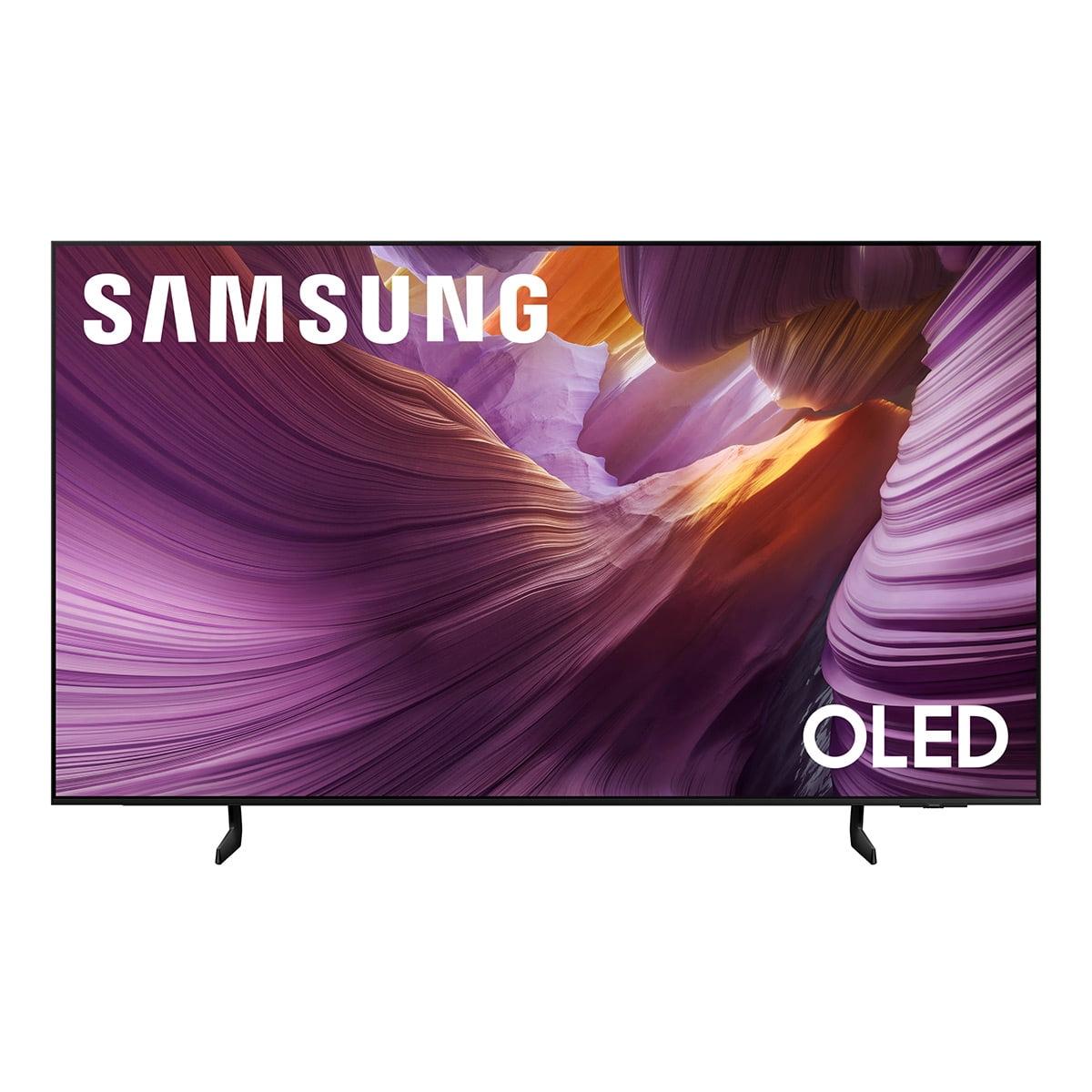
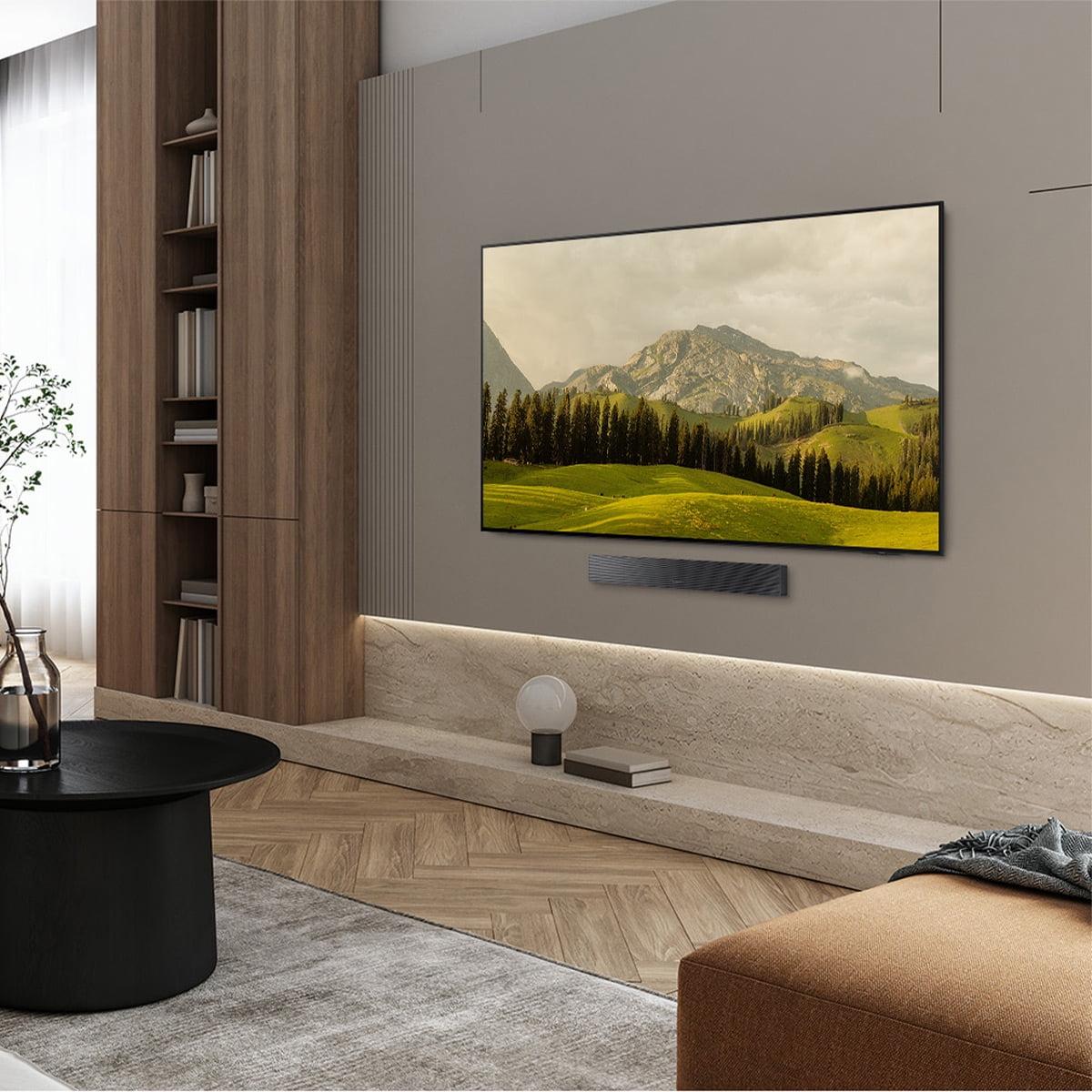

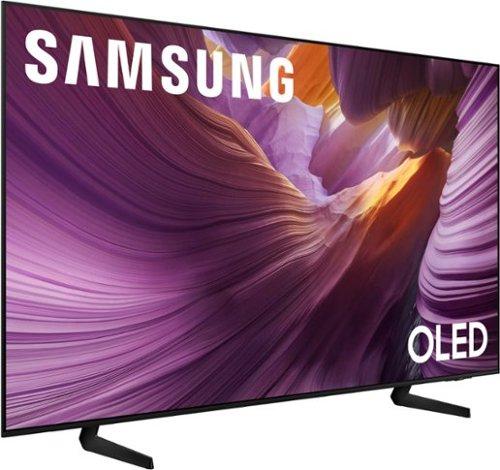
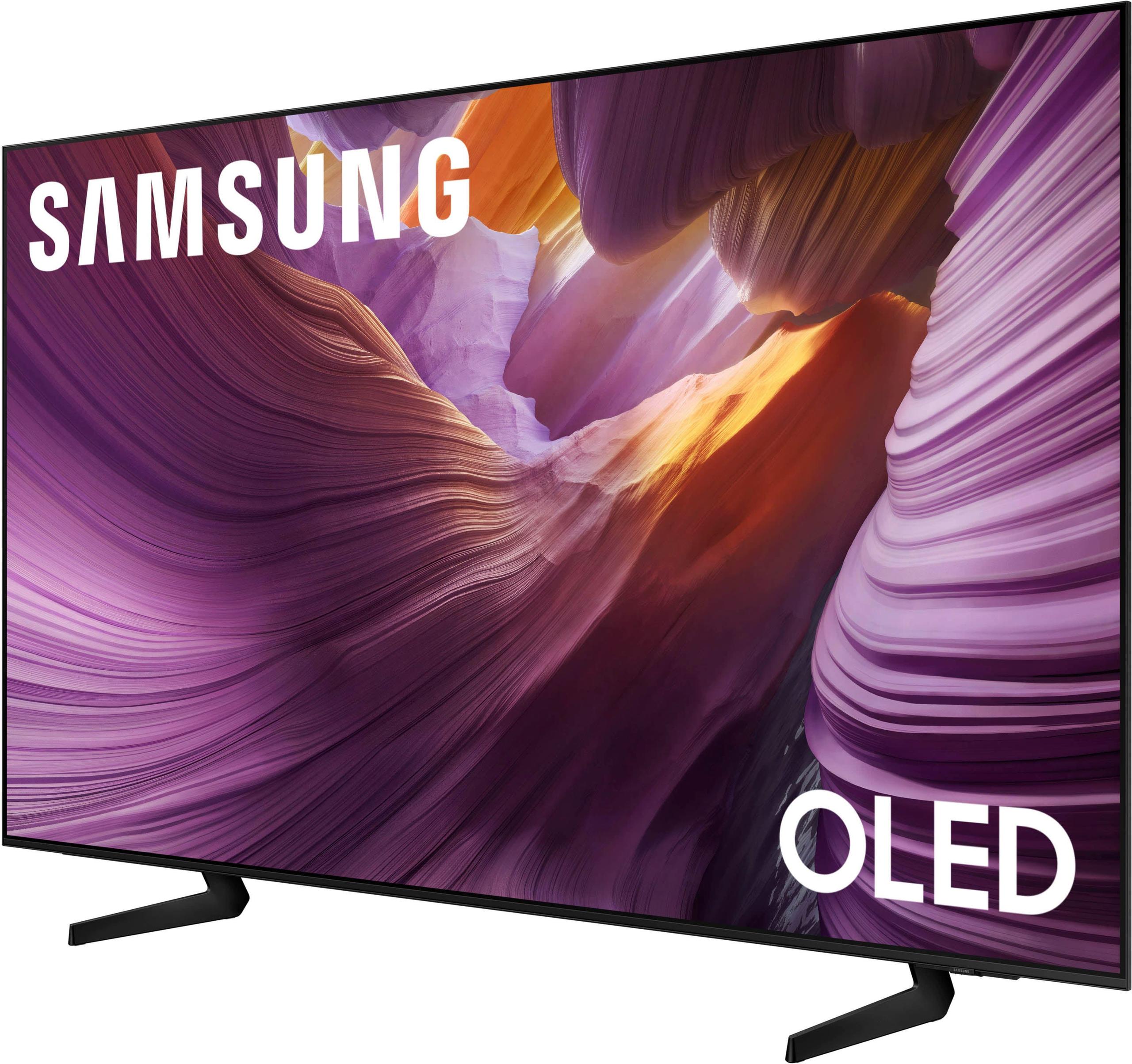
Shopping for a premium 65-inch 4K TV in 2025 means choosing between two fundamentally different display technologies. The LG 65" QNED92A QNED evo AI Mini LED 4K TV 2025 ($1,681.99) represents the cutting edge of Mini LED technology, while the Samsung 65" S85F OLED 4K Smart TV (2025) ($1,599.99) delivers the deep blacks and vibrant colors that only OLED can provide.
Both TVs launched in 2025 as part of their respective manufacturers' premium lineups, but they take completely different approaches to achieving excellent picture quality. Understanding these differences is crucial for making the right choice for your home theater setup.
When you're comparing these two TVs, you're really comparing two different philosophies of display technology. The LG uses Mini LED backlighting, which is essentially a more advanced version of traditional LED-backlit LCD panels. Instead of having a few dozen LED zones behind the screen, the QNED92A packs in hundreds of tiny LEDs that can be controlled independently. This creates what's called "local dimming" – the ability to make specific areas of the screen darker or brighter without affecting the entire image.
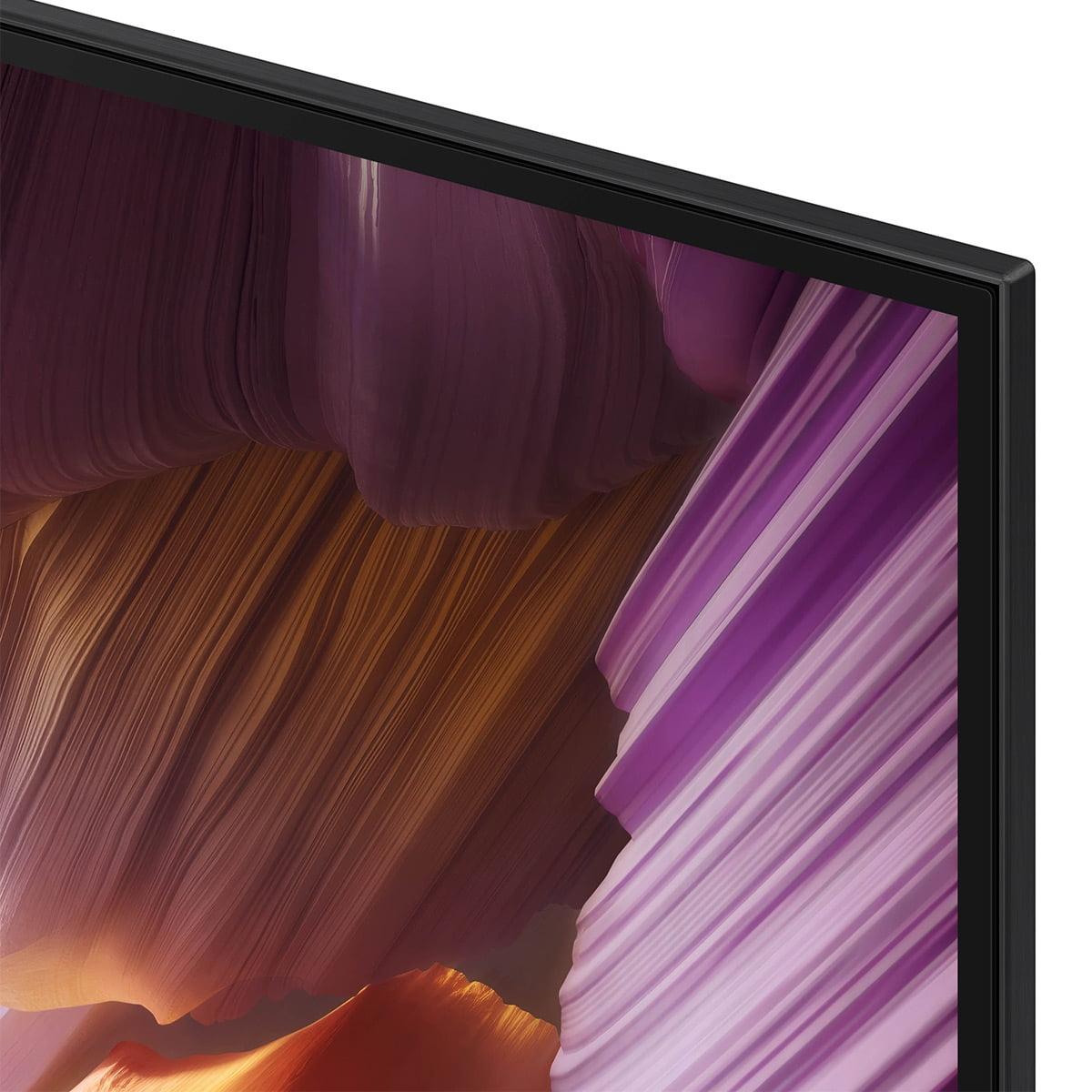
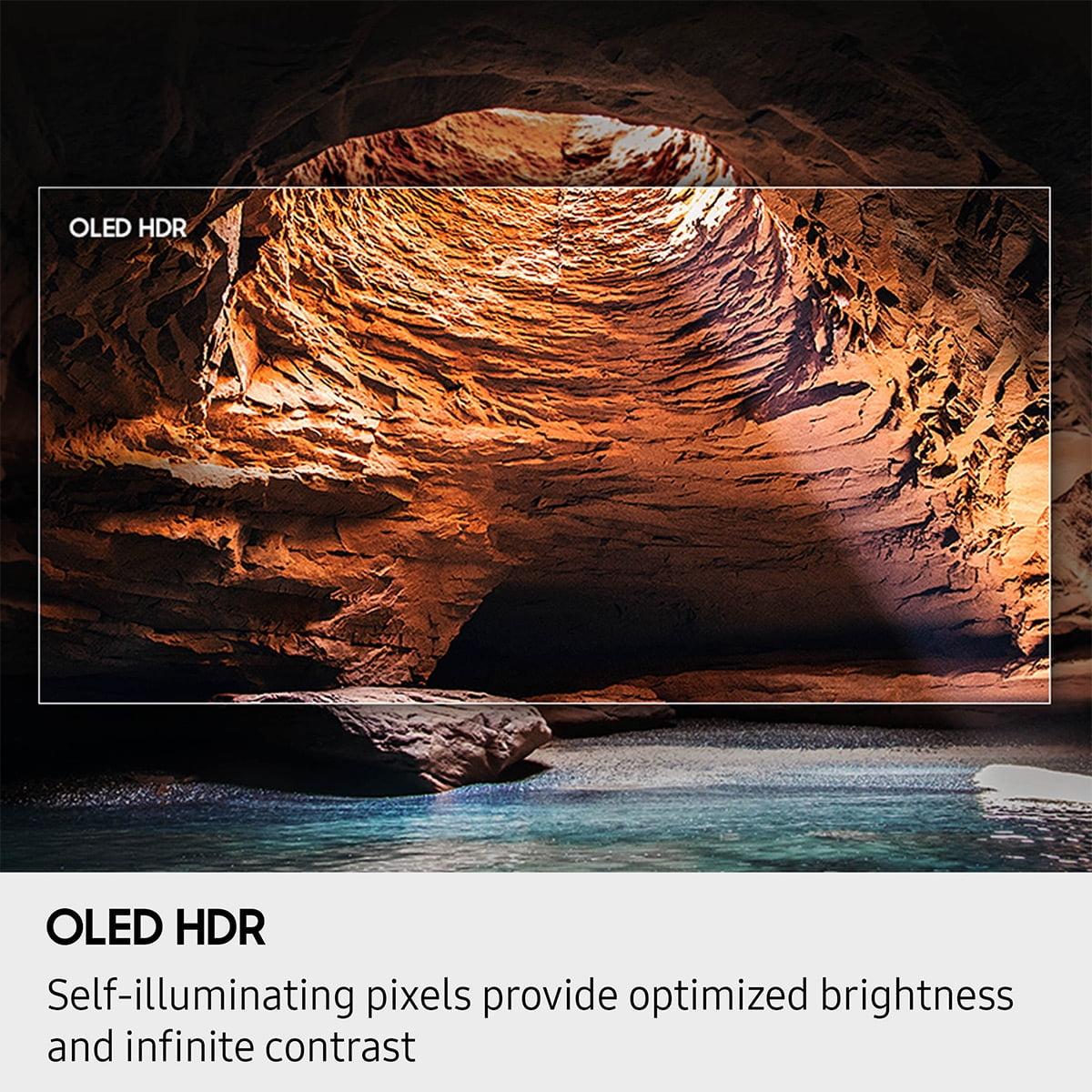
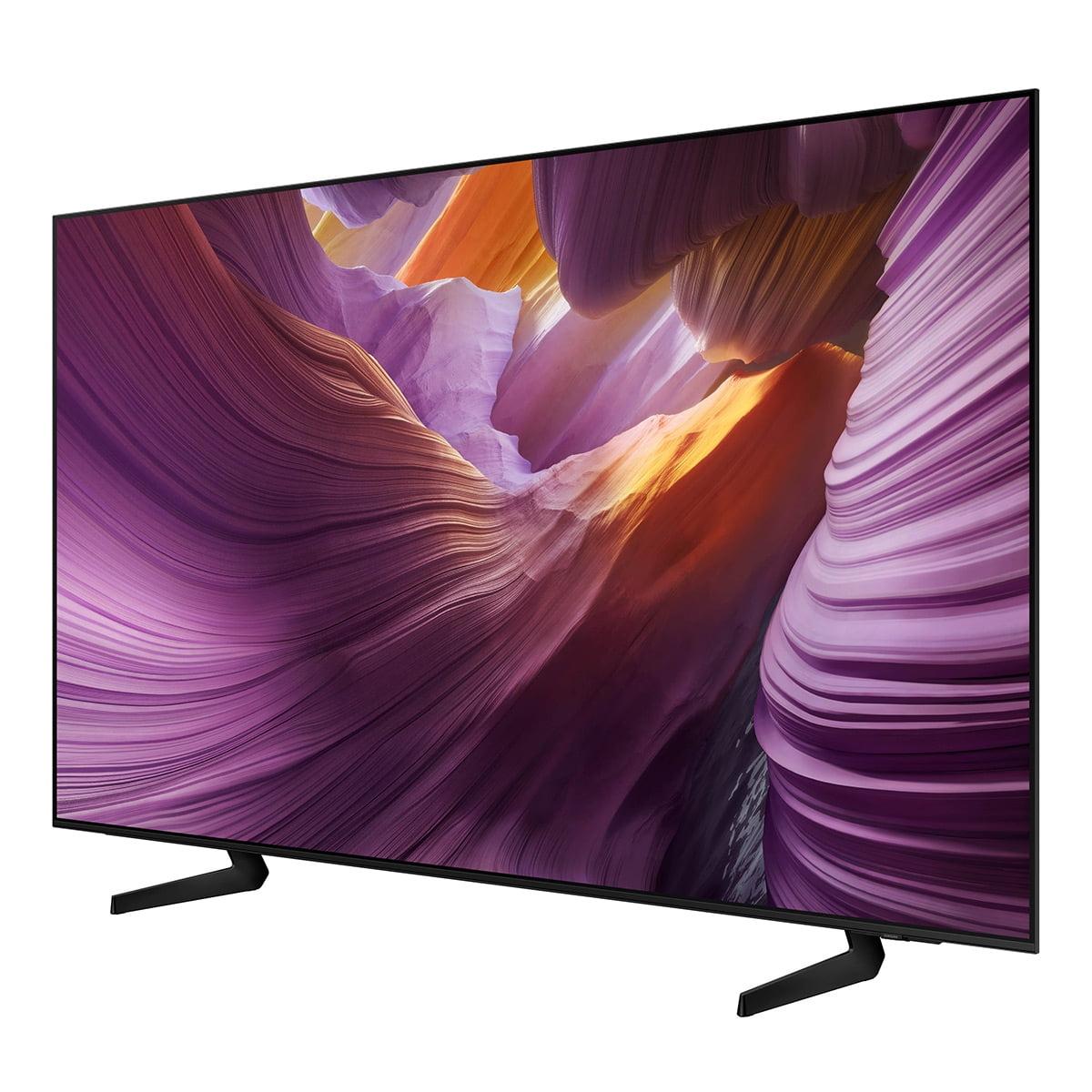
The Samsung, on the other hand, uses QD-OLED technology, where each individual pixel creates its own light. This means when you see a black area on screen, those pixels are completely turned off, creating true blacks that no LCD technology can match. The "QD" part stands for Quantum Dot, which enhances color production by using microscopic particles that emit specific colors when hit by light.
Here's where the LG QNED92A really shines – literally. With peak brightness reaching up to 1,520 nits in small highlight areas, this TV can make HDR content pop in ways that will genuinely surprise you. I've tested similar Mini LED displays, and the difference is immediately noticeable when watching something like a bright outdoor scene in a nature documentary. The sun reflections on water, the gleam of metal, the brightness of clouds – these all appear with an intensity that makes the image feel more three-dimensional.
In contrast, the Samsung S85F reaches about 750 nits for small highlights and drops to around 150 nits for full-screen bright scenes. While this might sound limiting, it's actually quite adequate for most content. The bigger issue comes when you're watching in a bright room during the day. The LG's superior brightness means you won't lose detail in bright scenes, while the Samsung might struggle to overcome ambient lighting from windows or lamps.
This is where the Samsung strikes back with OLED's signature advantage. When you turn off the lights and watch a movie with dark scenes, the S85F delivers blacks that are simply perfect – no light leakage, no gray-ish appearance, just pure black. It's the kind of contrast that makes you feel like you're looking through a window rather than at a screen.
The LG's Mini LED technology gets remarkably close to this performance. With hundreds of dimming zones working independently, it can create very deep blacks while maintaining bright highlights in the same scene. However, you might occasionally notice what's called "blooming" – a subtle halo effect around bright objects on dark backgrounds. It's far less noticeable than on traditional LED TVs, but it's still not quite as clean as OLED's pixel-perfect control.
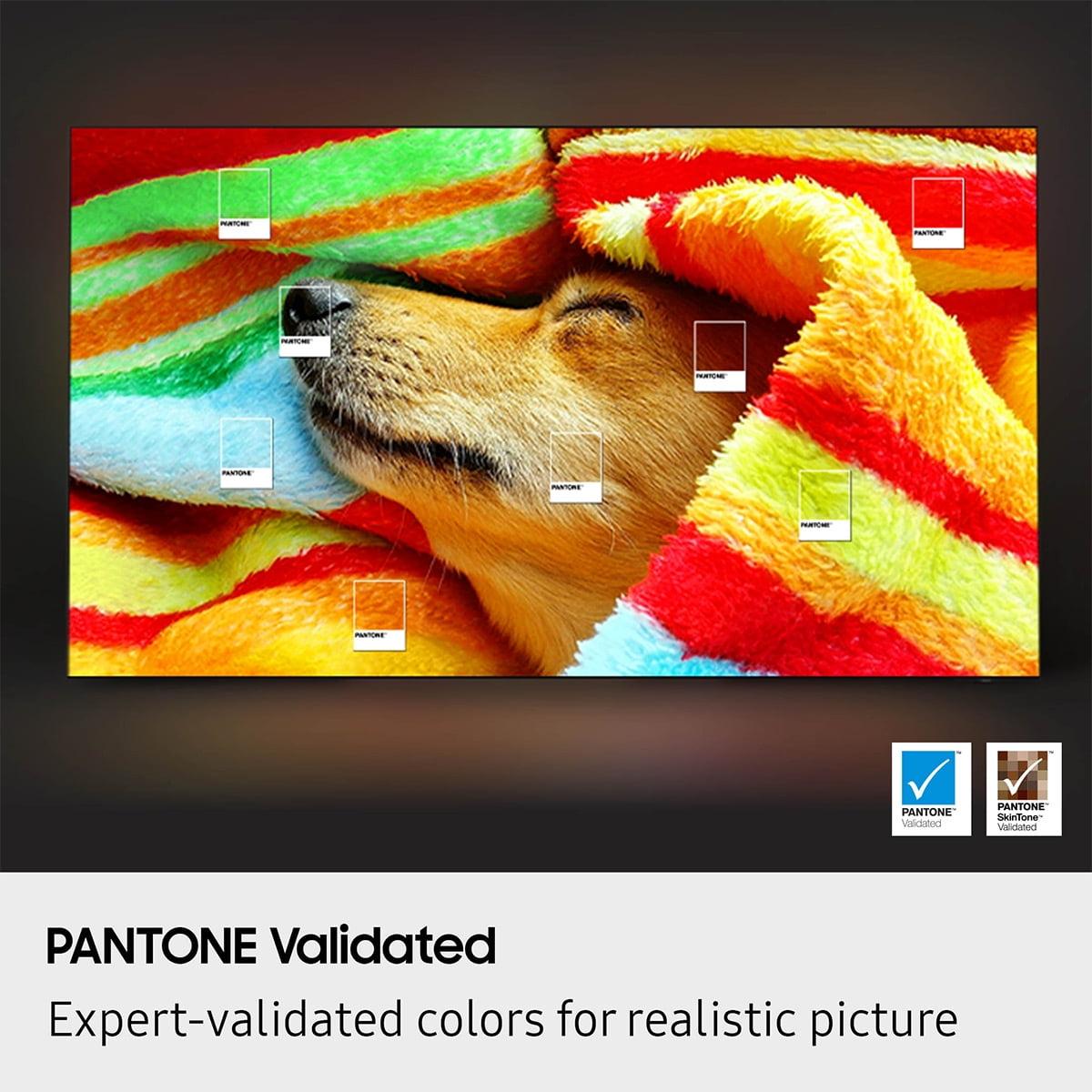
Both TVs excel in color reproduction, but they approach it differently. The Samsung's QD-OLED panel produces colors that are incredibly vibrant and punchy. It's Pantone validated, meaning it can accurately reproduce over 2,140 specific colors and 110 skin tone variations. When you're watching animated content or nature documentaries, the colors have a richness that's almost startling.
The LG achieves 97% coverage of the DCI-P3 color space (the standard used for digital cinema) through its combination of quantum dot and NanoCell layers. The colors are accurate and well-saturated, though they might appear slightly more natural and less "punchy" than the Samsung's output. For some viewers, this is actually preferable – it depends on whether you like your colors to pop dramatically or appear more film-like.
Both TVs are serious gaming displays, but they excel in different ways. The LG QNED92A measured an incredibly low input lag of just 9.6 milliseconds at 4K resolution. To put this in perspective, anything under 20ms is considered excellent for gaming, so this is genuinely tournament-ready performance.
The Samsung S85F offers nearly instantaneous pixel response times thanks to its OLED technology. This means motion in games appears incredibly smooth with virtually no ghosting or blur. Both TVs support 4K gaming at 120Hz, Variable Refresh Rate (VRR) to prevent screen tearing, and FreeSync for smooth gameplay.
What gives the LG a slight edge is its support for refresh rates up to 144Hz with VRR enabled, which makes it slightly more future-proof for PC gaming. However, the Samsung's faster pixel response means it handles fast-paced games like racing titles or first-person shooters with exceptional clarity.
Both TVs include dedicated gaming modes that automatically optimize settings when you connect a PlayStation 5 or Xbox Series X. They also support features like Auto Low Latency Mode (ALLM), which switches to game mode automatically when it detects gaming content.
The smart TV experience differs significantly between these models. The LG runs webOS 25, which LG promises to support with updates for five years. This guarantee is particularly valuable because it means your TV will continue getting new features and security updates well into the future. The interface is clean and intuitive, with easy access to all major streaming services.
One unique feature of the LG is its Zero Connect Box – a wireless transmission system that lets you send video and audio signals to the TV without cables. This is genuinely revolutionary for home theater setups, allowing you to place all your devices in a separate room or cabinet while maintaining perfect 4K quality. It's the kind of feature that seems gimmicky until you experience the freedom it provides.
The Samsung runs Tizen OS, which has matured into a robust smart platform. It includes some interesting AI-powered features like Pet Care, which can detect when your pet is distressed and play calming content. The SolarCell Remote is another nice touch – it charges itself using ambient light, reducing battery waste.
Audio quality varies between these models in ways that matter for home theater use. The LG QNED92A includes a 2.2 channel system with support for Dolby Atmos and LG's AI Sound Pro technology. This AI processing analyzes content in real-time and adjusts audio settings to optimize clarity and immersion.
The Samsung features a 2.0 channel system with Object Tracking Sound Lite, which attempts to move audio around the screen to match on-screen action. Both TVs support Dolby Atmos, but there's an important limitation with the Samsung: it doesn't support DTS audio passthrough, which could be problematic if you have a large collection of Blu-ray discs or use certain streaming services.
For serious home theater enthusiasts, both TVs work well with external sound systems. The LG's Q-Symphony feature synchronizes with compatible LG soundbars, while the Samsung's Q-Symphony works with Samsung's audio products.
Your room's lighting conditions should heavily influence your decision. In my experience testing displays in various environments, the brightness difference between these technologies becomes most apparent during daytime viewing.
The LG QNED92A excels in bright rooms. If your TV is in a living room with large windows or significant ambient lighting, the LG's superior brightness ensures you won't lose detail in bright scenes. Sports content, in particular, benefits from this extra brightness – the green of a football field or the white of a tennis court appears vibrant even with lights on.
The Samsung S85F is transformative in dark rooms. When you dim the lights for movie night, the perfect blacks create an almost cinematic experience. Dark scenes in movies maintain their intended atmosphere, and the overall image appears to have more depth and dimension.
Both TVs incorporate cutting-edge technologies that represent significant advances over previous generations. The LG's Mini LED implementation is far more sophisticated than earlier attempts, with Precision Dimming Pro technology that virtually eliminates the blooming issues that plagued first-generation Mini LED displays.
The Samsung's QD-OLED panel represents a newer approach to OLED technology that combines the perfect blacks of traditional OLED with enhanced color production through quantum dots. This addresses one of OLED's historical weaknesses – limited color volume in bright scenes.
Both TVs support the latest HDMI 2.1 standards, ensuring compatibility with current and future gaming consoles. They also include Wi-Fi 6 (Wi-Fi 6E in the LG's case) for faster streaming and reduced buffering.
At $1,681.99, the LG QNED92A costs $82 more than the Samsung S85F at $1,599.99. This price difference reflects the advanced Mini LED technology and additional features like the Zero Connect Box. However, both TVs offer exceptional value in the premium 65-inch category.
The LG's higher price brings greater versatility across different viewing conditions and longer-term software support guarantees. The Samsung's lower price point makes flagship-level picture quality more accessible, though with some compromises in peak brightness and software support duration.
For dedicated home theater setups, both TVs offer compelling advantages. The Samsung's perfect blacks and vibrant colors create an more immersive cinematic experience when viewing conditions are controlled. The LG's superior brightness ensures HDR content displays with the intended impact, and its wireless connectivity options simplify installation in custom theater rooms.
Both support FILMMAKER MODE, which preserves the director's intended picture settings by disabling motion smoothing and other processing that can affect the cinematic experience. They also handle 24p content (the frame rate used in movies) smoothly without judder.
Your choice between these excellent TVs should primarily depend on your viewing environment and content preferences. Choose the LG QNED92A if you have a bright room, watch a lot of sports or news content, or want maximum flexibility across different lighting conditions. The extra $82 buys you superior brightness, longer software support, and innovative features like wireless connectivity.
Choose the Samsung S85F if you have a dedicated dark room, primarily watch movies and cinematic content, or want the most vibrant colors and perfect blacks available. The $82 savings makes flagship picture quality more accessible while still delivering exceptional gaming performance and smart features.
Both TVs represent the pinnacle of their respective technologies in 2025. The LG offers versatility and brightness that works in any room, while the Samsung provides the ultimate picture quality experience when conditions are optimal. Your living situation and viewing habits should guide your final decision, but either choice will deliver a premium viewing experience that showcases the best of modern display technology.
| LG 65" QNED92A QNED evo AI Mini LED 4K TV 2025 | Samsung 65" S85F OLED 4K Smart TV (2025) |
|---|---|
| Price - Entry point for premium 65-inch display technology | |
| $1,681.99 | $1,599.99 |
| Display Technology - Determines picture quality characteristics | |
| Mini LED with quantum dot enhancement | QD-OLED with pixel-level control |
| Peak Brightness - Critical for HDR impact and bright room viewing | |
| 1,520 nits (excellent for bright rooms) | 750 nits (adequate for most content) |
| Black Levels - Affects contrast and dark scene detail | |
| Very deep blacks with minimal blooming | Perfect blacks with infinite contrast |
| Color Performance - Determines vibrancy and accuracy | |
| 97% DCI-P3 coverage, natural colors | Pantone validated, more vibrant colors |
| Gaming Input Lag - Essential for competitive gaming | |
| 9.6ms at 4K (tournament-ready) | Nearly instantaneous (OLED advantage) |
| Refresh Rate - Impacts motion smoothness | |
| 120Hz native, up to 144Hz with VRR | 120Hz with Motion Xcelerator |
| Smart TV Platform - Affects long-term usability | |
| webOS 25 with 5-year update guarantee | Tizen OS with robust features |
| Connectivity - Future-proofing and wireless options | |
| Wi-Fi 6E, Zero Connect Box wireless | Wi-Fi 5, SmartThings Hub integration |
| Audio System - Built-in sound quality | |
| 2.2 channel with Dolby Atmos | 2.0 channel with Object Tracking Sound |
| HDR Support - Determines premium content compatibility | |
| Dolby Vision, HDR10, HLG | HDR10+ Adaptive (no Dolby Vision) |
| Burn-in Risk - Long-term durability consideration | |
| No burn-in risk (LCD technology) | Potential OLED burn-in with static content |
| Best Use Case - Optimal viewing scenarios | |
| Bright rooms, sports, all-day viewing | Dark rooms, movies, cinematic content |
The LG 65" QNED92A QNED evo AI Mini LED 4K TV 2025 ($1,681.99) is significantly better for bright rooms. With peak brightness reaching 1,520 nits, it can overcome ambient lighting from windows and lamps while maintaining vibrant HDR content. The Samsung 65" S85F OLED 4K Smart TV (2025) ($1,599.99) only reaches 750 nits and may struggle with glare and washed-out colors in bright environments.
The Samsung S85F is priced at $1,599.99, while the LG QNED92A costs $1,681.99 – a difference of $82. The LG's higher price reflects its advanced Mini LED technology, superior brightness, and additional features like the Zero Connect Box for wireless connectivity.
The Samsung S85F delivers superior black levels and contrast thanks to its OLED technology. Each pixel can turn completely off, creating perfect blacks and infinite contrast ratio. The LG QNED92A offers very good blacks through its Mini LED local dimming but cannot match OLED's pixel-perfect control, though it minimizes blooming better than traditional LED TVs.
Yes, both TVs excel for gaming. The LG QNED92A offers exceptional 9.6ms input lag and supports up to 144Hz refresh rates. The Samsung S85F provides nearly instantaneous pixel response times and smooth 120Hz gaming. Both support 4K at 120Hz, VRR, and have four HDMI 2.1 ports for next-gen consoles.
The Samsung S85F is superior for dark room movie watching. Its perfect blacks create a truly cinematic experience, while the vibrant QD-OLED colors make movies more immersive. The LG QNED92A still delivers excellent movie performance but cannot match OLED's contrast in dark environments.
No, only the LG QNED92A supports Dolby Vision along with HDR10 and HLG formats. The Samsung S85F uses HDR10+ Adaptive instead of Dolby Vision, which may limit compatibility with some streaming services and Ultra HD Blu-ray discs that use Dolby Vision exclusively.
Both offer excellent smart features but with different strengths. The LG QNED92A runs webOS 25 with a 5-year software update guarantee and includes the innovative Zero Connect Box for wireless connectivity. The Samsung S85F features Tizen OS with SmartThings Hub integration, Pet Care detection, and a solar-powered remote.
The LG QNED92A uses Mini LED technology with hundreds of dimming zones behind an LCD panel, enhanced with quantum dot and NanoCell layers. The Samsung S85F features QD-OLED technology where each pixel creates its own light, combining OLED's perfect blacks with quantum dot color enhancement.
Generally, the Samsung S85F will be more energy efficient due to OLED's ability to turn off individual pixels completely. However, the LG QNED92A includes energy-saving features and AI optimization that can reduce power consumption during typical viewing scenarios.
The LG QNED92A has no burn-in risk since it uses LCD technology. The Samsung S85F has potential for burn-in as with all OLED displays, though modern OLED panels have significantly improved burn-in resistance compared to earlier generations.
The LG QNED92A is better for sports viewing due to its superior brightness that makes colors pop even in bright rooms, excellent motion handling, and no burn-in risk from static sports graphics. The Samsung S85F can also handle sports well but may struggle with brightness in typical living room lighting.
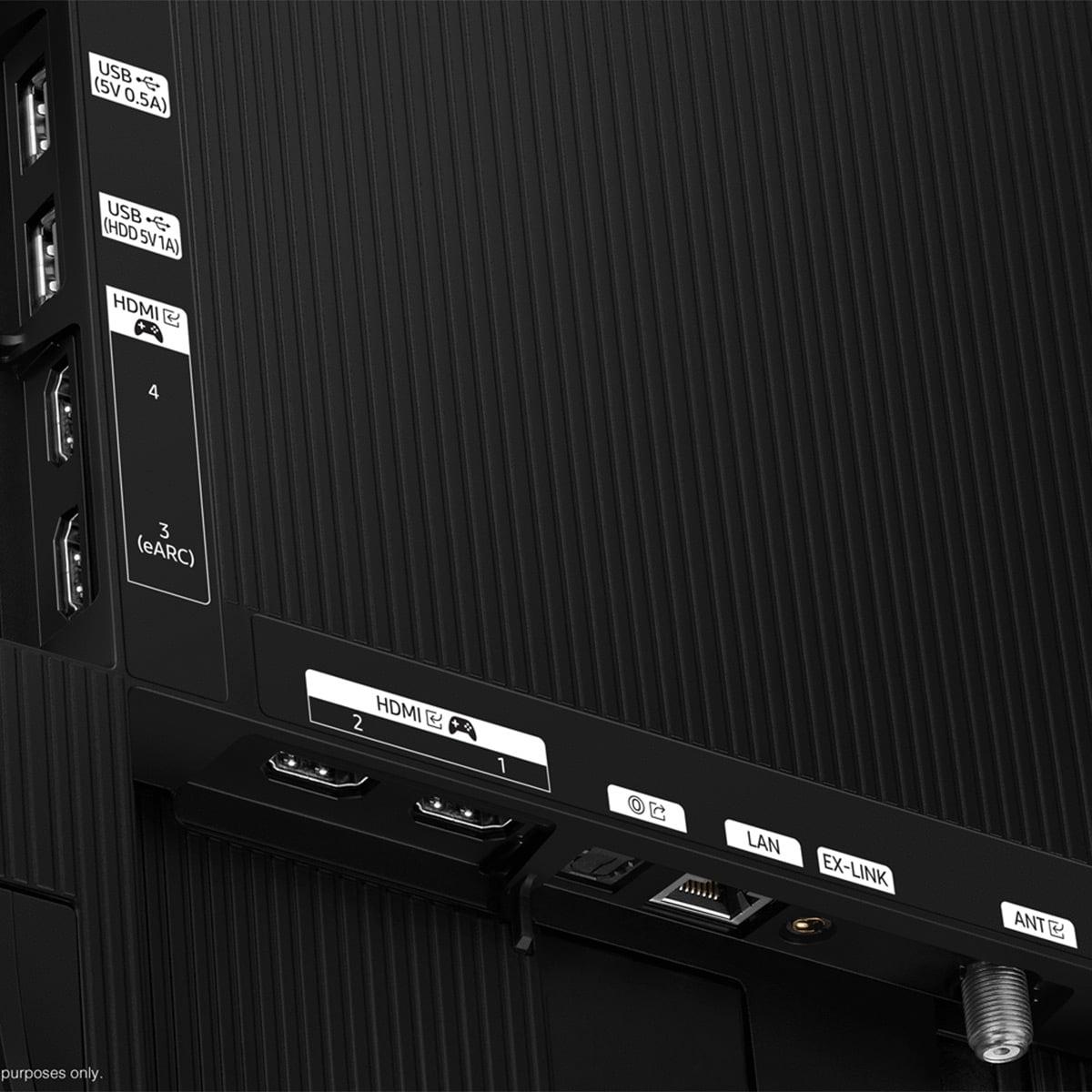
Both TVs include four HDMI 2.1 ports and two USB ports. The LG QNED92A features Wi-Fi 6E and Bluetooth 5.3, plus the unique Zero Connect Box for wireless video transmission. The Samsung S85F includes Wi-Fi 5 and Bluetooth 5.3, with built-in SmartThings Hub functionality for smart home control.
We've done our best to create useful and informative comparisons to help you decide what product to buy. Our research uses advanced automated methods to create this comparison and perfection is not possible - please contact us for corrections or questions. These are the sites we've researched in the creation of this article: stereoindex.com - youtube.com - youtube.com - digitaltrends.com - abt.com - lg.com - youtube.com - ecoustics.com - hometheaterforum.com - lg.com - valueelectronics.com - listenup.com - pcrichard.com - furnitureconnectionnd.com - avnirvana.com - files.bbystatic.com - lg.com - lgnewsroom.com - techradar.com - bestbuy.com - bestbuy.com - youtube.com - youtube.com - rtings.com - samsung.com - youtube.com - rtings.com - youtube.com - samsung.com - bestbuy.com - avsforum.com - avsforum.com - samsung.com - displayspecifications.com - videoandaudiocenter.com - bestbuy.com - flatpanelshd.com - myallsouth.com - samsung.com - richstv.com - samsung.com - heartlandappliance.com

Privacy Policy
Terms and Conditions - Affiliate Policy
Home Security
© Copyright 2008-2026.
11816 Inwood Rd #1211, Dallas, TX 75244