

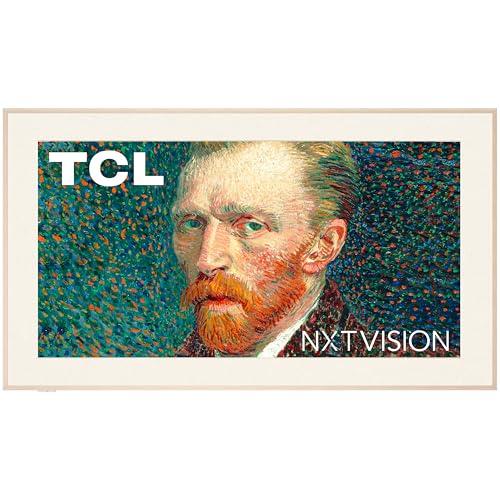



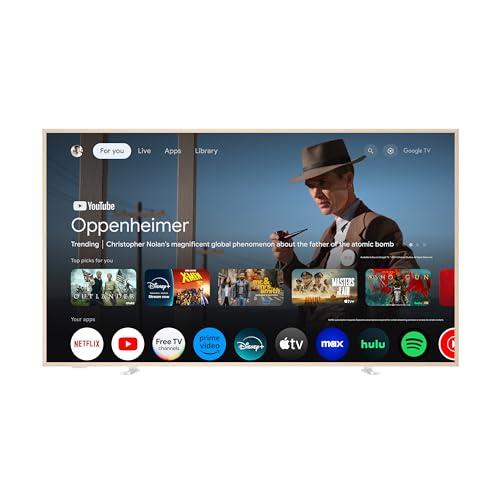
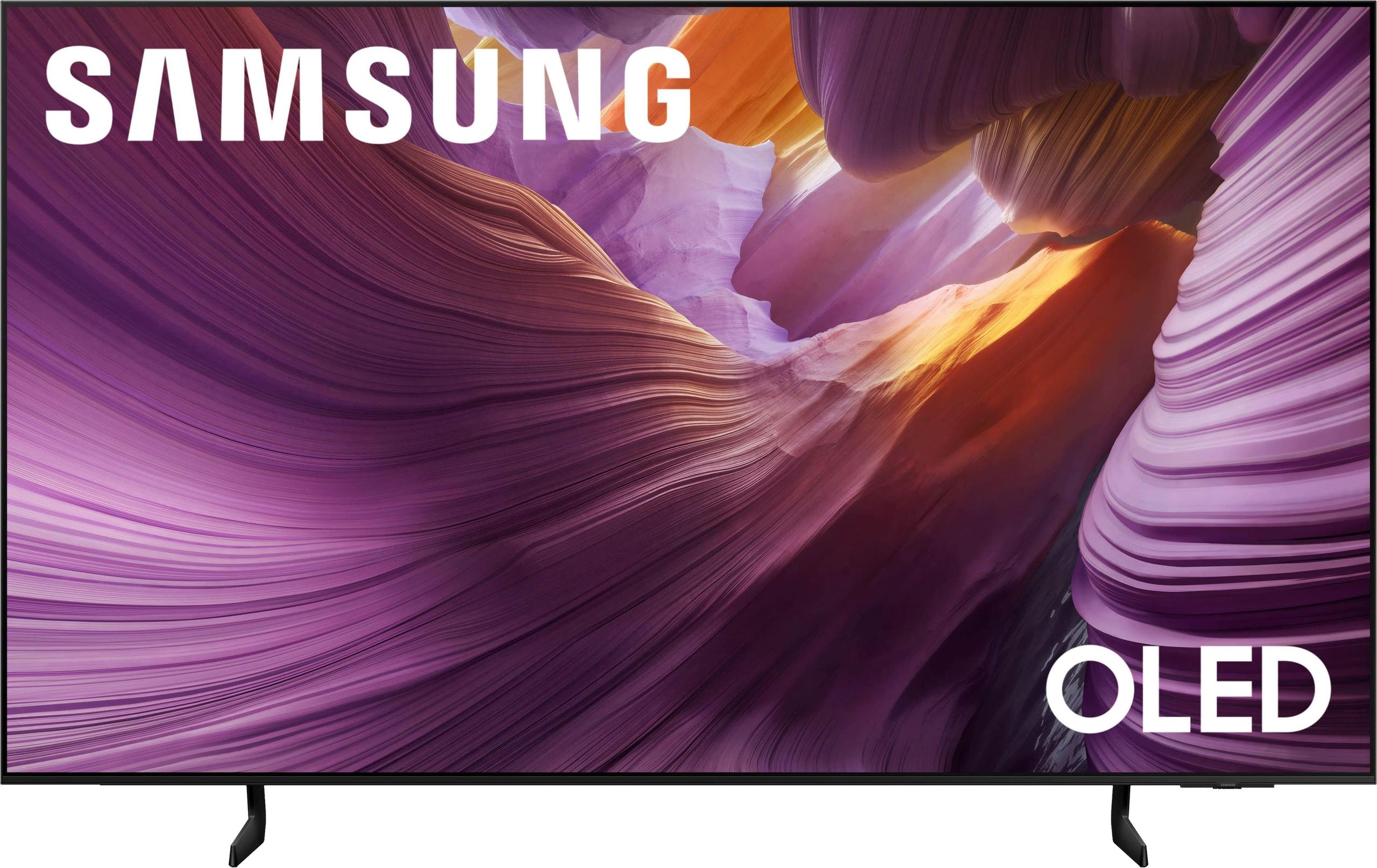
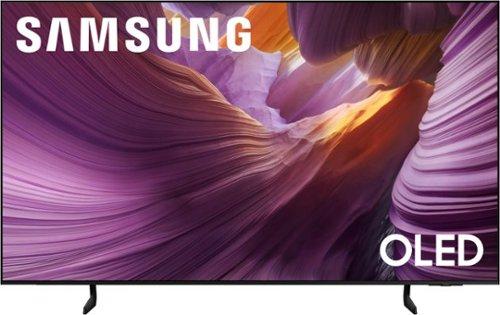
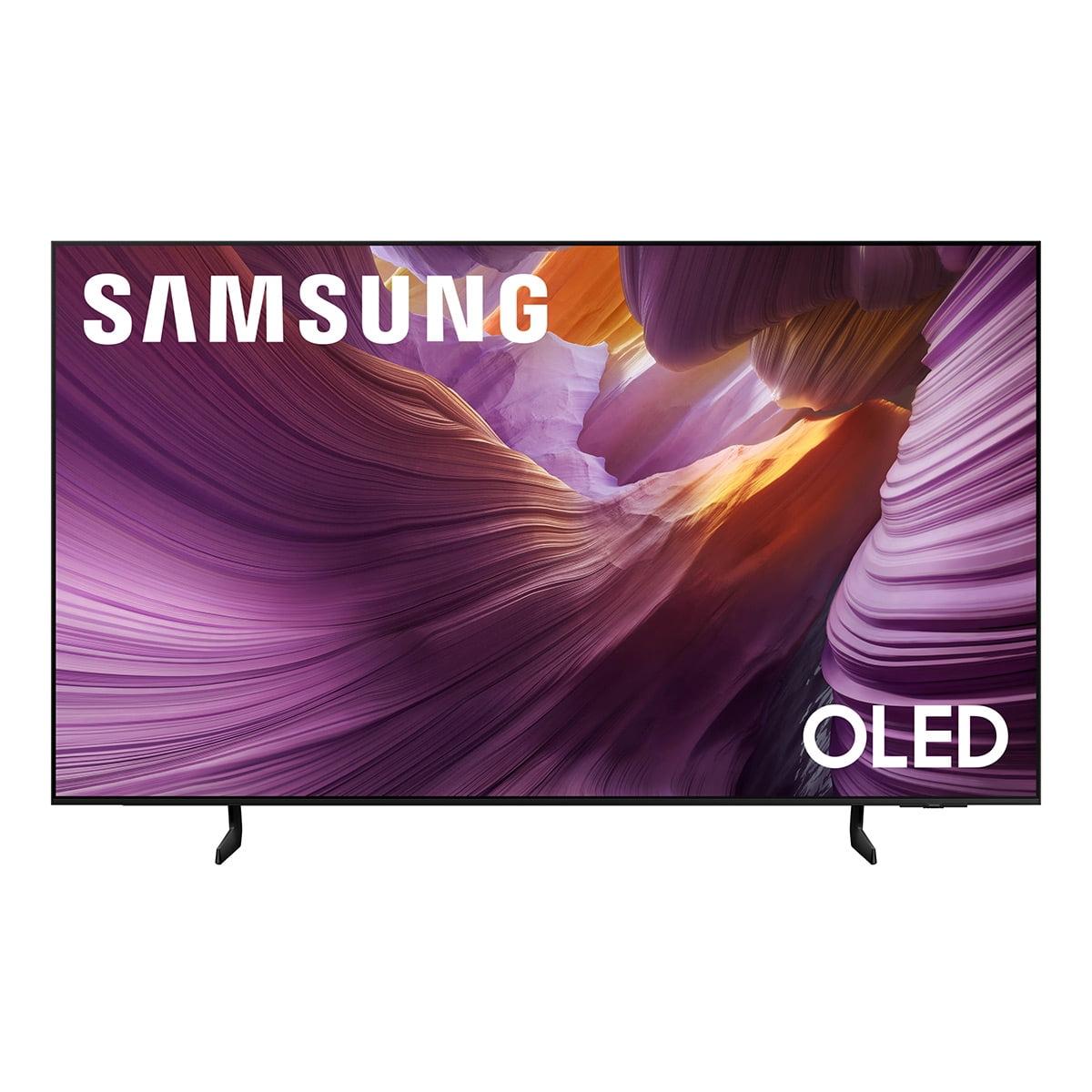

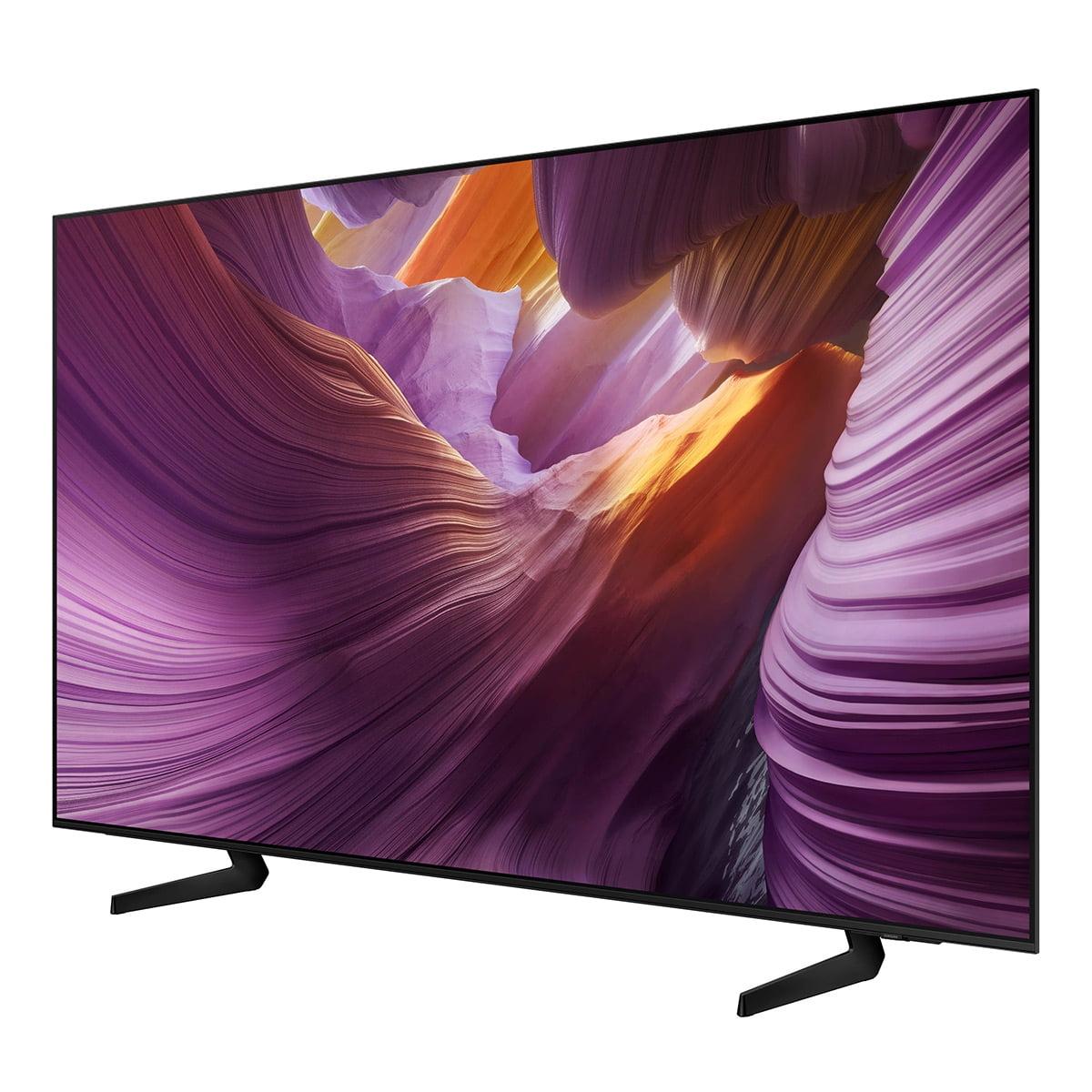
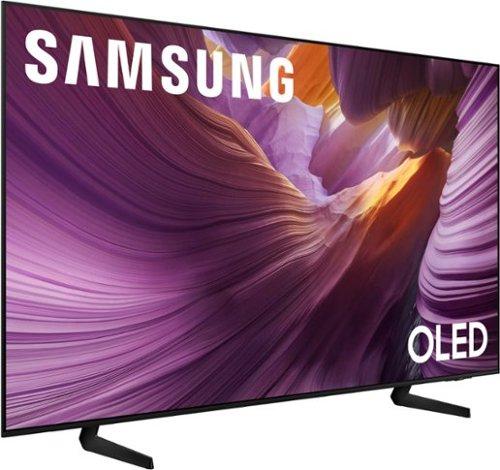
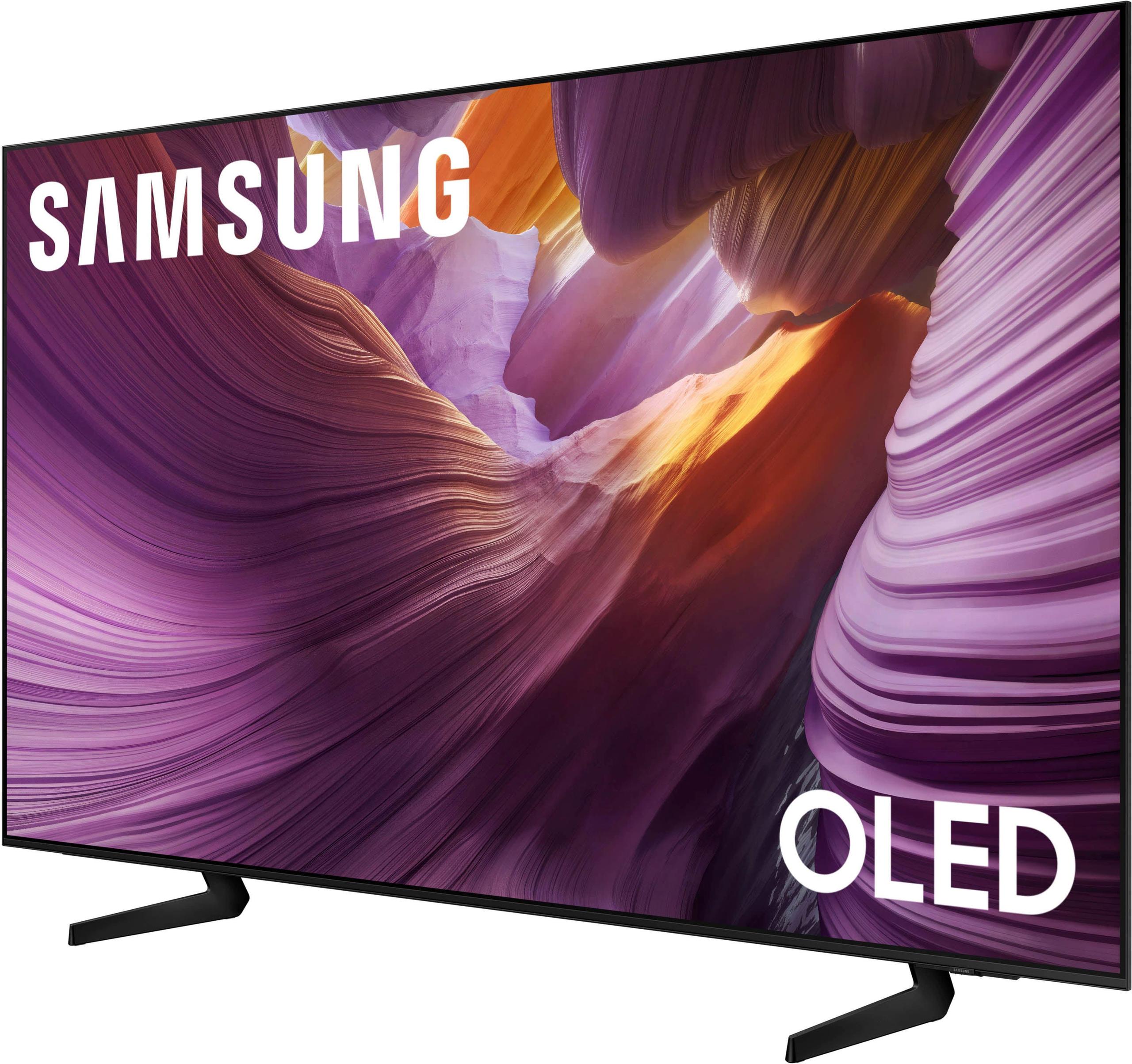
The television market has evolved into something fascinating—we're no longer just choosing between different screen sizes or picture quality levels. Today's TVs serve wildly different purposes, and two products perfectly illustrate this divide: the TCL 65" NXTVISION QLED 4K Art Frame TV and the Samsung 65" S85F OLED 4K Smart TV. One wants to disappear into your living room as artwork, while the other aims to deliver the best possible viewing experience. Understanding which approach fits your lifestyle is crucial to making the right choice.
Art frame TVs like the TCL NXTVISION represent a relatively new category that emerged around 2017 when Samsung introduced The Frame. These displays prioritize room aesthetics, functioning as digital art galleries when you're not binge-watching Netflix. Premium OLEDs like the Samsung S85F, released in 2025, focus purely on picture performance through self-illuminating pixel technology that creates perfect blacks and vibrant colors.
The fundamental question isn't which TV is "better"—it's which approach matches your priorities. Do you want a TV that blends seamlessly into your décor, or one that delivers cinema-quality visuals? This choice affects everything from where you'll place the TV to how much you'll enjoy different types of content.
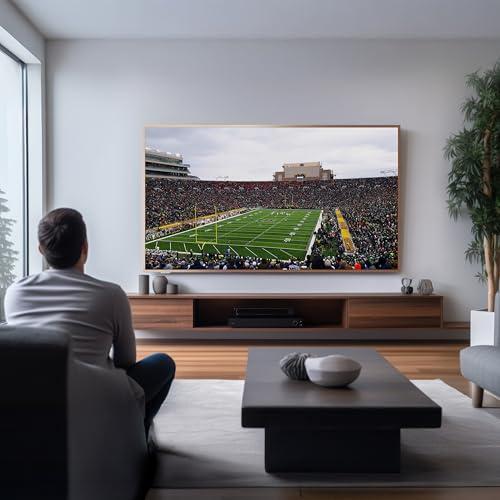
Room lighting plays a massive role here. Art frame TVs excel in bright living spaces where traditional TVs struggle with reflections, while premium OLEDs shine brightest in dim, controlled environments where their contrast advantages become obvious.
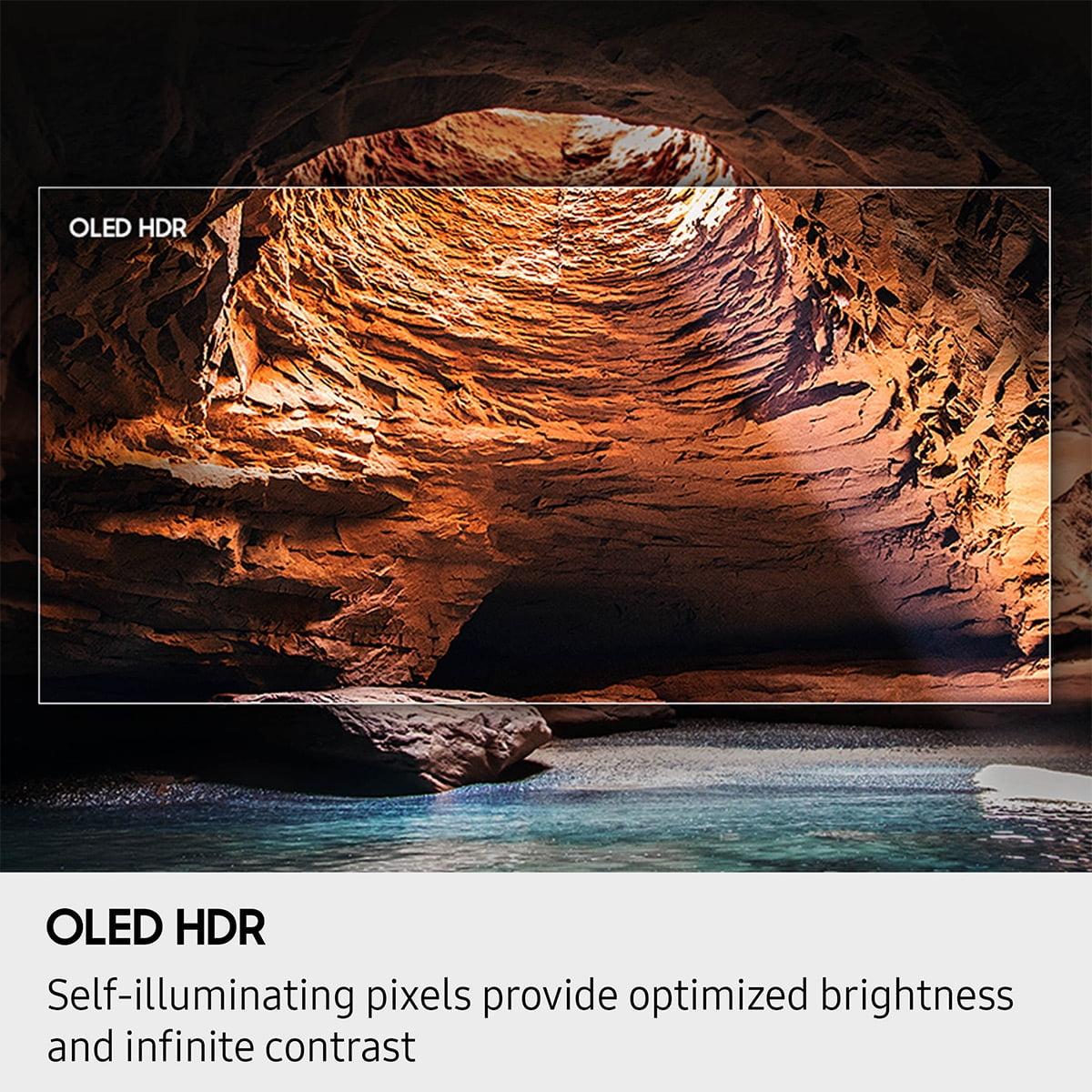
The most significant performance difference lies in how these displays create dark scenes. The Samsung S85F uses QD-OLED technology, where each pixel generates its own light and can turn completely off to create perfect blacks. When you're watching a space movie with stars against the void, those black areas are truly black—not grayish like on most TVs.
The TCL NXTVISION uses traditional LCD technology with edge-lit LED backlighting. This means LEDs around the screen's perimeter provide all the light, which then gets filtered through liquid crystals to create the image. The problem? Those LEDs can't turn off completely, so dark scenes always have a grayish tint. It's the difference between looking into a cave at night versus looking at a cave painting under dim lighting.
For home theater enthusiasts, this contrast difference is huge. Movies shot with dramatic lighting—think blade runner or any Christopher Nolan film—lose their visual impact when blacks appear gray. The Samsung delivers that pure, inky darkness that makes bright elements pop dramatically.
HDR (High Dynamic Range) makes colors more vibrant and provides greater detail in both bright and dark areas of the image. Here's where things get interesting: the Samsung S85F reaches around 800 nits of peak brightness, which sounds modest but creates stunning HDR thanks to its perfect blacks. It's like having a flashlight in a pitch-black room—even moderate brightness appears incredibly vivid against true darkness.
The TCL NXTVISION doesn't specify exact brightness numbers, but its "High Brightness+" LED system is designed for daytime viewing. However, without local dimming (the ability to dim specific screen areas), its HDR impact is limited. Bright scenes can look impressive, but you lose the dramatic contrast that makes HDR special.
But here's a critical consideration: the TCL supports Dolby Vision, the premium HDR format used by Netflix, Disney+, Apple TV+, and most 4K Blu-rays. Samsung TVs, including the S85F, stubbornly refuse to support Dolby Vision, offering only HDR10 and HDR10+. This means you're missing out on the best possible version of many movies and shows when using the Samsung.
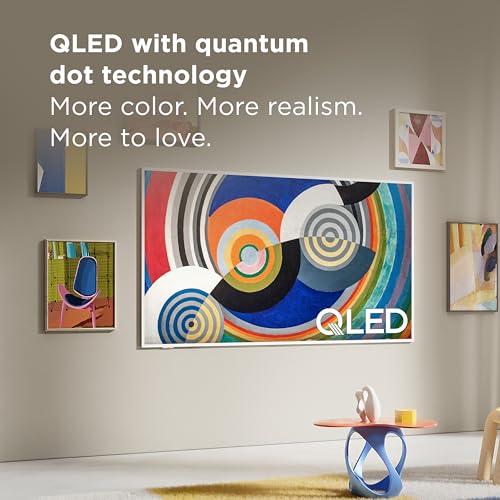
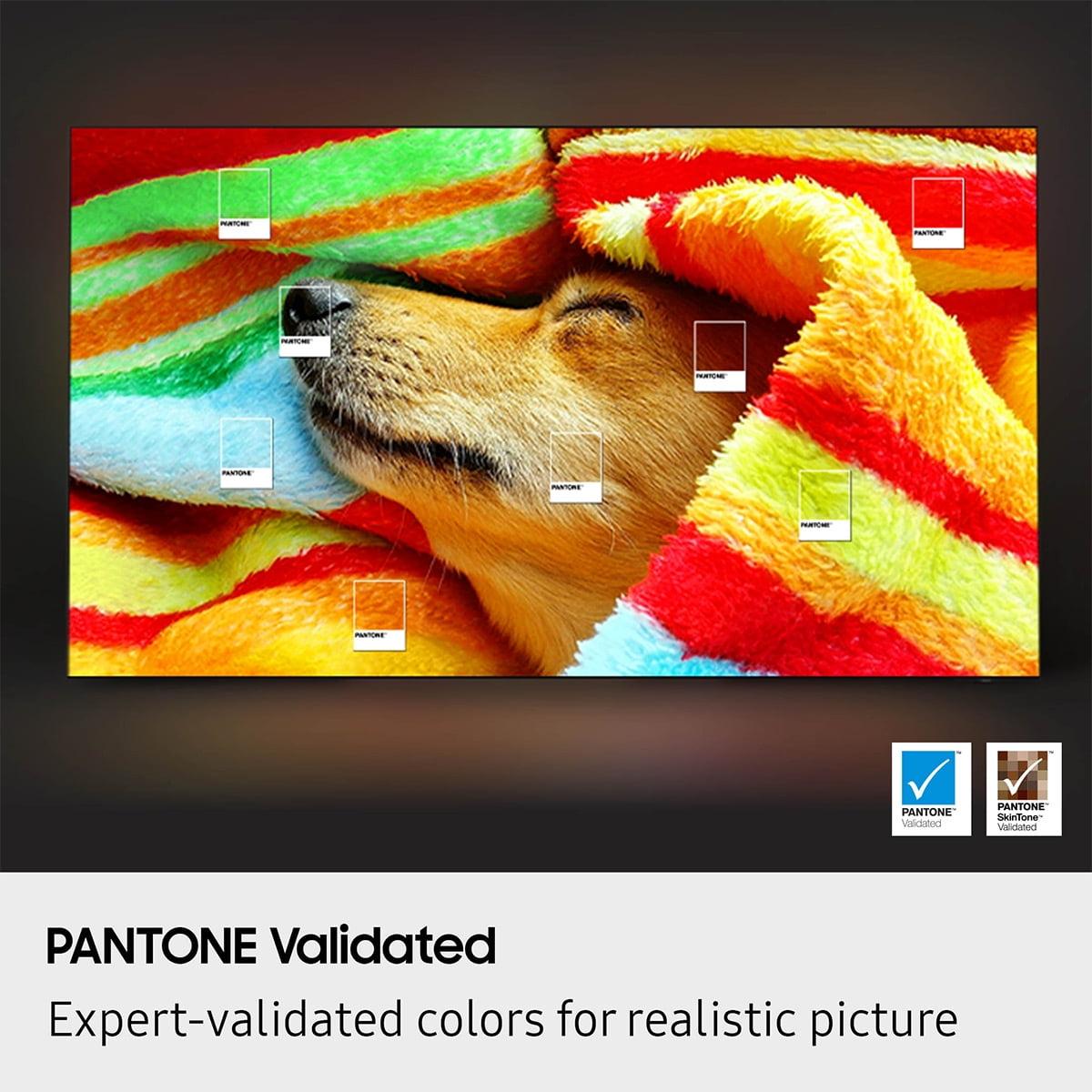
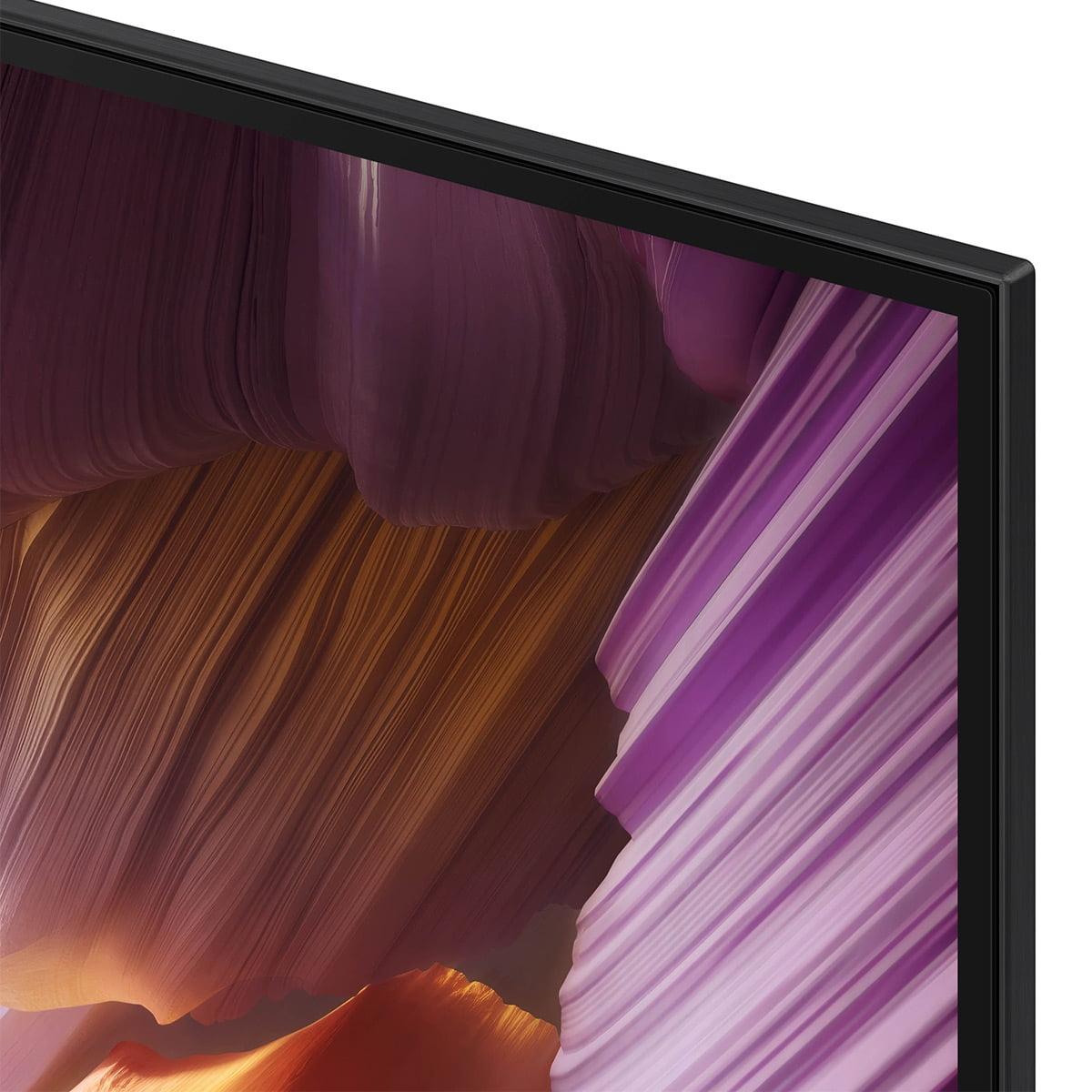
Both TVs use quantum dot technology—microscopic particles that enhance color purity and create wider color ranges than traditional displays. The Samsung's QD-OLED panel combines this with OLED's inherent advantages, delivering colors that are both vibrant and accurate. It's Pantone validated, meaning it reproduces over 2,000 standardized colors correctly.
The TCL also uses quantum dots, but reviews consistently note poor color accuracy despite vibrant output. Colors might look punchy and impressive in the store, but they're not necessarily correct. For casual viewing this might not matter, but it becomes noticeable when watching professionally shot content or using the TV for photo editing.
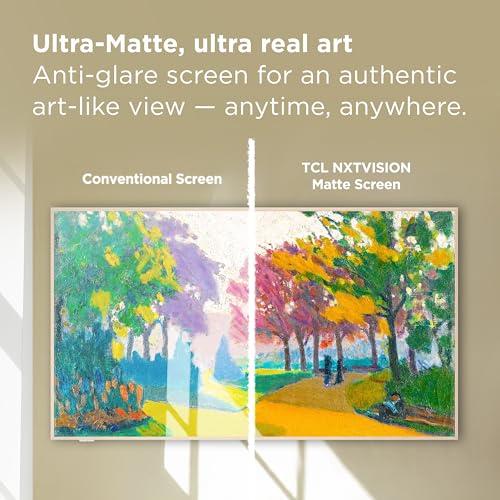
The TCL NXTVISION's matte anti-glare screen deserves special attention because it solves a major problem with traditional TVs. Most displays, including the Samsung, use glossy screens that act like mirrors in bright rooms. The TCL's matte coating scatters reflections, making it usable even with windows directly behind your seating area.
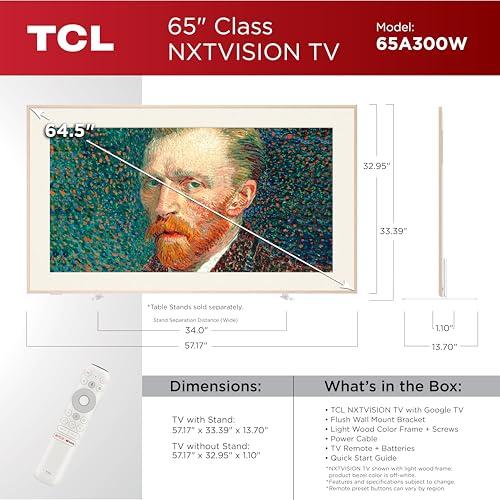
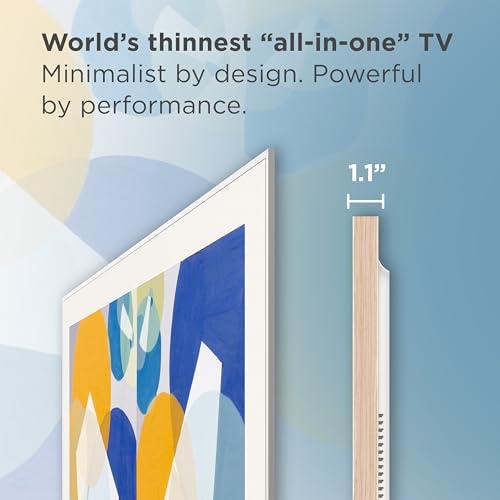
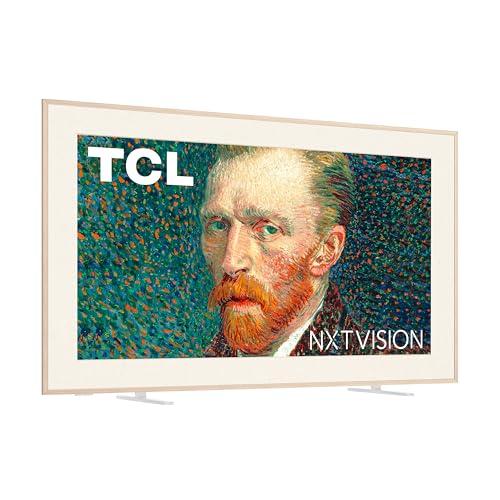
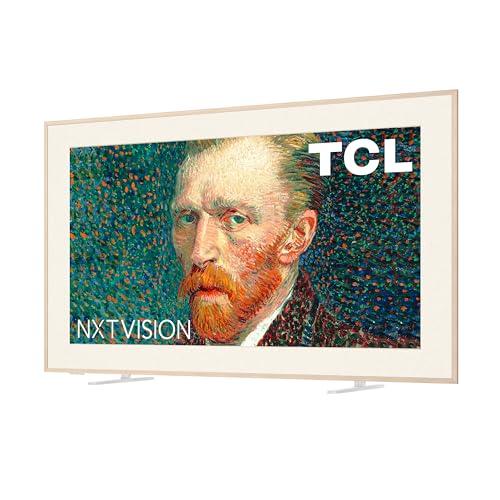
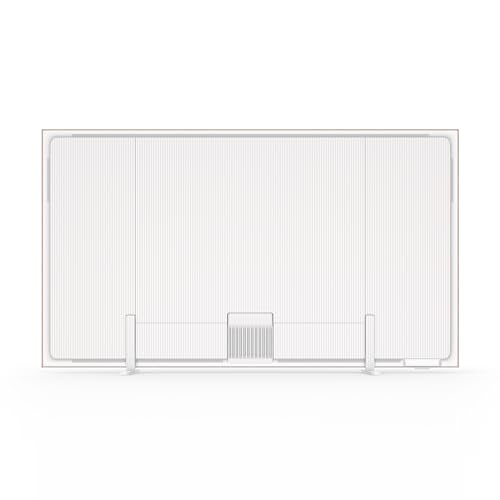
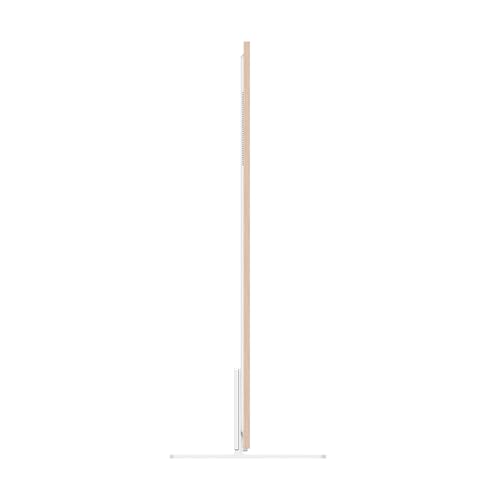
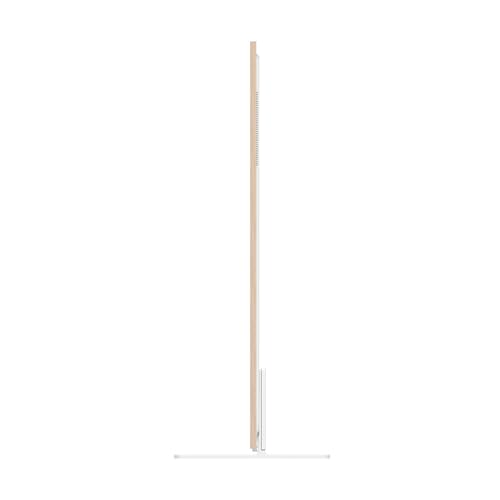
This isn't just about reducing glare—it fundamentally changes how the TV integrates into your space. Art looks natural on a matte surface, mimicking real canvas or paper. Combined with the TV's ultra-slim 1.1-inch depth, it genuinely resembles a framed painting when displaying artwork.
The tradeoff is slightly reduced color vibrancy and sharpness compared to glossy screens, but for bright room viewing, this exchange is often worthwhile.
Gaming has become a crucial TV consideration, especially with PlayStation 5 and Xbox Series X pushing 4K at high refresh rates. Both TVs offer compelling gaming features, but with different strengths.
The TCL NXTVISION technically supports higher refresh rates—4K at 144Hz and 1080p at an impressive 240Hz. These numbers look great on paper and could benefit high-end PC gaming. Variable refresh rate technology syncs the TV's refresh with your gaming device's output, eliminating screen tearing and stuttering.
However, there's a significant catch with the TCL: you must choose between 4:4:4 chroma (which ensures sharp text and UI elements) and VRR support. You can't have both simultaneously, forcing an awkward compromise between visual clarity and smooth gaming.
The Samsung S85F supports 4K at 120Hz, which is lower than the TCL's maximum but adequate for all current gaming consoles. More importantly, it supports both AMD FreeSync Premium and Nvidia G-Sync, making it compatible with any gaming setup. All four HDMI ports support the full HDMI 2.1 specification, while the TCL only provides two HDMI 2.1 ports.
Response time measures how quickly pixels can change from one color to another—crucial for fast-moving gaming content. OLED technology inherently provides nearly instantaneous response times, while LCD panels like the one in the TCL are slower. Reviews note the TCL has "quite slow" pixel transitions, causing motion blur during fast action sequences.
Input lag—the delay between pressing a button and seeing the result on screen—is low on both TVs when gaming mode is enabled. However, the Samsung's OLED advantage in response times makes it feel more immediate and responsive during competitive gaming.
The Samsung includes Gaming Hub, which provides access to cloud gaming services like Xbox Game Pass and Nvidia GeForce Now without needing a console. It also offers features like Dynamic Black EQ (which brightens dark areas to spot hidden enemies) and Ultra Wide Game View for supported games.
The TCL focuses on raw specifications rather than ecosystem features, though it does support AMD FreeSync Premium for tear-free gaming with compatible graphics cards.
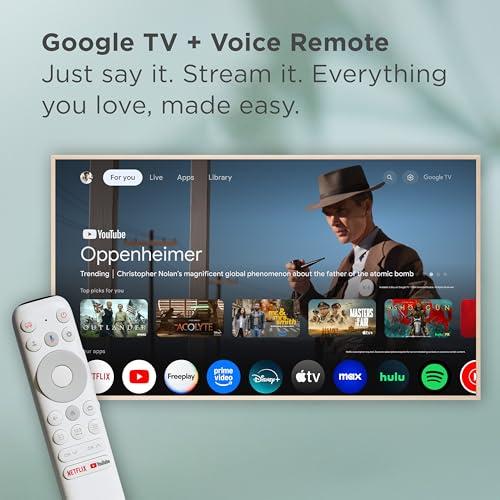
The TCL NXTVISION runs Google TV, which feels familiar if you've used any Android device. It integrates seamlessly with Google services, offers extensive app compatibility, and includes built-in Chromecast for easy phone-to-TV casting. The interface is clean and focuses on content discovery across all your streaming services.
The Samsung S85F uses Tizen OS 9.0, Samsung's proprietary smart TV platform. While less familiar than Google TV, it offers sophisticated AI-powered features like adaptive picture and sound optimization based on room conditions and content type. The 2025 version includes far-field voice interaction, meaning you can speak to the TV from across the room without using the remote.
Both TVs include 20W speaker systems with Dolby Atmos support—decent for their size but not impressive by home theater standards. However, there's a crucial difference in audio passthrough capabilities that affects how they work with soundbars and receivers.
The TCL supports both Dolby and DTS audio formats, including DTS:X for immersive surround sound. This matters enormously if you collect 4K Blu-rays, as many use DTS audio tracks. The TV can pass these signals unchanged to your sound system.
The Samsung, like all Samsung TVs, completely ignores DTS audio formats. If your Blu-ray uses DTS, the TV simply won't output audio to your soundbar or receiver. This is a dealbreaker for serious home theater enthusiasts who want to play their entire disc collection without issues.
The TCL NXTVISION isn't just a TV that can display pictures—it's designed from the ground up as a dual-purpose device. The included art library contains over 400 professionally curated artworks, plus AI-generated art capabilities and personal photo gallery modes. You can customize the matting, frame style, and even generate entirely new artwork using AI.
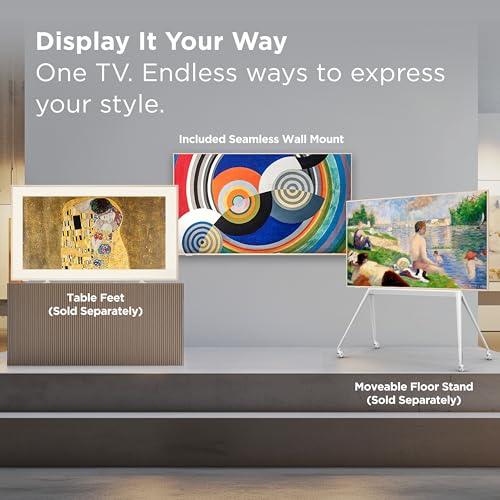
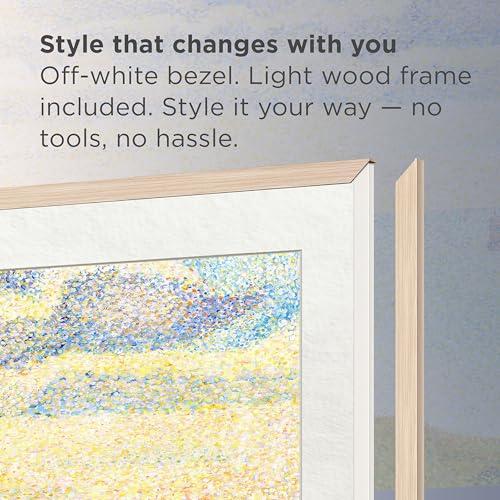
When displaying art, the TV's matte screen and ultra-slim profile create a convincing illusion of a real framed piece. The magnetic wooden frame can be swapped to match your décor, and the proprietary flush wall mount eliminates the gap between TV and wall that breaks the artwork illusion.
This functionality extends beyond aesthetics. In a bedroom or office, having a TV that doubles as decorative art means it never looks out of place, even when off. It's particularly valuable in spaces where a traditional black rectangle would seem intrusive.
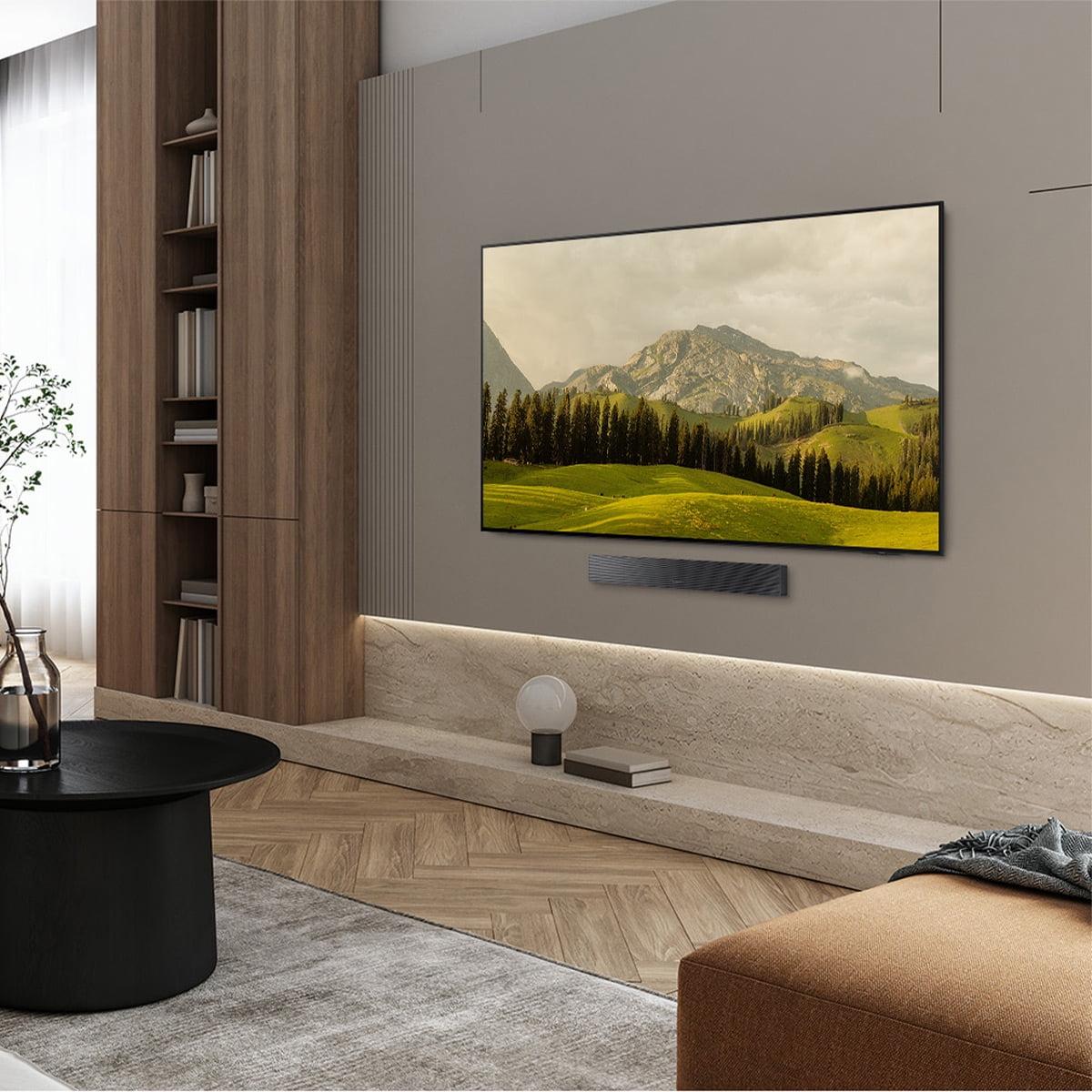
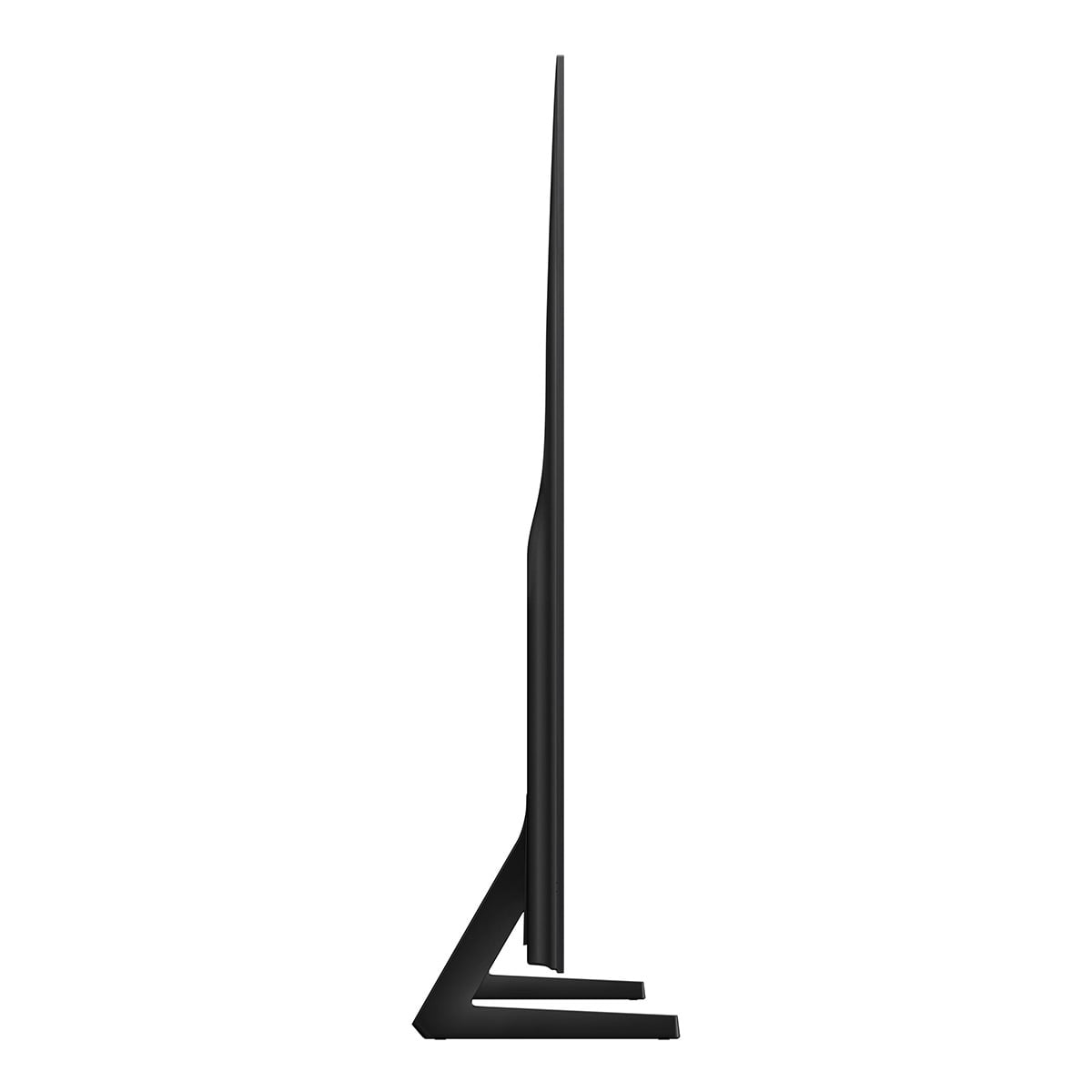
The Samsung S85F follows conventional TV design with adjustable plastic feet and standard mounting options. It's attractive in a minimalist way, but when turned off, it looks like what it is—a blank TV screen. The focus is entirely on performance when active rather than integration when idle.
For dedicated home theaters or media rooms, this approach makes perfect sense. You want the TV to disappear into the dark room when watching movies, not serve as room décor.
At the time of writing, these TVs compete in similar price ranges, but they deliver value in completely different ways. The Samsung S85F represents exceptional value for OLED technology, offering picture quality that would have cost significantly more just a few years ago. You're paying for cutting-edge display technology at entry-level OLED pricing.
The TCL NXTVISION commands a lifestyle premium—you're paying extra for art frame functionality, premium design, and dual-purpose capability rather than ultimate picture performance. Whether this represents good value depends entirely on how much you value these unique features.
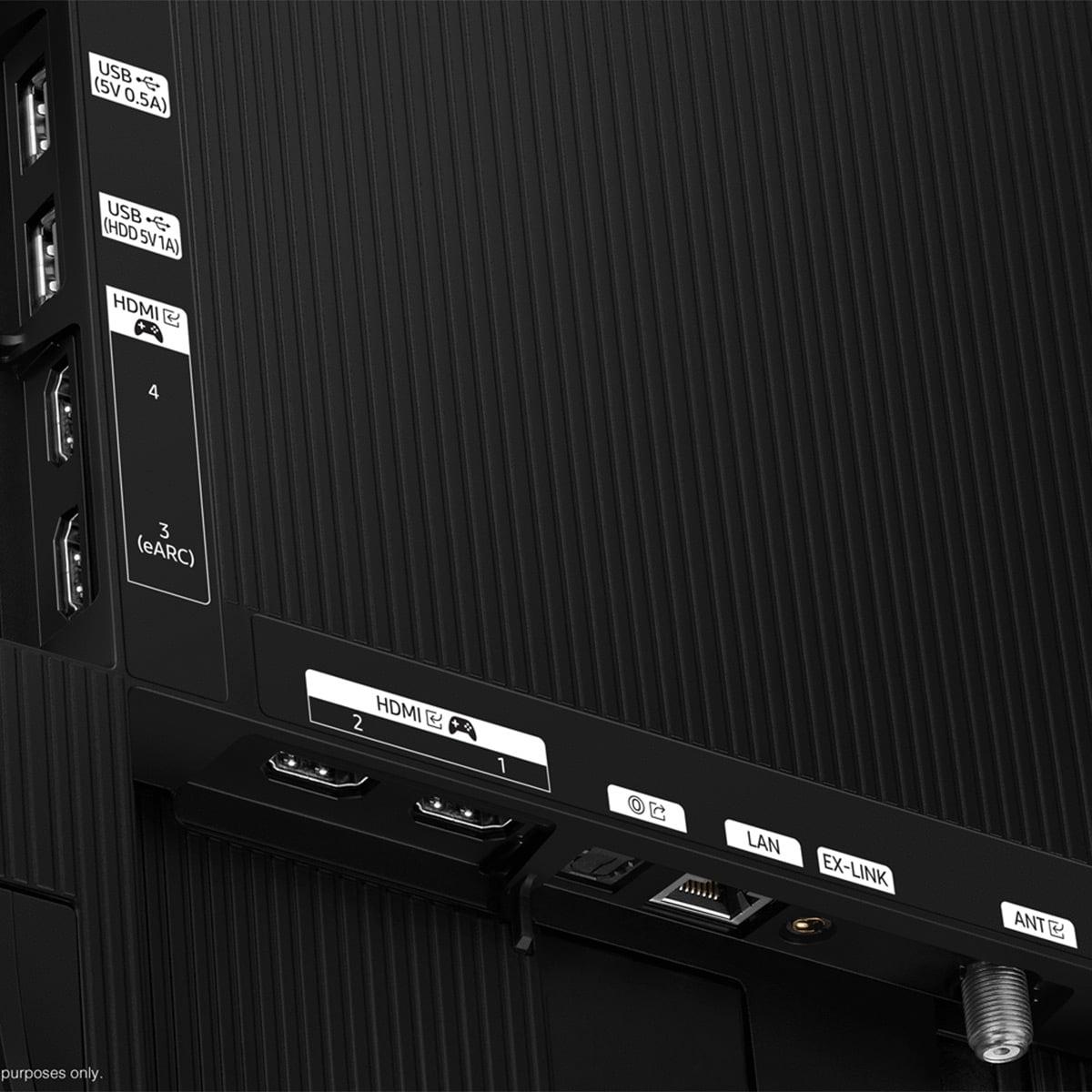
The Samsung provides better connectivity for expanding entertainment systems with four HDMI 2.1 ports versus the TCL's two. This matters if you plan to connect multiple gaming consoles, streaming devices, or sound systems that need high bandwidth connections.
However, the TCL's support for Dolby Vision provides better future-proofing for content compatibility, as more streaming services and disc releases adopt this premium HDR format.
For dedicated home theater use, the Samsung S85F is clearly superior. Its perfect blacks create the dramatic contrast that makes movies visually stunning in dark rooms. The faster pixel response reduces motion blur during action sequences, and the glossy screen maximizes color vibrancy when reflections aren't an issue.
The DTS audio limitation is problematic for serious movie collectors, but if you primarily stream content or use discs with Dolby audio tracks, it's manageable. The TV's AI-powered picture optimization helps different content types look their best automatically.
The TCL NXTVISION isn't ideal for home theater use. Its edge-lit backlighting and slower response times detract from the cinematic experience, and the matte screen reduces color vibrancy in dark environments where reflections aren't an issue anyway.
Choose the TCL NXTVISION if:
Choose the Samsung S85F OLED if:
These TVs represent fundamentally different philosophies about what a modern display should do. The TCL NXTVISION reimagines the TV as a piece of smart furniture that happens to show great pictures. The Samsung S85F focuses purely on delivering exceptional visual experiences when you're actively watching.
Neither approach is inherently better—they serve different needs and lifestyles. The key is understanding which set of compromises aligns with your priorities. If you want a TV that enhances your room's aesthetics while providing solid performance in bright conditions, the TCL's unique capabilities justify its lifestyle premium. If you want the best possible picture quality with excellent gaming features, the Samsung delivers flagship display technology at a surprisingly accessible price point.
The decision ultimately comes down to how you use your living space and what you value most in a display. Both TVs excel at their intended purposes—just make sure you're choosing the one that matches your actual needs rather than impressive specifications on paper.
| TCL 65" NXTVISION QLED 4K Art Frame TV | Samsung 65" S85F OLED 4K Smart TV |
|---|---|
| Display Technology - Fundamental difference in how blacks and contrast are produced | |
| QLED with Edge-Lit LED (cannot achieve true blacks) | QD-OLED with Self-Illuminating Pixels (perfect blacks, infinite contrast) |
| Screen Finish - Critical for bright room viewing and glare reduction | |
| Ultra Matte Anti-Glare (excellent for bright rooms, canvas-like art display) | Standard Glossy OLED (shows reflections but maximizes color vibrancy) |
| HDR Format Support - Affects compatibility with premium streaming content | |
| Dolby Vision IQ, HDR10+, HDR10, HLG (full Netflix/Disney+ compatibility) | HDR10+, HDR10, HLG only (no Dolby Vision support) |
| Peak Brightness - Important for HDR impact and daytime viewing | |
| High Brightness+ LED (unspecified, designed for bright rooms) | 777-818 nits (moderate for OLED, exceptional contrast due to perfect blacks) |
| Gaming Refresh Rates - Higher numbers benefit PC gaming and future consoles | |
| 4K @ 144Hz, 1080p @ 240Hz (cannot use 4:4:4 chroma with VRR simultaneously) | 4K @ 120Hz (adequate for all current consoles, supports both chroma and VRR) |
| HDMI 2.1 Ports - Essential for multiple next-gen gaming devices | |
| 2 out of 4 ports (limits connectivity for serious gaming setups) | All 4 ports with full 48Gbps bandwidth (maximum flexibility) |
| VRR Gaming Support - Eliminates screen tearing and stuttering | |
| AMD FreeSync Premium only | AMD FreeSync Premium + Nvidia G-Sync (universal compatibility) |
| Art Frame Features - Unique lifestyle integration when TV is off | |
| 400+ curated artworks, AI art generation, magnetic wood frame, flush mount | None (traditional TV design focused on performance when active) |
| Design Depth - Affects wall mounting aesthetics and room integration | |
| Ultra-slim 1.1 inches (world's thinnest all-in-one art TV) | Standard TV depth with adjustable feet |
| Audio Format Support - Critical for home theater and Blu-ray collections | |
| Dolby Atmos, DTS:X, Dolby Digital+ (full format compatibility) | Dolby Atmos only (no DTS support - problematic for many Blu-rays) |
| Smart TV Platform - Affects interface familiarity and app ecosystem | |
| Google TV with built-in Chromecast (familiar Android-based interface) | Tizen OS 9.0 with AI features (proprietary but sophisticated) |
| Voice Control - Convenience for hands-free operation | |
| Google Assistant via remote (standard voice control) | Far-field voice interaction (hands-free from across the room) |
| Motion Handling - Important for sports, action movies, and gaming | |
| Motion Rate 480 with MEMC (reviews note slow pixel response, motion blur) | OLED inherent fast response (nearly instantaneous pixel transitions) |
| Color Accuracy - Matters for professional content and photo viewing | |
| Quantum dots with poor overall accuracy (vibrant but not precise colors) | QD-OLED with Pantone validation (2,000+ accurate standardized colors) |
The Samsung 65" S85F OLED delivers superior picture quality with perfect blacks, infinite contrast, and accurate colors thanks to its QD-OLED technology. The TCL 65" NXTVISION uses edge-lit LED backlighting that cannot achieve true blacks, making dark scenes appear grayish. However, the TCL NXTVISION supports Dolby Vision HDR format, which the Samsung does not, giving it an advantage for Netflix and Disney+ content.
The TCL 65" NXTVISION QLED 4K Art Frame TV is specifically designed for bright rooms with its ultra-matte anti-glare screen that significantly reduces reflections. The Samsung S85F OLED uses a glossy screen that acts like a mirror in bright lighting, making it better suited for dim or controlled lighting environments where its OLED advantages can shine.
The fundamental difference is their purpose: the TCL NXTVISION is designed as both a TV and digital art display that blends into your décor when not in use, while the Samsung S85F OLED focuses purely on delivering the best possible picture quality when actively watching content. One prioritizes lifestyle integration, the other prioritizes performance.
The Samsung 65" S85F OLED offers better gaming performance with four HDMI 2.1 ports, support for both AMD and Nvidia VRR technologies, and nearly instantaneous OLED response times. The TCL NXTVISION technically supports higher refresh rates (144Hz vs 120Hz) but has slower response times and forces you to choose between sharp text display and smooth VRR gaming.
Only the TCL 65" NXTVISION QLED 4K Art Frame TV is designed for art display, featuring over 400 curated artworks, AI art generation, and a matte screen that mimics real canvas. It includes a magnetic wood frame and flush wall mount for a gallery appearance. The Samsung S85F is a traditional TV without any art display features.
The Samsung 65" S85F OLED is superior for home theater use due to its perfect blacks, exceptional contrast, and faster response times that enhance movie viewing in dark rooms. However, it doesn't support DTS audio formats commonly found on Blu-rays. The TCL NXTVISION supports all audio formats but lacks the contrast performance needed for optimal home theater viewing.
The TCL NXTVISION runs Google TV with built-in Chromecast and familiar Android-based navigation. The Samsung S85F OLED uses Tizen OS 9.0 with advanced AI features like adaptive picture optimization and far-field voice control that works from across the room without using the remote.
The Samsung 65" S85F OLED provides superior connectivity with four HDMI 2.1 ports offering full 48Gbps bandwidth, ideal for multiple gaming consoles and high-end devices. The TCL NXTVISION only offers two HDMI 2.1 ports out of four total, which may limit connectivity for complex entertainment setups.
Both TVs feature 20W speakers with Dolby Atmos support, but there's a crucial difference in audio passthrough. The TCL 65" NXTVISION supports both Dolby and DTS audio formats essential for Blu-ray collections, while the Samsung S85F completely lacks DTS support, which can prevent audio playback on many disc titles.
Value depends on your priorities. The Samsung S85F OLED delivers premium OLED display technology at entry-level pricing, offering exceptional performance per dollar. The TCL NXTVISION commands a lifestyle premium for its unique art frame functionality—you're paying extra for dual-purpose capability rather than pure picture quality.
The TCL 65" NXTVISION QLED 4K Art Frame TV features an ultra-slim 1.1-inch depth with magnetic wood frames and flush wall mounting for a gallery appearance. The Samsung S85F OLED follows traditional TV design with adjustable feet and standard mounting options, focusing on performance rather than aesthetic integration when the TV is off.
Choose the TCL NXTVISION if your living room is bright, you want the TV to serve as décor when off, and you value the unique art display functionality. Select the Samsung S85F OLED if you prioritize the best possible picture quality, primarily watch in controlled lighting, and don't need art frame features—it delivers superior performance for pure entertainment purposes.
We've done our best to create useful and informative comparisons to help you decide what product to buy. Our research uses advanced automated methods to create this comparison and perfection is not possible - please contact us for corrections or questions. These are the sites we've researched in the creation of this article: rtings.com - tcl.com - bestbuy.com - tcl.com - bestbuy.com - tcl.com - youtube.com - rcwilley.com - businessinsider.com - bestbuy.com - target.com - youtube.com - support.tcl.com - nfm.com - woodruffappliance.com - flatpanelshd.com - tcl.com - rtings.com - samsung.com - youtube.com - rtings.com - youtube.com - samsung.com - bestbuy.com - avsforum.com - avsforum.com - samsung.com - displayspecifications.com - videoandaudiocenter.com - bestbuy.com - flatpanelshd.com - myallsouth.com - samsung.com - richstv.com - samsung.com - heartlandappliance.com

Privacy Policy
Terms and Conditions - Affiliate Policy
Home Security
© Copyright 2008-2026.
11816 Inwood Rd #1211, Dallas, TX 75244