

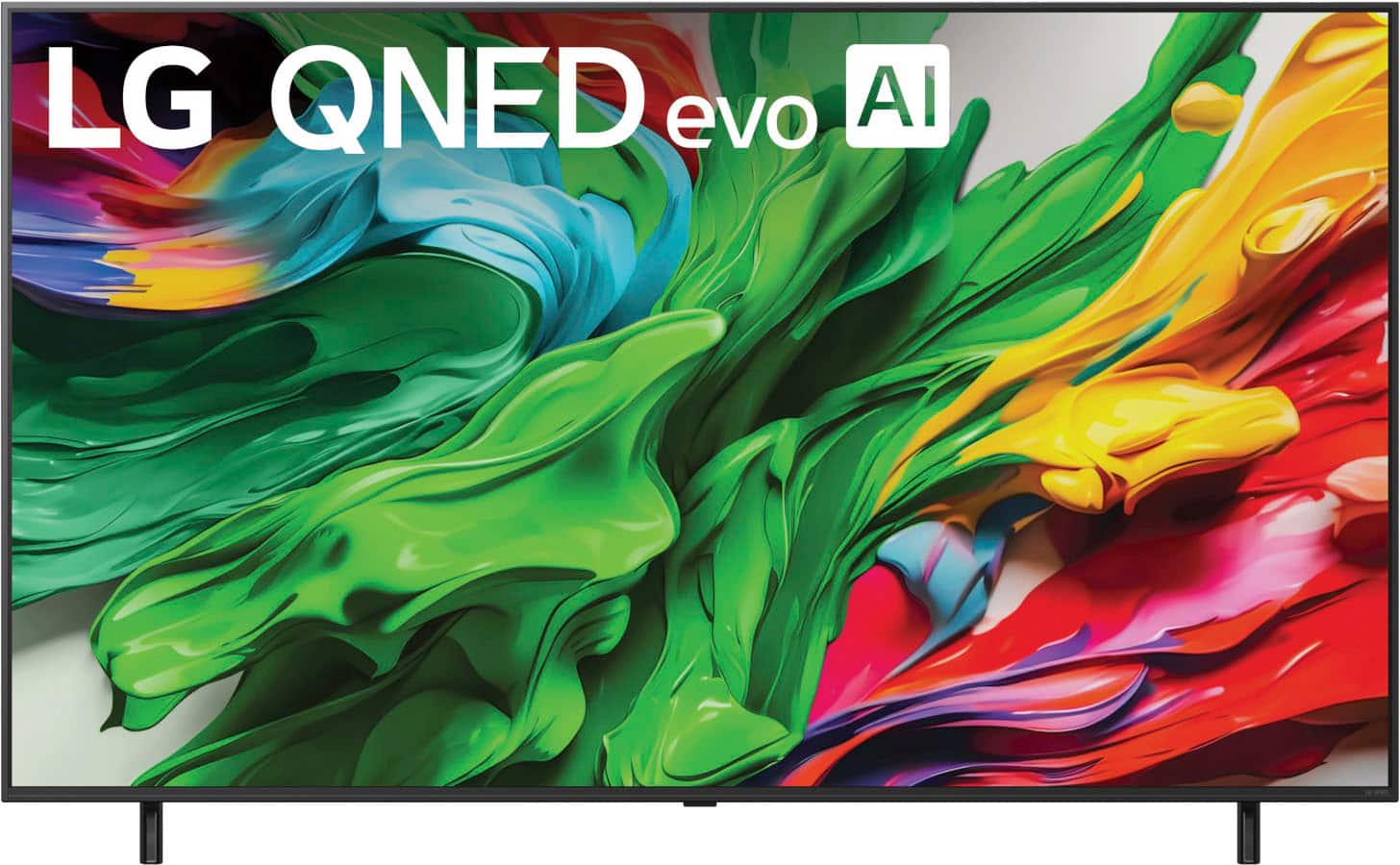
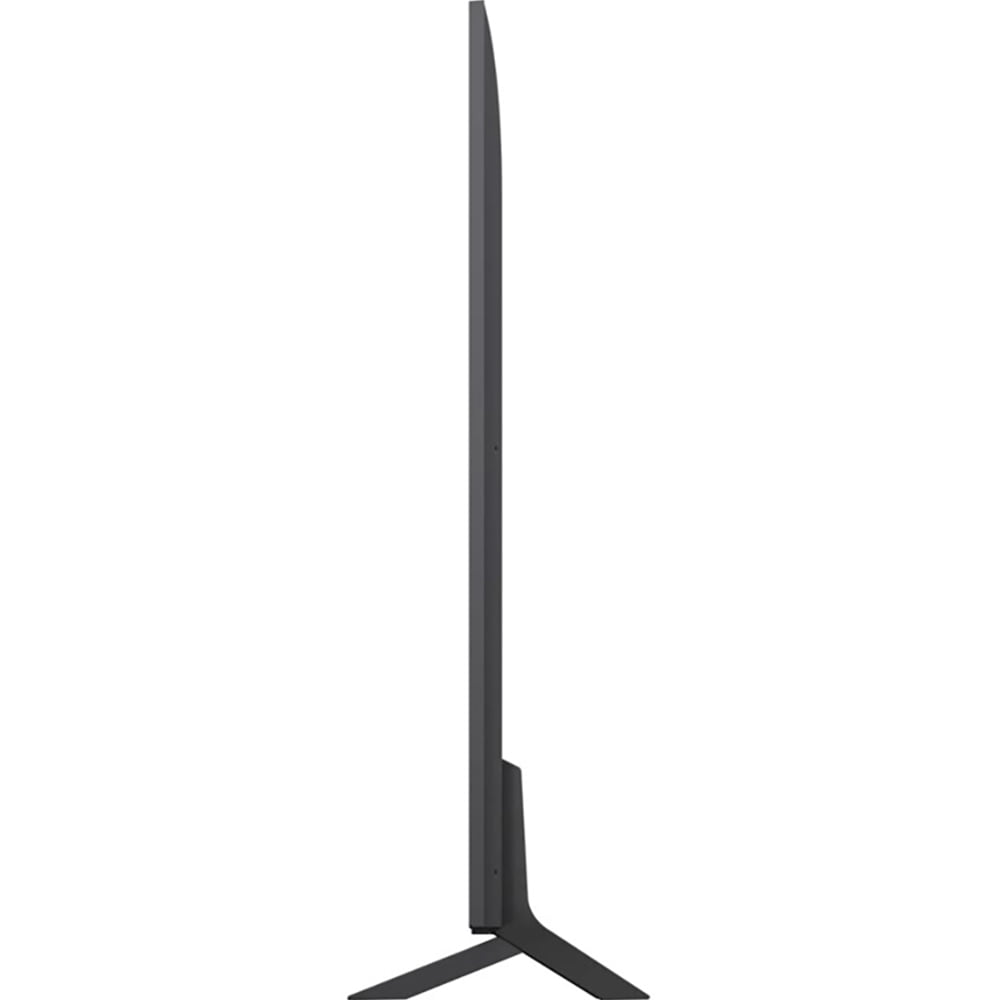
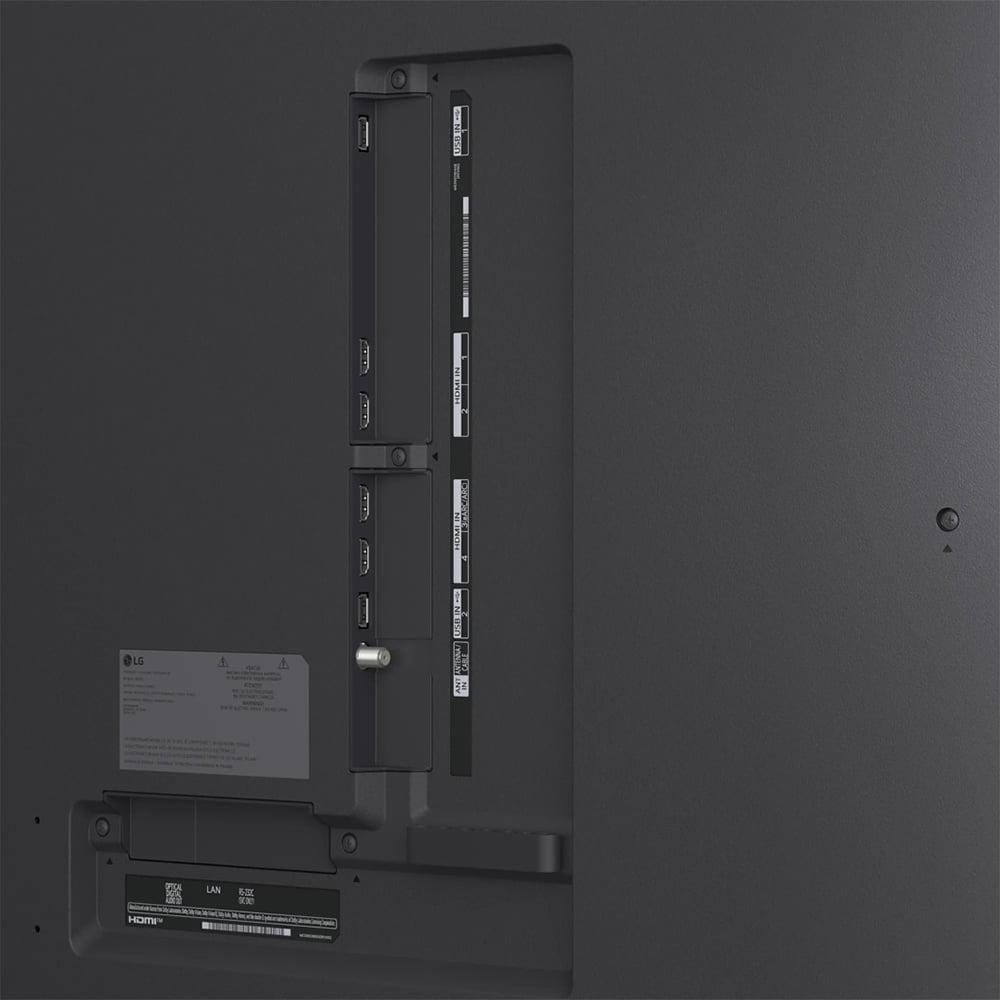
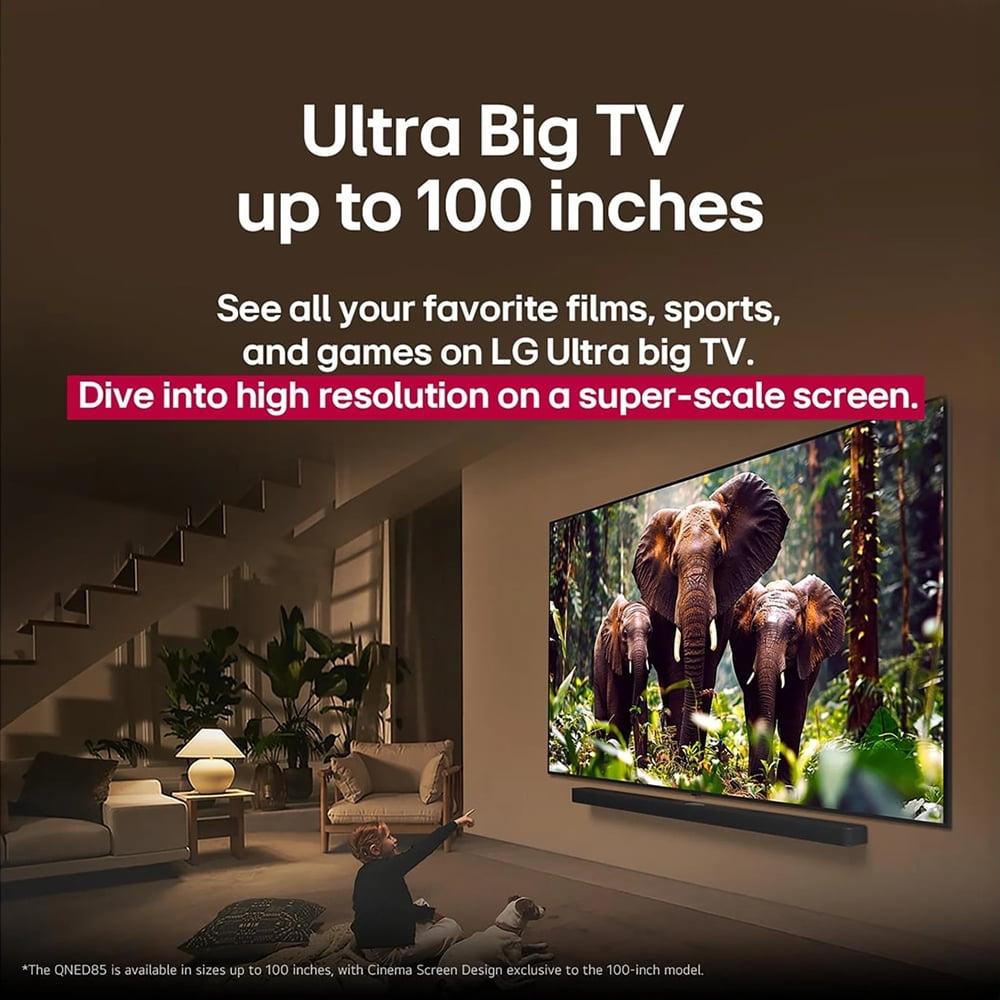
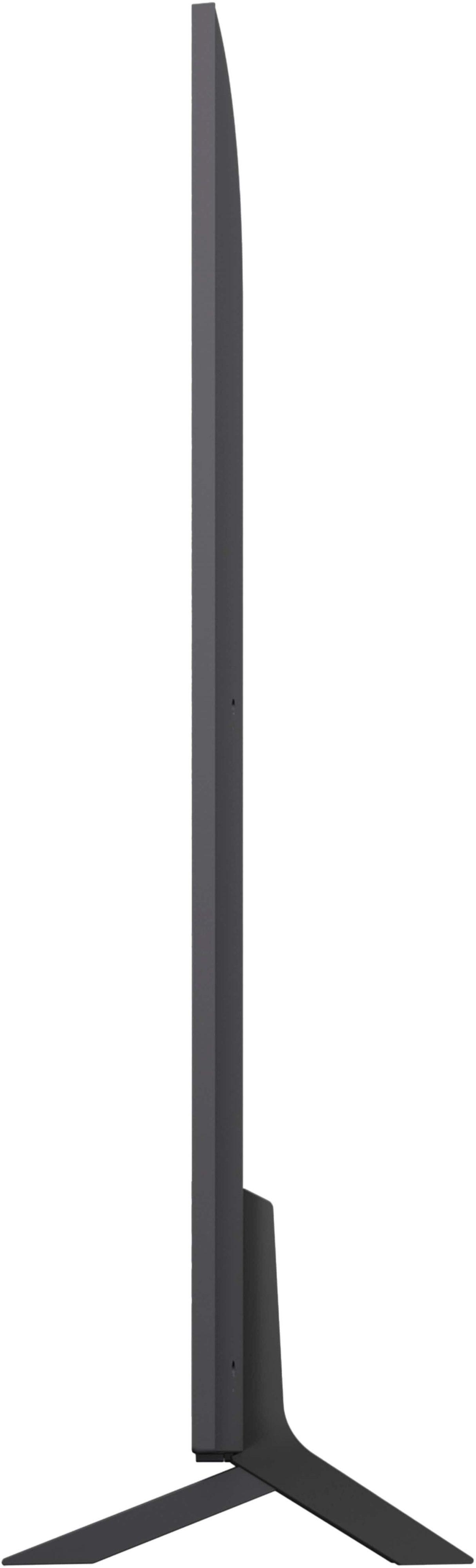
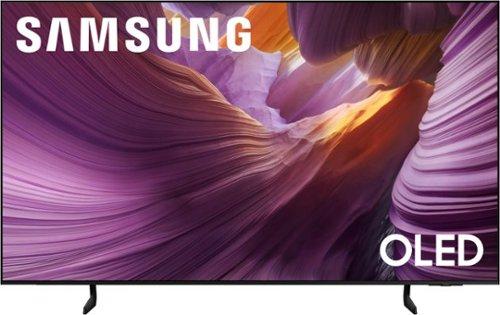
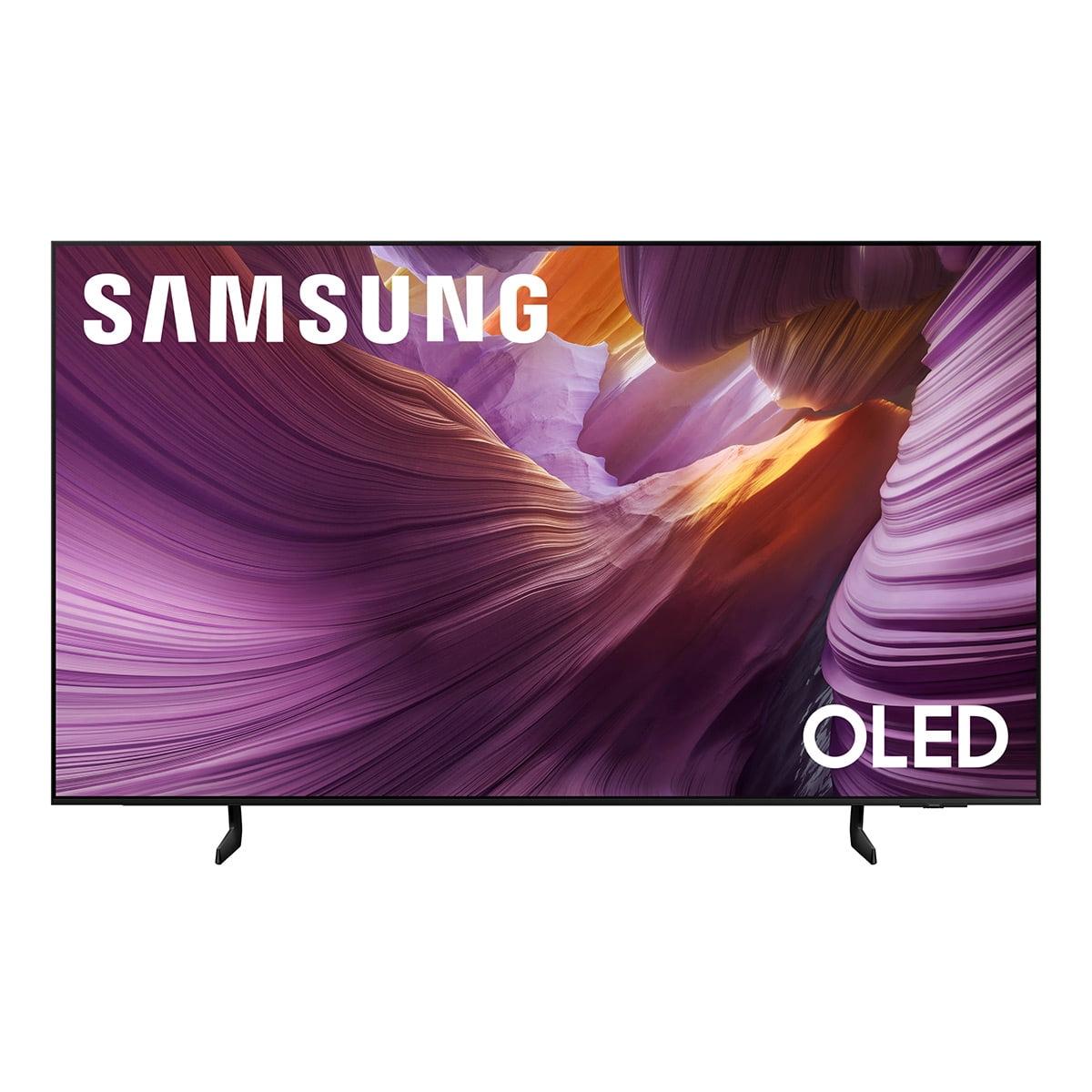
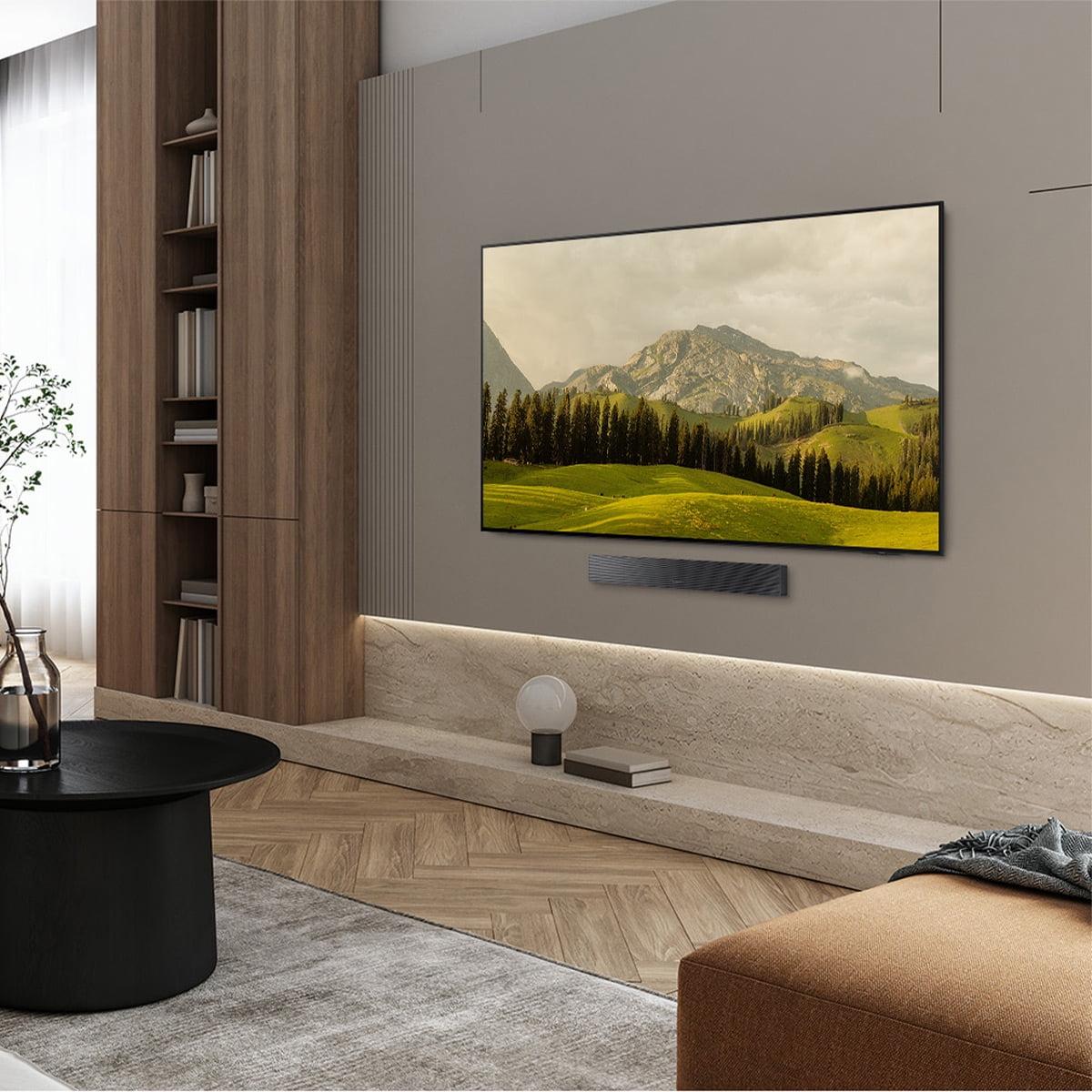

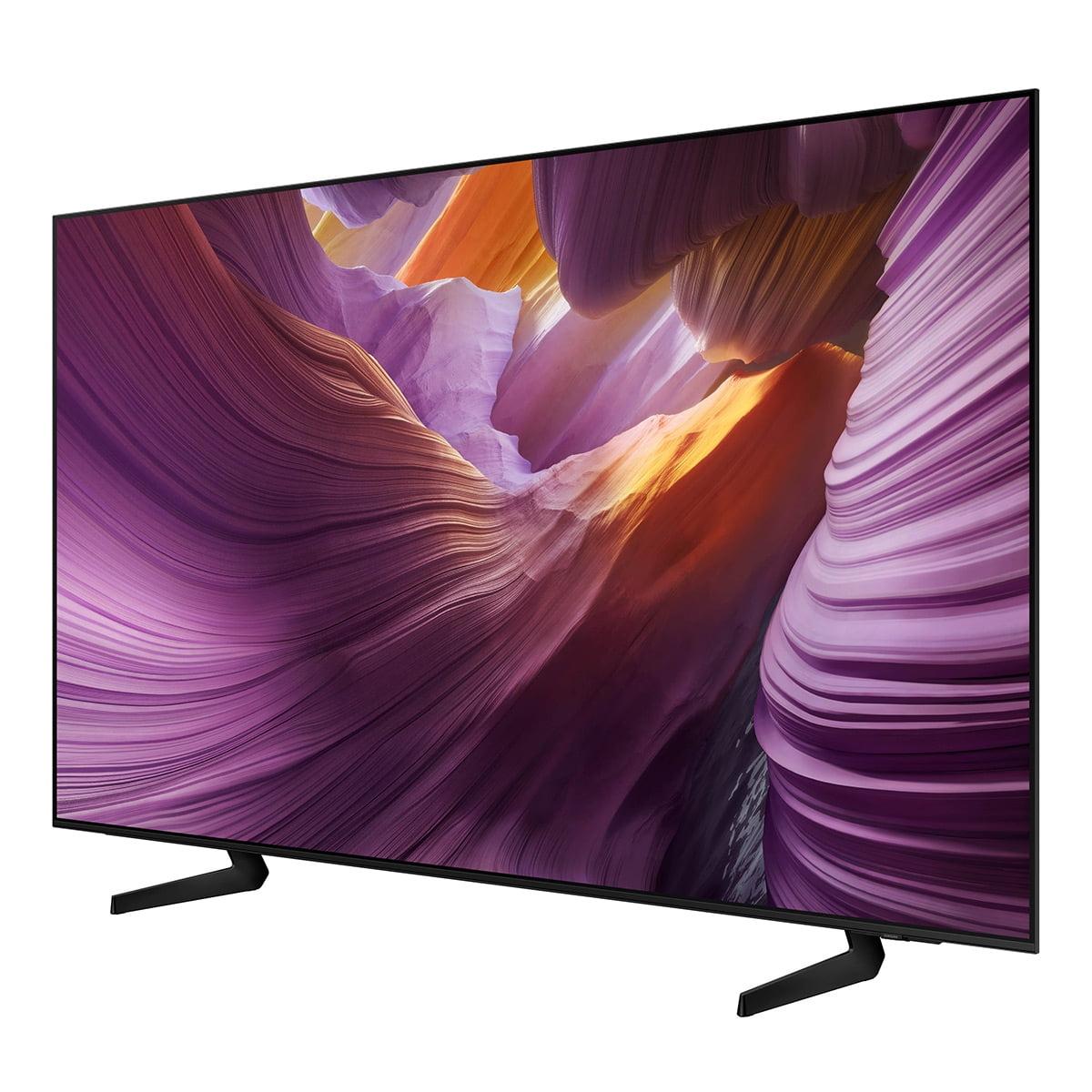
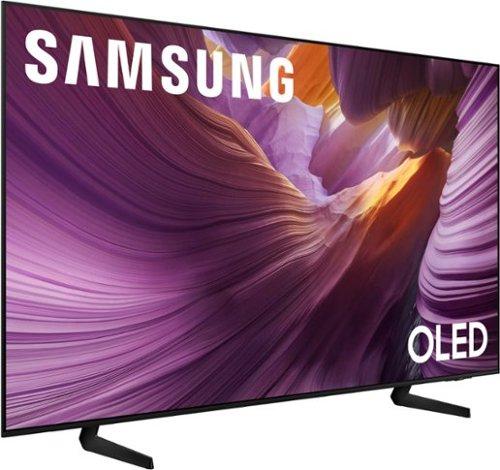
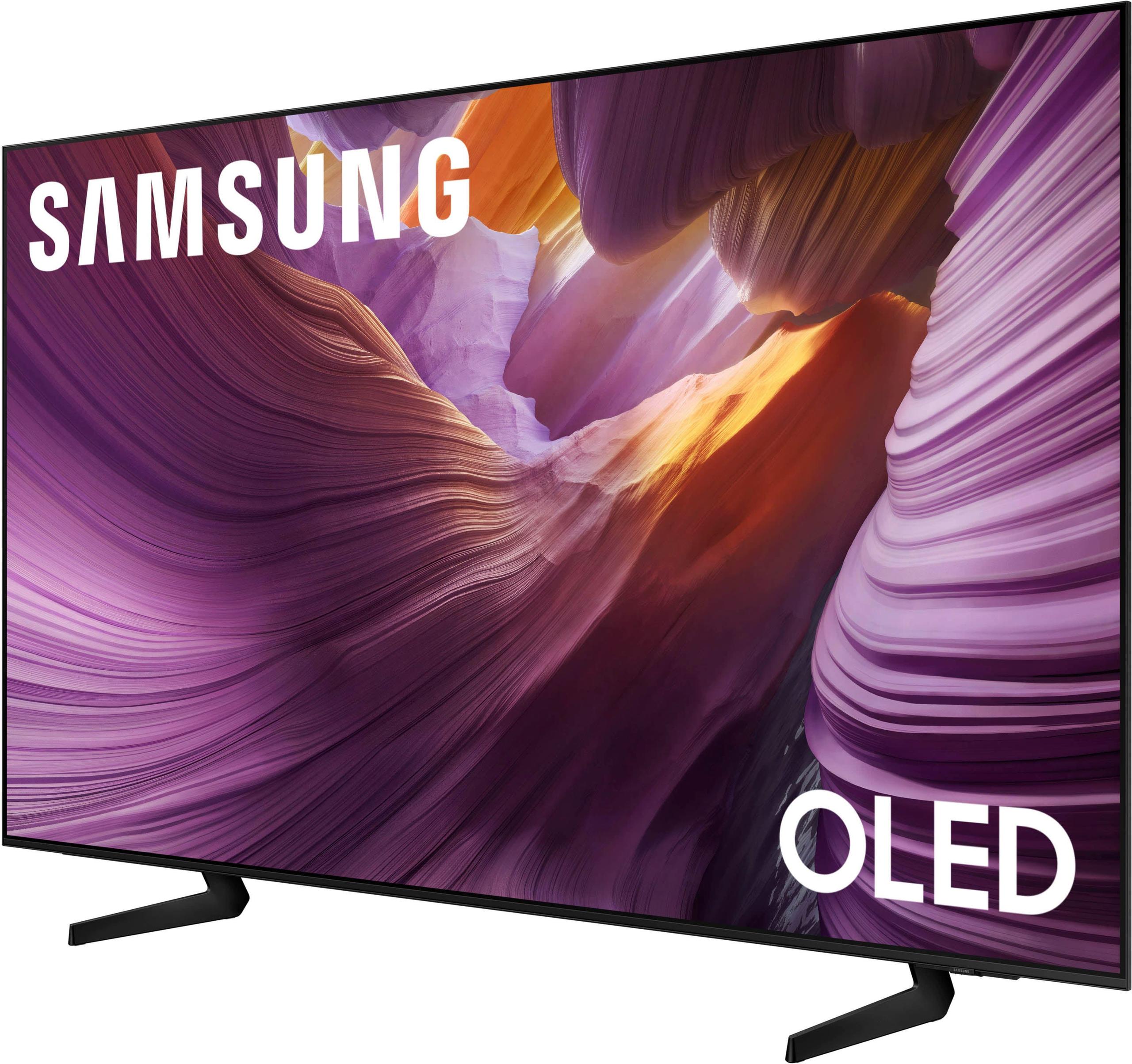
Shopping for a premium 65-inch TV in 2025? You're likely considering two very different approaches to delivering stunning picture quality. The LG 65" QNED evo AI QNED85A 4K MiniLED Smart TV 2025 at $999.99 represents the pinnacle of LED technology, while the Samsung 65" S85F OLED 4K Smart TV (2025) at $1,599.99 showcases what OLED can do. Both launched in early 2025, but they take fundamentally different paths to creating beautiful images.
The premium TV market has evolved dramatically over the past few years. Gone are the days when you simply chose between "LCD" and "OLED." Today's landscape includes sophisticated Mini-LED implementations, quantum dot enhancements, and AI-powered processing that would have seemed like science fiction just a decade ago.
When you're investing in a 65-inch TV, you're essentially choosing the centerpiece of your entertainment setup. The key considerations haven't changed much: picture quality, brightness, color accuracy, and gaming performance. But the technology delivering these features has become far more nuanced.
The most important factor? Understanding how different display technologies perform in your specific room. A TV that looks stunning in a darkened showroom might struggle in your sun-filled living room, while another might excel there but disappoint during movie nights.
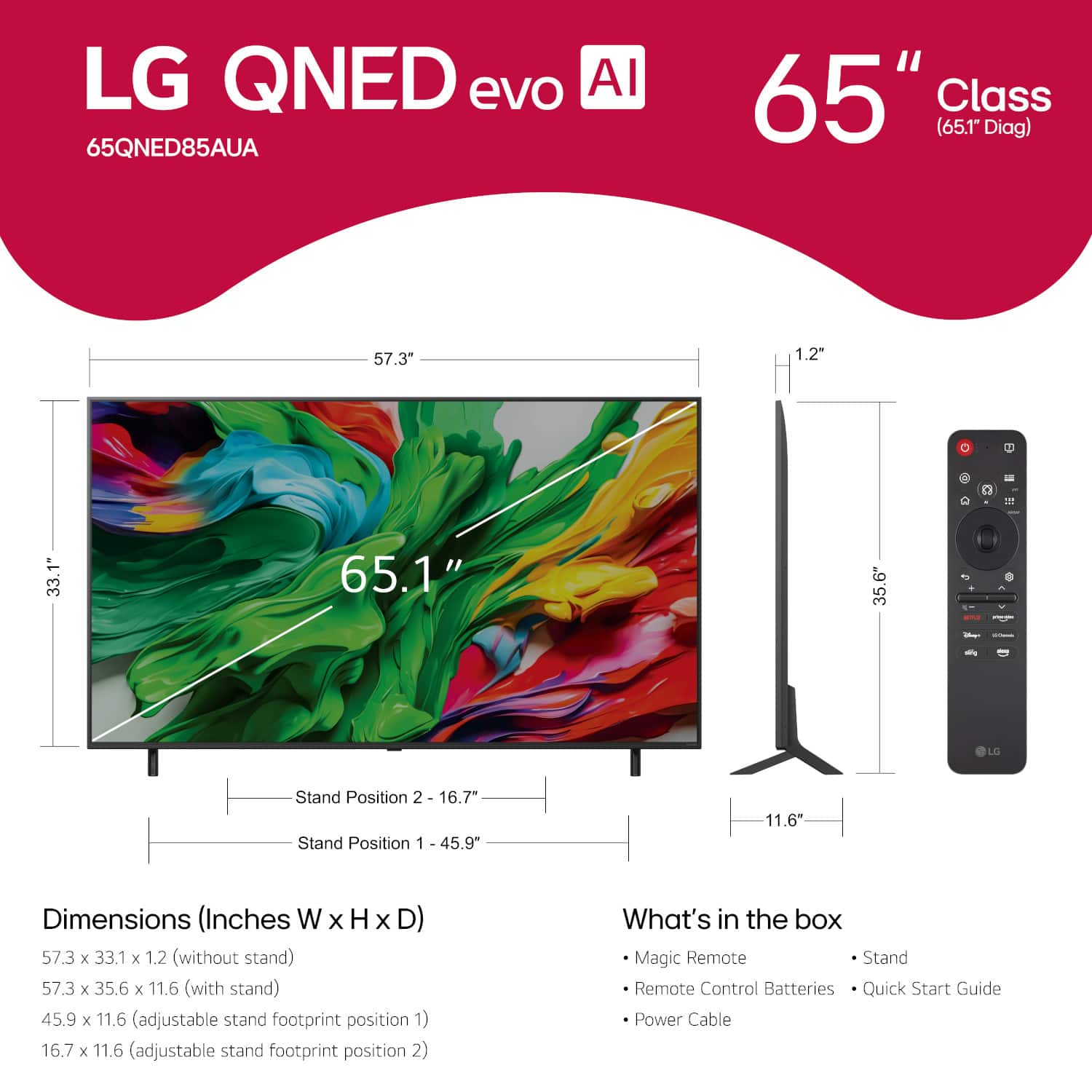
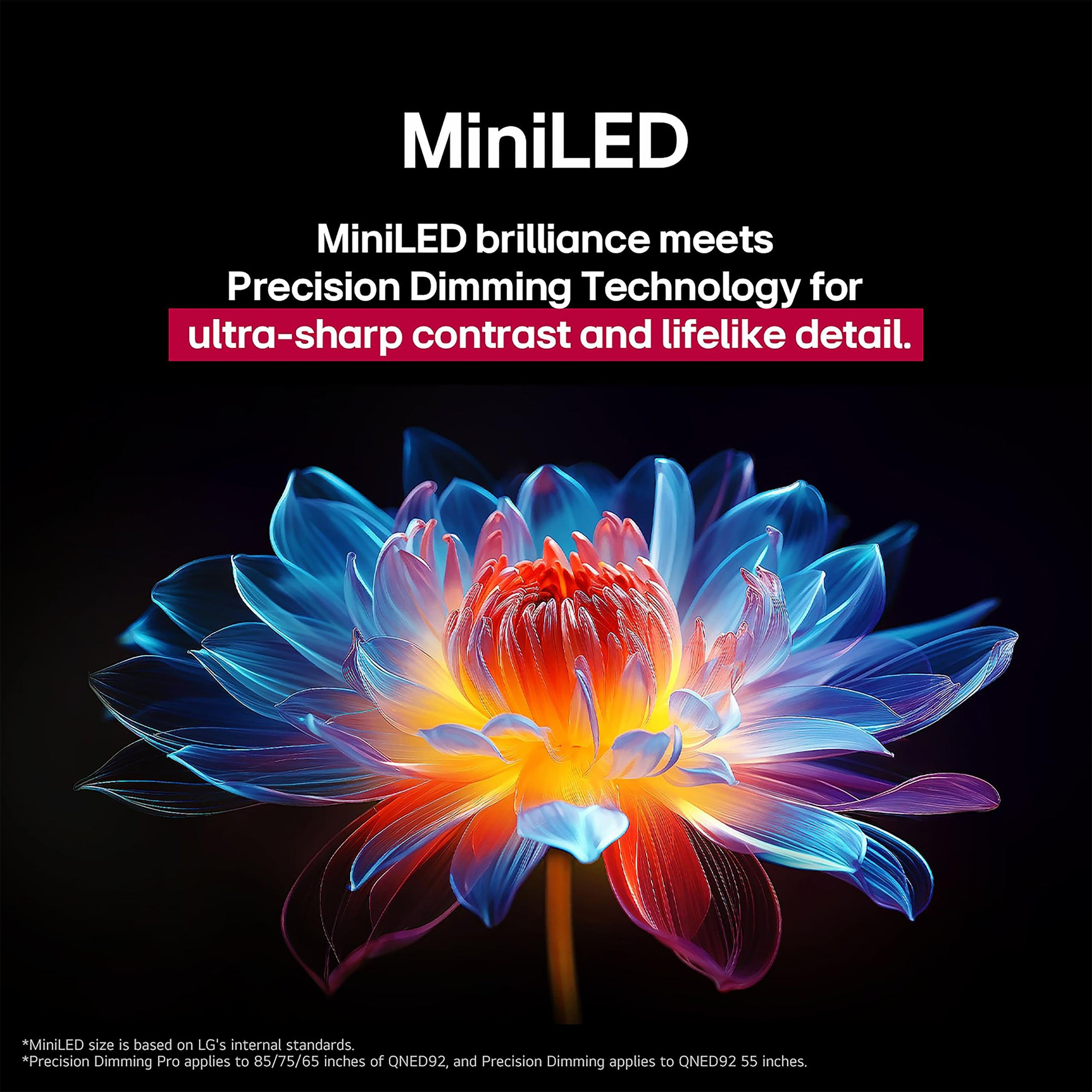
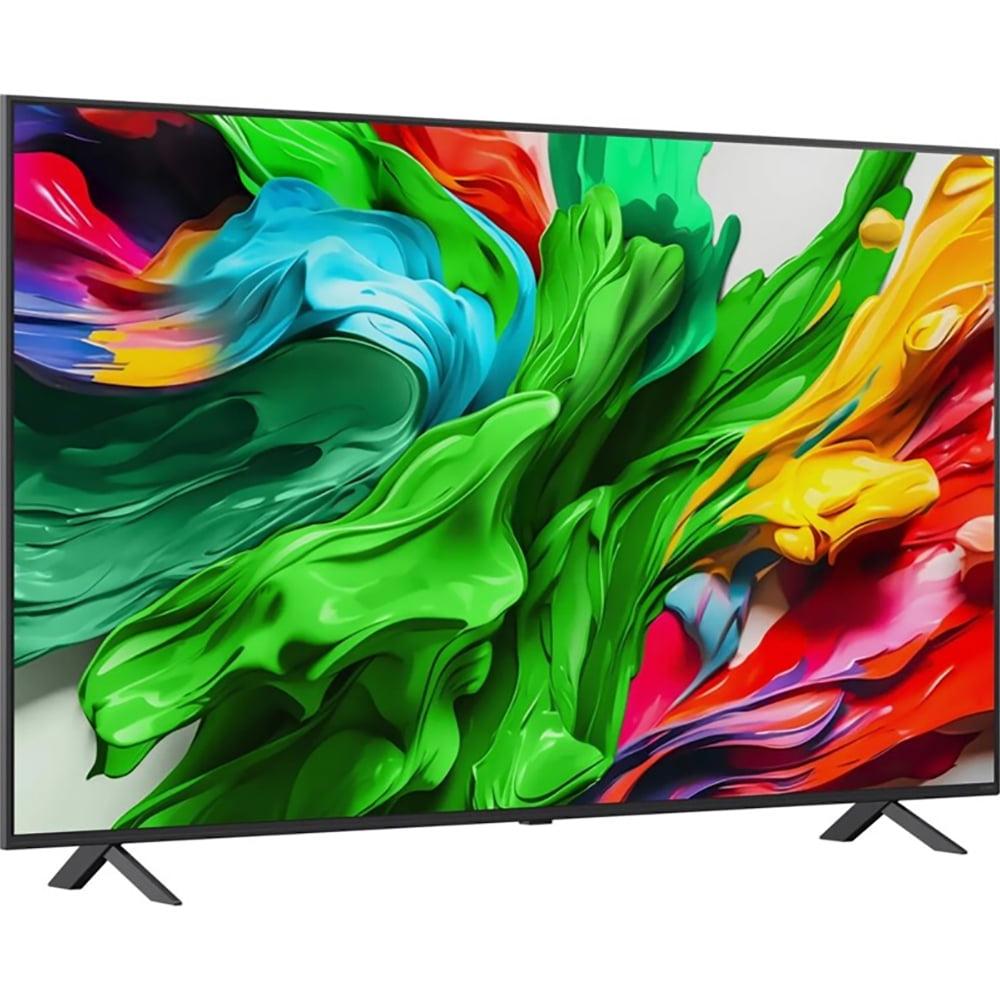
The LG QNED85A represents a significant evolution in LED technology. Instead of traditional LED backlighting, it uses thousands of tiny LEDs (hence "Mini-LED") arranged behind the screen. These LEDs work in zones—approximately 1,200 of them—to control brightness independently across different areas of the screen.
Think of it like having 1,200 tiny flashlights behind your TV, each capable of dimming or brightening to match what's happening in that specific part of the image. When a scene shows a bright explosion against a dark sky, the LEDs behind the explosion can blast at full brightness while the LEDs behind the dark sky stay dim.
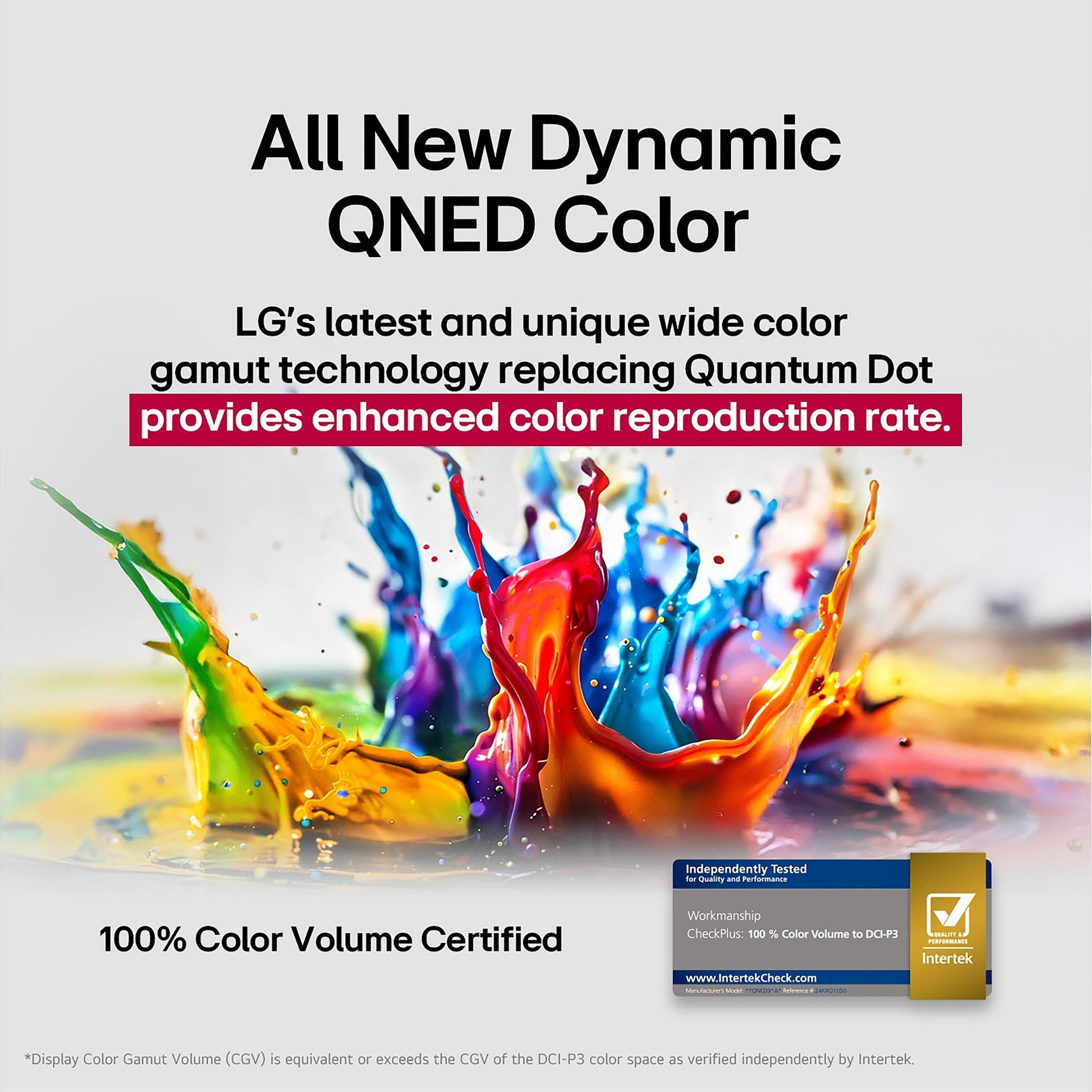
The "QNED" part combines quantum dots (microscopic crystals that produce pure colors when hit by light) with NanoCell technology. This creates what LG calls "100% Color Volume"—essentially meaning the TV can display vibrant colors at any brightness level, not just in dim scenes.
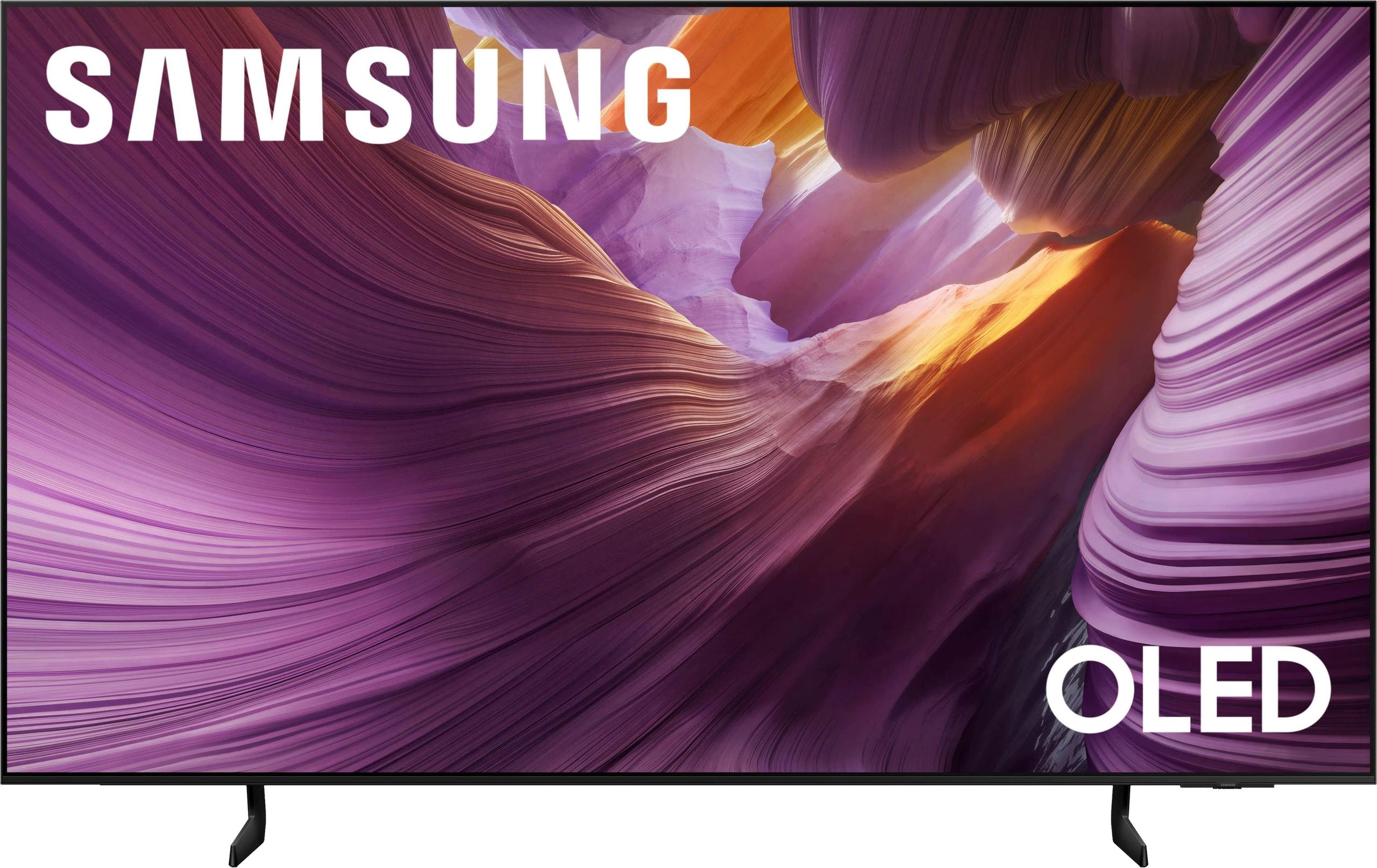
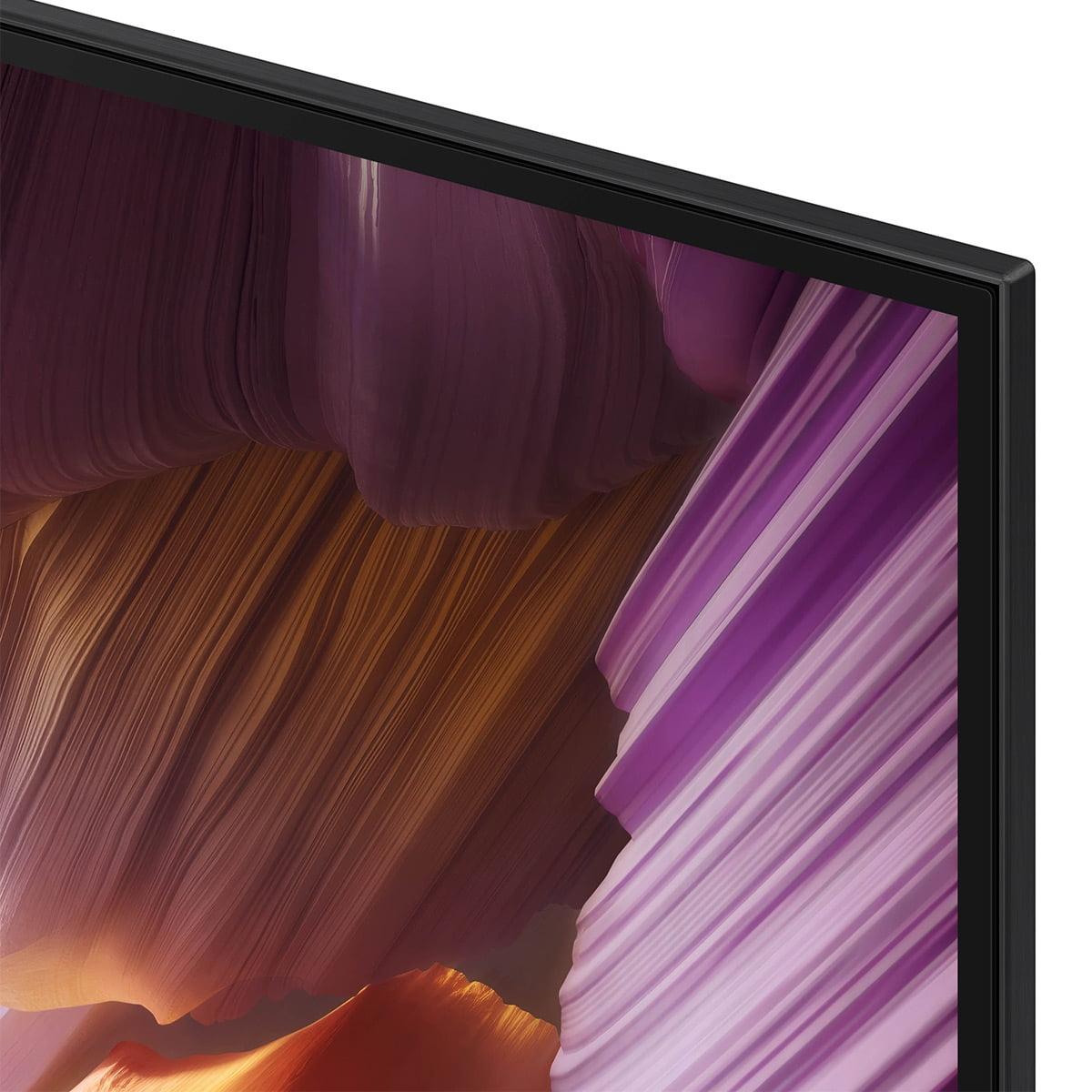
The Samsung S85F OLED takes a completely different approach. OLED stands for "Organic Light-Emitting Diode," and each pixel literally creates its own light. When the TV needs to display black, those pixels simply turn off completely. No backlight bleeding through, no compromises—just perfect darkness.
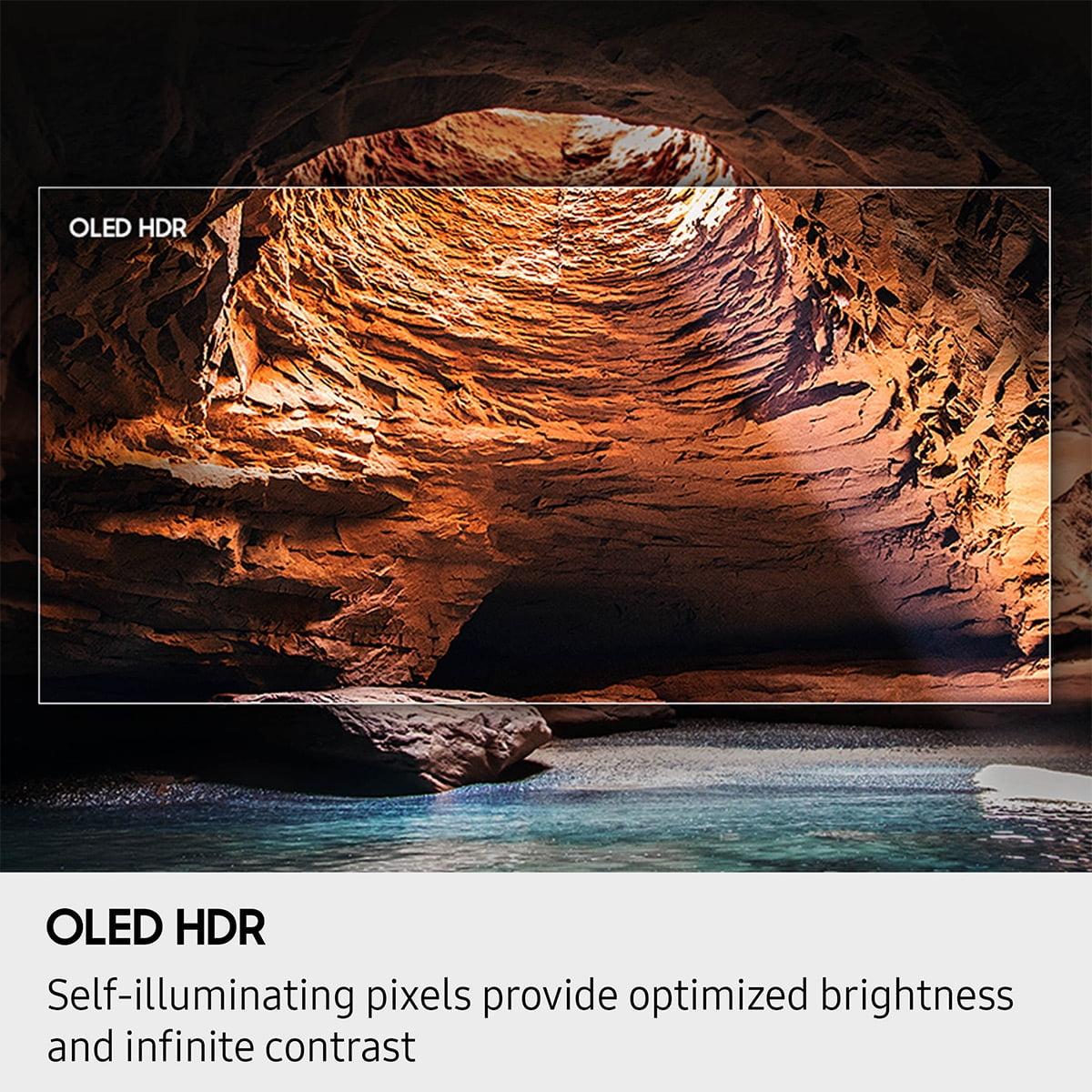
This creates what's called "infinite contrast." The difference between the brightest white and the darkest black on an OLED is theoretically unlimited because true black has no light at all. In practice, this means shadows have incredible depth, and details that would be lost in the murky grays of traditional TVs become clearly visible.
Samsung's implementation in the S85F uses what's called QD-OLED technology in the North American 55" and 65" models. This combines quantum dots with OLED for wider color coverage and improved efficiency—though the larger sizes use traditional WOLED panels.
Here's where the rubber meets the road. I've spent considerable time with both types of displays, and the differences are immediately apparent once you know what to look for.
Bright Room Performance If your TV faces windows or you keep lights on while watching, the LG QNED85A is the clear winner. Its Mini-LED backlighting can push brightness levels to around 700+ nits in HDR content, with some highlights reaching even higher. This brightness isn't just about numbers—it means HDR content looks punchy and vibrant even with ambient light washing over the screen.
The QNED85A's anti-reflection coating helps too, scattering incoming light to reduce distracting reflections. I've found this particularly noticeable during daytime sports viewing, where the action remains crisp and colorful despite sunlight streaming through windows.
The Samsung S85F OLED, while capable of impressive brightness for an OLED (around 400-500 nits), simply can't match this performance. More importantly, OLED's perfect blacks become muddy grays when ambient light hits the screen. It's not a dealbreaker, but it's a noticeable compromise.
Dark Room Cinematic Experience Flip the lights off, and the conversation changes entirely. The Samsung S85F OLED transforms into something magical. Those perfect blacks create a sense of depth that's almost three-dimensional. Dark scenes in movies like "Dune" or "The Batman" reveal details that simply disappear into the LCD panel's inherent backlight glow.
The QNED85A performs admirably in dark rooms, but you'll notice some "blooming"—a subtle halo effect around bright objects on dark backgrounds. It's the trade-off of having zones rather than pixel-level control. Modern Mini-LED implementation has minimized this significantly compared to older LED TVs, but it's still there if you look for it.
Both TVs arrived in 2025 with serious gaming credentials, reflecting how crucial this market has become. The improvements over previous generations are substantial.
Response Time and Input Lag The Samsung S85F OLED absolutely dominates here with a 0.1ms response time. This isn't marketing fluff—OLED pixels literally turn on and off faster than LCD crystals can twist. For competitive gaming, especially fast-paced shooters or racing games, this translates to noticeably sharper motion and reduced ghosting.
The LG QNED85A, while not matching OLED's speed, delivers respectable performance with around 5ms response time. For most gaming scenarios, this difference won't be perceptible, but serious competitive gamers will appreciate OLED's edge.
Gaming Features Both TVs support the full suite of modern gaming features: 4K at 120Hz, Variable Refresh Rate (VRR), and Auto Low Latency Mode (ALLM). The QNED85A goes a step further with 144Hz support for PC gaming, making it more future-proof for high-end graphics cards.
Having tested both with Xbox Series X and PlayStation 5, the experience is excellent on either TV. The OLED's superior motion clarity gives it a slight edge in fast-action games, while the QNED's higher brightness can make HDR gaming more impactful in bright rooms.
This is where the technical differences become most apparent in everyday viewing.
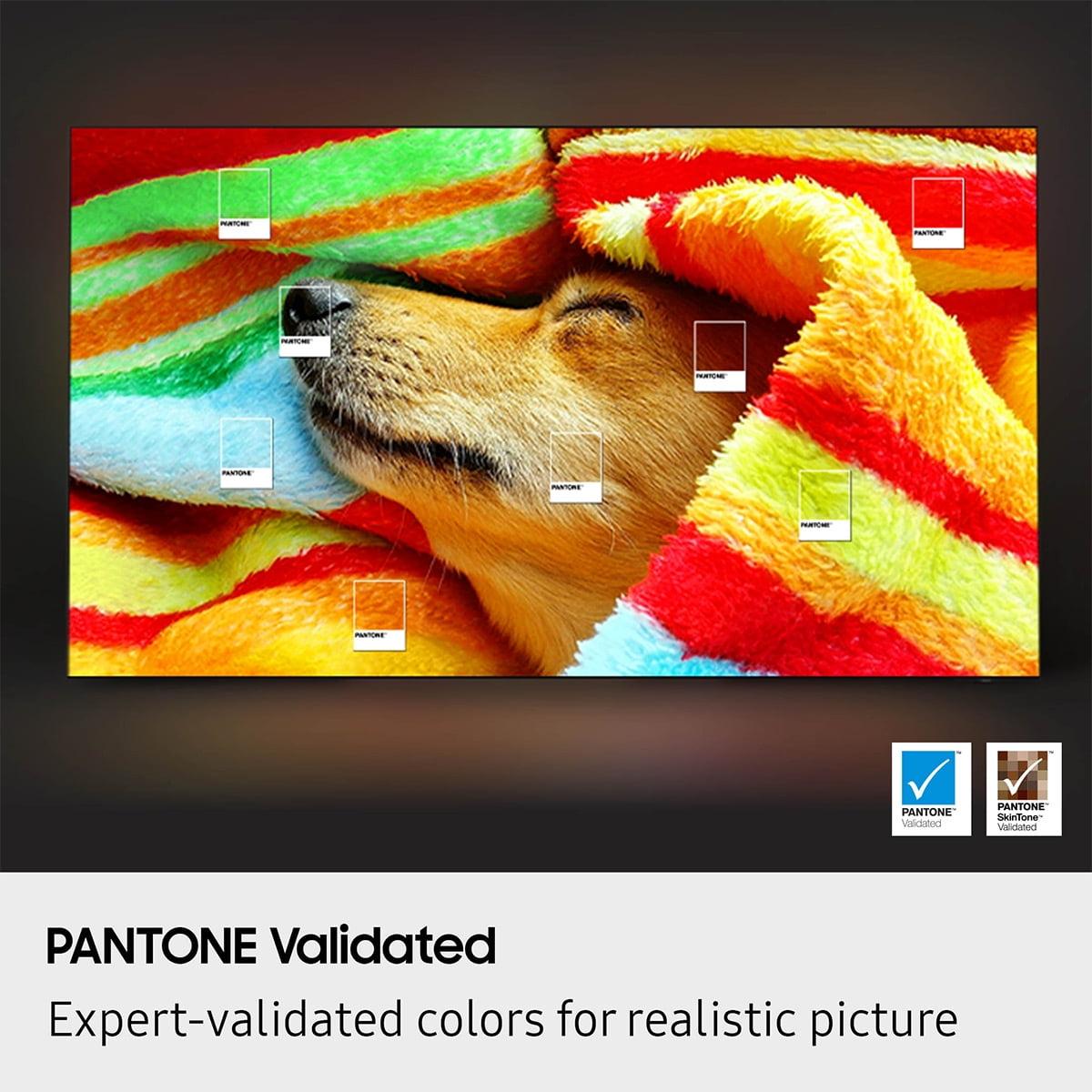
Color Reproduction The Samsung S85F OLED is Pantone validated, meaning it can accurately reproduce over 2,140 colors and 110 skin tone variations as defined by professional color standards. In practical terms, this means more natural-looking content, especially in skin tones and subtle color gradations.
The LG QNED85A's quantum dot technology creates incredibly vibrant colors, but they can sometimes appear oversaturated compared to the original content. It's not necessarily wrong—many people prefer the more vivid look—but it's less accurate to the filmmaker's intent.
HDR Impact HDR (High Dynamic Range) is where these different approaches create the most noticeable differences. The QNED85A's higher brightness creates more dramatic HDR effects—sun glints off water, explosions, and bright skies have genuine visual impact.
The S85F OLED's HDR strength lies in shadow detail and gradation. While highlights aren't as bright, the perfect blacks mean you can see into dark areas that would be crushed black on other displays. Both approaches have merit, but they create different viewing experiences.
Both TVs arrived in 2025 with significantly upgraded smart TV platforms, reflecting how important these features have become.
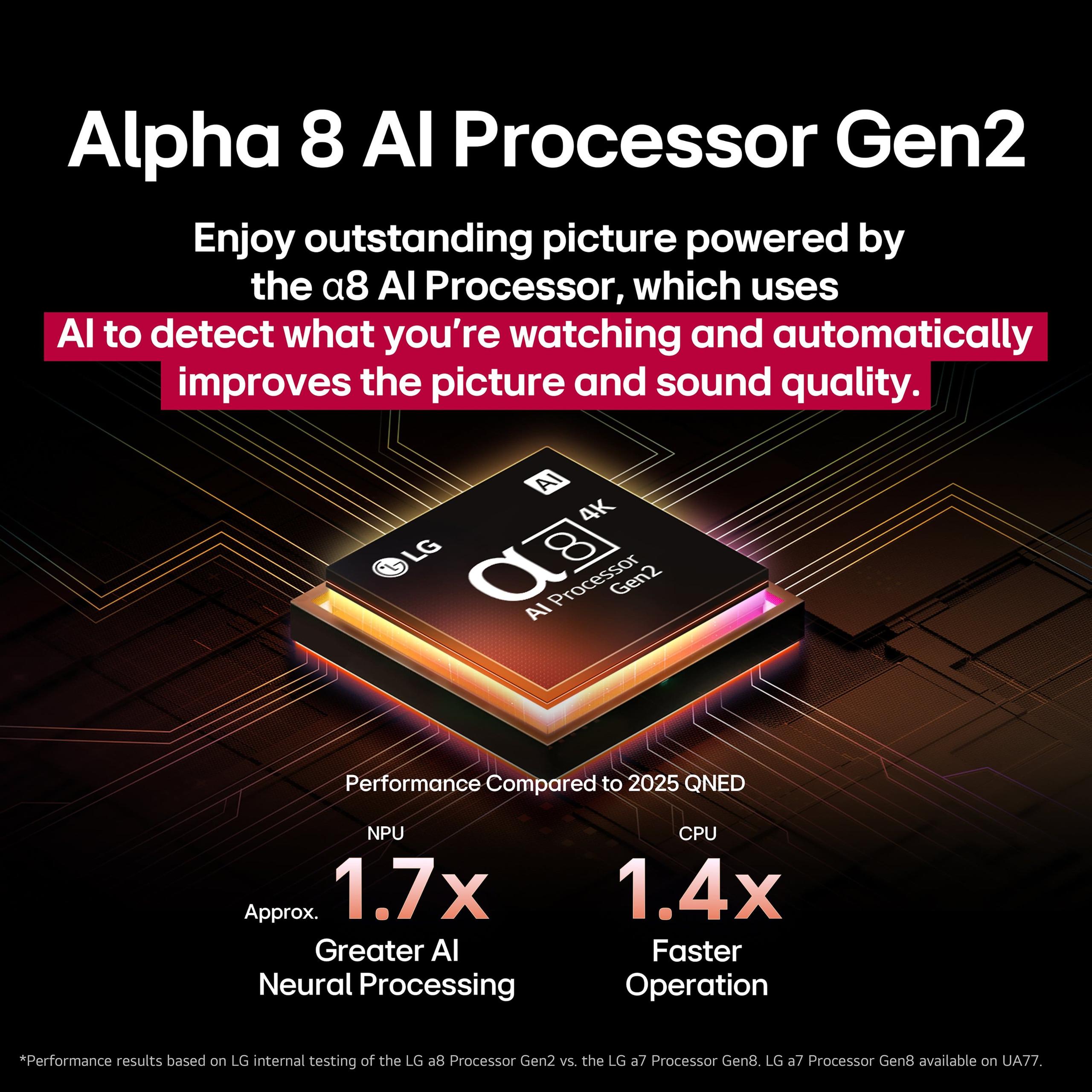
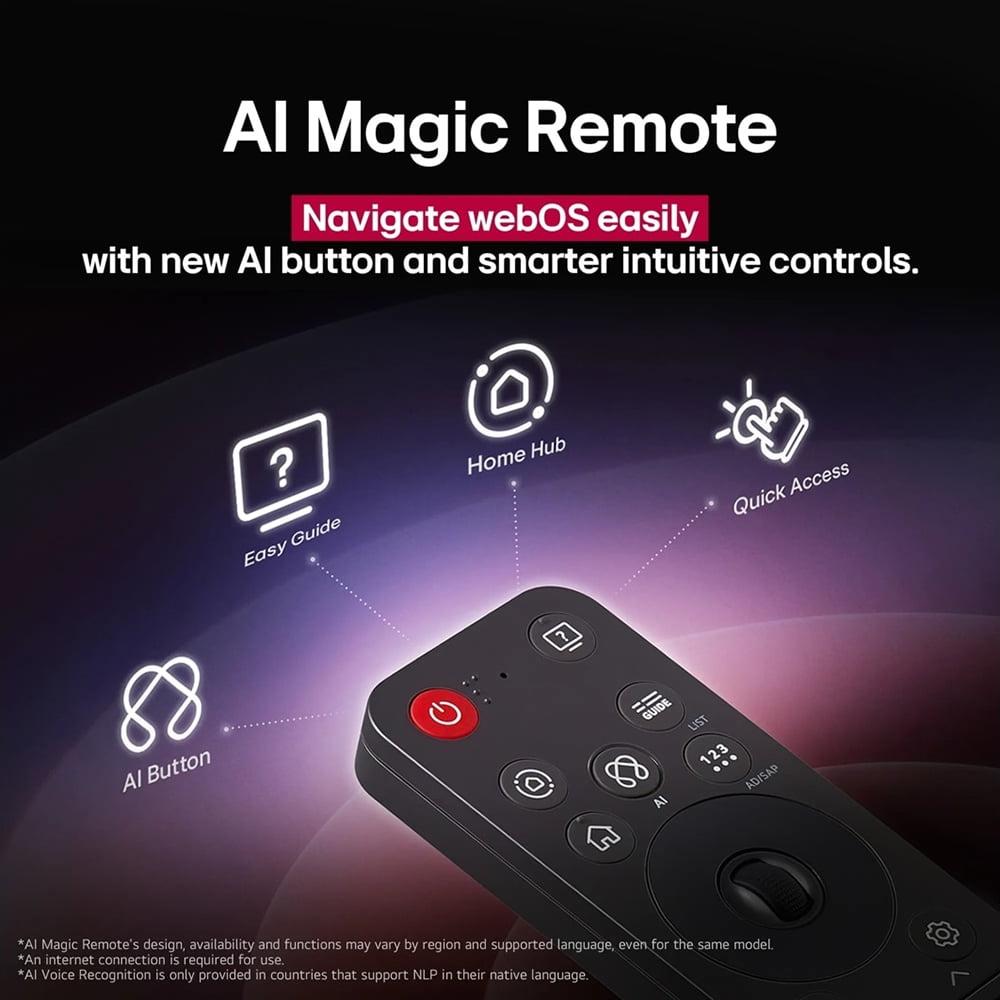
The LG QNED85A runs WebOS 25, which represents a major evolution from previous versions. The α8 Gen 2 AI Processor delivers a claimed 70% performance boost over its predecessor, and it shows in daily use. App loading is snappy, and the AI features actually work well rather than feeling like gimmicks.
The AI Picture processing analyzes content in real-time, adjusting settings for optimal viewing. I've found this particularly useful for older content, where the AI upscaling genuinely improves detail and reduces noise. The AI Sound Pro feature converts stereo content to virtual 5.1 surround, and while it's not a replacement for a proper sound system, it's surprisingly effective for casual viewing.
LG's commitment to long-term support shines here—they guarantee five years of WebOS upgrades, ensuring your TV stays current with new features and security updates.
The Samsung S85F OLED runs Samsung's latest Tizen OS, powered by the NQ4 AI Gen2 Processor with 20 neural networks. The interface is smooth and intuitive, with excellent voice control through Bixby, Alexa, and Google Assistant support.
Samsung's SmartThings integration is particularly strong, allowing the TV to serve as a smart home hub. The Gaming Hub provides cloud gaming access without needing additional consoles, though this feature's usefulness depends heavily on your internet connection quality.
The $600 price difference between these TVs represents one of the more interesting value propositions in the premium TV market.
At $999.99, the LG QNED85A delivers roughly 90% of what you'd want from a premium TV at 62% of the OLED's price. The Mini-LED technology provides excellent contrast and brightness, the gaming features are comprehensive, and the smart TV experience is top-tier.
The compromises are subtle but present: slightly less perfect blacks, some blooming in challenging content, and color accuracy that prioritizes vibrancy over absolute accuracy. For most viewers in most rooms, these trade-offs are entirely acceptable.
The $1,599.99 Samsung S85F OLED asks you to pay significantly more for incremental improvements in specific areas. The perfect blacks, superior gaming response times, and more accurate colors are genuine advantages, but they're most noticeable in ideal viewing conditions.
The premium makes sense if you primarily watch in darkened rooms, are a serious gamer, or simply want the best possible picture quality regardless of cost. For mixed-use scenarios, the value proposition becomes more questionable.
For dedicated home theater setups, the decision becomes more nuanced. Both TVs support Dolby Vision HDR and Dolby Atmos audio, but their different strengths affect the cinematic experience differently.
In a properly controlled lighting environment, the Samsung S85F OLED's perfect blacks create a more immersive experience. The sense of depth in dark scenes is genuinely superior, and the accurate colors ensure you're seeing films as intended.
However, if your theater setup includes any ambient lighting or if you watch varied content beyond movies, the LG QNED85A's brightness advantage becomes more valuable. HDR content has more visual impact, and the TV performs consistently across different lighting conditions.
The choice between these TVs ultimately depends on your specific situation and priorities.
Choose the LG QNED85A if:
Choose the Samsung S85F OLED if:
The practical reality is that both TVs will deliver excellent experiences for most viewers. The QNED85A provides exceptional value and versatility, while the S85F OLED offers the pinnacle of contrast and gaming performance at a premium price.
Your room's lighting conditions will likely make the decision for you. If you're unsure, consider when and how you watch TV most often. For bright room viewing and mixed content, the QNED85A is the smarter choice. For dedicated home theater use and dark room viewing, the OLED's superior contrast justifies its premium.
Either way, you're getting a TV that represents the current state of the art in home entertainment technology. The improvements over previous generations are substantial, and both will serve as excellent centerpieces for your entertainment setup for years to come.
| LG 65" QNED evo AI QNED85A 4K MiniLED Smart TV 2025 | Samsung 65" S85F OLED 4K Smart TV (2025) |
|---|---|
| Price - $600 difference reflects display technology premium | |
| $999.99 | $1,599.99 |
| Display Technology - Fundamental difference affecting all picture quality | |
| Mini-LED LCD with ~1,200 dimming zones | OLED with self-emissive pixels |
| Peak Brightness - Critical for HDR impact and bright room viewing | |
| 700+ nits (excellent for daytime viewing) | 400-500 nits (adequate, better in dark rooms) |
| Black Levels - Determines contrast and dark scene detail | |
| Very deep blacks with minimal blooming | Perfect blacks (infinite contrast) |
| Gaming Response Time - Crucial for competitive gaming | |
| ~5ms (excellent for most gaming) | 0.1ms (best possible, no motion blur) |
| Refresh Rate - Affects motion smoothness | |
| 120Hz native, supports 144Hz for PC gaming | 120Hz native |
| Color Accuracy - Important for natural, film-accurate colors | |
| Vibrant but slightly oversaturated | Pantone validated, cinema-accurate |
| Smart TV Platform - Affects long-term usability | |
| WebOS 25 with 5-year upgrade guarantee | Tizen OS with SmartThings integration |
| HDR Support - Determines premium content quality | |
| HDR10, HLG, Dolby Vision, Dolby Atmos | OLED HDR, HDR10+, Dolby Atmos |
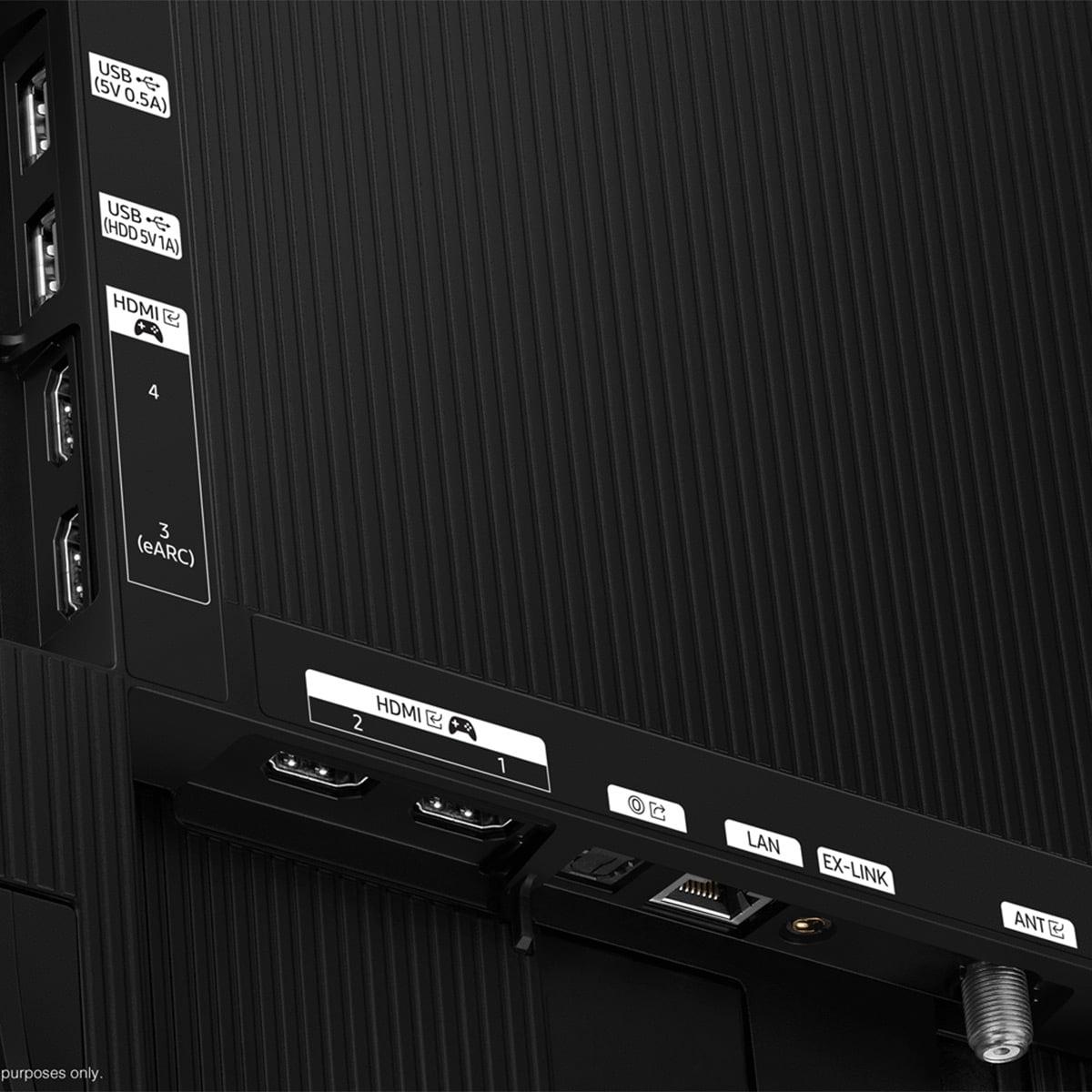
| HDMI 2.1 Ports - Essential for 4K 120Hz gaming | |
| 4 ports (future-proof connectivity) | 4 ports (future-proof connectivity) |
| Burn-in Risk - Long-term durability consideration | |
| None (LCD technology immune) | Minimal with modern OLED (static content concern) |
| Ideal Use Case - Where each TV performs best | |
| Bright rooms, mixed content, value-focused | Dark rooms, movies, premium gaming |
The LG 65" QNED evo AI QNED85A 4K MiniLED Smart TV 2025 is significantly better for bright rooms. Its Mini-LED technology delivers 700+ nits of peak brightness compared to the Samsung 65" S85F OLED 4K Smart TV (2025)'s 400-500 nits. The LG also has better anti-reflection coating, making it ideal for rooms with windows or overhead lighting.
The LG QNED85A costs $999.99 while the Samsung S85F OLED is priced at $1,599.99. That's a $600 difference, with the Samsung commanding a premium for its OLED technology and superior contrast performance.
Both TVs offer excellent gaming features including 4K 120Hz and VRR, but the Samsung S85F OLED has a significant advantage with its 0.1ms response time compared to the LG QNED85A's 5ms. However, the LG supports 144Hz for PC gaming, making it more future-proof for high-end graphics cards.
For dedicated home theaters with controlled lighting, the Samsung S85F OLED excels with perfect blacks and infinite contrast that create a truly cinematic experience. The LG QNED85A is better for multi-purpose rooms where you might have some ambient lighting during movie nights.
Picture quality depends on your room. The Samsung S85F OLED offers superior contrast and more accurate colors, especially in dark rooms. The LG QNED85A provides brighter, more vibrant images that perform better in well-lit environments. Both deliver excellent 4K picture quality.
The LG QNED85A has zero burn-in risk since it uses LCD technology. The Samsung S85F OLED has minimal burn-in risk with modern OLED panels, but static content like news tickers or gaming HUDs displayed for extended periods could potentially cause issues over time.
The LG QNED85A at $999.99 offers exceptional value, delivering about 90% of premium TV features at 62% of the OLED's price. The Samsung S85F OLED at $1,599.99 is worth the premium if you prioritize perfect blacks and the best possible contrast performance.
The LG QNED85A runs WebOS 25 with a 5-year upgrade guarantee and excellent AI features. The Samsung S85F OLED uses Tizen OS with superior smart home integration through SmartThings. Both offer smooth performance and comprehensive streaming app support.
For movie watching, the Samsung S85F OLED is superior due to its perfect blacks, accurate colors, and infinite contrast that reveal details in dark scenes. The LG QNED85A is still excellent for movies but works better when you can't fully control room lighting.
Yes, both TVs support HDR content. The LG QNED85A supports HDR10, HLG, and Dolby Vision, while the Samsung S85F OLED supports OLED HDR and HDR10+. The LG's higher brightness creates more impactful HDR highlights, while the Samsung's perfect blacks enhance shadow detail.
The Samsung S85F OLED offers better color accuracy with Pantone validation and can reproduce over 2,140 colors naturally. The LG QNED85A uses quantum dot technology for vibrant colors but tends to be slightly oversaturated compared to the original content.
Choose the Samsung S85F OLED if you watch primarily in dark rooms and want the best possible contrast and gaming response times. Choose the LG QNED85A if you need a brighter display for well-lit rooms, want better value, or prefer worry-free durability without burn-in concerns.
We've done our best to create useful and informative comparisons to help you decide what product to buy. Our research uses advanced automated methods to create this comparison and perfection is not possible - please contact us for corrections or questions. These are the sites we've researched in the creation of this article: rtings.com - rtings.com - youtube.com - lg.com - smarthomesounds.co.uk - abt.com - abt.com - lg.com - displayspecifications.com - walmart.com - bestbuy.com - lg.com - lg.com - lg.com - files.bbystatic.com - flatpanelshd.com - north-side-appliance.com - lgnewsroom.com - lg.com - youtube.com - youtube.com - hindustantimes.com - rtings.com - samsung.com - youtube.com - rtings.com - youtube.com - samsung.com - bestbuy.com - avsforum.com - avsforum.com - samsung.com - displayspecifications.com - videoandaudiocenter.com - bestbuy.com - flatpanelshd.com - myallsouth.com - samsung.com - richstv.com - samsung.com - heartlandappliance.com

Privacy Policy
Terms and Conditions - Affiliate Policy
Home Security
© Copyright 2008-2026.
11816 Inwood Rd #1211, Dallas, TX 75244